Products

Featured products

Contact us

News

  • Lecheng Laser Advanced Laser Technology Solutions le-laser
    2026
    01-03
    Lecheng Laser delivers advanced, precision laser technology solutions for glass cutting, welding, and solar production, boosting efficiency and industry innovation.
  • Lecheng’s Laser Edge-Cleaning System Solves Perovskite Edge Insulation Issues, Boosting Yield to 98%
    2025
    12-22
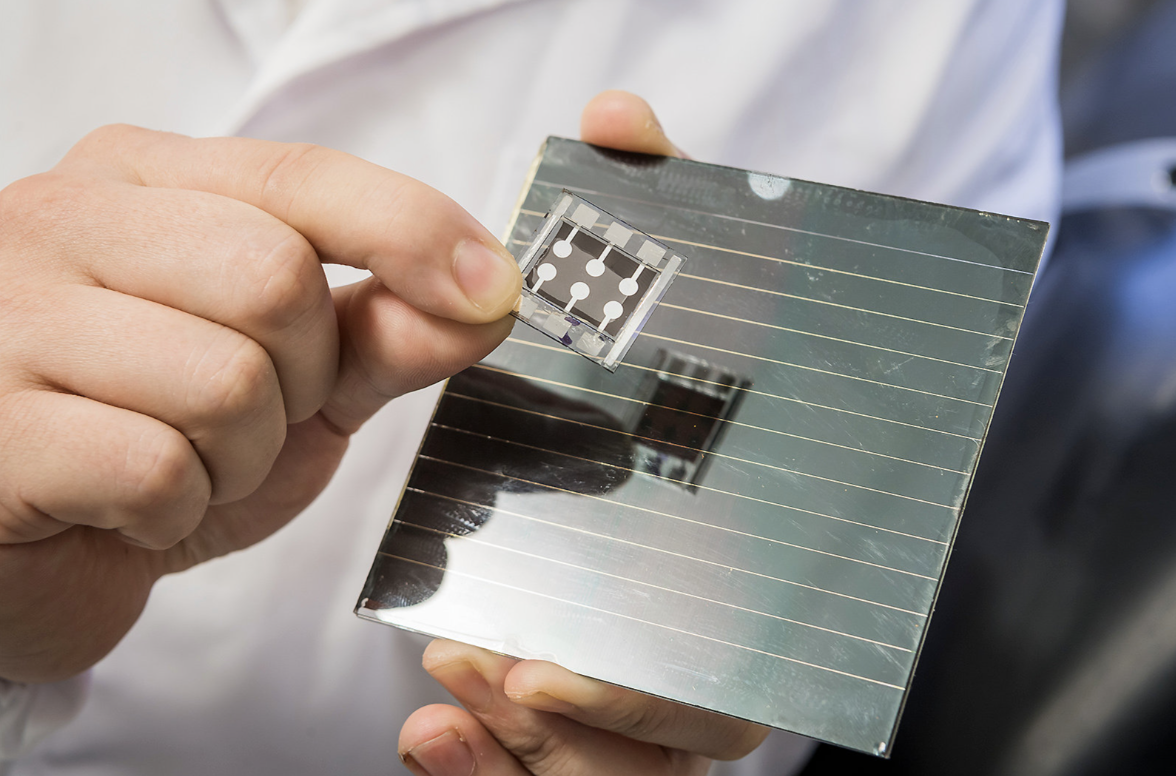
    Lecheng’s laser edge-cleaning system exemplifies how precision manufacturing technologies can transform solar energy economics. By ensuring flawless insulation at microscopic scales, it unlocks higher efficiency, reliability, and yield—bringing perovskite solar power closer to mainstream adoption.
  • Thermal Management in Laser Processing: Lecheng’s Green Picosecond Lasers Limit Heat Damage to <1μm​
    2025
    12-19
    Lecheng Intelligent’s green picosecond laser technology sets a new benchmark in thermal management for precision manufacturing. By confining heat damage to sub-micron scales, it enables higher yields, finer features, and new material applications—accelerating innovation in sustainable energy, electronics, and healthcare.
  • Tsinghua Alumni He Le Leads Lecheng Intelligent in Advancing Laser Equipment Innovation​
    2025
    12-17
    He Le's Tsinghua-honed scientific rigor and industry experience have positioned Lecheng Intelligent at the forefront of laser equipment innovation. By bridging advanced research with market-driven applications, he is not only advancing China's high-end manufacturing capabilities but also accelerating the global transition to sustainable energy solutions.
  • Beyond Perovskite: Lecheng Intelligent's Laser Technology Powers New Developments in Hydrogen Fuel Cells and Precision Electronics
    2025
    12-08
    In the green energy wave, hydrogen fuel cells are hailed as the "ultimate energy solution," and the manufacturing quality of their core component – the bipolar plate – directly determines the cell's performance, lifespan, and safety.
  • Laser Ablation vs. Engraving vs. Cutting
    2025
    12-02
    Laser processing technologies, including ablation, engraving, and cutting, are fundamental to modern precision manufacturing. While they all utilize high-energy laser beams to interact with materials, they are distinguished by their core objectives, key process parameters, and resultant application scenarios. Understanding these differences is crucial for selecting the appropriate technology for specific industrial needs.
  • Laser Ablation: The Core Process of Precision Marking
    2025
    11-30
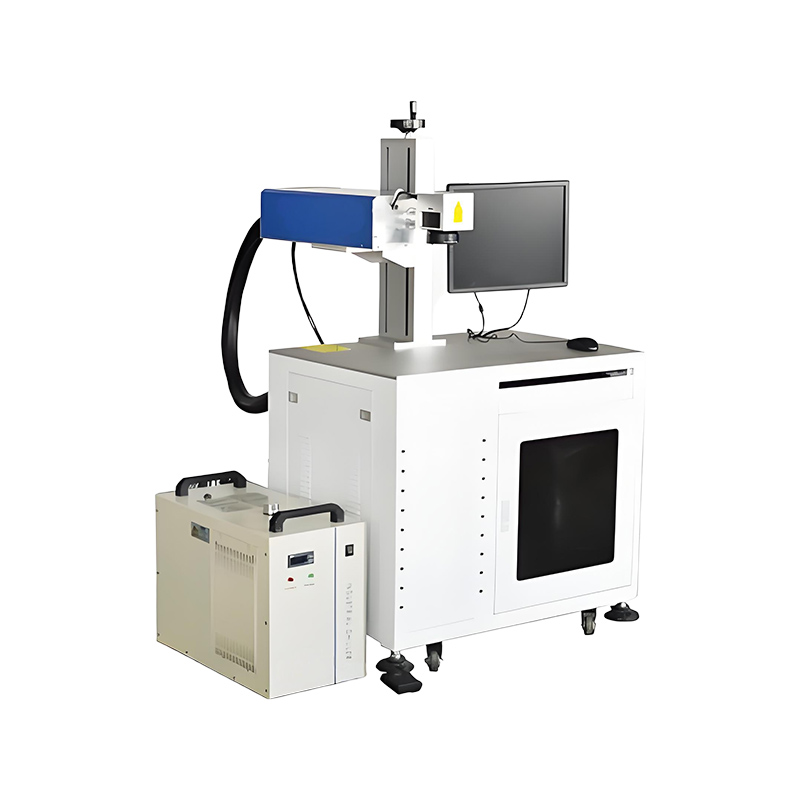
    Laser ablation, a sophisticated material processing technology, has established itself as a cornerstone technique in precision marking and micro-fabrication. This process utilizes high-energy pulsed laser beams to selectively remove material from a surface through vaporization, achieving unparalleled accuracy in creating fine features and markings. As industries increasingly demand higher precision and minimal thermal impact, laser ablation continues to evolve, offering innovative solutions across various manufacturing sectors.
  • Comparative Study: Roll-to-Roll Laser Scribing & Edge-Cleaning System vs. Traditional Processes in the Printing Industry
    2025
    11-16
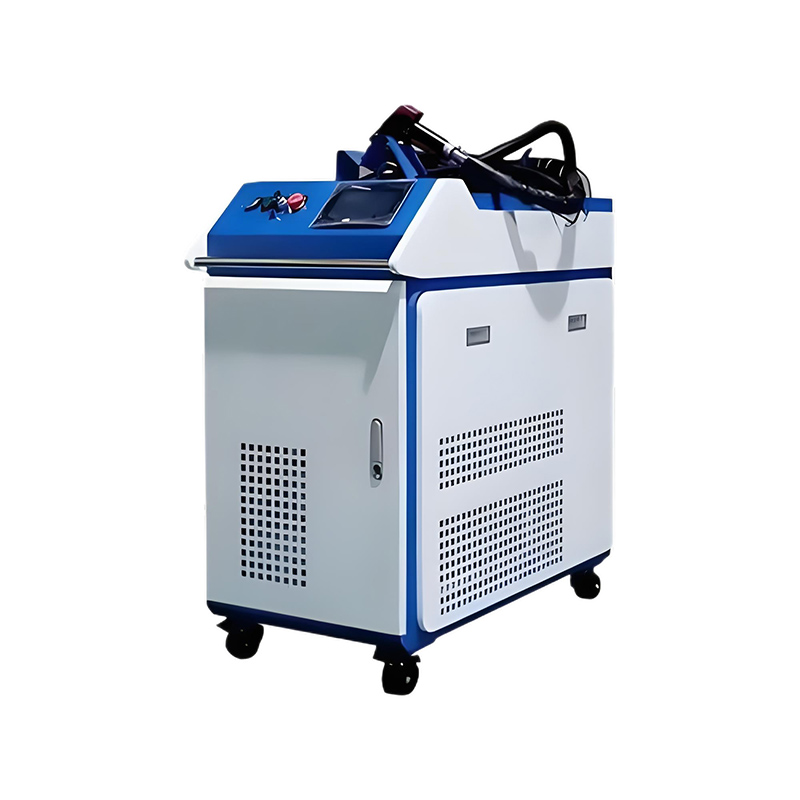
    The printing industry is evolving with increasing demands for high-precision, high-efficiency, and environmentally friendlymanufacturing processes. Traditional mechanical scribing and chemical cleaning methodshave long been used, but the roll-to-roll (R2R) laser scribing & edge-cleaning systemis emerging as a disruptive technology.
  • Femtosecond Laser Processing
    2025
    10-27
    Femtosecond laser processing represents one of the most advanced frontiers in precision manufacturing today. This technology utilizes laser pulses of incredibly short duration—approximately 10⁻¹⁵ seconds—to achieve material processing with unparalleled precision and minimal thermal damage. The unique characteristics of femtosecond lasers have opened up revolutionary possibilities across industries from medical devices to aerospace engineering.
  • Perovskite Thin Film Preparation Methods
    2025
    09-22
    The preparation of perovskite materials is a critical step in achieving high-efficiency perovskite solar cells. At the molecular scale, PbI₂ and CH₃NH₃I can rapidly react through self-assembly to form CH₃NH₃PbI₃. Thus, whether in solid, liquid, or gas phases, thorough mixing of the two raw materials can yield the desired perovskite material. However, for thin-film solar cell light-absorbing layers with thicknesses below 1 μm, the large perovskite crystals produced by solid-phase reaction methods are clearly unsuitable.

40px

80px

80px

80px

Get Quote