Products

Featured products

Contact us

  • Glass Laser Cutting And Breaking Machine
  • video

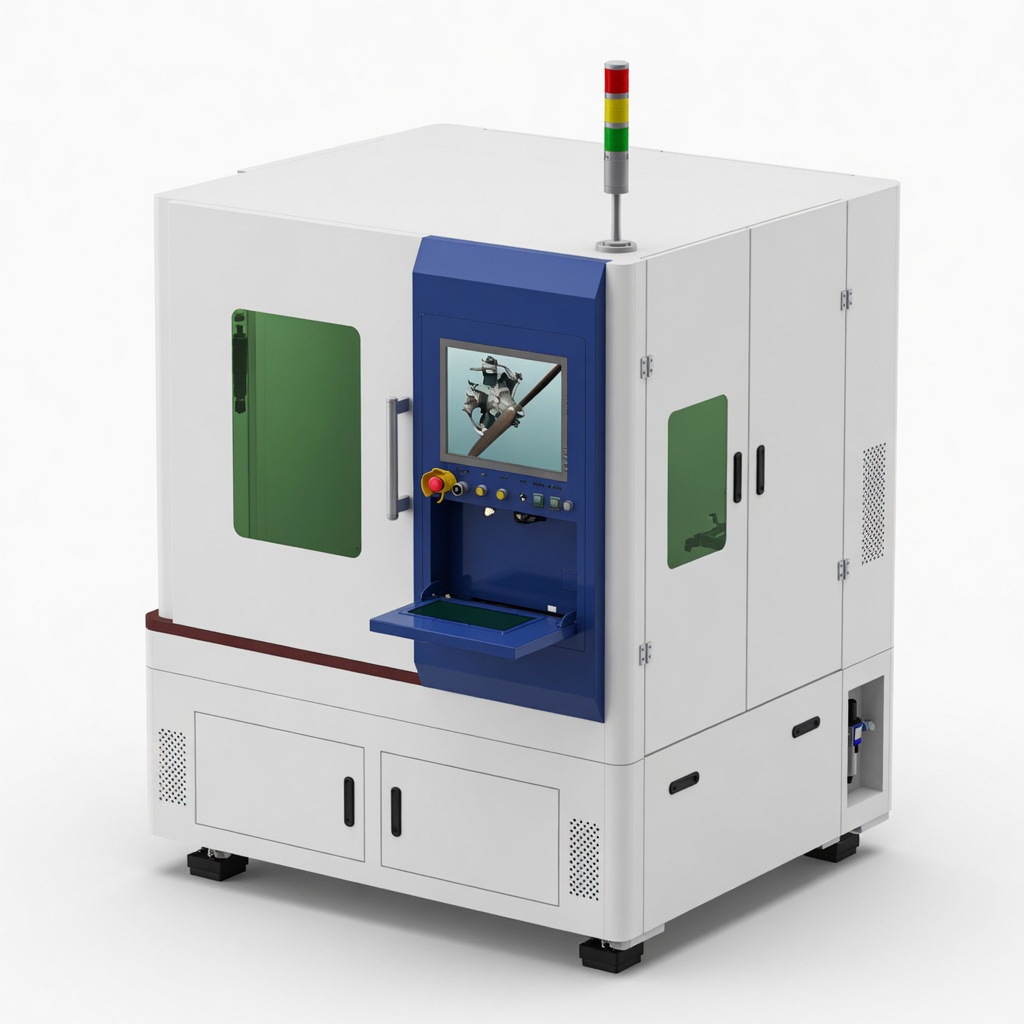
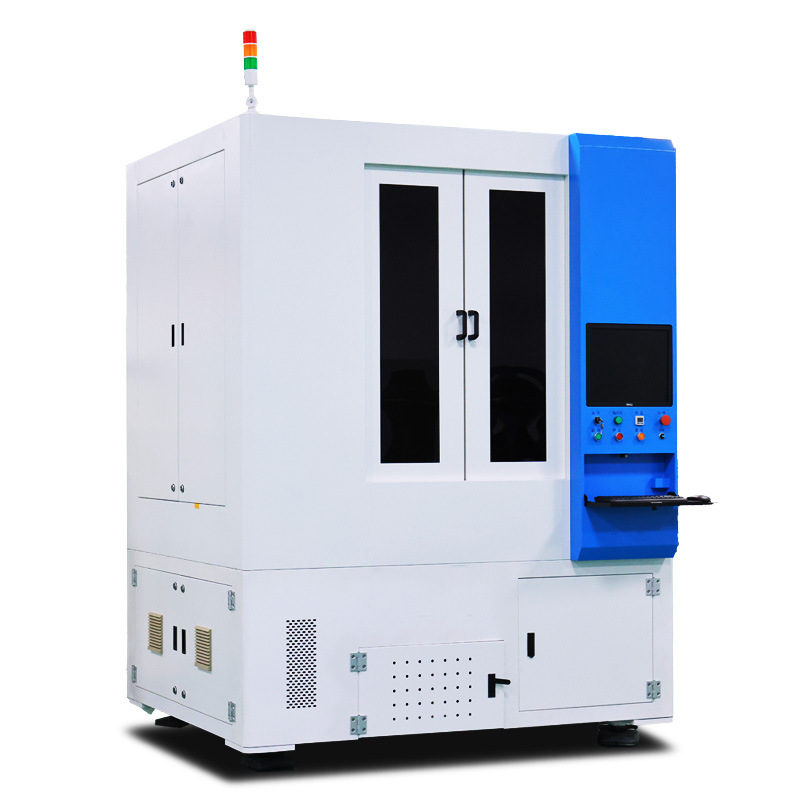
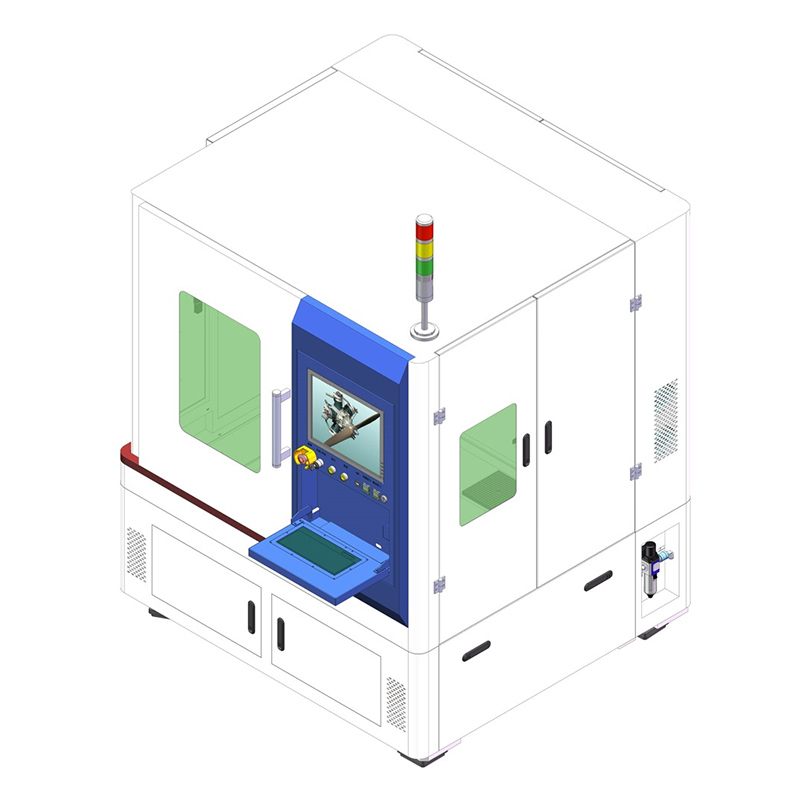
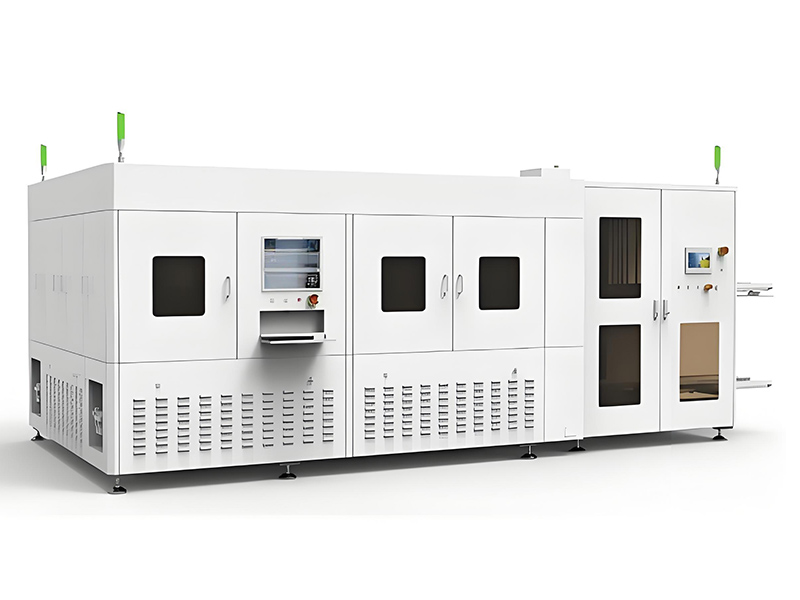
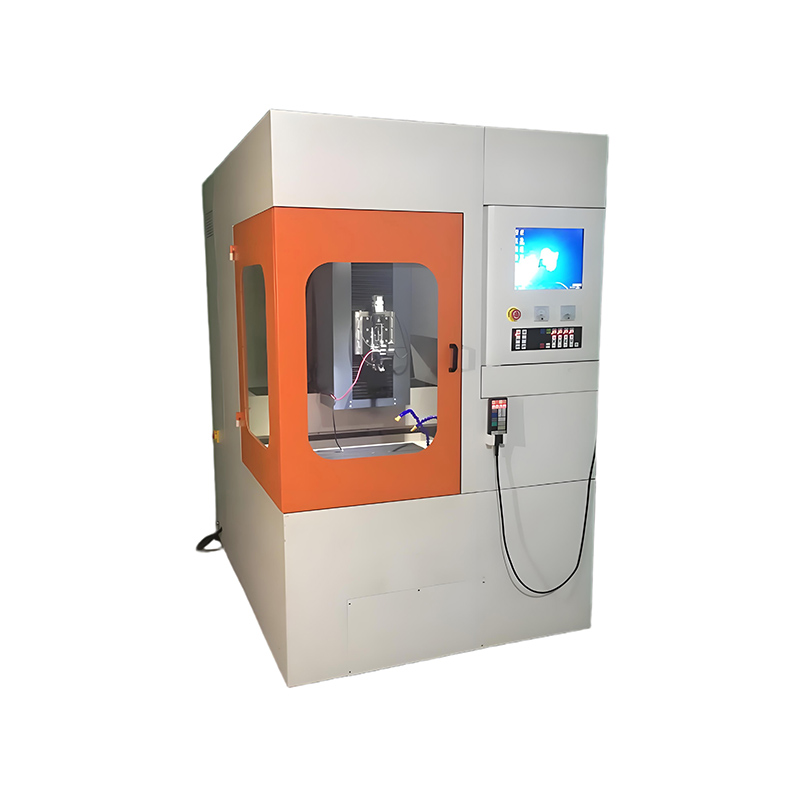
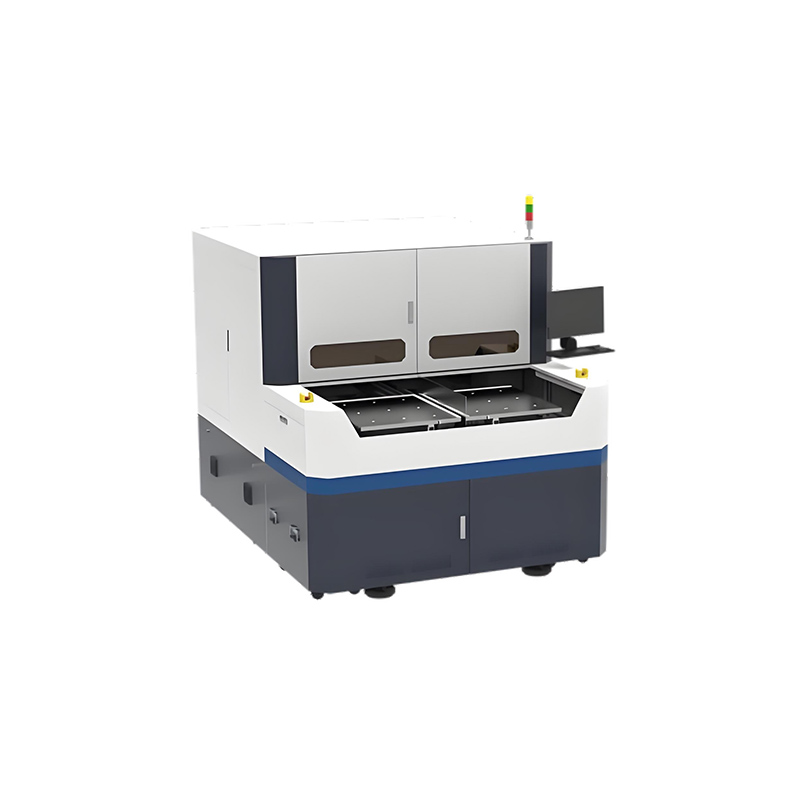
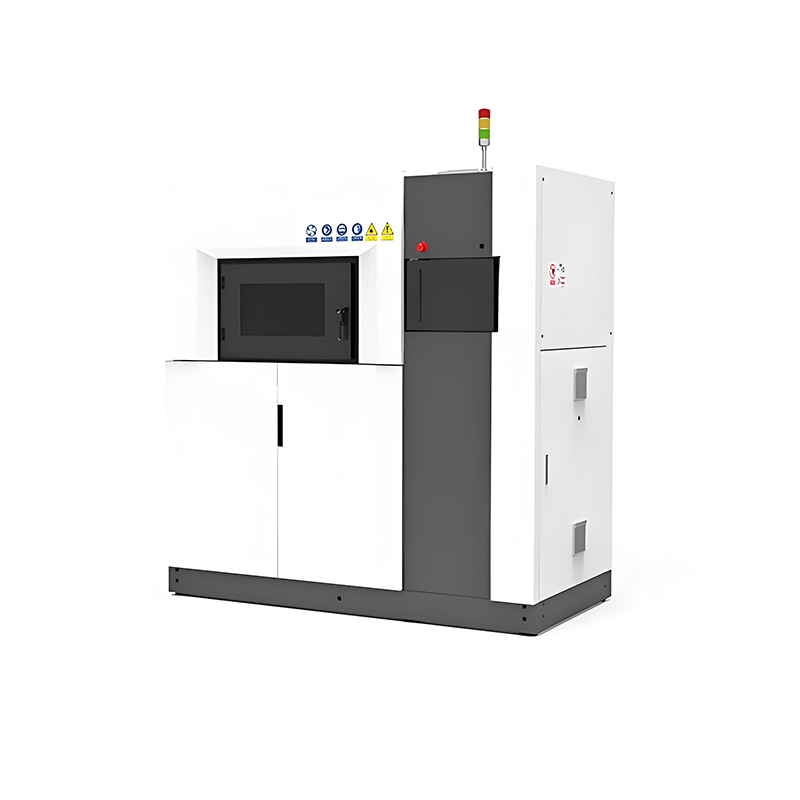
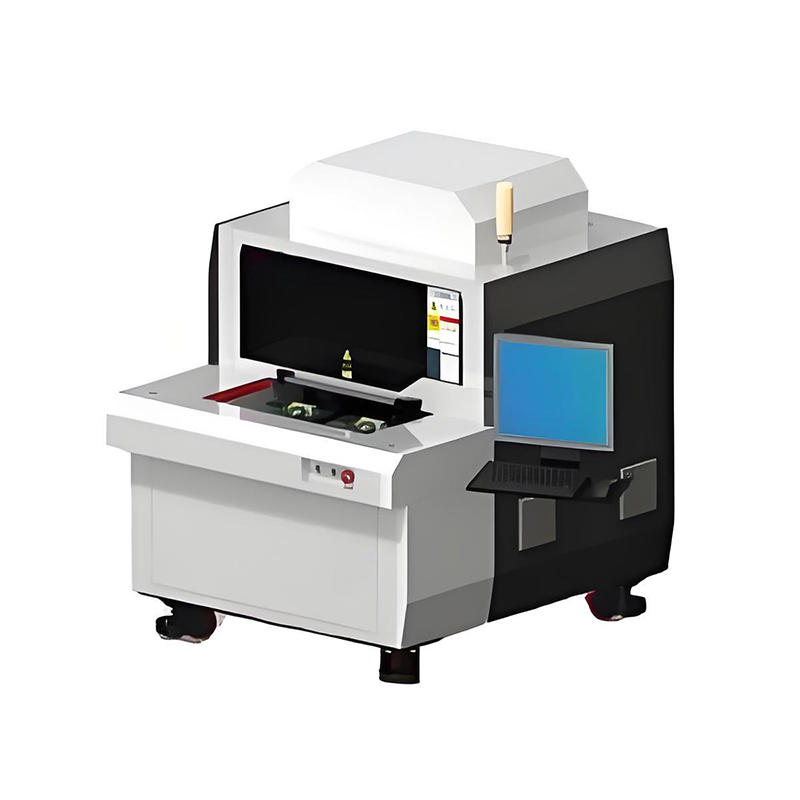
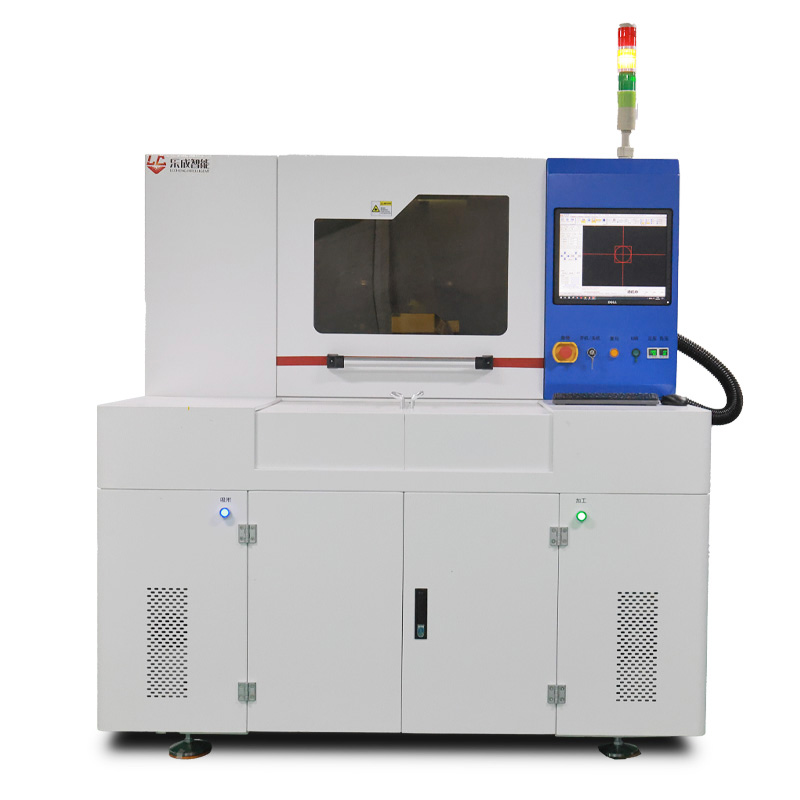
Glass Laser Cutting And Breaking Machine

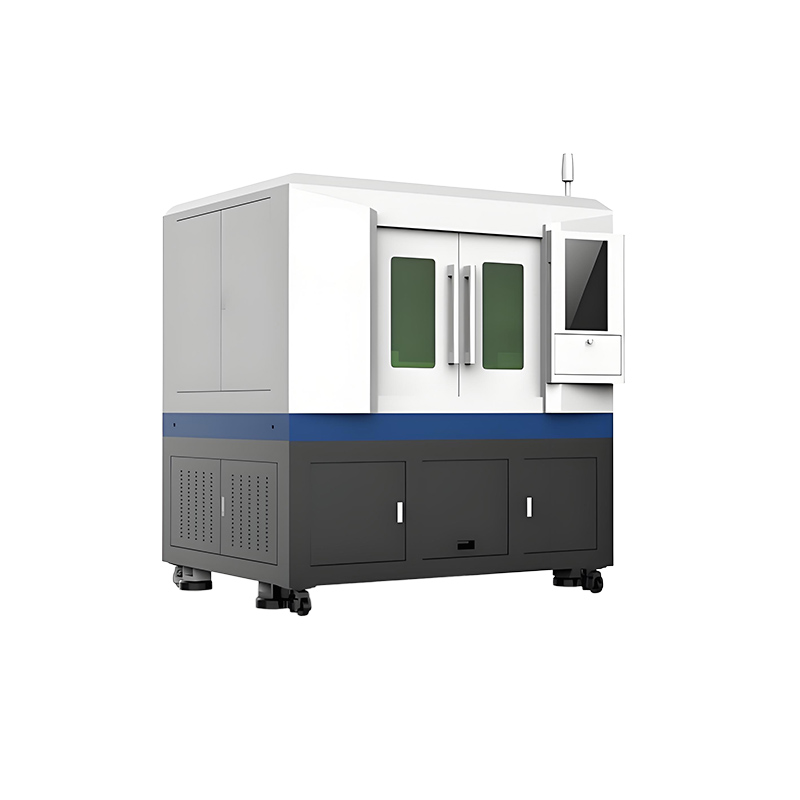
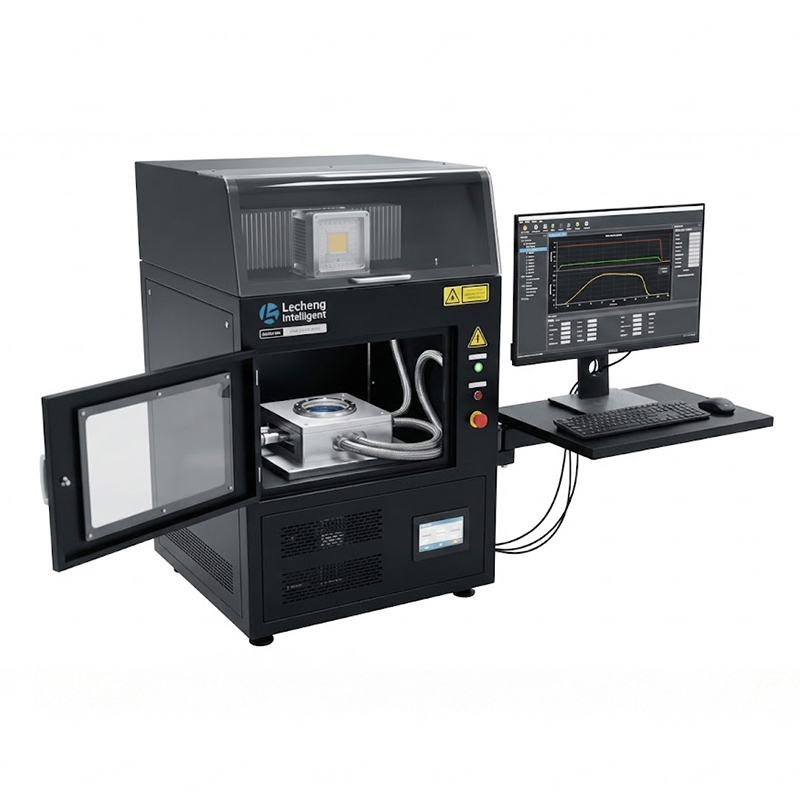
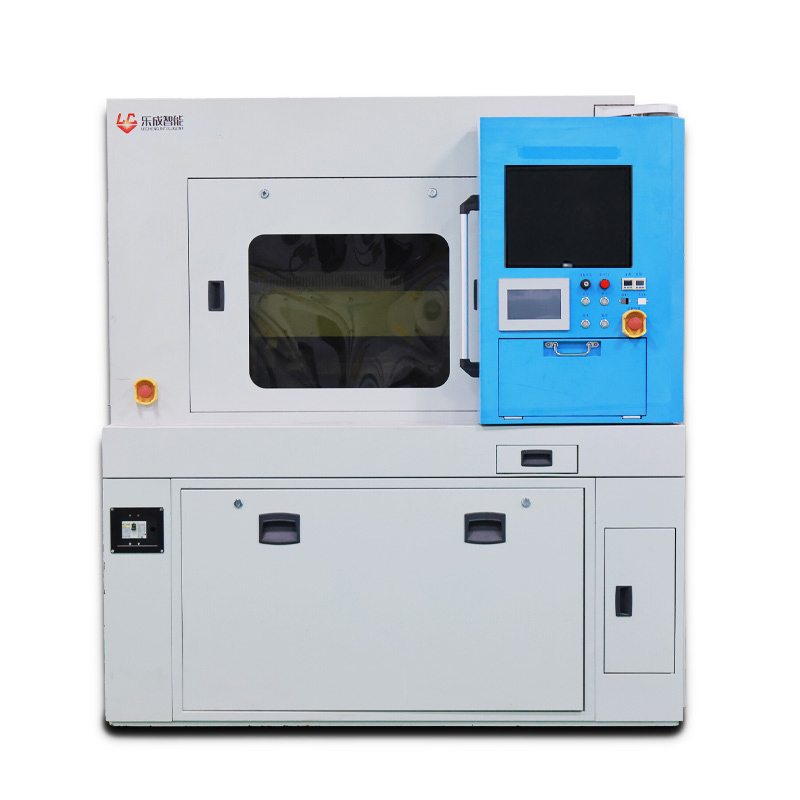
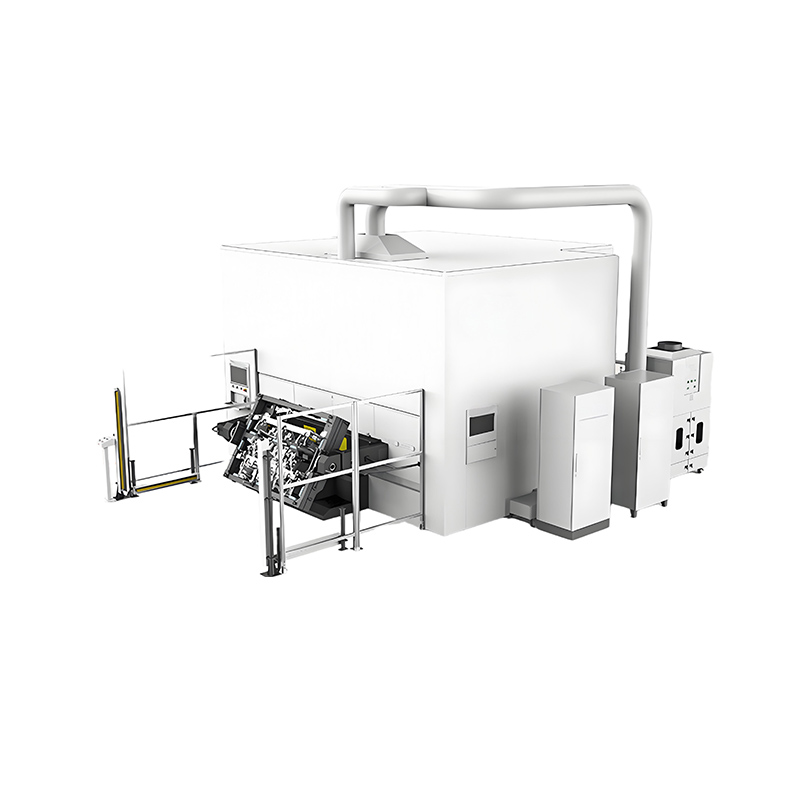
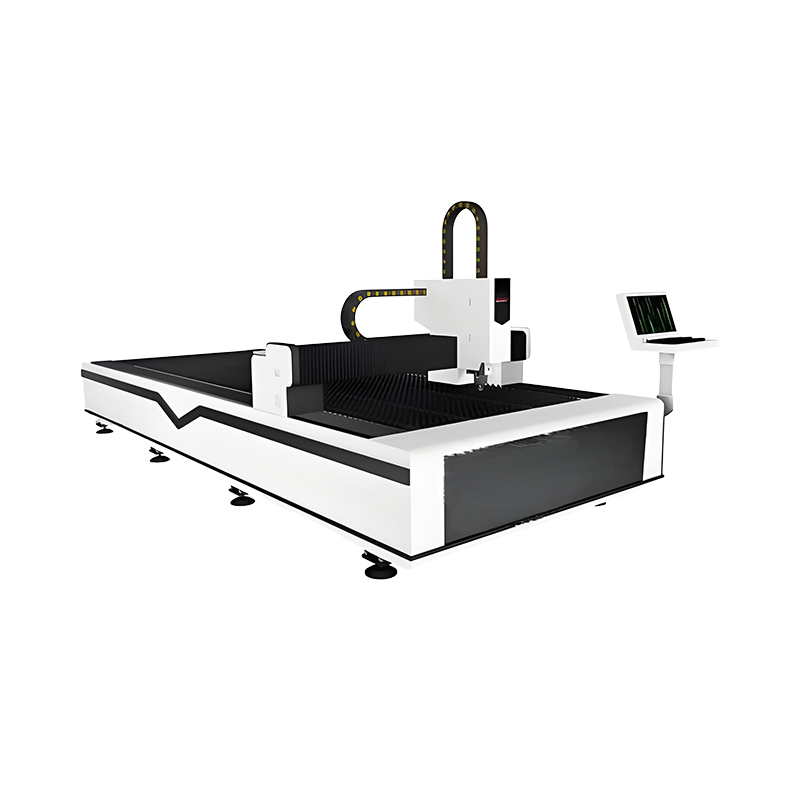
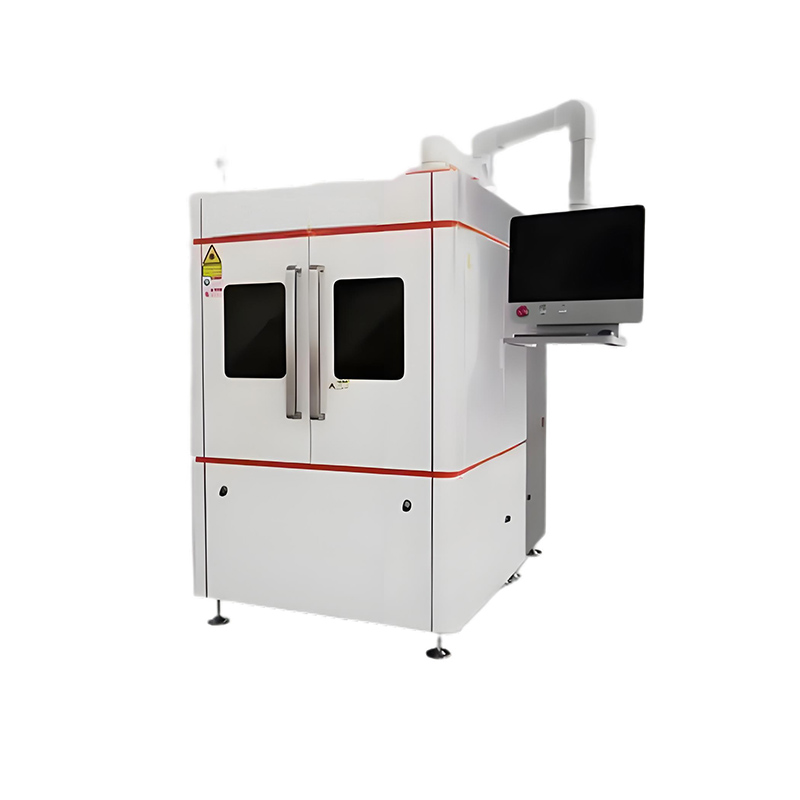
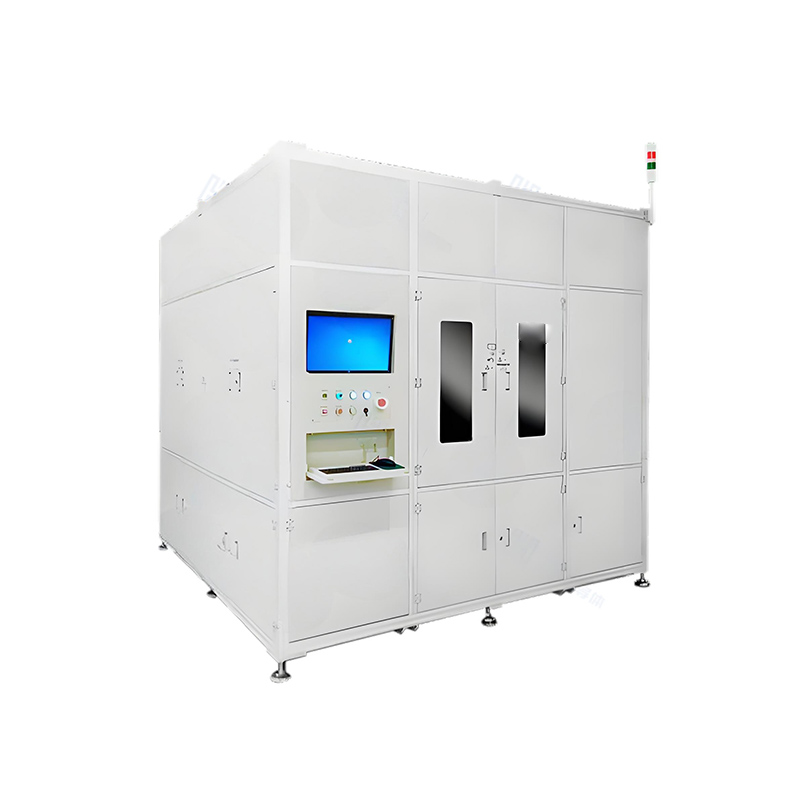
Picosecond cutting and CO2 breaking in one machine. High precision motion system ensures fine glass processing. CCD vision alignment improves positioning and yield. Designed for 300×300 mm glass with stable automation.
  • LECHENG
  • Jiangsu China
  • 45days
  • 800

Product Description

The GLC11-300-300 Glass Laser Cutting And Breaking Machine is a highly integrated precision processing solution developed for high-accuracy glass cutting and controlled breaking applications. The machine combines an infrared picosecond laser cutting module and a CO₂ laser breaking module in one platform, enabling glass cutting and separation to be completed in a continuous workflow. This integrated design reduces handling steps, improves process consistency, and delivers cleaner, more stable cutting results for precision glass applications.

The equipment is designed for glass substrates with a maximum size of 300 × 300 mm and supports material thicknesses of less than 10 mm. It integrates a precision X/Y/Z motion system, a CCD vision alignment module, a dust extraction system, an electrical control system, and independently developed process software. By combining high-speed motion, micron-level positioning, and intelligent control, the machine is suitable for applications requiring fine cutting width, low chipping, and high dimensional accuracy.

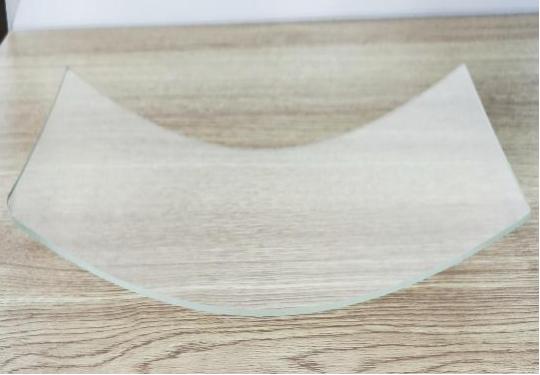
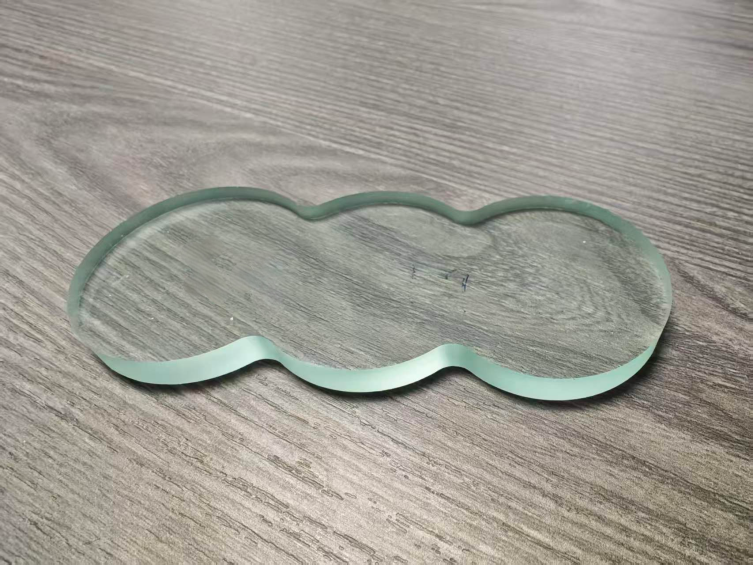
In the cutting stage, the infrared picosecond laser follows the preset drawing path to perform high-precision glass cutting. In the breaking stage, the CO₂ laser follows the same path to complete controlled separation. This dual-laser process is especially suitable for precision glass components that require better edge quality and more stable yield than conventional mechanical methods can provide.


Product Functions

1. Integrated Picosecond Cutting And CO₂ Breaking

The core function of this machine is the integration of two dedicated laser processing systems within one platform. The infrared picosecond laser performs fine cutting, while the CO₂ laser performs controlled breaking along the same programmed path. This process architecture improves both cutting precision and separation consistency.

Laser Configuration Table

ParameterInfrared Picosecond LaserCO₂ Laser
Average Power≥60 W>100 W
Central Wavelength1064 nm10.6 μm
Repetition Frequency50–500 kHz<25 kHz
Pulse Width<15 ps
Energy Stability<2% rms over 8 hours<±5%
Beam QualityM² ≤ 1.4M² < 1.3
Output Spot Size2.5 ± 0.5 mm1.8 ± 0.2 mm
Service Life>20,000 h>20,000 h
Cooling MethodWater CoolingAir Cooling

Glass Laser Cutting And Breaking Machine

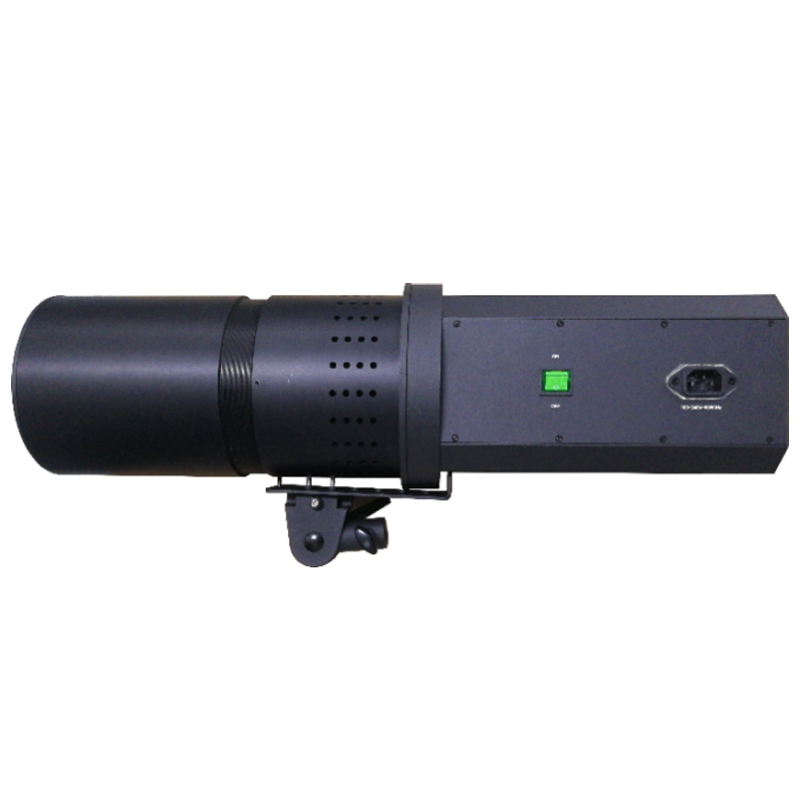
Picosecond Laser Glass Cutting System

This laser combination gives the machine both the fine cutting capability of ultrafast laser processing and the efficient separation performance of CO₂ thermal breaking.


2. High-Precision Motion And Focus Control

The machine is equipped with a self-developed X-Y-Z multi-axis motion platform. The X and Y axes use linear motor structures for high-speed and high-precision movement, while the Z axis uses a screw-driven focus adjustment mechanism to ensure accurate focal positioning during processing.

Motion Platform Specifications

ItemSpecification
X-Axis Travel300 mm
Y-Axis Travel300 mm
Effective Processing Area300 × 300 mm
X/Y Motion Speed>500 mm/s
X/Y Repeatability±2 μm
X/Y Positioning Accuracy±2 μm
Z-Axis Stroke50 mm
Z-Axis Max Speed25 mm/s

This structure ensures accurate motion control and supports stable processing of straight lines, oblique lines, arcs, and other shaped cutting paths.


3. CCD Vision Recognition And Automatic Positioning

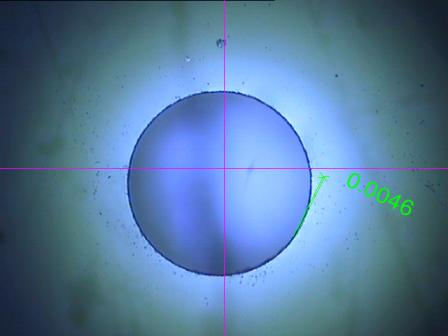
The machine uses an off-axis CCD vision system for target capture and precise positioning. The vision module is designed to identify alignment marks automatically, allowing the machine to load the workpiece, recognize positioning references, and start machining with reduced manual adjustment.

Vision System Specifications

ItemSpecification
Camera TypeDigital Camera
Camera Resolution5 MP
Optical Magnification1.5X
Light SourceLED
Camera Field Of View≥5.3 mm × 4.7 mm
Mark SupportCommon mark patterns supported

This visual positioning capability improves alignment accuracy, reduces setup error, and helps maintain process consistency in batch production.


4. Intelligent Software Control System

The control software is independently developed by Lecheng Intelligent and is designed to manage the entire machining workflow, from drawing import to path planning, parameter setting, and fault monitoring. It supports DXF file import, online graphic editing, process database management, and multi-layer parameter control.

Software Function Table

FunctionDescription
Integrated ControlMotion platform control and laser on/off control
Graphic File ImportSupports DXF format
Online Graphic EditingBuilt-in editing window
Process Expert DatabaseParameter editing, saving, and importing
Port MonitoringReal-time status detection
Error DiagnosisFault code output for troubleshooting
Image RecognitionCCD-based closed-loop positioning
Layered ProcessingDifferent power, frequency, and speed settings by layer
Path PlanningPath optimization based on graphic layers

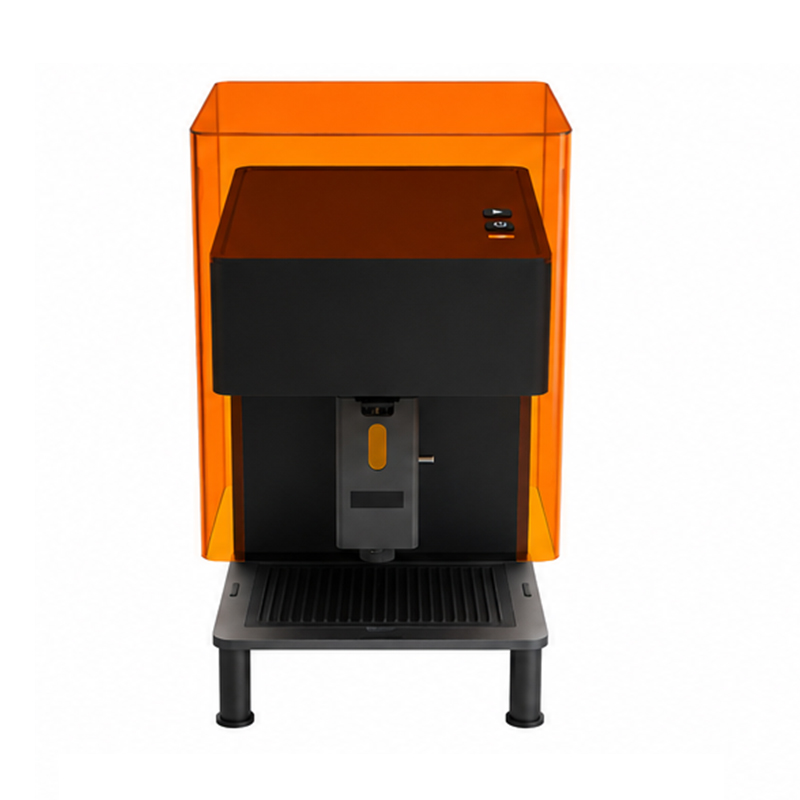
Laser Glass Cutting And Breaking Machine

Glass Laser Cutting And Breaking Machine

Picosecond Laser Glass Cutting System


This software architecture makes the machine suitable for both standardized production and application-specific process customization.


Key Features

Integrated Dual-Laser Workflow

The machine combines glass cutting and breaking in one unit, reducing intermediate transfer steps and improving process continuity.

High Precision Processing

The machine is designed for precision glass segmentation and offers strong dimensional and positional control.

Processing Performance Table

ItemSpecification
Max Glass Size300 × 300 mm
Min Compatible Size5 × 5 mm
Material TypeGlass
Thickness Capability<10 mm
Cutting Speed≤500 mm/s
Breaking SpeedMax 100 mm/s
Cutting Width5 μm
Line Width Accuracy≤±5 μm
Position Accuracy≤±10 μm
Dimensional Accuracy≤±30 μm

These figures make the machine suitable for applications where edge quality and process repeatability are critical.

Low Chipping And High Yield

Glass edge quality is an important factor in downstream assembly and product yield. This machine is designed to keep edge chipping within 50–80 μm, and the specified yield reaches 99% when chipping remains below 100 μm.

Stable Industrial Operation

For industrial users, long-term stability is just as important as cutting precision.

Equipment Reliability Table

ItemSpecification
Yield99%
Utilization Rate99%
Average Maintenance Time≤1 hour
Mean Time Between Failures≥200 hours

This makes the machine suitable for continuous production scenarios requiring both uptime and consistent quality.

Integrated Machine Structure

The equipment integrates six functional modules: infrared cutting module, CO₂ breaking module, motion system, dust extraction system, vision system, and software system. The machine structure combines a welded steel frame with a granite base for better rigidity and motion stability.


Application Range

The Glass Laser Cutting And Breaking Machine is suitable for:

  • Precision glass cutting and controlled breaking

  • Glass substrate segmentation for advanced manufacturing

  • Small and medium-sized glass component processing

  • Functional glass parts with strict dimensional tolerance requirements

  • Straight-line, oblique-line, and arc-shape cutting applications

  • Precision industrial glass processing for photovoltaic, electronics, and related sectors

Its combination of picosecond cutting precision, CO₂ breaking efficiency, vision-assisted positioning, and automated control makes it especially suitable for manufacturers looking for a more accurate and cleaner alternative to conventional glass separation methods.


Technical Summary

CategorySpecification
ModelGLC11-300-300
Product NameGlass Laser Cutting And Breaking Machine
Compatible Glass SizeUp to 300 × 300 mm
Minimum Size5 × 5 mm
Glass Thickness<10 mm
Laser 160W Infrared Picosecond
Laser 2>100W CO₂
Motion SystemX/Y/Z multi-axis platform
Vision System5 MP CCD camera
Cutting Speed≤500 mm/s
Breaking SpeedMax 100 mm/s
Cutting Width5 μm
Position Accuracy≤±10 μm
Dimensional Accuracy≤±30 μm
Equipment Size1500 × 1500 × 1800 mm
Rated Power6 kW


Get Quote

  • How long does it take from equipment ordering to official production when cooperating with Locsen?

    The overall timeline varies depending on equipment specifications and production line scale. For standalone equipment, standard models require a 45-day manufacturing cycle, with total duration (including shipping and installation) of approximately 60 days. Customized equipment requires an additional 30 days based on technical requirements. For complete line solutions: • 100MW-level production lines require ~4 months for planning, equipment manufacturing, installation, and commissioning • GW-level production lines require ~8 months We provide detailed project schedules with dedicated managers ensuring seamless coordination. Example: A client's 1GW perovskite production line was completed 15 days ahead of schedule through parallel equipment manufacturing and facility construction.
  • Does Locsen offer suitable equipment and partnership solutions for startup perovskite companies

    Locsen offers a "Phased Partnership Program" specifically designed for perovskite startups. For the initial R&D phase, we provide compact pilot-scale equipment (e.g., 10MW laser scribing systems) bundled with essential process packages to facilitate technology validation and product iteration. During scale-up phases, startups qualify for upgrade benefits: • Core modules from pilot equipment can be traded in with value deduction toward production-line machinery • Optional technical collaboration including process development support and experimental data sharing This program has successfully enabled multiple startups to transition smoothly from lab to pilot production while mitigating early-stage investment risks.
  • Can Locsen's equipment handle perovskite solar cells of varying sizes? What is the maximum supported dimension?

    Locsen's laser equipment features exceptional size compatibility, capable of processing perovskite solar cells ranging from 10cm×10cm to 2.4m×1.2m. For oversized cell processing (e.g., 12m×2.4m rigid substrates), we offer customized gantry-type laser systems with multi-laser-head synchronization to ensure both precision and throughput. • Proven Performance: Successfully processed 1.2m×0.6m cells with industry-leading scribing accuracy (±15μm) and uniformity (>98%) • Modular Design: Swappable optical modules adapt to varying thicknesses (0.1-6mm) • Smart Calibration: AI-assisted real-time beam alignment compensates for substrate warpage
  • Does Locsen provide tailored laser solutions for all key production stages of perovskite solar cells?

    Yes, Locsen provides comprehensive laser processing solutions covering the entire perovskite solar cell production chain: P0 Laser Marking: For cell identification post-film deposition P1/P2/P3 Laser Scribing: Precision patterning of • Transparent conductive layers (P1) • Perovskite active layers (P2) • Back electrodes (P3) P4 Edge Isolation: Micron-level edge trimming to prevent short-circuiting Tandem Cell Modules: Dedicated laser etching systems for multi-material layer processing Our integrated equipment ecosystem ensures all laser processing requirements are met with: • ≤20μm alignment accuracy across layers • Thermal Affect Zone controlled under 5μm • Modular platforms supporting R&D to GW-scale production
  • What composition tolerance ranges do Locsen's tools support for variant perovskite formulations?

    Locsen's laser systems demonstrate exceptional adaptability to diverse perovskite compositions. • Preloaded Parameters: Optimized settings for mainstream formulations (e.g., FAPbI₃, CsPbI₃) in the laser recipe library enable instant operator access • R&D Support: For novel compositions (e.g., Sn-based perovskites), our team delivers: Custom wavelength/fluence calibration within 72 hours Performance validation ensuring <1% PCE degradation post-processing • Smart Compensation: On-board spectroscopy modules monitor reflectivity in real-time, automatically adjusting: Pulse duration (20-500ns) Beam profile (Top-hat/Gaussian) Energy density (0.5-3J/cm²) Technical Highlights: ▸ Tolerance for ±15% stoichiometric variation in Pb:Sn ratios ▸ Support for 2D/3D hybrid phase patterning ▸ Non-contact processing avoids cross-contamination

Related Products

40px

80px

80px

80px

Get Quote