Products

Featured products

Contact us

News

  • P1 vs P2 vs P3 Laser Scribing: Key Differences In Perovskite Solar Cells
    2026
    05-09
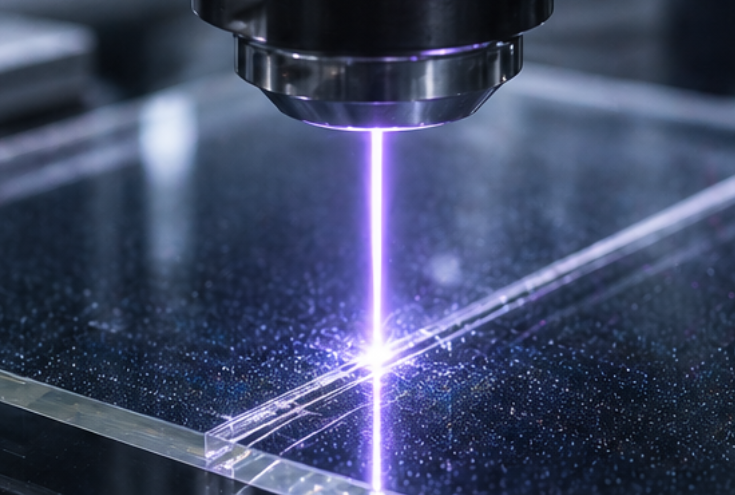
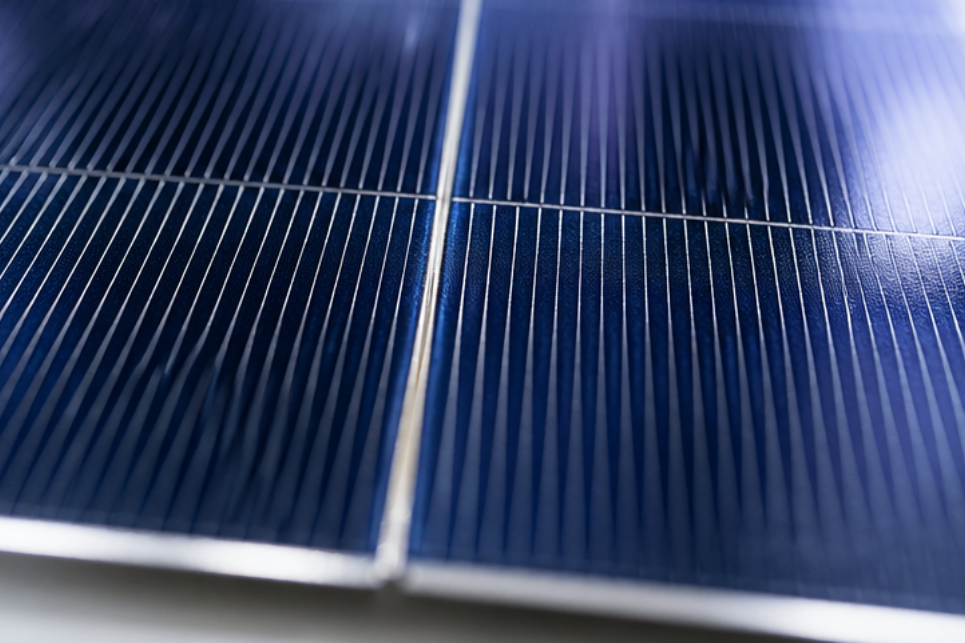
    P1, P2 and P3 laser scribing are three different but closely connected steps in perovskite solar cell module manufacturing. P1 defines the bottom electrode isolation, P2 creates the interconnection channel, and P3 completes the final cell separation. For buyers, the best equipment should provide not only laser hardware, but also process testing, alignment control, stable scribing quality and upgrade flexibility for R&D, pilot line and scalable production.
  • How To Choose Perovskite Laser Scribing Equipment
    2026
    05-08
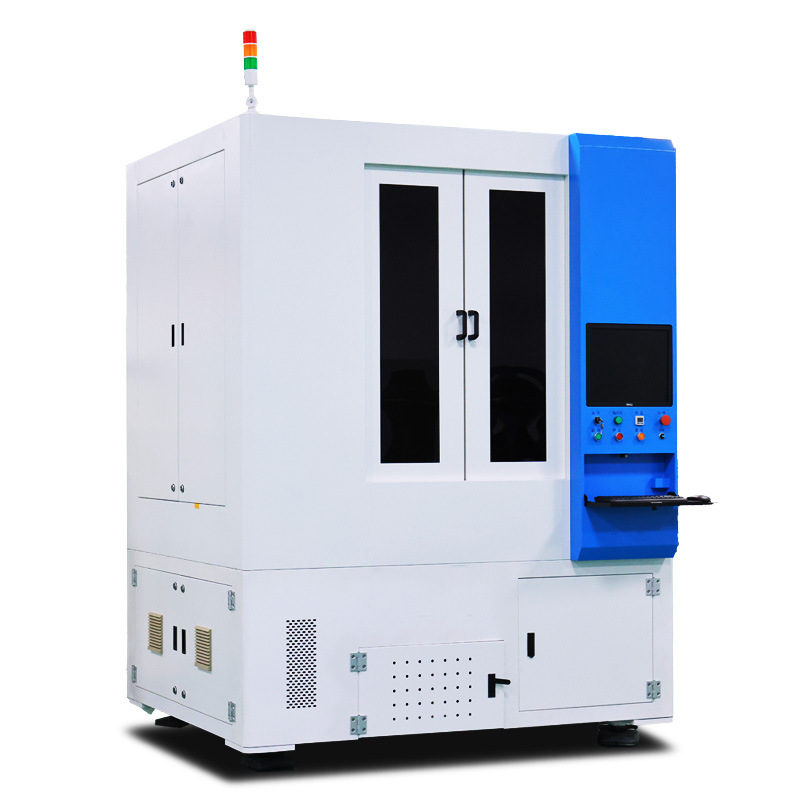
    The best perovskite laser scribing equipment should match your process route, material stack, substrate size and scale-up plan. Buyers should pay close attention to laser source selection, P1/P2/P3/P4 process capability, scribing quality, alignment accuracy, automation level and sample testing support. For perovskite solar cell manufacturing, a process-oriented equipment partner is often more valuable than a standard machine supplier.
  • What Testing Data Should A Solar Simulator Supplier Provide Before Purchase?
    2026
    05-07
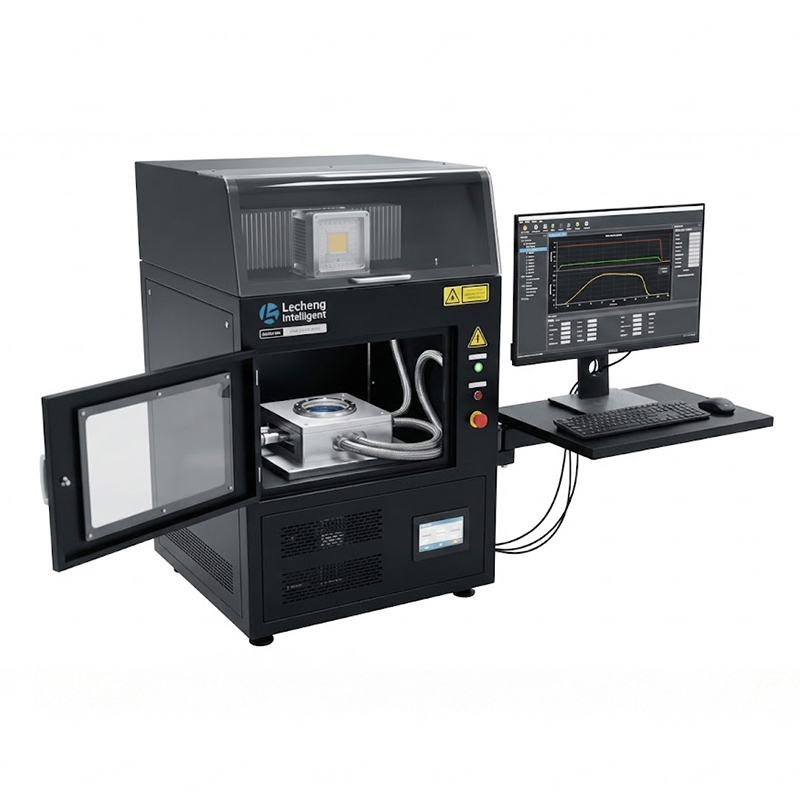
    Before purchasing a solar simulator, buyers should request core optical data, repeatability and calibration information, and application-specific test evidence. The more transparent and relevant the data, the lower the procurement risk. For serious buyers, strong test data is not just supporting material—it is the foundation of a confident buying decision.
  • How To Evaluate A Solar Simulator Supplier’s Technical Support Capability
    2026
    05-06
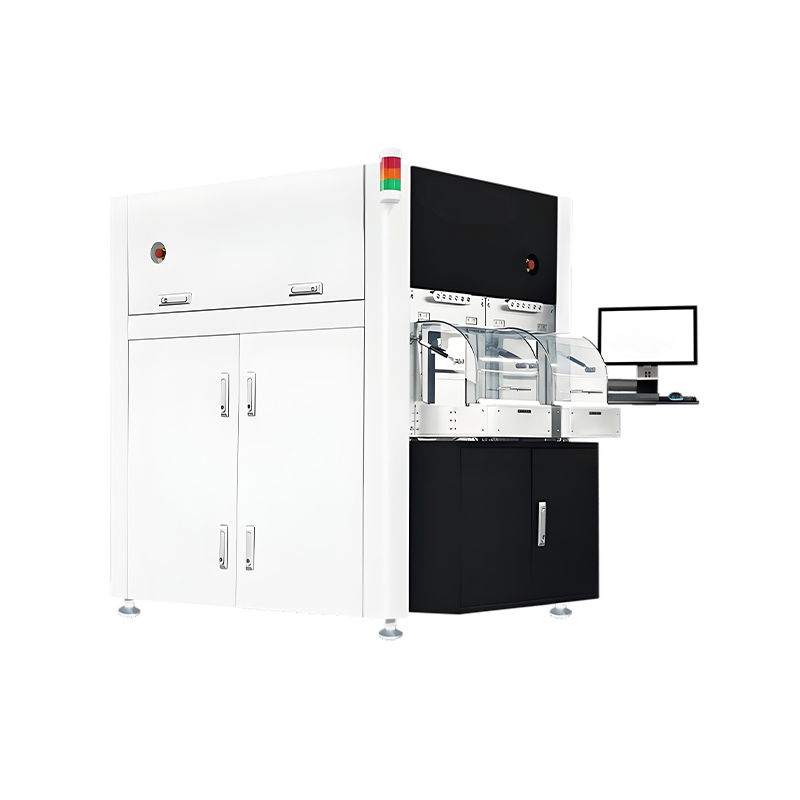
    Evaluating a solar simulator supplier’s technical support capability means looking at pre-sales professionalism, installation and training strength, response speed, and long-term service value together. For buyers, strong support reduces risk, improves system usability, and helps ensure reliable testing over the full life of the equipment.
  • Can A Solar Simulator Support Both R&D And Production Testing?
    2026
    05-05
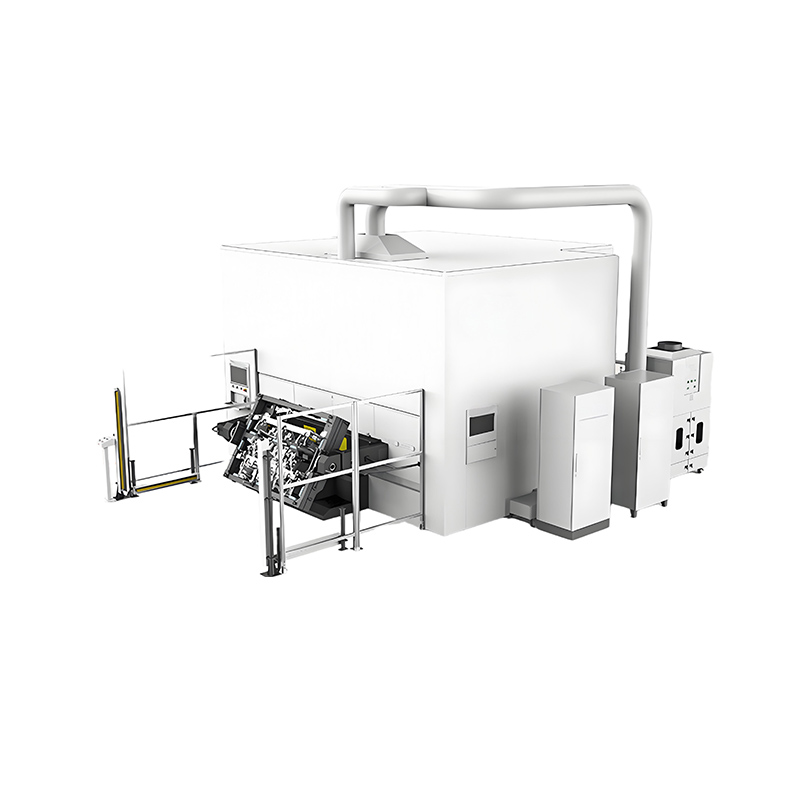
    A solar simulator can support both R&D and production testing, but only if its design truly balances flexibility, repeatability, and integration capability. Buyers should define their primary use case first and then judge whether the system’s architecture can grow with their needs. The best investment is not the one that promises everything, but the one that fits the real workflow best.
  • Why Long-Term Light Stability Matters In Solar Cell Testing
    2026
    05-04
    Long-term light stability matters in solar cell testing because it protects data credibility, supports repeatability, and enables reliable production control. For buyers, it should be evaluated through real performance records and long-duration evidence rather than simple claims. A stable simulator is the foundation of trustworthy photovoltaic measurement.
  • How To Reduce Measurement Error In Solar Simulator Testing
    2026
    05-03
    To reduce measurement error in solar simulator testing, buyers must focus on calibration accuracy, optical stability, sample handling, operator workflow, and ongoing data verification together. The most reliable testing platform is not just optically strong, but also process-controlled and easy to standardize in daily use.
  • What Light Source Is Better For Perovskite Solar Cell Testing?
    2026
    05-02
    For perovskite solar cell testing, the better light source depends on the testing objective, thermal sensitivity of the sample, required spectral behavior, and long-term workflow needs. LED and xenon systems both have strengths, and the right choice comes from matching the source to the real application rather than following a general preference.
  • How Repeatable Are Solar Simulator Results In Daily Testing?
    2026
    05-01
    The repeatability of solar simulator results in daily testing depends on optical stability, system design, operator workflow, and calibration discipline working together. For buyers, the key is to evaluate repeatability through real data and real operation scenarios, not just specification sheets. A highly repeatable system creates more trustworthy test results and better production control over time.
  • How To Compare Solar Simulators Beyond Initial Price
    2026
    04-30
    Comparing solar simulators beyond initial price means looking at optical performance, operating cost, maintenance burden, and supplier support together. For serious buyers, the most valuable system is not the lowest-priced one, but the one that delivers accurate testing, efficient daily use, and lower long-term risk.

    40px

    80px

    80px

    80px

    Get Quote