


In solar cell testing, a simulator that performs well for a few minutes is not necessarily a good system for long-term use. What matters in real laboratories and production environments is whether the light source remains stable over extended testing periods. Long-term light stability affects repeatability, data comparability, and the credibility of efficiency measurements. For international buyers, it is one of the most important factors behind reliable photovoltaic testing.
Stable Light Output Protects Data Credibility
If irradiance changes during testing, the measured current and efficiency values can shift even if the sample itself has not changed. This creates uncertainty in the data and makes it difficult to judge whether the variation comes from the solar cell or from the equipment. In both research and production testing, this kind of uncertainty reduces the value of the measurement.
Long-term stability is especially important when many samples are tested sequentially. If the first sample is measured under slightly different light output than the tenth or twentieth sample, direct comparison becomes less meaningful. Buyers who need trustworthy daily test data should therefore treat long-term stability as a core requirement rather than a bonus feature.
It Directly Affects Repeatability And Production Control
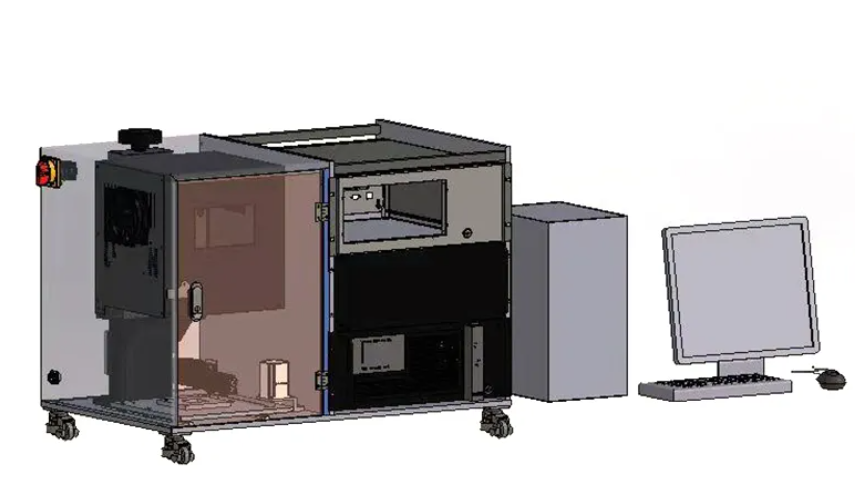
In production environments, long-term light stability supports reliable process control. Manufacturers often use solar simulator data to judge whether a batch is within specification. If the simulator output drifts during the day, the factory may mistakenly accept out-of-spec products or reject acceptable ones. This leads to both quality risk and economic loss.
Repeatability also depends on stability. A stable simulator makes it much easier to compare results across shifts, days, or operators. Without this stability, even a technically advanced system may not deliver useful long-term production data.
Buyers Should Ask For Long-Duration Stability Evidence
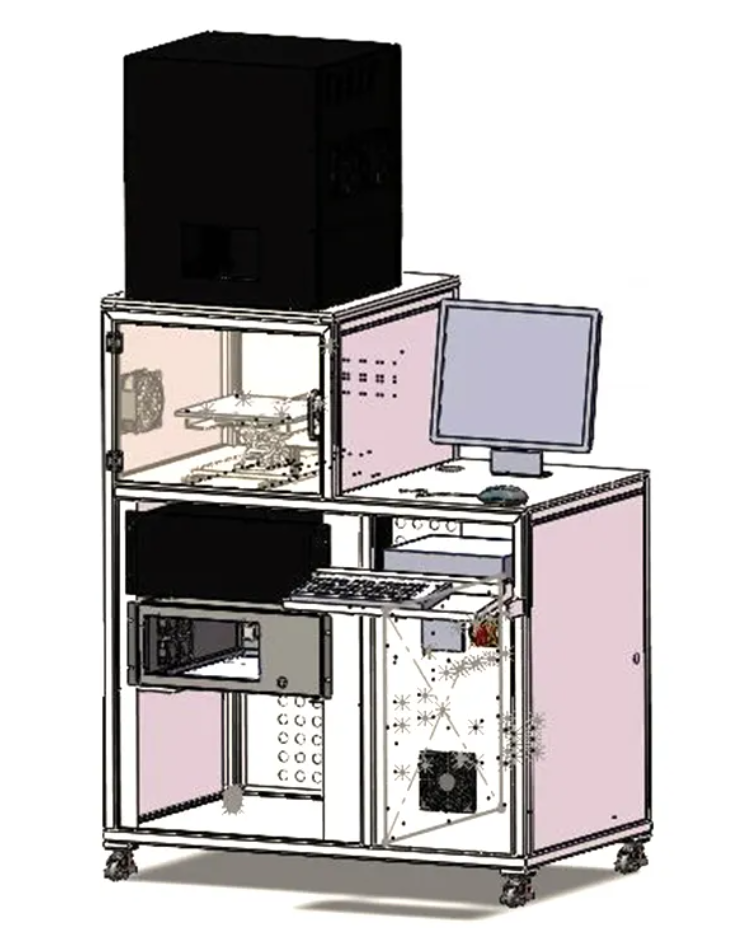
Many brochures mention stability, but buyers should look for real supporting evidence. This may include long-duration irradiance monitoring records, repeated test reports across many hours, and lamp or LED aging behavior data. A supplier that can show how stability is maintained over time is much more convincing than one that only describes the feature in general terms.
The best buying decision comes from understanding how stability will affect daily testing, calibration intervals, and data confidence in the actual use environment. In this sense, long-term light stability is not just a technical detail, but a key factor in testing quality and business efficiency.
Long-term light stability matters in solar cell testing because it protects data credibility, supports repeatability, and enables reliable production control. For buyers, it should be evaluated through real performance records and long-duration evidence rather than simple claims. A stable simulator is the foundation of trustworthy photovoltaic measurement.