Technology Guides

  • Common Mistakes When Buying A Solar Simulator For Solar Cell Testing
    2026
    06-30
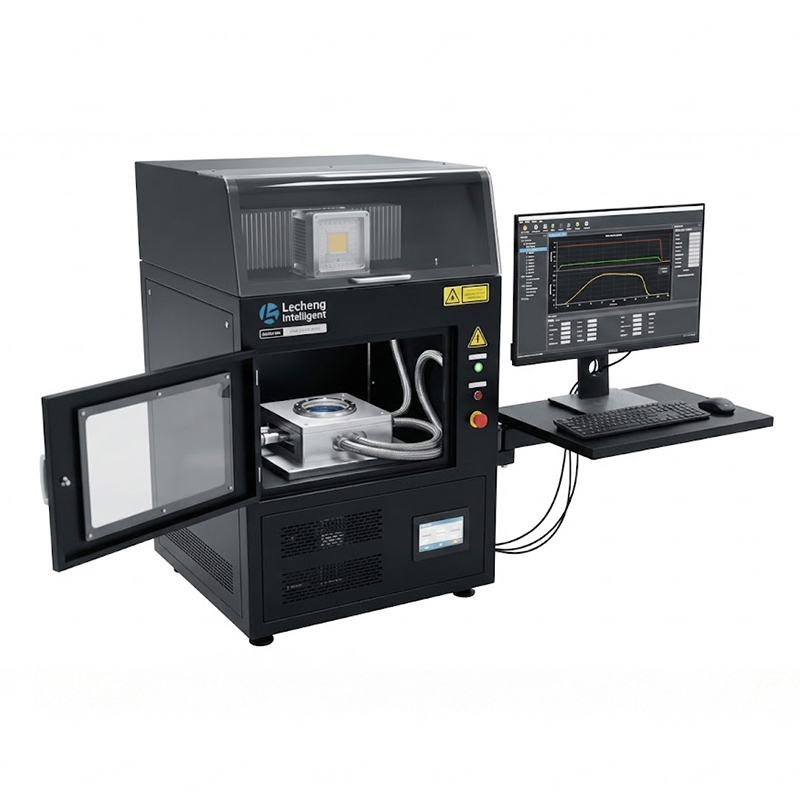
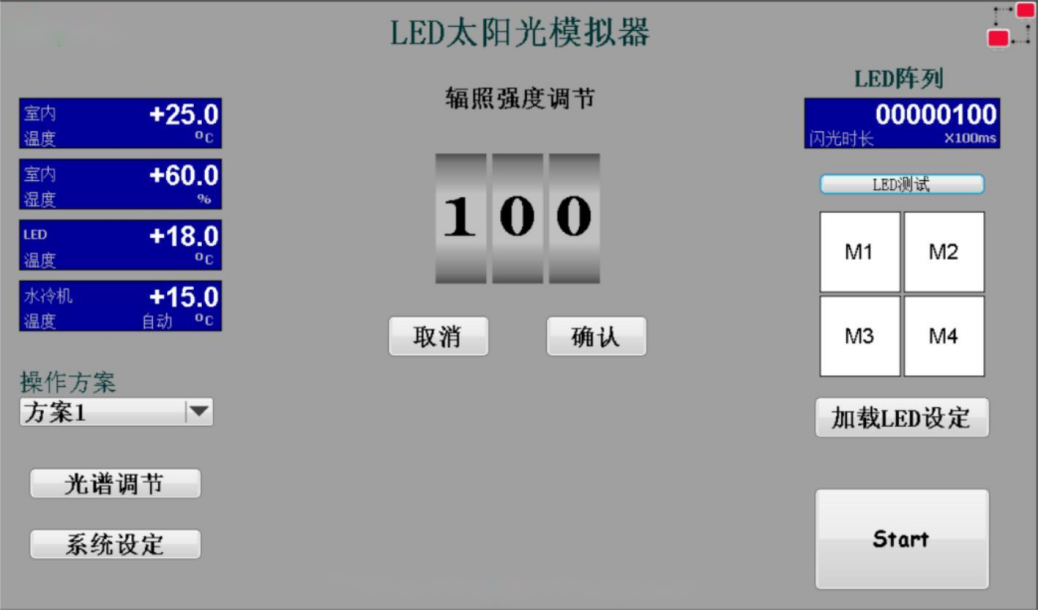
    Buying a solar simulator may seem straightforward, but many laboratories and solar cell manufacturers make costly mistakes during equipment selection. Choosing the wrong test area, ignoring calibration requirements or focusing only on price can lead to inaccurate testing results, repeated investment and long-term operational problems.
  • Why Solar Simulator Test Area Matters For Research And Development Labs And Pilot Lines
    2026
    06-29
    Solar simulator test area directly affects sample compatibility, measurement accuracy, pilot line flexibility and future scalability. Buyers should evaluate both current and future testing requirements before selecting equipment. A properly sized solar simulator can support long-term research growth, reduce future investment and improve testing efficiency across R&D and pilot line applications.
  • Solar Simulator Calibration Guide What Buyers Should Confirm
    2026
    06-28
    Calibration directly affects the accuracy and reliability of solar simulator testing results. Whether the system is used for perovskite cells, thin-film modules, silicon solar cells or pilot line validation, buyers should understand calibration procedures, reference standards, measurement uncertainty and long-term maintenance requirements before purchasing equipment.
  • How To Compare LED And Xenon Solar Simulators Before Ordering
    2026
    06-27
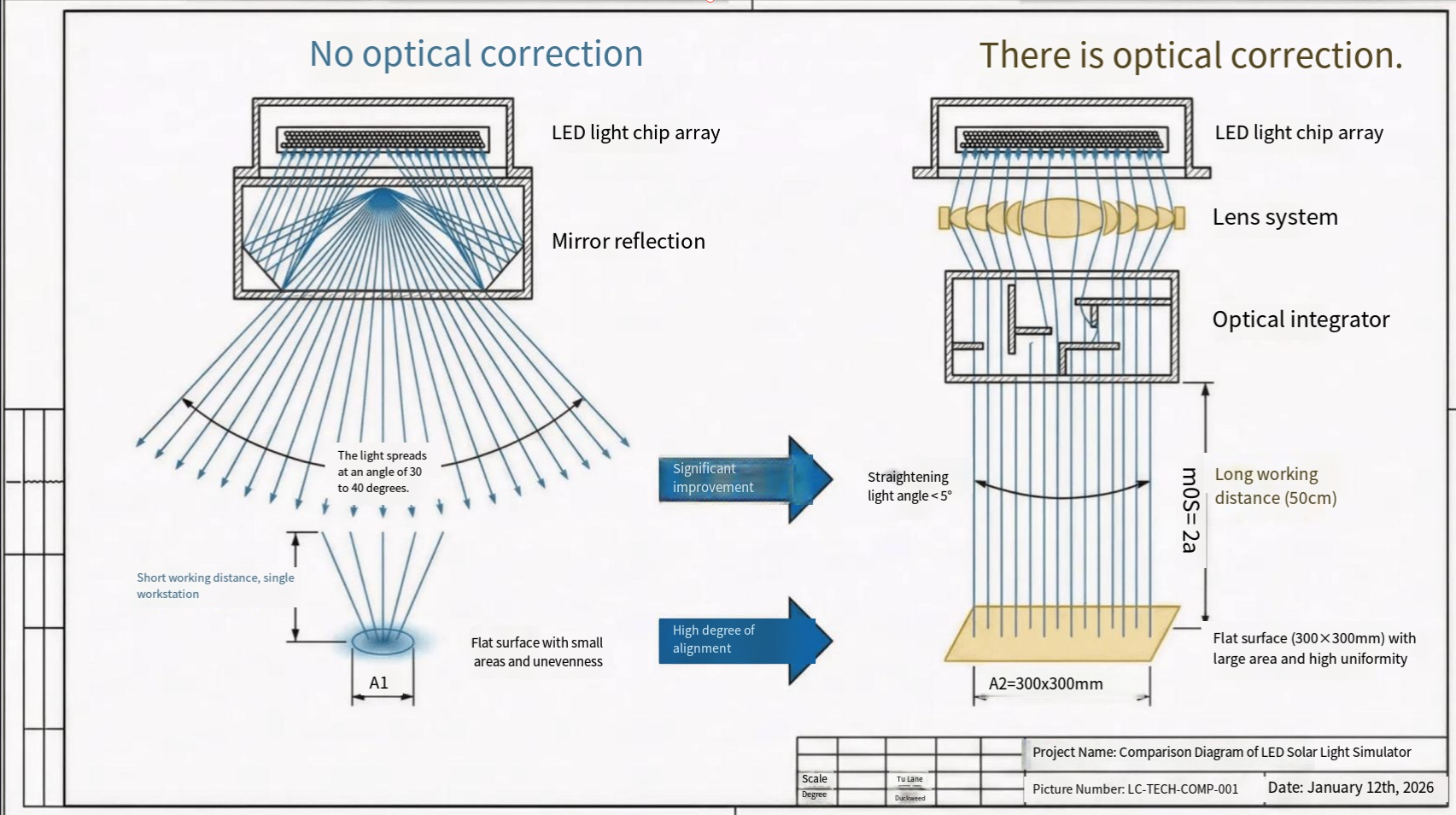
    LED and Xenon solar simulators are both used for solar cell testing, but they differ in spectral control, stability, maintenance, lifetime, cost and application suitability. Buyers should compare test accuracy, sample size, IV integration and long-term operating needs before ordering a solar simulator for R&D labs or pilot lines.
  • 8 Common Glass Cutting Problems and How Laser Technology Solves Them
    2026
    04-28
    Glass cutting problems cost manufacturers millions annually in scrap, rework, and warranty claims. Understanding these issues and their root causes is the first step toward eliminating them. Here are the eight most common glass cutting problems and how modern laser technology addresses each one.
  • How to Choose the Right Laser Glass Cutting Machine: A Buyer's Complete Guide
    2026
    04-27
    Investing in a laser glass cutting system is a significant decision that affects your production capabilities, quality, and costs for years to come. This guide covers everything you need to know to make the right choice for your specific application.
  • 7 Industries Transforming Production with Laser Glass Cutting Technology
    2026
    04-26
    Laser glass cutting has moved beyond the laboratory into full-scale production across multiple industries. The unique capabilities of non-contact, high-precision cutting enable applications that were previously impossible or uneconomical. Here's how seven industries are using this technology to transform their products and processes.
  • Laser vs Mechanical Glass Cutting: Which Method Is Right for Your Business?
    2026
    04-25
    Choosing the right glass cutting method impacts your product quality, production costs, and competitive position. This article provides a detailed, objective comparison of laser and mechanical methods to help you make an informed decision.
  • How Does Laser Glass Cutting Work? A Complete Guide for Manufacturers
    2026
    04-24
    Glass has always been one of the most challenging materials to process. Its brittleness, tendency to chip, and sensitivity to thermal stress made traditional cutting methods slow, expensive, and often inconsistent. But laser technology has changed everything. In this comprehensive guide, we'll explain exactly how laser glass cutting works, why it's replacing mechanical methods, and what you need to know before investing in this technology.

    40px

    80px

    80px

    80px

    Get Quote