Products

Featured products

Contact us

  • Handheld Laser Welder
  • Handheld Laser Welder
  • Handheld Laser Welder
  • Handheld Laser Welder
  • video

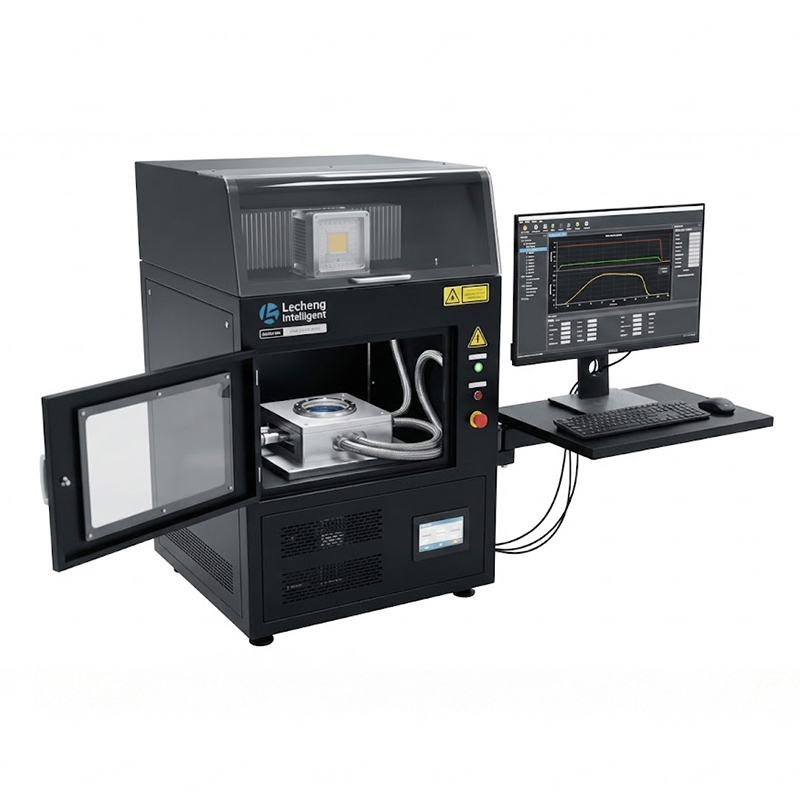
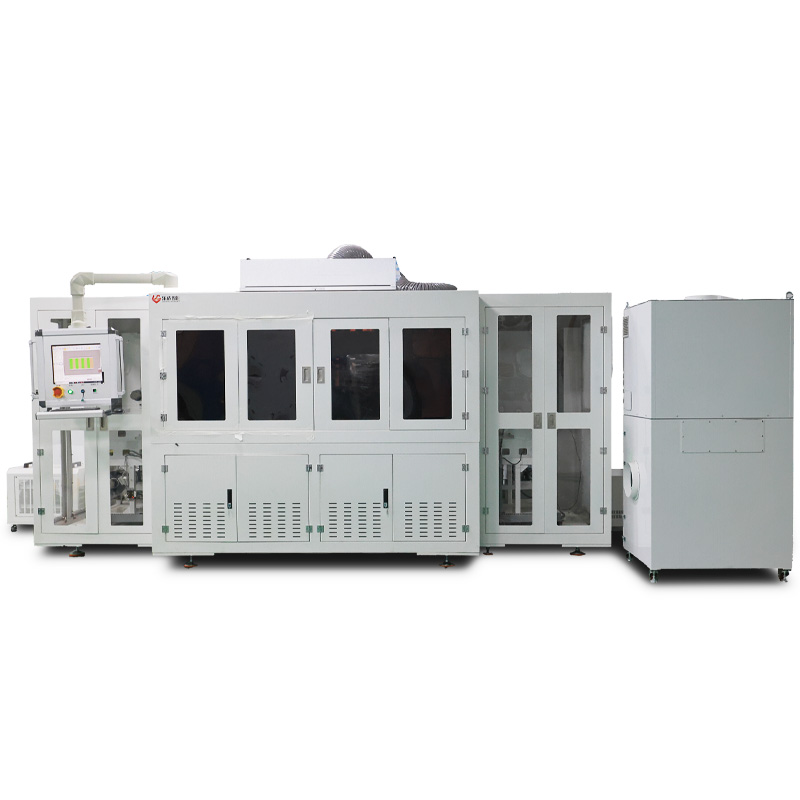
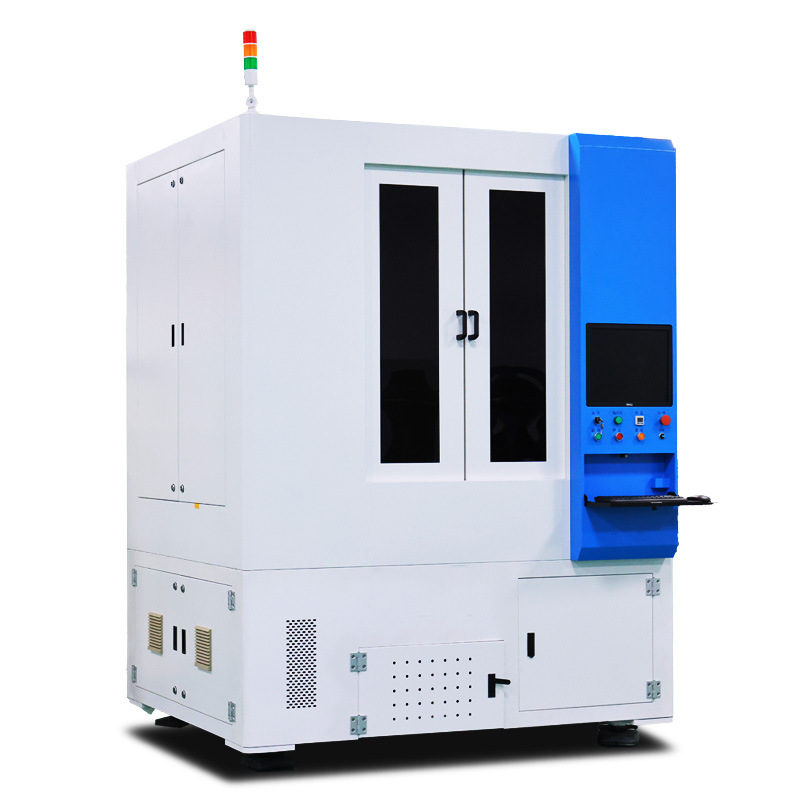
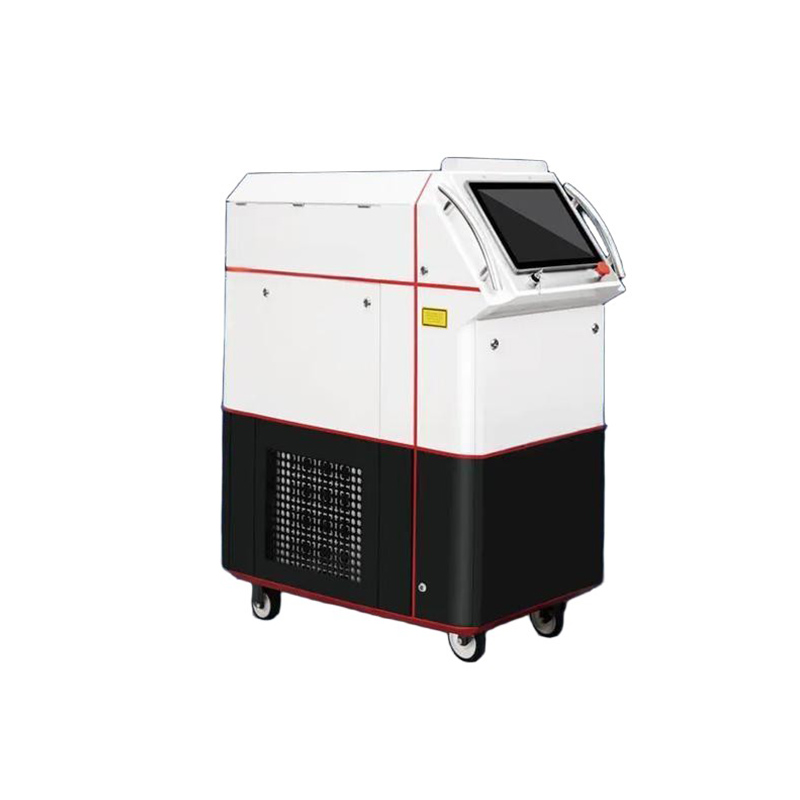
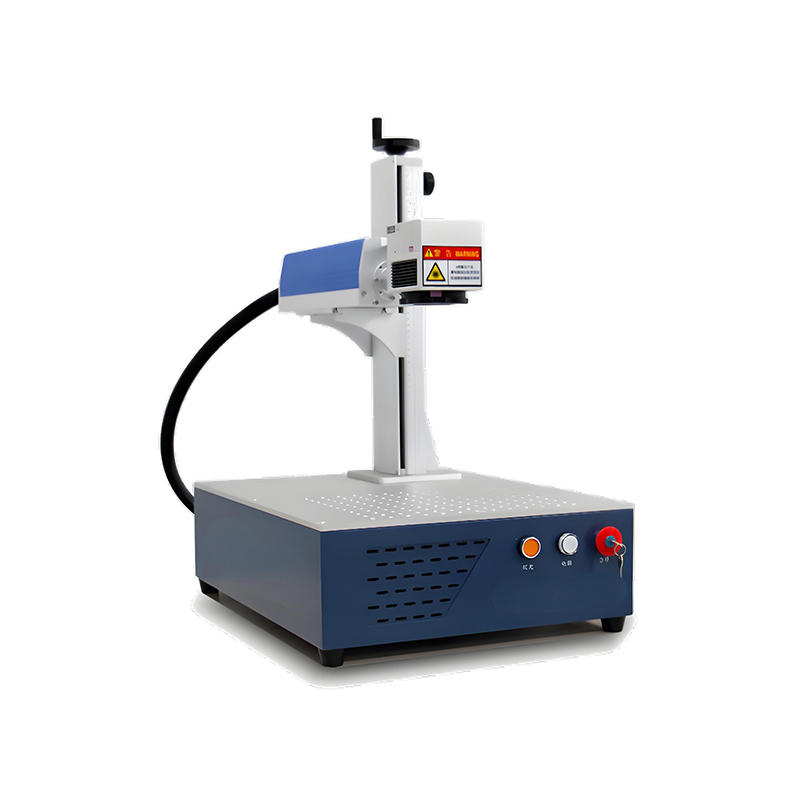
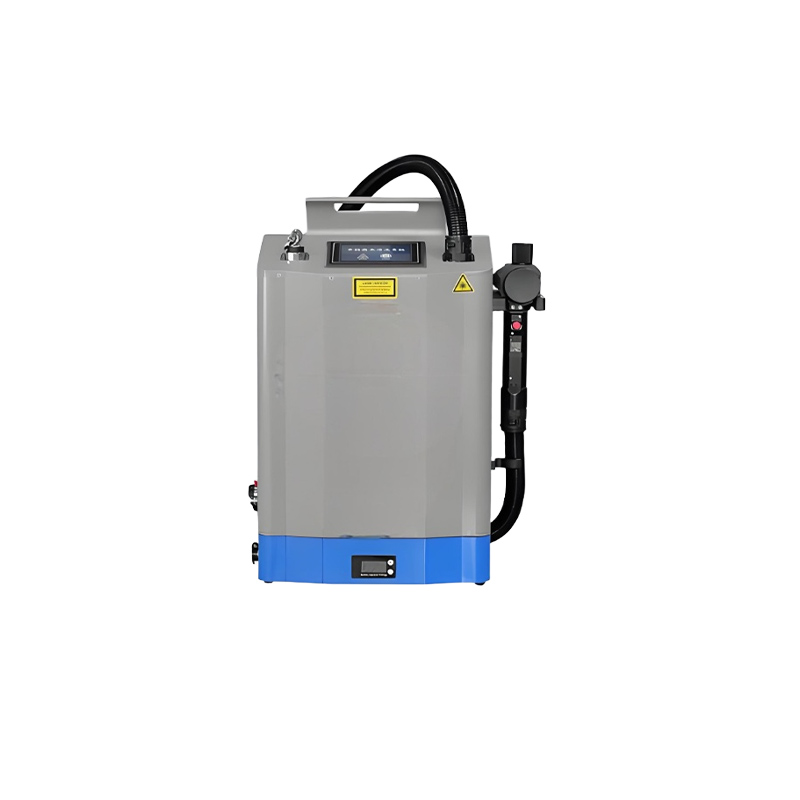
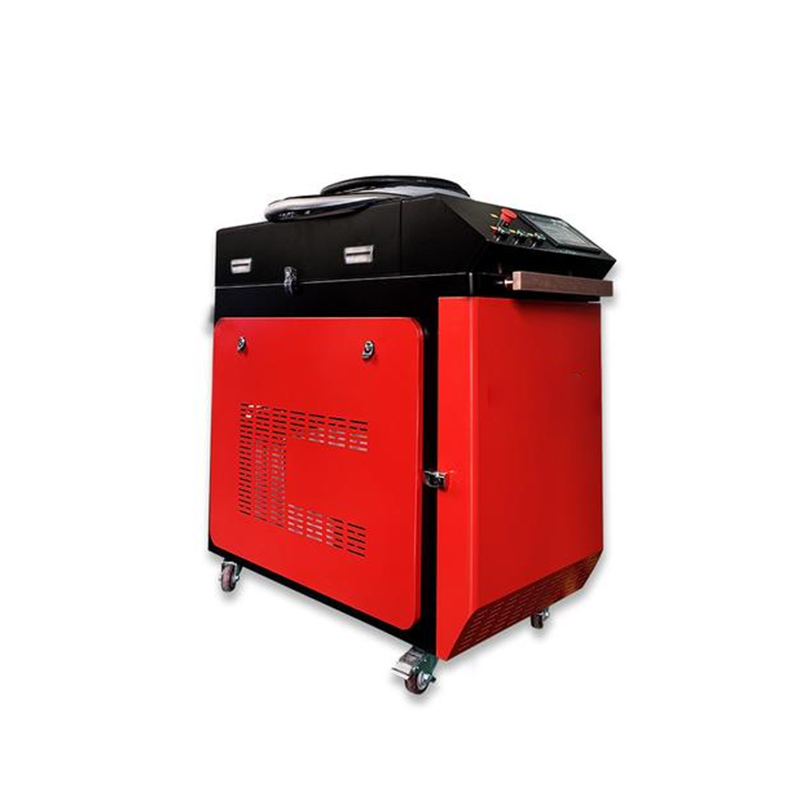
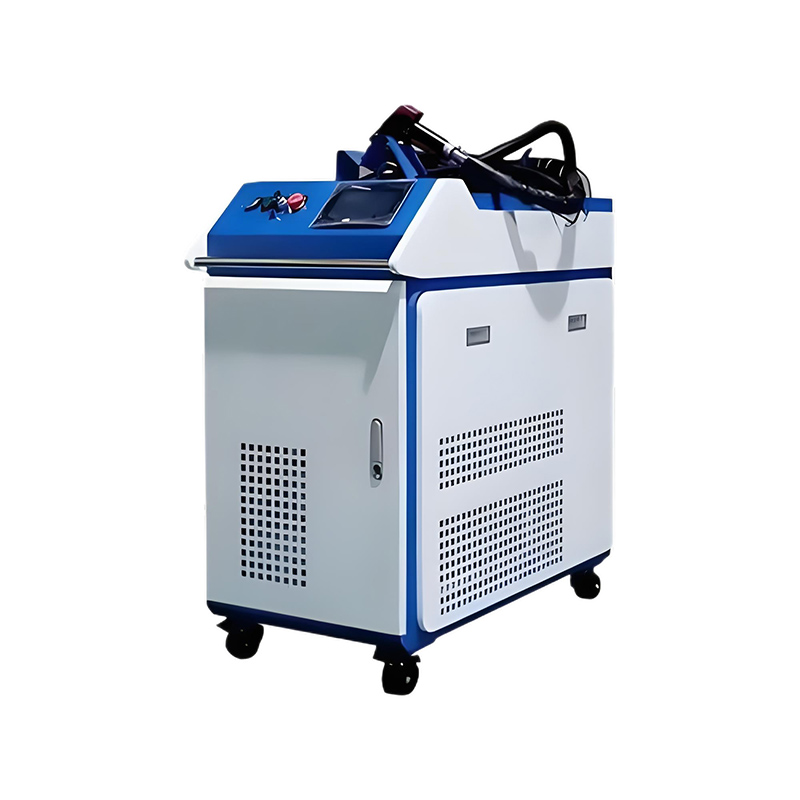
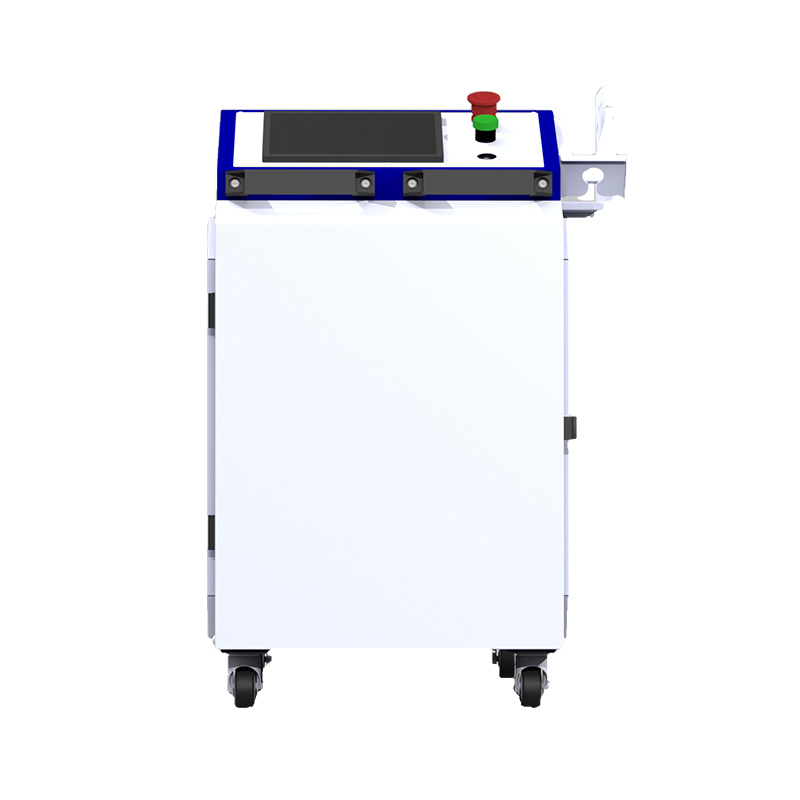
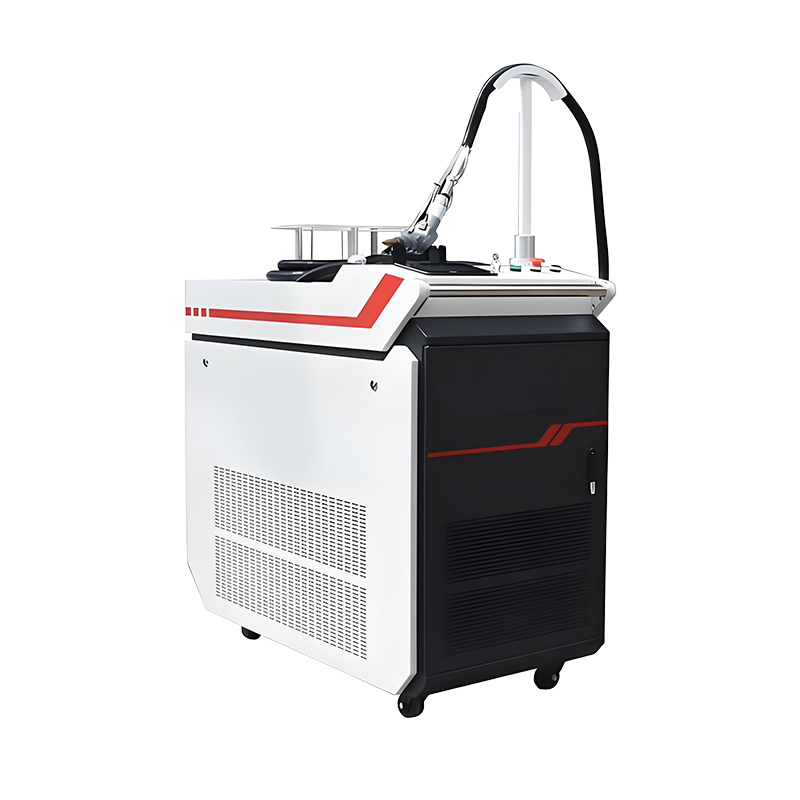
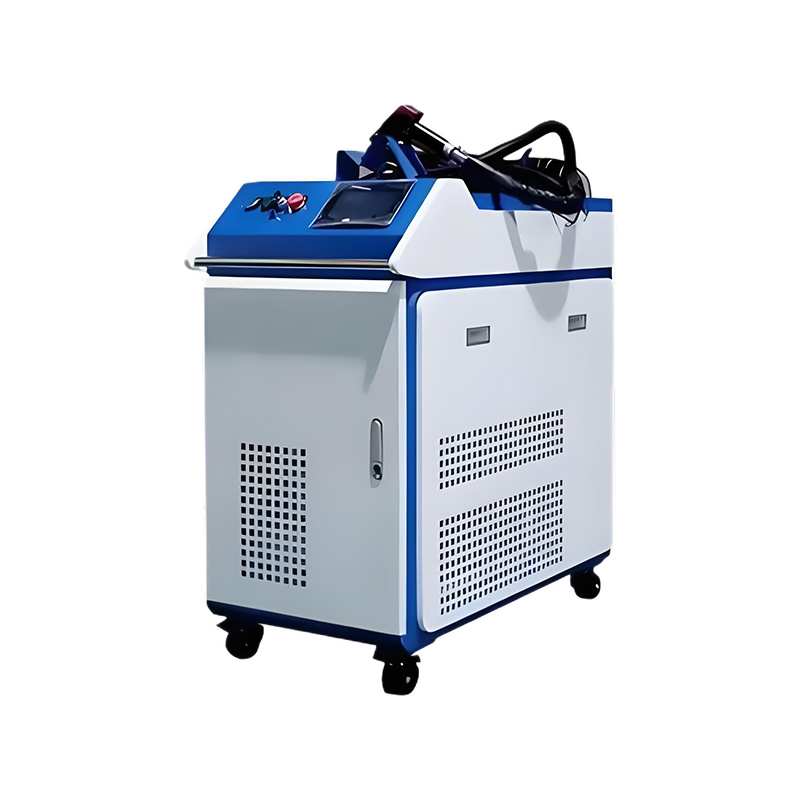
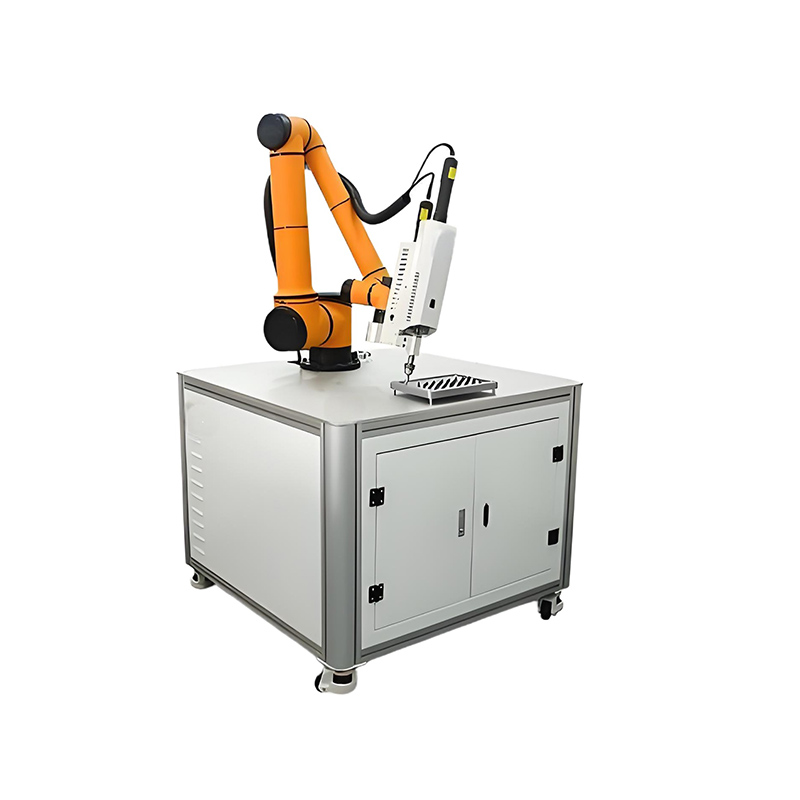
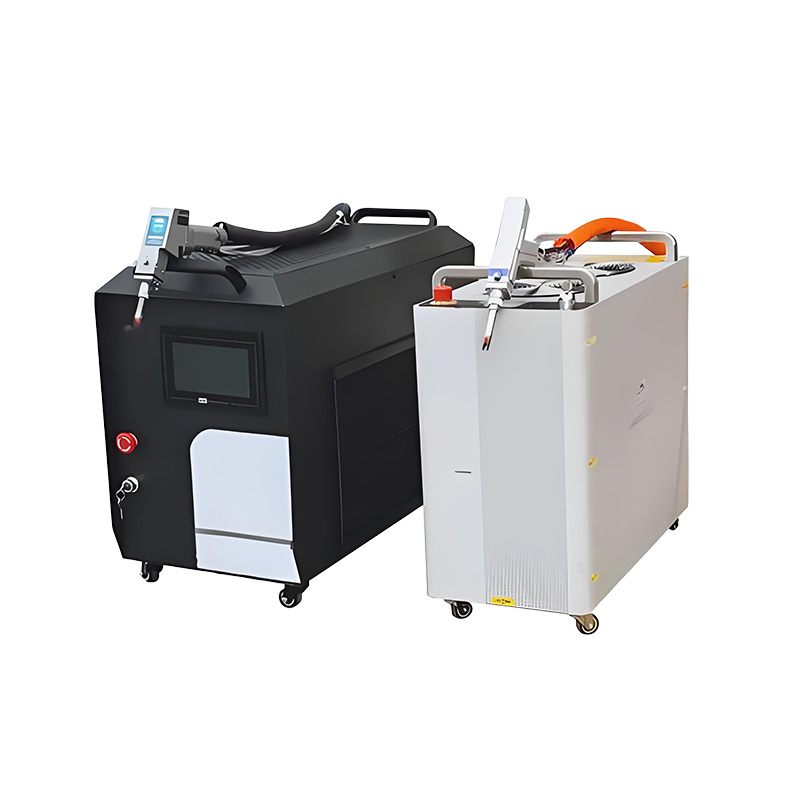
Handheld Laser Welder

Air-cooled, gas-free operation for zero setup delays. Precise 0.1mm beam: splatter-free welds on thin metals. Plug & play: welds steel, aluminum, copper instantly
  • Le Cheng
  • Shanghai
  • Three months
  • Fifty sets within the year

Structural Features

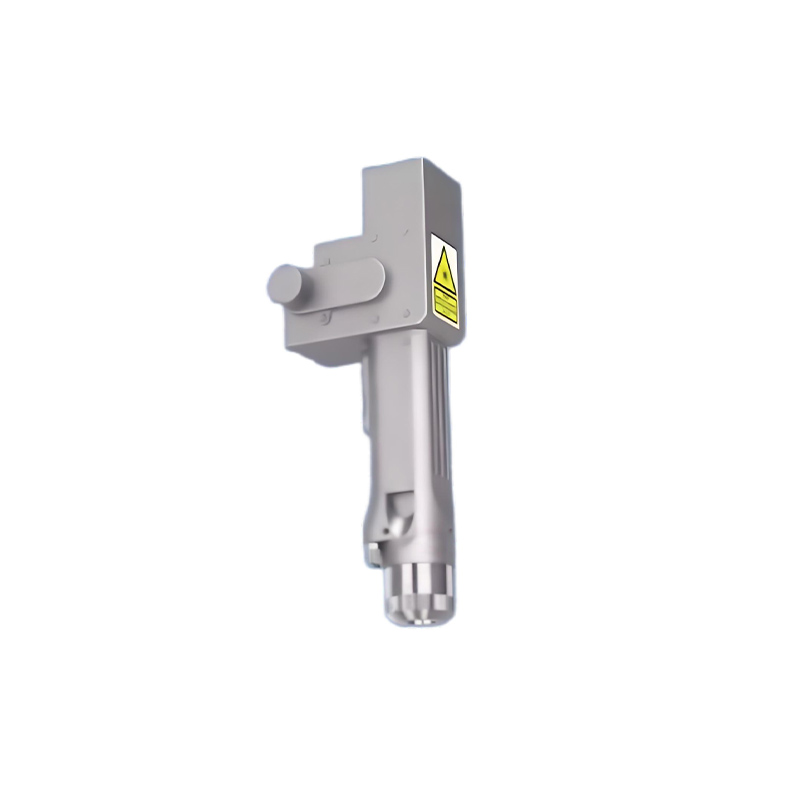
Engineered for industrial versatility, our handheld laser welder features a modular power system (500W to 3000W adjustable) and multi-mode optical output for tailored welding performance. The ergonomic magnesium-alloy body (≤15kg) integrates dual turbo-fan cooling and IP54-rated protection against dust/moisture. A 5m flexible fiber cable enables unrestricted movement, while the intuitive touchscreen supports programmable welding patterns (spot/stitch/seam/seal). Quick-swap lenses and collision-resistant nozzle design ensure durability in harsh environments.

Handheld Laser Welder

Product Advantages

  • Unmatched Power Flexibility: Match any welding task – from micro-electronics (500W) to 8mm steel plates (3000W) with one device.

  • Multi-Process Mastery: Seamlessly switch between spot welding, butt welding, stitch welding, and hermetic sealing.

  • Precision Engineering: 0.05mm repeat accuracy and <0.1mm deformation enable aerospace-grade joins on thin materials.

  • Gas-Free Operation: Eliminates shielding gas dependency – cuts operational costs by 40% versus TIG/MIG.

  • Plug-and-Play Portability: Single-phase 220V power and 60% lighter than water-cooled alternatives.

Typical Applications

Ideal for on-site repairs and precision fabrication:

  • Automotive Manufacturing: Battery tray welding (aluminum), exhaust systems (stainless steel), and body panel repairs.

  • Shipbuilding & Pipeline: Field sealing welds on decks/pipes and corrosion-resistant alloy patching.

  • Electronics: Hermetic sealing of sensor housings and micro-component spot welding.

  • Jewelry & Medical: Precision stitch welding on titanium implants and gold/silver assemblies.

  • Energy Sector: Wind turbine component repairs and solar frame fabrication in remote locations.


Specifications are indicative only - All equipment is fully customizable to your needs!


  • How long does it take from equipment ordering to official production when cooperating with Locsen?

    The overall timeline varies depending on equipment specifications and production line scale. For standalone equipment, standard models require a 45-day manufacturing cycle, with total duration (including shipping and installation) of approximately 60 days. Customized equipment requires an additional 30 days based on technical requirements. For complete line solutions: • 100MW-level production lines require ~4 months for planning, equipment manufacturing, installation, and commissioning • GW-level production lines require ~8 months We provide detailed project schedules with dedicated managers ensuring seamless coordination. Example: A client's 1GW perovskite production line was completed 15 days ahead of schedule through parallel equipment manufacturing and facility construction.
  • Does Locsen offer suitable equipment and partnership solutions for startup perovskite companies

    Locsen offers a "Phased Partnership Program" specifically designed for perovskite startups. For the initial R&D phase, we provide compact pilot-scale equipment (e.g., 10MW laser scribing systems) bundled with essential process packages to facilitate technology validation and product iteration. During scale-up phases, startups qualify for upgrade benefits: • Core modules from pilot equipment can be traded in with value deduction toward production-line machinery • Optional technical collaboration including process development support and experimental data sharing This program has successfully enabled multiple startups to transition smoothly from lab to pilot production while mitigating early-stage investment risks.
  • Can Locsen's equipment handle perovskite solar cells of varying sizes? What is the maximum supported dimension?

    Locsen's laser equipment features exceptional size compatibility, capable of processing perovskite solar cells ranging from 10cm×10cm to 2.4m×1.2m. For oversized cell processing (e.g., 12m×2.4m rigid substrates), we offer customized gantry-type laser systems with multi-laser-head synchronization to ensure both precision and throughput. • Proven Performance: Successfully processed 1.2m×0.6m cells with industry-leading scribing accuracy (±15μm) and uniformity (>98%) • Modular Design: Swappable optical modules adapt to varying thicknesses (0.1-6mm) • Smart Calibration: AI-assisted real-time beam alignment compensates for substrate warpage
  • Does Locsen provide tailored laser solutions for all key production stages of perovskite solar cells?

    Yes, Locsen provides comprehensive laser processing solutions covering the entire perovskite solar cell production chain: P0 Laser Marking: For cell identification post-film deposition P1/P2/P3 Laser Scribing: Precision patterning of • Transparent conductive layers (P1) • Perovskite active layers (P2) • Back electrodes (P3) P4 Edge Isolation: Micron-level edge trimming to prevent short-circuiting Tandem Cell Modules: Dedicated laser etching systems for multi-material layer processing Our integrated equipment ecosystem ensures all laser processing requirements are met with: • ≤20μm alignment accuracy across layers • Thermal Affect Zone controlled under 5μm • Modular platforms supporting R&D to GW-scale production
  • What composition tolerance ranges do Locsen's tools support for variant perovskite formulations?

    Locsen's laser systems demonstrate exceptional adaptability to diverse perovskite compositions. • Preloaded Parameters: Optimized settings for mainstream formulations (e.g., FAPbI₃, CsPbI₃) in the laser recipe library enable instant operator access • R&D Support: For novel compositions (e.g., Sn-based perovskites), our team delivers: Custom wavelength/fluence calibration within 72 hours Performance validation ensuring <1% PCE degradation post-processing • Smart Compensation: On-board spectroscopy modules monitor reflectivity in real-time, automatically adjusting: Pulse duration (20-500ns) Beam profile (Top-hat/Gaussian) Energy density (0.5-3J/cm²) Technical Highlights: ▸ Tolerance for ±15% stoichiometric variation in Pb:Sn ratios ▸ Support for 2D/3D hybrid phase patterning ▸ Non-contact processing avoids cross-contamination

Related Products

  • Demystifying Beam Splitting Technologies in Perovskite Photovoltaic Laser Processing
    Demystifying Beam Splitting Technologies in Perovskite Photovoltaic Laser Processing
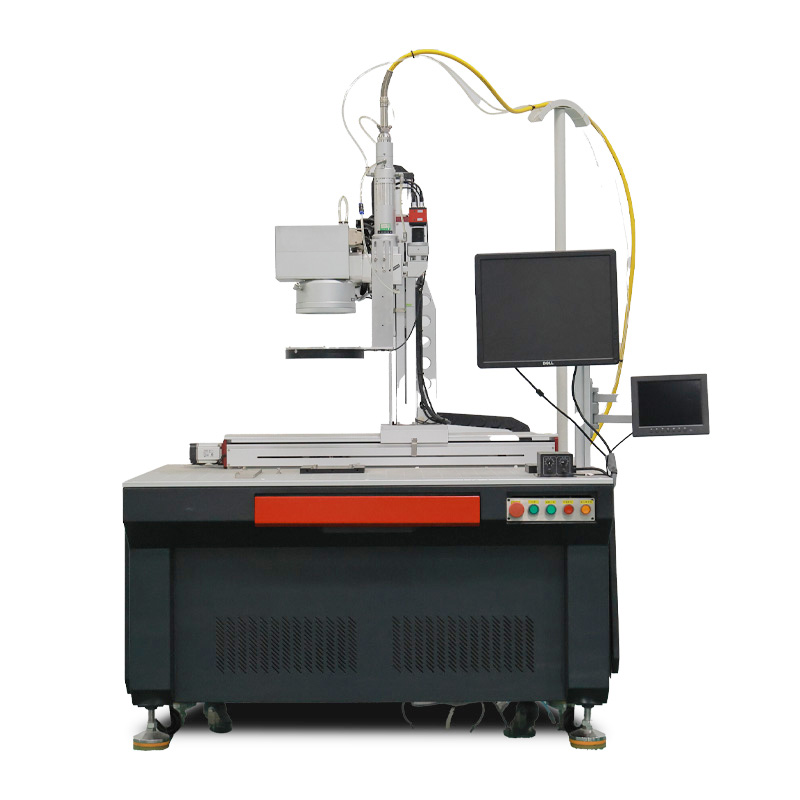
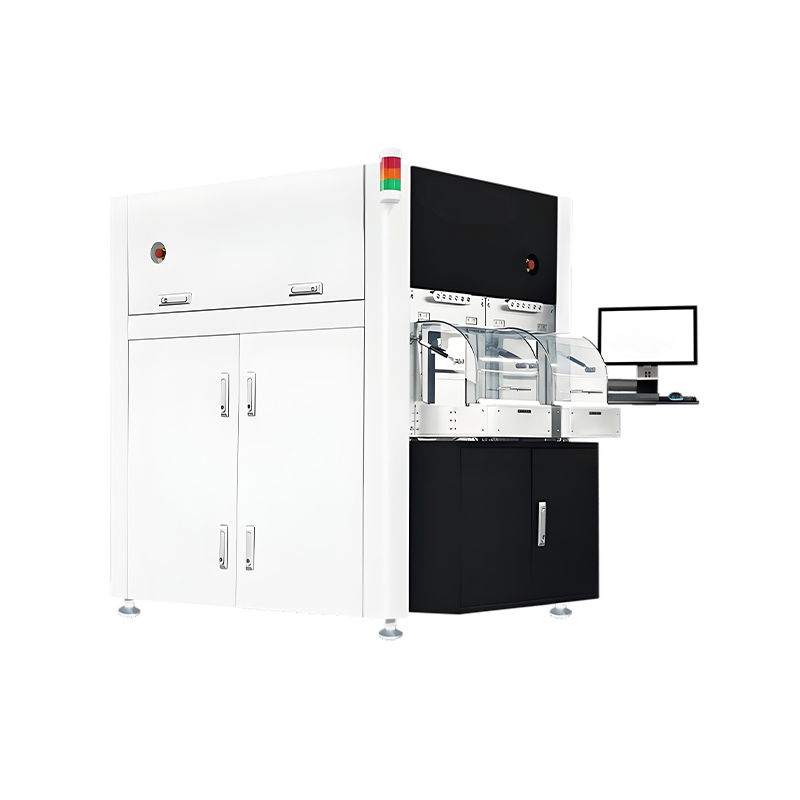
    The transition to gigawatt-scale perovskite solar production hinges on precision laser processing, where beam splitting technology plays a pivotal role. By dividing a single laser source into multiple beams, this technique enables simultaneous scribing of P1-P3 patterns and edge isolation (P4), directly impacting throughput, dead zone control, and production costs. Current industrial approaches primarily include mechanical beam splitting and diffractive optical elements (DOEs), each with distinct advantages for perovskite’s thermal sensitivity and scalability requirements.
    More
  • The Application of Laser Technology in the Industrialization of Perovskite Solar Cells
    The Application of Laser Technology in the Industrialization of Perovskite Solar Cells
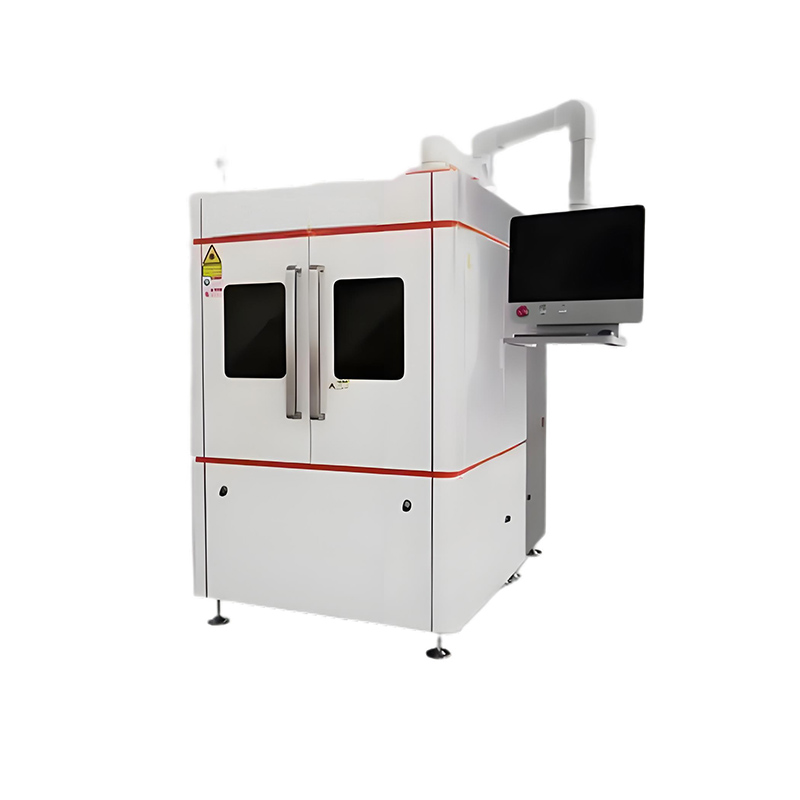
    Perovskite solar cells (PSCs) represent the third generation of thin-film solar technology, renowned for their high efficiency, low cost, and flexibility. As industrialization progresses, laser technology has emerged as a critical enabler, addressing key challenges in precision processing and scalability. This article explores the multifaceted role of lasers in PSC manufacturing.
    More
  • Roll-to-Roll (R2R) Laser Scribing System for Thin-Film Solar Cells
    Roll-to-Roll (R2R) Laser Scribing System for Thin-Film Solar Cells
    The equipment utilizes a high-energy-density laser beam, precisely controlled by a computer system, to process roll-to-roll thin-film solar cell materials according to pre-programmed scribing patterns. Through laser thermal or cold processing effects, the thin-film material is instantaneously vaporized, separated, or modified, achieving precise scribing to either segment the cells or create specific circuit patterns on them.
    More
  • Perovskite Photovoltaic Module
    Perovskite Photovoltaic Module
    Lecheng's laser scribing equipment, equipped with a high-precision laser control system, achieves micron-level patterning accuracy with smooth, thermally damage-free edges. This significantly reduces internal resistance losses in solar cells, pushing power conversion efficiency to industry-leading levels—perfectly meeting the high-power output demands of mass production.
    More
  • High-Precision Laser Micromachining Equipment
    High-Precision Laser Micromachining Equipment
    Laser high-precision micromachining technology achieves material processing through precise control of core parameters such as wavelength, pulse width, and energy density, utilizing either thermal or cold processing mechanisms. This induces instantaneous material vaporization, melting, or modification, enabling operations such as cutting, drilling, engraving, and surface treatment. It stands as a pivotal technology in high-precision manufacturing.
    More
  • Customer Acclaim
    Customer Acclaim
    This prestigious accolade has significantly elevated Lecheng Intelligent's industry visibility and reputation, distinguishing it as a trusted leader among suppliers. The recognition solidifies its competitive edge and lays a robust foundation for market expansion.
    More

40px

80px

80px

80px

Get Quote