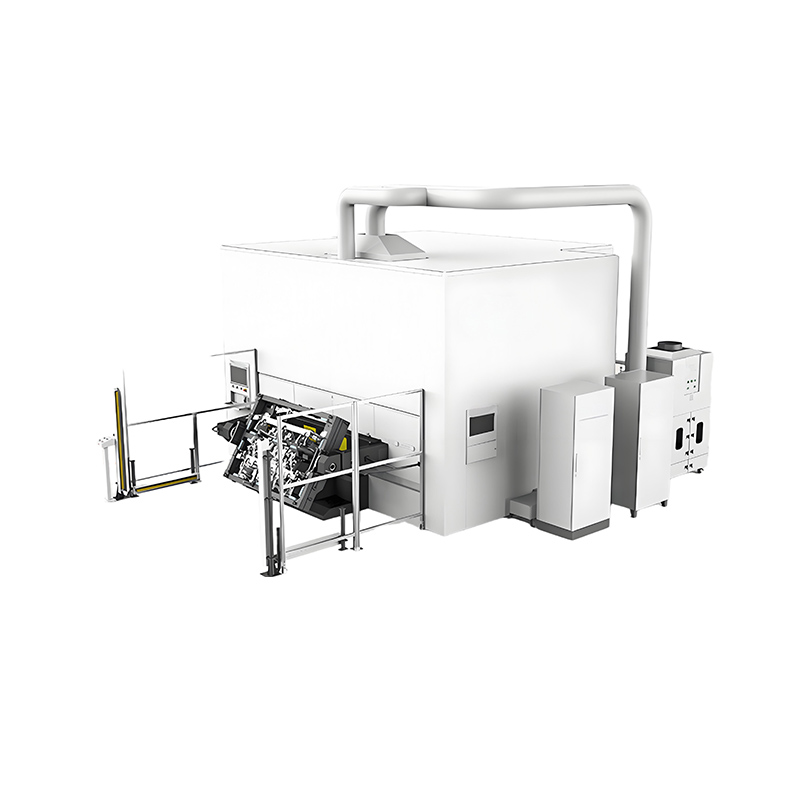
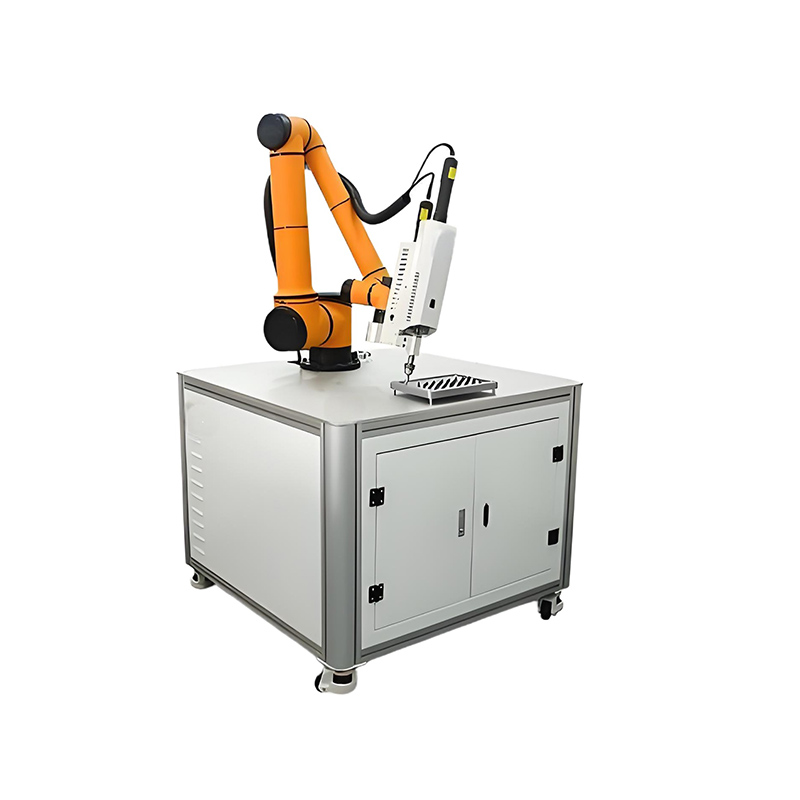
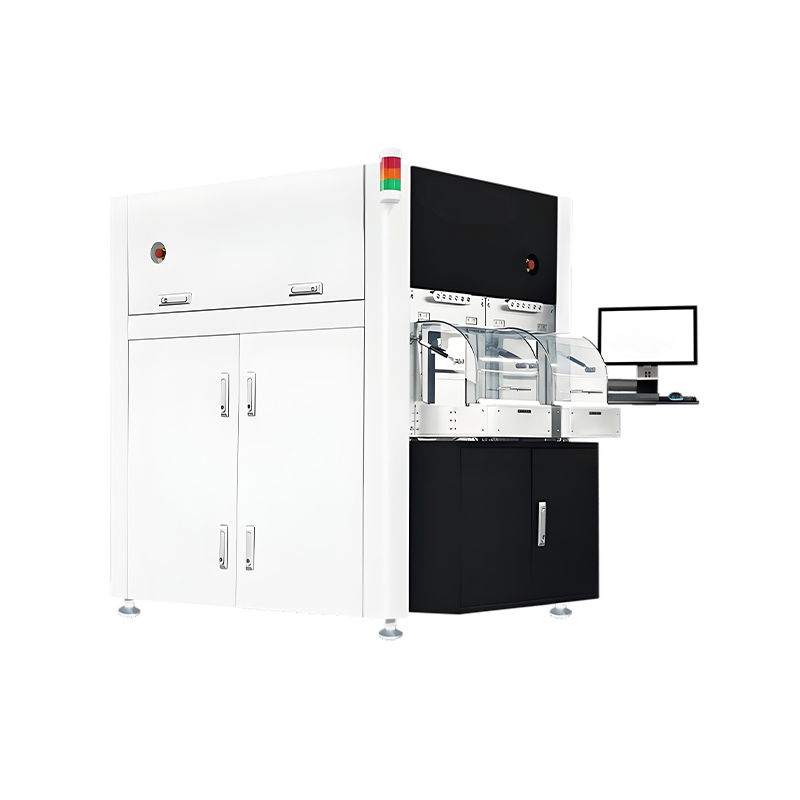
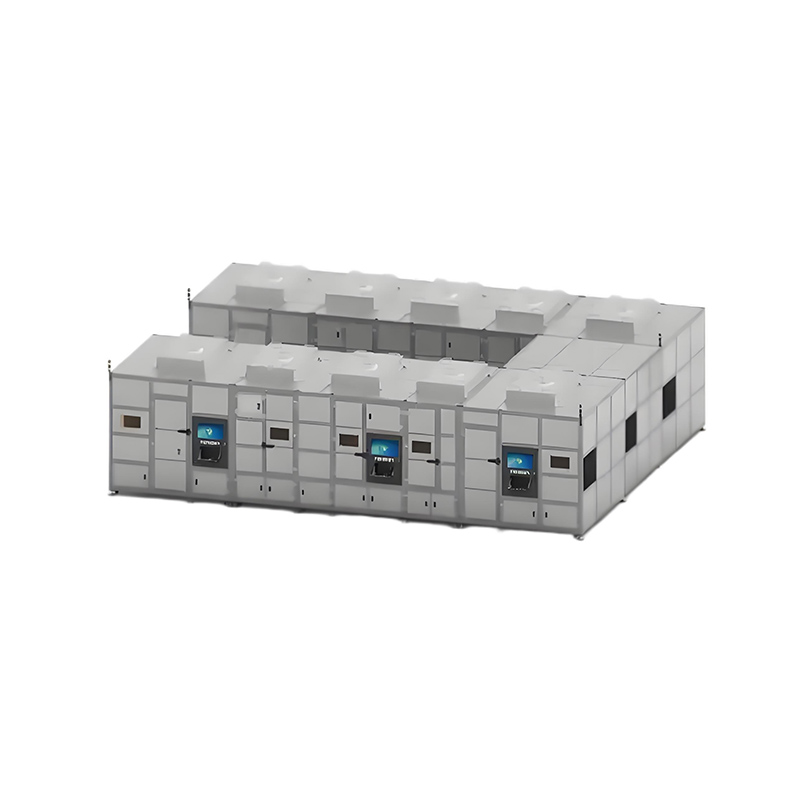
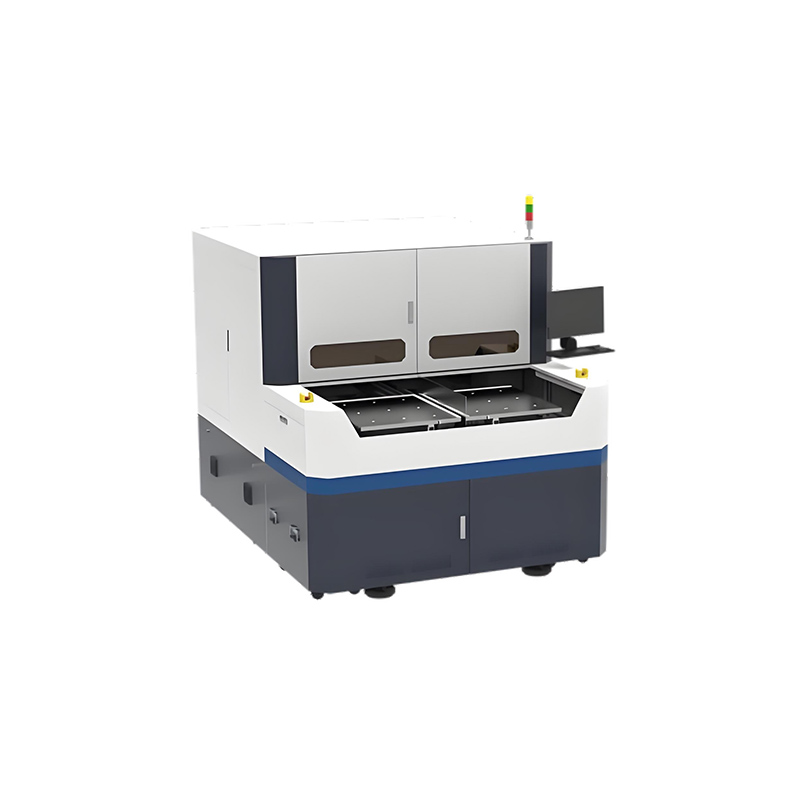
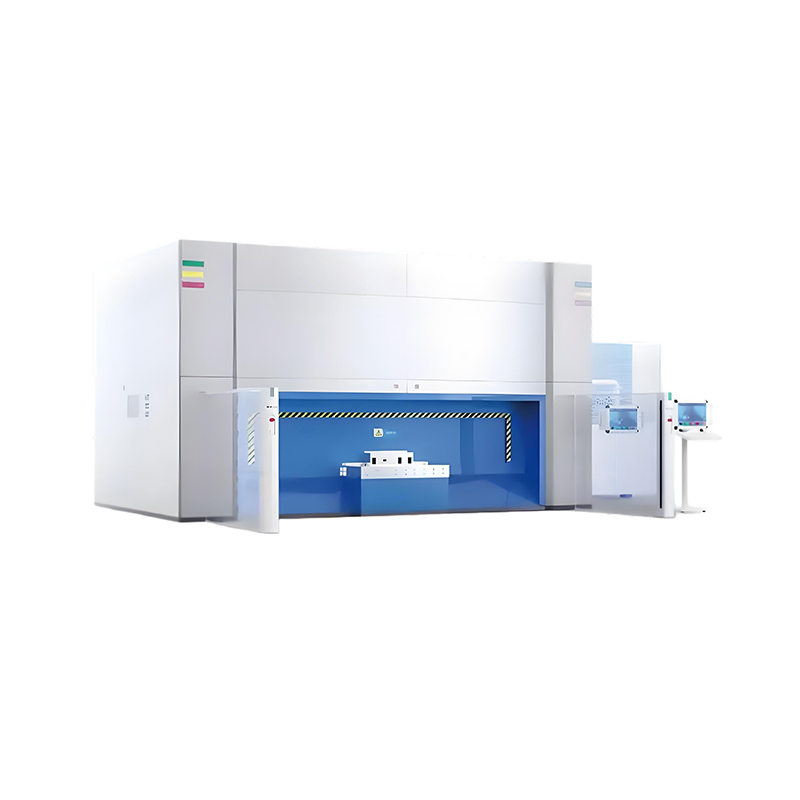
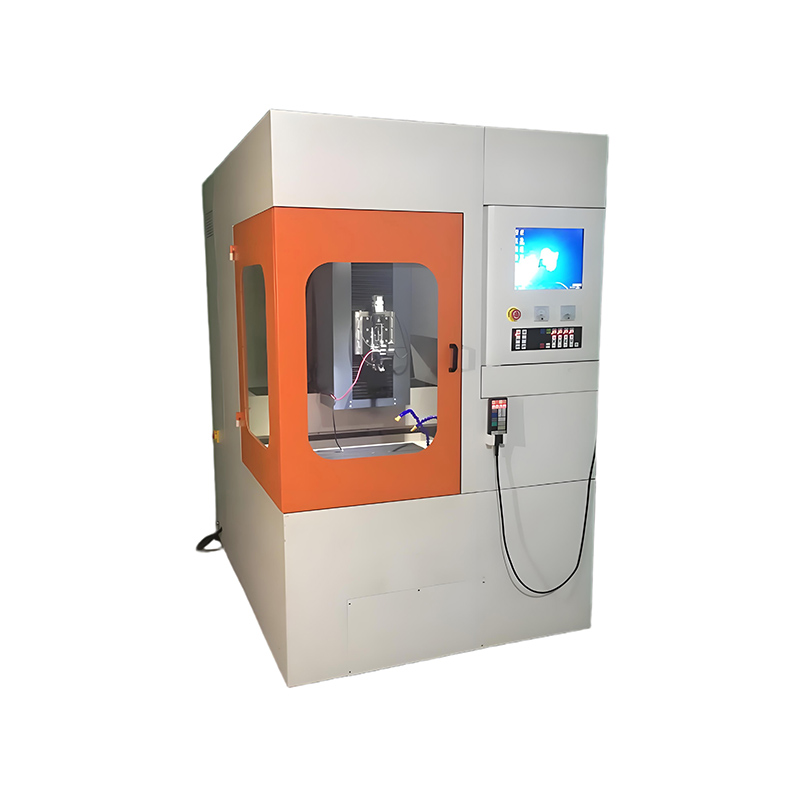
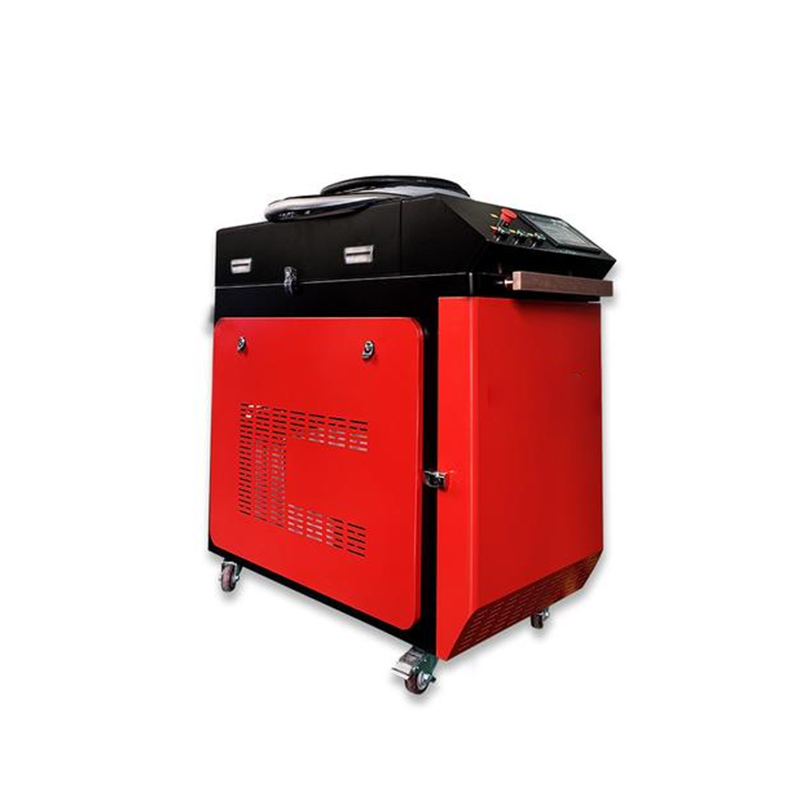
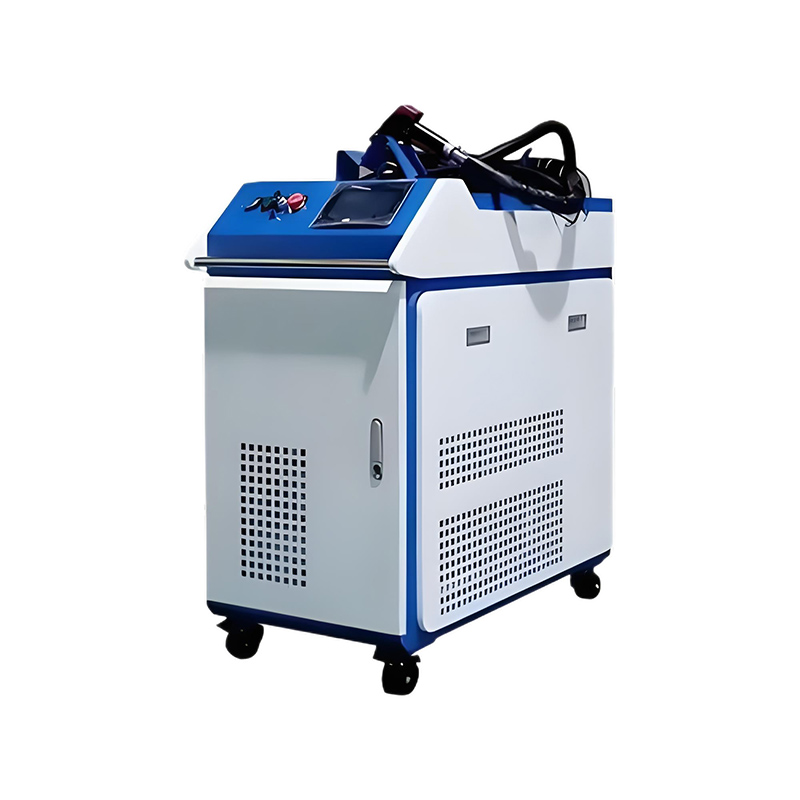
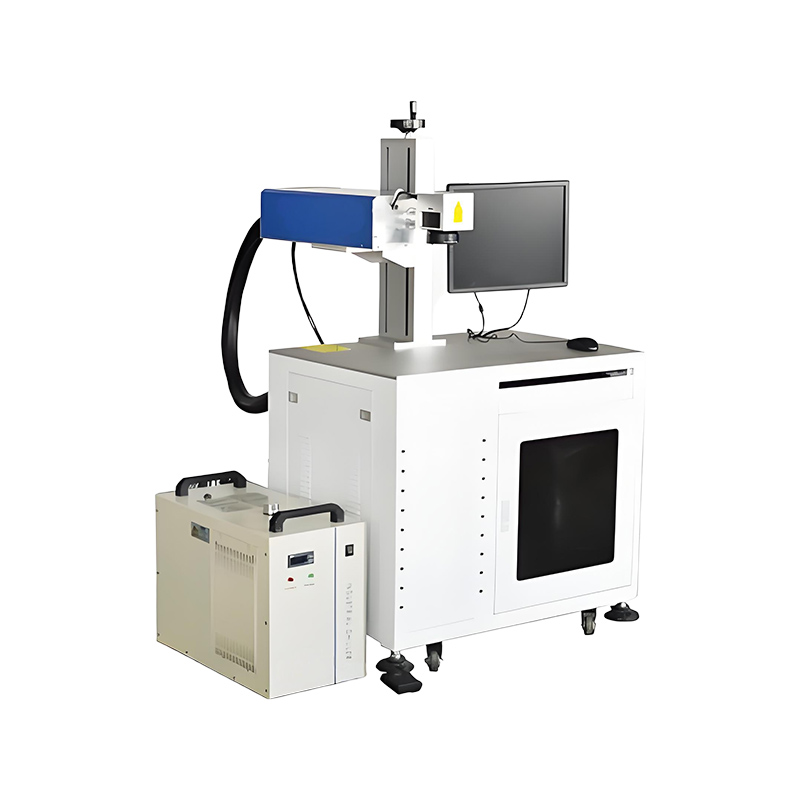
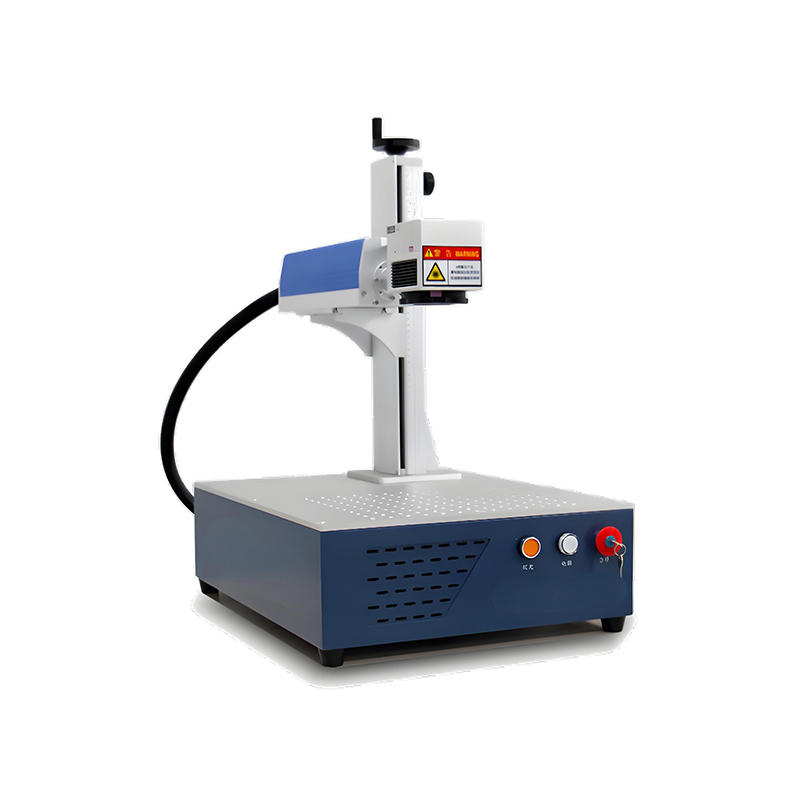
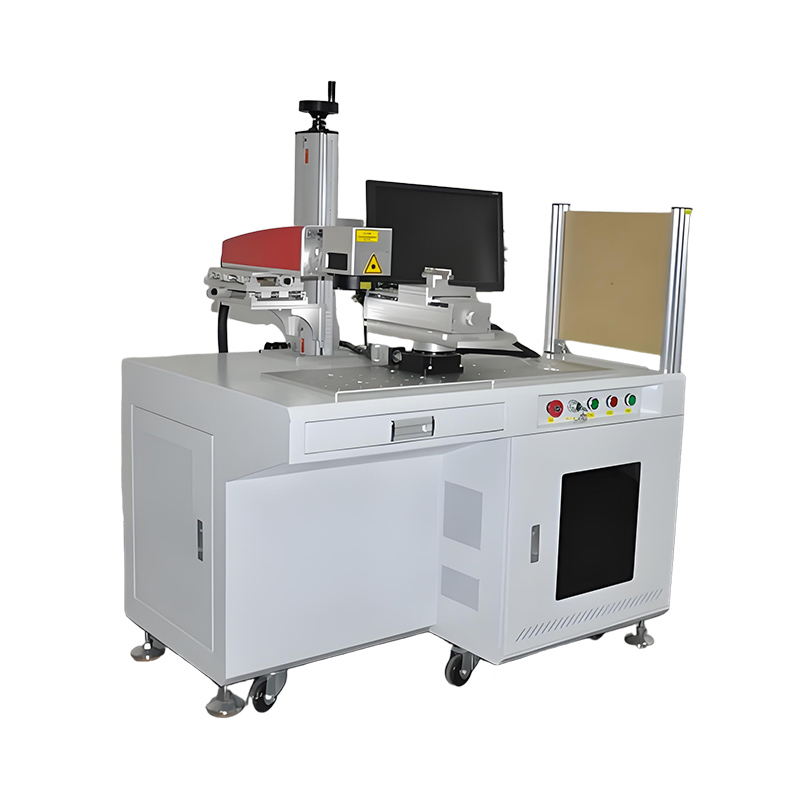
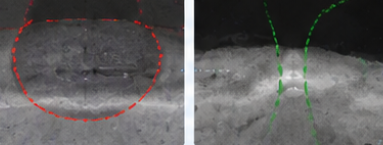
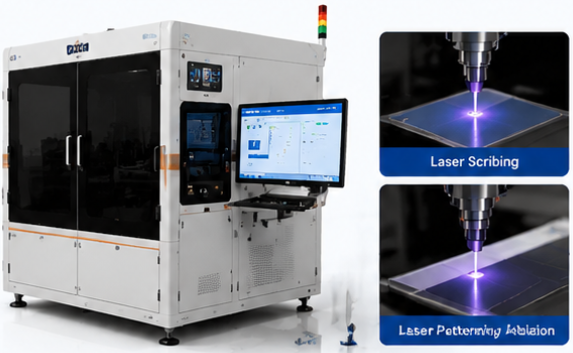
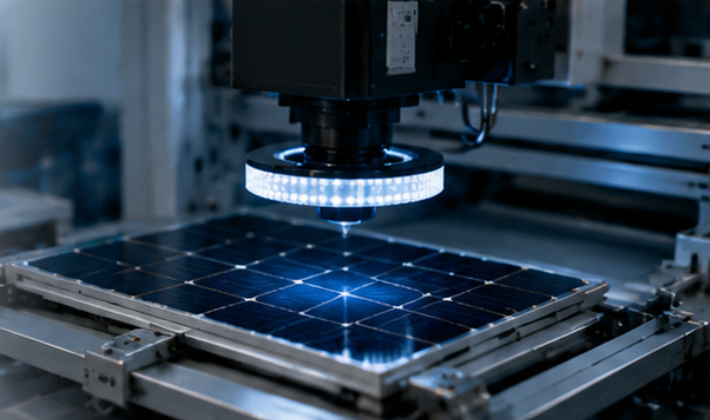
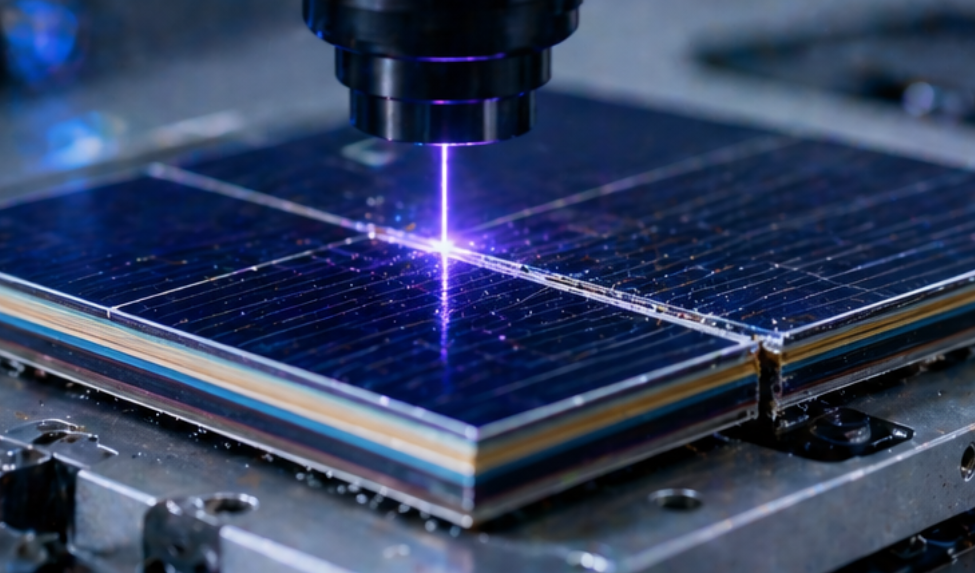
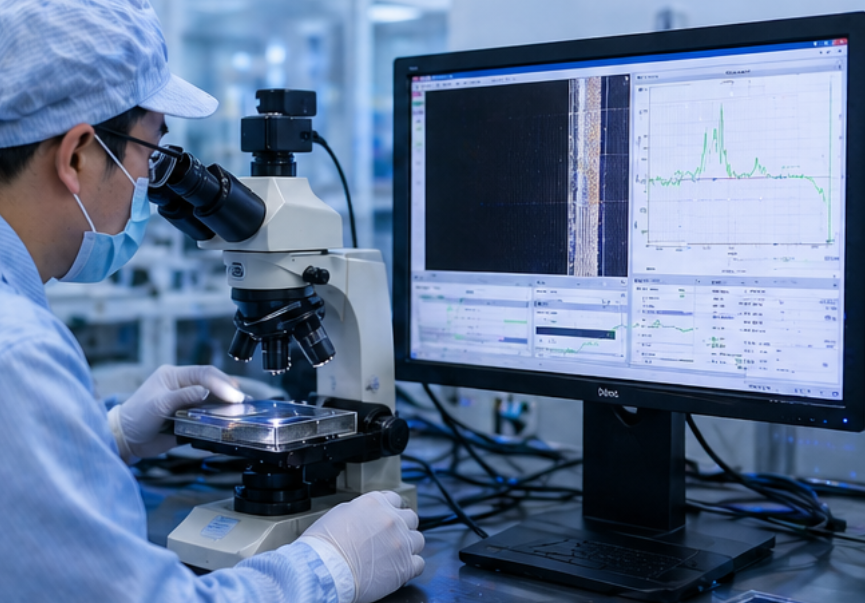
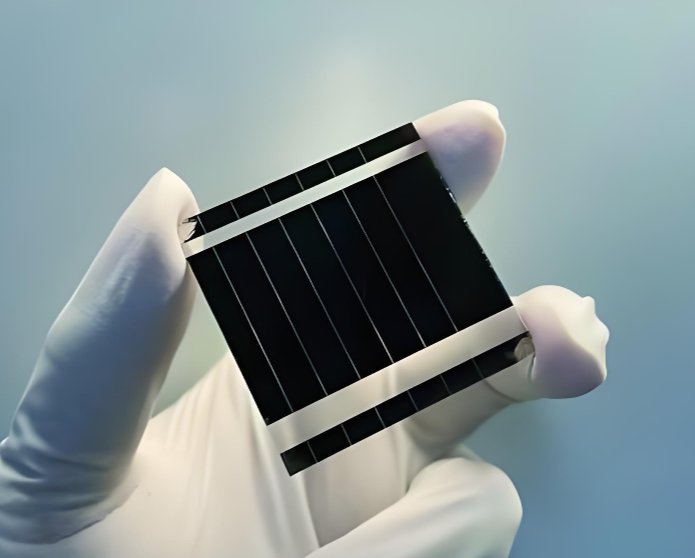
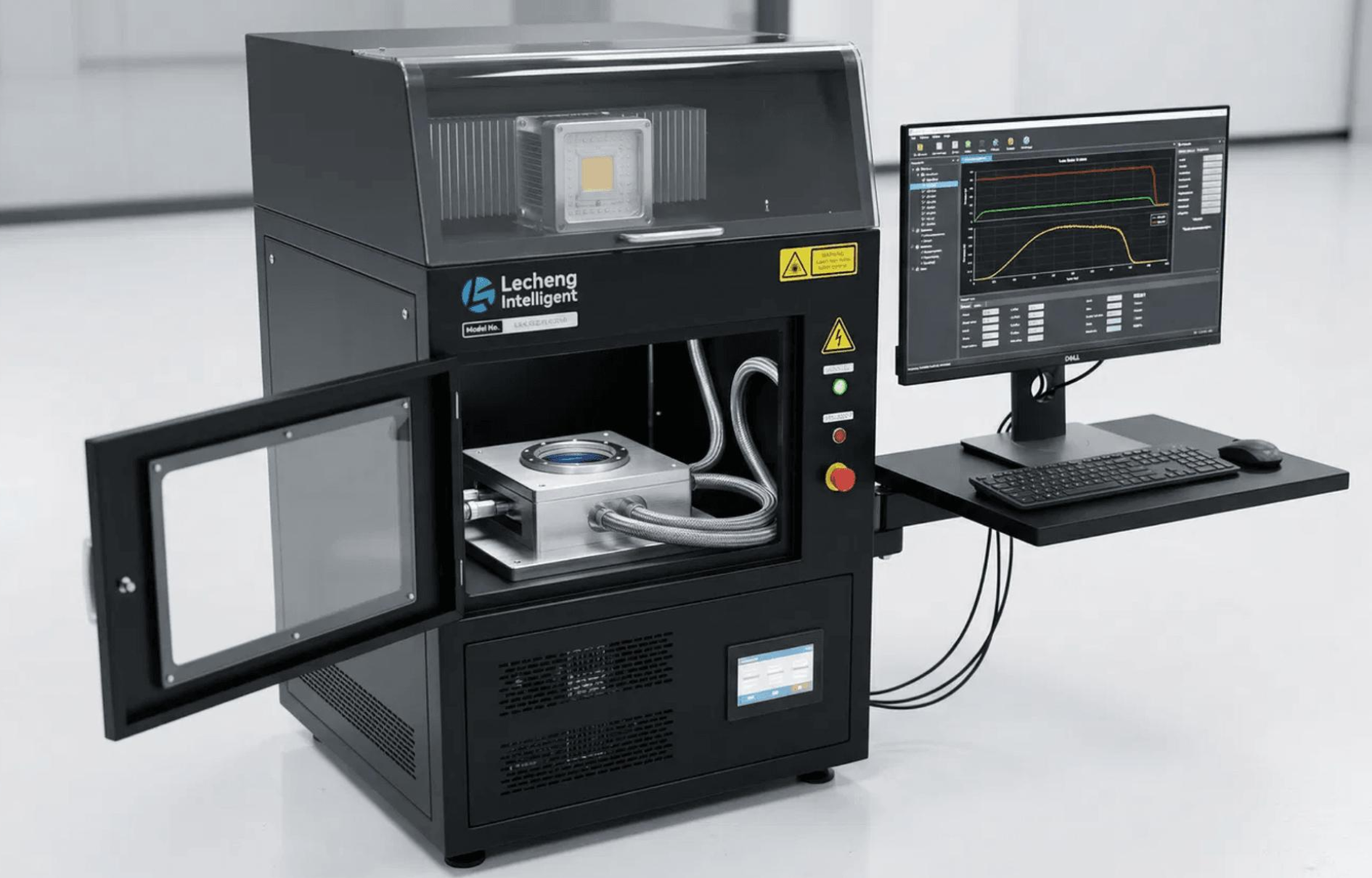
Reducing HAZ is a key factor in improving perovskite laser line efficiency and reliability. Evaluate laser system parameters, motion accuracy, and cooling strategies to achieve precise, high-yield module scribing.
Understanding laser system specifications is essential for industrial perovskite module production. Buyers should assess laser wavelength, pulse width, alignment precision, beam quality, substrate compatibility, automation, and software features to ensure high yield, reproducibility, and scalability.
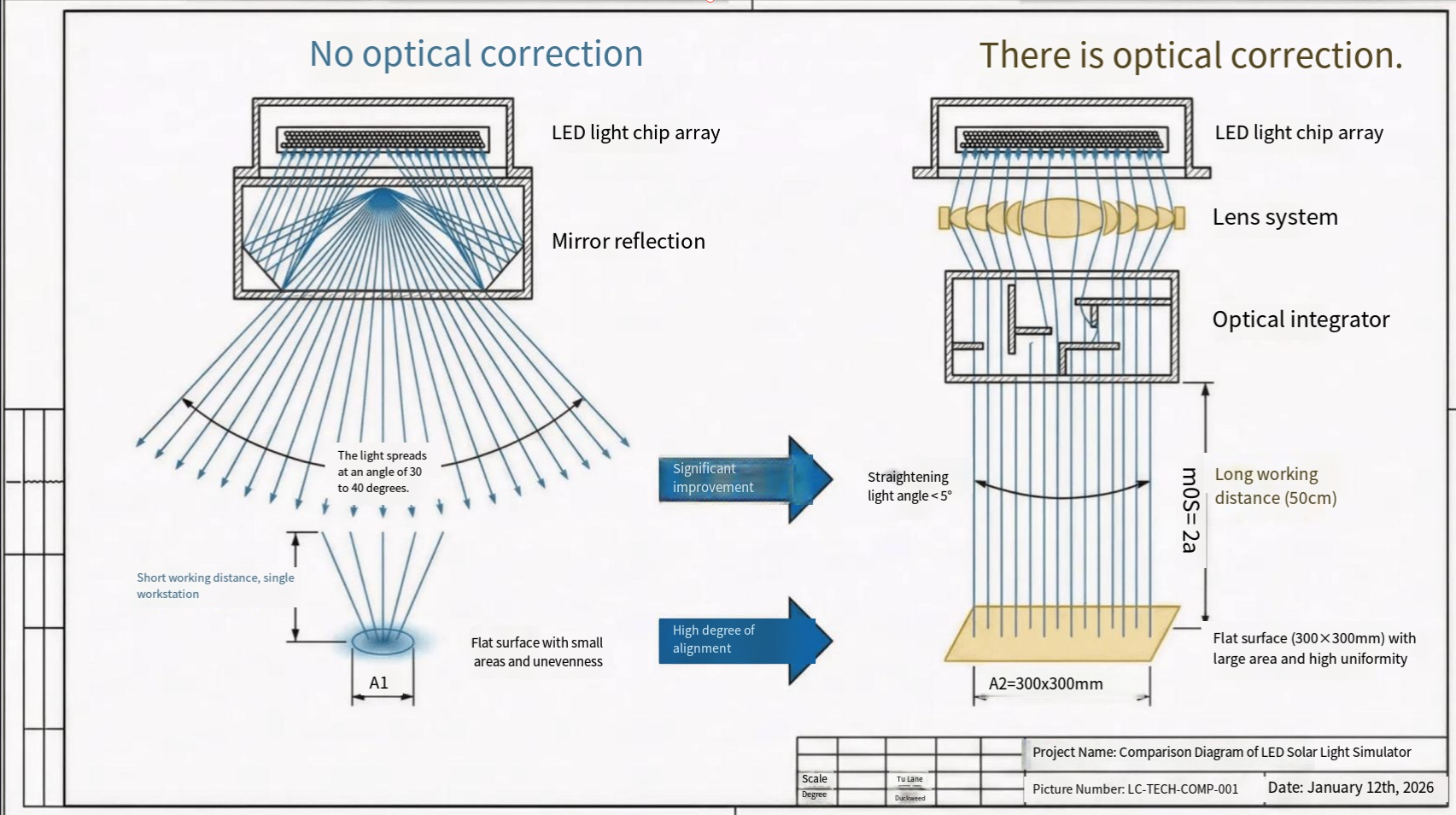
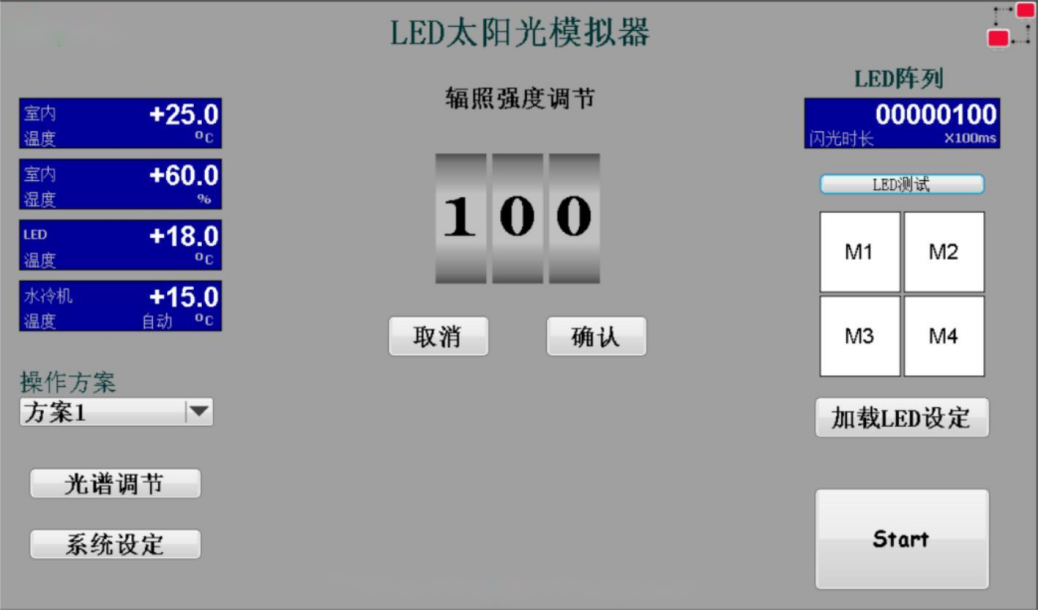
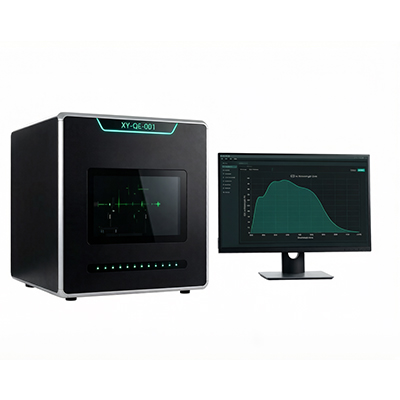
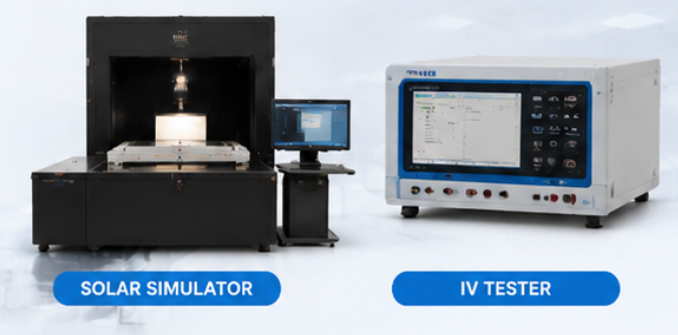
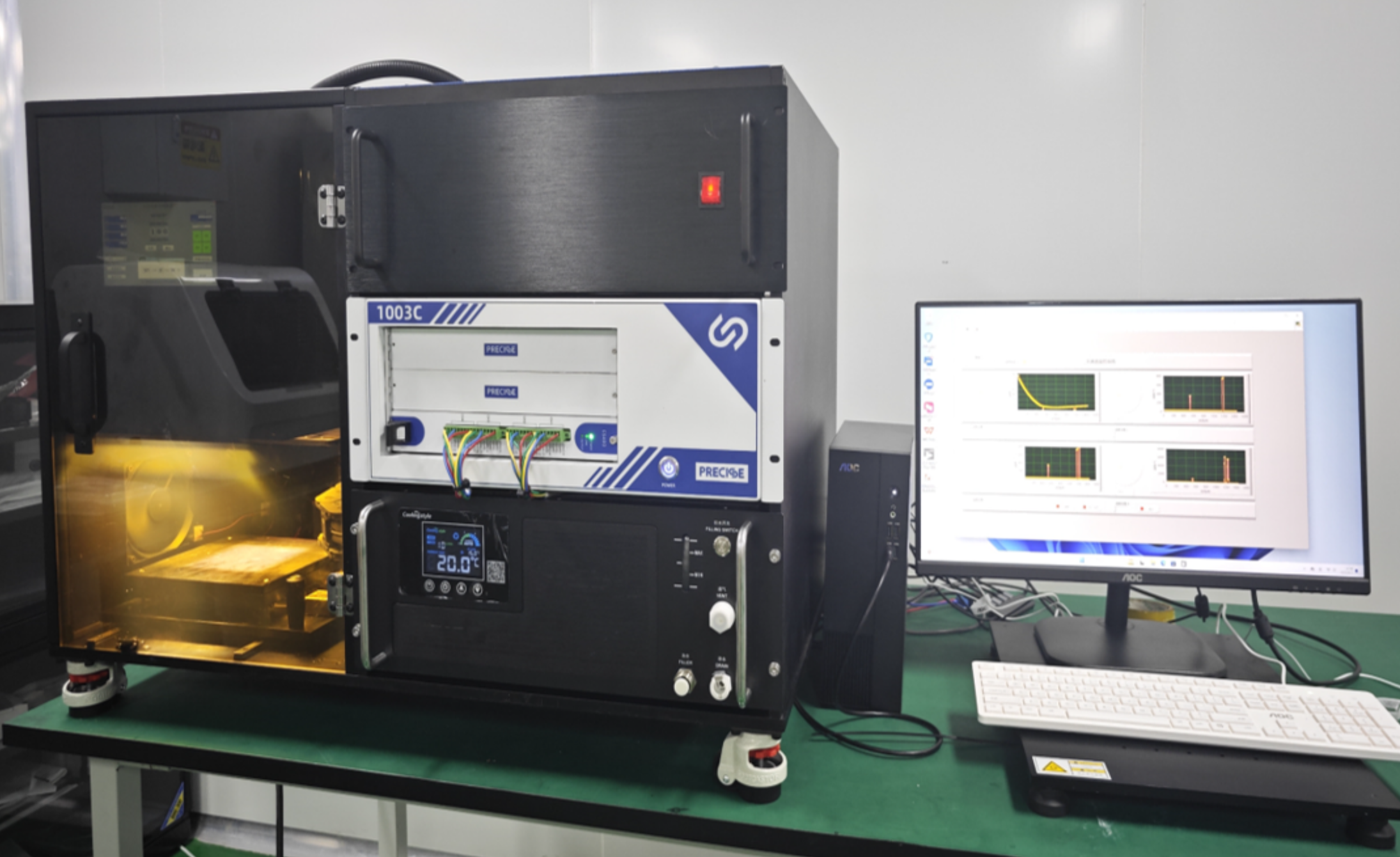
Selecting the right solar simulators and IV testers ensures accurate efficiency measurement, repeatability, and reliable R&D and pilot line results. Verify spectral match, uniformity, and system integration to maximize process reliability and module yield.
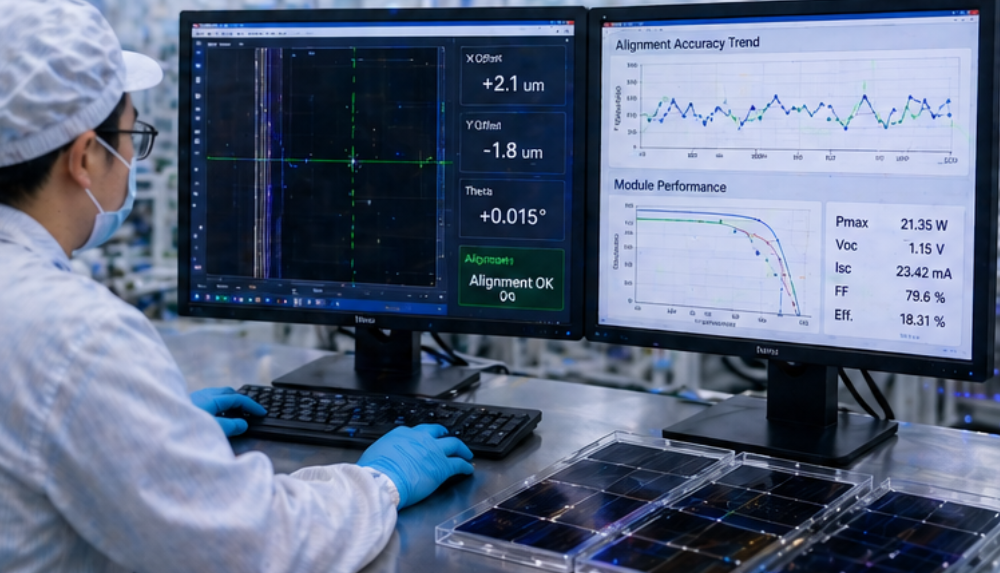
Alignment accuracy during P1, P2, and P3 laser scribing directly affects perovskite module yield. Misalignment reduces active area, increases dead zones, and can cause shorts or interconnection failures. Buyers and engineers must carefully assess equipment precision and repeatability to maximize yield.
Laser scribing and mechanical scribing can both be used in thin-film solar cell research, but they are not equal for scalable perovskite module manufacturing. Laser scribing offers higher precision, better repeatability, lower mechanical stress and stronger automation potential.
For buyers planning perovskite pilot lines or future commercial production, laser scribing is usually the more reliable and scalable solution.
Alignment accuracy is a key factor that directly affects perovskite module yield, efficiency and long-term reliability. High-precision alignment enables better interconnection, higher active area utilization and more stable performance.
For buyers, selecting a laser processing system with strong alignment capability is essential for successful transition from R&D to pilot line and scalable manufacturing.
P4 laser edge deletion is essential for ensuring long-term reliability of perovskite solar modules. By removing edge layers and creating a clean sealing area, it prevents leakage, improves encapsulation quality and enhances module durability.
For buyers, selecting the right P4 laser system means focusing on precision, process stability and compatibility with your module design and production scale.
Before purchasing a solar simulator, buyers should request core optical data, repeatability and calibration information, and application-specific test evidence. The more transparent and relevant the data, the lower the procurement risk. For serious buyers, strong test data is not just supporting material—it is the foundation of a confident buying decision.
The repeatability of solar simulator results in daily testing depends on optical stability, system design, operator workflow, and calibration discipline working together. For buyers, the key is to evaluate repeatability through real data and real operation scenarios, not just specification sheets. A highly repeatable system creates more trustworthy test results and better production control over time.
Comparing solar simulators beyond initial price means looking at optical performance, operating cost, maintenance burden, and supplier support together. For serious buyers, the most valuable system is not the lowest-priced one, but the one that delivers accurate testing, efficient daily use, and lower long-term risk.