Products

Featured products

Contact us

Comparative Study: Roll-to-Roll Laser Scribing & Edge-Cleaning System vs. Traditional Processes in the Printing Industry
2025-11-16

Comparative Study: Roll-to-Roll Laser Scribing & Edge-Cleaning System vs. Traditional Processes in the Printing Industry

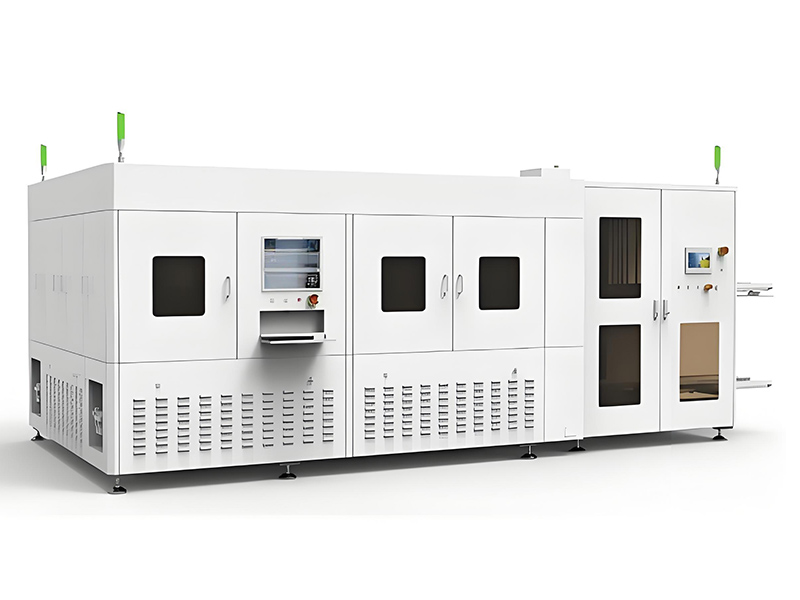
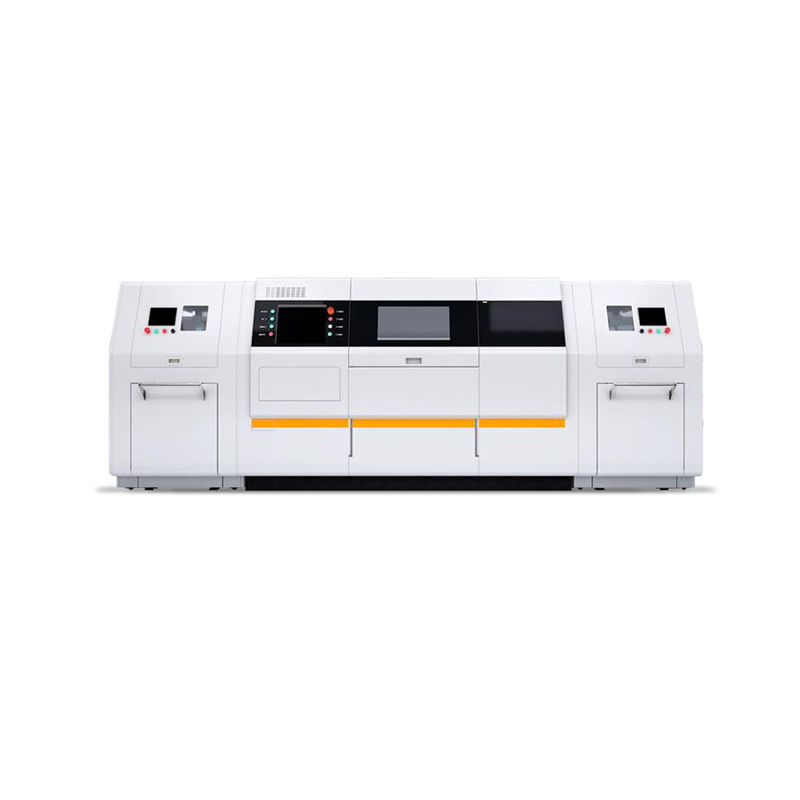
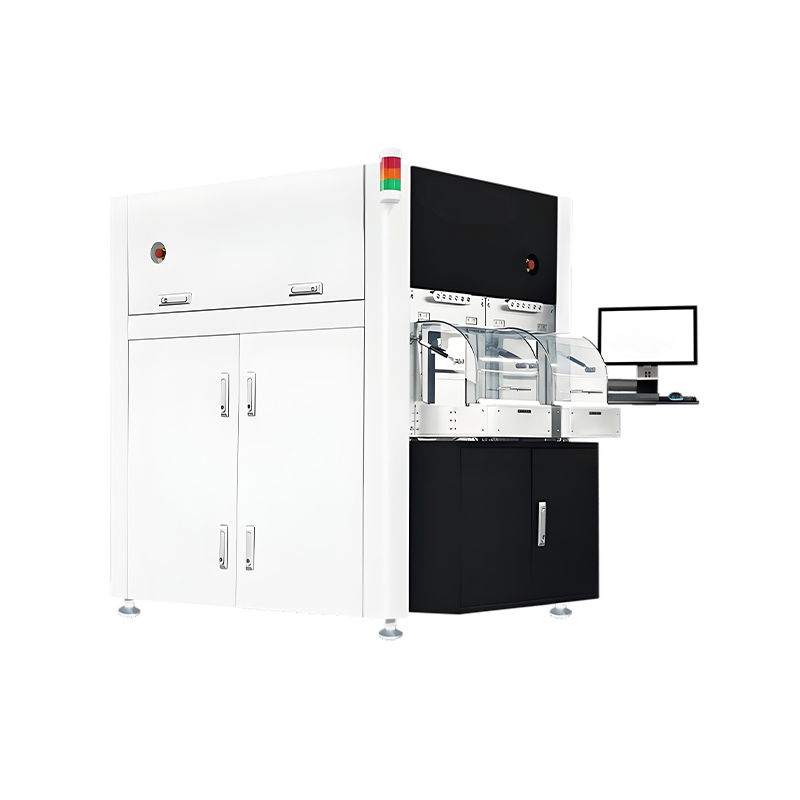
Roll-to-Roll Laser Scribing & Edge-Cleaning System

Introduction

The printing industry is evolving with increasing demands for high-precision, high-efficiency, and environmentally friendlymanufacturing processes. Traditional mechanical scribing and chemical cleaning methodshave long been used, but the roll-to-roll (R2R) laser scribing & edge-cleaning systemis emerging as a disruptive technology.

This article compares the efficiency, product quality, flexibility, and sustainabilityof R2R laser systemsversus traditional processesin printing (e.g., flexible electronics, packaging, and industrial printing). A detailed comparison tablehighlights key differences, followed by an analysis of the potential for R2R laser systems to replace or complement traditional methods.

Comparison Table: R2R Laser vs. Traditional Processes

Criteria

Roll-to-Roll Laser Scribing & Edge-Cleaning

Traditional Processes (Mechanical + Chemical)

1. Production Efficiency

✅ High-speed continuous processing(up to meters per minute)
✅ No tool wear or downtime for tool changes

❌ Slower batch processing(mechanical cutting/etching)
❌ Frequent tool maintenance & replacement

2. Product Quality

✅ Ultra-precise scribing (±10 µm tolerance)
✅ Clean, burr-free edges(no mechanical stress)
✅ Consistent quality for thin/flexible materials

❌ Mechanical stress leads to cracks/delamination
❌ Chemical residues & uneven edges
❌ Lower precision in fine-line printing

3. Flexibility

✅ Adaptable to various materials (PET, PI, thin metals, etc.)
✅ No mask or stencil needed (direct laser patterning)
✅ Easily adjustable for different patterns

❌ Limited to pre-made stencils/masks
❌ Material constraints (some substrates deform under pressure)
❌ Less adaptable to design changes

4. Environmental Impact

✅ No chemical waste (green manufacturing)
✅ Low energy consumption (modern laser systems)
✅ No volatile organic compounds (VOCs)

❌ Chemical etching produces toxic waste
❌ High water & energy usage in cleaning
❌ VOC emissions from solvents

5. Cost Efficiency (Long-Term)

✅ Lower operational costs (no consumables like blades/chemicals)
✅ Reduced scrap rate (higher yield)
❌ Higher initial investment

❌ Ongoing costs for blades, chemicals, and maintenance
✅ Lower upfront costs
❌ Higher long-term waste disposal costs


Key Advantages of R2R Laser Systems in Printing

1. Superior Efficiency & Speed


  • Continuous roll-to-roll processingeliminates the need for stop-and-start batch processingin traditional methods.


  • Laser scribing is 10–100x fasterthan mechanical scoring, enabling mass production of flexible printed electronics.


2. Enhanced Product Quality


  • No mechanical stress→ Reduced cracking, delamination, and material waste.

  • Laser precision (±10 µm)ensures sharp, clean edgesfor high-resolution printing(e.g., flexible circuits, RFID tags).

  • Edge cleaning without chemicals→ No residue, better adhesion for coatings/laminates.


3. Greater Flexibility & Customization


  • No need for stencils/masks→ Instant design changes without retooling.

  • Works on thin, delicate, and multi-layer materials(e.g., OLEDs, stretchable sensors).


4. Eco-Friendly & Sustainable


  • No chemical etching or solvents→ Zero toxic waste.

  • Lower energy consumptioncompared to traditional drying/cleaning processes.


Can R2R Laser Systems Replace Traditional Processes?

✅ Likely to Replace in:


  • High-precision flexible electronics(OLEDs, wearable sensors).

  • Eco-conscious printing(packaging, labels with minimal waste).

  • High-volume production(where speed and consistency matter).


❌ Still Complemented by Traditional Methods in:


  • Low-cost, simple printing(where initial laser investment is unjustified).

  • Thick, rigid materials(where mechanical cutting is still efficient).

  • Legacy manufacturing setups(slow transition due to equipment costs).


Conclusion

The roll-to-roll laser scribing & edge-cleaning systemoffers clear advantagesover traditional printing processes in speed, precision, flexibility, and sustainability. While initial costs are higher, the long-term benefits in efficiency, quality, and environmental impactmake it a strong candidate for replacing or complementing traditional methodsin modern printing.

As the industry moves toward smarter, greener, and more precise manufacturing, R2R laser technology will play a key role in shaping the future of printing.

Google SEO Keywords:

roll-to-roll laser printing, laser scribing vs traditional, flexible electronics manufacturing, eco-friendly printing, precision laser cutting, R2R vs mechanical processing, sustainable printing, high-speed laser scribing, printing industry innovation, laser edge cleaning


  • Demystifying Beam Splitting Technologies in Perovskite Photovoltaic Laser Processing
    Demystifying Beam Splitting Technologies in Perovskite Photovoltaic Laser Processing
    The transition to gigawatt-scale perovskite solar production hinges on precision laser processing, where beam splitting technology plays a pivotal role. By dividing a single laser source into multiple beams, this technique enables simultaneous scribing of P1-P3 patterns and edge isolation (P4), directly impacting throughput, dead zone control, and production costs. Current industrial approaches primarily include mechanical beam splitting and diffractive optical elements (DOEs), each with distinct advantages for perovskite’s thermal sensitivity and scalability requirements.
    More
  • The Application of Laser Technology in the Industrialization of Perovskite Solar Cells
    The Application of Laser Technology in the Industrialization of Perovskite Solar Cells
    Perovskite solar cells (PSCs) represent the third generation of thin-film solar technology, renowned for their high efficiency, low cost, and flexibility. As industrialization progresses, laser technology has emerged as a critical enabler, addressing key challenges in precision processing and scalability. This article explores the multifaceted role of lasers in PSC manufacturing.
    More
  • Roll-to-Roll (R2R) Laser Scribing System for Thin-Film Solar Cells
    Roll-to-Roll (R2R) Laser Scribing System for Thin-Film Solar Cells
    The equipment utilizes a high-energy-density laser beam, precisely controlled by a computer system, to process roll-to-roll thin-film solar cell materials according to pre-programmed scribing patterns. Through laser thermal or cold processing effects, the thin-film material is instantaneously vaporized, separated, or modified, achieving precise scribing to either segment the cells or create specific circuit patterns on them.
    More
  • Perovskite Photovoltaic Module
    Perovskite Photovoltaic Module
    Lecheng's laser scribing equipment, equipped with a high-precision laser control system, achieves micron-level patterning accuracy with smooth, thermally damage-free edges. This significantly reduces internal resistance losses in solar cells, pushing power conversion efficiency to industry-leading levels—perfectly meeting the high-power output demands of mass production.
    More
  • High-Precision Laser Micromachining Equipment
    High-Precision Laser Micromachining Equipment
    Laser high-precision micromachining technology achieves material processing through precise control of core parameters such as wavelength, pulse width, and energy density, utilizing either thermal or cold processing mechanisms. This induces instantaneous material vaporization, melting, or modification, enabling operations such as cutting, drilling, engraving, and surface treatment. It stands as a pivotal technology in high-precision manufacturing.
    More
  • Customer Acclaim
    Customer Acclaim
    This prestigious accolade has significantly elevated Lecheng Intelligent's industry visibility and reputation, distinguishing it as a trusted leader among suppliers. The recognition solidifies its competitive edge and lays a robust foundation for market expansion.
    More

40px

80px

80px

80px

Get Quote