
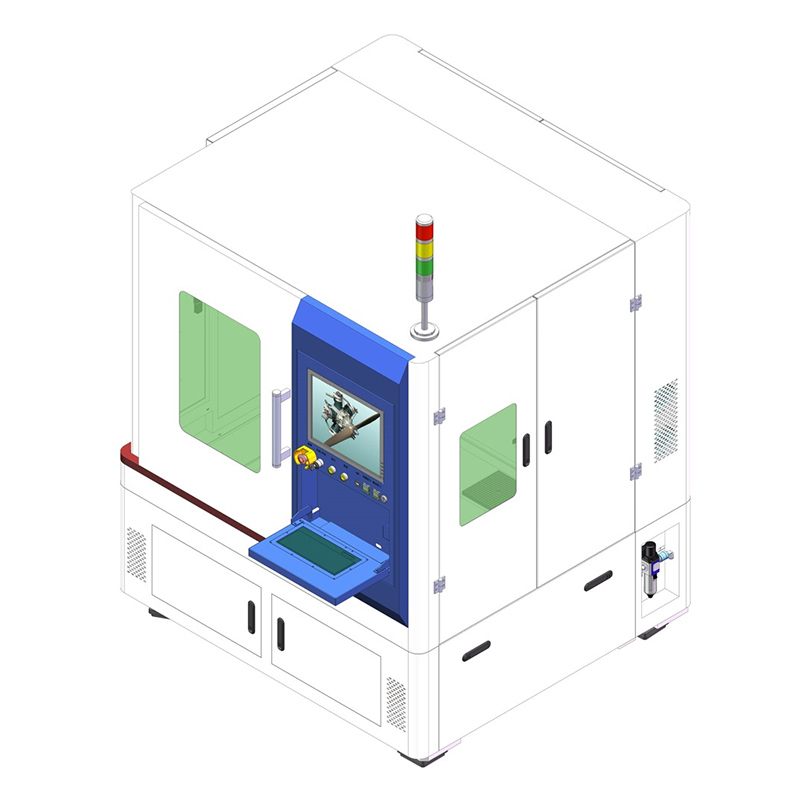
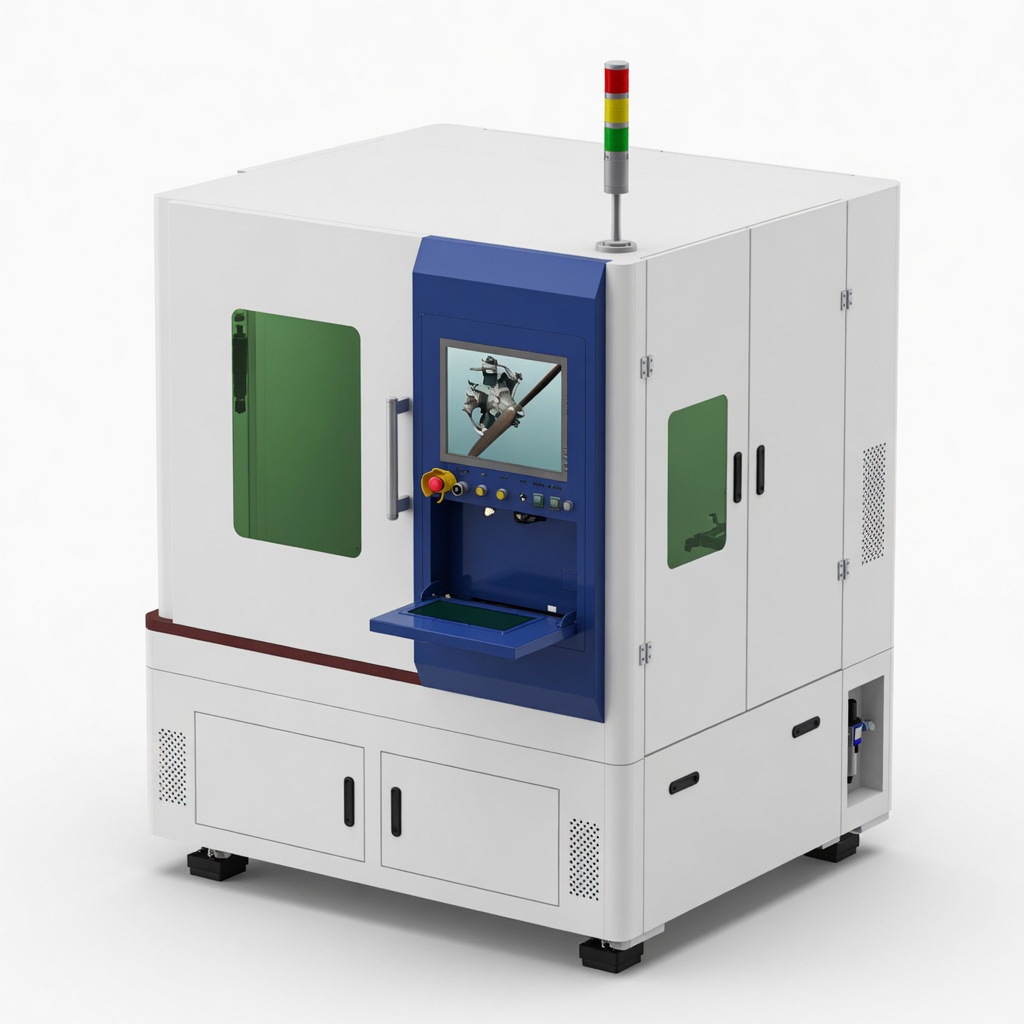
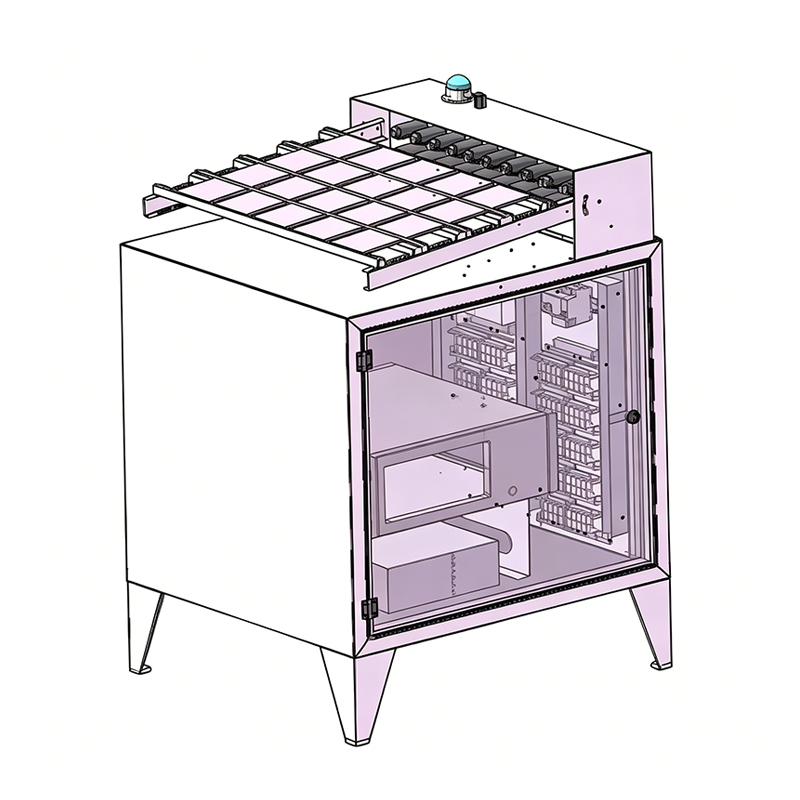
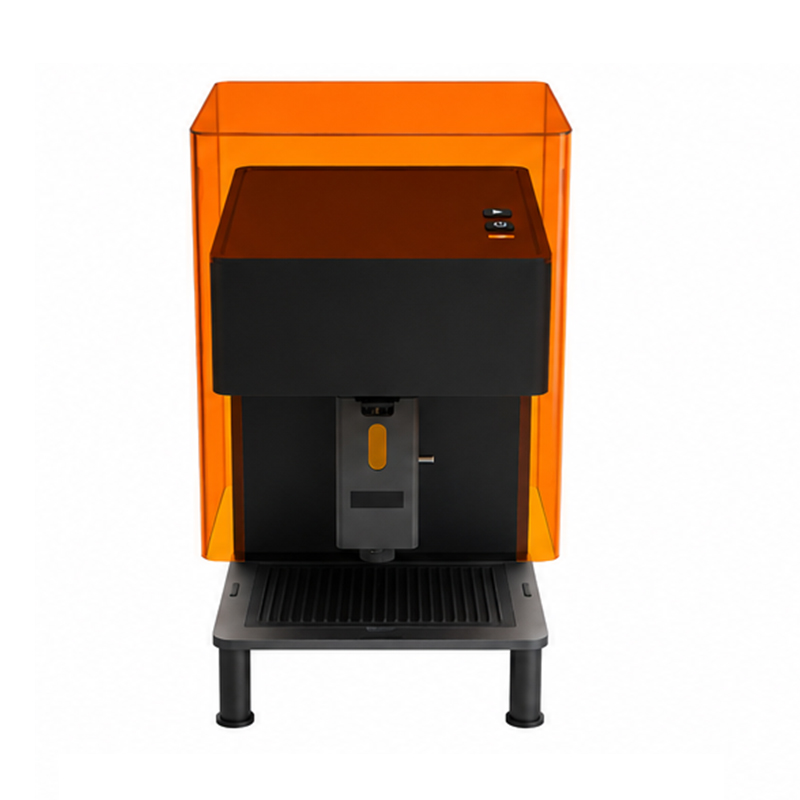
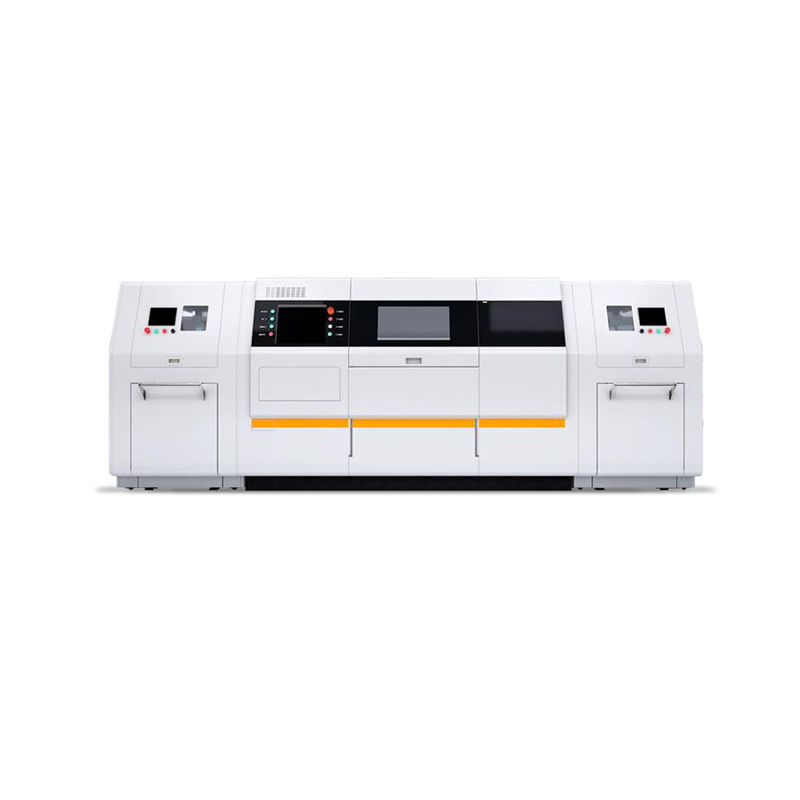
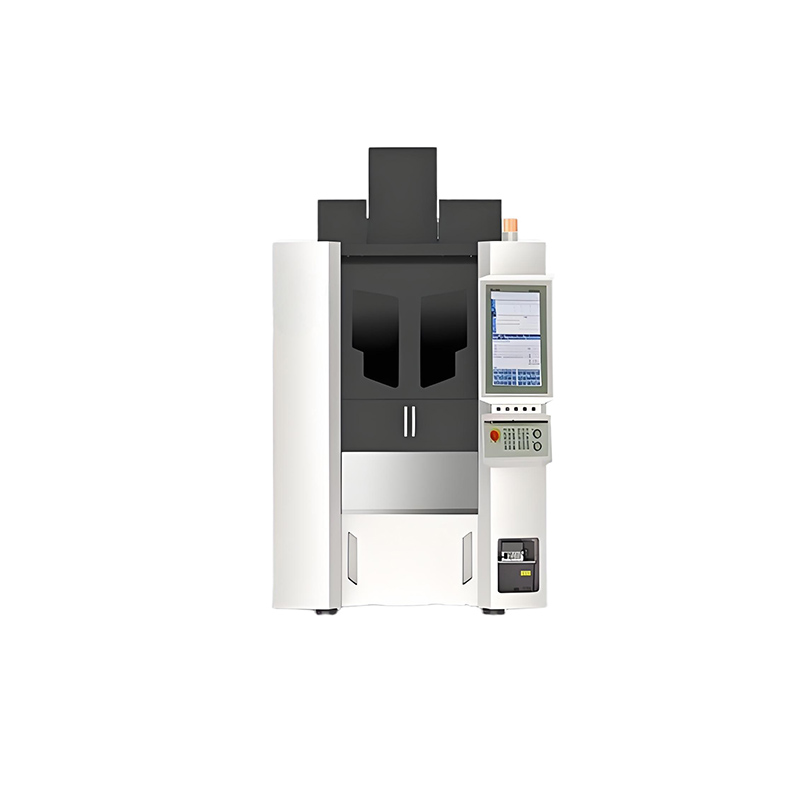
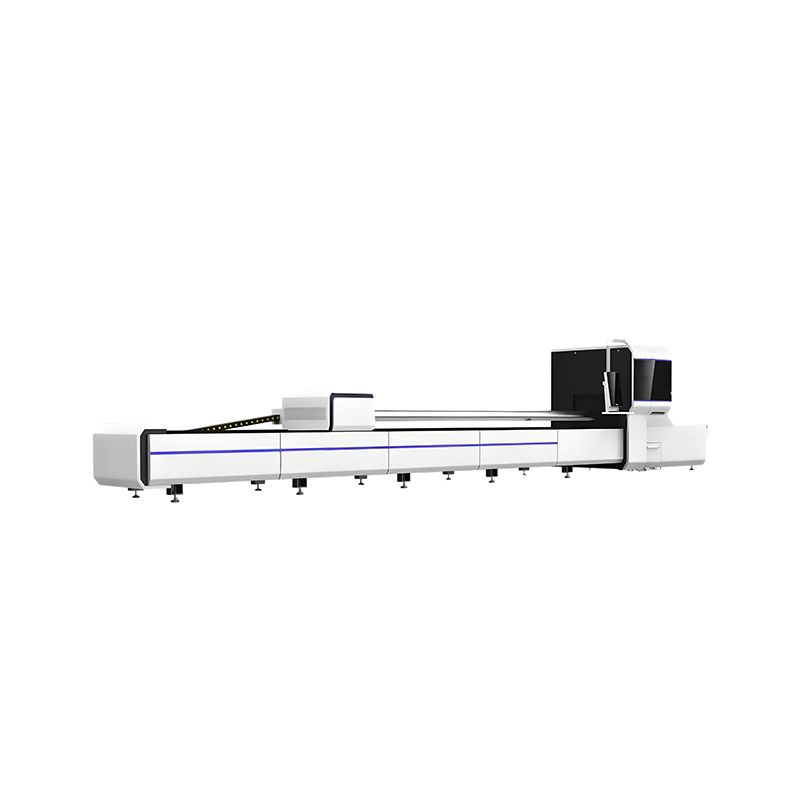
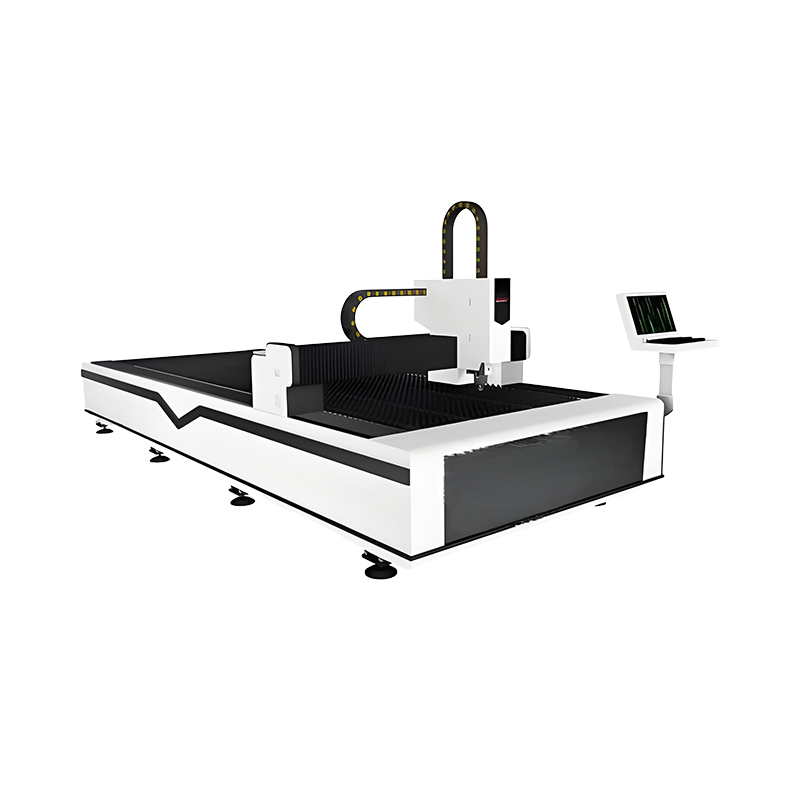
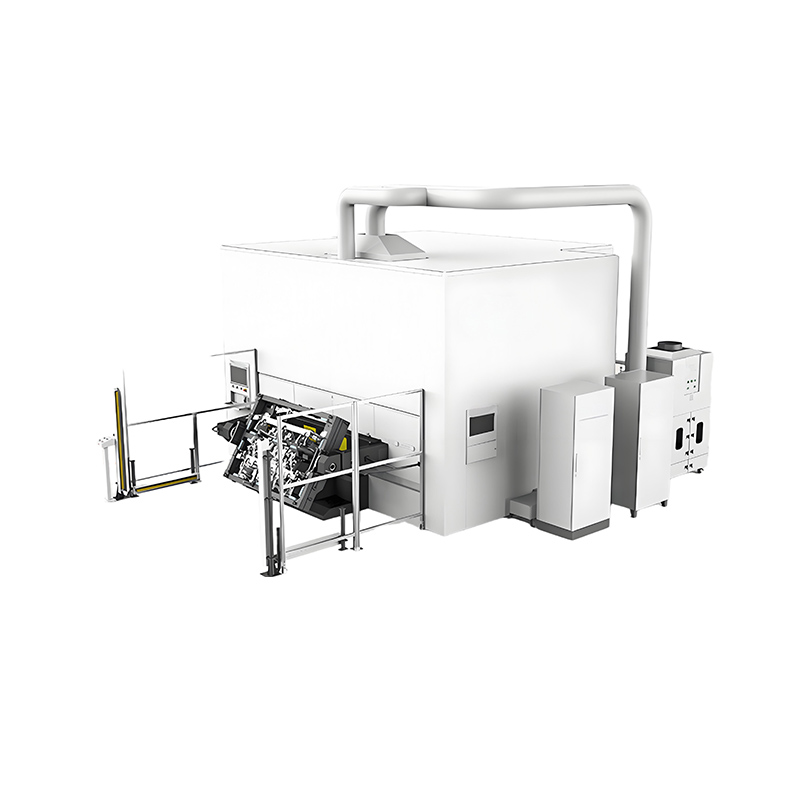
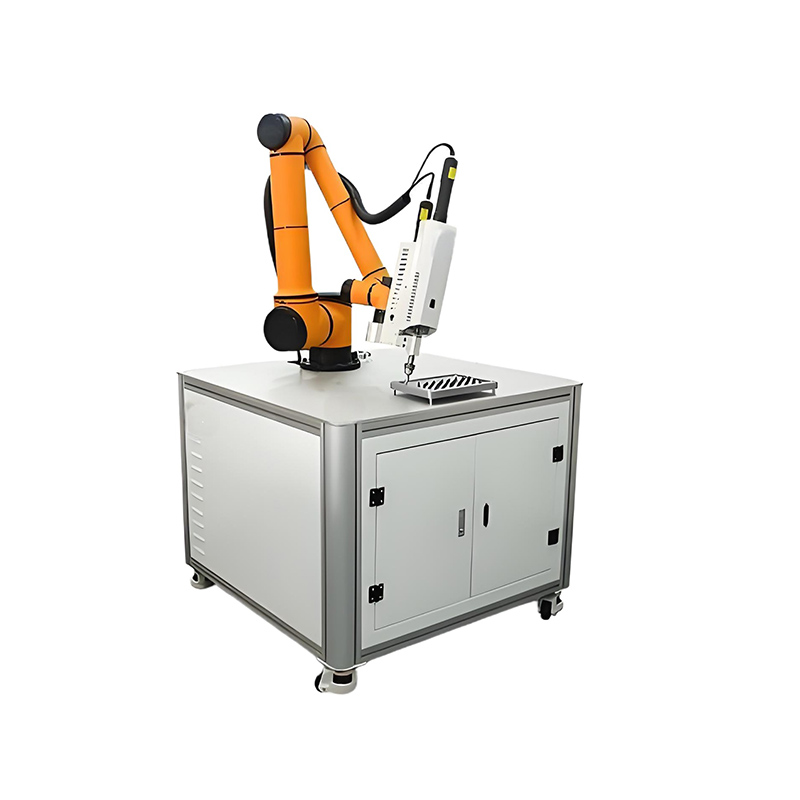
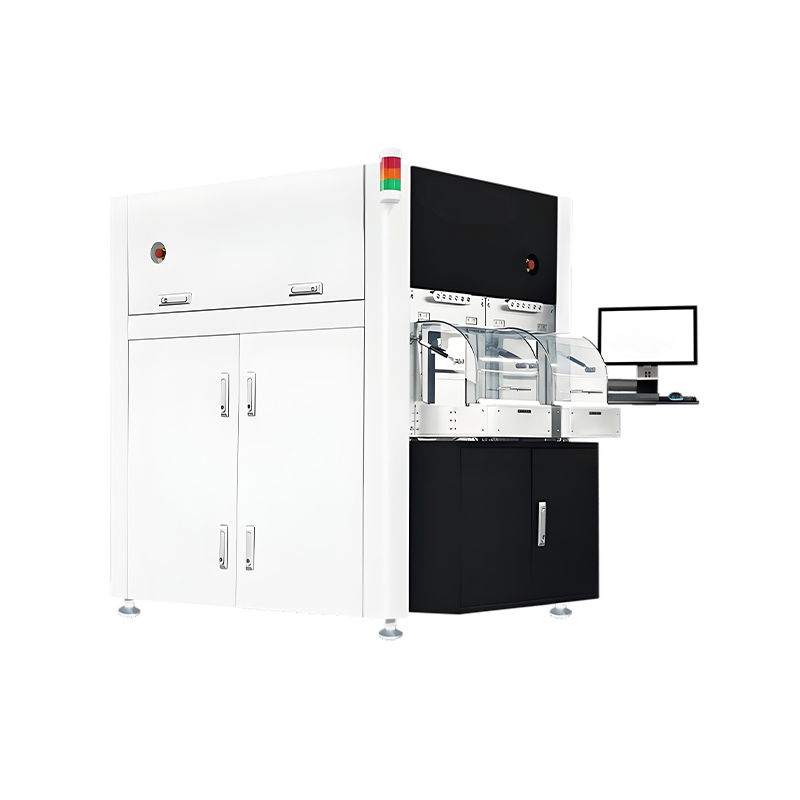
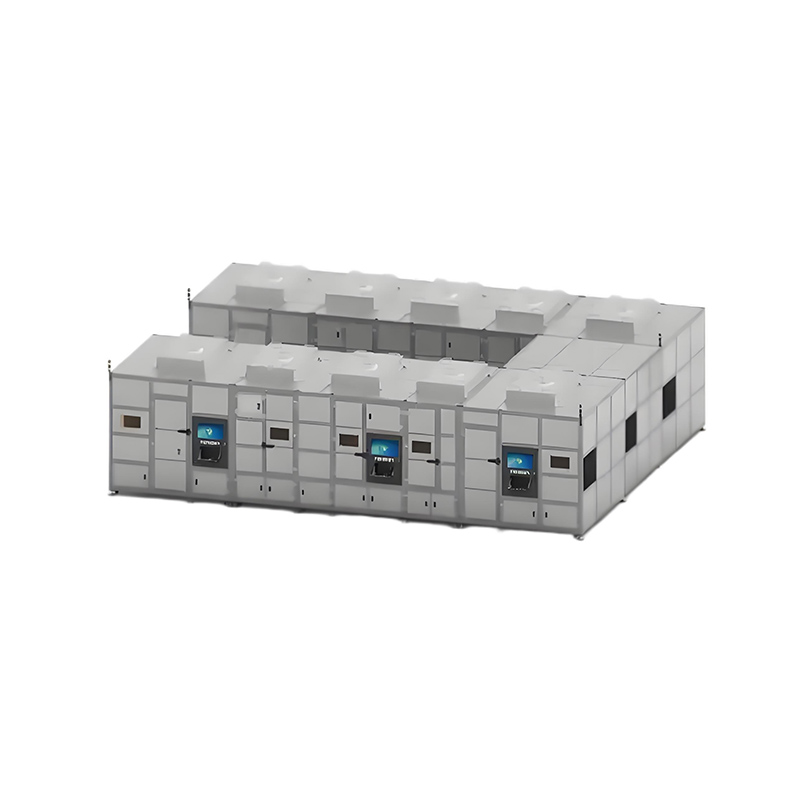
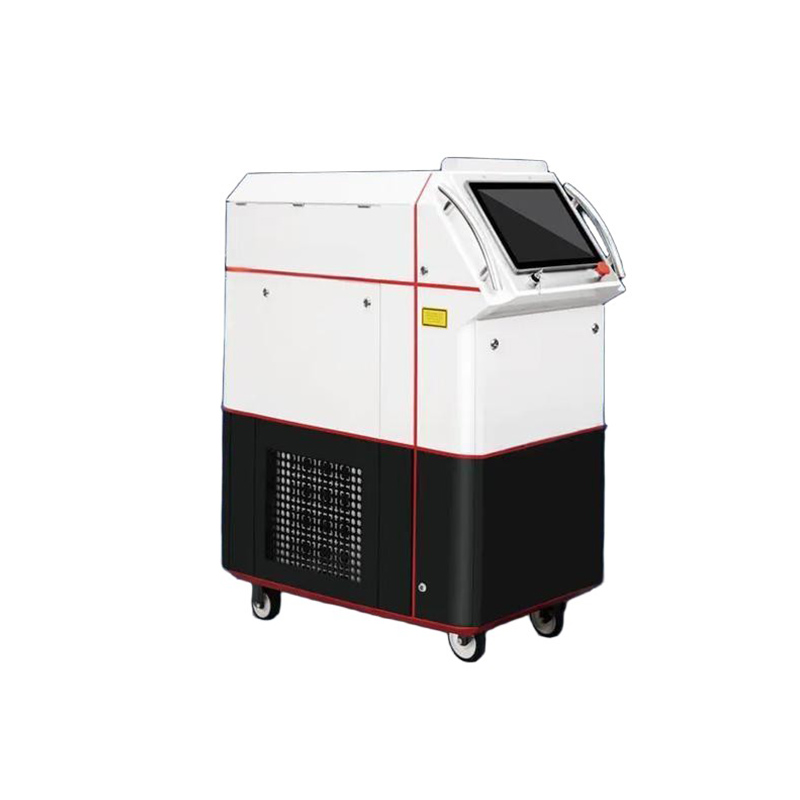
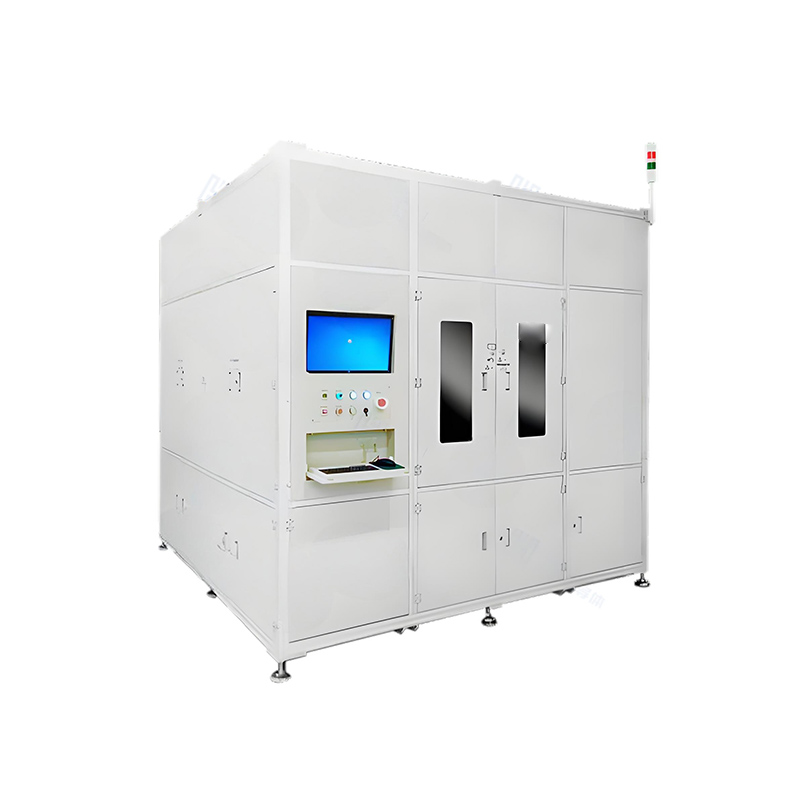

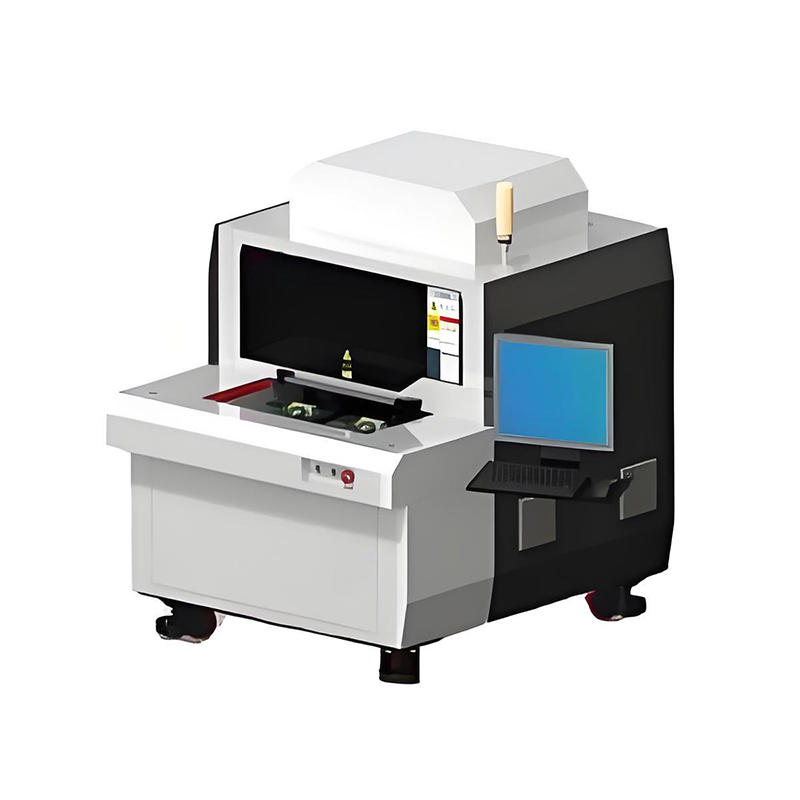
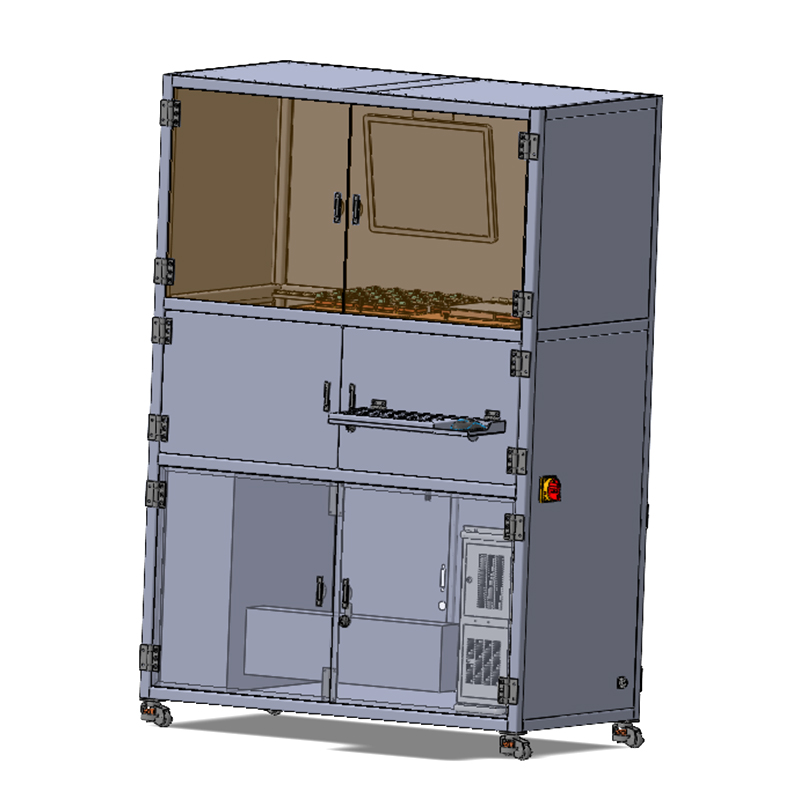
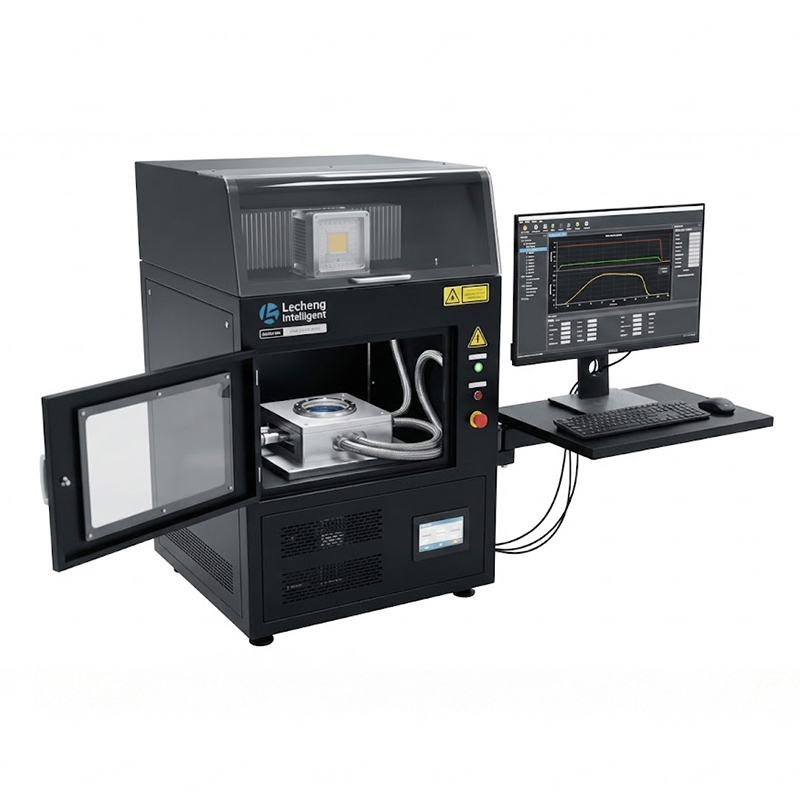
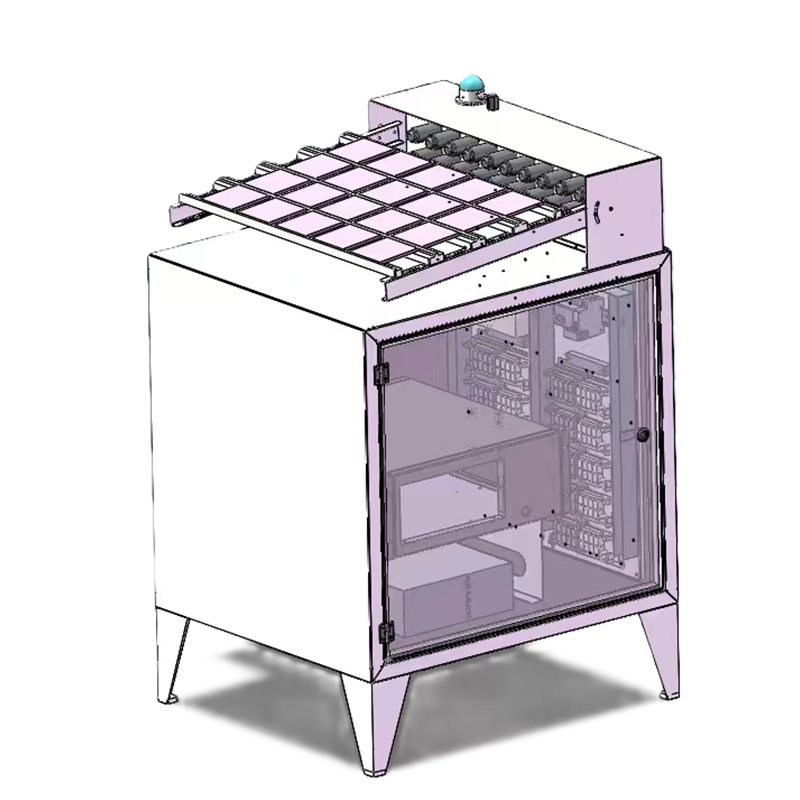
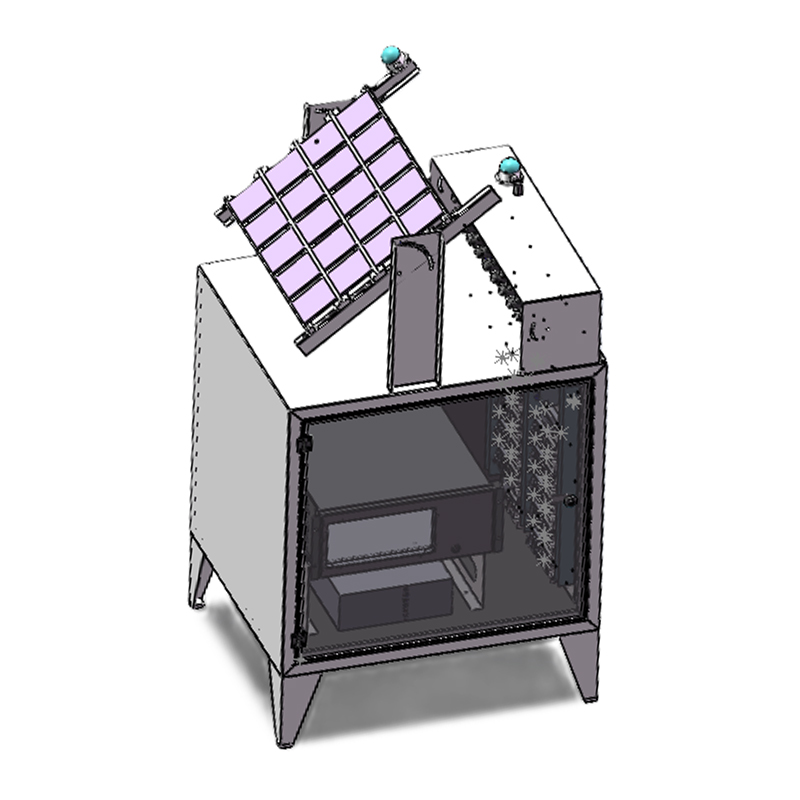
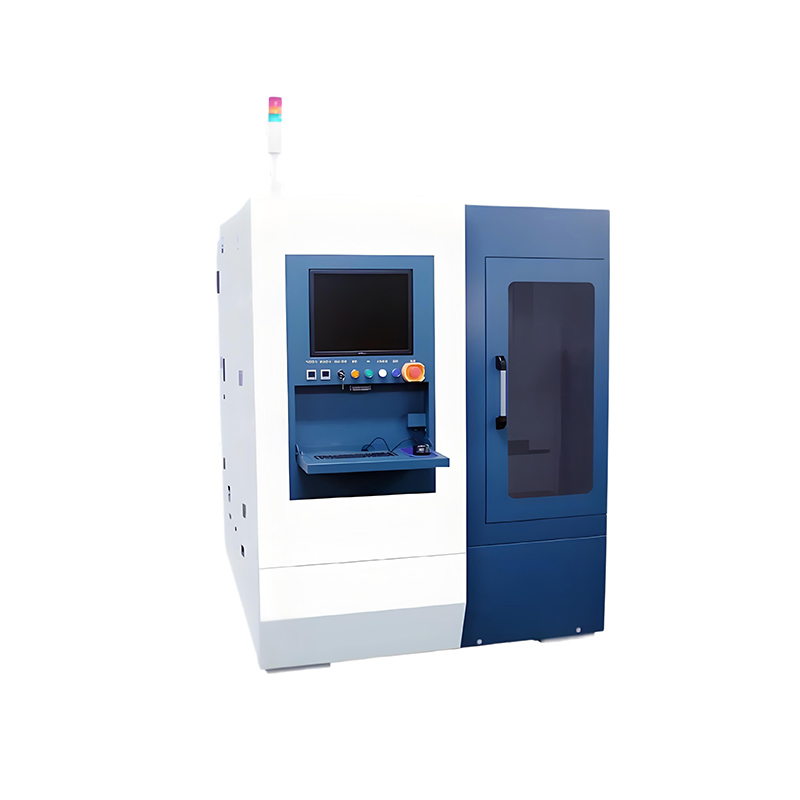
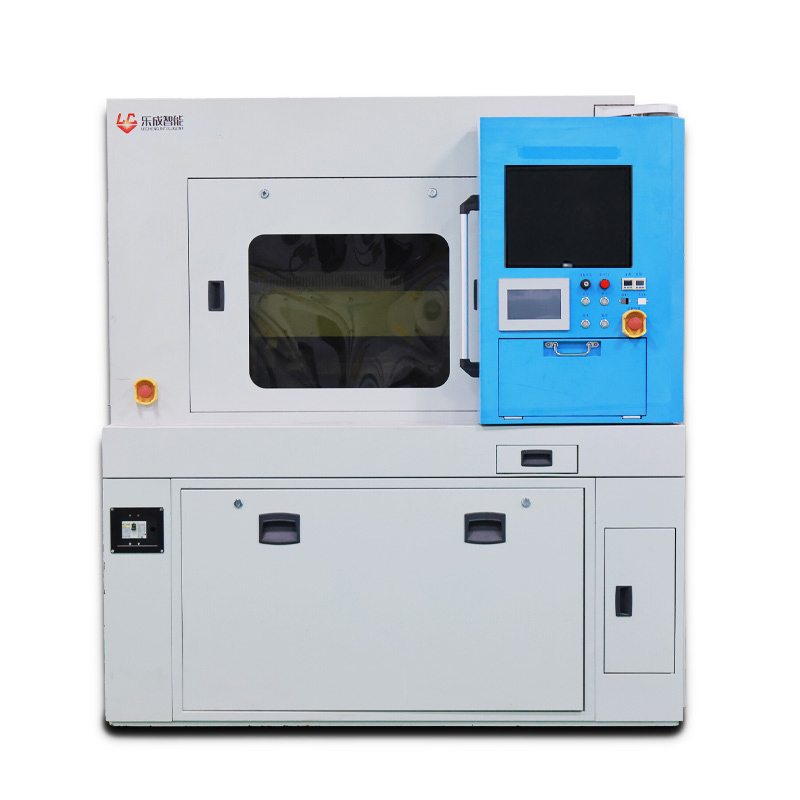

Comparative Study: Roll-to-Roll Laser Scribing & Edge-Cleaning System vs. Traditional Processes in the Printing Industry
Introduction
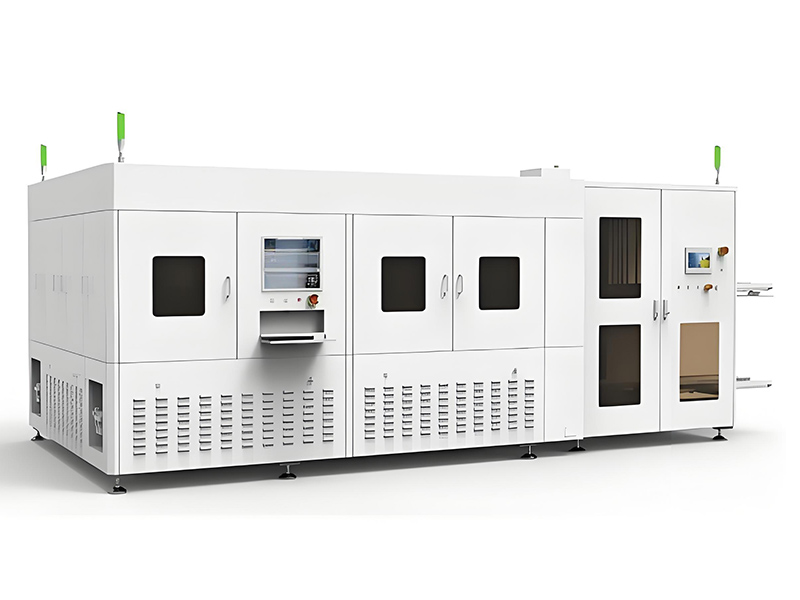
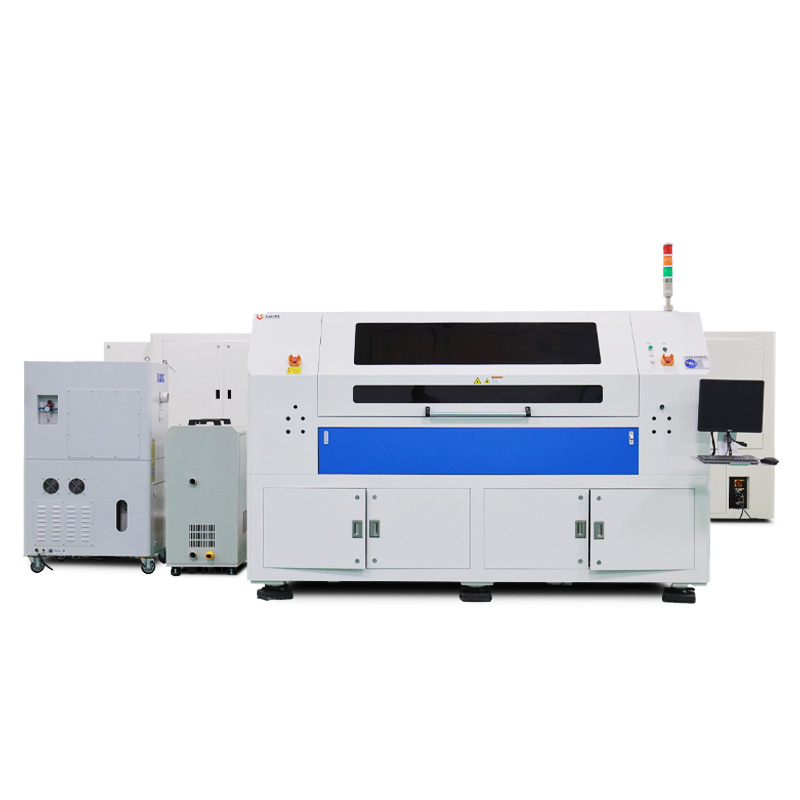
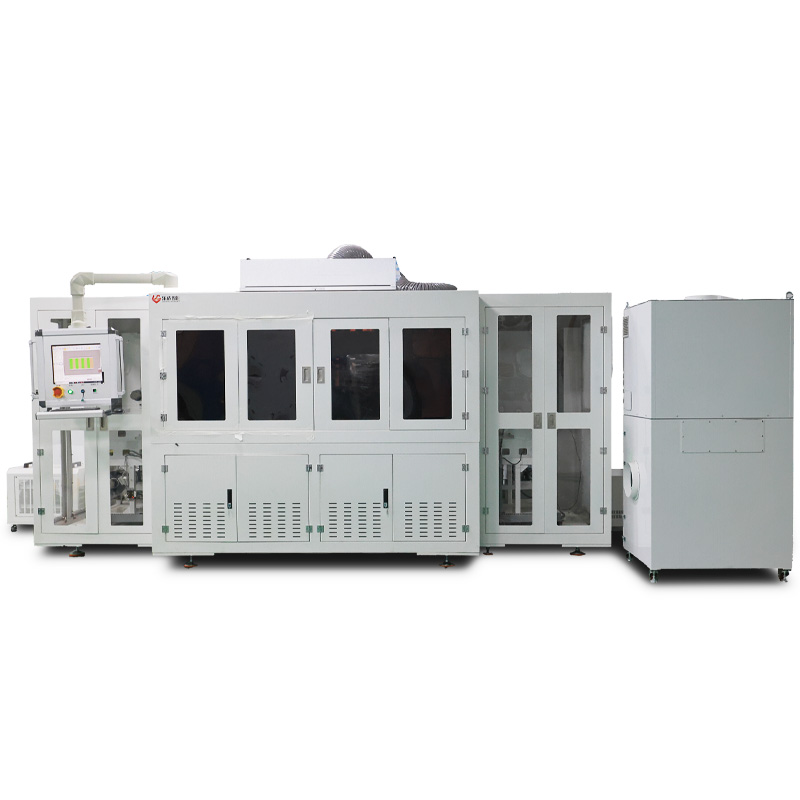
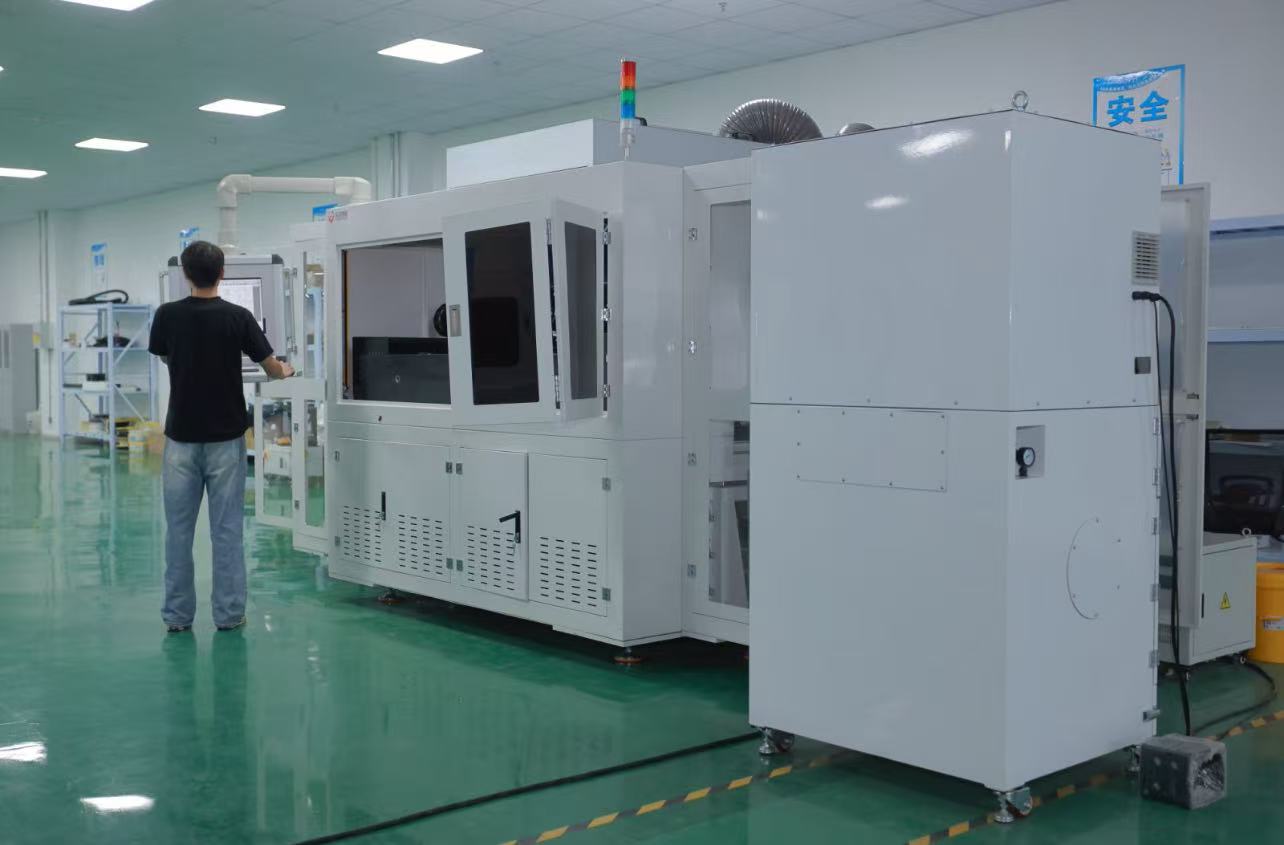
The printing industry is evolving with increasing demands for high-precision, high-efficiency, and environmentally friendlymanufacturing processes. Traditional mechanical scribing and chemical cleaning methodshave long been used, but the roll-to-roll (R2R) laser scribing & edge-cleaning systemis emerging as a disruptive technology.
This article compares the efficiency, product quality, flexibility, and sustainabilityof R2R laser systemsversus traditional processesin printing (e.g., flexible electronics, packaging, and industrial printing). A detailed comparison tablehighlights key differences, followed by an analysis of the potential for R2R laser systems to replace or complement traditional methods.
Comparison Table: R2R Laser vs. Traditional Processes
Criteria | Roll-to-Roll Laser Scribing & Edge-Cleaning | Traditional Processes (Mechanical + Chemical) |
|---|---|---|
1. Production Efficiency | ✅ High-speed continuous processing(up to meters per minute) | ❌ Slower batch processing(mechanical cutting/etching) |
2. Product Quality | ✅ Ultra-precise scribing (±10 µm tolerance) | ❌ Mechanical stress leads to cracks/delamination |
3. Flexibility | ✅ Adaptable to various materials (PET, PI, thin metals, etc.) | ❌ Limited to pre-made stencils/masks |
4. Environmental Impact | ✅ No chemical waste (green manufacturing) | ❌ Chemical etching produces toxic waste |
5. Cost Efficiency (Long-Term) | ✅ Lower operational costs (no consumables like blades/chemicals) | ❌ Ongoing costs for blades, chemicals, and maintenance |
Key Advantages of R2R Laser Systems in Printing
1. Superior Efficiency & Speed
Continuous roll-to-roll processingeliminates the need for stop-and-start batch processingin traditional methods.
Laser scribing is 10–100x fasterthan mechanical scoring, enabling mass production of flexible printed electronics.
2. Enhanced Product Quality
No mechanical stress→ Reduced cracking, delamination, and material waste.
Laser precision (±10 µm)ensures sharp, clean edgesfor high-resolution printing(e.g., flexible circuits, RFID tags).
Edge cleaning without chemicals→ No residue, better adhesion for coatings/laminates.
3. Greater Flexibility & Customization
No need for stencils/masks→ Instant design changes without retooling.
Works on thin, delicate, and multi-layer materials(e.g., OLEDs, stretchable sensors).
4. Eco-Friendly & Sustainable
No chemical etching or solvents→ Zero toxic waste.
Lower energy consumptioncompared to traditional drying/cleaning processes.
Can R2R Laser Systems Replace Traditional Processes?
✅ Likely to Replace in:
High-precision flexible electronics(OLEDs, wearable sensors).
Eco-conscious printing(packaging, labels with minimal waste).
High-volume production(where speed and consistency matter).
❌ Still Complemented by Traditional Methods in:
Low-cost, simple printing(where initial laser investment is unjustified).
Thick, rigid materials(where mechanical cutting is still efficient).
Legacy manufacturing setups(slow transition due to equipment costs).
Conclusion
The roll-to-roll laser scribing & edge-cleaning systemoffers clear advantagesover traditional printing processes in speed, precision, flexibility, and sustainability. While initial costs are higher, the long-term benefits in efficiency, quality, and environmental impactmake it a strong candidate for replacing or complementing traditional methodsin modern printing.
As the industry moves toward smarter, greener, and more precise manufacturing, R2R laser technology will play a key role in shaping the future of printing.
Google SEO Keywords:
roll-to-roll laser printing, laser scribing vs traditional, flexible electronics manufacturing, eco-friendly printing, precision laser cutting, R2R vs mechanical processing, sustainable printing, high-speed laser scribing, printing industry innovation, laser edge cleaning
Related product and article resources
For procurement comparison and technical evaluation, readers can continue with these related product pages and supporting articles.
- Products
- Product catalog
- Contact the sales team
- Contact us
- Laser Scribing Machine RFQ Checklist for PV Cell Production Lines
- Laser Scribing vs Mechanical Cutting in Photovoltaic Production
- P1, P2 and P3 Laser Scribing: What Solar Manufacturers Should Know
- Lecheng Powers Dehu's 100MW Perovskite Pilot Line to Historic First Light