
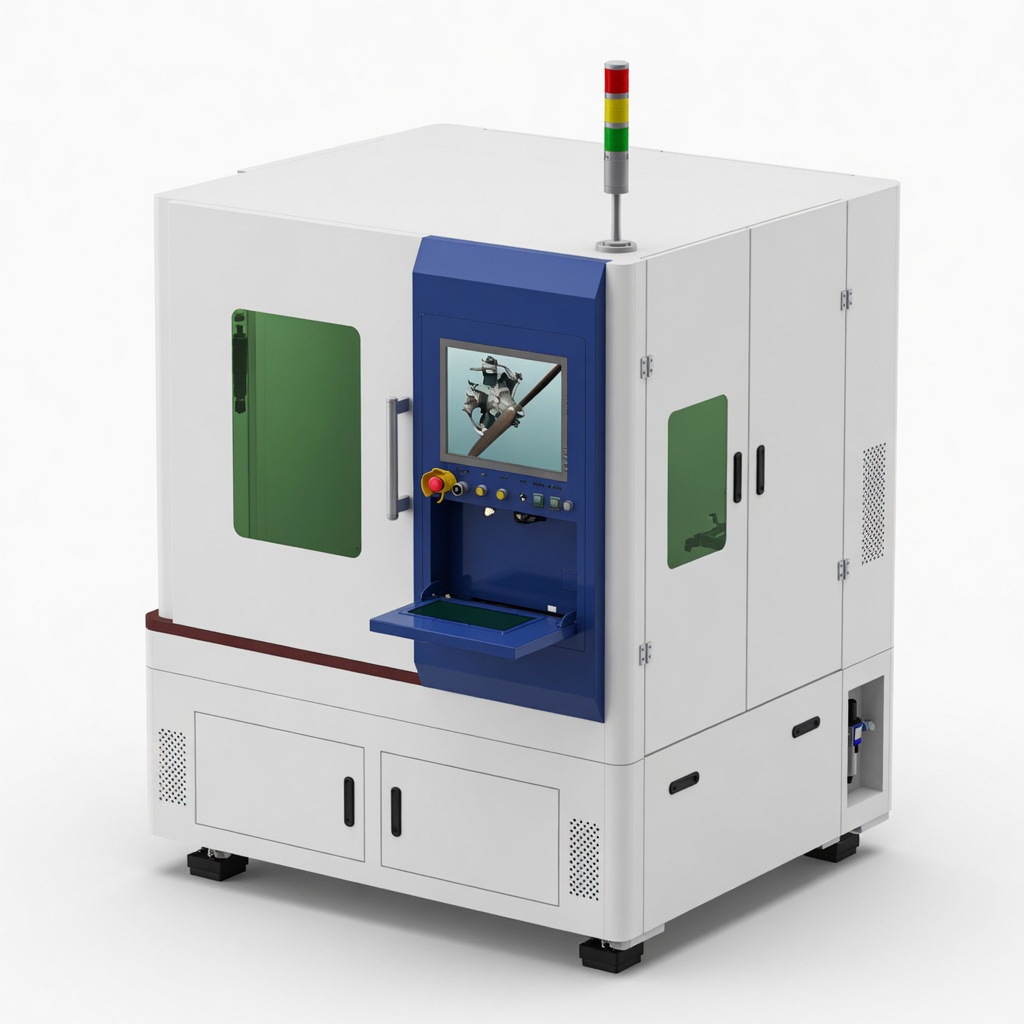
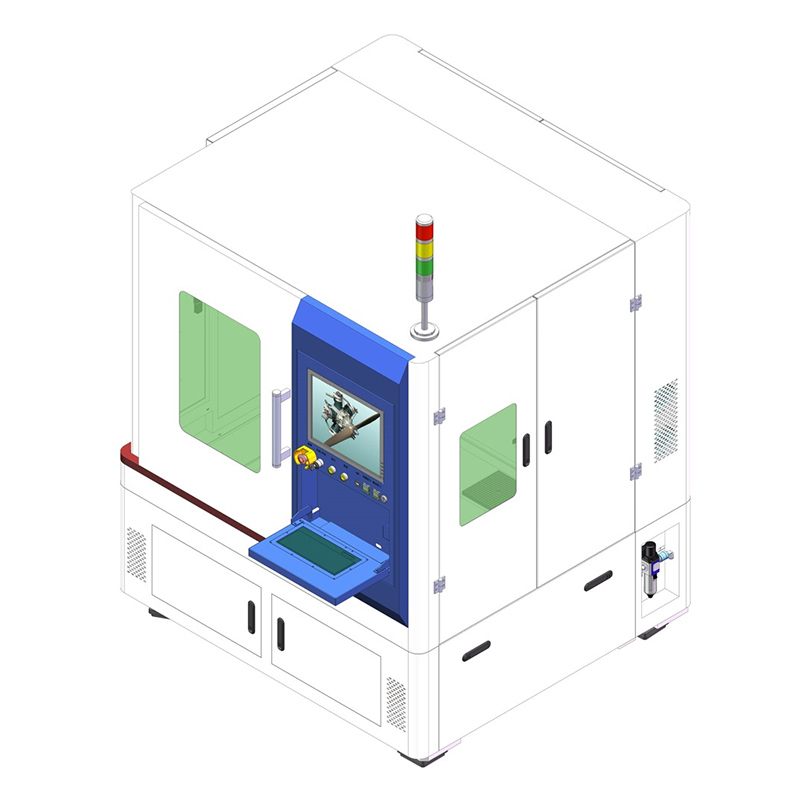
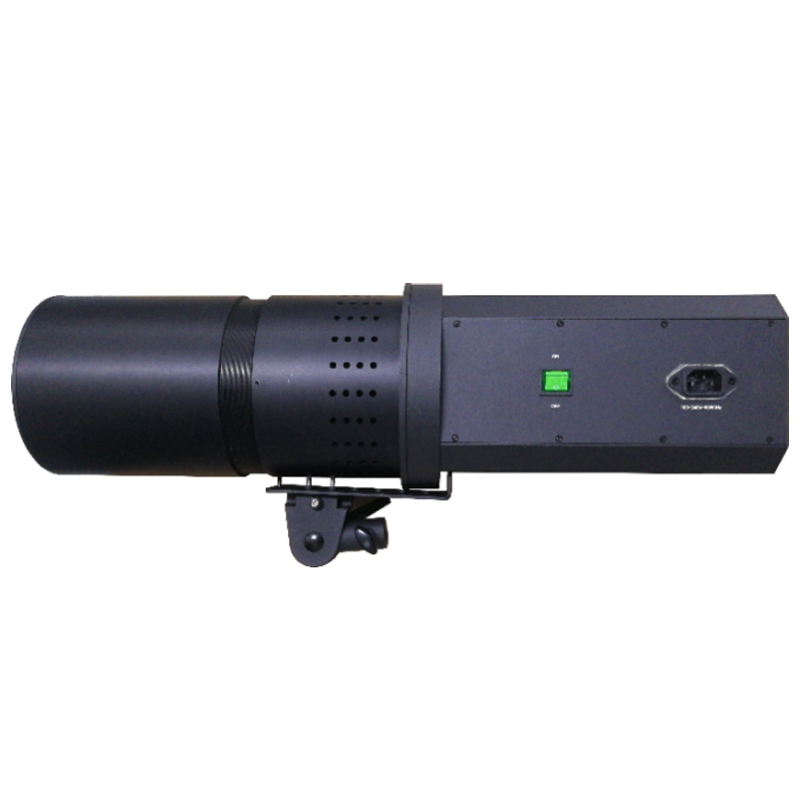
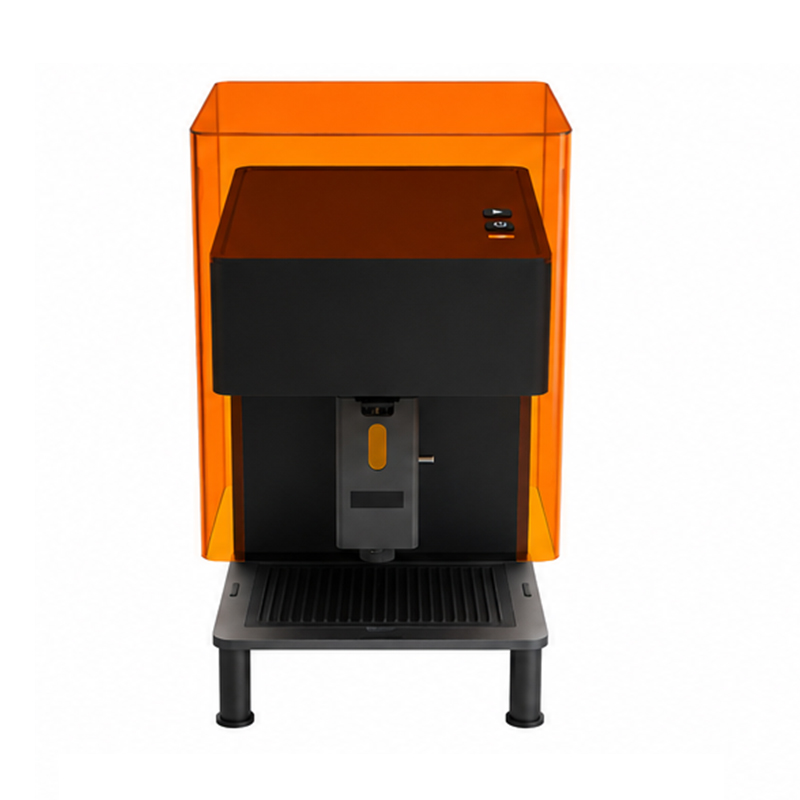
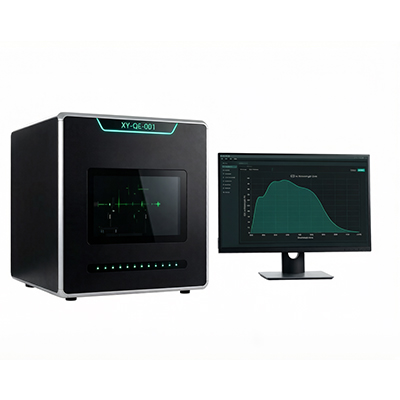
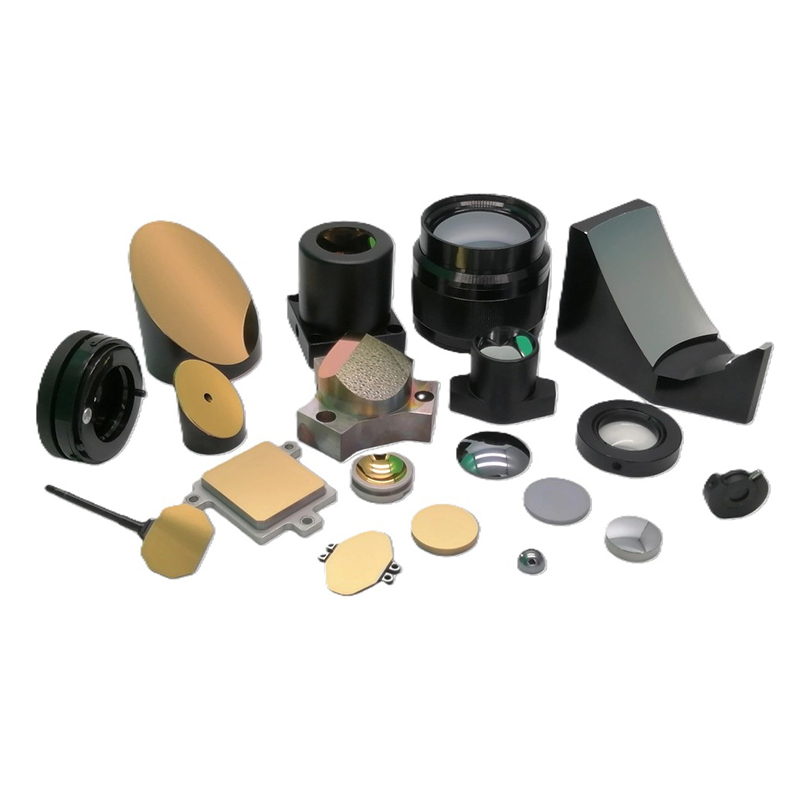
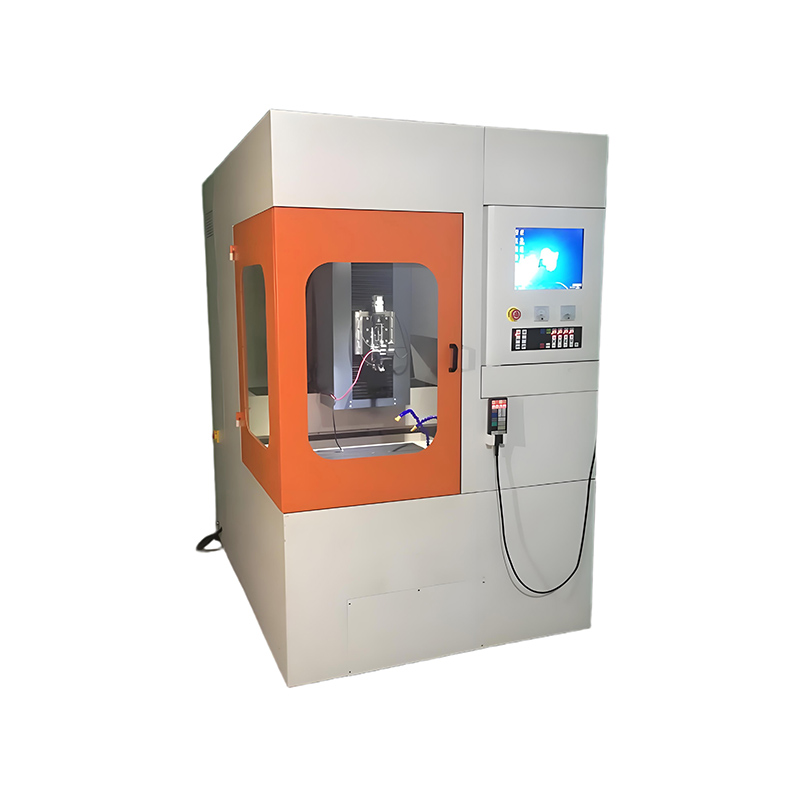
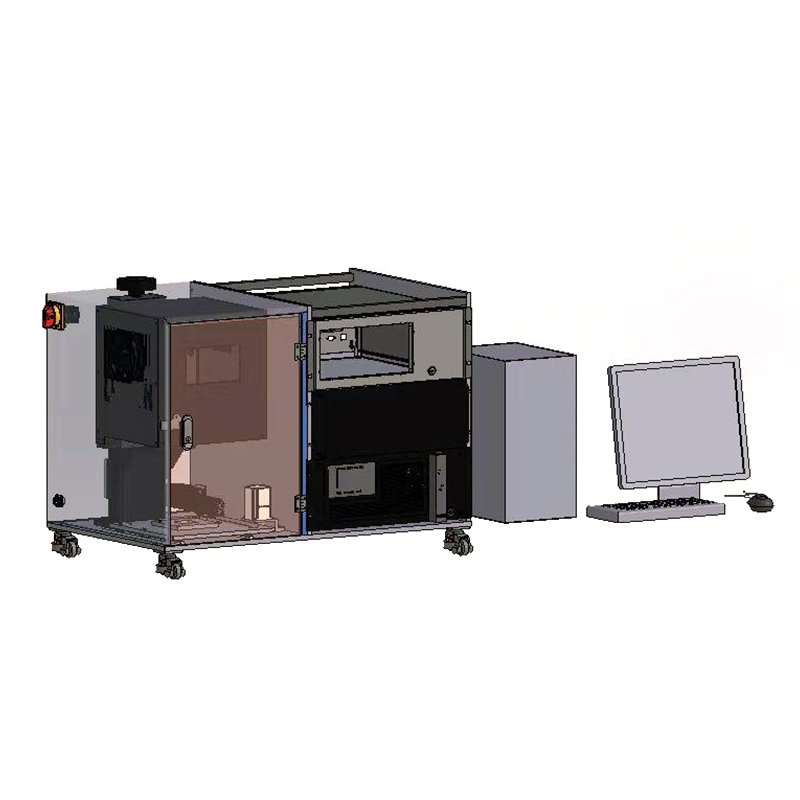
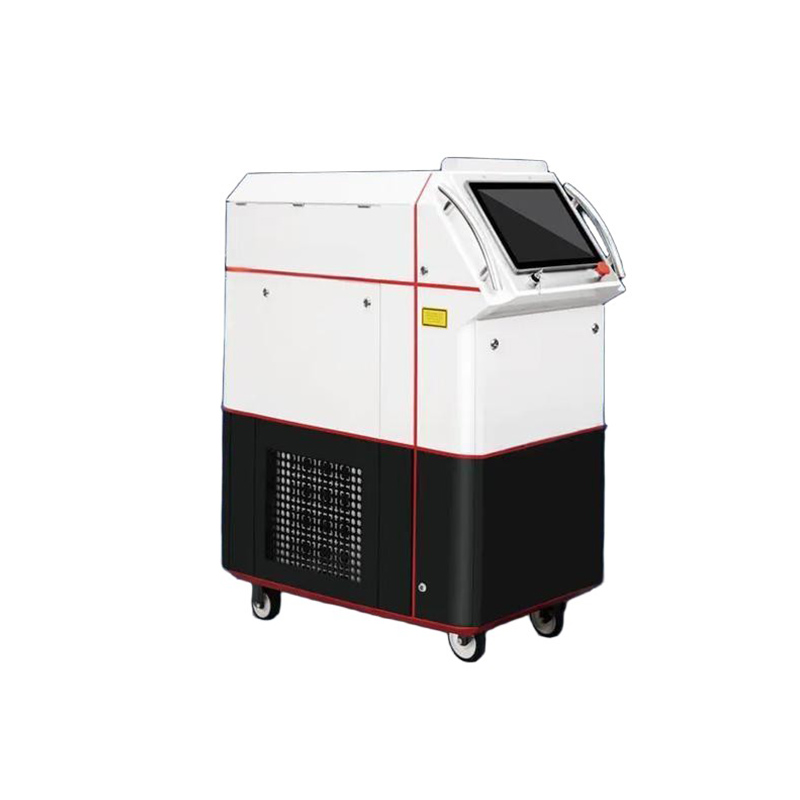
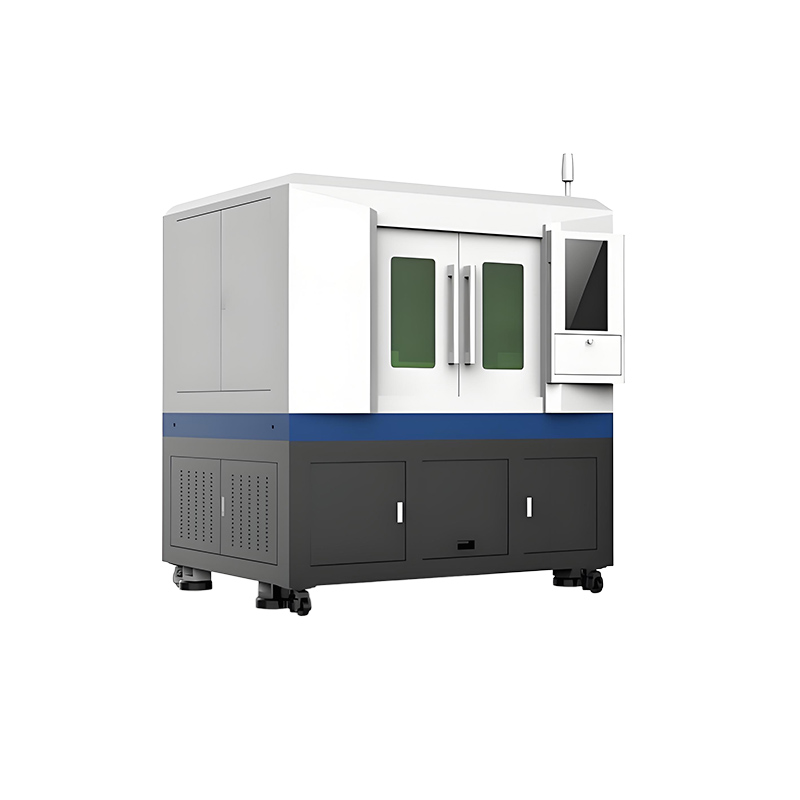
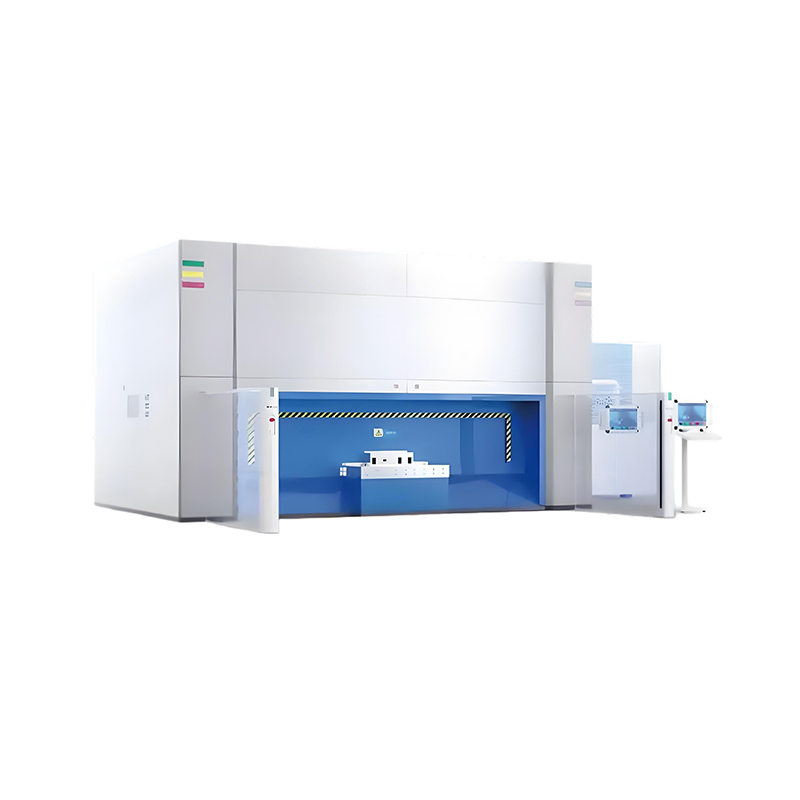
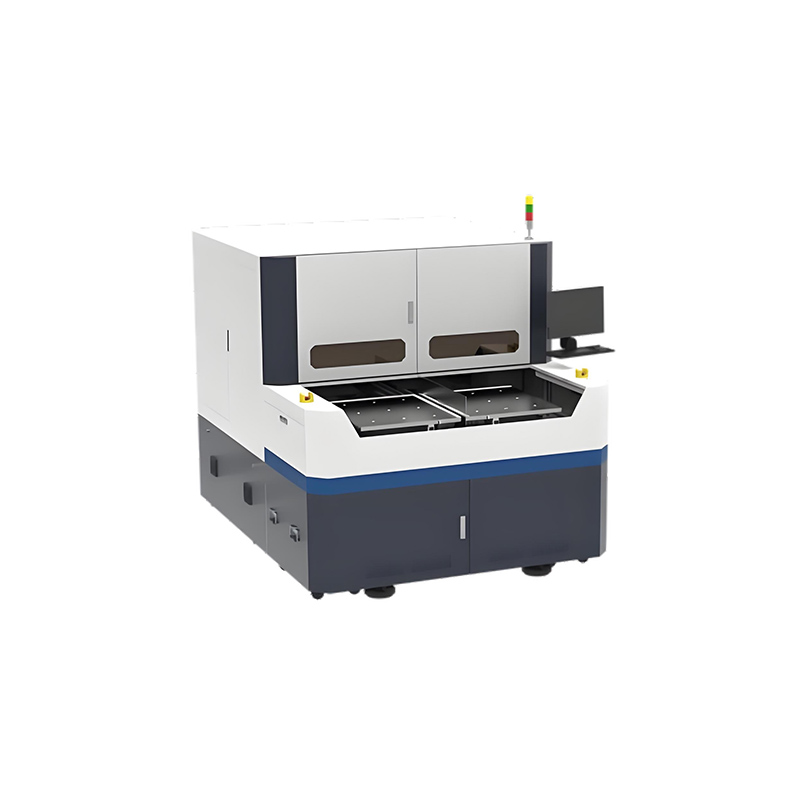
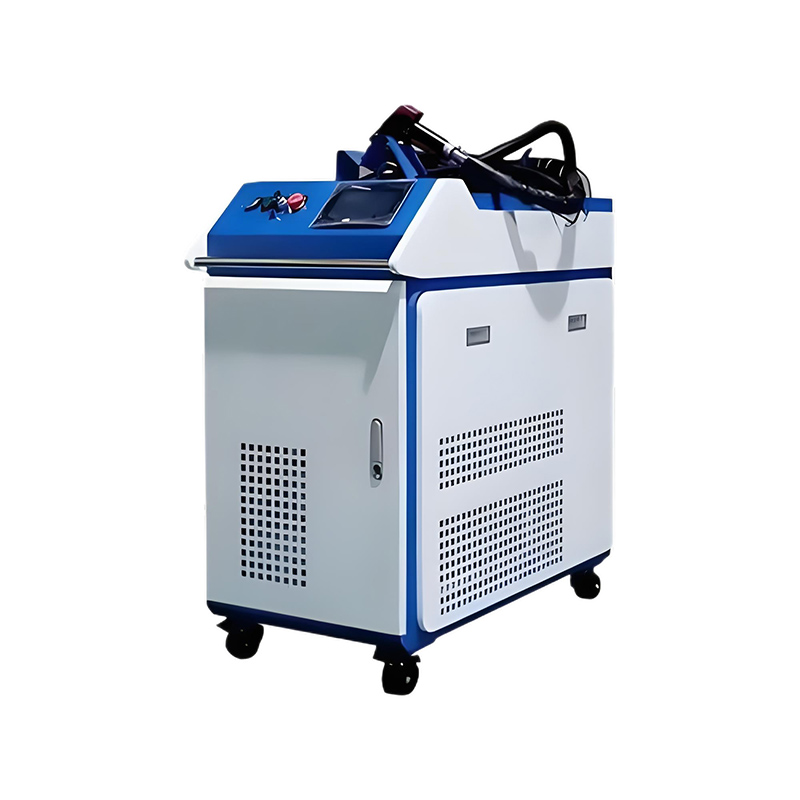
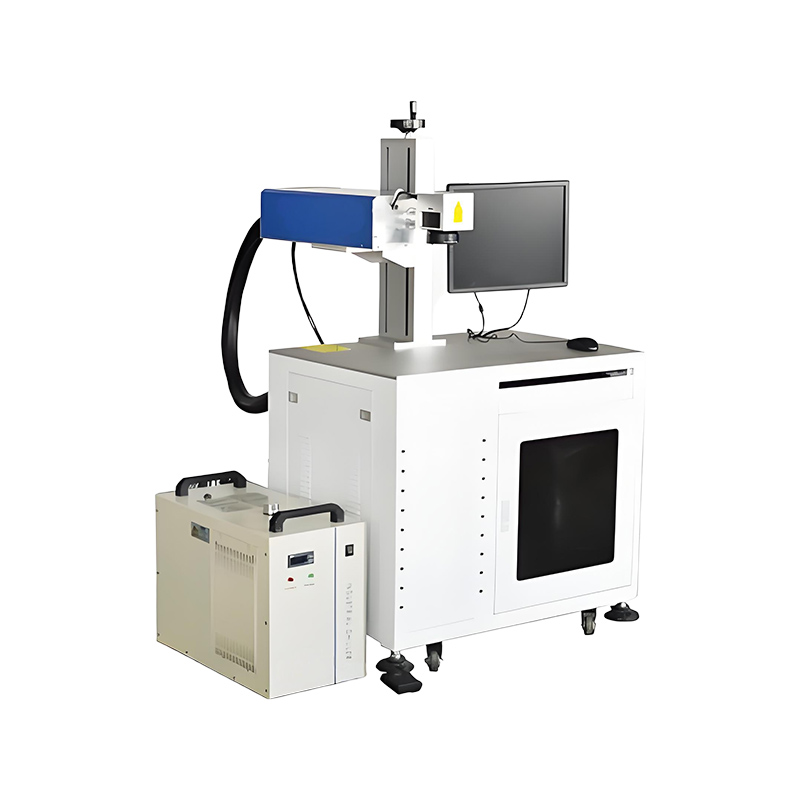
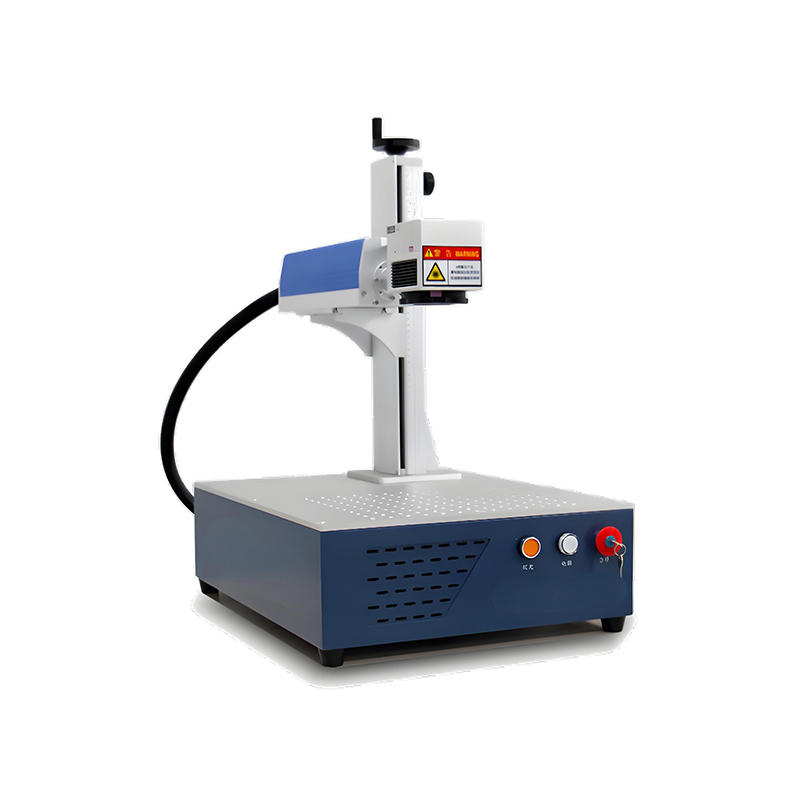
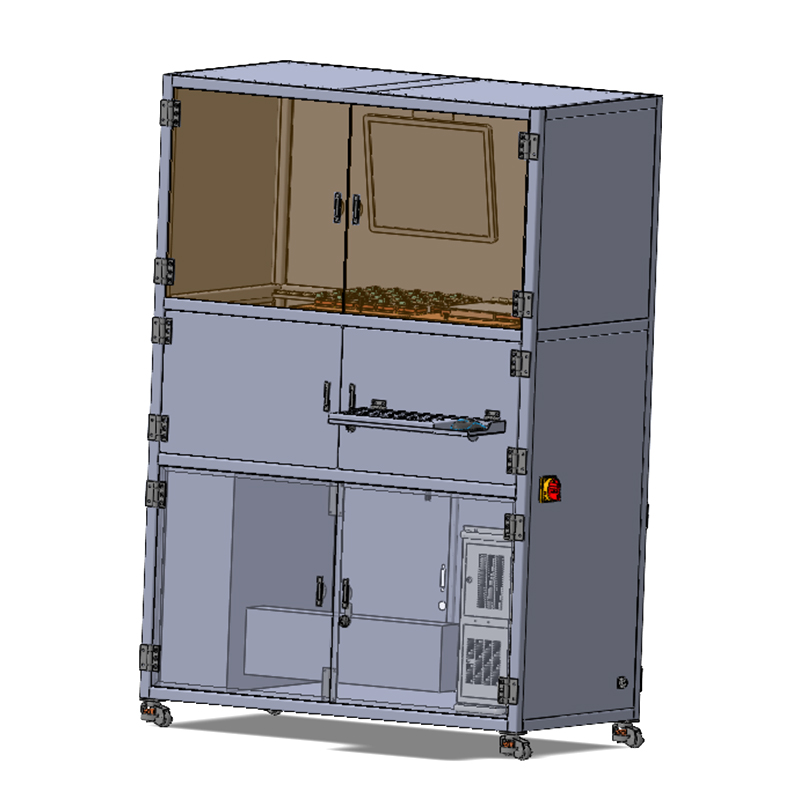
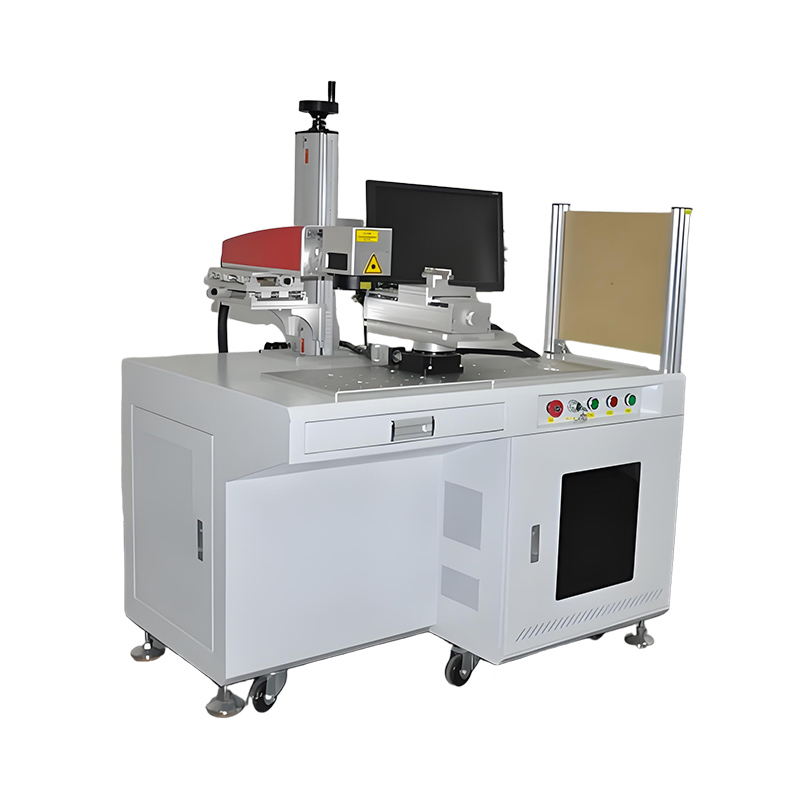
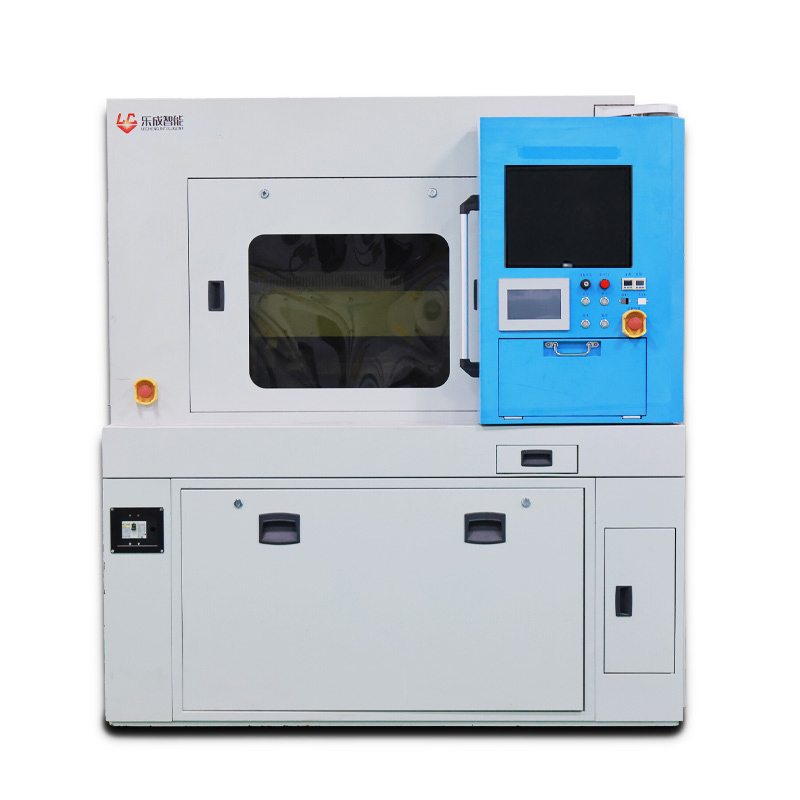
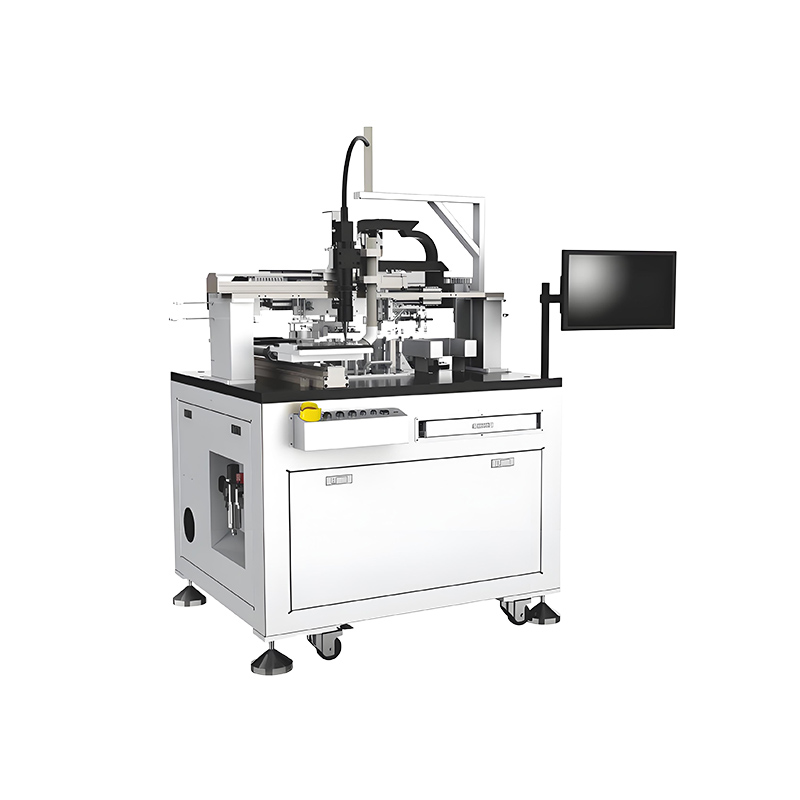
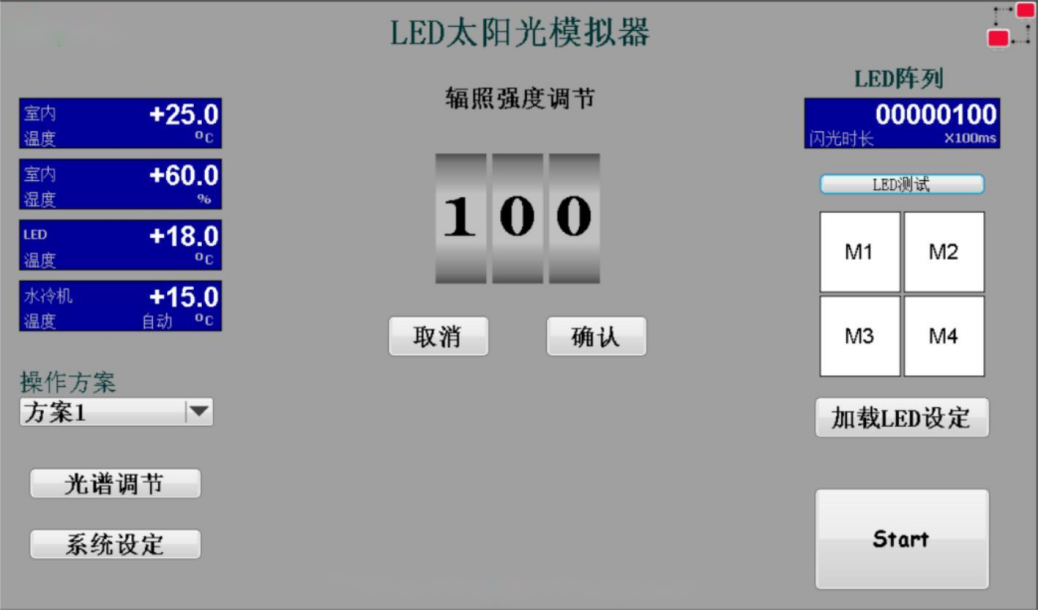
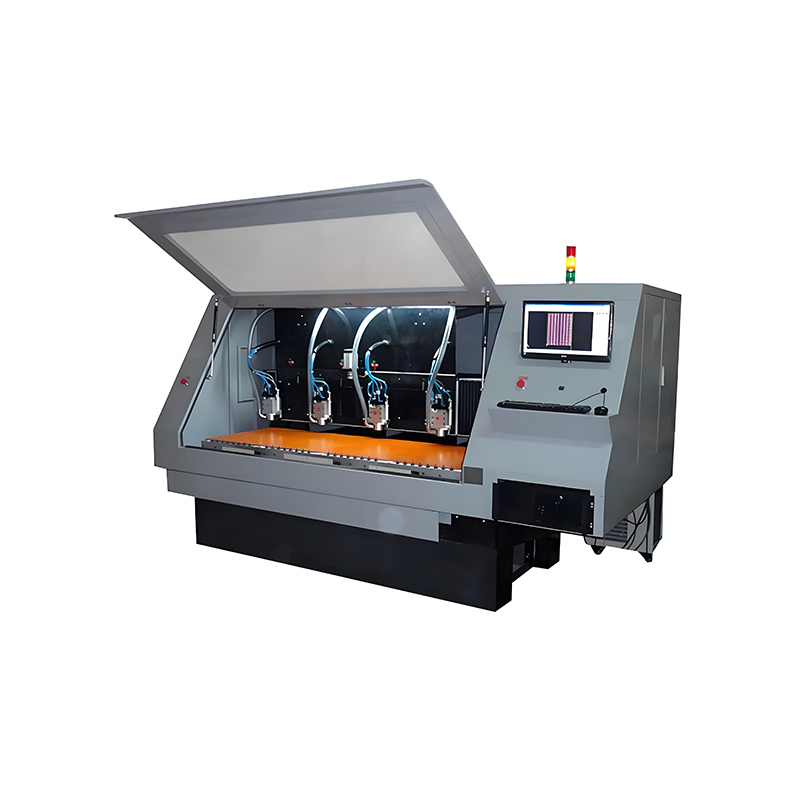
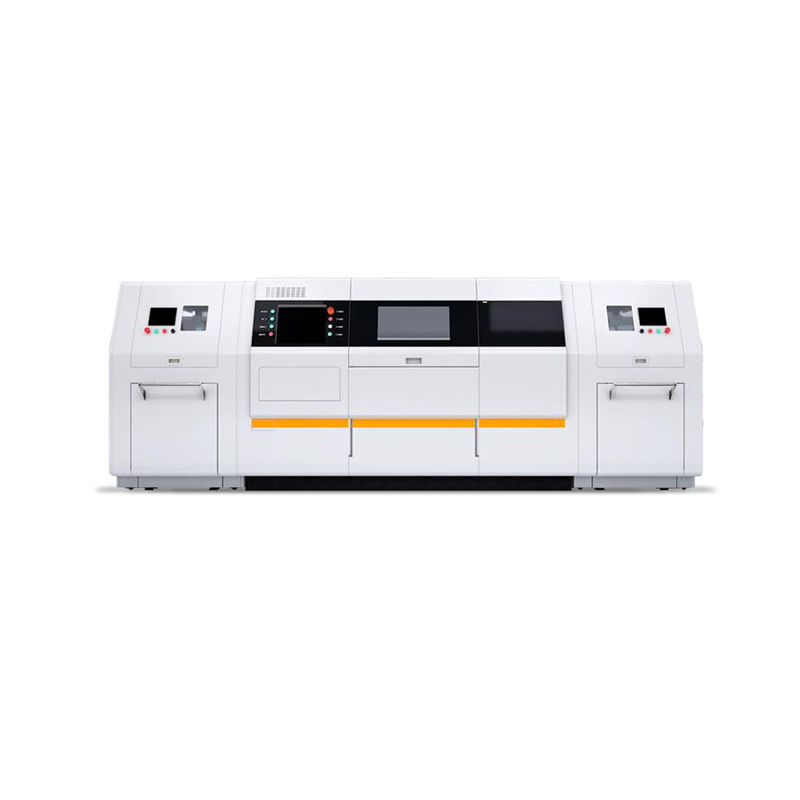
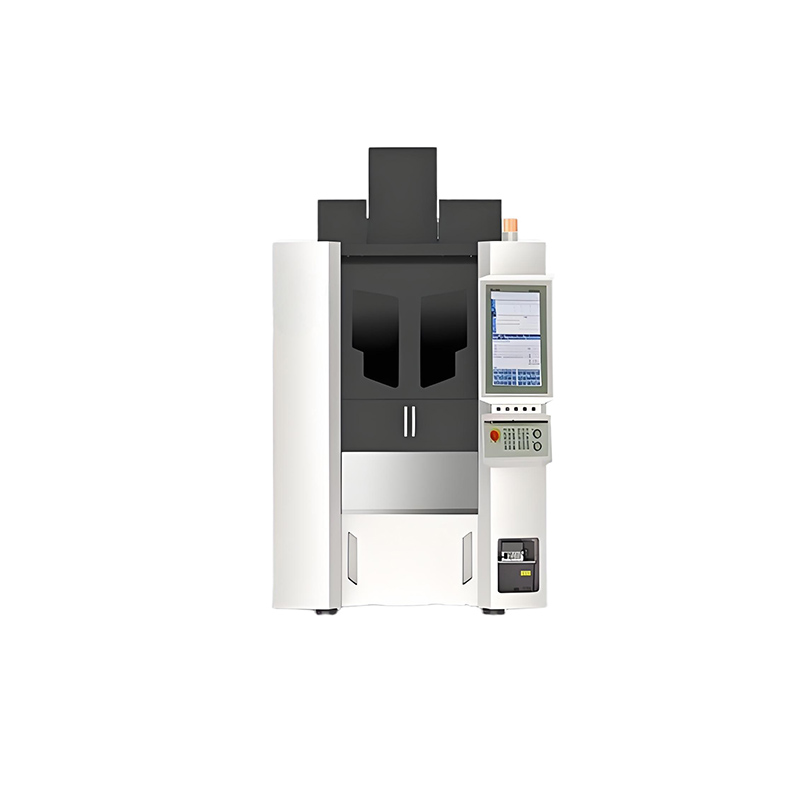
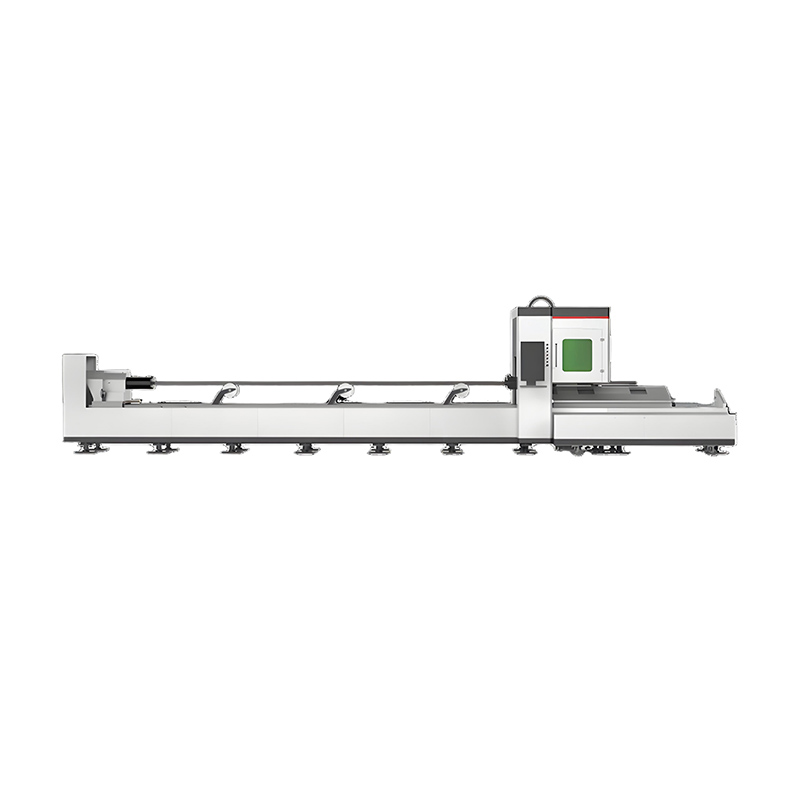
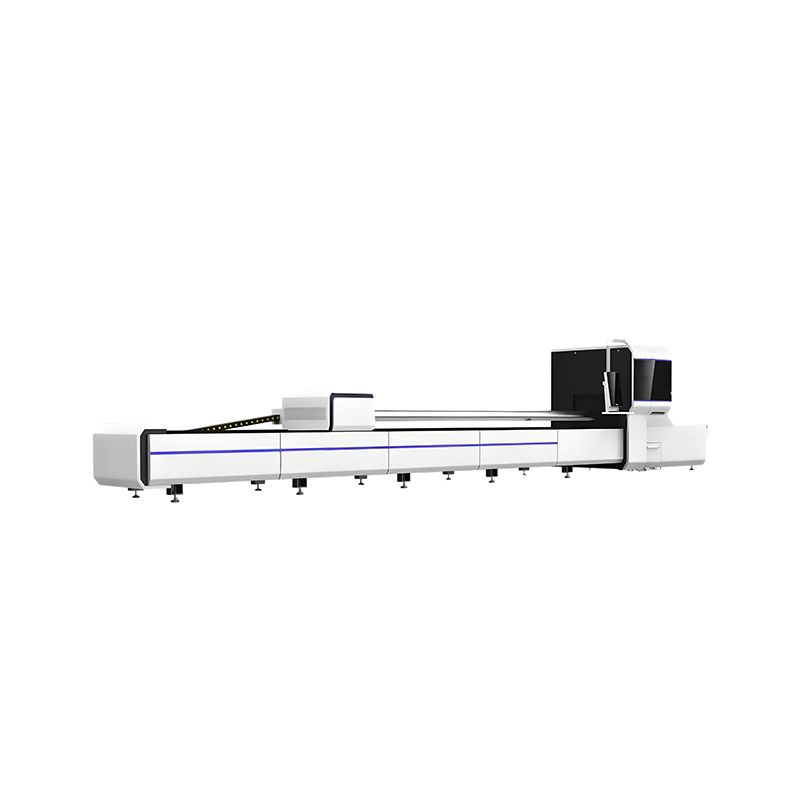
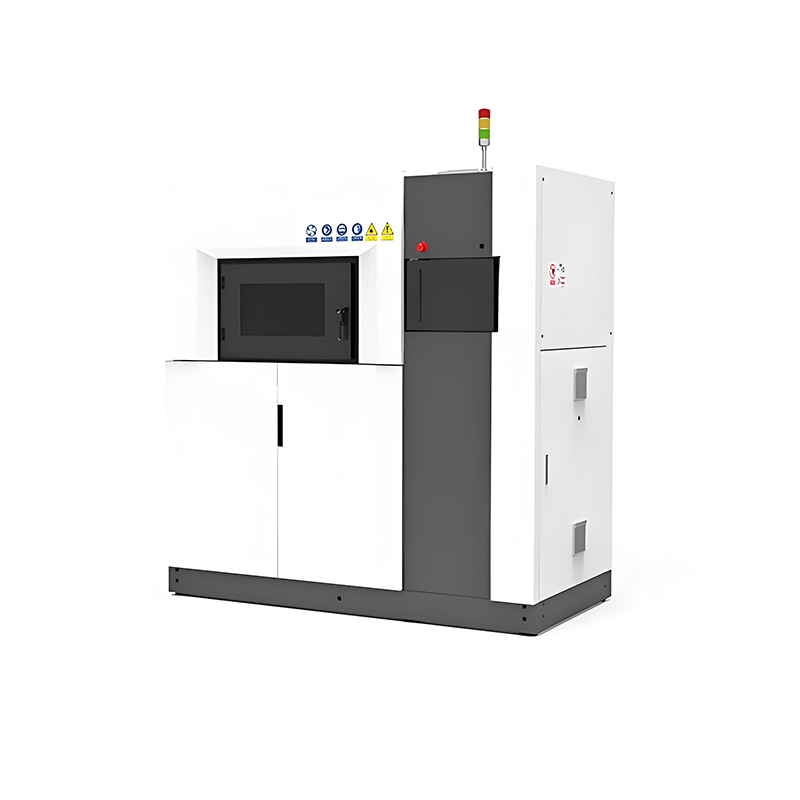
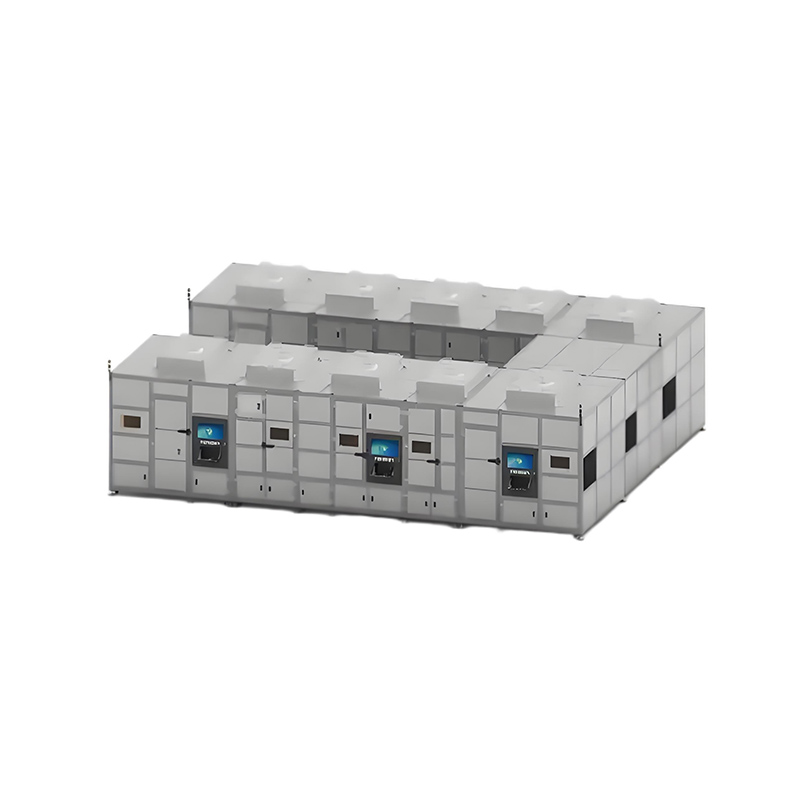
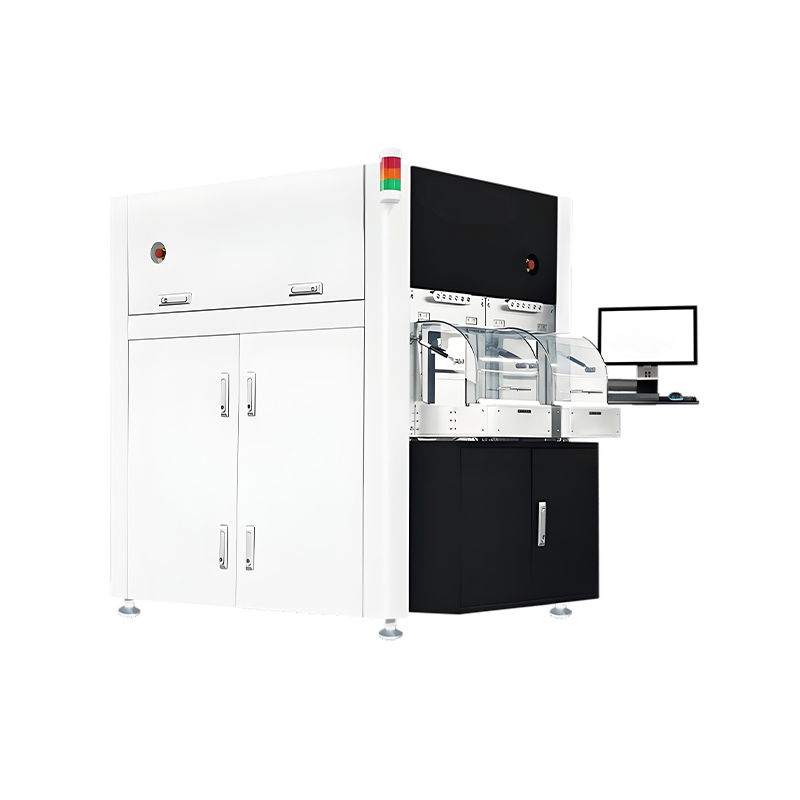
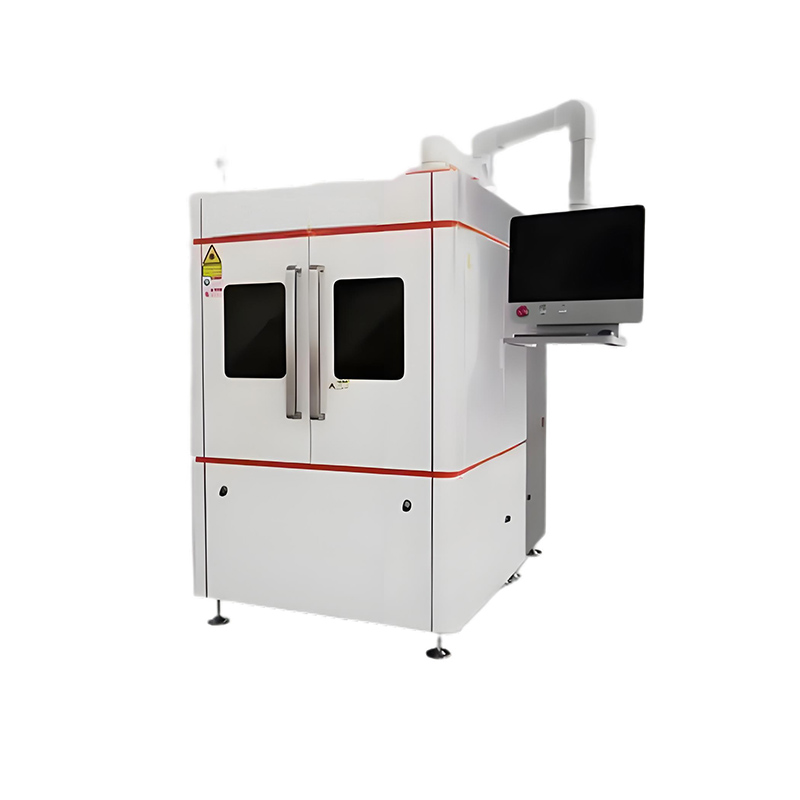
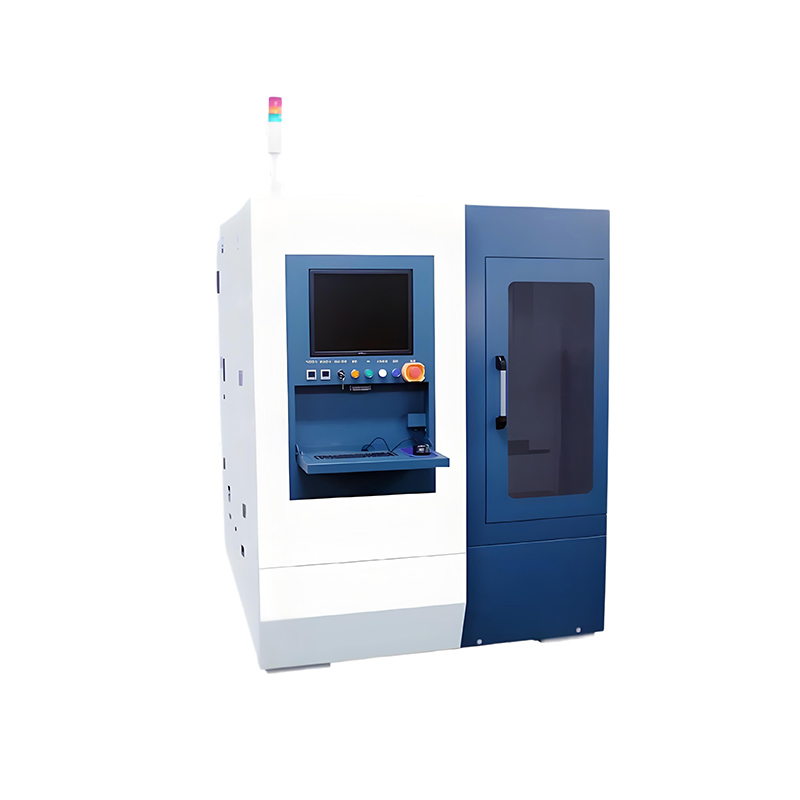
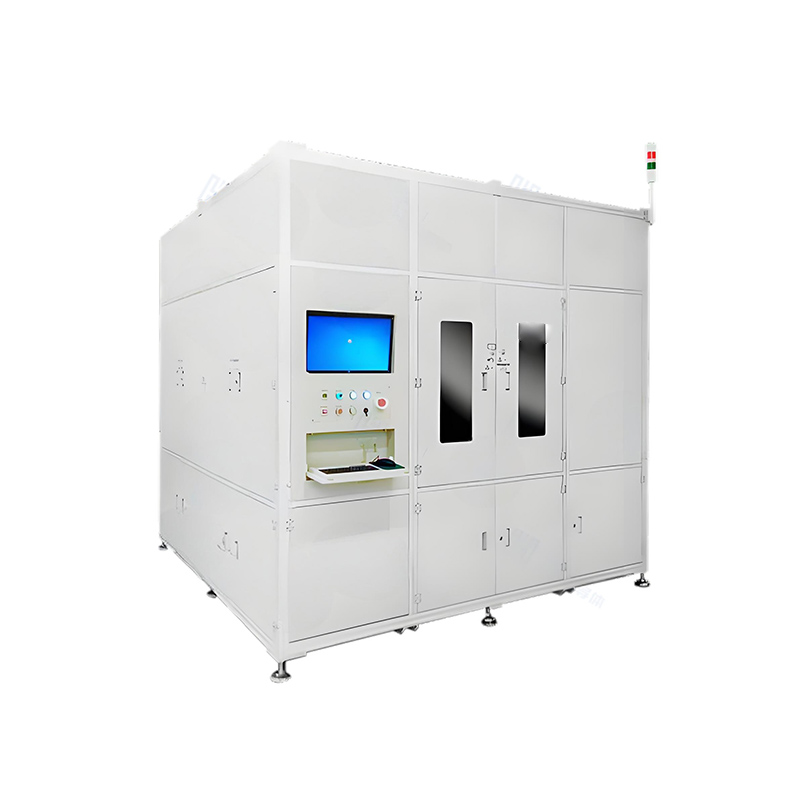
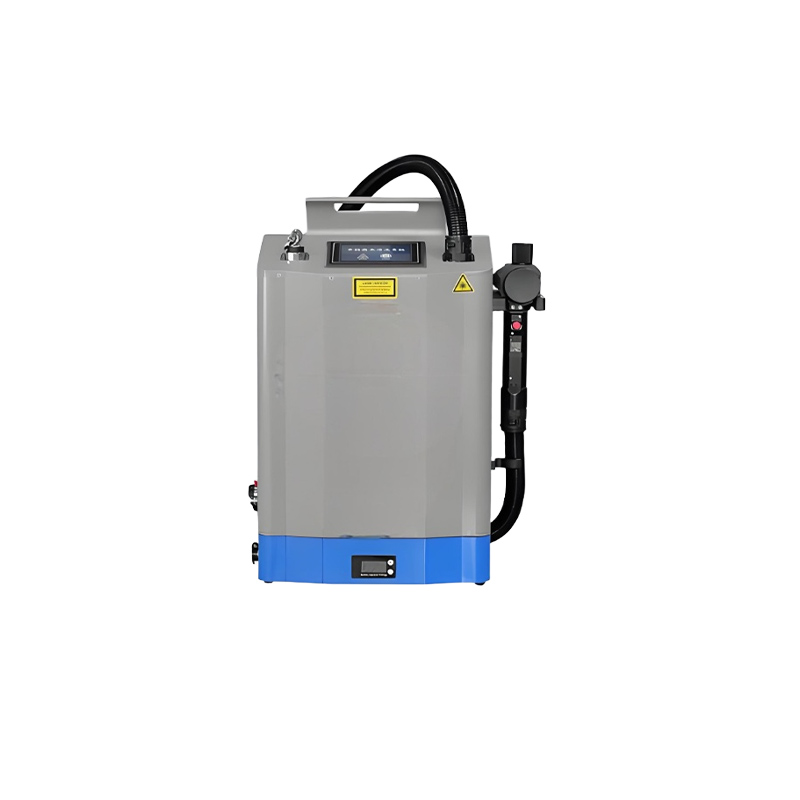
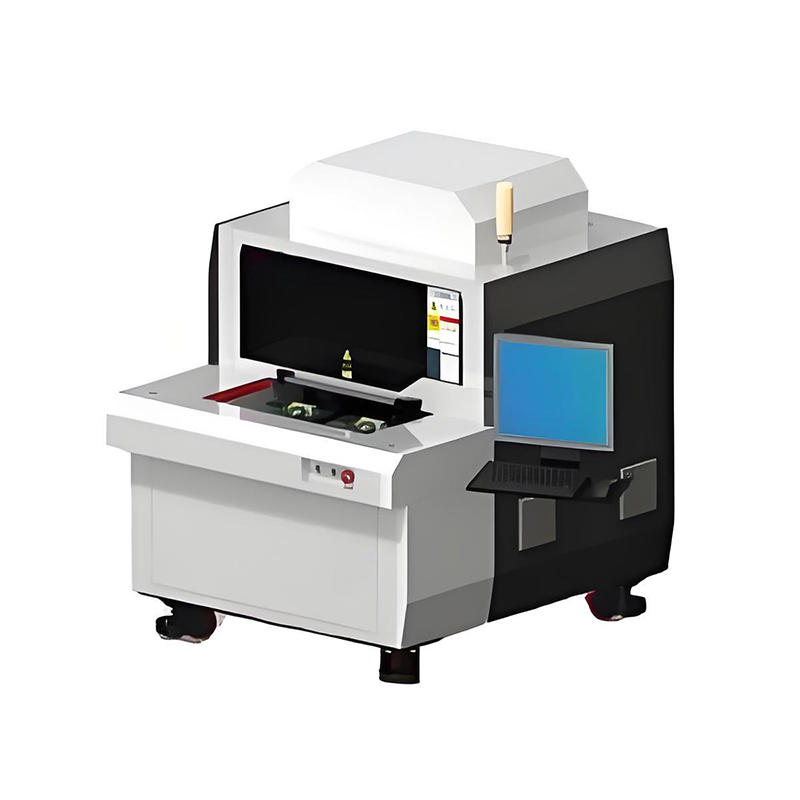
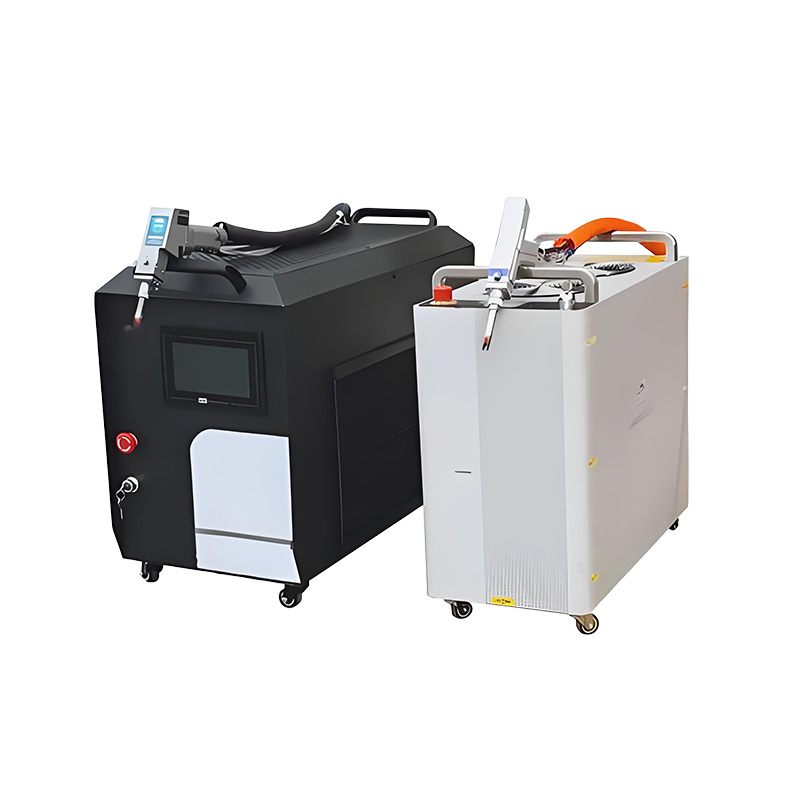
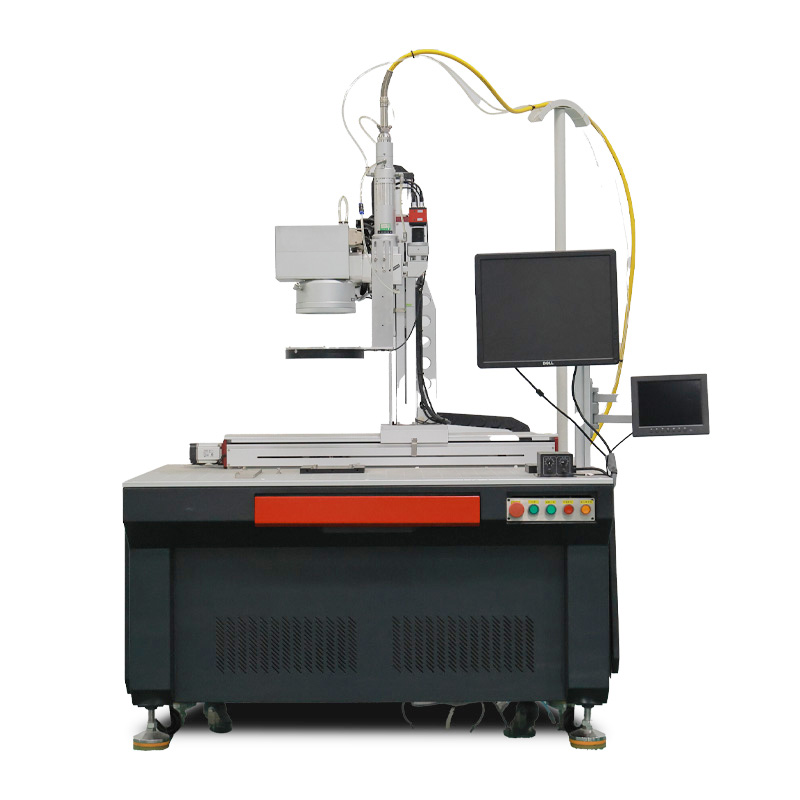
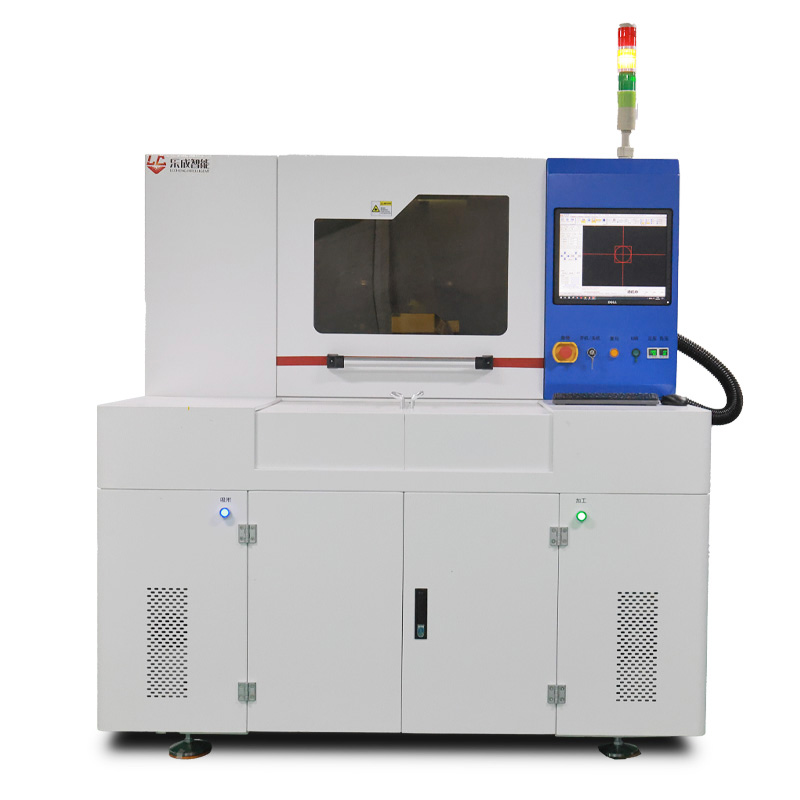
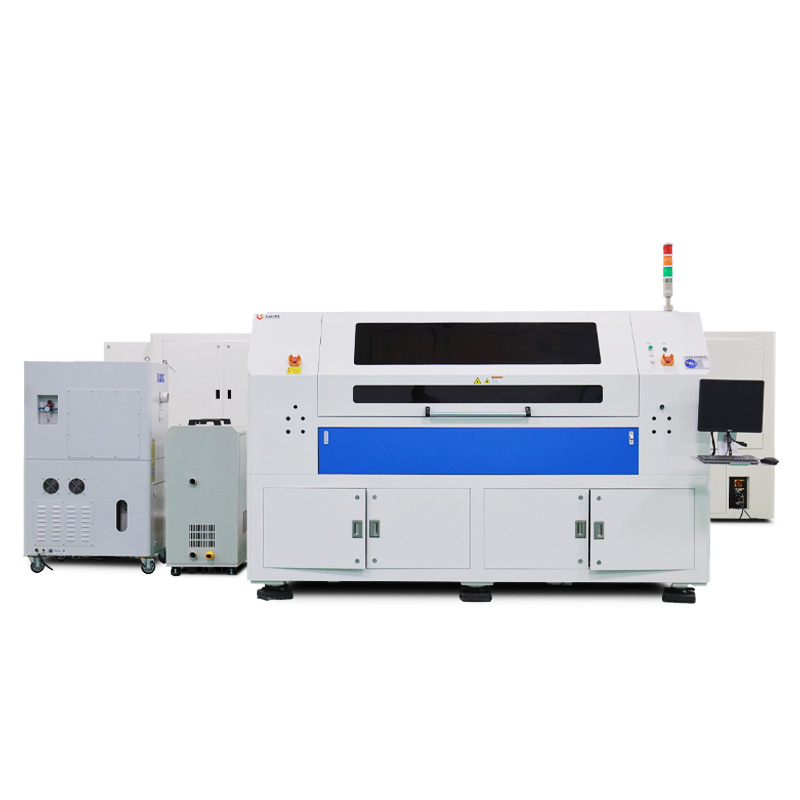

Lecheng works in photovoltaic laser processing, where overseas buyers usually care less about a generic brochure and more about whether the supplier understands the working condition, quotation scope and delivery risk. This guide explains how to handle Laser Scribing Machine RFQ Checklist for PV Cell Production Lines with practical buying logic.

Start from the application, not only the product name
In P1, P2, P3 laser scribing and thin-film PV production, the same model name can perform very differently if the medium, installation position, electrical interface or inspection method changes. Before comparing suppliers, list the actual materials or working conditions: solar cells, thin-film modules, laser sources and motion platforms. This gives the supplier a clear base for technical confirmation instead of a vague price request.
Buyers can first review related pages such as Laser Scribing Equipment RFQ Checklist for Photovoltaic Production Lines, Photovoltaic (PV) Cell Laser Scribing Machine, Perovskite Laser Production Line – Advanced Manufacturing Solutions | LE Laser. Internal product pages help Google understand topical relevance, and they also let a procurement visitor move from a question article to a quote-ready product page.
Selection checklist for this project
| Item to confirm | Why it matters |
|---|---|
| Working condition | It decides whether the recommended solution can handle solar cells, thin-film modules, laser sources and motion platforms and the real operating environment. |
| Technical parameters | For this product line, focus on cell material, scribing layer, line width, speed, positioning accuracy and automation interface. |
| Acceptance standard | Confirm sample approval, inspection records, packaging and after-sales response before mass order. |
Common risks buyers should prevent early
The most common problems are not always caused by the product itself. They usually come from incomplete information before quotation: scribing defects, edge damage, poor alignment and throughput mismatch. A professional supplier should ask follow-up questions, explain trade-offs and provide a configuration that matches the target use case.
- Confirm the application drawing or layout before asking for the final price.
- Separate must-have technical requirements from optional preferences.
- Ask whether sample testing or pre-shipment inspection can be documented.
- Keep the article/page connected to product and contact pages so both users and search engines can follow the path.
RFQ information to send
For a faster and more accurate quotation, prepare: cell structure, layer material, line width, throughput target, automation interface and sample test plan. If the project is still at an early stage, send the expected application, quantity range and target delivery date first; the supplier can then suggest what should be confirmed next.
FAQ
What is the most important information before quotation?
The most important information is the real application condition. Model selection becomes reliable only when the supplier knows the working environment, required parameters and acceptance standard.
Should buyers choose the lowest quoted price?
Not directly. A low price can become expensive if it ignores installation, testing, service or production stability. Compare the full scope, not only the unit price.
How can this page help sourcing teams?
It gives a practical checklist that sourcing, engineering and quality teams can use together before contacting a supplier.
Need a project-specific recommendation? Review Laser Scribing Equipment RFQ Checklist for Photovoltaic Production Lines or contact the engineering team with your working condition and target schedule.