
Products

Featured products

Contact us

  • Multi-Channel PV Module Steady-State Test System
  • video

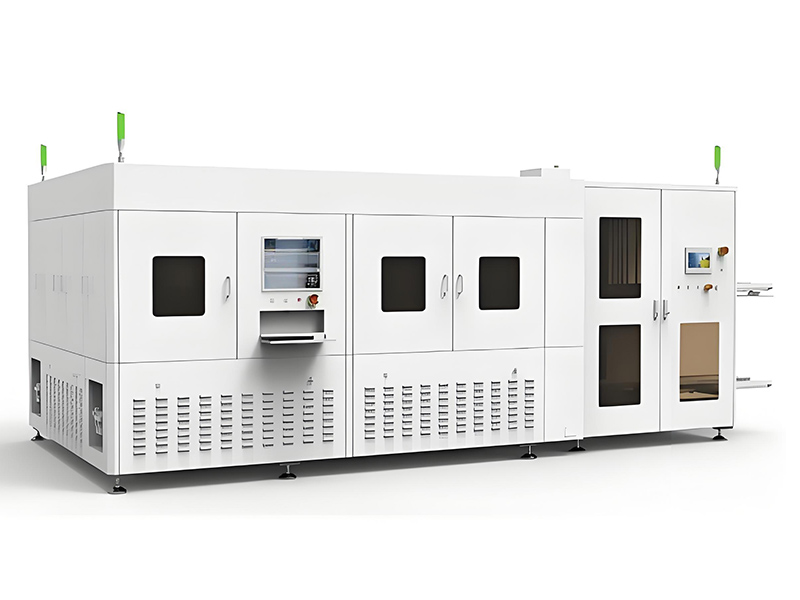
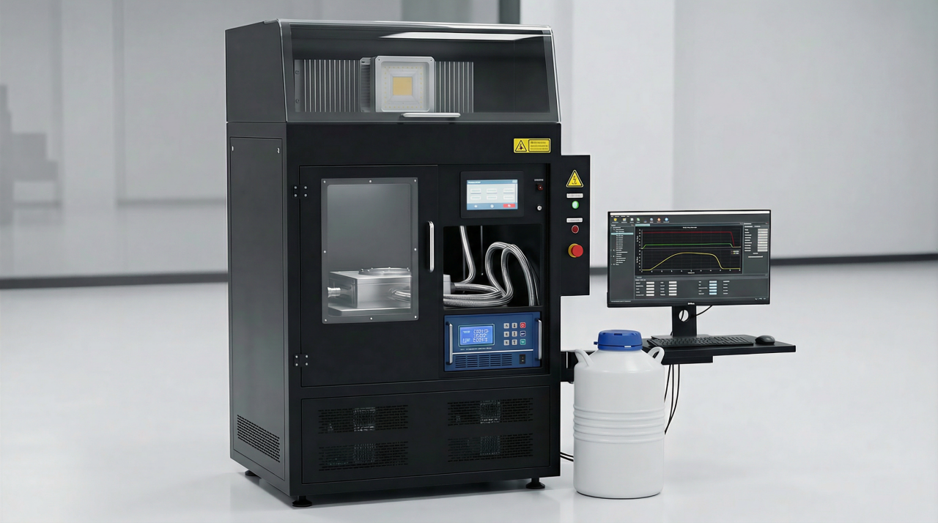
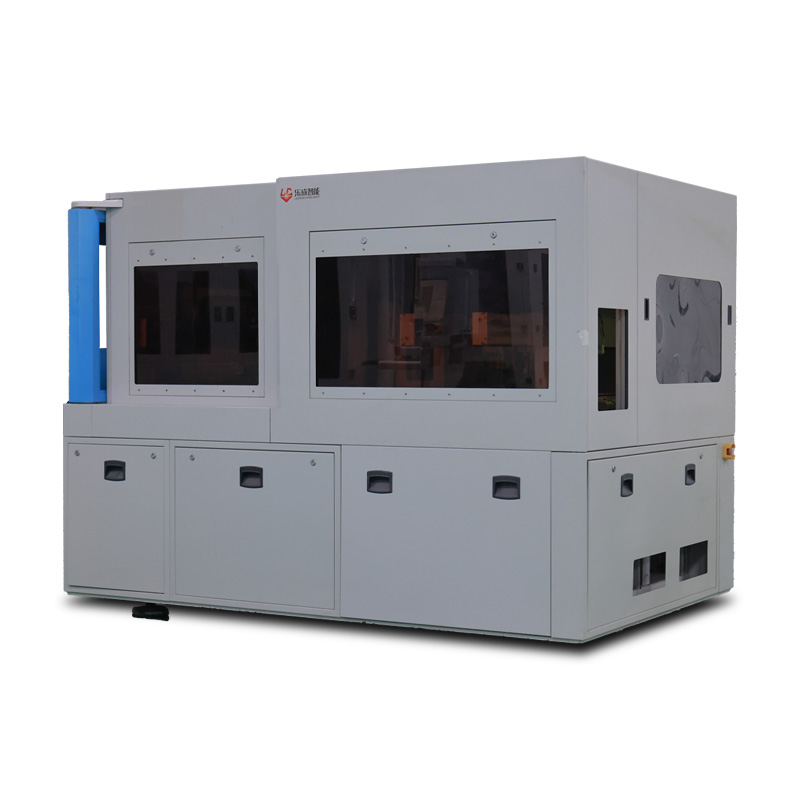
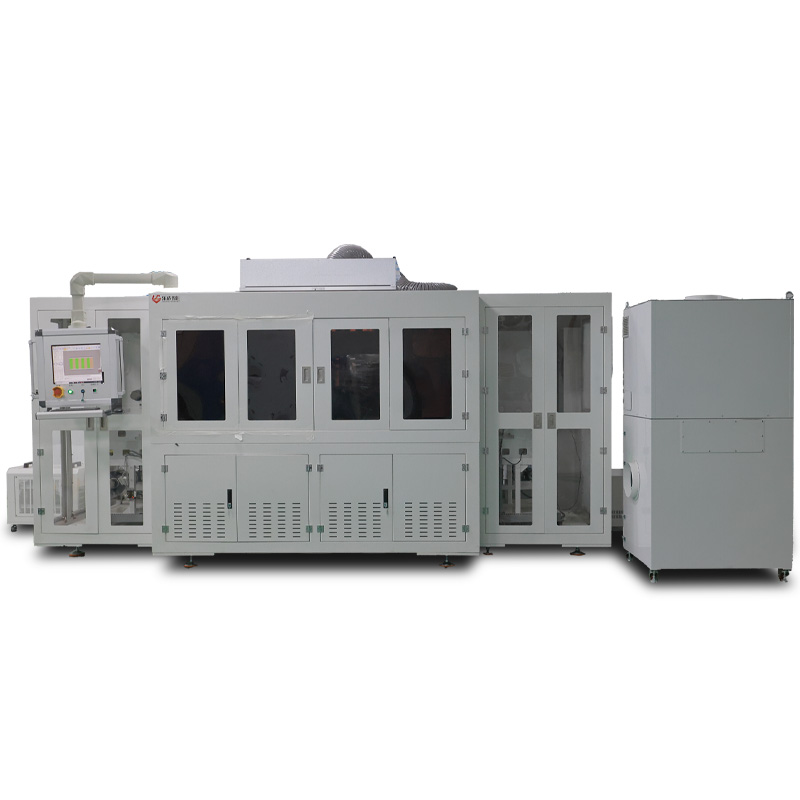
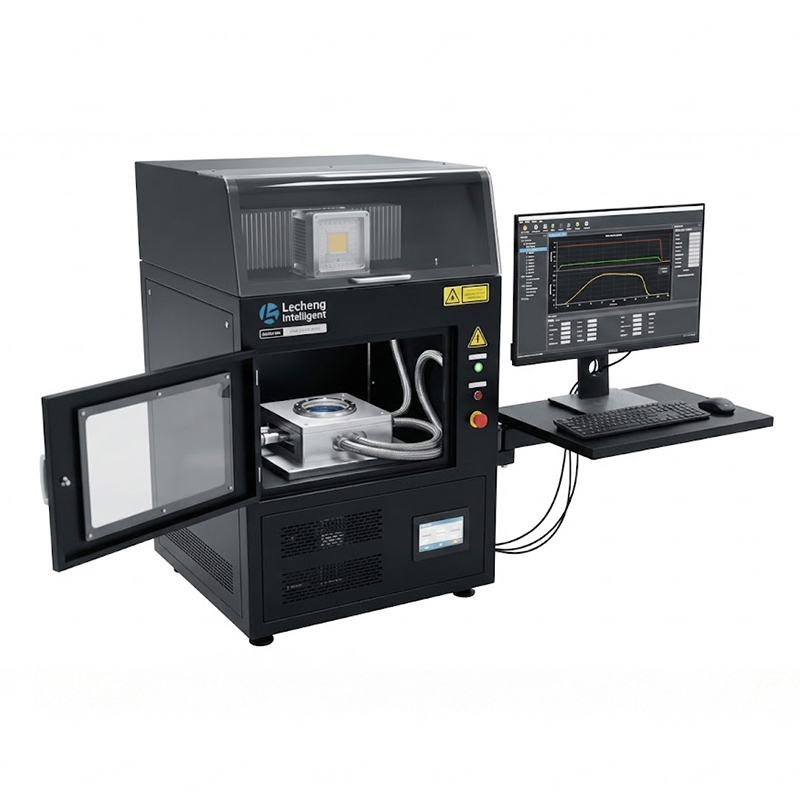
Multi-Channel PV Module Steady-State Test System

Multi-channel architecture enables high-throughput testing. LED AAA solar simulator ensures stable illumination. MPPT algorithms handle perovskite hysteresis precisely. Automated platform supports 24/7 unattended operation.
  • Le Cheng
  • Shanghai
  • Three months
  • Fifty sets within the year

Product Description

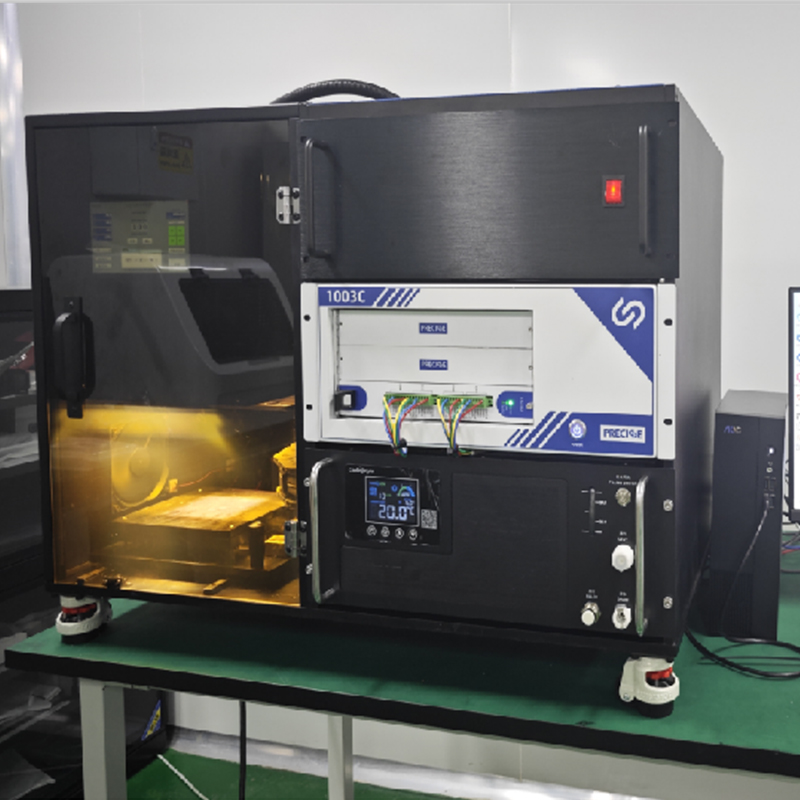
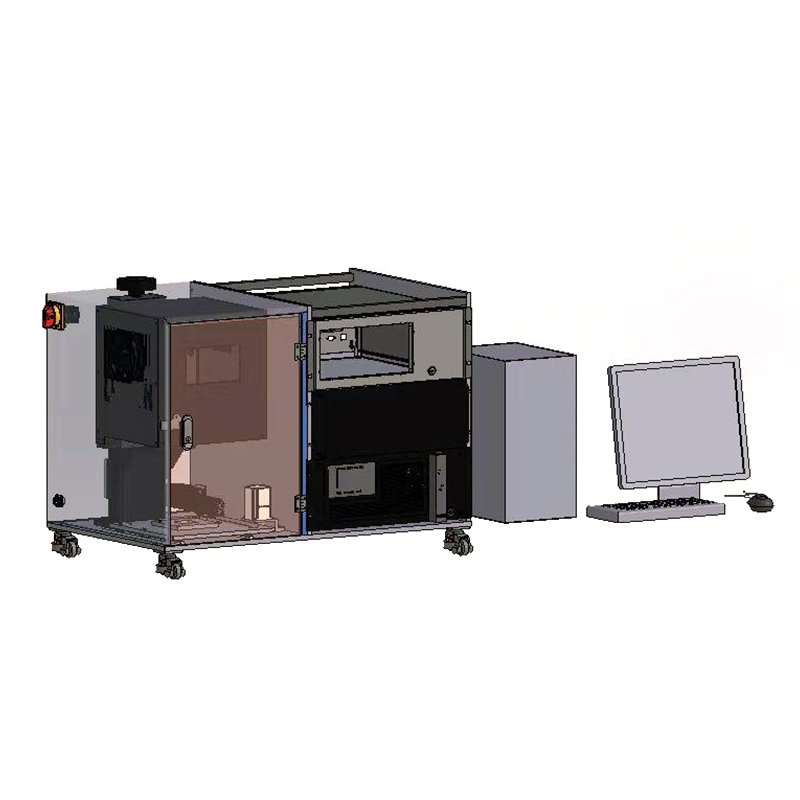
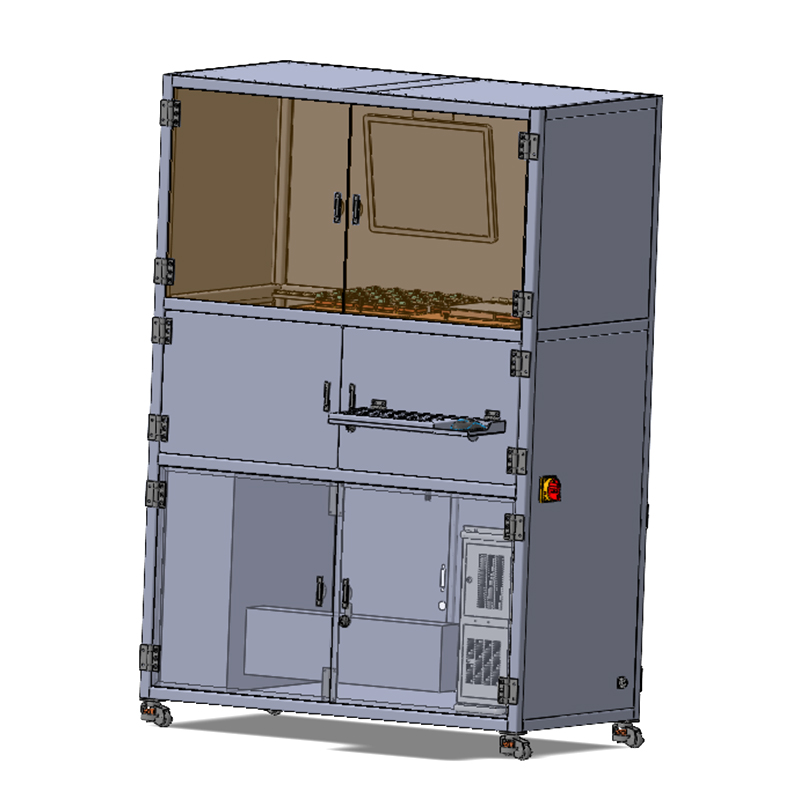
The Multi-Channel PV Module Steady-State Test System is a high-throughput photovoltaic testing platform specifically designed for advanced photovoltaic technologies such as perovskite solar cells, tandem solar cells, and thin-film photovoltaic modules. The system integrates an LED steady-state solar simulator, multi-channel electrical testing modules, temperature control systems, and intelligent data acquisition software to create a fully automated testing environment for photovoltaic device characterization and long-term stability evaluation.

Compared with traditional single-channel testing equipment, this system enables parallel testing of multiple photovoltaic samples, significantly improving research efficiency and shortening experimental cycles. Each channel operates independently, allowing different samples to be tested simultaneously under different electrical and environmental conditions. This architecture is particularly valuable for laboratories conducting high-throughput material screening and device optimization.

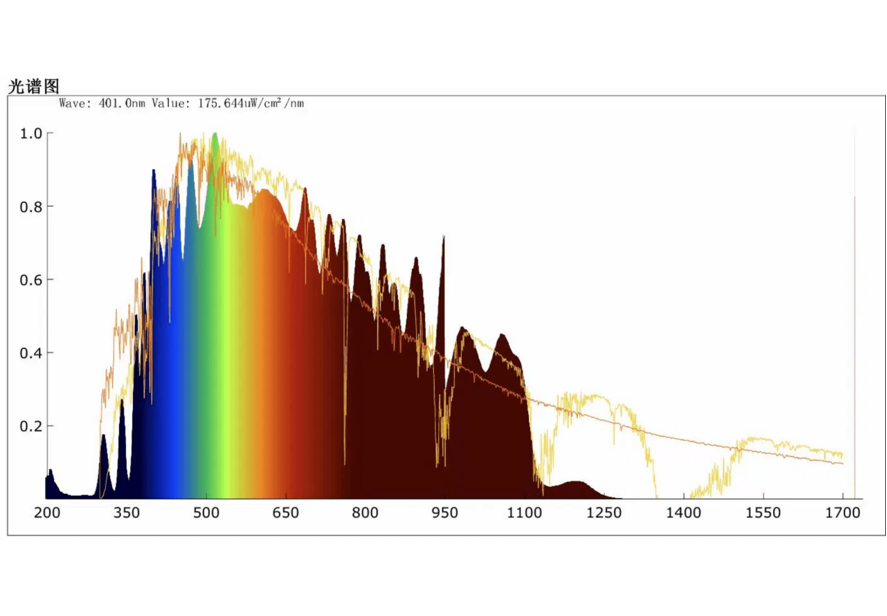
The platform is equipped with a Class AAA LED steady-state solar simulator, ensuring uniform illumination and stable light intensity across all channels. Combined with accurate electrical measurement modules and environmental control systems, the equipment can precisely capture performance parameters such as current, voltage, power output, and efficiency during steady-state operation.

In addition, the system includes an intelligent software platform capable of automated data collection, real-time monitoring, and long-term data storage. Researchers can remotely monitor test progress, analyze IV curves, and compare multiple channel results simultaneously. This combination of hardware integration and intelligent software significantly improves testing accuracy, reliability, and operational efficiency.
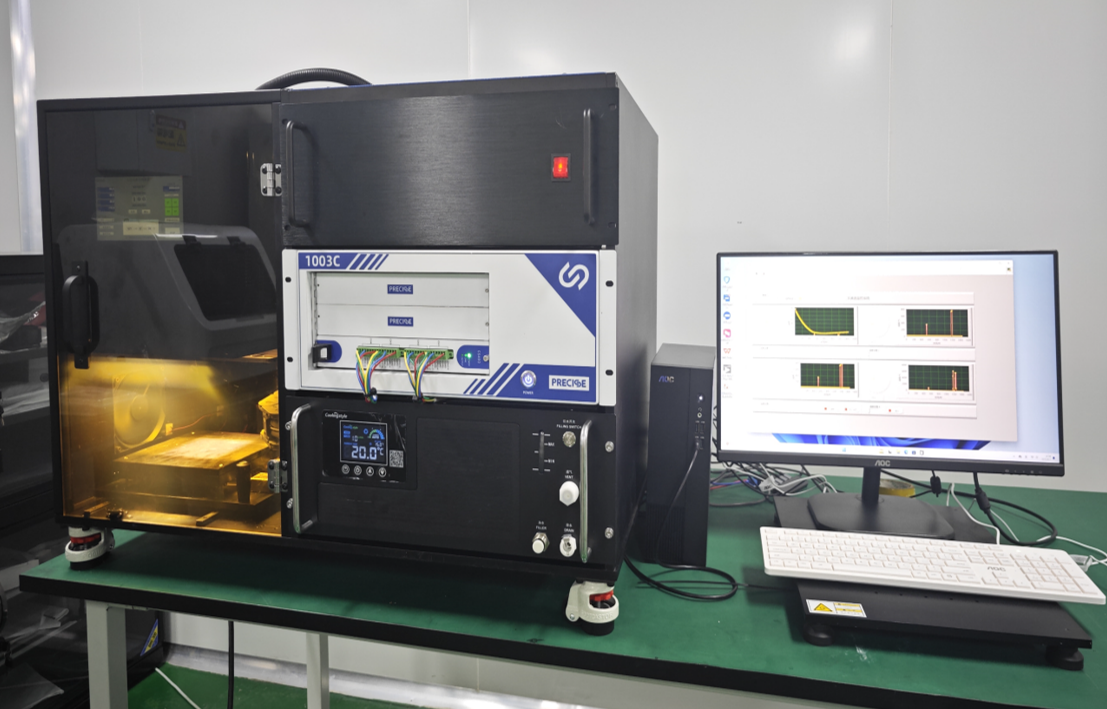
Multi-Channel PV Module Steady-State Test System

Product Functions

Multi-Channel Parallel Testing Architecture

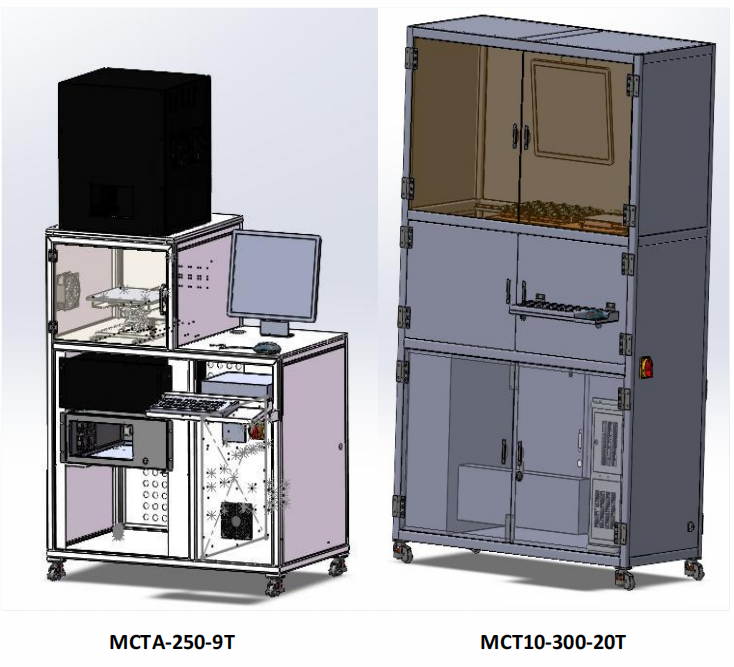
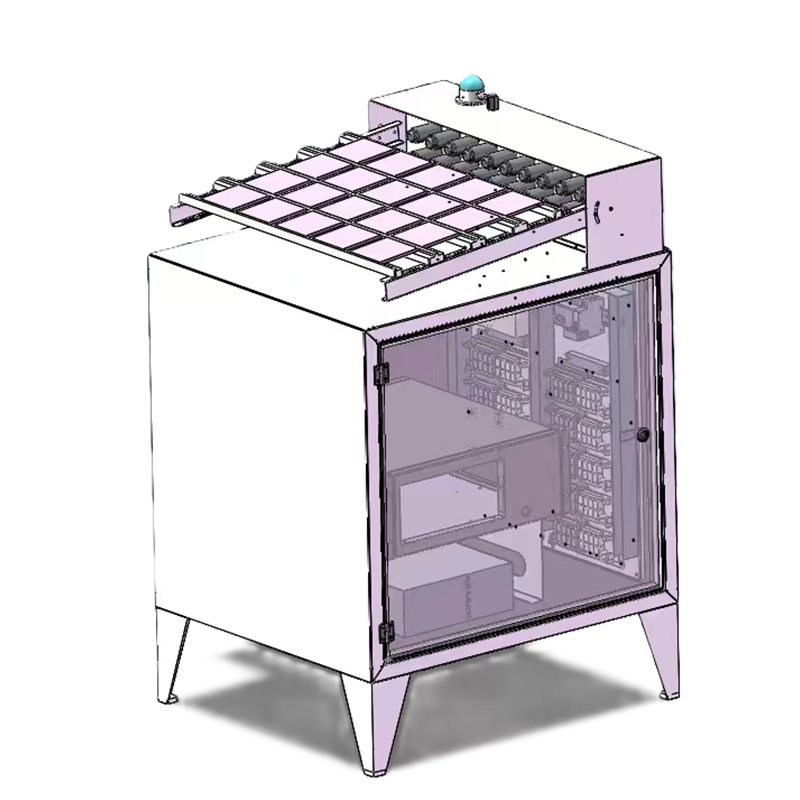
The system provides high-throughput photovoltaic testing through a multi-channel design. The standard configuration supports up to 20 independent test channels, enabling multiple devices or modules to be evaluated simultaneously.

Electrical Test Capability

ParameterSpecification
Test ChannelsUp to 20 Channels
Voltage RangeMax 18 V
Current RangeMax 1 A
Measurement Accuracy0.1%
Test ModeIV Scan / MPPT Tracking
Data AcquisitionMulti-channel independent control

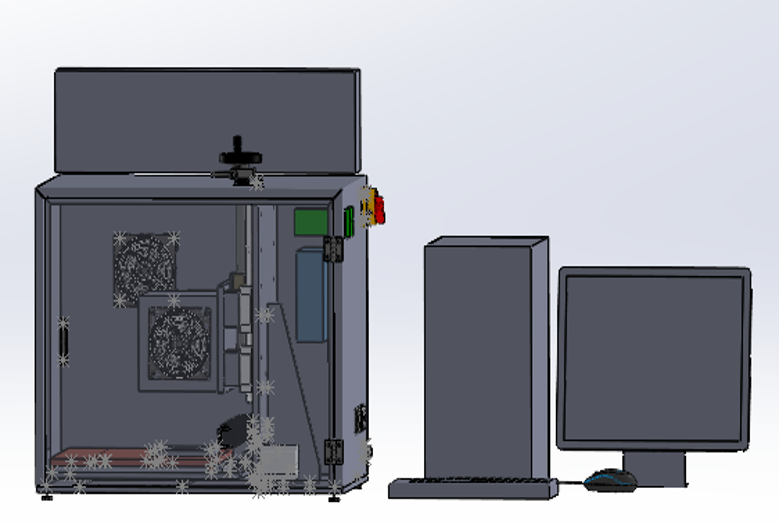
Photovoltaic IV MPPT Steady-State Testing System

This design allows researchers to test many photovoltaic samples simultaneously, significantly increasing experimental productivity.


LED Steady-State Solar Simulator

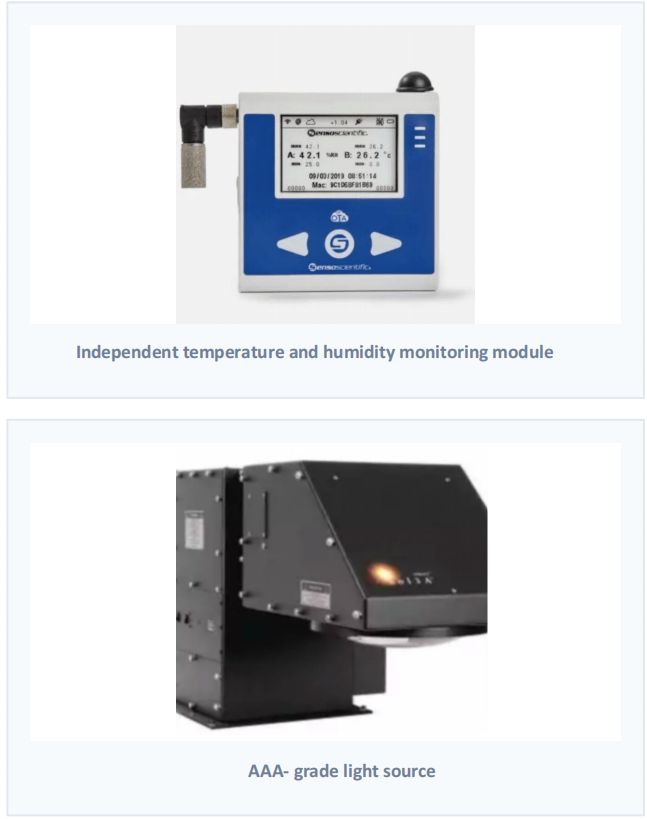
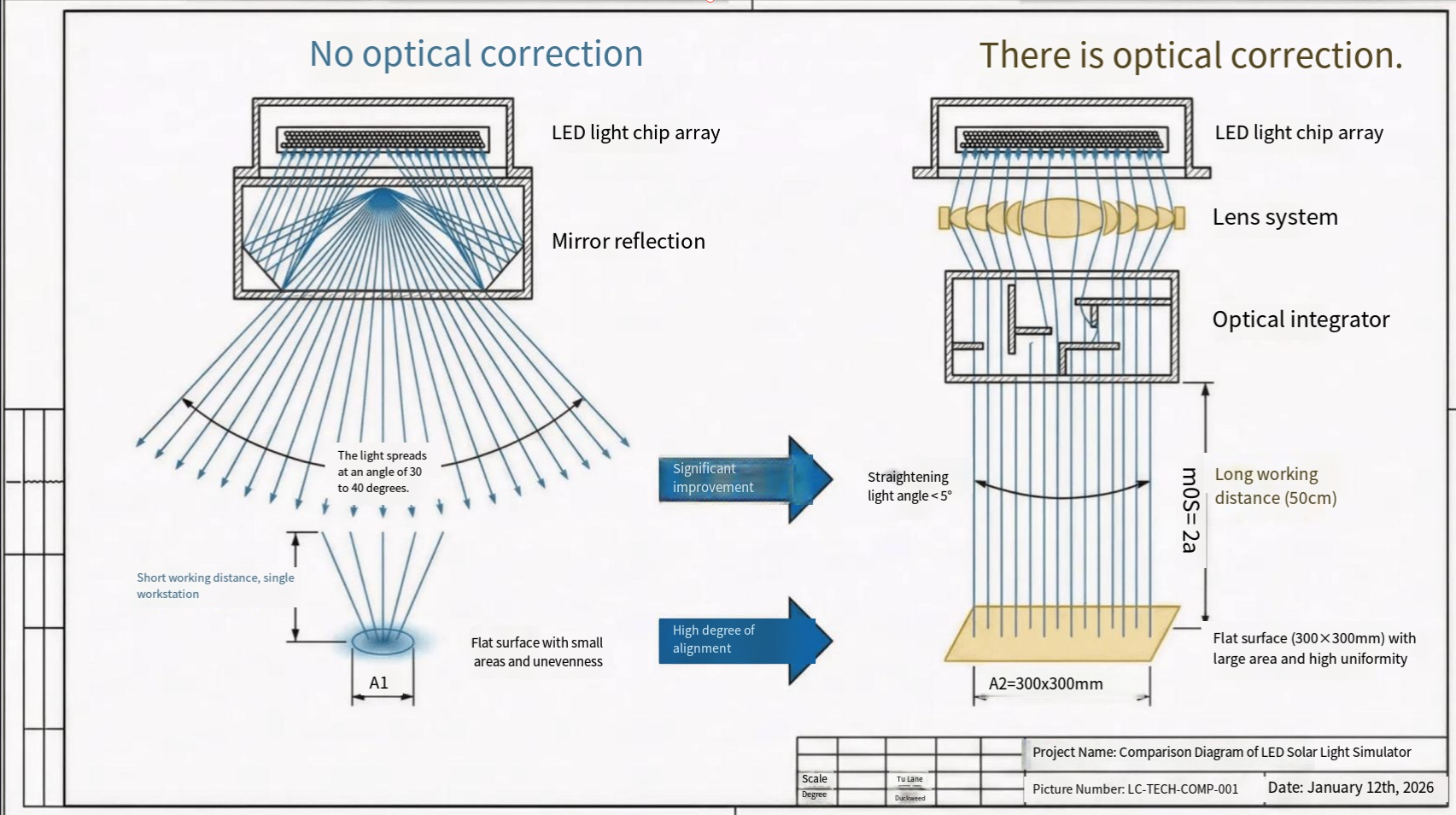
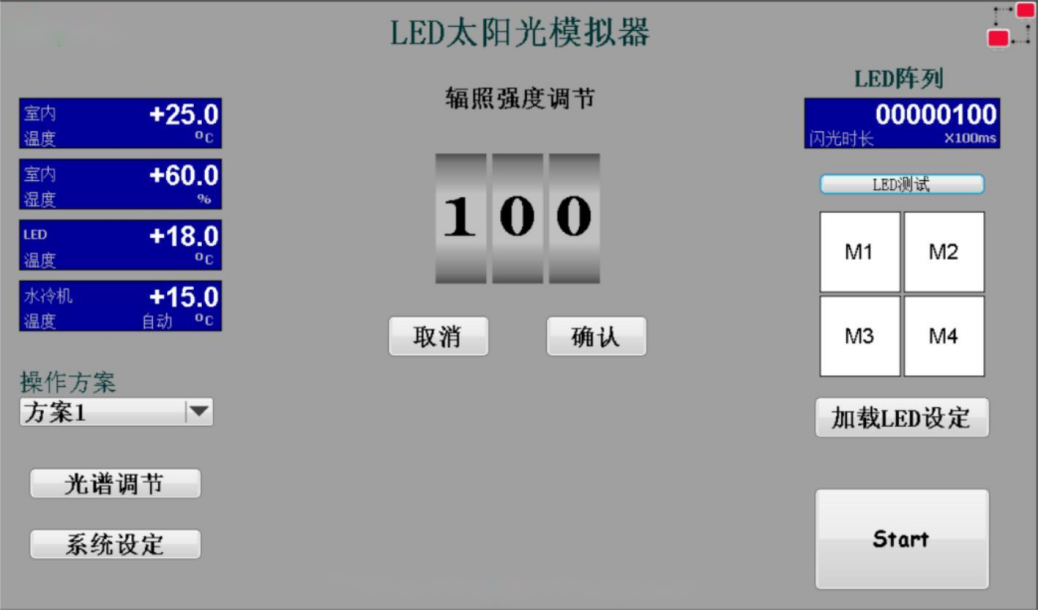
The system integrates a Class AAA LED solar simulator, which provides high stability and uniform light distribution. The light source is optimized for steady-state photovoltaic testing and long-term aging experiments.

Light Source Specifications

ParameterSpecification
Light Source TypeLED Solar Simulator
GradeClass AAA
Illumination Area100–300 mm
UniformityHigh uniform illumination
StabilityLong-term stable output

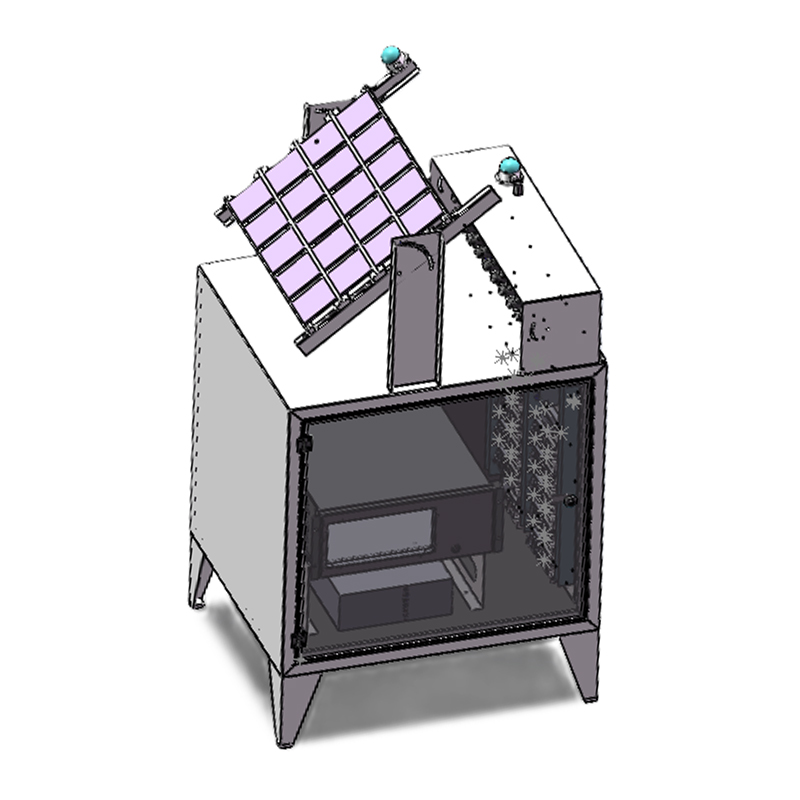
Perovskite Solar Module Stability Test Platform

The stable LED illumination ensures reliable measurement of photovoltaic device performance under controlled steady-state conditions.

Temperature and Environmental Control

To evaluate the stability of photovoltaic modules under different environmental conditions, the system includes independent temperature control modules and optional humidity control functions.

Environmental Control Specifications

ParameterSpecification
Temperature Range25 – 100°C
Temperature Accuracy±2°C
Humidity Range15% – 100% RH
Humidity Accuracy±2% RH
Cooling MethodWater Cooling + Air Cooling

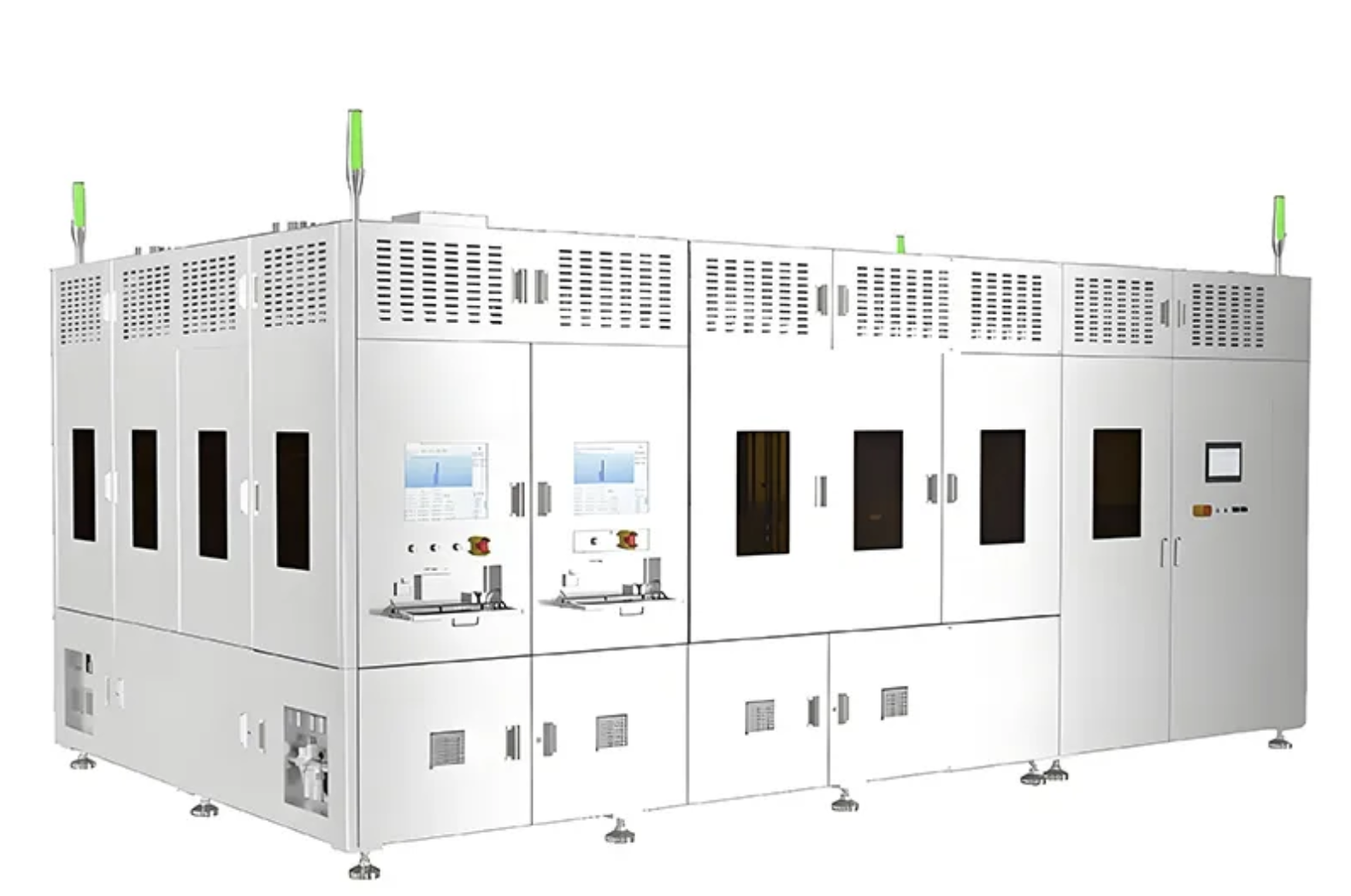
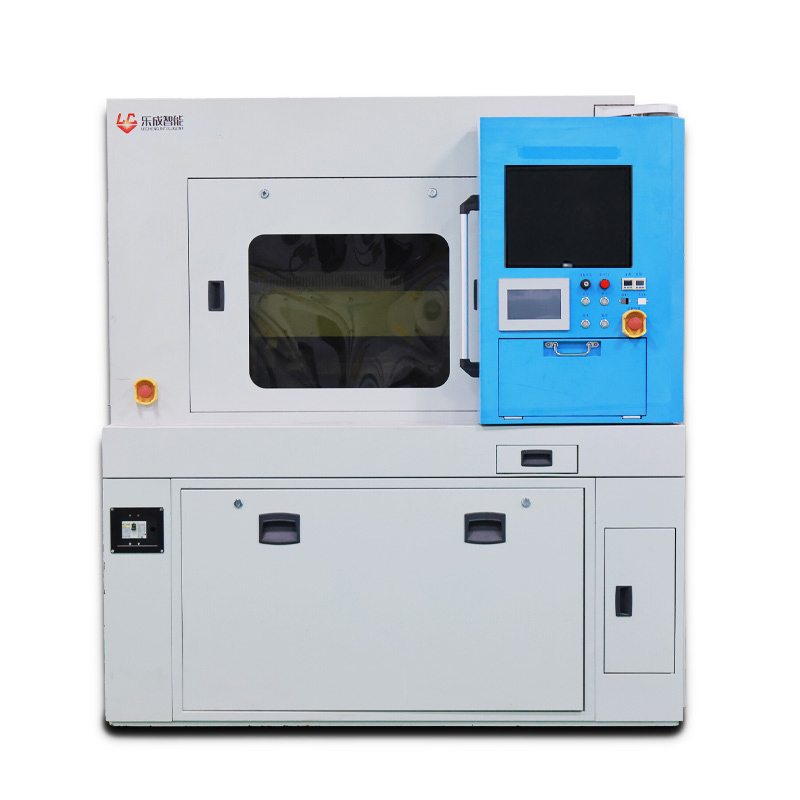
Multi-Channel PV Module Steady-State Test System

These features enable simulation of harsh environmental conditions such as high temperature and high humidity, which are essential for reliability testing and aging studies.


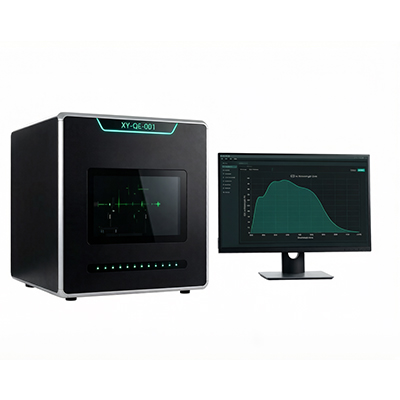
Intelligent Testing Software

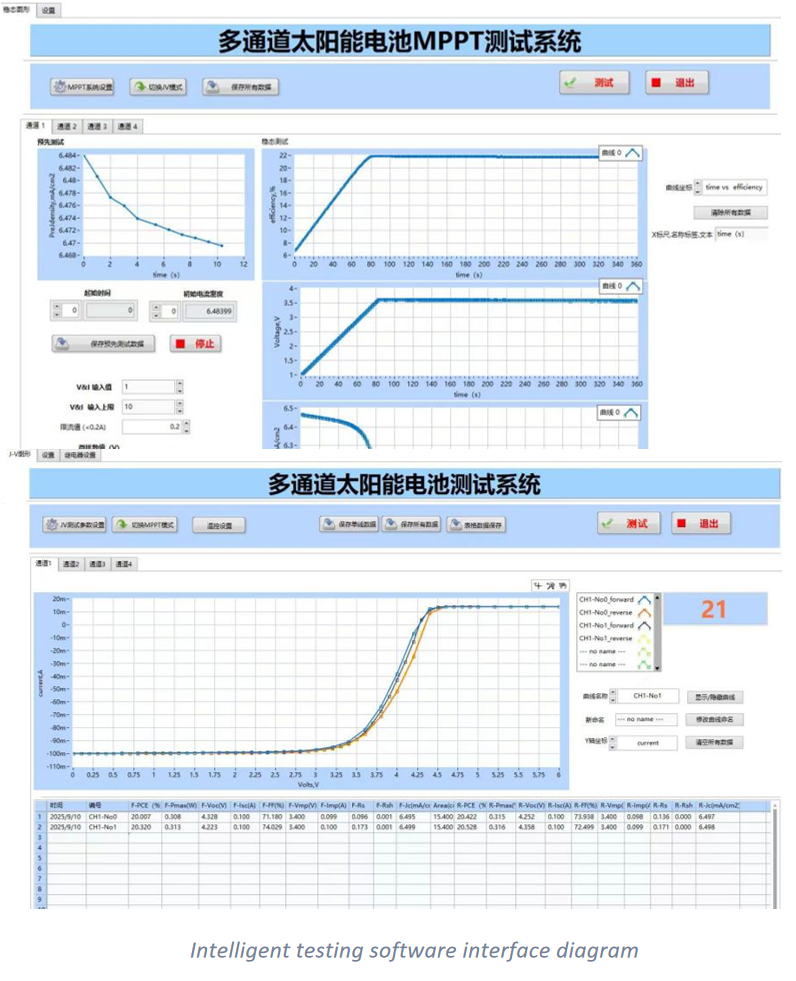
The system includes a fully integrated intelligent software platform that enables automated testing, real-time monitoring, and advanced data management.

Software Functions

FunctionDescription
Multi-channel IV TestingForward and reverse scan
Dynamic IV Analysis9-point fitting and dynamic scan
MPPT TrackingMultiple tracking algorithms
Real-time MonitoringIV, PV and temperature curves
Data ManagementAutomatic naming and storage
Alarm SystemAbnormal condition alerts

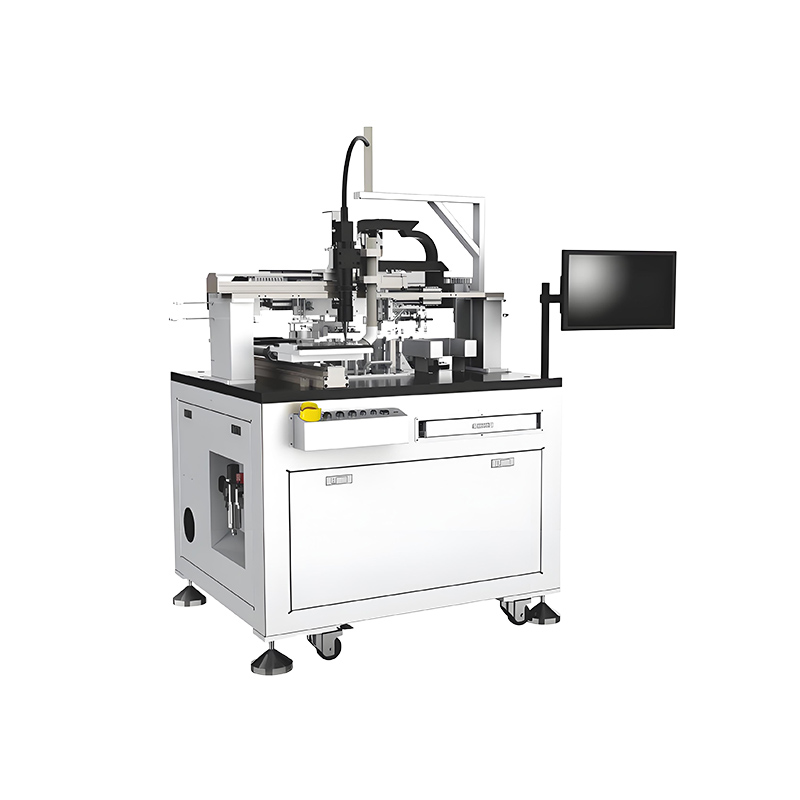
Photovoltaic IV MPPT Steady-State Testing System

The intuitive software interface allows researchers to monitor multiple channels simultaneously while ensuring accurate data recording and easy post-processing.


Key Features

High-Throughput Parallel Testing

The multi-channel architecture allows simultaneous testing of multiple photovoltaic samples, significantly accelerating device screening and performance comparison.

Advanced MPPT Algorithms

The system integrates multiple maximum power point tracking algorithms, including Perturbation Observation, Incremental Conductance, and Fixed Voltage Method, ensuring accurate power measurement even for photovoltaic devices with hysteresis behavior such as perovskite solar cells.

Independent Channel Control

Each testing channel operates independently, allowing different experimental parameters, temperature settings, and scanning modes to be applied simultaneously.

Fully Automated Operation

The system supports continuous automated operation with remote monitoring and intelligent alarms, enabling 24/7 unattended testing for long-term stability studies.

Flexible Modular Design

Both hardware and software adopt a modular architecture, allowing customization according to different research requirements, device sizes, and testing scenarios.


Application Range

The Multi-Channel PV Module Steady-State Test System is widely used in:

  • Perovskite solar cell performance evaluation

  • Thin-film photovoltaic device research

  • Tandem solar cell stability testing

  • Photovoltaic module aging and reliability testing

  • High-throughput photovoltaic material screening

  • University laboratories and photovoltaic research institutes

  • Industrial R&D centers and pilot production lines


Key Technical Summary

CategorySpecification
Product SeriesMCT Series
Test ChannelsUp to 20
Maximum Test Size300 × 300 mm
Light SourceLED AAA Solar Simulator
Voltage RangeMax 18 V
Current RangeMax 1 A
Measurement Accuracy0.1%
Temperature Control25–100°C
Operation ModeAutomated 24/7 testing
Data ManagementIntelligent software platform


  • How long does it take from equipment ordering to official production when cooperating with Locsen?

    The overall timeline varies depending on equipment specifications and production line scale. For standalone equipment, standard models require a 45-day manufacturing cycle, with total duration (including shipping and installation) of approximately 60 days. Customized equipment requires an additional 30 days based on technical requirements. For complete line solutions: • 100MW-level production lines require ~4 months for planning, equipment manufacturing, installation, and commissioning • GW-level production lines require ~8 months We provide detailed project schedules with dedicated managers ensuring seamless coordination. Example: A client's 1GW perovskite production line was completed 15 days ahead of schedule through parallel equipment manufacturing and facility construction.
  • Does Locsen offer suitable equipment and partnership solutions for startup perovskite companies

    Locsen offers a "Phased Partnership Program" specifically designed for perovskite startups. For the initial R&D phase, we provide compact pilot-scale equipment (e.g., 10MW laser scribing systems) bundled with essential process packages to facilitate technology validation and product iteration. During scale-up phases, startups qualify for upgrade benefits: • Core modules from pilot equipment can be traded in with value deduction toward production-line machinery • Optional technical collaboration including process development support and experimental data sharing This program has successfully enabled multiple startups to transition smoothly from lab to pilot production while mitigating early-stage investment risks.
  • Can Locsen's equipment handle perovskite solar cells of varying sizes? What is the maximum supported dimension?

    Locsen's laser equipment features exceptional size compatibility, capable of processing perovskite solar cells ranging from 10cm×10cm to 2.4m×1.2m. For oversized cell processing (e.g., 12m×2.4m rigid substrates), we offer customized gantry-type laser systems with multi-laser-head synchronization to ensure both precision and throughput. • Proven Performance: Successfully processed 1.2m×0.6m cells with industry-leading scribing accuracy (±15μm) and uniformity (>98%) • Modular Design: Swappable optical modules adapt to varying thicknesses (0.1-6mm) • Smart Calibration: AI-assisted real-time beam alignment compensates for substrate warpage
  • Does Locsen provide tailored laser solutions for all key production stages of perovskite solar cells?

    Yes, Locsen provides comprehensive laser processing solutions covering the entire perovskite solar cell production chain: P0 Laser Marking: For cell identification post-film deposition P1/P2/P3 Laser Scribing: Precision patterning of • Transparent conductive layers (P1) • Perovskite active layers (P2) • Back electrodes (P3) P4 Edge Isolation: Micron-level edge trimming to prevent short-circuiting Tandem Cell Modules: Dedicated laser etching systems for multi-material layer processing Our integrated equipment ecosystem ensures all laser processing requirements are met with: • ≤20μm alignment accuracy across layers • Thermal Affect Zone controlled under 5μm • Modular platforms supporting R&D to GW-scale production
  • What composition tolerance ranges do Locsen's tools support for variant perovskite formulations?

    Locsen's laser systems demonstrate exceptional adaptability to diverse perovskite compositions. • Preloaded Parameters: Optimized settings for mainstream formulations (e.g., FAPbI₃, CsPbI₃) in the laser recipe library enable instant operator access • R&D Support: For novel compositions (e.g., Sn-based perovskites), our team delivers: Custom wavelength/fluence calibration within 72 hours Performance validation ensuring <1% PCE degradation post-processing • Smart Compensation: On-board spectroscopy modules monitor reflectivity in real-time, automatically adjusting: Pulse duration (20-500ns) Beam profile (Top-hat/Gaussian) Energy density (0.5-3J/cm²) Technical Highlights: ▸ Tolerance for ±15% stoichiometric variation in Pb:Sn ratios ▸ Support for 2D/3D hybrid phase patterning ▸ Non-contact processing avoids cross-contamination

Related Products

  • Space Photovoltaic Stability Test Solutions
    Space Photovoltaic Stability Test Solutions
    Integrated stability test solutions for space photovoltaic modules, designed for electrical characterization, thermal cycling, long-term reliability validation and aerospace-grade photovoltaic evaluation.
    More
  • AM0 Solar Simulator Solutions
    AM0 Solar Simulator Solutions
    High-precision AM0 solar simulator solutions for space photovoltaic testing, perovskite solar research, spectral evaluation and advanced solar device performance verification. Lecheng Intelligent provides process-oriented AM0 solar simulator solutions for customers who require more than basic illumination equipment. Our solution is designed around spectral accuracy, irradiation uniformity, temporal stability, optical shaping and flexible testing modes, helping research teams and manufacturers build a more reliable platform for space solar cell testing, perovskite photovoltaic testing and advanced photovoltaic device evaluation.
    More
  • MPPT Aging Test Solutions
    MPPT Aging Test Solutions
    Reliable MPPT aging test solutions for photovoltaic devices, designed for long-term performance tracking, stability validation, degradation analysis and advanced solar reliability testing.
    More
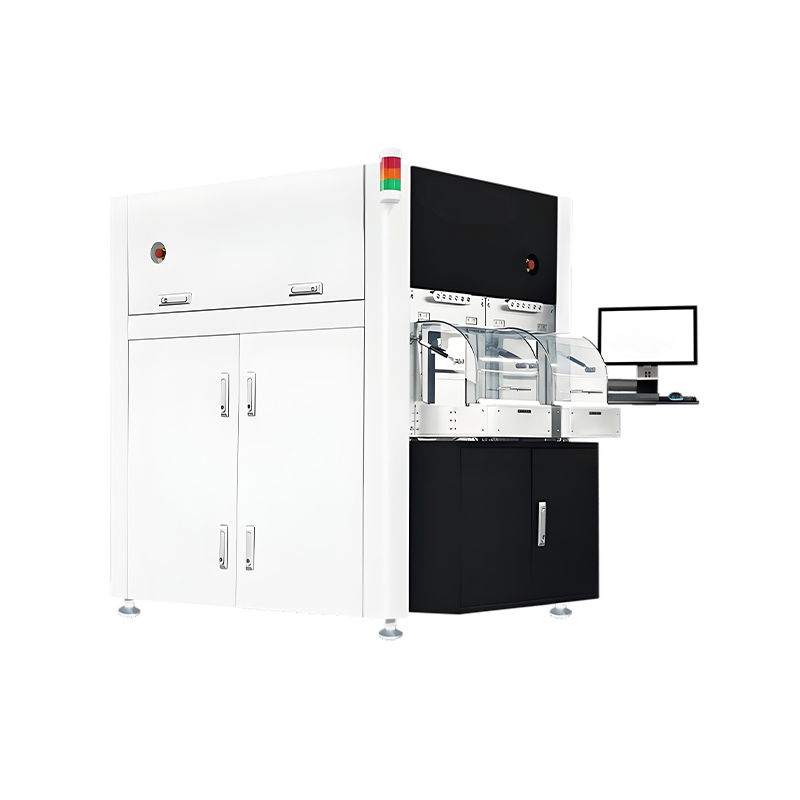
  • Thin-Film PV Glass Separation Solutions
    Thin-Film PV Glass Separation Solutions
    Precision glass separation solutions for thin-film photovoltaic manufacturing, designed to improve edge quality, reduce chipping risk, protect brittle substrates and support stable downstream processing.
    More
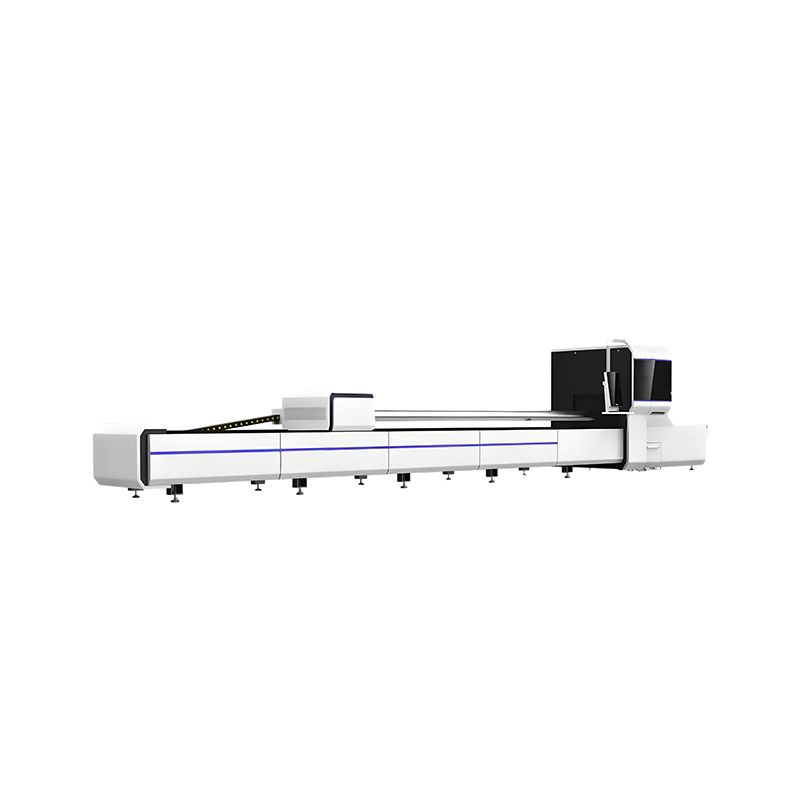
  • Thin-Film PV Laser Cutting Solutions
    Thin-Film PV Laser Cutting Solutions
    Precision laser cutting solutions for thin-film photovoltaic manufacturing, designed for clean contour cutting, stable edge quality, reduced thermal impact and better production consistency across laboratory, pilot and industrial applications.
    More
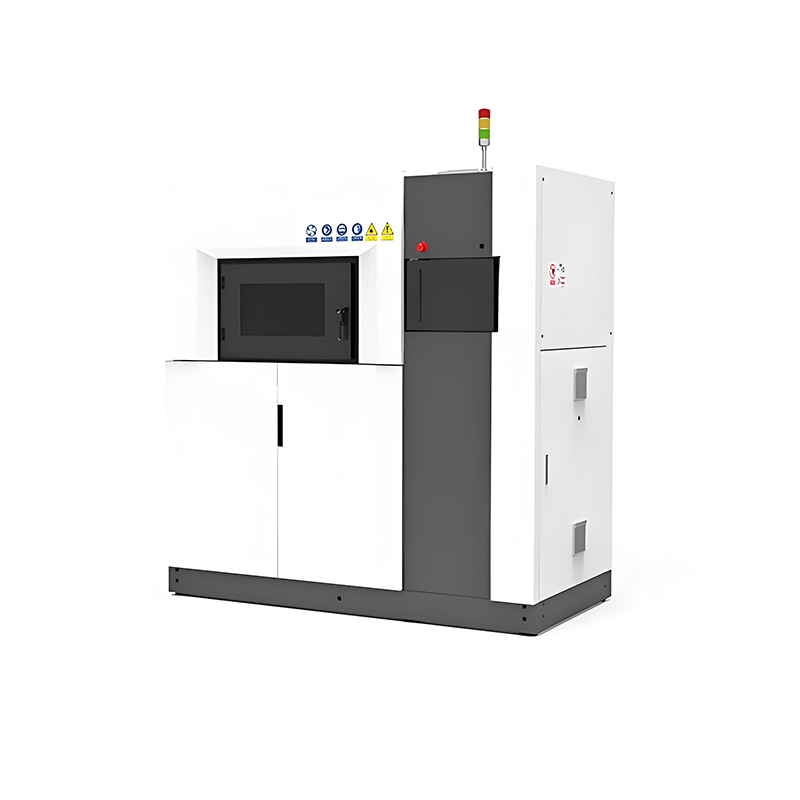
  • Perovskite Solar Cell Laser Processing Solutions
    Perovskite Solar Cell Laser Processing Solutions
    High-precision laser processing solutions for perovskite solar cell manufacturing, covering P1, P2, P3 laser scribing and P4 laser edge deletion for laboratory research, pilot lines and mass production.
    More

40px

80px

80px

80px

Get Quote