Products

Featured products

Contact us

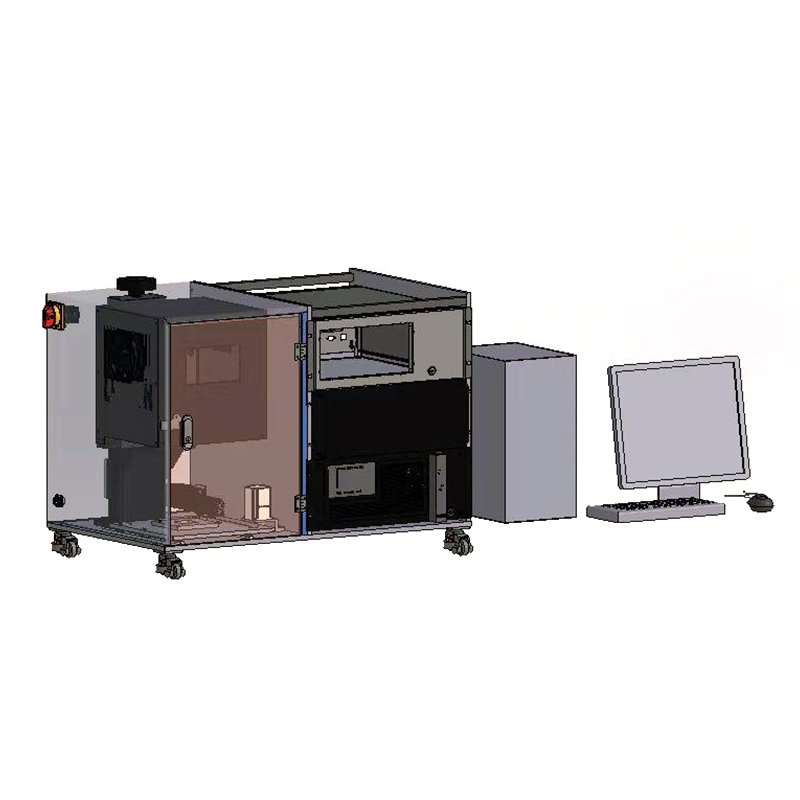
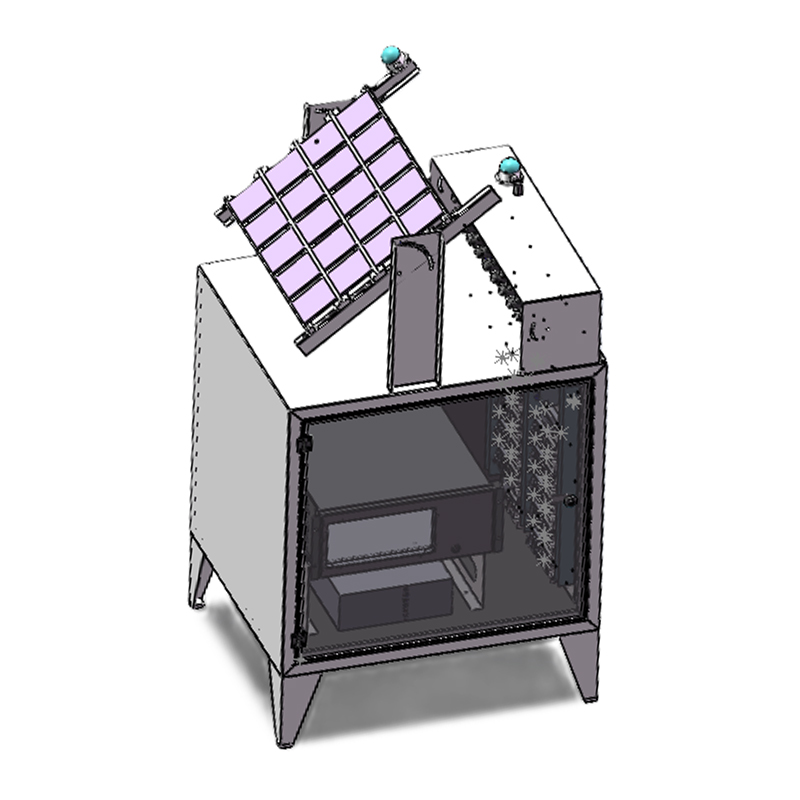
  • Multi Station Laser Marking and Cutting System
  • Multi Station Laser Marking and Cutting System
  • Multi Station Laser Marking and Cutting System
  • video

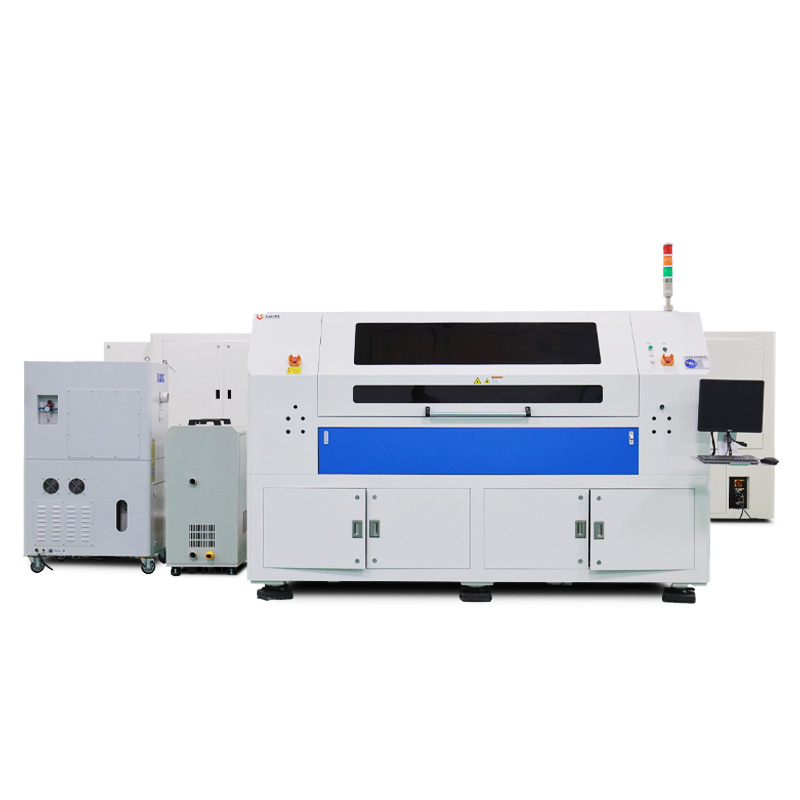
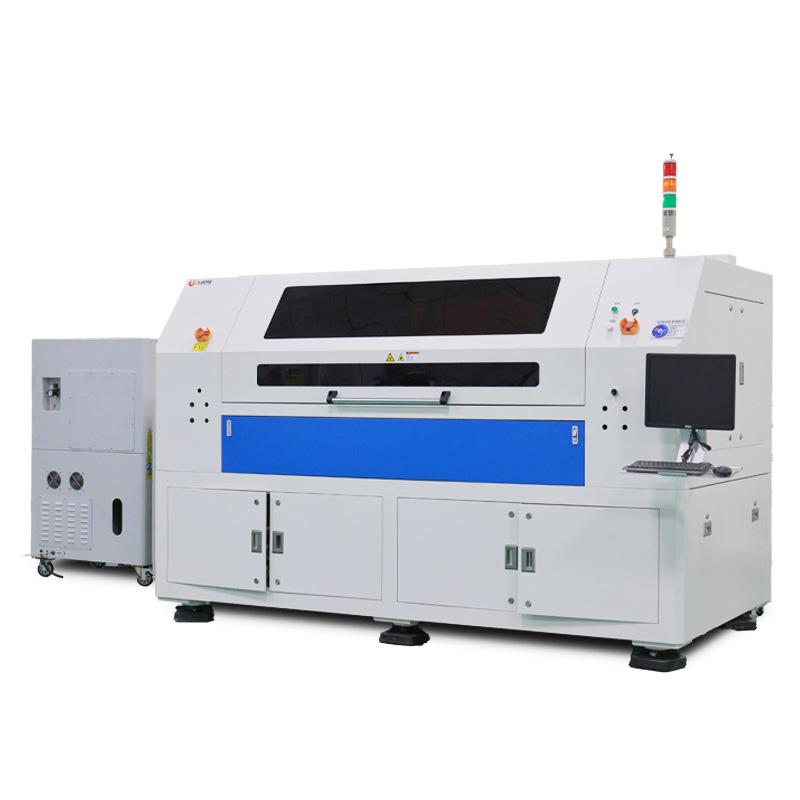
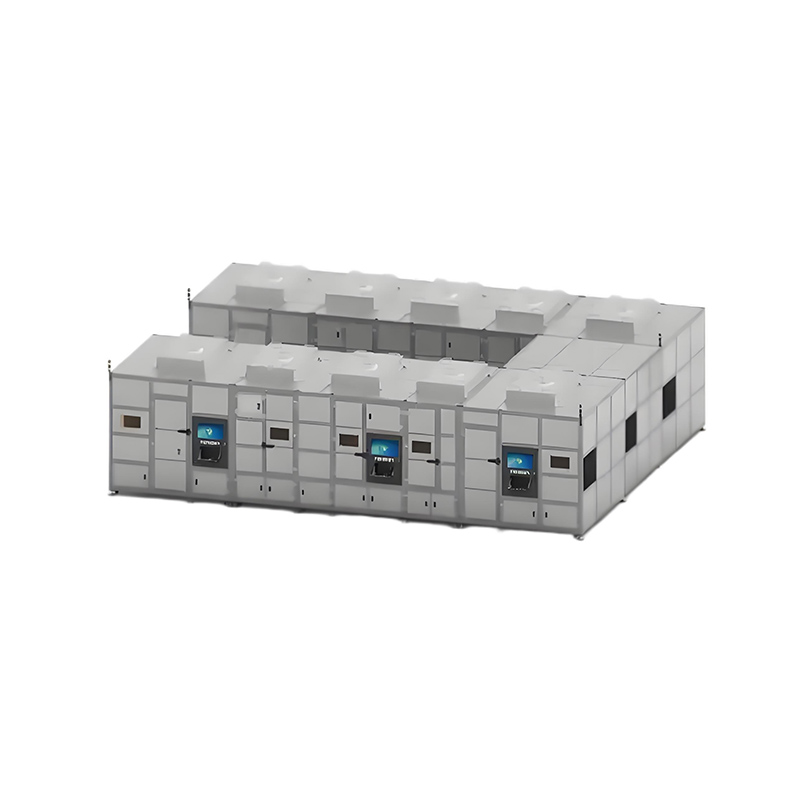
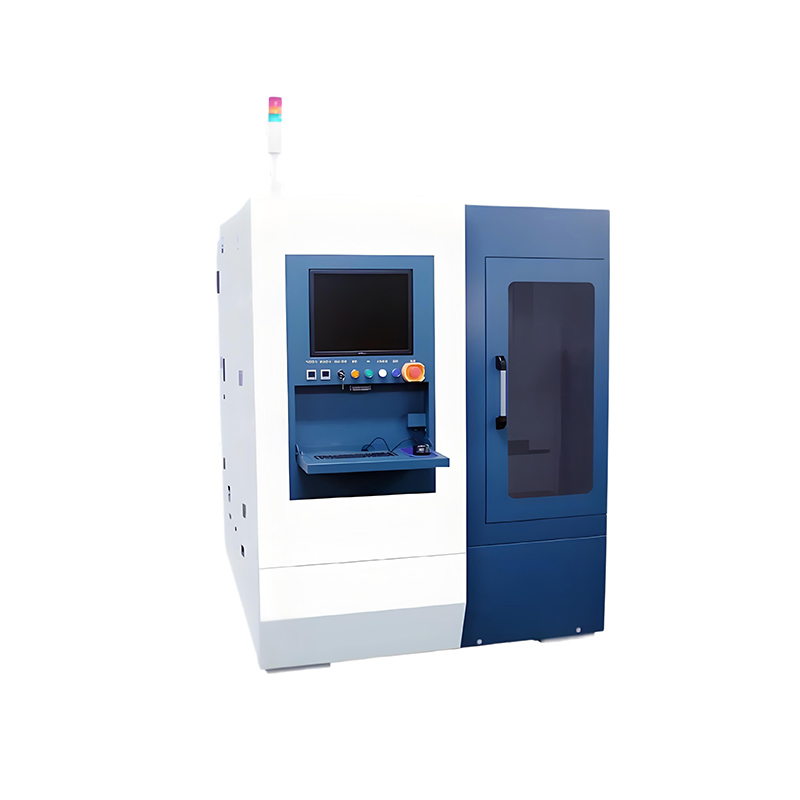
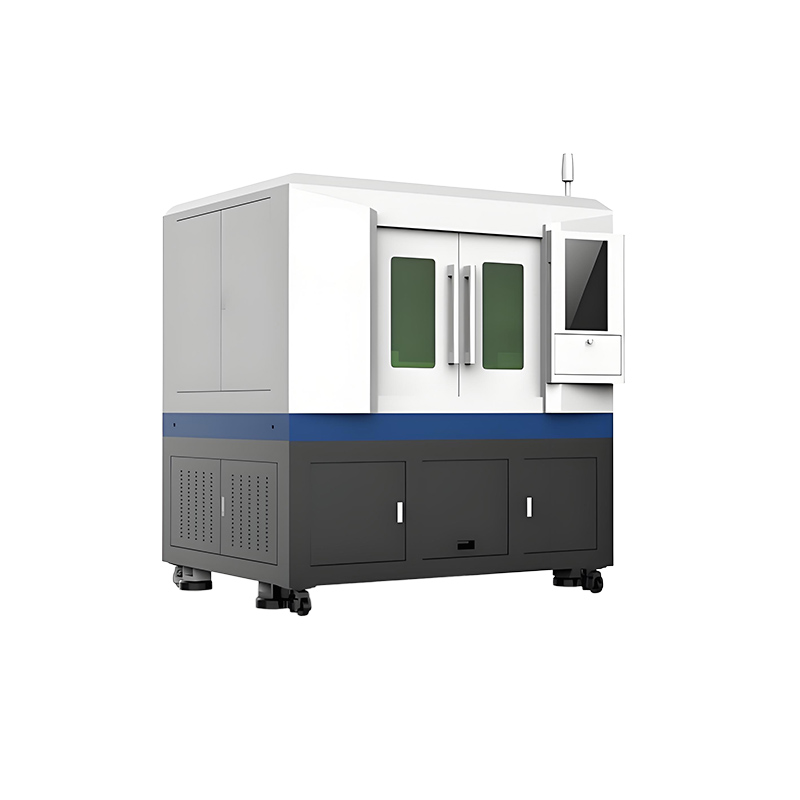
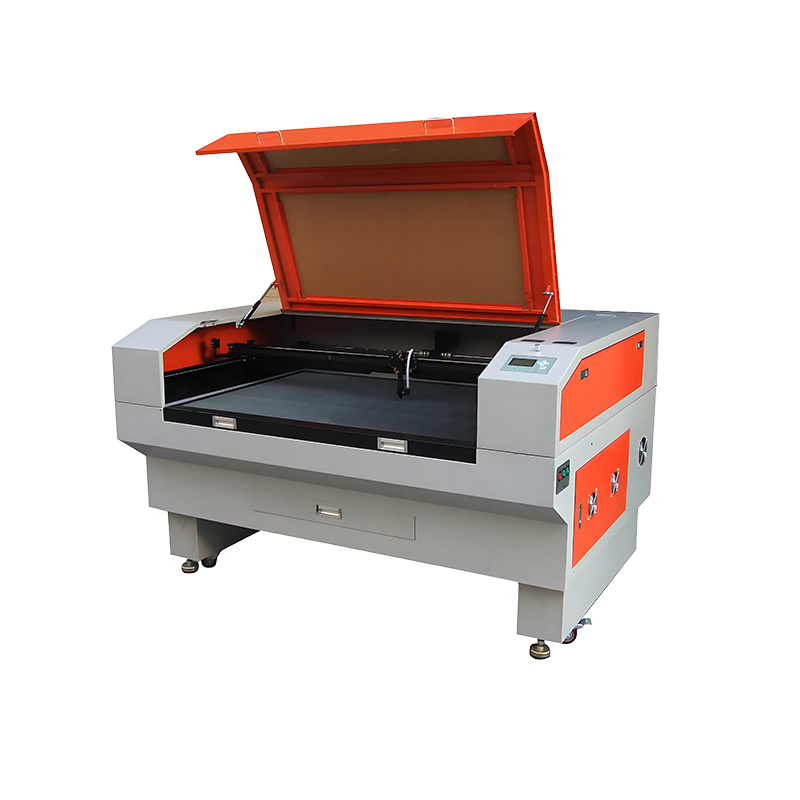
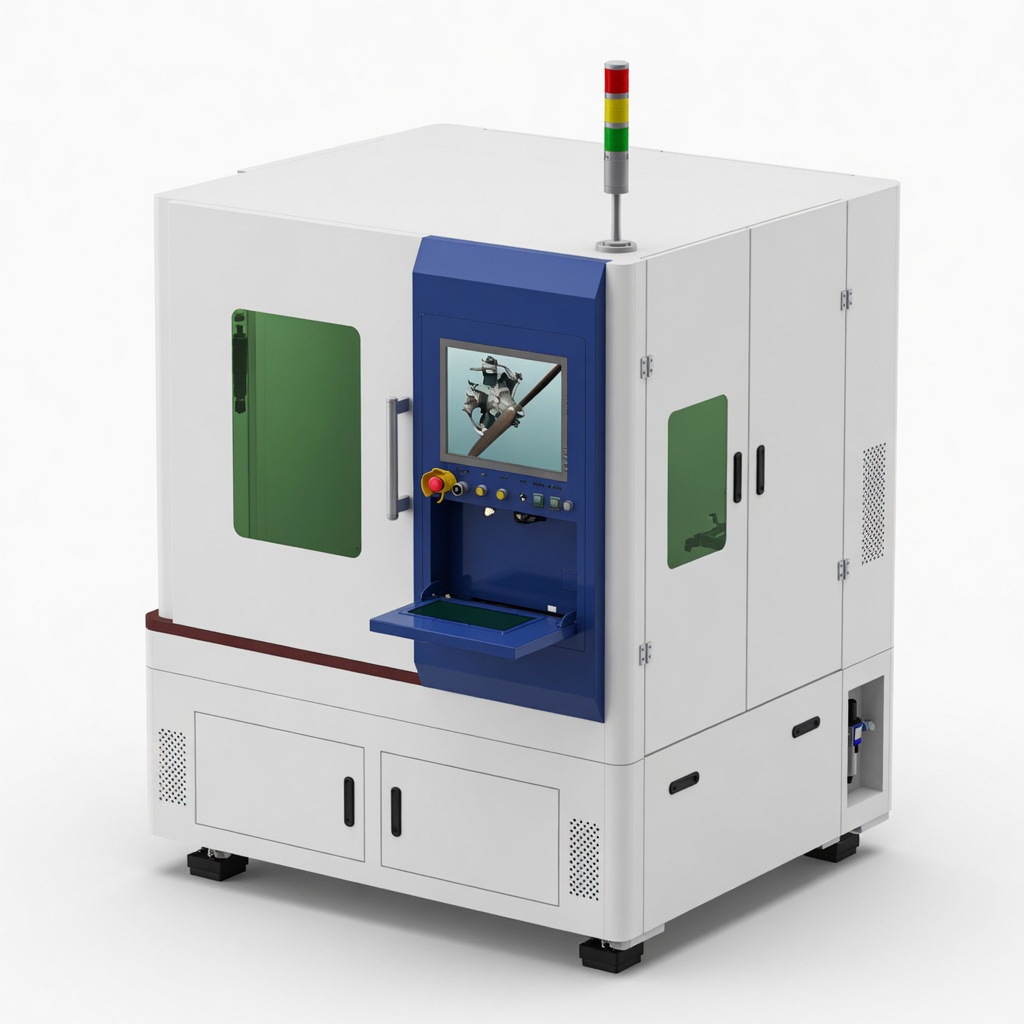
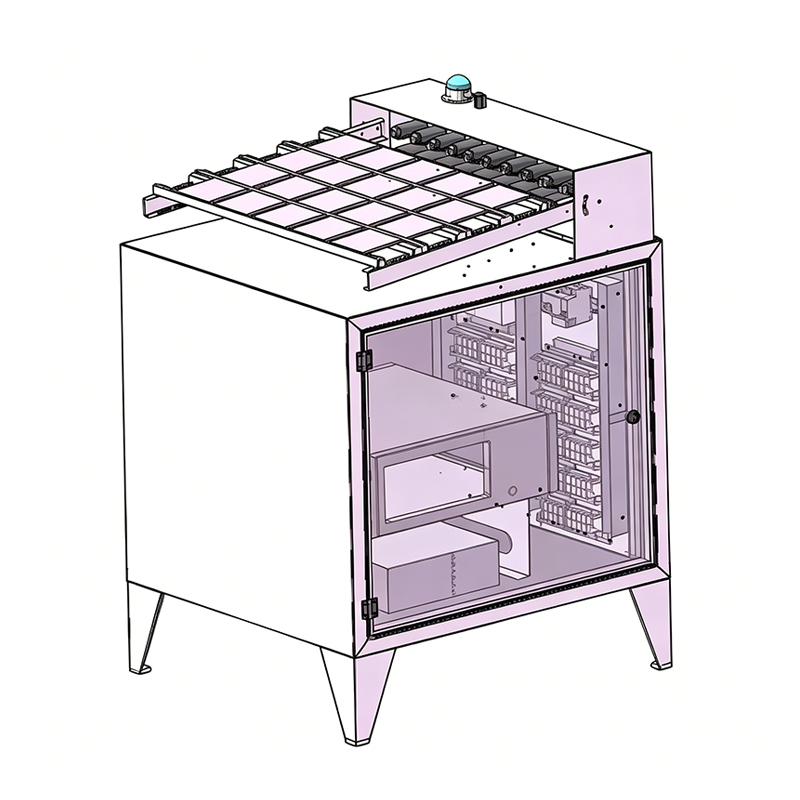
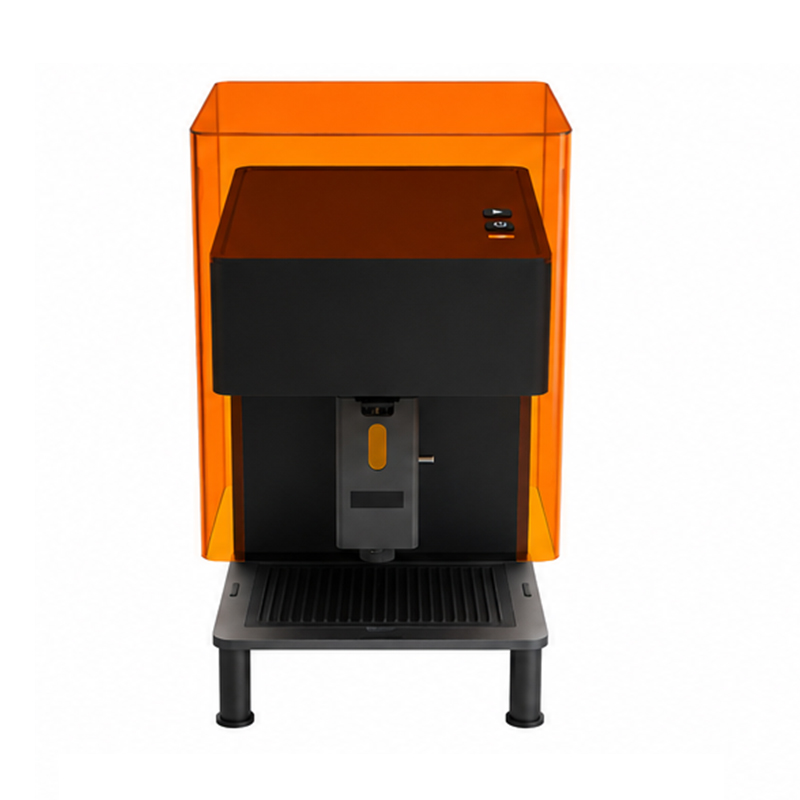
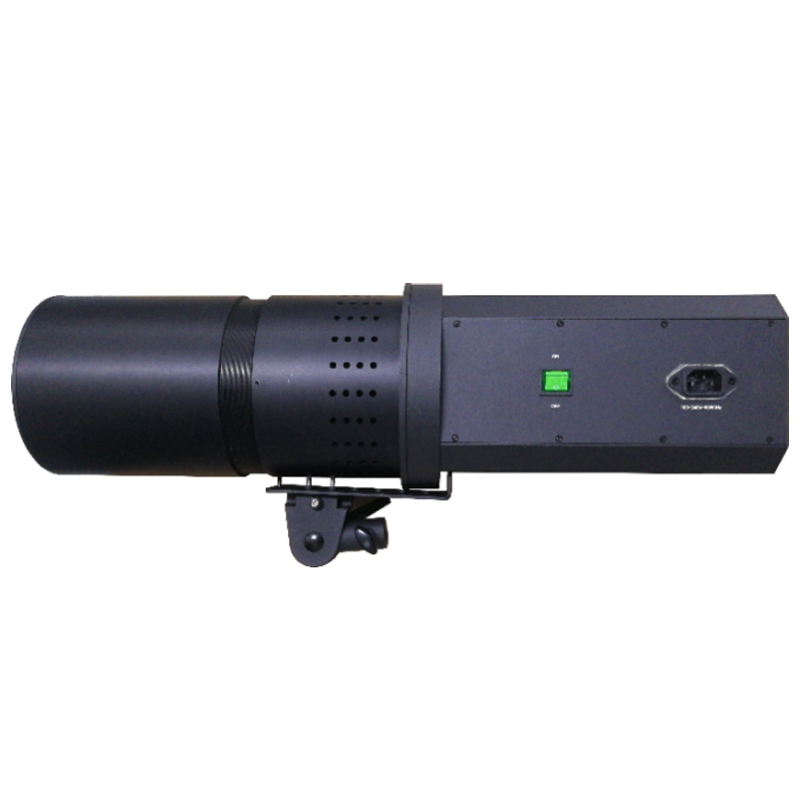
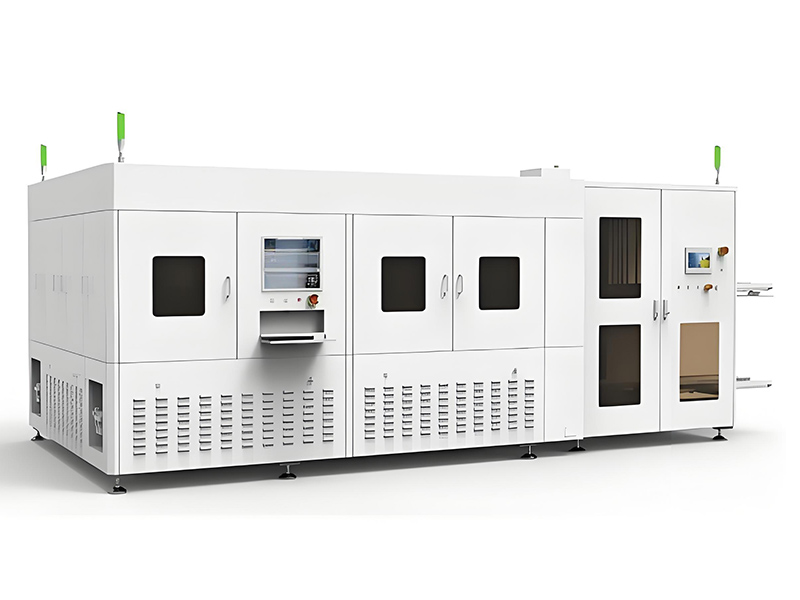
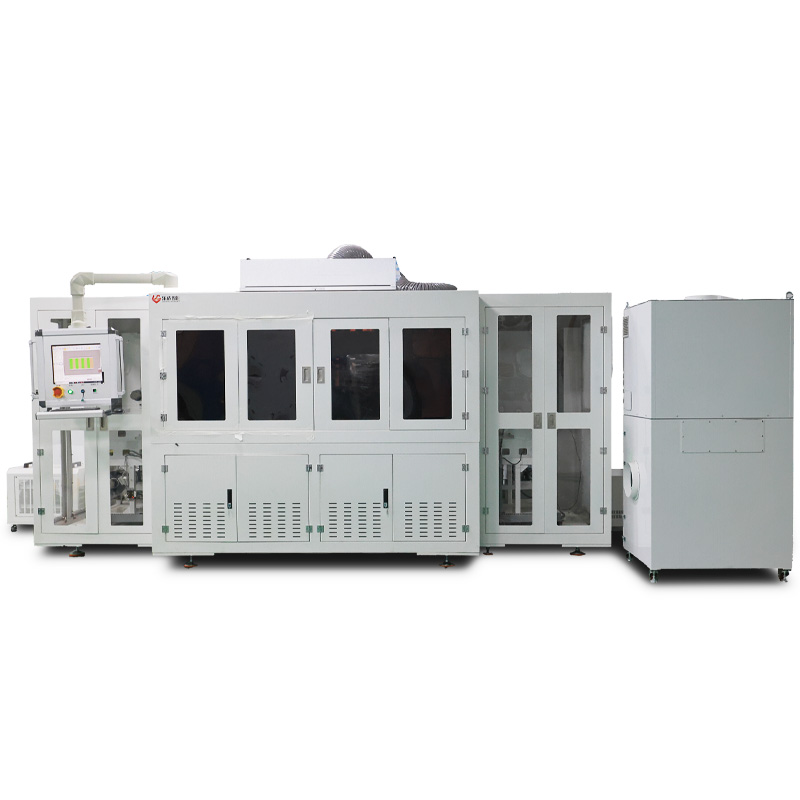
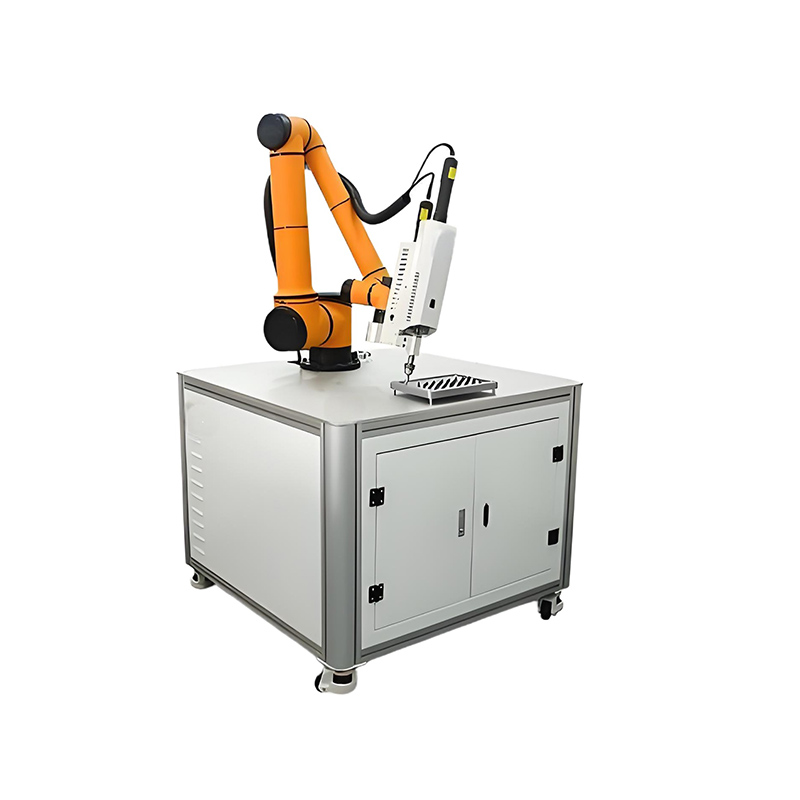
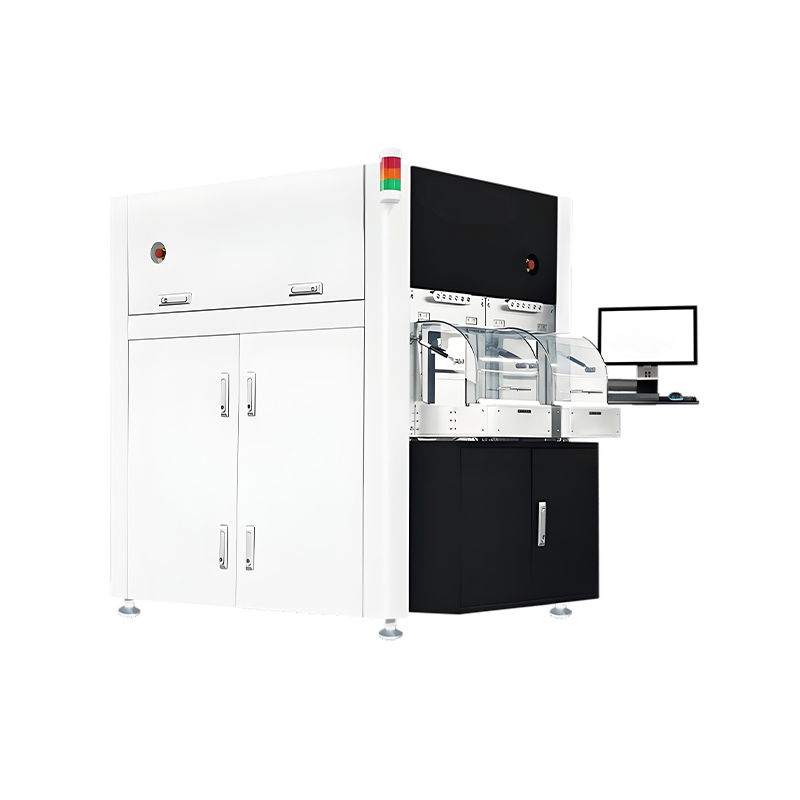
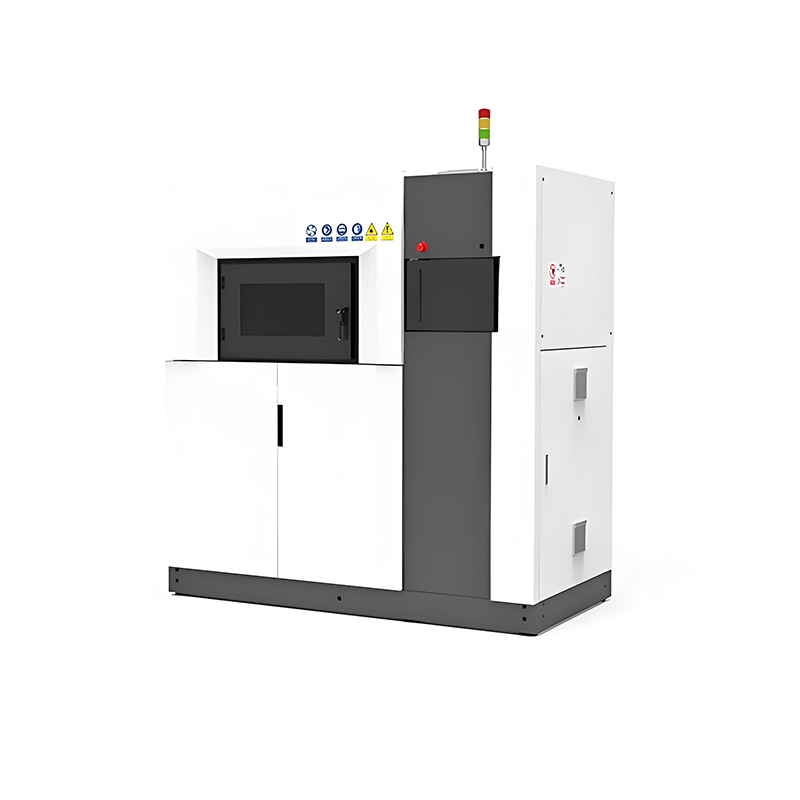
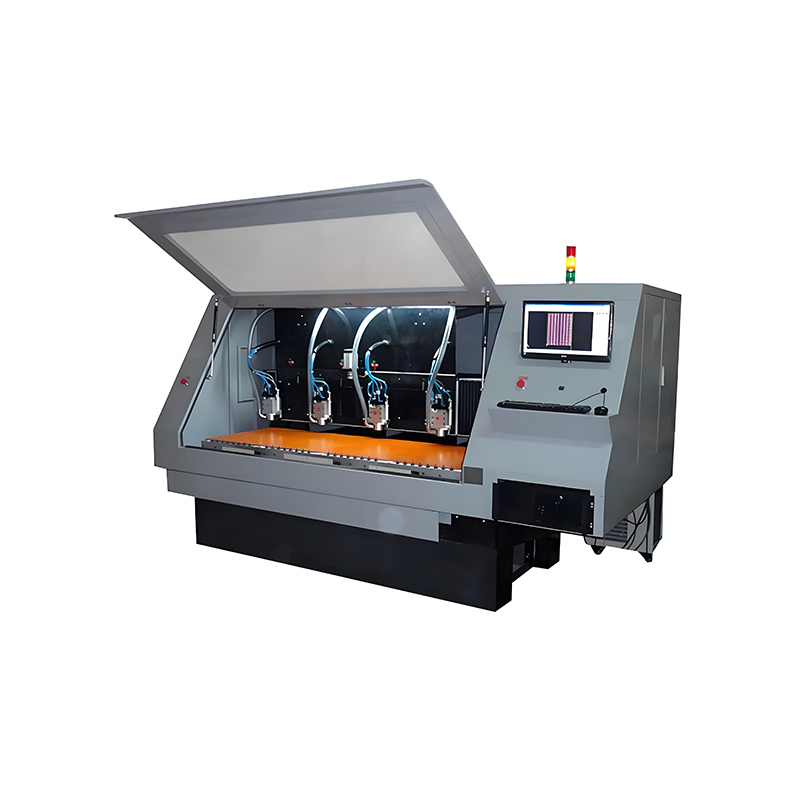
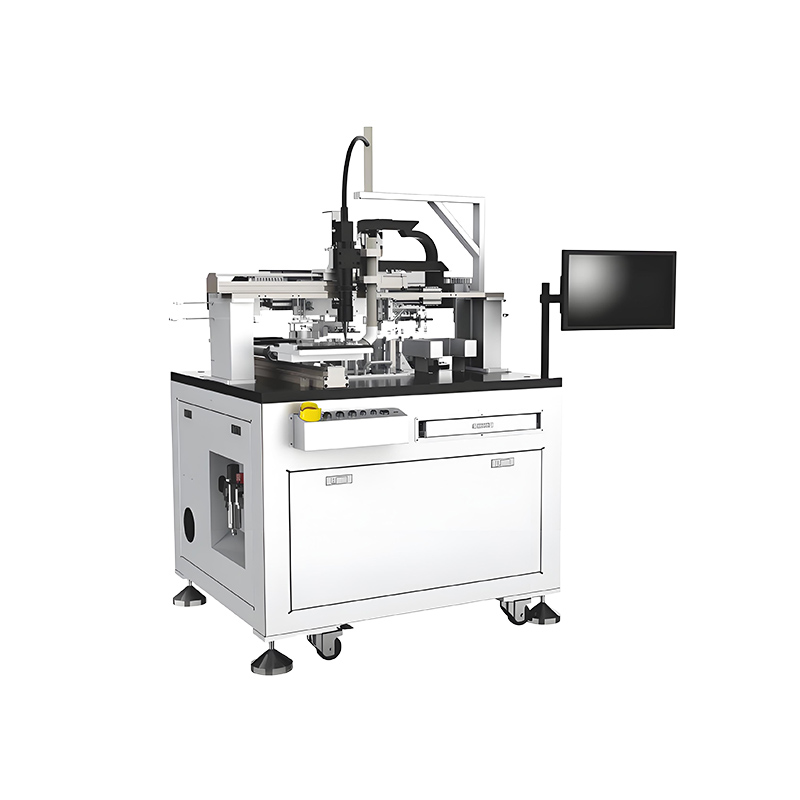
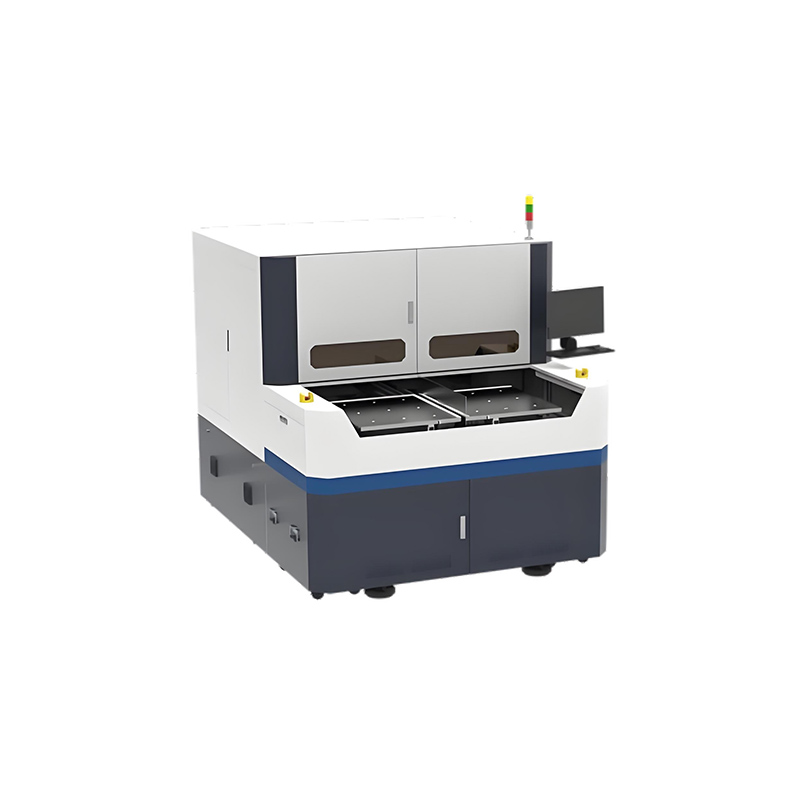
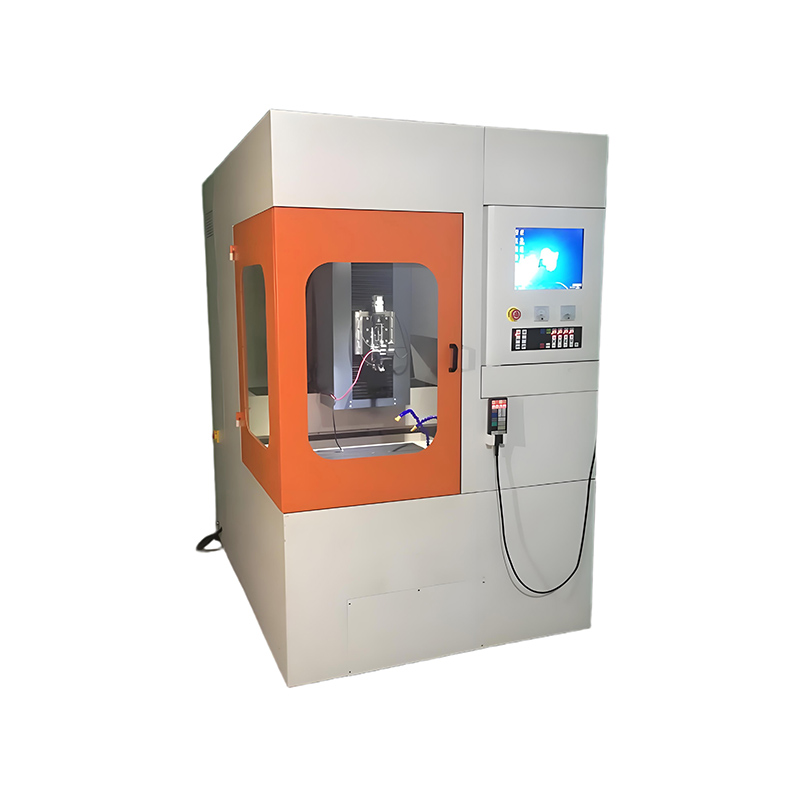
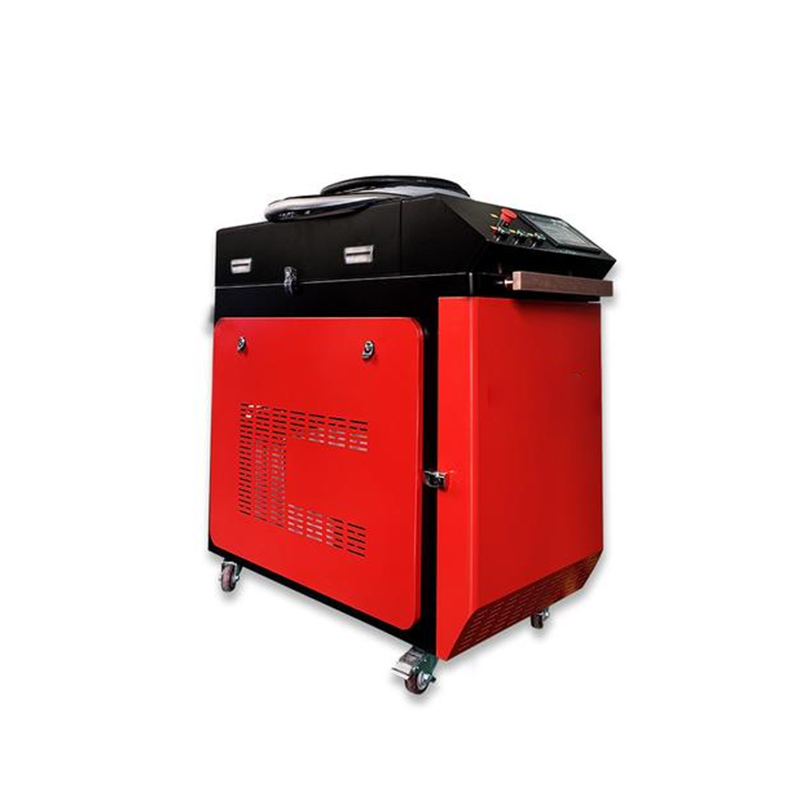
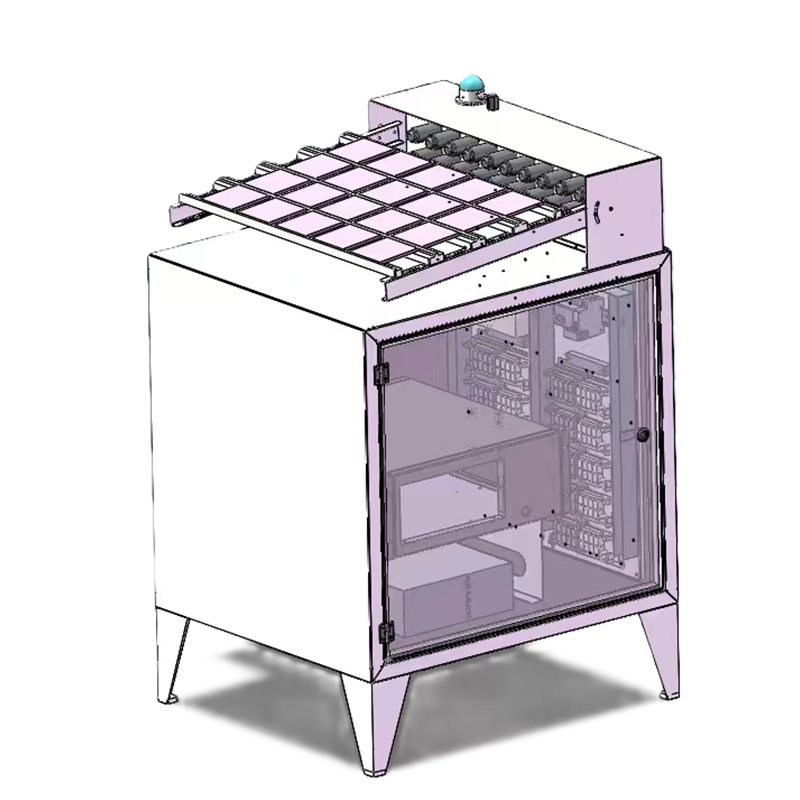
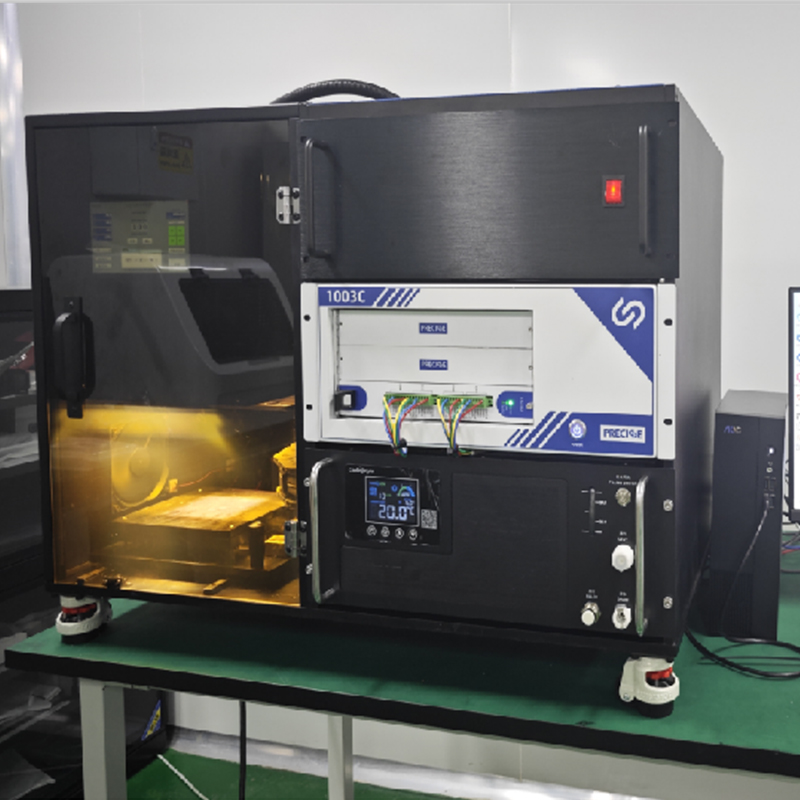
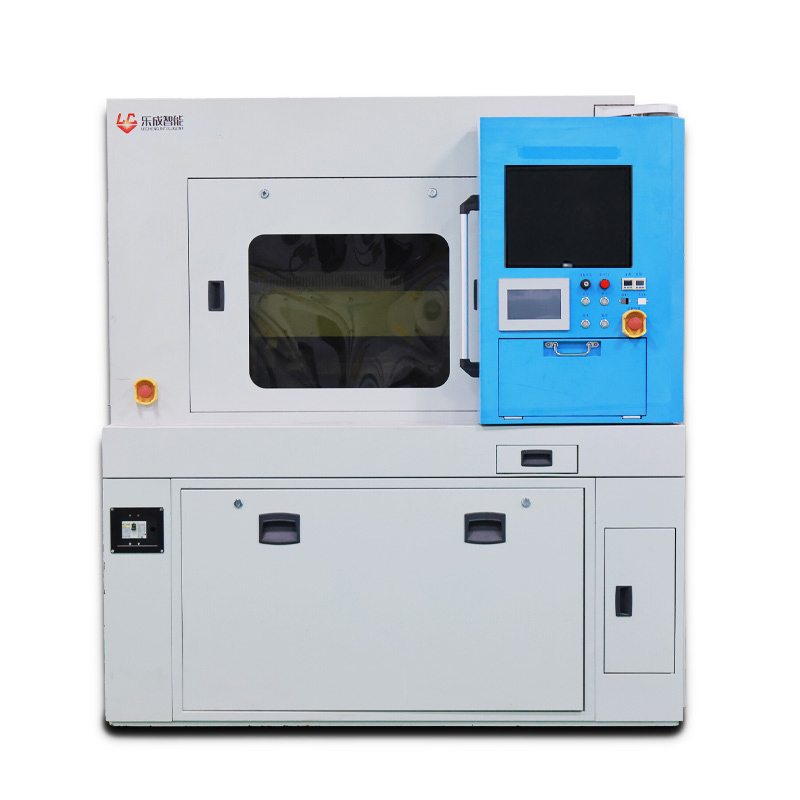
Multi Station Laser Marking and Cutting System

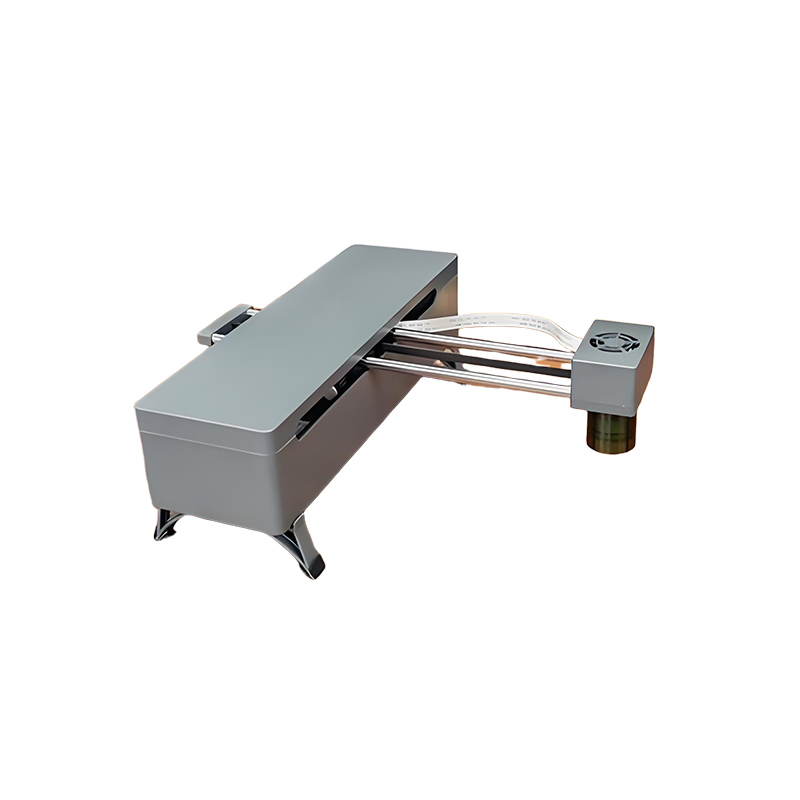
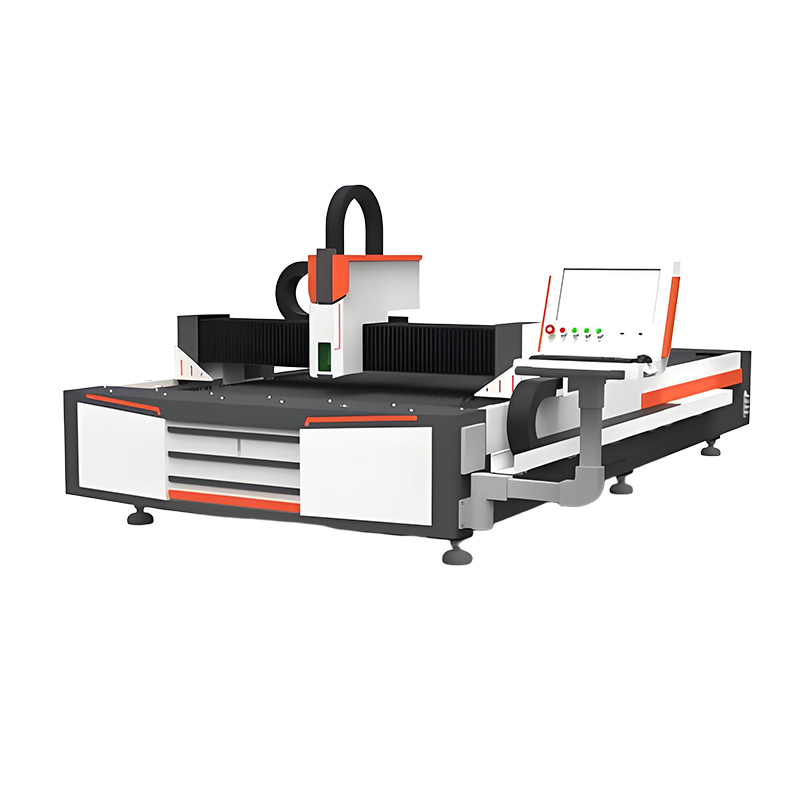
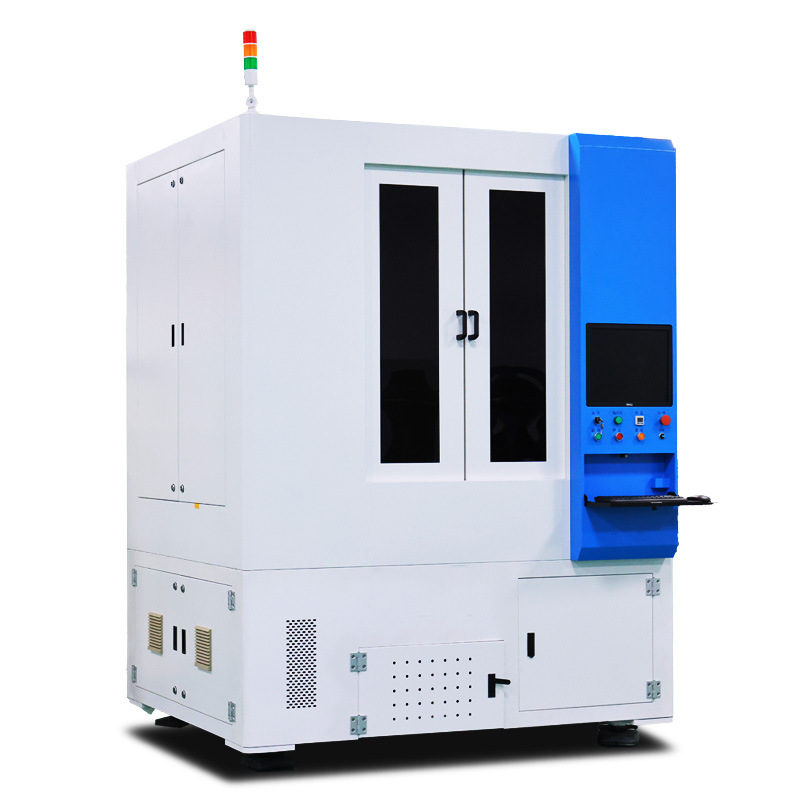
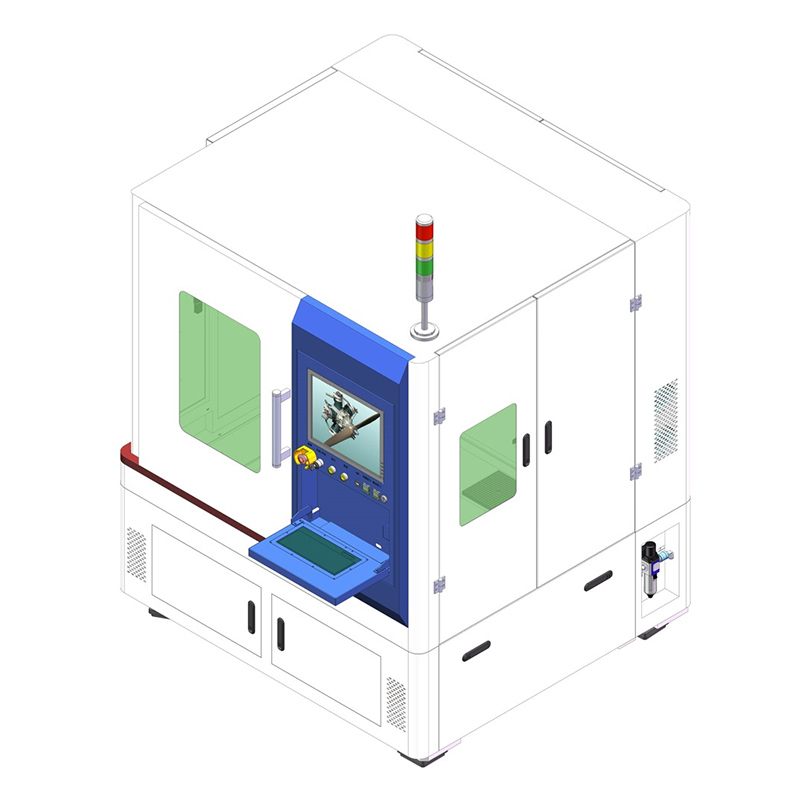
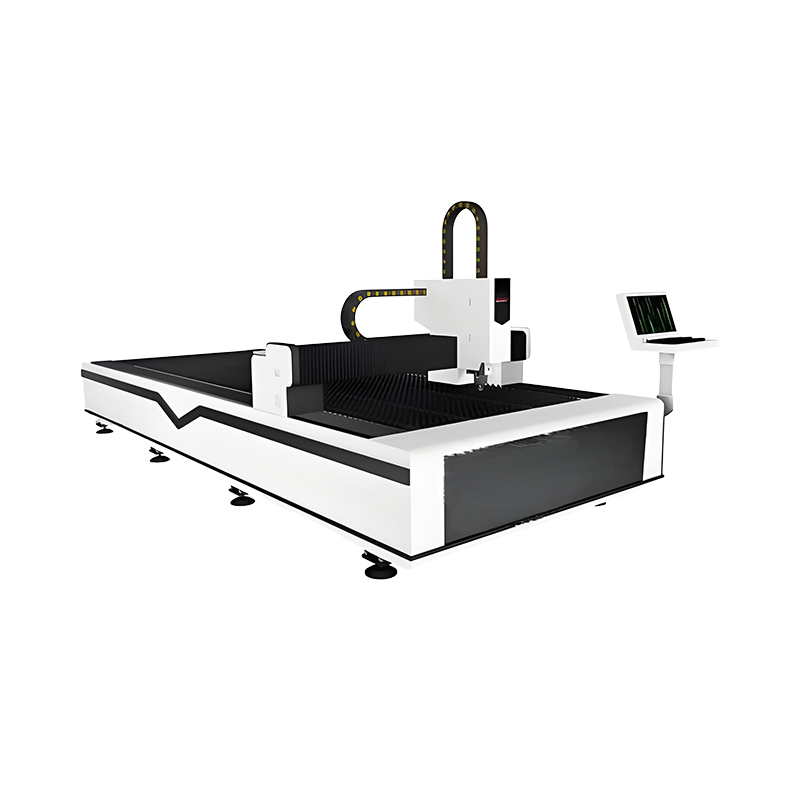
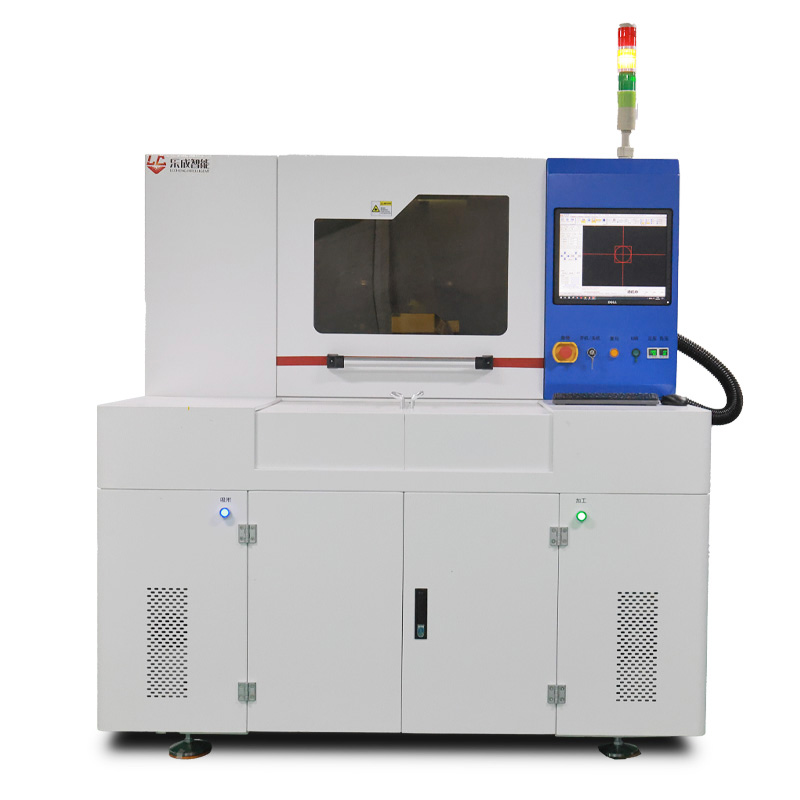
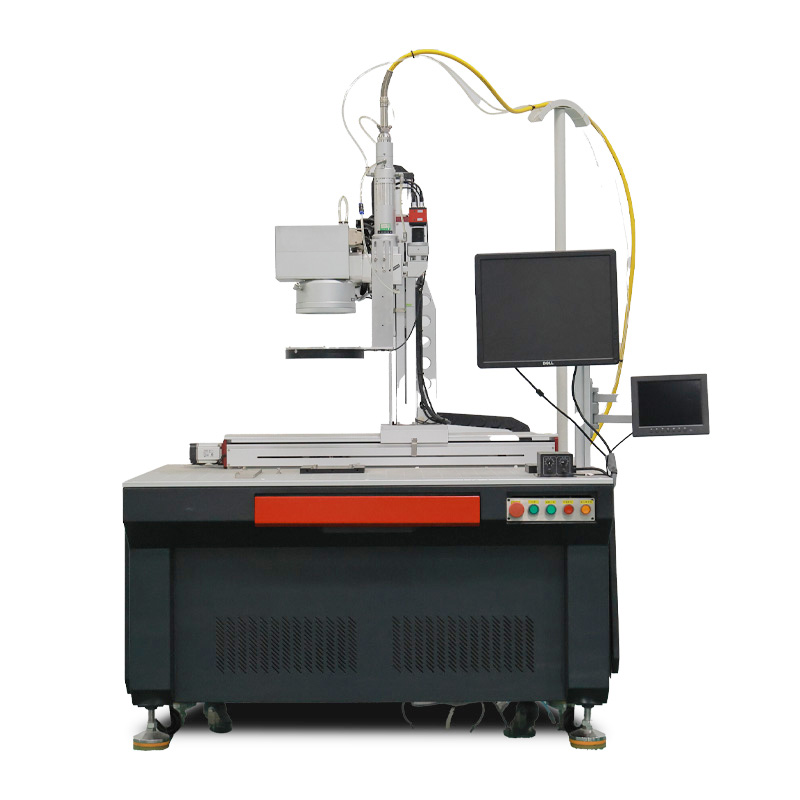
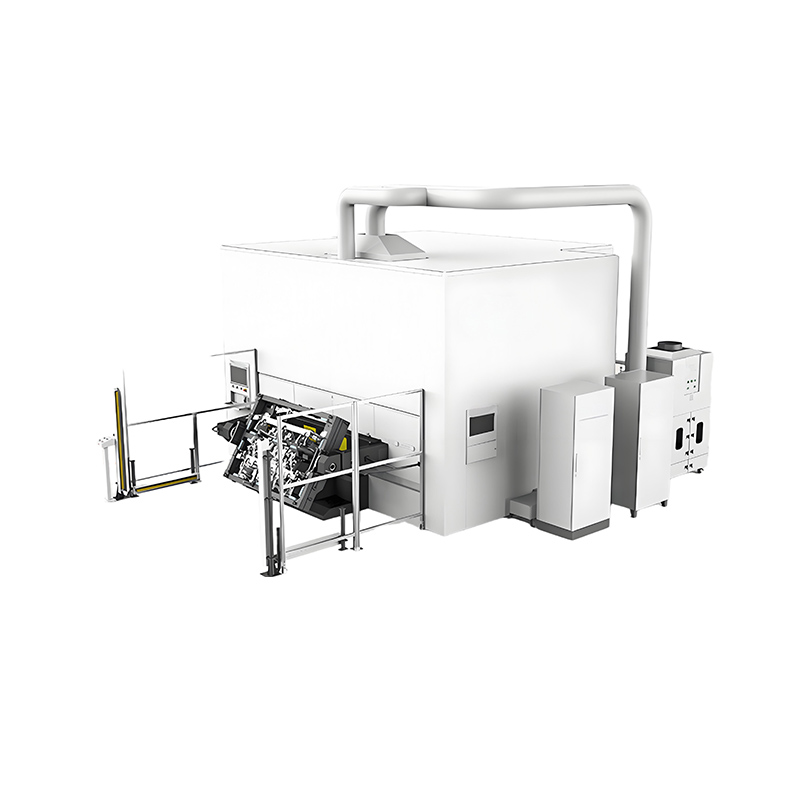
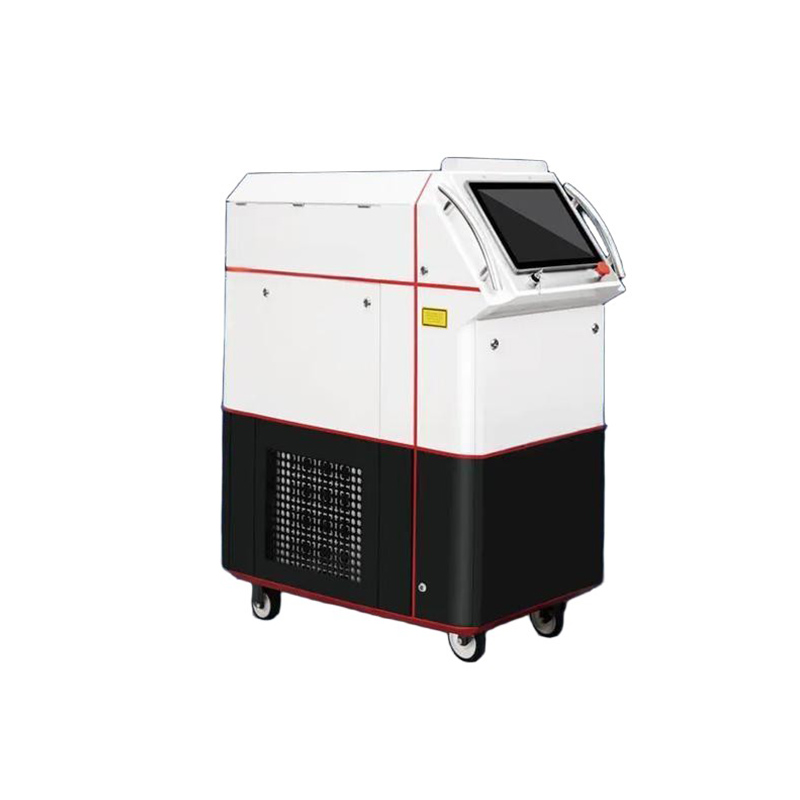
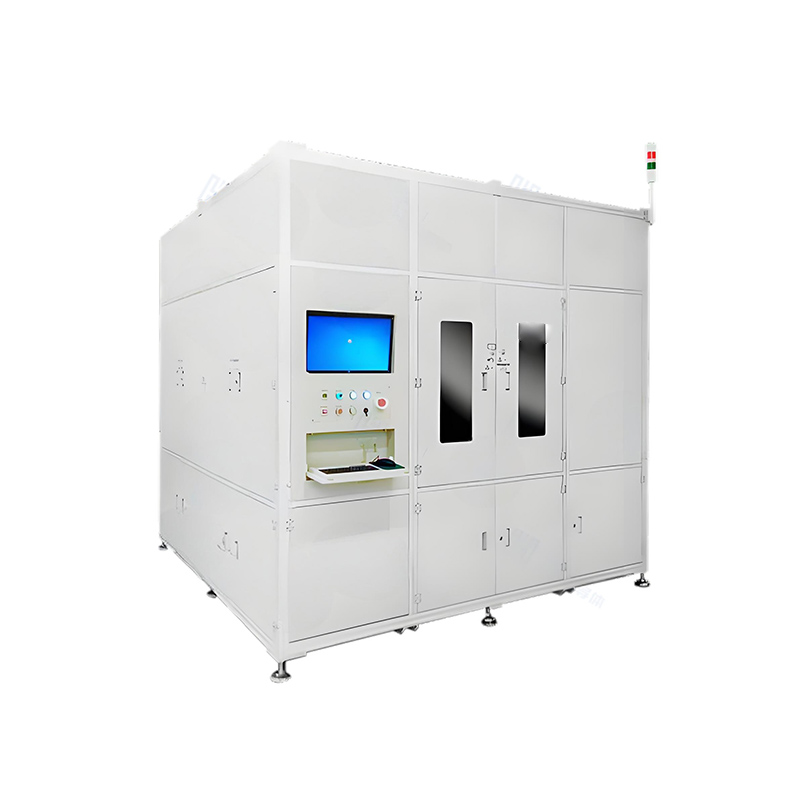
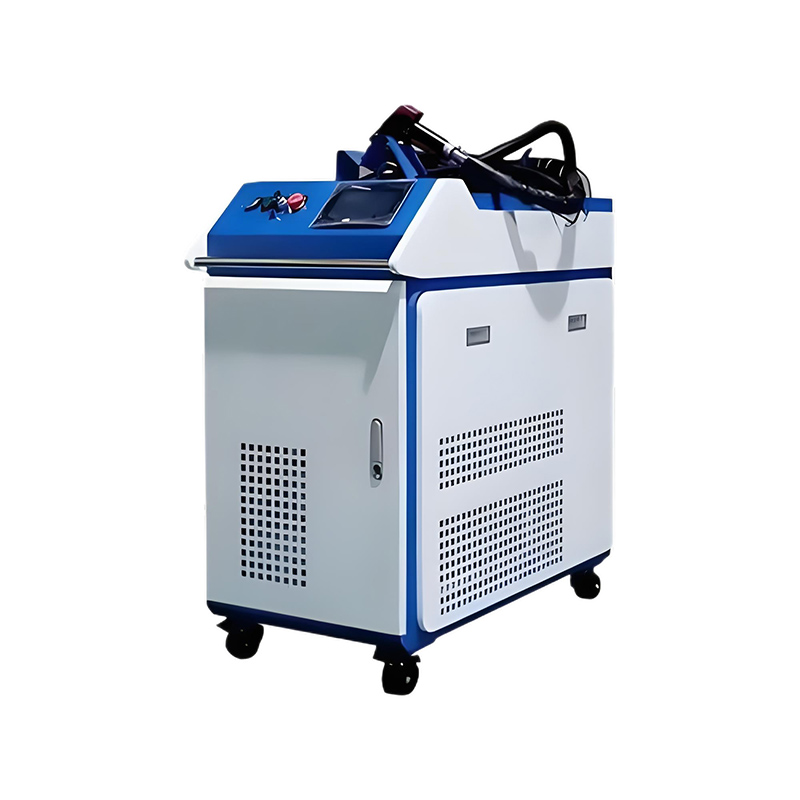
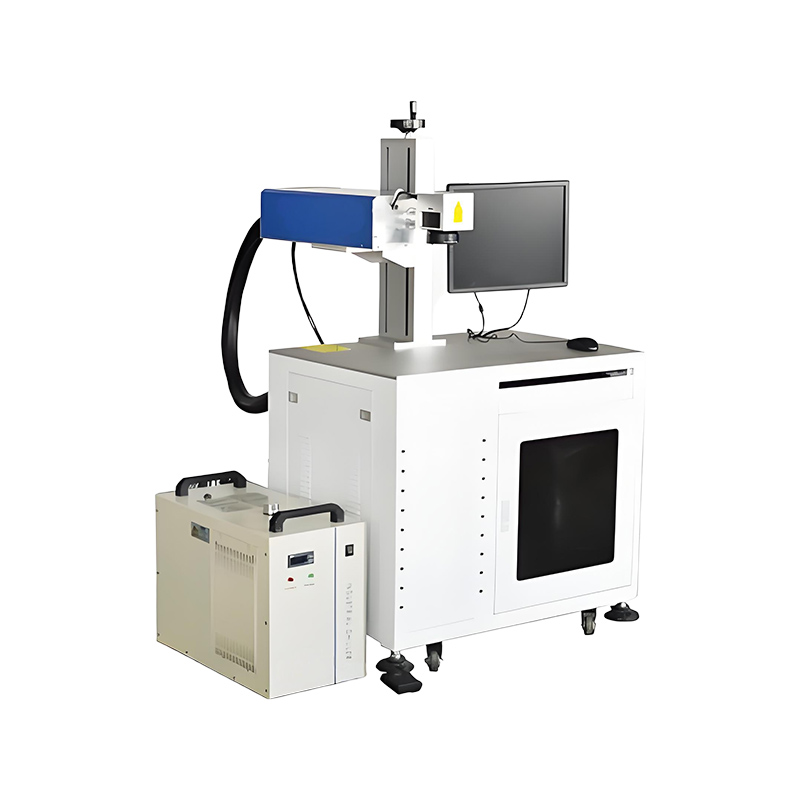
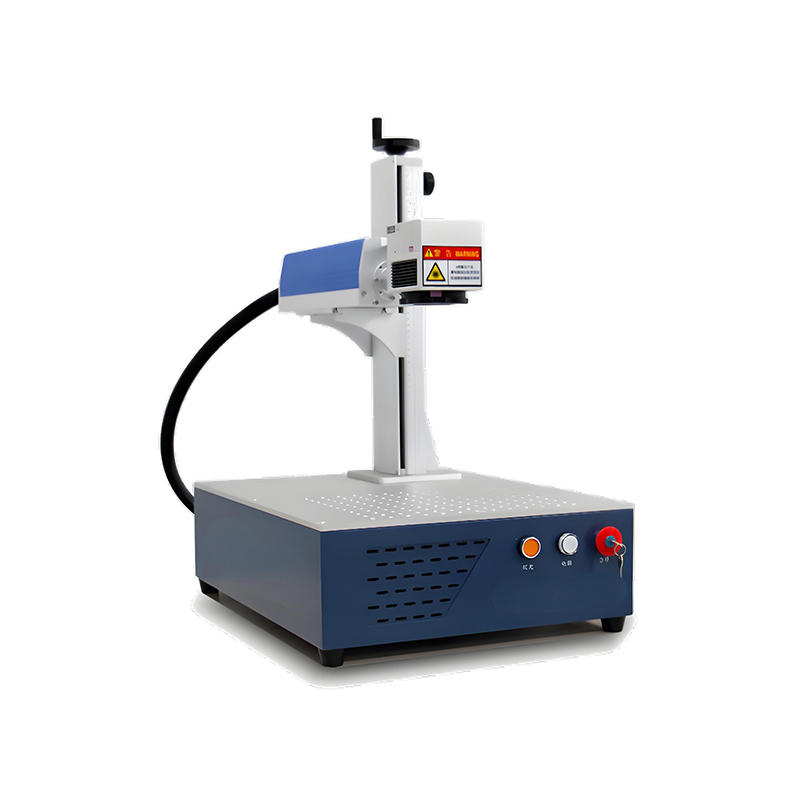
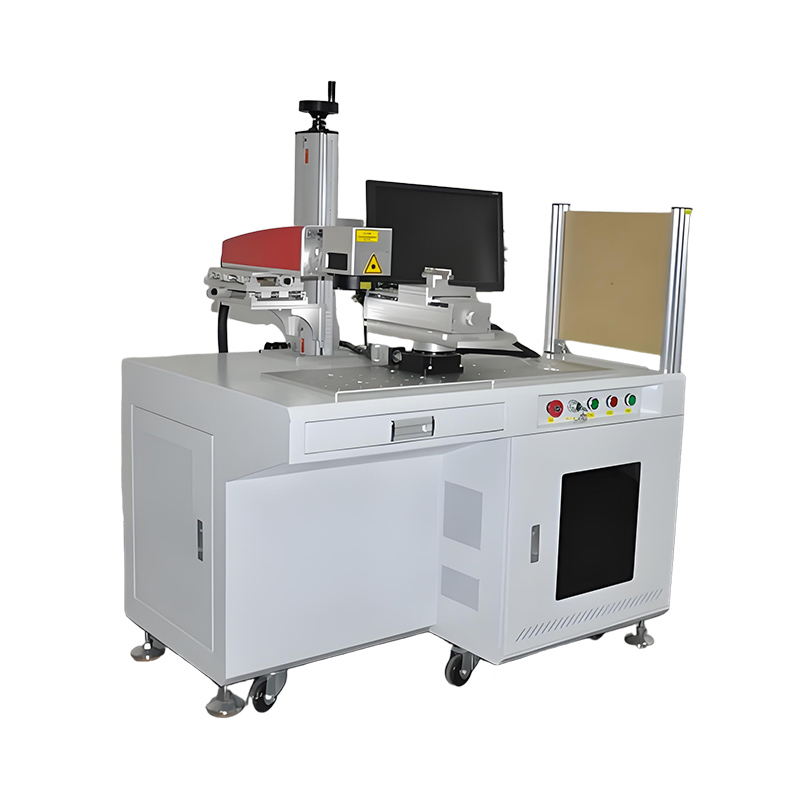
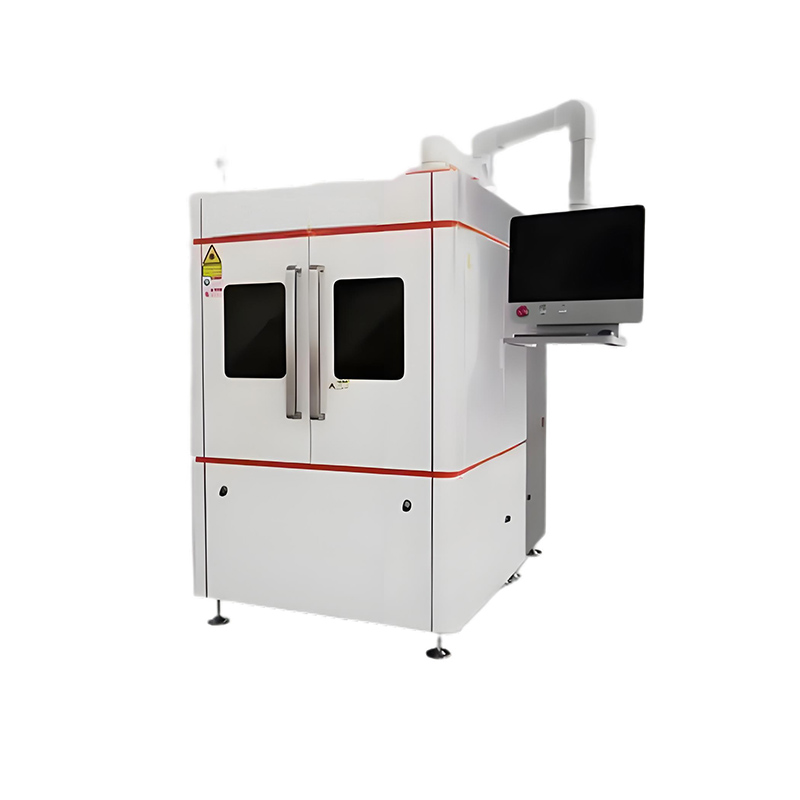
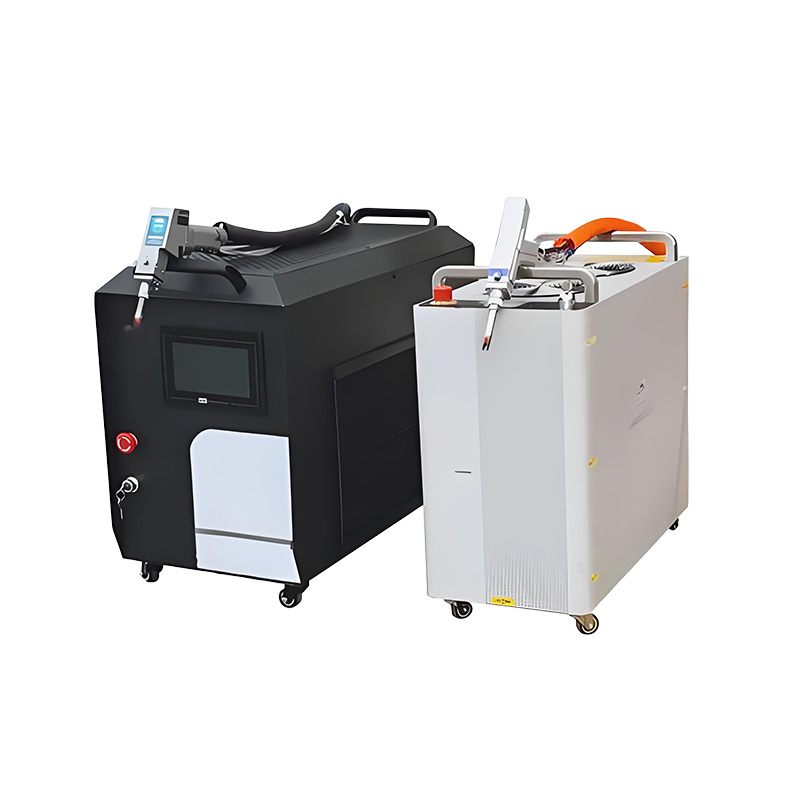
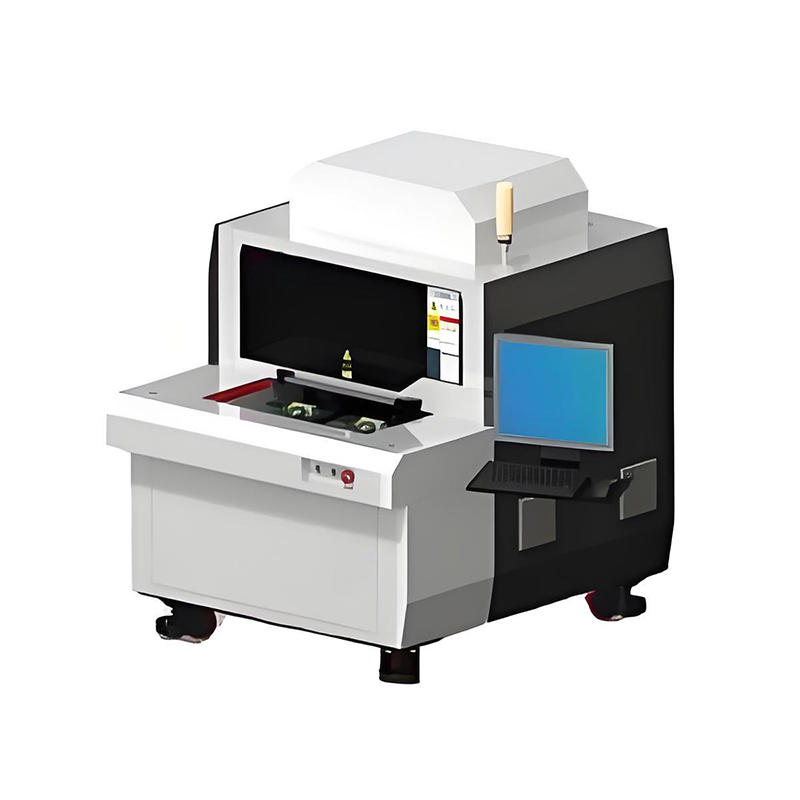
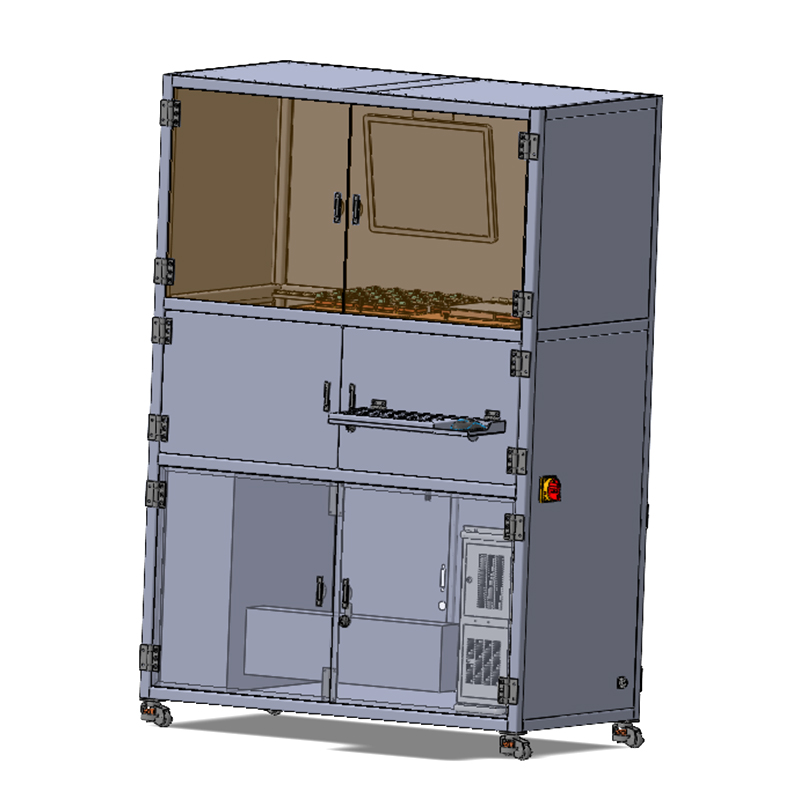
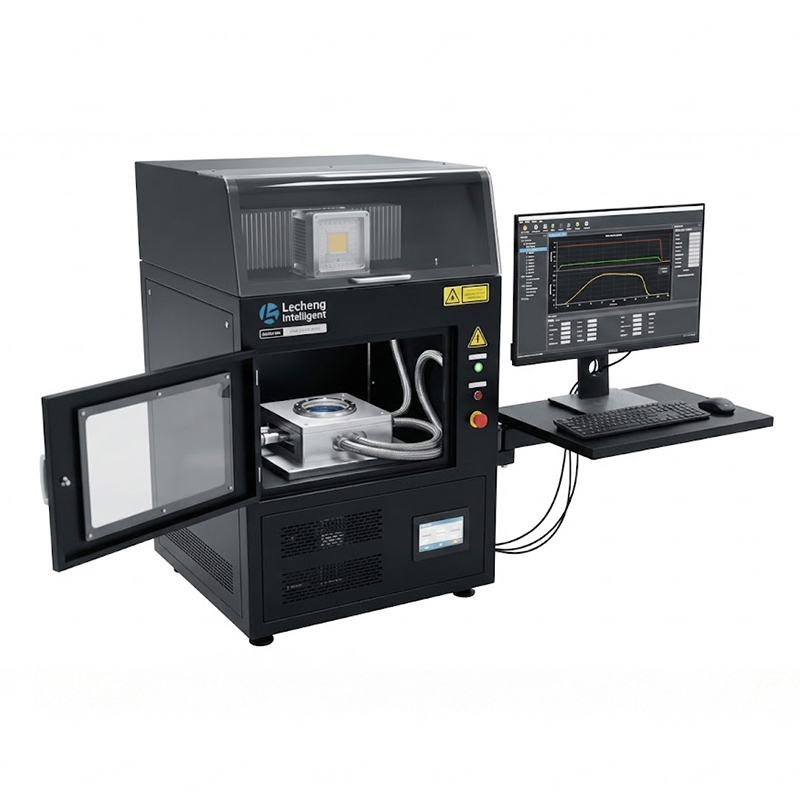
Multi station laser marking and cutting system improves production efficiency through parallel processing. Automated positioning and stable laser control support consistent marking cutting and batch manufacturing. Suitable for electronics metal parts industrial components and customized production lines.

    Multi Station Laser Marking and Cutting System application and selection guide

    Multi Station Laser Marking and Cutting System is designed for industrial laser processing projects that require stable beam control, process repeatability, and reliable integration with production requirements. For ├ Laser Cutting Equipment selection, buyers should compare material type, processing accuracy, automation level, throughput, maintenance access, and after-sales support before confirming the final equipment configuration.

    Related laser solutions include Picosecond Glass Laser Cutting System, Flexible OLED Laser Cutting System, 3D Laser Cutting Machine. These internal references help users compare similar systems and move naturally between cleaning, cutting, scribing, marking, welding, and photovoltaic laser equipment pages.

    Multi-Station Laser Engraving & Cutting Machine Technical Description

    I. Structural Features (Designed for Industrial Demands)
    ・6 Independent Laser Heads: Simultaneously process multiple workpieces in a single cycle, reducing idle time by 70%.
    ・Modular Workstations: Supports rotary fixtures, conveyor belts, and pneumatic clamps for diverse materials (sheets/tubes/3D parts).
    ・High-Stability Gantry: Aerospace-grade aluminum frame with linear guide rails ensures micron-level repeat positioning accuracy (±0.01mm).
    ・Integrated Cooling System: Closed-loop chiller maintains laser source temperature at 25°±1°C during 24/7 operation.
    ・Automated Material Handling: Robotic arm-compatible ports enable seamless integration with smart factory systems.
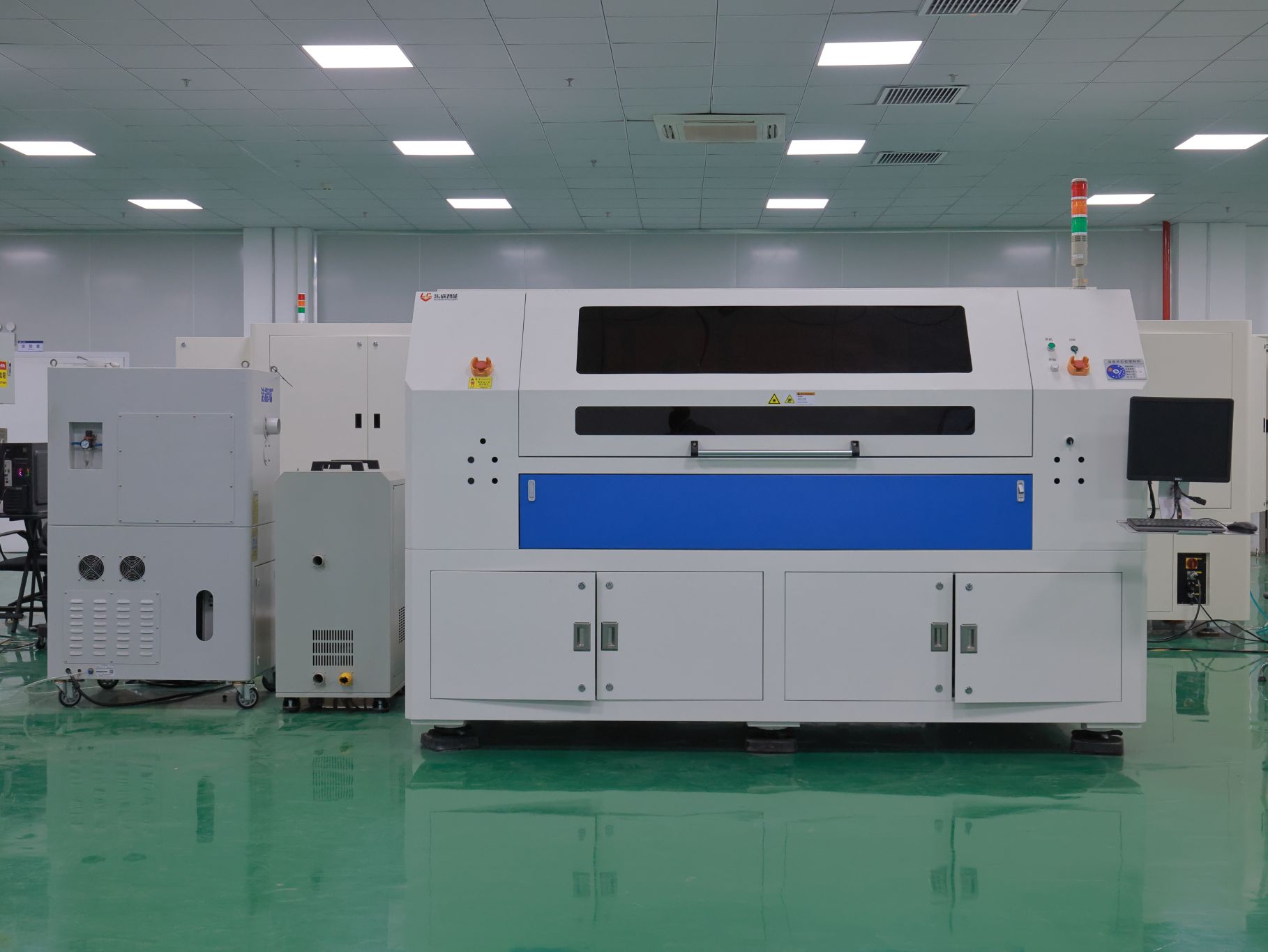
    Multi Station Laser Marking System

    II. Technical & Operational Advantages (Engineered for Peak Performance)
    ・Universal Material Compatibility: Processes metals (steel/aluminum/copper), engineered plastics (PC/PEEK), ceramics, and coated composites with zero tooling change.
    ・Intelligent Software Suite: Cloud-based ContourLaser™ OS supports DXF/AI/STEP files, real-time energy monitoring, and predictive maintenance alerts via IoT.
    ・Precision Without Compromise: 0.04mm minimum line width and 100,000+ dpi resolution for micro QR codes, medical device markings, and aerospace traceability.
    ・Energy-Efficient Operation: 30% lower power consumption vs traditional CO2 lasers, with auto-sleep mode during idle cycles.


    III. Typical Applications (Cross-Industry Capability)
    ・Industrial Manufacturing: High-volume serial number engraving on automotive parts, CNC machining tool ID marking.
    ・Electronics & Semiconductors: FR4 circuit board depaneling, micro-component etching, stainless steel EMI shield cutting.
    ・Medical Device Production: FDA-compliant UDI codes on surgical instruments, titanium implant surface texturing.
    ・Precision Engineering: Barcode engraving on hydraulic valves, custom gasket cutting from 0.5mm shim stock.
    ・Consumer Goods: Personalized jewelry engraving, luxury packaging die-cutting, architectural model prototyping.
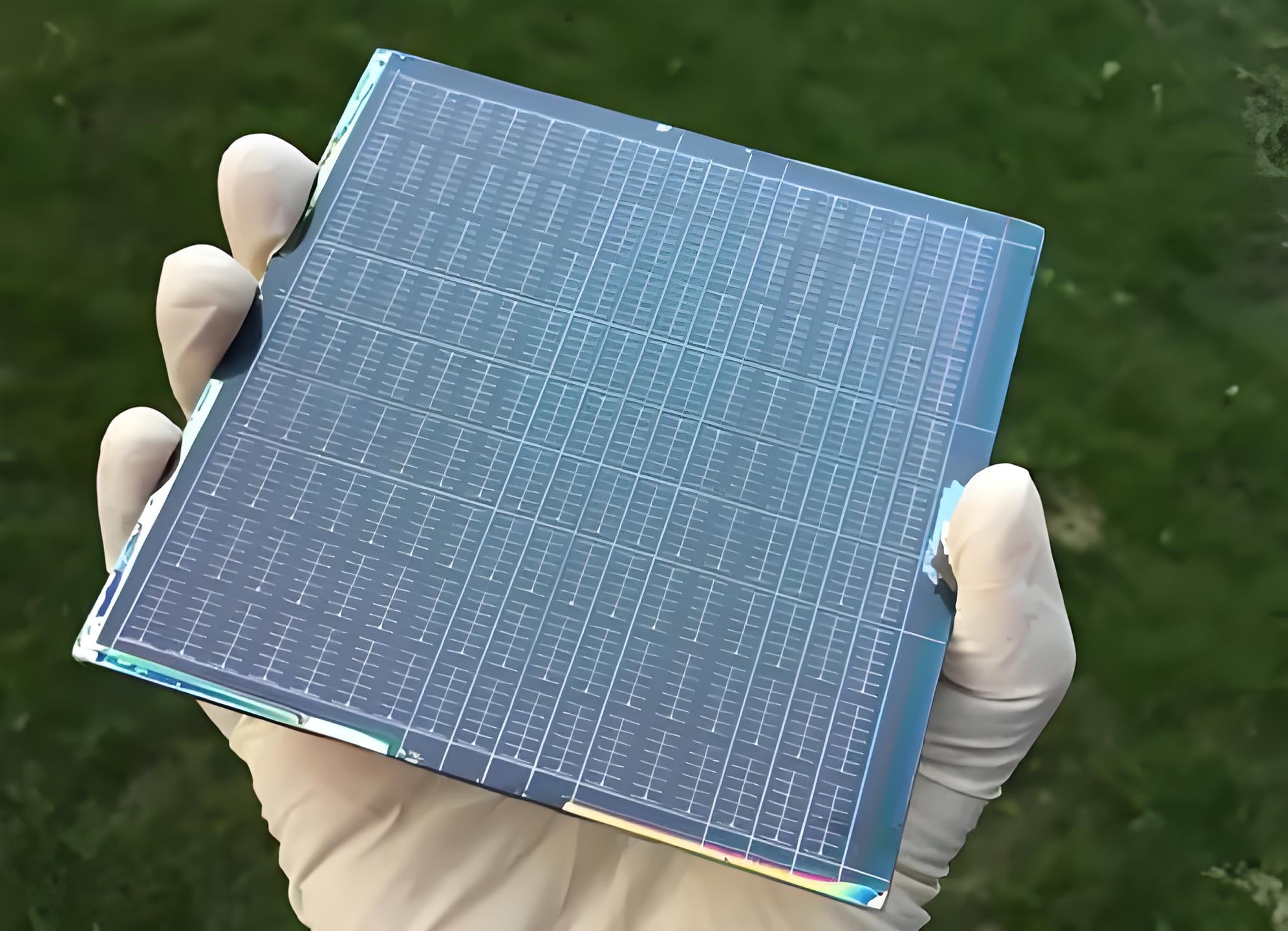
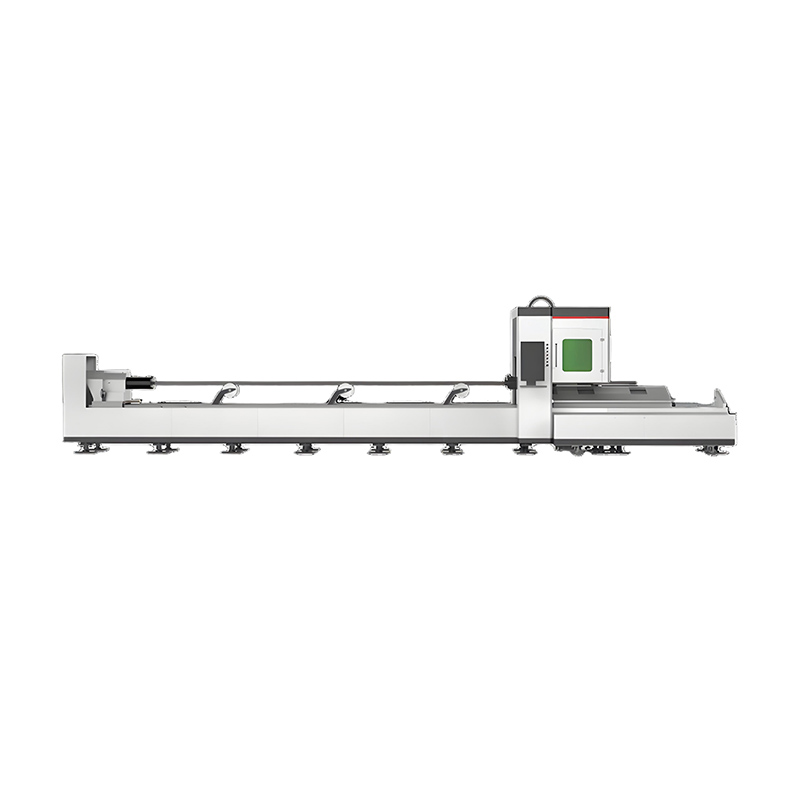
    Laser Marking and Cutting System


    Get Quote

    • How long does it take from equipment ordering to official production when cooperating with Locsen?

      The overall timeline varies depending on equipment specifications and production line scale. For standalone equipment, standard models require a 45-day manufacturing cycle, with total duration (including shipping and installation) of approximately 60 days. Customized equipment requires an additional 30 days based on technical requirements. For complete line solutions: • 100MW-level production lines require ~4 months for planning, equipment manufacturing, installation, and commissioning • GW-level production lines require ~8 months We provide detailed project schedules with dedicated managers ensuring seamless coordination. Example: A client's 1GW perovskite production line was completed 15 days ahead of schedule through parallel equipment manufacturing and facility construction.
    • Does Locsen offer suitable equipment and partnership solutions for startup perovskite companies

      Locsen offers a "Phased Partnership Program" specifically designed for perovskite startups. For the initial R&D phase, we provide compact pilot-scale equipment (e.g., 10MW laser scribing systems) bundled with essential process packages to facilitate technology validation and product iteration. During scale-up phases, startups qualify for upgrade benefits: • Core modules from pilot equipment can be traded in with value deduction toward production-line machinery • Optional technical collaboration including process development support and experimental data sharing This program has successfully enabled multiple startups to transition smoothly from lab to pilot production while mitigating early-stage investment risks.
    • Can Locsen's equipment handle perovskite solar cells of varying sizes? What is the maximum supported dimension?

      Locsen's laser equipment features exceptional size compatibility, capable of processing perovskite solar cells ranging from 10cm×10cm to 2.4m×1.2m. For oversized cell processing (e.g., 12m×2.4m rigid substrates), we offer customized gantry-type laser systems with multi-laser-head synchronization to ensure both precision and throughput. • Proven Performance: Successfully processed 1.2m×0.6m cells with industry-leading scribing accuracy (±15μm) and uniformity (>98%) • Modular Design: Swappable optical modules adapt to varying thicknesses (0.1-6mm) • Smart Calibration: AI-assisted real-time beam alignment compensates for substrate warpage
    • Does Locsen provide tailored laser solutions for all key production stages of perovskite solar cells?

      Yes, Locsen provides comprehensive laser processing solutions covering the entire perovskite solar cell production chain: P0 Laser Marking: For cell identification post-film deposition P1/P2/P3 Laser Scribing: Precision patterning of • Transparent conductive layers (P1) • Perovskite active layers (P2) • Back electrodes (P3) P4 Edge Isolation: Micron-level edge trimming to prevent short-circuiting Tandem Cell Modules: Dedicated laser etching systems for multi-material layer processing Our integrated equipment ecosystem ensures all laser processing requirements are met with: • ≤20μm alignment accuracy across layers • Thermal Affect Zone controlled under 5μm • Modular platforms supporting R&D to GW-scale production
    • What composition tolerance ranges do Locsen's tools support for variant perovskite formulations?

      Locsen's laser systems demonstrate exceptional adaptability to diverse perovskite compositions. • Preloaded Parameters: Optimized settings for mainstream formulations (e.g., FAPbI₃, CsPbI₃) in the laser recipe library enable instant operator access • R&D Support: For novel compositions (e.g., Sn-based perovskites), our team delivers: Custom wavelength/fluence calibration within 72 hours Performance validation ensuring <1% PCE degradation post-processing • Smart Compensation: On-board spectroscopy modules monitor reflectivity in real-time, automatically adjusting: Pulse duration (20-500ns) Beam profile (Top-hat/Gaussian) Energy density (0.5-3J/cm²) Technical Highlights: ▸ Tolerance for ±15% stoichiometric variation in Pb:Sn ratios ▸ Support for 2D/3D hybrid phase patterning ▸ Non-contact processing avoids cross-contamination

    Related Products

    40px

    80px

    80px

    80px

    Get Quote