


40px
80px
80px
80px
Lecheng Intelligent Technology Suzhou
Phone
+86-17751173582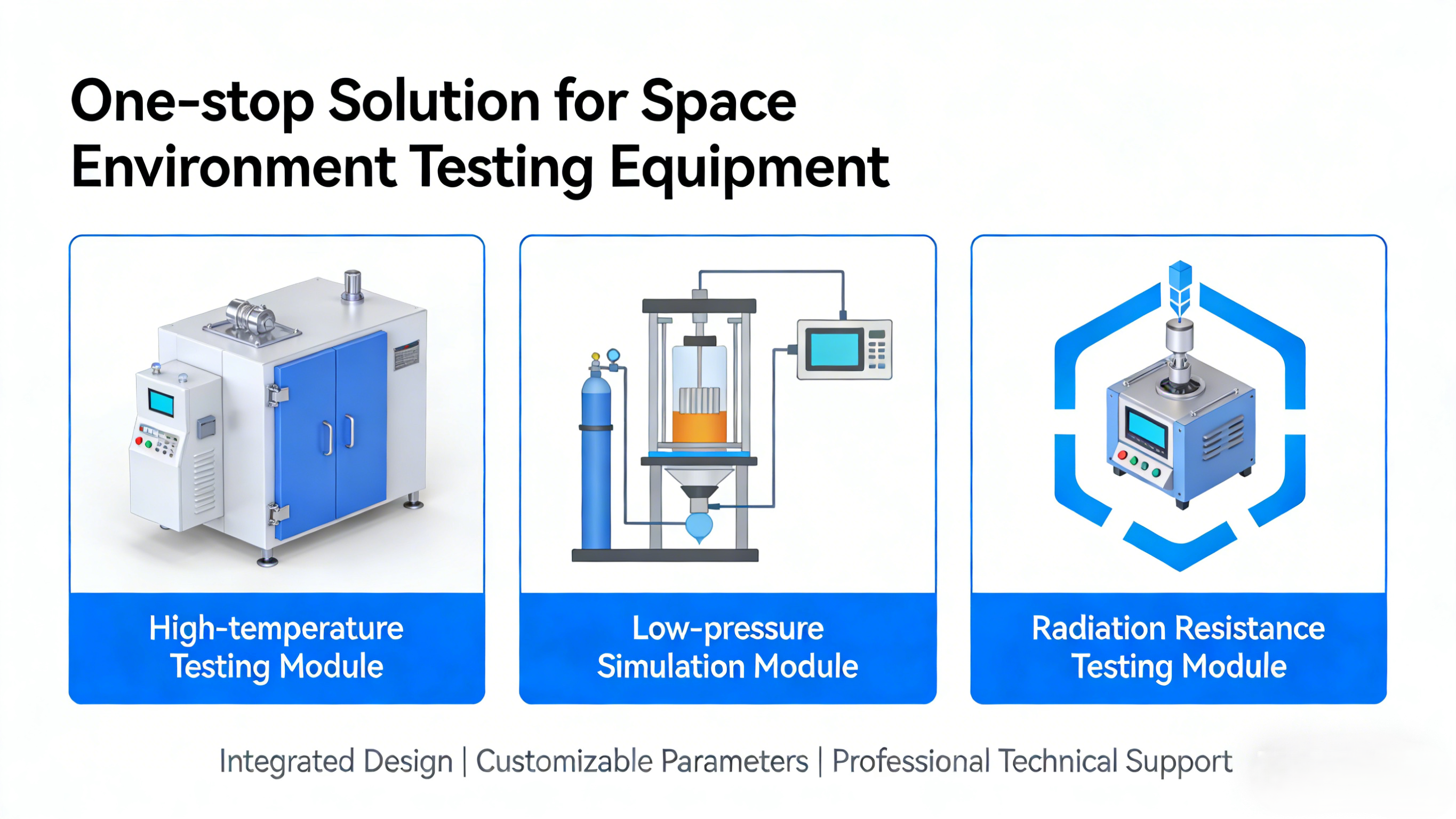
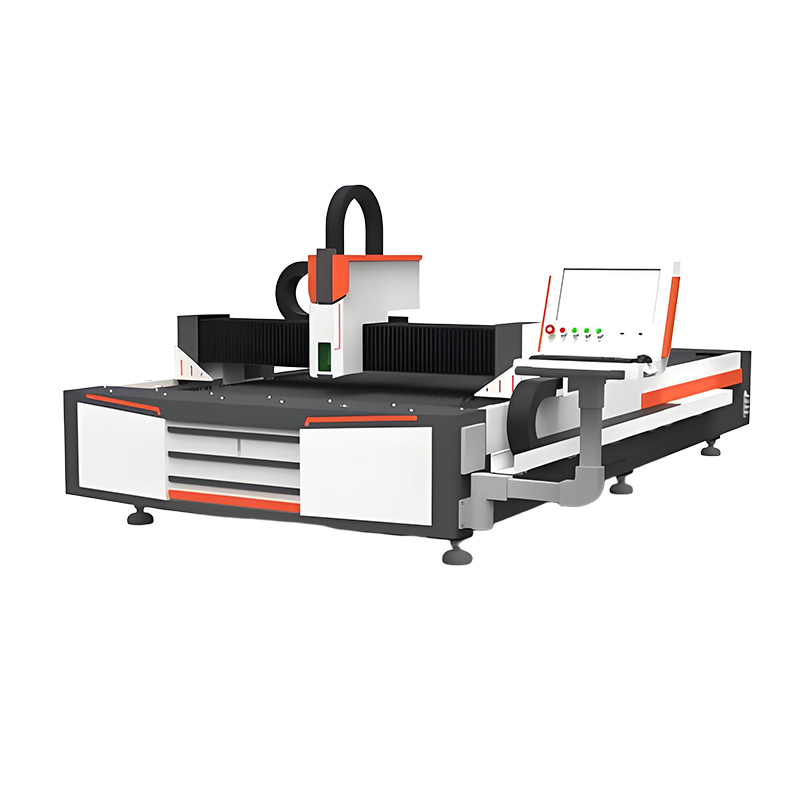
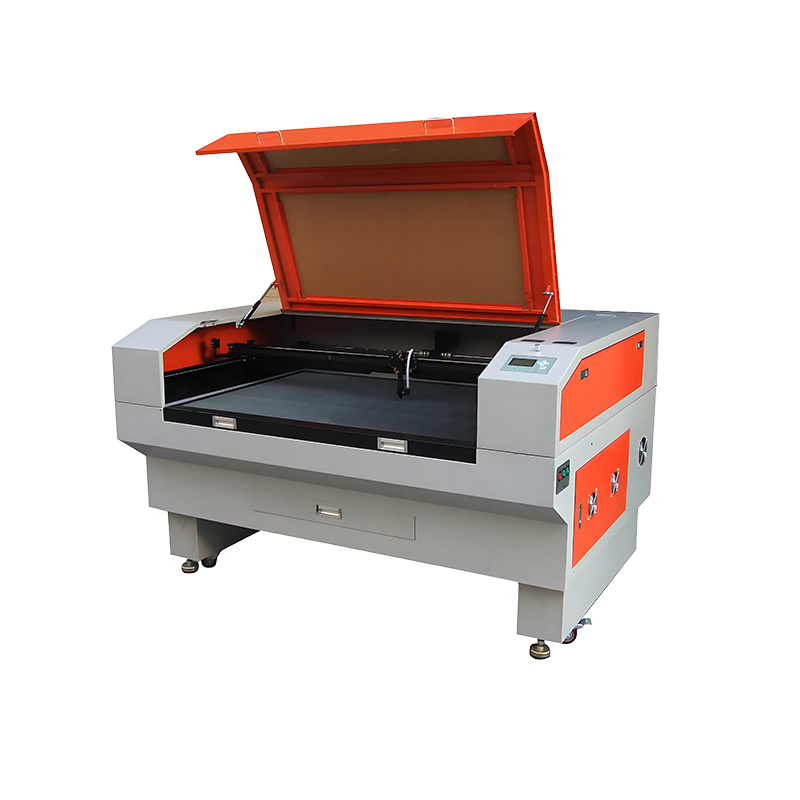
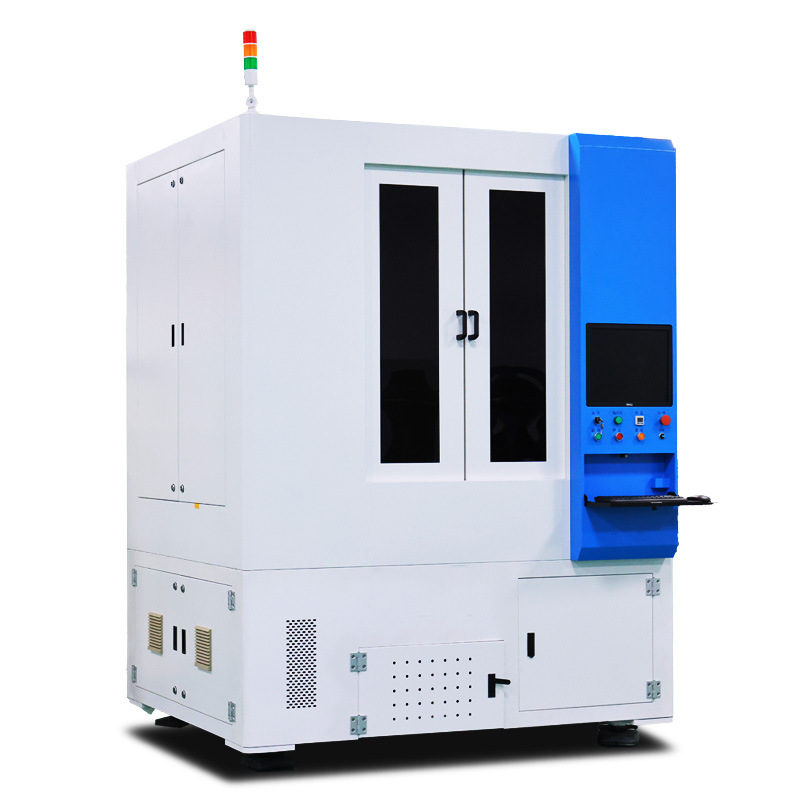
One-Stop Solution for Space Environment Testing Equipment is designed for industrial laser processing projects that require stable beam control, process repeatability, and reliable integration with production requirements. For ├ Photovoltaic Solar Testing Equipment selection, buyers should compare material type, processing accuracy, automation level, throughput, maintenance access, and after-sales support before confirming the final equipment configuration.
Related laser solutions include Multi-Channel PV Module Steady-State Testing System, LC-LED-AAA-2400 Steady-State Solar Simulator, Multi Channel PV Module IV MPPT Steady State Test System. These internal references help users compare similar systems and move naturally between cleaning, cutting, scribing, marking, welding, and photovoltaic laser equipment pages.
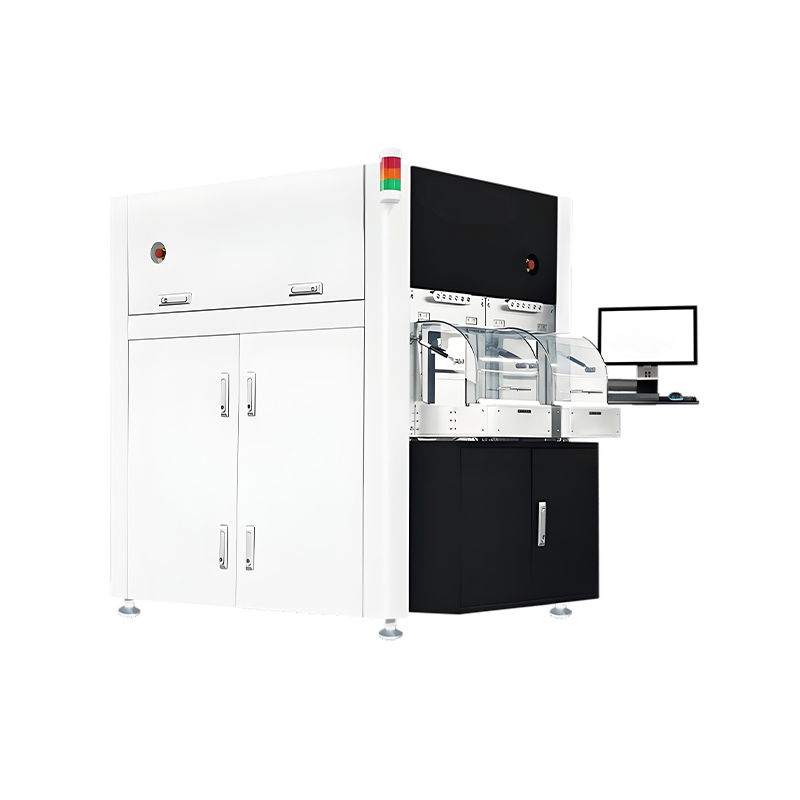
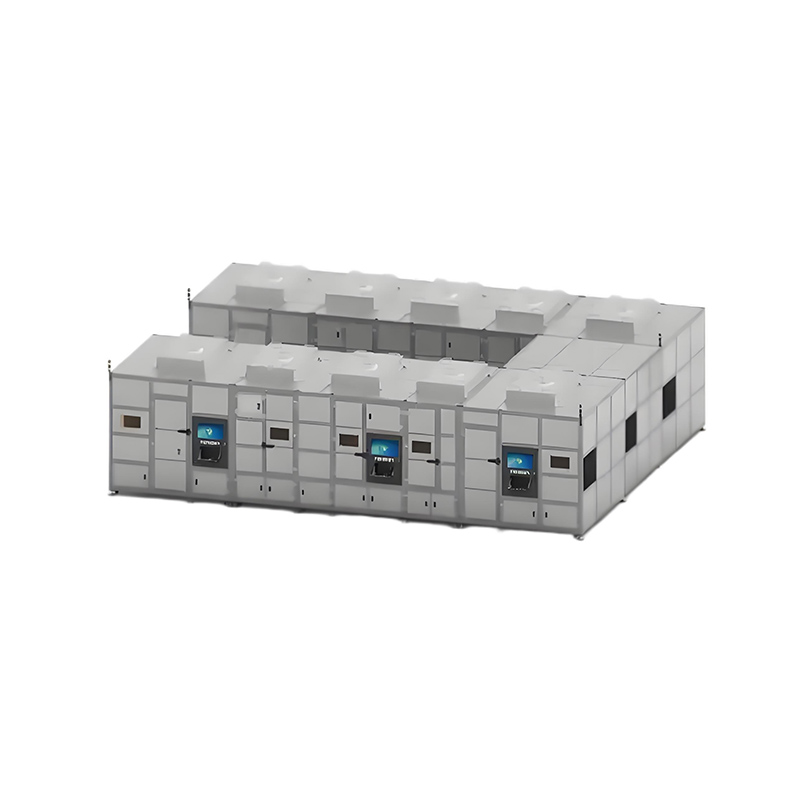
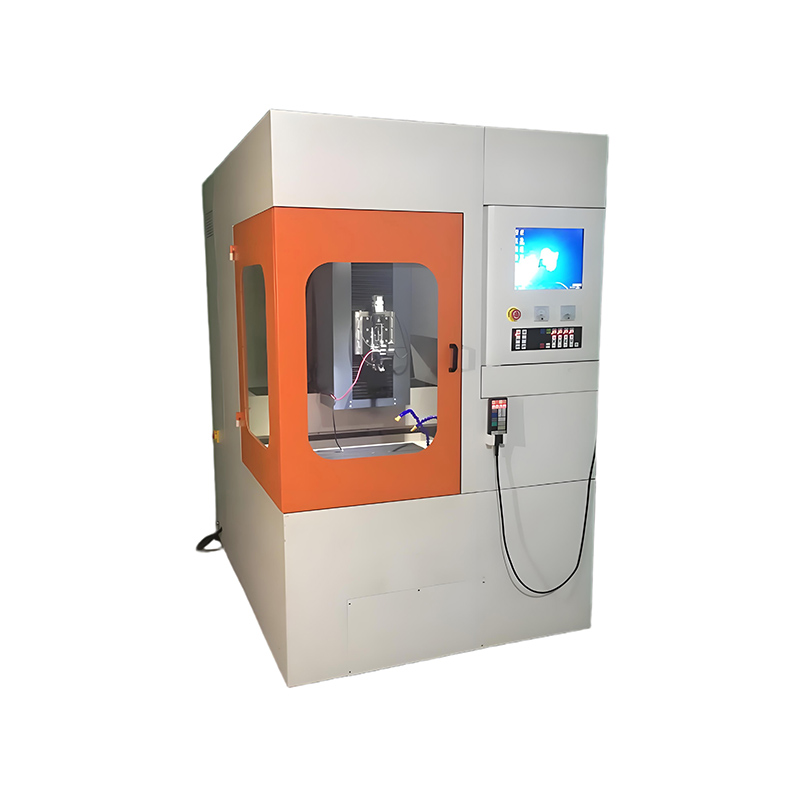
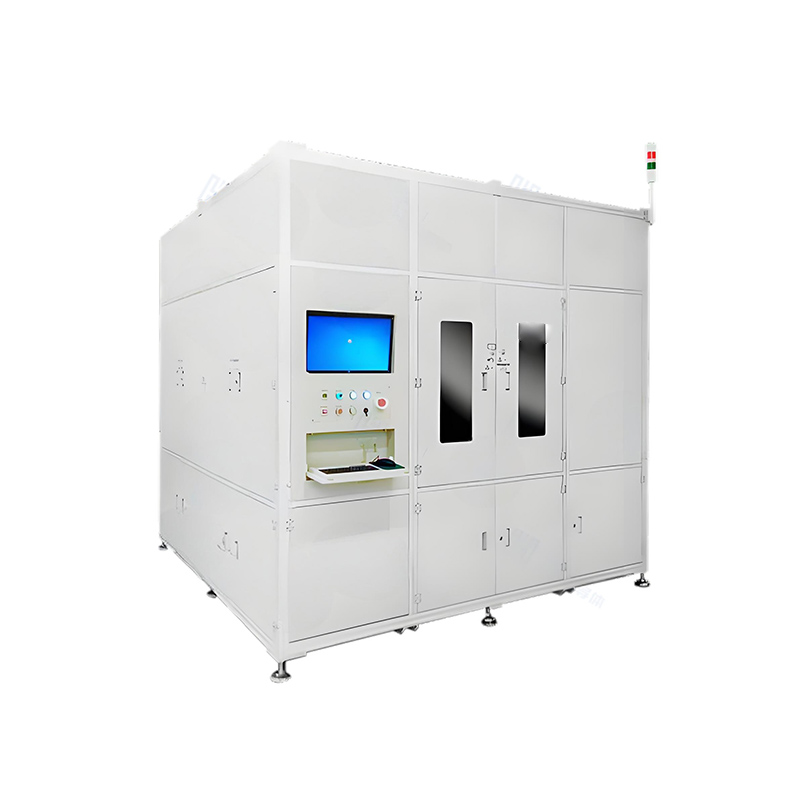
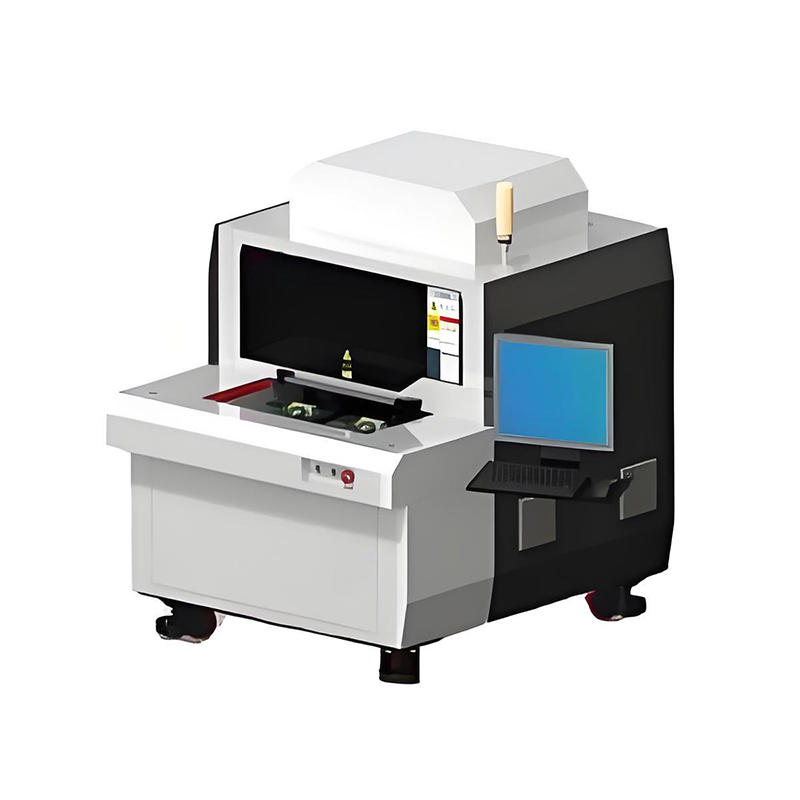
The One-Stop Solution for Space Environment Testing Equipment is a comprehensive testing platform developed for the research, validation, and reliability evaluation of perovskite solar cells, tandem solar cells, and advanced space photovoltaic technologies. Instead of relying on isolated instruments from multiple suppliers, this solution integrates the major test capabilities required for space photovoltaic development into one coordinated equipment portfolio, including AM0 steady-state testing, vibration testing, atomic oxygen simulation, UV aging, and EQE quantum efficiency analysis.
This integrated solution is designed to help research institutes, aerospace laboratories, and photovoltaic developers build a more complete and efficient verification workflow. It enables users to simulate critical space-related stress factors such as extraterrestrial illumination, high vacuum, atomic oxygen exposure, ultraviolet aging, temperature cycling, and launch vibration, while maintaining traceable and high-precision electrical and optical measurements.
For next-generation photovoltaic technologies, especially perovskite and tandem architectures, traditional terrestrial testing is often not enough. Device developers need a more specialized space-environment platform that can evaluate stability, degradation, spectral response, and structural reliability under combined stress conditions. This one-stop solution is built specifically to meet that demand, reducing system integration complexity and improving testing efficiency across the full R&D and validation cycle.
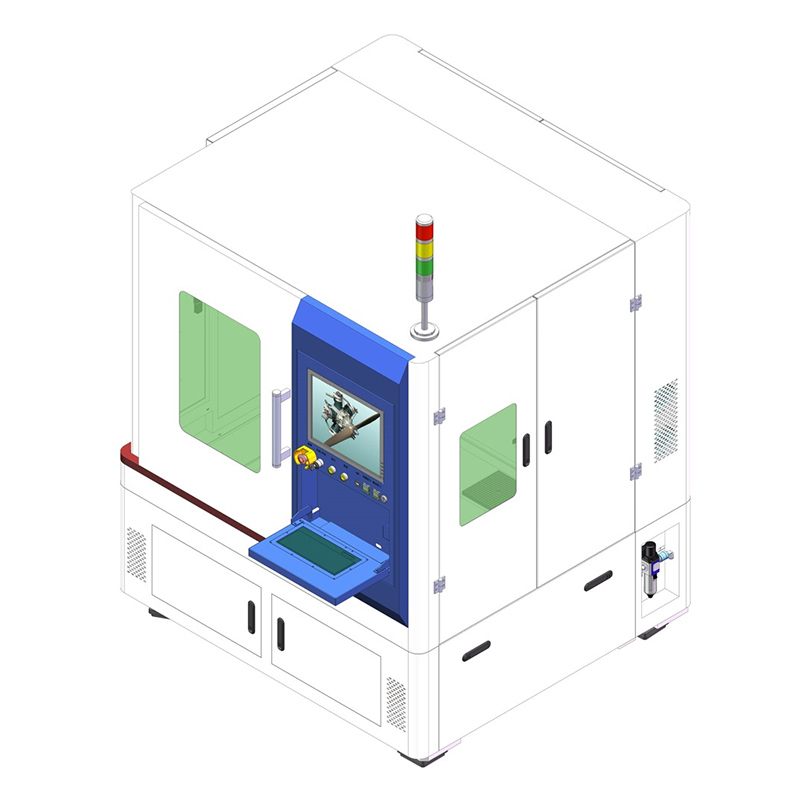
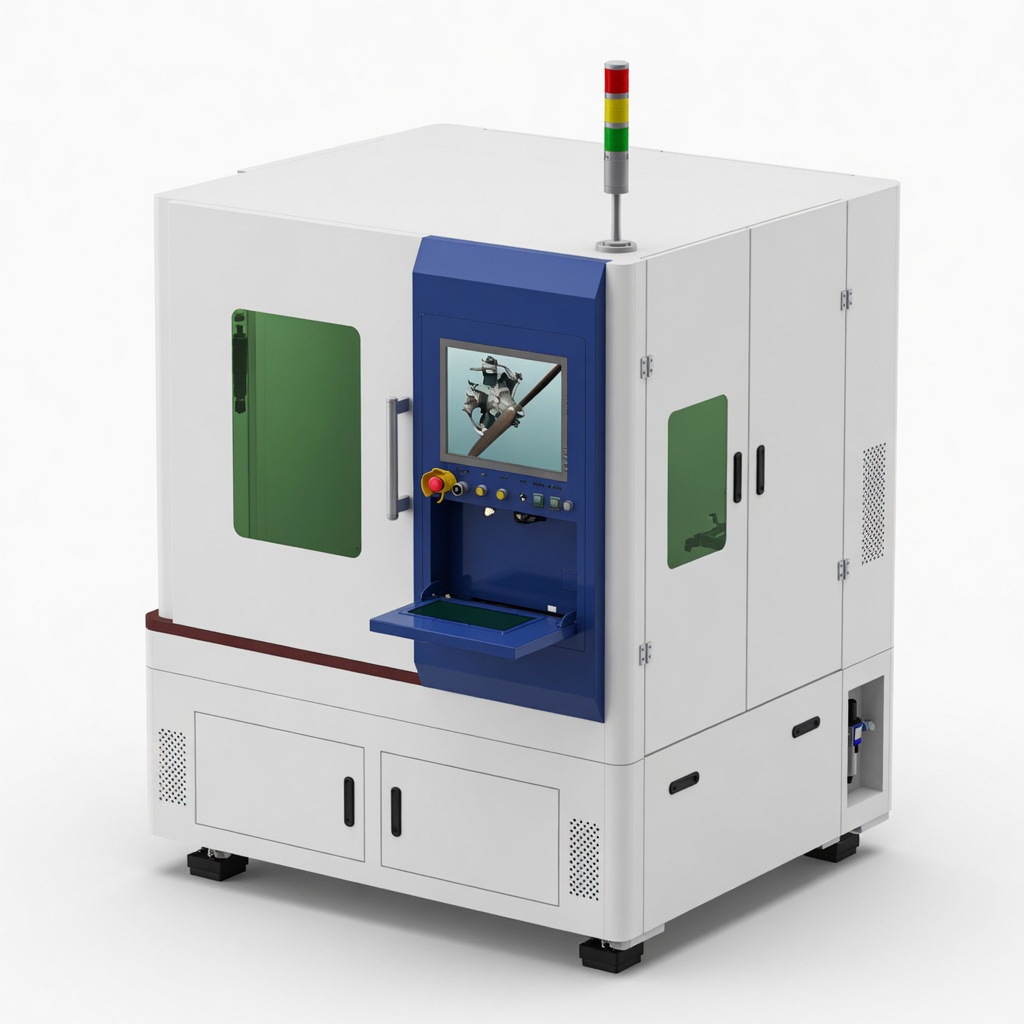
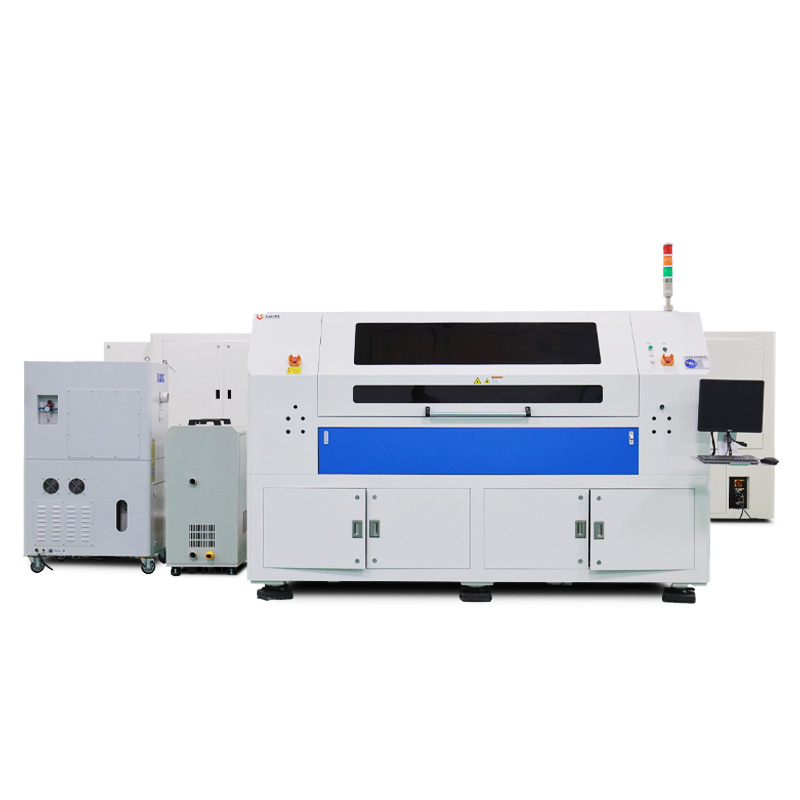
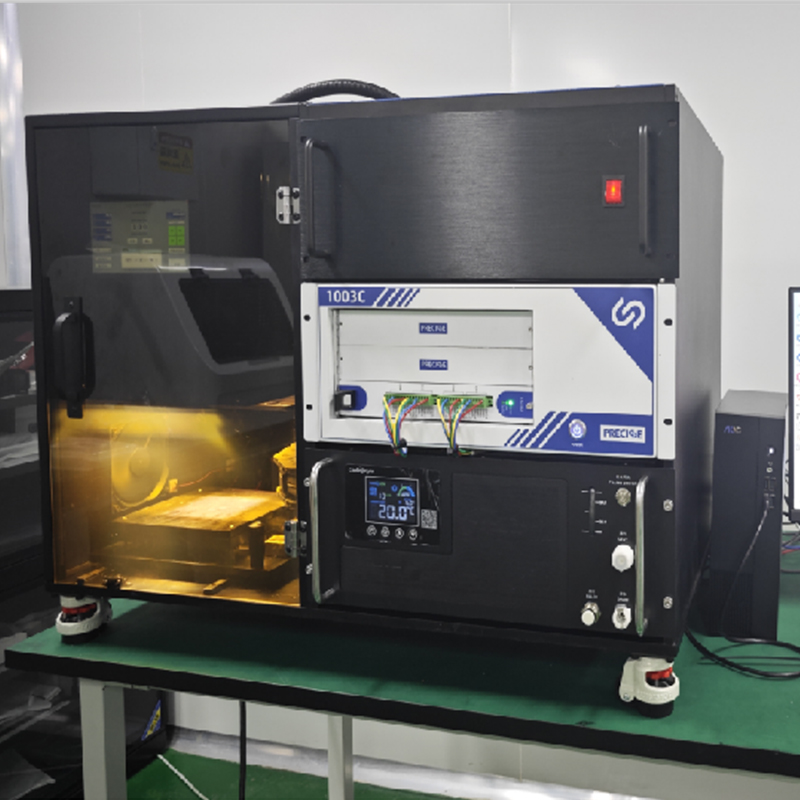
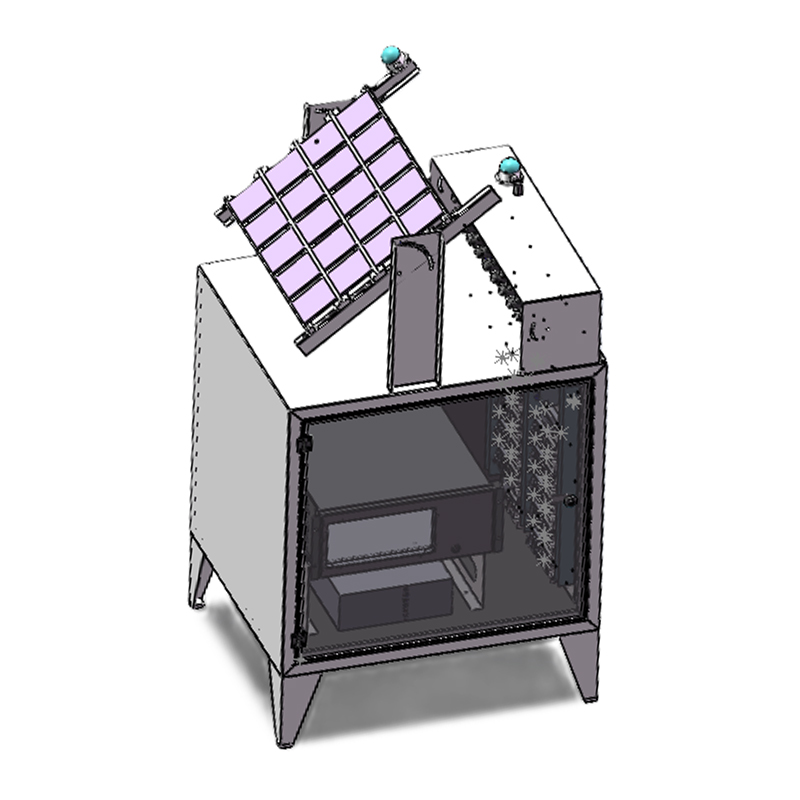
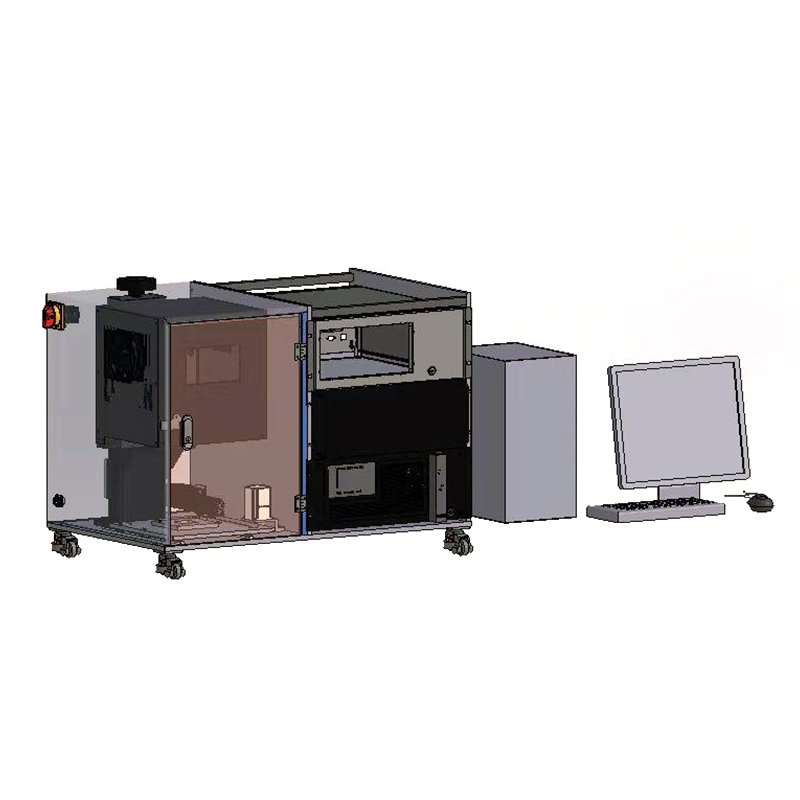
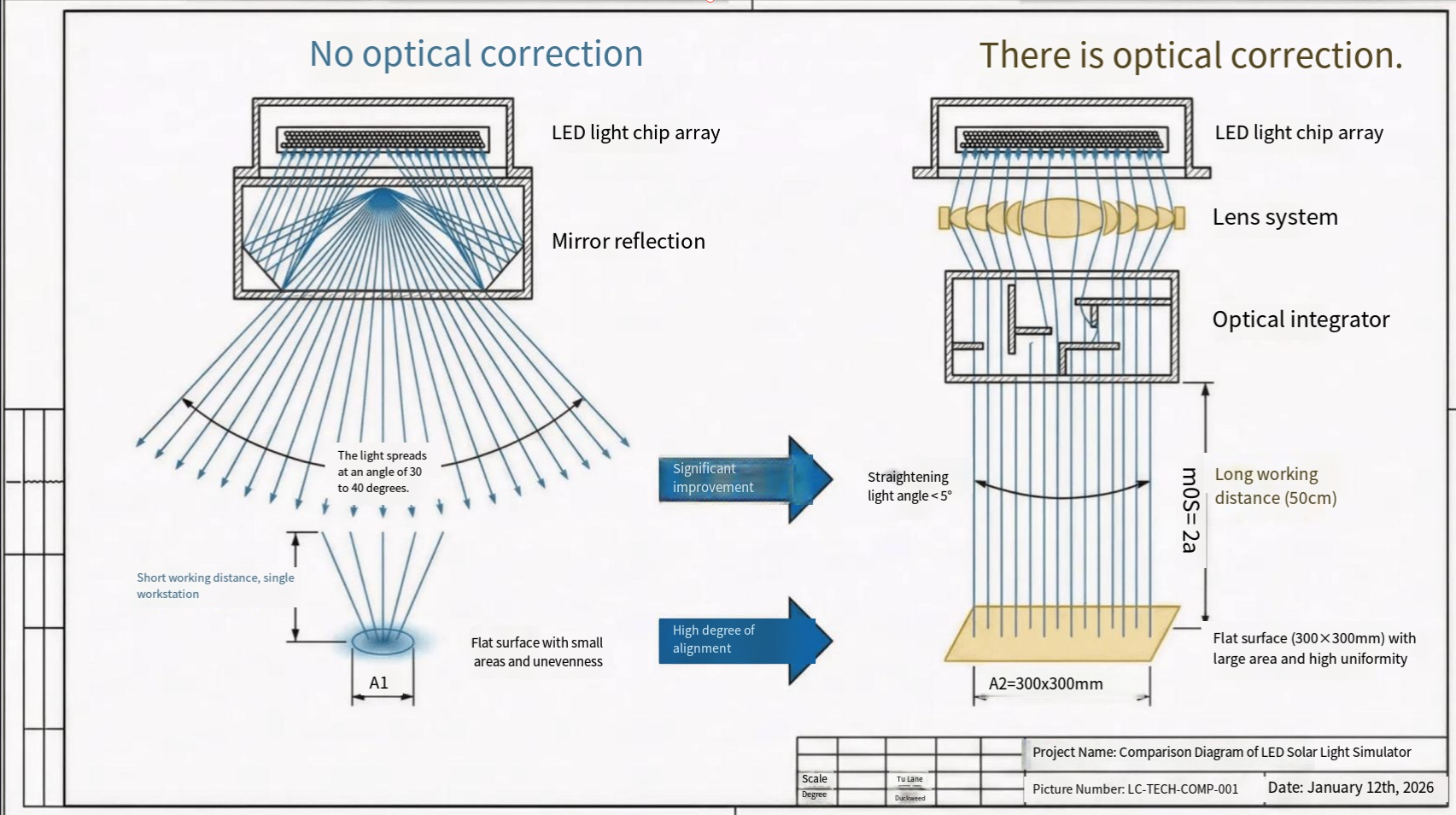
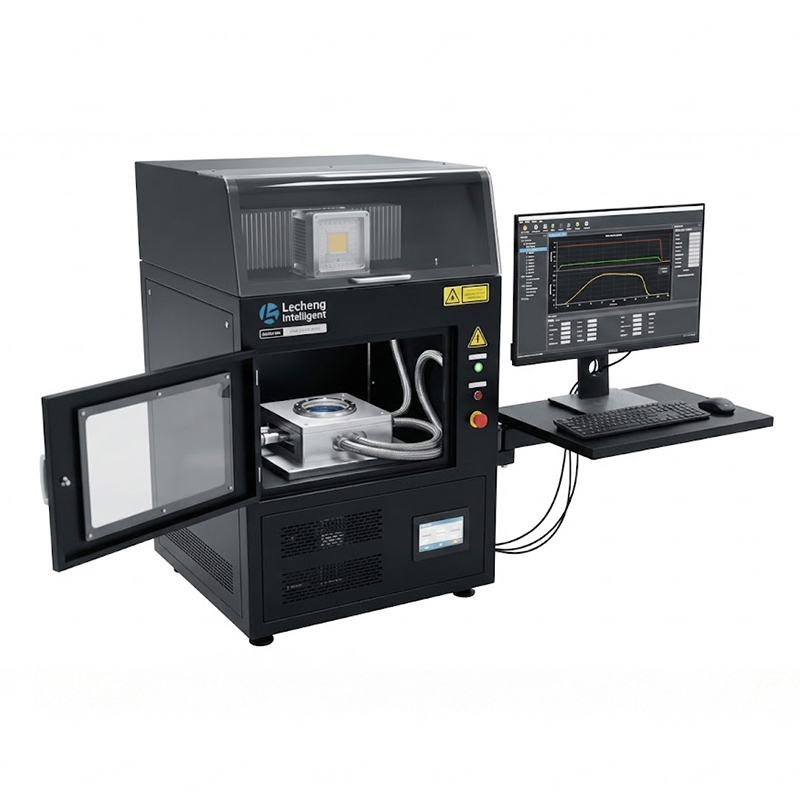
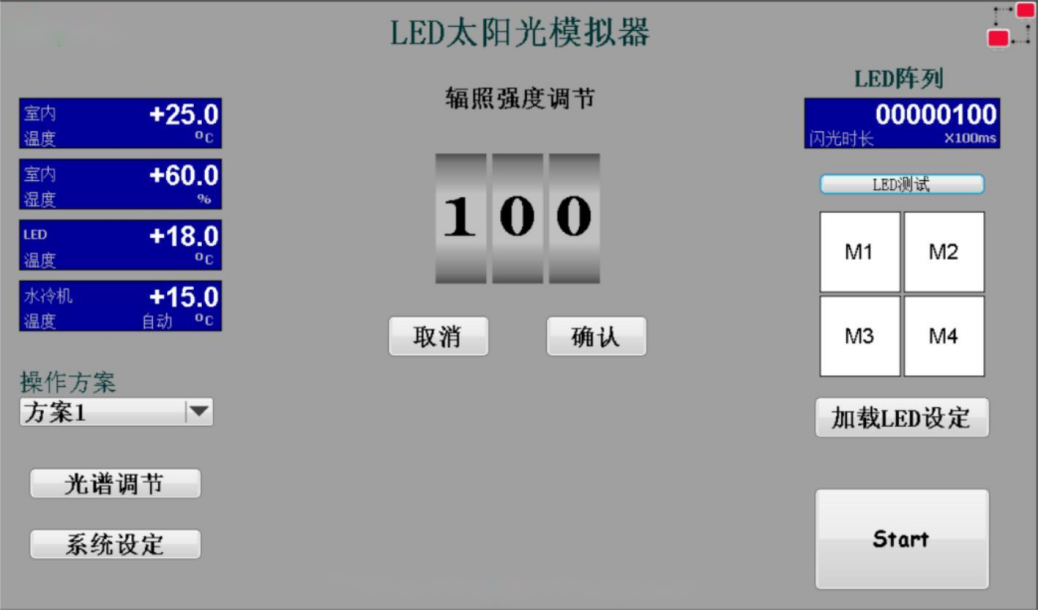
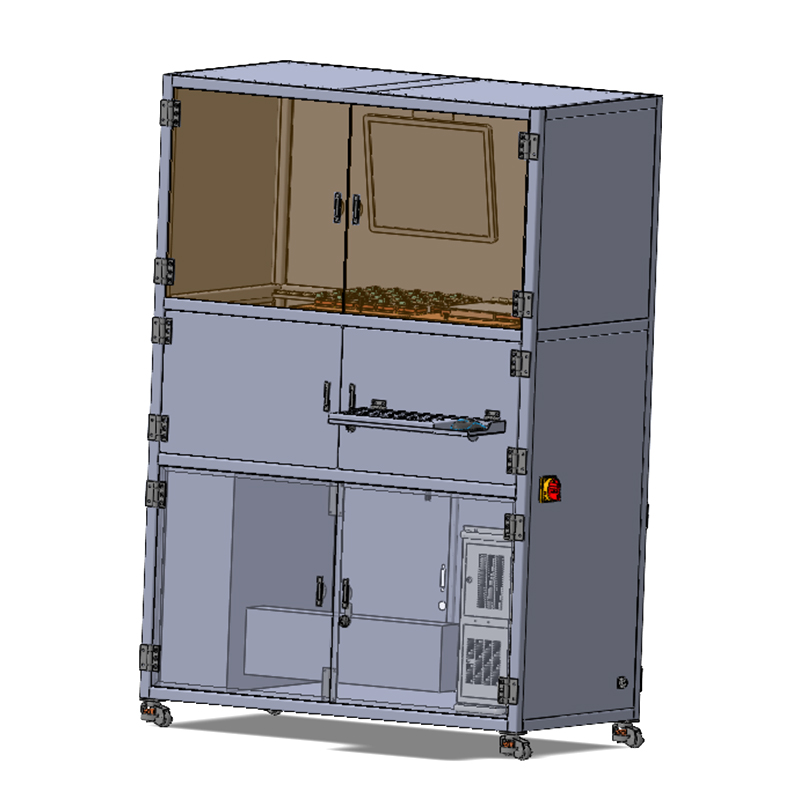
The MPPT steady-state testing module is based on model LC-SPV-ST-3030-DM and is designed for long-duration photovoltaic evaluation under controlled light, vacuum, and temperature conditions. It supports one-click switching between AM0 and AM1.5G dual-spectrum modes, making it suitable for both space photovoltaic validation and comparative ground-condition testing.
| Parameter | Specification |
|---|---|
| Model | LC-SPV-ST-3030-DM |
| Light Source | Large-area Class A LED |
| Effective Area | 30 × 30 cm |
| Spectrum Modes | AM0 / AM1.5G |
| Temperature Range | -190°C to +300°C |
| Vacuum Level | Up to 10⁻³ Pa |
| Oxygen Content | Approx. 0.21 ppm |
| Test Function | MPPT continuous testing with thermal cycling |
This system is especially valuable for uninterrupted photovoltaic monitoring under simulated vacuum and temperature cycling environments.
The vibration testing module is based on Zhenyan Modal Exciter PME500 and is designed to simulate the mechanical vibration conditions encountered during spacecraft launch and transportation. This helps evaluate structural integrity, electrical connection reliability, and packaging robustness of photovoltaic modules and related assemblies.
| Parameter | Specification |
|---|---|
| Model | Zhenyan Modal Exciter PME500 |
| Frequency Range | DC – 6000 Hz |
| Maximum Thrust | 500 N |
| Maximum Displacement | ±22.5 mm |
| Test Modes | Sinusoidal Sweep / Random Vibration / Shock |
| Supported Standards | NASA GEVS / ESA ECSS / JAXA |
This module provides an essential reliability check for products intended for aerospace deployment.
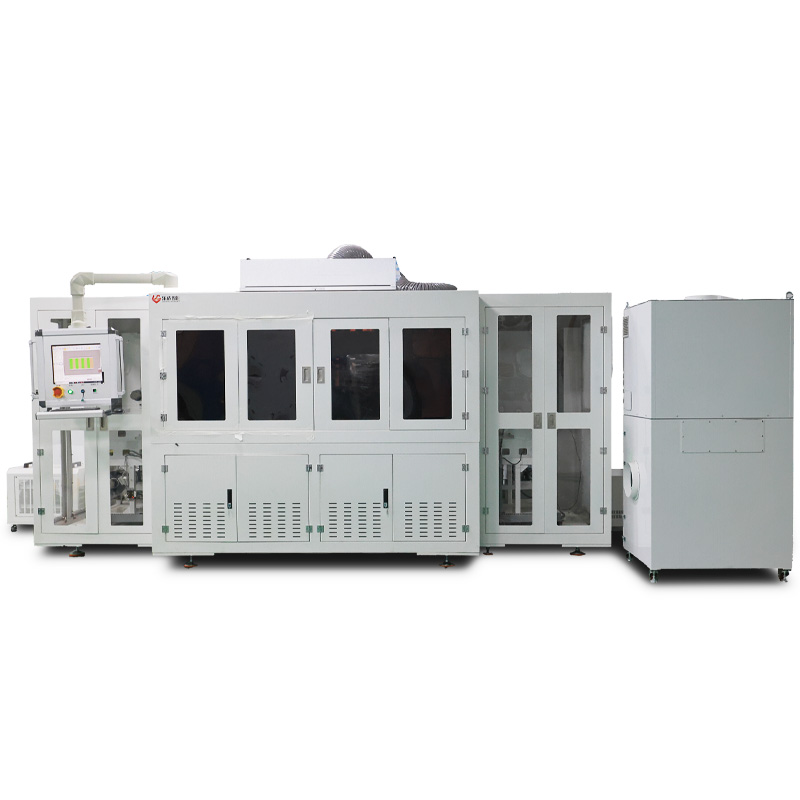
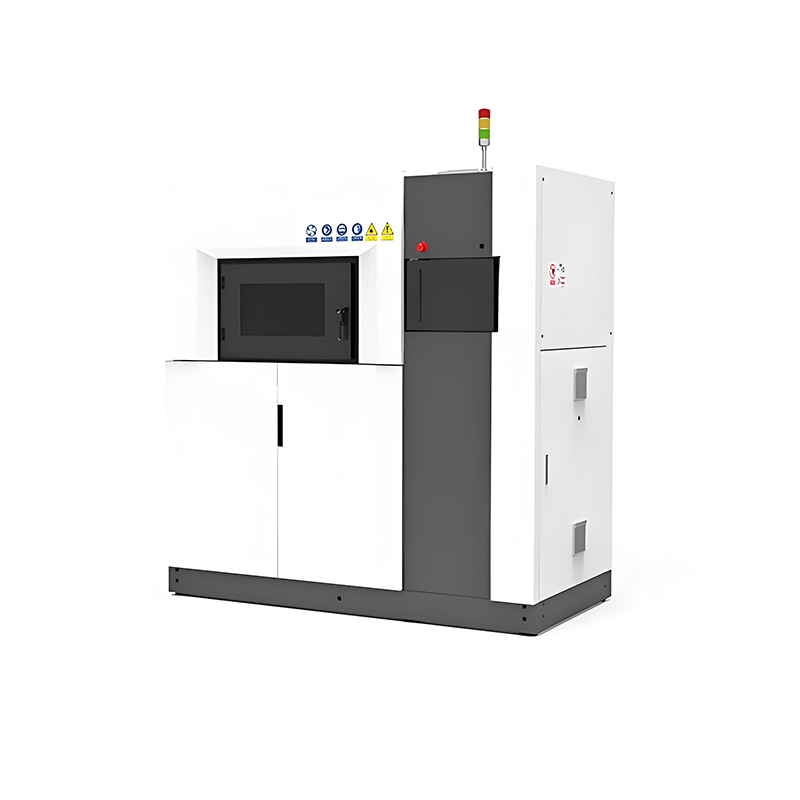
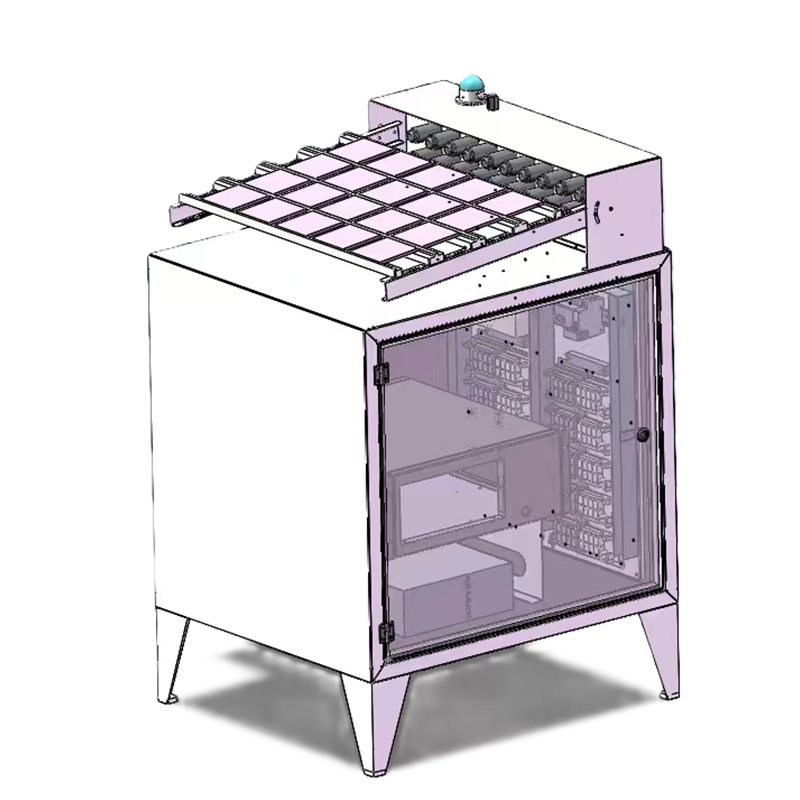
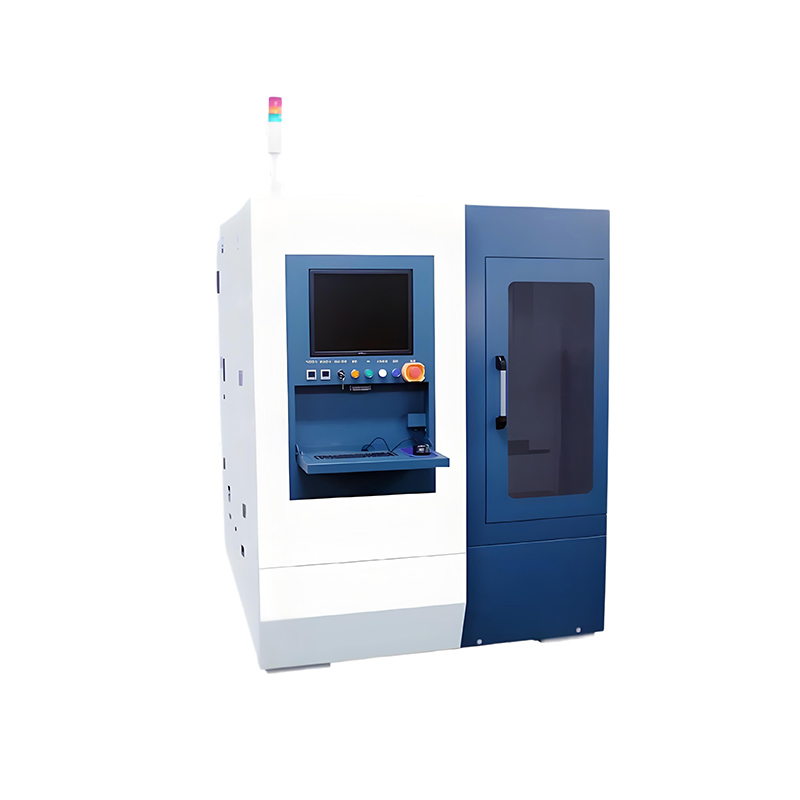
Atomic oxygen is one of the key degradation factors in low Earth orbit. The AO-TEST-SYSTEM module provides controlled exposure to atomic oxygen flux under vacuum conditions, allowing developers to study the erosion and surface durability of photovoltaic devices, coatings, and encapsulation materials.
| Parameter | Specification |
|---|---|
| Model | AO-TEST-SYSTEM |
| Atomic Oxygen Flux | 1×10¹⁵ ~ 5×10¹⁶ atoms/cm²/s |
| Atomic Oxygen Energy | 1 – 5 eV |
| Vacuum Level | ≤ 1×10⁻³ Pa |
| Sample Size | Up to 300 × 300 mm |
| Temperature Range | -150°C to +150°C |
This system supports accelerated material screening and surface durability research for space photovoltaic applications.
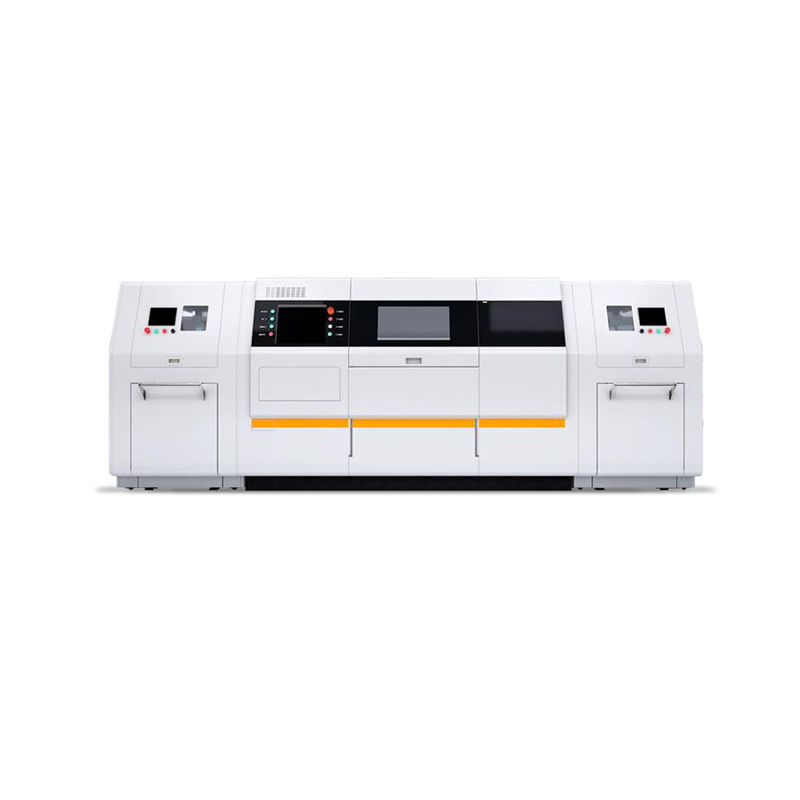
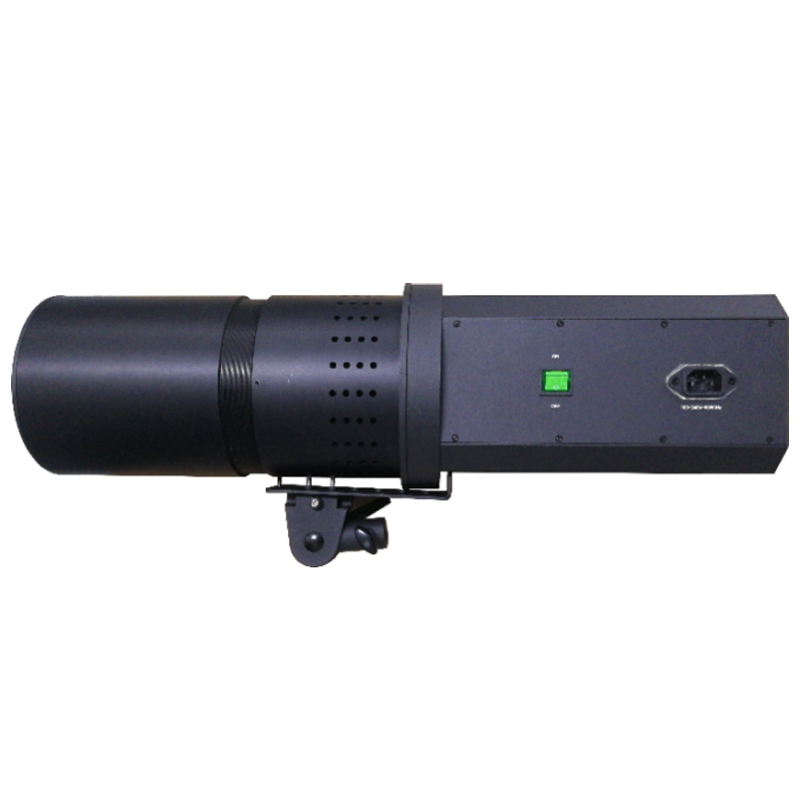
The UV-AGING-CHAMBER is designed to evaluate ultraviolet durability and photo-aging behavior of photovoltaic devices and encapsulation structures. It uses independently developed UVA-340 and UVB-313 lamps and supports programmable light/dark cycles and temperature cycling curves.
| Parameter | Specification |
|---|---|
| Model | UV-AGING-CHAMBER |
| UV Lamps | UVA-340 / UVB-313 |
| Temperature Range | -40°C to +150°C |
| Irradiance | 0.3 – 1.5 W/m² |
| Standards | IEC 61215 / IEC 61646 |
| Control Mode | Program-controlled cycles |
This chamber is ideal for evaluating UV resistance and long-term exposure durability of photovoltaic modules.
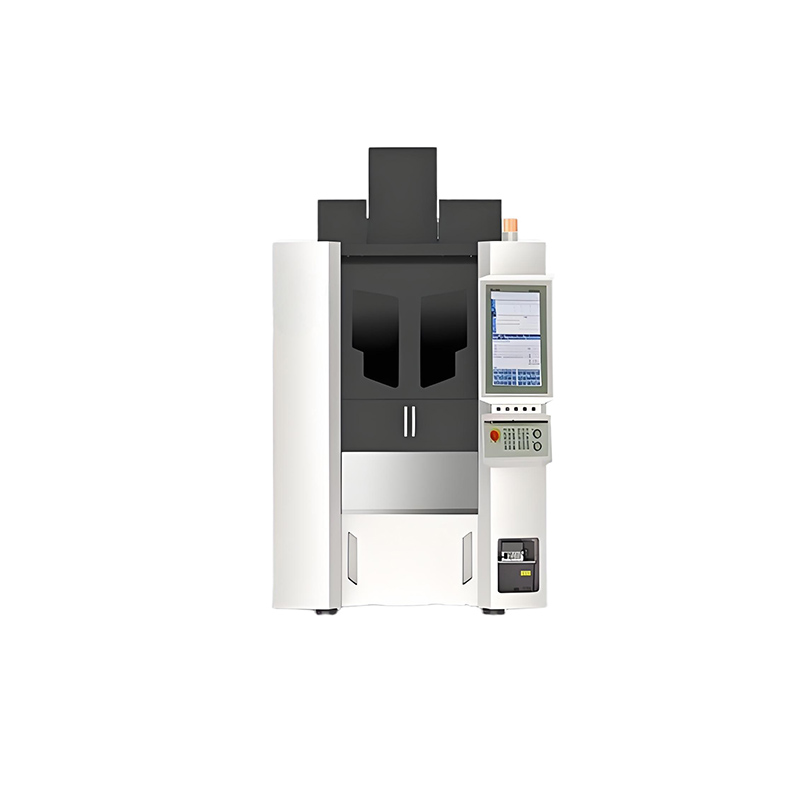
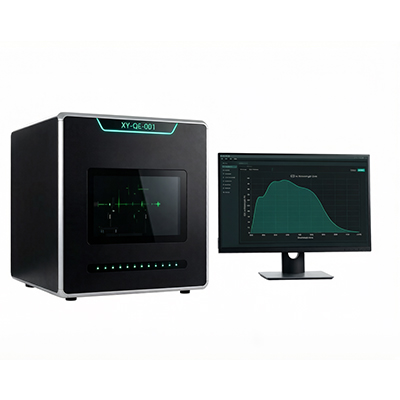
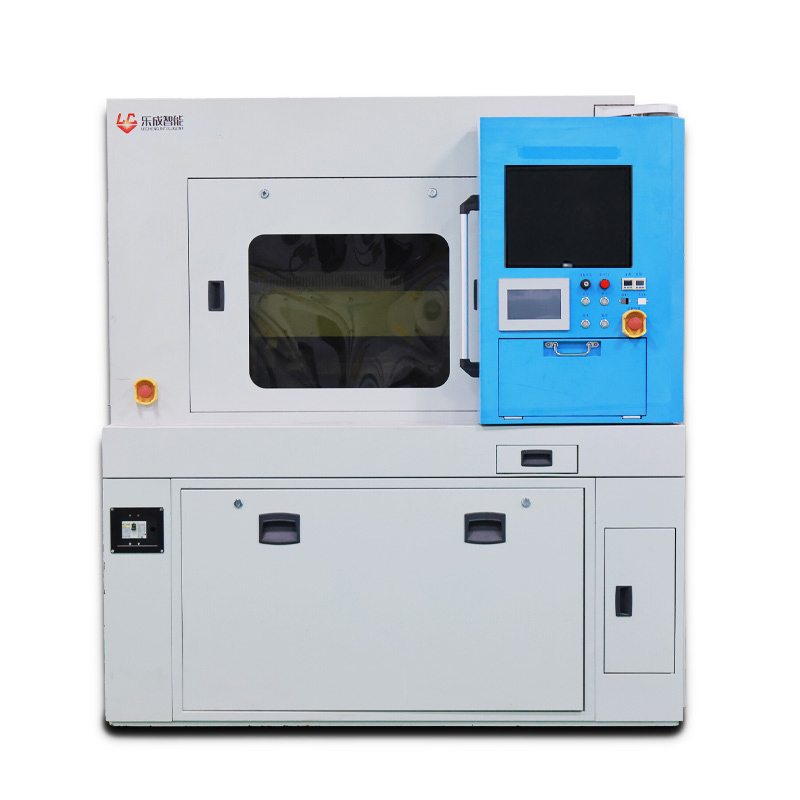
The XY-QE-001 EQE Quantum Efficiency Testing System provides high-precision external quantum efficiency measurement across a broad wavelength range. It fully supports tandem solar cell testing, including sub-cell EQE measurement with integrated segmented bias light.
| Parameter | Specification |
|---|---|
| Model | XY-QE-001 |
| Wavelength Range | 300 – 1800 nm |
| Expandable Range | Up to 2500 nm |
| Repeatability | >99.5% |
| Tandem Support | Yes |
| Sub-cell EQE | Supported |
| Data Platform | AI-assisted analysis + cloud data management |
This module is particularly suitable for next-generation perovskite/silicon tandem solar cell research.
This solution brings together the key systems required for space photovoltaic verification, reducing the burden of sourcing, integrating, and validating multiple separate instruments.
The solution is specifically targeted at perovskite, tandem, and space photovoltaic technologies, rather than general-purpose industrial testing.
From AM0 illumination and vacuum to vibration, atomic oxygen, UV aging, and EQE analysis, the platform supports a more complete testing pathway for aerospace photovoltaic development.
Each system can function as a standalone test unit or as part of a larger coordinated validation platform, supporting flexible deployment according to customer needs.
This solution is suitable for aerospace laboratories, research institutes, high-end photovoltaic developers, and qualification-oriented testing programs.
The one-stop space environment testing solution is suitable for:
Space photovoltaic material screening
Perovskite solar cell space-environment evaluation
Tandem solar cell performance and degradation analysis
UV, vacuum, and atomic oxygen durability testing
Vibration and launch-condition reliability verification
EQE characterization for tandem and multi-junction devices
Aerospace laboratories and advanced photovoltaic R&D centers
| System | Core Capability |
|---|---|
| MPPT Steady-State Testing | AM0 / AM1.5G, -190°C to +300°C, vacuum simulation |
| Vibration Testing | DC–6000 Hz, 500 N thrust, ±22.5 mm displacement |
| Atomic Oxygen Simulation | 1×10¹⁵ ~ 5×10¹⁶ atoms/cm²/s |
| UV Aging Chamber | UVA-340 / UVB-313, -40°C to +150°C |
| EQE Testing | 300–1800 nm, >99.5% repeatability |
40px
80px
80px
80px
Lecheng Intelligent Technology Suzhou
Phone
+86-17751173582