
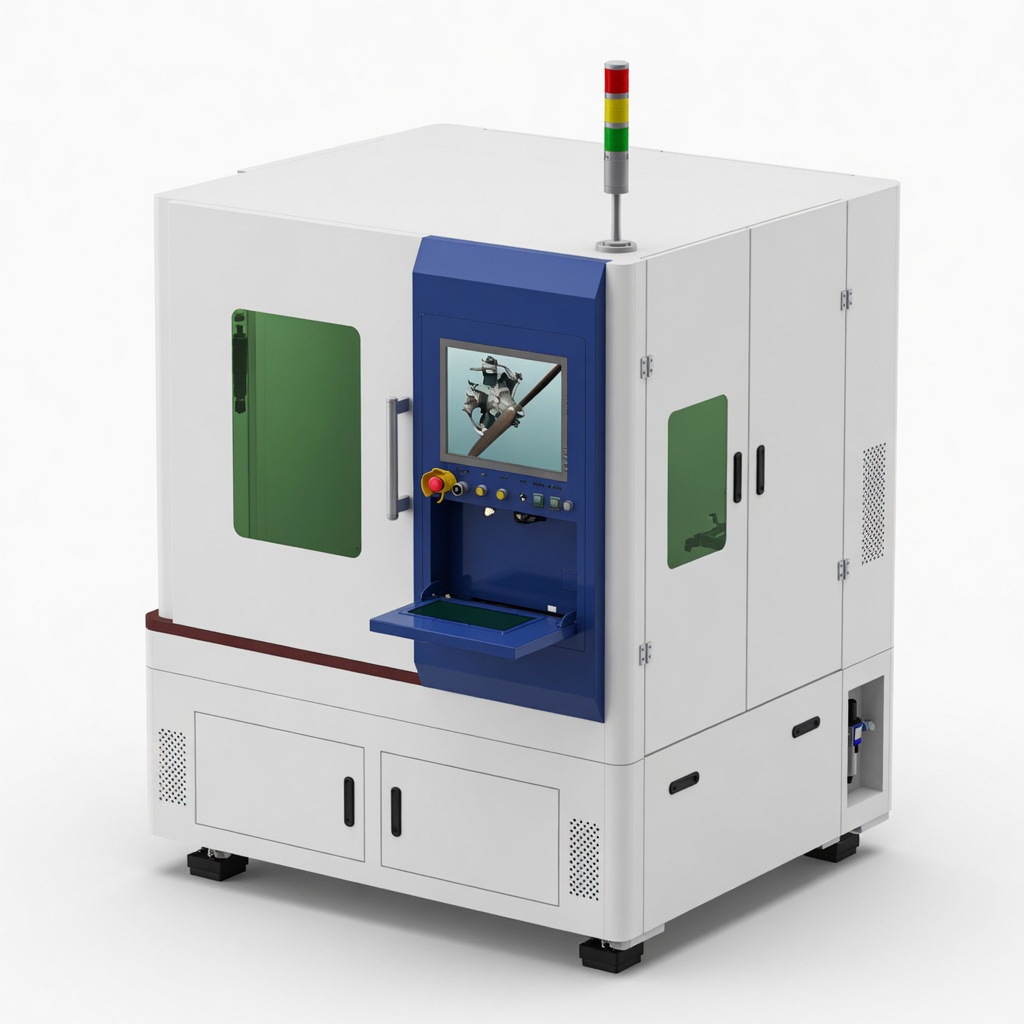
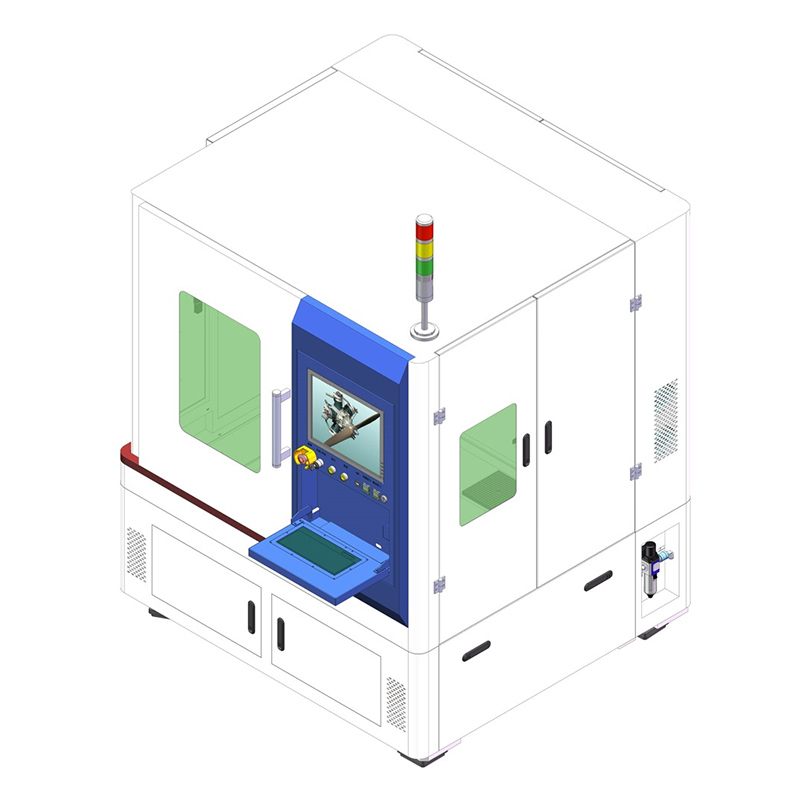
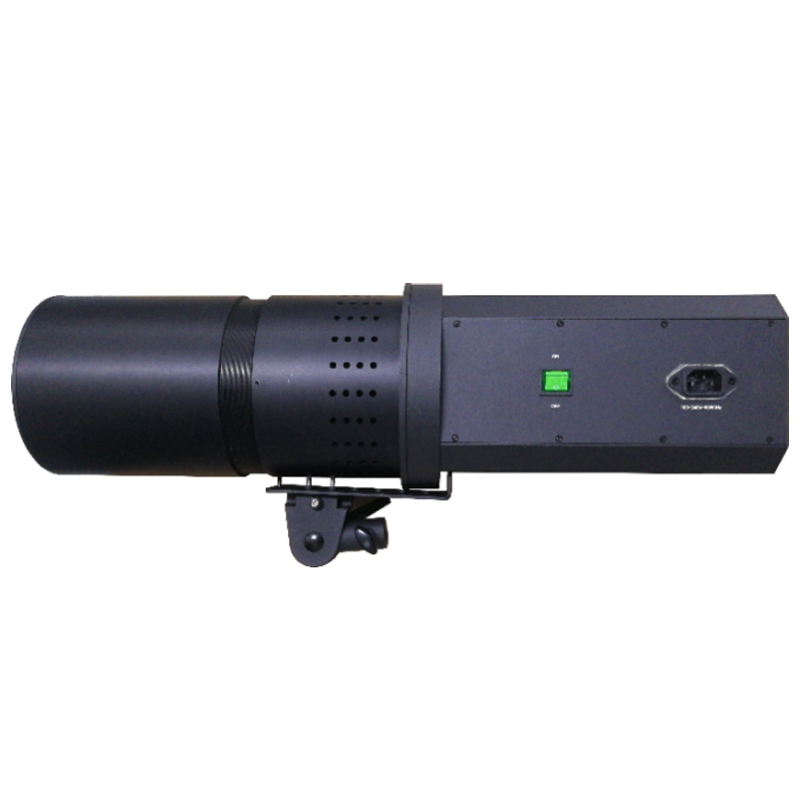
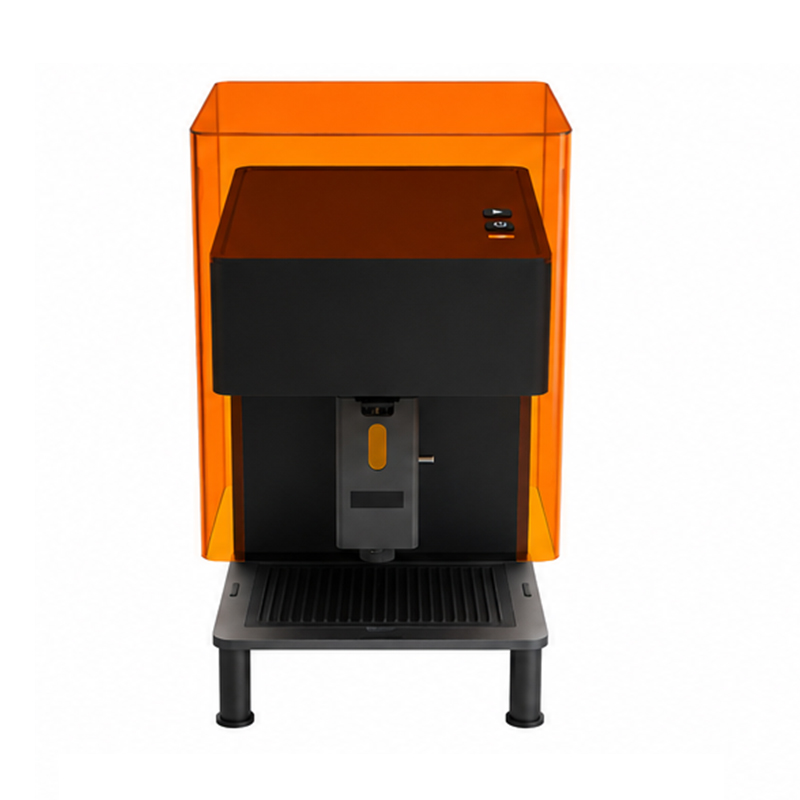
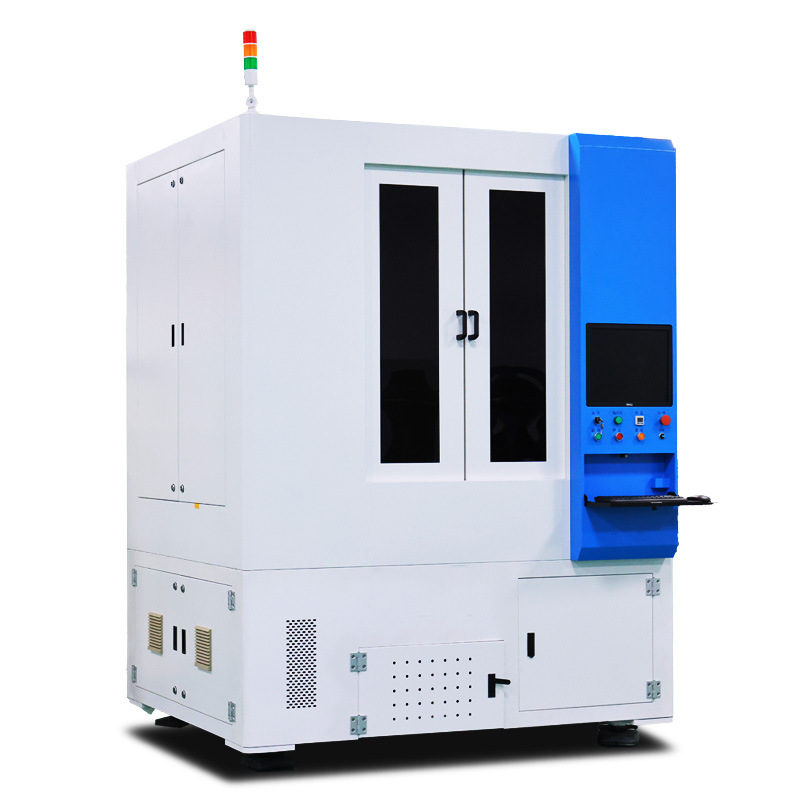
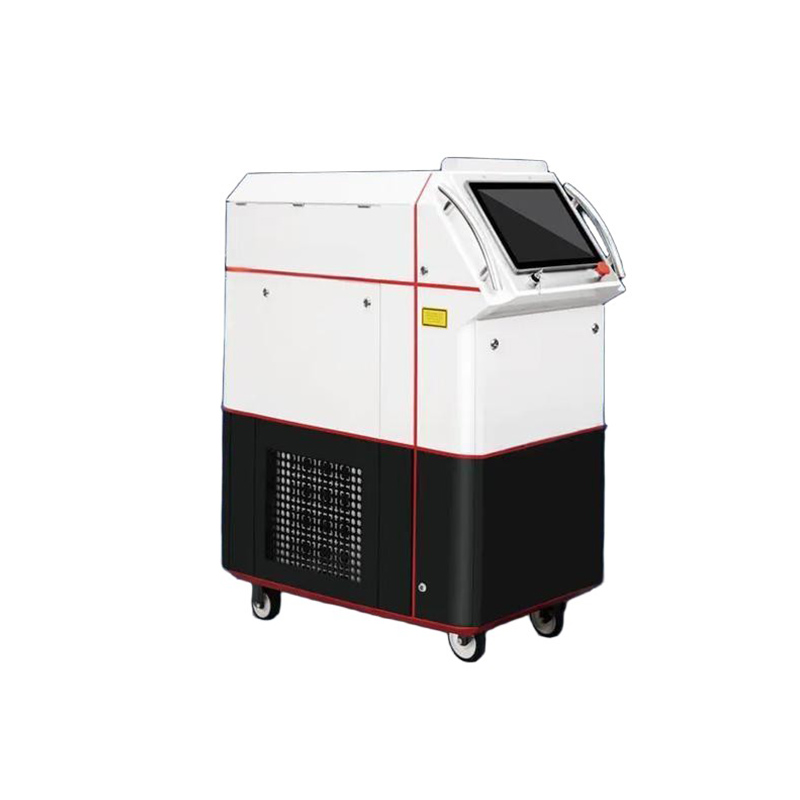
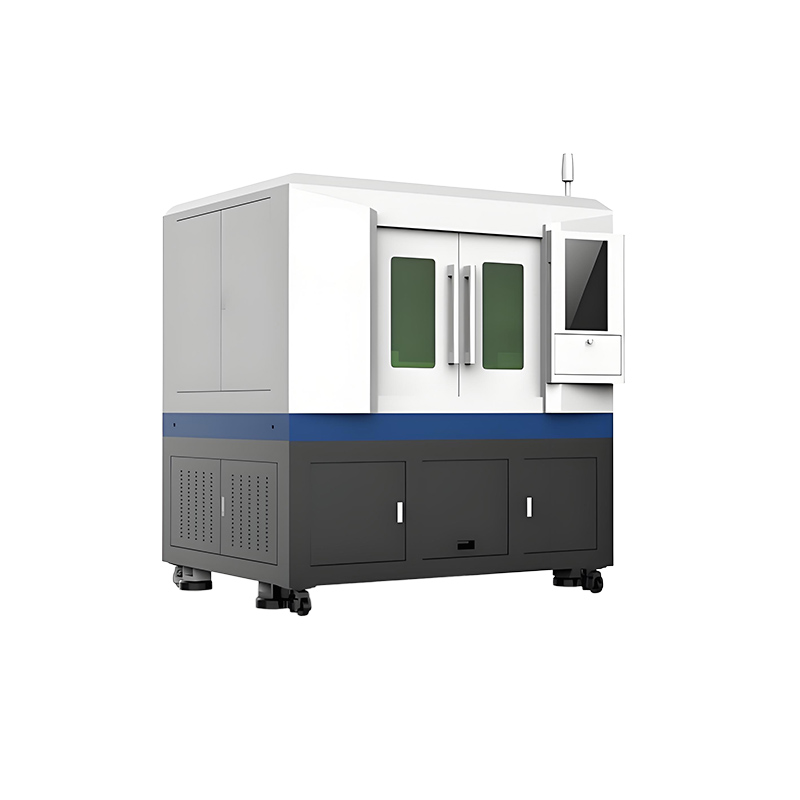
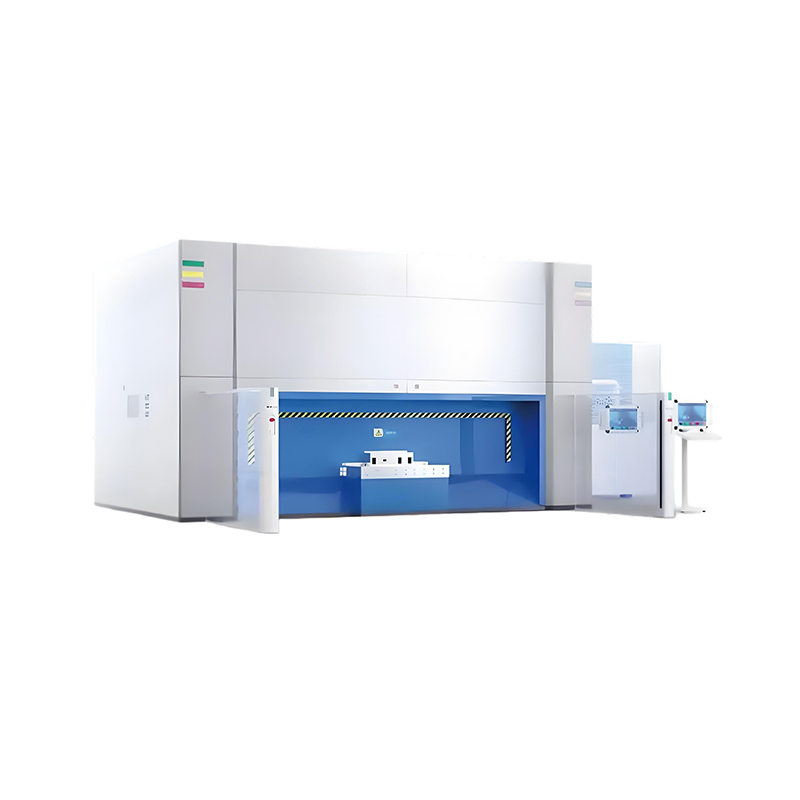
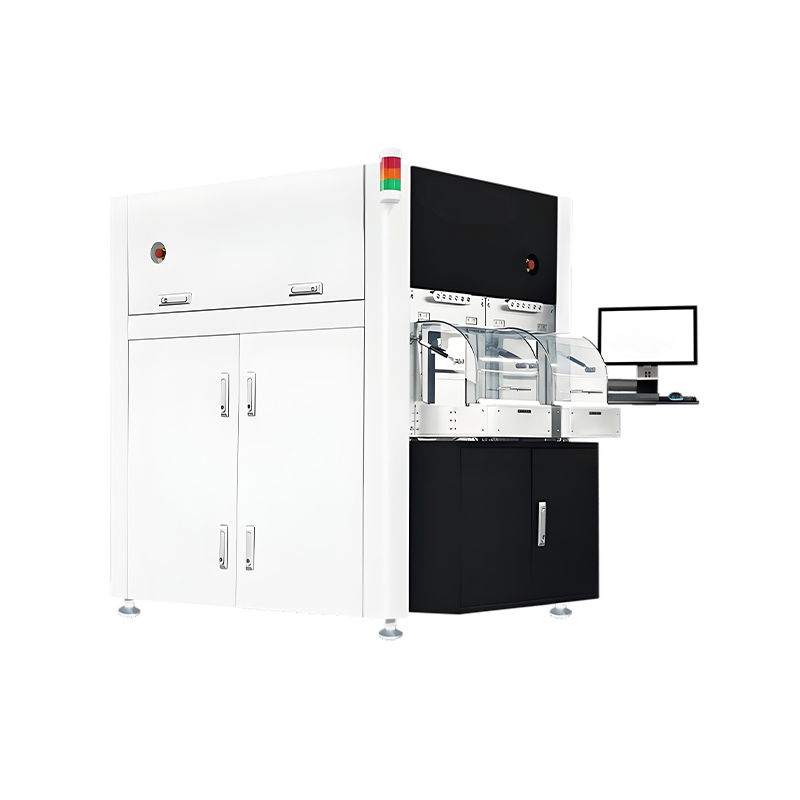
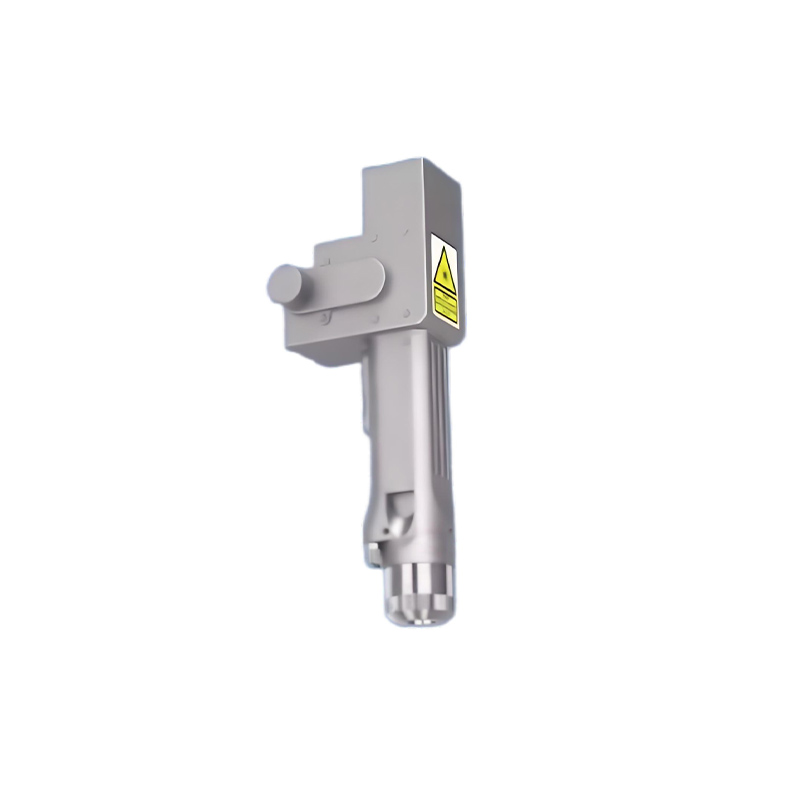
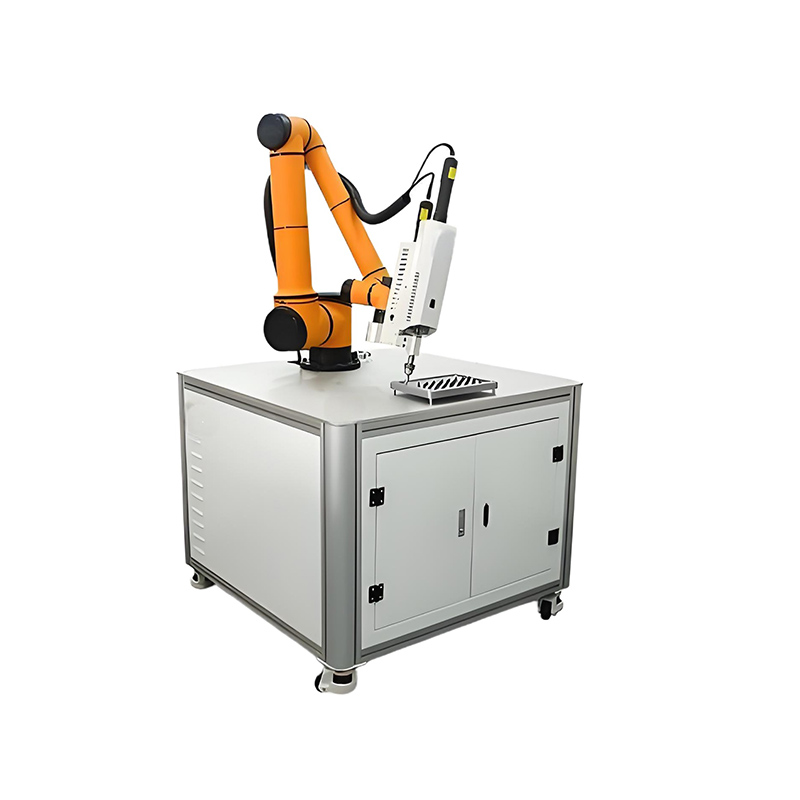
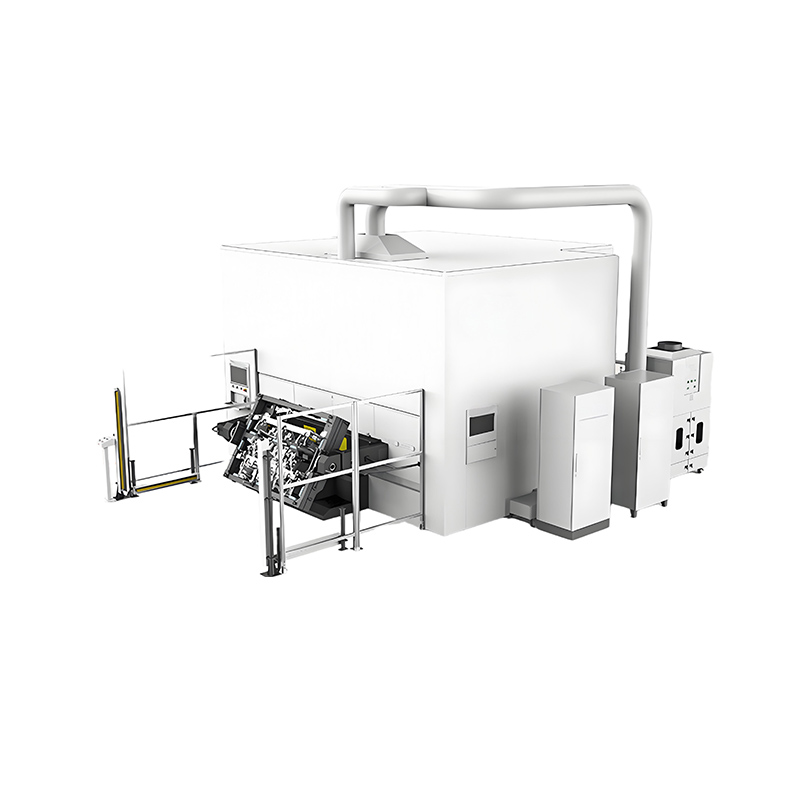
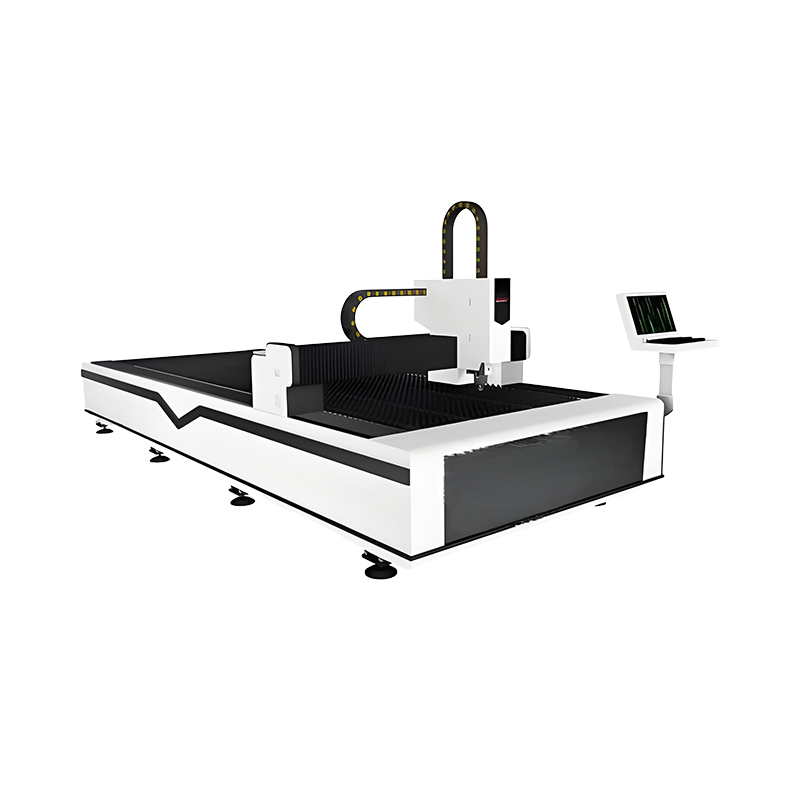
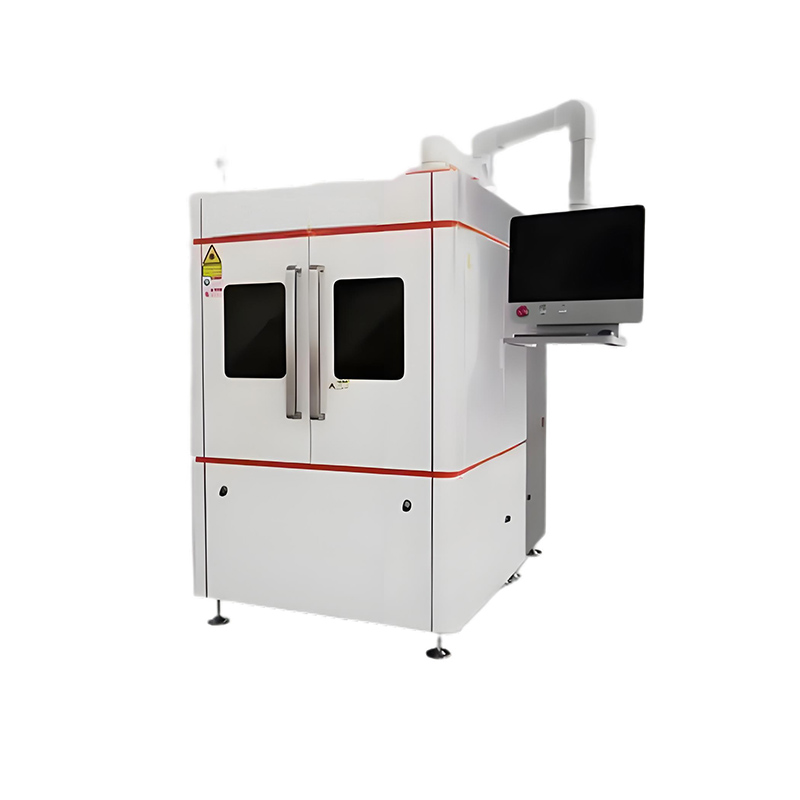
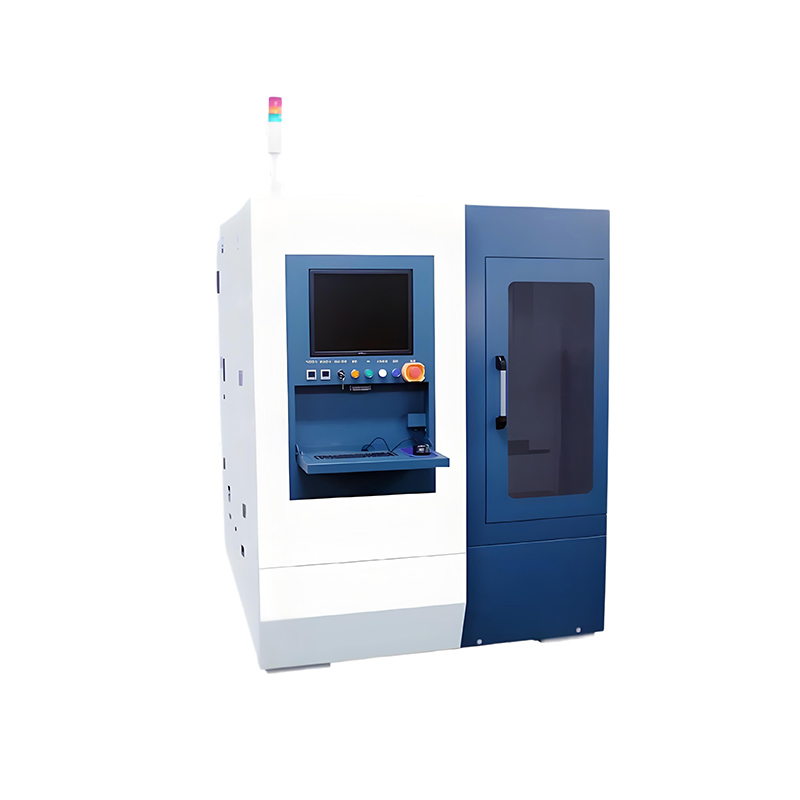
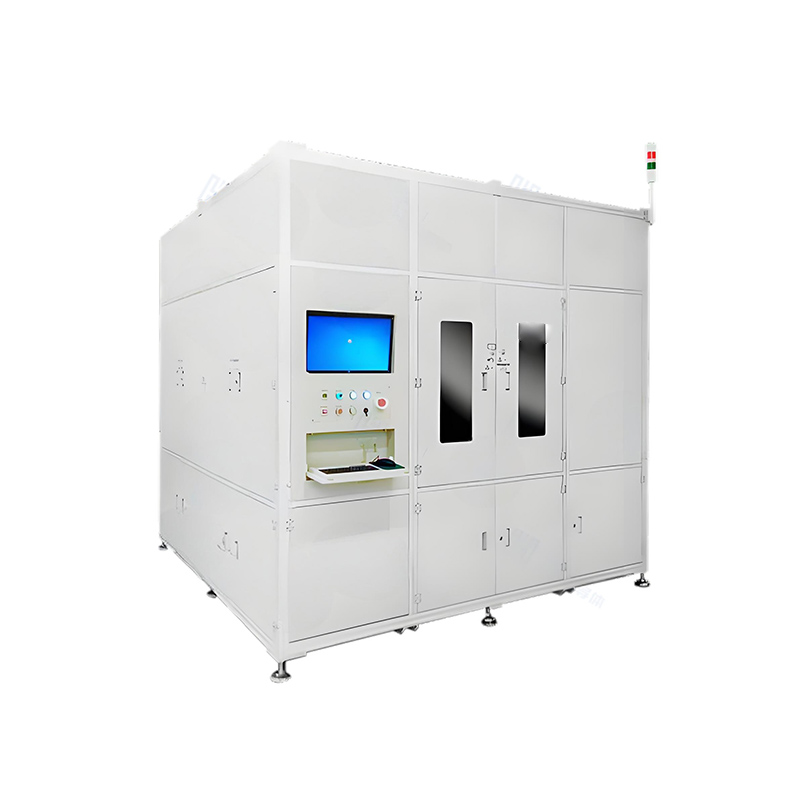
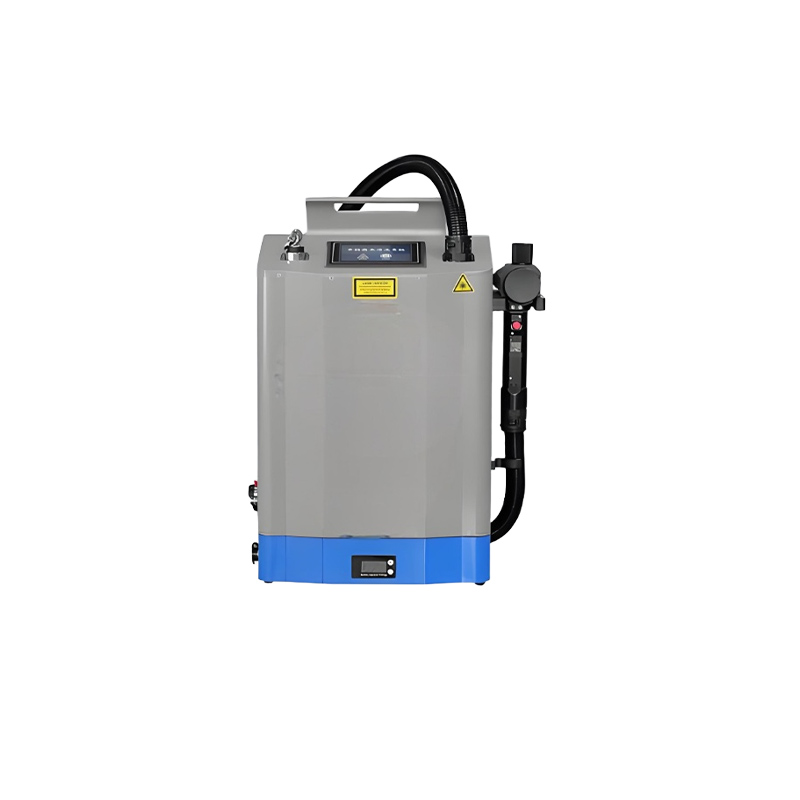
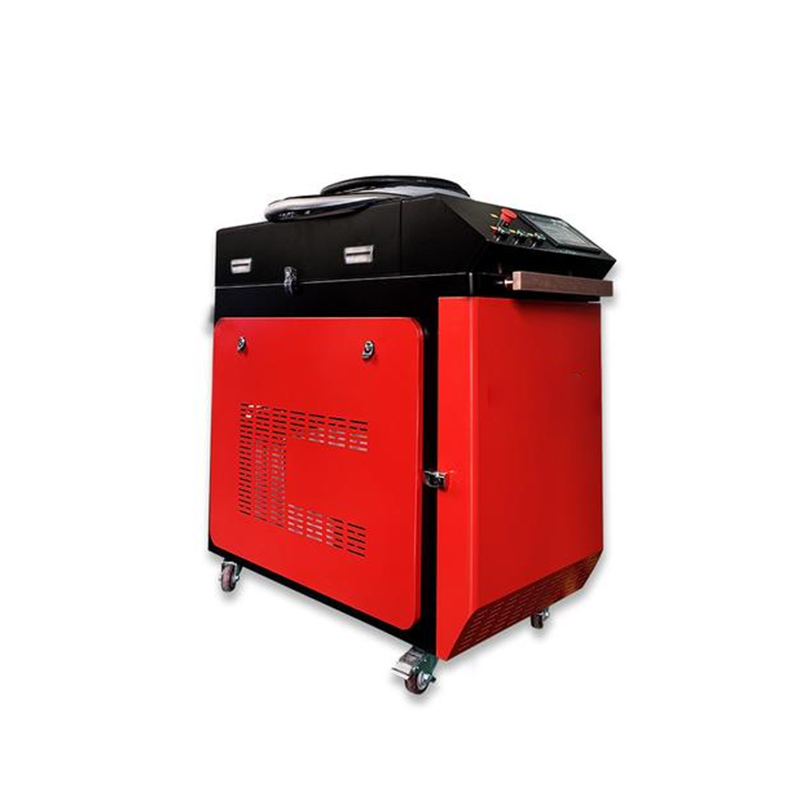
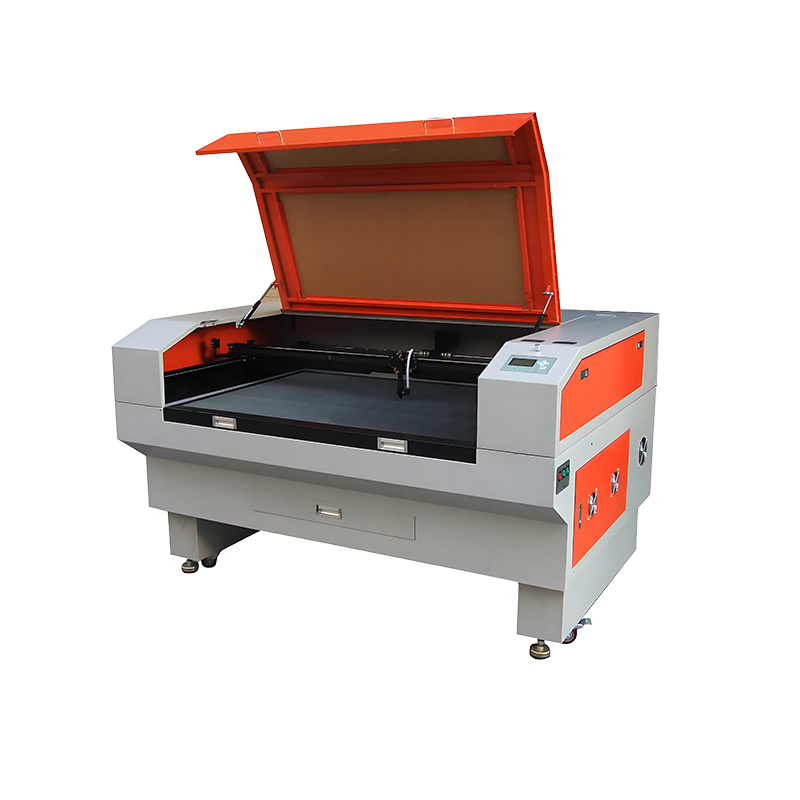
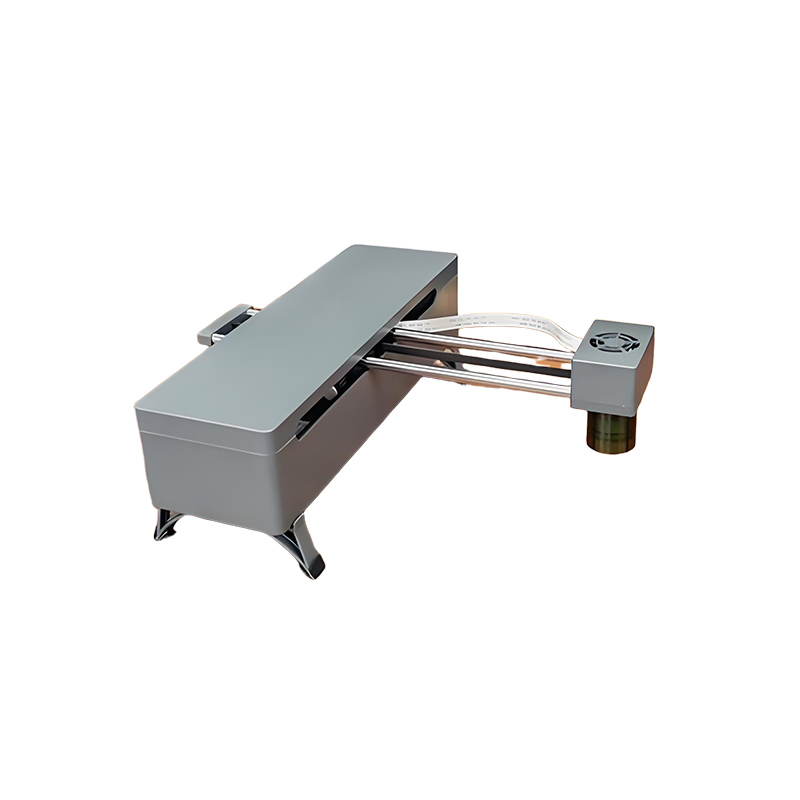

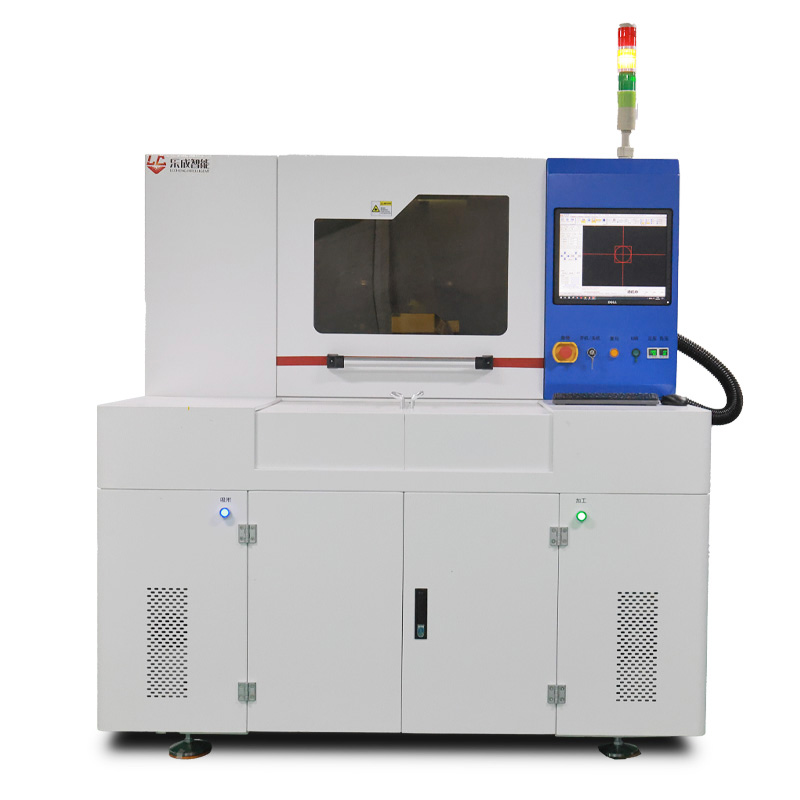
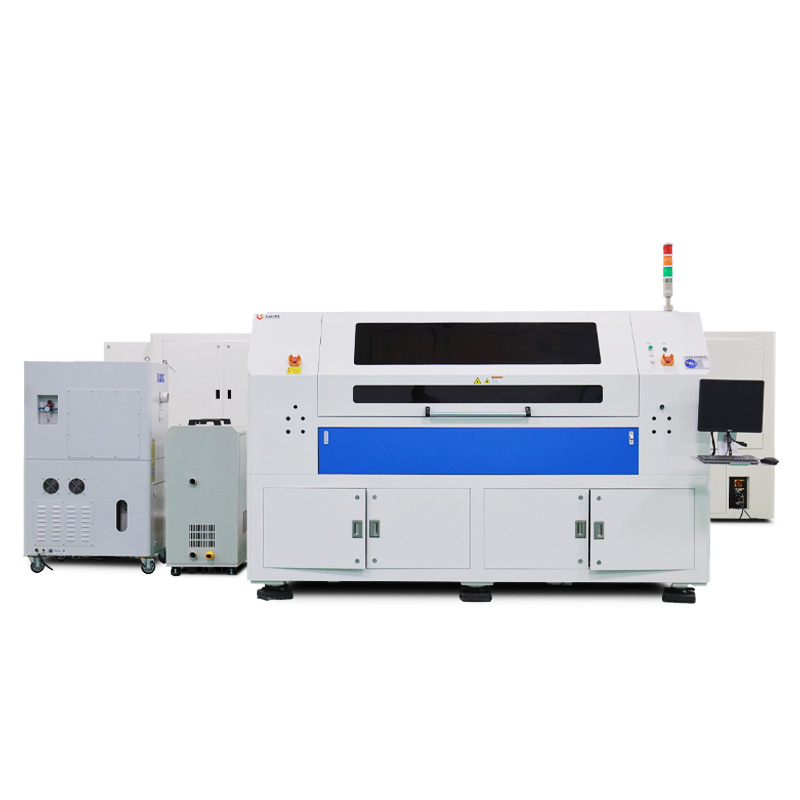

In the world of advanced photonics, perovskite laser production lines are rapidly emerging as a game-changing technology that promises to revolutionize manufacturing and laser applications. Unlike conventional laser systems, perovskite lasers combine high efficiency, tunable wavelength capabilities, and cost-effective production, making them the ultimate choice for industries aiming to stay ahead in innovation.
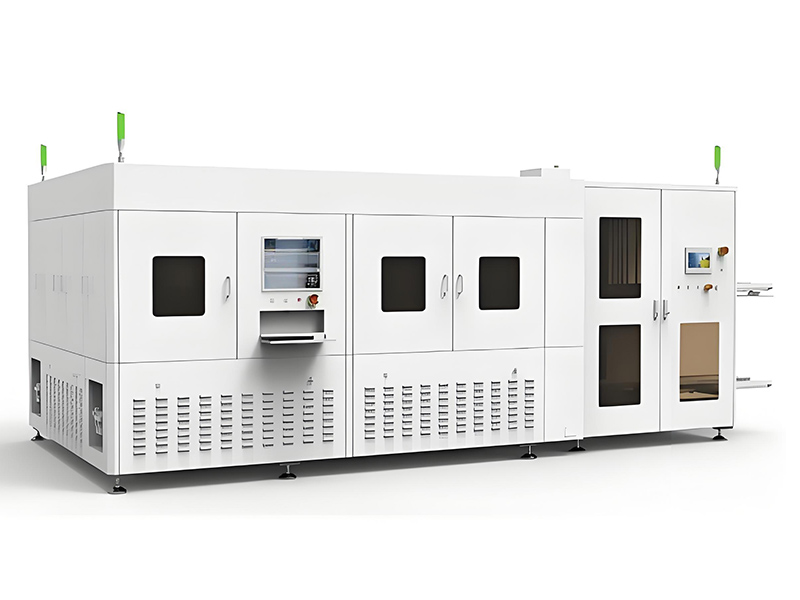
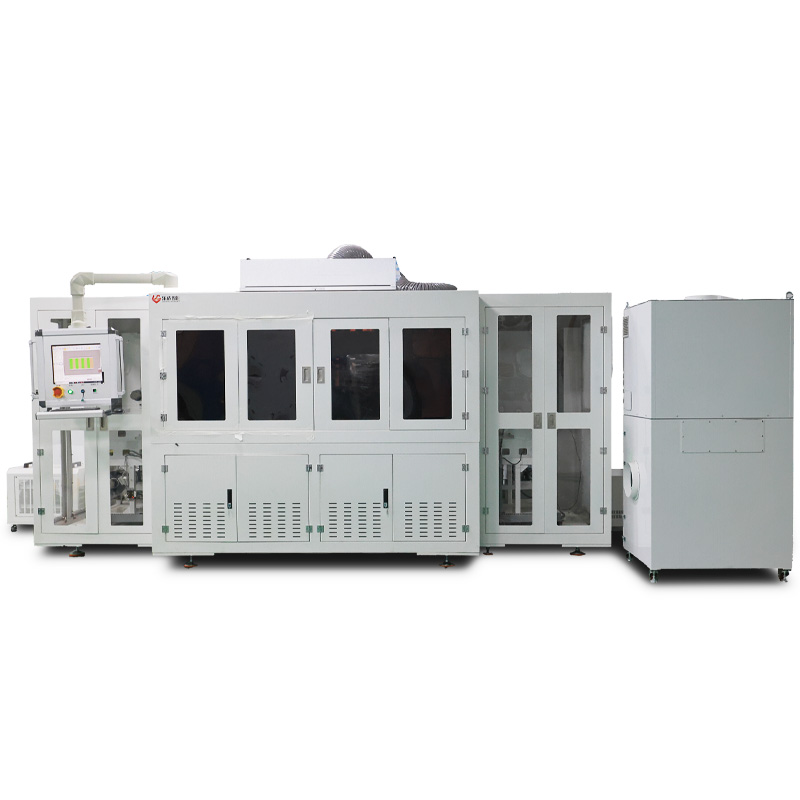
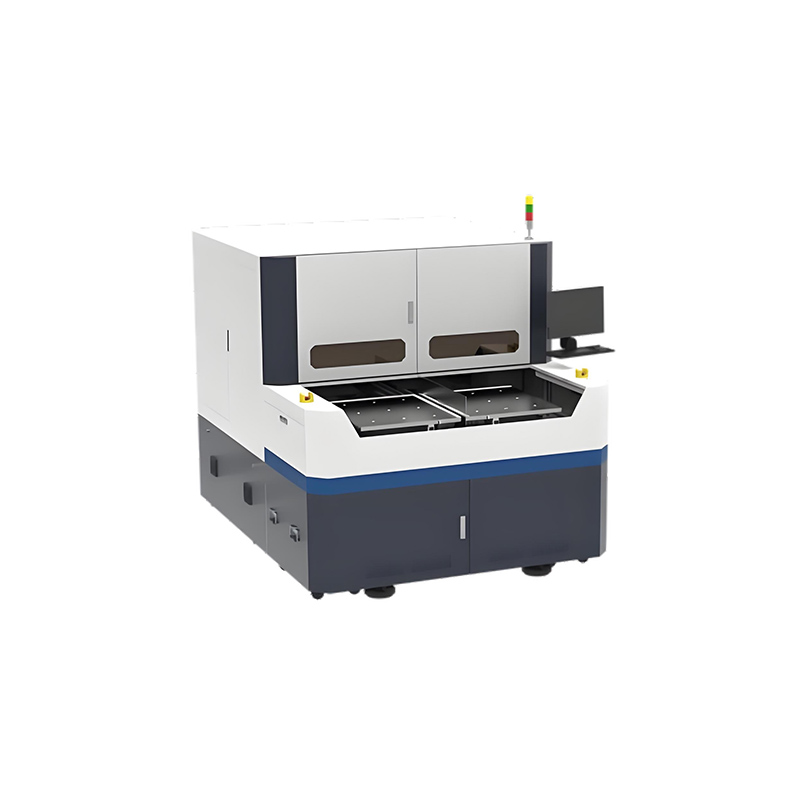
A perovskite laser production line is not just a set of machines—it’s a complete, automated ecosystem designed to deliver precision, consistency, and scalability. From high-precision perovskite deposition to automated encapsulation and real-time quality control, these production lines ensure lasers are manufactured with unmatched reliability and performance.
Today, industries such as telecommunications, medical technology, AR/VR displays, and sensing systems are leveraging perovskite lasers for faster, brighter, and more efficient solutions. With the growing demand for next-generation photonic devices, adopting a perovskite laser production line is no longer optional—it’s a proven strategy for competitive advantage. In this article, we explore the technology, benefits, applications, and future trends of perovskite laser production lines, uncovering why they are set to reshape the laser manufacturing landscape.
What Are Perovskite Lasers? A Quick Introduction
Perovskites are a unique class of materials known for their remarkable optical and electronic properties. These materials have been the focus of intensive research because of their:
High photoluminescence efficiency
Low production cost
Tunable wavelength emission
When incorporated into laser systems, perovskites can create bright, coherent light with unprecedented efficiency, opening doors for applications in telecommunications, medical devices, and display technologies.
LSI Keywords: next-gen lasers, photonic devices, perovskite optical technology, tunable lasers
Why Traditional Lasers Are Losing Their Edge
Conventional lasers, while effective, come with limitations:
High manufacturing costs
Limited wavelength flexibility
Complex cooling and operational requirements
Perovskite lasers, however, address these issues with a revolutionary production approach. With automated perovskite laser production lines, manufacturers can achieve higher precision, lower cost, and scalable output, making it a no-brainer for tech-driven companies.
Power words: shocking, secret, proven, breakthrough
Inside a Perovskite Laser Production Line
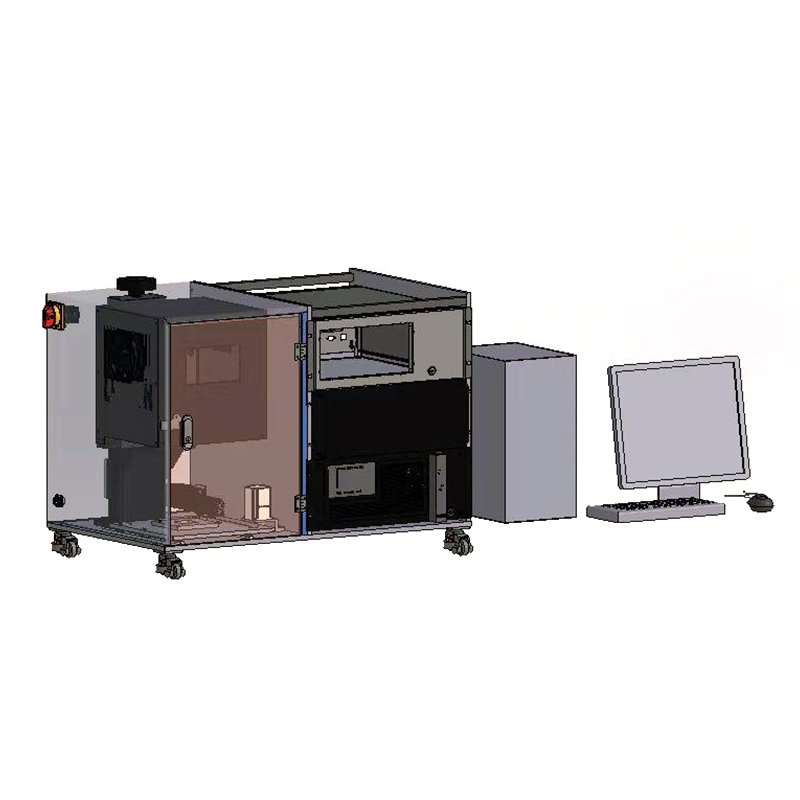
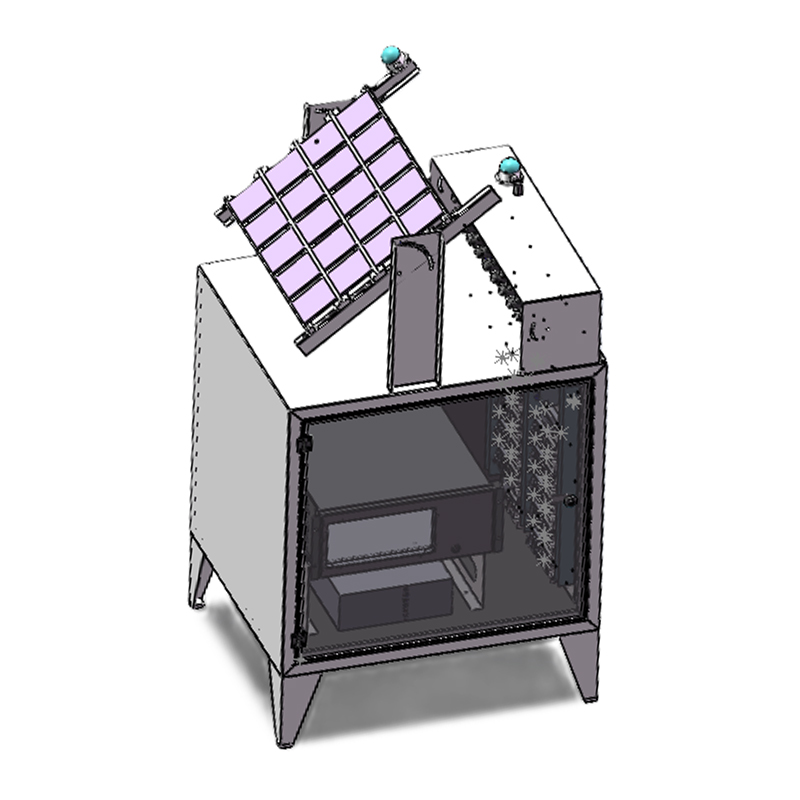
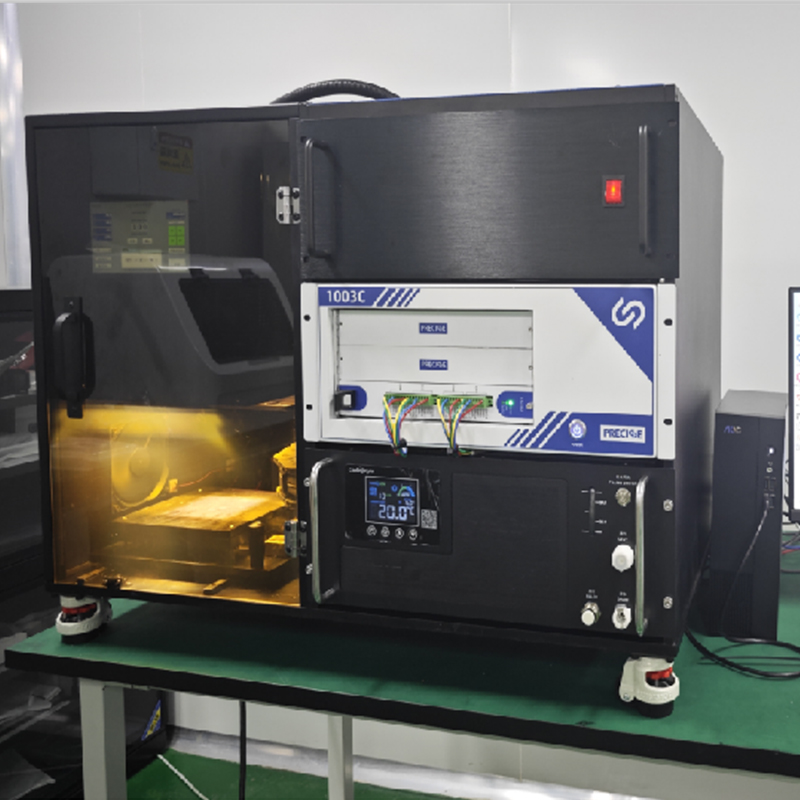
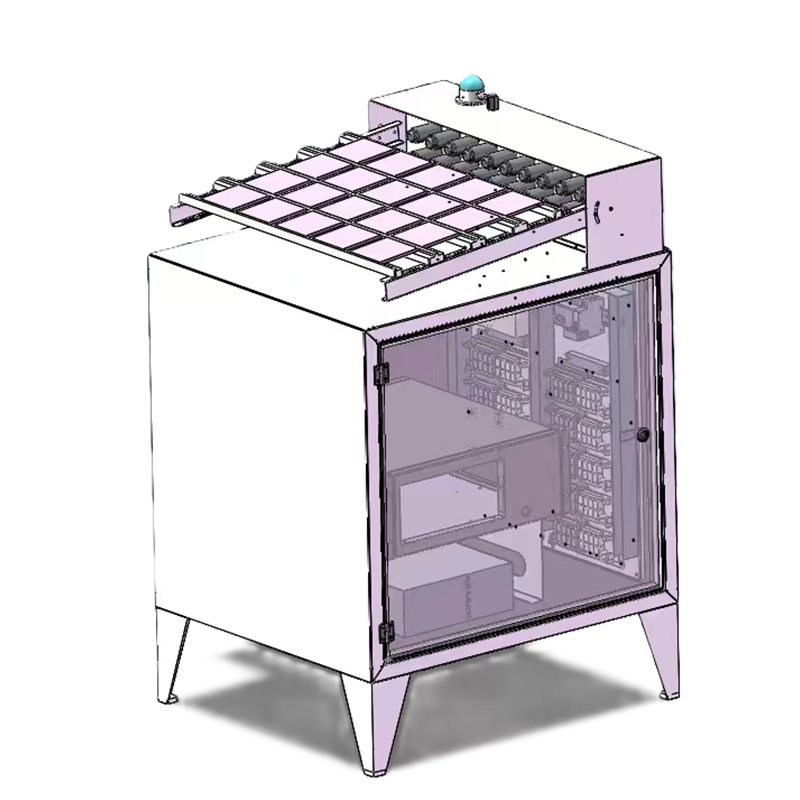
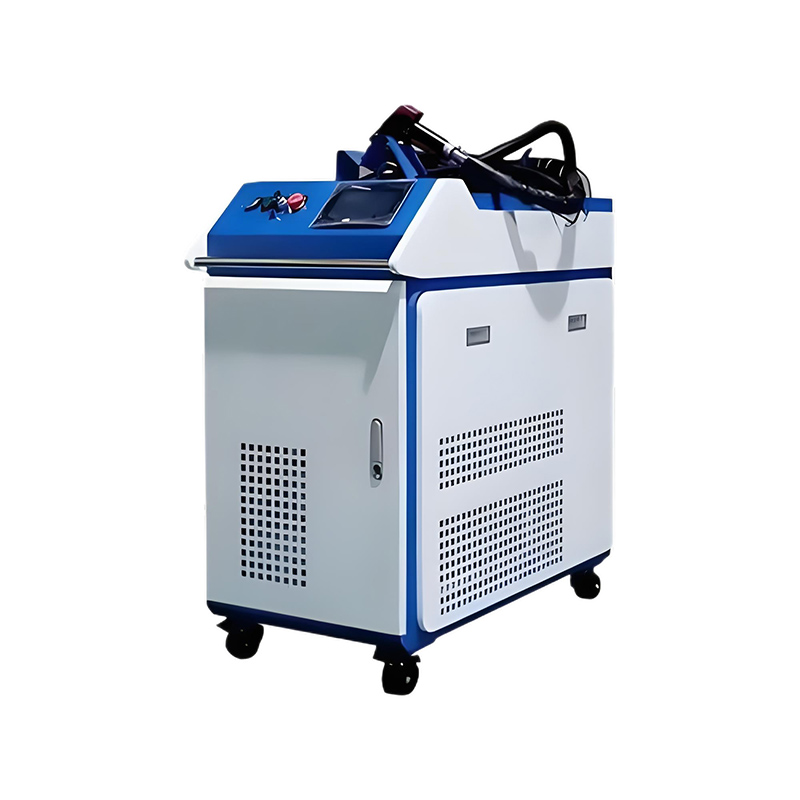
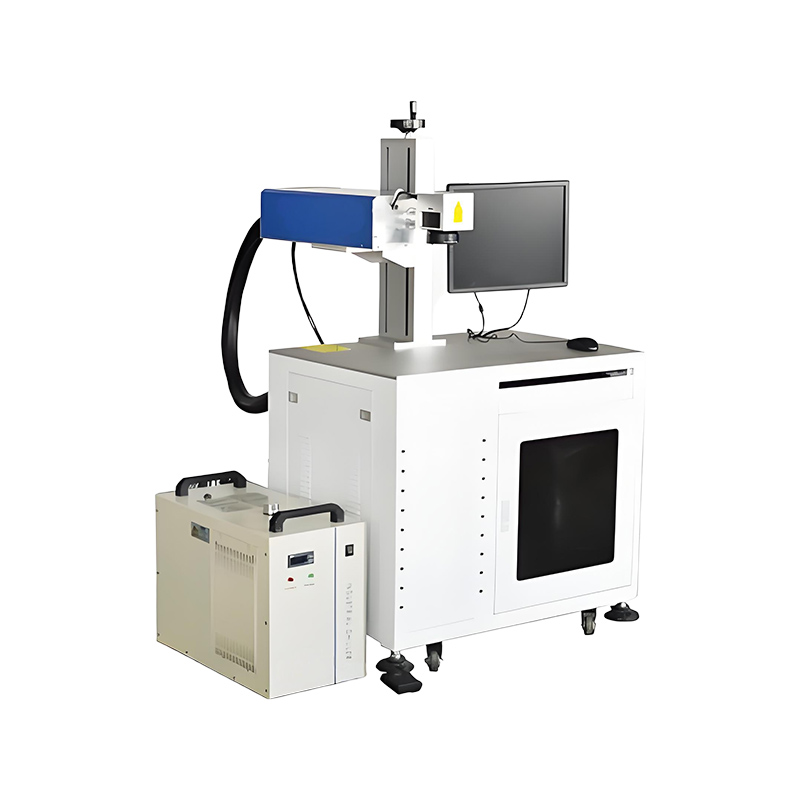
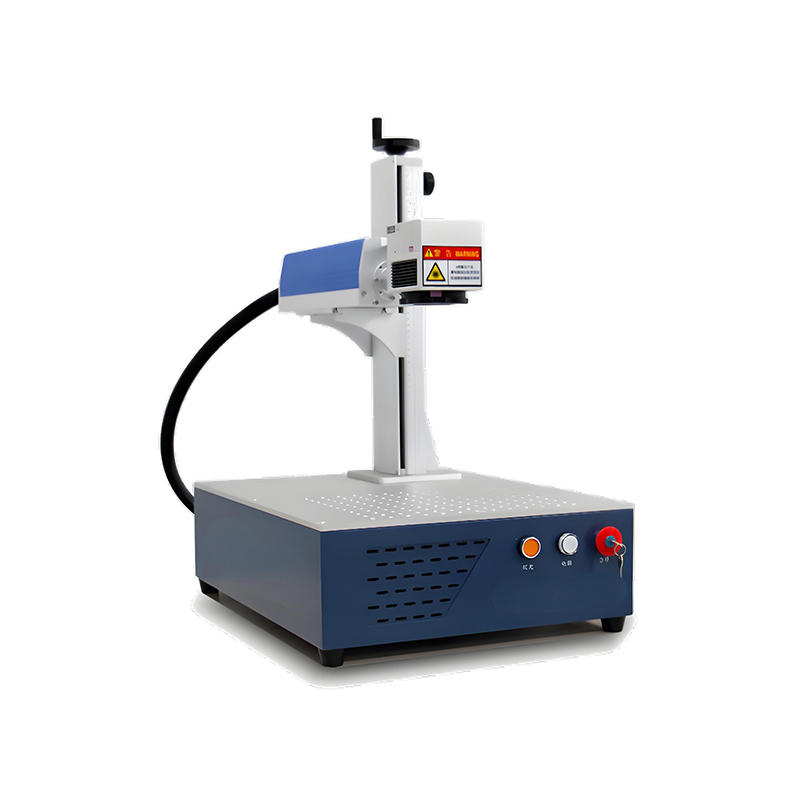
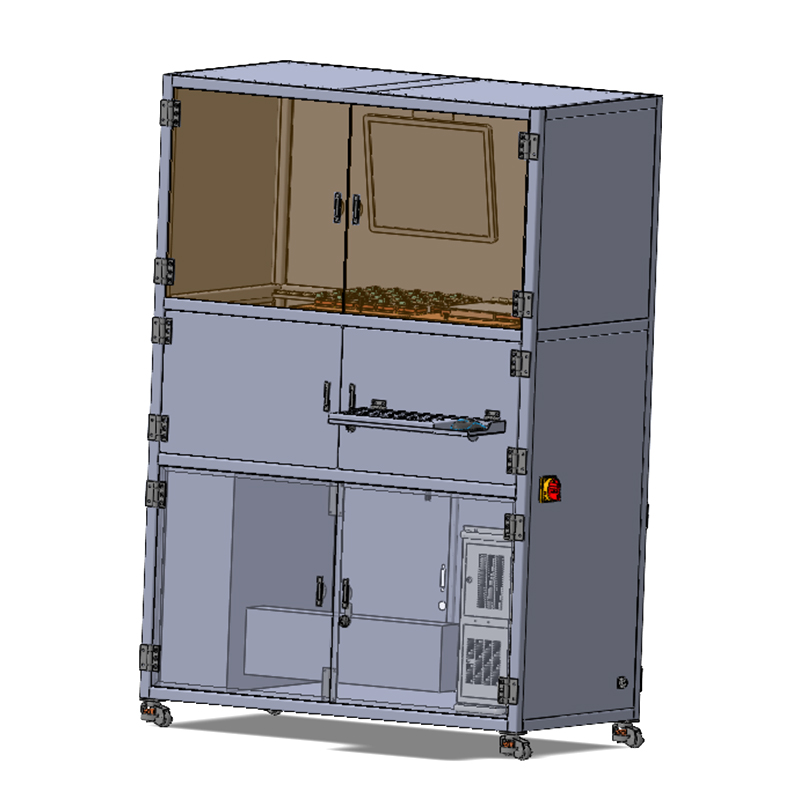
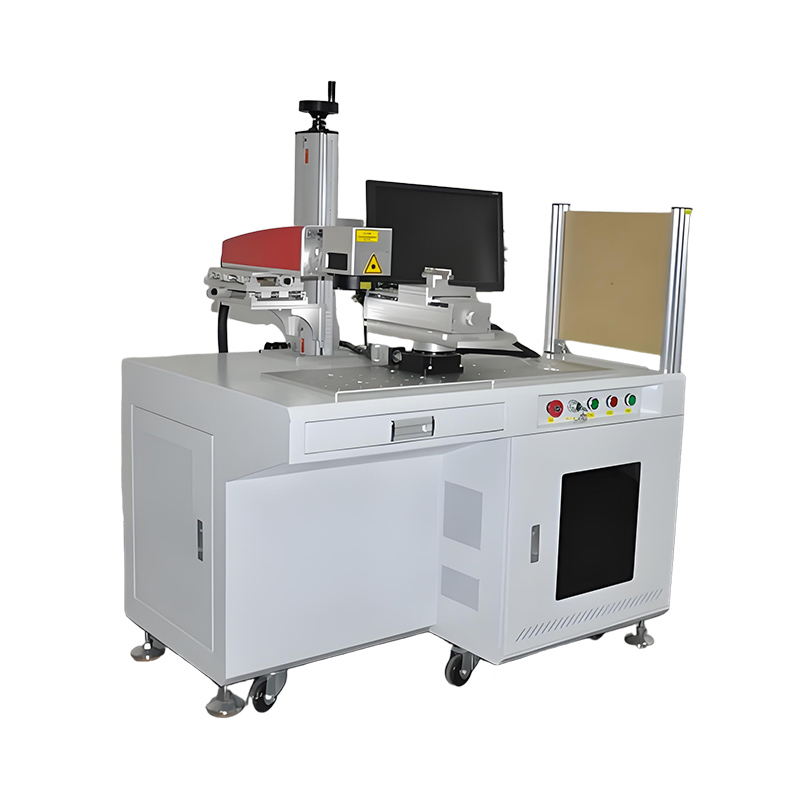
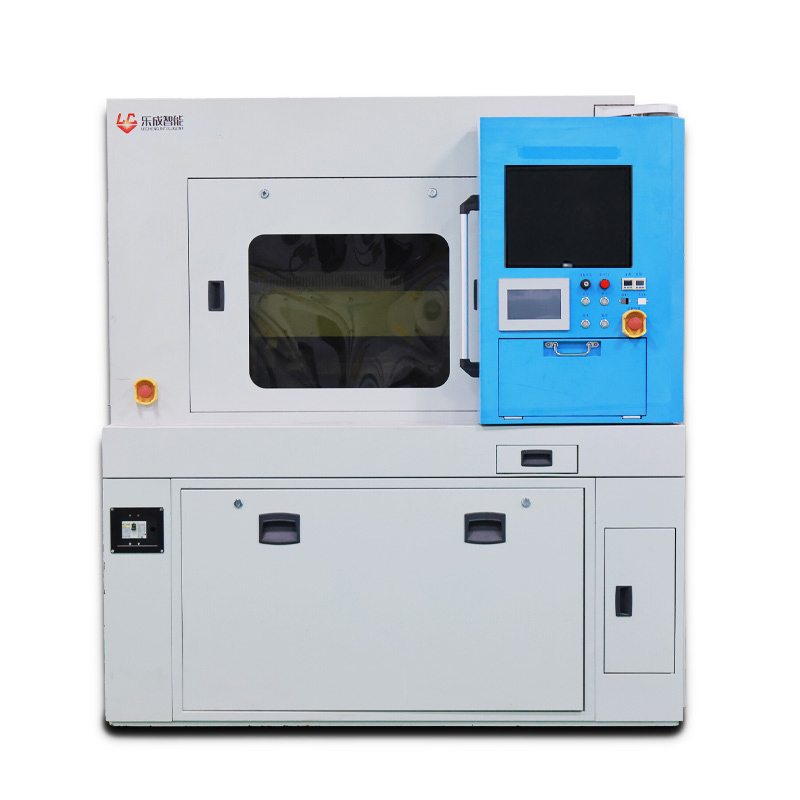
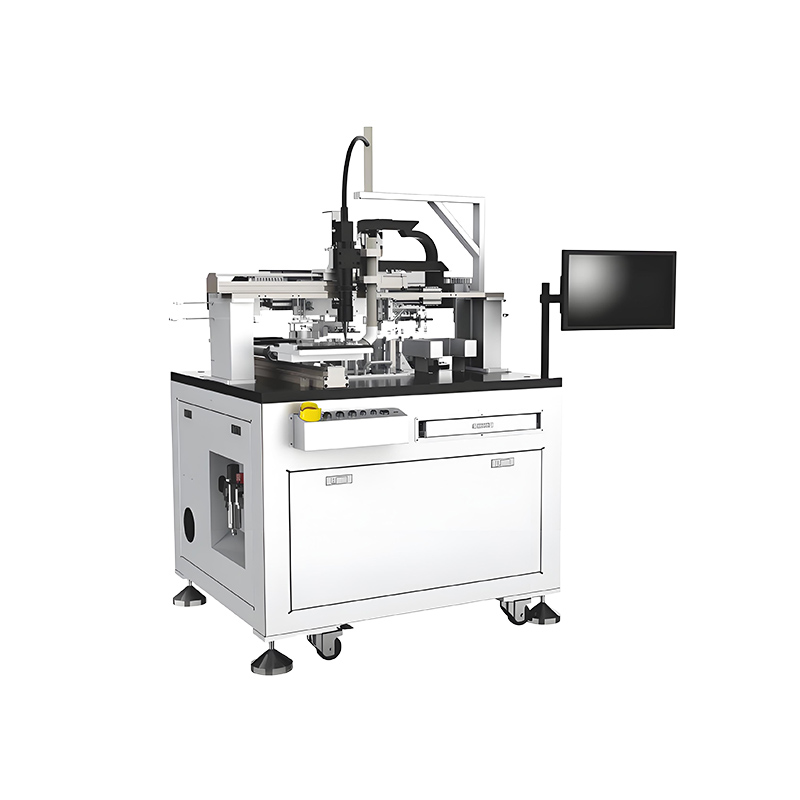
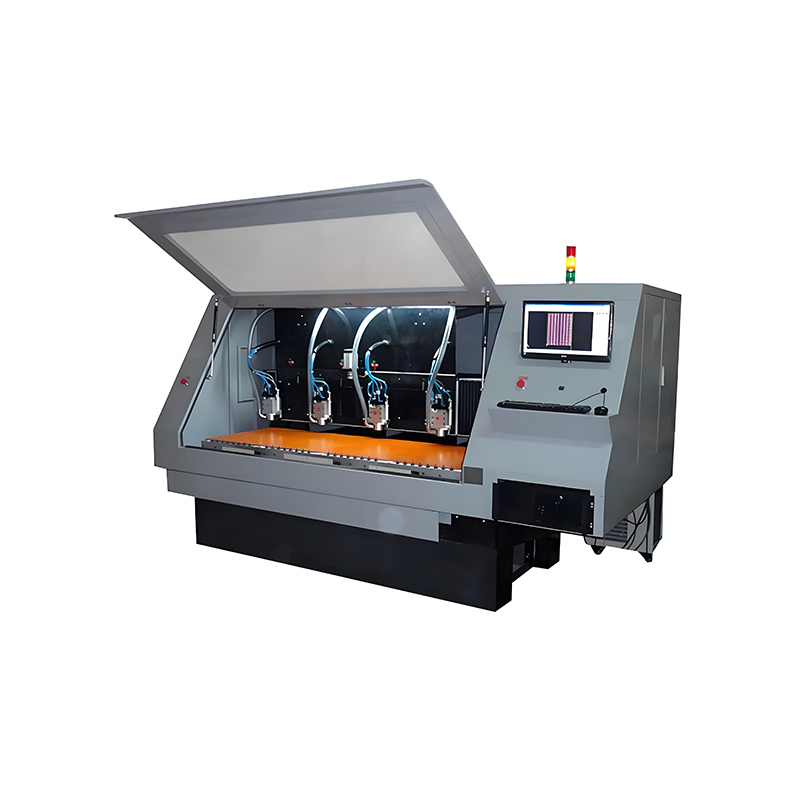
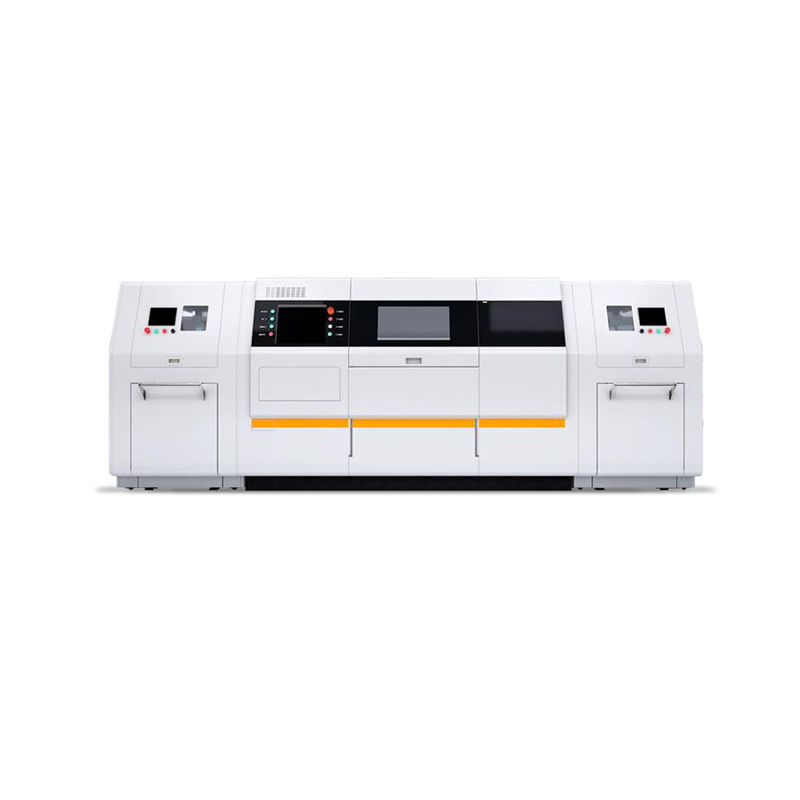
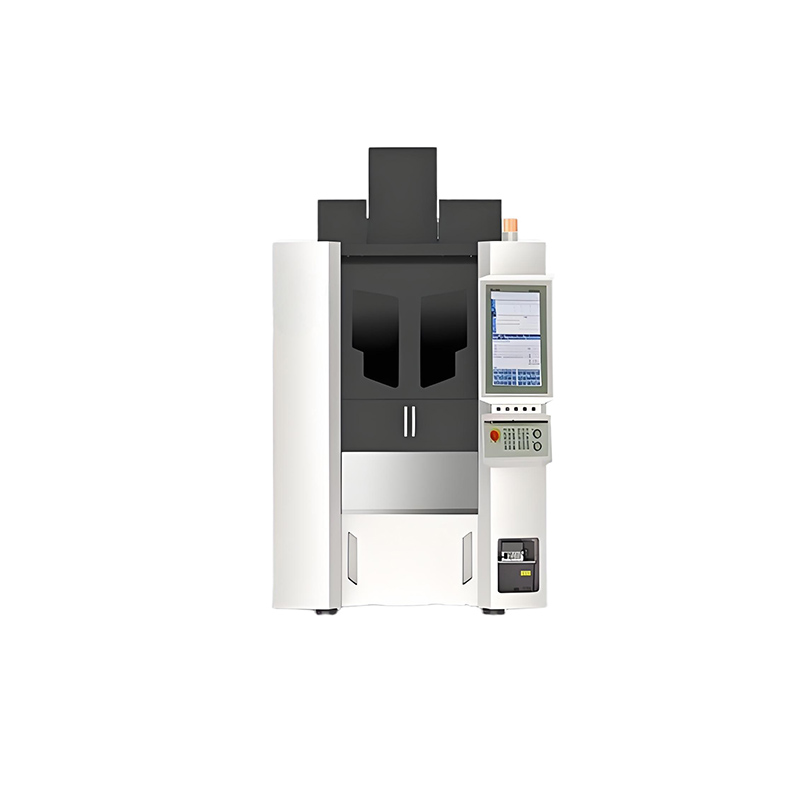
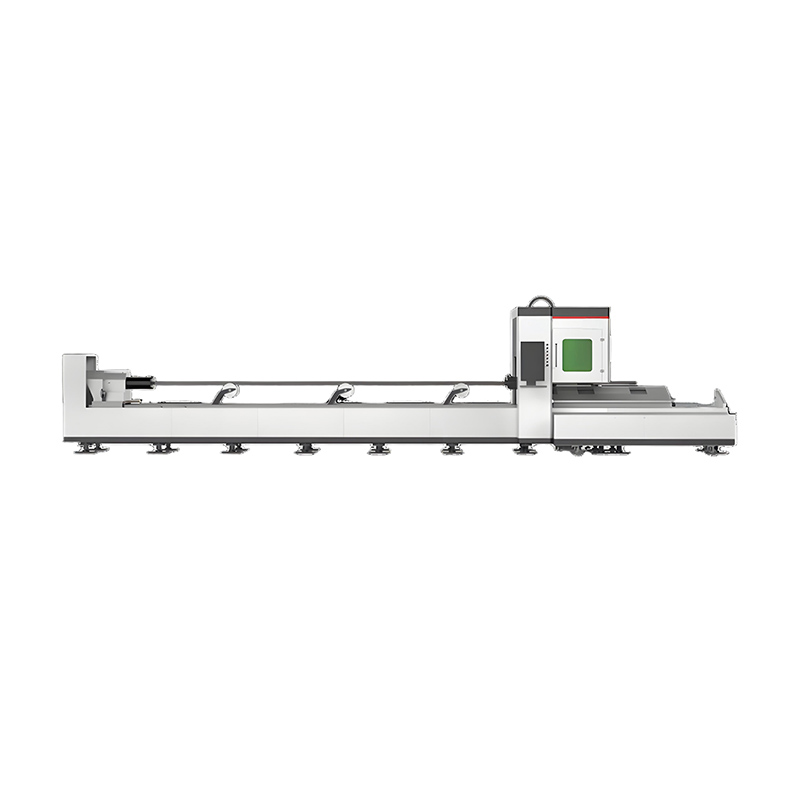
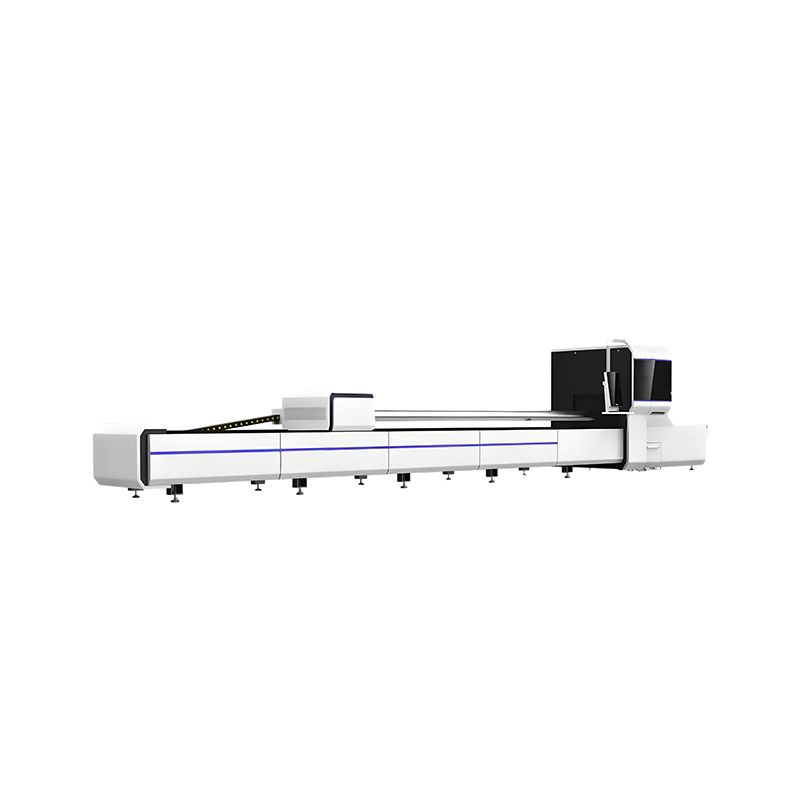
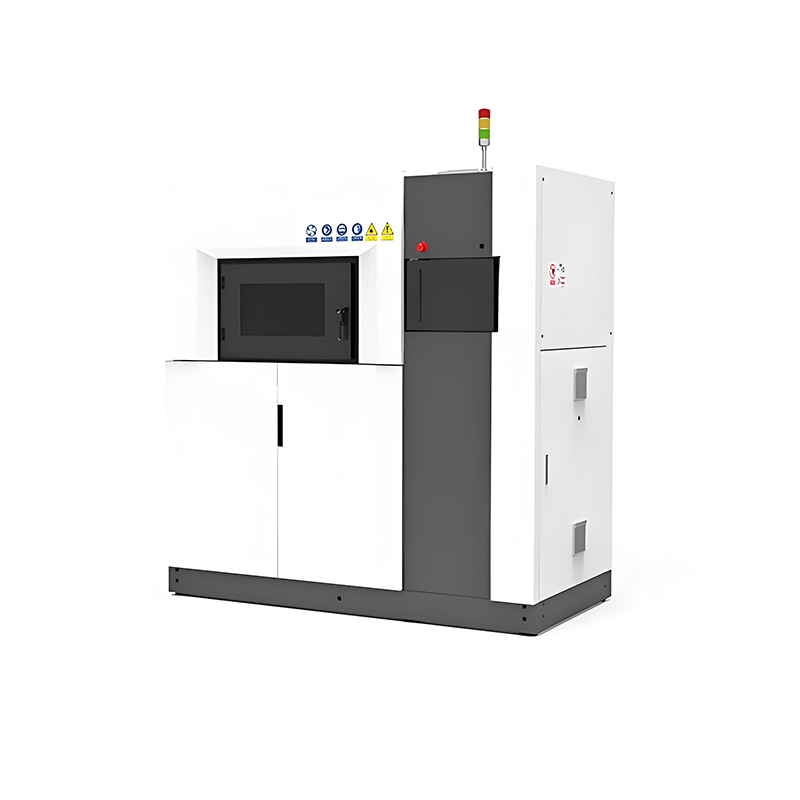
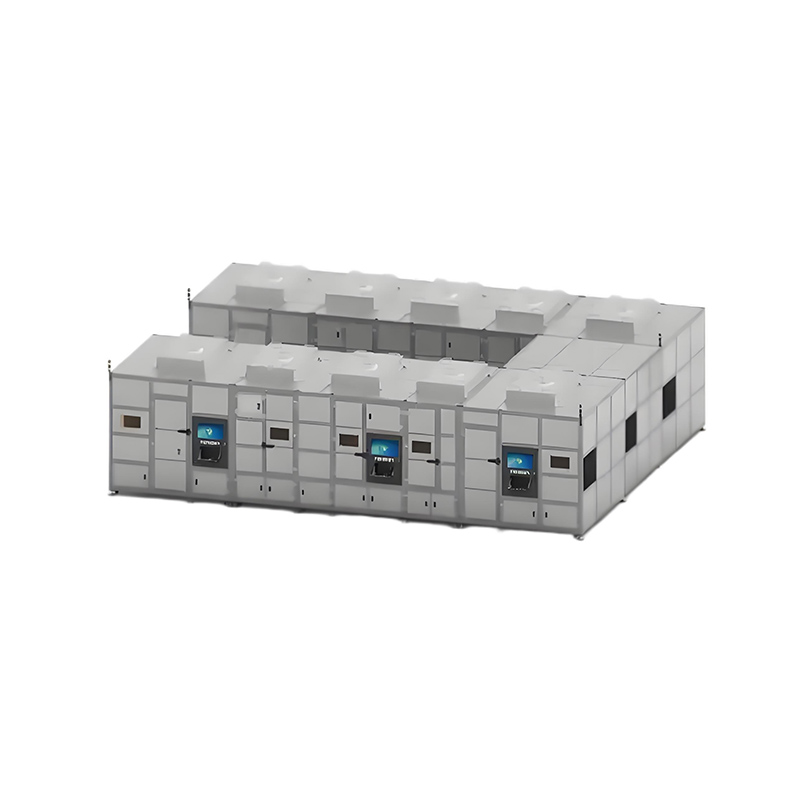
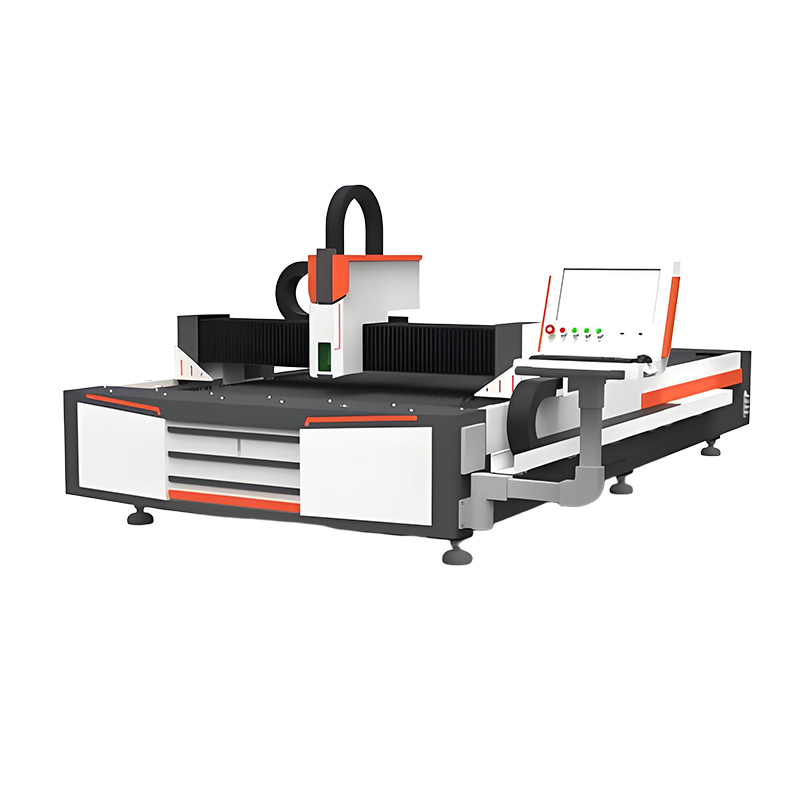
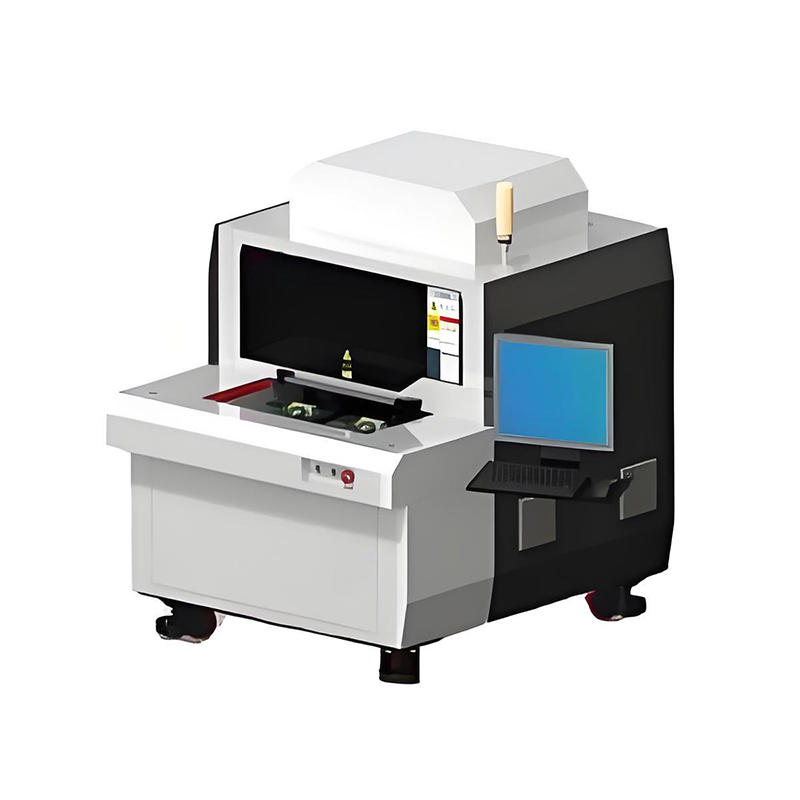
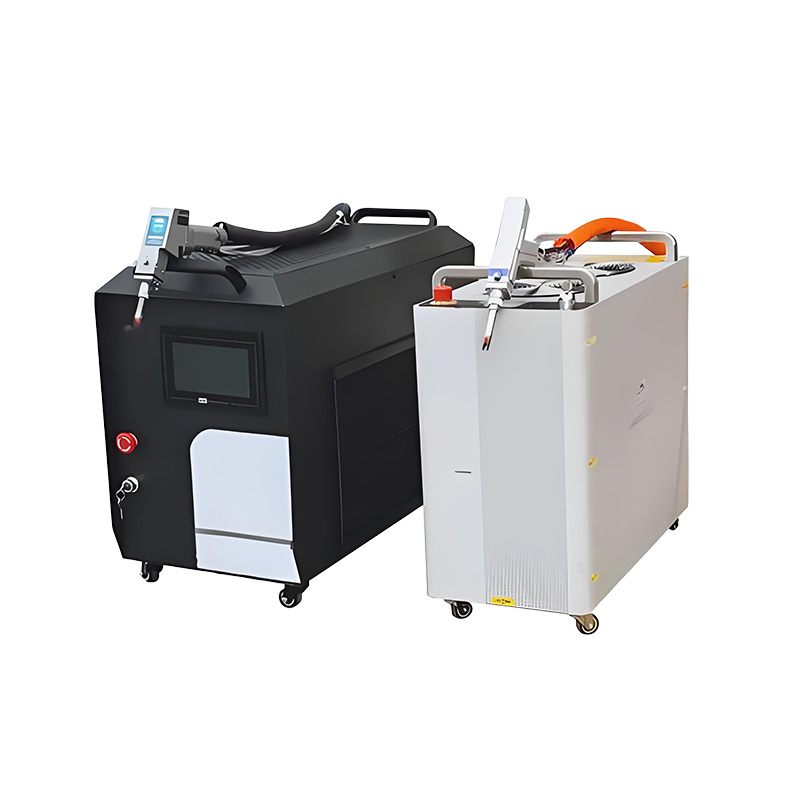
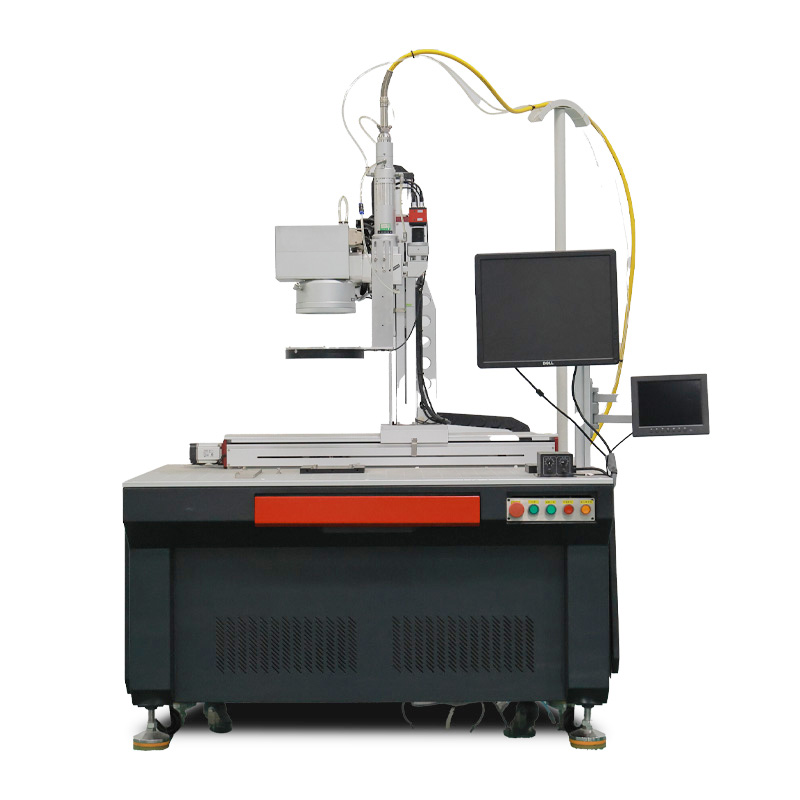
A perovskite laser production line is more than a set of machines—it’s an integrated ecosystem designed to streamline laser fabrication from start to finish. Key components include:
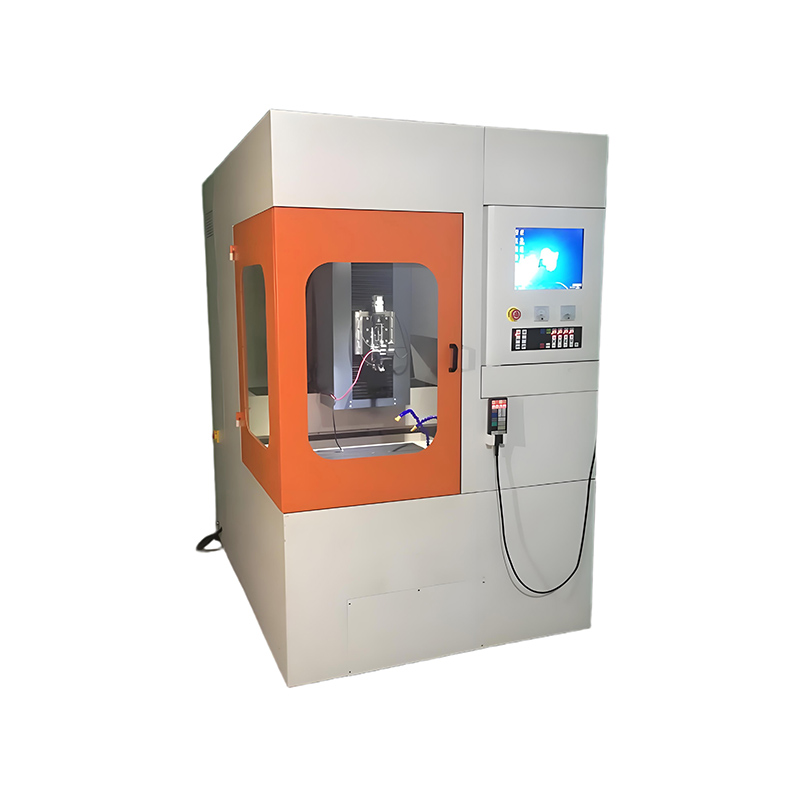
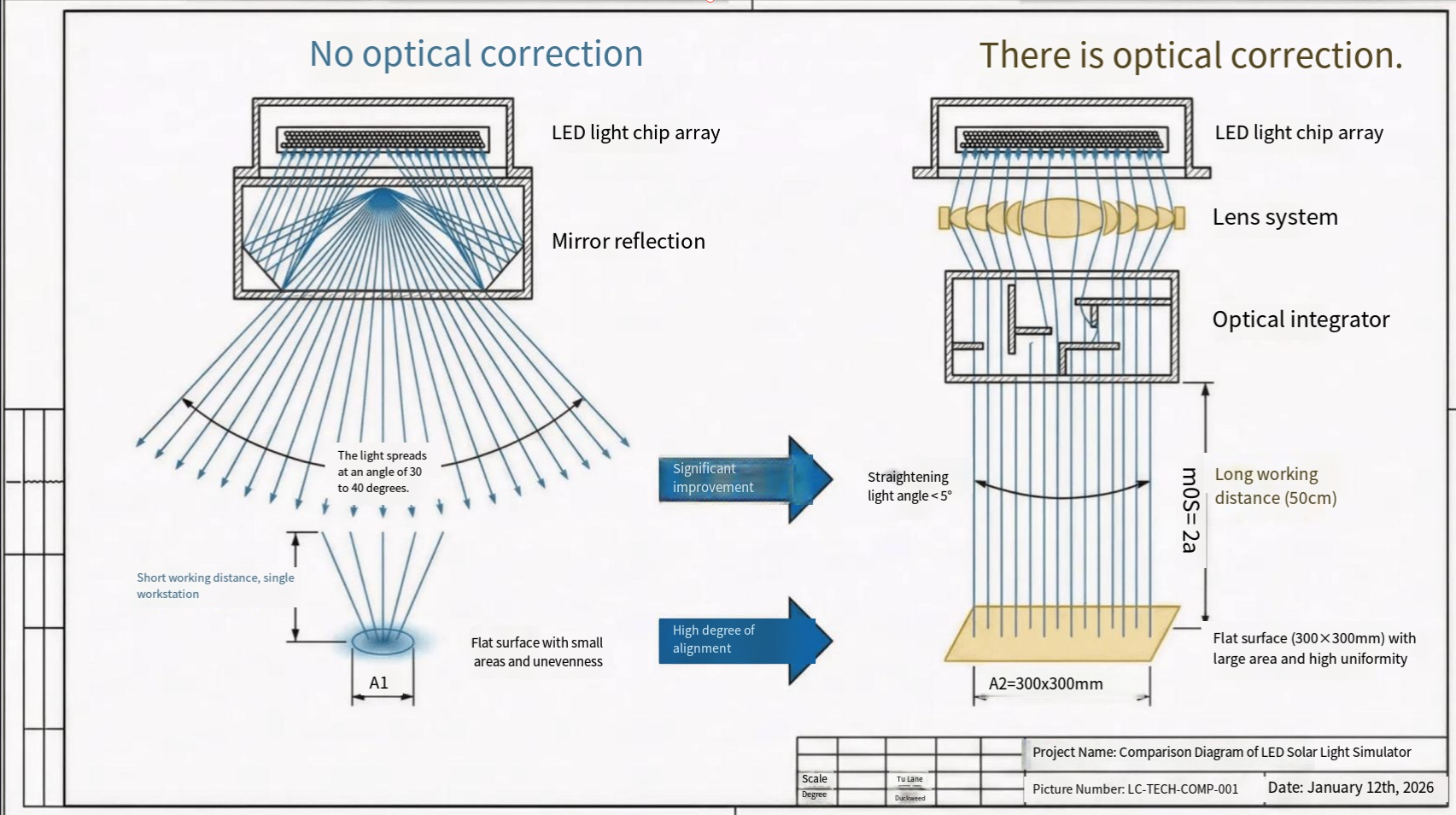
High-Precision Deposition Systems – Ensures uniform perovskite layers for optimal laser efficiency.
Automated Encapsulation Units – Protects sensitive perovskite materials from degradation.
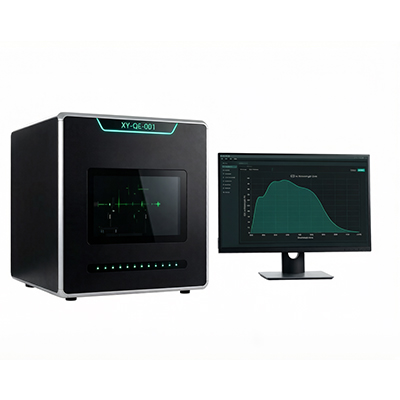
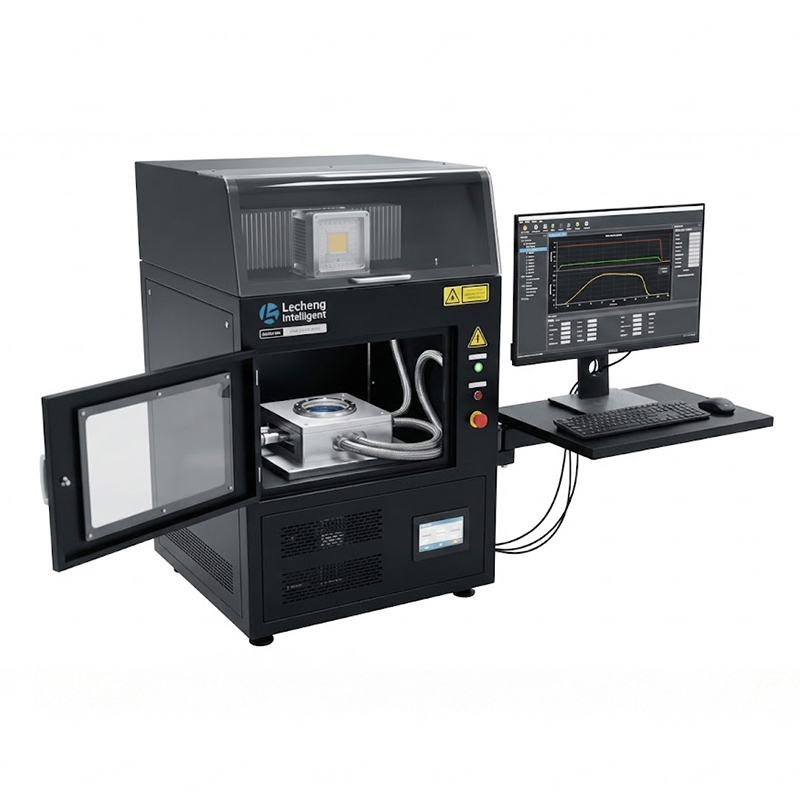
In-Line Quality Control – Real-time monitoring of wavelength, coherence, and output power.
Robust Environmental Controls – Maintains ideal temperature and humidity for maximum laser performance.
This turnkey solution not only enhances efficiency but also guarantees consistent high-quality output, essential for high-stakes applications.
LSI Keywords: laser fabrication, perovskite deposition, laser automation, photonics manufacturing
Top Benefits of Investing in a Perovskite Laser Production Line
The advantages of these advanced systems are too significant to ignore:
1. Unmatched Efficiency
Perovskite lasers require less power to produce the same output, drastically reducing operational costs.
2. Superior Tunability
By adjusting the perovskite composition, manufacturers can tune lasers across a broad spectrum, from visible to near-infrared.
3. Cost-Effective Production
Unlike traditional semiconductors, perovskite materials are inexpensive and easy to process, making mass production viable.
4. Scalability
Automated production lines allow businesses to scale up quickly, meeting growing market demand without compromising quality.
5. Eco-Friendly Manufacturing
Perovskite lasers minimize waste and reduce energy consumption, appealing to green-tech enthusiasts.
Power words: game-changing, secret, proven, explosive growth, ultimate
Applications That Are Transforming Industries
Perovskite lasers aren’t just a scientific novelty—they are reshaping real-world industries:
Medical Imaging & Surgery: Compact, tunable lasers improve precision in diagnostics and treatment.
Telecommunications: Enables faster, more efficient optical communication networks.
Displays & AR/VR: High-brightness lasers enhance next-gen screens and immersive experiences.
Sensing & Security: Precise laser output powers cutting-edge LiDAR and sensor systems.
LSI Keywords: laser applications, photonics innovation, optical communication, next-gen displays
The Proven Technology Behind High-Performance Perovskite Lasers
Leading production lines integrate state-of-the-art deposition, encapsulation, and automation technologies. This ensures:
High beam quality
Long operational lifespan
Minimal defects
Consistent output
The secret lies in the precise control of perovskite crystallization—a breakthrough that has made these lasers commercially viable.
Choosing the Right Perovskite Laser Production Line
When selecting a production line, consider:
Output Capacity: Align production capability with market demand.
Automation Level: Fully automated lines reduce human error and labor costs.
Customization: Ability to tune wavelengths and laser types for various applications.
Support & Maintenance: Reliable service ensures continuous operation.
Power words: ultimate guide, proven strategy, secret formula
Future Trends in Perovskite Laser Manufacturing
The future is bright—literally. Key trends include:
Integration with AI & Machine Learning: Predictive maintenance and quality optimization.
Hybrid Laser Systems: Combining perovskite with other materials for multi-functional devices.
Miniaturization: Smaller, high-performance lasers for portable electronics.
Sustainable Manufacturing: Focus on eco-friendly materials and processes.
LSI Keywords: future laser technology, AI laser manufacturing, sustainable photonics
FAQs About Perovskite Laser Production Lines
Q1: What makes perovskite lasers superior to traditional lasers?
A1: Perovskite lasers offer higher efficiency, tunability, and lower production costs, making them ideal for modern photonic applications.
Q2: Can perovskite lasers be mass-produced?
A2: Yes. Automated production lines enable scalable, high-quality output, suitable for commercial and industrial needs.
Q3: Are perovskite lasers durable?
A3: With proper encapsulation and environmental control, perovskite lasers can achieve long operational lifespans comparable to conventional lasers.
Q4: Which industries benefit most from perovskite lasers?
A4: Medical, telecommunications, AR/VR, display technology, and sensing sectors see the most significant impact.
Q5: How soon will perovskite lasers dominate the market?
A5: Market adoption is accelerating rapidly. Analysts predict widespread commercial deployment within the next 3–5 years.
Conclusion:
The rise of perovskite laser production lines marks a revolutionary shift in laser technology and advanced manufacturing. By combining high efficiency, tunable wavelength capabilities, and cost-effective production, these systems offer manufacturers a proven pathway to stay ahead in the competitive photonics industry. Unlike traditional laser production methods, perovskite production lines deliver consistent, high-quality output while enabling scalable, automated operations that reduce labor costs and operational complexities.
Industries across the globe—from telecommunications and medical imaging to AR/VR displays and advanced sensing technologies—are already harnessing the power of perovskite lasers to achieve better performance, lower costs, and faster innovation cycles. With a fully integrated production line, businesses can not only meet growing market demand but also drive technological breakthroughs that were previously impossible.
Investing in a perovskite laser production line is more than a smart business decision; it is a strategic move toward the future of photonics. As the demand for next-generation lasers continues to surge, companies that adopt this cutting-edge technology will secure a competitive advantage, reduce production inefficiencies, and position themselves at the forefront of laser innovation worldwide.