

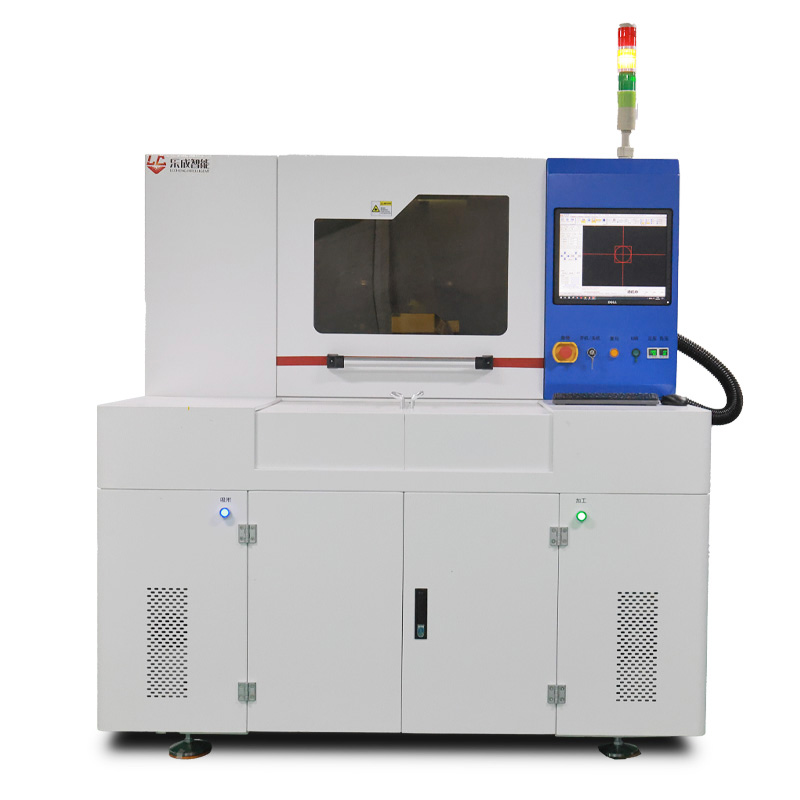
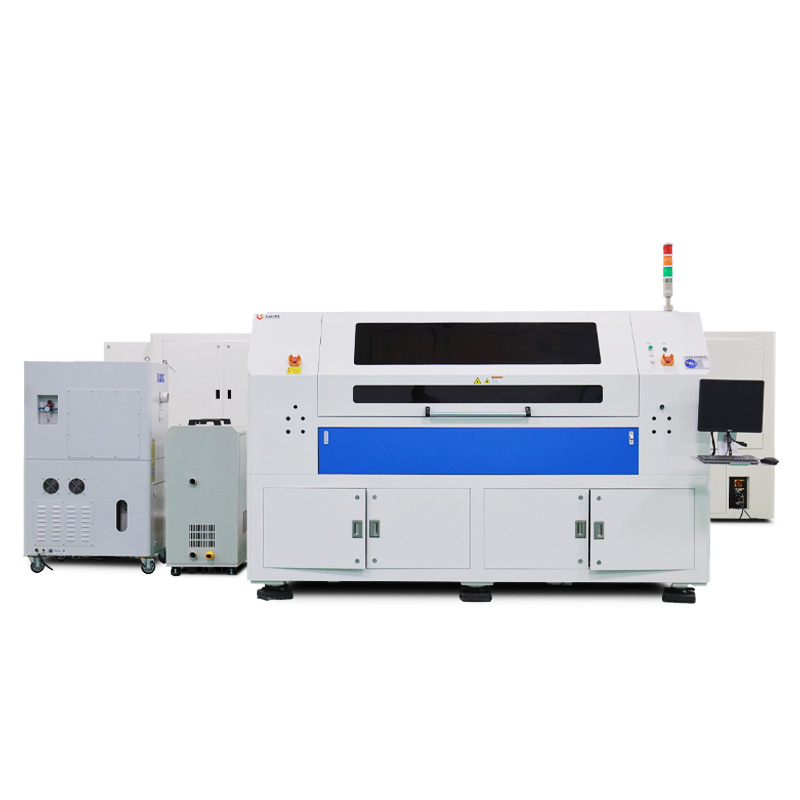

In the rapidly evolving world of solar energy, precision and reliability are no longer optional—they’re essential. Every solar panel you manufacture or test carries the promise of clean, sustainable power, but even the smallest performance inconsistencies can result in energy loss, wasted resources, and financial setbacks. This is where the Multichannel Solar Stability Tester becomes a true game-changer. Engineered for accuracy and efficiency, this cutting-edge device allows engineers, researchers, and solar manufacturers to test multiple photovoltaic modules simultaneously under real-world solar conditions, providing unmatched insights into panel performance and long-term stability. Unlike traditional single-channel testers, it delivers fast, reliable, and reproducible results, uncovering hidden defects and ensuring every panel meets strict efficiency standards. Whether you’re a lab focused on renewable energy research, a manufacturer striving for quality assurance, or an innovator developing the next-generation solar technology, this tool gives you the competitive edge you need. In this article, we’ll reveal how the Multichannel Solar Stability Tester works, why it’s the best choice for accurate solar performance testing, and how it can revolutionize your solar testing process.
Why Solar Testing Accuracy Matters More Than Ever
Solar technology has advanced at a shocking pace over the last decade. From perovskite to thin-film solar cells, the variety of photovoltaic solutions demands high-precision testing. Poorly tested solar panels can lead to underperformance, increased costs, and even energy loss.
Key reasons accurate testing is critical:
Ensures reliable long-term performance
Detects hidden defects early
Optimizes energy efficiency and ROI
Maintains industry compliance and safety standards
With the Multichannel Solar Stability Tester, you can evaluate multiple panels simultaneously, saving both time and resources.
What Is a Multichannel Solar Stability Tester?
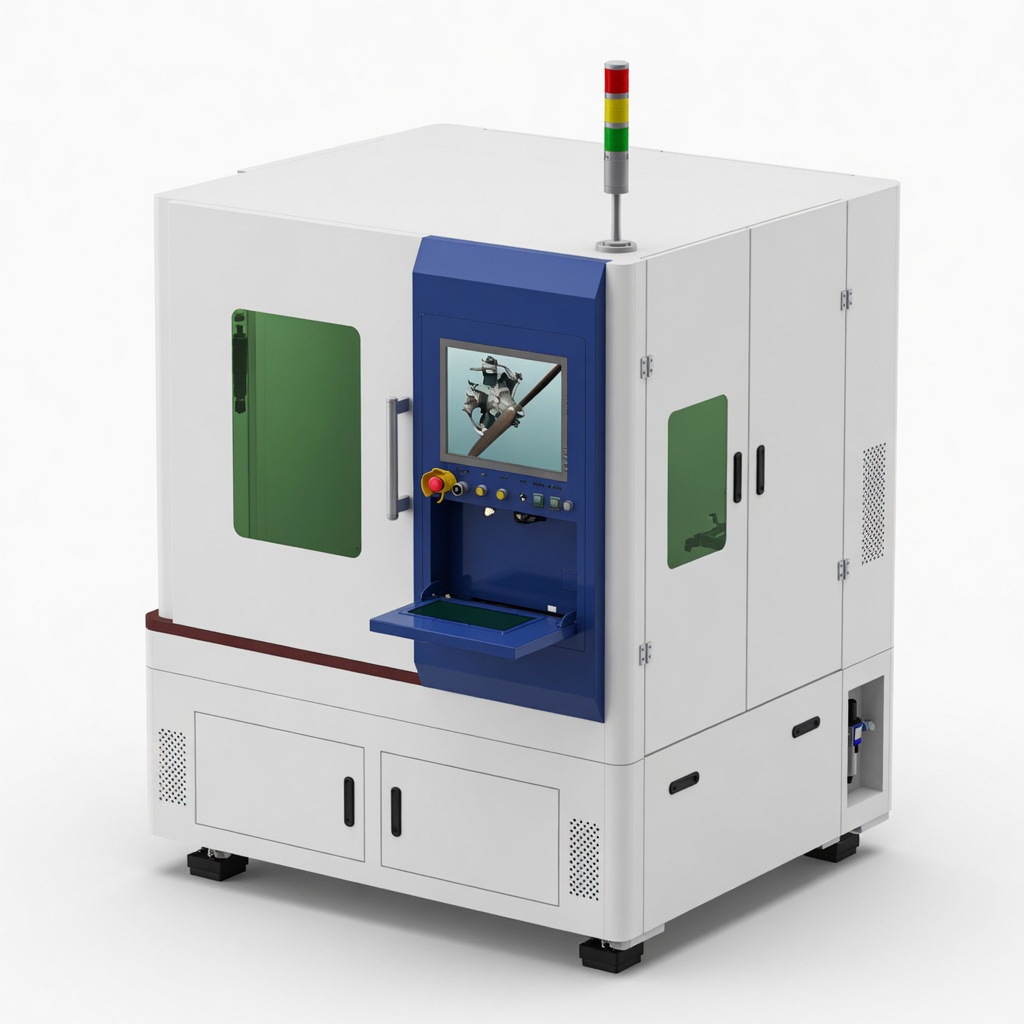
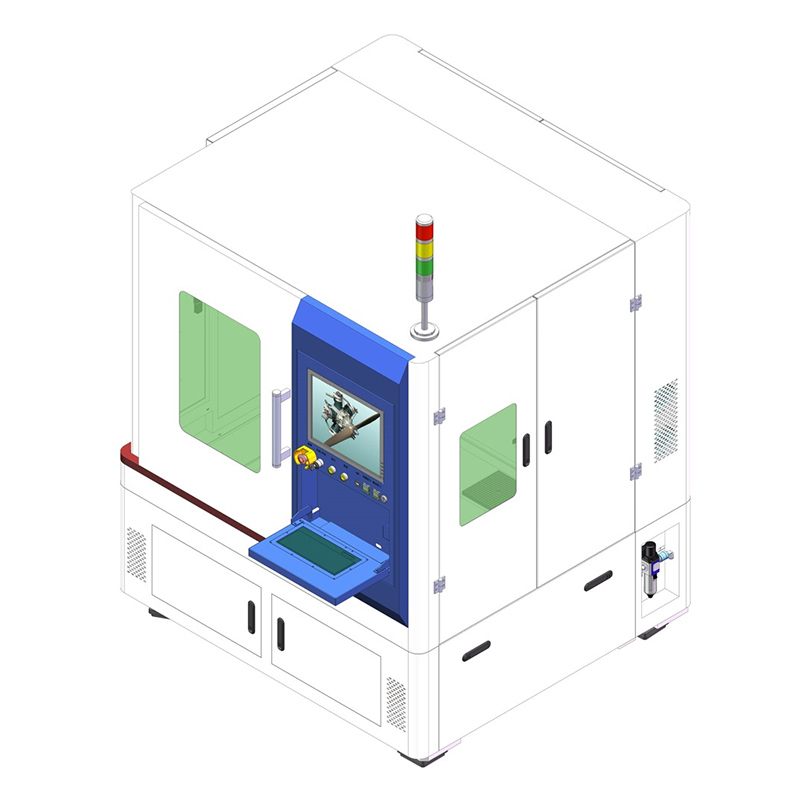
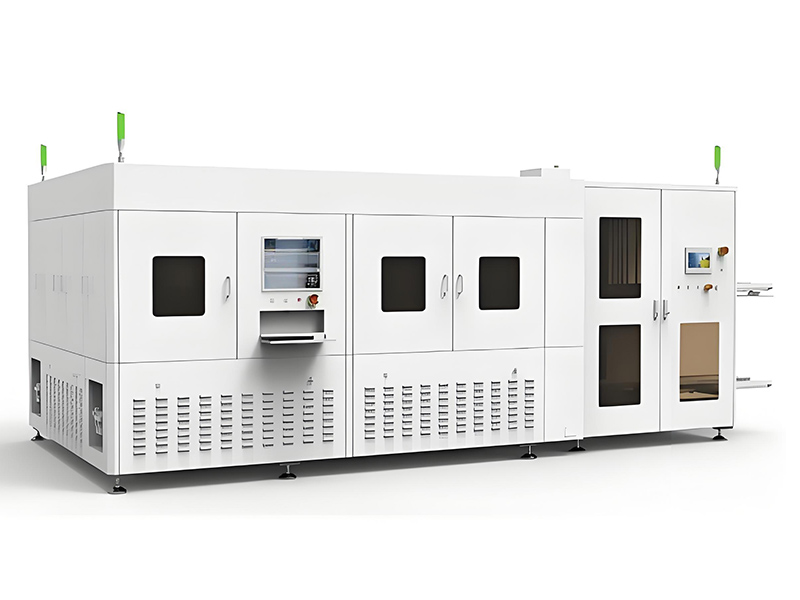
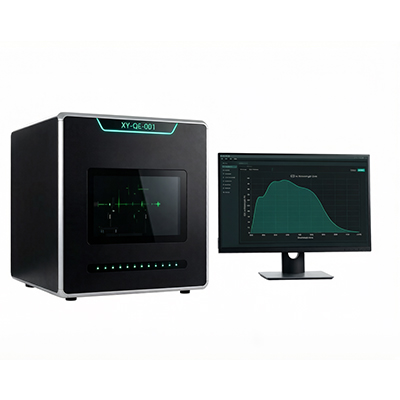
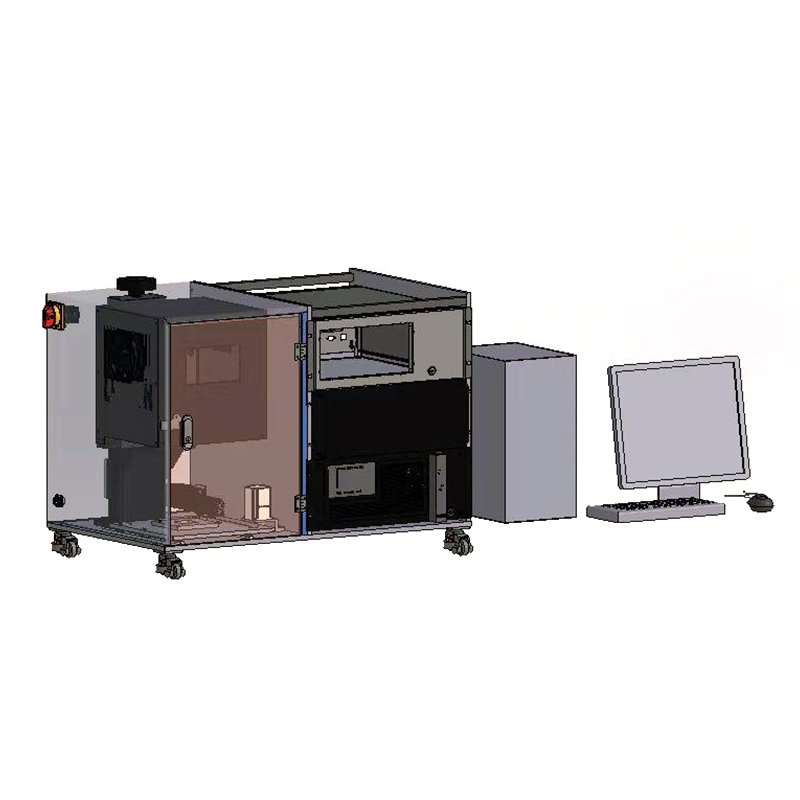
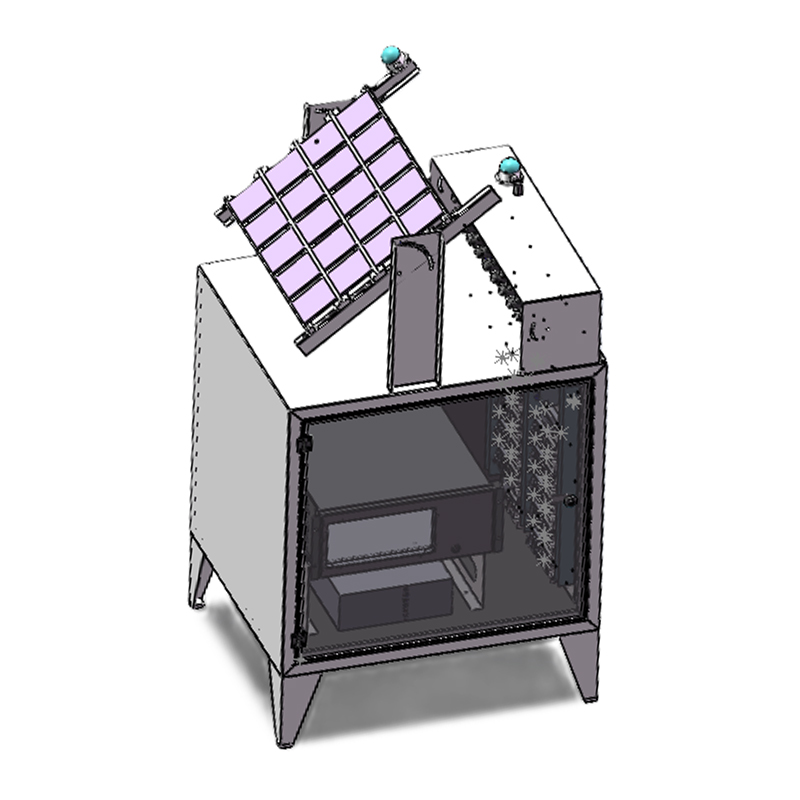
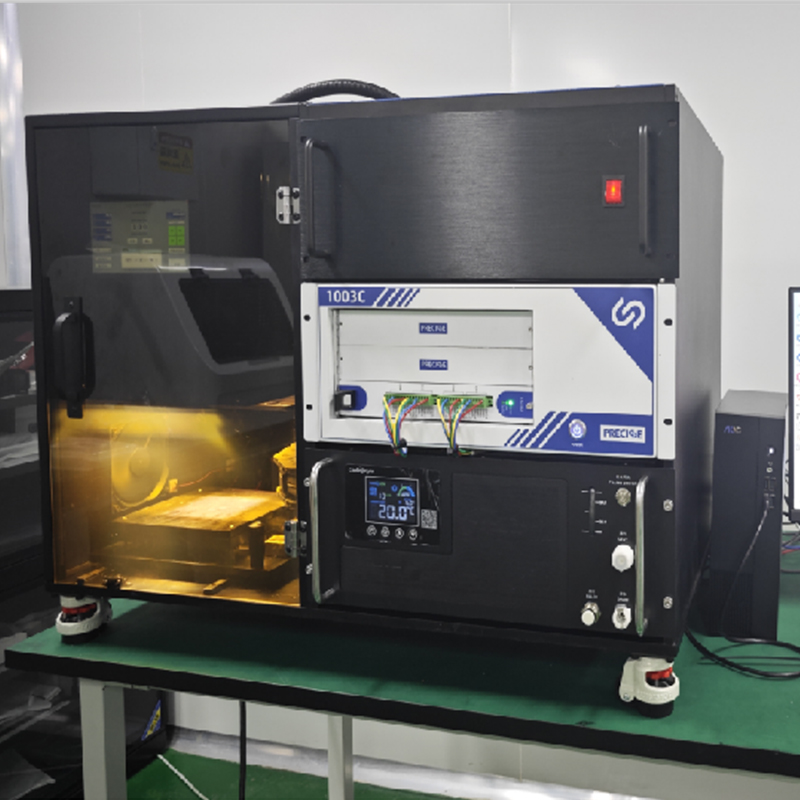
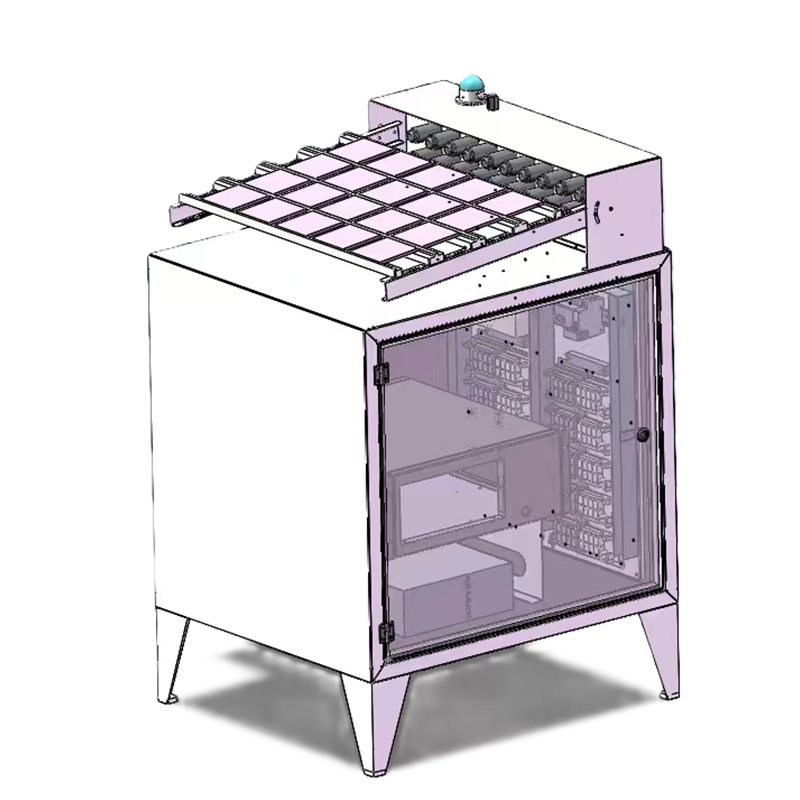
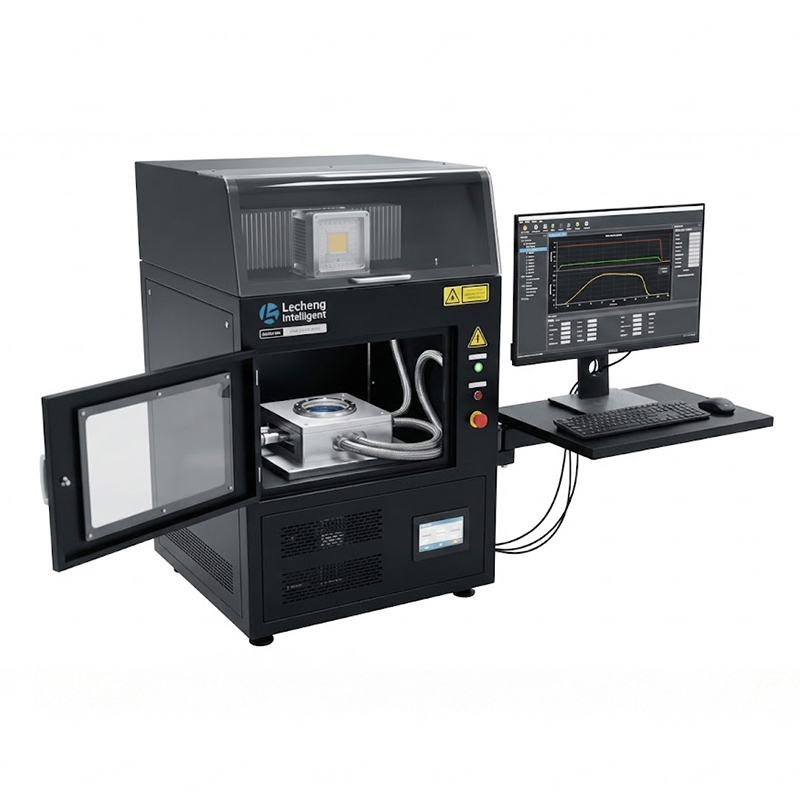
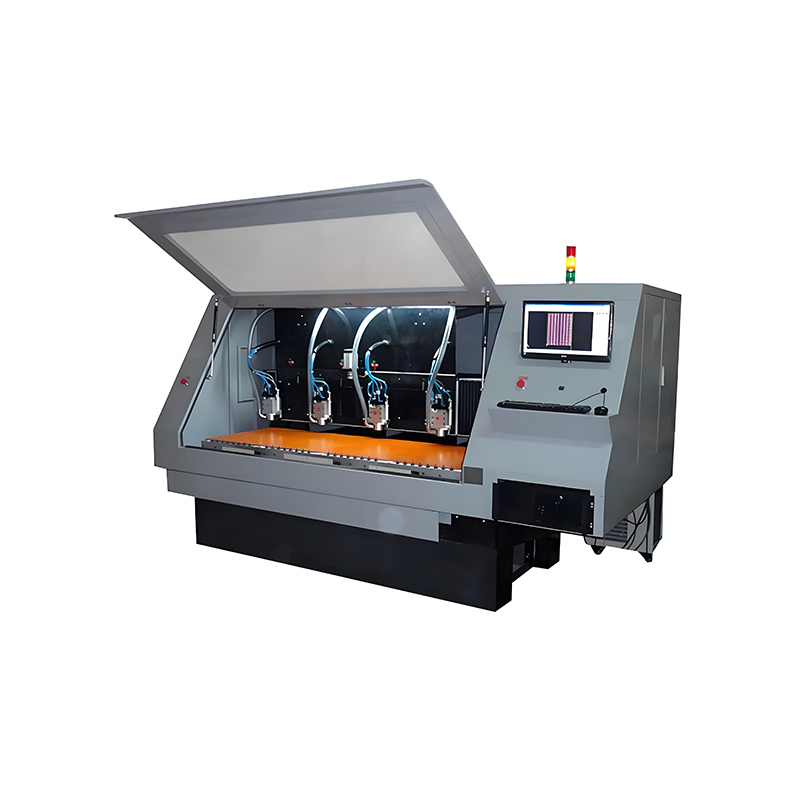
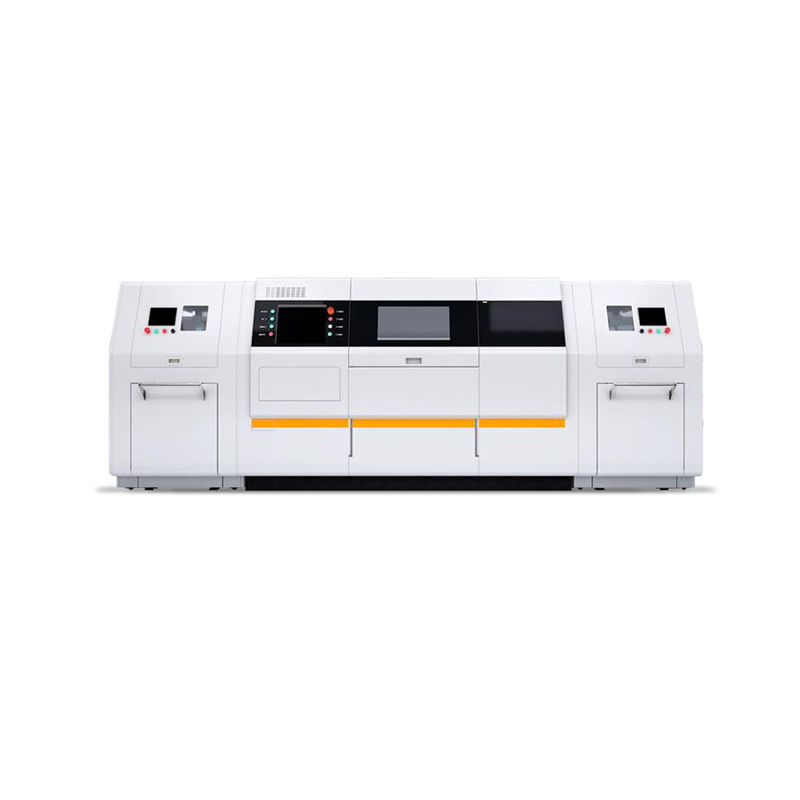
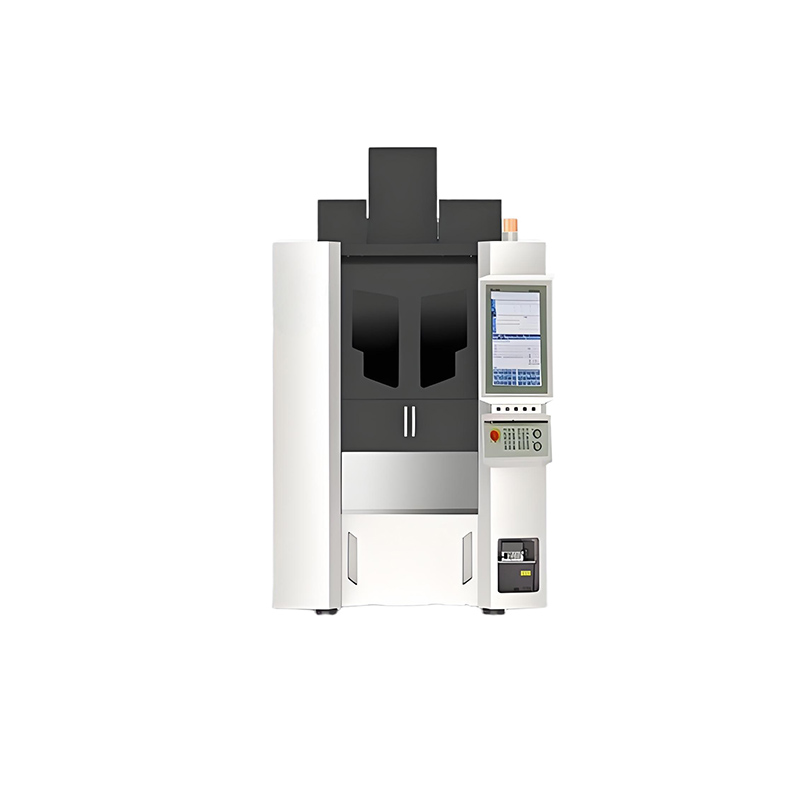
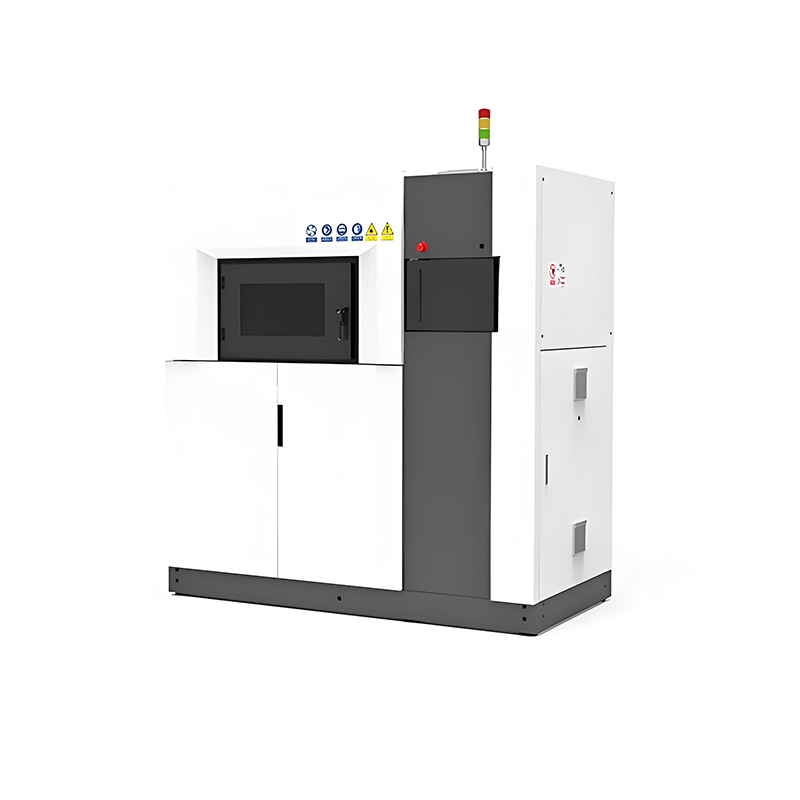
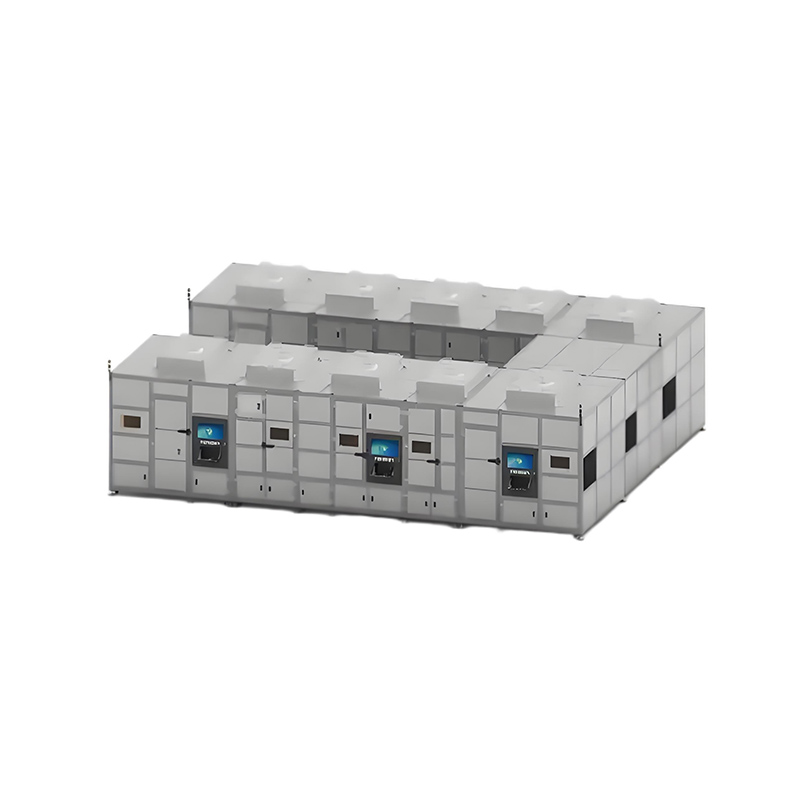
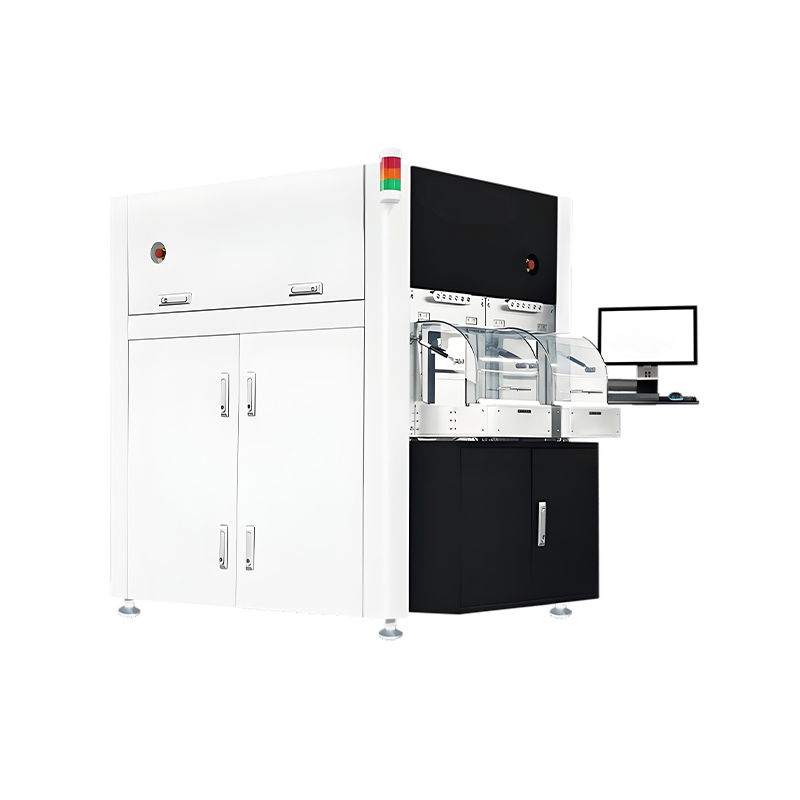
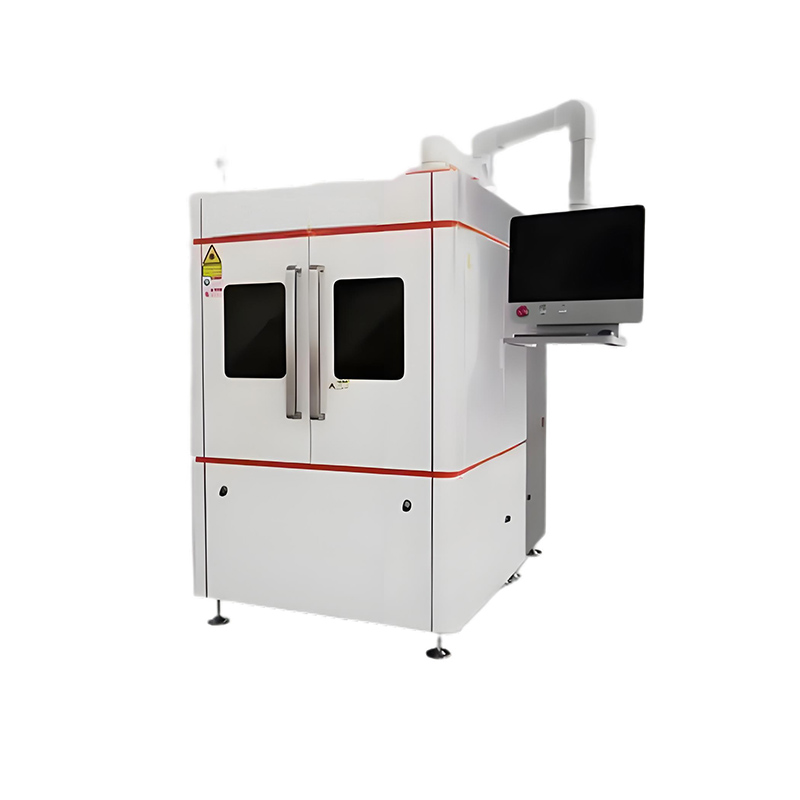
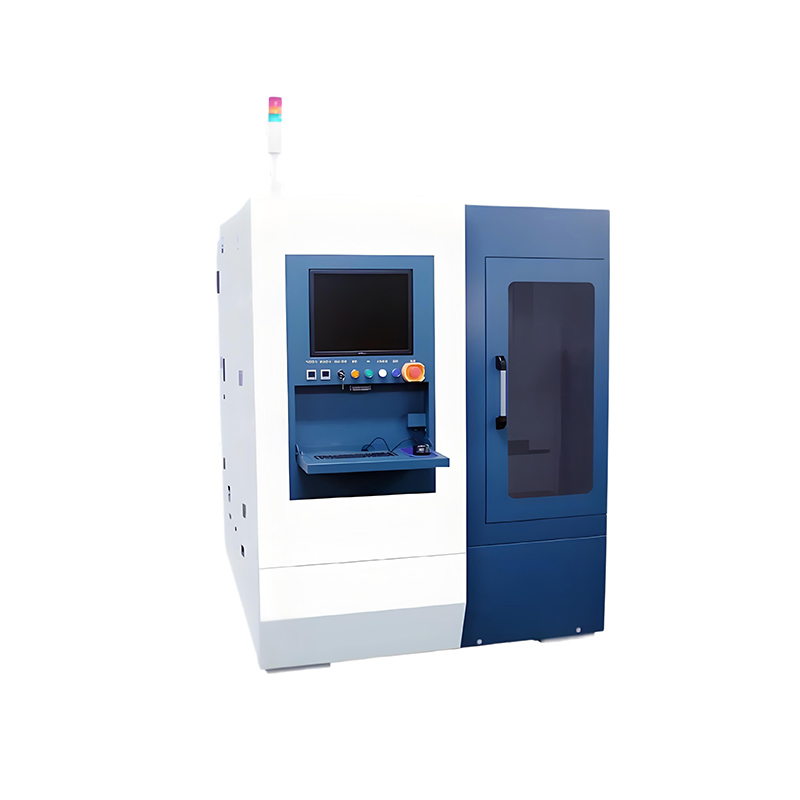
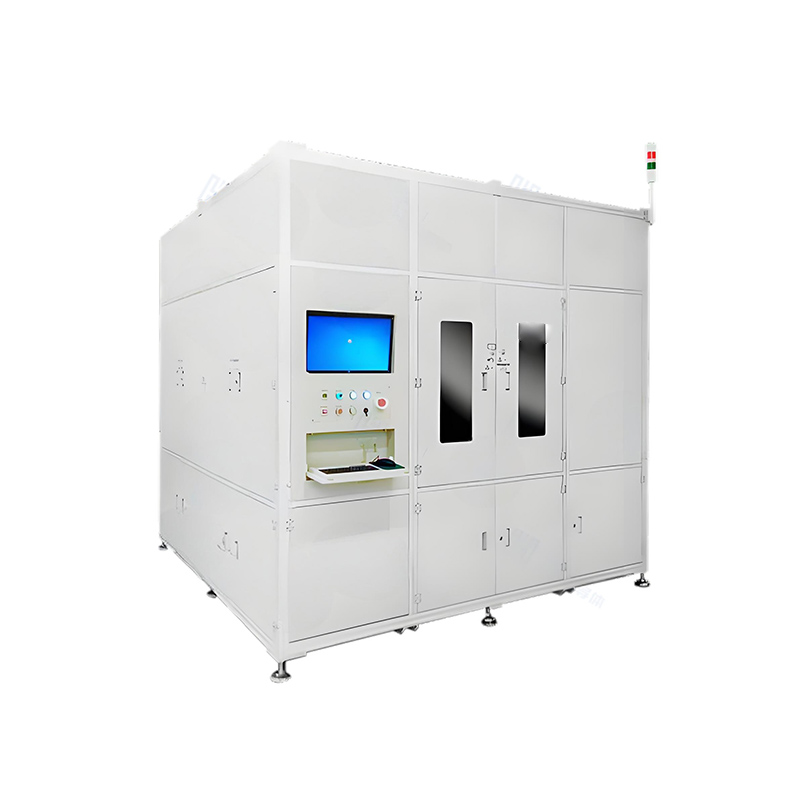
A Multichannel Solar Stability Tester is a cutting-edge device designed to simulate real-world solar conditions and measure the stability and performance of photovoltaic modules. Unlike traditional single-channel testers, it allows simultaneous multi-panel testing, delivering comprehensive insights with unmatched accuracy.
Core features include:
High-precision solar simulation
Automated multi-channel monitoring
Data logging for performance trends
Compatibility with various photovoltaic technologies
This device is ideal for laboratories, solar manufacturers, and research institutes looking to gain a competitive edge.
How It Works: The Science Behind Stability Testing
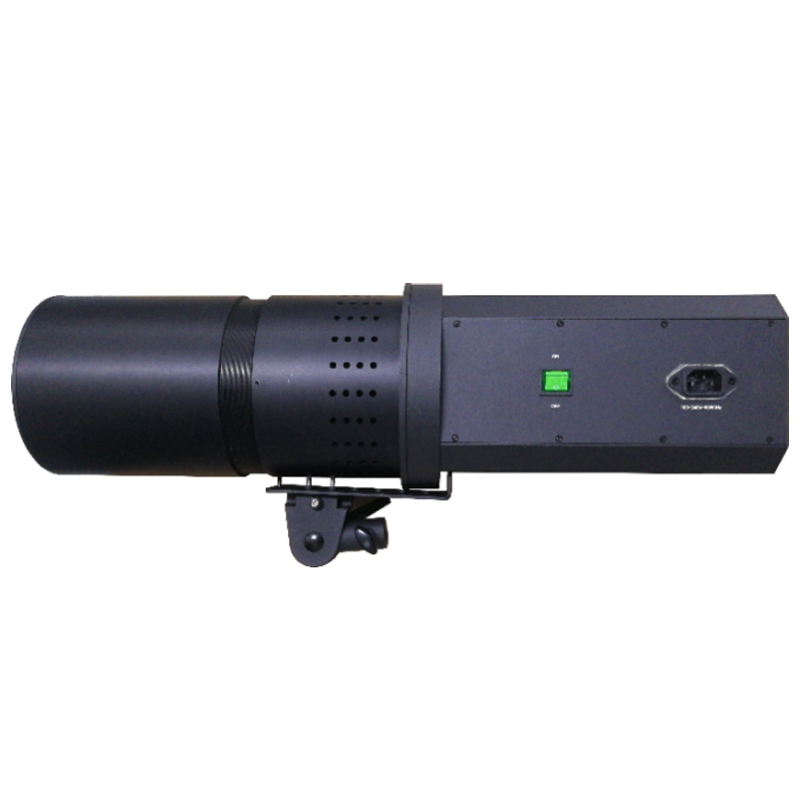
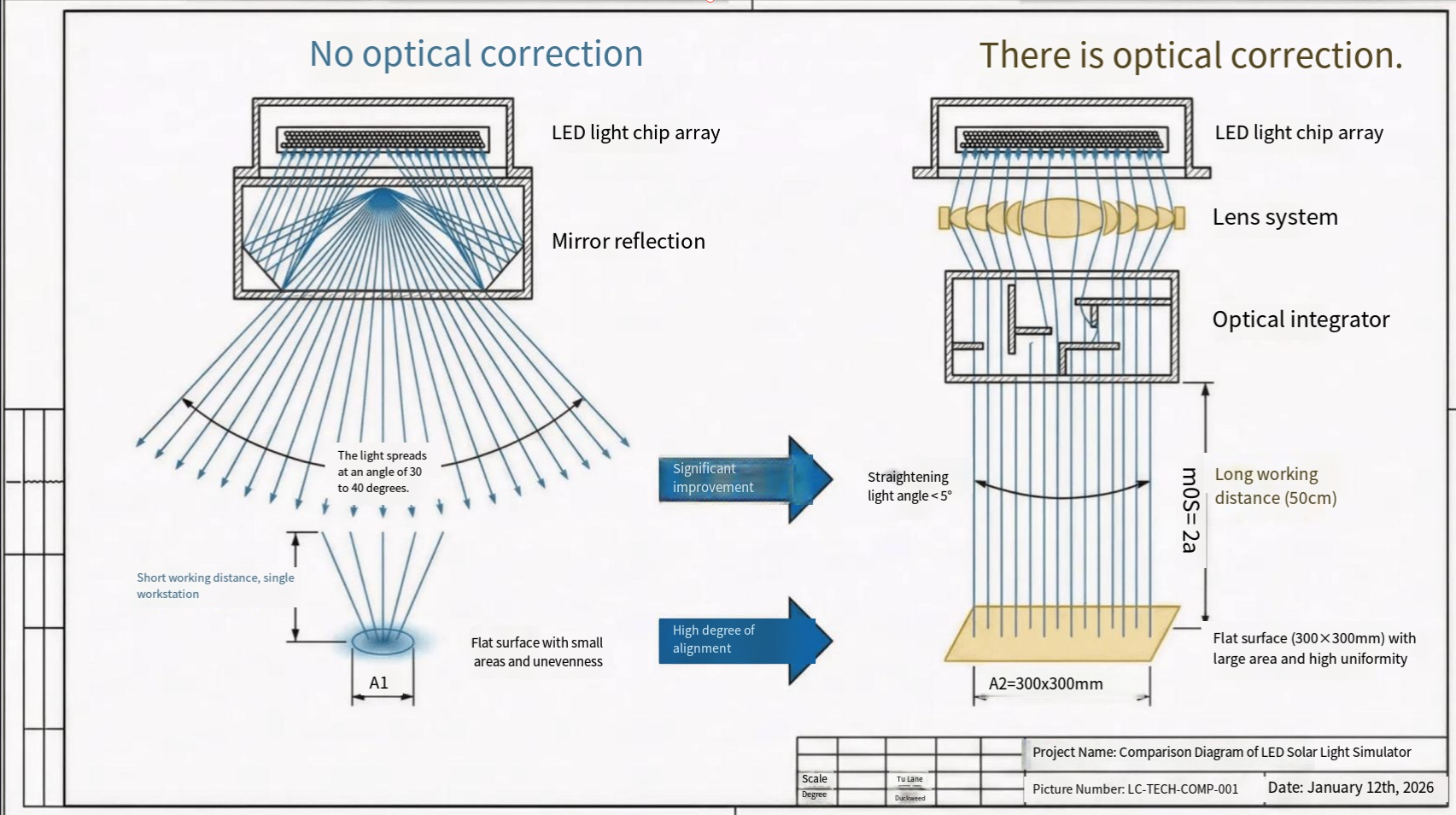
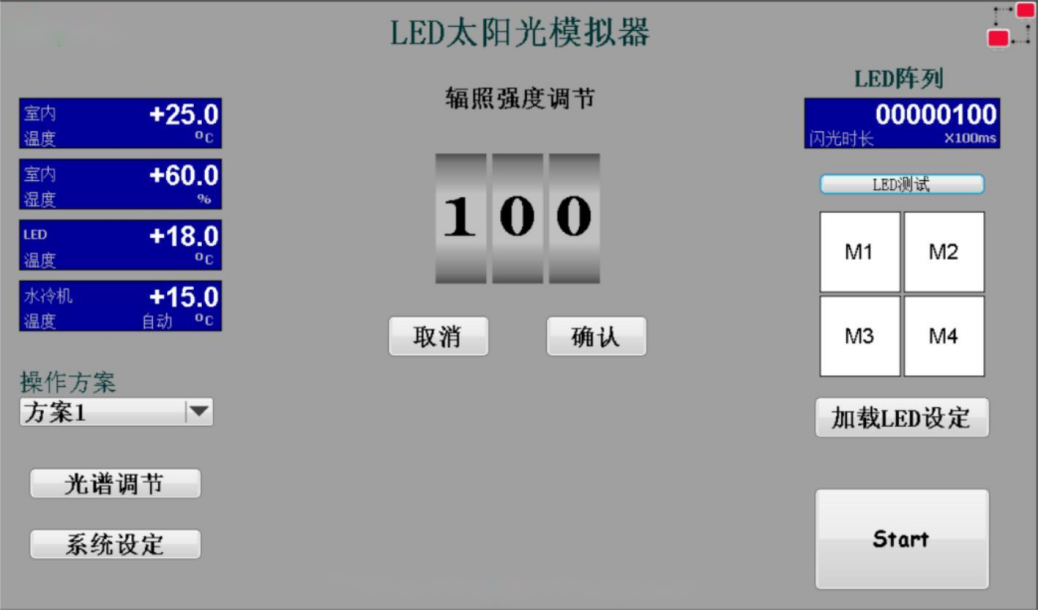
The Multichannel Solar Stability Tester uses advanced LED solar simulators to mimic real sunlight. Each channel can test a separate solar module independently, allowing engineers to observe performance variations under identical conditions.
Step-by-step process:
Module placement: Install solar panels in each channel.
Simulation initiation: LED light sources replicate solar spectrum and intensity.
Real-time monitoring: Sensors track voltage, current, and efficiency metrics.
Data analysis: Results are logged and compared across channels for performance anomalies.
The result? Reliable, reproducible, and actionable data that allows you to optimize solar panel output.
Proven Benefits of Using a Multichannel Tester
Switching to a multichannel tester brings a host of advantages over conventional testing methods:
Simultaneous Testing: Test multiple modules at once, cutting testing time by up to 70%.
High Accuracy: Detect even minor efficiency drops that traditional testers might miss.
Enhanced Reliability: Continuous monitoring ensures long-term stability analysis.
Cost-Effective: Fewer resources and less labor result in lower operational costs.
The combination of precision, speed, and reliability makes this tool a must-have for cutting-edge solar research and manufacturing.
Why LSI Keywords Matter for Solar Testing SEO
In addition to testing, it’s essential to understand LSI (Latent Semantic Indexing) keywords for SEO purposes. These are terms like photovoltaic module testing, solar efficiency measurement, multi-panel simulator, LED solar simulator, and solar module stability analysis. Using these strategically boosts your content’s search visibility while ensuring it resonates with industry professionals.
Industry Applications That Will Shock You
The Multichannel Solar Stability Tester isn’t just for labs—it’s a versatile powerhouse across industries:
Research & Development: Accelerates innovation in new solar technologies.
Manufacturing QA: Ensures every panel meets strict performance benchmarks.
Educational Institutes: Provides hands-on learning for renewable energy students.
Renewable Energy Consulting: Offers precise data to guide client investments.
Secret insight: Companies using multichannel testers consistently report higher product reliability and customer satisfaction.
Top Tips to Maximize Your Solar Testing Results
Regular Calibration: Maintain your device for peak accuracy.
Use Consistent Modules: Testing similar panel types reduces error margins.
Automate Data Logging: Collect detailed trends without manual intervention.
Analyze Multi-Channel Results: Compare results across channels to spot inconsistencies.
Implementing these strategies ensures long-term efficiency gains.
FAQ: Everything You Need to Know About Multichannel Solar Stability Testers
Q1: What types of solar modules can it test?
A: It supports perovskite, thin-film, monocrystalline, and polycrystalline solar panels, providing versatile testing capabilities.
Q2: How many channels does it have?
A: Depending on the model, it can test 4, 8, or more modules simultaneously.
Q3: Can it simulate real sunlight conditions?
A: Yes, advanced LED solar simulators replicate full-spectrum sunlight, ensuring realistic performance analysis.
Q4: Is it suitable for large-scale manufacturing?
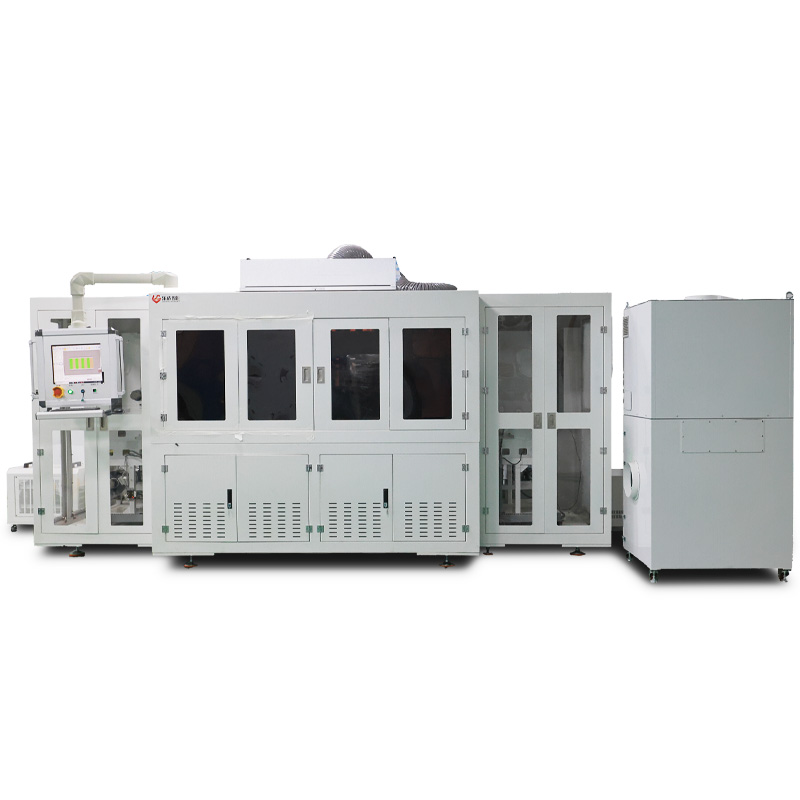
A: Absolutely. Multichannel testing significantly reduces time and labor costs, making it perfect for high-volume production.
Q5: Does it provide automated data logging?
A: Yes, the system automatically records voltage, current, efficiency, and stability metrics for each channel.
Q6: How does it improve solar panel reliability?
A: By identifying defects and efficiency drops early, it ensures long-term stability and optimal energy output.
Proven Strategies to Choose the Best Tester
When selecting a Multichannel Solar Stability Tester, focus on:
Number of channels – more channels = more efficiency.
LED solar simulator quality – accurate spectrum replication is critical.
Data analysis software – robust software enhances insights.
Build quality and durability – ensures long-term operation.
Investing wisely in these areas guarantees maximum ROI and reliability.
The Shocking Truth About Solar Panel Performance Without Testing
Many solar panels underperform because they aren’t tested thoroughly. Even small defects in efficiency can cost thousands in lost energy output. By using a Multichannel Solar Stability Tester, you can detect and fix issues before they impact the end user, protecting both your reputation and revenue.
In today’s competitive solar industry, ensuring the highest level of accuracy and reliability is more than just a technical requirement—it’s a business imperative. The Multichannel Solar Stability Tester stands out as a revolutionary solution, combining precision, efficiency, and versatility to help manufacturers, researchers, and engineers unlock the true potential of their solar modules. By enabling simultaneous testing of multiple panels under realistic solar conditions, this advanced device not only detects hidden defects and performance drops but also saves valuable time and resources, giving your operations a measurable edge. Beyond just testing, it provides actionable insights that drive better product quality, compliance, and long-term stability—key factors that directly impact ROI and customer satisfaction. Whether you are innovating in renewable energy R&D, enhancing quality assurance in manufacturing, or educating the next generation of solar professionals, the Multichannel Solar Stability Tester is the ultimate tool to ensure every solar module performs at its best. Don’t compromise on solar efficiency—invest in precision, reliability, and innovation today.