Products

Featured products

Contact us

Technology News

  • The Promise and Challenges of Roll-to-Roll Laser Scribing & Edge-Cleaning Systems in Flexible Electronics Manufacturing
    2025
    11-13
    The rapid growth of flexible electronics—including flexible printed circuit boards (FPCs), organic light-emitting diodes (OLEDs), wearable sensors, and rollable displays—has driven demand for high-precision, high-throughput manufacturing solutions. Among these, the roll-to-roll (R2R) laser scribing & edge-cleaning systemhas emerged as a transformative technology, enabling non-contact, high-speed processingof thin, delicate materials.
  • Femtosecond Laser Processing
    2025
    10-27
    Femtosecond laser processing represents one of the most advanced frontiers in precision manufacturing today. This technology utilizes laser pulses of incredibly short duration—approximately 10⁻¹⁵ seconds—to achieve material processing with unparalleled precision and minimal thermal damage. The unique characteristics of femtosecond lasers have opened up revolutionary possibilities across industries from medical devices to aerospace engineering.
  • Flexible perovskite module
    2025
    10-26
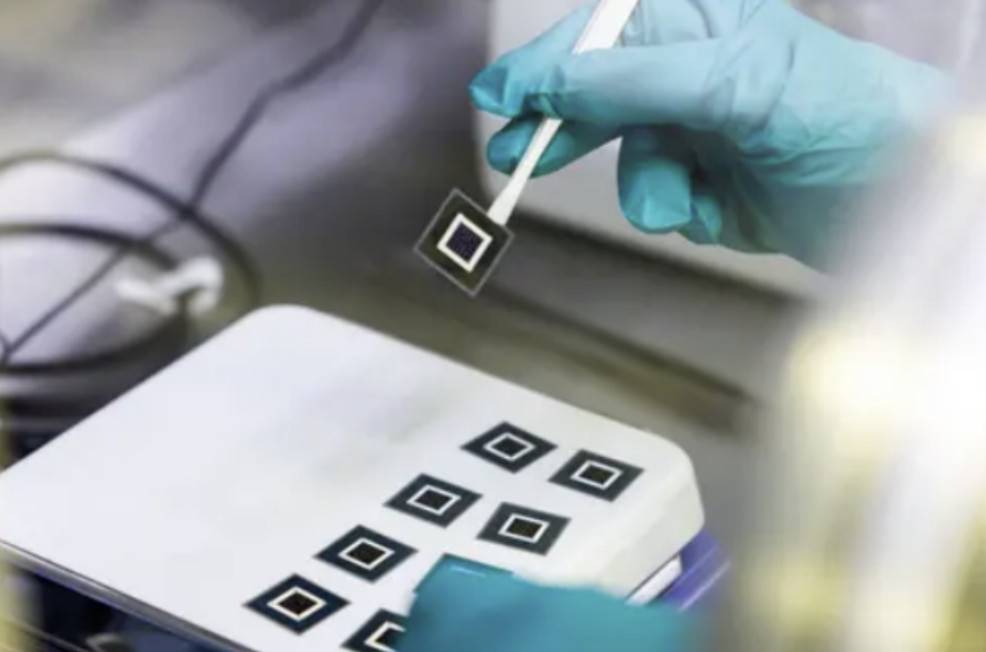
    First, why can perovskite solar cells still generate electricity indoors or in low-light environments? It's not generating light itself, but rather converting the faint light into electrical energy, which powers the small light in the circuit. Perovskite material is particularly good at absorbing light; even indoor light or scattered light can be utilized efficiently and normally.
  • Efficient All-Perovskite Photovoltaic Cells
    2025
    10-09
    As wearable technology advances from fitness trackers to medical monitors and augmented reality glasses, power autonomy remains the critical bottleneck. Conventional batteries limit device functionality and design freedom, while rigid solar solutions compromise wearability. Enter ultrathin all-perovskite photovoltaic cells – the breakthrough technology enabling truly self-sustaining wearable ecosystems.
  • Monitoring and Quality Control of P1, P2, P3 Laser Scribing for High-Yield Perovskite Solar Modules
    2025
    10-08
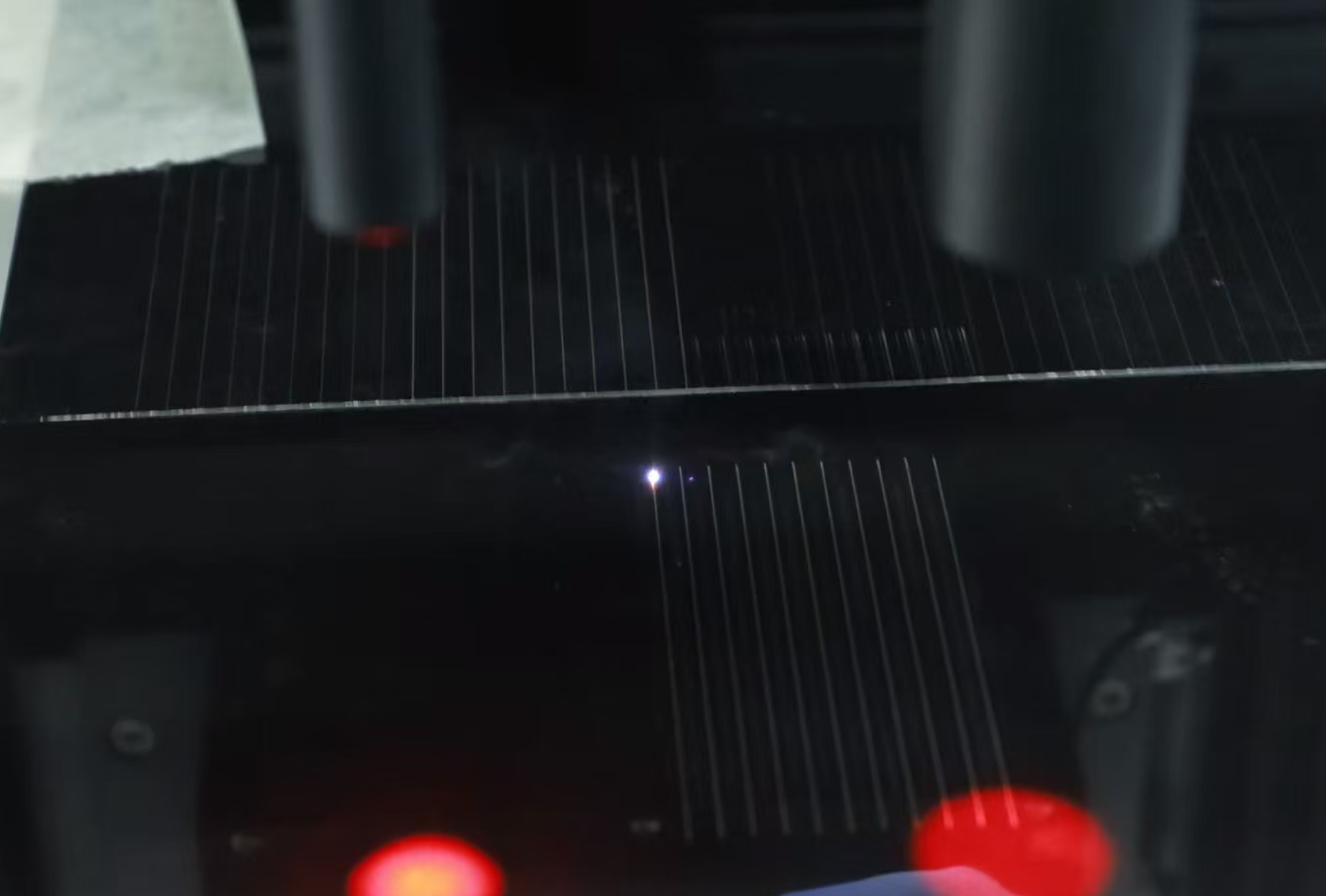
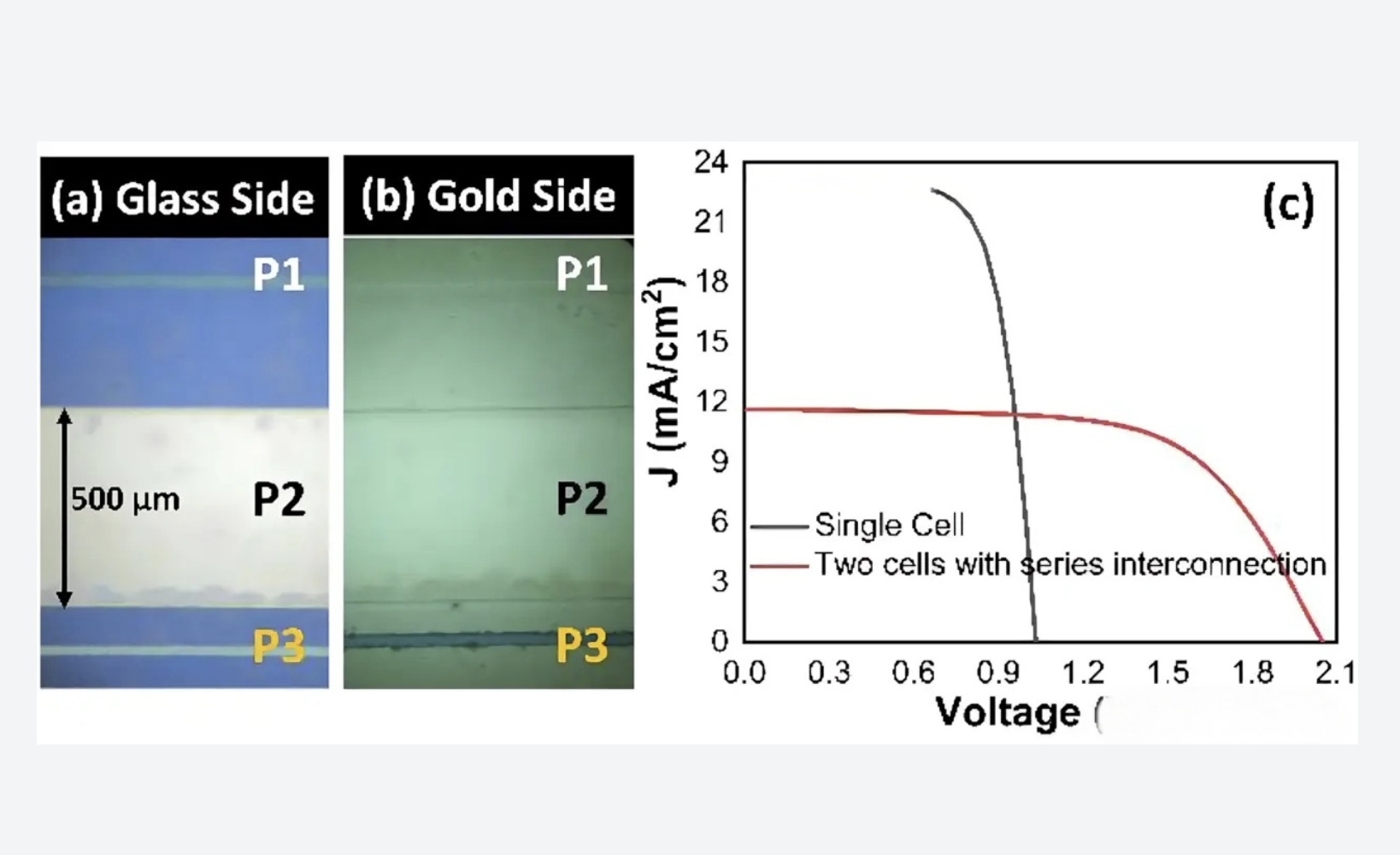
    Perovskite solar modules (PSMs) have emerged as a promising photovoltaic technology due to their high efficiency and low manufacturing costs. However, the commercialization of PSMs faces significant challenges in achieving precise and reliable laser scribing processes for series interconnection. The laser scribing quality directly impacts the geometric fill factor (GFF), series resistance, and ultimate conversion efficiency of solar modules. This article systematically examines the monitoring techniques and quality control strategies for P1, P2, and P3 laser scribing processes that are essential for improving production yield in industrial manufacturing.
  • P1, P2, and P3 Laser Scribing
    2025
    10-07
    The P1, P2, and P3 laser scribing processes each play distinct but interconnected roles in manufacturing high-efficiency thin-film solar cells. P1 establishes the foundational electrical isolation, P2 creates the critical series interconnection between cells, and P3 completes the circuit isolation. Together, these precision processes enable the production of series-connected solar modules with minimized dead areas and maximized active area for power generation. As solar cell technologies continue to advance toward higher efficiencies and thinner layer architectures, the precision and control offered by laser scribing will remain indispensable for commercial viability.
  • Picosecond vs Femtosecond Lasers
    2025
    09-26
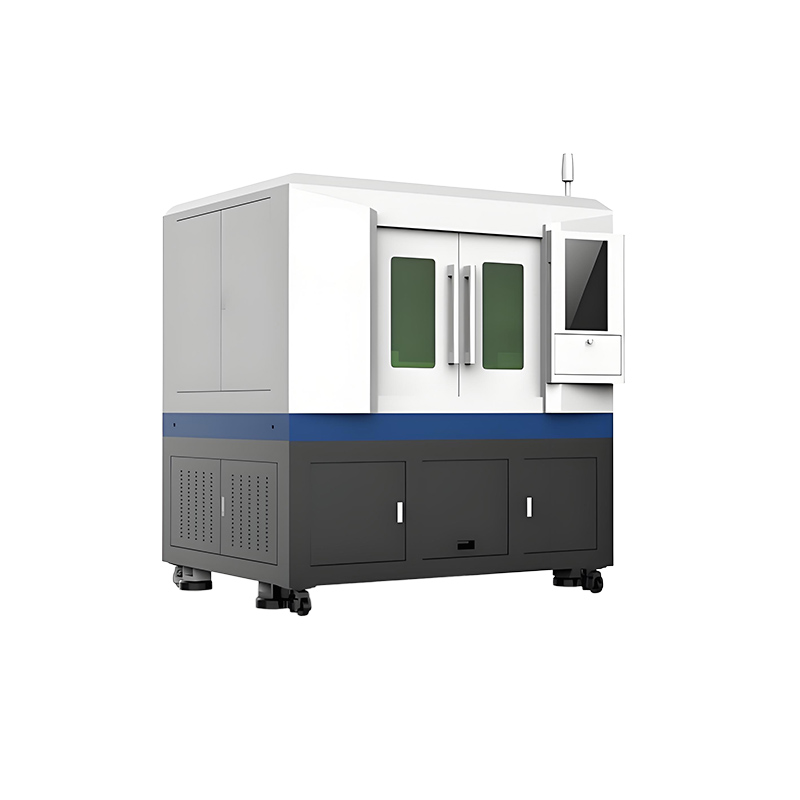
    In the realm of advanced laser technology, ultrafast lasers have revolutionized precision manufacturing, medical procedures, and scientific research. Among these, picosecond and femtosecond lasers represent the cutting edge of ultrashort pulse technology. While both operate at timescales incomprehensibly fast to humans, the subtle differences between them significantly impact their applications and effectiveness. This technical comparison examines the fundamental characteristics, mechanisms, and practical considerations of these two laser technologies.
  • The Global Expansion of the Photovoltaic Industry
    2025
    09-25
    The photovoltaic (PV) industry has emerged as a cornerstone of the global transition to renewable energy, driven by technological innovation, policy support, and increasing demand for clean electricity. As countries worldwide strive to meet carbon neutrality goals, the PV industry is undergoing rapid transformation and expansion. This article explores the key trends, regional strategies, and future directions shaping the global layout of the PV industry.
  • Perovskite Solar Technology
    2025
    09-24
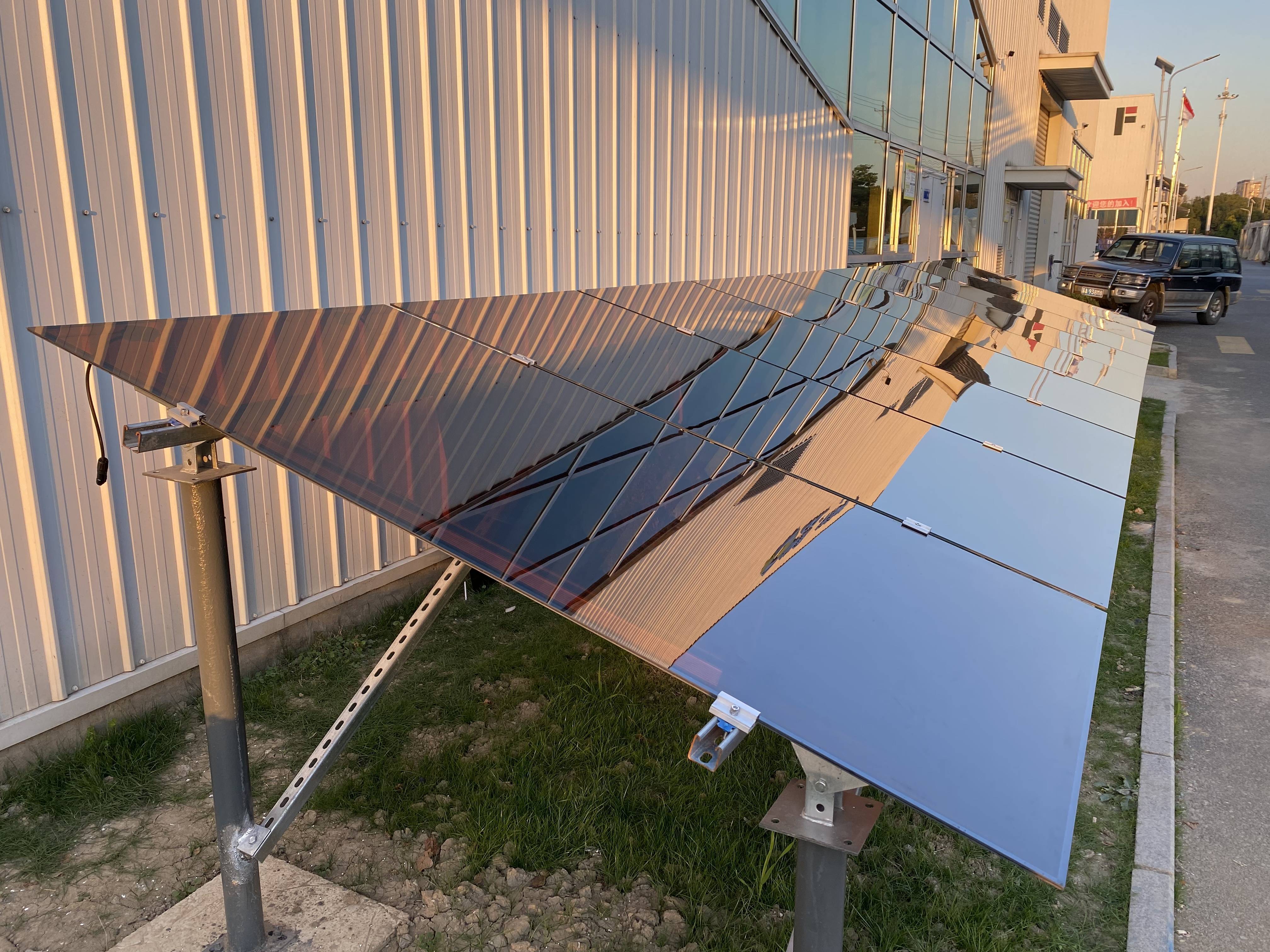
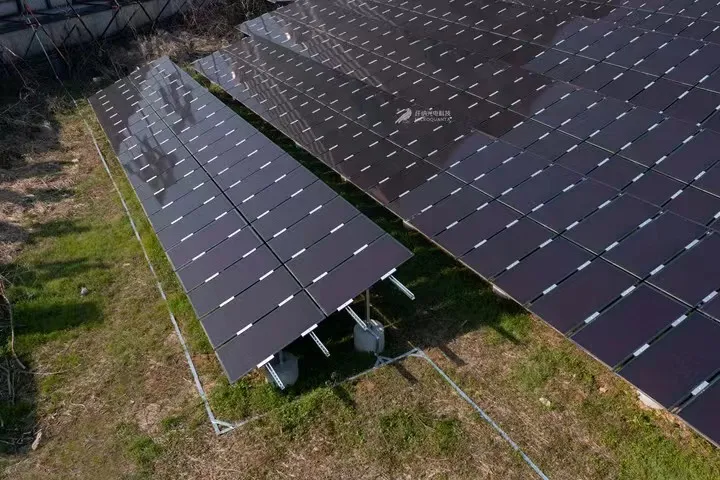
    Perovskite solar technology is poised to transform the global solar industry, offering unprecedented advantages in efficiency, cost, and scalability. As the world shifts toward renewable energy, perovskite-based solutions are emerging as a game-changer for businesses seeking high-performance, affordable solar products.
  • The Challenges in Building Perovskite Production Lines: A Technological Perspective
    2025
    09-23
    Compared with mature crystalline silicon photovoltaic production lines, establishing a perovskite production line is significantly more complex and challenging. While crystalline silicon module manufacturing relies primarily on physical processes, perovskite production involves intricate chemical formulations and highly customized equipment, posing unique hurdles for industrialization.

40px

80px

80px

80px

Get Quote