


Introduction
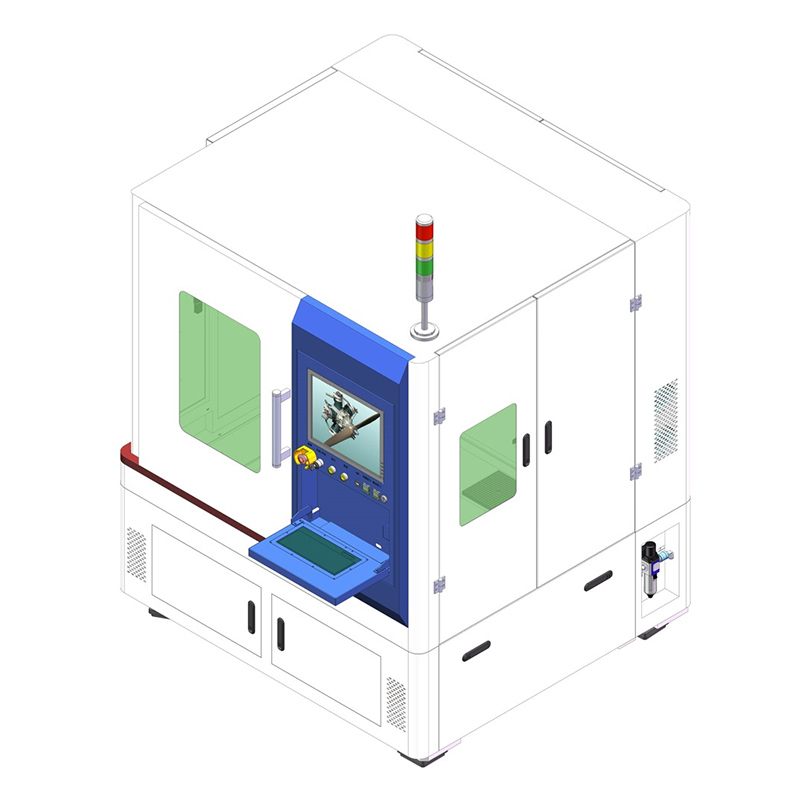
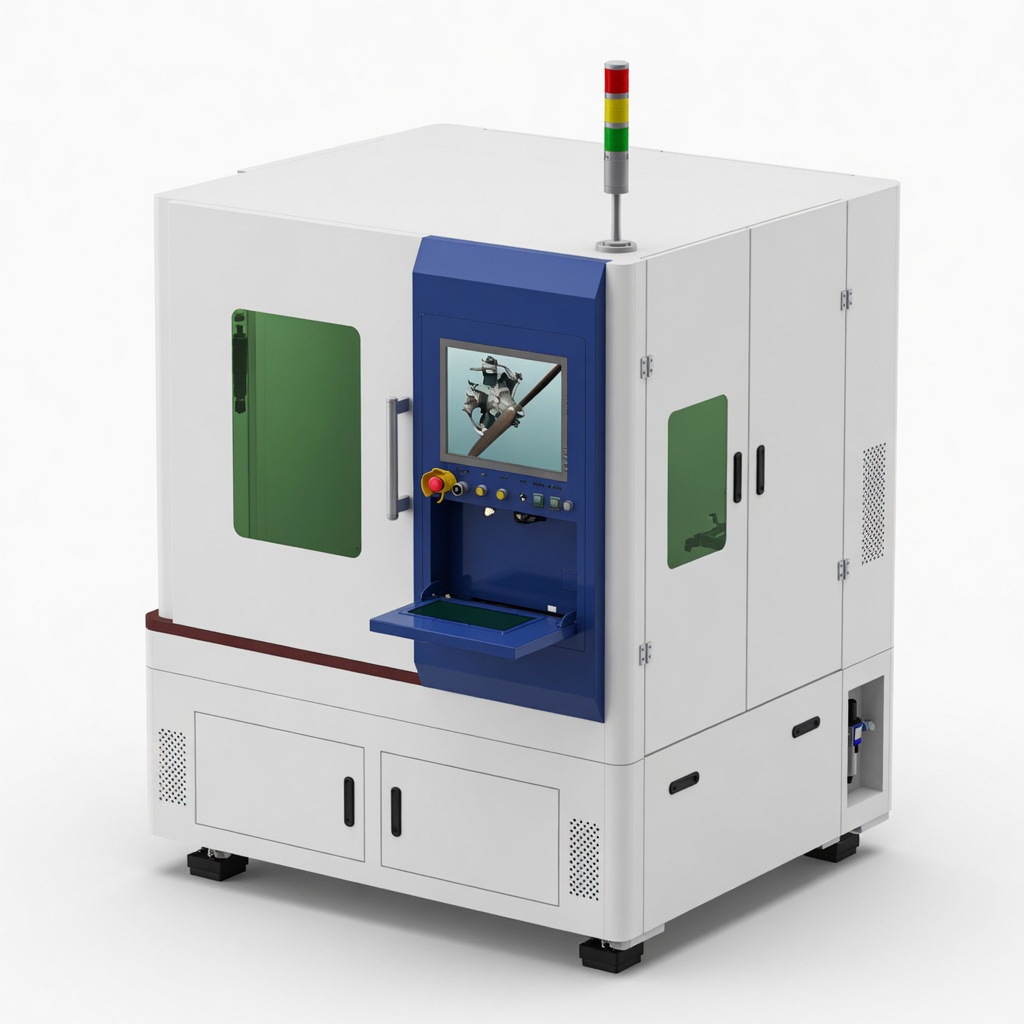
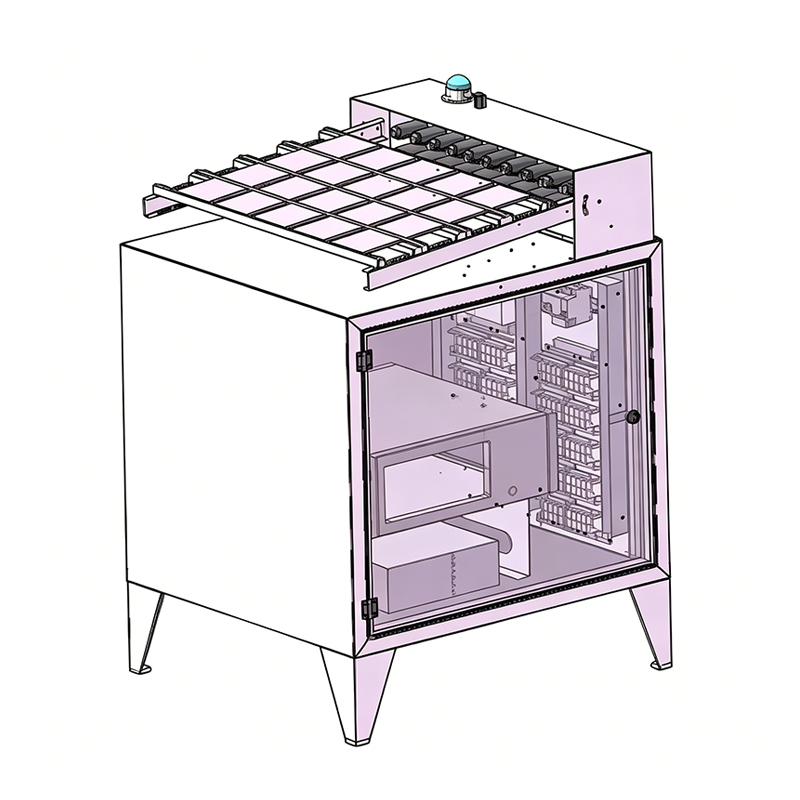
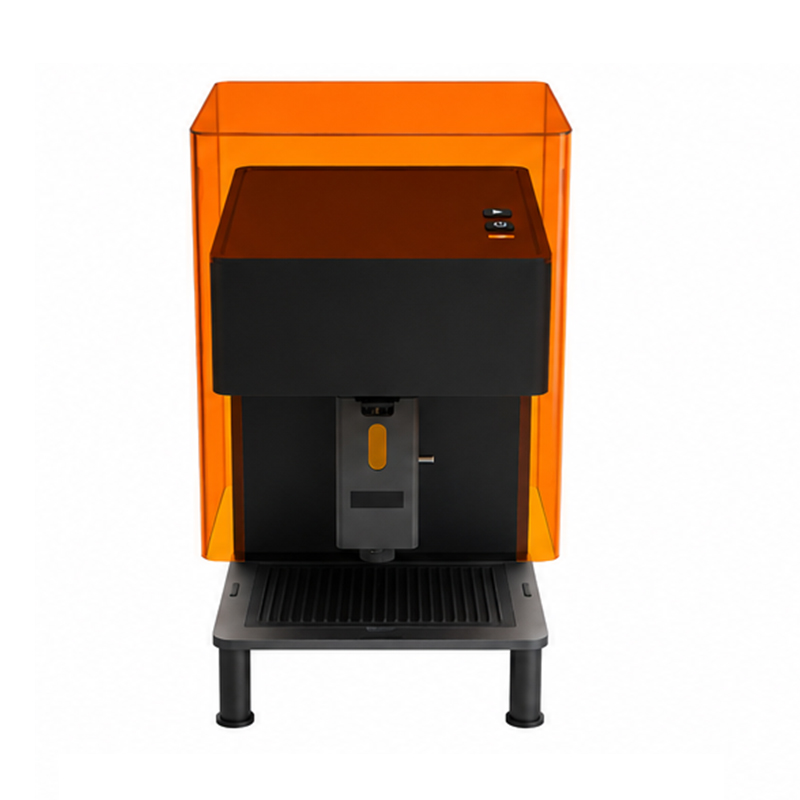
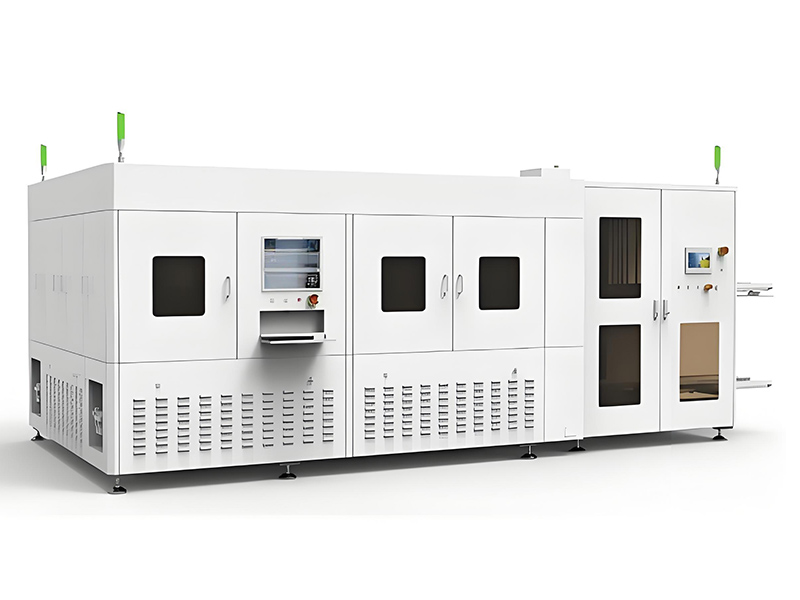
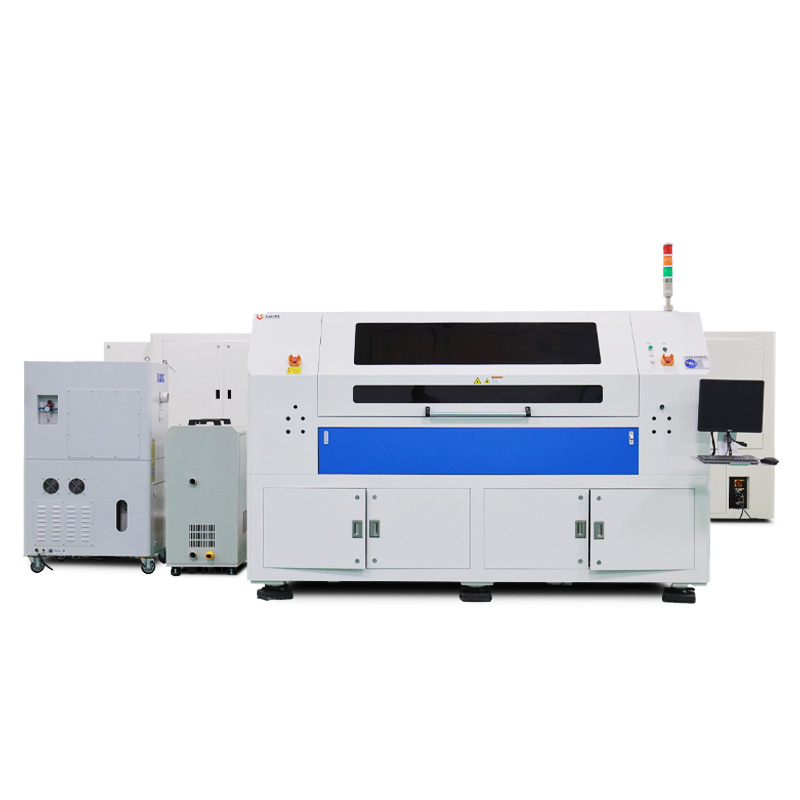
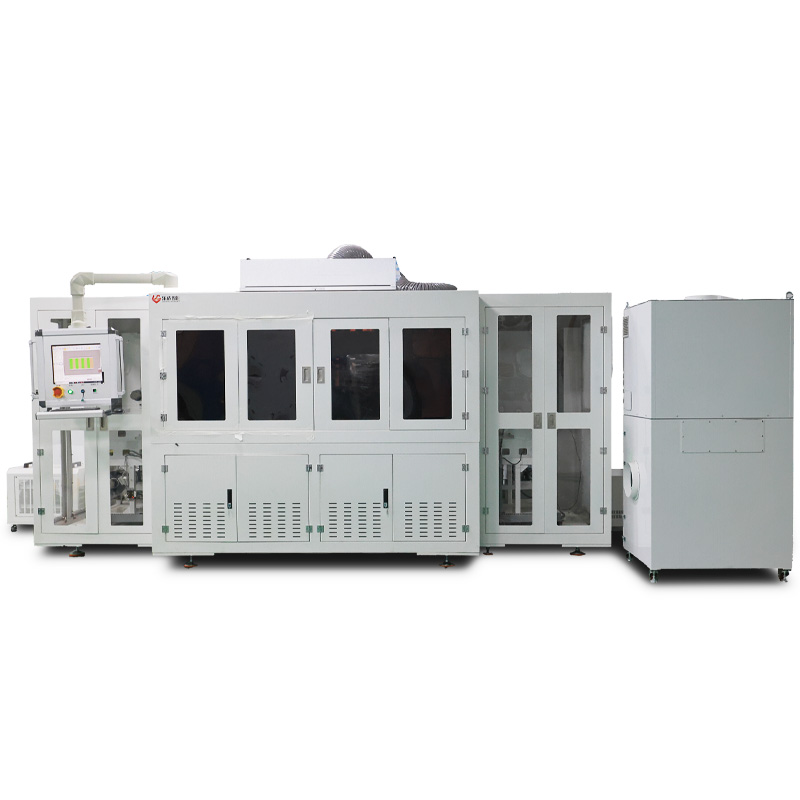
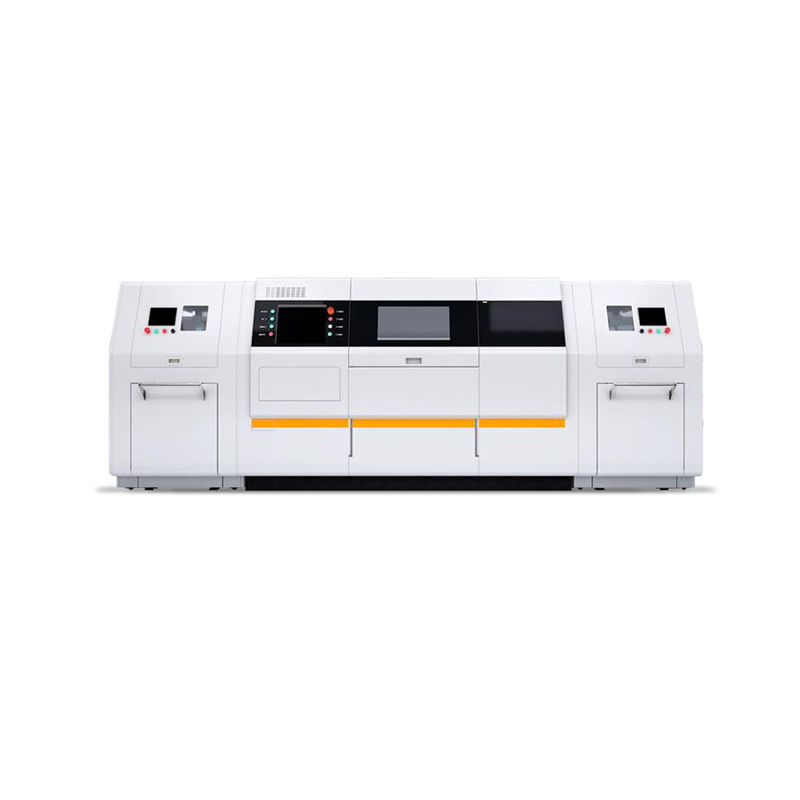
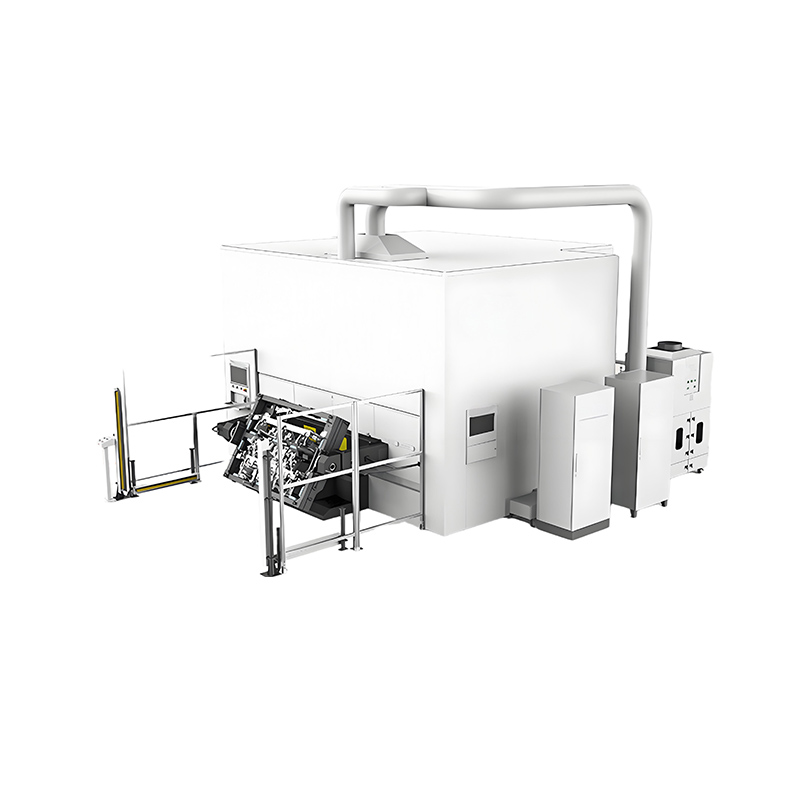
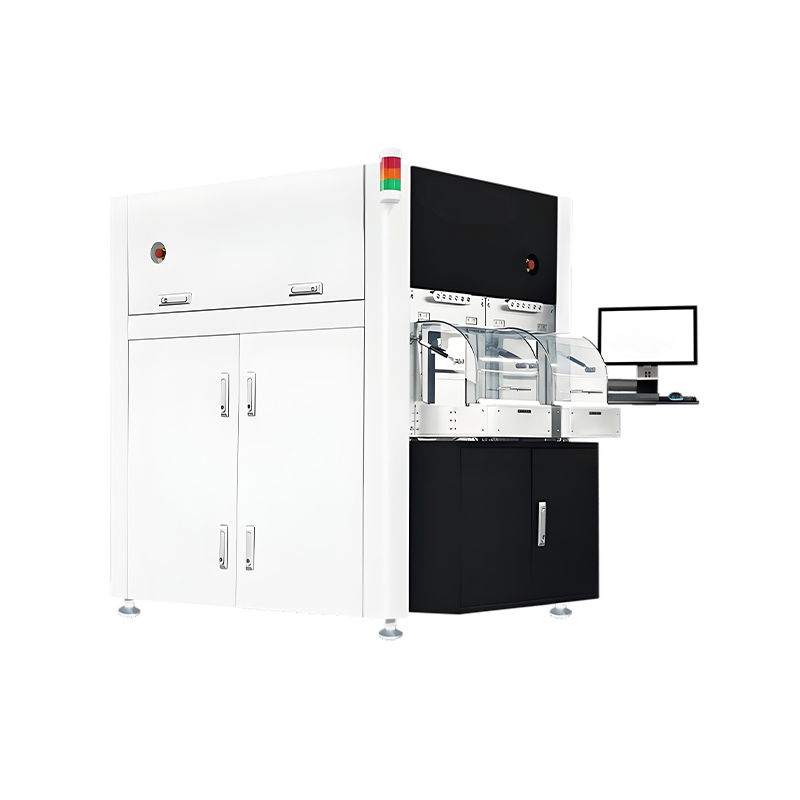
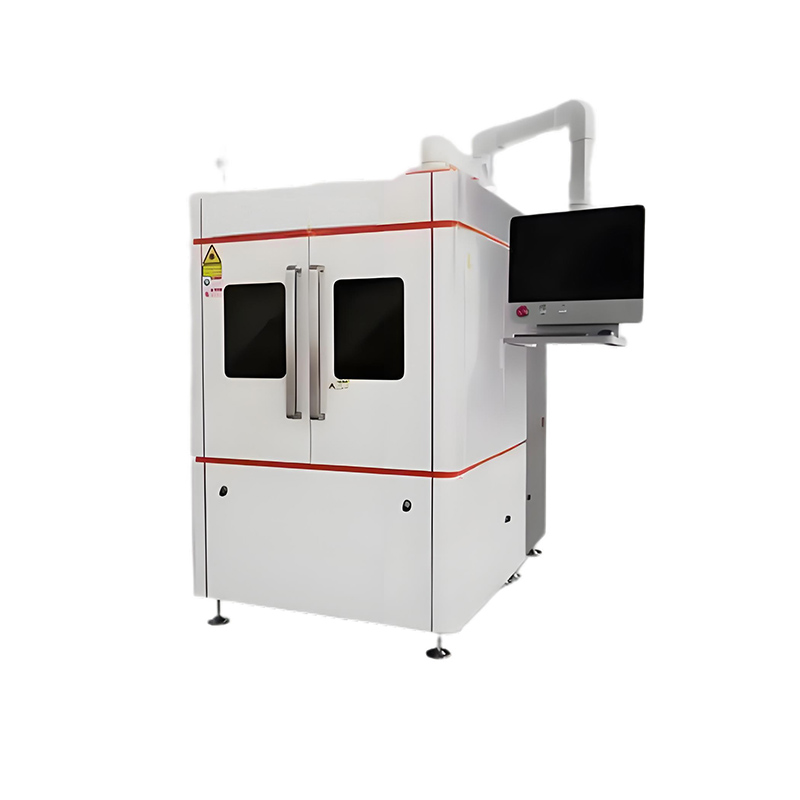
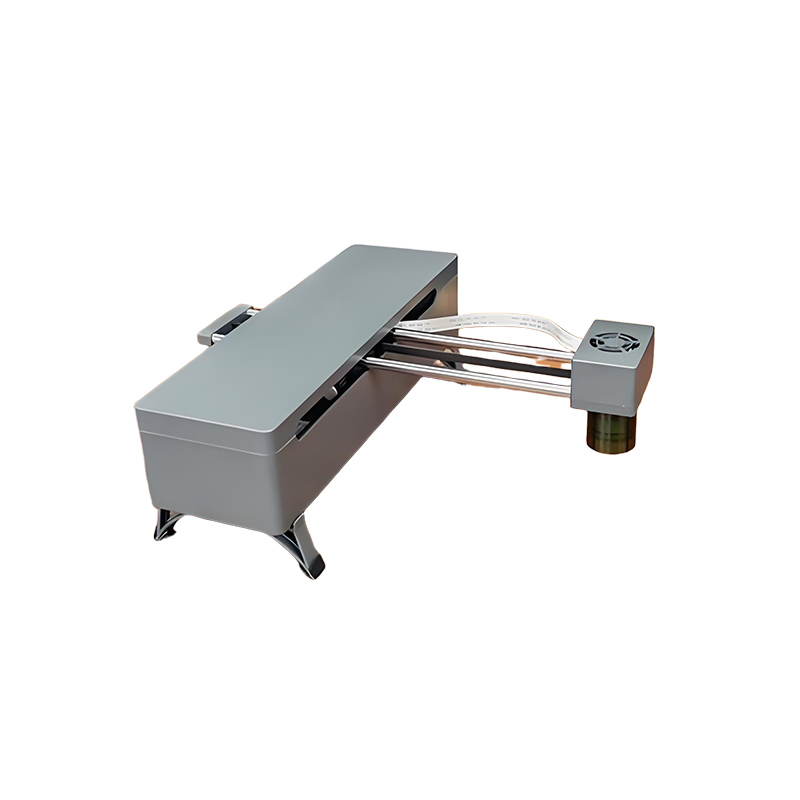
The rapid growth of flexible electronics—including flexible printed circuit boards (FPCs), organic light-emitting diodes (OLEDs), wearable sensors, and rollable displays—has driven demand for high-precision, high-throughput manufacturing solutions. Among these, the roll-to-roll (R2R) laser scribing & edge-cleaning systemhas emerged as a transformative technology, enabling non-contact, high-speed processingof thin, delicate materials.
This article explores the applications, advantages, and challengesof R2R laser scribing and edge-cleaning systems in flexible electronics manufacturing, focusing on how they enhance production efficiency, precision, and yieldwhile addressing key hurdles such as material compatibility and cost optimization.
Applications in Flexible Electronics Manufacturing
1. Flexible Printed Circuit Boards (FPCs) & Interconnects
Laser Scribing for Fine-Line Patterning
Edge Cleaning for Reliability
Enables ultra-precise circuit traces(down to 10–20 µm width) on polyimide (PI) and PET substrates, crucial for miniaturized electronics.
Replaces traditional photolithography and etching, reducing chemical waste and processing steps.
Removes burrs, contaminants, and oxide layersfrom cut edges, preventing short circuits and delaminationin foldable and bendable circuits.
2. OLED & Flexible Display Manufacturing
Laser Scribing for Pixel Isolation & Substrate Separation
Edge Cleaning for Display Encapsulation
Used in OLED panel dicingand thin-film transistor (TFT) layer patterning, ensuring sharp, defect-free cutswithout damaging sensitive organic layers.
Enables seamless multi-panel displays(e.g., foldable smartphones and rollable TVs).
Cleans edge residuesbefore thin-film encapsulation (TFE), improving barrier performanceand longevity of OLEDs.
3. Wearable & Biomedical Electronics
Precision Laser Processing for Stretchable Circuits
Allows non-destructive scribing on elastomeric substrates(e.g., PDMS, hydrogels) for health-monitoring patches and smart textiles.
Edge Cleaning for Implantable Devices
Ensures sterile, contamination-free edgesfor biocompatible electronics.
Advantages Over Traditional Methods
1. Higher Production Efficiency
Roll-to-Roll Processingenables continuous, high-speed manufacturing(up to meters per minute), unlike batch processing in rigid-panel manufacturing.
Laser Scribingis 10–100x fasterthan mechanical scoring, reducing bottlenecks in high-volume production.
2. Improved Yield & Quality
Non-Contact Processingeliminates mechanical stress, reducing cracking and delaminationin thin films.
Micron-Level Precisionensures consistent trace widths and alignment, critical for miniaturized electronics.
3. Reduced Environmental Impact
No Chemical Etching(unlike traditional PCB manufacturing) lowers toxic waste and compliance costs.
Energy-Efficient Lasers(e.g., fiber, UV, or green lasers) minimize power consumption.
Key Challenges & Limitations
1. Material Compatibility Issues
Thin & Flexible Substrates (e.g., 25–125 µm PI, metal foils)are prone to wrinkling, tearing, or laser-induced damageif process parameters (power, speed, focus) are not optimized.
Multi-Layer Stacks (e.g., OLEDs with barrier films)require precise laser controlto avoid delamination or burn-through.
2. Cost & Investment Barriers
High Initial Costsof ultrafast lasers (femtosecond/picosecond), precision R2R systems, and automationmay deter small-to-medium manufacturers.
Maintenance & Expertise Requirements(e.g., laser calibration, real-time defect detection) add to operational complexity.
3. Process Stability & Scalability
Vibration & Alignment Issuesin high-speed R2R processing can reduce consistency.
Scaling from Lab to Mass Productionrequires robust automation and in-line quality control.
Future Outlook & Innovations
✅ AI & Machine Learning– Adaptive laser control to optimize parameters in real timefor different materials.
✅ Hybrid Manufacturing– Combining laser scribing with inkjet printing or nanoimprint lithographyfor fully additive flexible electronics.
✅ Next-Gen Lasers– Green and UV lasersfor even finer features(sub-10 µm) with minimal heat damage.
The roll-to-roll laser scribing & edge-cleaning systemis revolutionizing flexible electronics manufacturingby enabling faster, more precise, and eco-friendly production. While material challenges, cost barriers, and process stabilityremain, ongoing advancements in laser technology, automation, and AI-driven optimizationwill drive wider adoptionin FPCs, OLEDs, wearables, and beyond.
As the demand for bendable, foldable, and wearable electronics grows, R2R laser processing will be a key enabler of the next generation of flexible devices.
Google SEO Keywords:
roll-to-roll laser scribing, flexible electronics manufacturing, OLED production, FPC laser processing, edge cleaning in electronics, ultrafast laser applications, R2R manufacturing, wearable electronics, AI in laser systems, next-gen flexible circuits