Products

Featured products

Contact us

Technology News

  • Laser Scribing Machine Price vs Performance: What Should Buyers Focus On?
    2026
    04-22
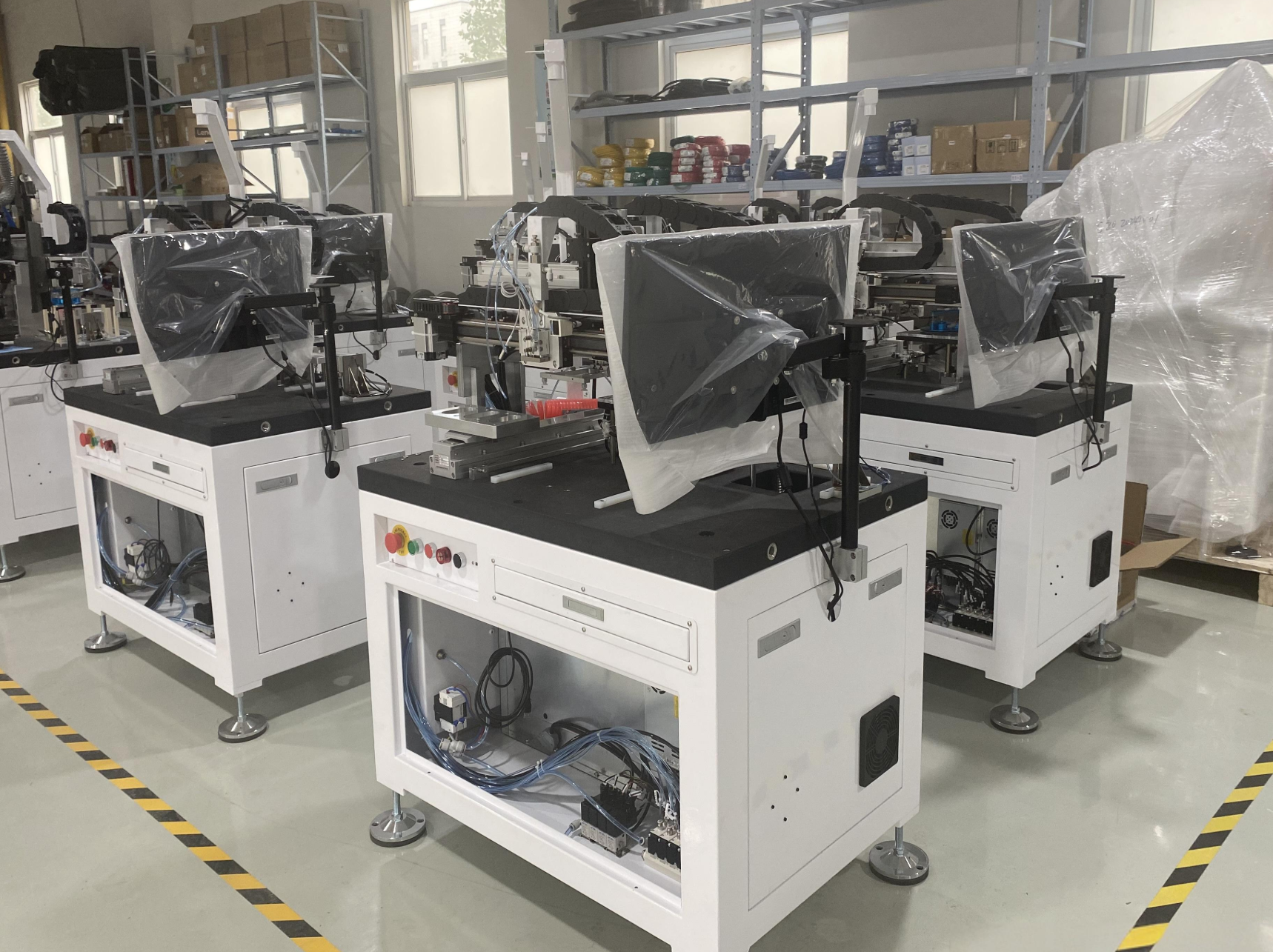
    When choosing a laser scribing machine, buyers should look beyond price and focus on overall performance and long-term value. A machine that delivers stable, consistent results and supports efficient production will ultimately provide the best return on investment. In industrial manufacturing, the most cost-effective choice is not the lowest price, but the one that ensures reliable and sustainable production.
  • How To Improve Yield With Laser Scribing Equipment In PV Production?
    2026
    04-21
    Improving yield in photovoltaic production requires more than just advanced equipment. It requires precise control, stable performance, and continuous process optimization. Laser scribing equipment plays a central role in this process. For international buyers, selecting a system that delivers consistent quality and supports long-term optimization is the key to achieving higher yield and sustainable production success.
  • What Materials Can A Laser Scribing Machine Process In Solar Cell Manufacturing?
    2026
    04-20
    A laser scribing machine for solar cell manufacturing must be capable of processing a wide range of materials with precision and consistency. For international buyers, the key is not only the number of materials supported, but how well the system can handle each material under real production conditions. A machine with strong material compatibility and stable performance will provide higher yield, lower risk, and better long-term value.
  • How To Choose Between P1, P2, And P3 Laser Scribing Systems?
    2026
    04-19
    Choosing between P1, P2, and P3 laser scribing systems requires a clear understanding of process functions, equipment capabilities, and production goals. For international buyers, the best solution is one that ensures precise process matching, stable production performance, and long-term scalability. A well-selected system not only improves yield and efficiency, but also reduces production risk and enhances overall competitiveness.
  • What Is The Difference Between Laser Scribing And Laser Cutting In Photovoltaic Production?
    2026
    04-18
    Laser scribing and laser cutting serve different but equally important roles in photovoltaic production. Scribing focuses on precision and electrical performance, while cutting focuses on material separation and efficiency. For international buyers, understanding this difference is essential for selecting the right equipment and building a stable, high-yield production line.
  • Five-Axis 3D Laser Cutting Machine: A Revolutionary Solution for Precision Machining of Complex Curved Surfaces
    2026
    04-17
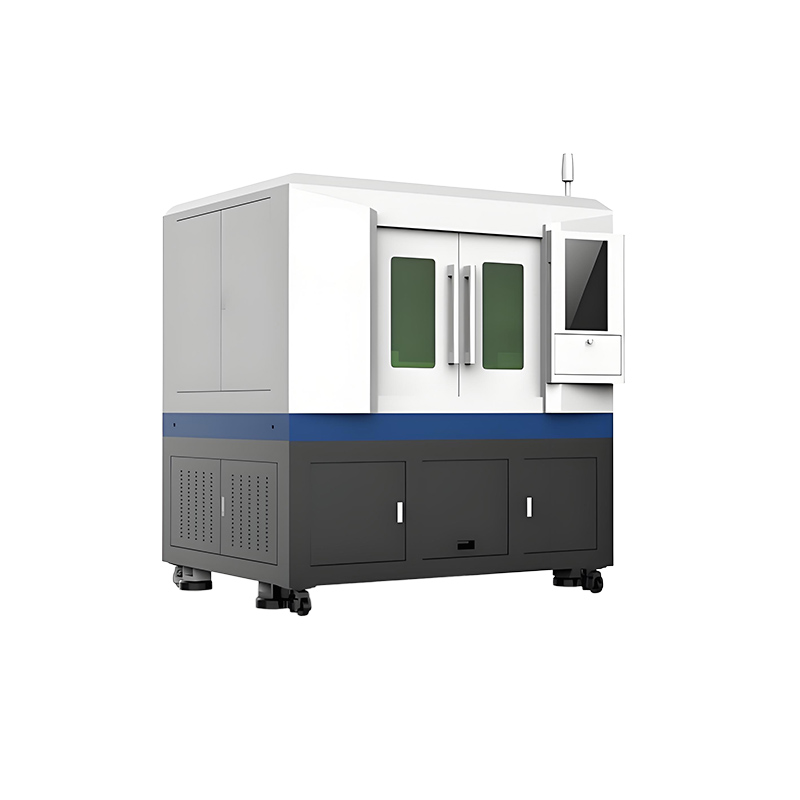
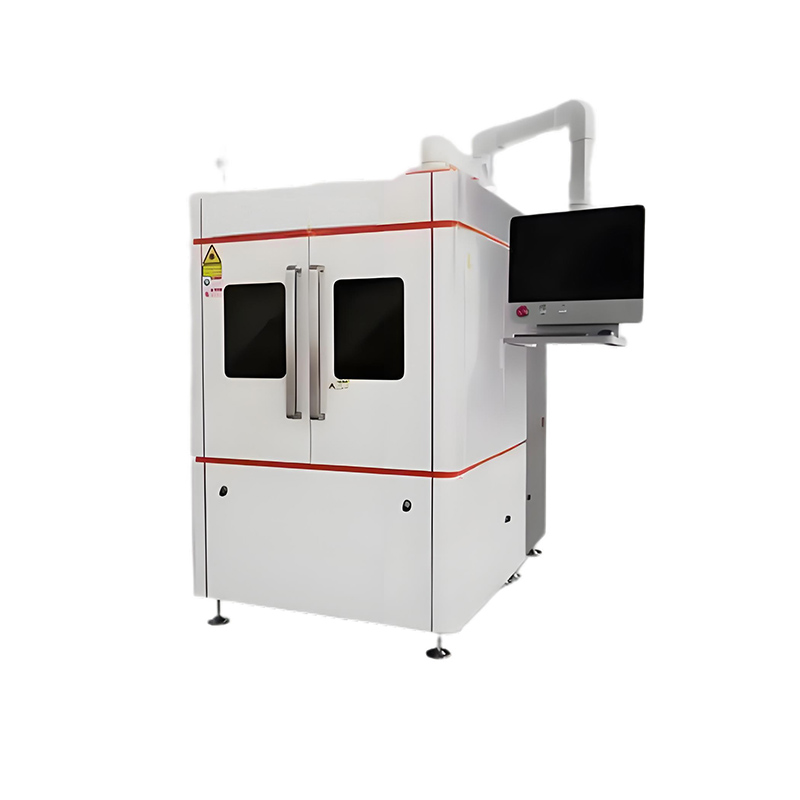
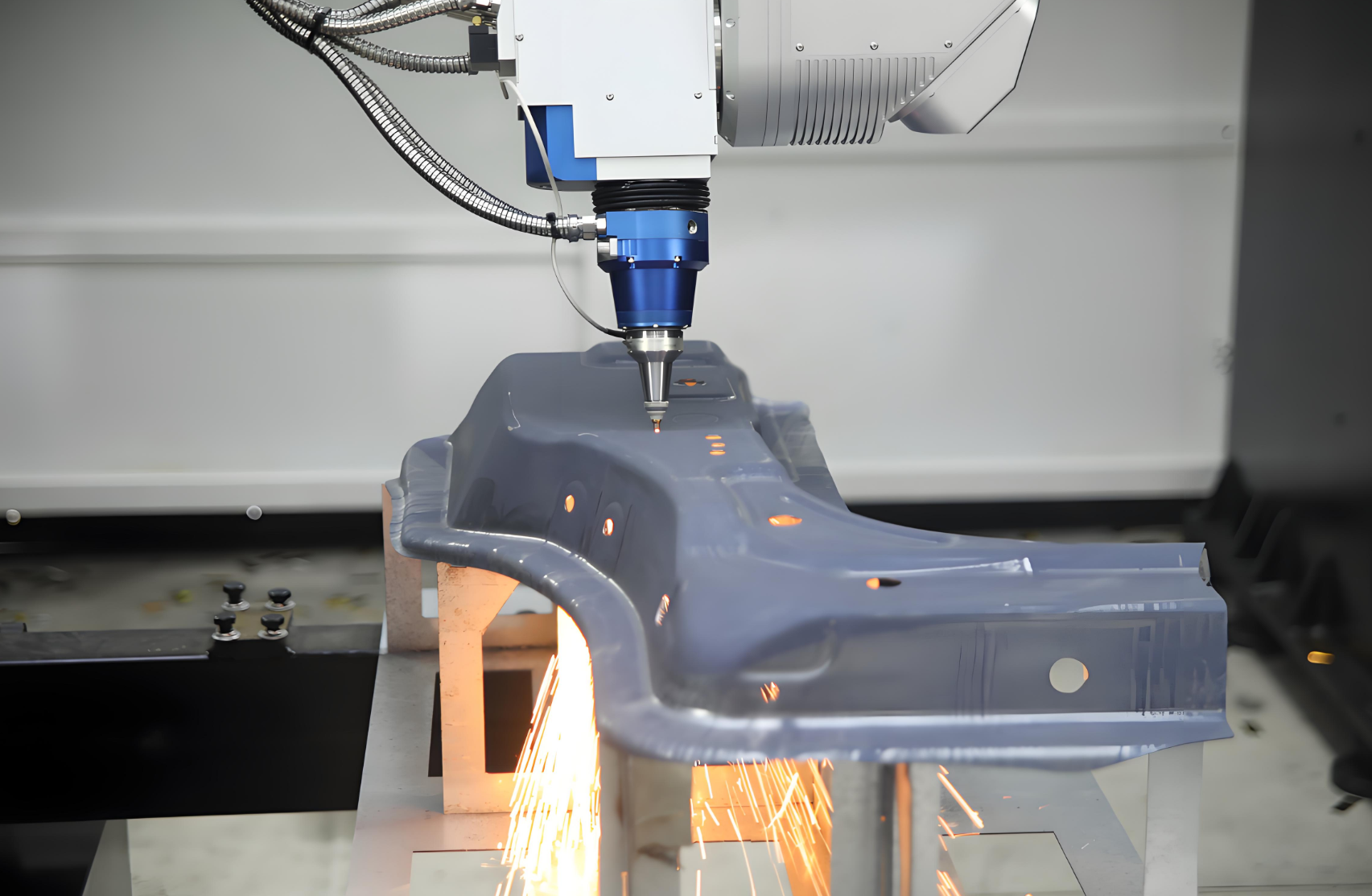
    The five-axis 3D laser cutting machine represents a paradigm shift in subtractive manufacturing. It is a revolutionary solution that directly addresses the growing demand for processing complex, formed components with high precision and efficiency. By seamlessly integrating multi-axis motion control, advanced laser optics, and intelligent software, it conquers the geometrical challenges of 3D surfaces, transforming a traditionally fragmented production chain into a cohesive, automated workflow. Its impact extends beyond the shop floor, influencing design possibilities and accelerating product development cycles. In an era where manufacturing agility and part complexity are key competitive differentiators, investing in five-axis 3D laser cutting technology is not merely an upgrade—it is a strategic imperative for any enterprise aiming to lead in the production of tomorrow's most advanced and intricate components.
  • Lecheng Fiber Laser Marker Re-Identifies Efficiency with Industrial-Grade Stability
    2026
    04-16
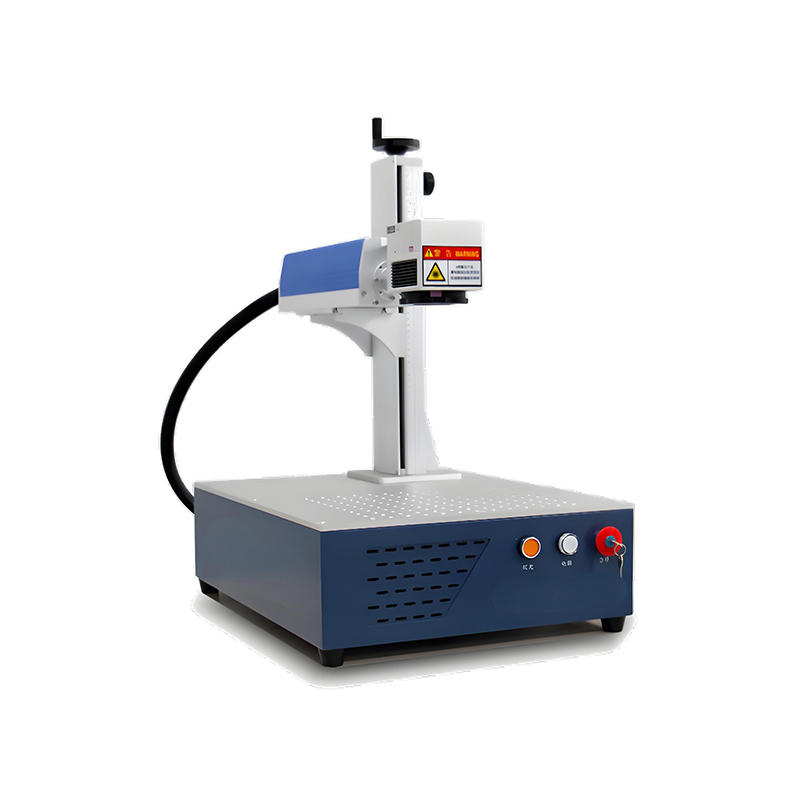
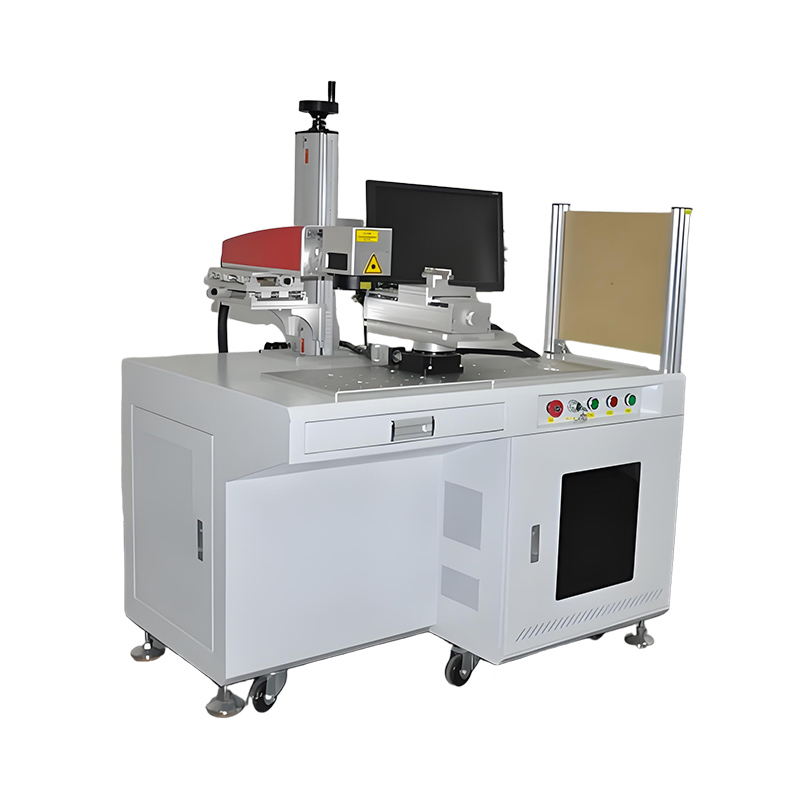
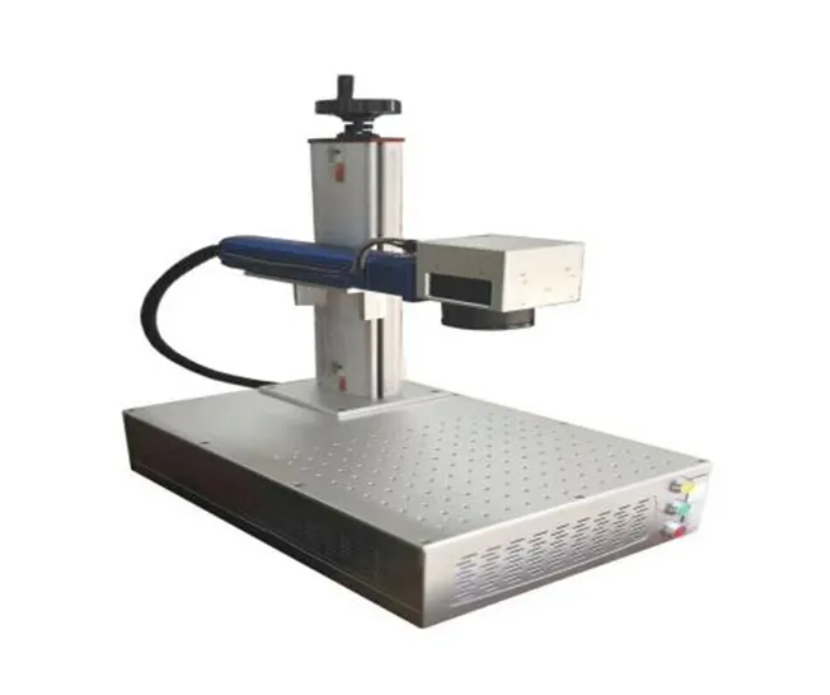
    The Lecheng Fiber Laser Marker achieves more than just high-quality marks; it delivers a fundamental recalibration of manufacturing efficiency. By prioritizing industrial-grade stability, it shifts the focus from isolated marking speed to the integrity of the entire production flow. It eradicates the hidden costs of inconsistency, maintenance, and rework, while providing the unwavering reliability required for mission-critical traceability and automation. In doing so, it re-identifies efficiency as a function of reliability, transforming the laser marker from a commodity tool into a strategic asset that drives tangible quality, compliance, and profitability gains. Investing in such stability is not merely a purchase; it is a decisive step towards building a more resilient, efficient, and competitive manufacturing operation.
  • AAA-Class Large-Area LED Solar Simulator Setting a New Benchmark for Perovskite and Tandem Cell Research
    2026
    04-15
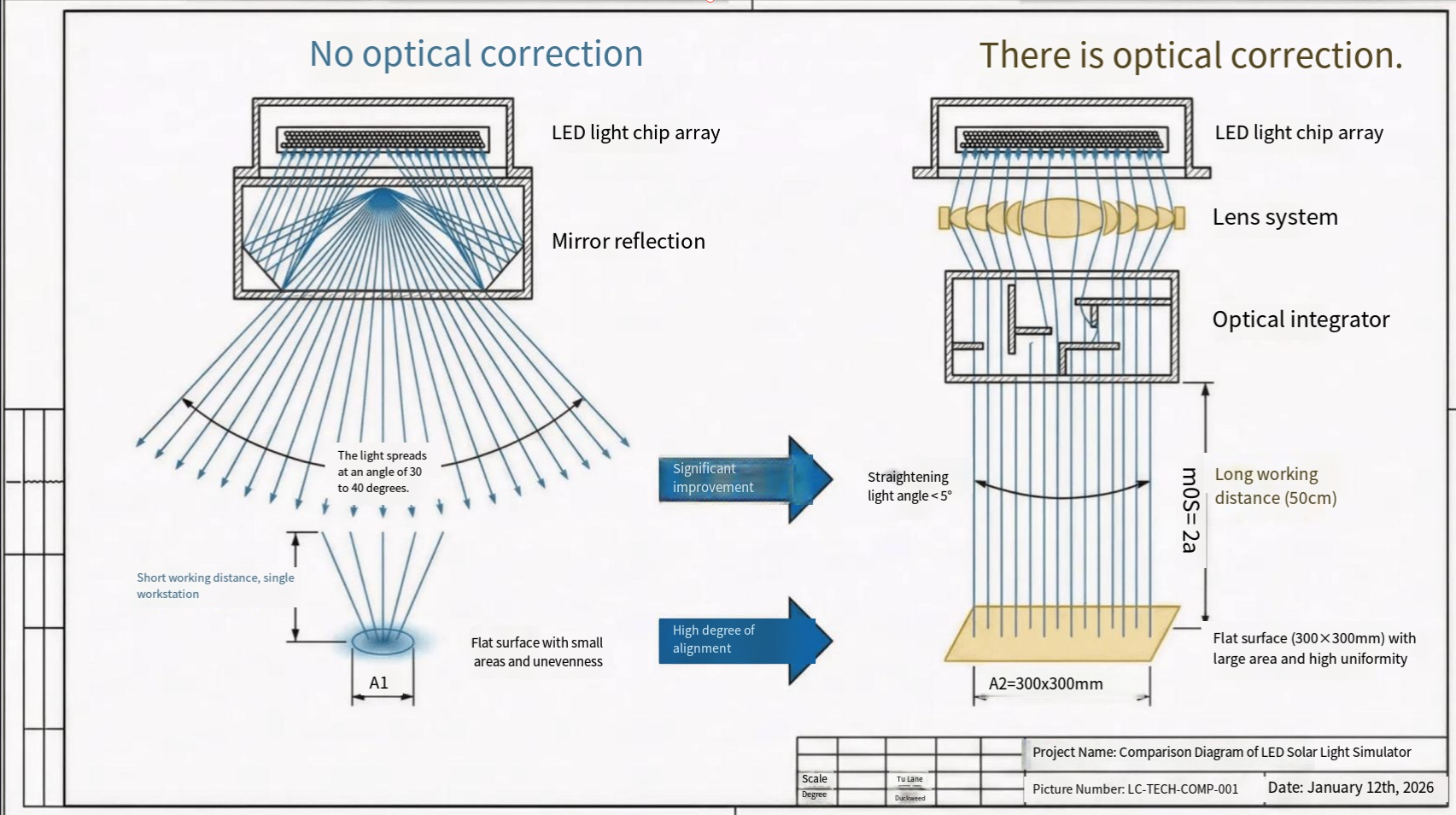
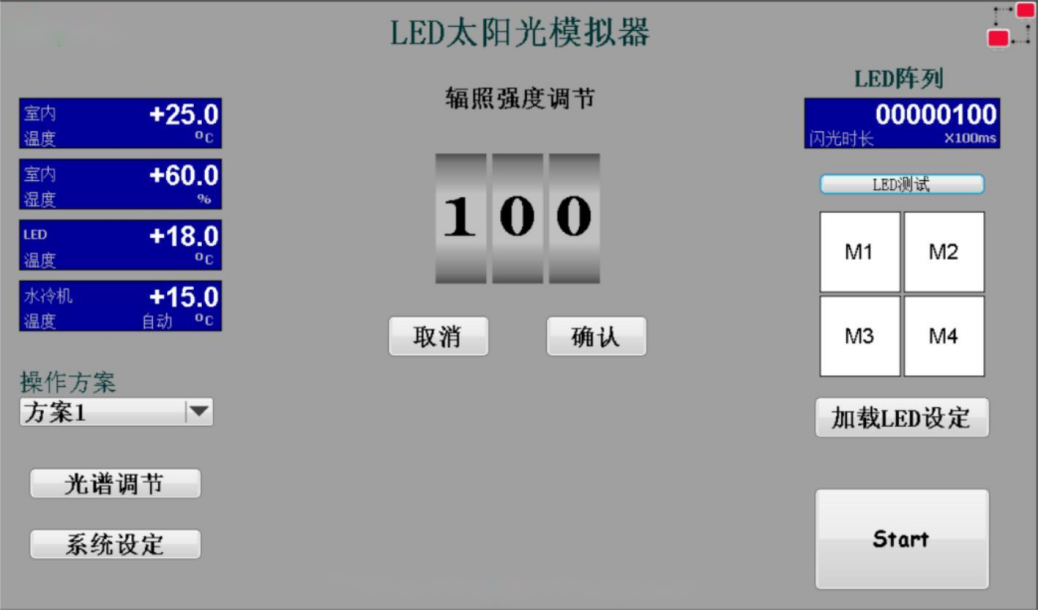
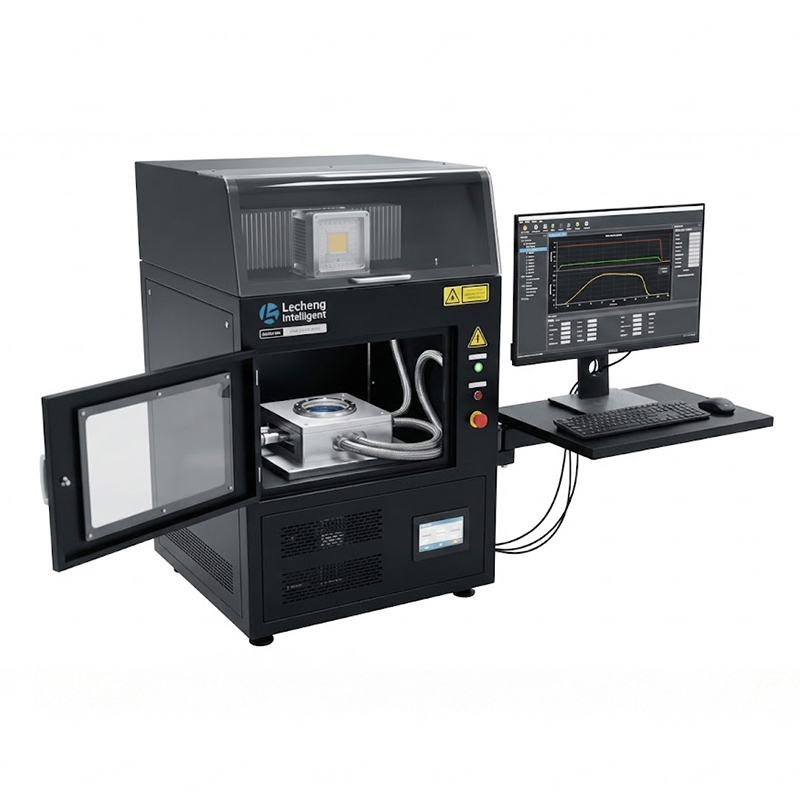
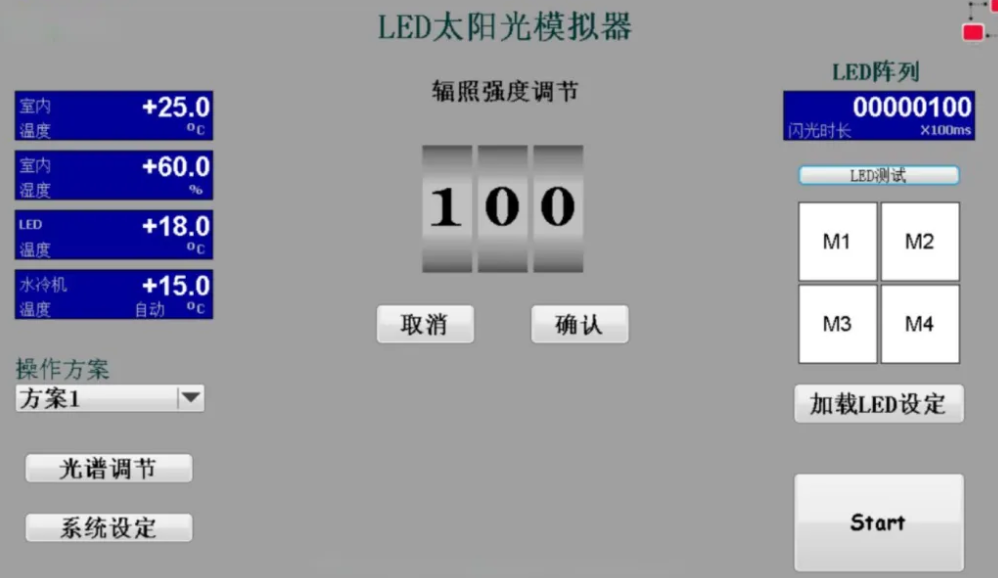
    The AAA-Class Large-Area LED Solar Simulator is far more than an incremental improvement over Xenon-based systems; it is an enabling technology that redefines the standards of accuracy, stability, and practicality in photovoltaic characterization. By delivering unmatched spectral match, temporal stability, large-area uniformity, and true collimation, it provides the foundational truth against which perovskite and tandem cell performance must be measured. In the high-stakes race to commercialize the next generation of solar technology, this tool is not optional—it is essential. It ensures that every efficiency percentage point claimed is real, every stability improvement is measurable, and every step toward the factory floor is taken on a foundation of irrefutable data. It sets the benchmark that will separate credible innovation from mere speculation, powering the transition of groundbreaking laboratory discoveries into the sustainable energy solutions of tomorrow.
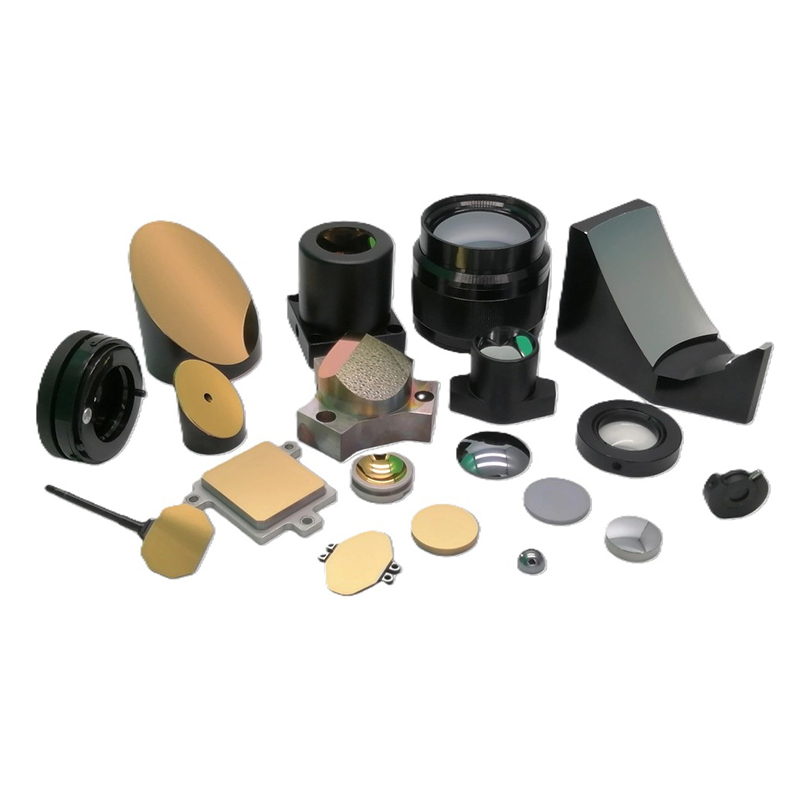
  • All-in-One Air-Cooled Handheld Laser Welder: Ushering in a New Era of Water-Free, Highly Portable Precision Welding
    2026
    04-14
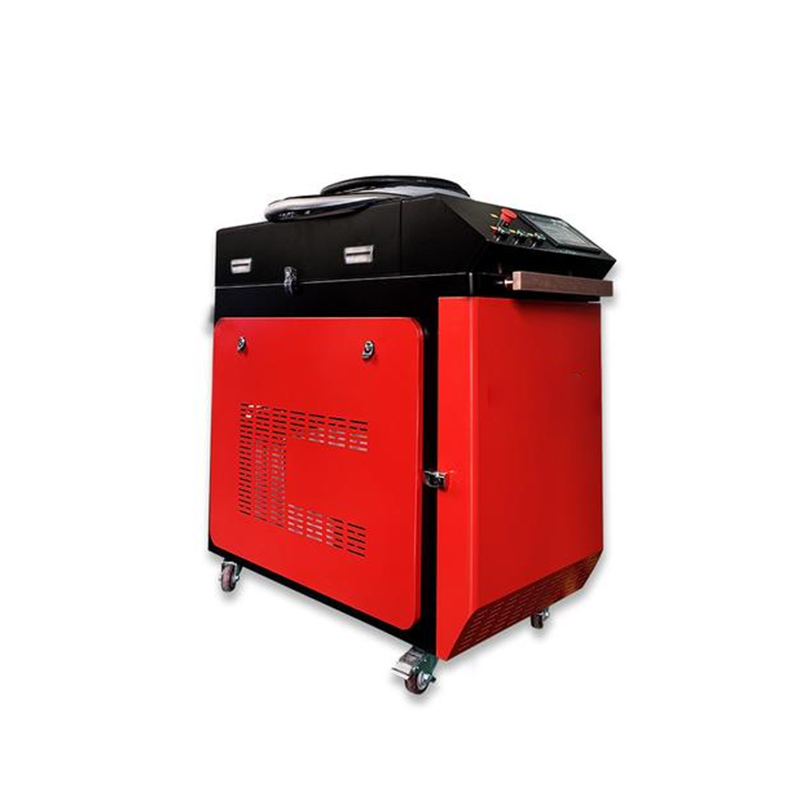
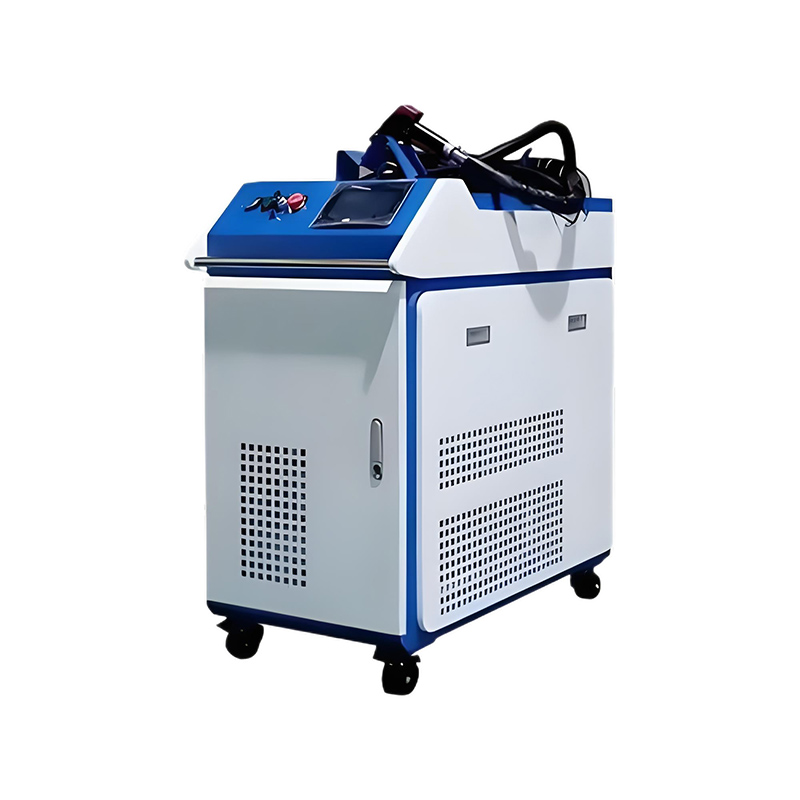
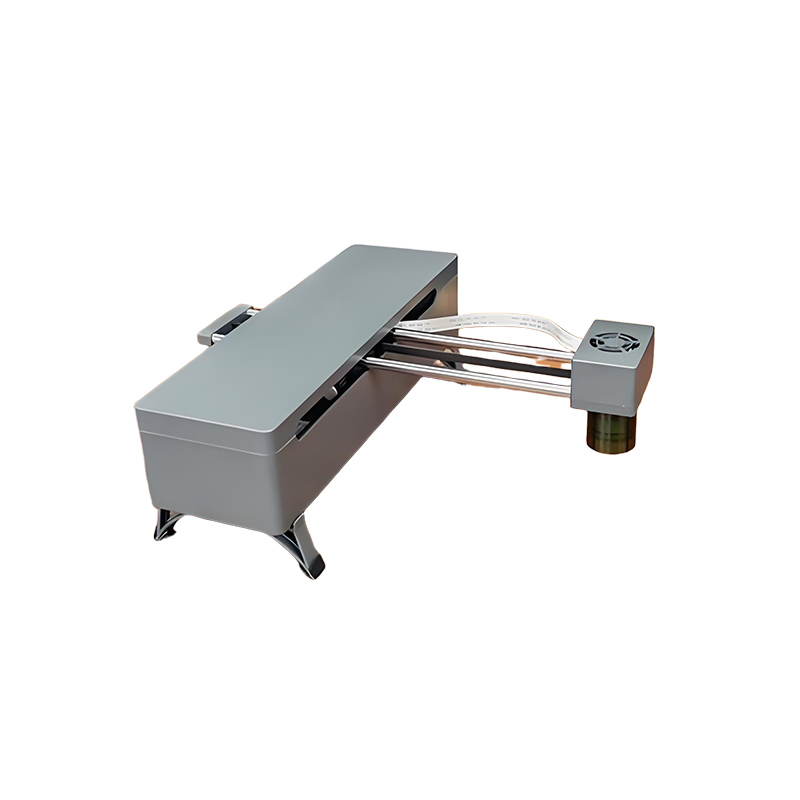
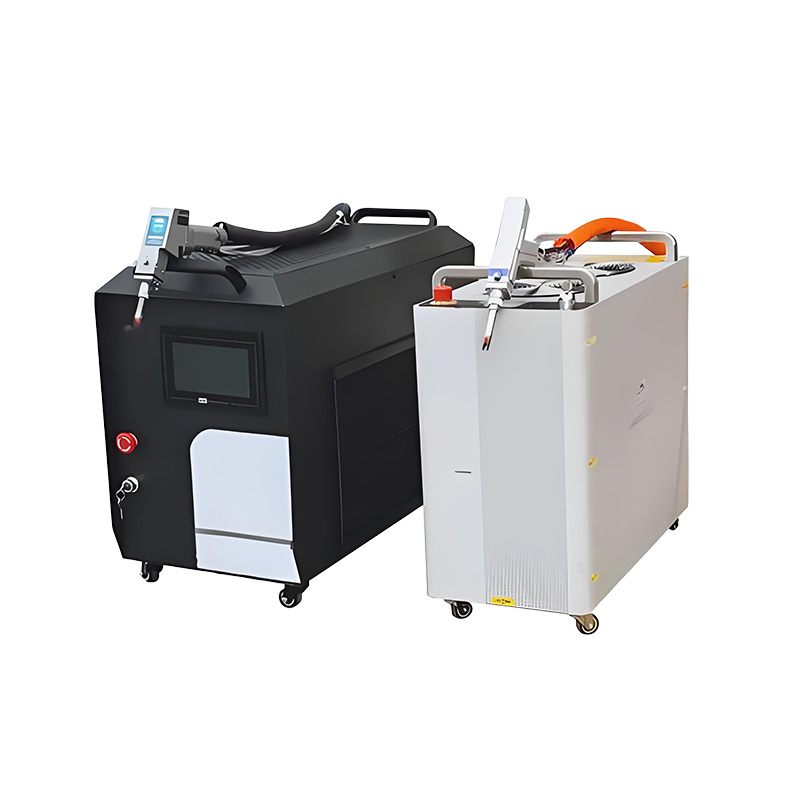
    The all-in-one air-cooled handheld laser welder represents a paradigm shift in materials joining technology. It successfully decouples the precision and quality of laser welding from the fixed infrastructure that has historically confined it, offering unparalleled portability and operational freedom. By solving the critical challenge of thermal management through integrated air-cooling, it delivers reliable, industrial-grade performance in a compact, go-anywhere package. This innovation is more than a convenient tool; it is an enabler that democratizes advanced manufacturing, unlocks new applications across diverse sectors, and drives efficiency by bringing the workshop directly to the job. It truly marks the dawn of a new era in flexible, accessible, and high-precision welding.
  • Steady-State vs. Pulsed Light Testing for Perovskite Solar Cells
    2026
    04-13
    The steady-state versus pulsed light debate in perovskite testing is not about finding a single "correct" method, but about applying the right tool for the right question. Pulsed light offers speed and insight into intrinsic electronic properties, while steady-state testing delivers the essential truth about operational performance and long-term energy yield. For the perovskite industry to build trust and achieve commercialization, prioritizing steady-state measurements as the gold standard for reporting stabilized efficiency and conducting reliability assessments is non-negotiable. Ultimately, investing in precise, reliable testing equipment for both methodologies—and understanding their distinct roles—is crucial for transforming promising perovskite innovations into bankable, high-performance solar products that can endure in the real world.
40px

80px

80px

80px

Get Quote