Products

Featured products

Contact us

​Technology News

  • Thin-Film Solar Breakthroughs
    2025
    12-03
    A major hurdle for perovskite solar cells has been the sensitivity of the materials to ambient air during manufacturing, which typically requires energy-intensive, inert-gas environments. A groundbreaking solution comes from Nanchang University, where researchers developed a novel "laser annealing" technique.
  • Laser Ablation vs. Engraving vs. Cutting
    2025
    12-02
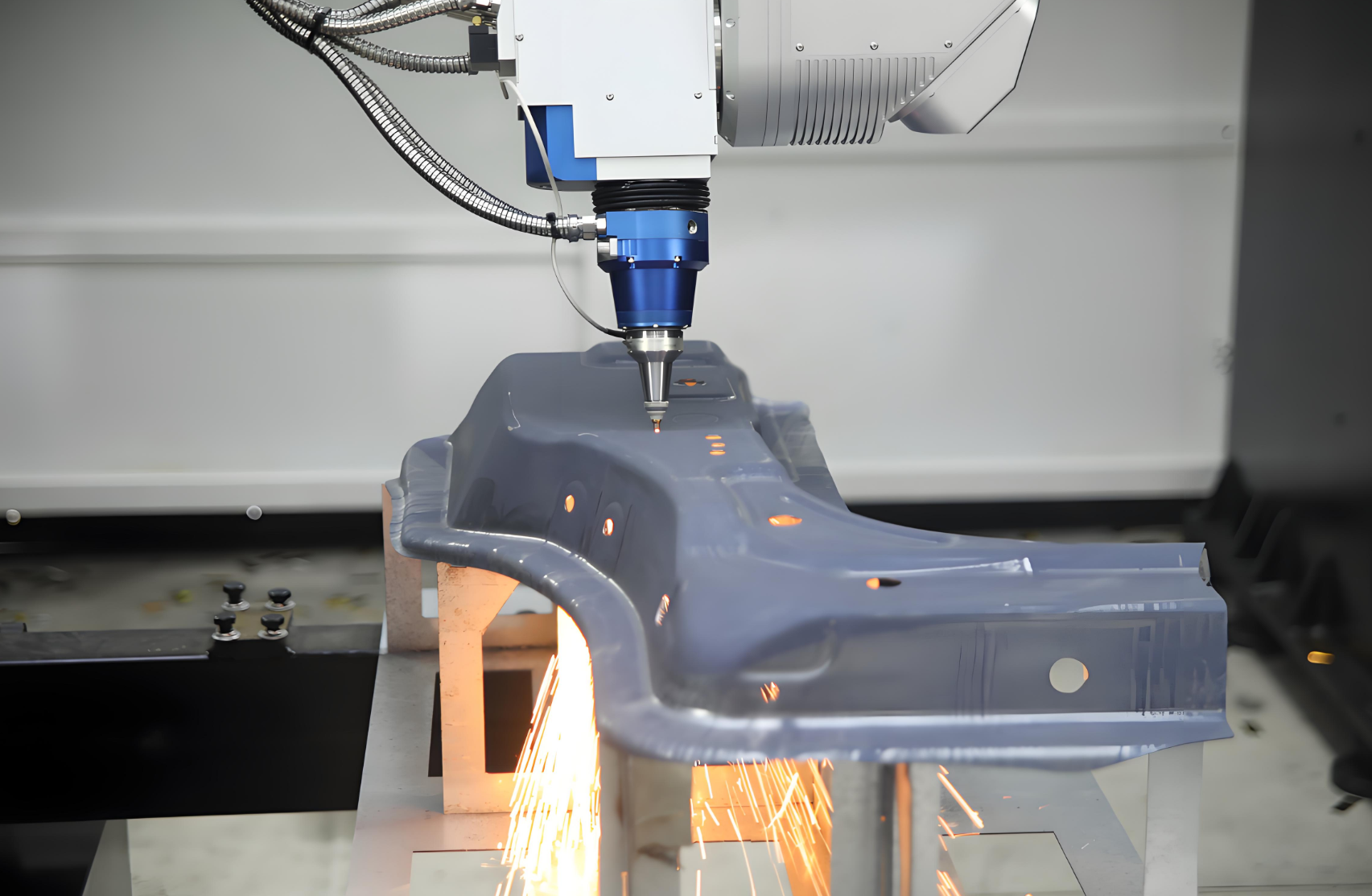
    Laser processing technologies, including ablation, engraving, and cutting, are fundamental to modern precision manufacturing. While they all utilize high-energy laser beams to interact with materials, they are distinguished by their core objectives, key process parameters, and resultant application scenarios. Understanding these differences is crucial for selecting the appropriate technology for specific industrial needs.
  • Laser Ablation: The Core Process of Precision Marking
    2025
    11-30
    Laser ablation, a sophisticated material processing technology, has established itself as a cornerstone technique in precision marking and micro-fabrication. This process utilizes high-energy pulsed laser beams to selectively remove material from a surface through vaporization, achieving unparalleled accuracy in creating fine features and markings. As industries increasingly demand higher precision and minimal thermal impact, laser ablation continues to evolve, offering innovative solutions across various manufacturing sectors.
  • Global Solar Market Growth Opportunities and the Lecheng Advantage in PV Production and Test Equipment
    2025
    11-27
    The global PV market is entering a quality‑first, system‑value era: growth is broadening across regions, technologies are differentiating by efficiency and aesthetics, and the industry is consolidating around higher standards and smarter manufacturing. For Lecheng, aligning product roadmaps with these structural trends—especially in high‑efficiency cell and module testing—can unlock sustained share gains and long‑term customer value in both established and emerging markets.
  • The Promise and Challenges of Roll-to-Roll Laser Scribing & Edge-Cleaning Systems in Flexible Electronics Manufacturing
    2025
    11-13
    The rapid growth of flexible electronics—including flexible printed circuit boards (FPCs), organic light-emitting diodes (OLEDs), wearable sensors, and rollable displays—has driven demand for high-precision, high-throughput manufacturing solutions. Among these, the roll-to-roll (R2R) laser scribing & edge-cleaning systemhas emerged as a transformative technology, enabling non-contact, high-speed processingof thin, delicate materials.
  • Femtosecond Laser Processing
    2025
    10-27
    Femtosecond laser processing represents one of the most advanced frontiers in precision manufacturing today. This technology utilizes laser pulses of incredibly short duration—approximately 10⁻¹⁵ seconds—to achieve material processing with unparalleled precision and minimal thermal damage. The unique characteristics of femtosecond lasers have opened up revolutionary possibilities across industries from medical devices to aerospace engineering.
  • Flexible perovskite module
    2025
    10-26
    First, why can perovskite solar cells still generate electricity indoors or in low-light environments? It's not generating light itself, but rather converting the faint light into electrical energy, which powers the small light in the circuit. Perovskite material is particularly good at absorbing light; even indoor light or scattered light can be utilized efficiently and normally.
  • Efficient All-Perovskite Photovoltaic Cells
    2025
    10-09
    As wearable technology advances from fitness trackers to medical monitors and augmented reality glasses, power autonomy remains the critical bottleneck. Conventional batteries limit device functionality and design freedom, while rigid solar solutions compromise wearability. Enter ultrathin all-perovskite photovoltaic cells – the breakthrough technology enabling truly self-sustaining wearable ecosystems.
  • Monitoring and Quality Control of P1, P2, P3 Laser Scribing for High-Yield Perovskite Solar Modules
    2025
    10-08
    Perovskite solar modules (PSMs) have emerged as a promising photovoltaic technology due to their high efficiency and low manufacturing costs. However, the commercialization of PSMs faces significant challenges in achieving precise and reliable laser scribing processes for series interconnection. The laser scribing quality directly impacts the geometric fill factor (GFF), series resistance, and ultimate conversion efficiency of solar modules. This article systematically examines the monitoring techniques and quality control strategies for P1, P2, and P3 laser scribing processes that are essential for improving production yield in industrial manufacturing.
  • P1, P2, and P3 Laser Scribing
    2025
    10-07
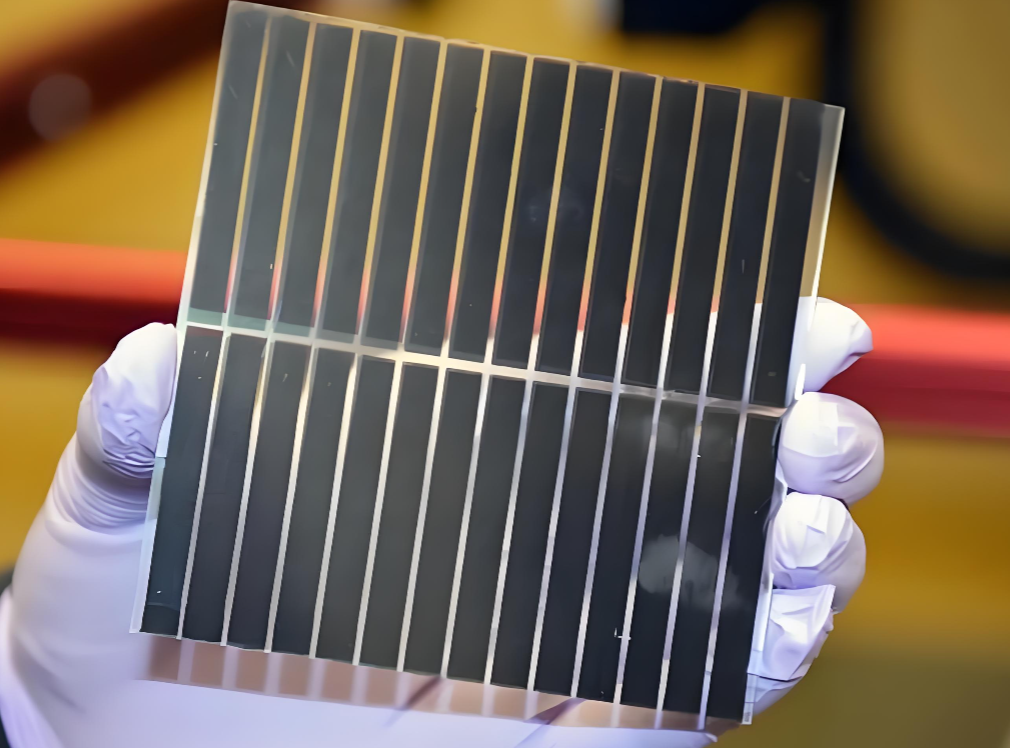
    The P1, P2, and P3 laser scribing processes each play distinct but interconnected roles in manufacturing high-efficiency thin-film solar cells. P1 establishes the foundational electrical isolation, P2 creates the critical series interconnection between cells, and P3 completes the circuit isolation. Together, these precision processes enable the production of series-connected solar modules with minimized dead areas and maximized active area for power generation. As solar cell technologies continue to advance toward higher efficiencies and thinner layer architectures, the precision and control offered by laser scribing will remain indispensable for commercial viability.
  • Demystifying Beam Splitting Technologies in Perovskite Photovoltaic Laser Processing
    Demystifying Beam Splitting Technologies in Perovskite Photovoltaic Laser Processing
    The transition to gigawatt-scale perovskite solar production hinges on precision laser processing, where beam splitting technology plays a pivotal role. By dividing a single laser source into multiple beams, this technique enables simultaneous scribing of P1-P3 patterns and edge isolation (P4), directly impacting throughput, dead zone control, and production costs. Current industrial approaches primarily include mechanical beam splitting and diffractive optical elements (DOEs), each with distinct advantages for perovskite’s thermal sensitivity and scalability requirements.
    More
  • The Application of Laser Technology in the Industrialization of Perovskite Solar Cells
    The Application of Laser Technology in the Industrialization of Perovskite Solar Cells
    Perovskite solar cells (PSCs) represent the third generation of thin-film solar technology, renowned for their high efficiency, low cost, and flexibility. As industrialization progresses, laser technology has emerged as a critical enabler, addressing key challenges in precision processing and scalability. This article explores the multifaceted role of lasers in PSC manufacturing.
    More
  • Roll-to-Roll (R2R) Laser Scribing System for Thin-Film Solar Cells
    Roll-to-Roll (R2R) Laser Scribing System for Thin-Film Solar Cells
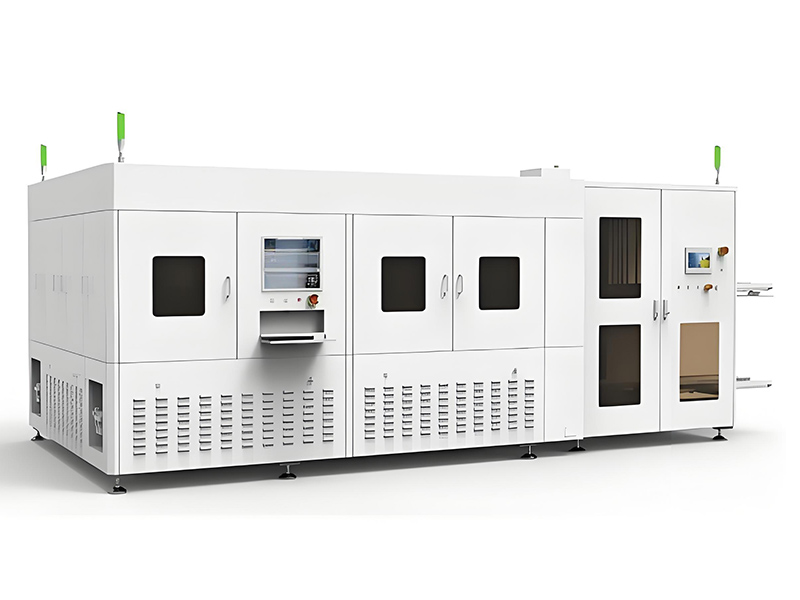
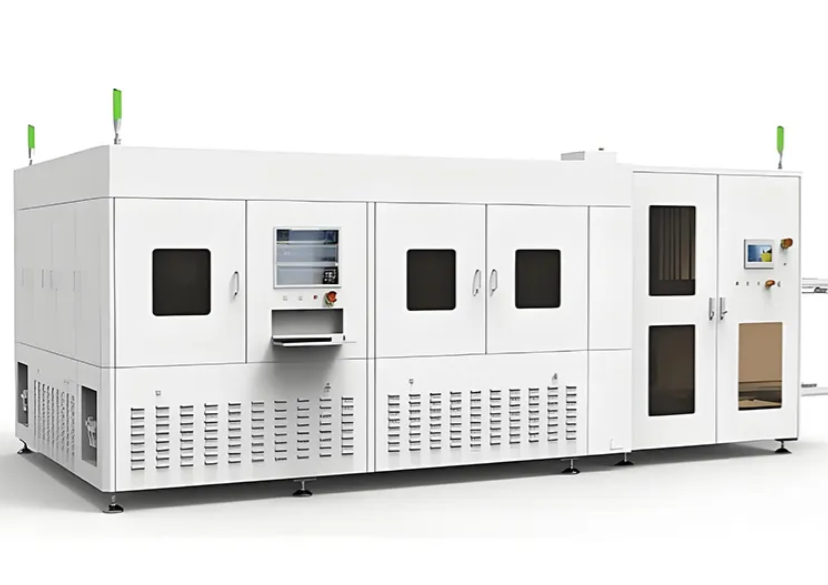
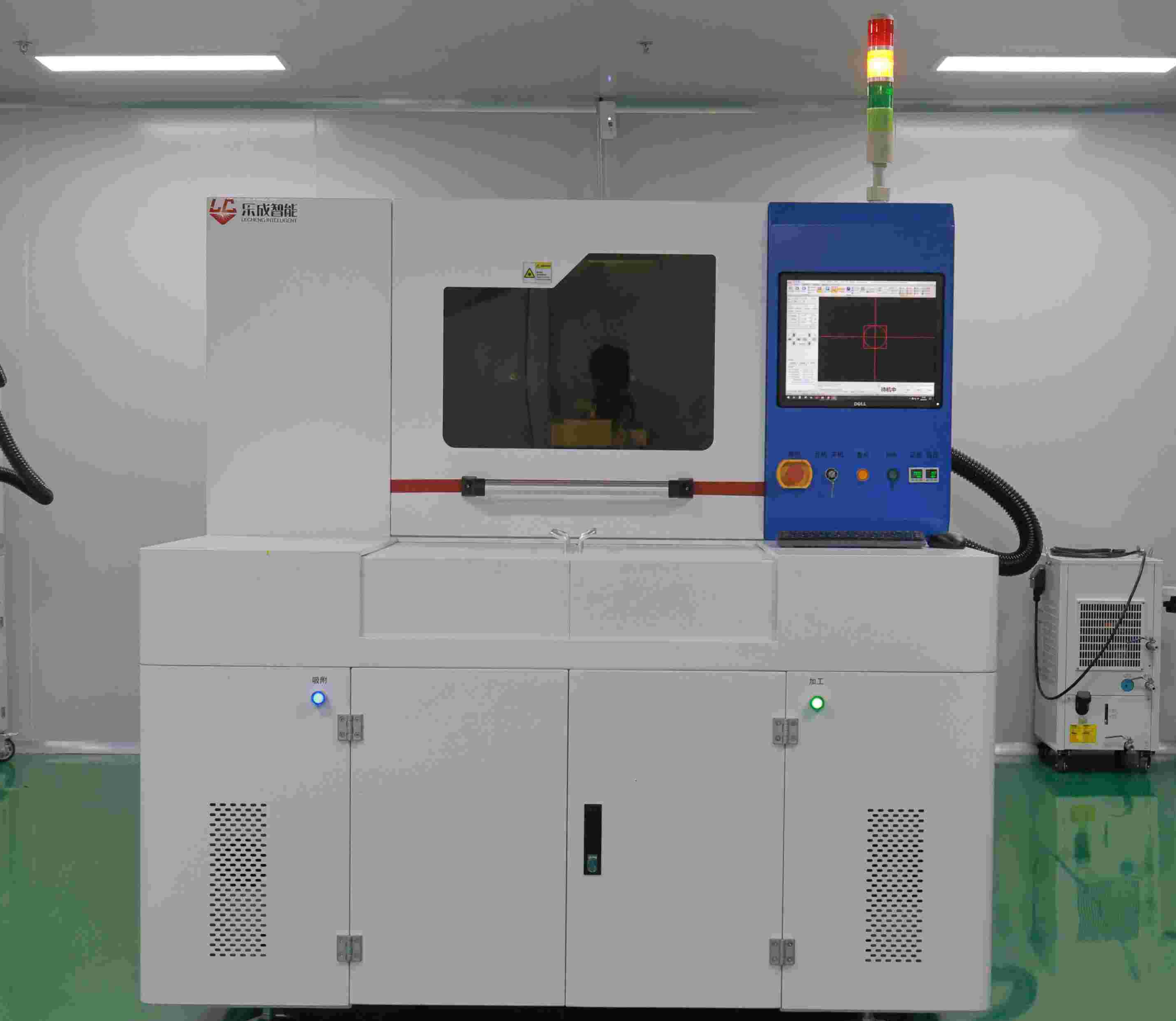
    The equipment utilizes a high-energy-density laser beam, precisely controlled by a computer system, to process roll-to-roll thin-film solar cell materials according to pre-programmed scribing patterns. Through laser thermal or cold processing effects, the thin-film material is instantaneously vaporized, separated, or modified, achieving precise scribing to either segment the cells or create specific circuit patterns on them.
    More
  • Perovskite Photovoltaic Module
    Perovskite Photovoltaic Module
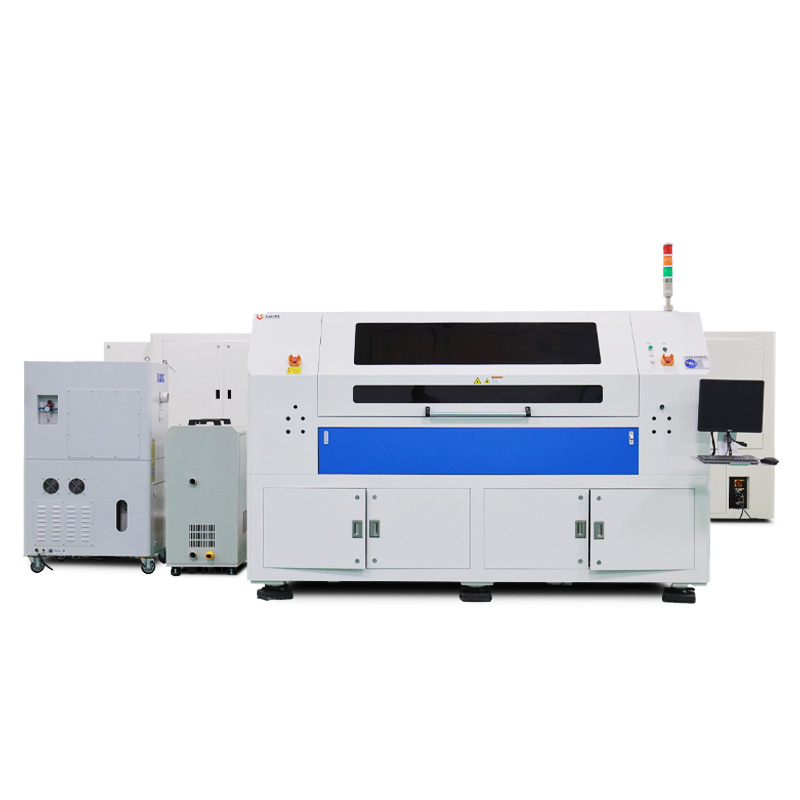
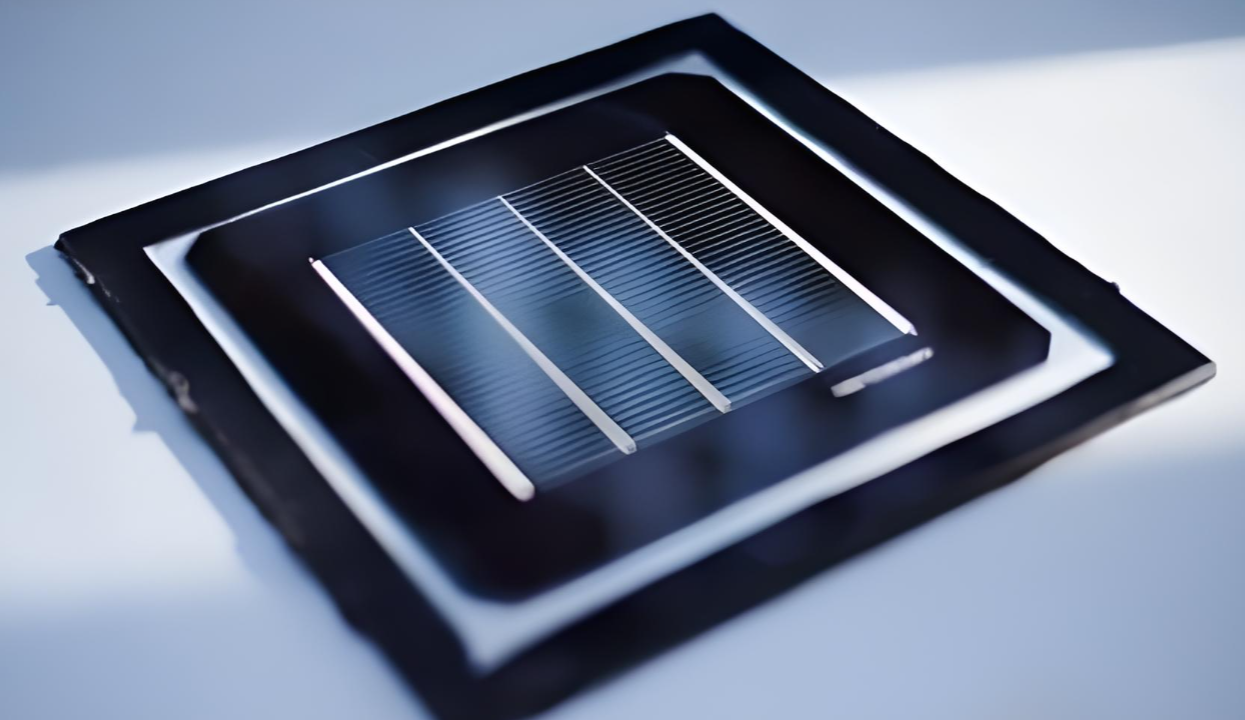
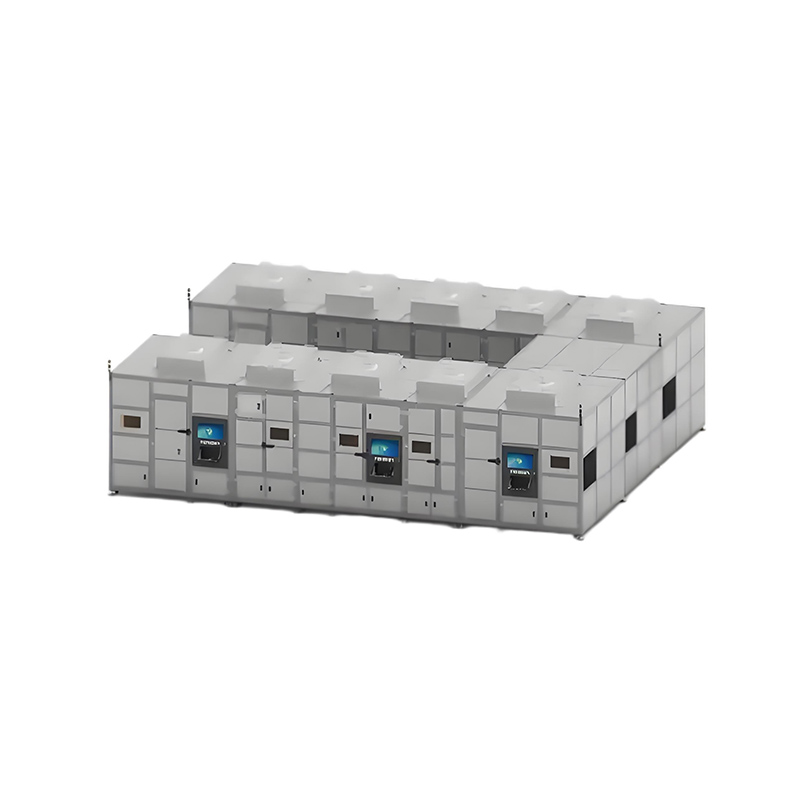
    Lecheng's laser scribing equipment, equipped with a high-precision laser control system, achieves micron-level patterning accuracy with smooth, thermally damage-free edges. This significantly reduces internal resistance losses in solar cells, pushing power conversion efficiency to industry-leading levels—perfectly meeting the high-power output demands of mass production.
    More
  • High-Precision Laser Micromachining Equipment
    High-Precision Laser Micromachining Equipment
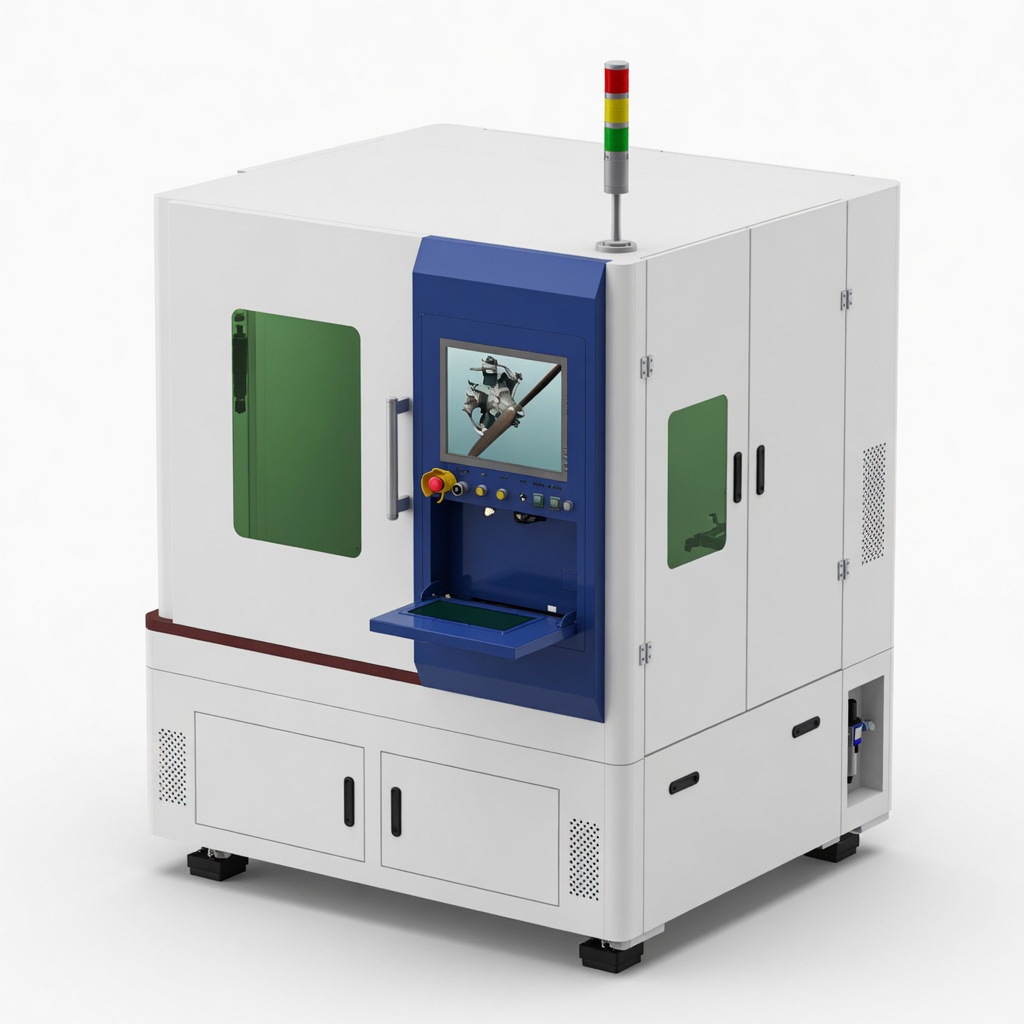
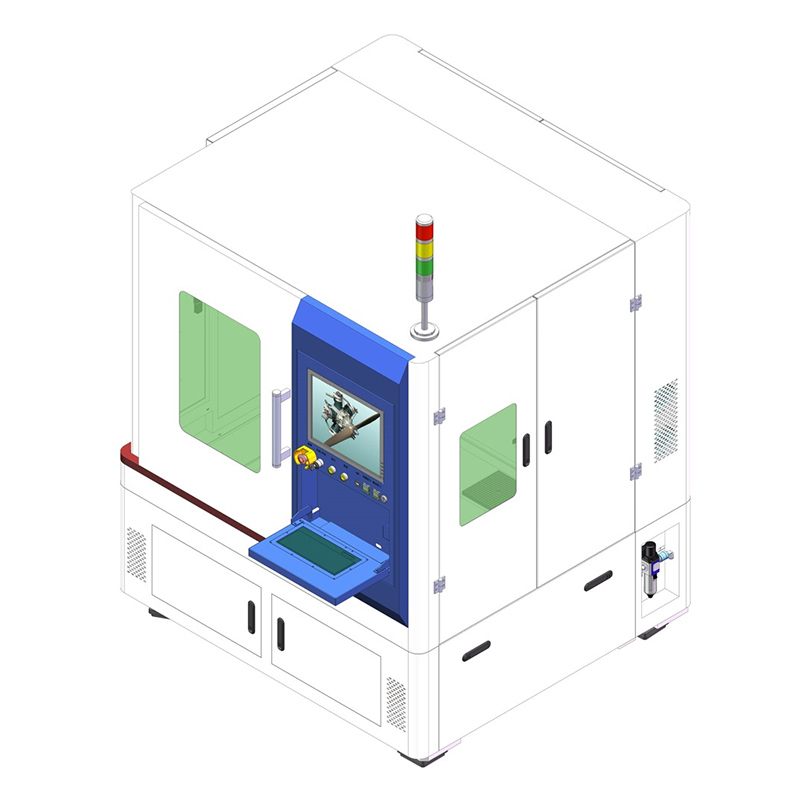
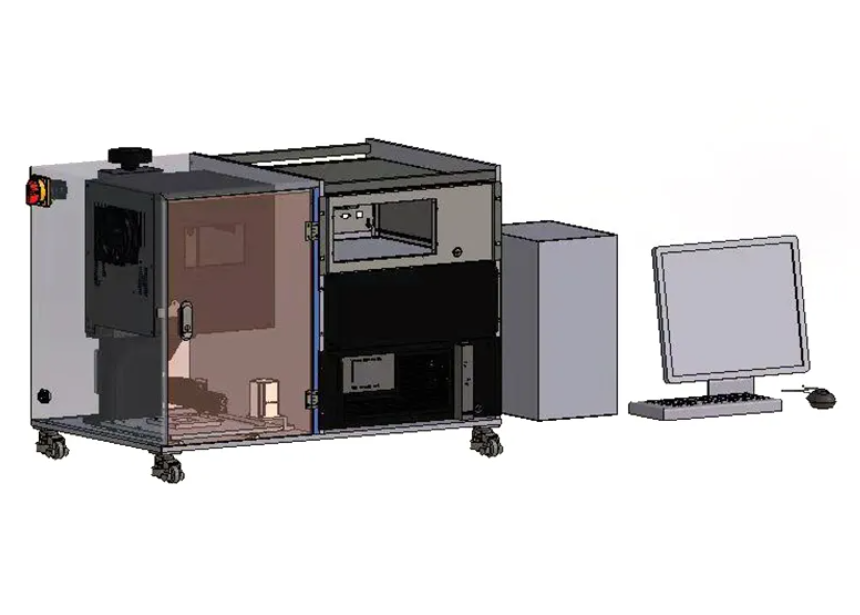
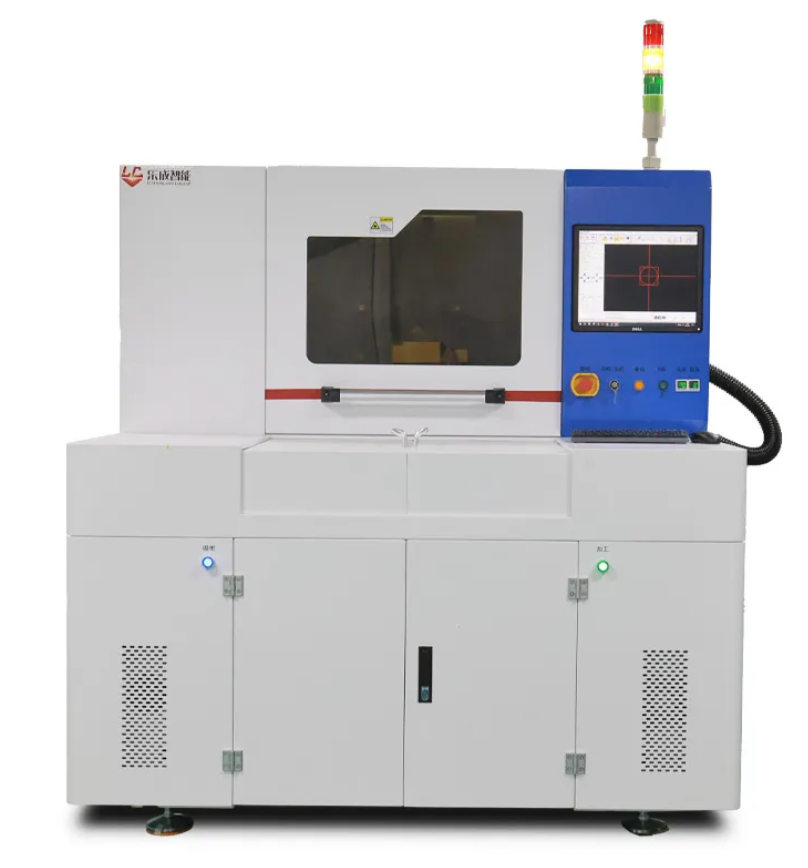
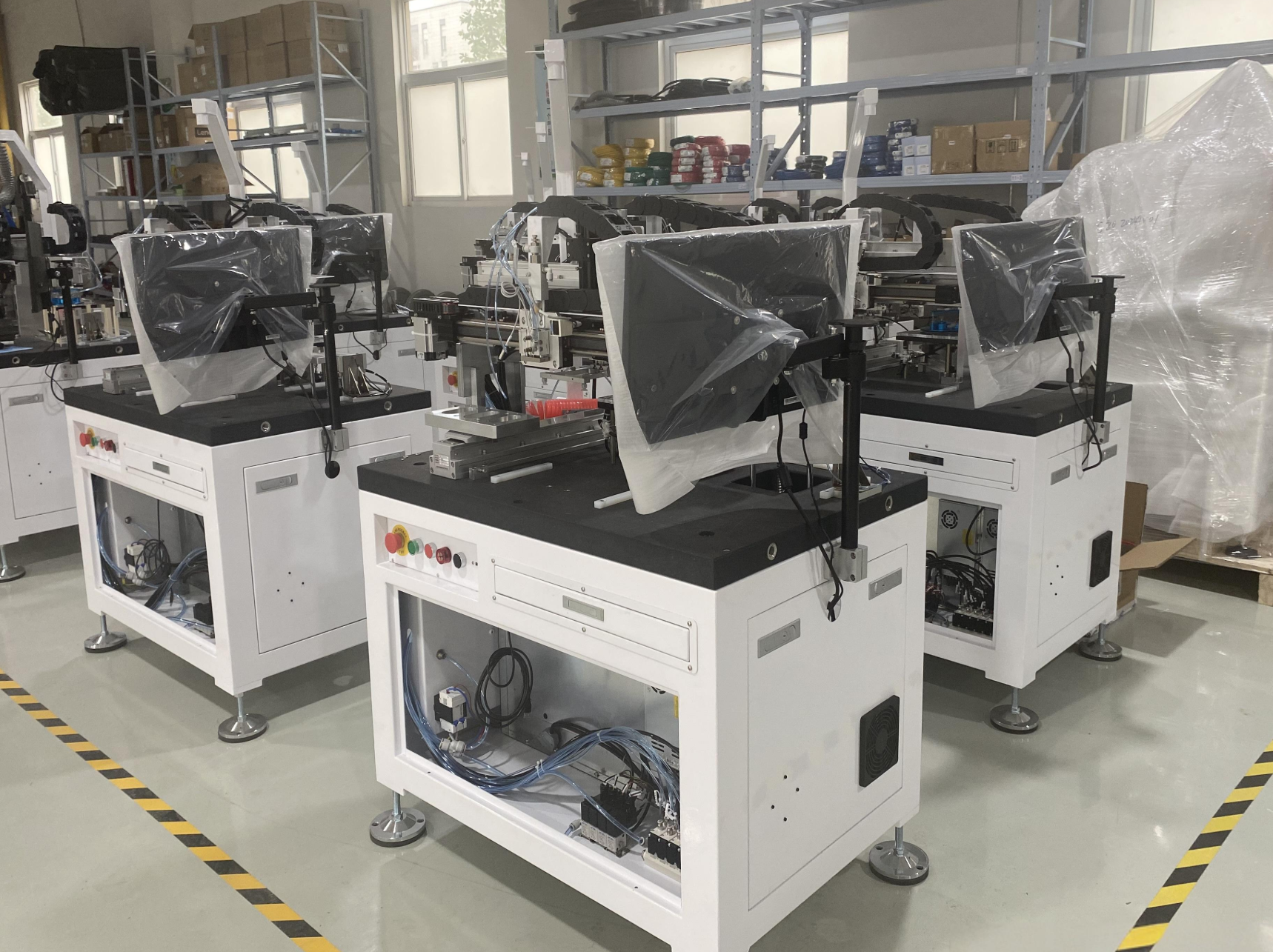
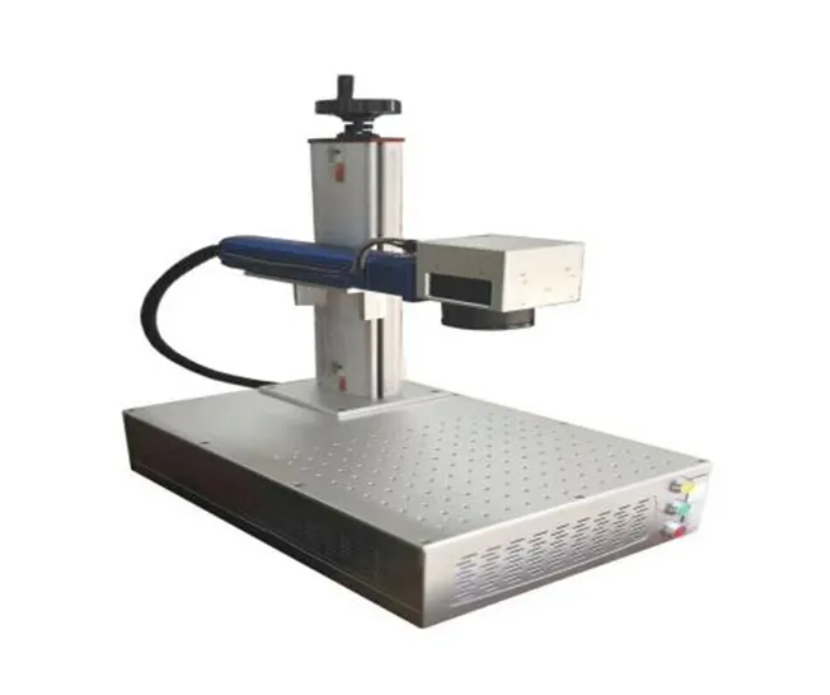
    Laser high-precision micromachining technology achieves material processing through precise control of core parameters such as wavelength, pulse width, and energy density, utilizing either thermal or cold processing mechanisms. This induces instantaneous material vaporization, melting, or modification, enabling operations such as cutting, drilling, engraving, and surface treatment. It stands as a pivotal technology in high-precision manufacturing.
    More
  • Customer Acclaim
    Customer Acclaim
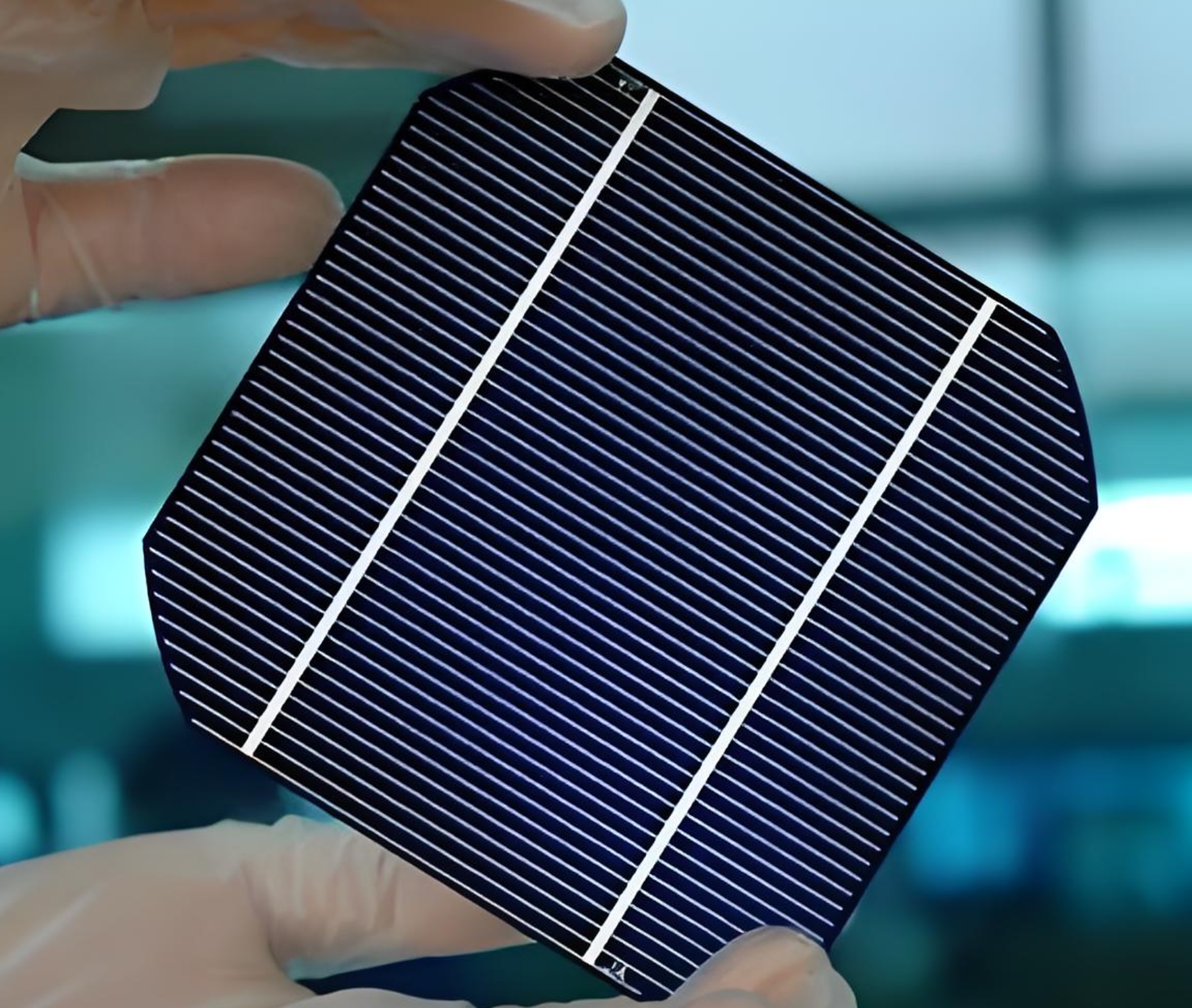
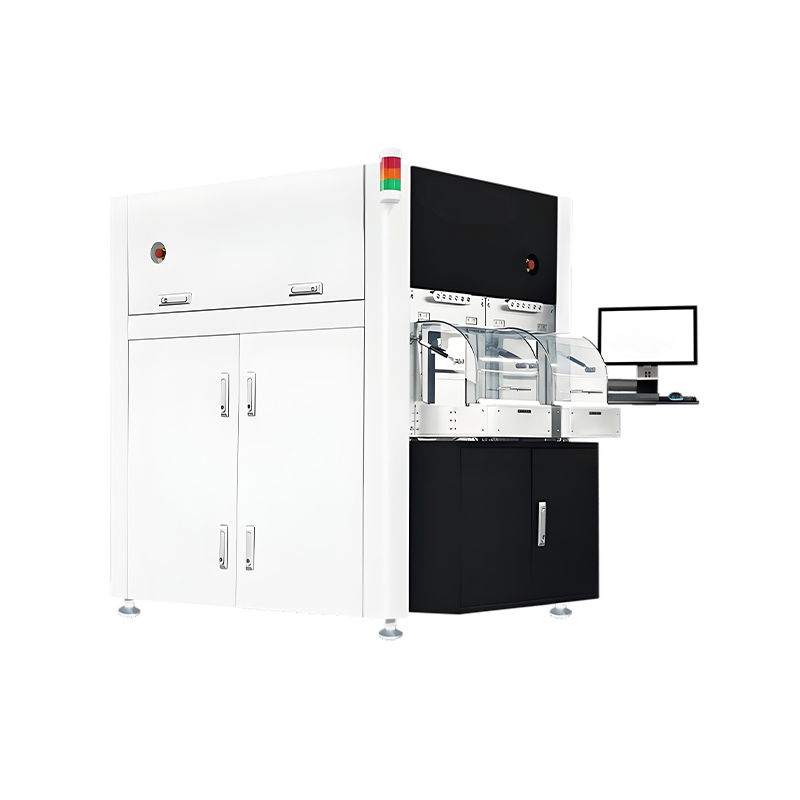
    This prestigious accolade has significantly elevated Lecheng Intelligent's industry visibility and reputation, distinguishing it as a trusted leader among suppliers. The recognition solidifies its competitive edge and lays a robust foundation for market expansion.
    More

40px

80px

80px

80px

Get Quote