Products

Featured products

Contact us

Why Beam Splitting Technology is Key to Gigawatt-Scale Perovskite Production

2026-01-20

Why Beam Splitting Technology is Key to Gigawatt-Scale Perovskite Production

Enhancing Production Throughput with Multi-Beam Laser Processing

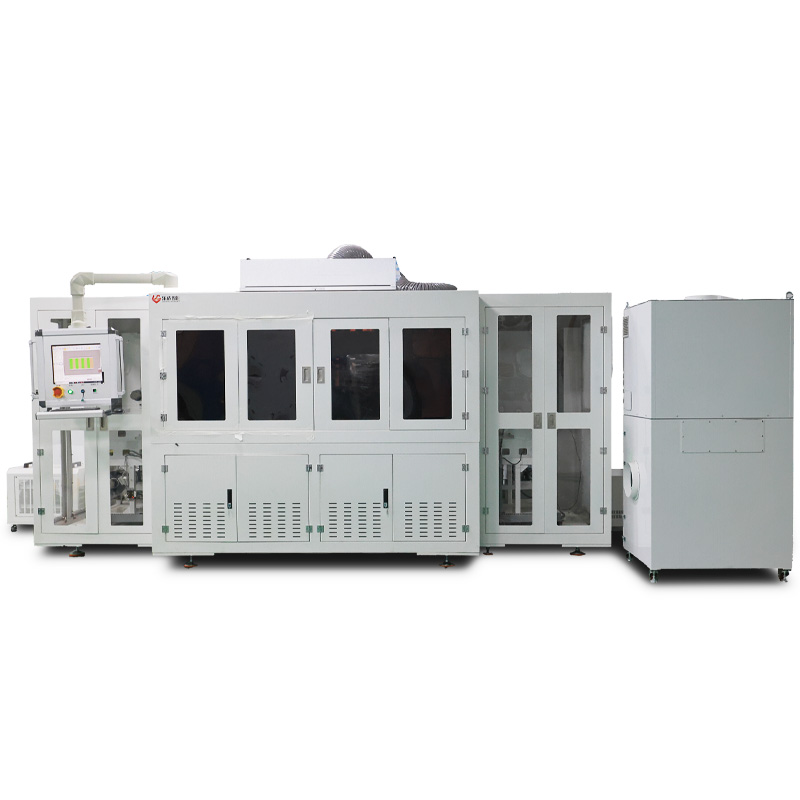
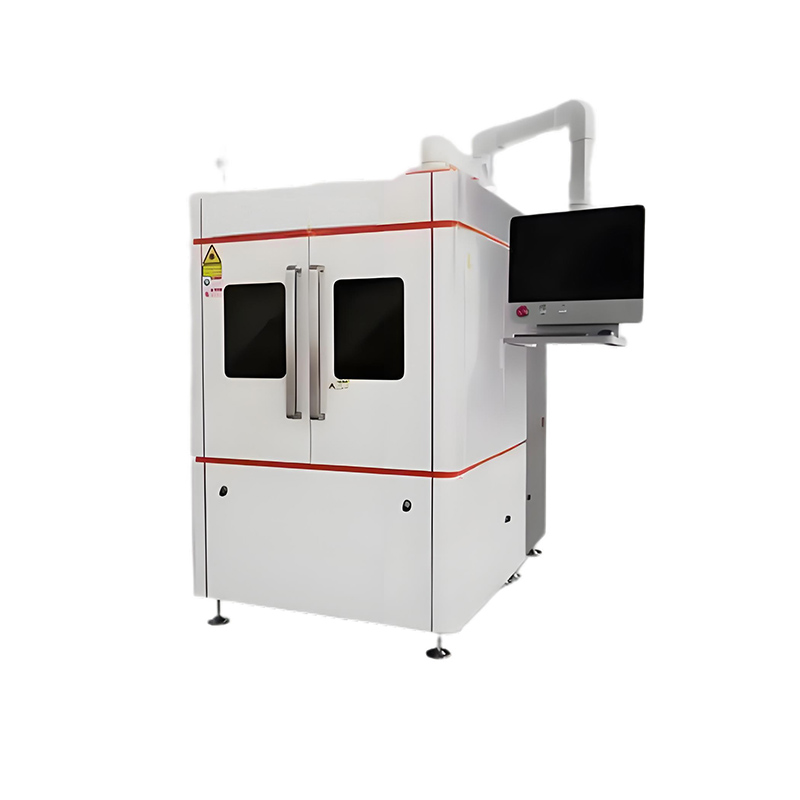
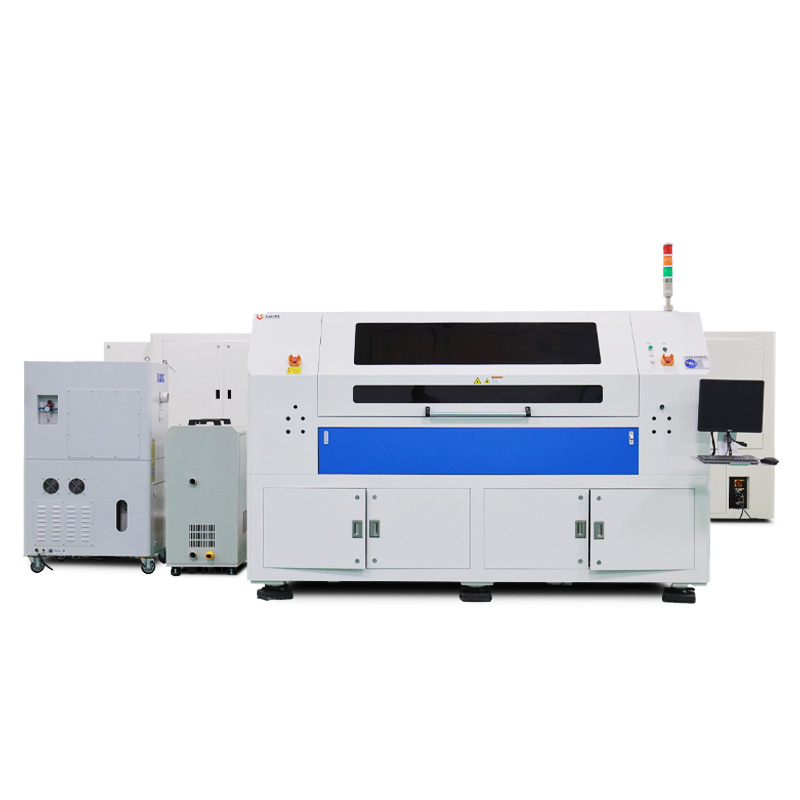
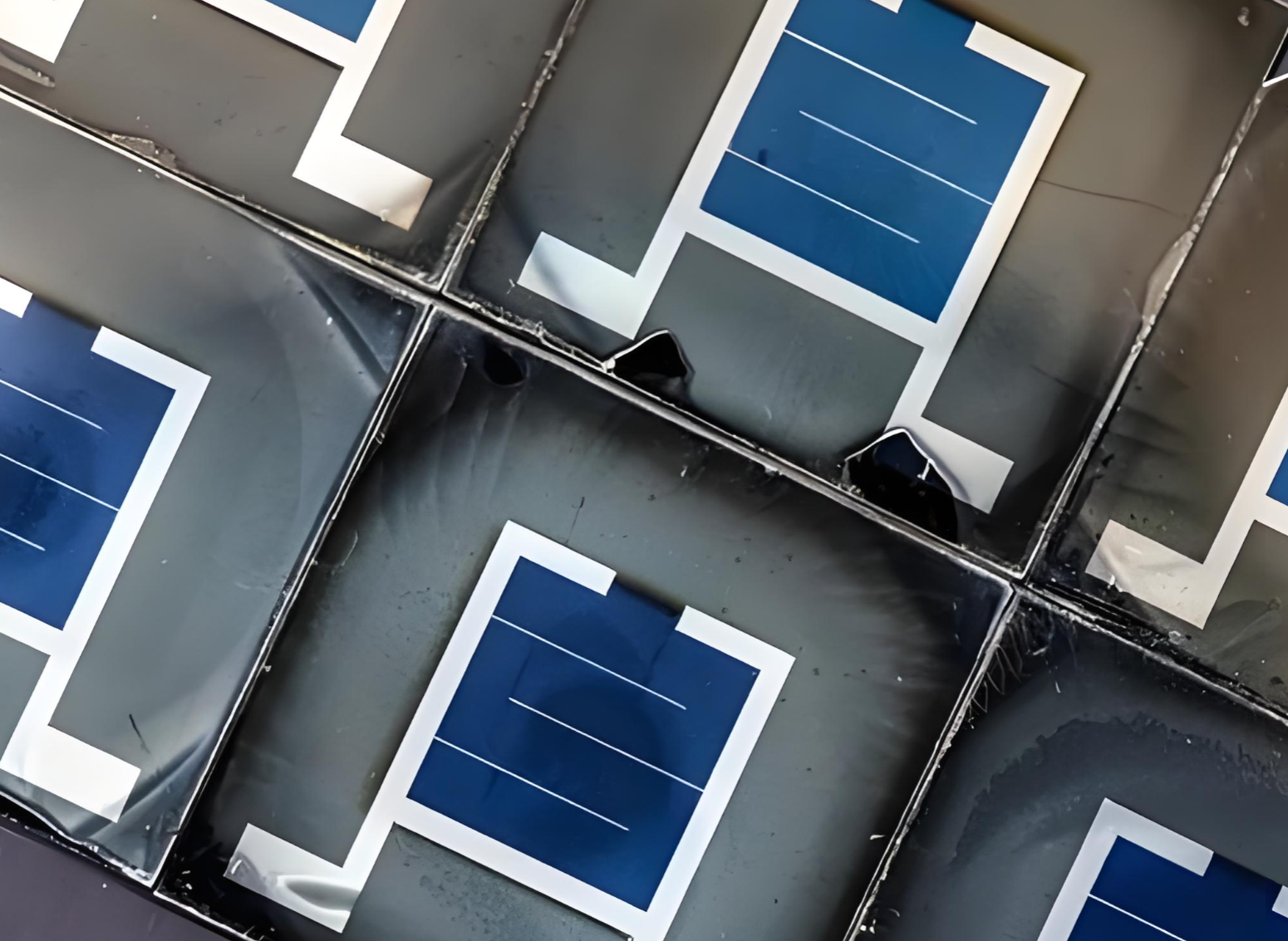
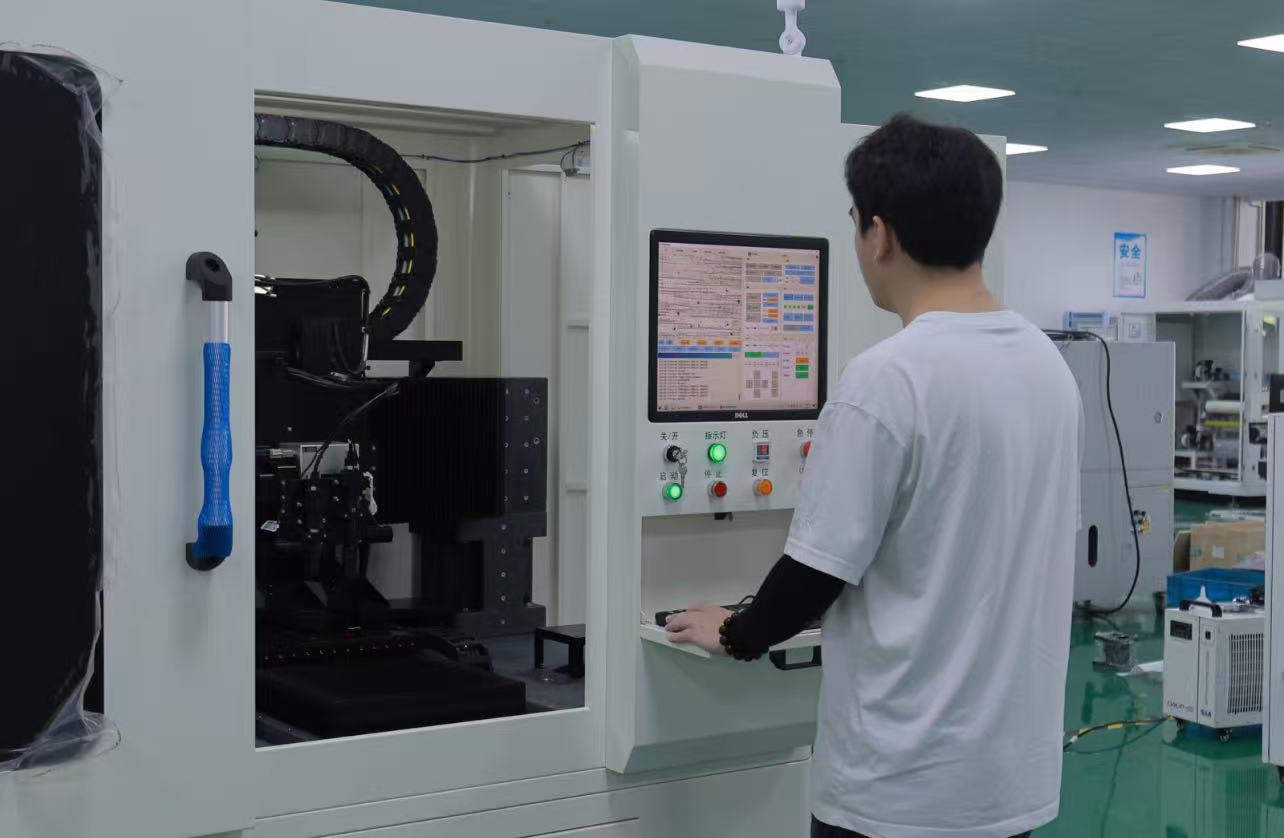
Beam splitting technology revolutionizes perovskite solar manufacturing by enabling simultaneous multi-beam processing. By dividing a single laser source into multiple beams (e.g., 12-24 paths), equipment like Lecheng’s Roll-to-Roll Laser Scribing Systems can perform P1-P3 patterning and P4 edge isolation in a single pass. This reduces processing time by over 60% compared to sequential methods, directly addressing the throughput bottlenecks in gigawatt-scale production. For instance, Lecheng’s systems achieve scribing speeds of up to 8,000 mm/s with ±5μm accuracy, ensuring high-yield output while minimizing dead zones. The technology’s compatibility with flexible substrates (e.g., ITO-PET) further supports roll-to-roll (R2R) production, a critical pathway for cost-effective scaling.
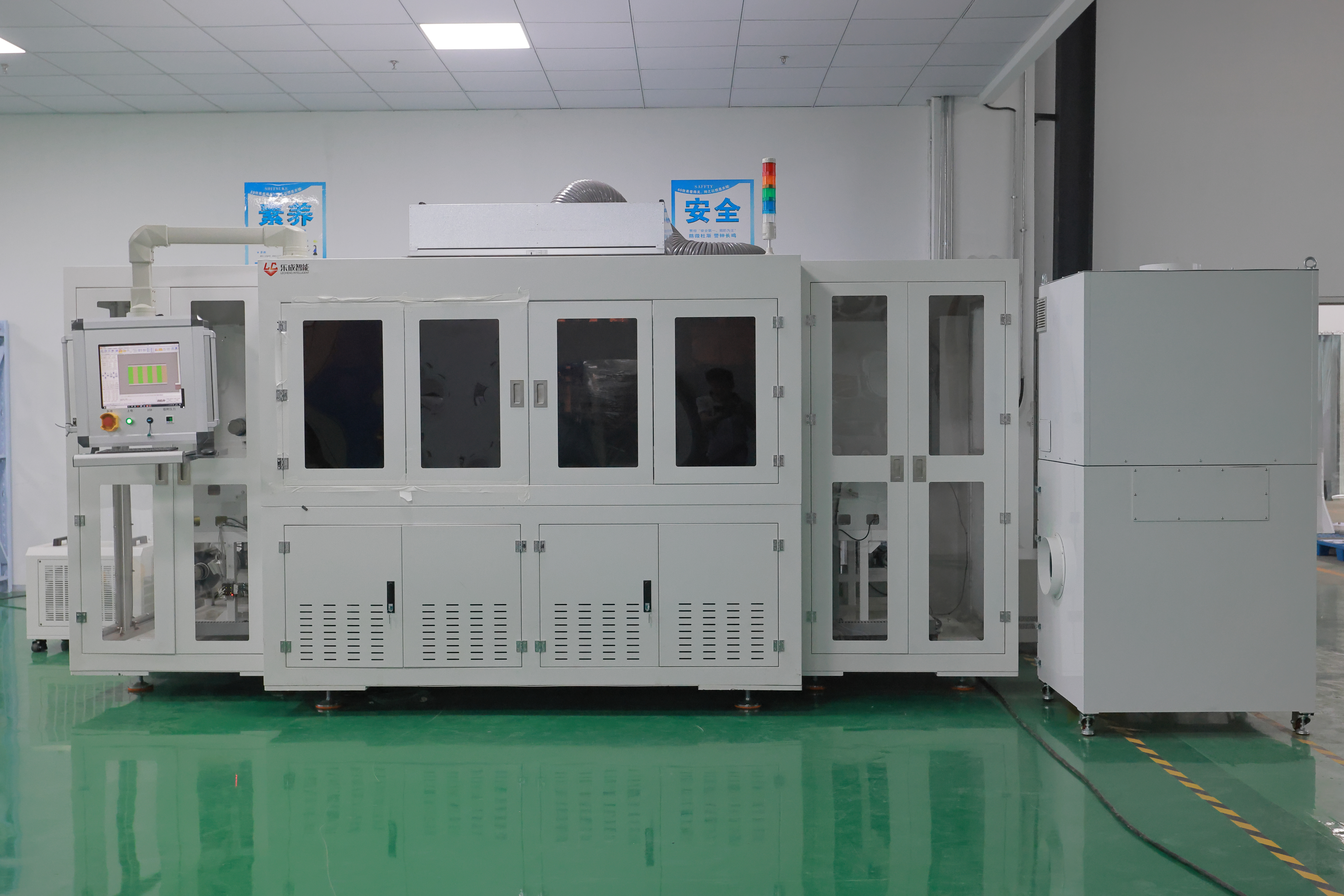
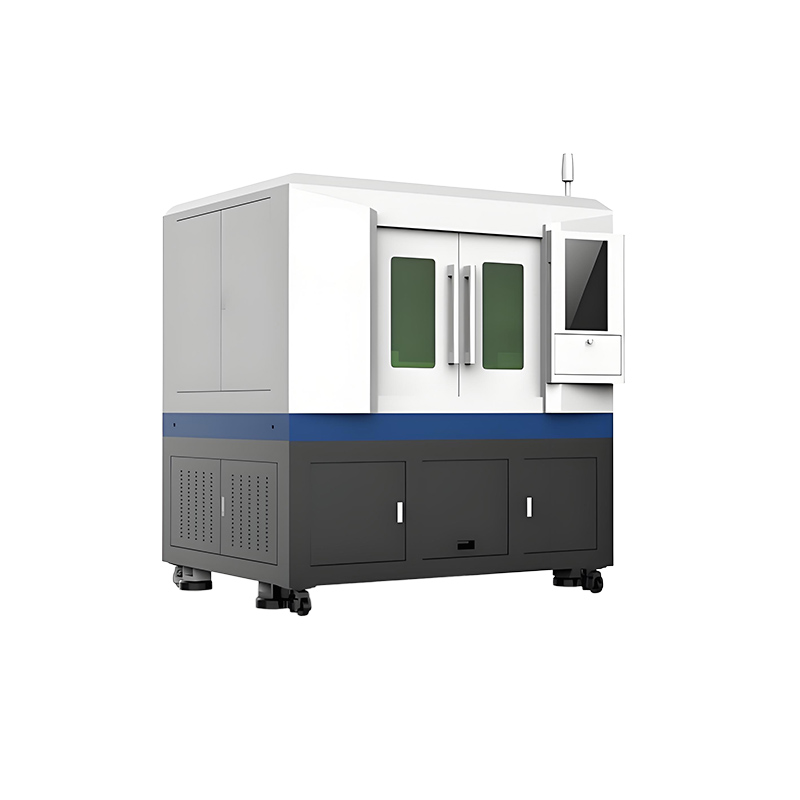
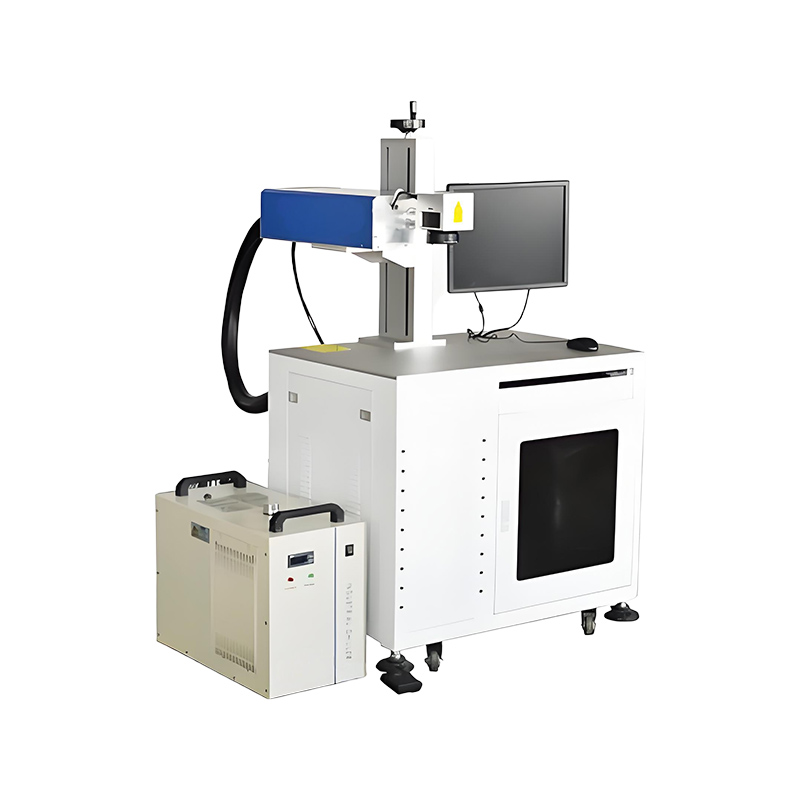
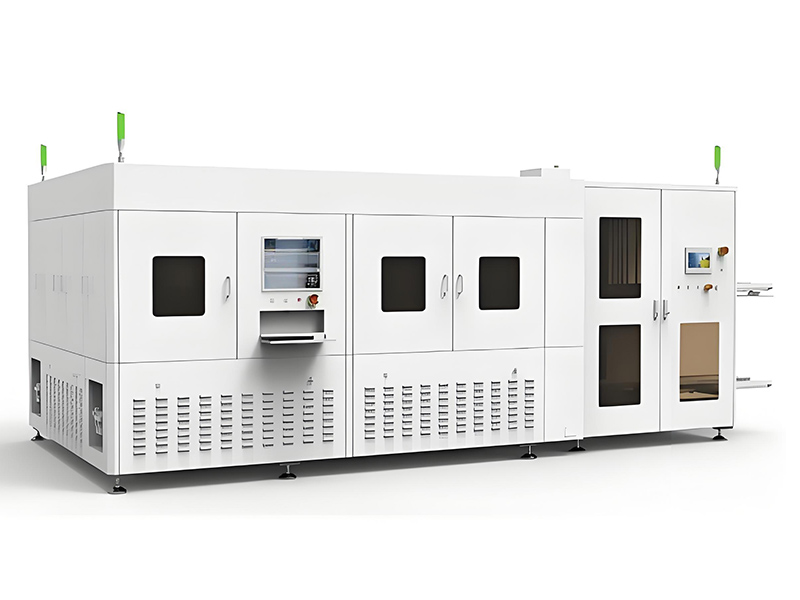
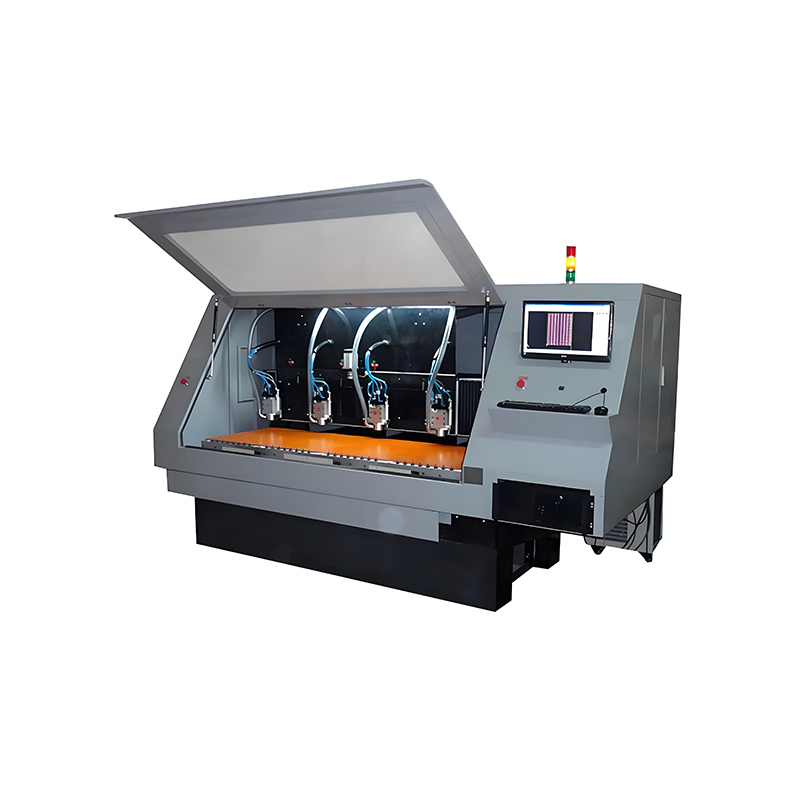
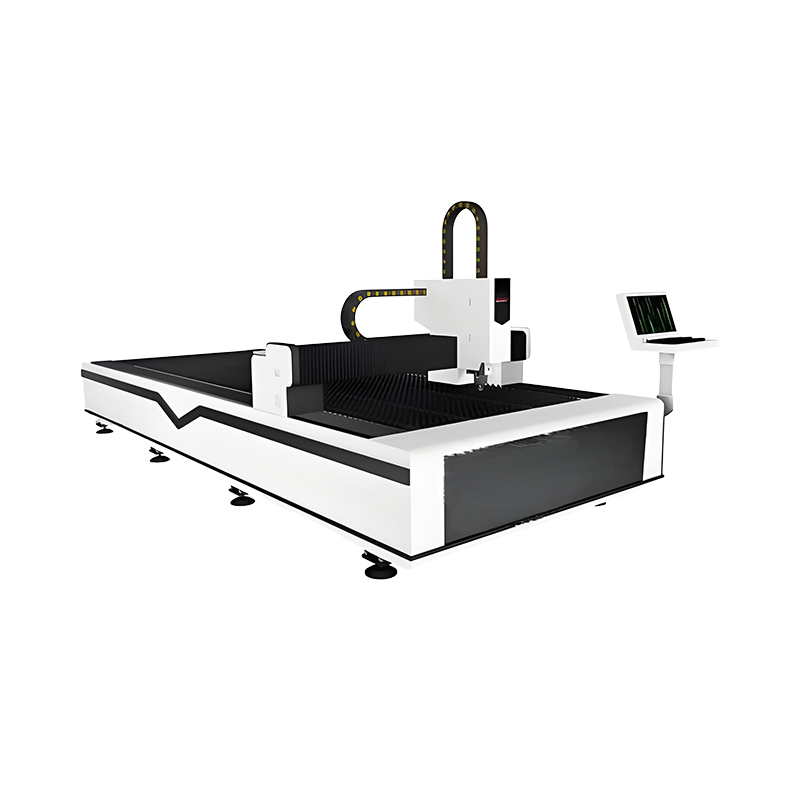
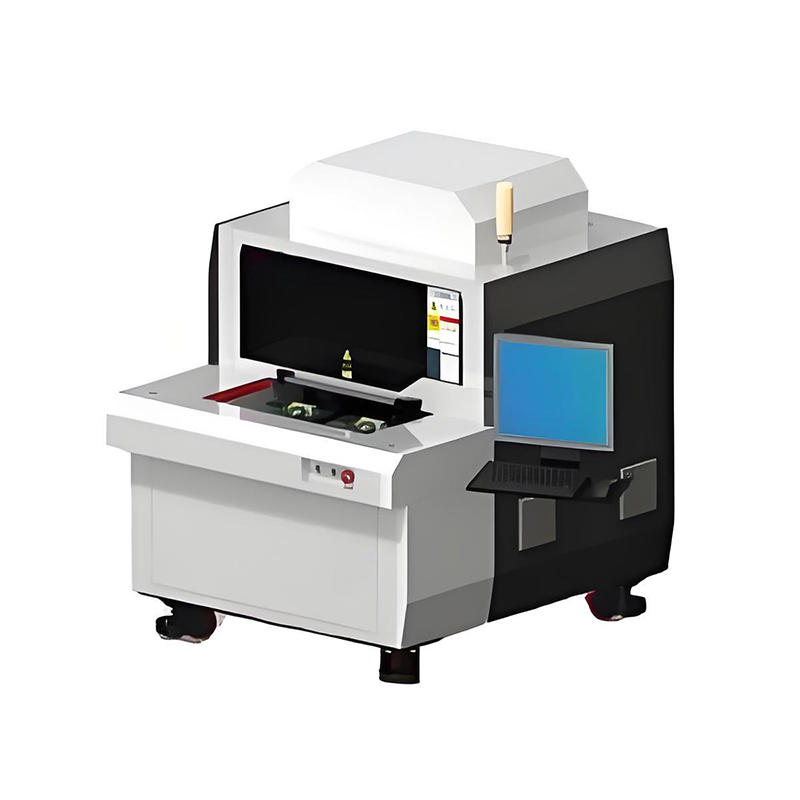
Perovskite laser scribing equipment

Precision and Cost Optimization via Advanced Optical Design

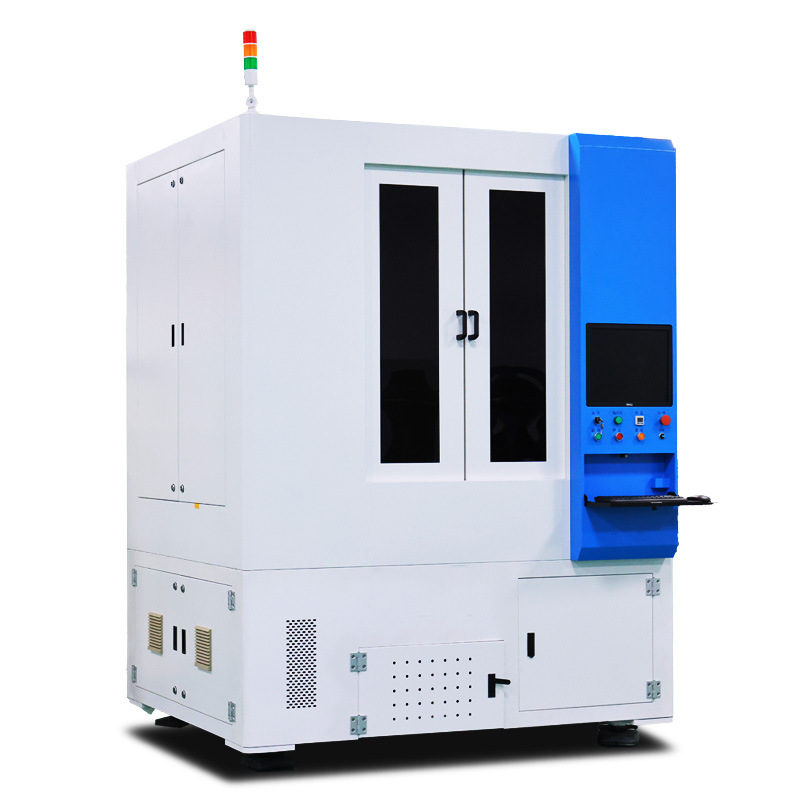
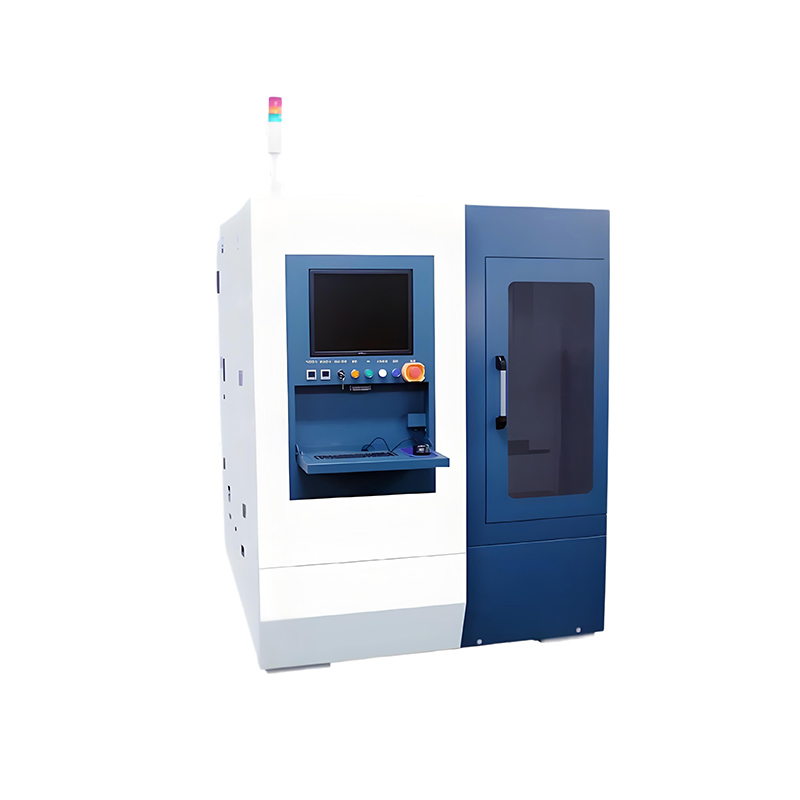
Beam splitting relies on diffractive optical elements (DOEs) or mechanical systems to maintain micron-level precision across all beams. Lecheng’s technology ensures uniform energy distribution (±2% variance), preventing thermal damage to perovskite layers—a common challenge in high-speed processing. By synchronizing beam splitting with real-time trajectory tracking and focus-following algorithms, the equipment adapts to substrate deformations, reducing material waste by 15%. This precision is vital for minimizing dead zones (≤150μm), which directly correlates with higher module efficiency. Moreover, consolidating P1-P4 steps into one platform cuts equipment costs by 30% and factory footprint by 40%, making gigawatt-scale factories economically viable.
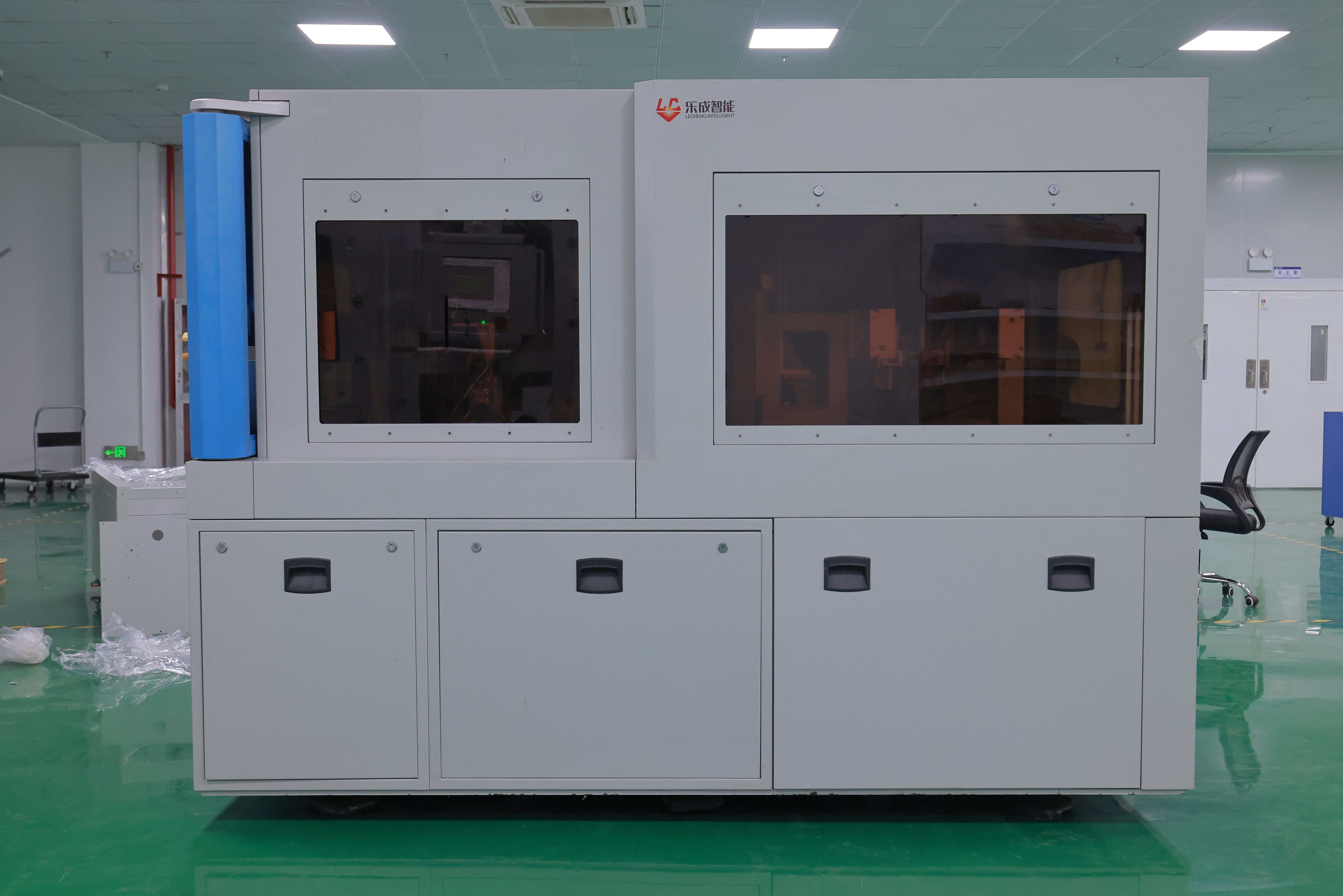
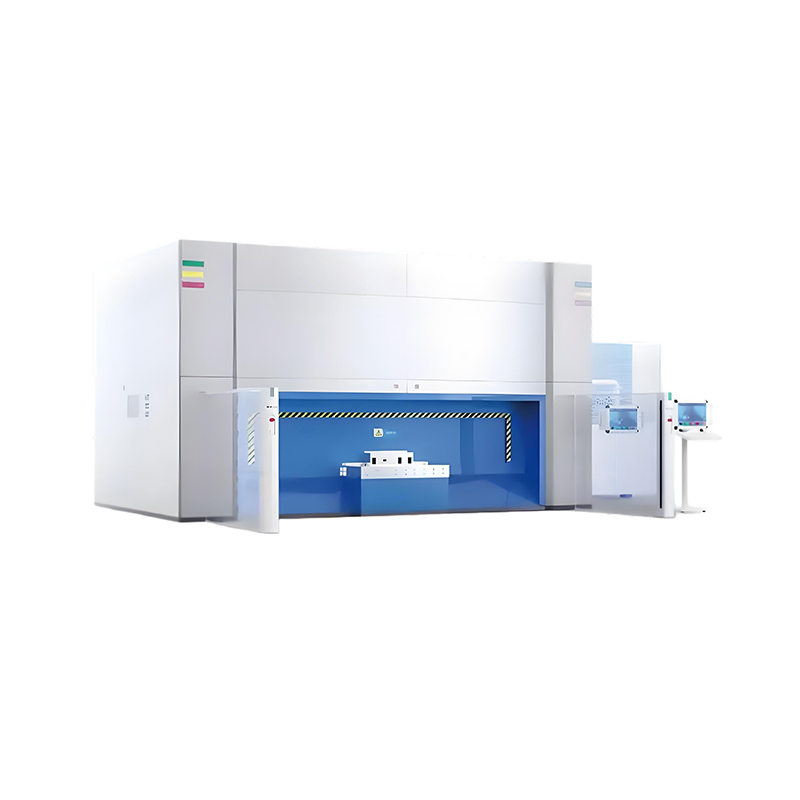
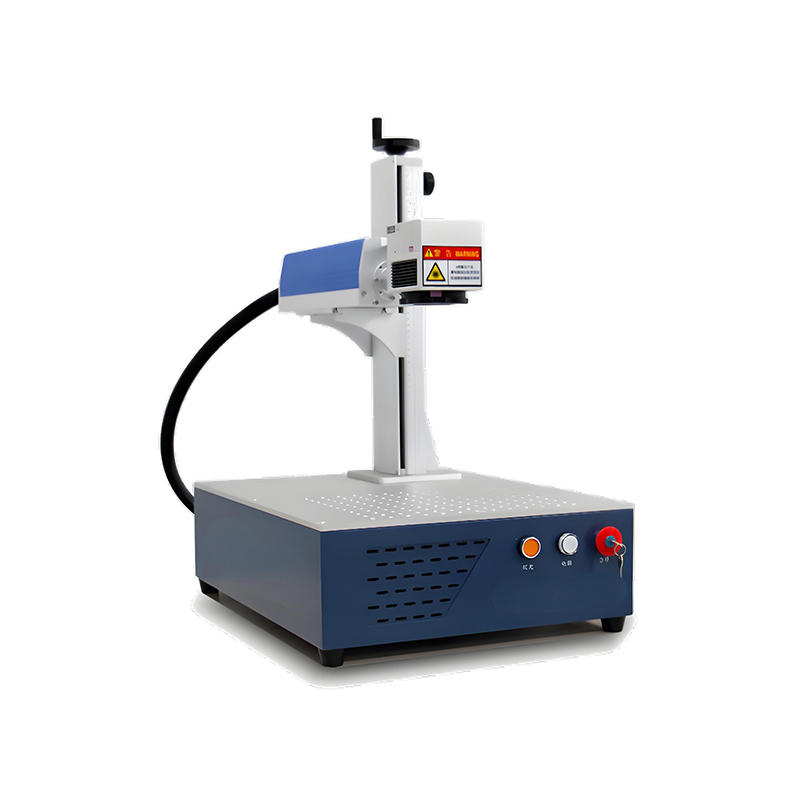
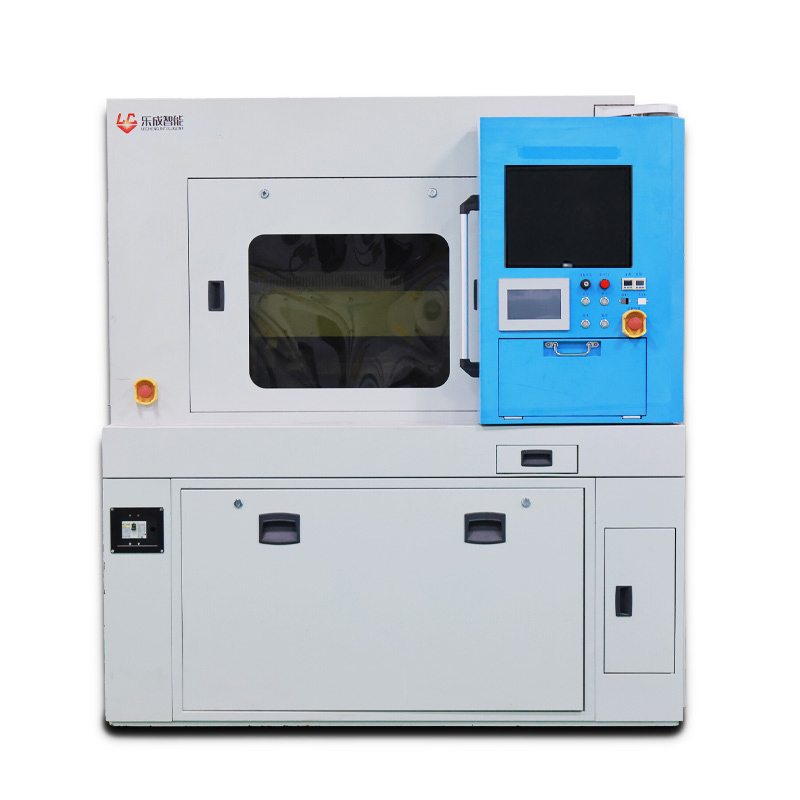
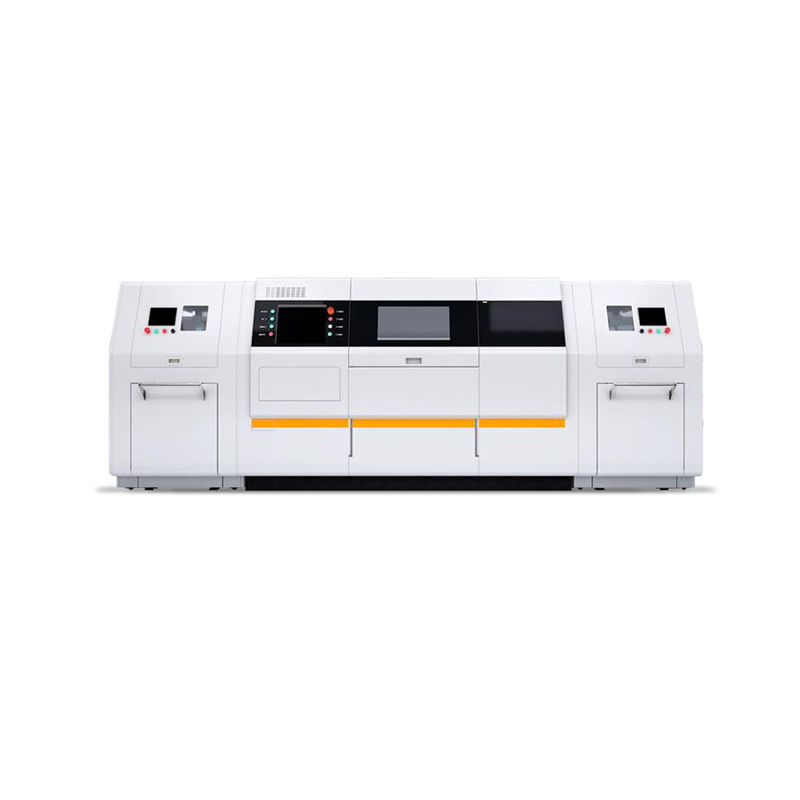
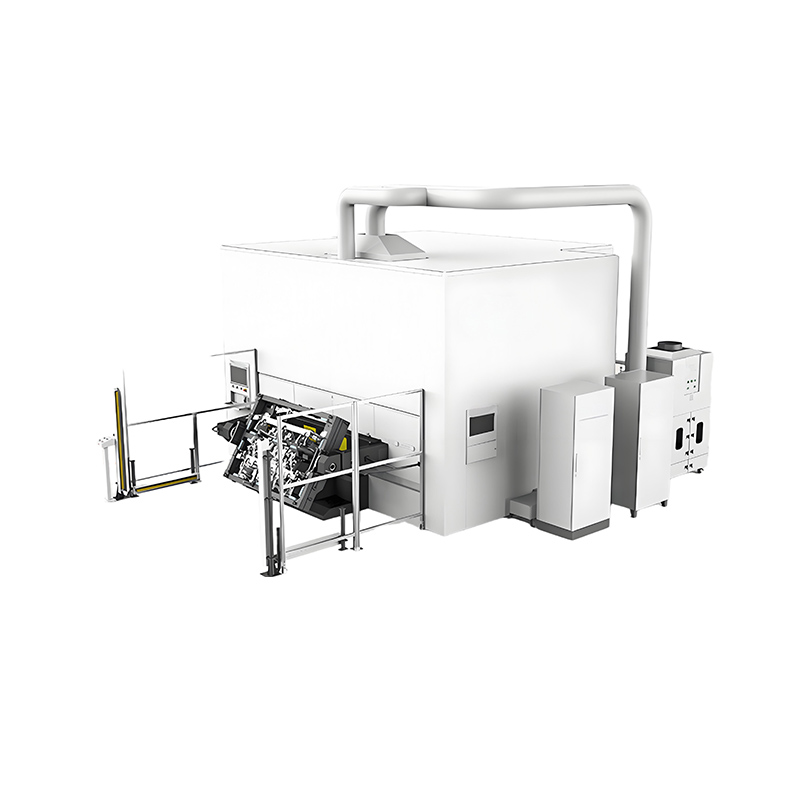
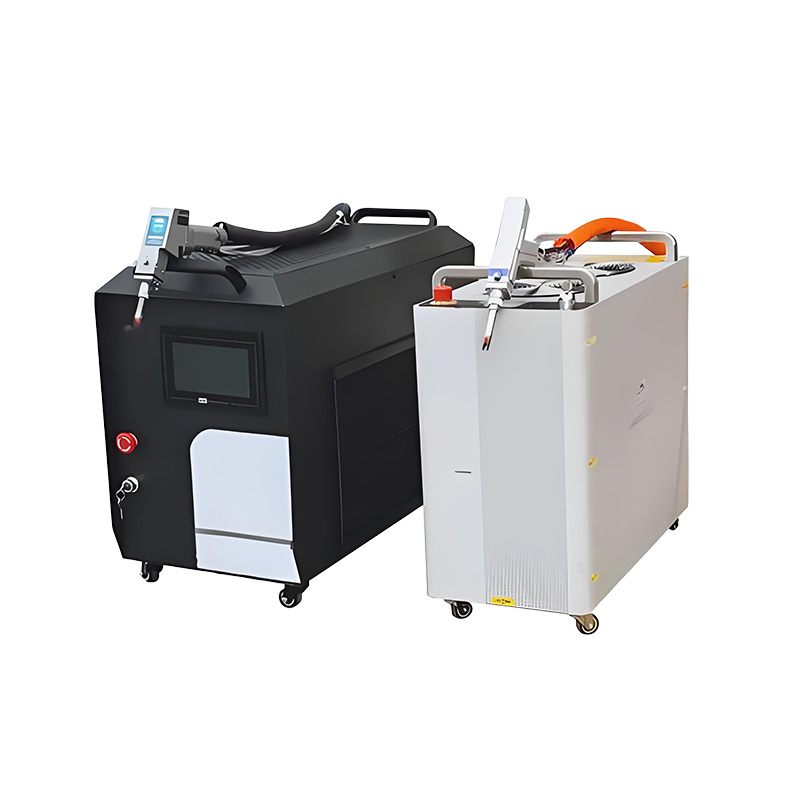
Roll-to-roll laser processing

Scalability and Material Versatility for Industrial Adoption

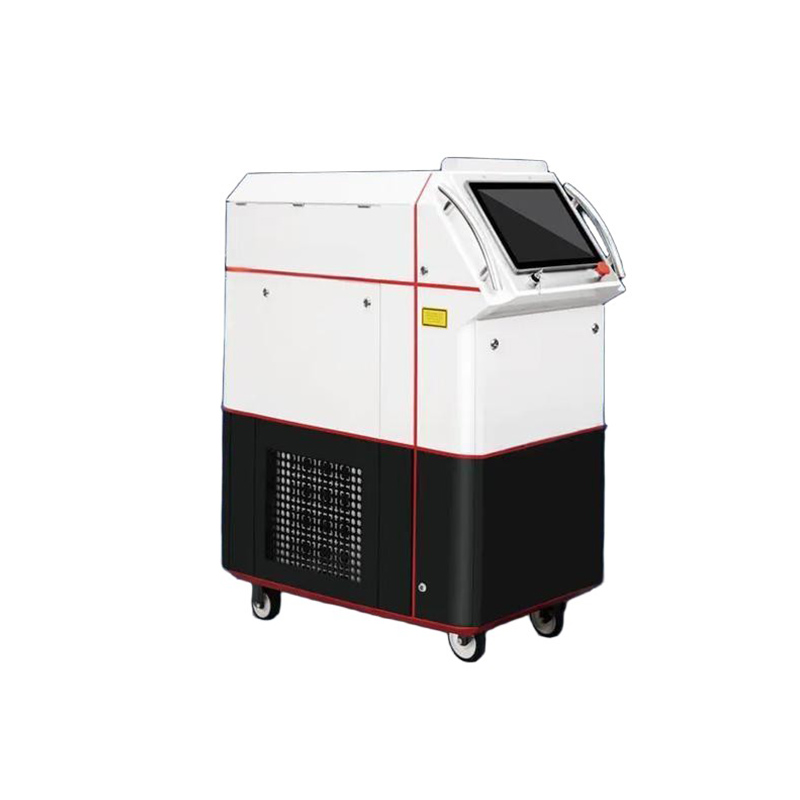
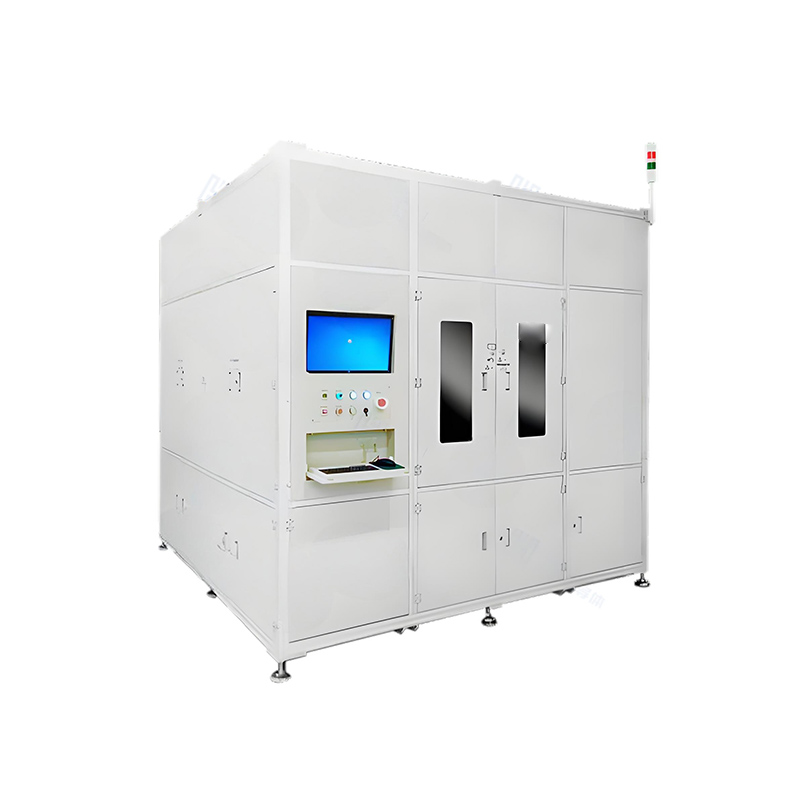
The modularity of beam splitting systems allows seamless integration into existing perovskite production lines. Lecheng’s solutions support substrates up to 2.4m × 1.2m and flexible R2R webs up to 500mm wide, catering to both rigid and flexible module designs. By leveraging wavelength-tunable lasers (e.g., 355nm UV to 1064nm IR), the technology adapts to diverse layer stacks—from TCO ablation in P1 to metal electrode isolation in P3. This versatility accelerates technology transfer from lab-scale R&D (e.g., 100MW pilot lines) to full-scale gigawatt factories, with Lecheng’s equipment already deployed in four 100MW perovskite pilot lines globally.
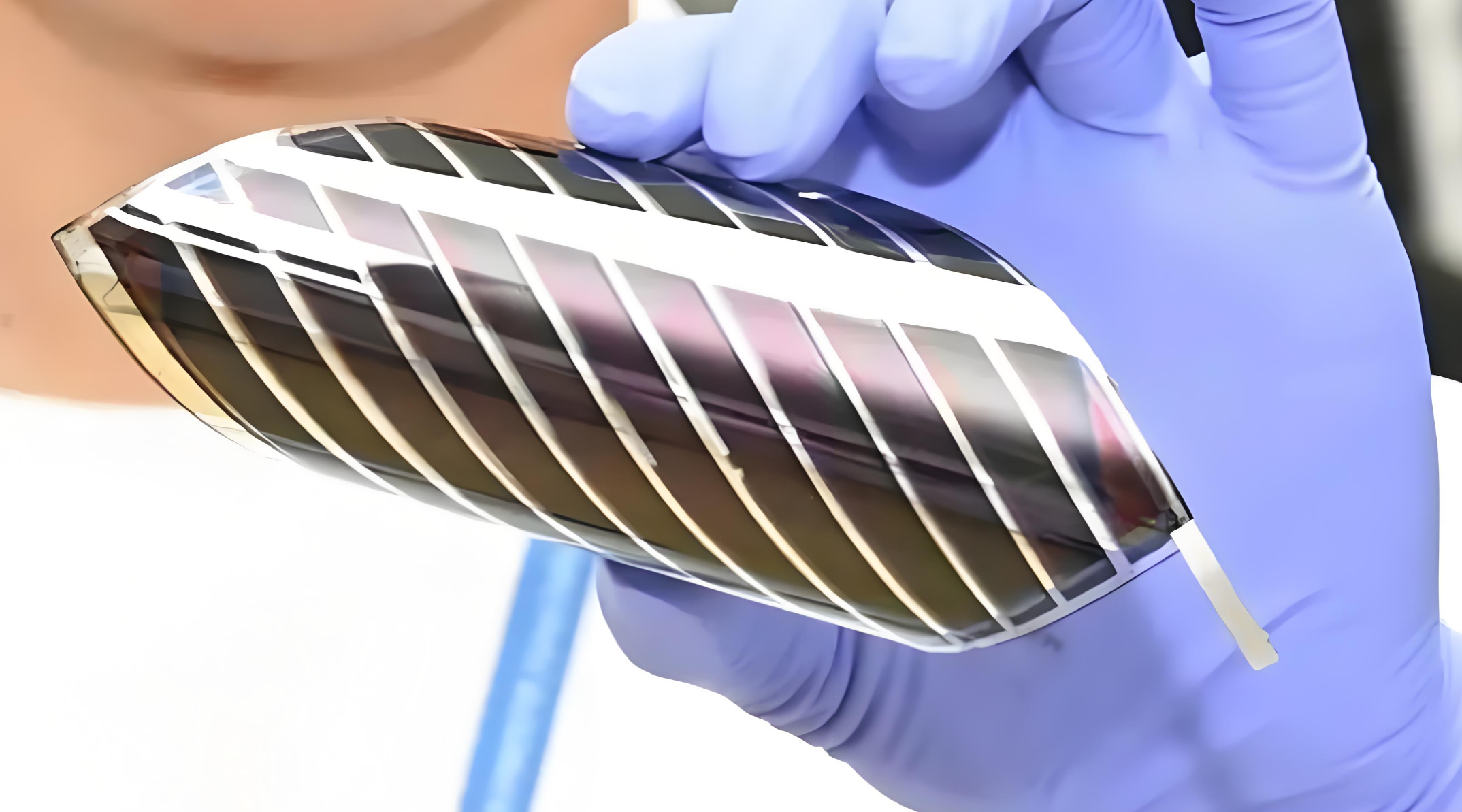
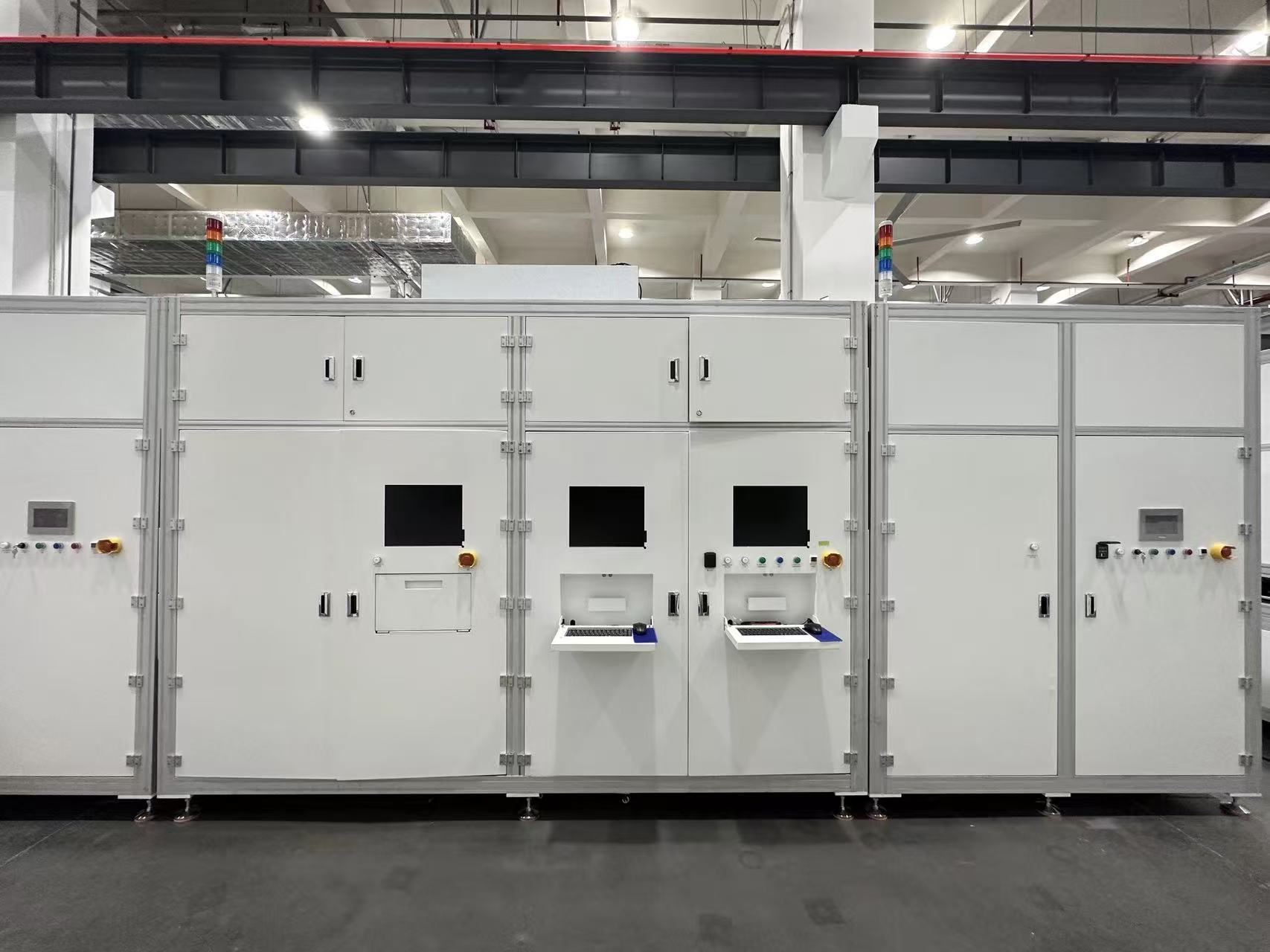
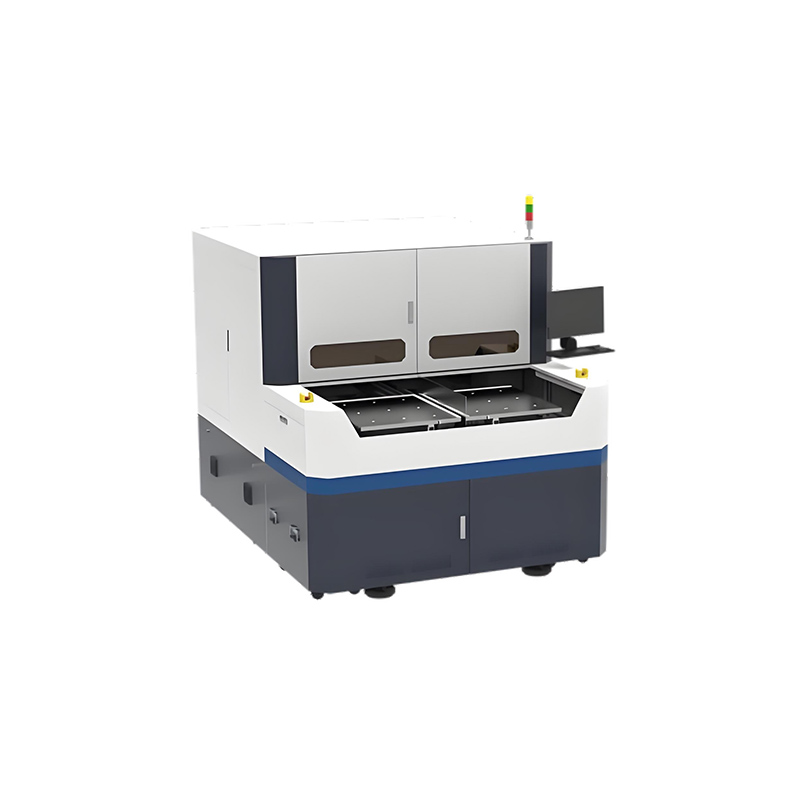
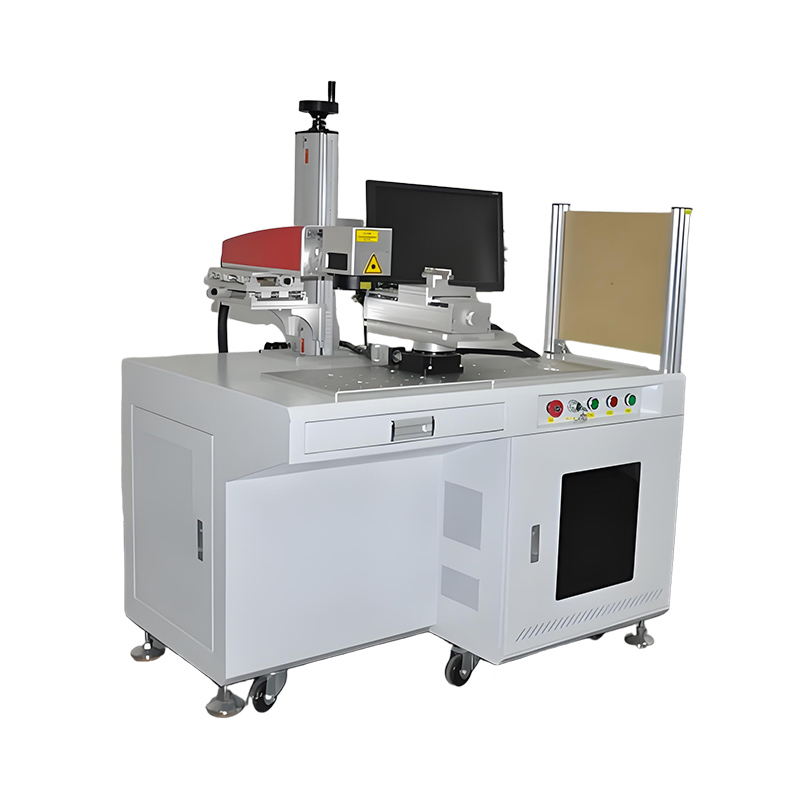
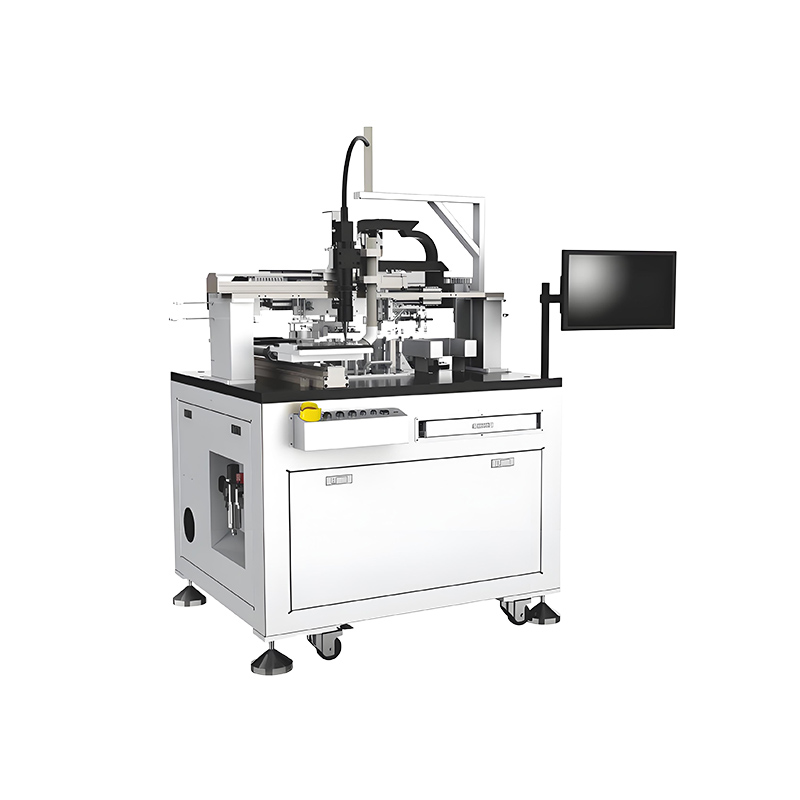
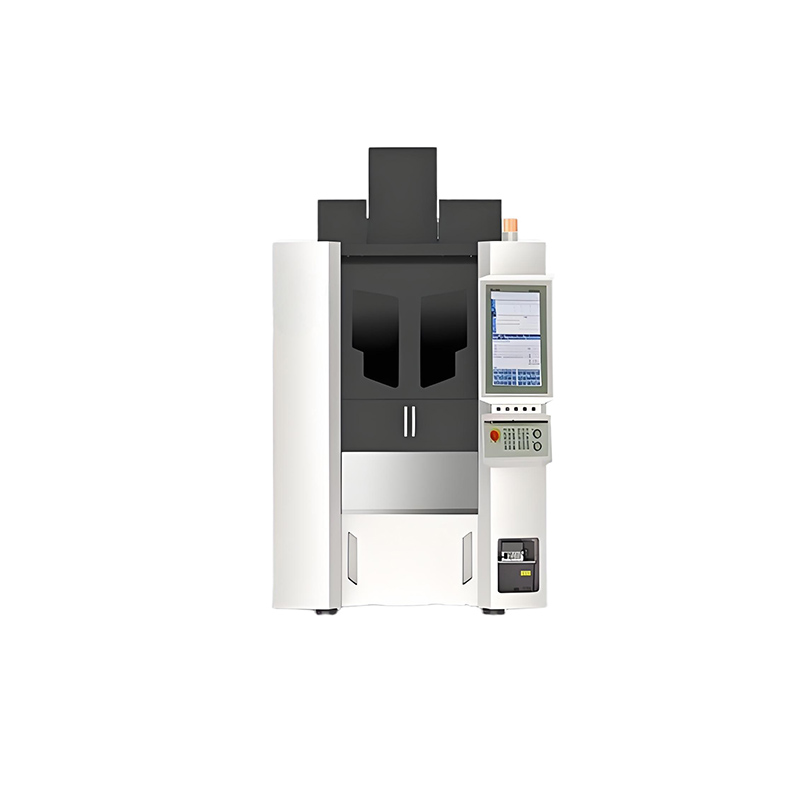
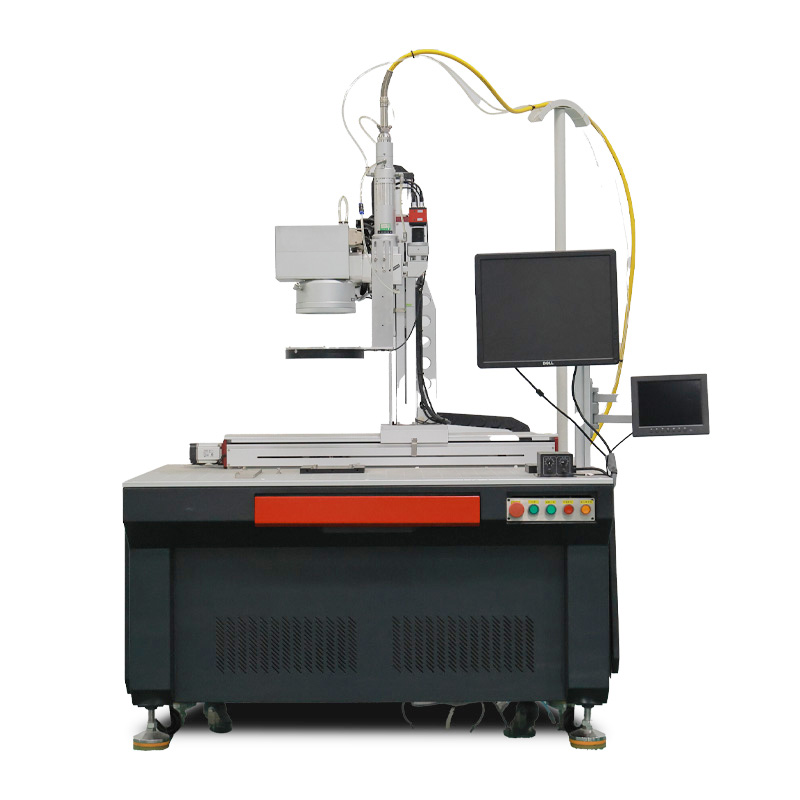
Multi-beam laser systems

Beam splitting technology is the cornerstone of high-speed, precision perovskite production, bridging the gap between laboratory innovation and industrial gigawatt manufacturing. By enabling parallel processing, enhancing material compatibility, and reducing operational costs, it positions companies like Lecheng at the forefront of the solar energy transition.

  • Demystifying Beam Splitting Technologies in Perovskite Photovoltaic Laser Processing
    Demystifying Beam Splitting Technologies in Perovskite Photovoltaic Laser Processing
    The transition to gigawatt-scale perovskite solar production hinges on precision laser processing, where beam splitting technology plays a pivotal role. By dividing a single laser source into multiple beams, this technique enables simultaneous scribing of P1-P3 patterns and edge isolation (P4), directly impacting throughput, dead zone control, and production costs. Current industrial approaches primarily include mechanical beam splitting and diffractive optical elements (DOEs), each with distinct advantages for perovskite’s thermal sensitivity and scalability requirements.
    More
  • The Application of Laser Technology in the Industrialization of Perovskite Solar Cells
    The Application of Laser Technology in the Industrialization of Perovskite Solar Cells
    Perovskite solar cells (PSCs) represent the third generation of thin-film solar technology, renowned for their high efficiency, low cost, and flexibility. As industrialization progresses, laser technology has emerged as a critical enabler, addressing key challenges in precision processing and scalability. This article explores the multifaceted role of lasers in PSC manufacturing.
    More
  • Roll-to-Roll (R2R) Laser Scribing System for Thin-Film Solar Cells
    Roll-to-Roll (R2R) Laser Scribing System for Thin-Film Solar Cells
    The equipment utilizes a high-energy-density laser beam, precisely controlled by a computer system, to process roll-to-roll thin-film solar cell materials according to pre-programmed scribing patterns. Through laser thermal or cold processing effects, the thin-film material is instantaneously vaporized, separated, or modified, achieving precise scribing to either segment the cells or create specific circuit patterns on them.
    More
  • Perovskite Photovoltaic Module
    Perovskite Photovoltaic Module
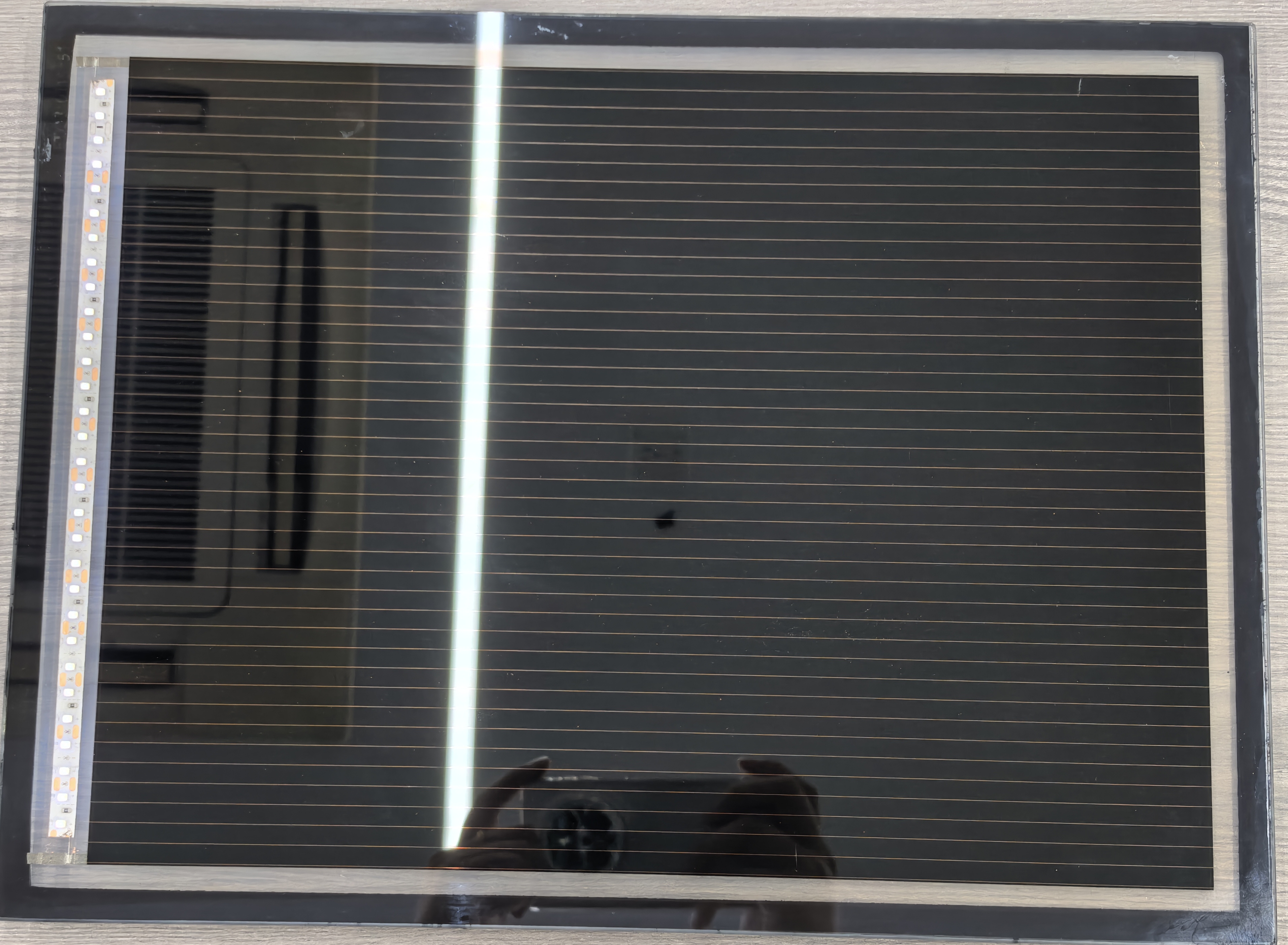
    Lecheng's laser scribing equipment, equipped with a high-precision laser control system, achieves micron-level patterning accuracy with smooth, thermally damage-free edges. This significantly reduces internal resistance losses in solar cells, pushing power conversion efficiency to industry-leading levels—perfectly meeting the high-power output demands of mass production.
    More
  • High-Precision Laser Micromachining Equipment
    High-Precision Laser Micromachining Equipment
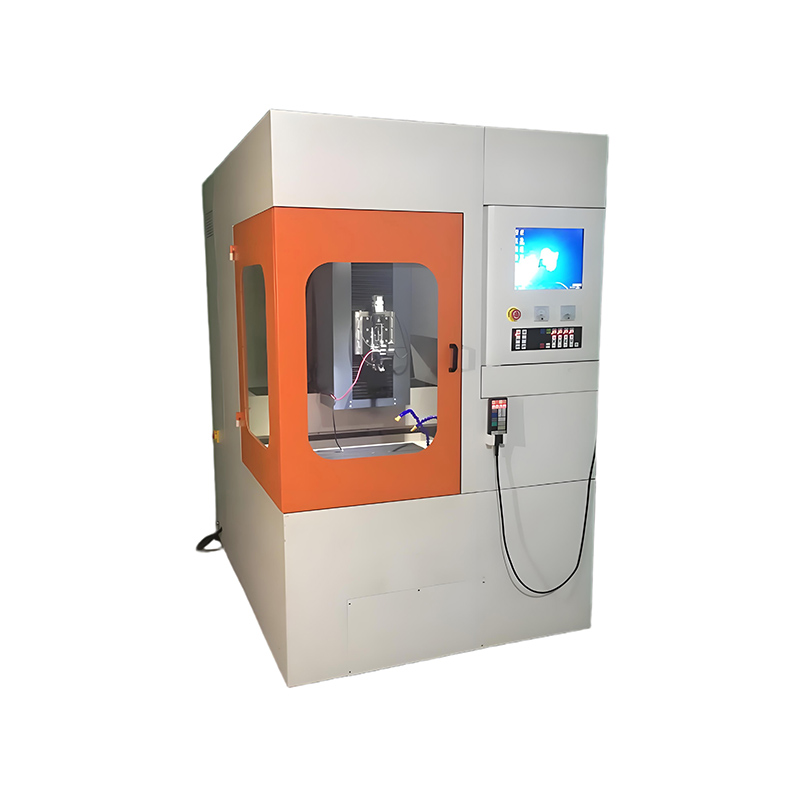
    Laser high-precision micromachining technology achieves material processing through precise control of core parameters such as wavelength, pulse width, and energy density, utilizing either thermal or cold processing mechanisms. This induces instantaneous material vaporization, melting, or modification, enabling operations such as cutting, drilling, engraving, and surface treatment. It stands as a pivotal technology in high-precision manufacturing.
    More
  • Customer Acclaim
    Customer Acclaim
    This prestigious accolade has significantly elevated Lecheng Intelligent's industry visibility and reputation, distinguishing it as a trusted leader among suppliers. The recognition solidifies its competitive edge and lays a robust foundation for market expansion.
    More

40px

80px

80px

80px

Get Quote