


Why Thin-Film Solar Needs Roll-to-Roll Laser Processing for Cost Reduction
Revolutionizing Production Efficiency Through Continuous Processing
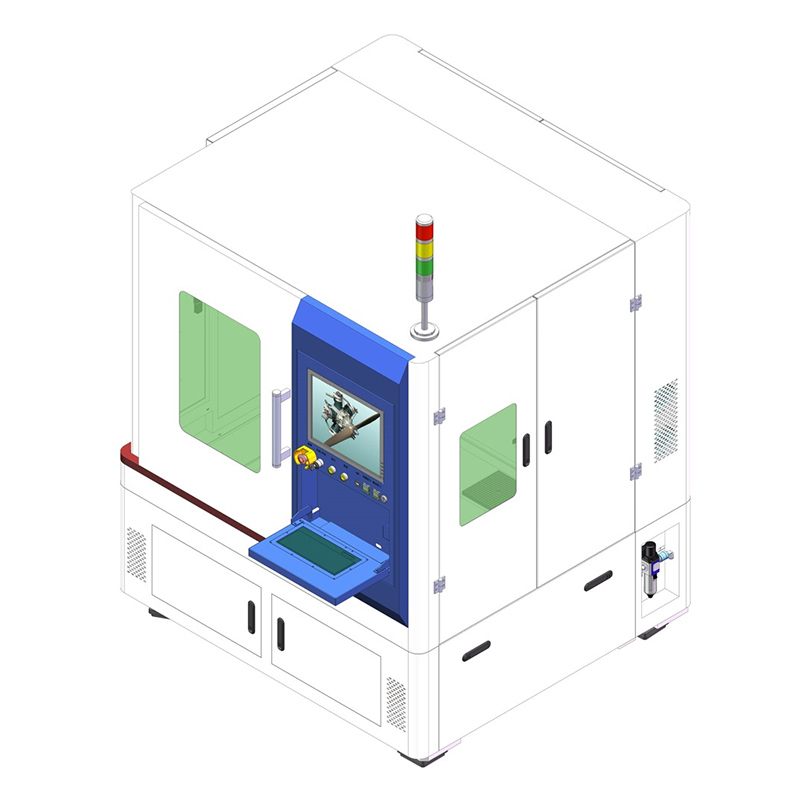
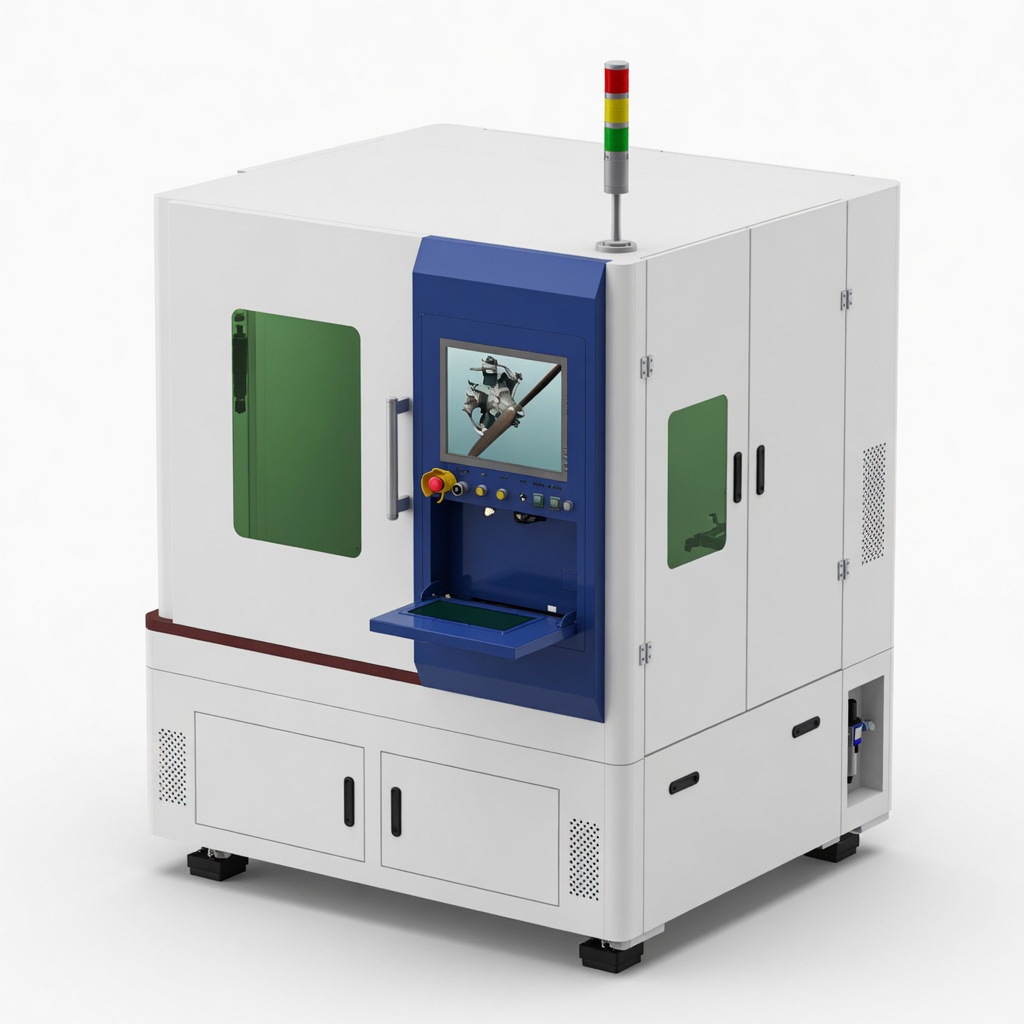
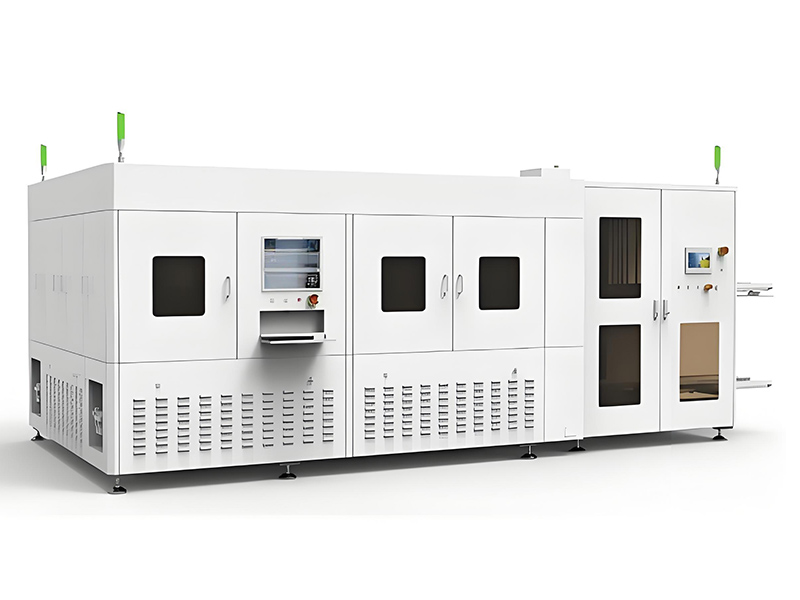
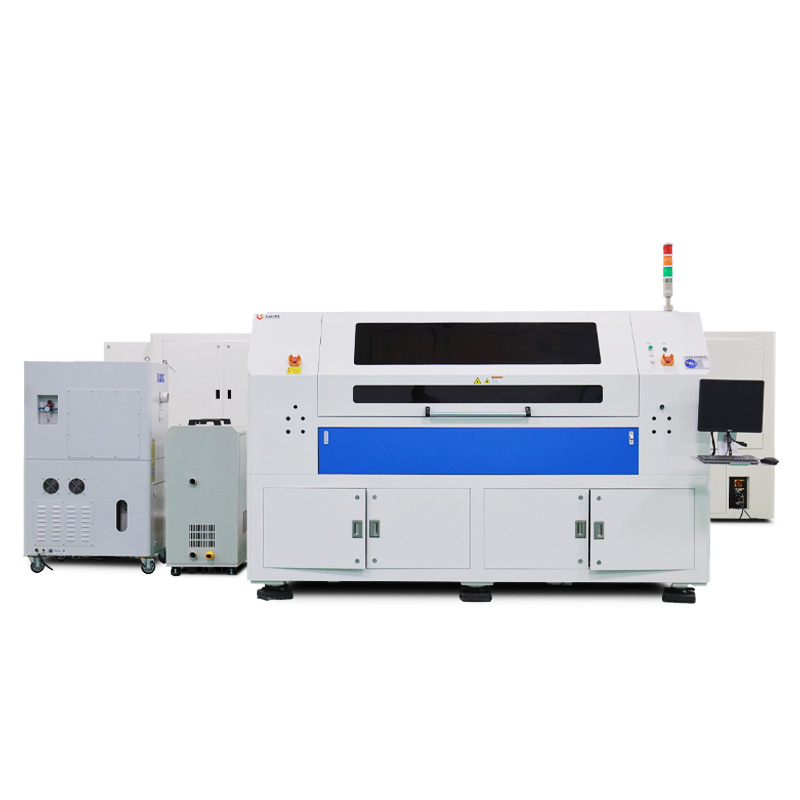
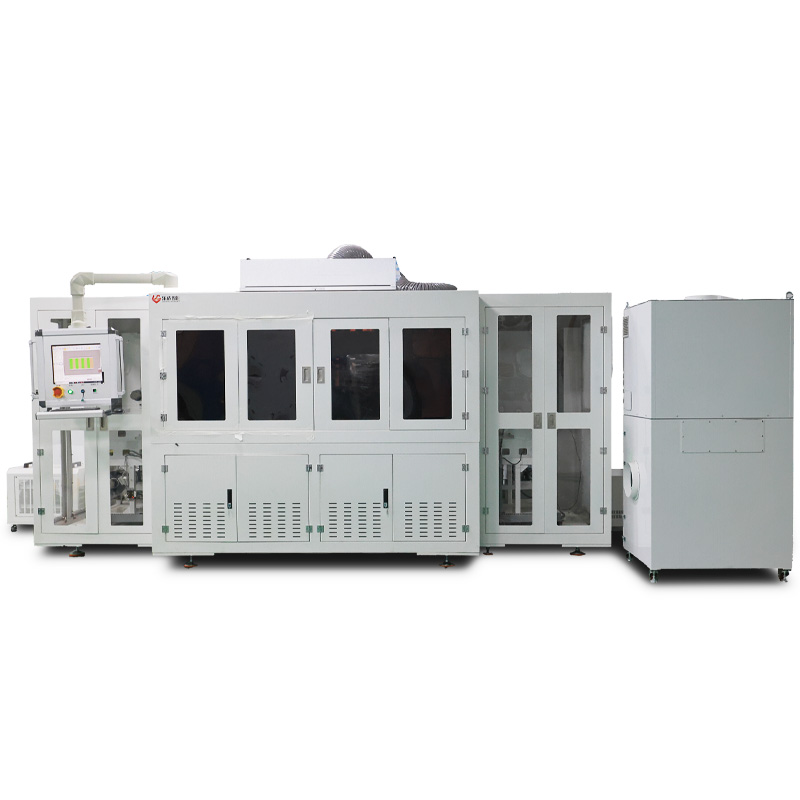
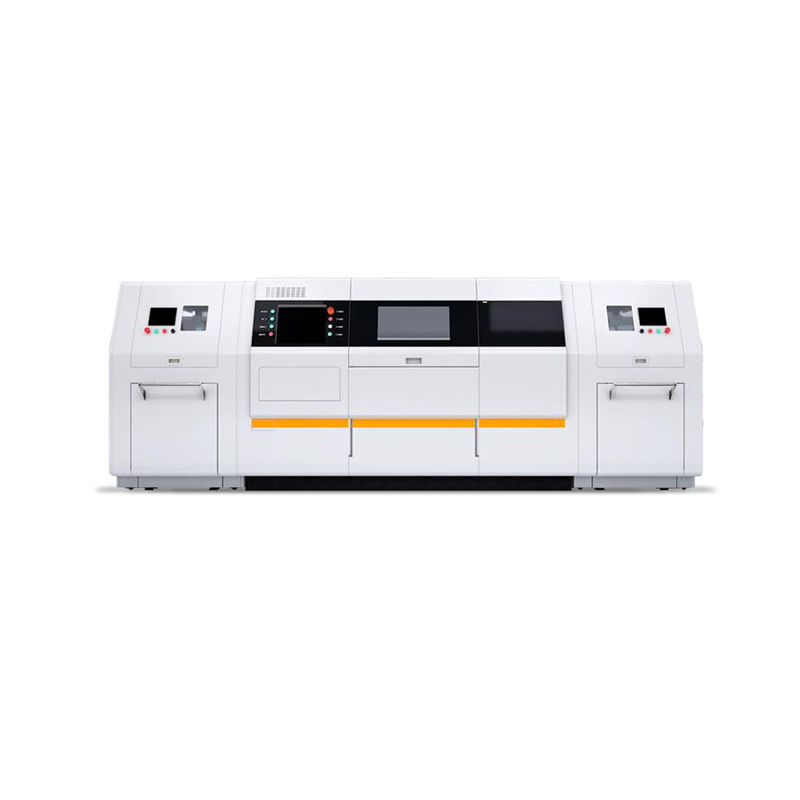
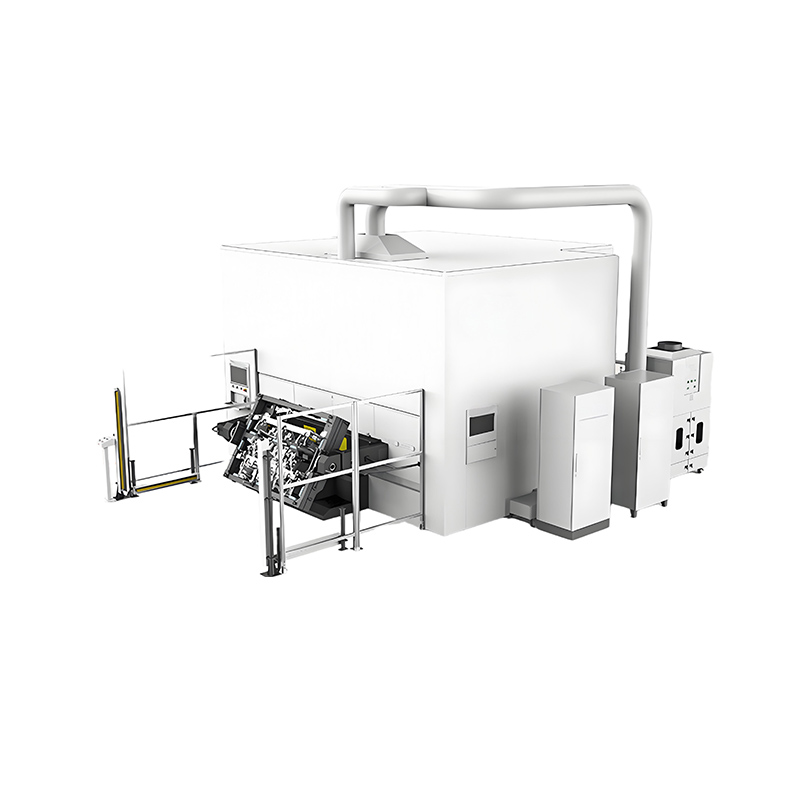
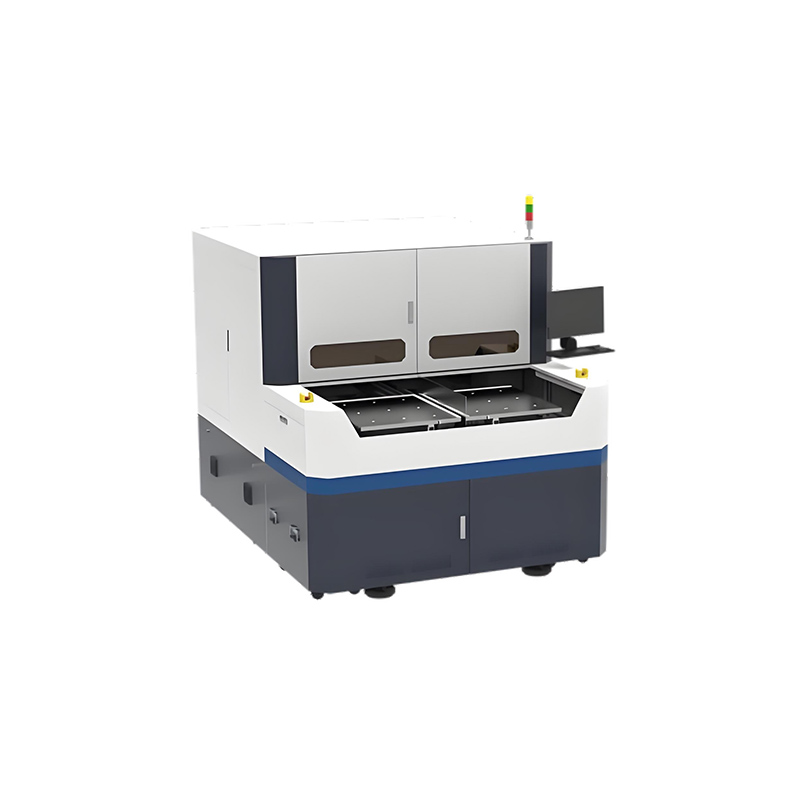
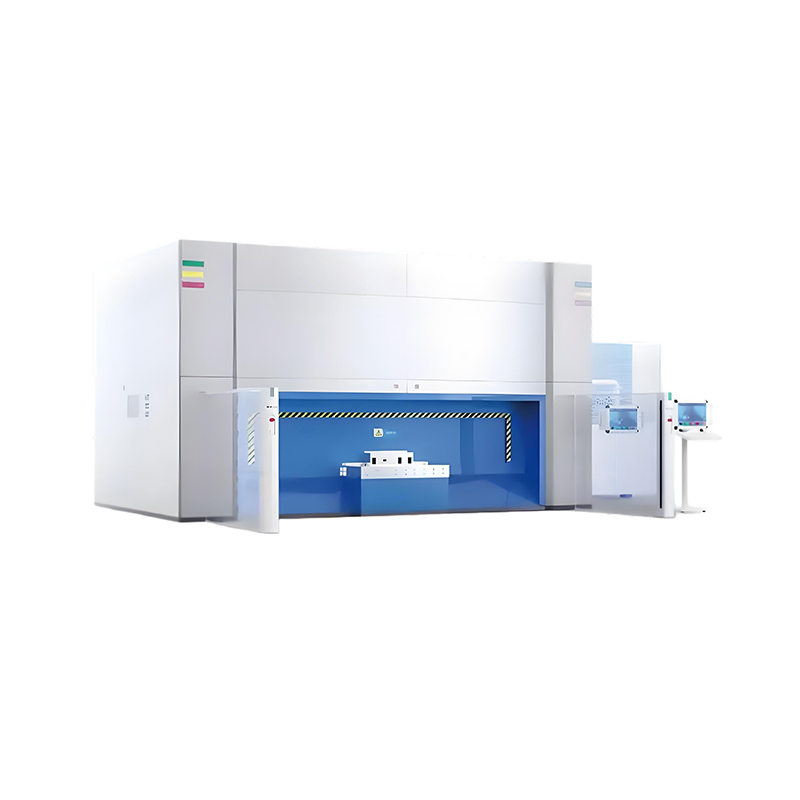
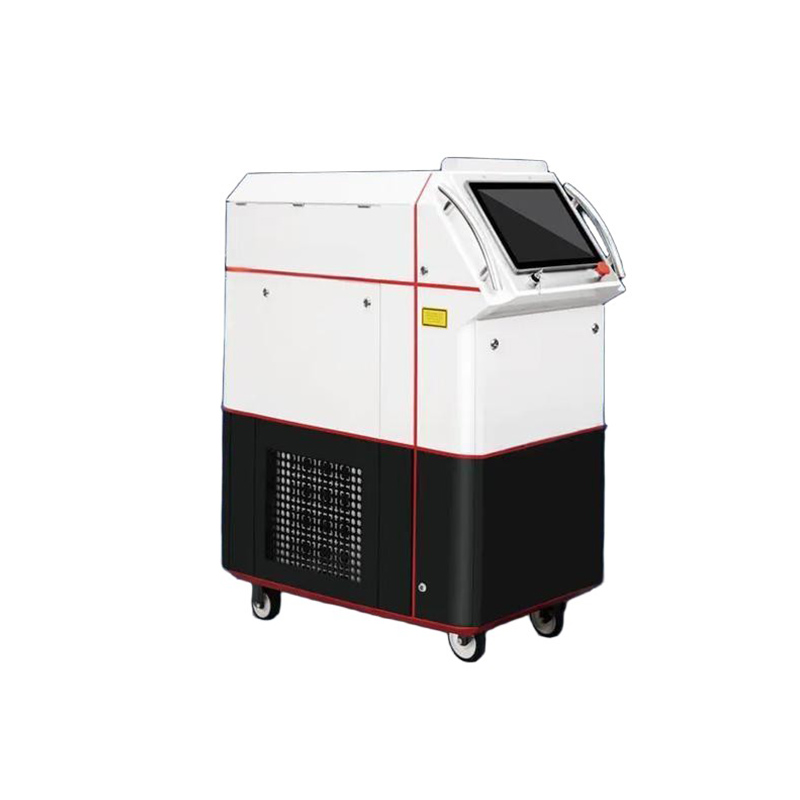
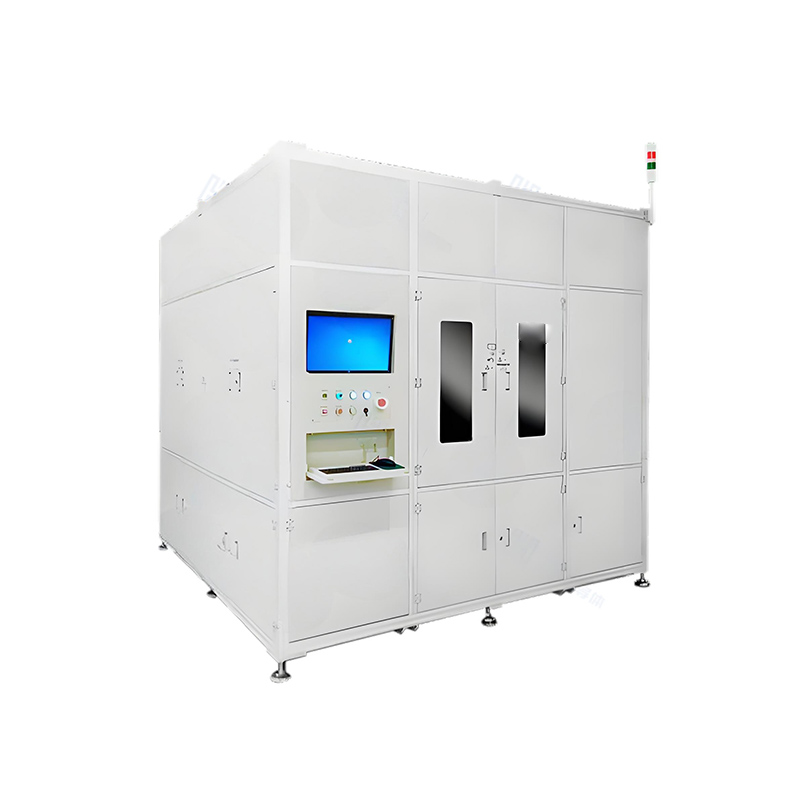
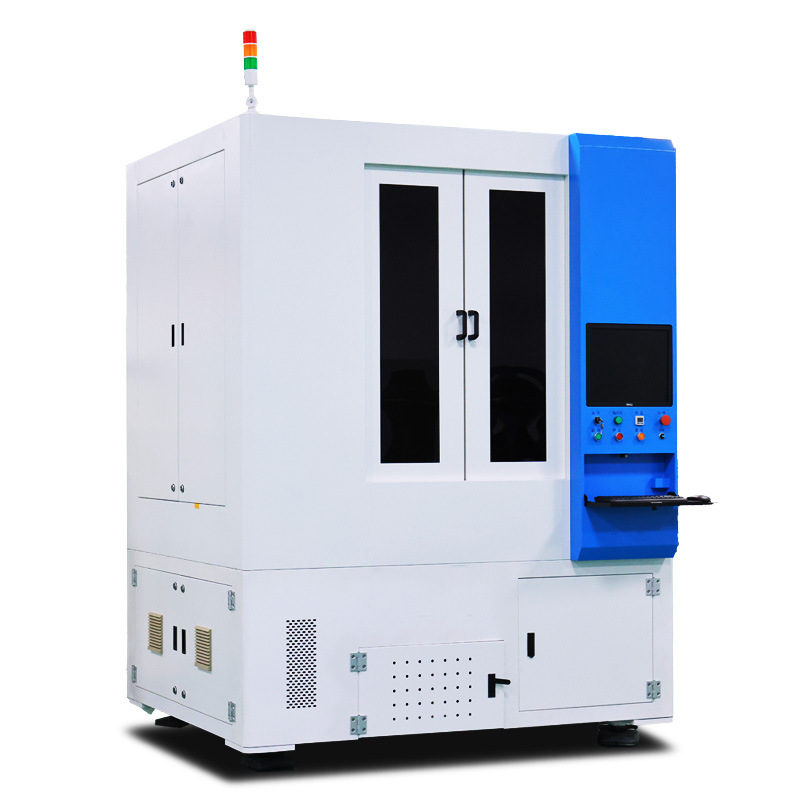
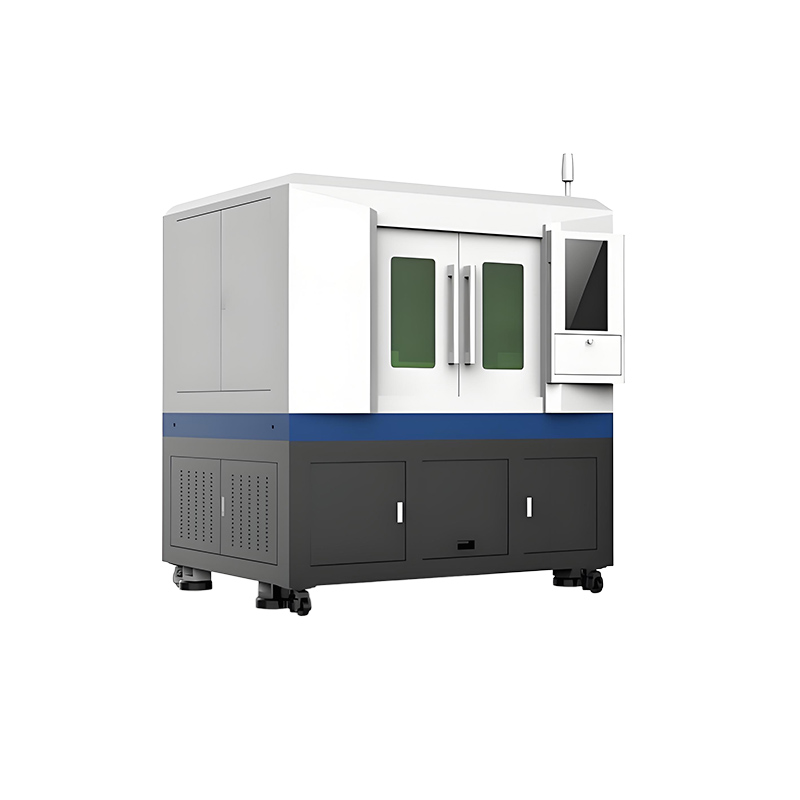
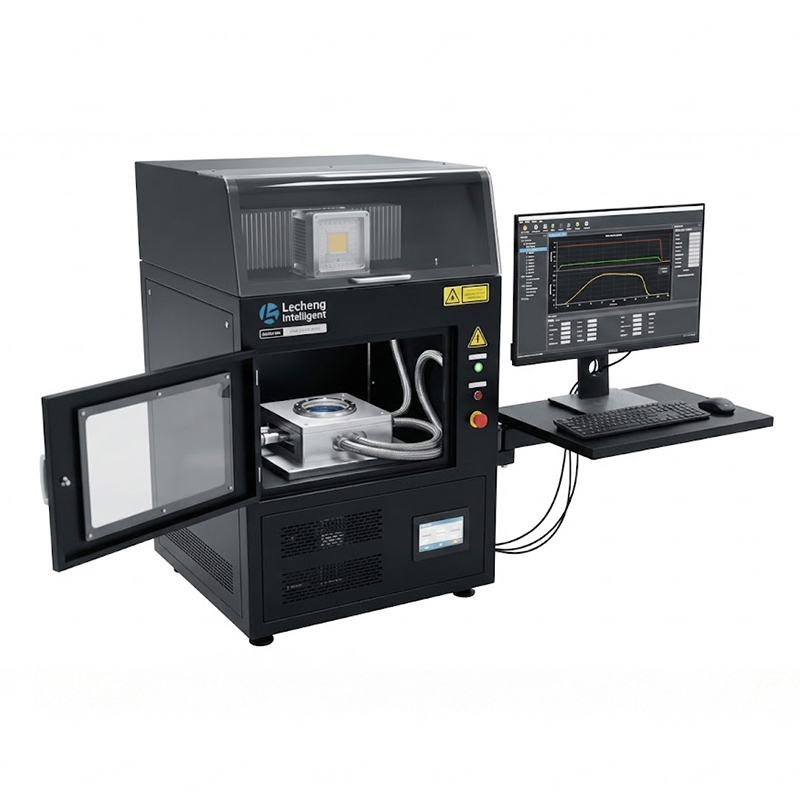
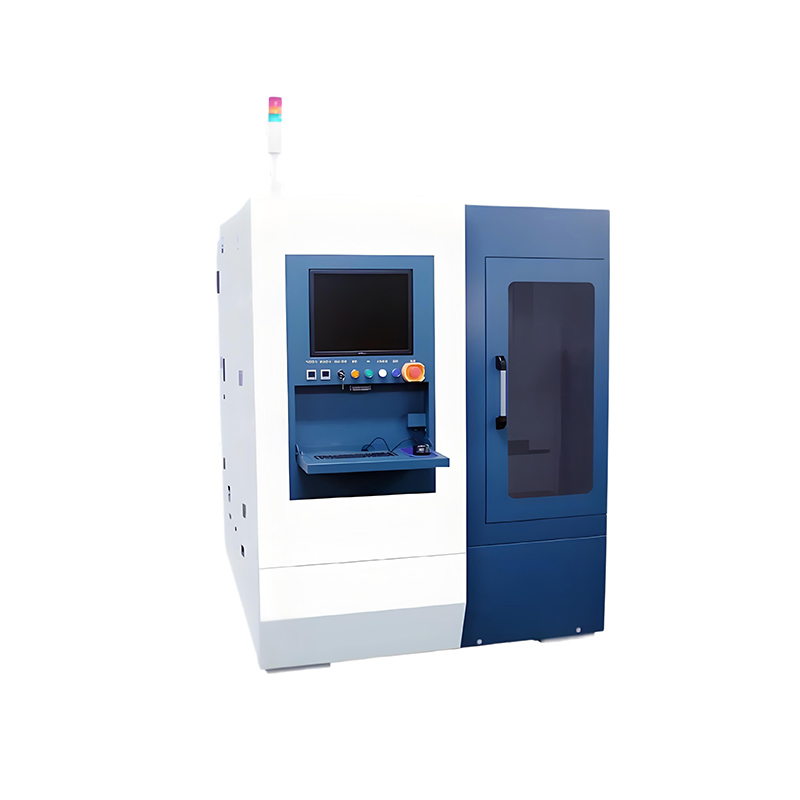
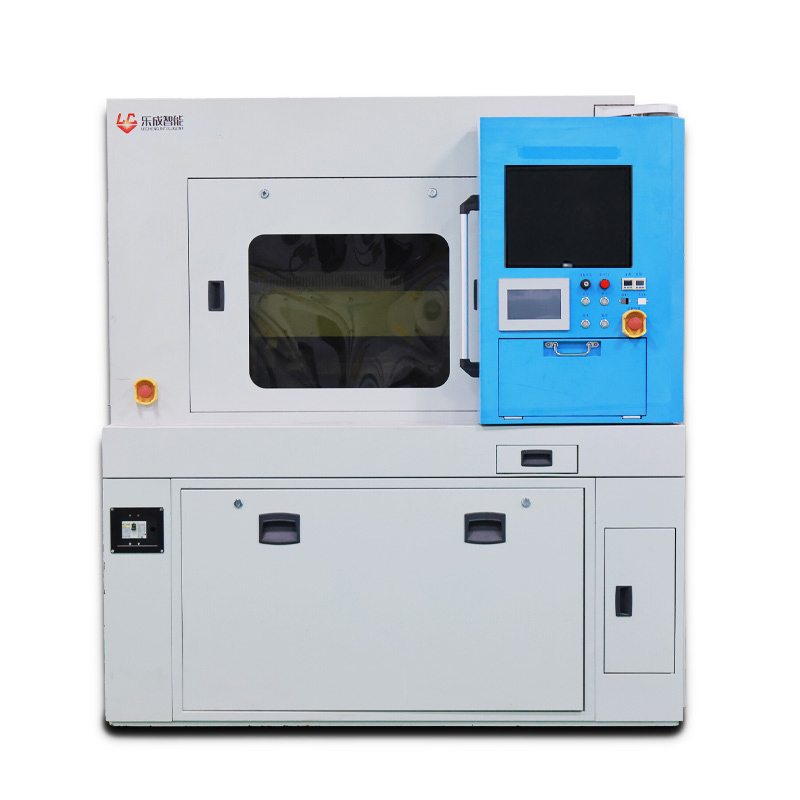
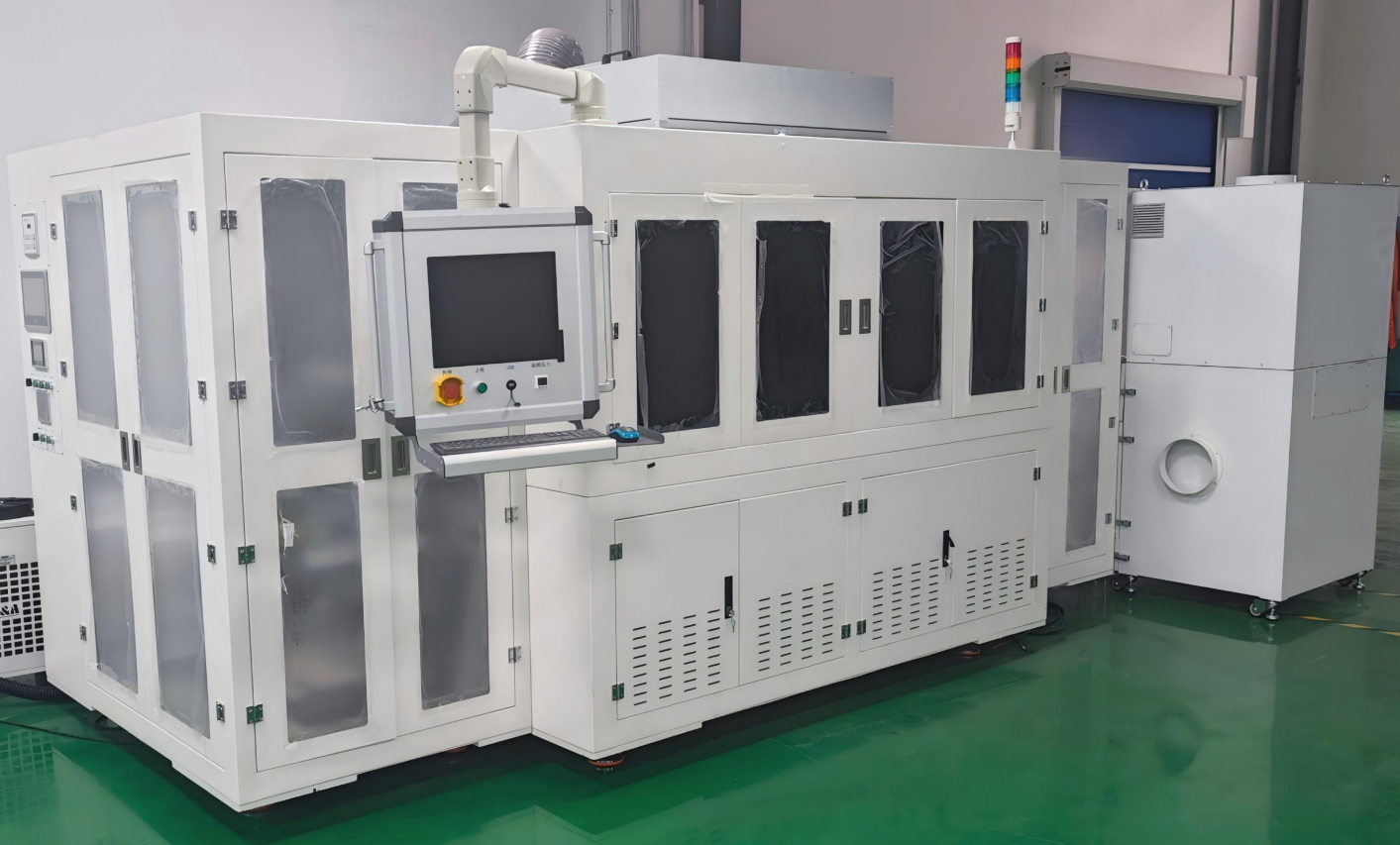
Roll-to-roll (R2R) laser processing represents a paradigm shift in thin-film solar manufacturing by enabling continuous, high-speed production that dramatically reduces operational costs. Unlike traditional batch processing methods that handle individual substrates, Lecheng's R2R systems achieve processing speeds of 1.5 meters per minute while maintaining sub-micron accuracy. This continuous operation eliminates the downtime associated with loading/unloading cycles, increasing overall equipment effectiveness by up to 40%. The systems' ability to simultaneously process multiple laser paths (up to 12 beams) further enhances throughput, allowing manufacturers to achieve gigawatt-scale production with significantly reduced factory footprint and labor requirements.
Precision Engineering for Material Optimization and Yield Improvement
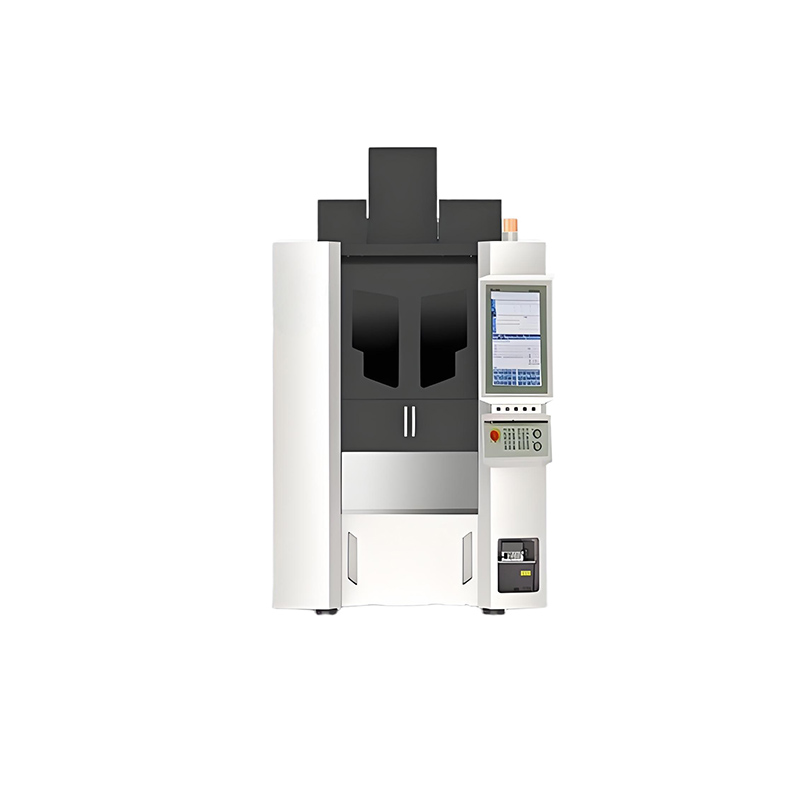
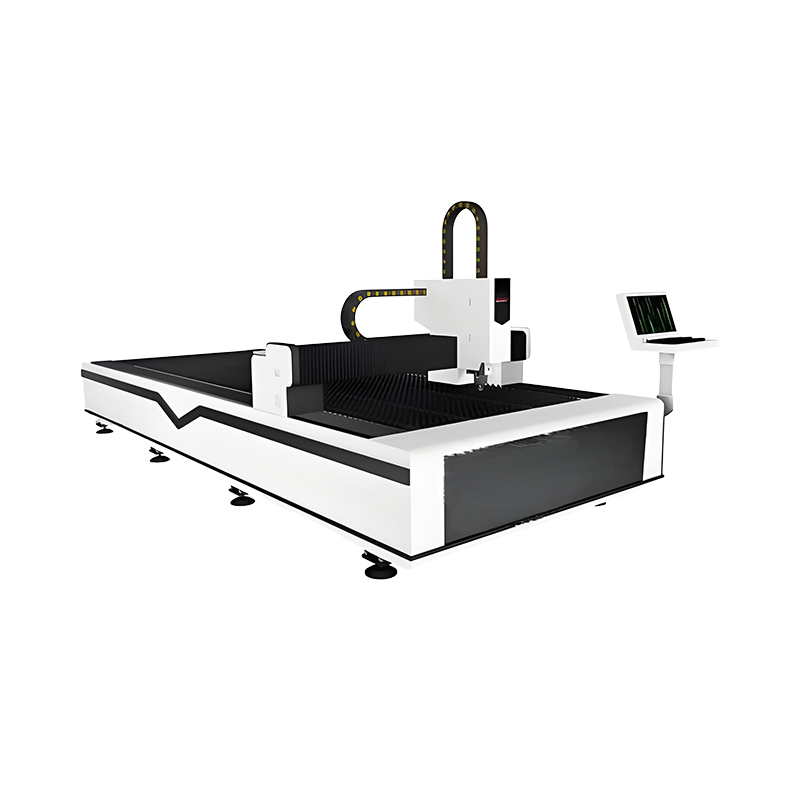
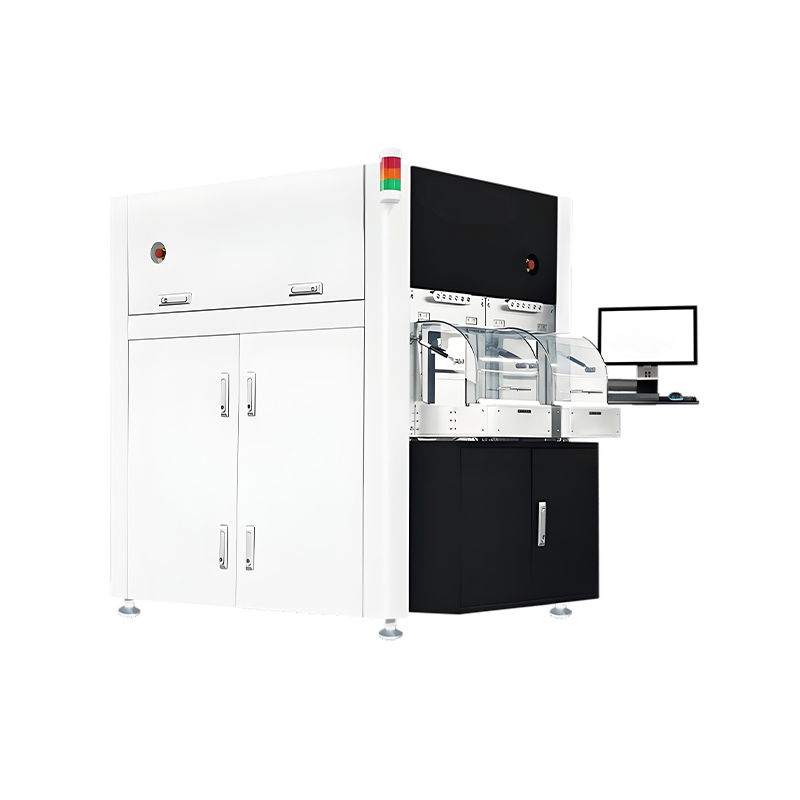
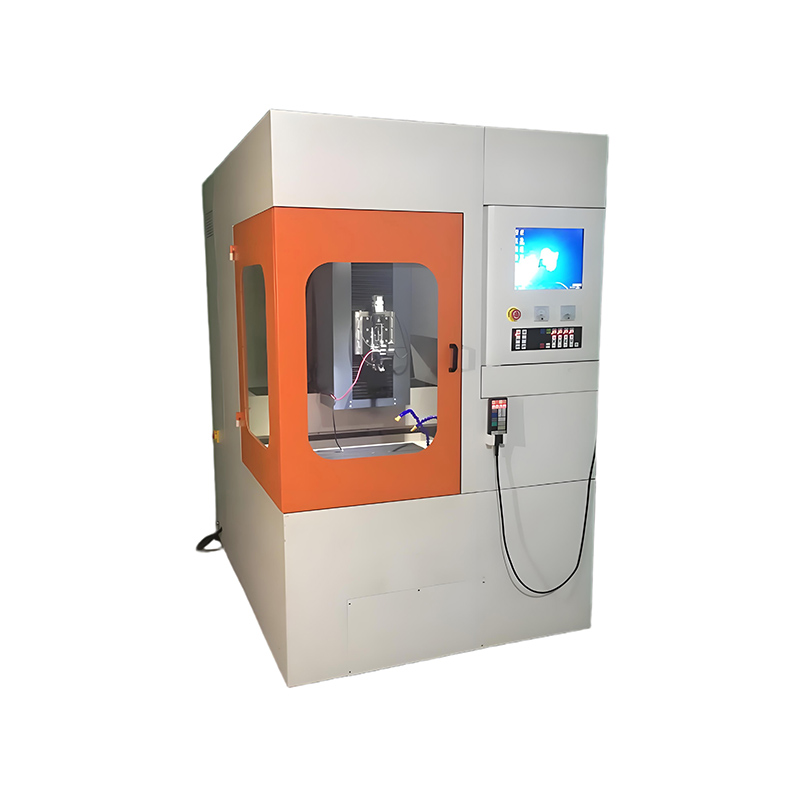
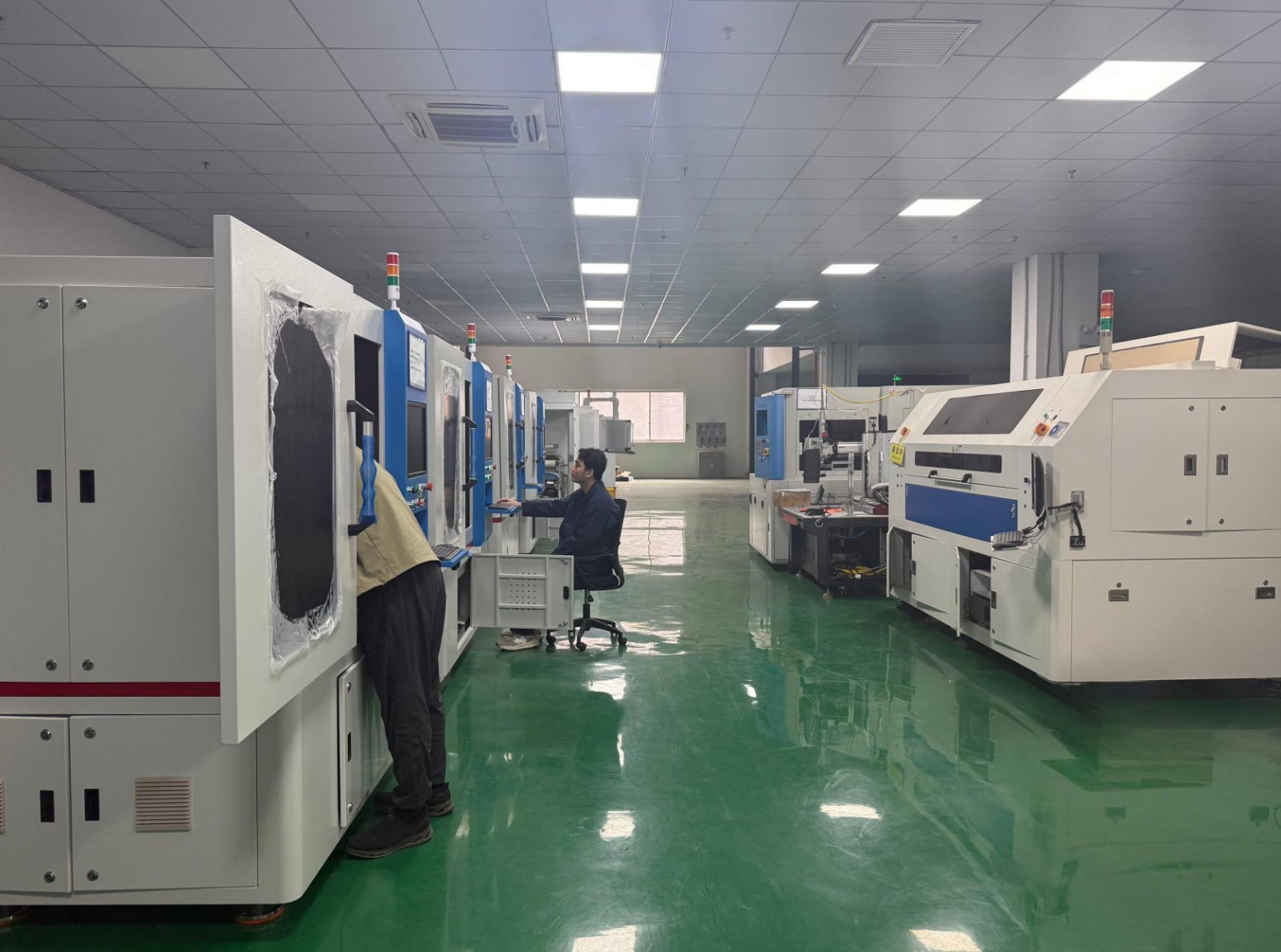
The precision of R2R laser processing directly impacts material utilization and product yield - two critical factors in cost reduction. Lecheng's equipment features real-time focus tracking and trajectory compensation technologies that maintain ±10μm positioning accuracy even on flexible substrates. This precision enables dead zone control below 150μm, maximizing the active area of solar modules and ultimately boosting energy conversion efficiency. The non-contact nature of laser processing eliminates tool wear and material contamination, reducing rejection rates by up to 30% compared to mechanical methods. Additionally, the systems' compatibility with various materials including ITO, PET, and copper allows manufacturers to optimize material selection based on cost and performance requirements.
Scalability and Flexibility for Evolving Market Demands
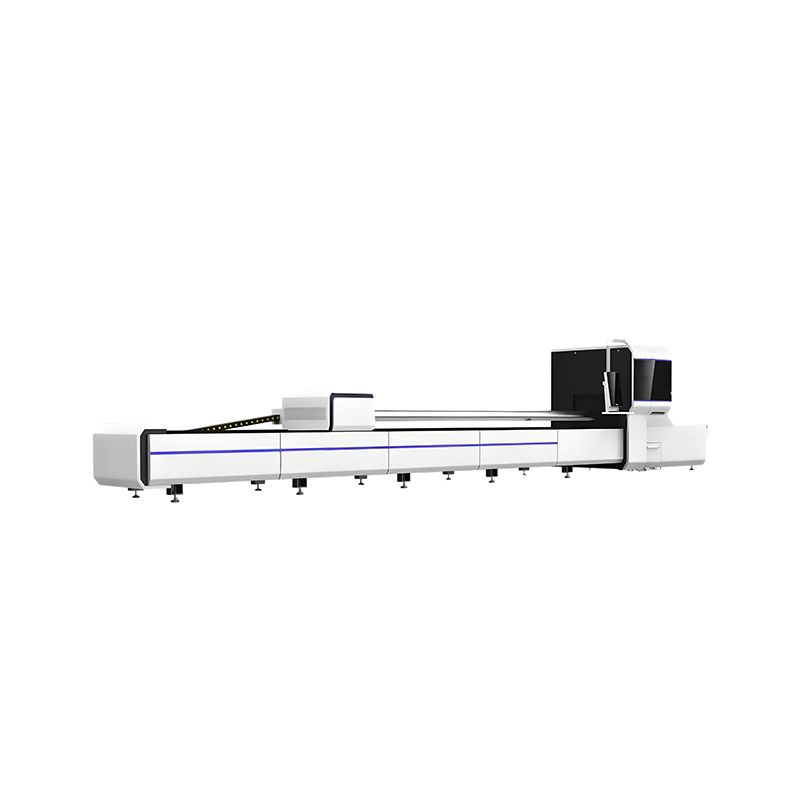
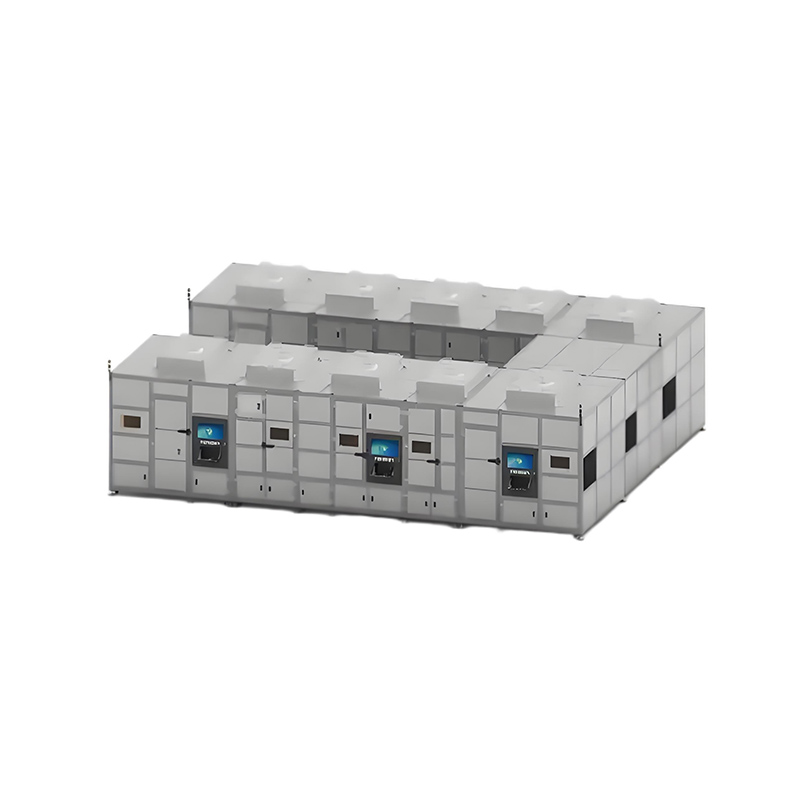
R2R laser processing offers unparalleled scalability that aligns with the thin-film solar industry's growth trajectory. Lecheng's modular systems can handle web widths up to 500mm and are easily scalable to accommodate increasing production volumes. The equipment's flexibility allows rapid switching between different solar cell architectures, supporting P1-P4 patterning processes on both rigid and flexible substrates with minimal changeover time. This adaptability is crucial for manufacturers navigating evolving technology standards and market demands. By consolidating multiple processing steps into a single automated system, R2R laser processing reduces the capital expenditure and operational complexity associated with maintaining separate equipment for each manufacturing step.
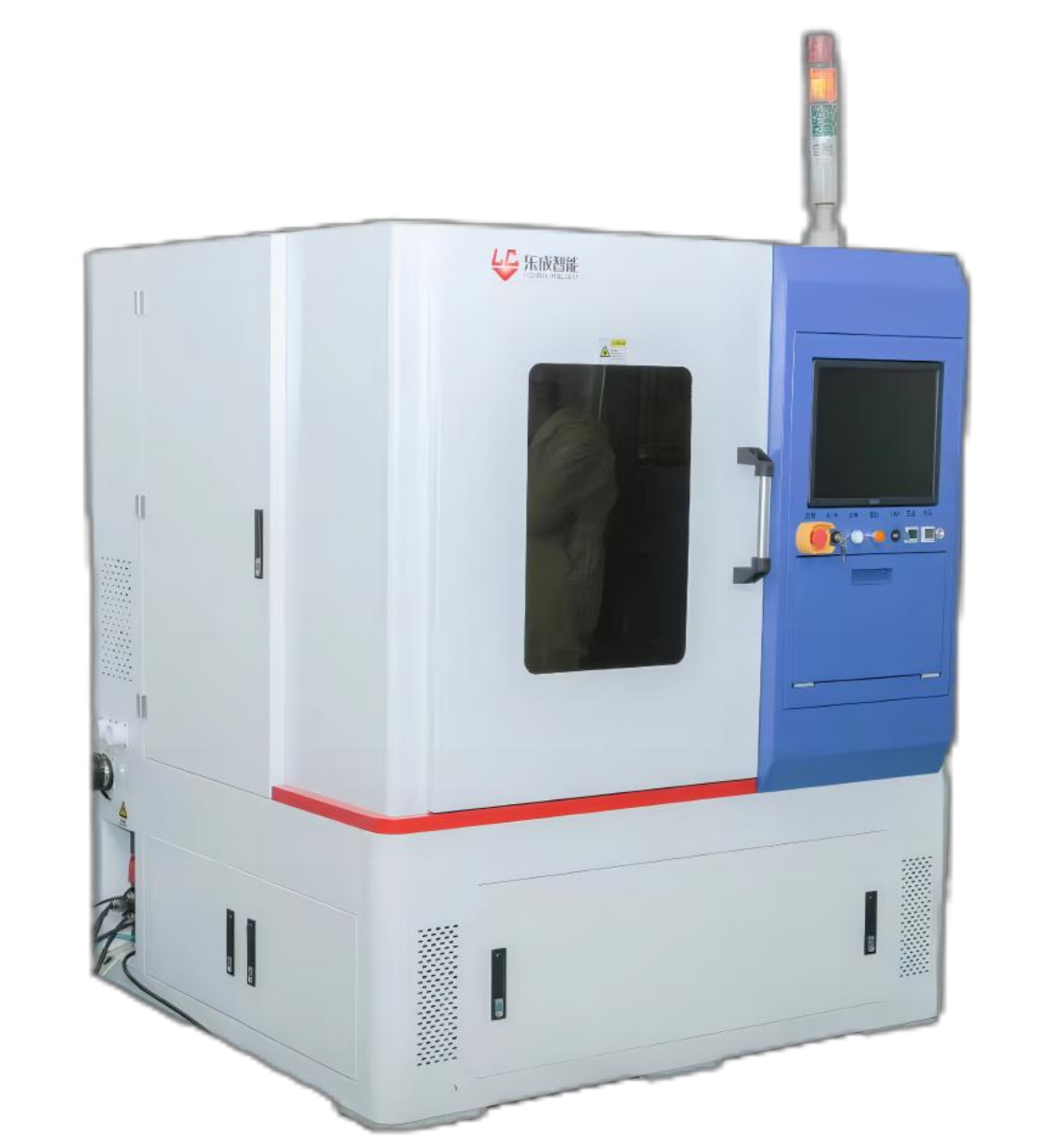
Roll-to-roll laser processing is not merely an incremental improvement but a fundamental enabler for cost-effective thin-film solar manufacturing. By combining continuous operation, precision engineering, and scalable architecture, this technology addresses the core economic challenges facing the solar industry, positioning companies like Lecheng as key contributors to the renewable energy transition.