
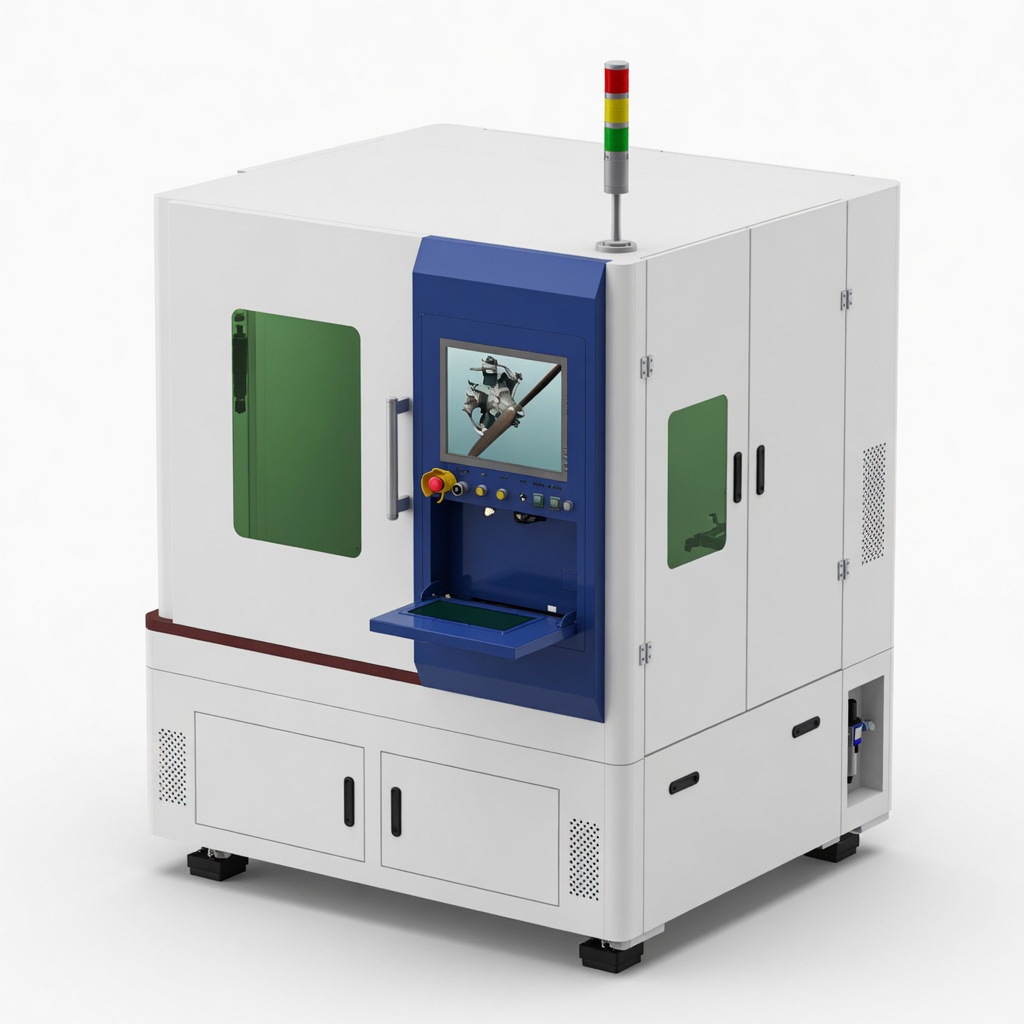
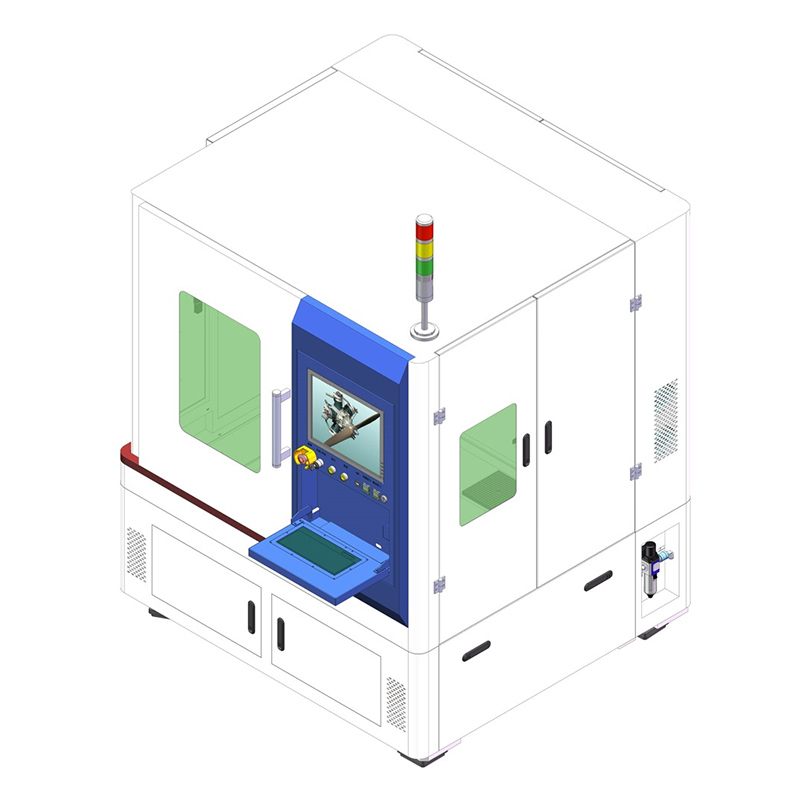
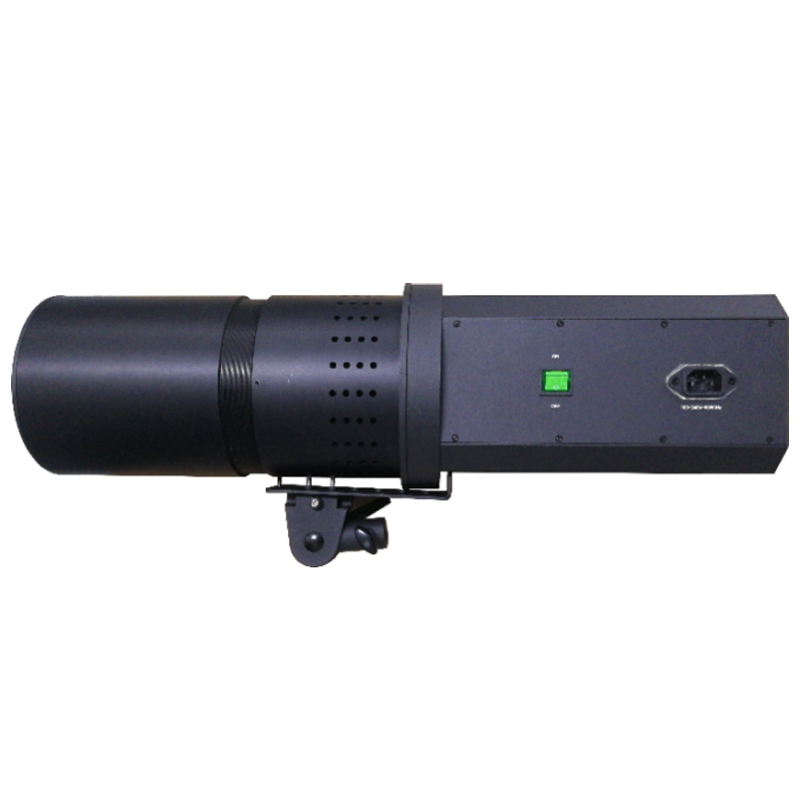
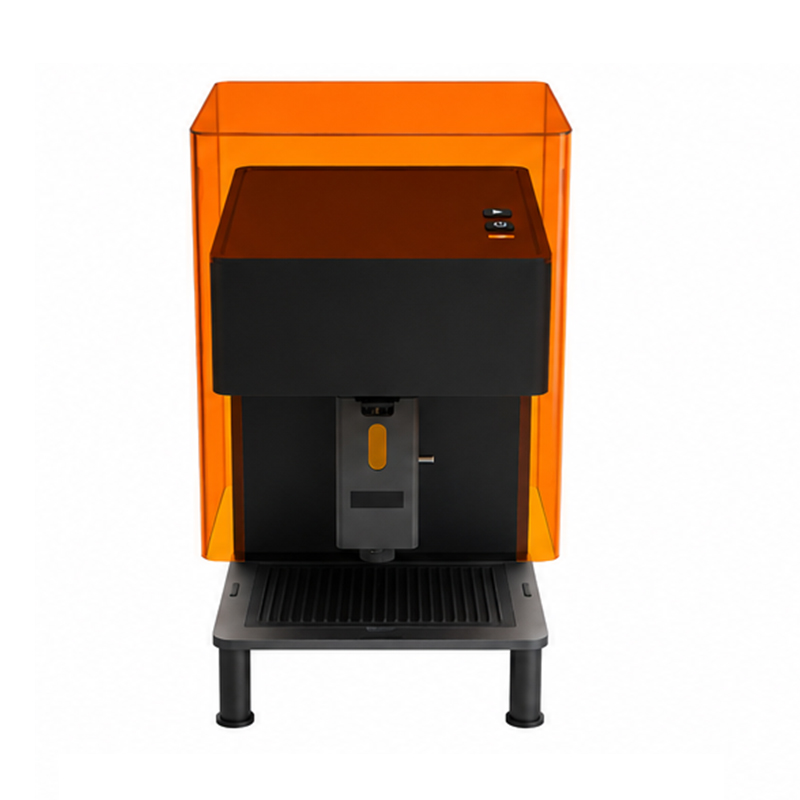
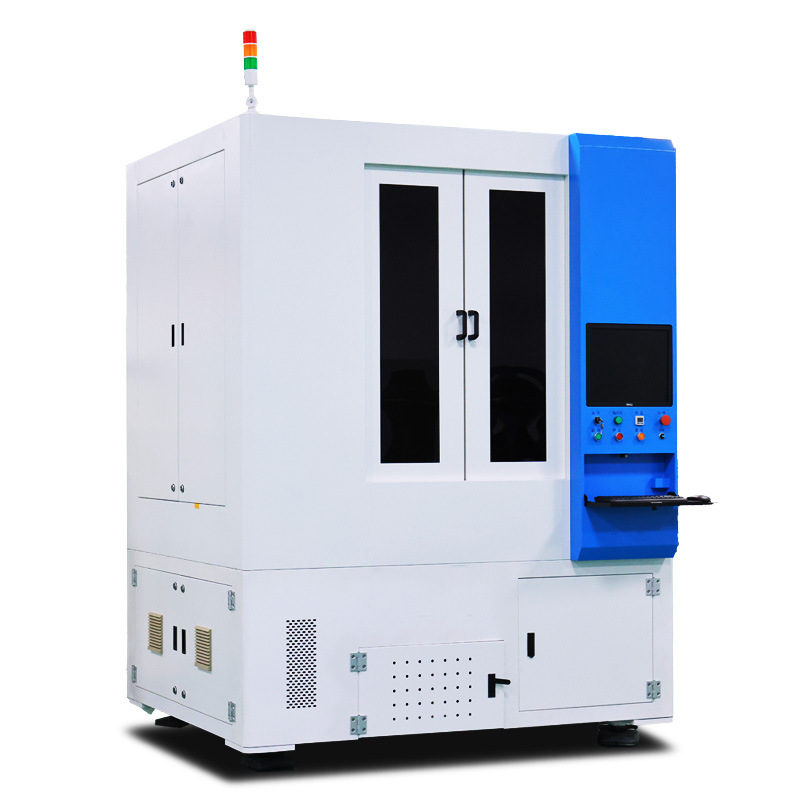
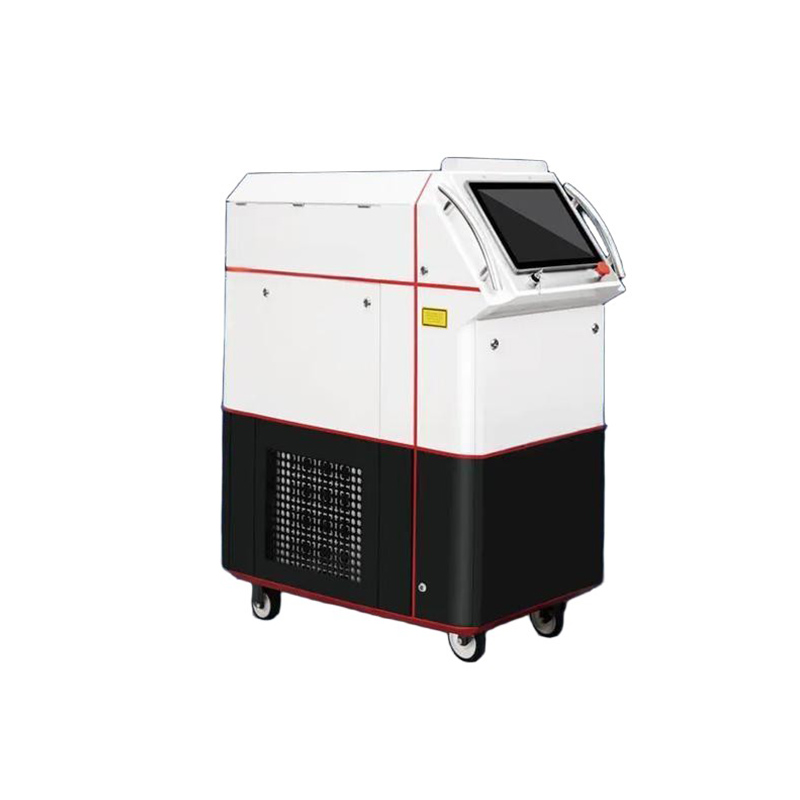
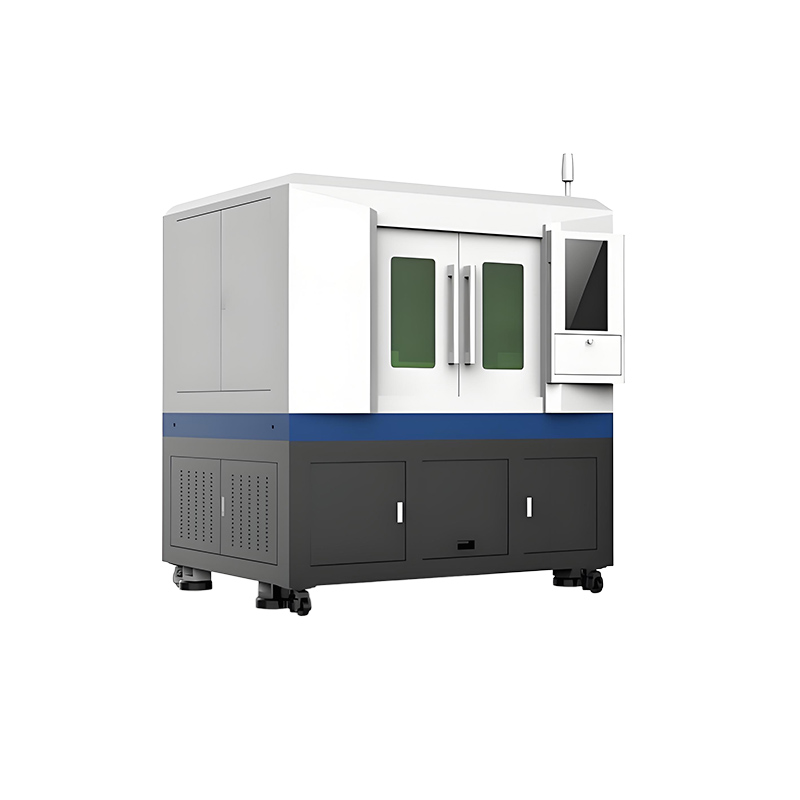
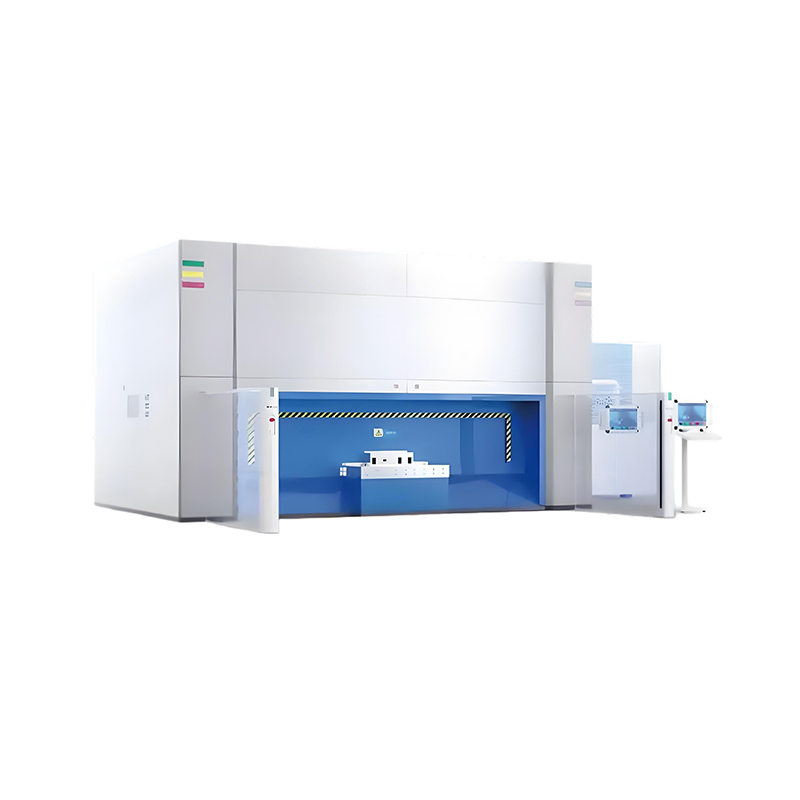
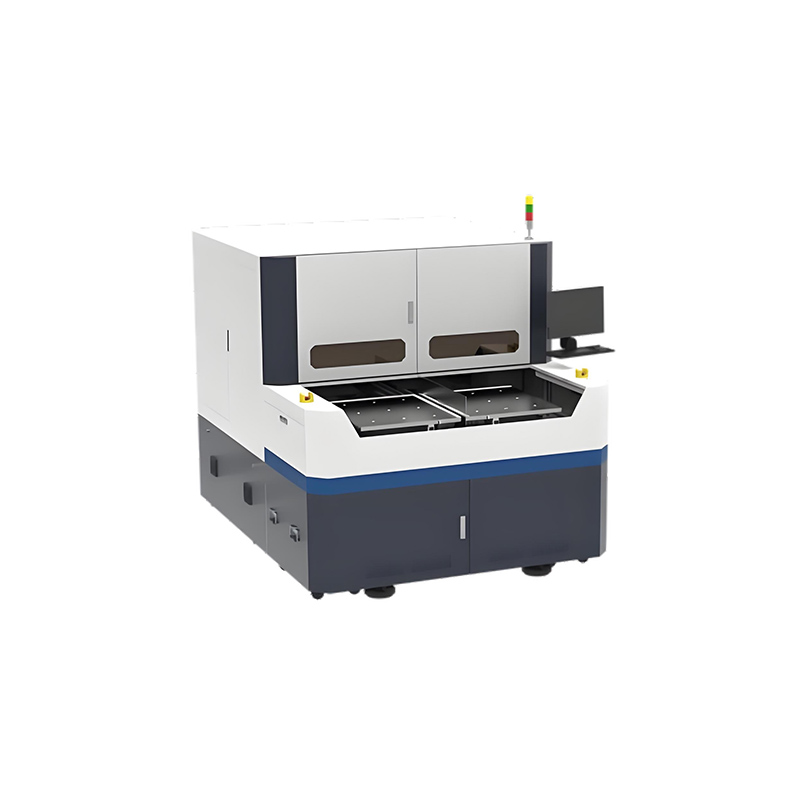
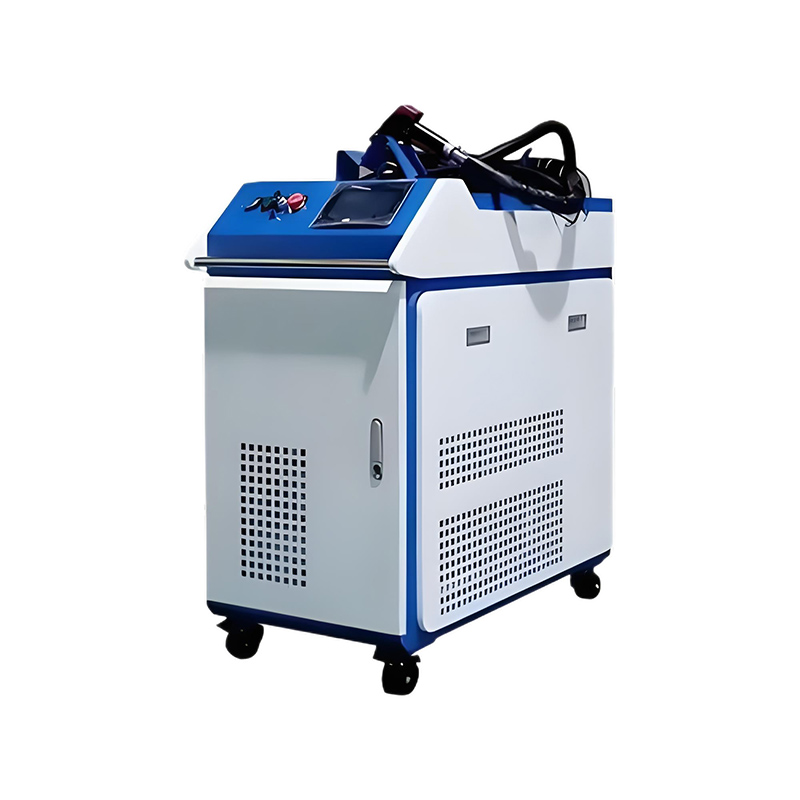
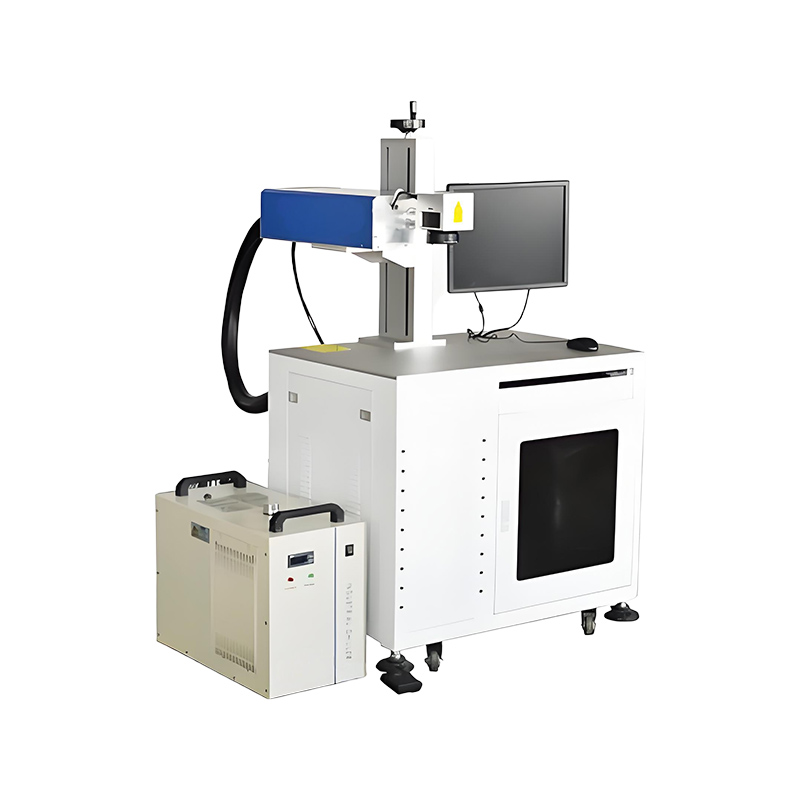
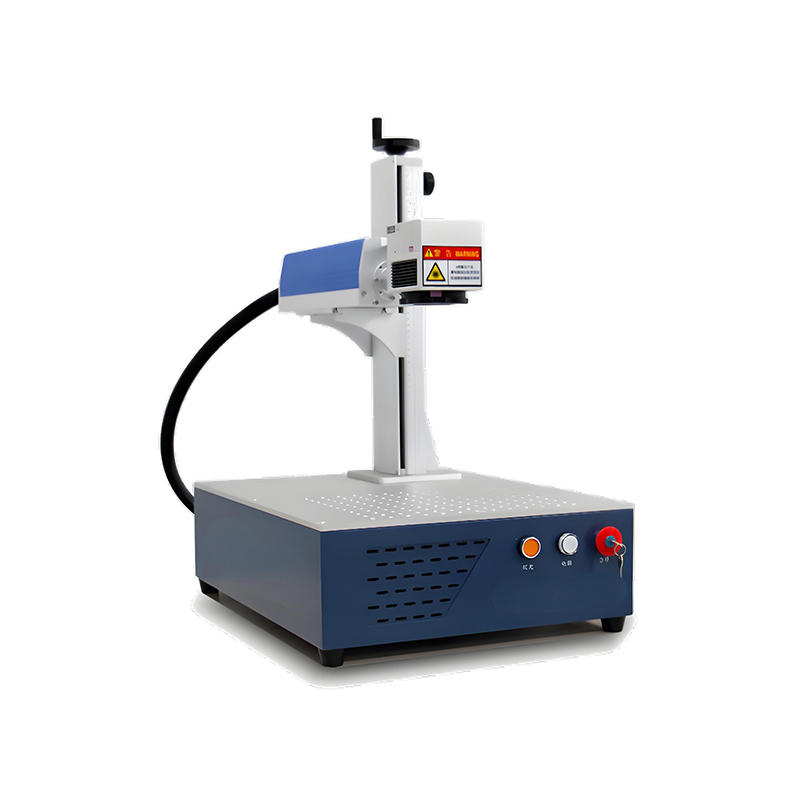
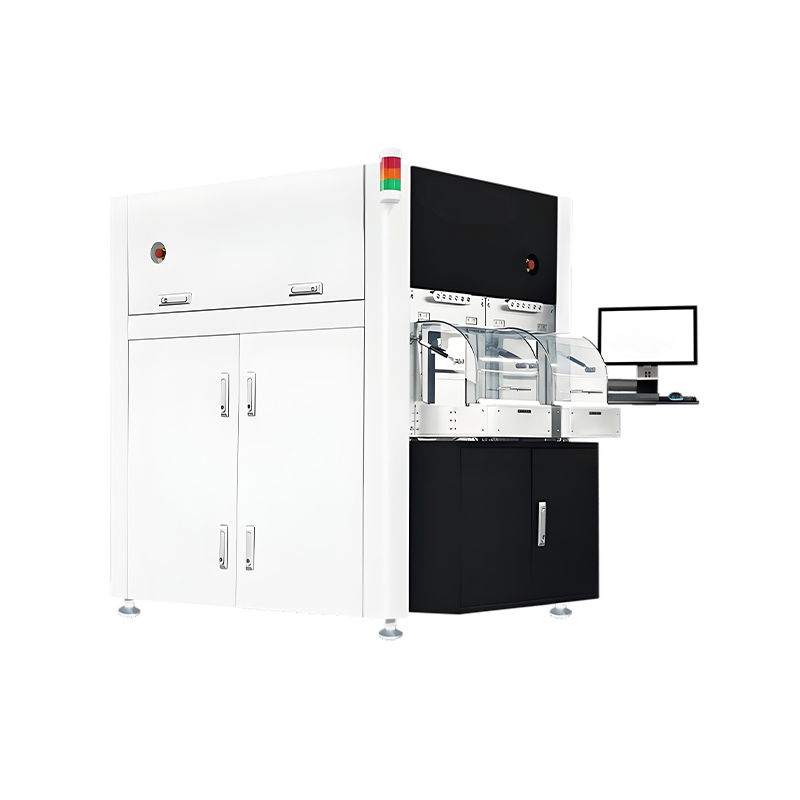
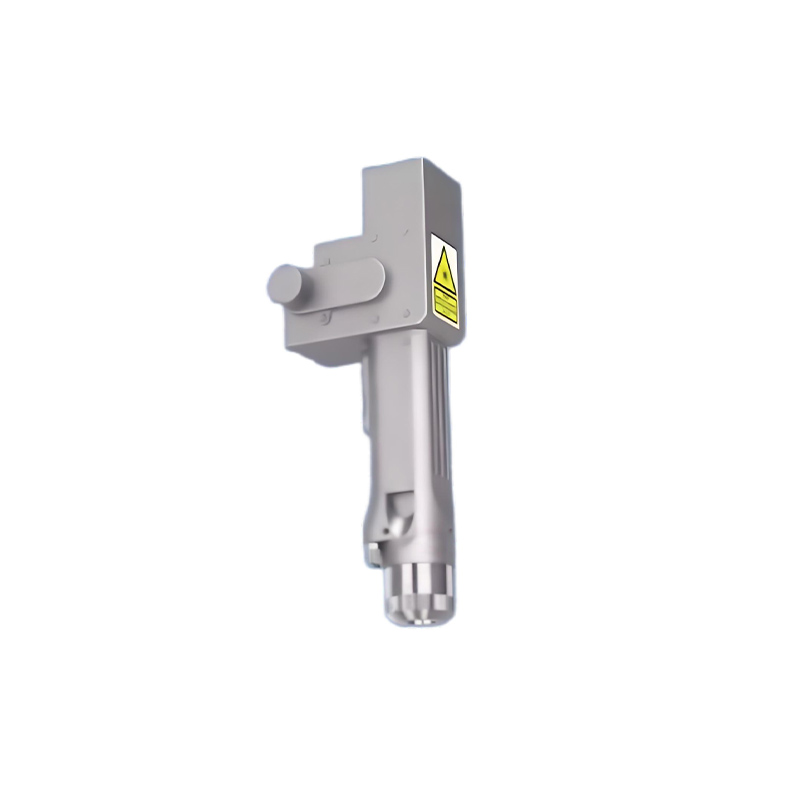
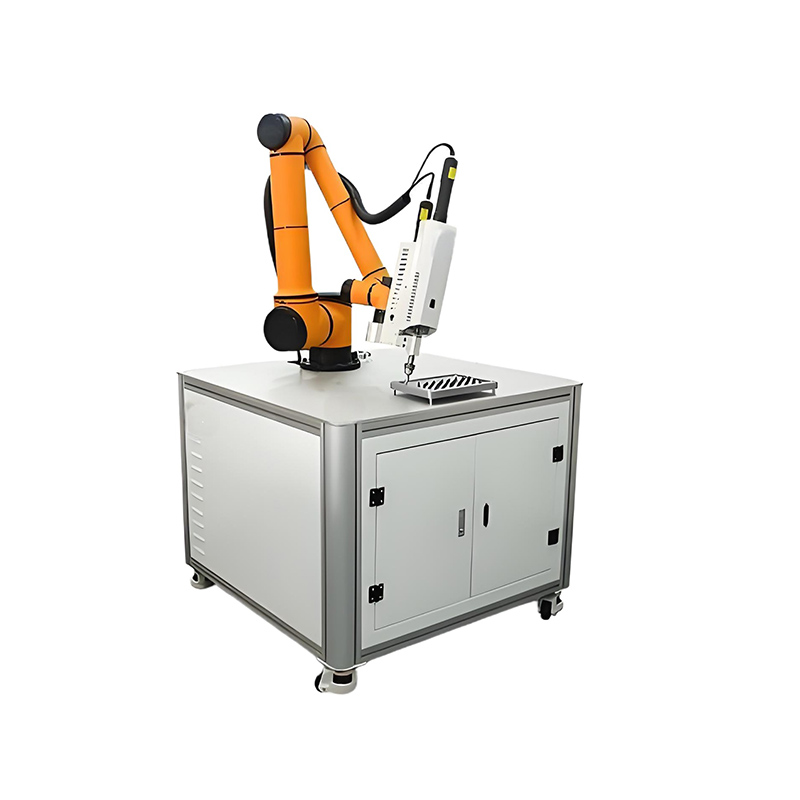
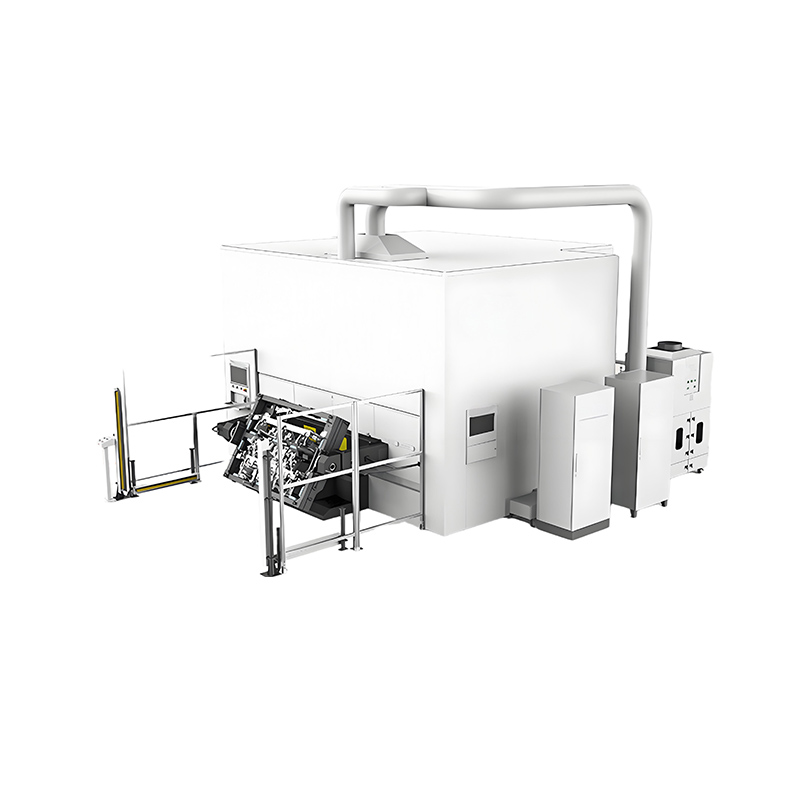
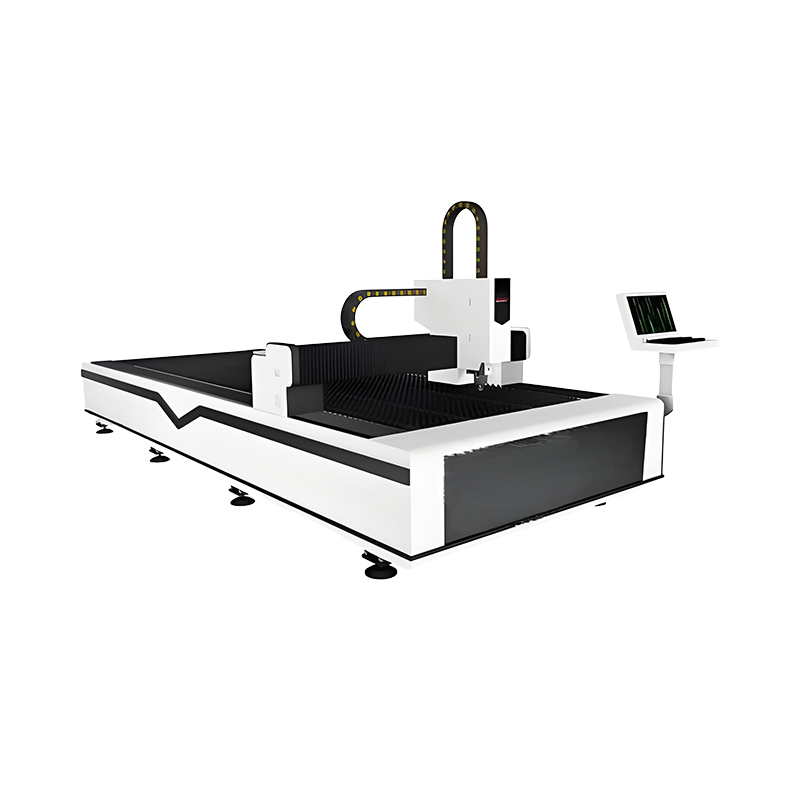
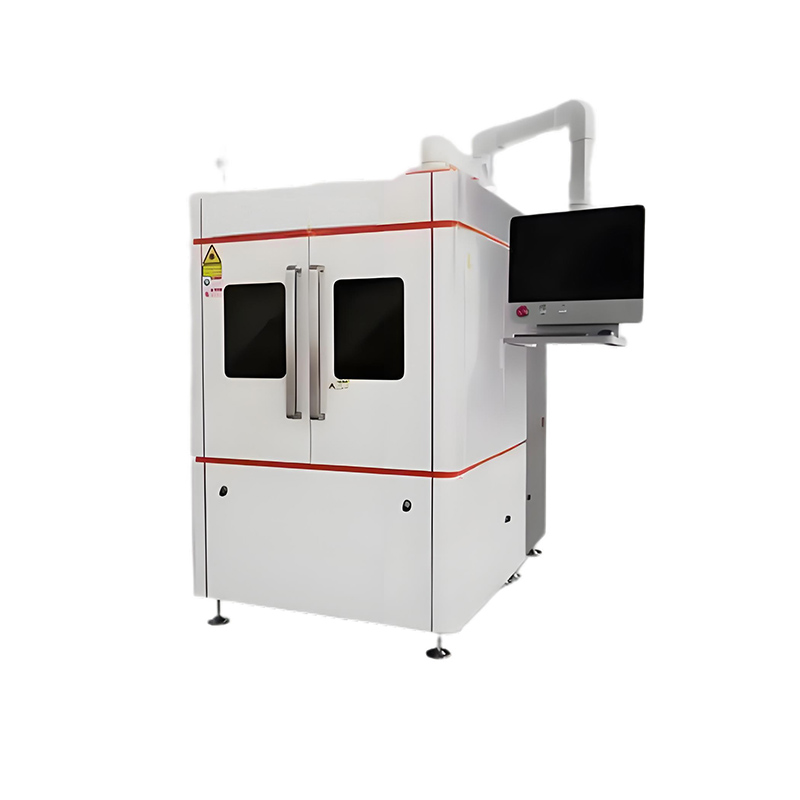
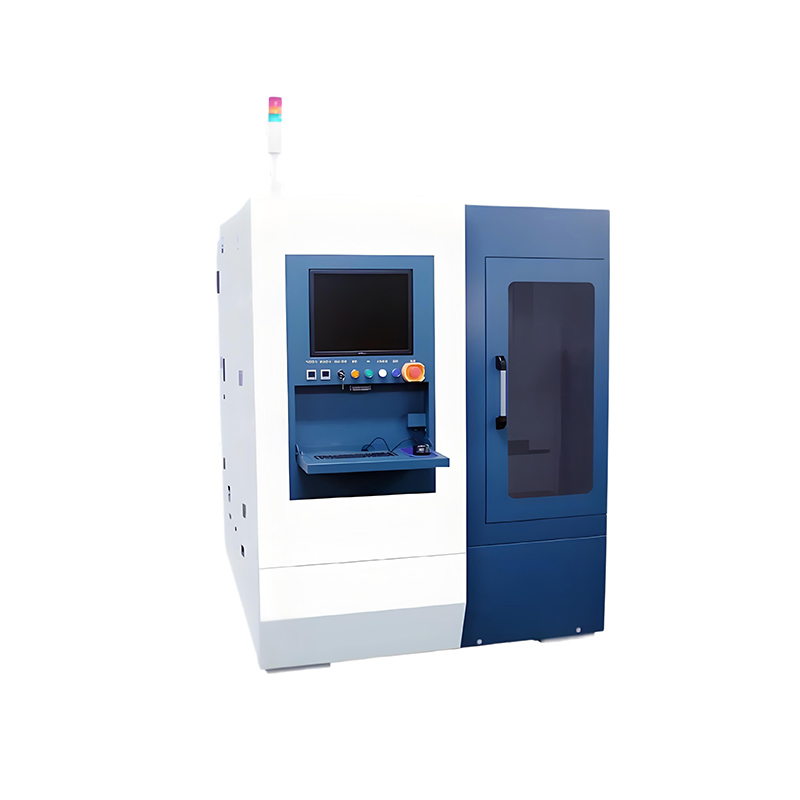
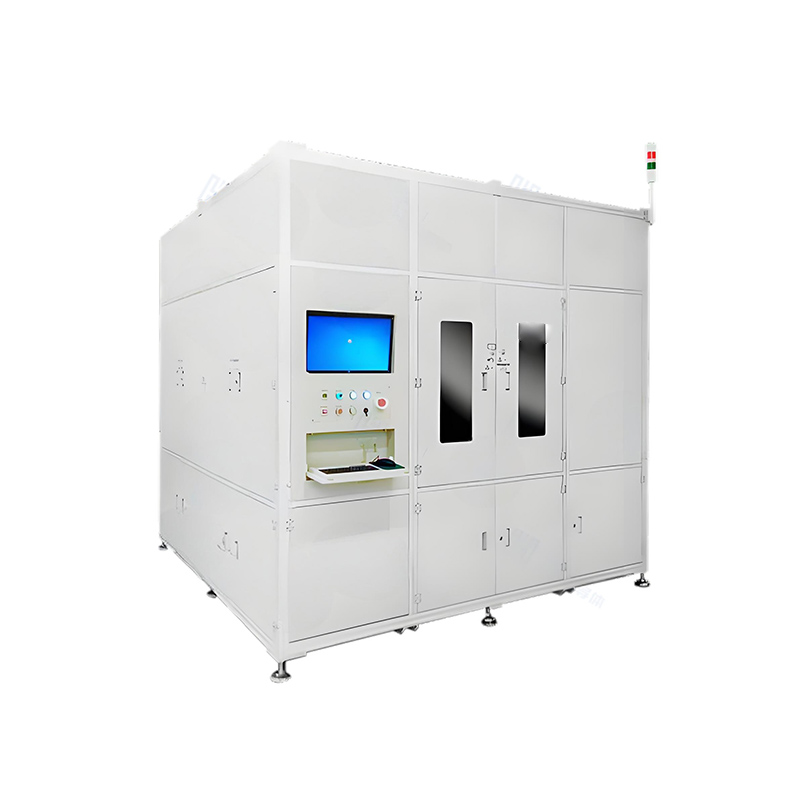

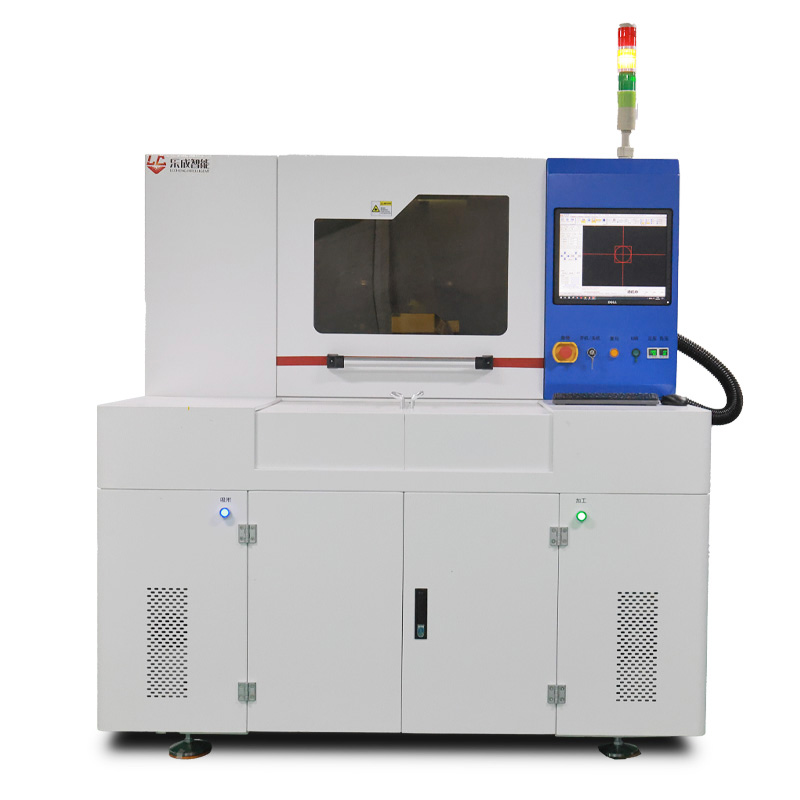
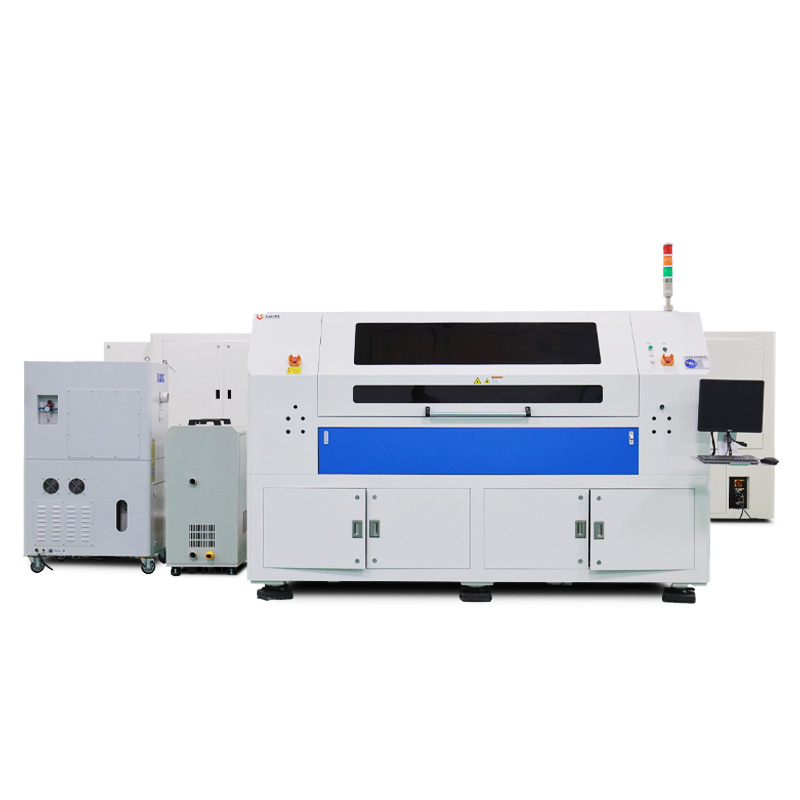

In photovoltaic manufacturing, laser processing plays a critical role in shaping cell structure and ensuring electrical performance. However, many international buyers are confused about the difference between laser scribing and laser cutting. While both processes use laser technology, they serve very different purposes in solar cell production. Understanding this difference is essential for selecting the right equipment and avoiding costly process mismatches.
Functional Difference Between Laser Scribing And Laser Cutting
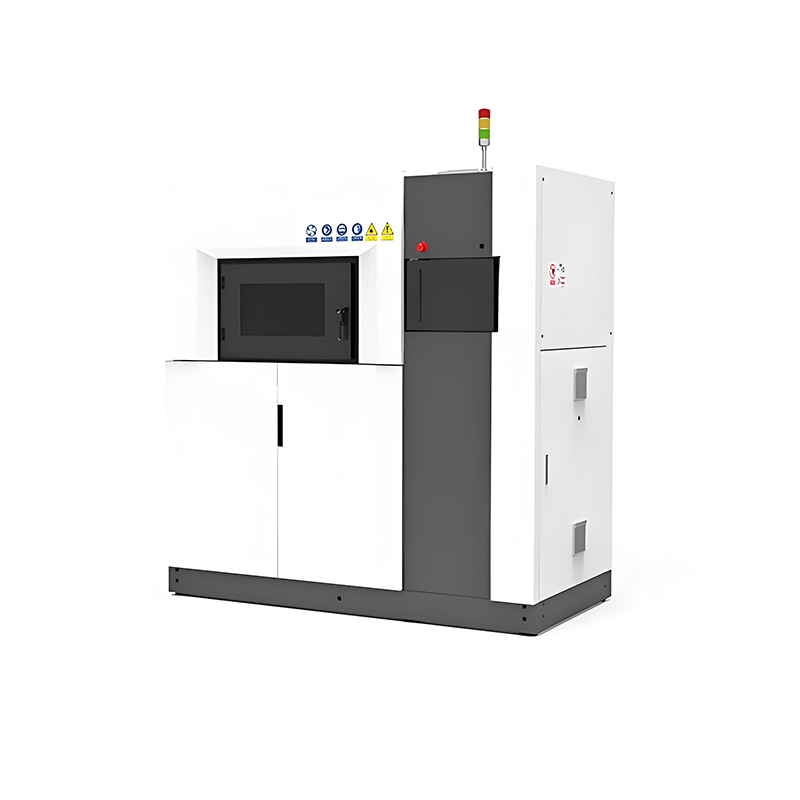
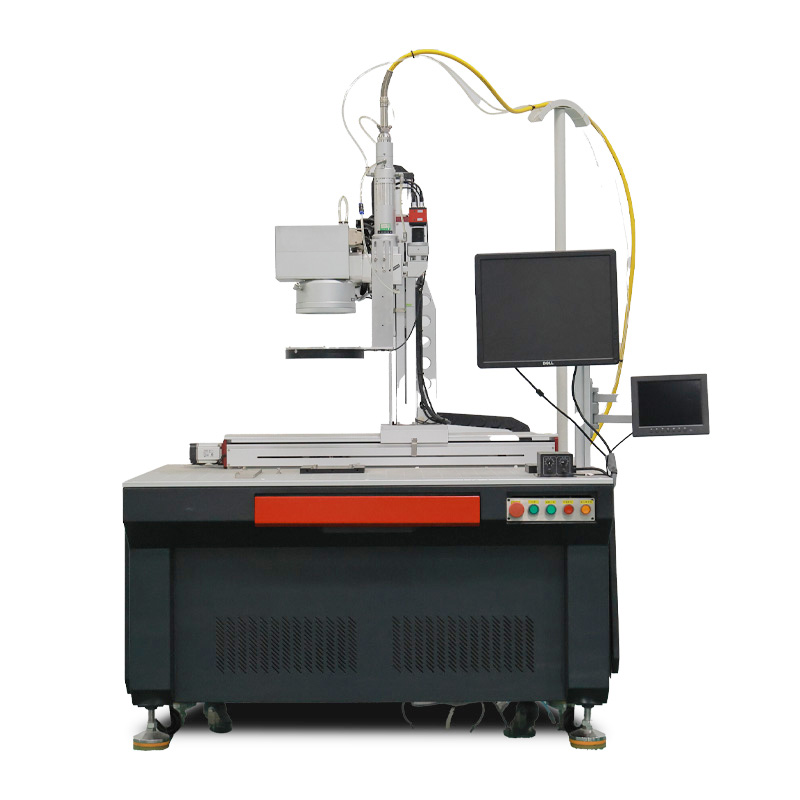
Laser scribing is primarily used to create fine isolation lines on photovoltaic cells. It removes specific layers in a controlled way to form electrical separation between cells, such as P1, P2, and P3 processes. The goal is not to cut through the material completely, but to precisely remove selected layers while preserving the integrity of the substrate.
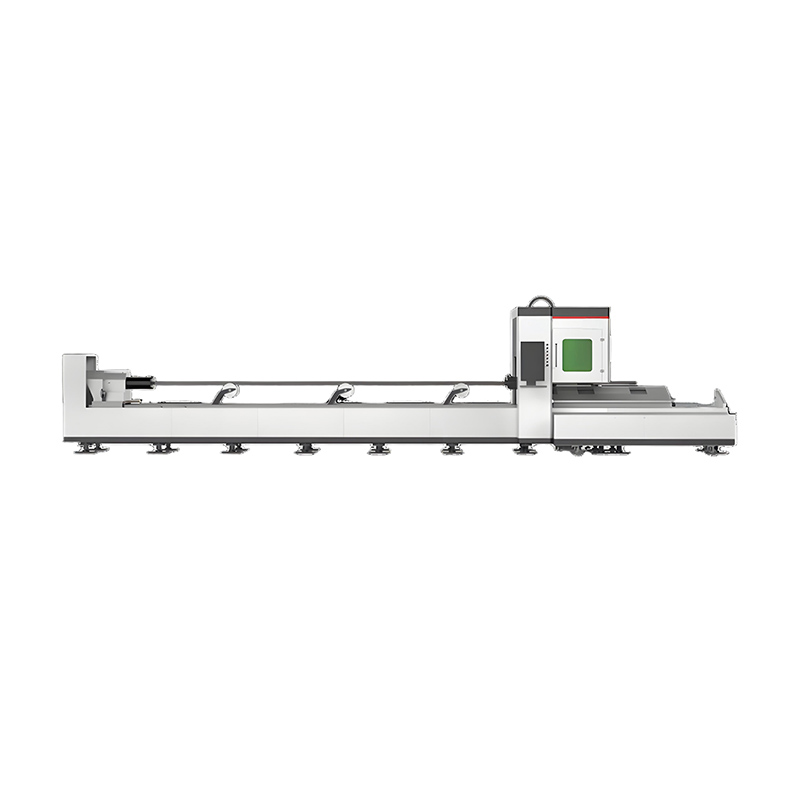
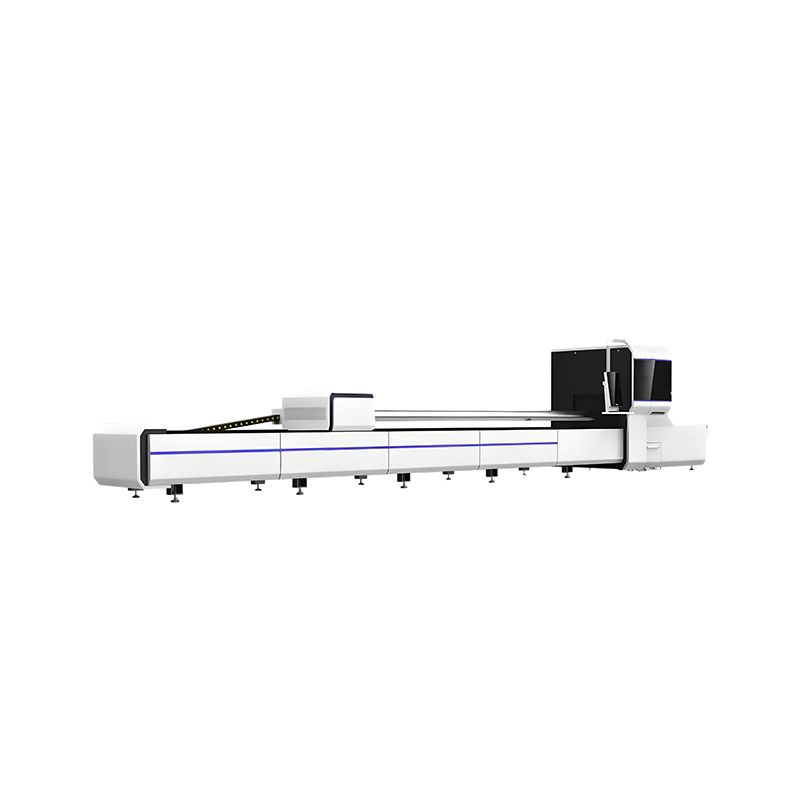
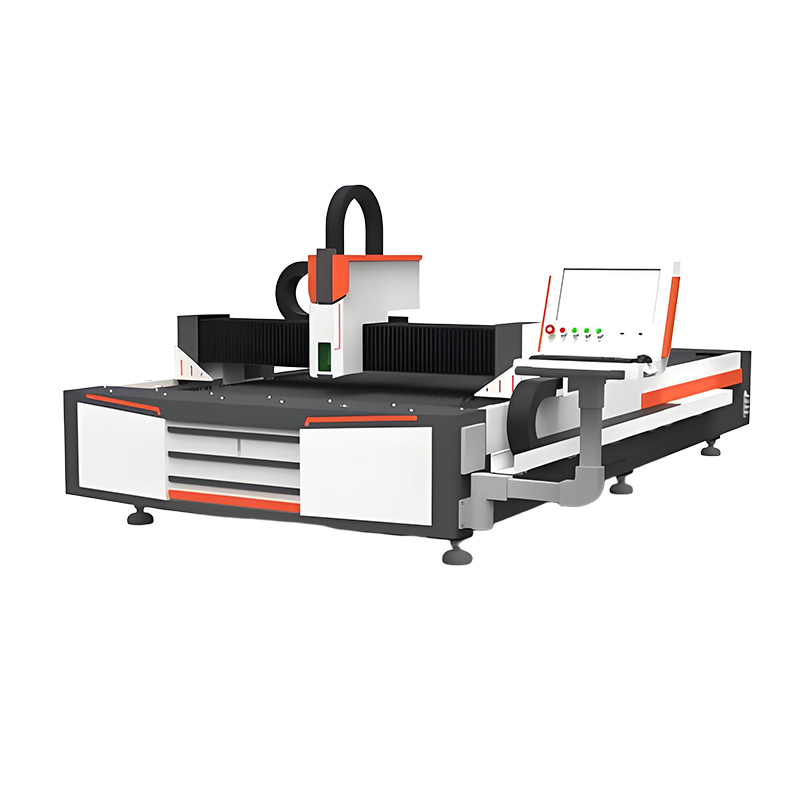
In contrast, laser cutting is designed to fully separate materials. It is commonly used to cut glass substrates, wafers, or modules into desired shapes or sizes. Cutting requires higher energy and deeper penetration compared to scribing, and the focus is on achieving clean edges and efficient separation.
From a procurement perspective, choosing between these two processes depends entirely on the application. Misunderstanding this difference can lead to selecting the wrong equipment, which may not meet production requirements.
Process Requirements And Precision Control Differences
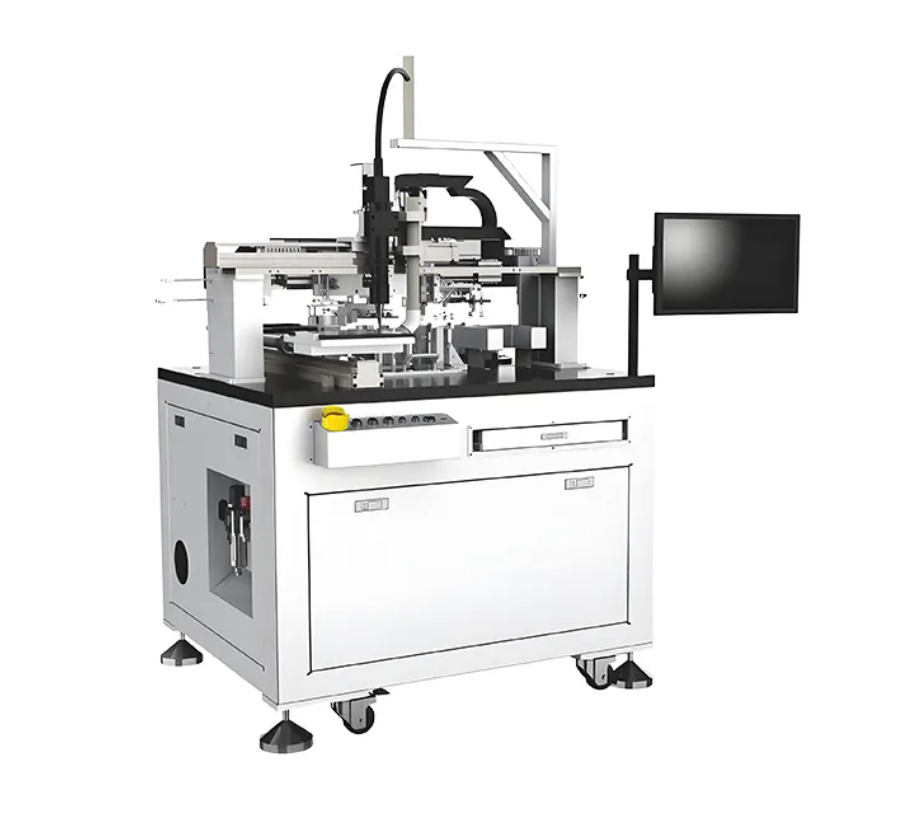
Laser scribing requires extremely high precision and control. The process must ensure consistent line width, minimal thermal impact, and accurate layer removal. Even slight deviations can affect electrical isolation and reduce cell efficiency. Therefore, scribing systems focus heavily on beam quality, motion precision, and process stability.
Laser cutting, on the other hand, emphasizes cutting speed, edge quality, and throughput. While precision is still important, the tolerance requirements are generally less strict than scribing. The key is to achieve fast, clean, and repeatable separation without excessive chipping or cracking.
For buyers, this means that scribing machines are typically more process-sensitive, while cutting machines are more productivity-oriented. Understanding these differences helps align equipment selection with production priorities.
Impact On Production Efficiency And Yield
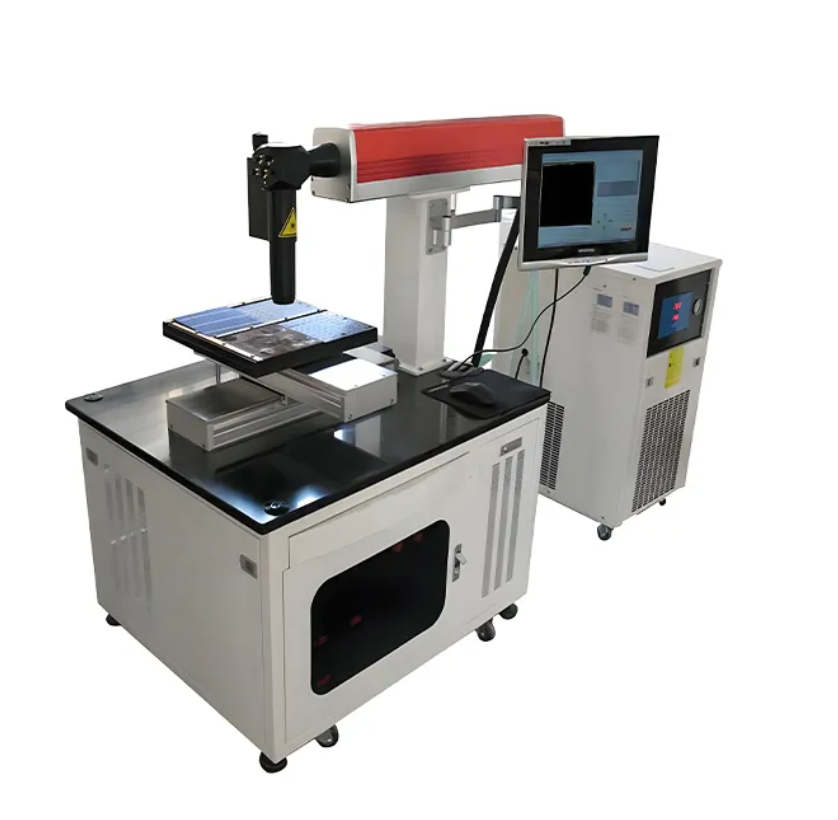
Laser scribing directly affects cell efficiency and module performance. Poor scribing quality can lead to electrical leakage, reduced output, and lower yield. Therefore, stability and consistency are critical. A high-quality scribing system ensures uniform results across all cells, improving overall production performance.
Laser cutting mainly affects downstream processing and material utilization. Poor cutting quality can lead to material waste, additional processing steps, or assembly issues. However, its impact is usually less critical than scribing in terms of electrical performance.
From an investment perspective, scribing equipment often requires higher precision and cost, while cutting equipment focuses on speed and efficiency. Buyers should consider both processes as complementary rather than interchangeable.
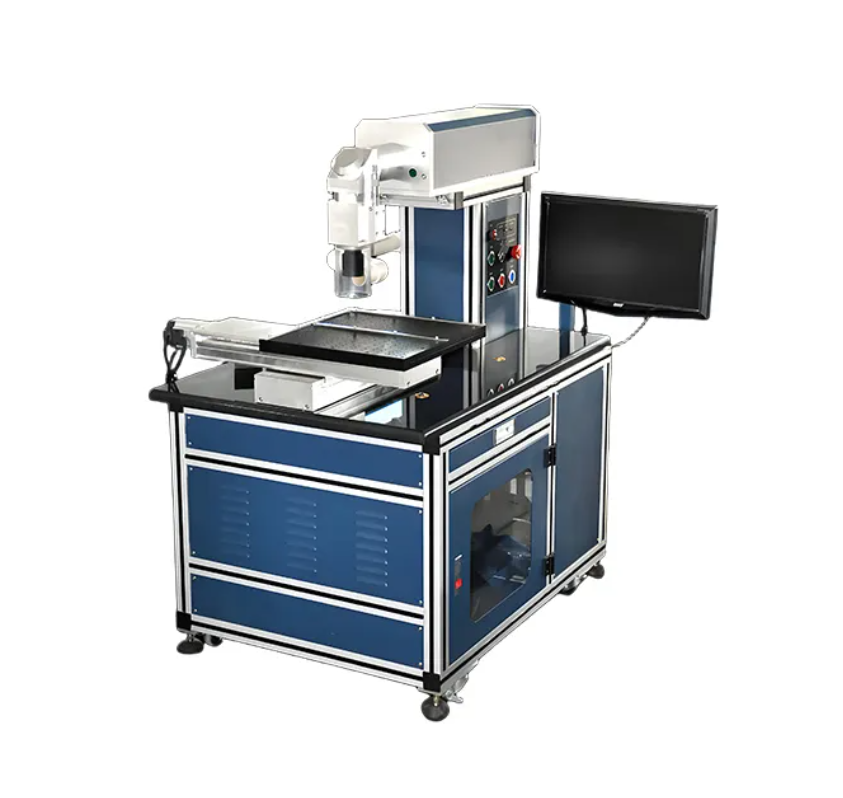
Laser scribing and laser cutting serve different but equally important roles in photovoltaic production. Scribing focuses on precision and electrical performance, while cutting focuses on material separation and efficiency. For international buyers, understanding this difference is essential for selecting the right equipment and building a stable, high-yield production line.