


Beyond Flat Sheets: The Rise of 3D Manufacturing Complexity
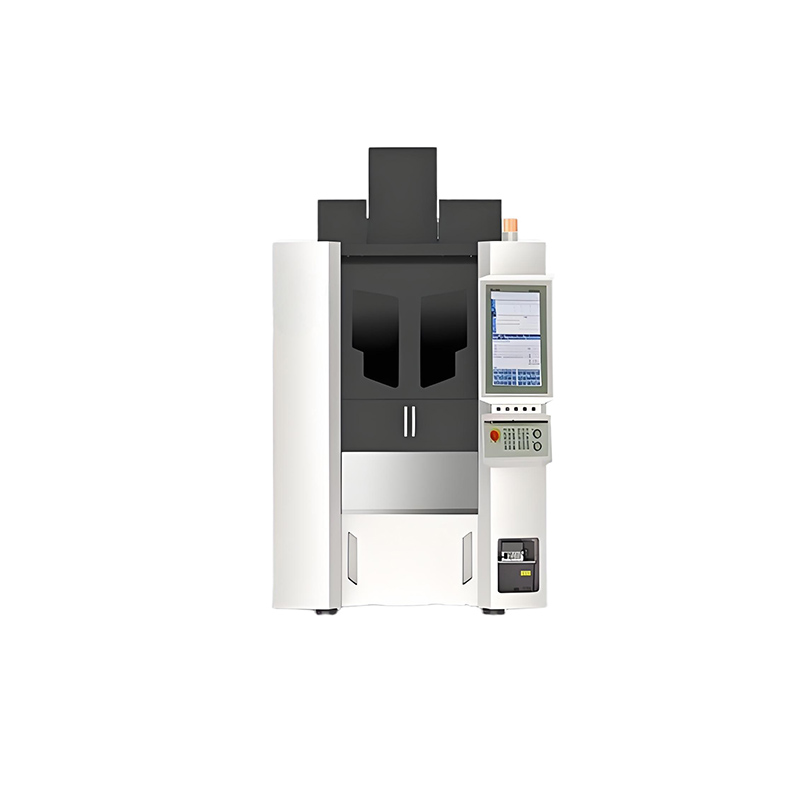
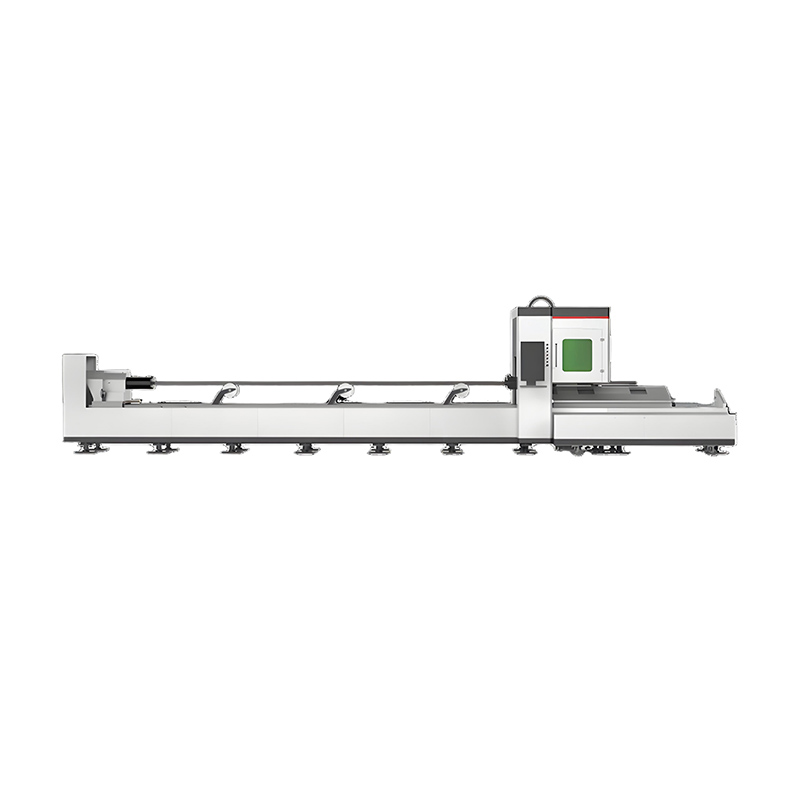
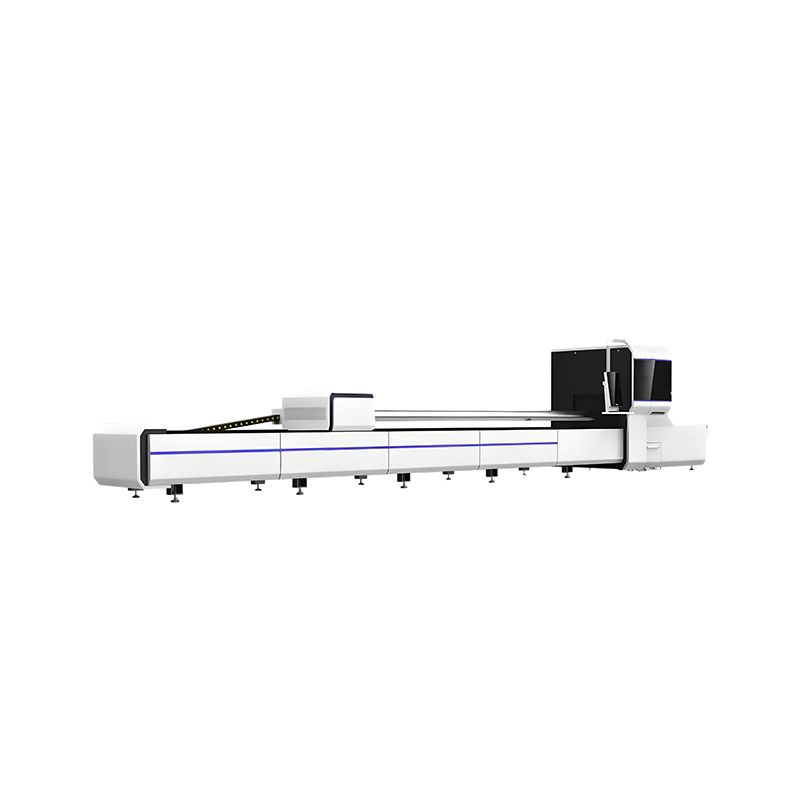
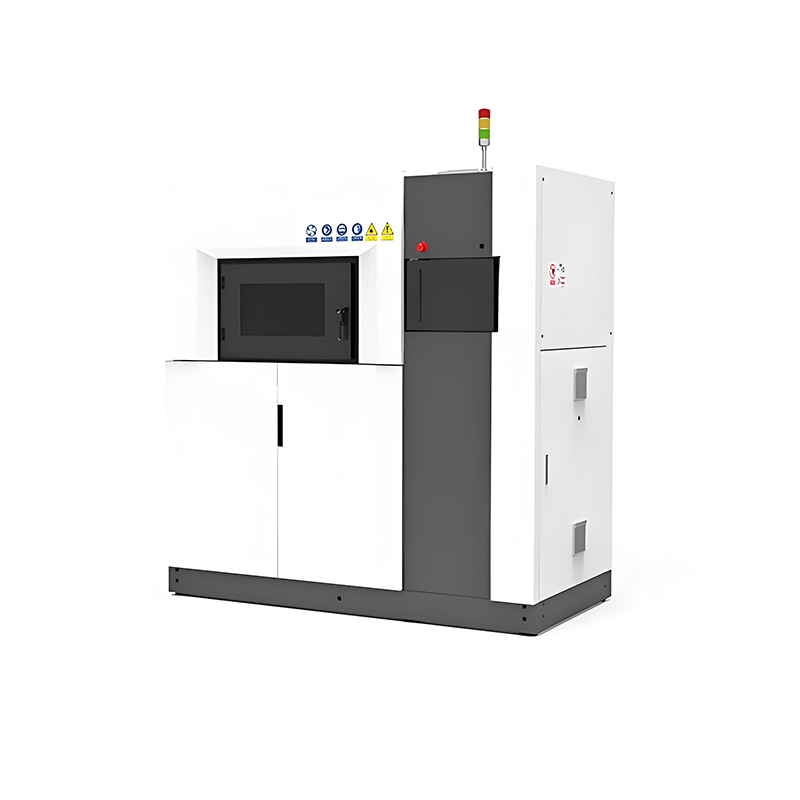
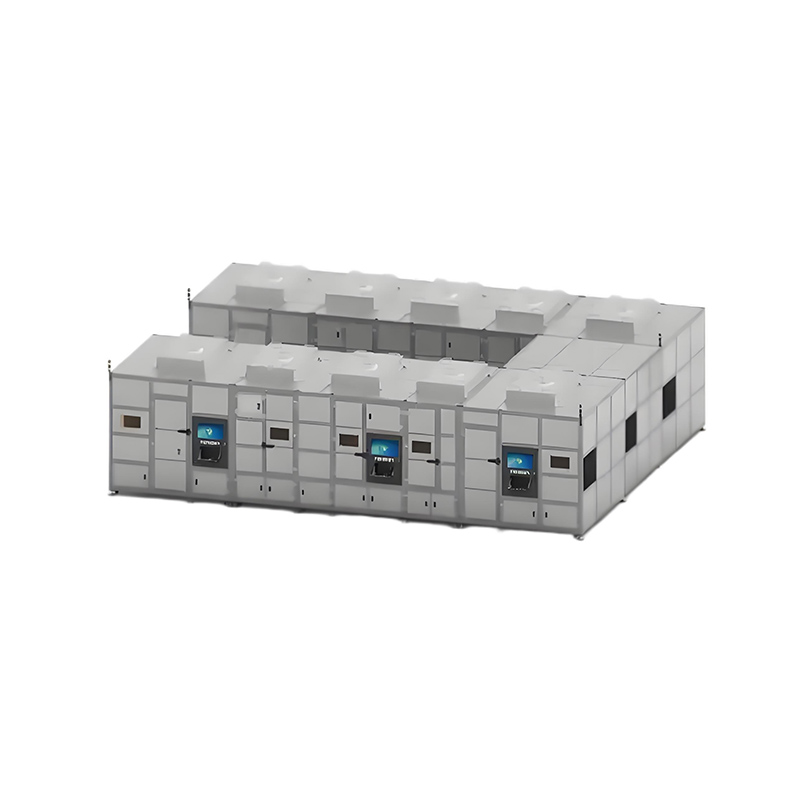
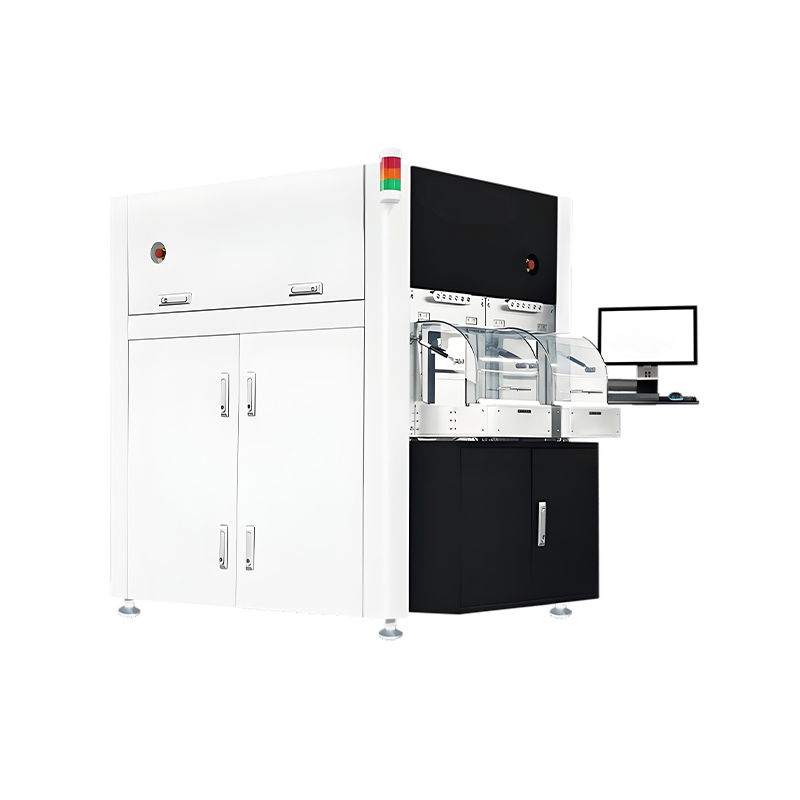
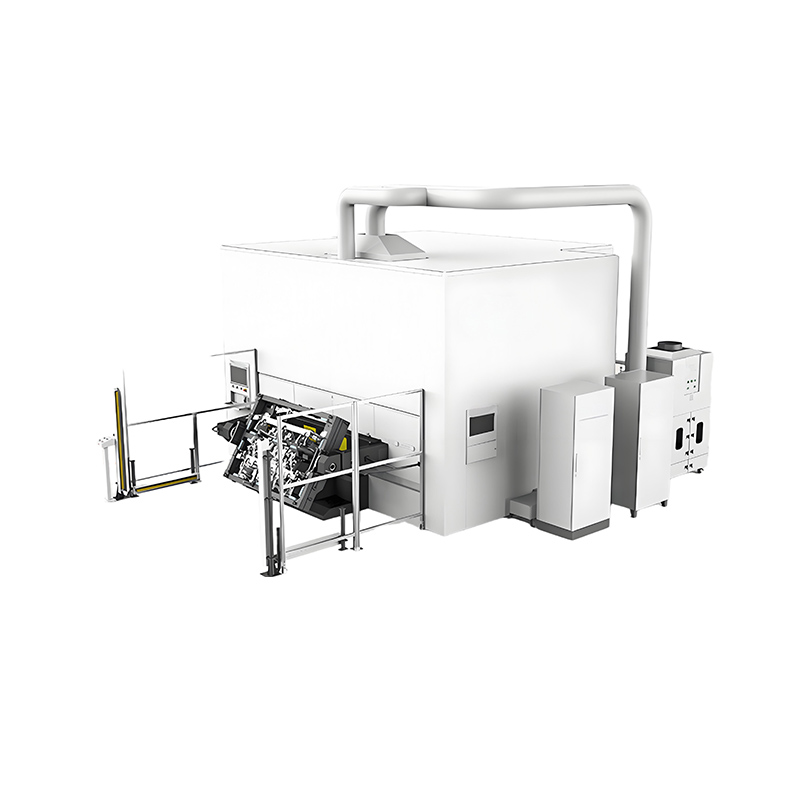
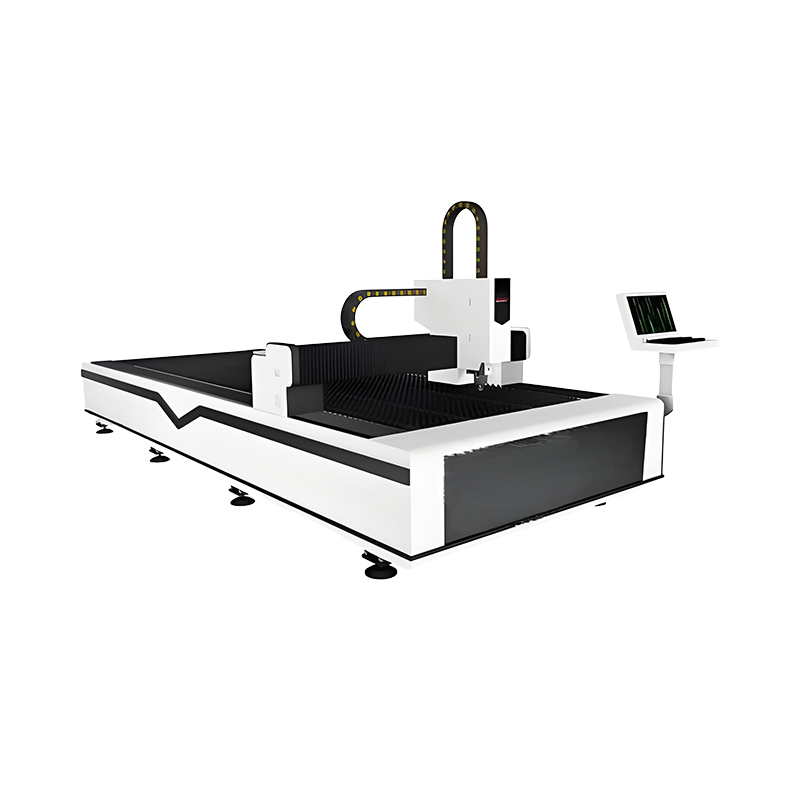
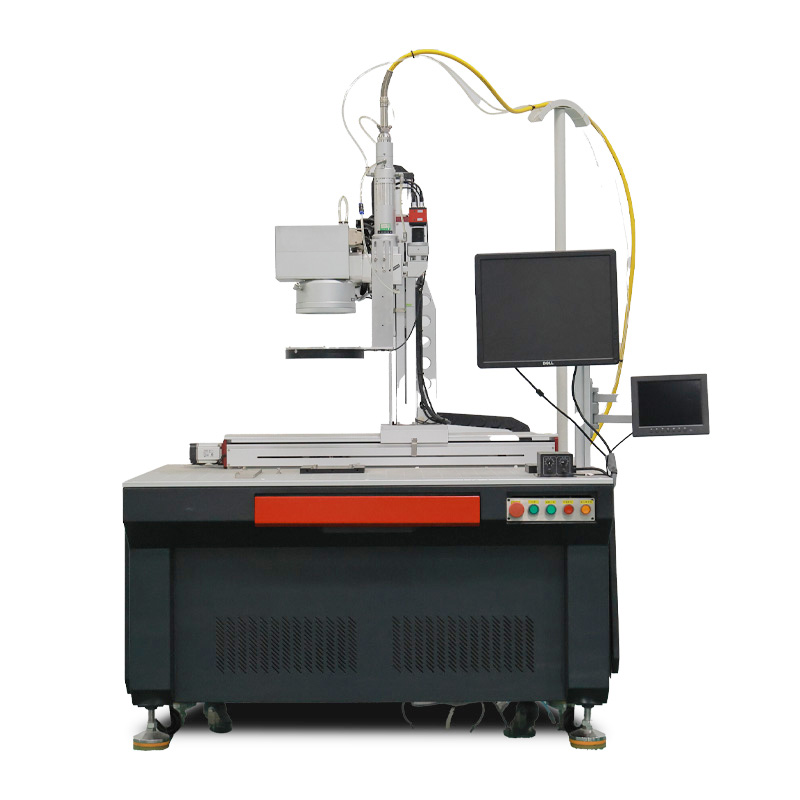
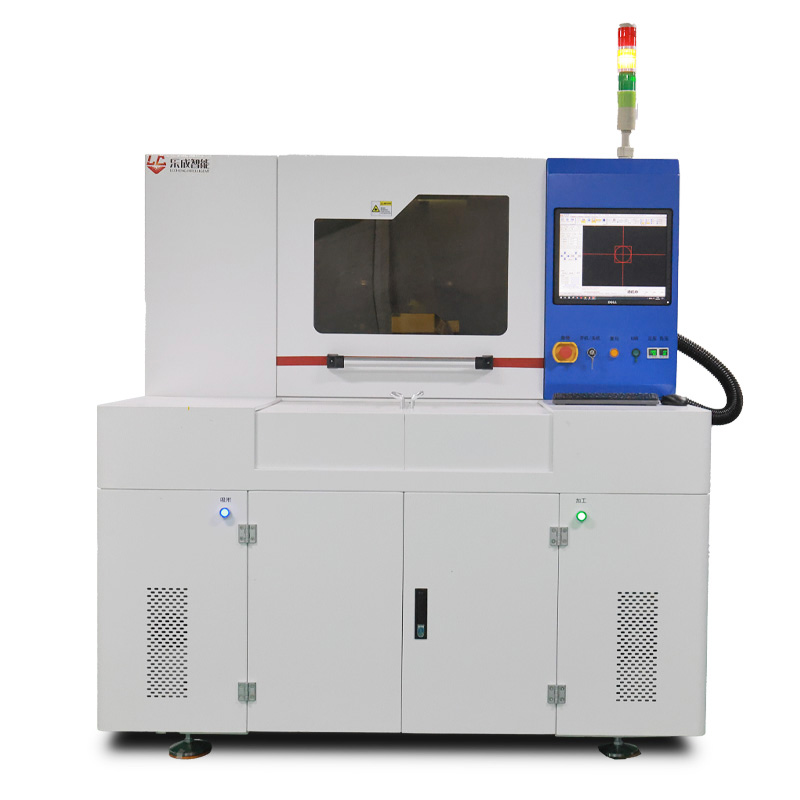
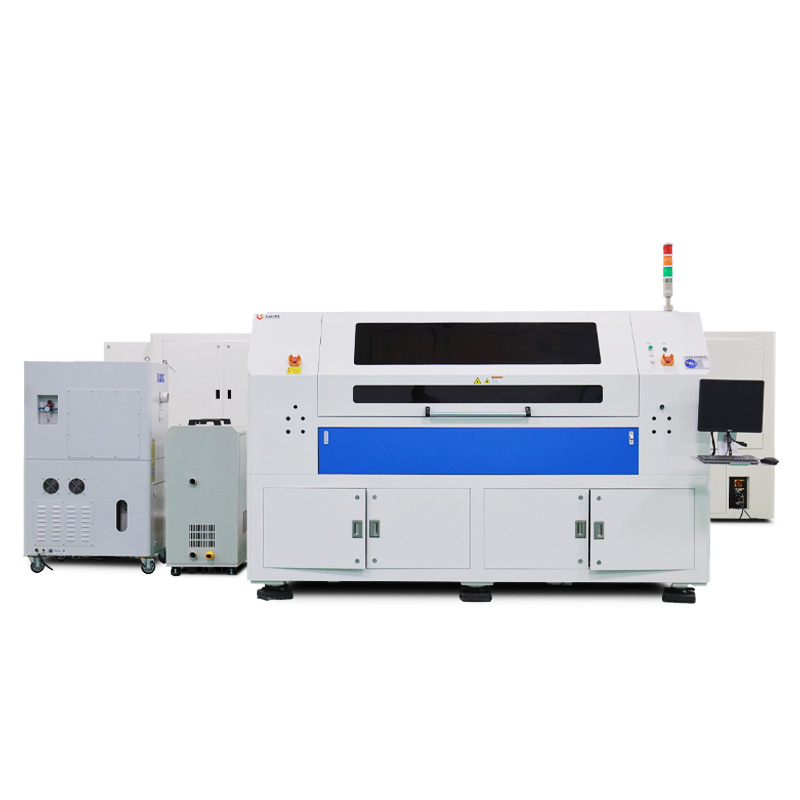
The modern manufacturing landscape is increasingly defined by components that are not flat. From the aerodynamic curves of automotive body panels and aircraft components to the intricate contours of HVAC ductwork and architectural elements, complexity is the new standard. Traditional 2D laser cutters, while excellent for sheet metal, reach their functional limits when faced with these three-dimensional geometries. Fabricating such parts has historically required a multi-stage, multi-tool process: cutting blanks, forming, welding, and then secondary trimming and drilling. Each step introduces potential for error, cumulative tolerance stack-up, and significant time and cost overhead. The five-axis 3D laser cutting machine emerges as a revolutionary response to this challenge. It transcends the limitations of planar processing by introducing two rotational axes (typically A and B) to the standard three linear axes (X, Y, Z). This allows the laser cutting head to maintain a consistent, perpendicular orientation to the workpiece surface at all points along a complex 3D path. The result is the ability to perform precision trimming, piercing, contouring, and cutting directly on pre-formed parts or complex tubular structures in a single setup. This capability collapses what was once a lengthy, multi-operation workflow into a streamlined, digital process, addressing the core demand for agility, precision, and efficiency in advanced manufacturing sectors.
The Mechanics of Revolution: How Five-Axis Dynamics Enable Unprecedented Precision
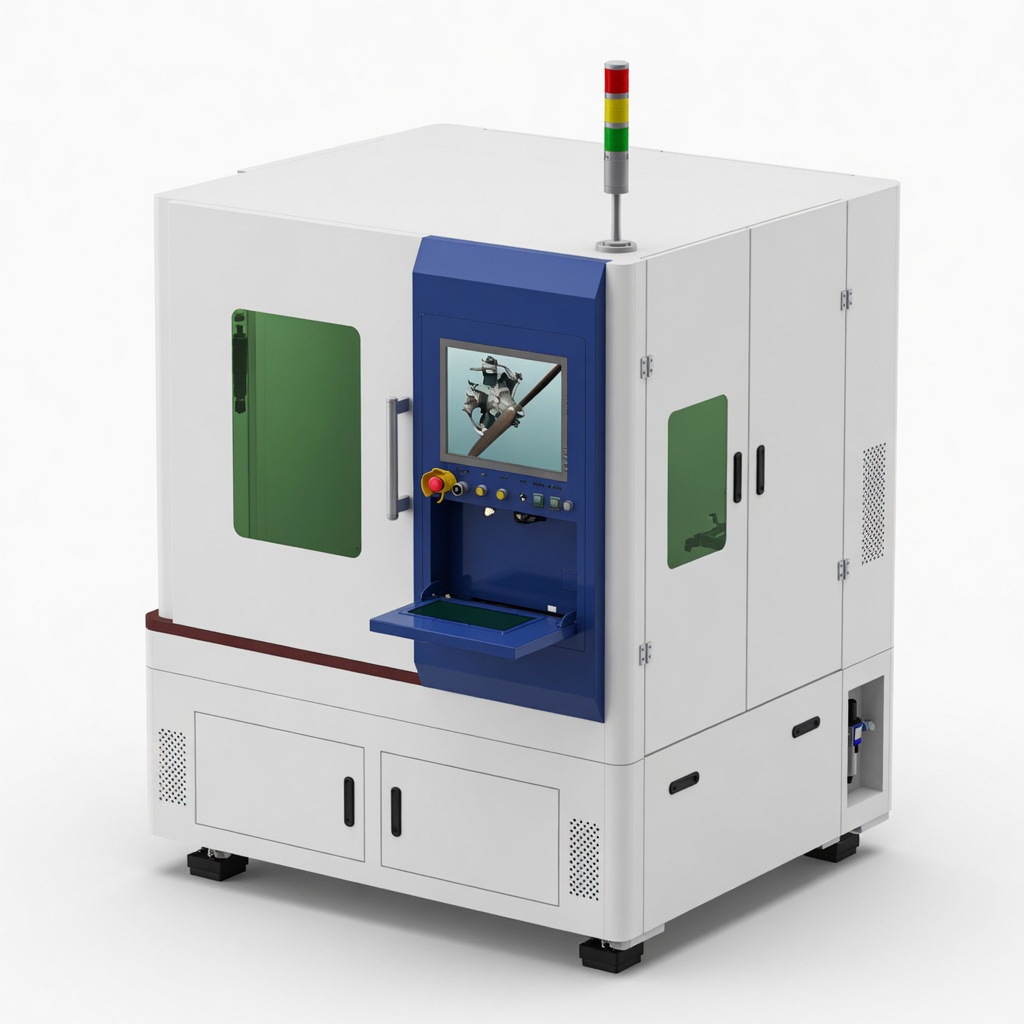
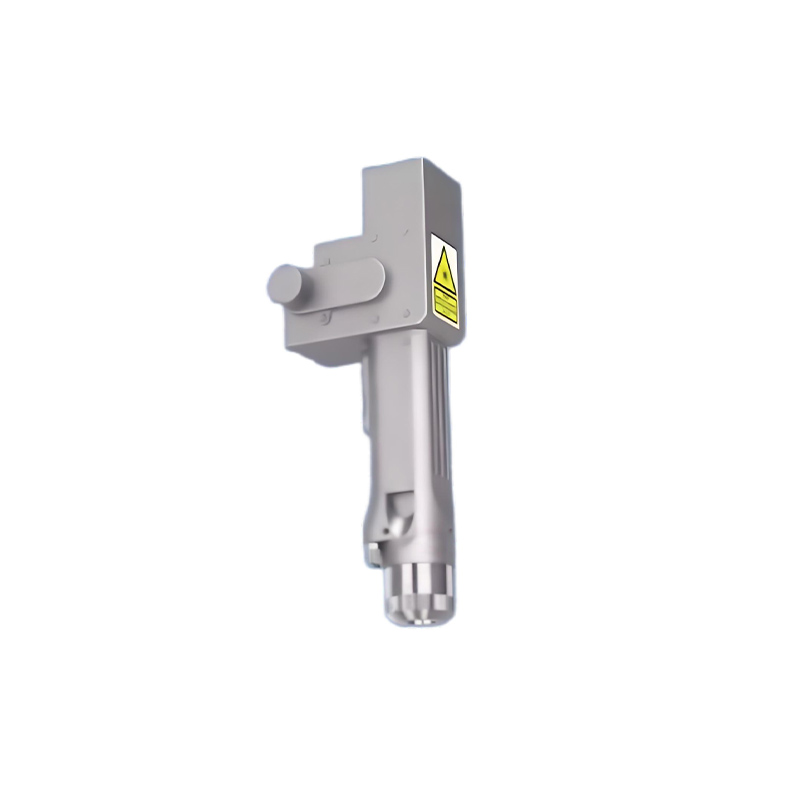
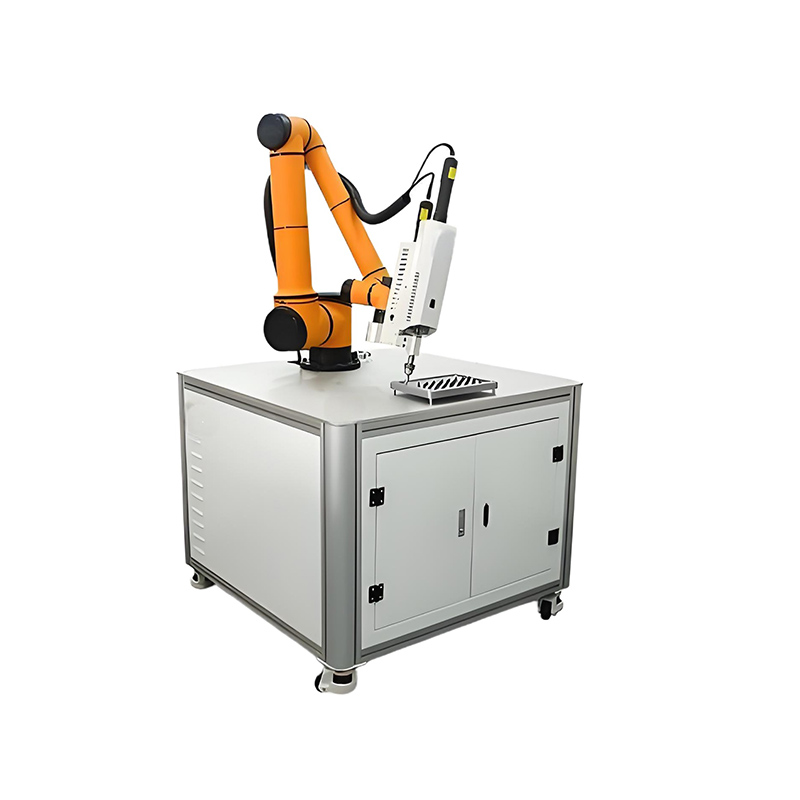
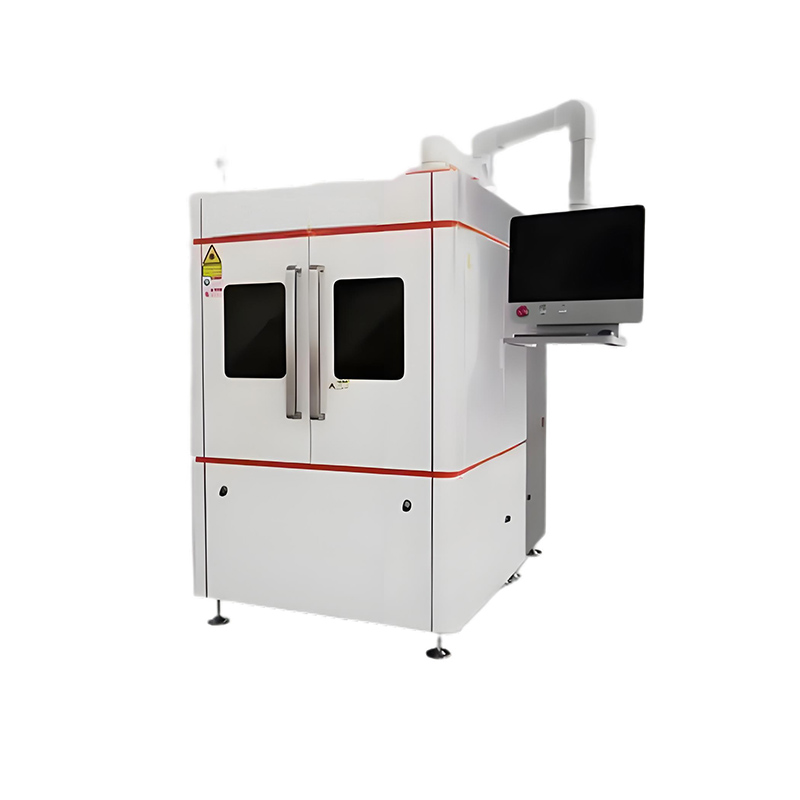
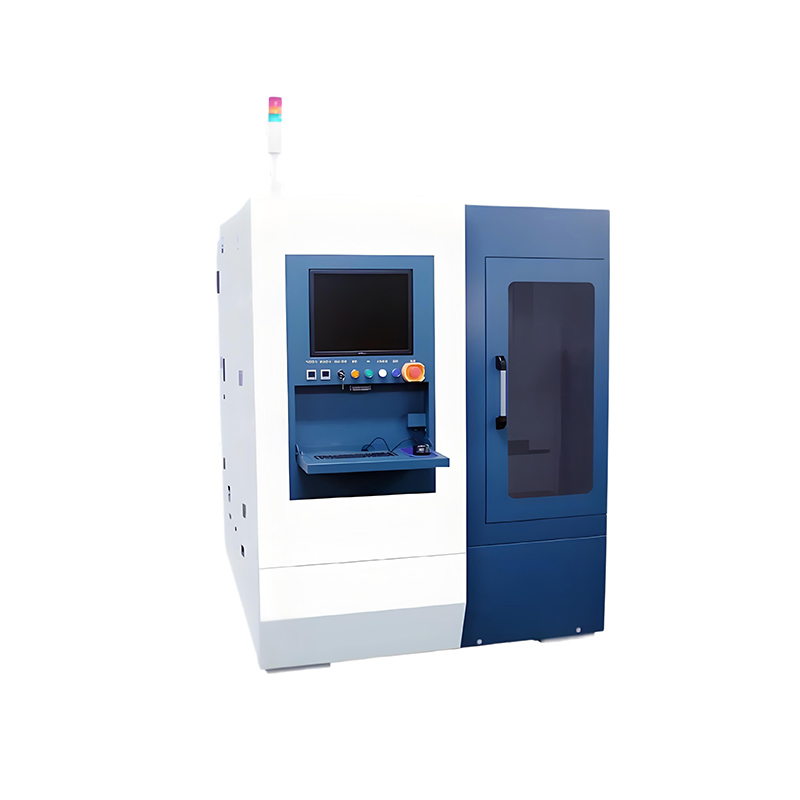
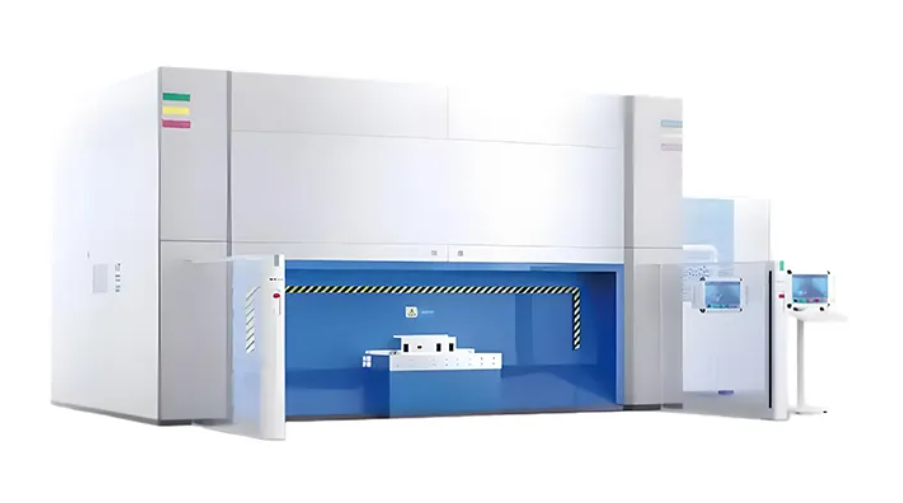
The revolutionary nature of this technology lies in the sophisticated interplay of motion, optics, and software control. A five-axis 3D laser cutting system is a symphony of high-dynamics engineering. The two rotational axes are integrated into a compact, high-speed cutting head. This head can tilt and rotate with exceptional agility, allowing the focused laser beam to attack the workpiece from virtually any angle. This is critical for maintaining a constant stand-off distance and a 90-degree beam incidence angle across contoured surfaces. A non-perpendicular beam would cause a skewed, inconsistent kerf, poor edge quality, and potential beam reflection issues. The system is powered by a high-brightness fiber laser, whose beam is delivered via a flexible fiber to the cutting head, enabling unlimited rotation without the constraints of mirrored beam paths. Real-time 3D adaptive focus control is paramount. As the head moves, the system dynamically adjusts the focal point to remain precisely on the material surface, ensuring uniform cut quality regardless of the Z-height or angle. This entire process is governed by advanced CAD/CAM software. The software imports a 3D model of the finished part, automatically generates an optimized, collision-free toolpath, and post-processes it into machine code. The ability to cut complex features—bevels, holes, slots, and 3D contours—directly into a formed part eliminates downstream operations. The precision is such that it produces clean, dross-free cuts with minimal heat-affected zone (HAZ), meeting the stringent tolerances required in industries like aerospace and automotive, where every component's fit and structural integrity are paramount.
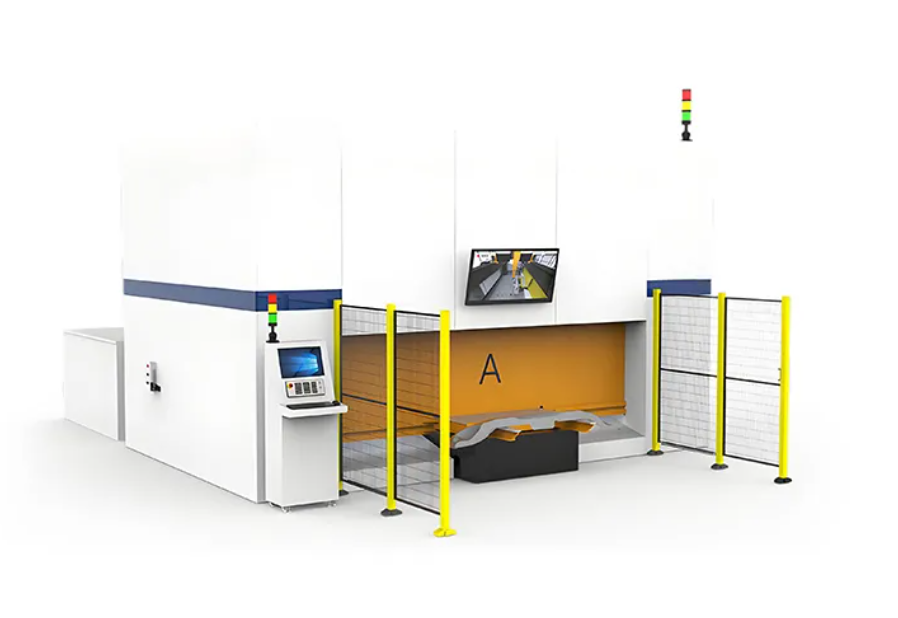
Transformative Impact: Streamlining Production and Unlocking Design Freedom
The adoption of five-axis 3D laser cutting technology delivers a transformative impact on both production economics and engineering design. From a manufacturing standpoint, it is a powerful tool for drastically reducing lead times and production costs. By consolidating multiple setups and processes into one, it slashes fixture costs, work-in-progress inventory, and handling time. The digital nature of the process allows for rapid changeover between jobs, making it ideal for high-mix, low-volume production common in aerospace, prototyping, and specialty vehicle manufacturing. More importantly, it enhances part quality and consistency by eliminating the human error and variability associated with manual secondary operations. This level of automation and repeatability is foundational for lean manufacturing and Industry 4.0 initiatives. From a design perspective, the technology unlocks new freedoms. Engineers are no longer constrained by the limitations of 2D cutting and subsequent forming. They can design more integrated, lightweight, and structurally efficient parts, knowing that complex features can be added with precision after forming. It enables the economical production of parts that were previously considered too complex or costly to manufacture. For industries pushing the boundaries of performance, such as automotive lightweighting for electric vehicles or aerospace component optimization, the five-axis 3D laser cutter is not just a machine; it is an enabler of innovation, allowing the physical realization of the most advanced digital designs with unprecedented efficiency and fidelity.
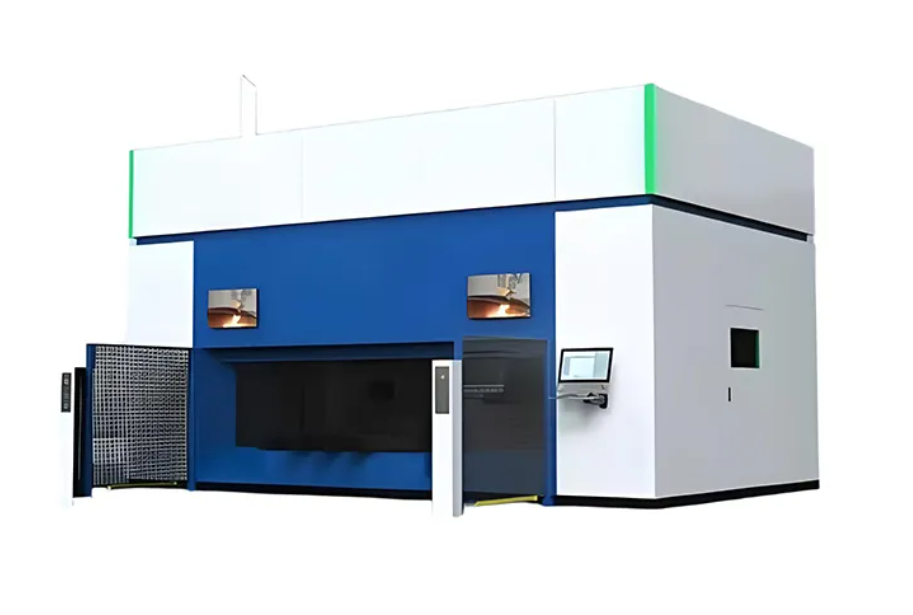
The five-axis 3D laser cutting machine represents a paradigm shift in subtractive manufacturing. It is a revolutionary solution that directly addresses the growing demand for processing complex, formed components with high precision and efficiency. By seamlessly integrating multi-axis motion control, advanced laser optics, and intelligent software, it conquers the geometrical challenges of 3D surfaces, transforming a traditionally fragmented production chain into a cohesive, automated workflow. Its impact extends beyond the shop floor, influencing design possibilities and accelerating product development cycles. In an era where manufacturing agility and part complexity are key competitive differentiators, investing in five-axis 3D laser cutting technology is not merely an upgrade—it is a strategic imperative for any enterprise aiming to lead in the production of tomorrow's most advanced and intricate components.
Related product and article resources
For procurement comparison and technical evaluation, readers can continue with these related product pages and supporting articles.
- Products
- Product catalog
- Contact the sales team
- Contact us
- Laser Scribing Machine RFQ Checklist for PV Cell Production Lines
- Laser Scribing vs Mechanical Cutting in Photovoltaic Production
- P1, P2 and P3 Laser Scribing: What Solar Manufacturers Should Know
- Lecheng Powers Dehu's 100MW Perovskite Pilot Line to Historic First Light