

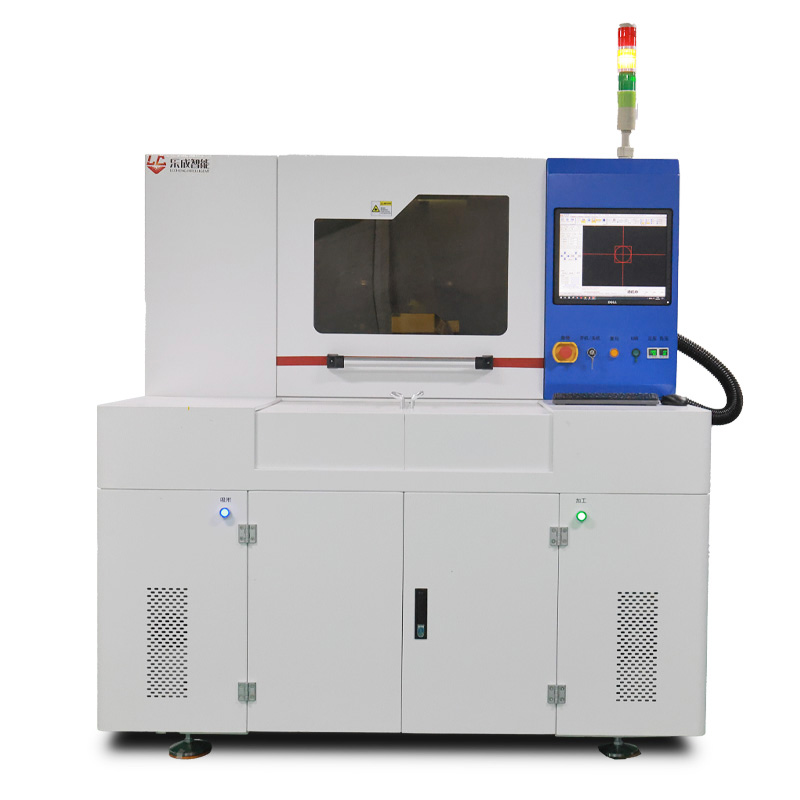
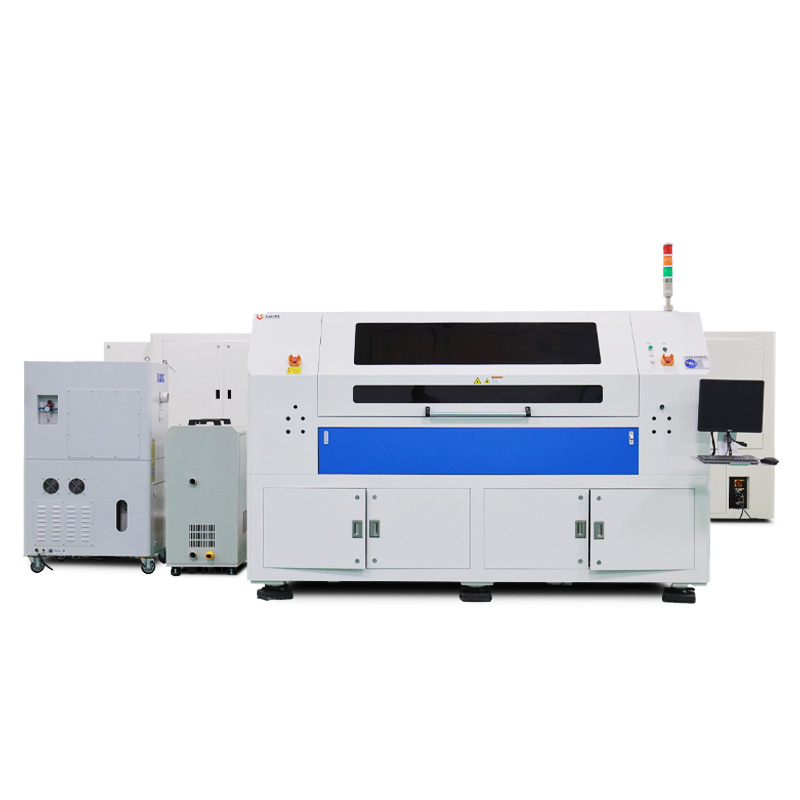

Rethinking Marking Efficiency: From Speed to Total Process Integrity
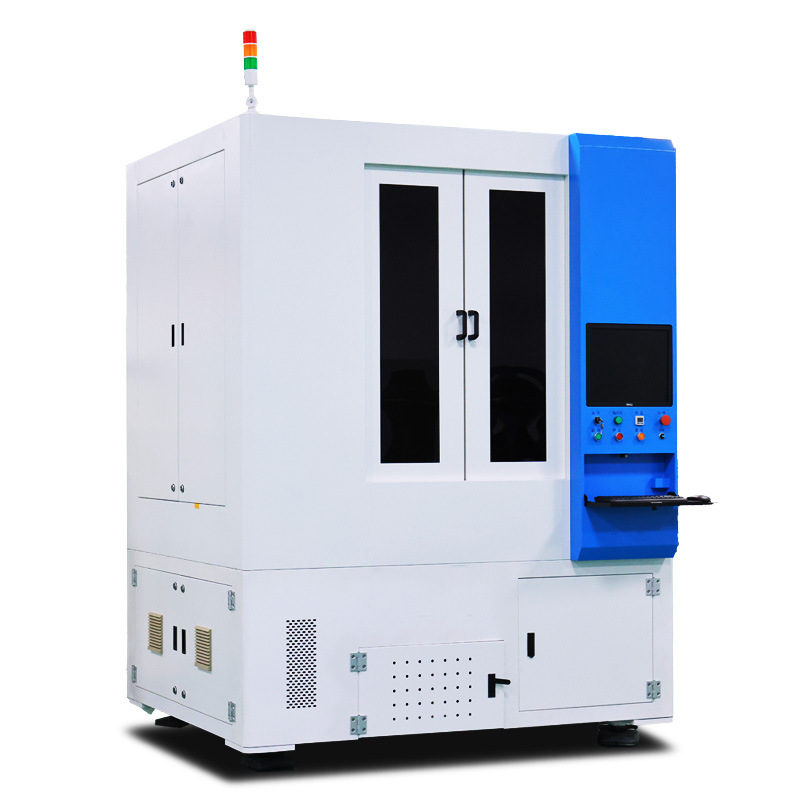
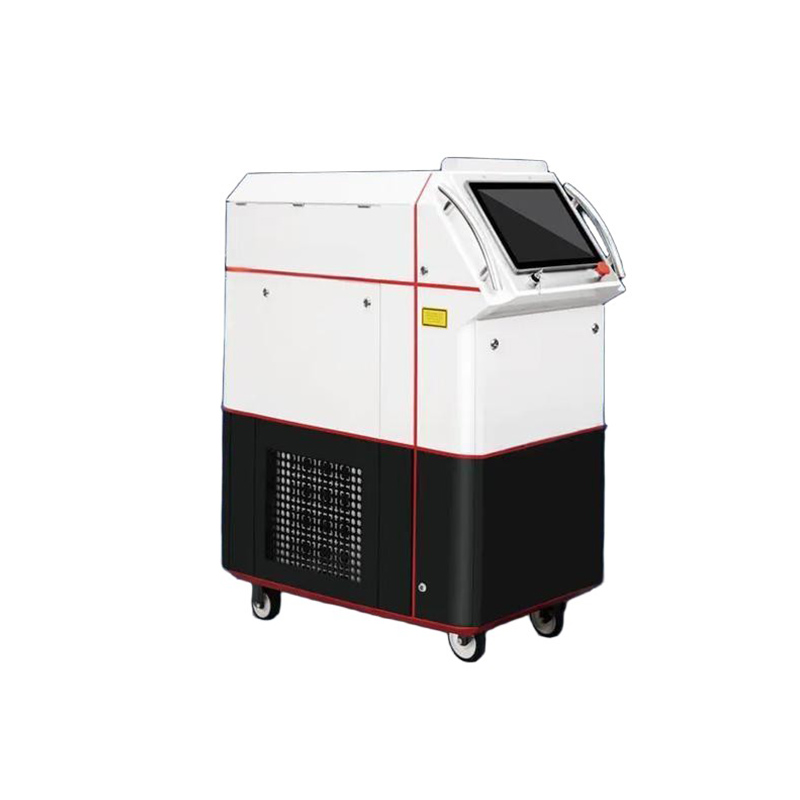
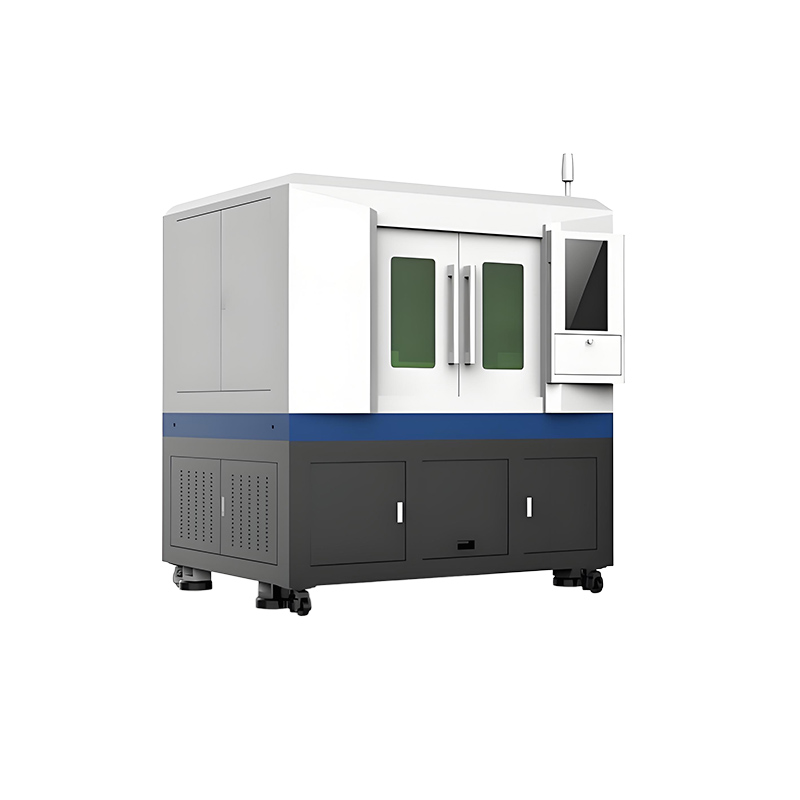
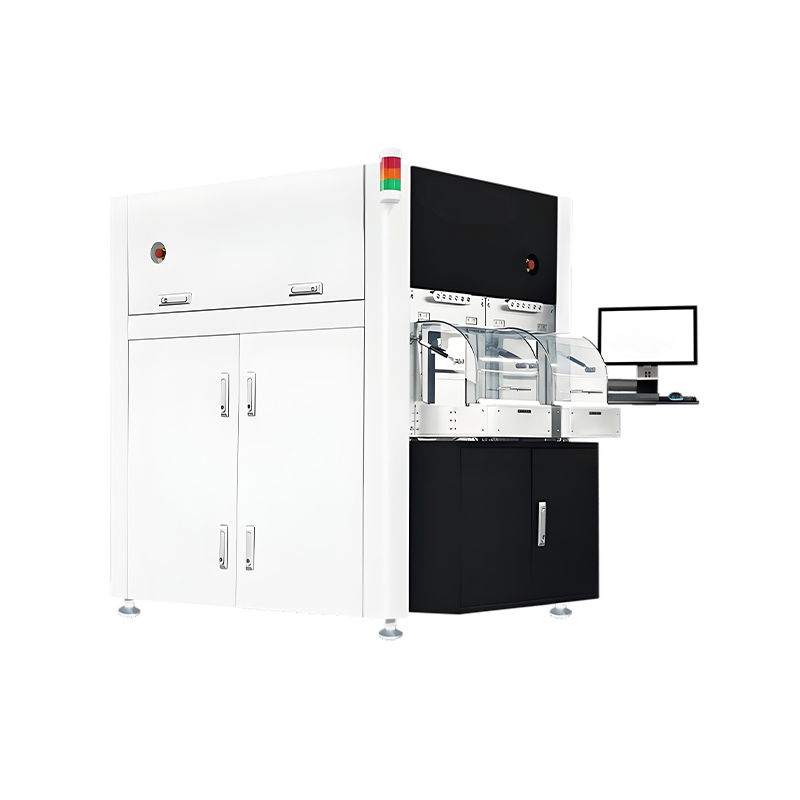
In the demanding world of modern manufacturing, efficiency is often narrowly defined as raw marking speed. However, true production efficiency is a holistic measure of total throughput, which includes not just the marking cycle time, but also the cumulative costs of downtime, rework, and quality failures. Conventional marking methods, or even entry-level laser systems, can become hidden bottlenecks. They may offer fast initial cycles but suffer from inconsistent mark quality, poor contrast, or frequent maintenance requirements. This forces production lines into a costly cycle of inspection, rejection, and re-marking, eroding the very efficiency they were meant to create. The Lecheng Fiber Laser Marker fundamentally redefines this paradigm. It introduces the concept of process efficiency by anchoring its performance to industrial-grade stability. The core of this stability is a high-performance, pulsed fiber laser source, renowned for its reliability and longevity. This engine drives a system engineered for continuous, unattended operation. The result is a marking process where every single mark, from the first to the ten-thousandth, meets the same stringent standard for depth, clarity, and permanence. This relentless consistency eliminates the need for statistical quality control on the marking process itself, allowing the production line to flow smoothly. Efficiency is thus re-identified not as mere speed, but as the assured, predictable, and flawless execution of every marking task, maximizing Overall Equipment Effectiveness (OEE) and turning the marking station from a potential liability into a pillar of production reliability.
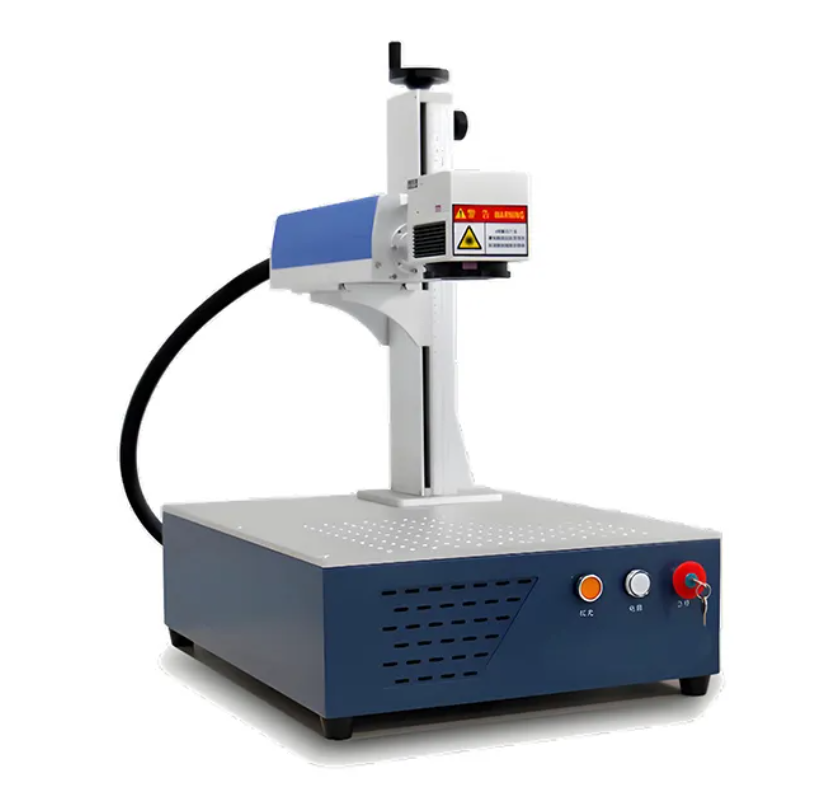
The Engineering Pillars of Unwavering Stability
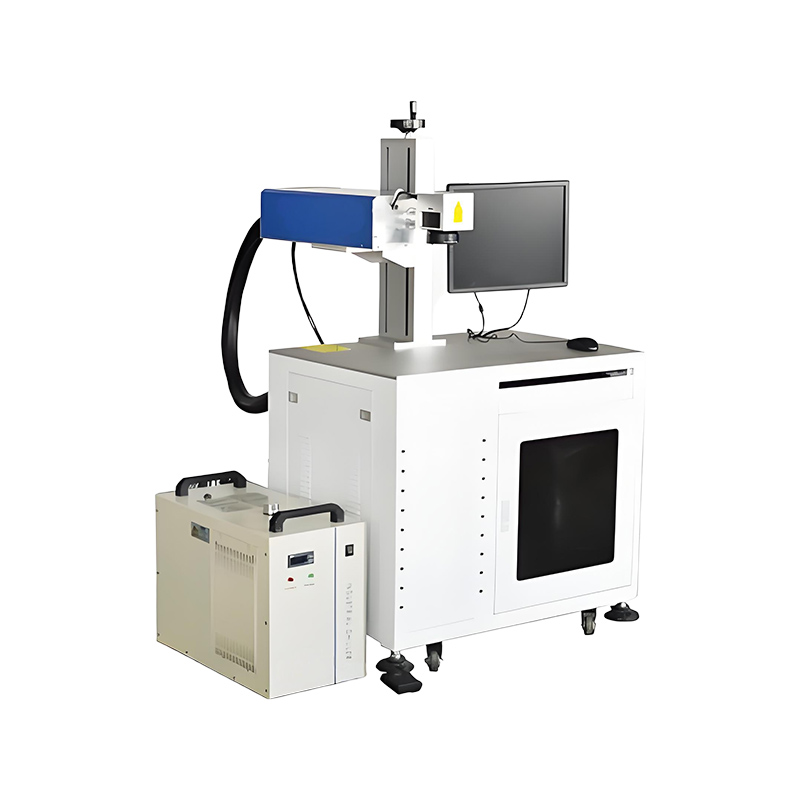
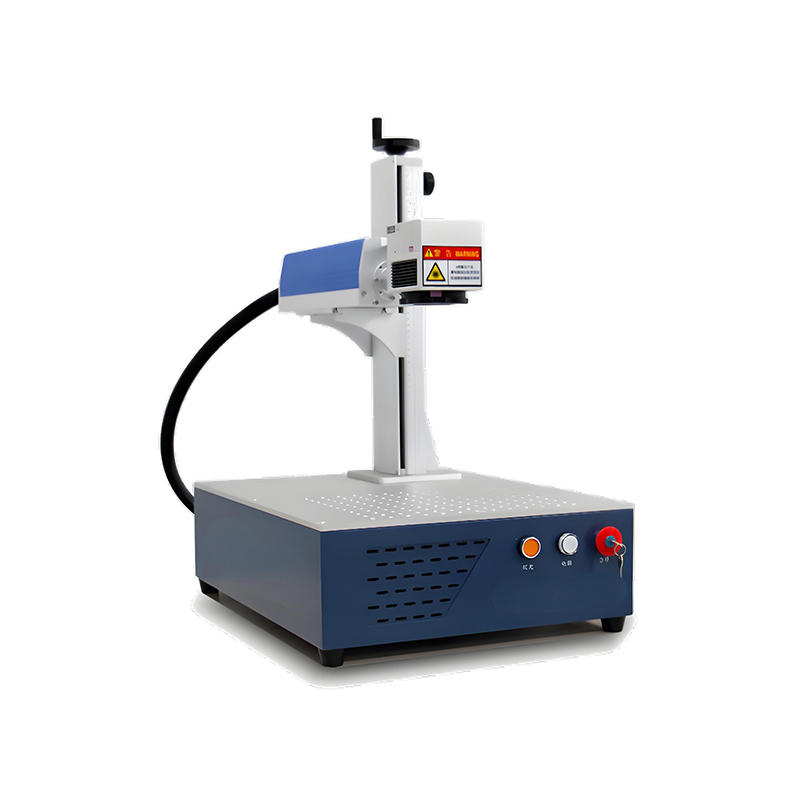
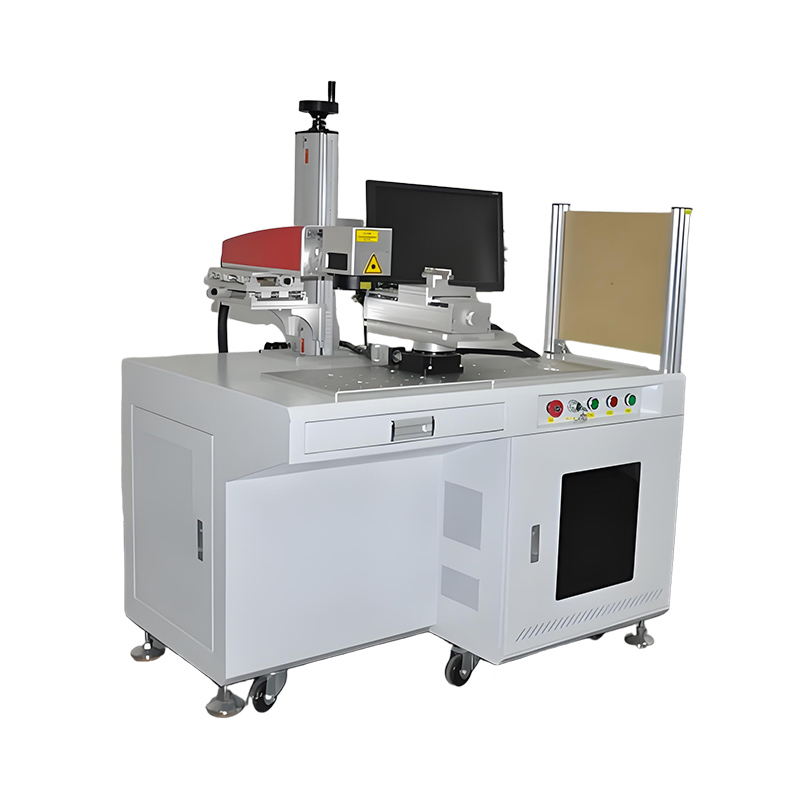
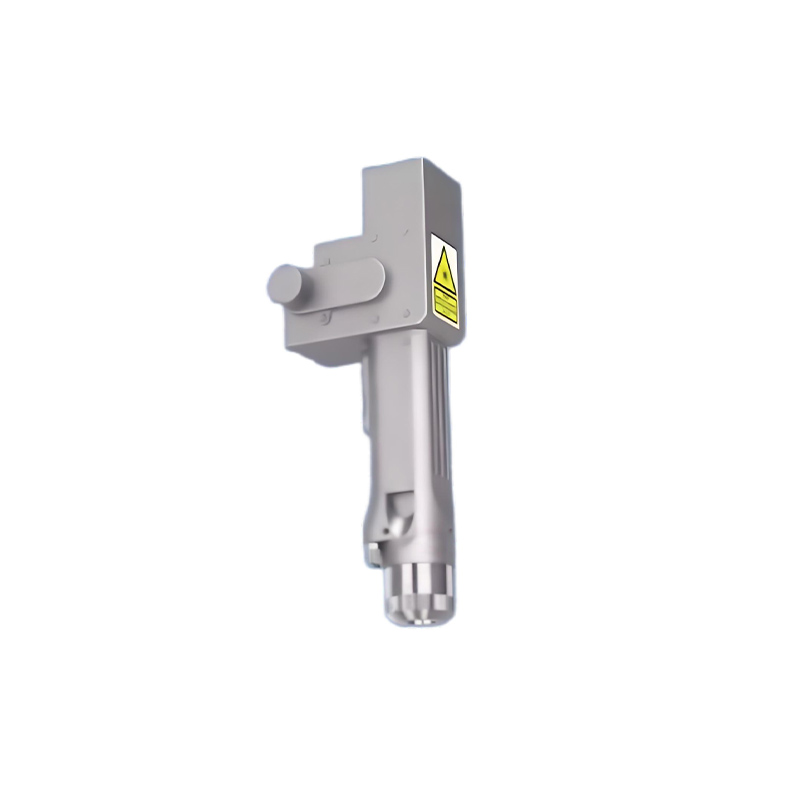
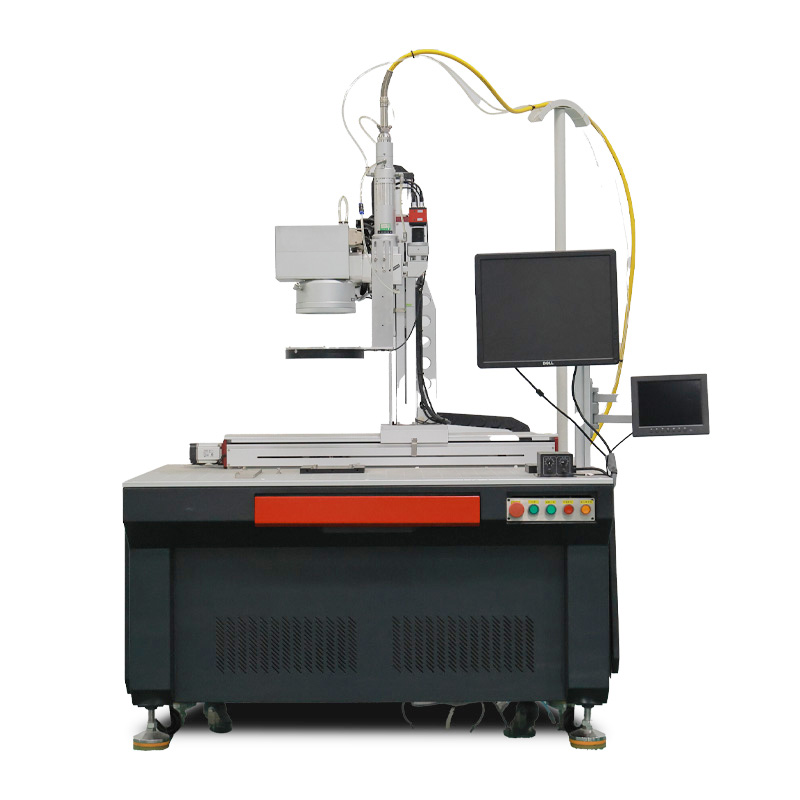
The unwavering stability of the Lecheng Fiber Laser Marker is not an accident; it is the product of deliberate engineering choices focused on precision, durability, and control. The first pillar is the robust fiber laser source itself. Sealed and free of mirrors or lenses that require realignment, it is virtually immune to environmental factors like dust, vibration, and temperature fluctuations that plague other laser types. It delivers consistent pulse energy, ensuring uniform mark depth and contrast on a wide range of materials, from hardened metals and anodized aluminum to engineered plastics. The second pillar is the high-precision galvanometer scanning system. Coupled with a high-quality flat-field lens, this system positions the laser beam with micron-level accuracy at extremely high speeds. Advanced control algorithms ensure that complex graphics, fine fonts, and high-density Data Matrix codes are reproduced with sharp edges and perfect readability, scan after scan. The third pillar is the intelligent, user-friendly software. It provides powerful job management, allowing for quick changeovers between parts. More importantly, it integrates monitoring functions that track system health and performance in real-time, enabling predictive maintenance rather than reactive repairs. This holistic system design—encompassing the laser, optics, motion, and software—guarantees that the system operates at its optimal point 24/7. The marking quality is so consistent and reliable that it becomes a non-issue, freeing engineers to focus on other aspects of production optimization. This is the essence of industrial-grade stability: creating a process so dependable that its output is taken for granted.
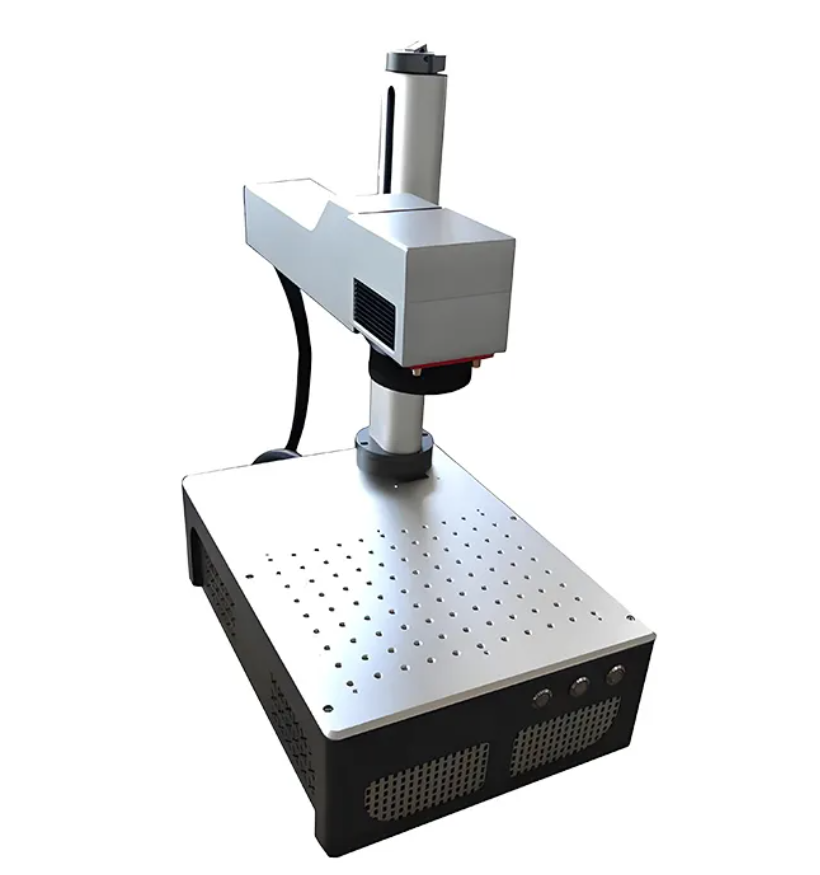
The Tangible ROI: Transforming Stability into Competitive Advantage
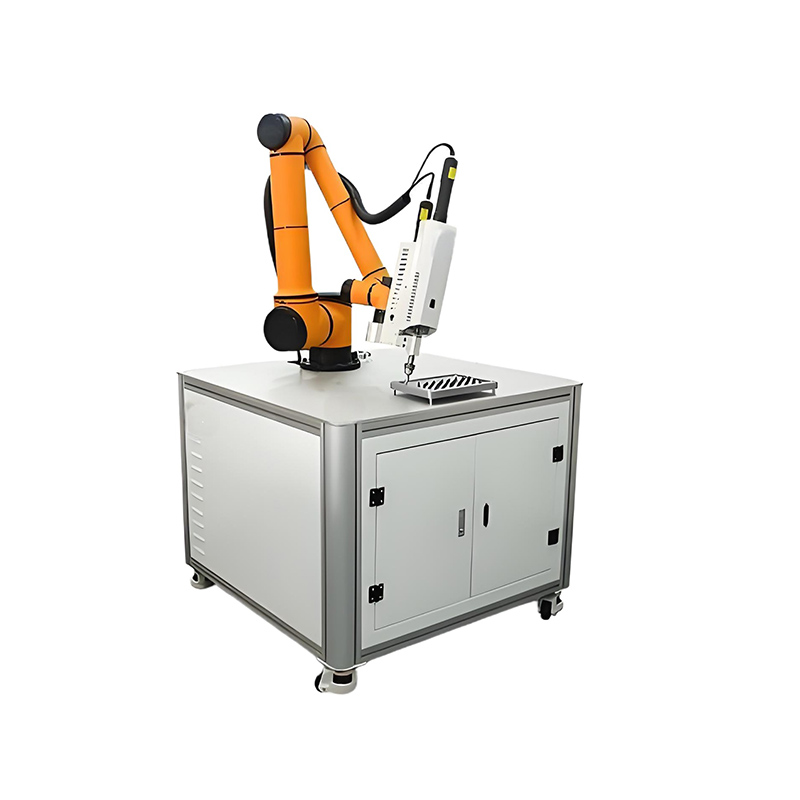
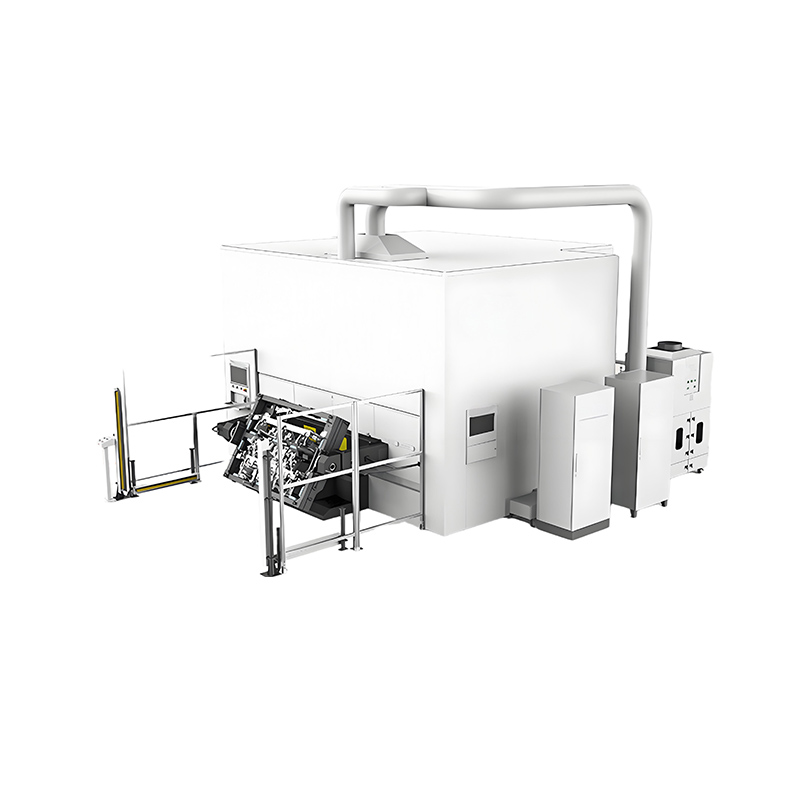
The return on investment from this re-identified efficiency is both tangible and multifaceted. The most direct impact is a dramatic reduction in total cost of ownership. The fiber laser's legendary reliability (often exceeding 100,000 hours of operational life) and minimal consumable requirements slash maintenance costs and unplanned downtime. The elimination of rework and scrap due to poor or unreadable marks directly improves the bottom line. Beyond cost savings, the stability delivers profound quality and compliance benefits. In regulated industries like aerospace, medical devices, and automotive, traceability is mandatory. A permanent, high-contrast, and perfectly legible mark on a critical component is not just a preference; it is a regulatory requirement for safety and liability. The Lecheng marker ensures that every serial number, lot code, or 2D barcode withstands the test of time and harsh environments, facilitating flawless traceability throughout the product's lifecycle. Furthermore, this reliability enables the integration of marking into fully automated, lights-out production cells. The system can operate reliably on a third shift with minimal supervision, increasing asset utilization. This transforms the marking process from a manual, skill-dependent task into a programmable, automated, and data-rich node within a smart factory. The competitive advantage gained is clear: manufacturers achieve higher quality levels, guarantee compliance, reduce operational costs, and unlock new levels of production automation, all stemming from the foundational stability of a single, critical piece of equipment.
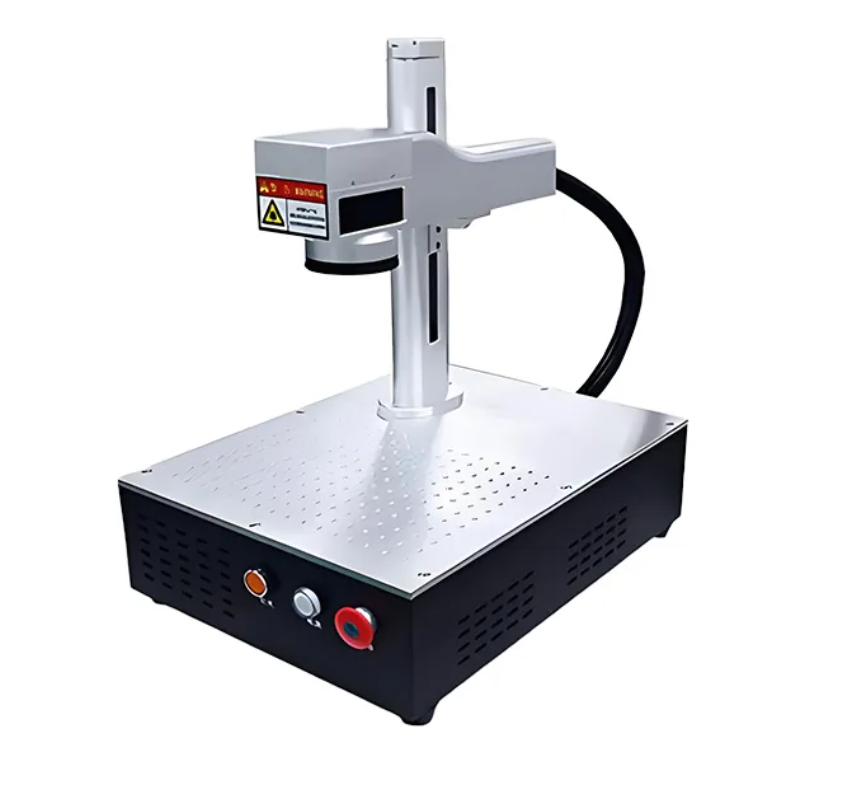
The Lecheng Fiber Laser Marker achieves more than just high-quality marks; it delivers a fundamental recalibration of manufacturing efficiency. By prioritizing industrial-grade stability, it shifts the focus from isolated marking speed to the integrity of the entire production flow. It eradicates the hidden costs of inconsistency, maintenance, and rework, while providing the unwavering reliability required for mission-critical traceability and automation. In doing so, it re-identifies efficiency as a function of reliability, transforming the laser marker from a commodity tool into a strategic asset that drives tangible quality, compliance, and profitability gains. Investing in such stability is not merely a purchase; it is a decisive step towards building a more resilient, efficient, and competitive manufacturing operation.