
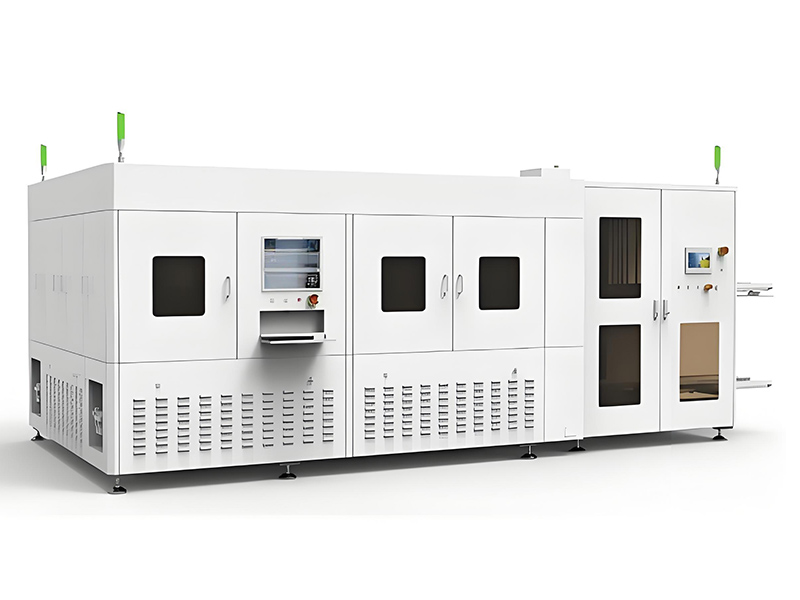
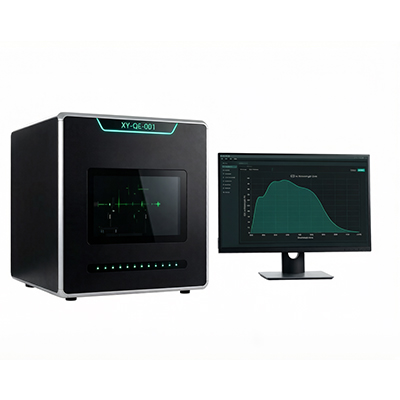
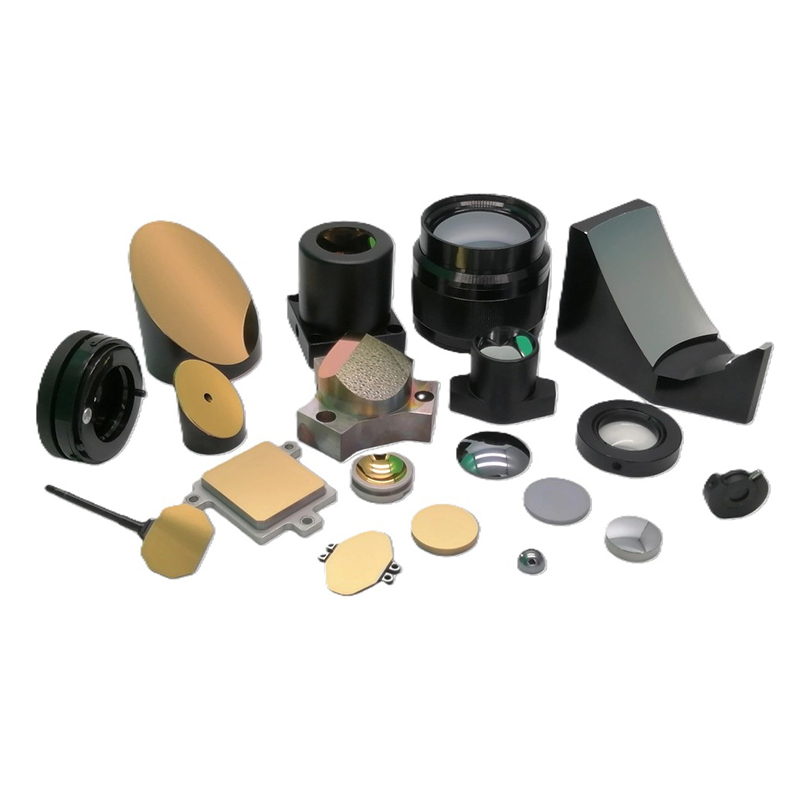
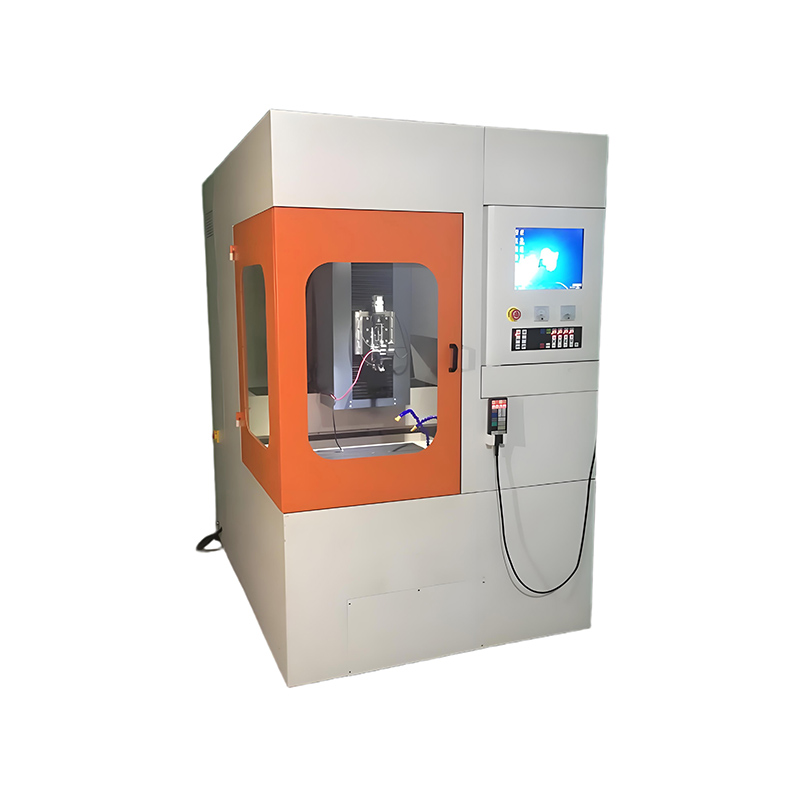

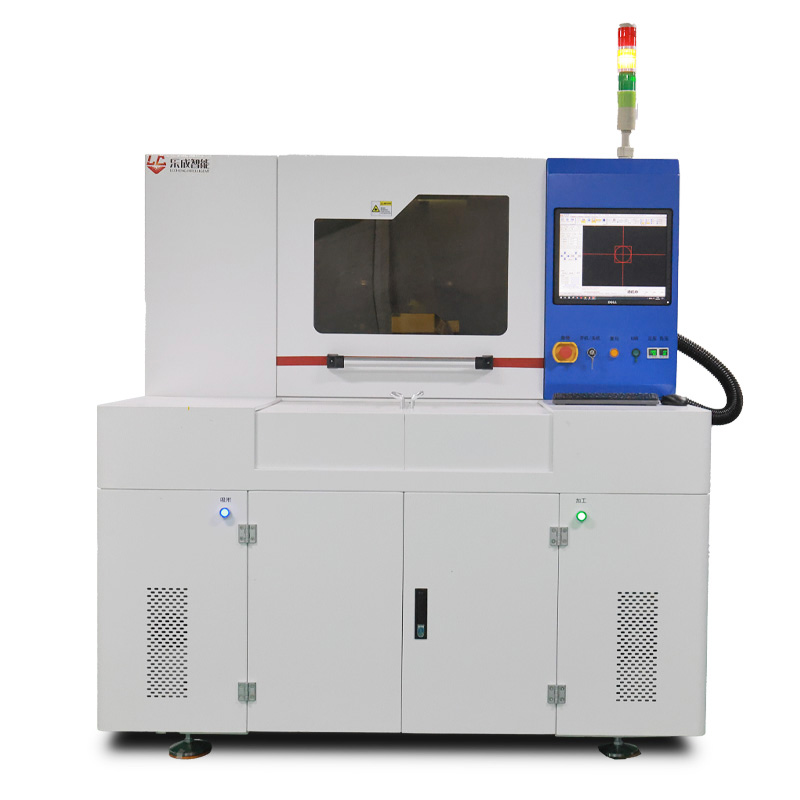
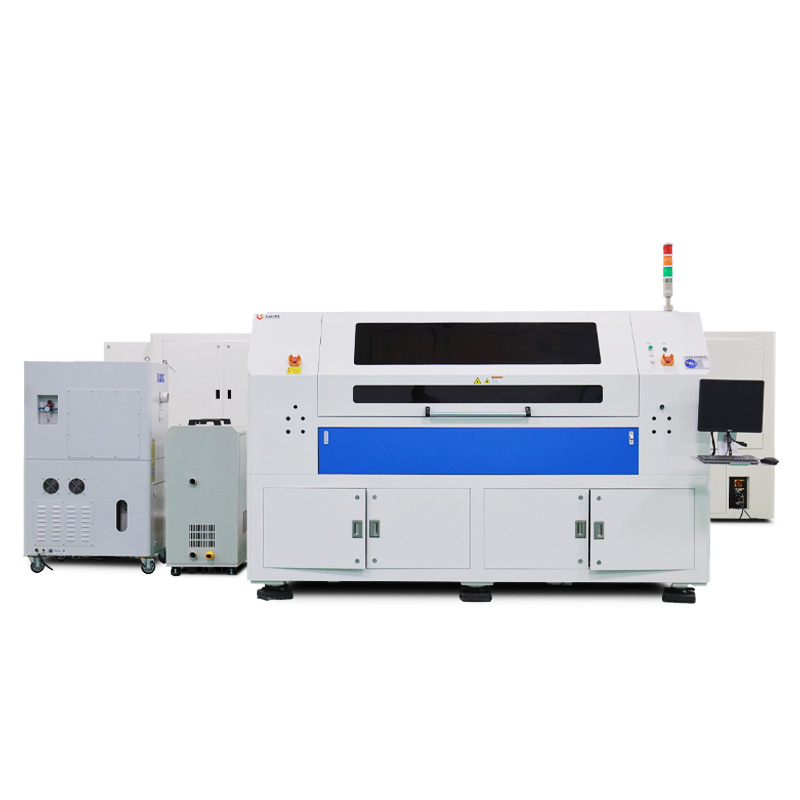

In photovoltaic manufacturing, yield is one of the most critical indicators of production efficiency and profitability. Even small improvements in yield can significantly reduce cost and increase output. Laser scribing, as a key process in defining cell structure and electrical isolation, plays a direct role in determining yield performance. For international buyers, understanding how laser scribing equipment influences yield is essential when selecting the right system.
Precision Control And Its Impact On Cell Performance
Laser scribing quality directly affects the electrical isolation between cells. If the scribing lines are too wide, too narrow, or inconsistent, it can lead to leakage current, reduced efficiency, or even cell failure. Therefore, maintaining precise line width and accurate positioning is essential for achieving high yield.
High-quality laser systems provide stable beam output, precise motion control, and consistent processing parameters. These features ensure that every cell is processed under the same conditions, reducing variation and improving overall consistency.
For buyers, the key is to evaluate not only the nominal precision of the machine, but also its ability to maintain that precision in continuous production.
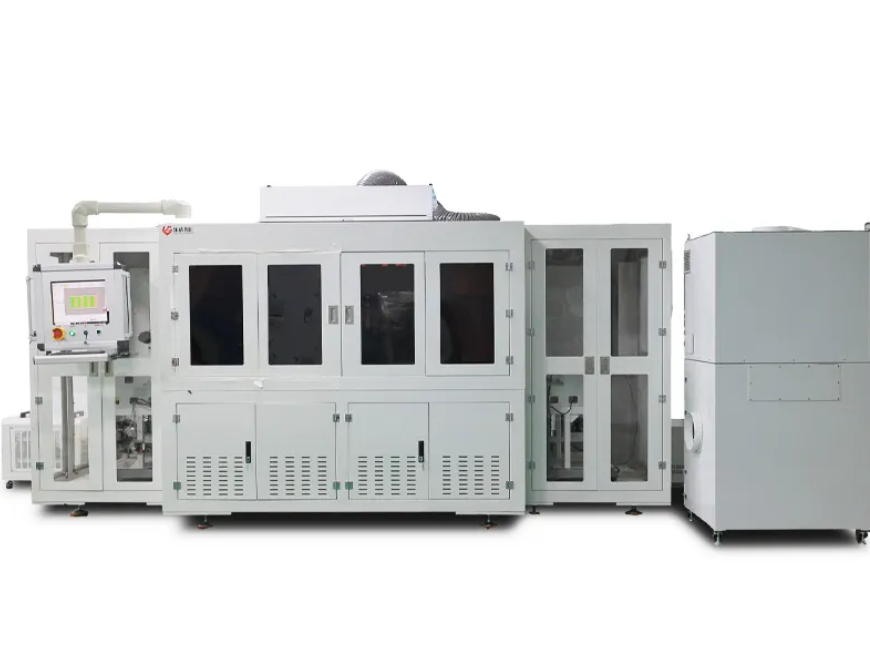
Process Stability And Reduction Of Defects
In mass production, process stability is one of the most important factors affecting yield. Even if a machine performs well in short tests, instability over time can lead to defects such as incomplete scribing, excessive thermal damage, or misalignment.
A stable laser scribing system minimizes these risks by maintaining consistent energy output, controlled heat input, and precise positioning. Advanced systems also include monitoring functions that can detect deviations in real time and allow operators to adjust parameters quickly.
Reducing defects not only improves yield but also lowers rework and material waste. This directly contributes to lower production costs and higher efficiency.
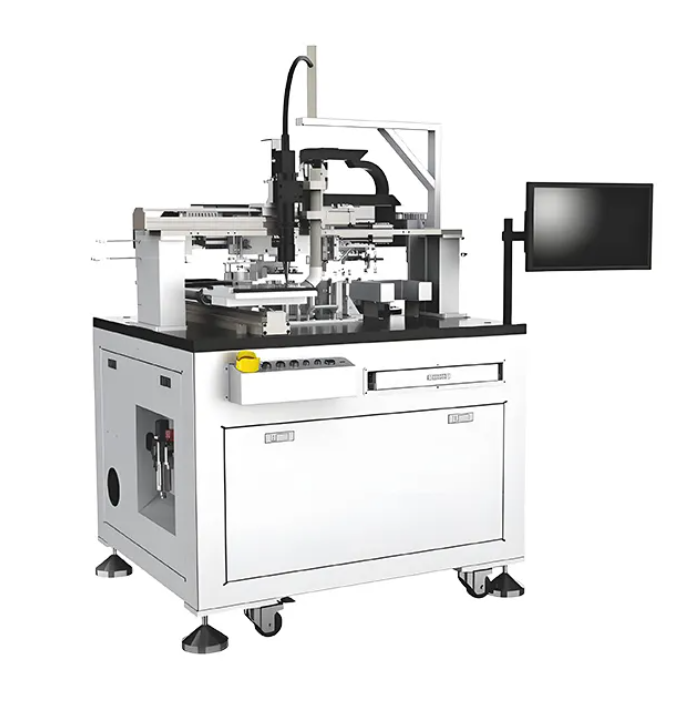
Automation, Process Optimization, And Long-Term Yield Improvement
Automation plays a significant role in improving yield. Laser scribing systems that support automatic alignment, parameter control, and data tracking can reduce human error and ensure consistent operation. This is especially important in high-volume production environments.
Process optimization is another key factor. A good supplier should be able to provide parameter tuning, process support, and sample testing to help customers achieve optimal performance.
Over time, these improvements lead to stable and predictable production performance. Buyers who invest in advanced and stable laser systems often achieve higher yield, lower operational risk, and better return on investment.
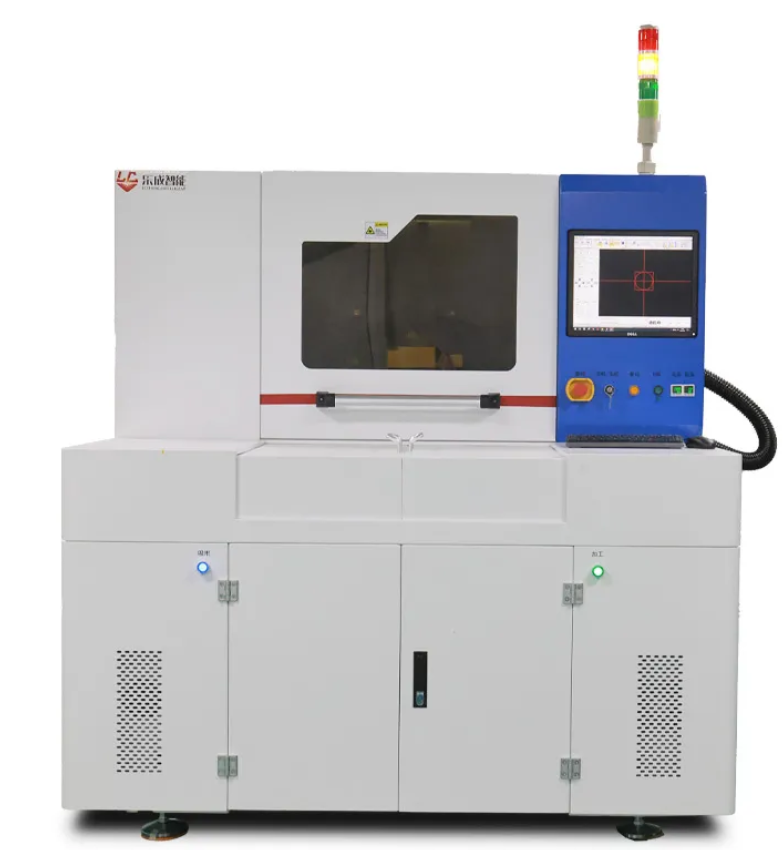
Improving yield in photovoltaic production requires more than just advanced equipment. It requires precise control, stable performance, and continuous process optimization. Laser scribing equipment plays a central role in this process. For international buyers, selecting a system that delivers consistent quality and supports long-term optimization is the key to achieving higher yield and sustainable production success.