
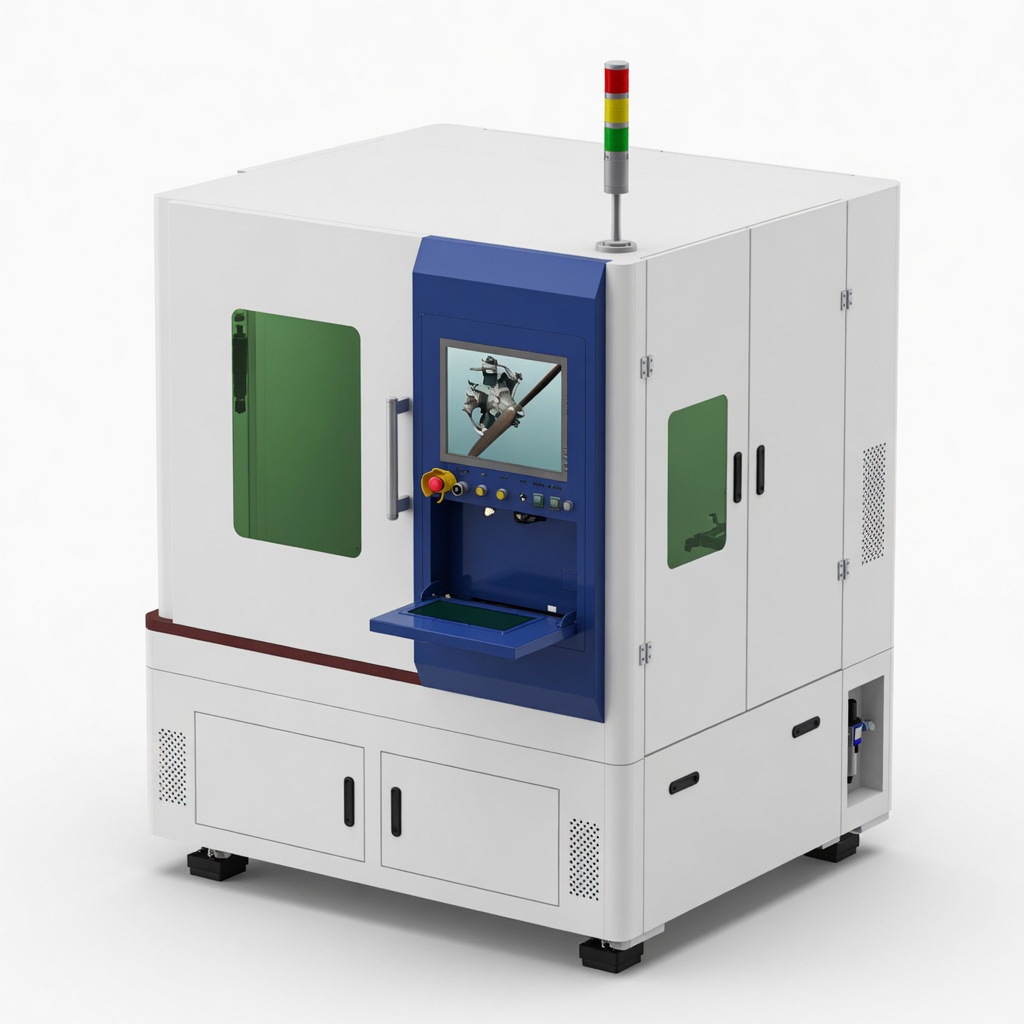
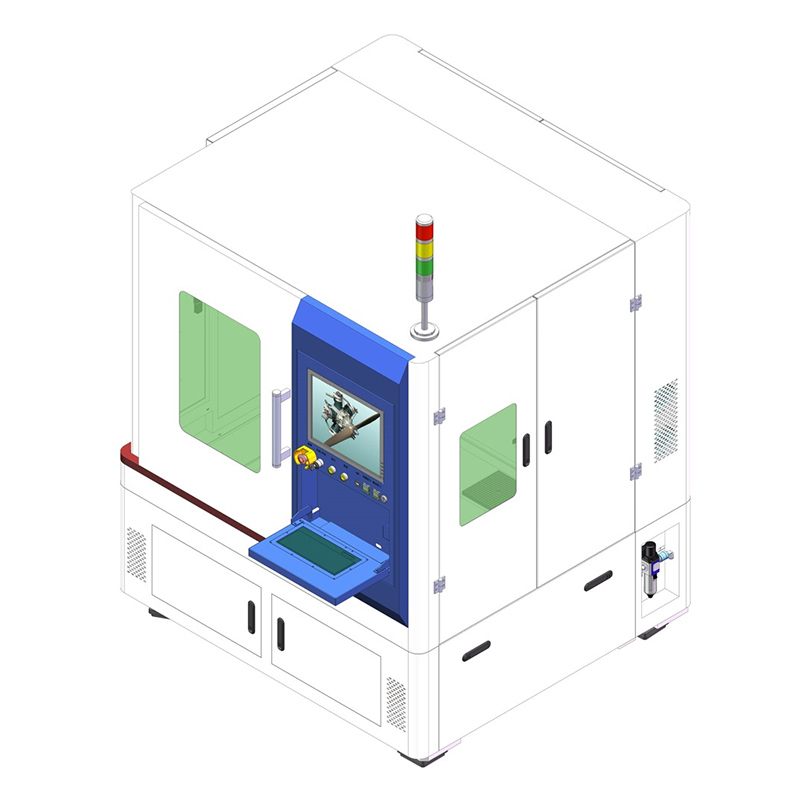
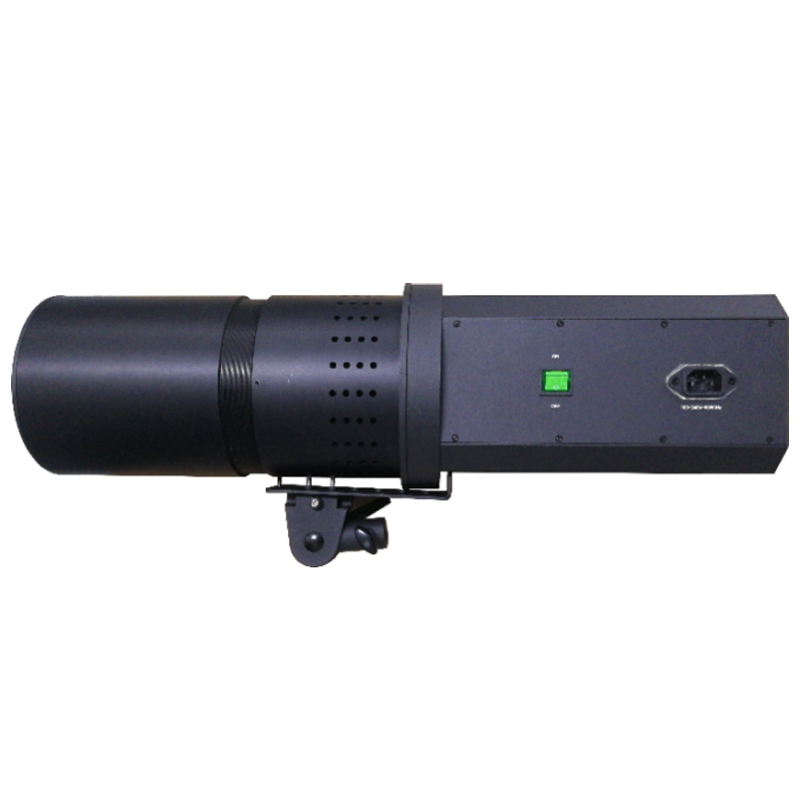
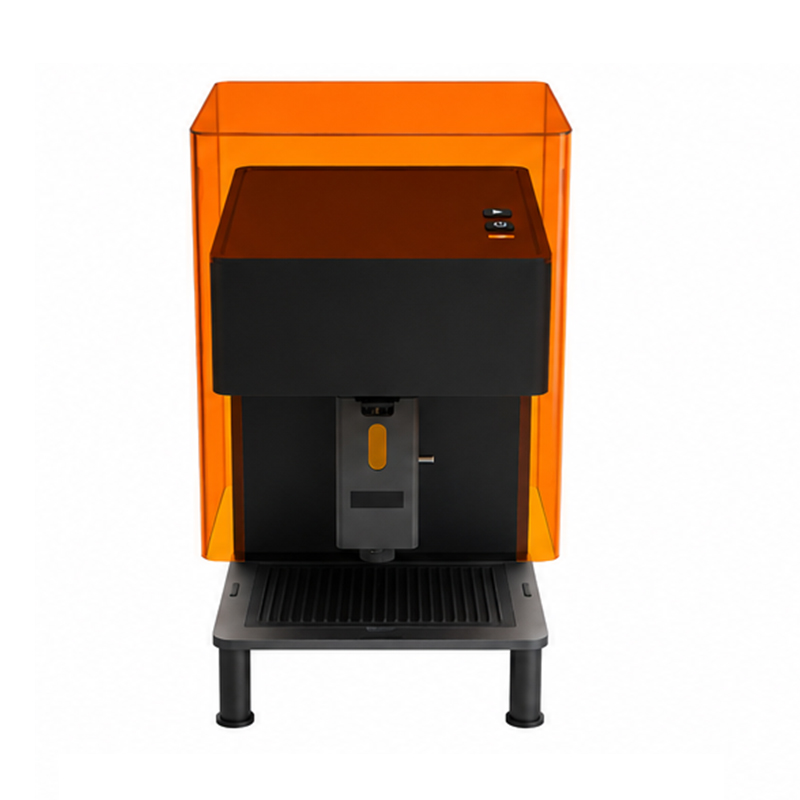
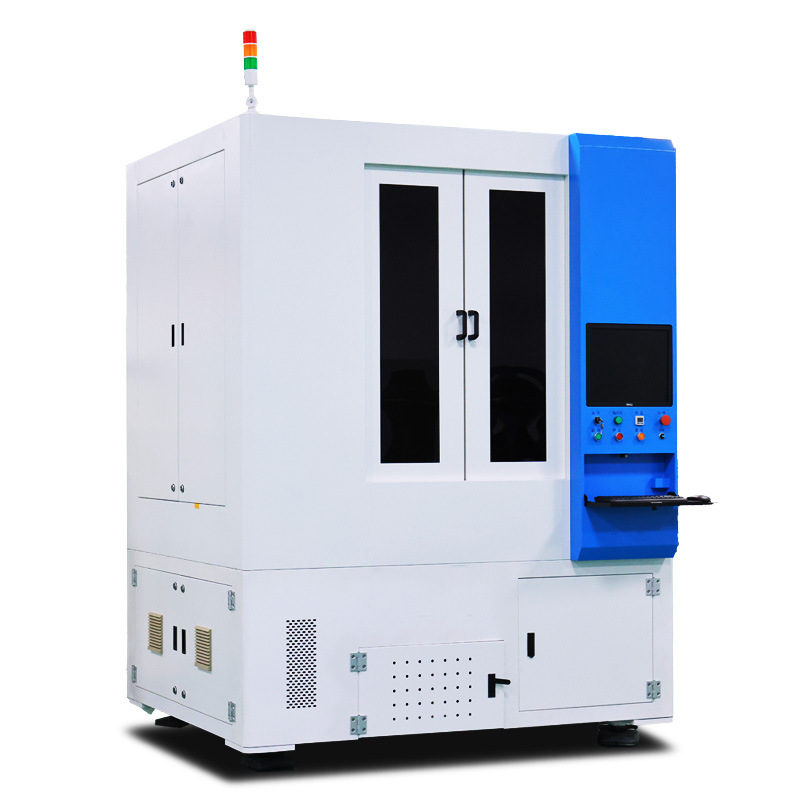
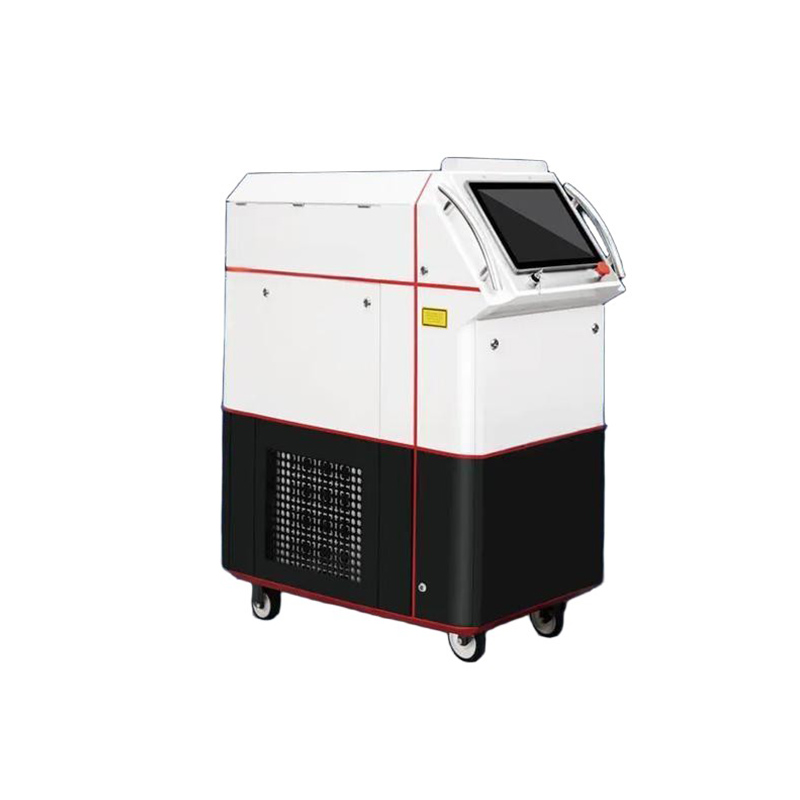
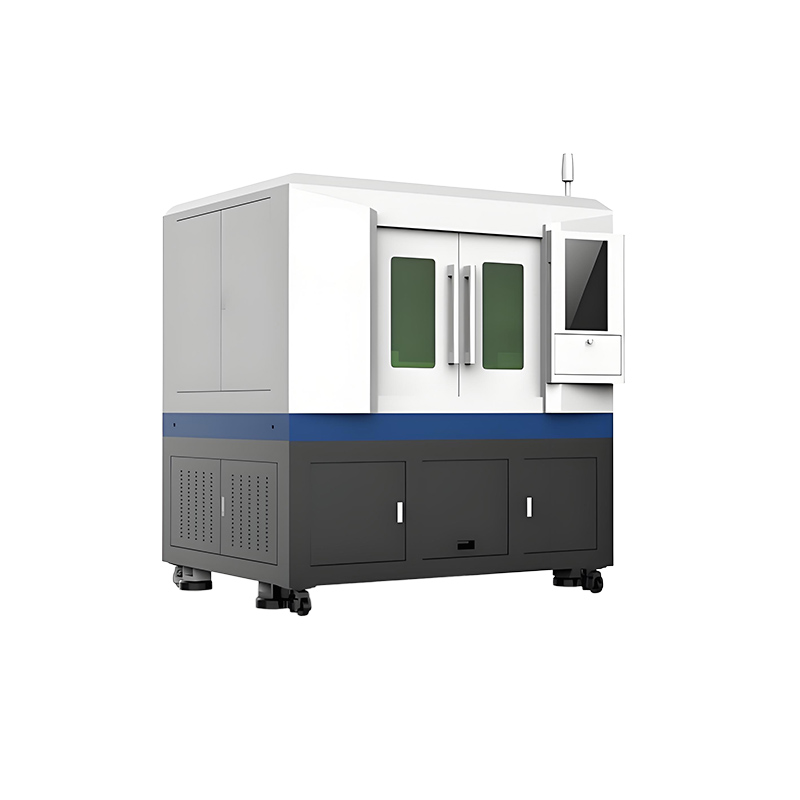
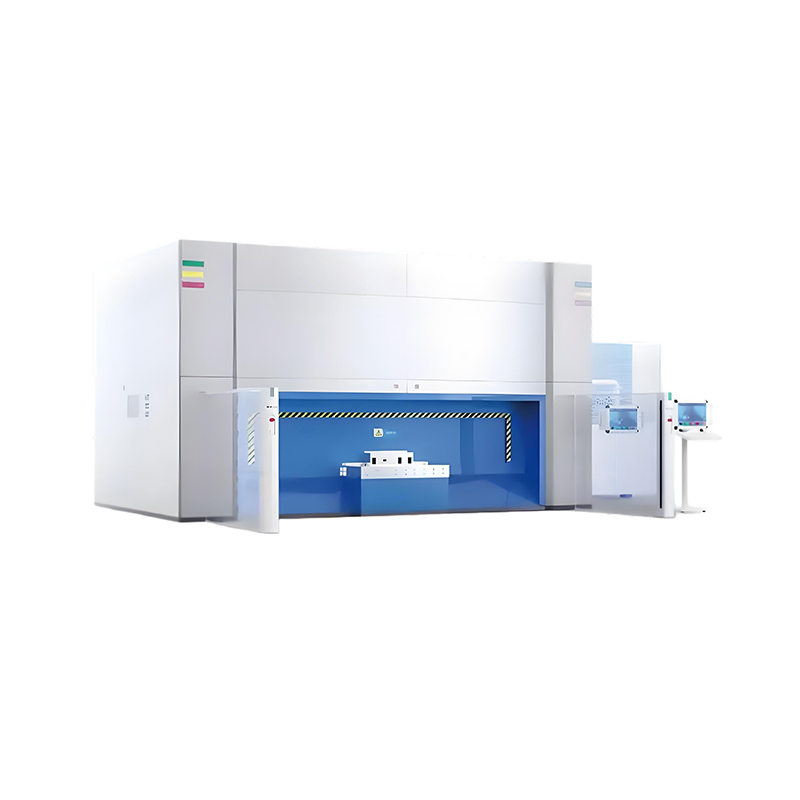
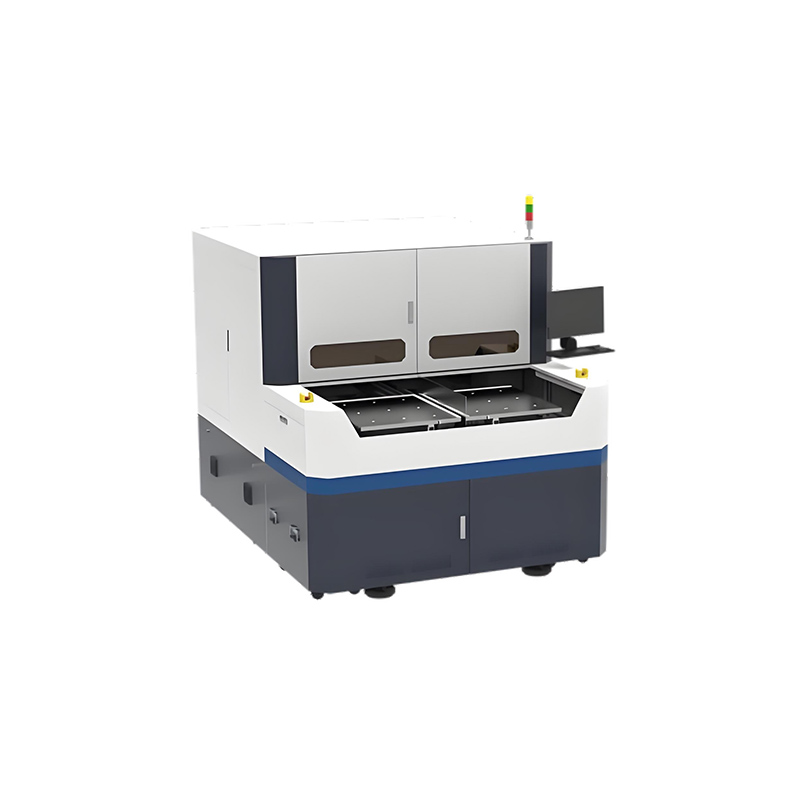
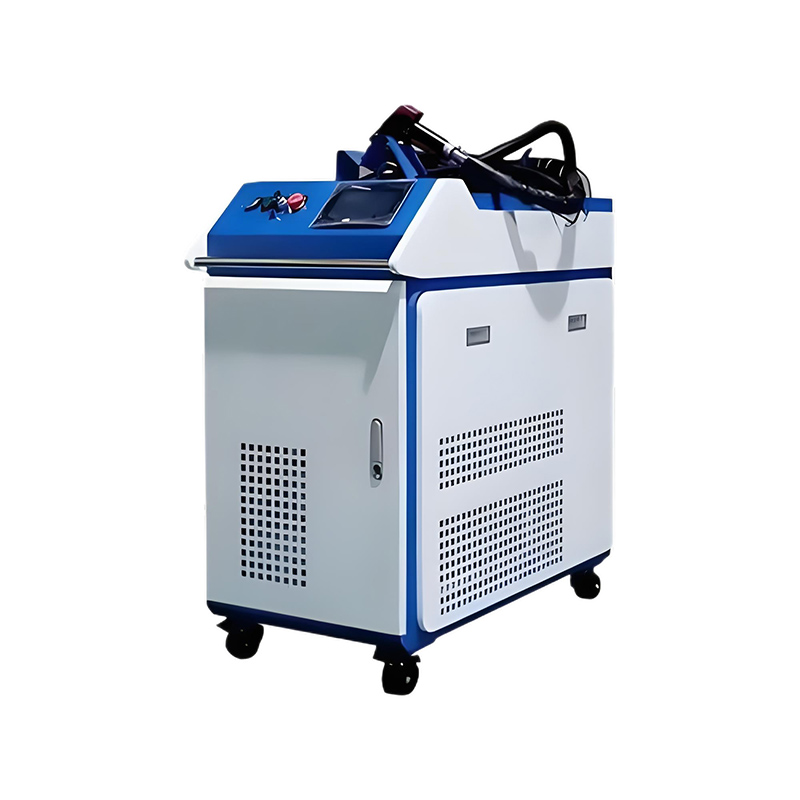
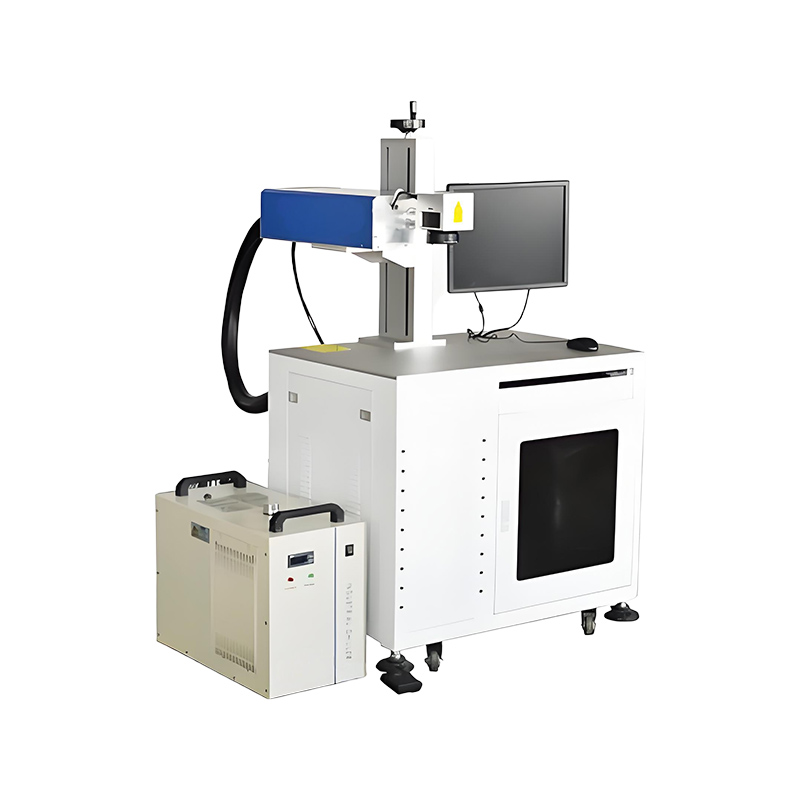
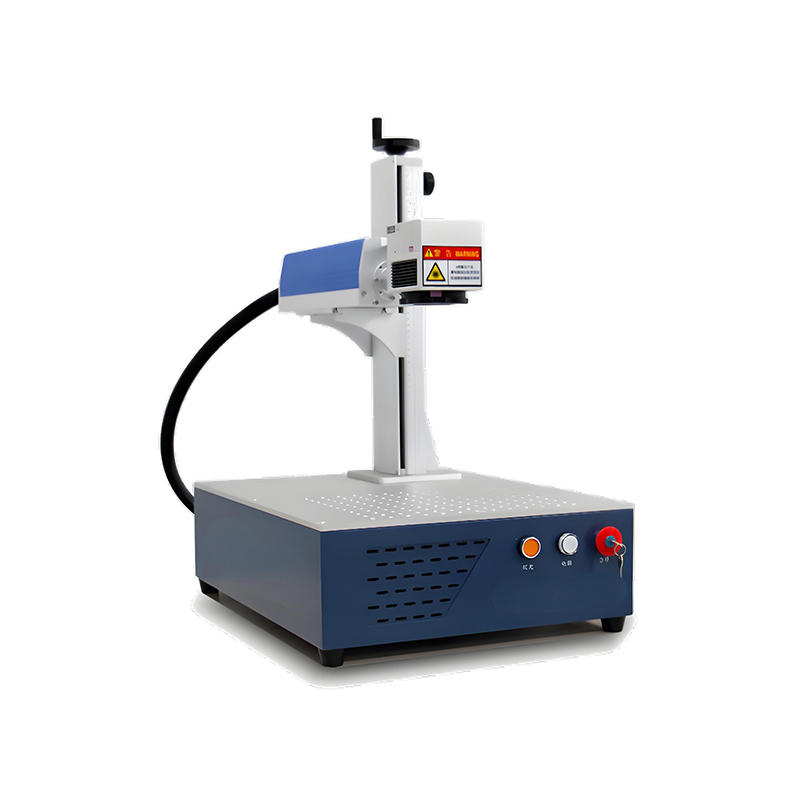
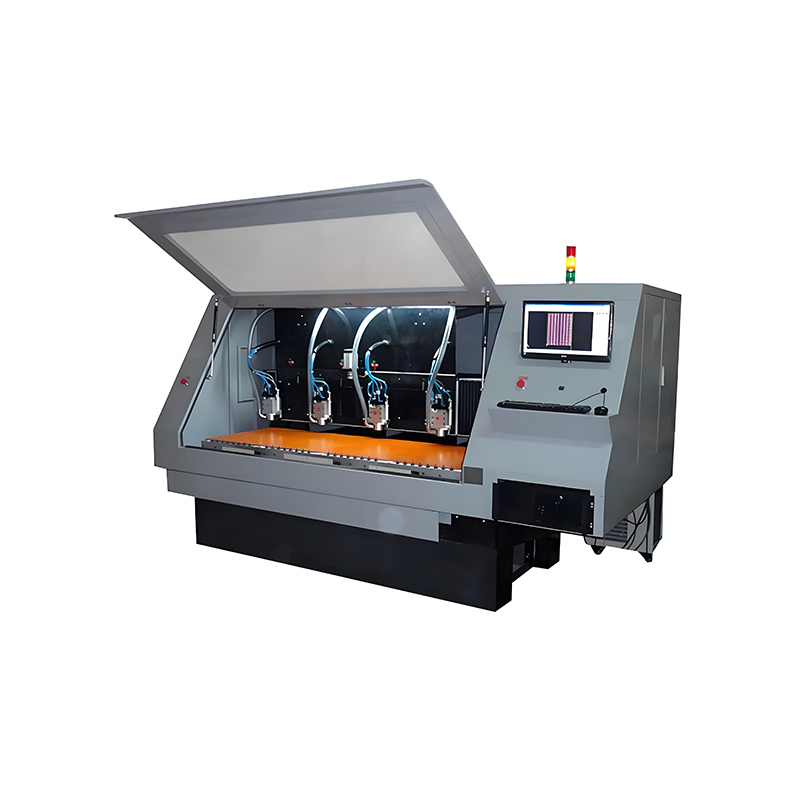
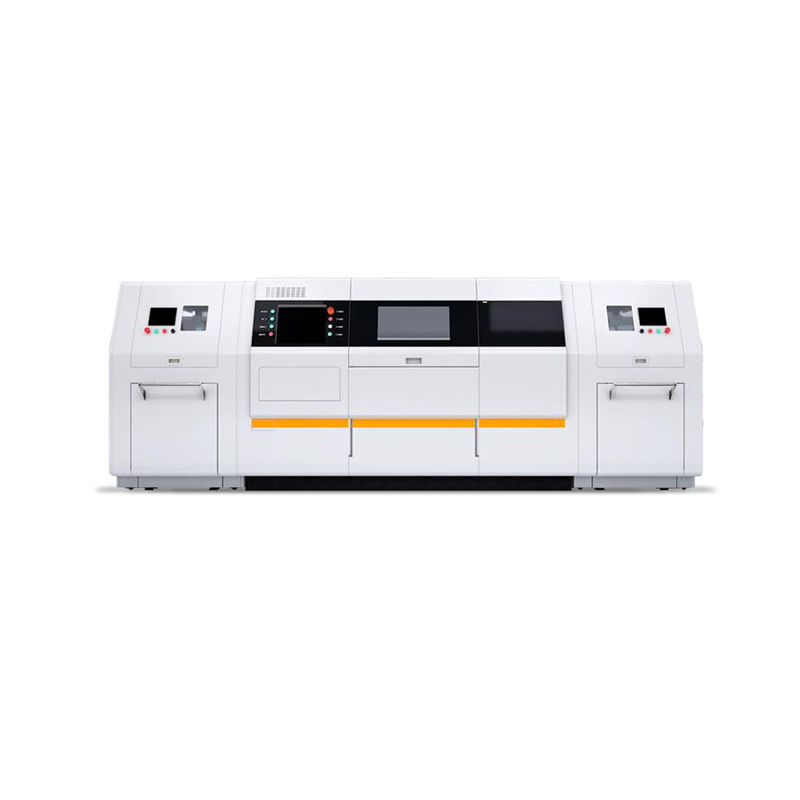
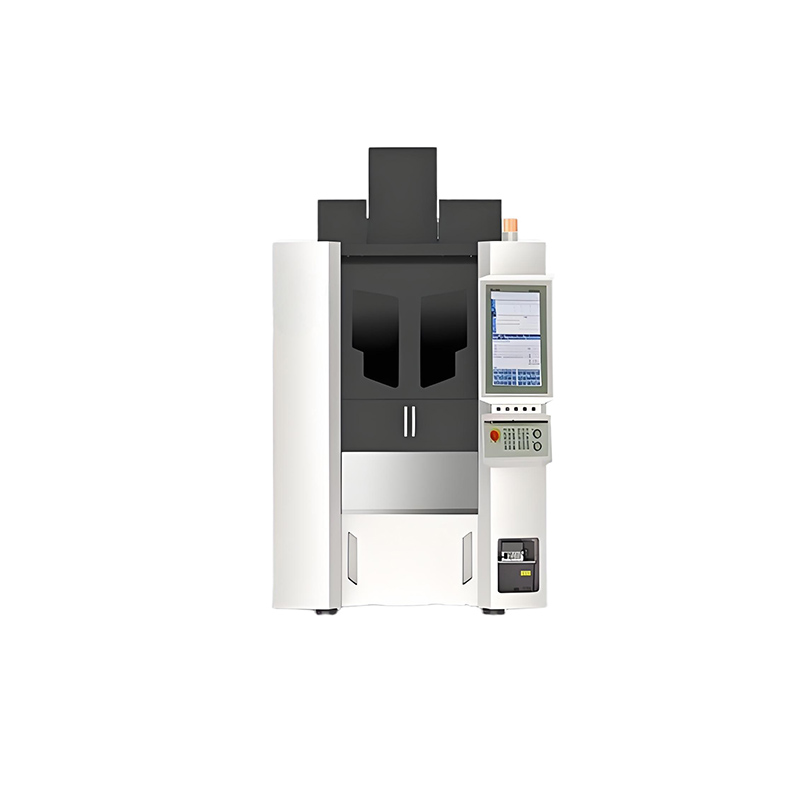
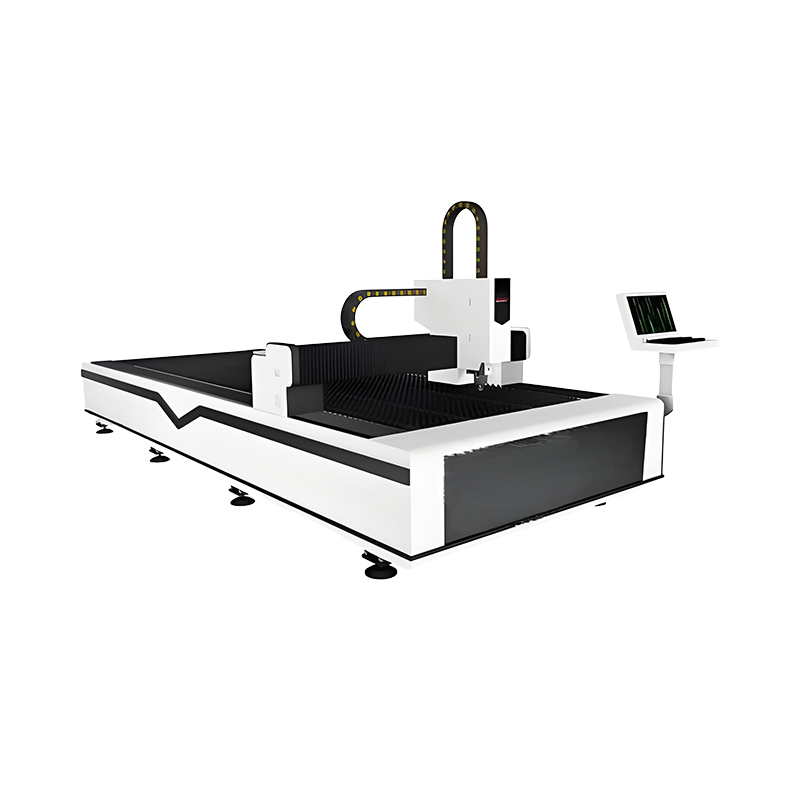
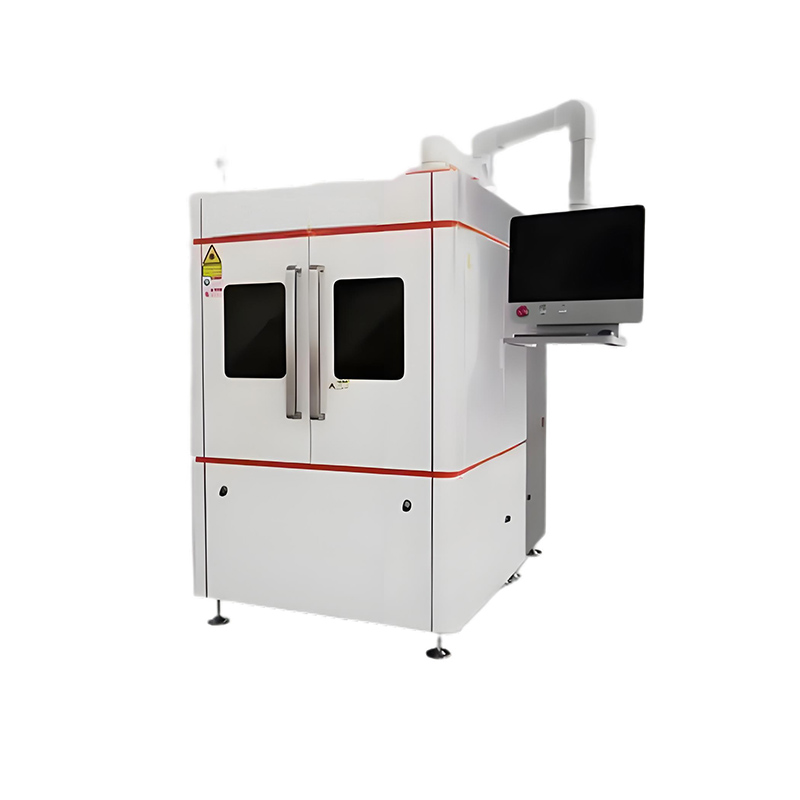
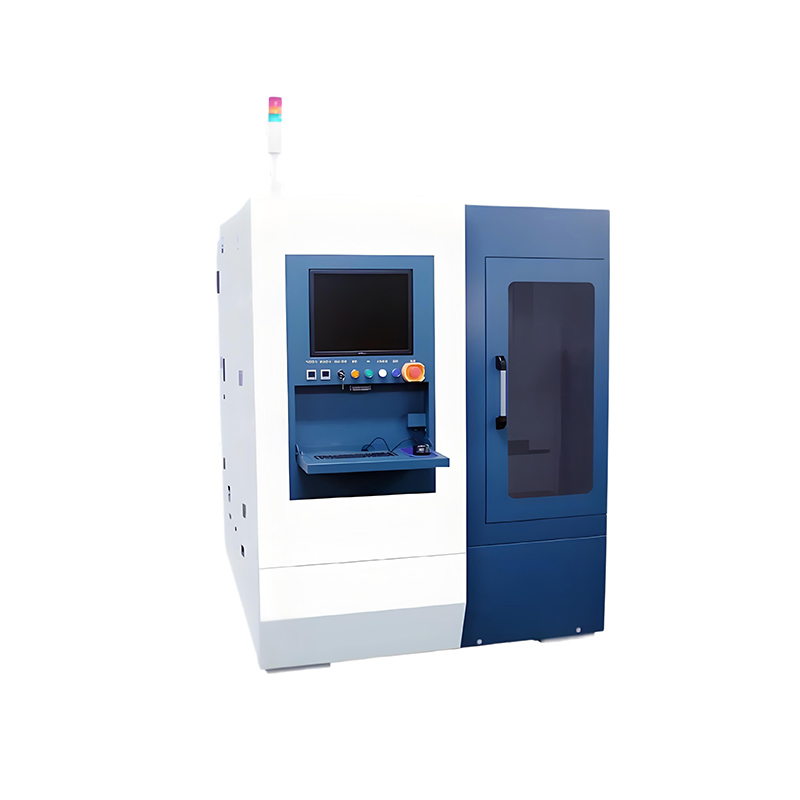
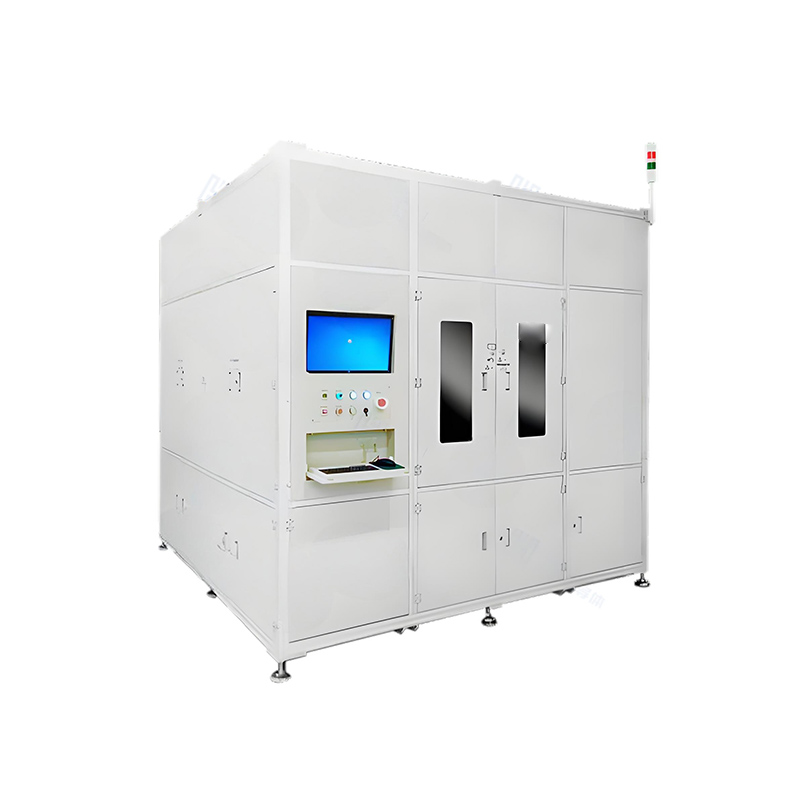

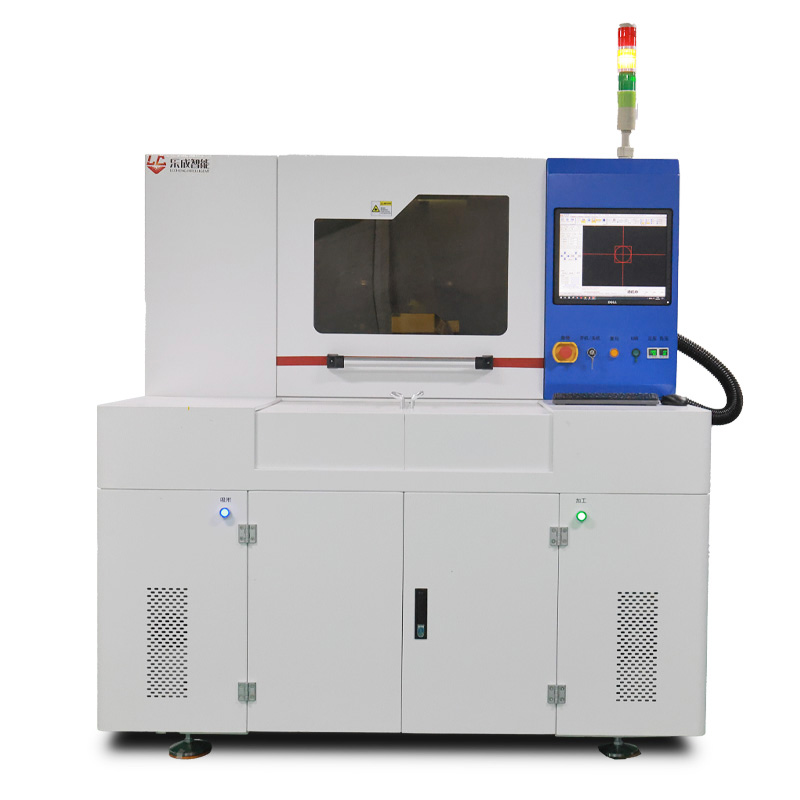
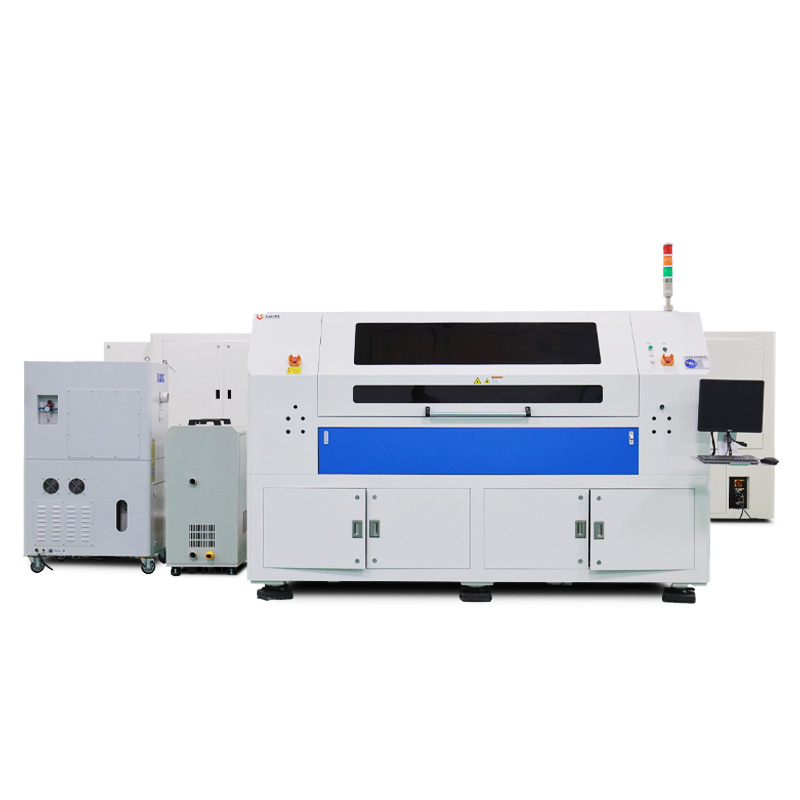

In photovoltaic manufacturing, P1, P2, and P3 laser scribing are critical processes that define cell structure and electrical isolation. For international buyers, choosing the right laser scribing system is not just about selecting equipment, but about ensuring that each process step is accurately matched to the production technology. Misalignment between process requirements and equipment capability can lead to yield loss, efficiency reduction, and increased production risk.
Understanding The Roles Of P1, P2, And P3 Processes
Each laser scribing step in photovoltaic production serves a different function. P1 scribing is typically used to isolate the conductive layer, such as TCO, to define the basic cell structure. This step requires clean and precise removal without damaging the substrate.
P2 scribing is used to open the functional layers, allowing electrical connection between adjacent cells. This process is more complex because it must remove specific layers while preserving others, requiring precise control of laser energy and depth.
P3 scribing isolates the back electrode, completing the cell separation and preventing short circuits. The quality of P3 directly affects final module performance and long-term reliability.
For buyers, understanding these differences is essential because each process requires a different level of precision, control, and system capability.
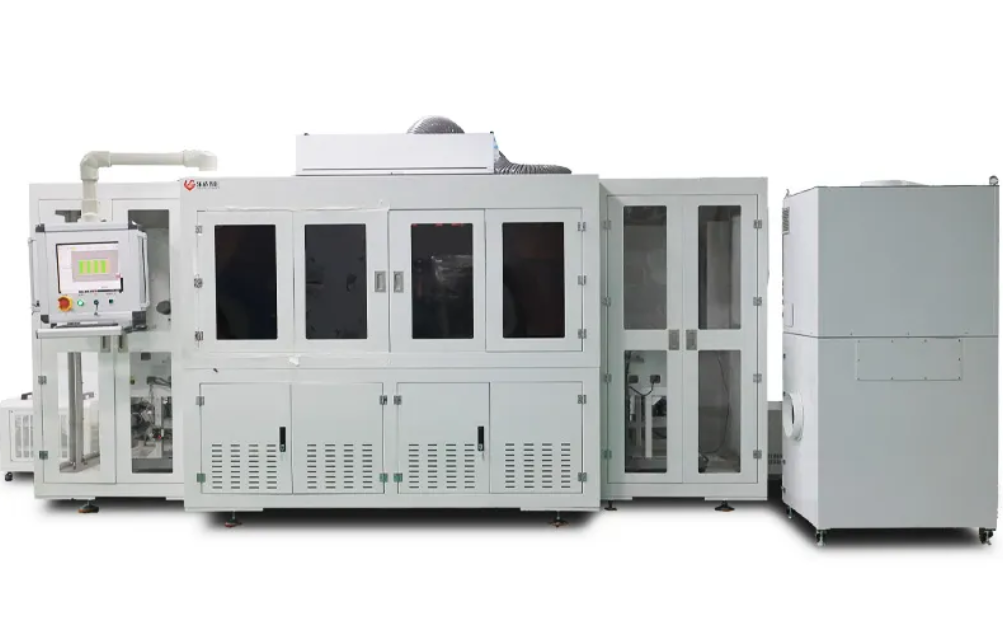
Matching Equipment Capability With Process Requirements
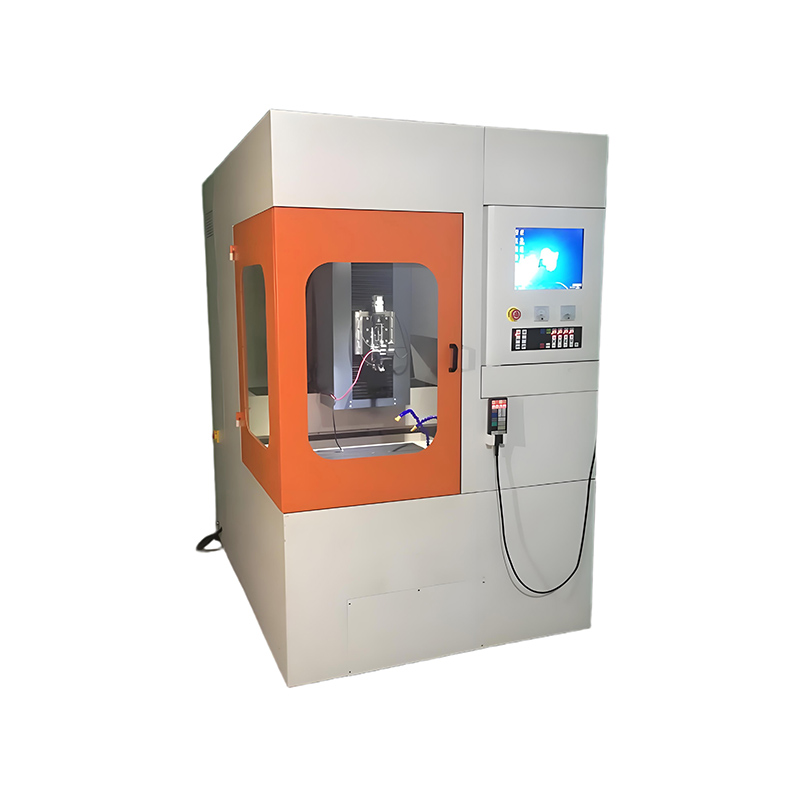
Choosing the right system depends on how well the equipment matches the specific requirements of each scribing step. P1 systems require stable beam quality and precise positioning, but the process is relatively less complex compared to P2.
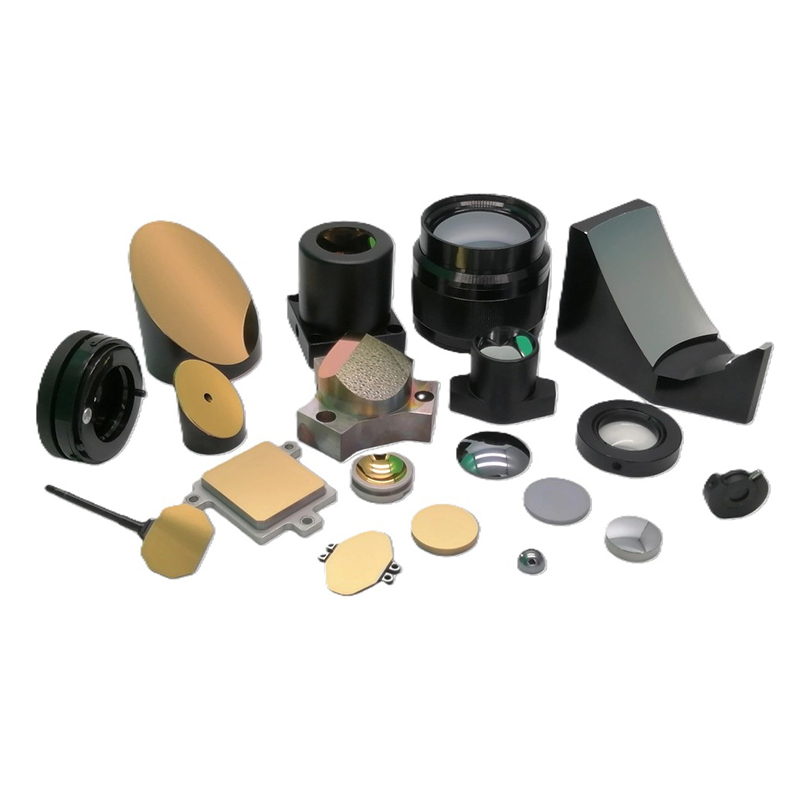
P2 systems, however, demand the highest level of control. They must precisely remove selected layers without affecting adjacent materials. This requires advanced laser control, optimized optics, and accurate motion systems. For many buyers, P2 is the most critical step when evaluating equipment performance.
P3 systems focus on consistent isolation and process stability. While the precision requirement may be slightly less demanding than P2, long-term consistency is essential to ensure stable module performance.
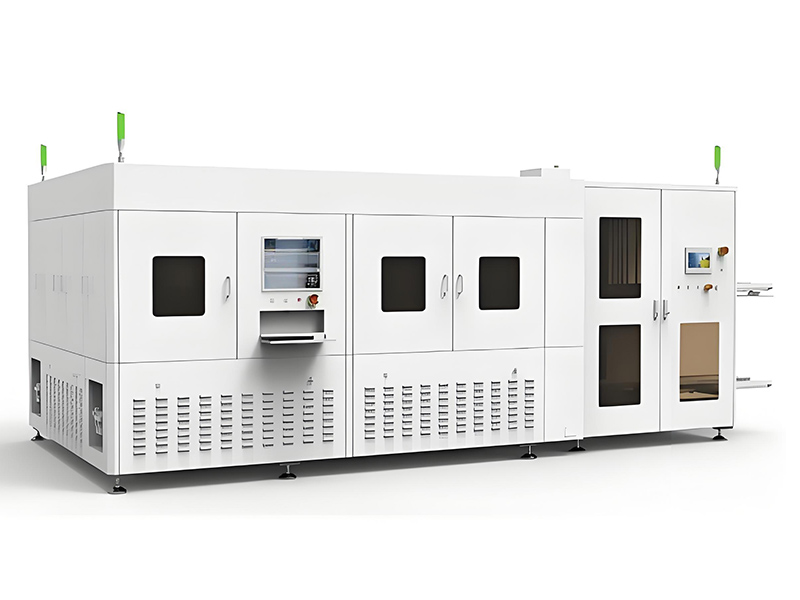
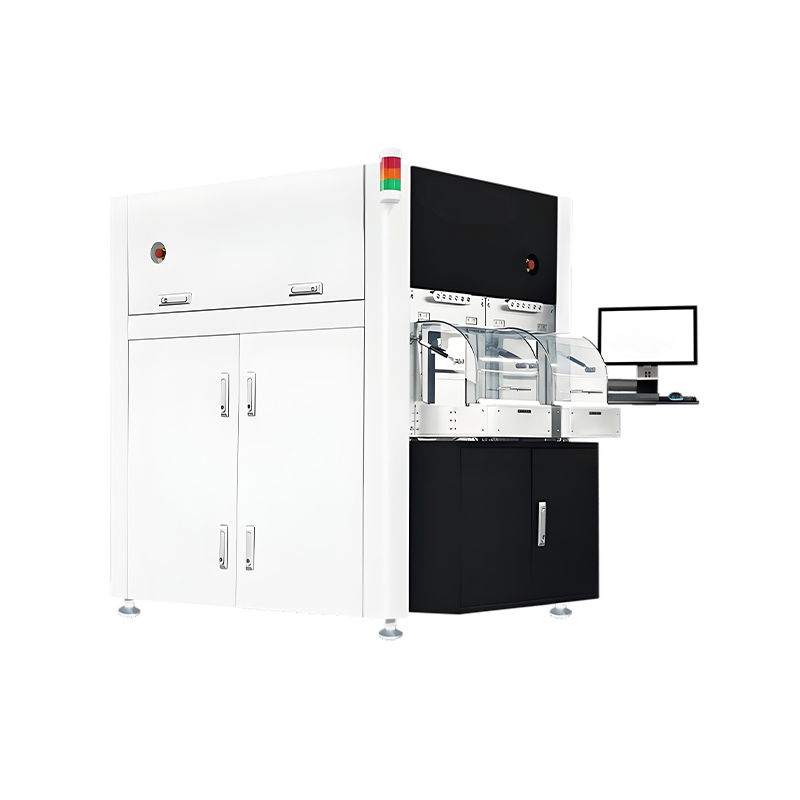
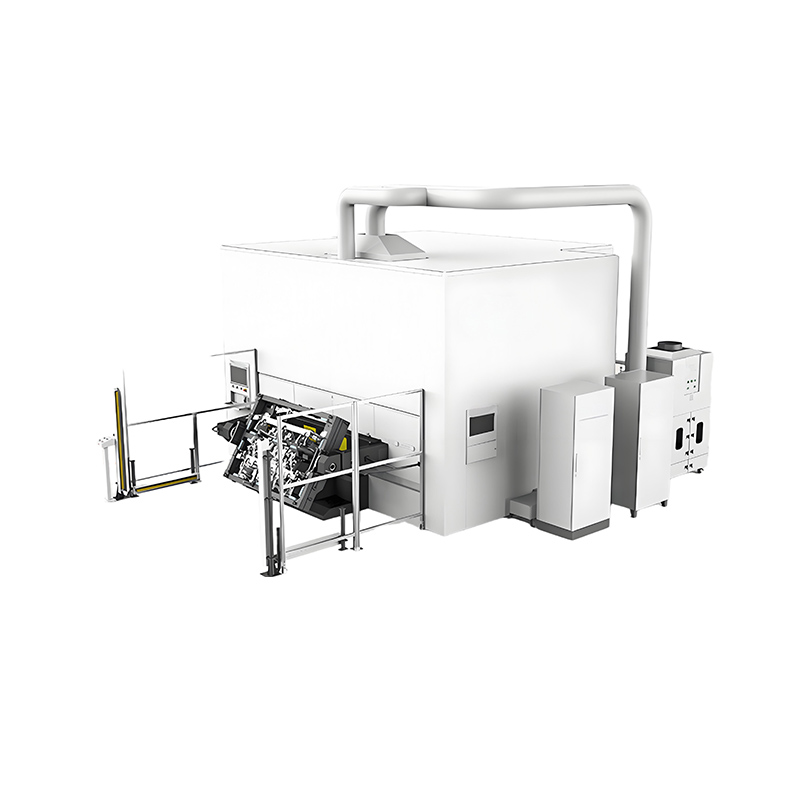
In many cases, buyers prefer integrated systems that can handle all three processes, ensuring compatibility and reducing system complexity.
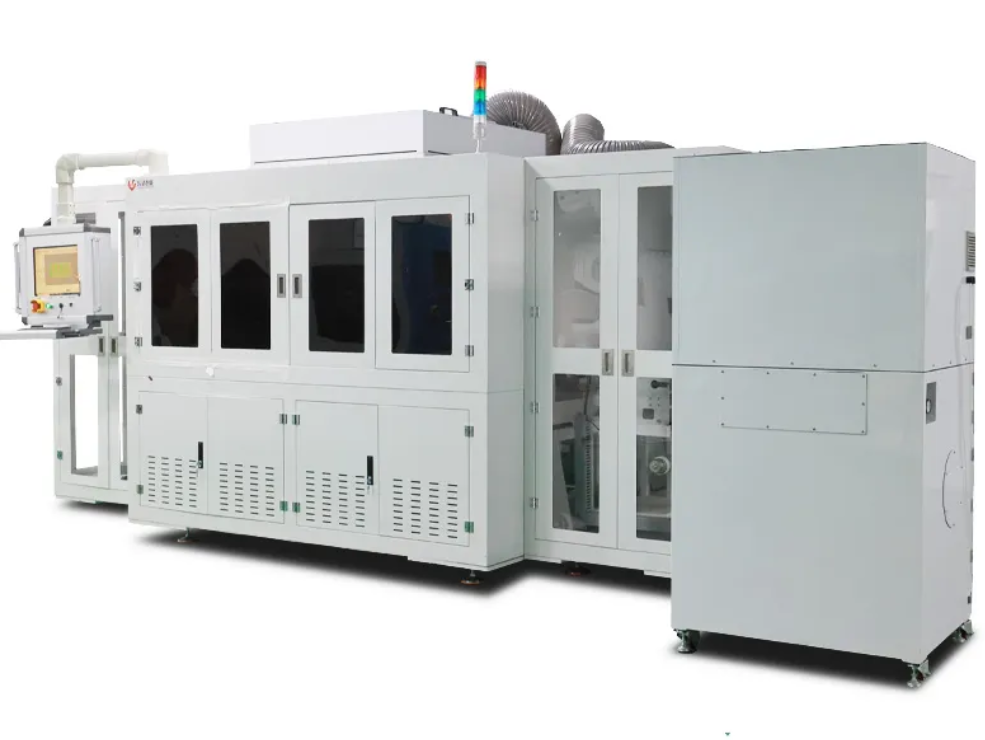
Key Considerations For System Selection And Investment
When selecting a laser scribing system, buyers should consider not only process capability, but also production stability and scalability. A machine that performs well in laboratory conditions may not be suitable for mass production if it cannot maintain consistency over time.
Automation and integration are also important factors. Modern photovoltaic production lines require seamless integration between different process steps. A system that supports automated alignment, data tracking, and process control will significantly improve efficiency and reduce manual intervention.
Finally, buyers should evaluate long-term value, including supplier support, maintenance requirements, and upgrade capability. A well-chosen system should not only meet current needs, but also support future production expansion and technology upgrades.
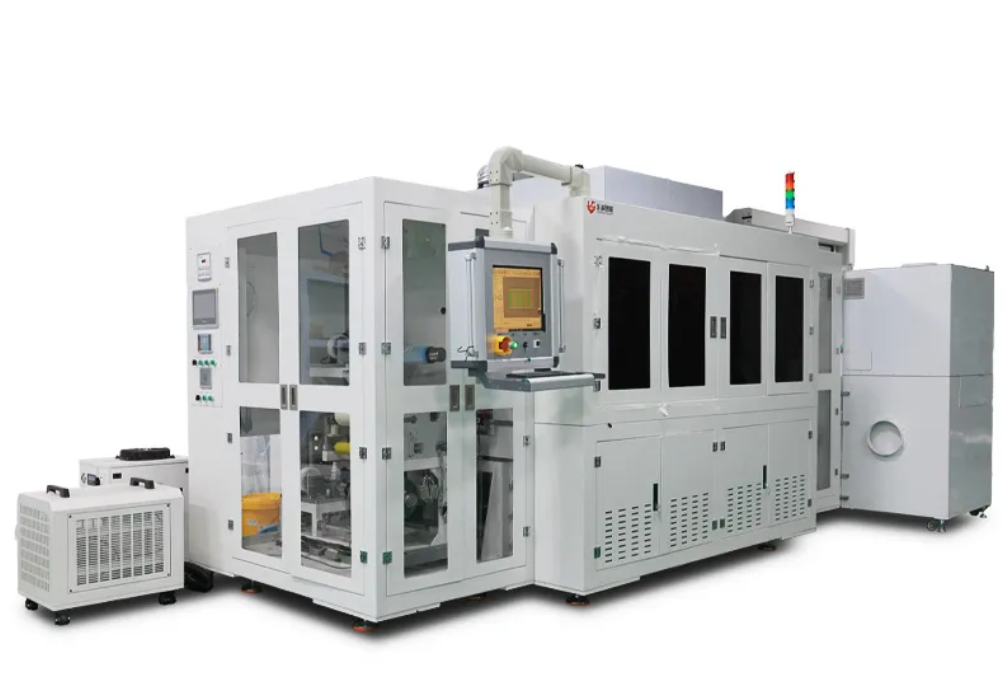
Choosing between P1, P2, and P3 laser scribing systems requires a clear understanding of process functions, equipment capabilities, and production goals. For international buyers, the best solution is one that ensures precise process matching, stable production performance, and long-term scalability. A well-selected system not only improves yield and efficiency, but also reduces production risk and enhances overall competitiveness.