Products

Featured products

Contact us

News

  • What Is The Difference Between Laser Scribing And Laser Cutting In Photovoltaic Production?
    2026
    04-18
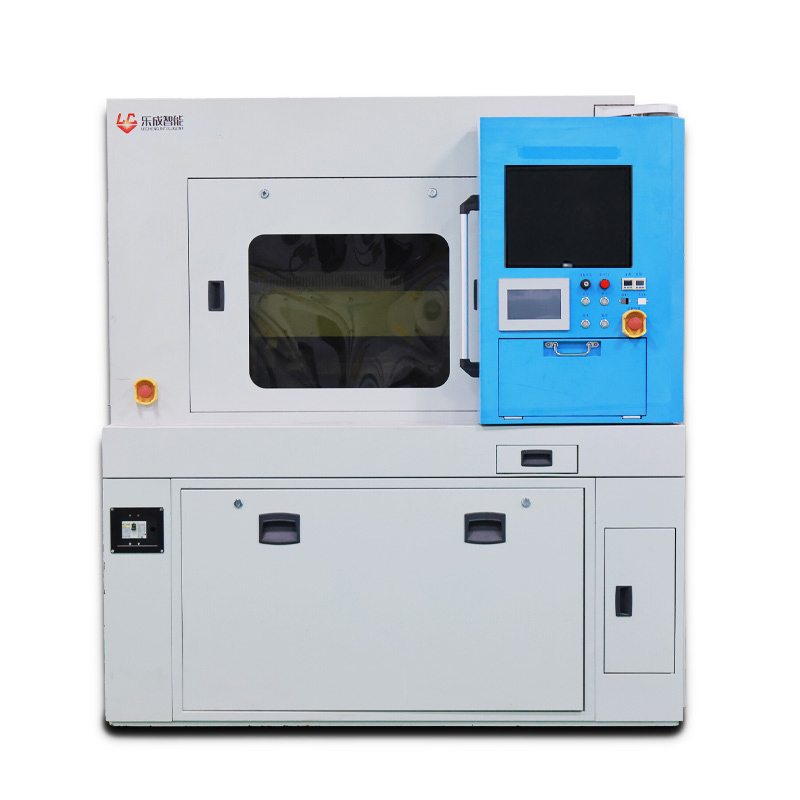
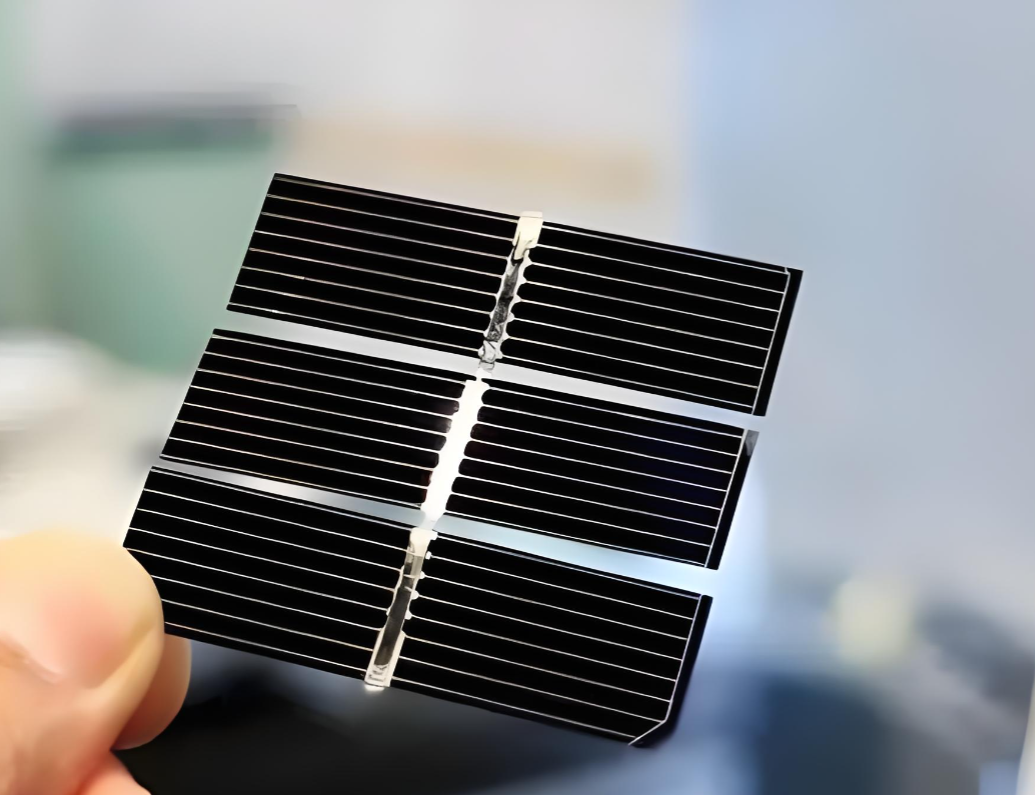
    Laser scribing and laser cutting serve different but equally important roles in photovoltaic production. Scribing focuses on precision and electrical performance, while cutting focuses on material separation and efficiency. For international buyers, understanding this difference is essential for selecting the right equipment and building a stable, high-yield production line.
  • Five-Axis 3D Laser Cutting Machine: A Revolutionary Solution for Precision Machining of Complex Curved Surfaces
    2026
    04-17
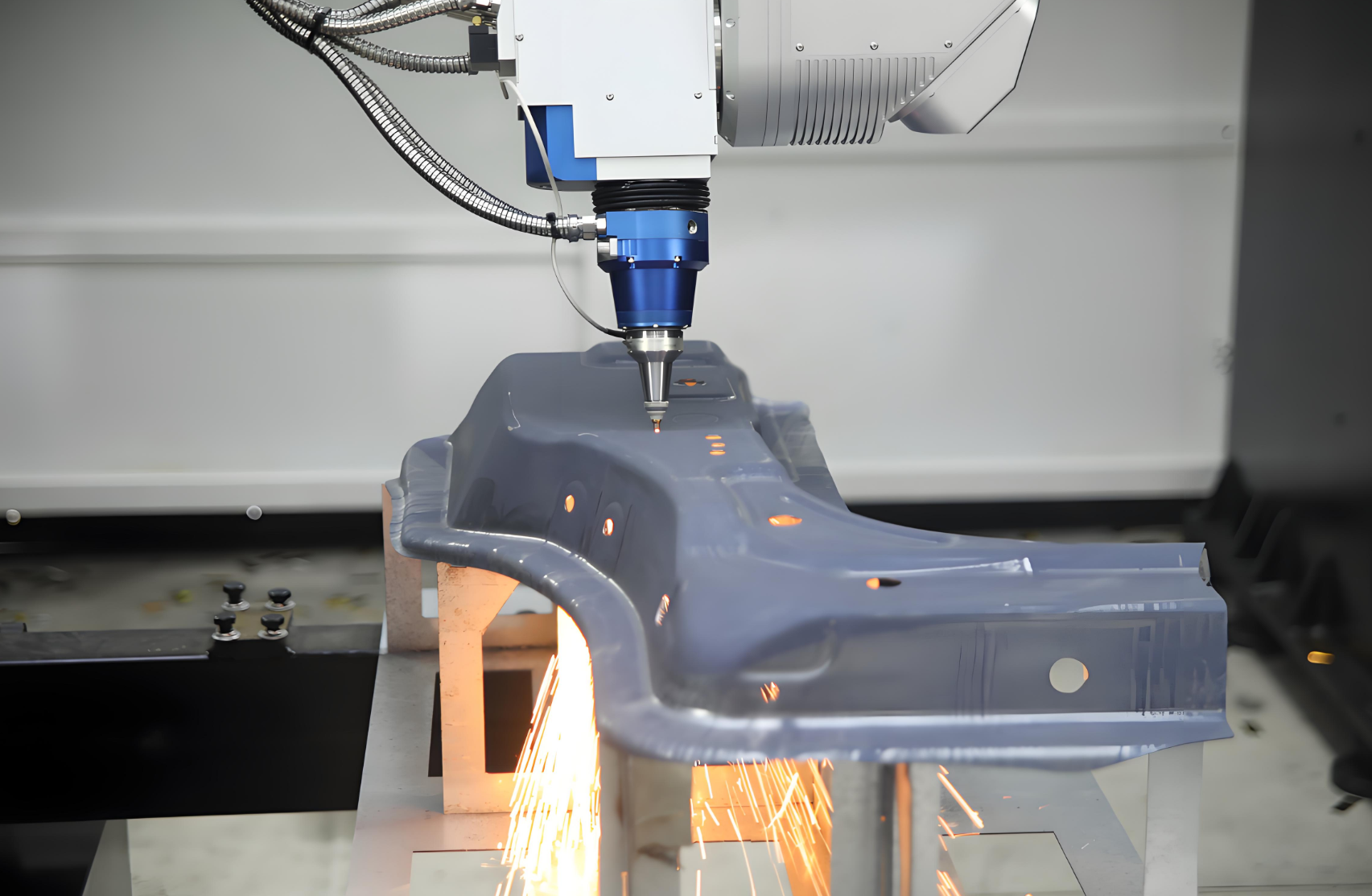
    The five-axis 3D laser cutting machine represents a paradigm shift in subtractive manufacturing. It is a revolutionary solution that directly addresses the growing demand for processing complex, formed components with high precision and efficiency. By seamlessly integrating multi-axis motion control, advanced laser optics, and intelligent software, it conquers the geometrical challenges of 3D surfaces, transforming a traditionally fragmented production chain into a cohesive, automated workflow. Its impact extends beyond the shop floor, influencing design possibilities and accelerating product development cycles. In an era where manufacturing agility and part complexity are key competitive differentiators, investing in five-axis 3D laser cutting technology is not merely an upgrade—it is a strategic imperative for any enterprise aiming to lead in the production of tomorrow's most advanced and intricate components.
  • Lecheng Fiber Laser Marker Re-Identifies Efficiency with Industrial-Grade Stability
    2026
    04-16
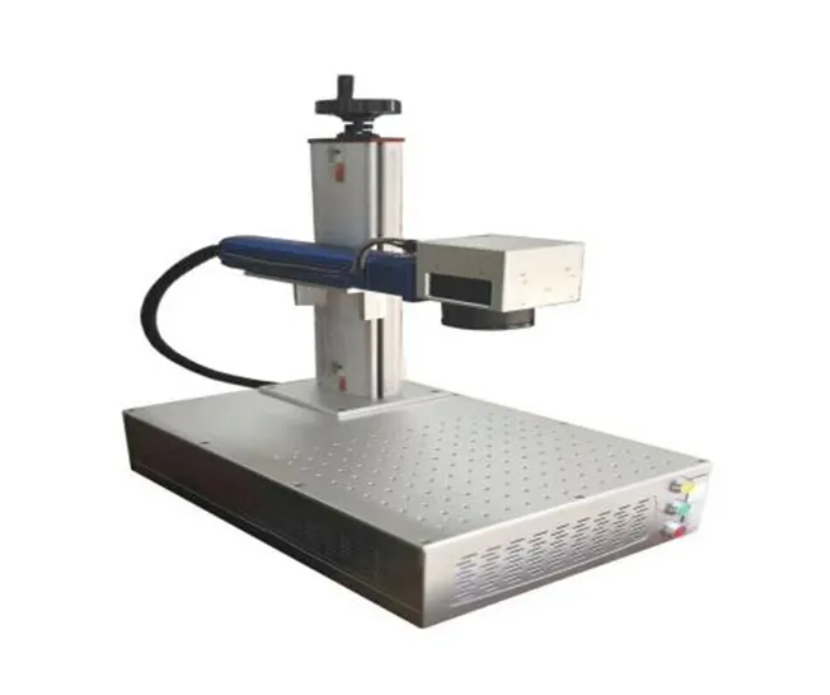
    The Lecheng Fiber Laser Marker achieves more than just high-quality marks; it delivers a fundamental recalibration of manufacturing efficiency. By prioritizing industrial-grade stability, it shifts the focus from isolated marking speed to the integrity of the entire production flow. It eradicates the hidden costs of inconsistency, maintenance, and rework, while providing the unwavering reliability required for mission-critical traceability and automation. In doing so, it re-identifies efficiency as a function of reliability, transforming the laser marker from a commodity tool into a strategic asset that drives tangible quality, compliance, and profitability gains. Investing in such stability is not merely a purchase; it is a decisive step towards building a more resilient, efficient, and competitive manufacturing operation.
  • All-in-One Air-Cooled Handheld Laser Welder: Ushering in a New Era of Water-Free, Highly Portable Precision Welding
    2026
    04-14
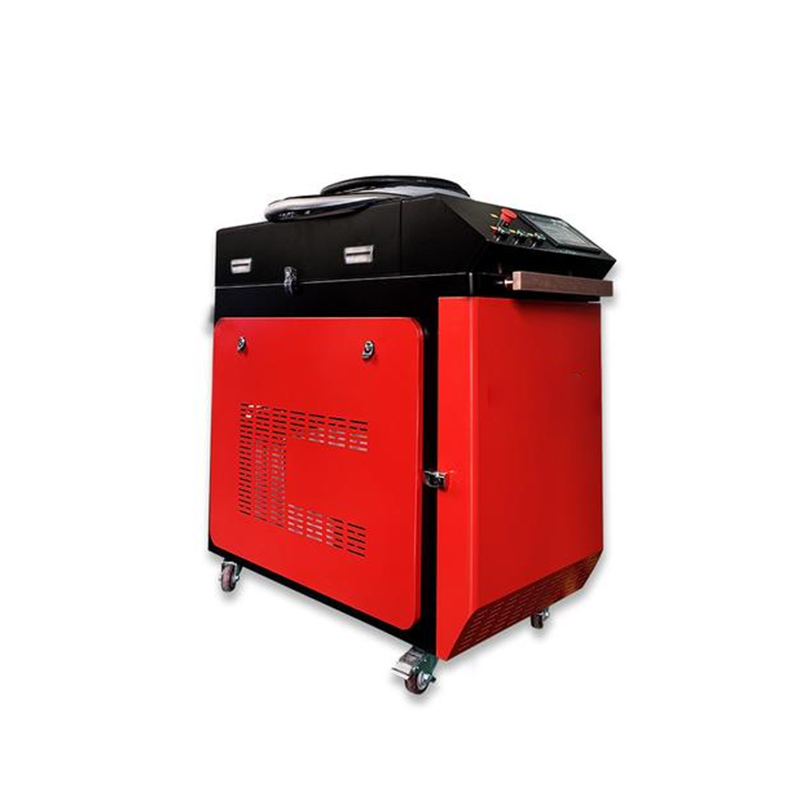
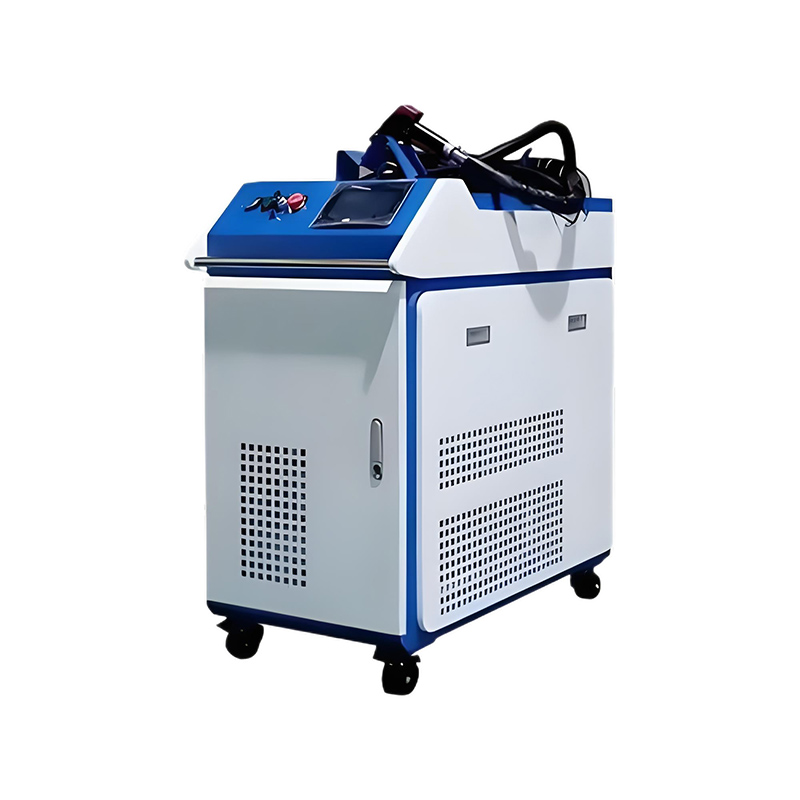
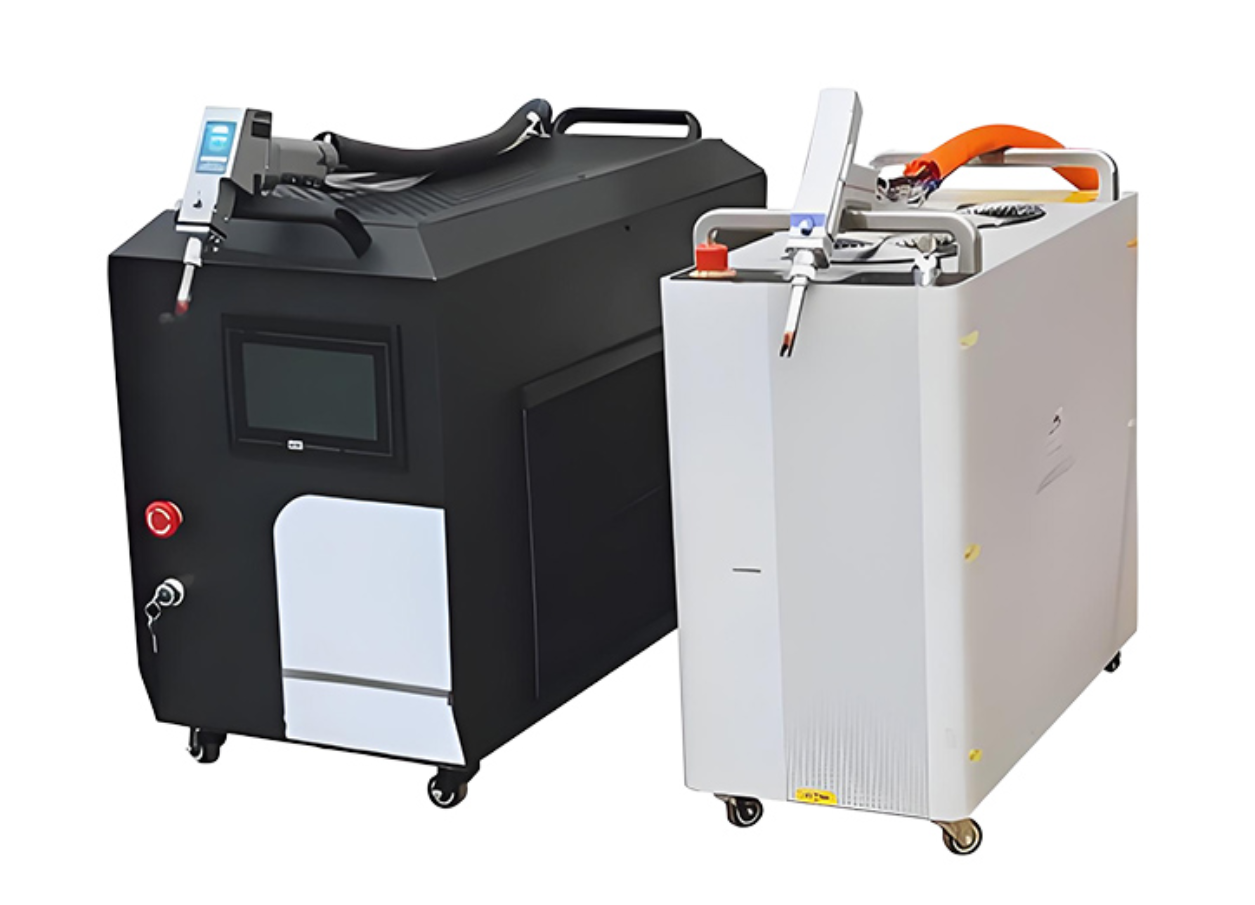
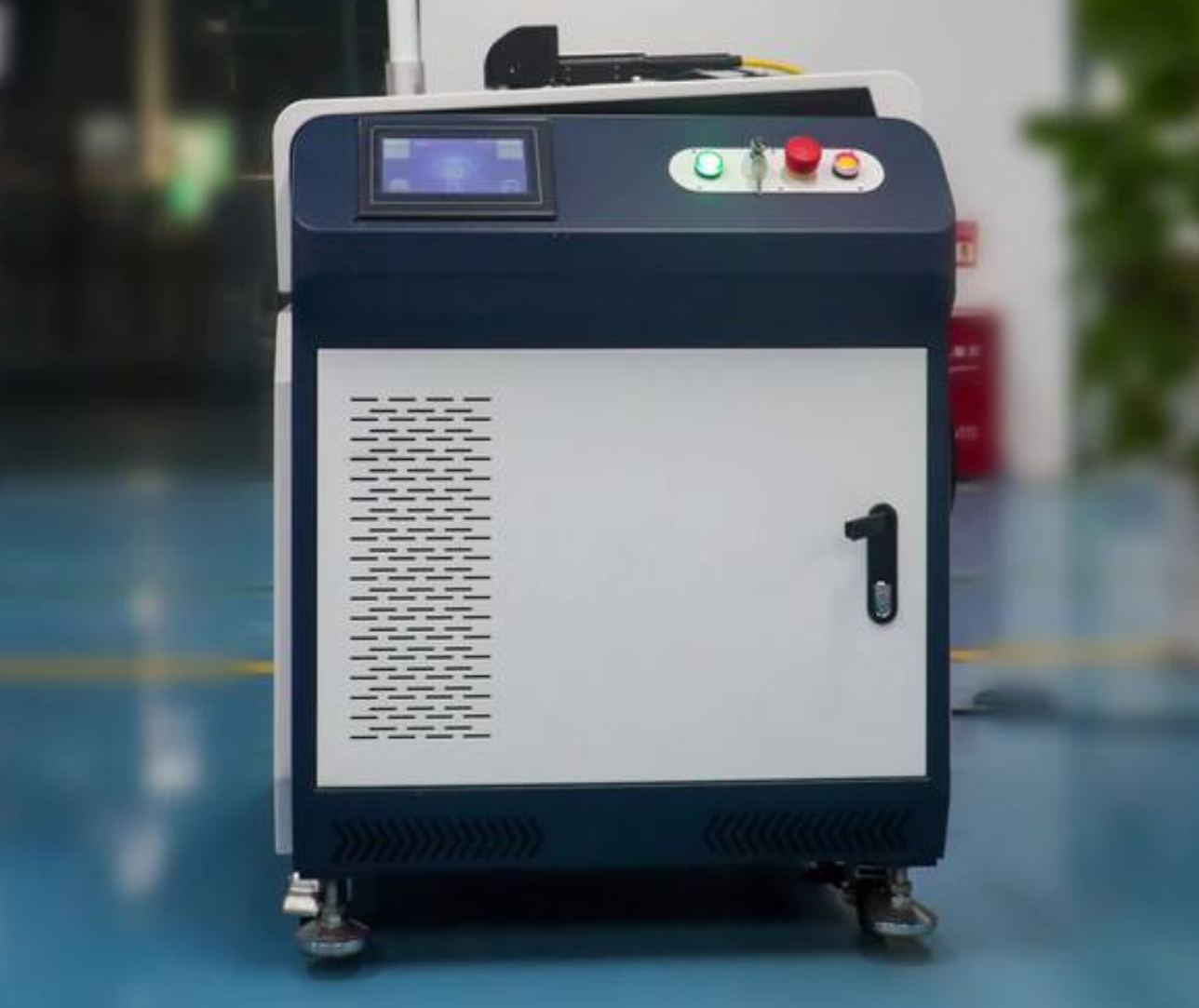
    The all-in-one air-cooled handheld laser welder represents a paradigm shift in materials joining technology. It successfully decouples the precision and quality of laser welding from the fixed infrastructure that has historically confined it, offering unparalleled portability and operational freedom. By solving the critical challenge of thermal management through integrated air-cooling, it delivers reliable, industrial-grade performance in a compact, go-anywhere package. This innovation is more than a convenient tool; it is an enabler that democratizes advanced manufacturing, unlocks new applications across diverse sectors, and drives efficiency by bringing the workshop directly to the job. It truly marks the dawn of a new era in flexible, accessible, and high-precision welding.
  • Roll-to-Roll (R2R) Laser Scribing Systems for Flexible Perovskite and Organic PV Production
    2026
    04-11
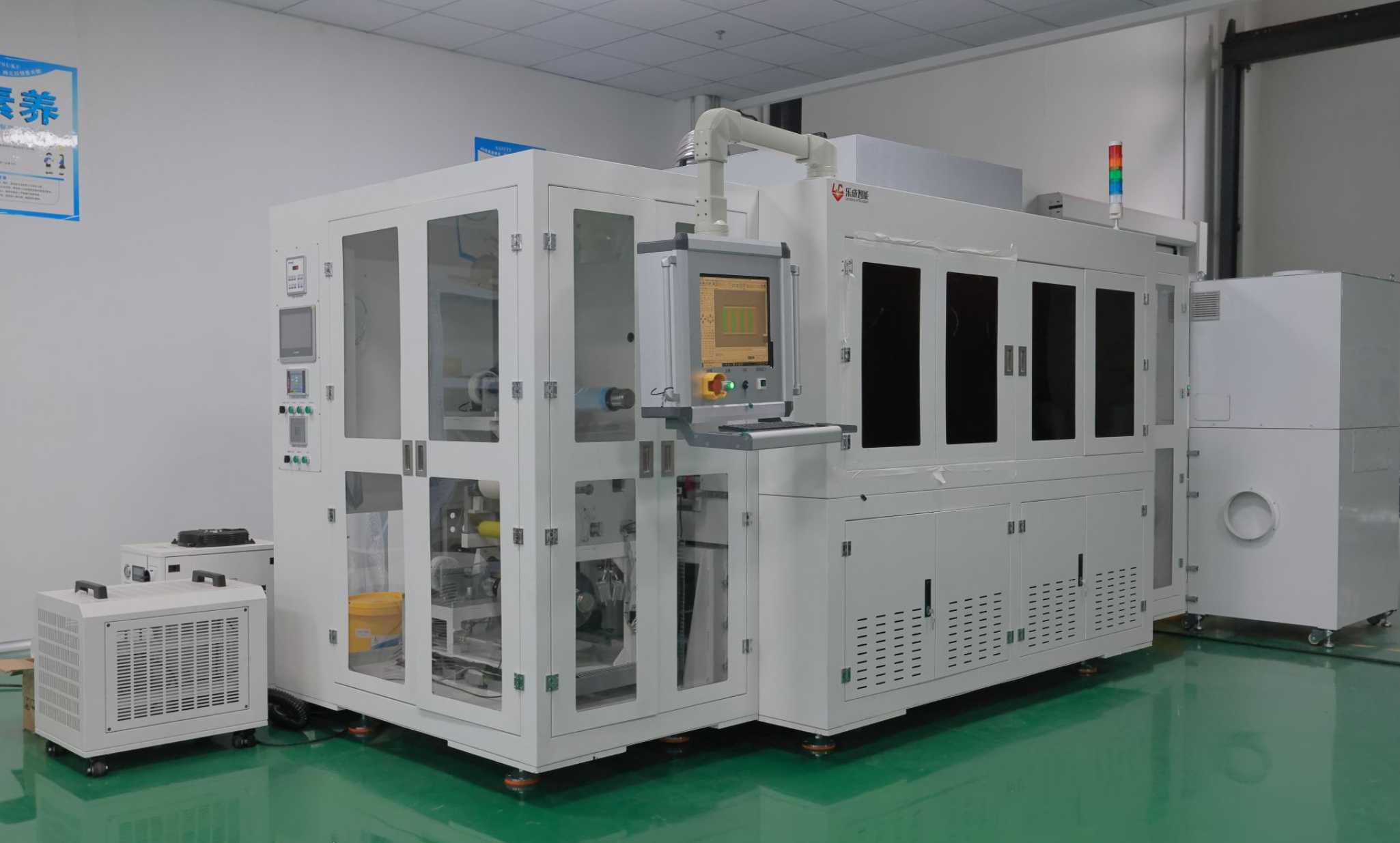
    Roll-to-Roll laser scribing is far more than an adaptation of a static process; it is the foundational technology that bridges the gap between the groundbreaking efficiency of flexible perovskite and organic PV materials and their real-world commercial deployment. It provides the essential combination of high speed, precision, and process control needed for cost-effective, high-volume manufacturing. By enabling continuous, high-yield production on flexible substrates, R2R laser systems unlock the unique value propositions of light weight, flexibility, and low embedded energy. Investing in robust, precision R2R laser scribing technology is, therefore, the critical strategic decision for any enterprise aiming to lead the next wave of solar innovation and bring the transformative potential of flexible photovoltaics to market at scale.
  • Laser Edge Isolation Equipment: Ensuring Clean Borders for Enhanced PV Module Reliability
    2026
    04-10
    Laser edge isolation is the definitive safeguard in PV module manufacturing. It is the process that seals the module's electrical integrity and fortifies its physical defenses. By utilizing advanced equipment to create a perfectly clean, non-conductive border, manufacturers decisively eliminate edge shunts, prevent PID, and ensure a hermetic seal against environmental stressors. This step is not an afterthought; it is a foundational requirement for achieving the 25-to-30-year operational lifetimes that define modern solar technology. Investing in precision edge isolation equipment, therefore, is an investment in the core reliability, longevity, and bankability of the final PV product, ensuring that the power produced at day one endures for decades to come.
  • P4 Laser Edge Deletion: The Key to Reliable Perovskite Module Encapsulation
    2026
    04-09
    While P1-P3 scribes build the electrical heart of a perovskite module, the P4 laser edge deletion process fortifies its perimeter. It is the critical, final step that transforms a collection of high-efficiency cells into a robust, reliable, and commercially viable solar product. By definitively eliminating edge shunts and creating an ideal surface for encapsulation, precision P4 processing locks in initial performance and safeguards against the primary degradation pathways. Investing in advanced, controlled P4 laser technology, therefore, is not an optional refinement; it is a fundamental requirement for ensuring the durability, bankability, and long-term success of perovskite photovoltaic modules in the field. It is the definitive seal of quality and reliability.
  • How P1, P2, P3, P4 Laser Scribing Defines Efficiency in Perovskite Solar Modules
    2026
    04-08
    In the race to commercialize perovskite photovoltaics, laser scribing is far more than a manufacturing step—it is the core engineering discipline that translates lab-cell efficiency into commercial-module performance. The precision, control, and cleanliness achieved in the P1-P4 processes directly and irreversibly define the electrical output, production yield, and operational lifetime of the final product. Investing in advanced laser systems, such as those developed by Lecheng Intelligence, is therefore not merely a capital expense; it is a strategic decision to embed efficiency, reliability, and scalability into the very architecture of the perovskite solar module.
  • Can Laser Etching Equipment Meet Our Process Requirements
    2026
    04-07
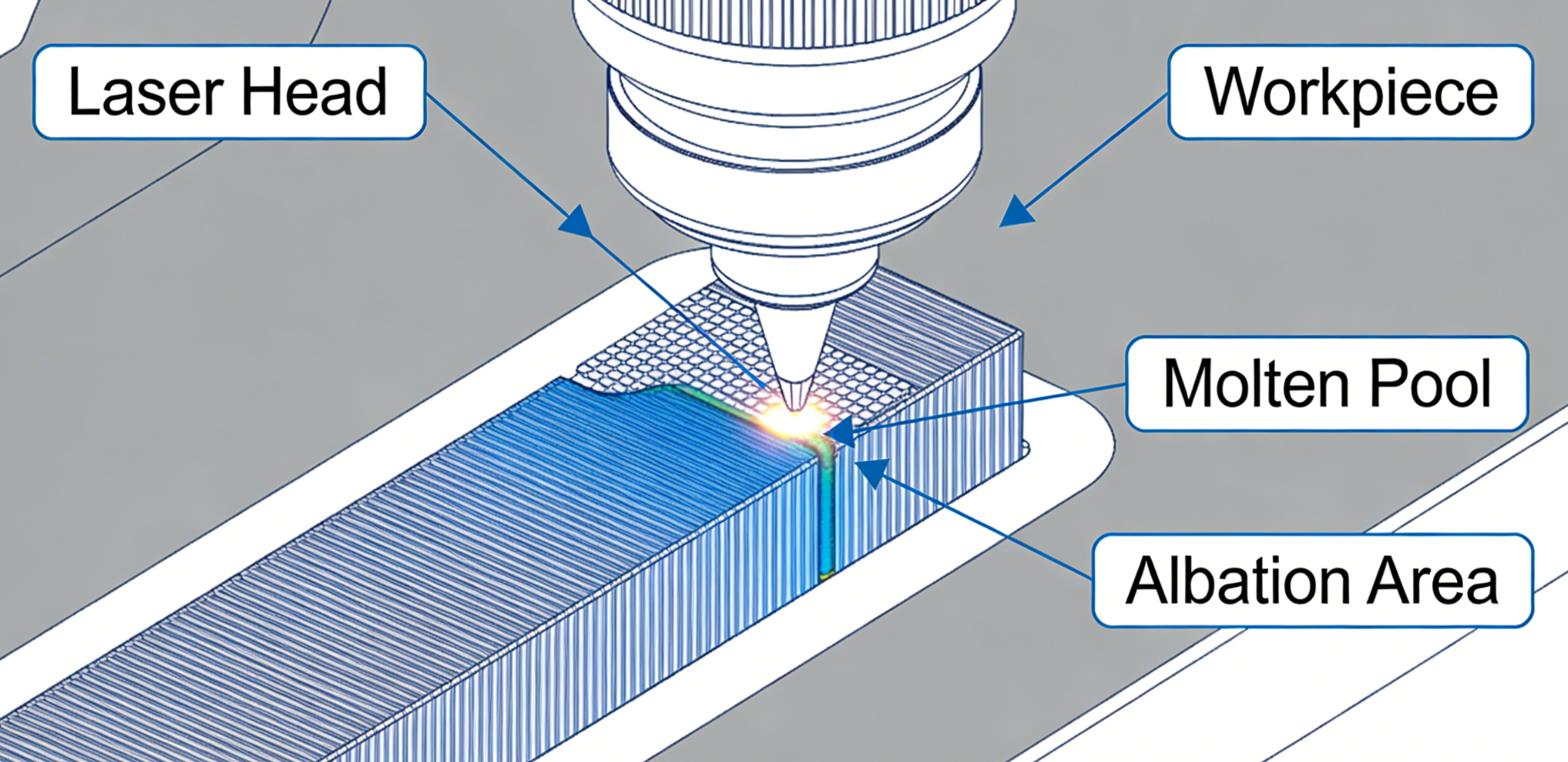
    Laser etching equipment can meet your process requirements only when it matches your material characteristics, target effect, precision standards, production rhythm, and long-term manufacturing needs. For international buyers, the best equipment is not simply the one with the strongest specifications, but the one that can be validated on real samples, deliver stable results in production, and integrate smoothly into the full manufacturing process.
  • How Precise Is Industrial Laser Equipment In Real Production
    2026
    04-05
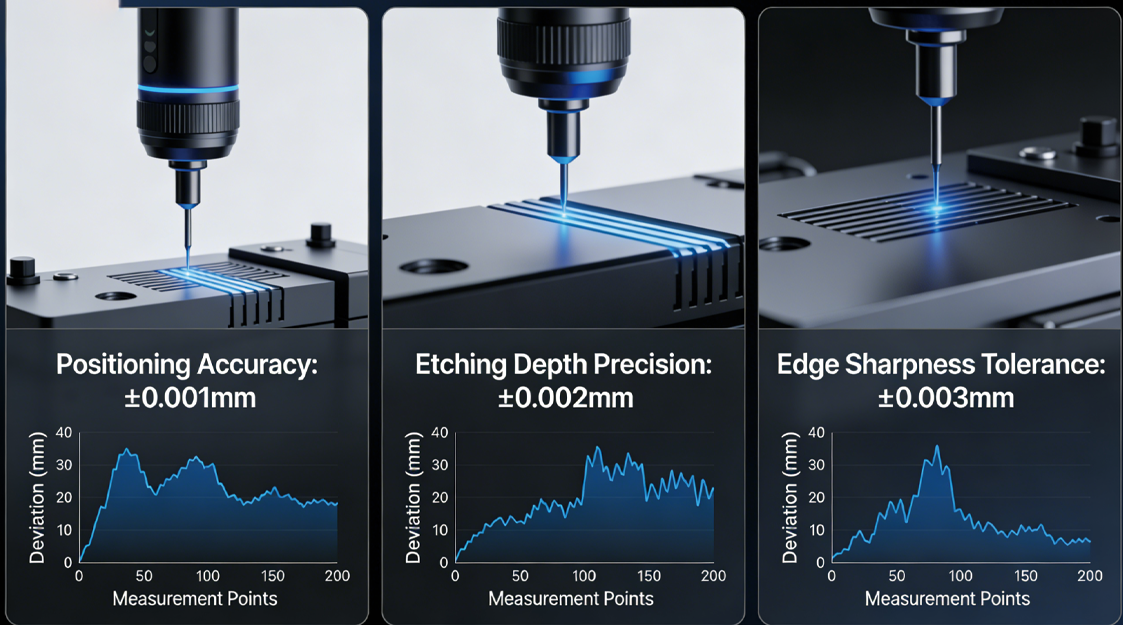
    Industrial laser equipment can achieve high precision in real production only when it combines accurate positioning, stable laser performance, robust mechanical design, and consistent process control. For buyers, the key is not the highest precision on paper, but the ability to maintain that precision reliably in daily production. A machine that delivers consistent, repeatable, and stable results will ultimately provide the greatest value in industrial applications.
40px

80px

80px

80px

Get Quote