


Defining the Frontline of Durability
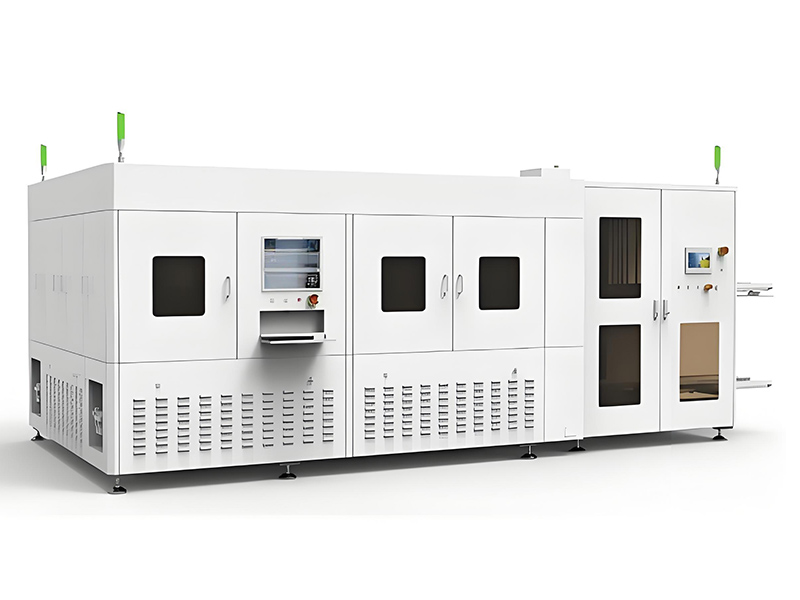
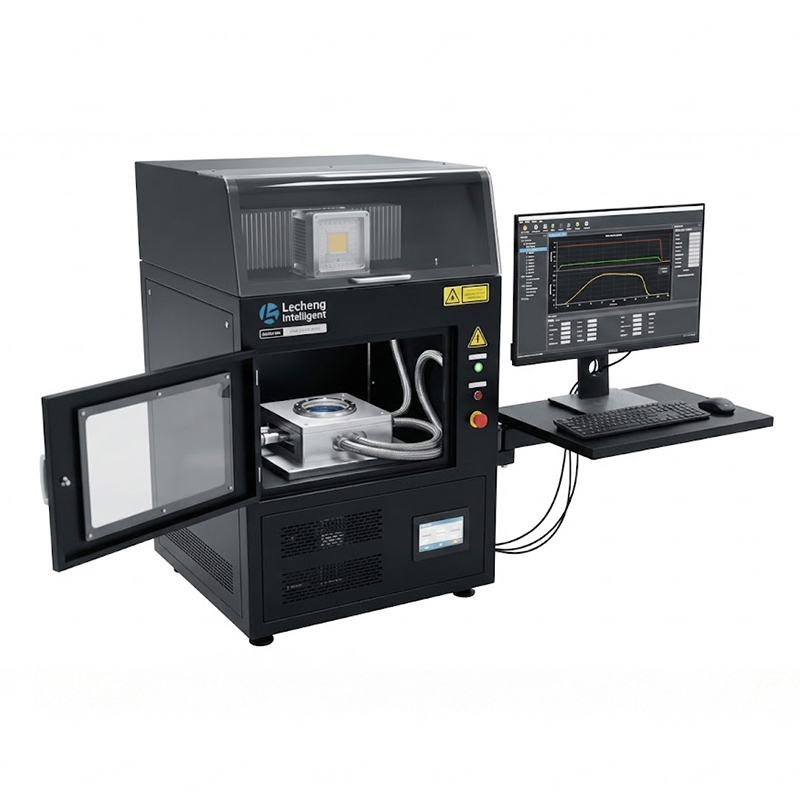
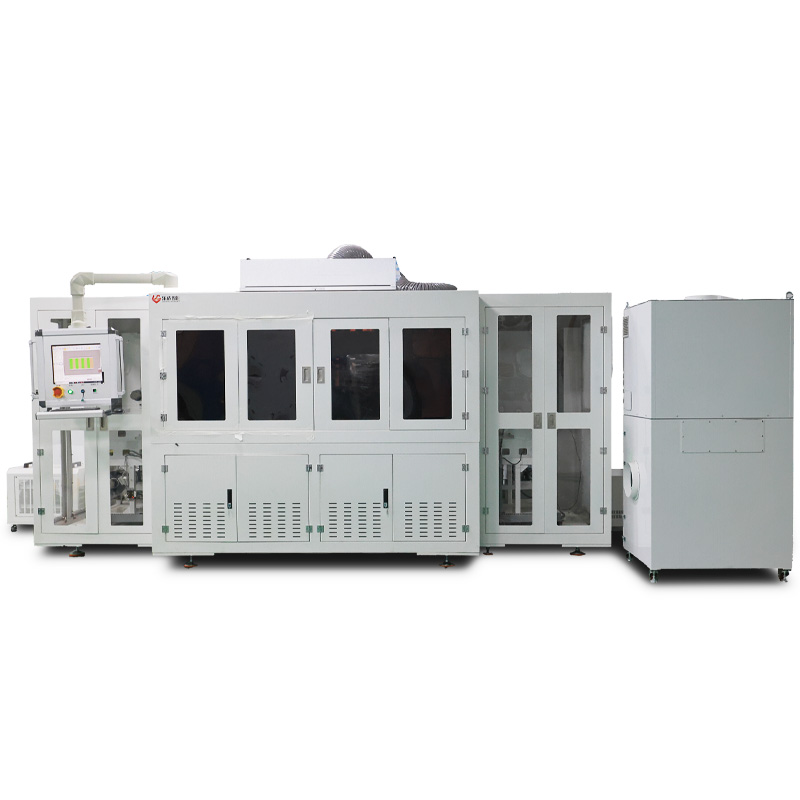
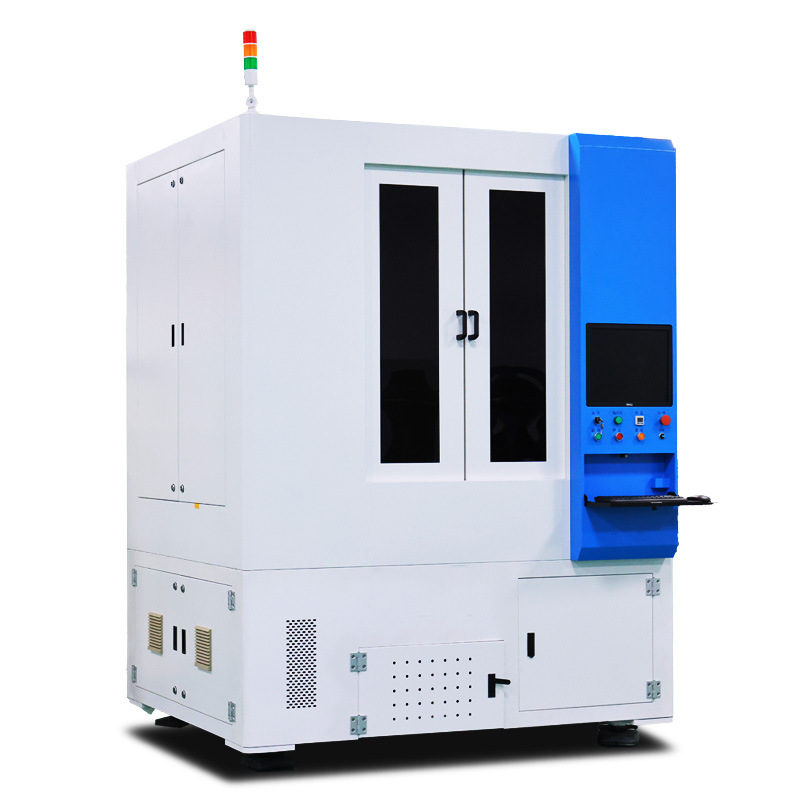
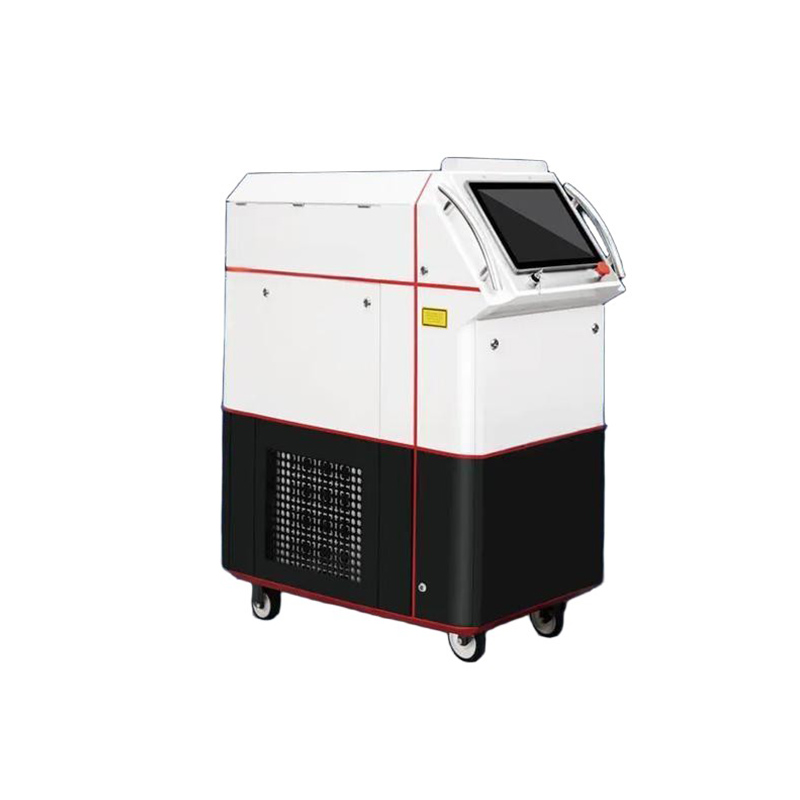
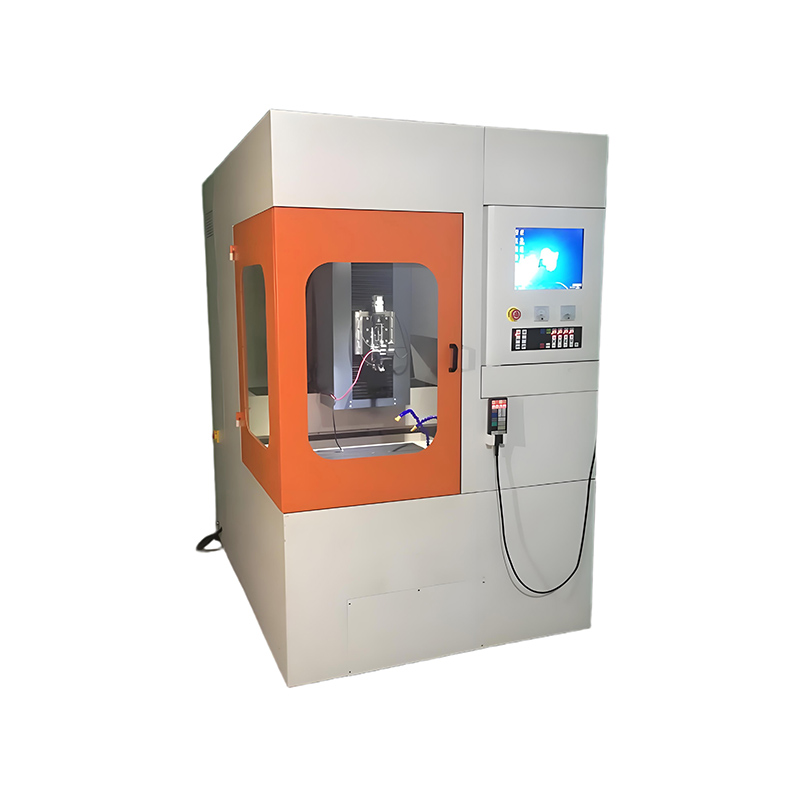
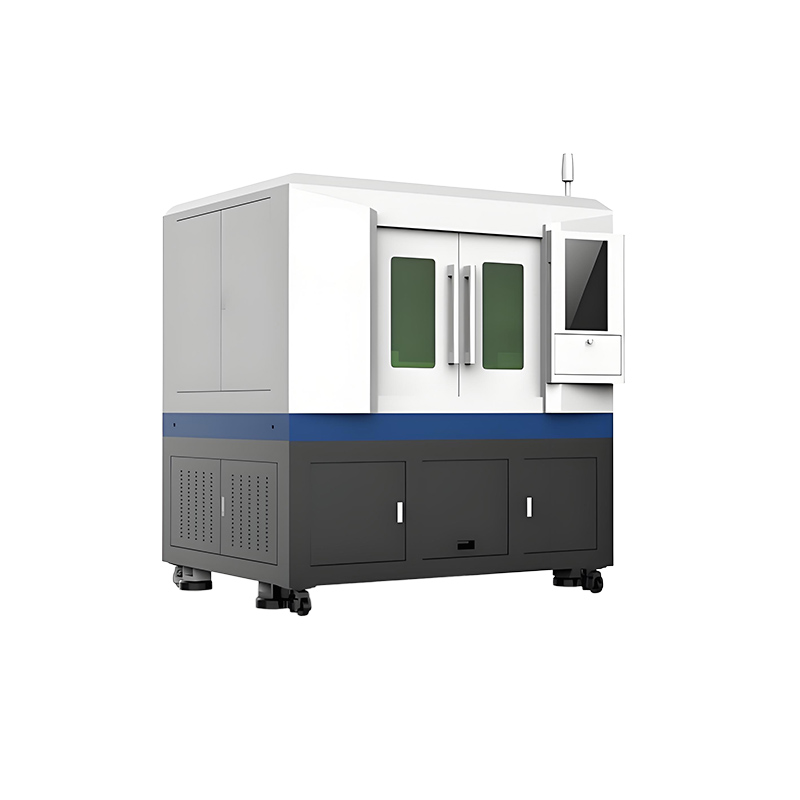
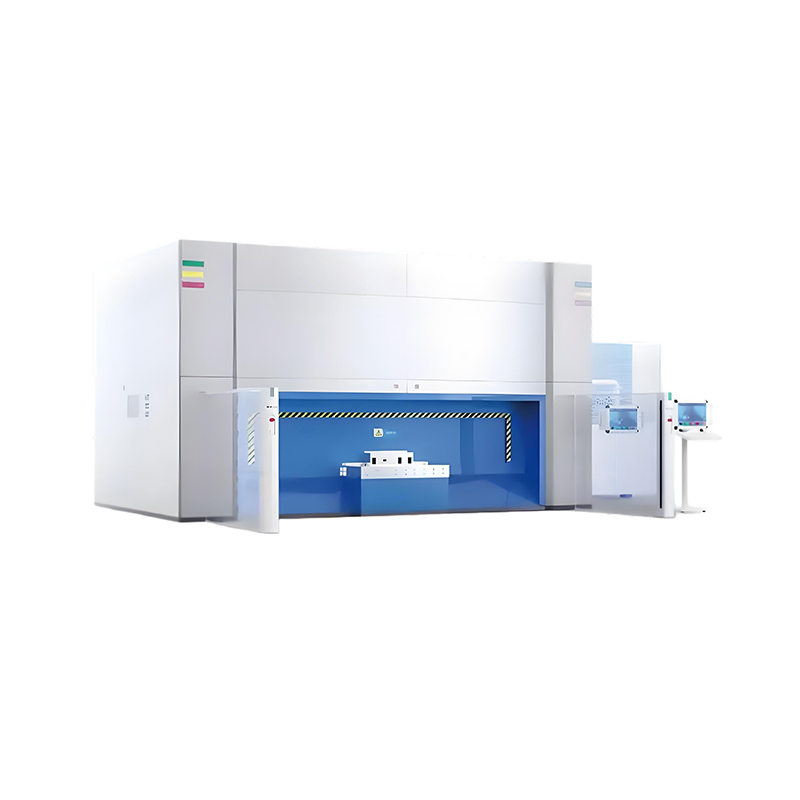
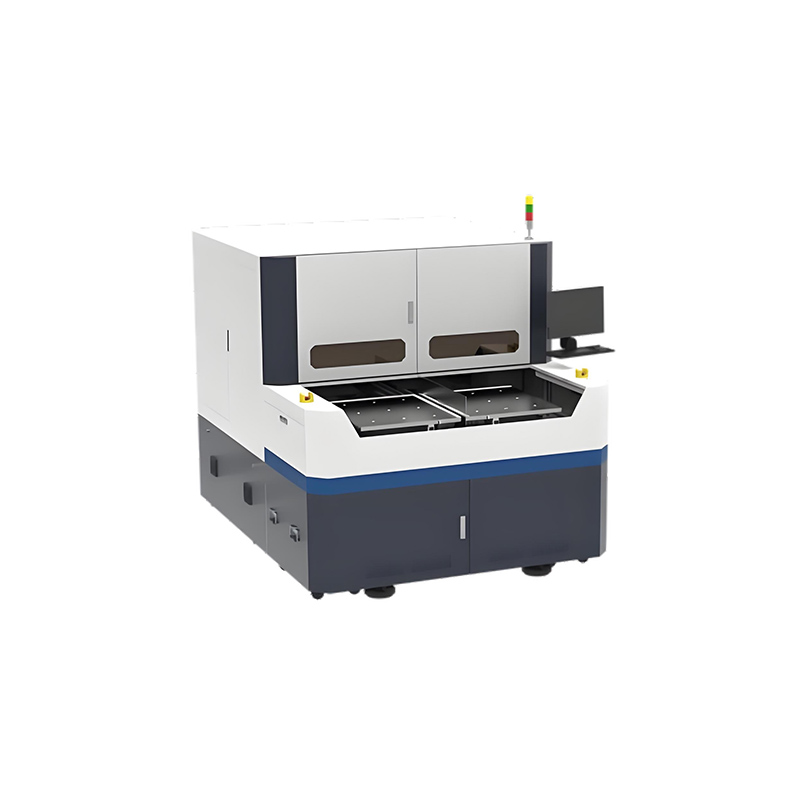
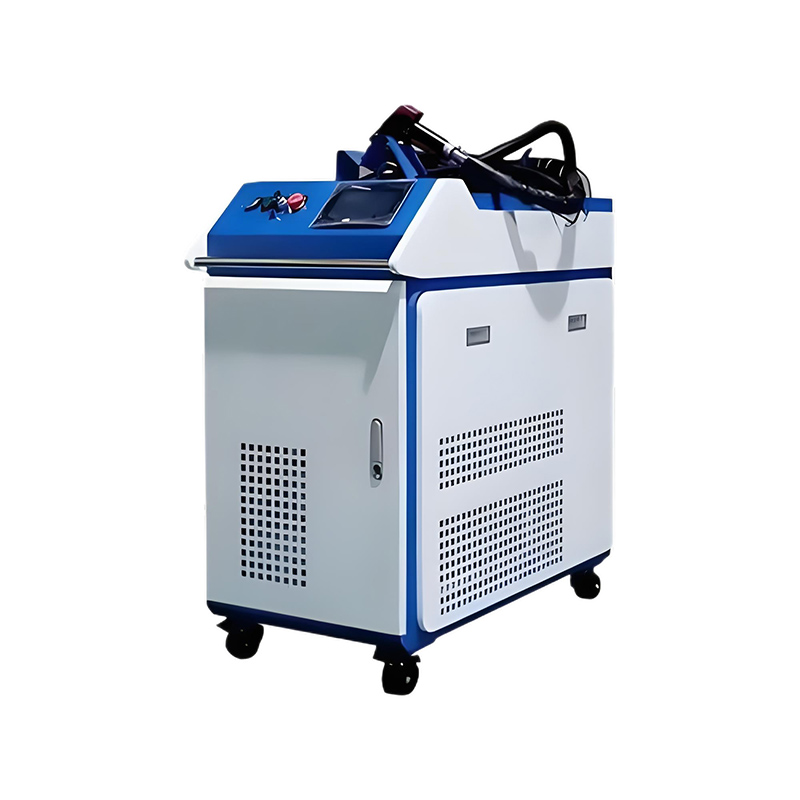
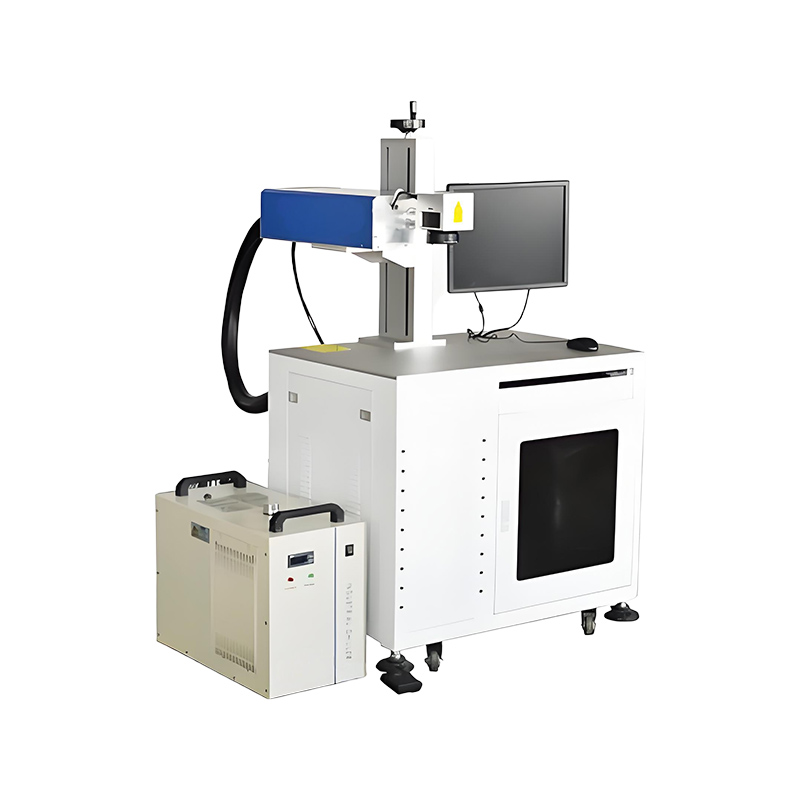
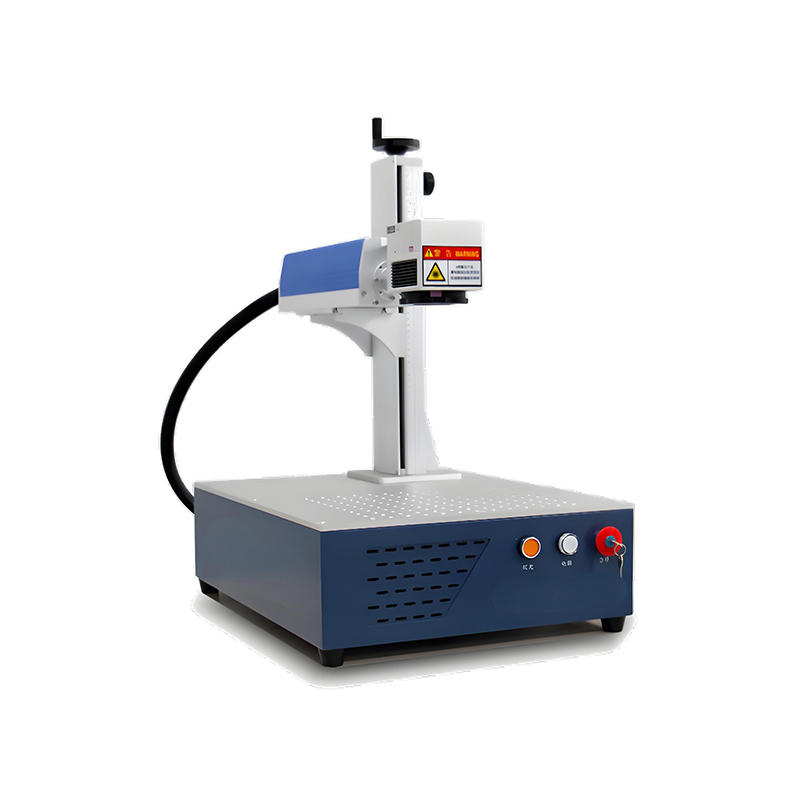
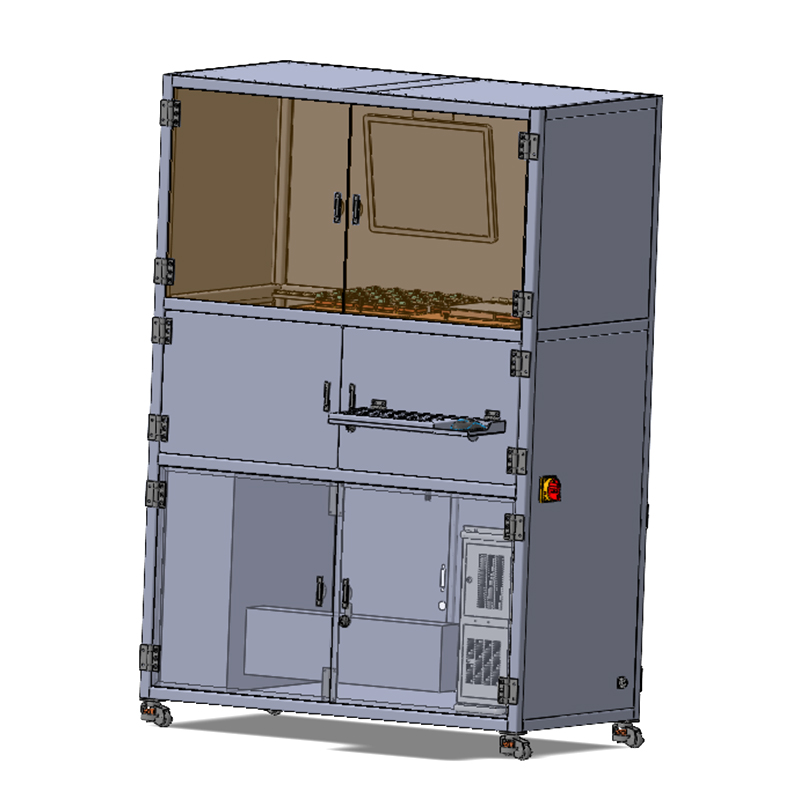
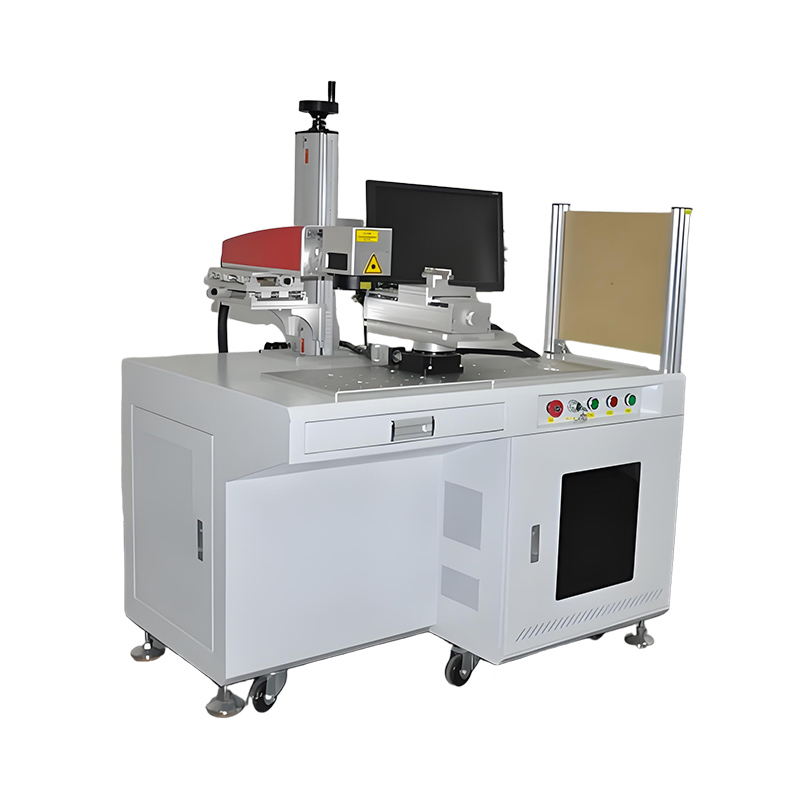
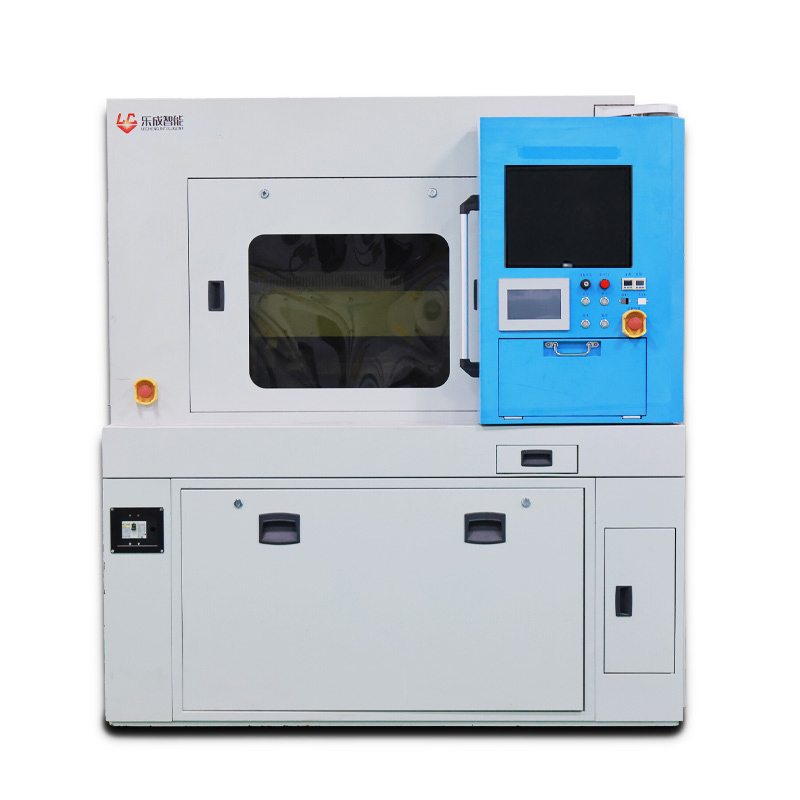
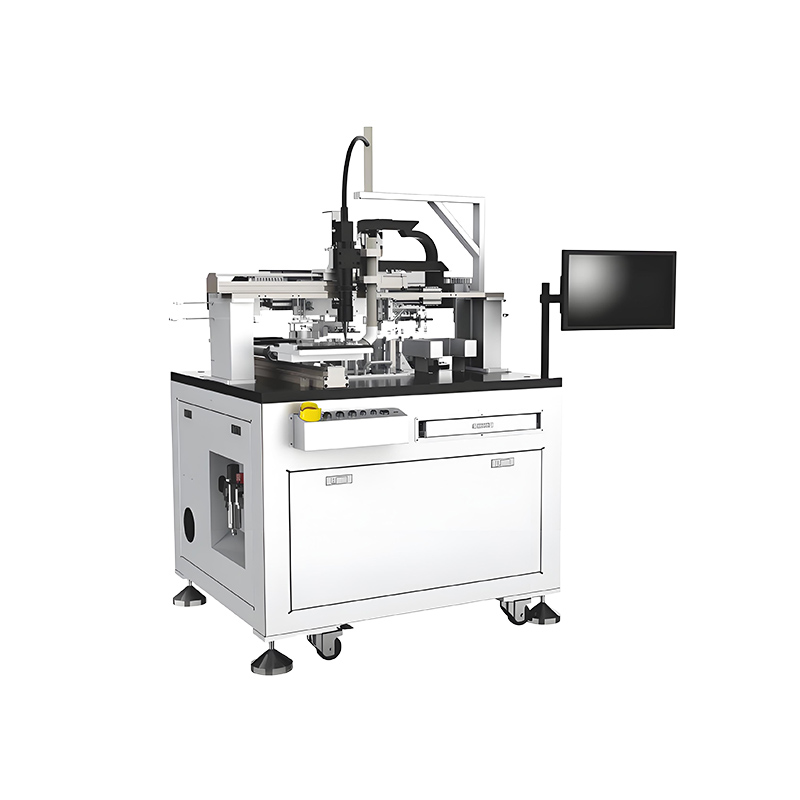
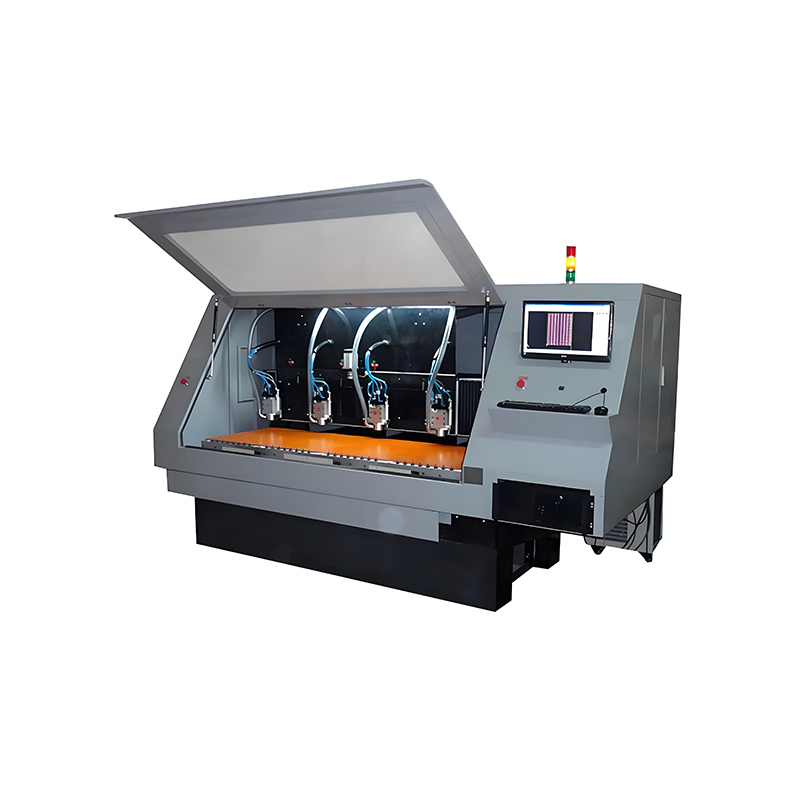
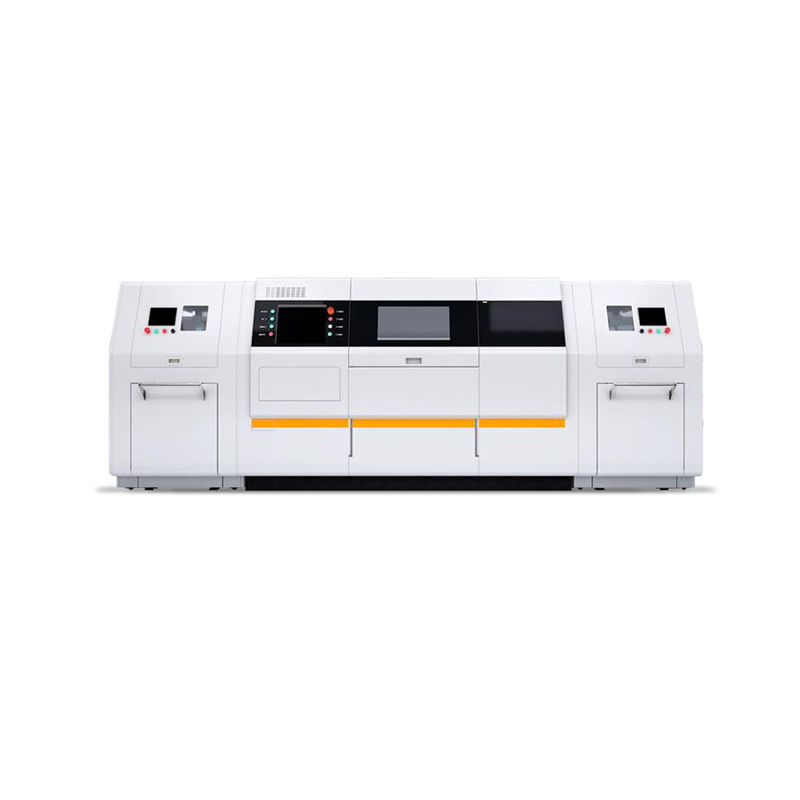
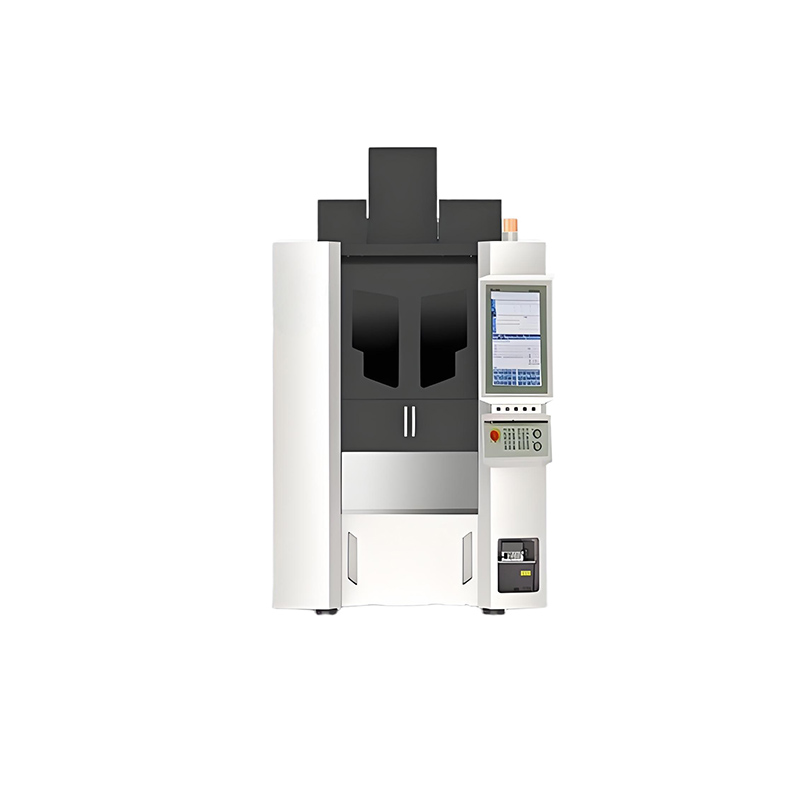
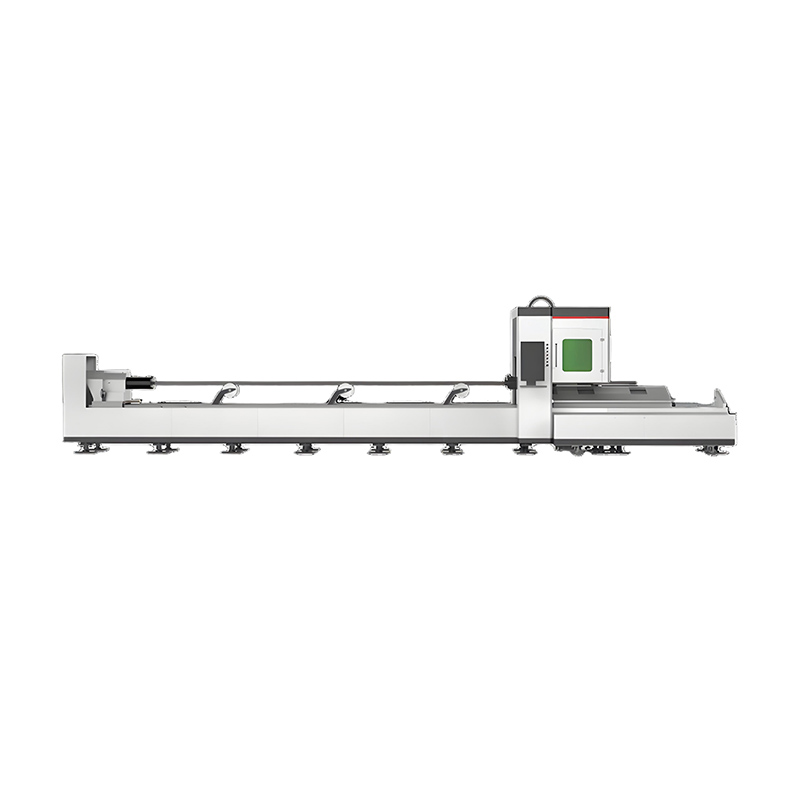
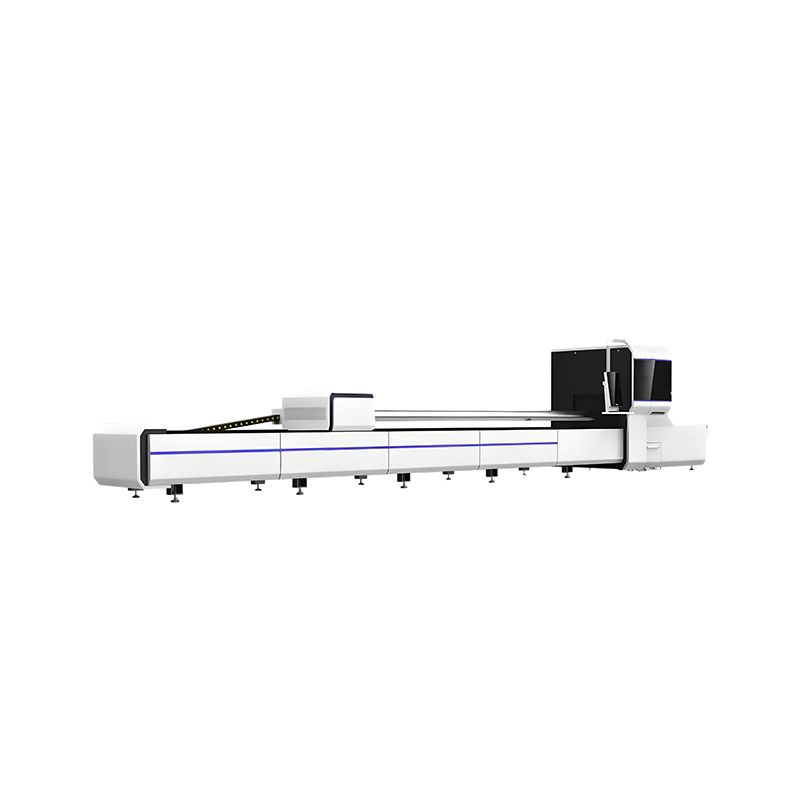
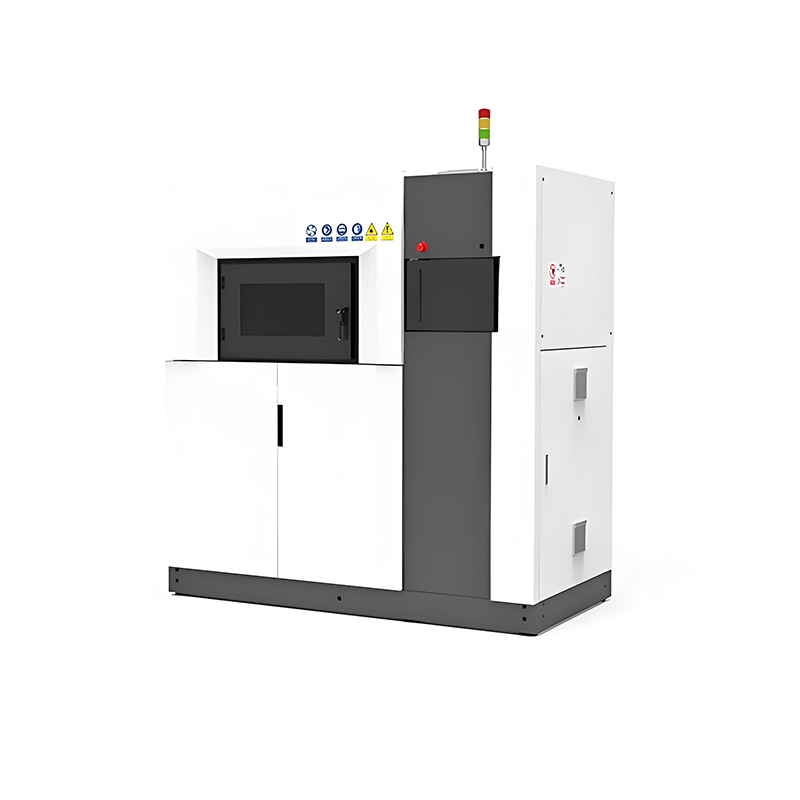
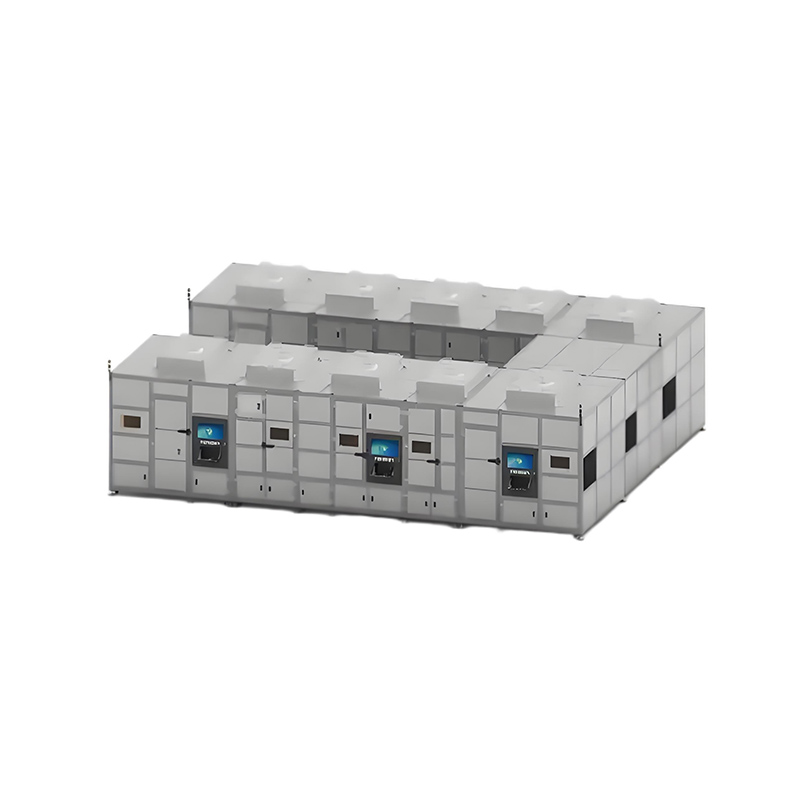
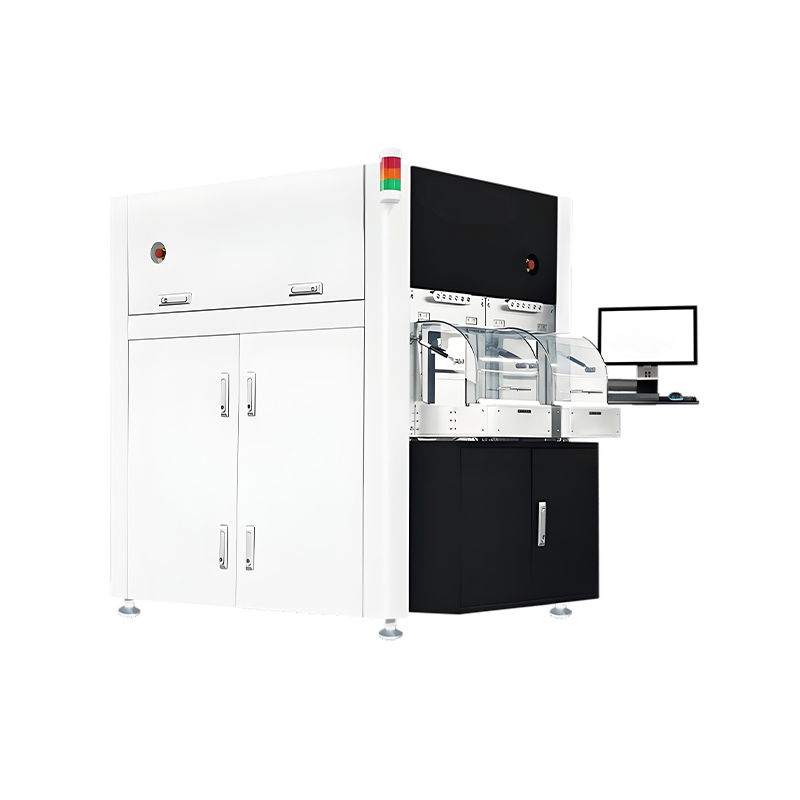
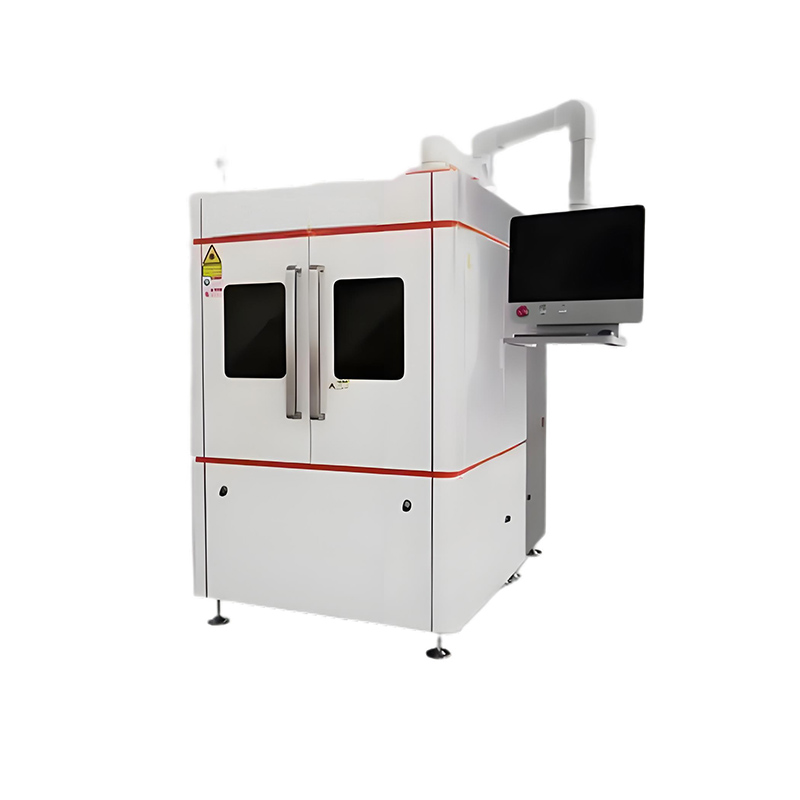
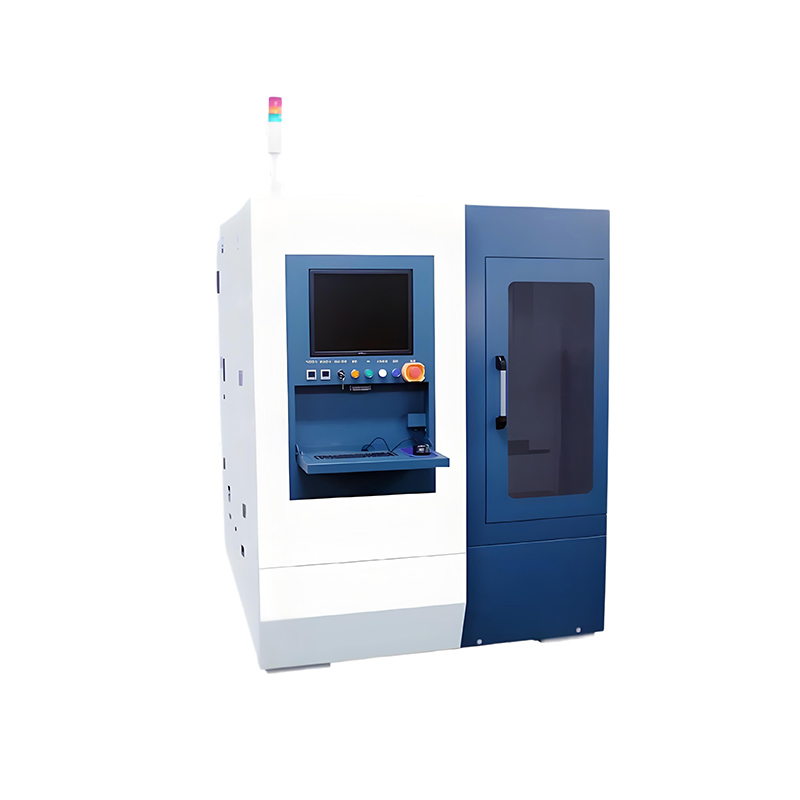
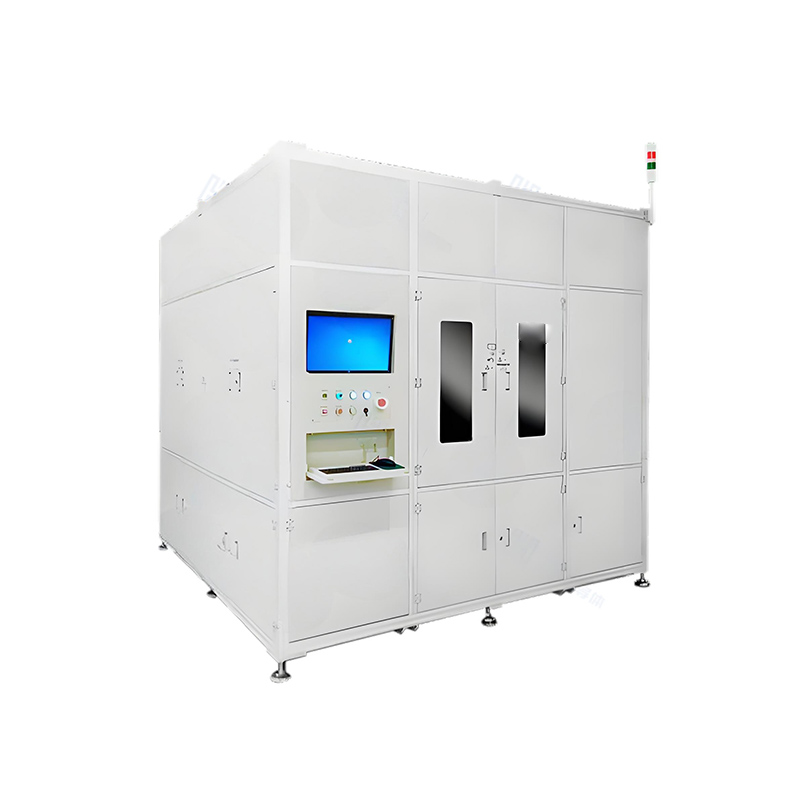
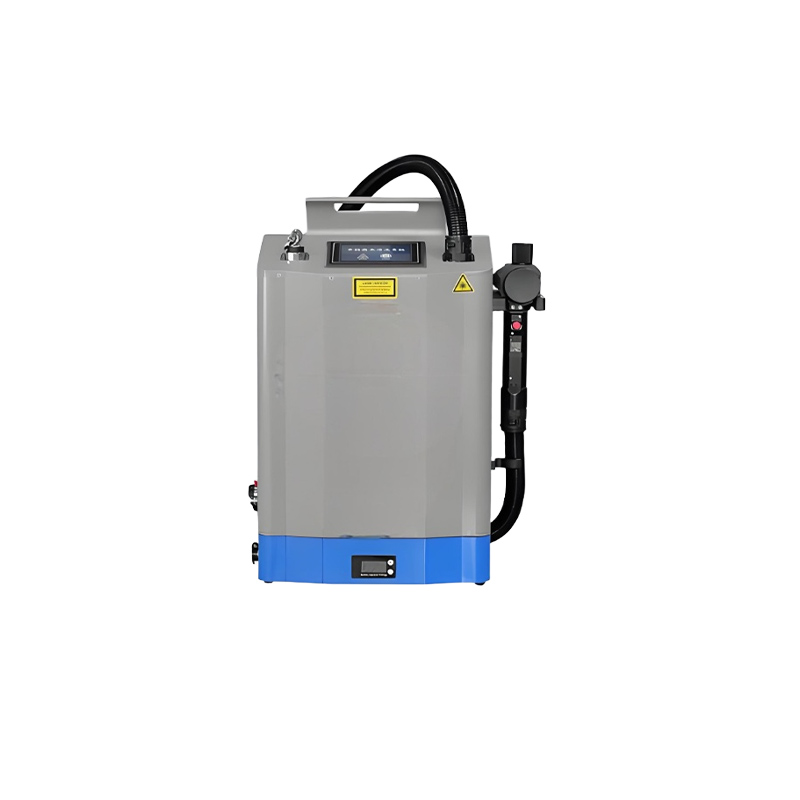
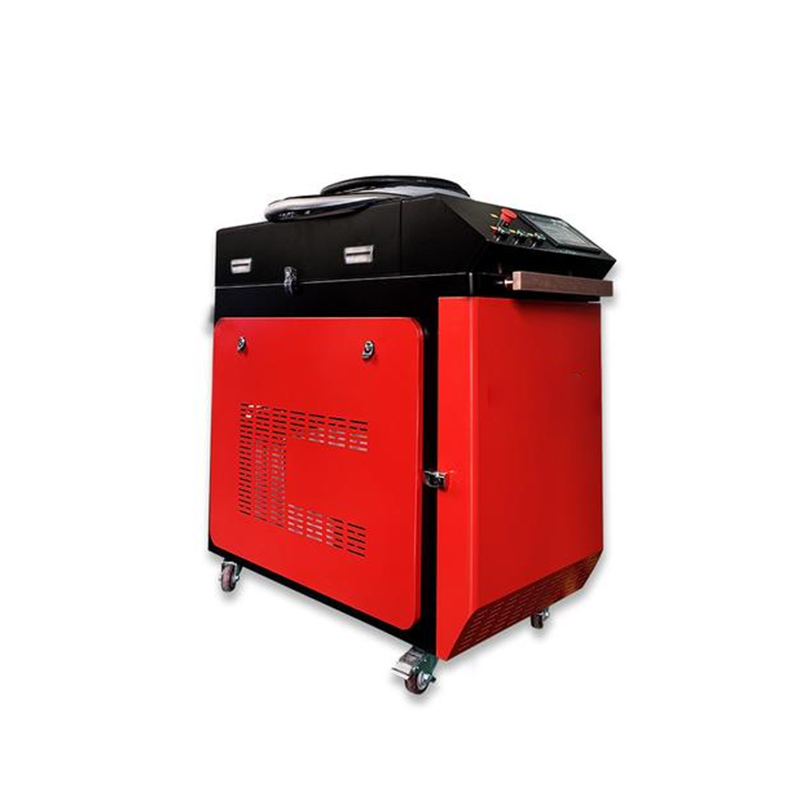
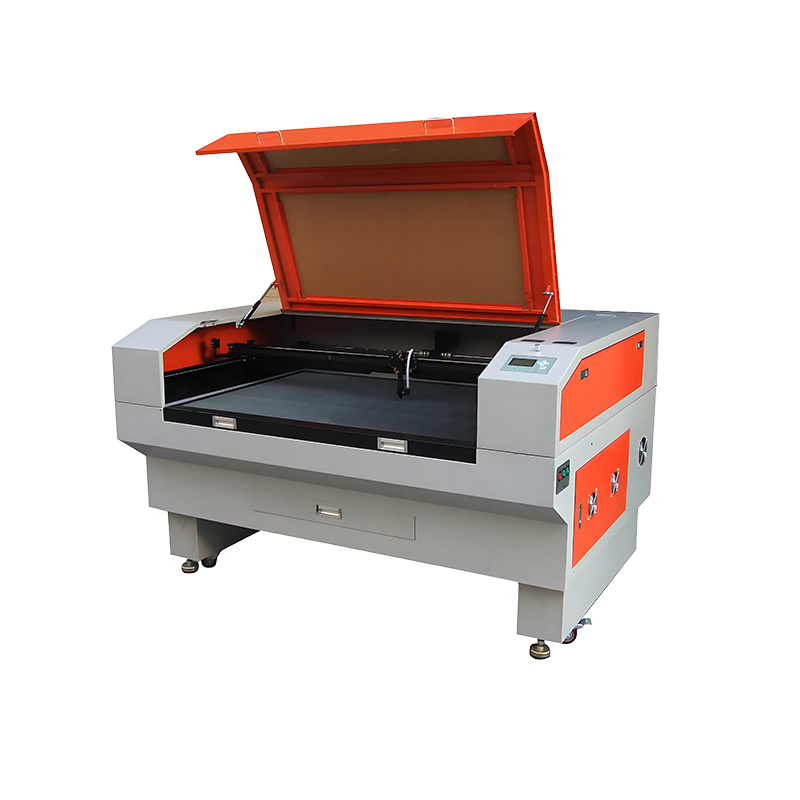
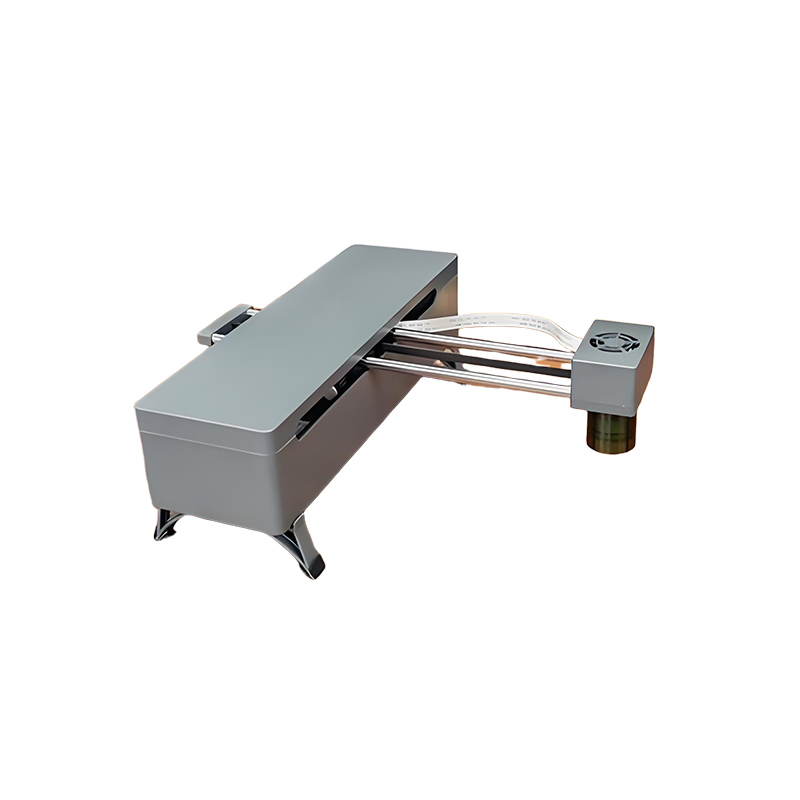
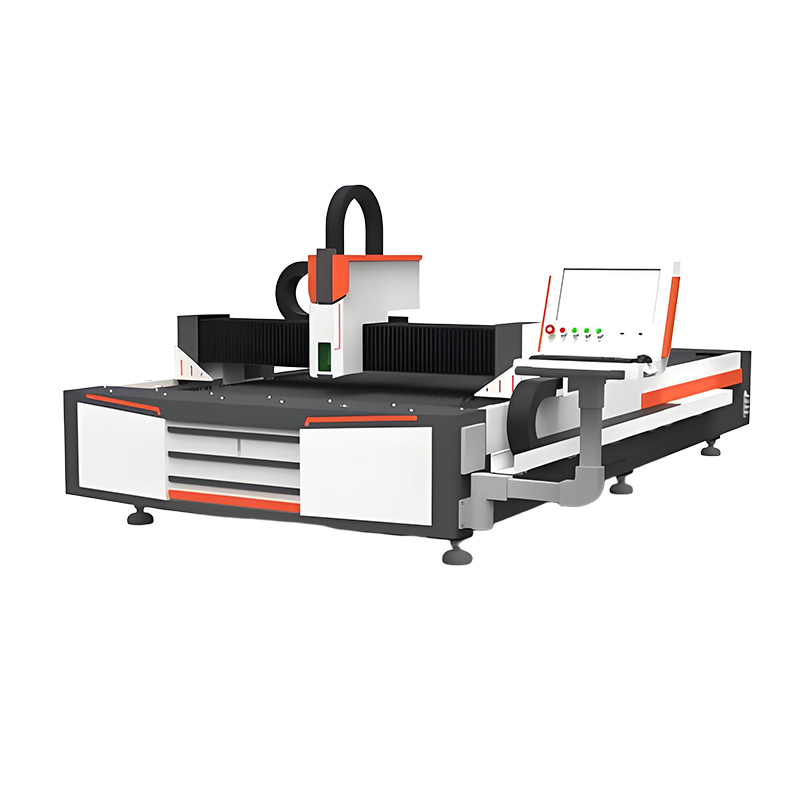
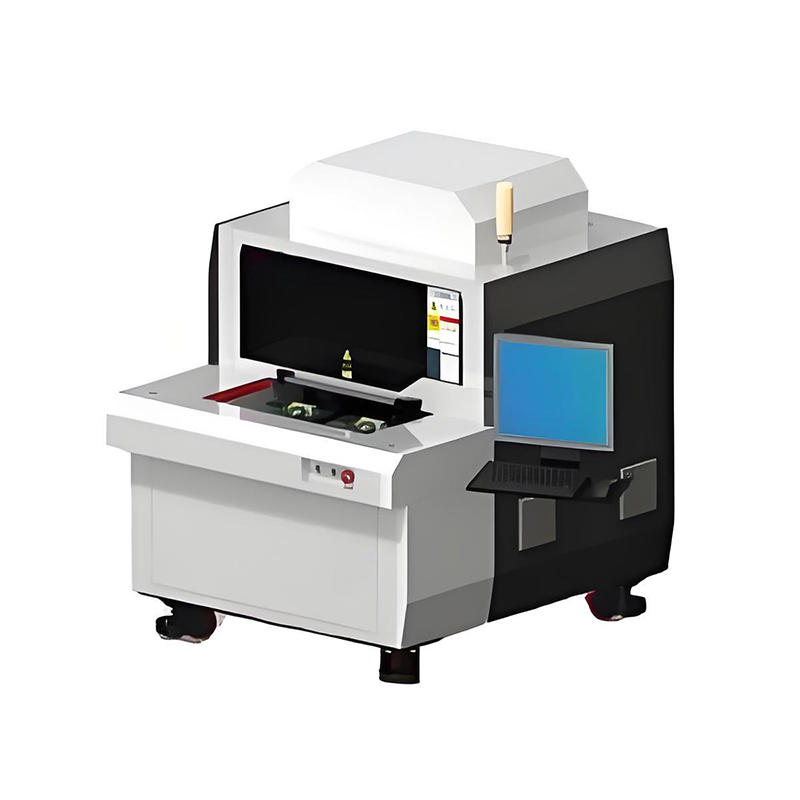
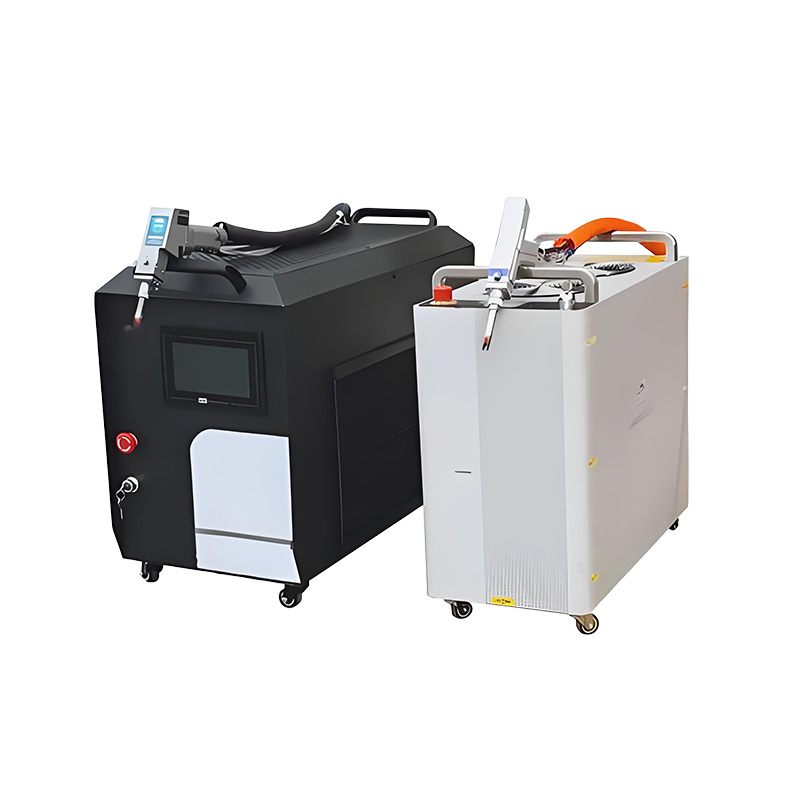
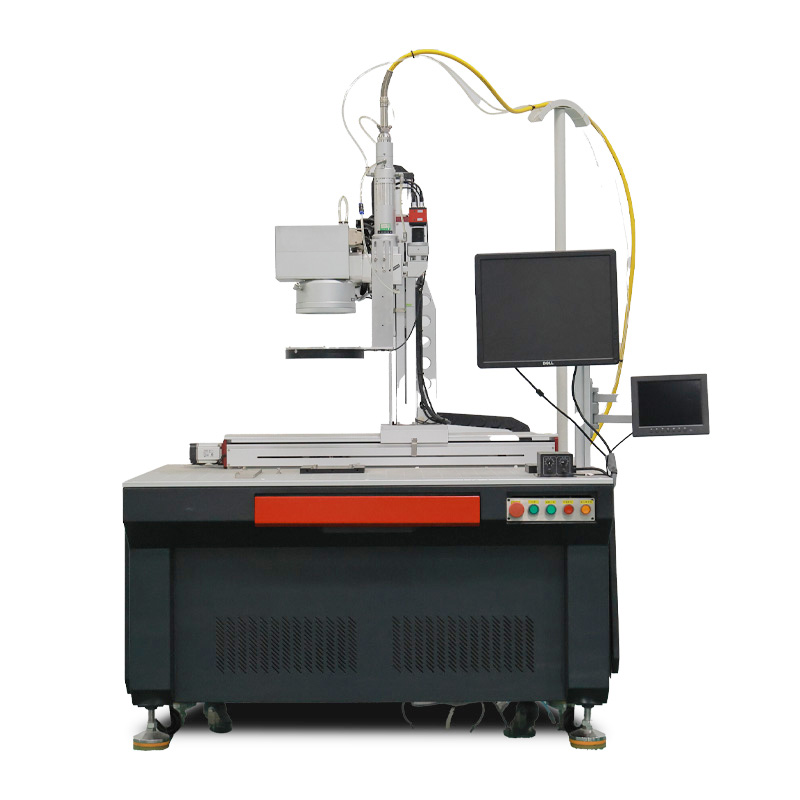
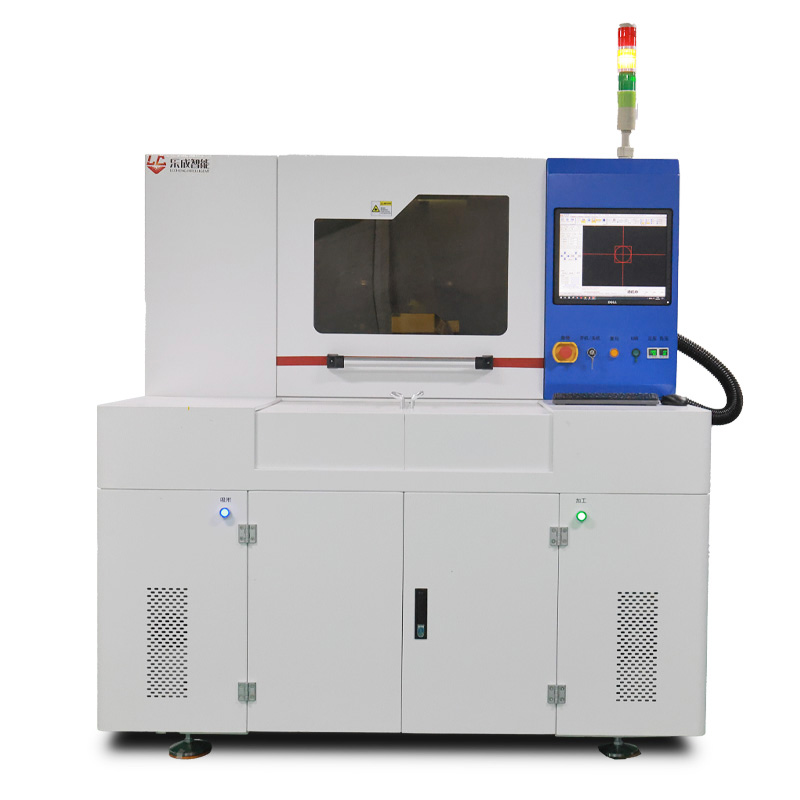
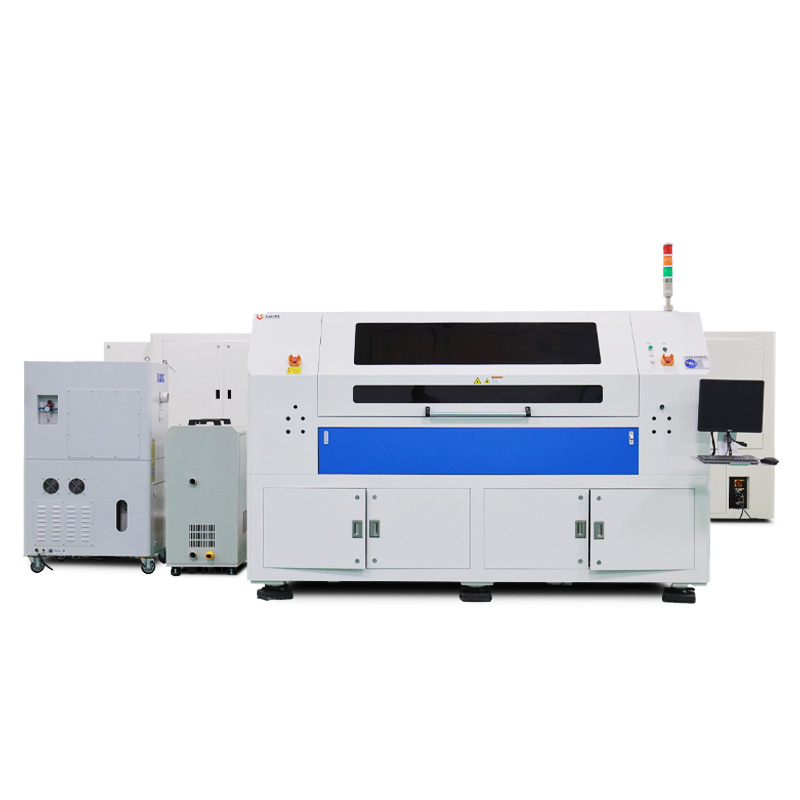
In the architecture of a photovoltaic (PV) module, the border is not merely an edge; it is the critical frontline where long-term durability is either secured or compromised. This perimeter, where the layered internal structure meets the external world, is inherently vulnerable. Following the scribing processes that define the active cell areas, a continuous, conductive film stack—encompassing the transparent conductive oxide (TCO), semiconductor, and electrode layers—inevitably extends to the very edge of the substrate. This unaddressed conductive border presents a dual threat. Electrically, it creates a direct shunt path between the module's front and back contacts, enabling leakage currents that erode fill factor and power output. Mechanically, it provides a weak interface for lamination and edge sealing materials. Laser edge isolation equipment exists specifically to eliminate this vulnerability. Its singular purpose is to create a precisely defined, clean, and non-conductive border by completely removing all conductive and semiconductive materials from the module's perimeter, typically in a 0.5mm to 2mm wide zone. This process, also referred to as P4 or edge deletion, is the essential final act that isolates the sensitive electrical network within, thereby establishing a robust foundation for encapsulation and defining the module's ultimate barrier against environmental and electrical degradation. Companies like Lecheng provide the precision tools that make this defining border possible.
The Science of a Perfect Border
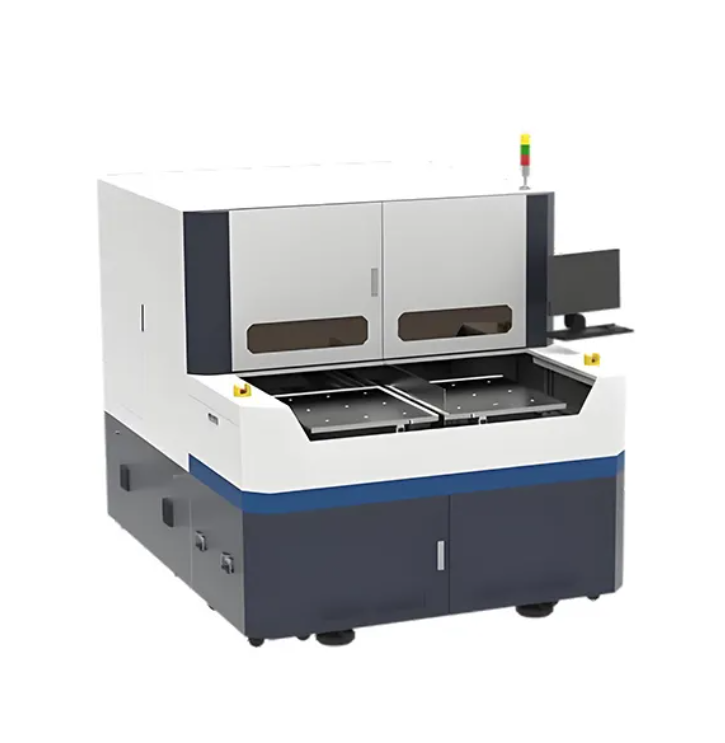
Achieving a border that ensures reliability is a feat of precision engineering, not a simple mechanical cut. The challenge for laser edge isolation equipment is threefold: completeness, cleanliness, and minimal collateral damage. The laser must ablate multiple, dissimilar thin-film layers with different optical and thermal properties—such as TCOs, perovskites or silicon, and metals—in a single, controlled pass. Any microscopic residue, or "whisker," of conductive material can bridge the isolation trench, creating a persistent shunt. Simultaneously, the process must impart negligible thermal stress to the underlying glass substrate; excessive heat can create micro-fractures that propagate over time or compromise the glass-encapsulant adhesion. Furthermore, the resulting edge profile must be smooth and vertical, without molten debris or a heat-affected zone that could peel or delaminate. Advanced systems address this by employing short-pulse (nanosecond to picosecond) lasers, which remove material through precise ablation rather than melting, ensuring a "cold process." This is combined with high-speed beam steering and real-time monitoring to maintain consistent focus and power density across the entire perimeter. The outcome is a clean, trench-free border with strong adhesive properties. This pristine, electrically isolated zone is the only substrate upon which edge sealants and encapsulants can form a durable, hermetic bond, blocking the ingress of moisture, oxygen, and corrosive agents for the module's operational lifetime.
From Process Step to Performance Guarantee
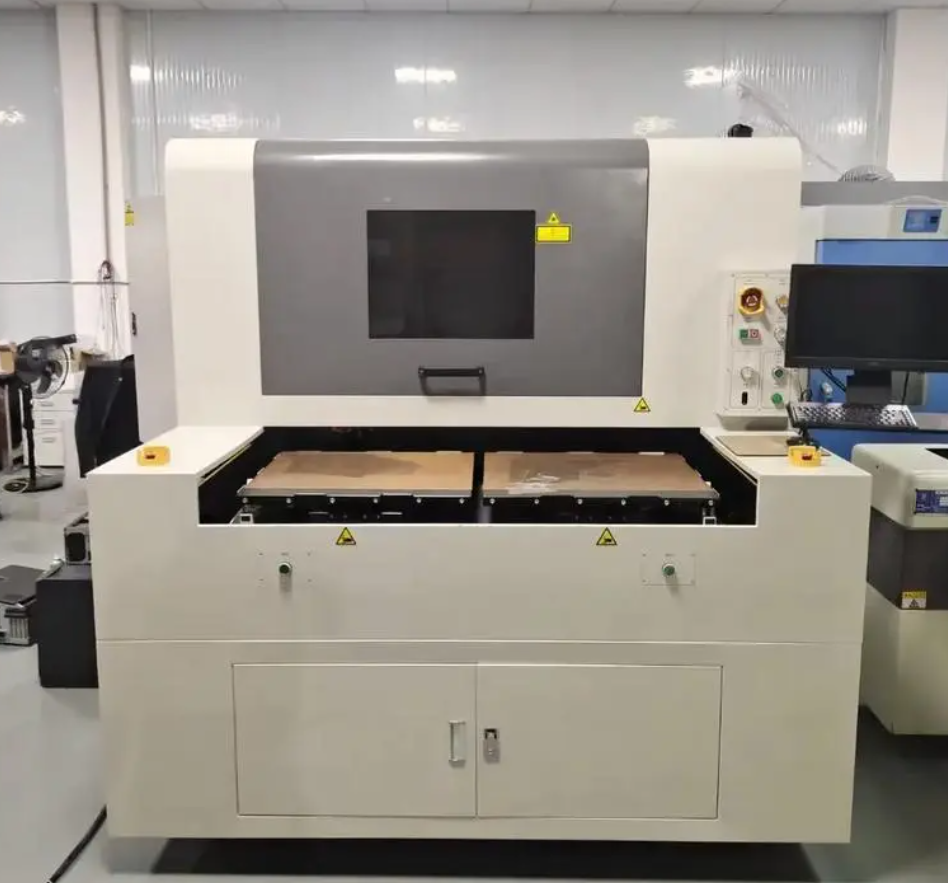
The true value of laser edge isolation transcends the immediate post-process inspection; it is realized over decades of field operation. A meticulously created clean border directly combats the primary failure mechanisms in module reliability. Firstly, it eliminates the electrochemical driving force for potential-induced degradation (PID). By removing all conductive paths to the edge, it prevents sodium ion migration and the formation of damaging shunt paths under high system voltage stress. Secondly, it establishes a pristine surface for ethylene-vinyl acetate (EVA) or polyolefin elastomer (POE) encapsulants to adhere to, ensuring a void-free seal that prevents moisture ingress and the subsequent corrosion of metallic grids and contacts. In accelerated aging tests like damp heat (85°C/85% RH) and thermal cycling, modules with laser-isolated edges consistently demonstrate superior performance retention. The border becomes a non-conductive, hermetically sealed fortress wall. Therefore, integrating high-precision edge isolation equipment like Lecheng's systems is a strategic investment in product bankability. It transforms the module's perimeter from its greatest liability into its strongest asset, directly enabling the extended warranties and long-term performance guarantees demanded by the solar industry. It is the final, critical procedure that converts a layered assembly into a weatherproof, durable, and financially viable power-generating asset.
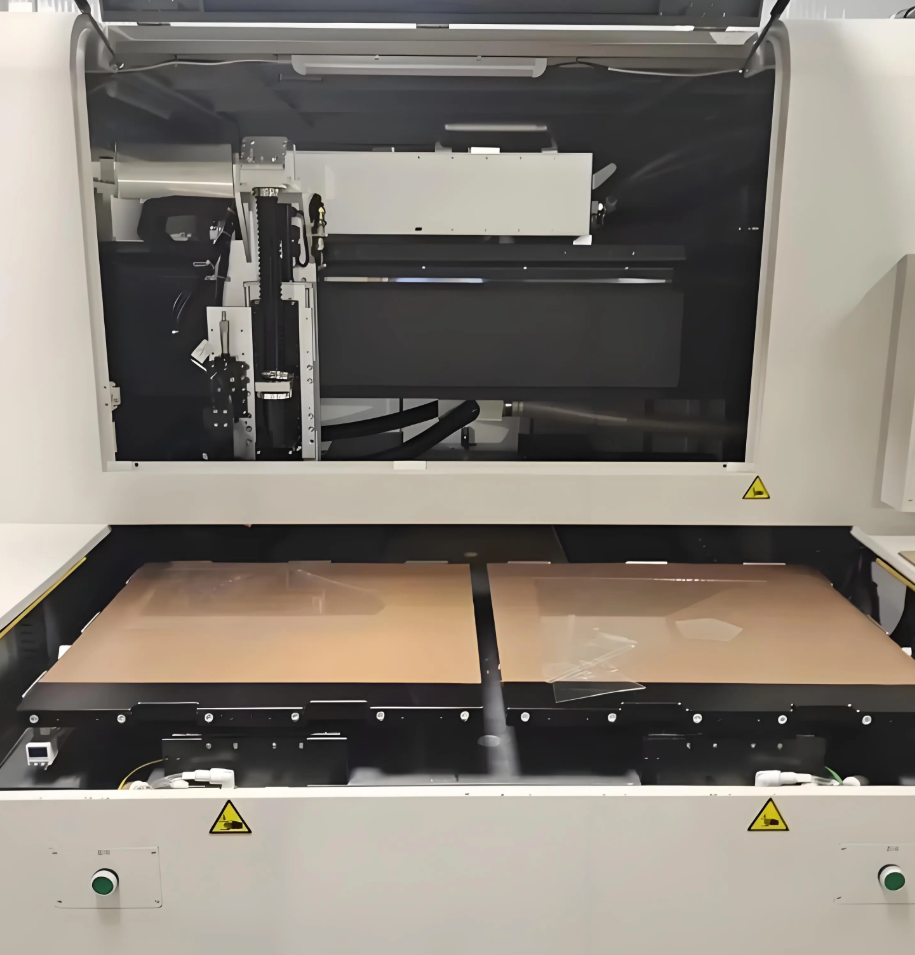
Laser edge isolation is the definitive safeguard in PV module manufacturing. It is the process that seals the module's electrical integrity and fortifies its physical defenses. By utilizing advanced equipment to create a perfectly clean, non-conductive border, manufacturers decisively eliminate edge shunts, prevent PID, and ensure a hermetic seal against environmental stressors. This step is not an afterthought; it is a foundational requirement for achieving the 25-to-30-year operational lifetimes that define modern solar technology. Investing in precision edge isolation equipment, therefore, is an investment in the core reliability, longevity, and bankability of the final PV product, ensuring that the power produced at day one endures for decades to come.