Products

Featured products

Contact us

News

  • The Importance of Laser Marking in Electronics Component Traceability
    2026
    03-15
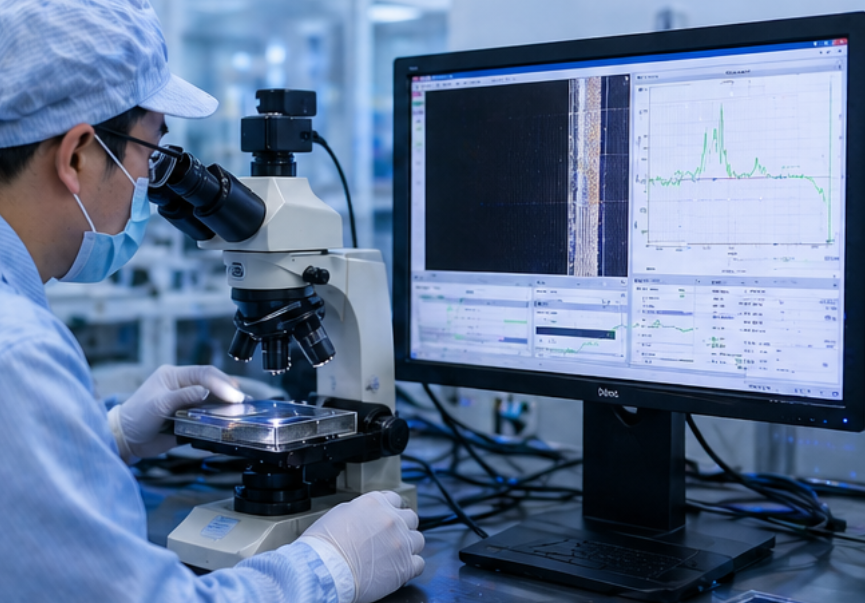
    In the digital age, an electronic component without a traceable identity is a liability. Laser marking has evolved from a simple branding technique to the indispensable, technological backbone of global electronics traceability. It provides the permanent, precise, and data-rich identity that modern manufacturing and logistics demand. By enabling flawless tracking from silicon wafer to end product, it empowers manufacturers to ensure quality, guarantee authenticity, comply with regulations, and build a more resilient and transparent supply chain. In essence, laser marking is the silent guarantor of trust in every device we use.
  • Ultimate Guide to Laser Scribing Equipment for Thin-Film Solar Cells
    2026
    03-14
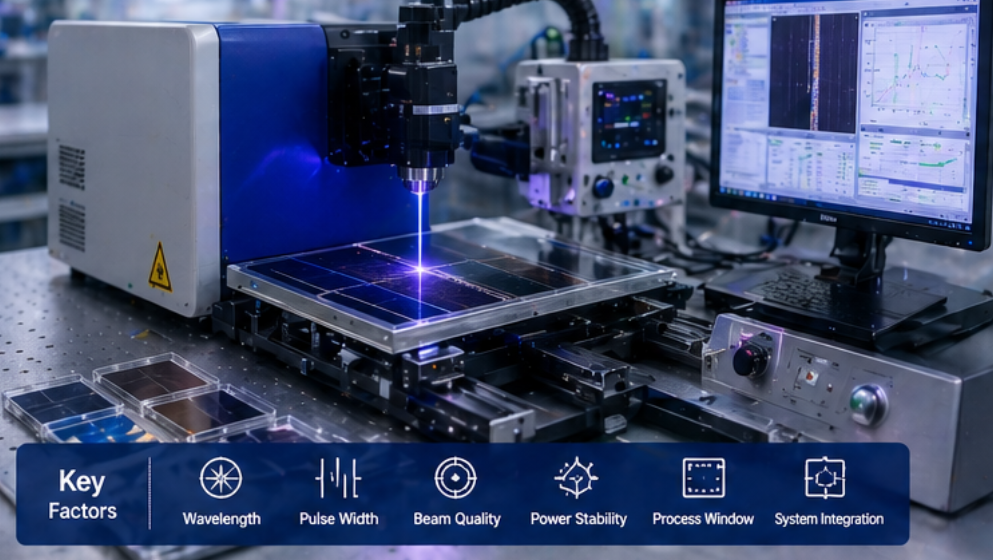
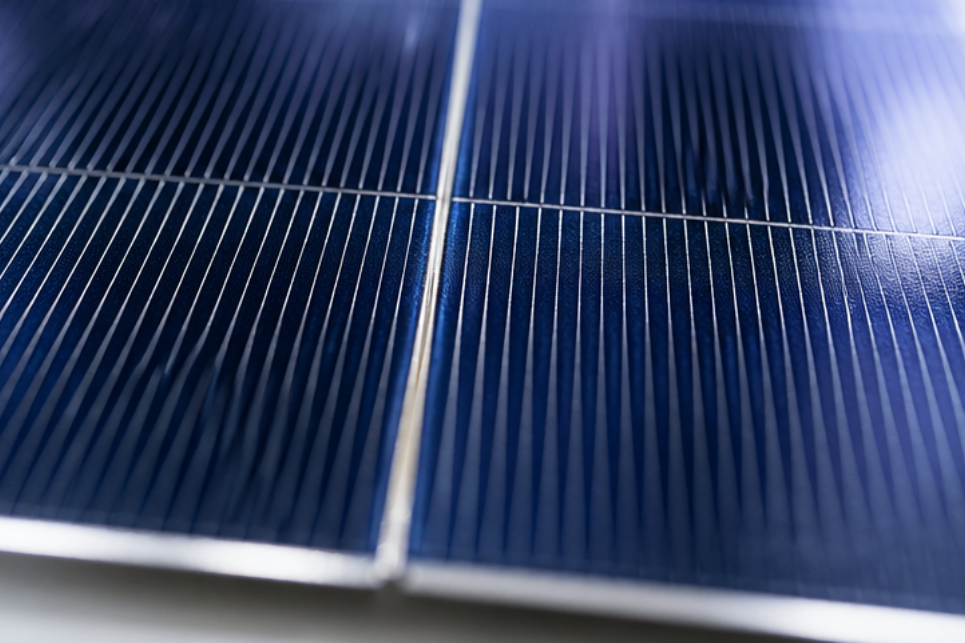
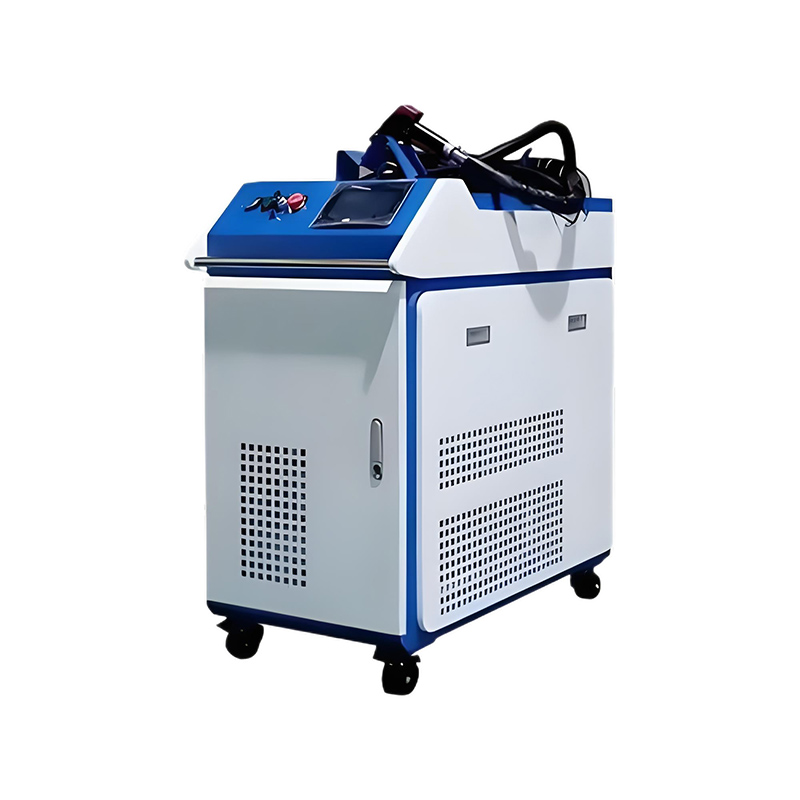
    Laser scribing equipment is the precision scalpel that defines the electrical heart of a thin-film solar module. Its performance dictates efficiency, yield, and ultimately, commercial viability. By understanding the critical role of each component—from the laser source to the vision system—and selecting a technology partner that offers not just hardware but deep process knowledge and integrated solutions, manufacturers can equip themselves to build thinner, faster, and more efficient solar cells, paving the way for the next generation of photovoltaic technology.
  • Advanced P4 Cleaning for Perovskite Module Performance
    2026
    03-13
    In the race to commercialize durable and efficient perovskite solar modules, the significance of a flawless finish cannot be overstated. Lecheng Intelligent's advanced P4 laser edge cleaning technology represents this critical final touch. By delivering precision, minimal thermal damage, and seamless line integration, it transforms the module edge from a potential liability into a guarantor of performance and longevity. Investing in such sophisticated P4 processing is not an extra cost but a fundamental strategy to protect the value of the entire perovskite cell and secure a competitive edge in the high-stakes photovoltaic market.
  • Demystifying Beam Splitting Technologies in Perovskite Photovoltaic Laser Processing
    2026
    03-12
    In essence, beam splitting technology is far more than a simple speed booster; it is the precision orchestrator of light that makes high-volume, high-yield perovskite photovoltaic manufacturing viable. By transforming a single laser source into a synchronized array of precision tools, companies like Lecheng are directly addressing the core production challenges of speed, uniformity, and cost. This innovation is critical not only for the current commercialization of perovskite modules but also as a key enabler for the more efficient and complex tandem solar cells that represent the future of solar power.
  • Lecheng's P4 Laser Edge Cleaning Equipment: Beyond Standard Edge Scanning
    2026
    03-11
    Lecheng's P4 Laser Edge Cleaning Equipment represents a paradigm shift in perovskite module finishing. It moves beyond the basic safety function of edge isolation to become an active contributor to module performance, manufacturing yield, and design flexibility. By applying precision laser technology to this final step, Lecheng provides manufacturers with a critical tool not just to make functional modules, but to make them more efficient, reliable, and adaptable to the future of solar technology.
  • Dissimilar Metal Welding: Overcoming the Challenges of Copper-Aluminum Joints
    2026
    03-10
    Mastering the laser kerf is mastering a fundamental building block of modern precision manufacturing. In the context of perovskite photovoltaics, achieving a consistent 0.01–0.05mm kerf is synonymous with achieving high efficiency, reliability, and commercial viability. It represents a convergence of advanced laser physics, precision motion control, and process engineering. For manufacturers, investing in technology that delivers such precision, like that from Lecheng, is not merely about making a cut; it's about carving out a competitive edge in the future of solar energy.
  • CO2 Laser Engravers for Non-Metals: Wood, Acrylic, Leather, and Plastics
    2026
    03-09
    The CO2 laser engraver is far more than a simple marking tool. It is a versatile digital fabrication platform that excels in transforming designs into reality across wood, acrylic, leather, and plastics. By mastering the interaction of the 10.6μm wavelength with these materials and offering precise parametric control, companies like Lecheng provide manufacturers and creators with the capability to produce with unparalleled precision, efficiency, and flexibility. From intricate art to functional industrial parts, the CO2 laser continues to be an indispensable engine for innovation in personalized and small-scale manufacturing.
  • Roll-to-Roll (R2R) Laser Scribing System for Flexible Thin-Film Solar Cells
    2026
    03-08
    The Roll-to-Roll laser scribing system is far more than an incremental improvement; it is the pivotal technology that bridges the promise of flexible thin-film solar cells with the realities of mass production. By mastering the complex interplay of high-speed motion control, dynamic laser guidance, and precision processing on delicate films, this technology provides the essential throughput, precision, and scalability needed for commercialization. It transforms flexible PV from a promising lab innovation into a manufacturable commodity, paving the way for solar energy to be integrated into our buildings, vehicles, and devices in ways previously unimaginable.
  • Ensuring Safety with Laser-Marked Medical Devices and Surgical Tools
    2026
    03-07
    Laser marking is a critical, enabling technology for modern medical device safety. It transcends simple part identification to become a foundational pillar of traceability, compliance, and risk mitigation. By delivering permanent, contamination-resistant marks without damaging sensitive instruments, it allows manufacturers to meet the highest regulatory standards. When integrated into automated smart factories, it becomes the linchpin of a data-driven safety ecosystem, ensuring that every surgical tool and medical implant that reaches a patient carries with it a verifiable, permanent record of its identity and journey—a silent yet vital guardian of patient well-being.
  • Ultra-Thin Glass Cutting Solutions
    2026
    03-06
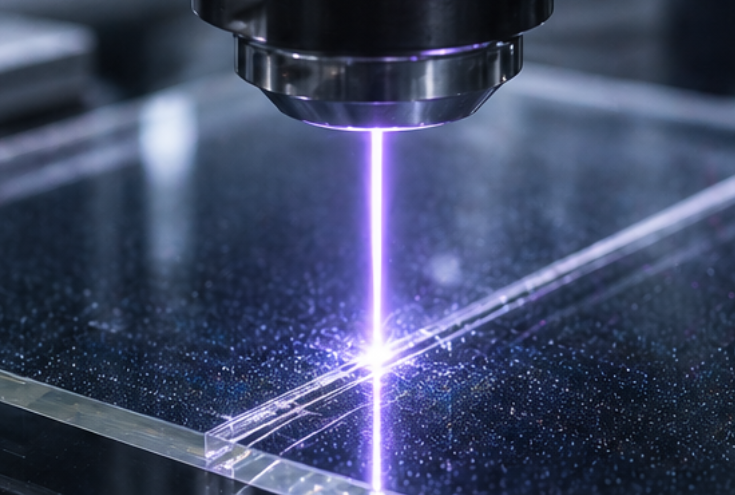
    Ultra-thin glass laser cutting is more than just a niche process; it is an enabling technology that unlocks the design and functional potential of modern electronics. By mastering the interplay of light and thermal stress, it solves the fundamental challenge of separating an extremely brittle material with precision and care. This technology provides the flawless, strong edges necessary for device durability and aesthetics, all while enabling the high-speed, high-yield production that the consumer electronics and automotive industries demand. As devices continue to evolve, the precision and flexibility of laser cutting will remain at the forefront, shaping the very glass that protects and displays our digital world.

40px

80px

80px

80px

Get Quote