


Perovskite Pilot Line Guide
How To Build A Perovskite Solar Cell Pilot Line
Building a perovskite solar cell pilot line is a key step between laboratory research and scalable module manufacturing. Buyers need to plan the process flow, laser scribing equipment, coating system, encapsulation process, testing equipment, automation level and future upgrade path before making an investment.
Get Quote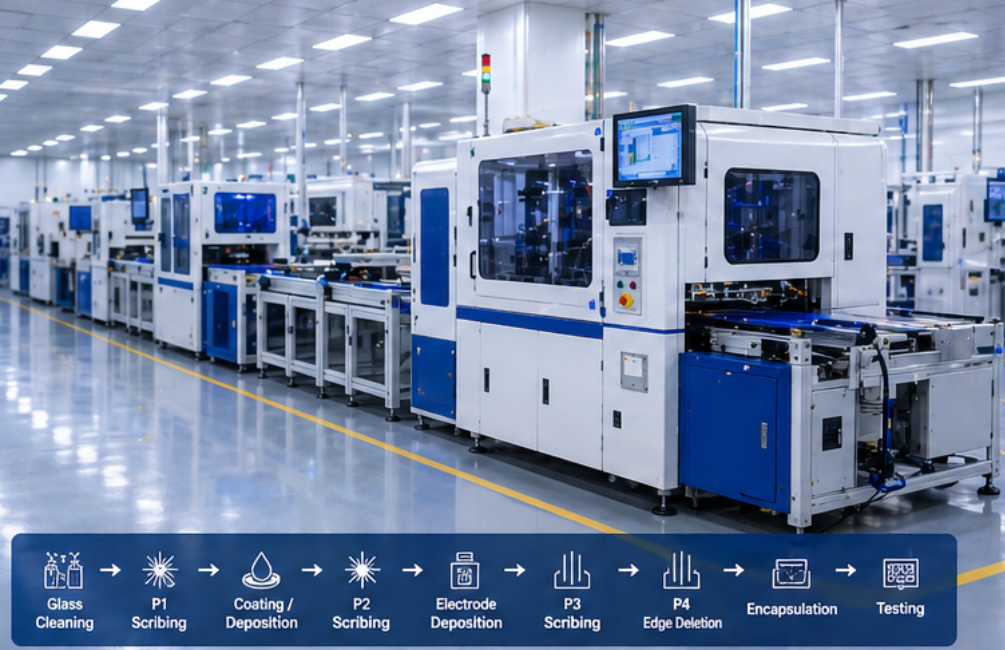
What Is A Perovskite Solar Cell Pilot Line?
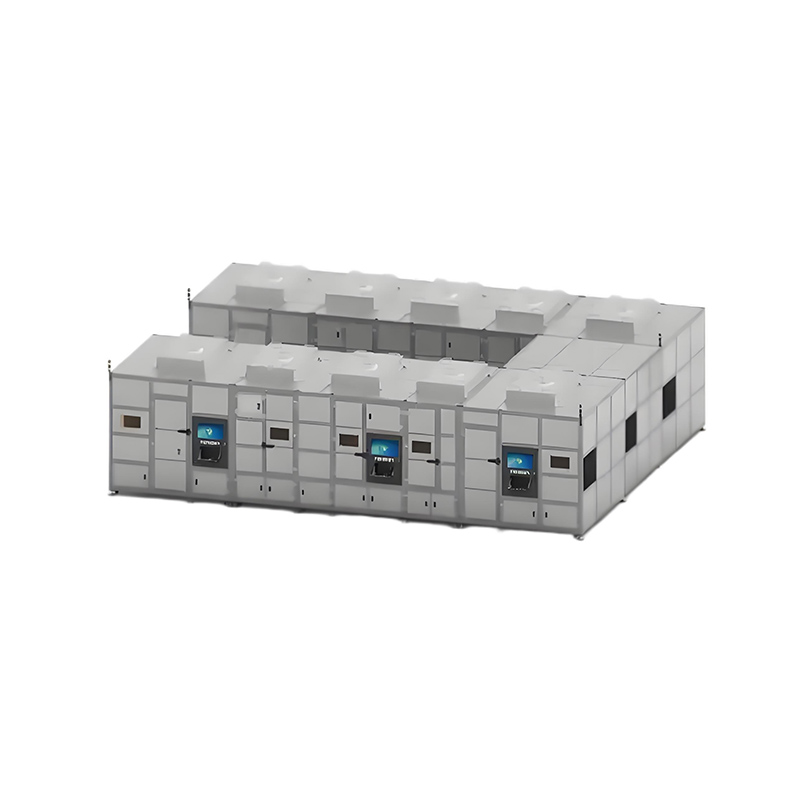
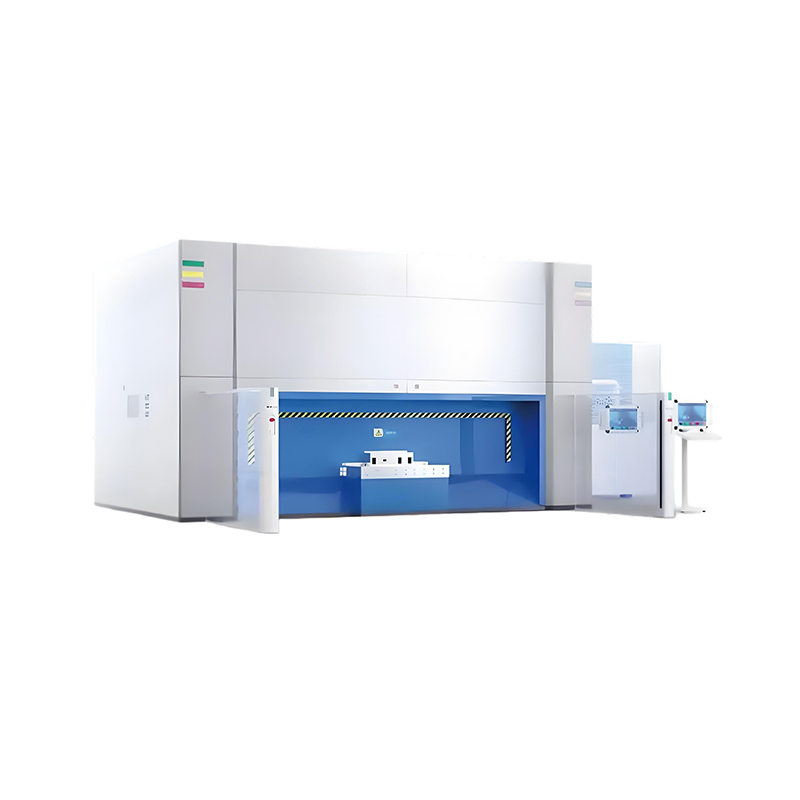
A perovskite solar cell pilot line is a small-to-medium scale production platform used to verify process stability, module design, equipment compatibility and manufacturing repeatability before mass production. It is more advanced than a laboratory setup, but more flexible than a fully automated production line.
The main goal of a pilot line is not only to produce samples, but also to prove whether the process can be transferred from R&D to scalable manufacturing. Therefore, the equipment configuration should balance flexibility, accuracy, automation and data traceability.
Typical Process Flow Of A Perovskite Pilot Line
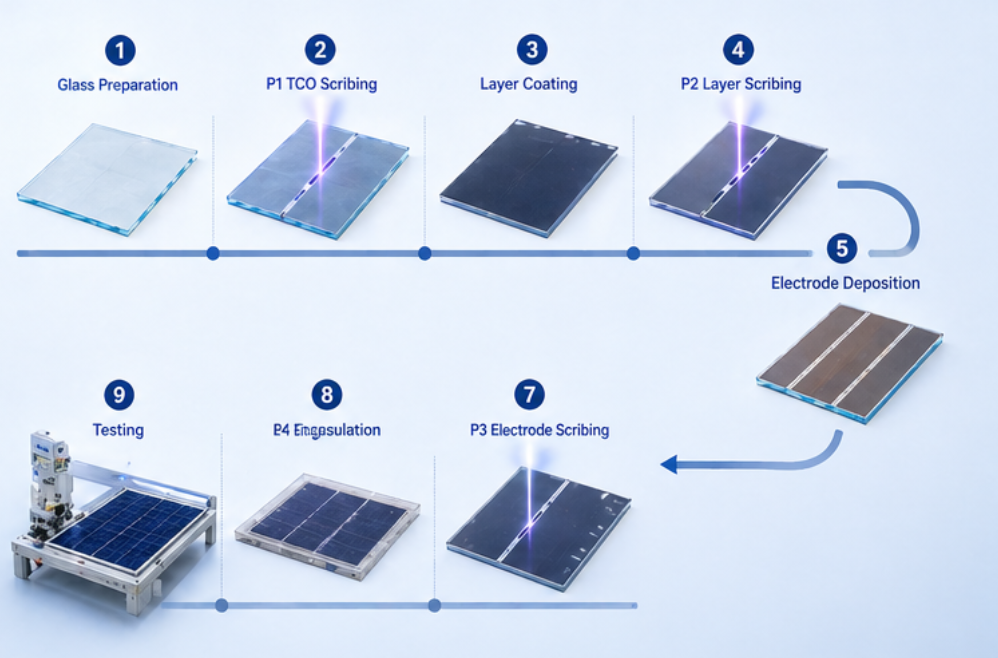
A typical perovskite solar cell pilot line may include glass preparation, TCO patterning, coating or deposition, laser scribing, electrode formation, edge deletion, encapsulation and final testing. The exact configuration depends on the material stack, module size and process route.
Substrate preparation: Cleaning and surface treatment of TCO glass.
P1 laser scribing: Bottom electrode isolation on the TCO layer.
Functional layer coating: Deposition of transport layers and perovskite absorber layer.
P2 laser scribing: Opening interconnection channels.
Back electrode formation: Metal electrode deposition or coating.
P3 laser scribing: Final cell separation.
P4 edge deletion: Edge cleaning for encapsulation reliability.
Encapsulation and testing: Module sealing, IV testing, stability testing and quality inspection.
Core Equipment Needed In A Pilot Line
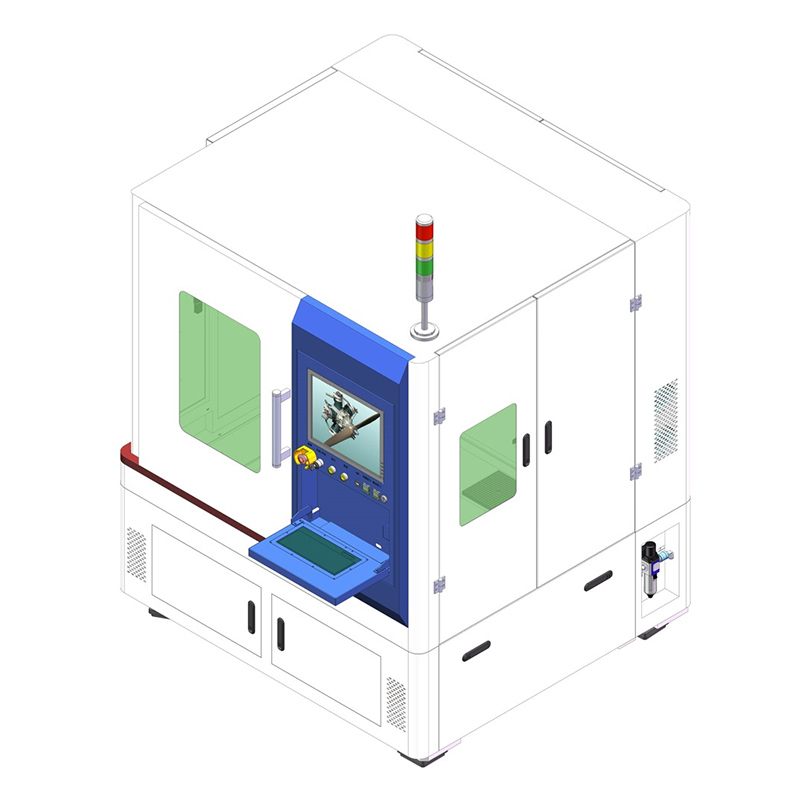
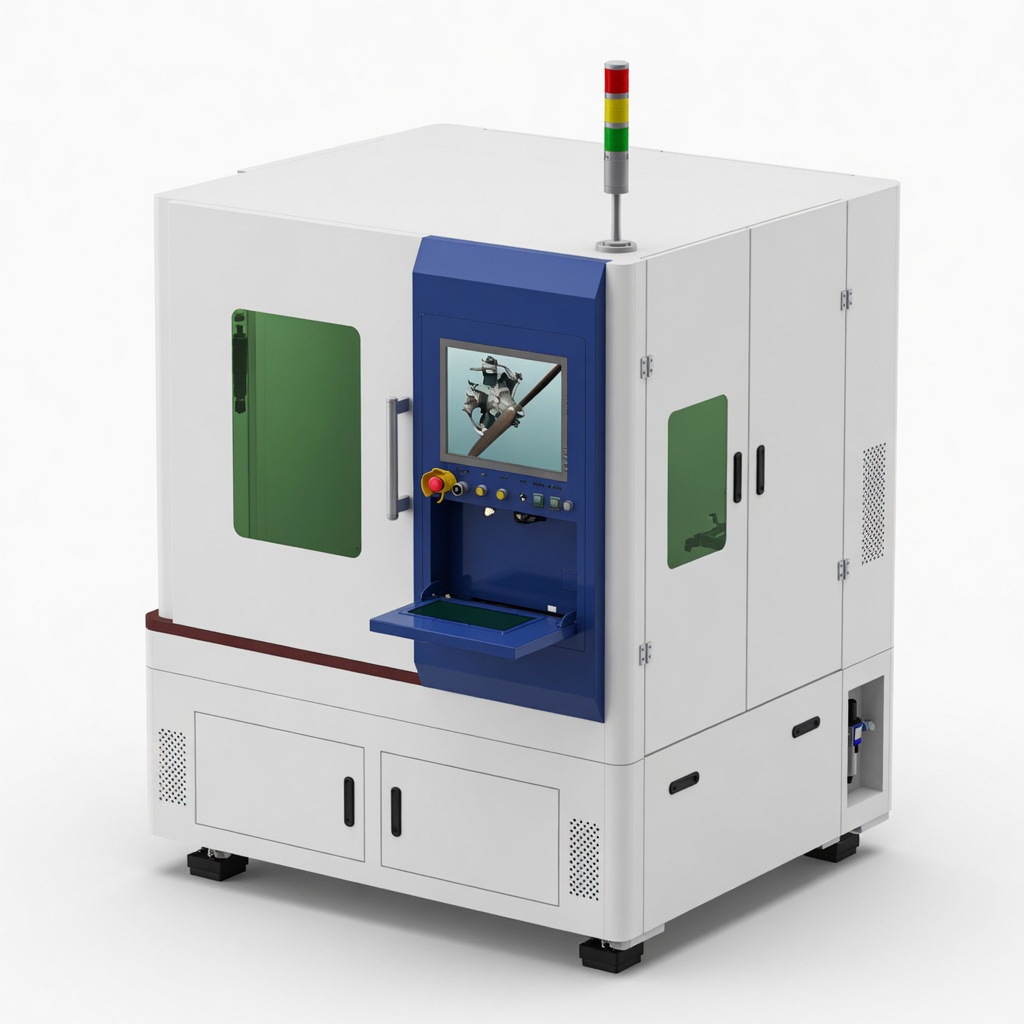
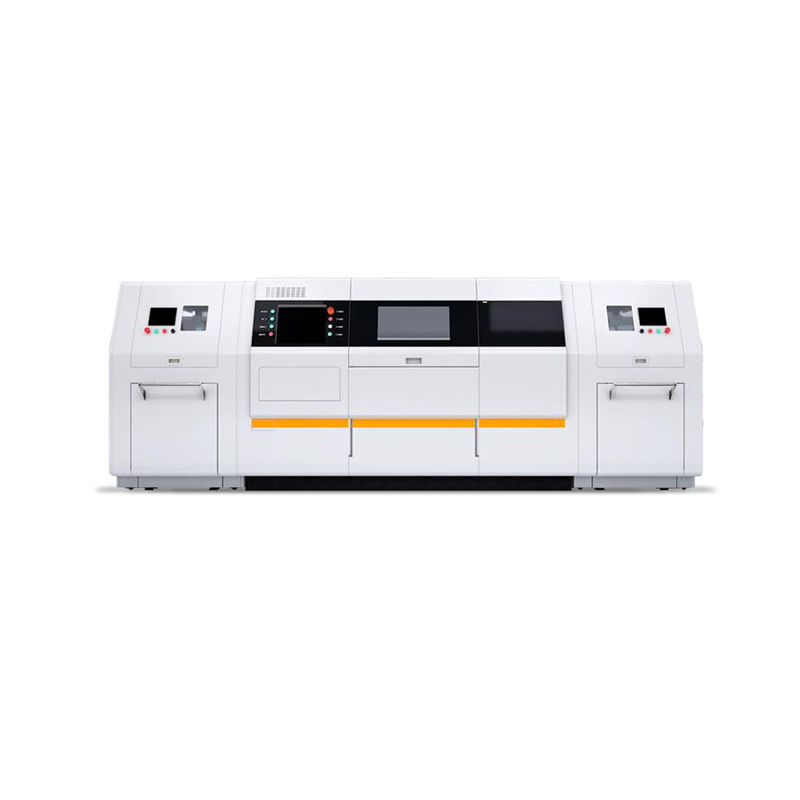
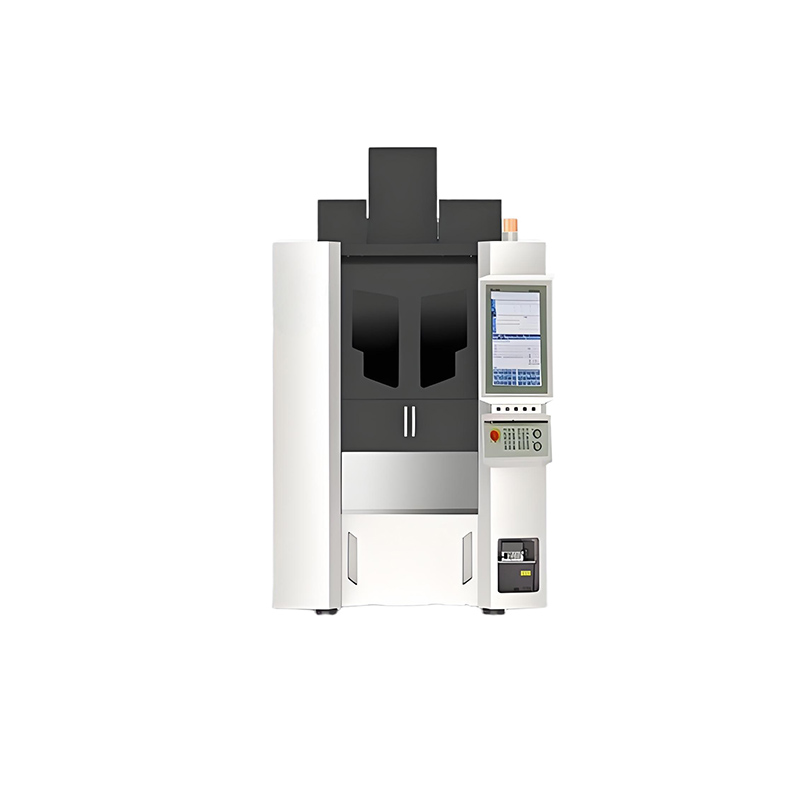
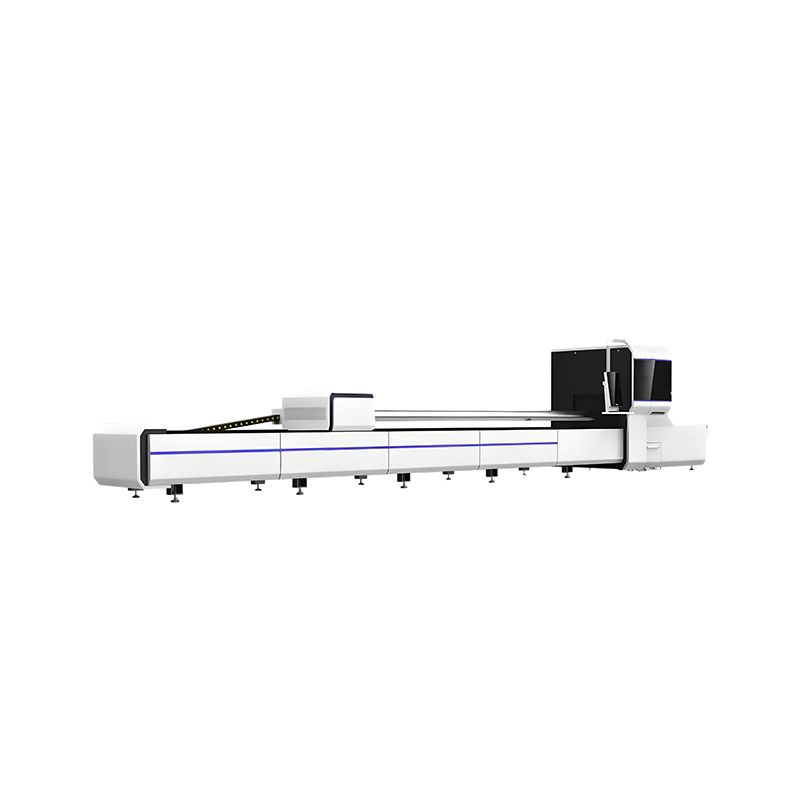
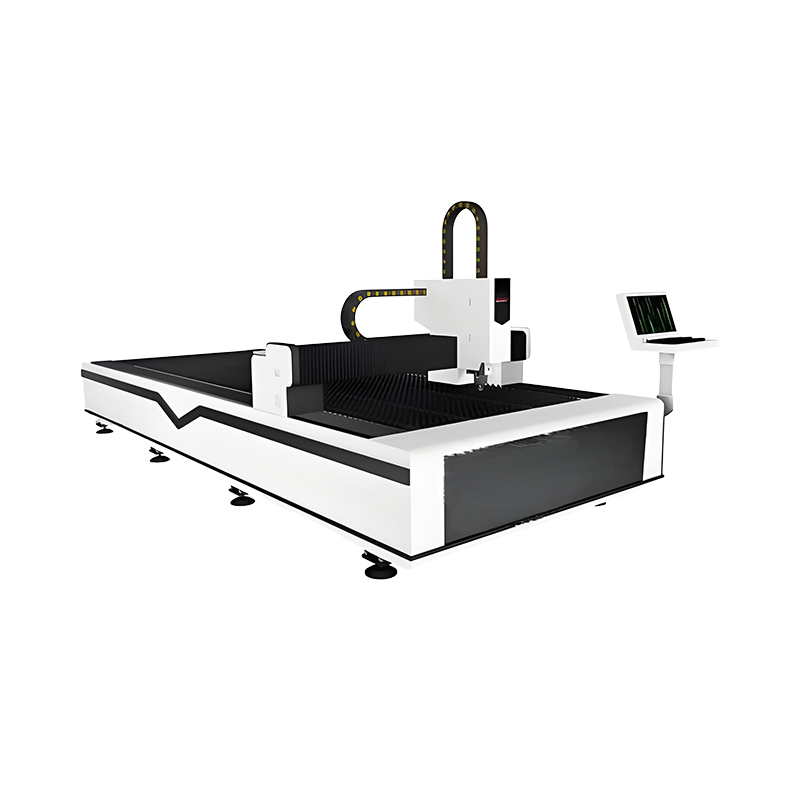
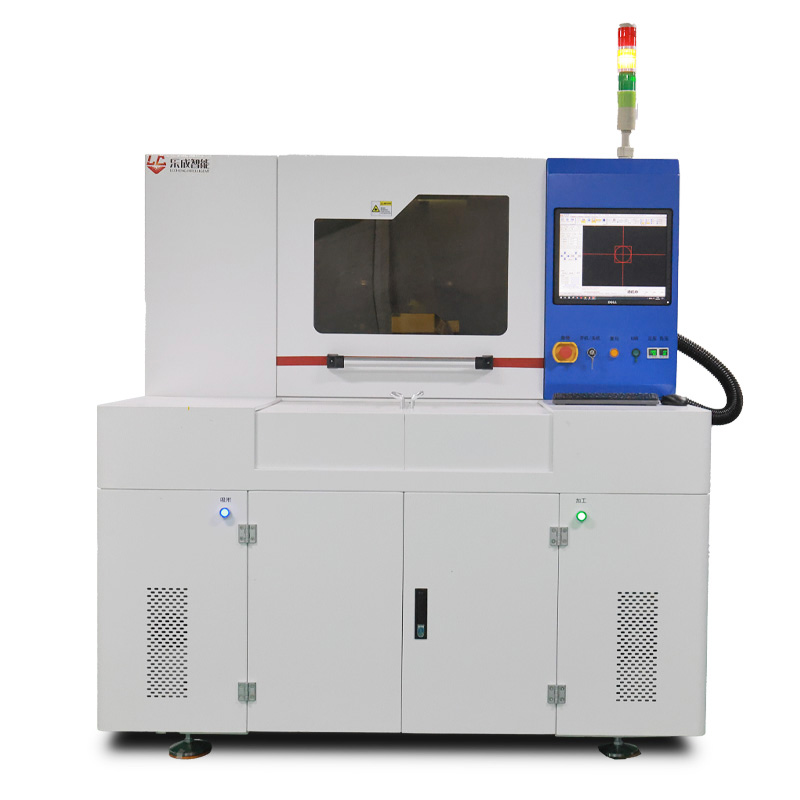
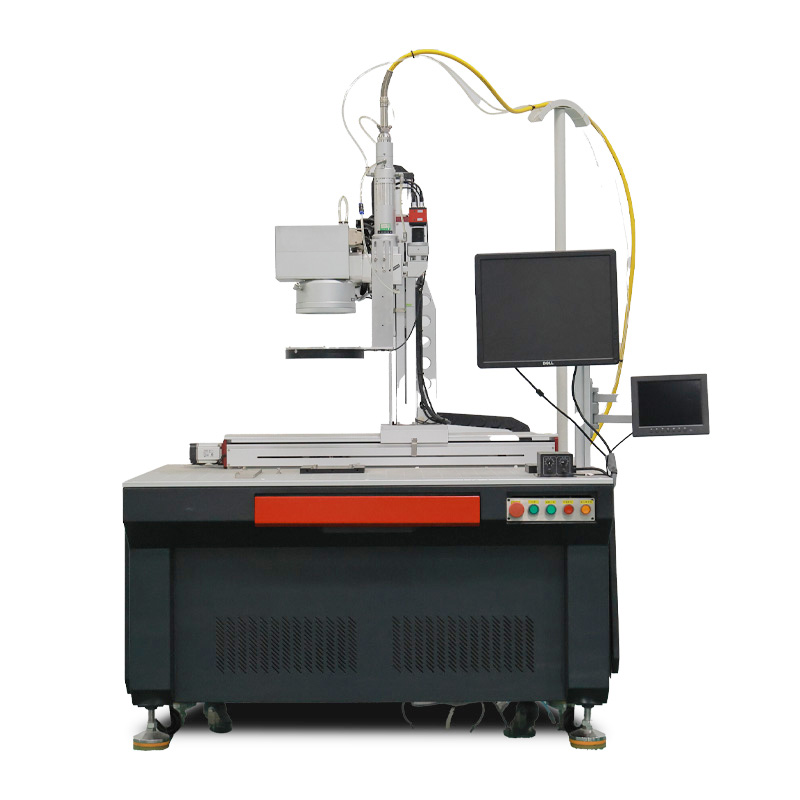
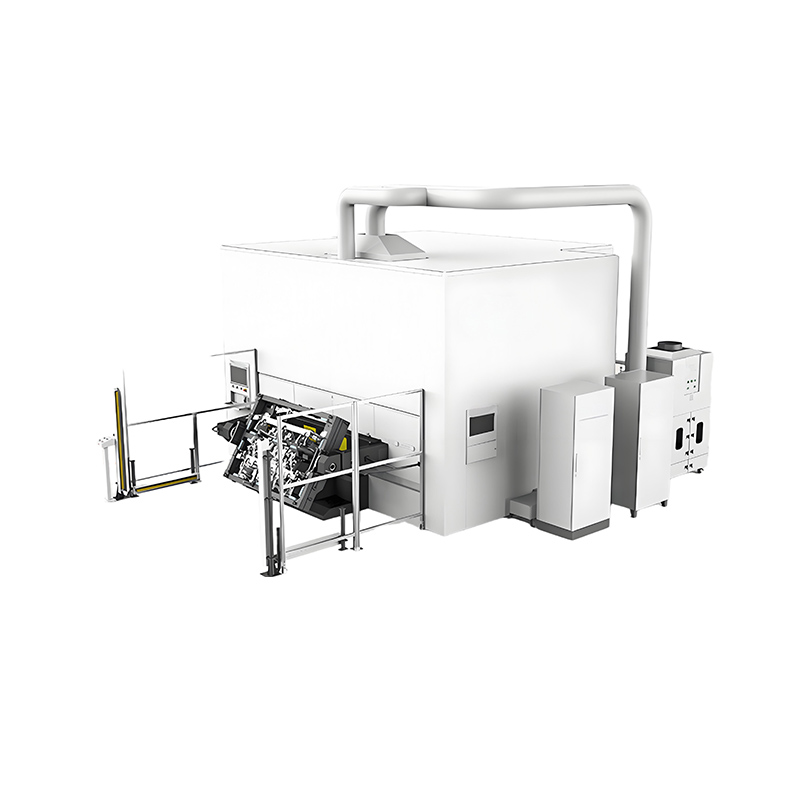
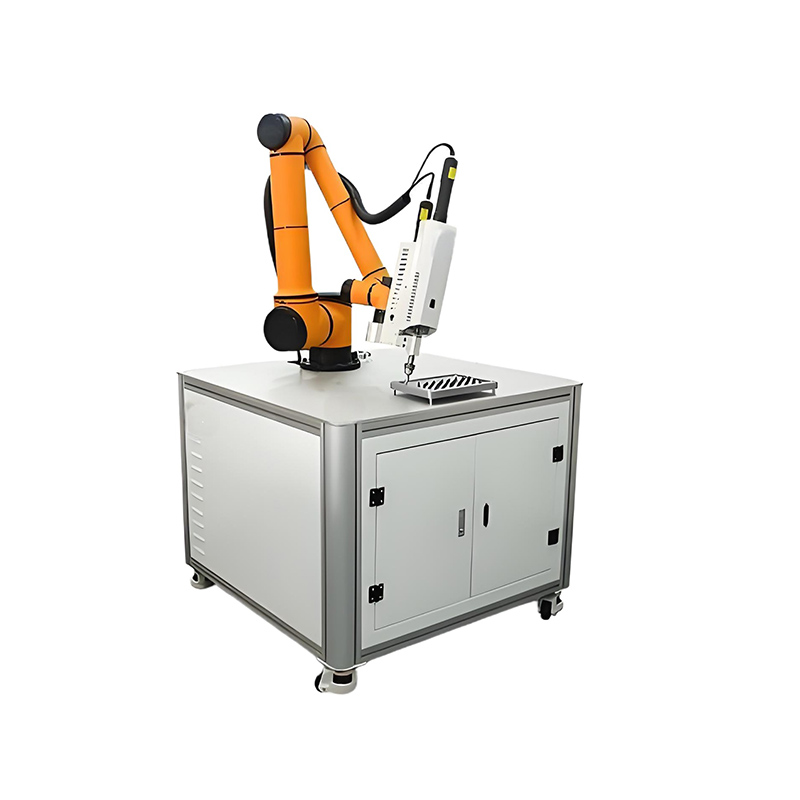
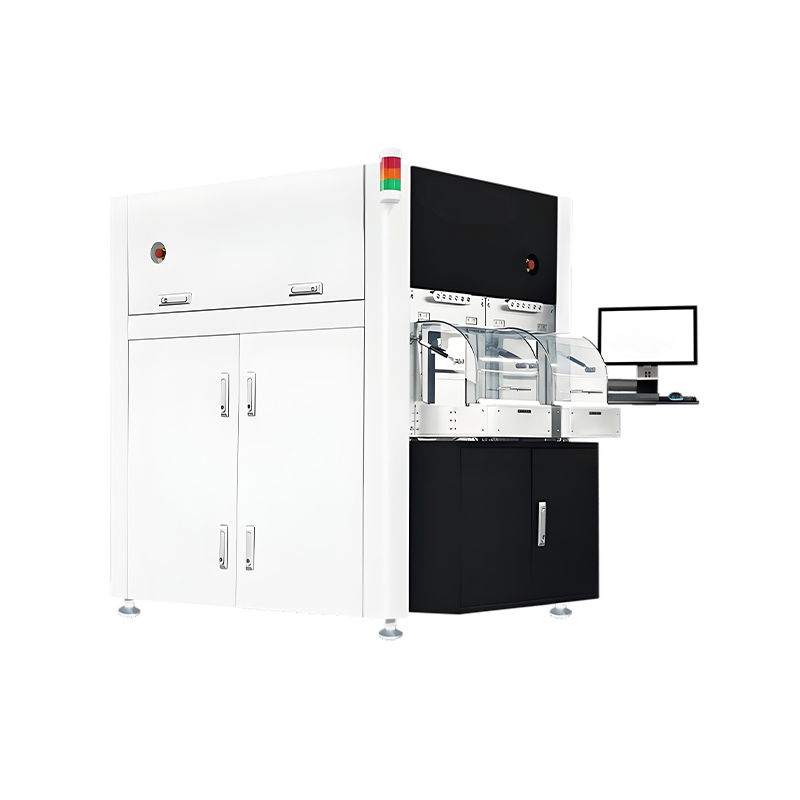
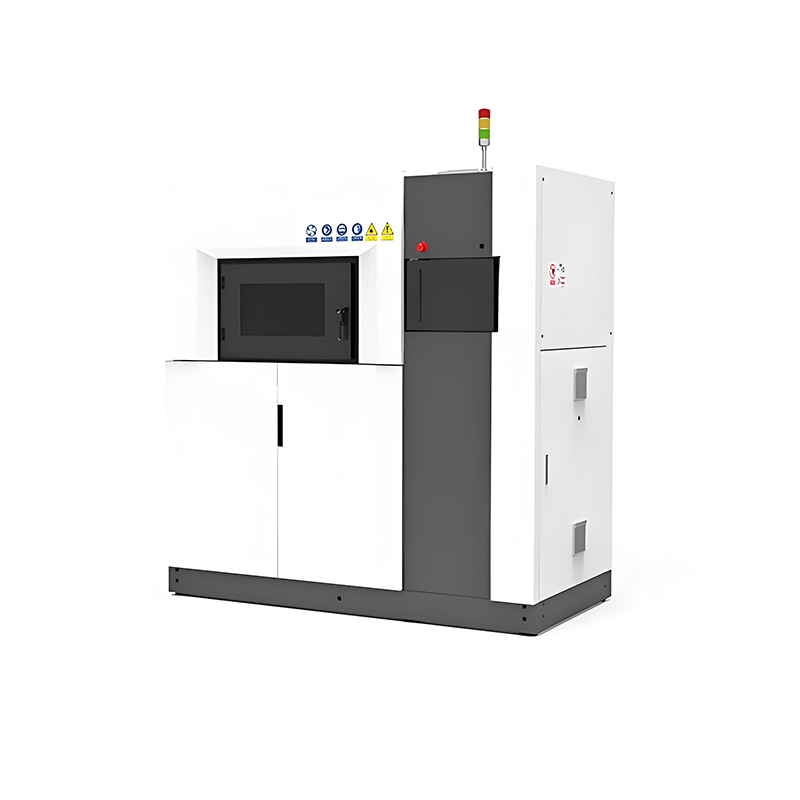
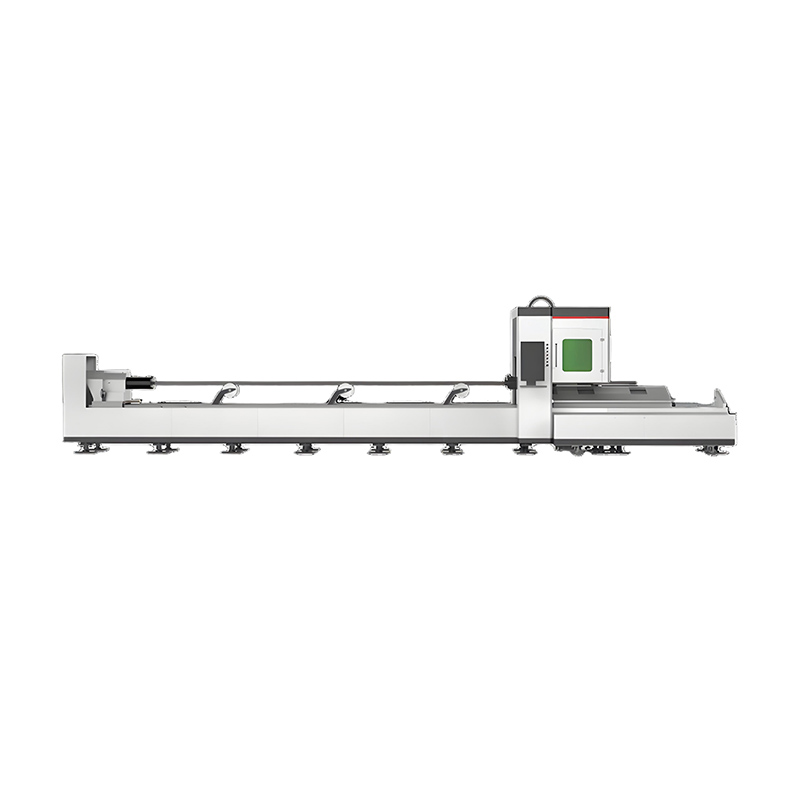
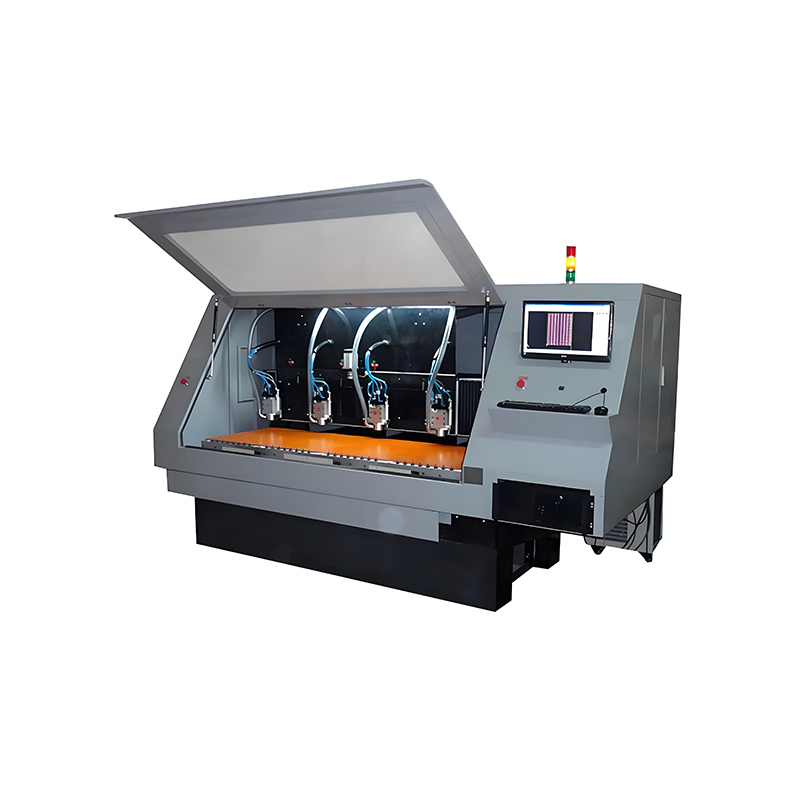
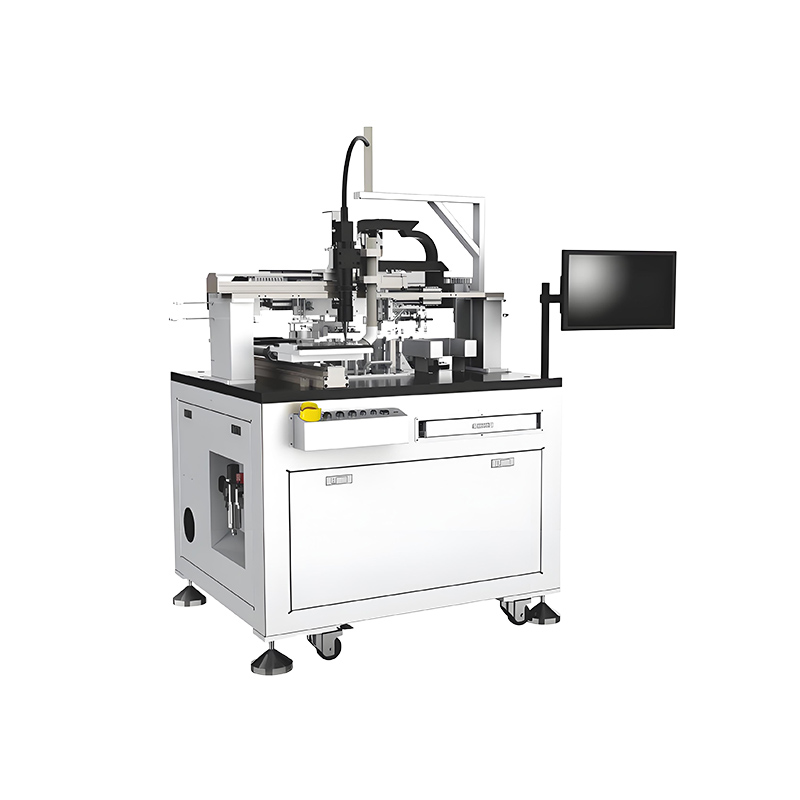
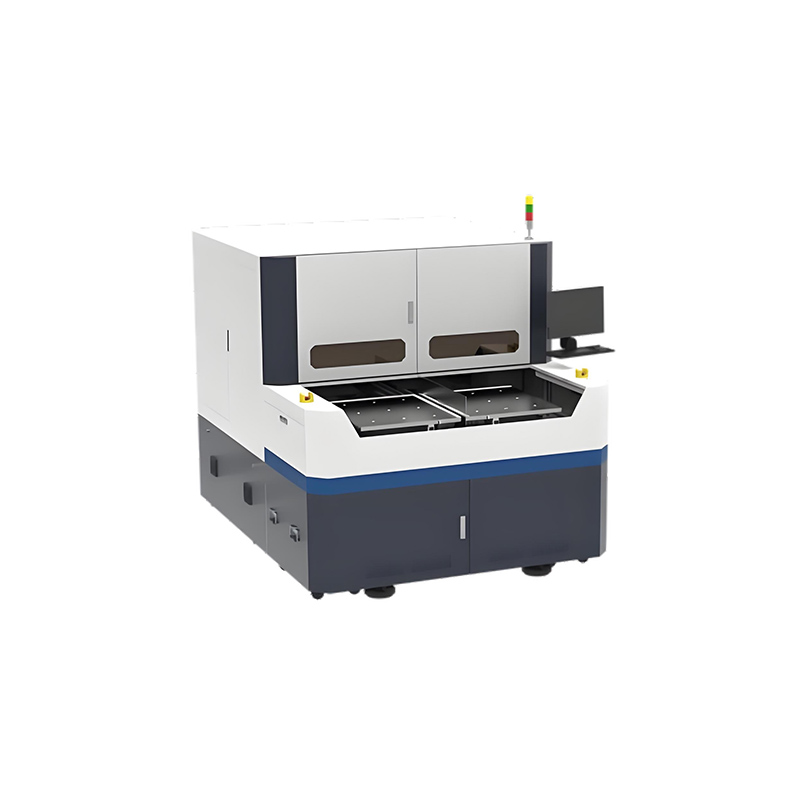
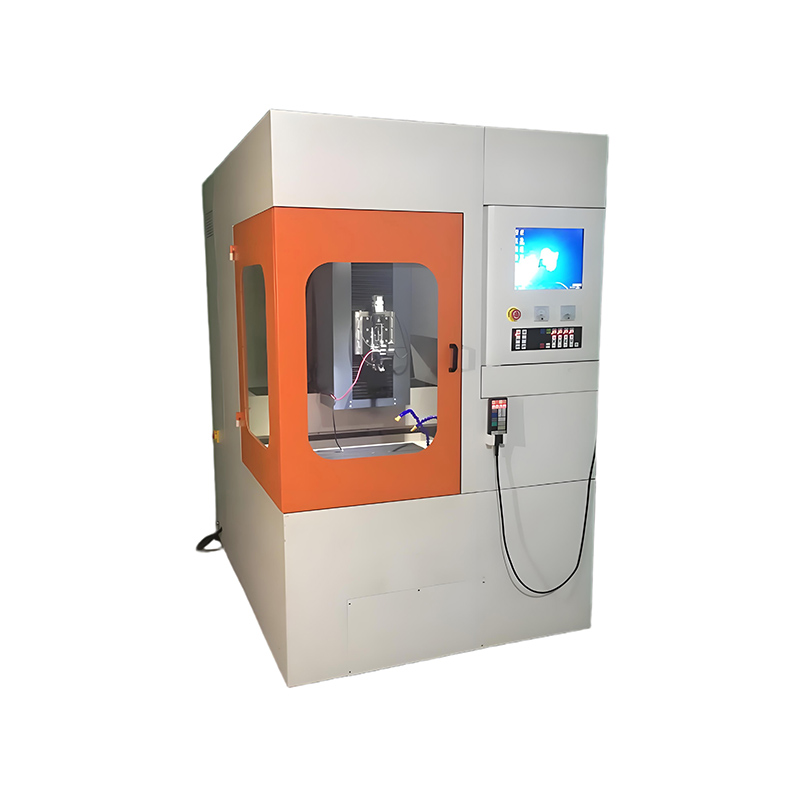
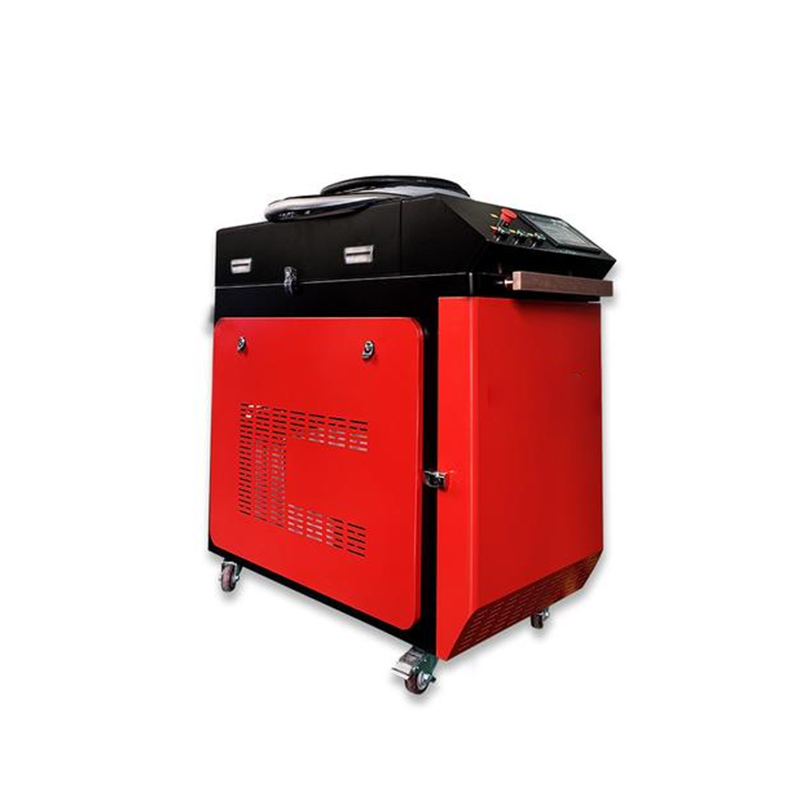
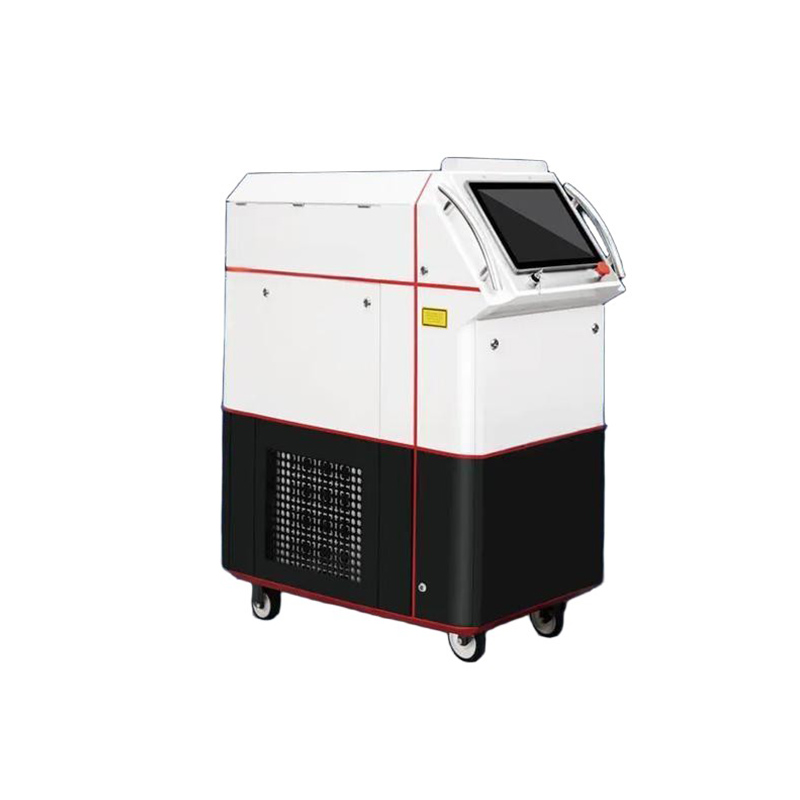
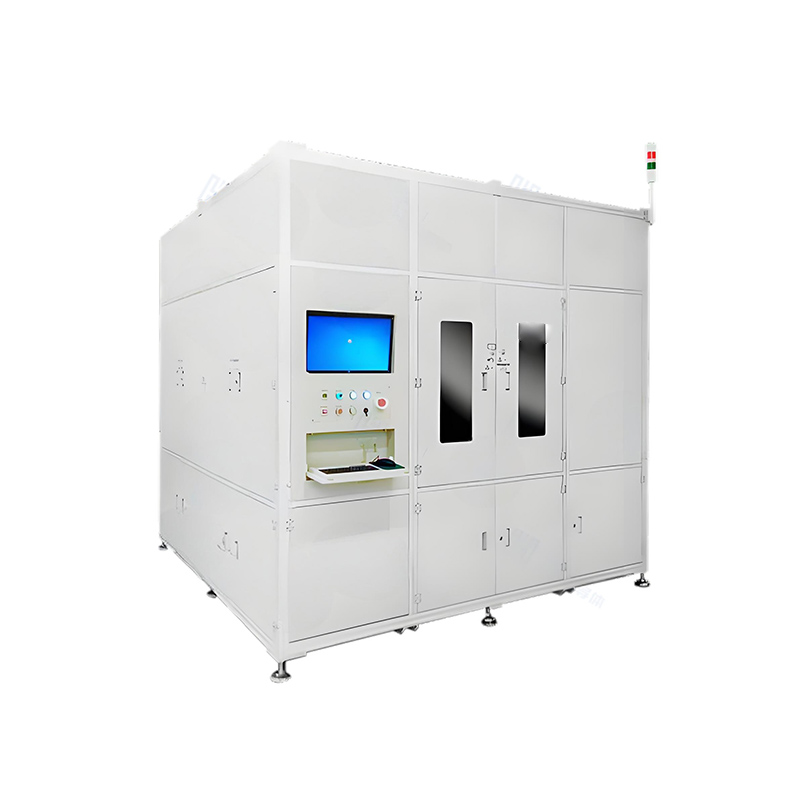
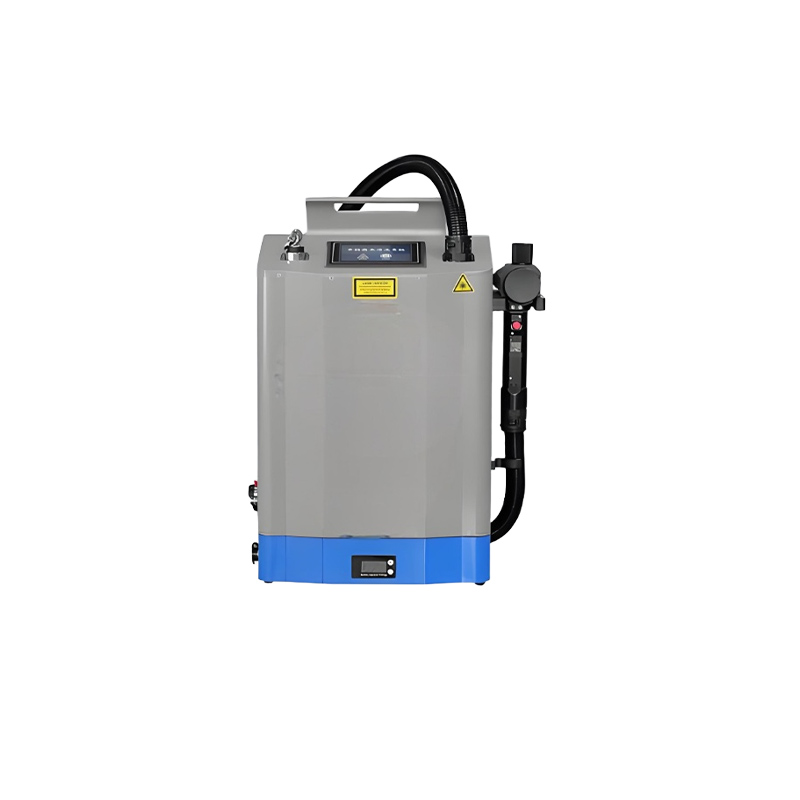
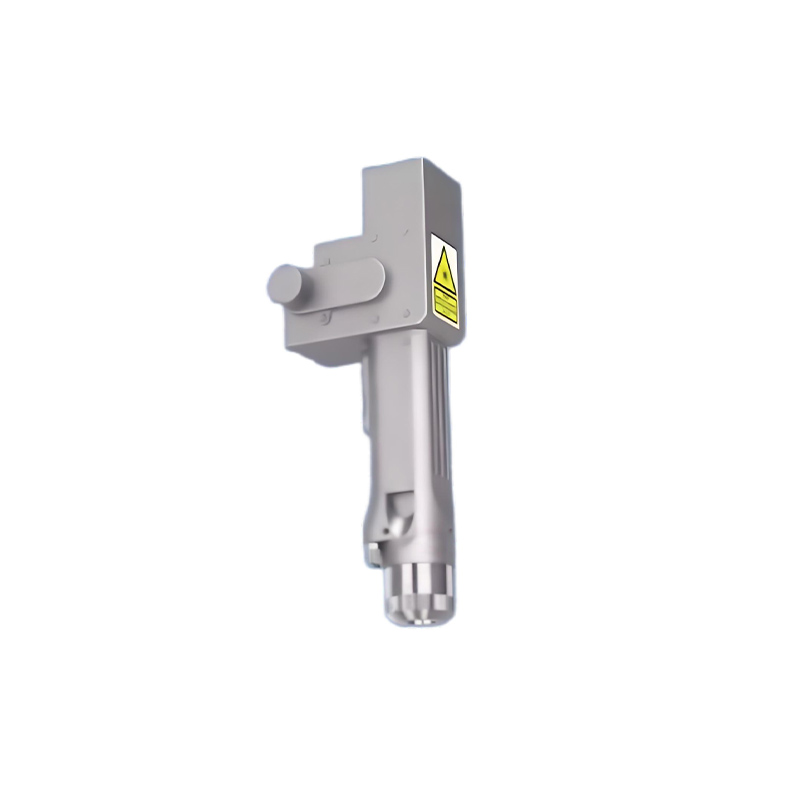
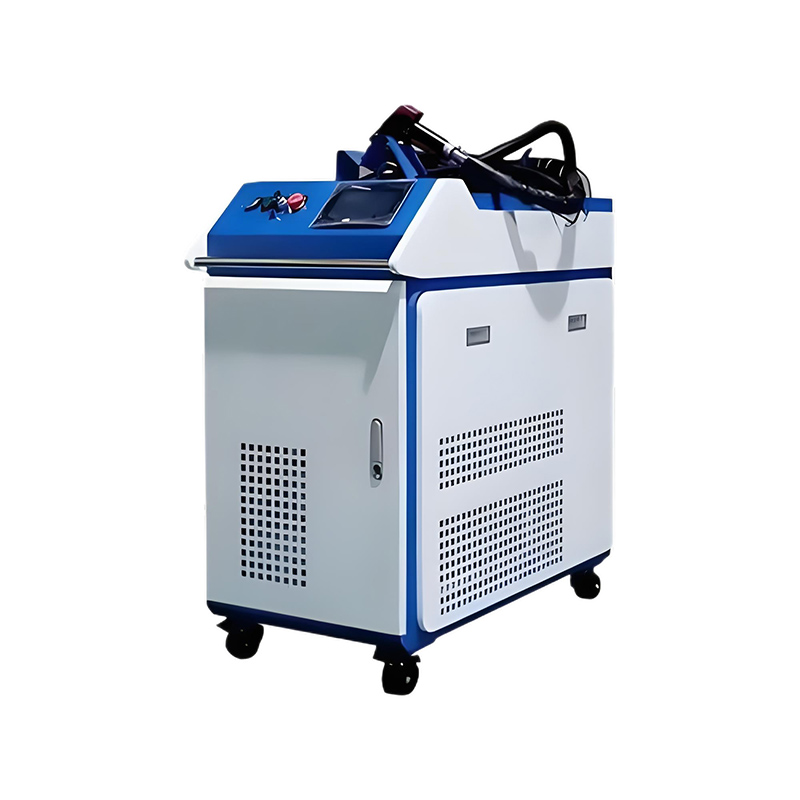
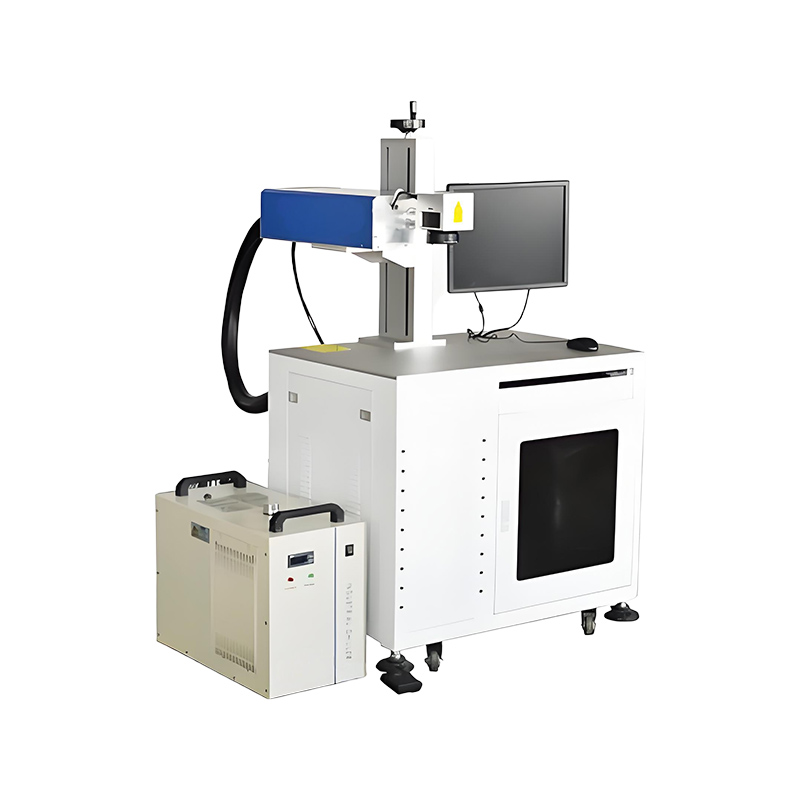
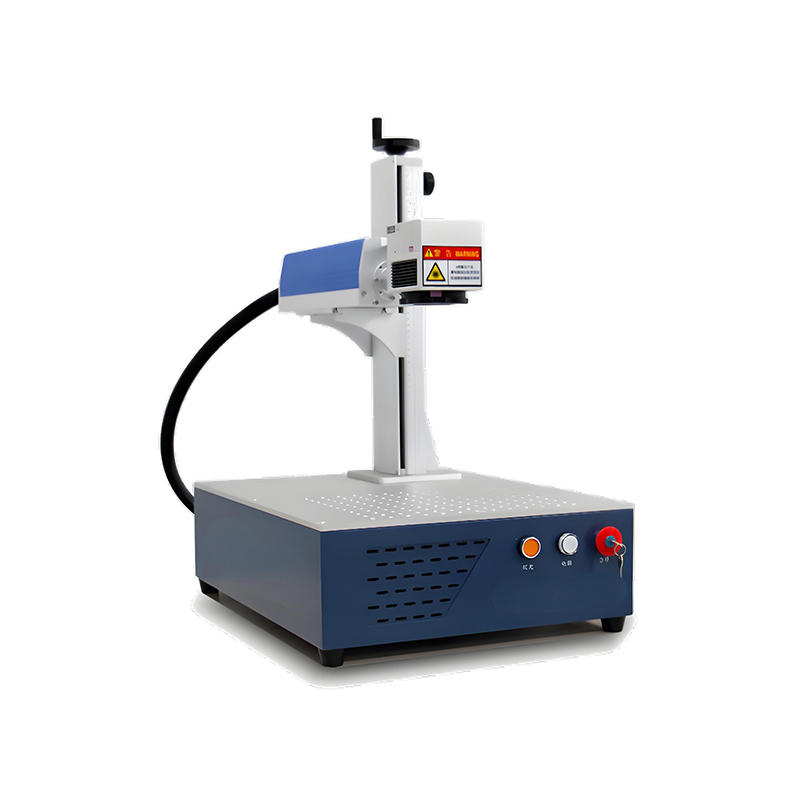
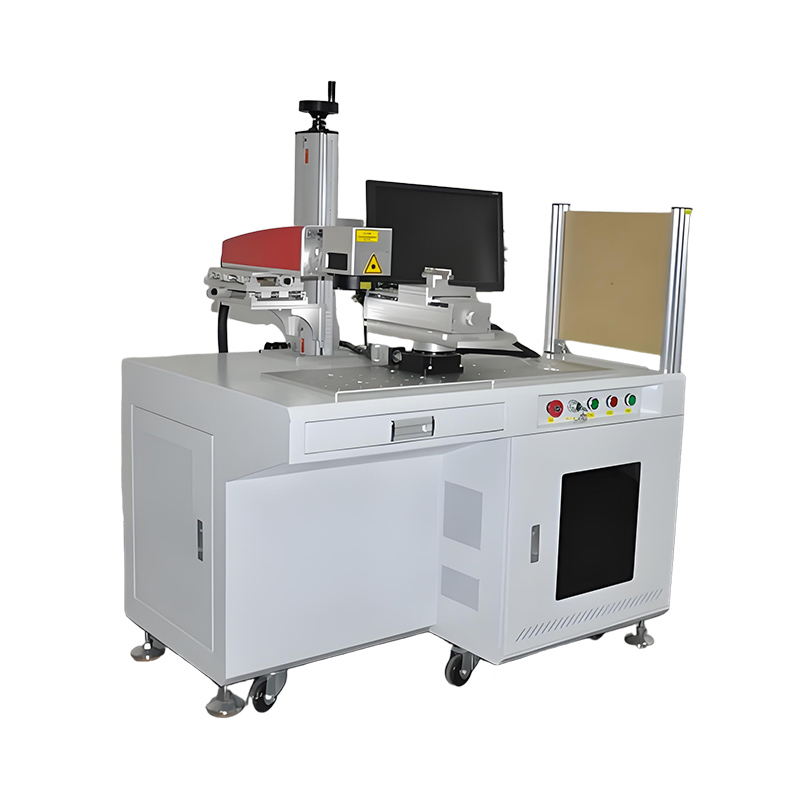
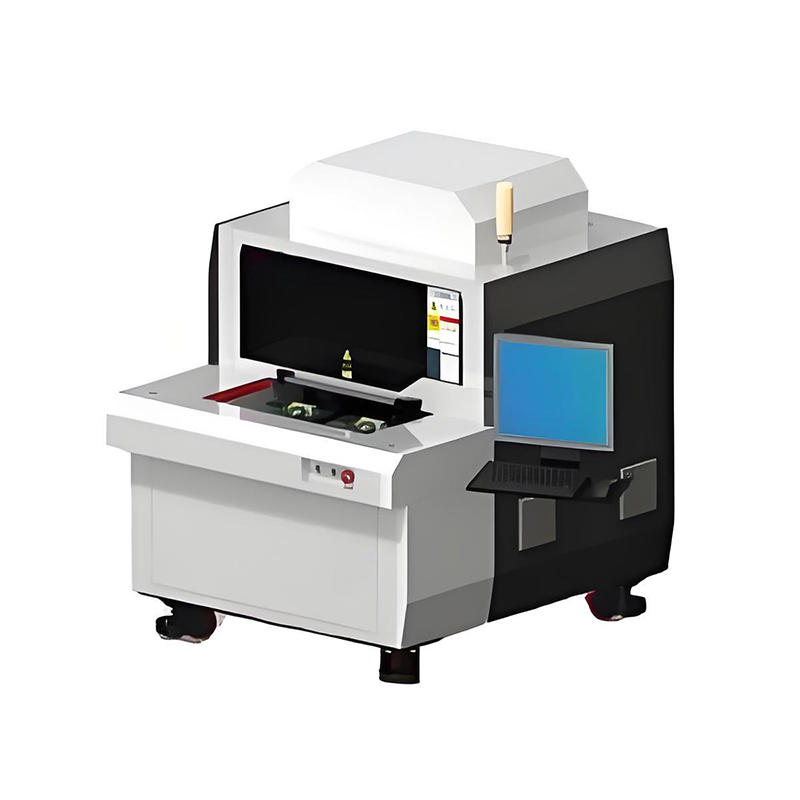
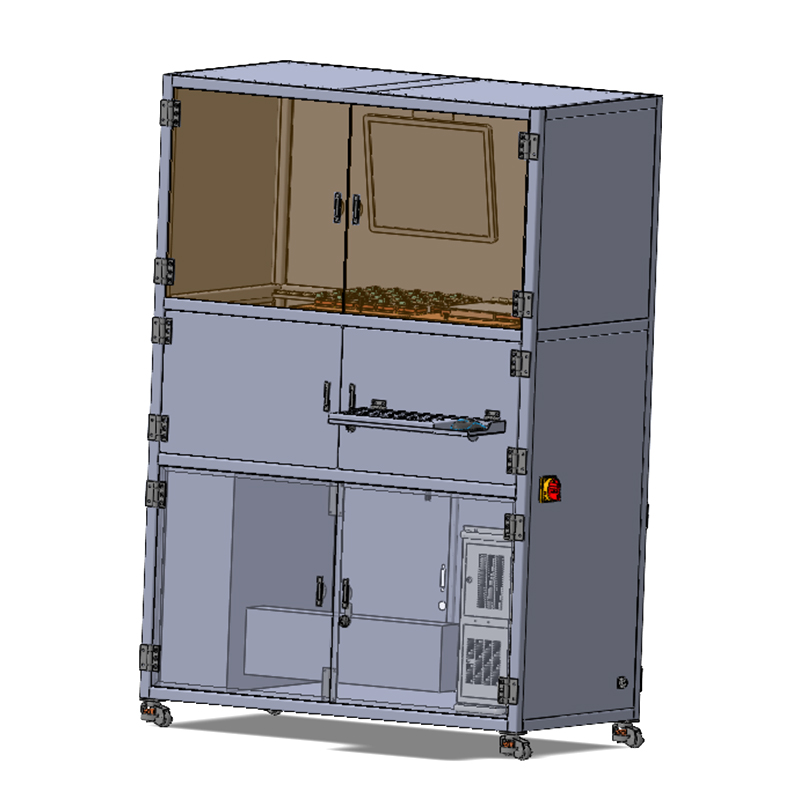
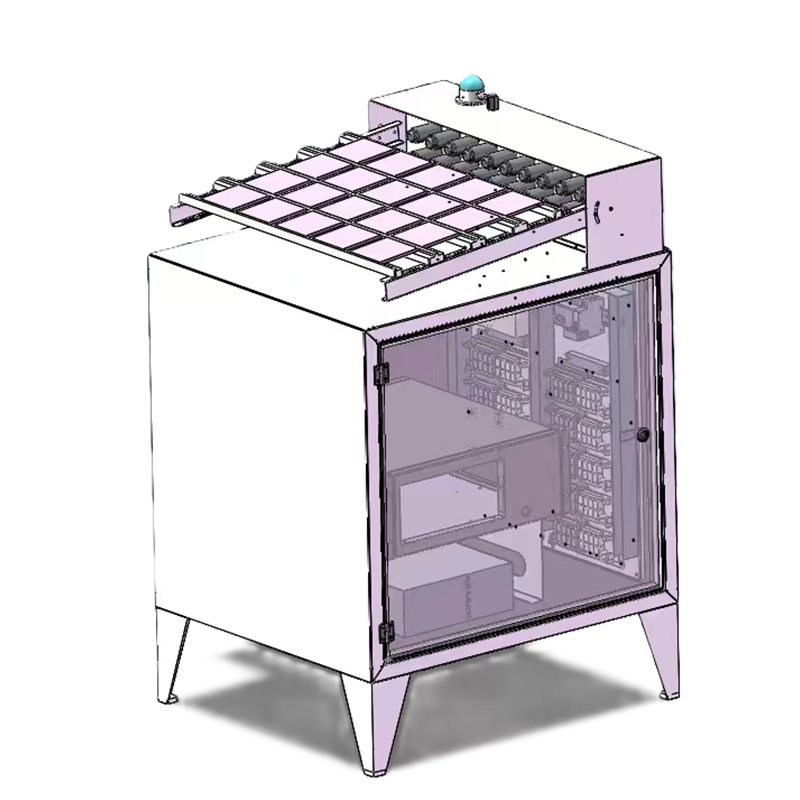
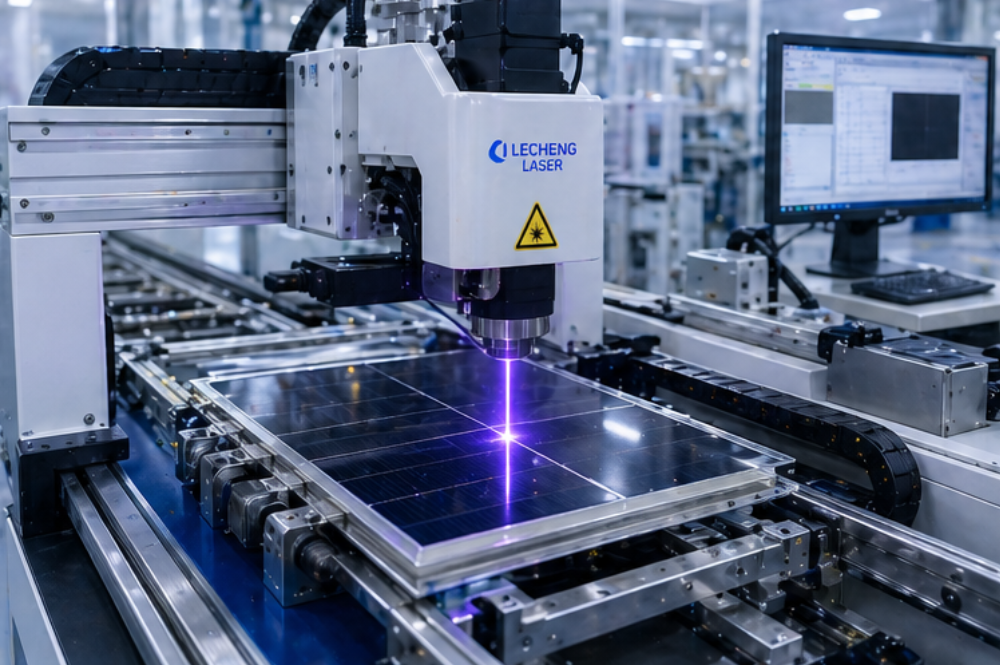
The most important equipment in a perovskite pilot line includes laser scribing equipment, coating or deposition equipment, electrode processing equipment, encapsulation equipment and testing systems. Among these, laser processing equipment is critical because it directly affects module interconnection, dead area, insulation and yield.
A pilot line should not be planned as a simple collection of machines. Each process must match the previous and next process. For example, the P1, P2 and P3 laser scribing positions must be compatible with coating uniformity, electrode design and module layout.
Recommended Pilot Line Equipment List
| Process | Equipment | Main Purpose |
|---|---|---|
| Substrate Preparation | Glass cleaning and surface treatment system | Prepare stable TCO glass surface |
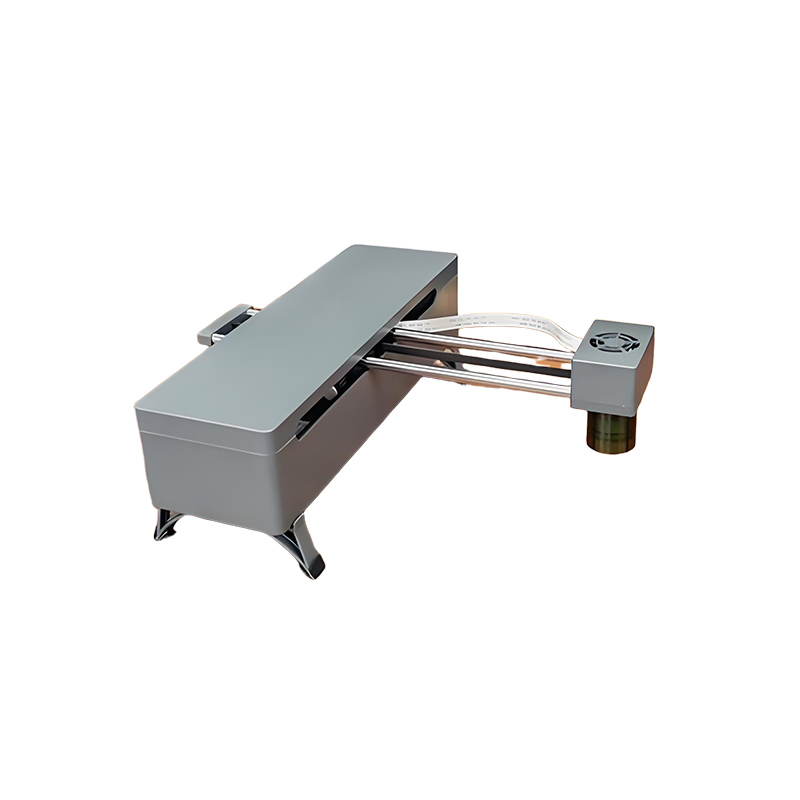
| P1 Scribing | P1 laser scribing equipment | Bottom electrode isolation |
| Layer Formation | Coating or deposition equipment | Form transport layers and perovskite layer |
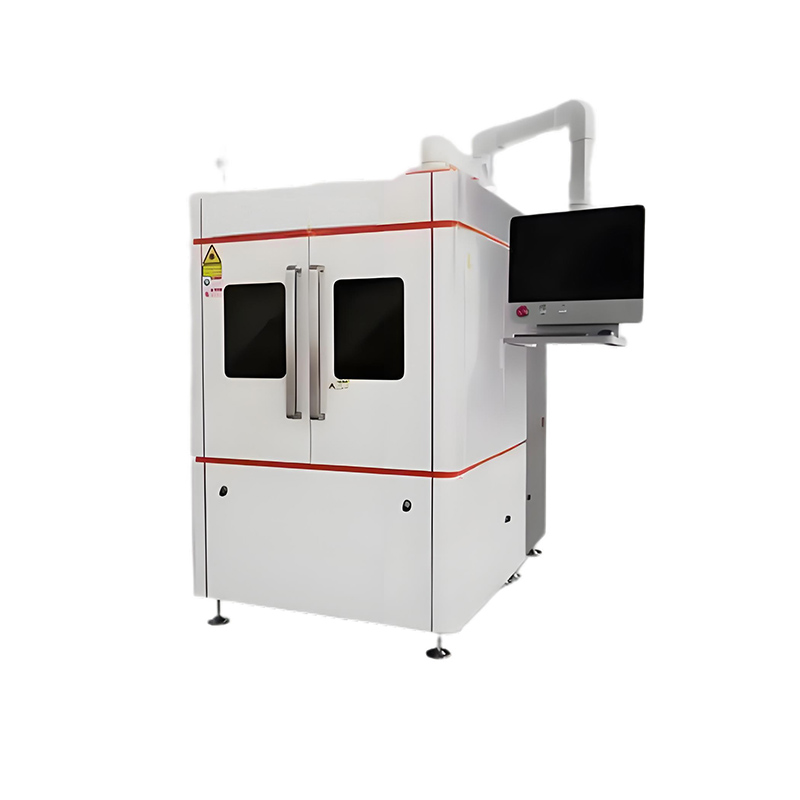
| P2 / P3 Scribing | Precision laser scribing system | Create interconnection and cell isolation |
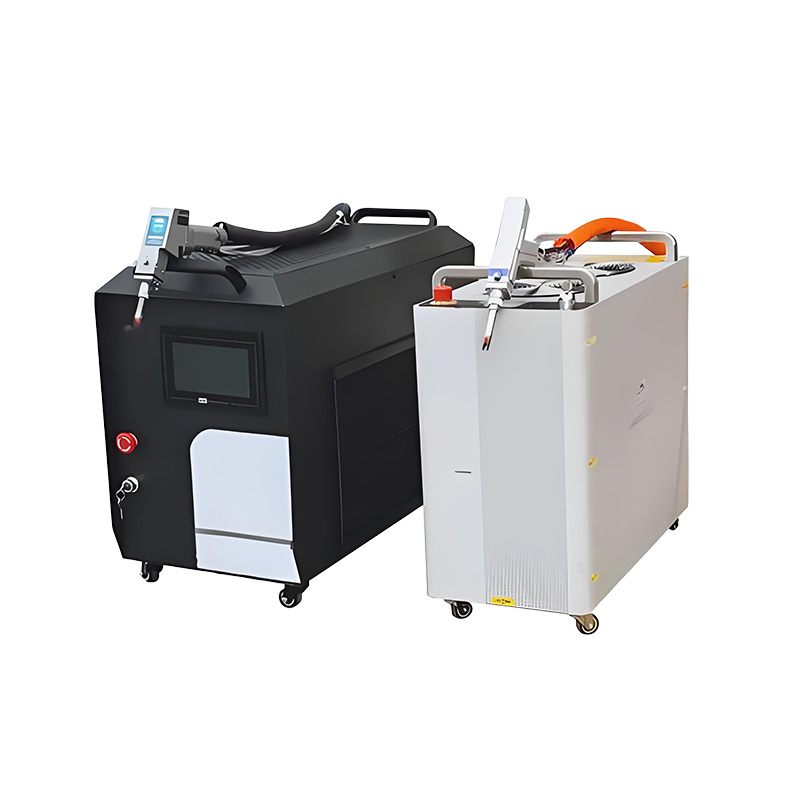
| P4 Edge Deletion | Laser edge deletion equipment | Improve encapsulation reliability |
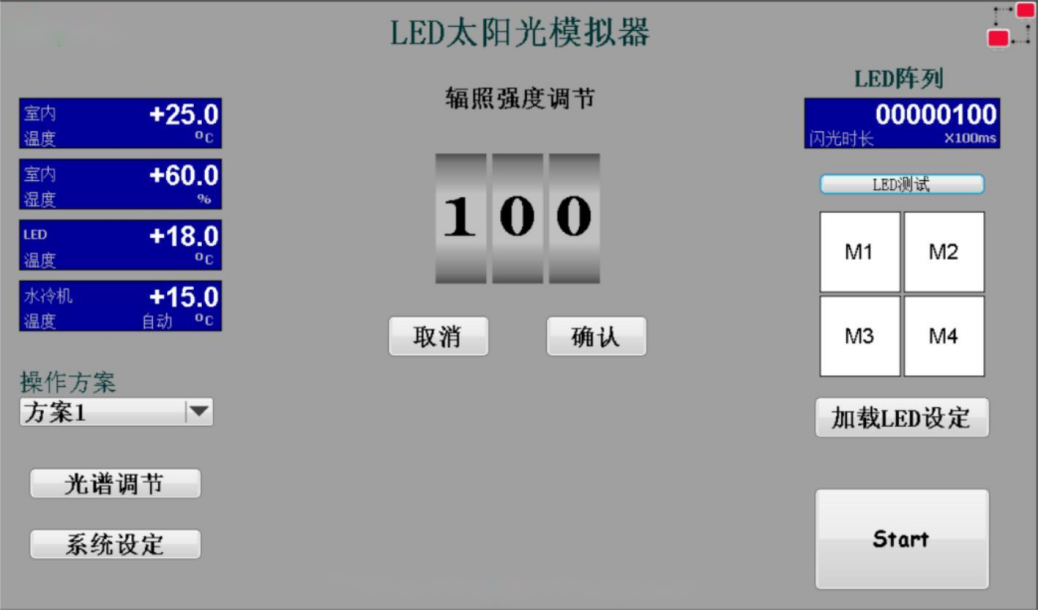
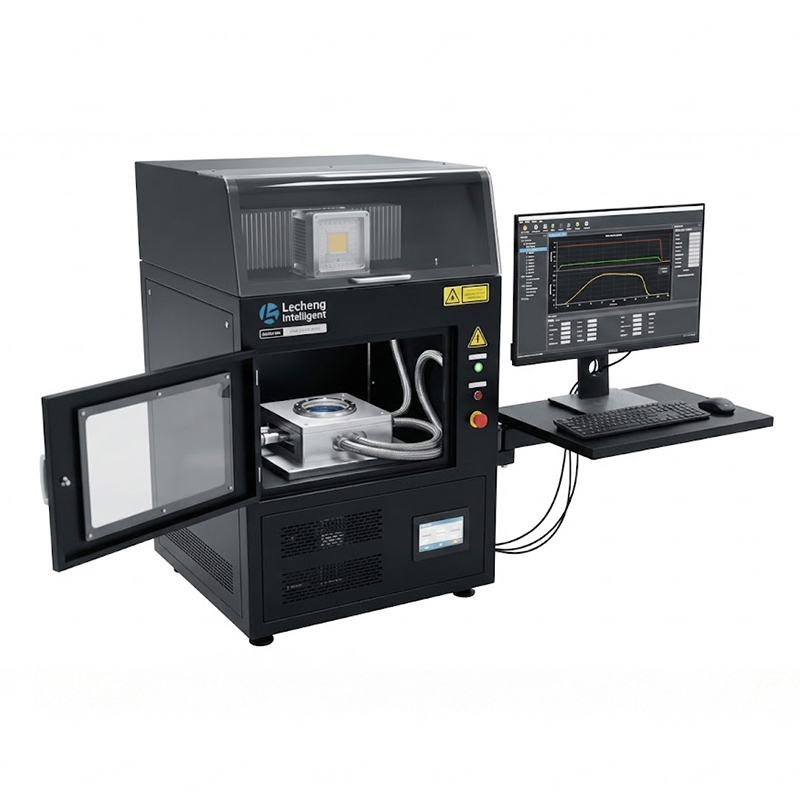
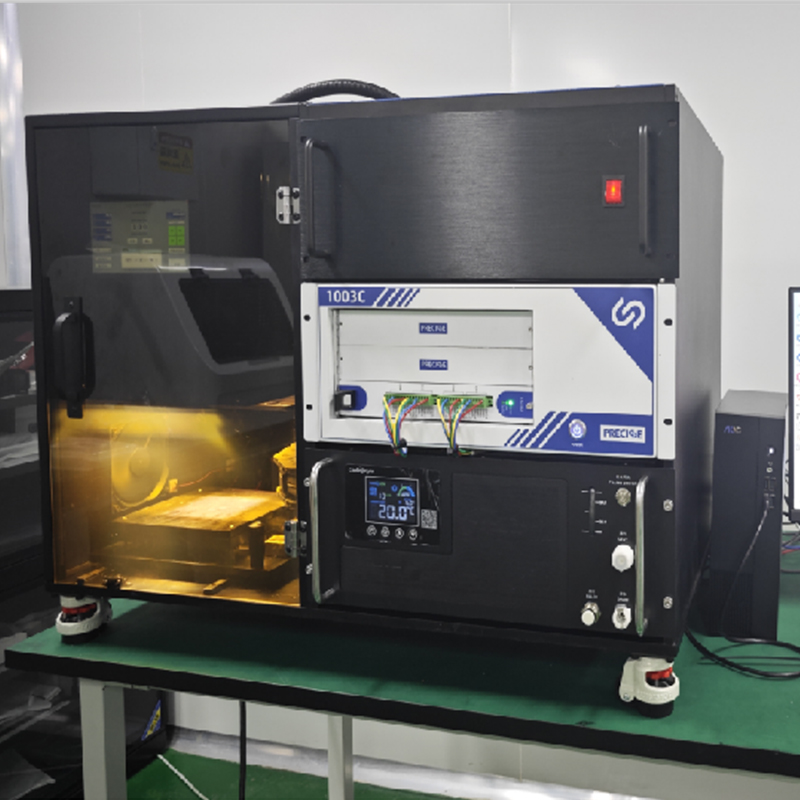
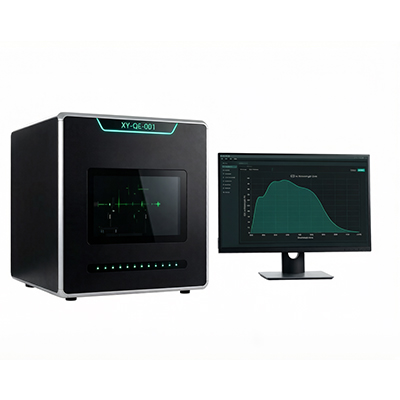
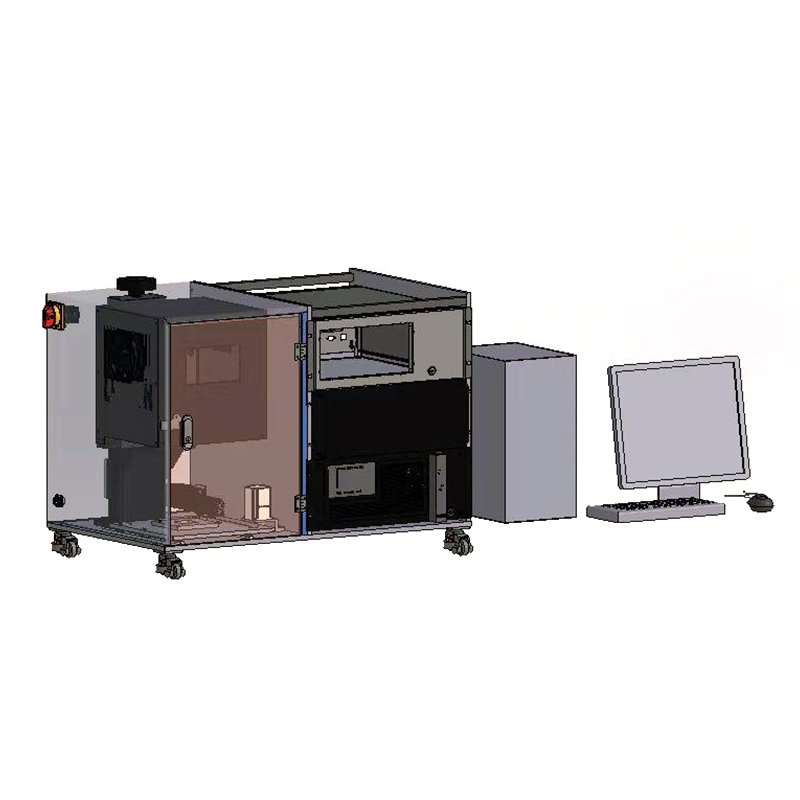
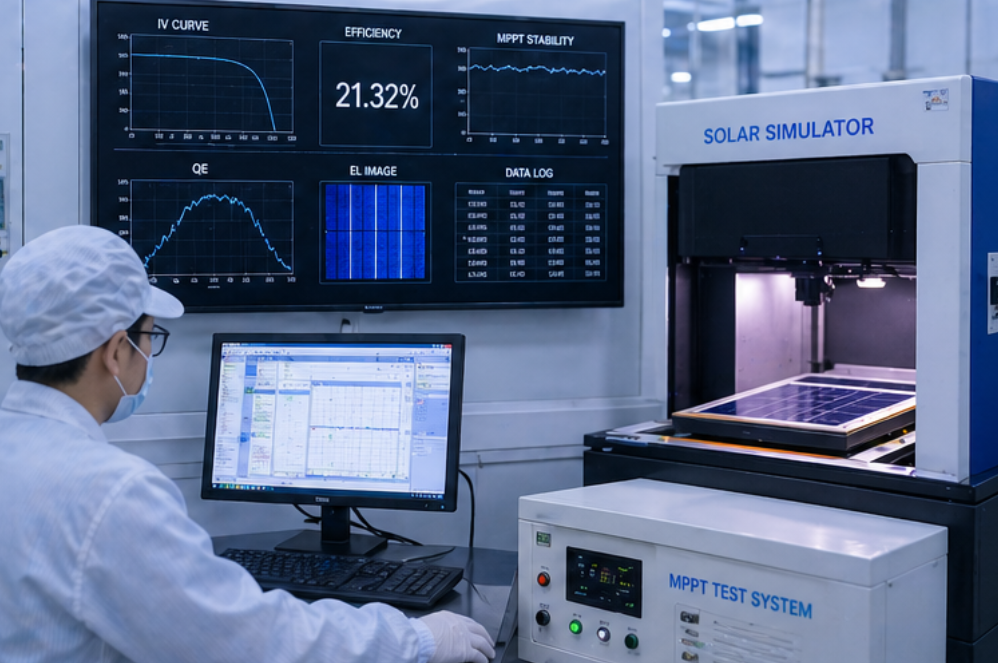
| Testing | Solar simulator, MPPT aging system, QE system | Evaluate efficiency, stability and performance |
How To Choose The Right Pilot Line Scale
Before building a pilot line, buyers should define the target substrate size, module format, annual output expectation and future production roadmap. A university laboratory may need a flexible research line, while a solar technology company may require a semi-automatic pilot line that can support process verification and customer sample production.
If the project is still in early-stage R&D, flexibility is more important than throughput. If the project is close to commercialization, automation, repeatability and process data tracking become more important. The best pilot line should support current experiments while leaving room for future scale-up.
Why Laser Processing Is Critical In Pilot Line Planning
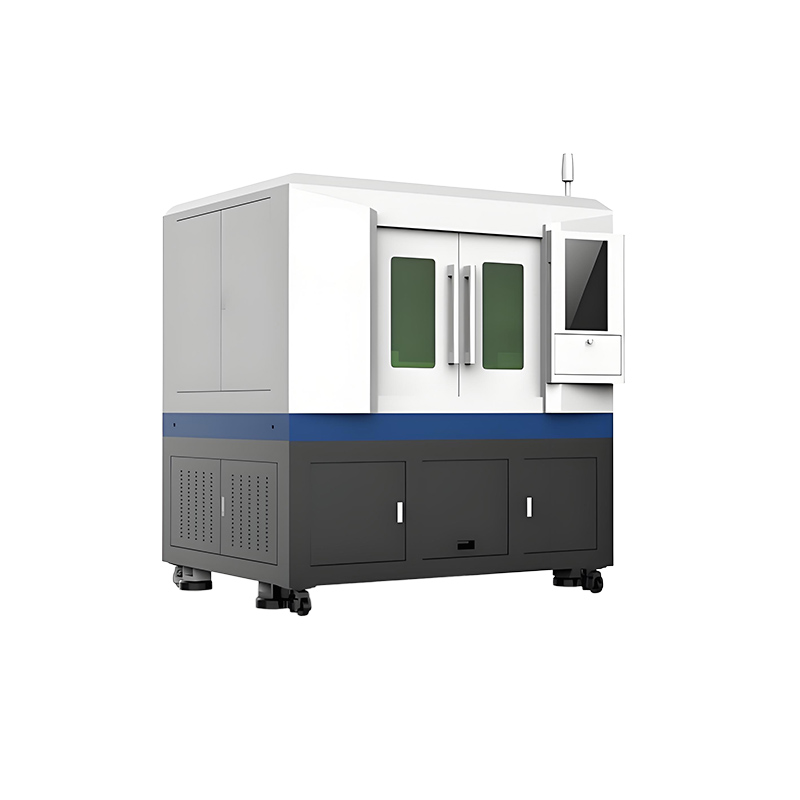
Laser scribing defines the electrical structure of perovskite modules. Poor laser processing may cause shorts, high resistance, low aperture ratio, thermal damage or unstable module performance. For a pilot line, laser equipment should support accurate P1, P2, P3 and P4 processing with good repeatability.
Buyers should check whether the laser system supports automatic vision alignment, recipe management, process testing and flexible substrate sizes. These features help reduce process variation and make it easier to transfer laboratory results to pilot manufacturing.
Questions To Confirm Before Building A Pilot Line
What substrate size and module size do you need to process?
Will the line be used for R&D, pilot production or customer sample validation?
Do you need P1, P2, P3 and P4 laser processes?
What coating or deposition route will your perovskite stack use?
Do you need manual, semi-automatic or fully automatic handling?
What testing equipment is required for efficiency and stability evaluation?
Will the pilot line need to upgrade toward mass production later?
Conclusion
Building a perovskite solar cell pilot line requires more than buying individual machines. Buyers must design a complete process flow from TCO glass preparation to P1/P2/P3/P4 laser scribing, coating, electrode formation, encapsulation and testing. The right pilot line should support process development, stable sample production and future scale-up.
For buyers planning perovskite commercialization, a process-oriented equipment partner can help reduce trial-and-error costs and improve the transition from laboratory results to scalable module manufacturing.
Need To Build A Perovskite Solar Cell Pilot Line?
Contact Lecheng Laser to discuss your perovskite pilot line process, laser scribing requirements, substrate size and testing equipment configuration.
Contact Us Get Quote