Products

Featured products

Contact us

News

  • What Information Is Needed Before Quoting A Perovskite Laser Processing System
    2026
    05-18
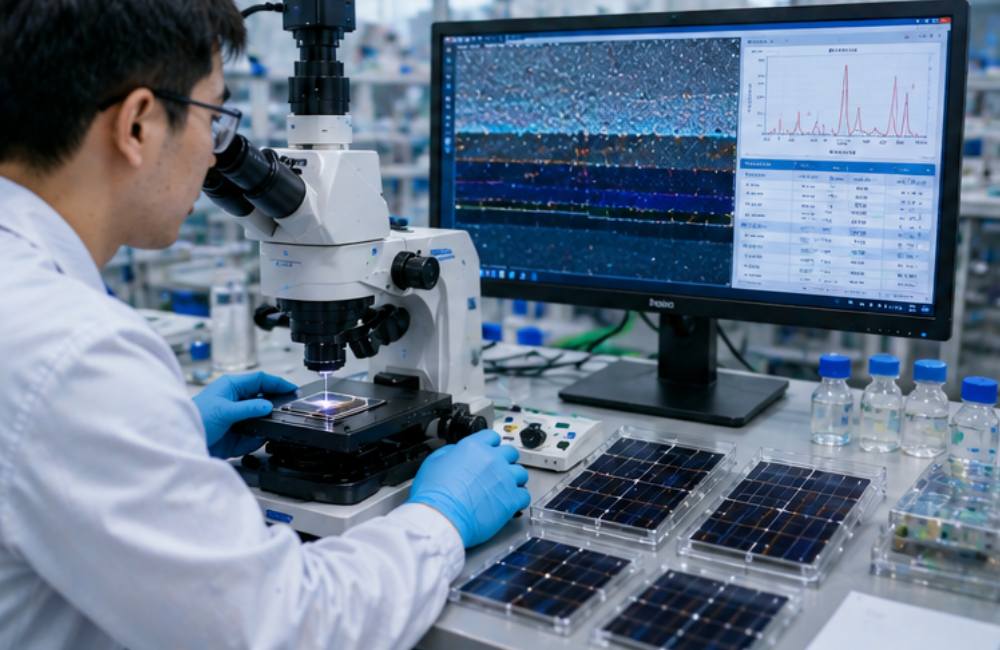
    Before requesting a quotation for perovskite laser processing equipment, buyers should prepare complete technical information to avoid inaccurate pricing and project delays. The more clearly you define your process needs, the faster suppliers can provide accurate solutions.
  • How To Reduce Heat Affected Zone In Thin-Film Solar Cell Laser Processing
    2026
    05-15
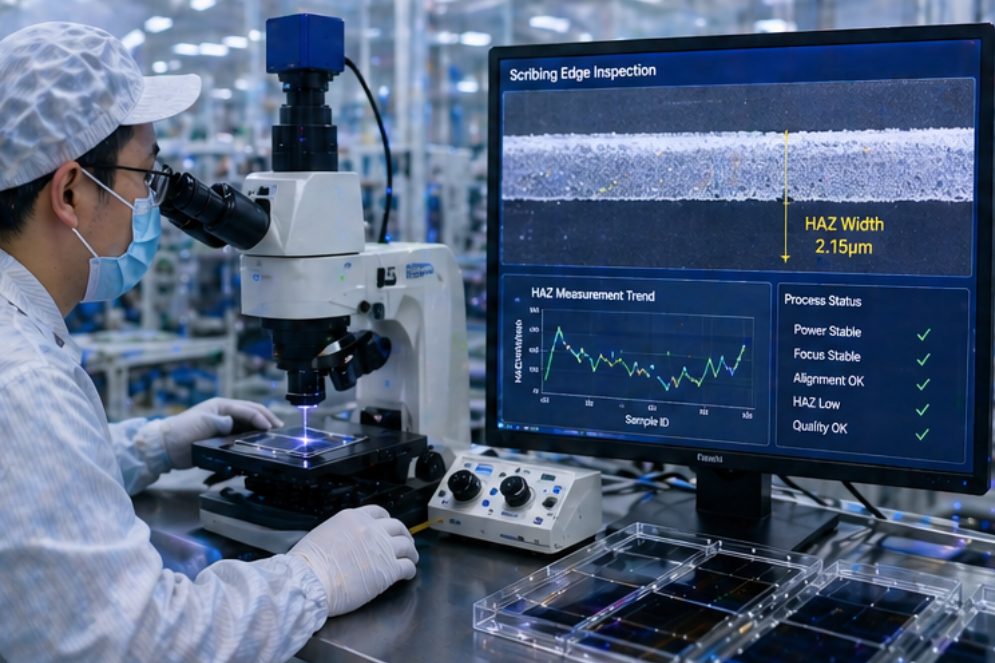
    Reducing heat affected zone in thin-film solar cell laser processing requires the right combination of laser wavelength, pulse width, energy density, beam quality, focusing stability and scanning strategy. Buyers should rely on process testing and real sample evidence instead of only comparing machine specifications. For perovskite and other thin-film photovoltaic applications, a low-HAZ laser process can help improve scribing quality, module yield and long-term reliability.
  • How To Choose A Laser Source For Perovskite Solar Cell Scribing
    2026
    05-13
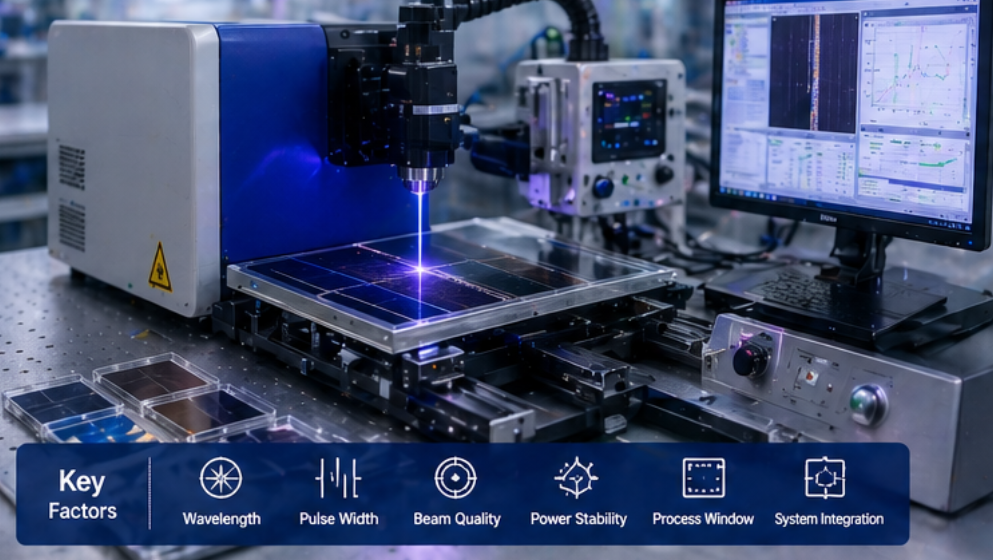
    Choosing a laser source for perovskite solar cell scribing requires a careful balance between wavelength, pulse width, beam quality, power stability, process window and system integration. Buyers should not select a laser source only by power or price. The best decision should be based on actual sample testing and process results. For perovskite R&D, pilot lines and scalable module manufacturing, a process-oriented laser equipment partner can help reduce trial-and-error costs and improve scribing quality, module yield and long-term reliability.
  • How To Choose Perovskite Laser Scribing Equipment
    2026
    05-08
    The best perovskite laser scribing equipment should match your process route, material stack, substrate size and scale-up plan. Buyers should pay close attention to laser source selection, P1/P2/P3/P4 process capability, scribing quality, alignment accuracy, automation level and sample testing support. For perovskite solar cell manufacturing, a process-oriented equipment partner is often more valuable than a standard machine supplier.
  • Laser Scribing vs Mechanical Processing: Which Is Better For Solar Cells?
    2026
    04-25
    Laser scribing and mechanical processing each have their own advantages, but for modern photovoltaic manufacturing, laser technology offers clear benefits in precision, consistency, and flexibility. For international buyers, the choice should be based on production requirements, product quality targets, and long-term investment goals. In most advanced applications, laser scribing provides a more reliable and future-ready solution.
  • How P1, P2, P3, P4 Laser Scribing Defines Efficiency in Perovskite Solar Modules
    2026
    04-08
    In the race to commercialize perovskite photovoltaics, laser scribing is far more than a manufacturing step—it is the core engineering discipline that translates lab-cell efficiency into commercial-module performance. The precision, control, and cleanliness achieved in the P1-P4 processes directly and irreversibly define the electrical output, production yield, and operational lifetime of the final product. Investing in advanced laser systems, such as those developed by Lecheng Intelligence, is therefore not merely a capital expense; it is a strategic decision to embed efficiency, reliability, and scalability into the very architecture of the perovskite solar module.
  • Laser Patterning Challenges for Flexible Perovskite Cells
    2026
    02-17
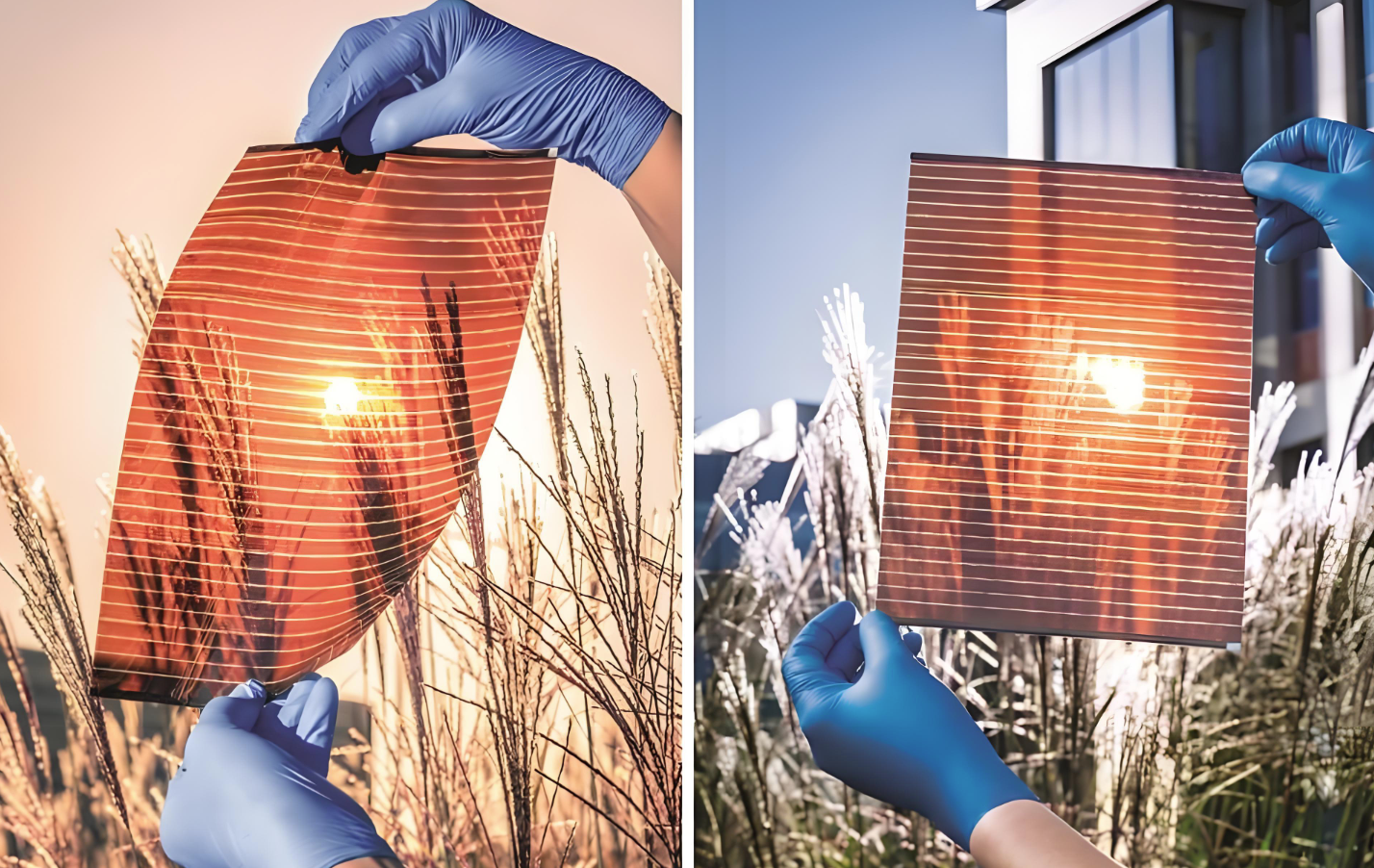
    Lecheng's comprehensive solutions overcome the fundamental challenges of flexible perovskite laser patterning through advanced deformation compensation, precise thermal management, and intelligent multi-layer processing. These innovations are accelerating the commercialization of lightweight, bendable solar technologies for next-generation applications.
  • Comparing Perovskite vs Silicon Solar Cells Efficiency and Cost Analysis
    2026
    02-11
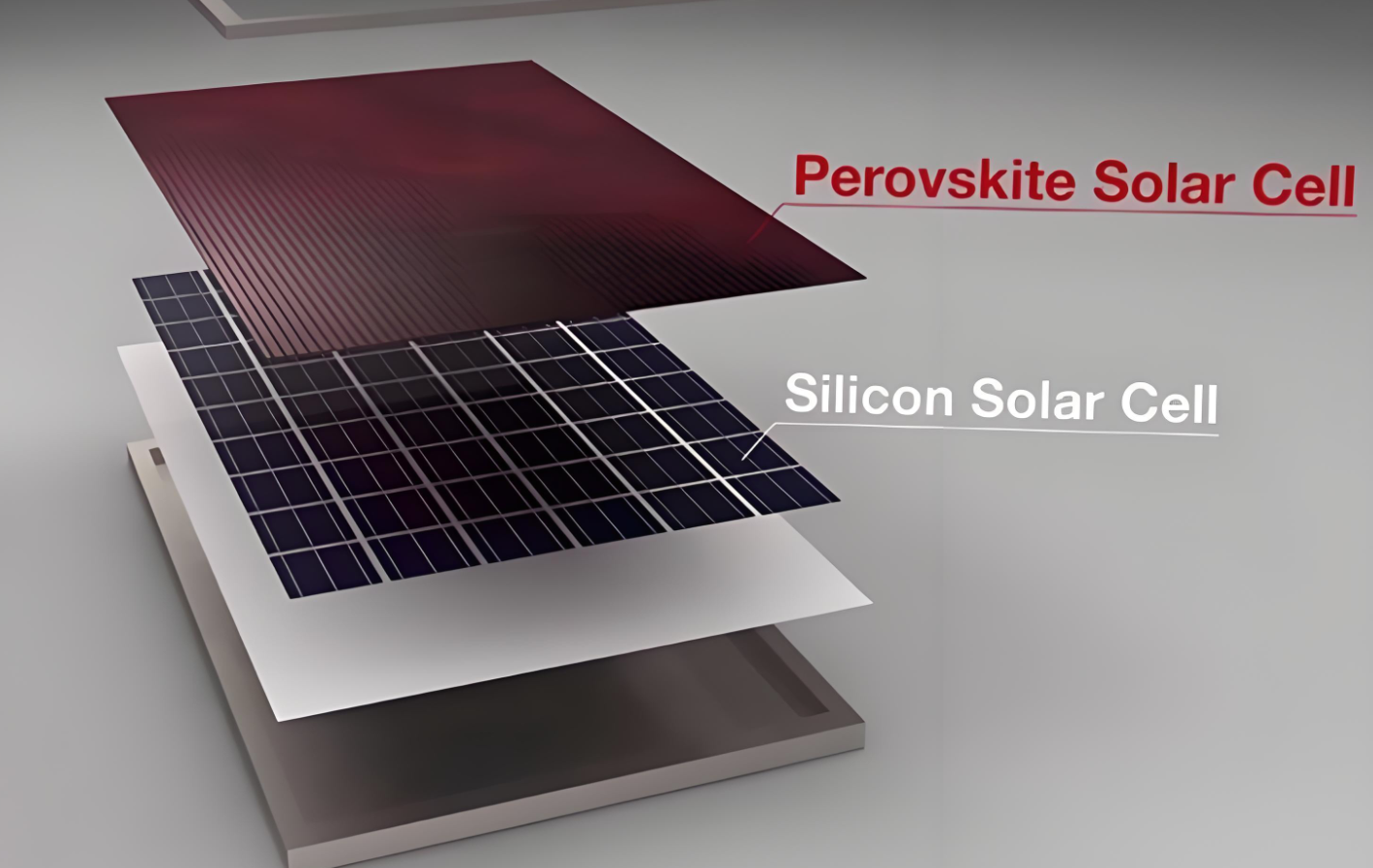
    While silicon dominates current markets, perovskite’s combination of rapid efficiency gains, lower manufacturing costs, and laser-enabled scalability positions it as the future of solar. Lecheng’s precision laser solutions are pivotal in bridging perovskite’s reliability gap and accelerating its path to commercialization.
  • Lecheng’s Laser Wire-Feed Welding for High-Power Heat Sinks
    2026
    01-17
    Lecheng Intelligent's laser wire-feed welding technology represents a significant advancement in thermal management manufacturing. By combining precision engineering with robust process control, Lecheng enables the production of high-performance heat sinks that meet the demanding requirements of modern power electronics. As industries continue to push the boundaries of power density and efficiency, this technology will play an increasingly important role in ensuring the reliability and longevity of electronic systems across automotive, telecommunications, and industrial applications.
  • Why Precision Laser Processing is Key to Higher Perovskite Module Efficiency
    2026
    01-10
    In the race to commercialize high-efficiency perovskite solar modules, precision laser processing is not merely an optional manufacturing step; it is a fundamental enabler. By minimizing dead zones, preserving material integrity with ultra-low thermal impact, and ensuring reproducibility across large areas, companies like Lecheng Intelligent are providing the essential tools to unlock the full potential of this promising technology. The path to higher module efficiency is, quite literally, being carved by laser light.

40px

80px

80px

80px

Get Quote