
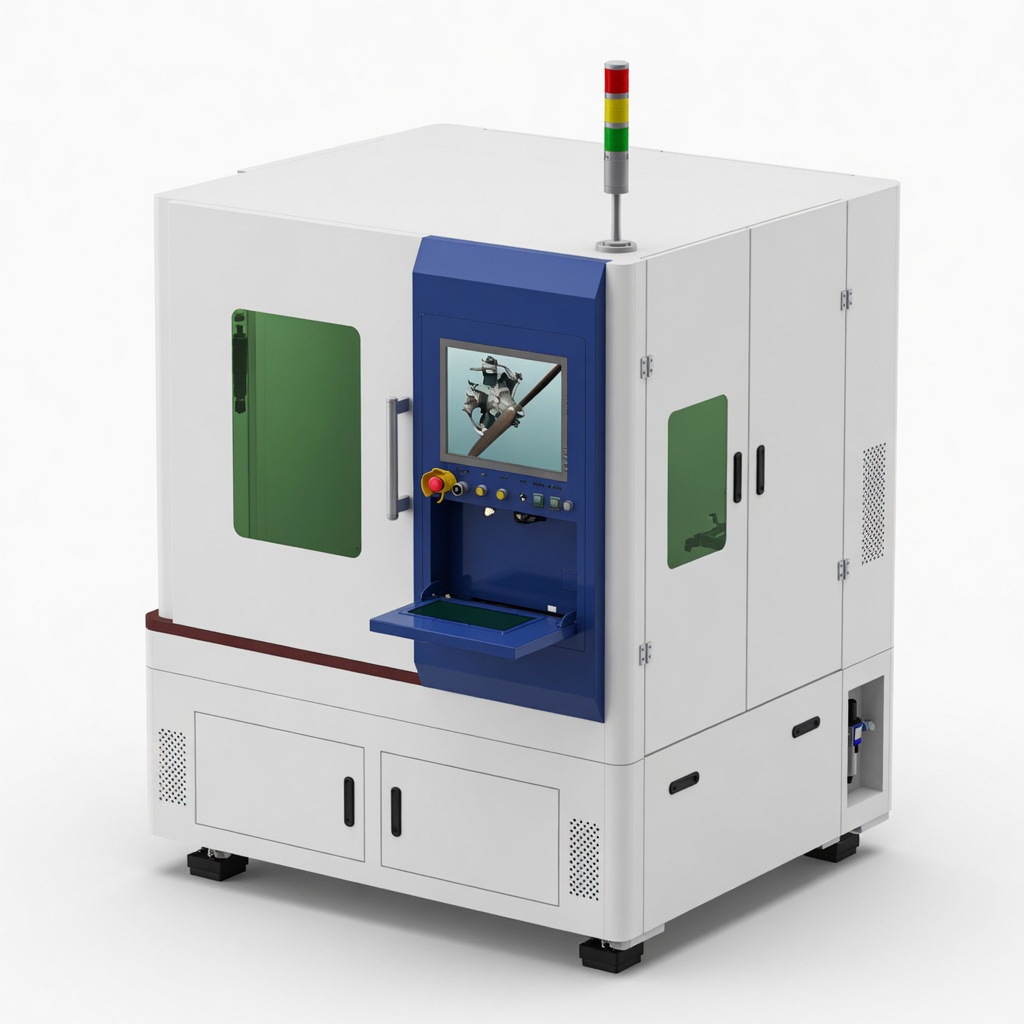
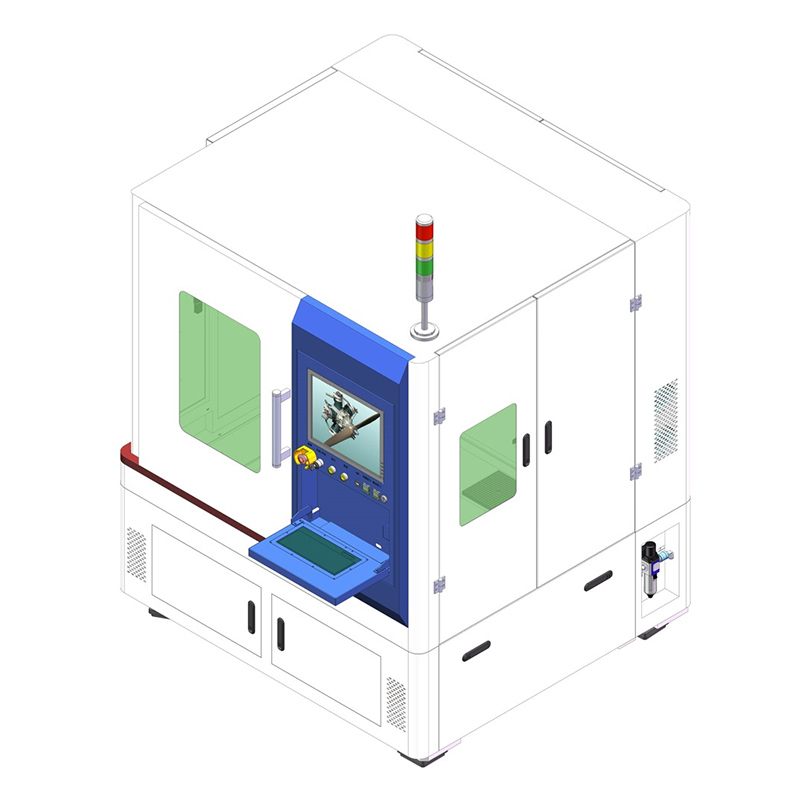
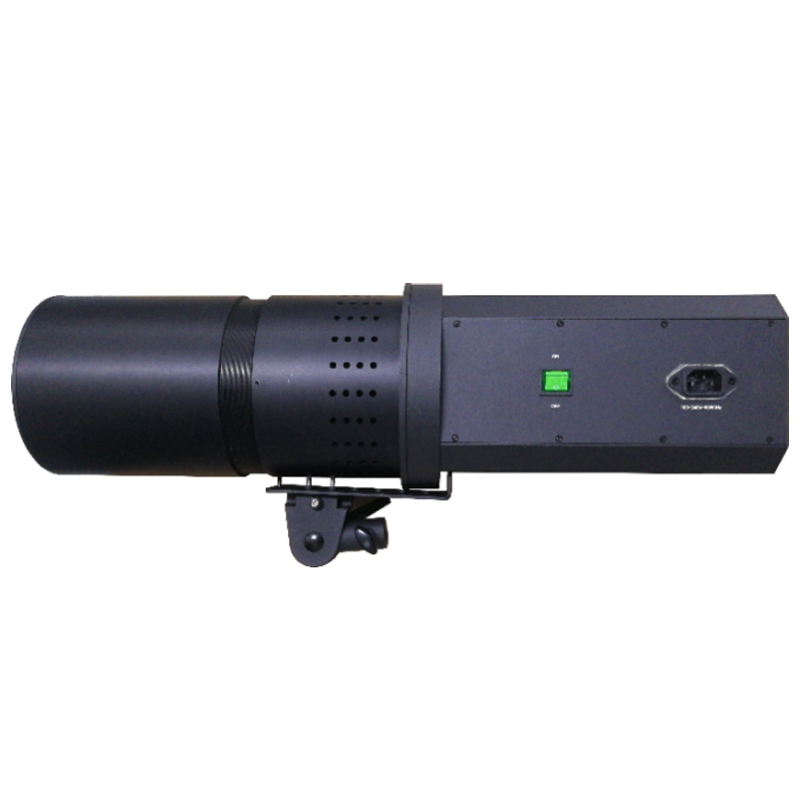
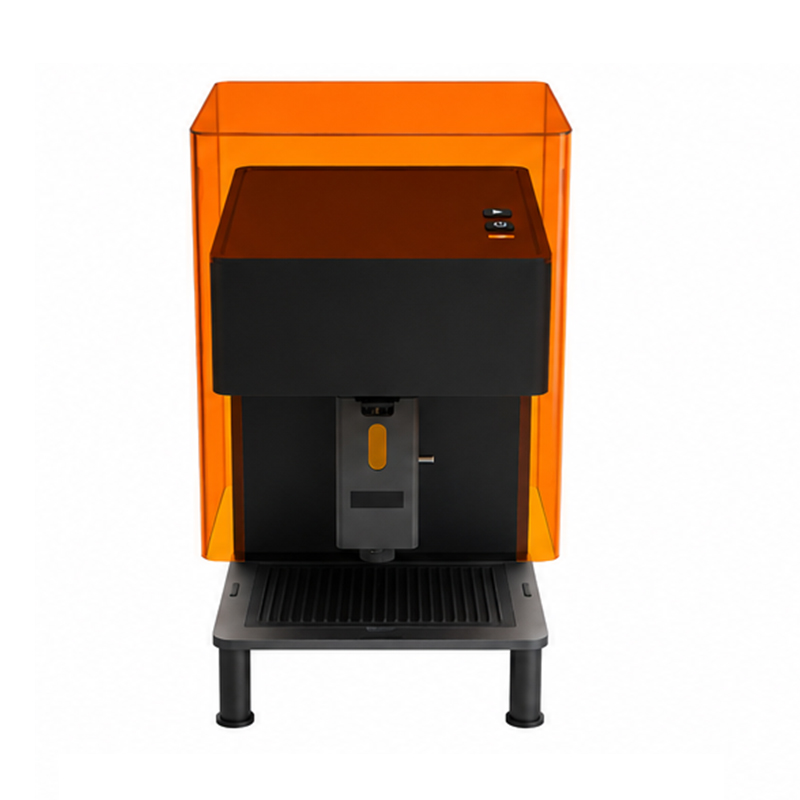
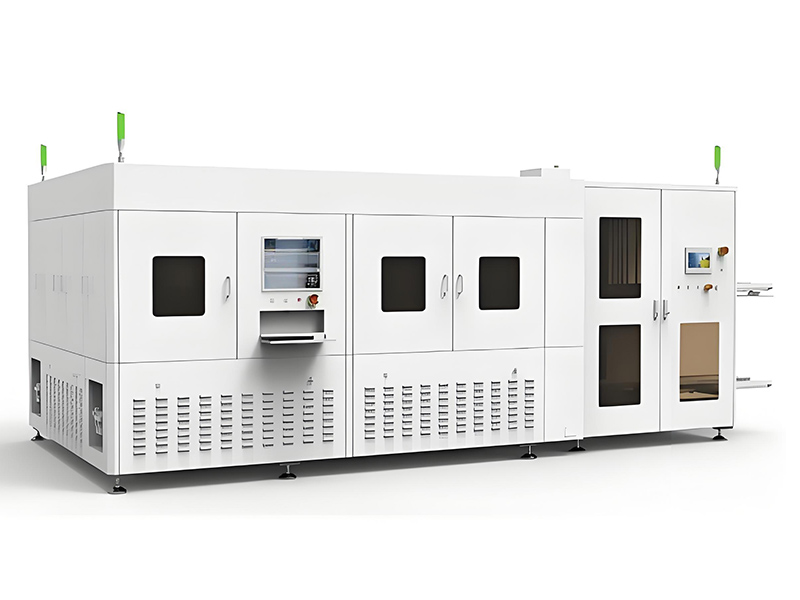
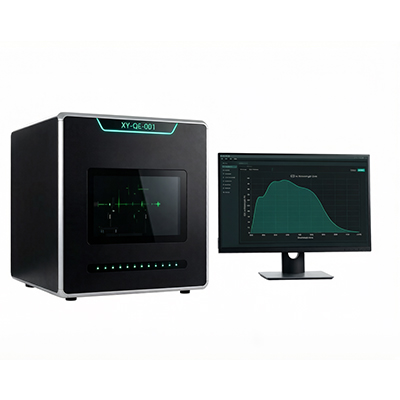
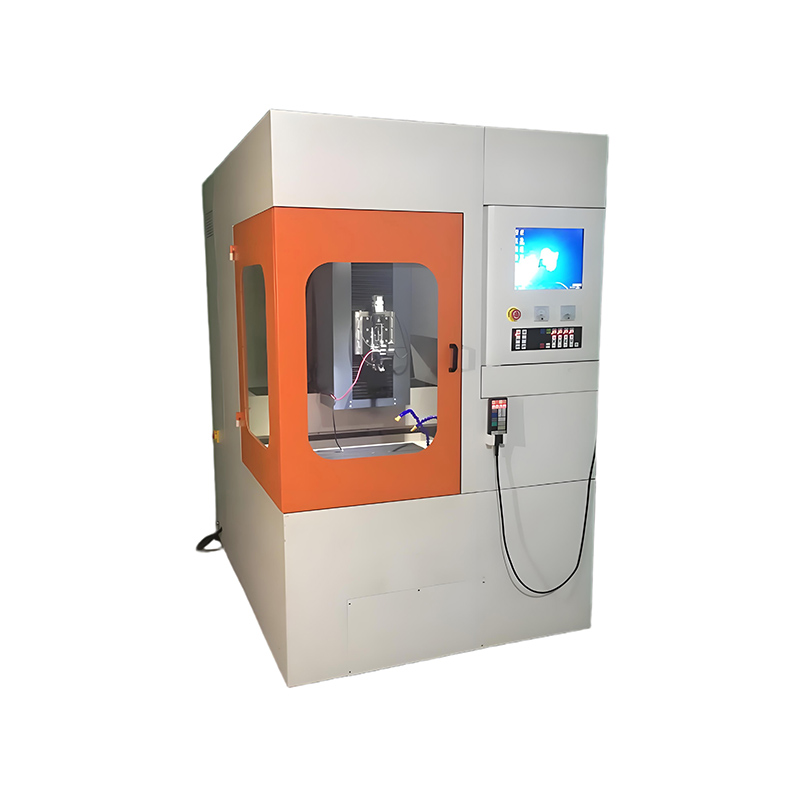
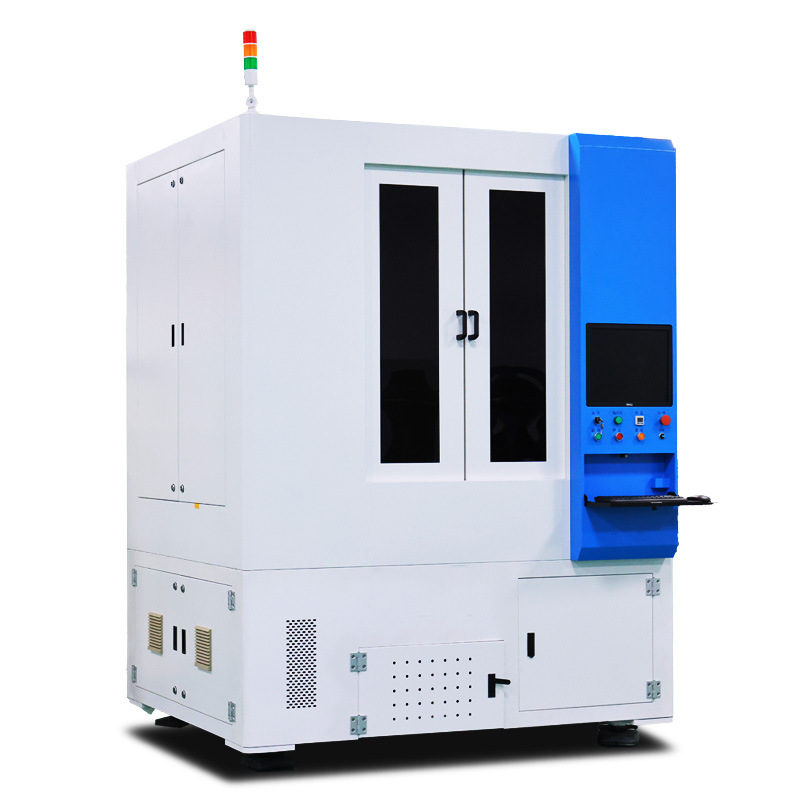
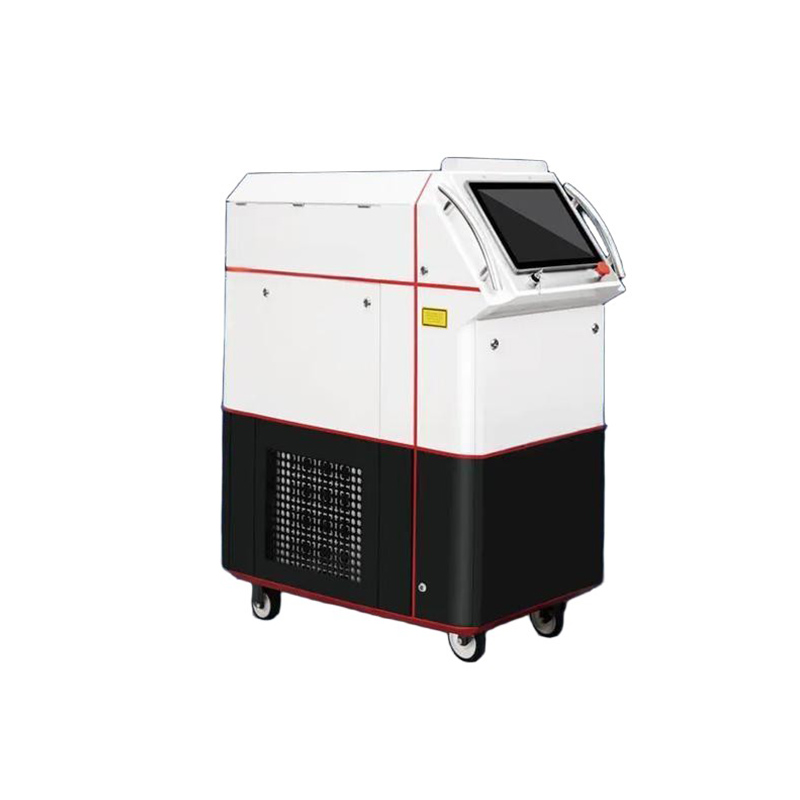
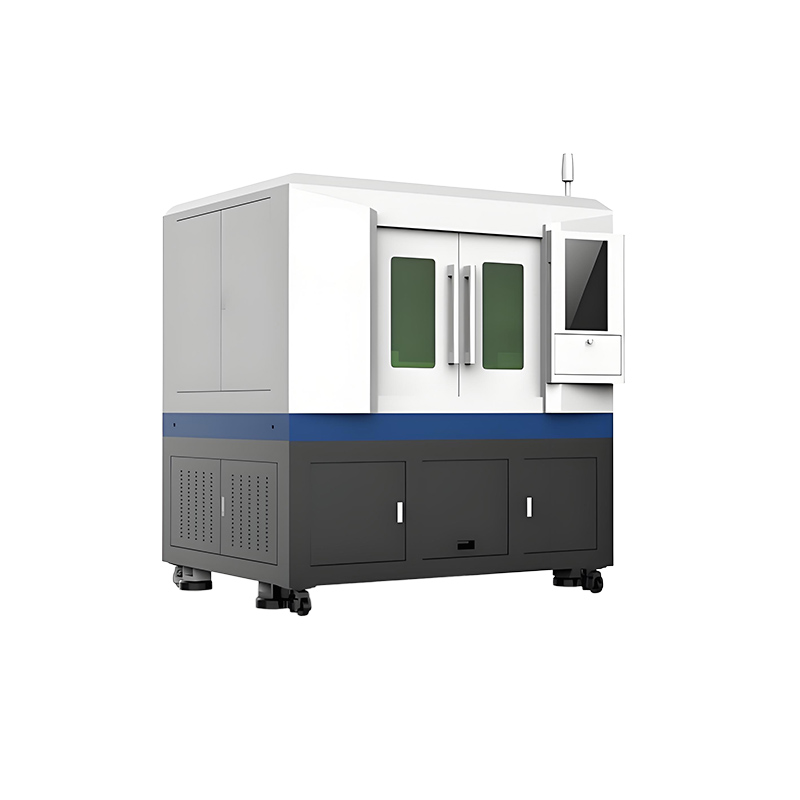
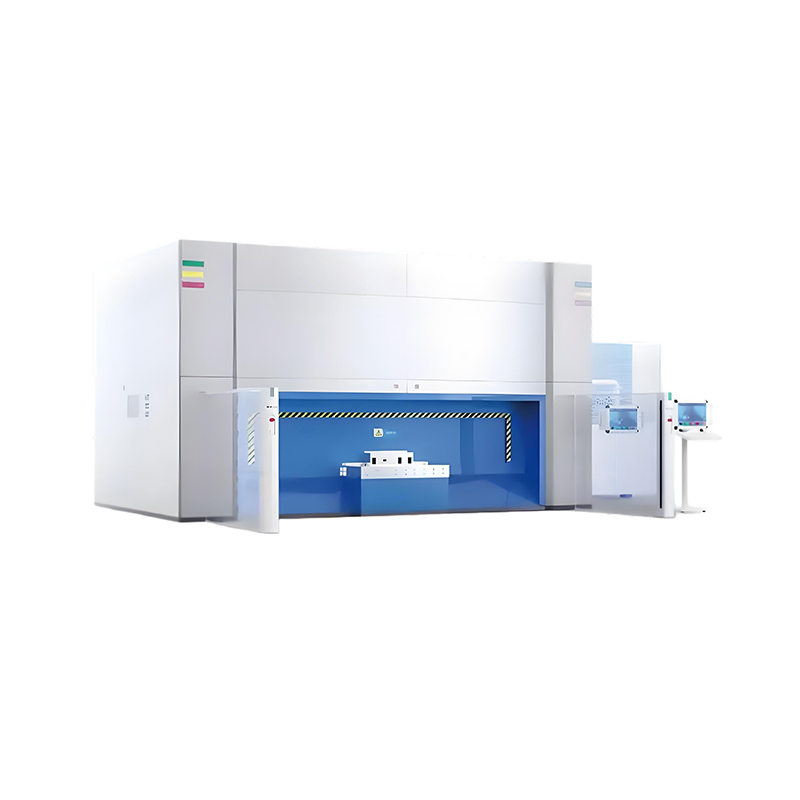
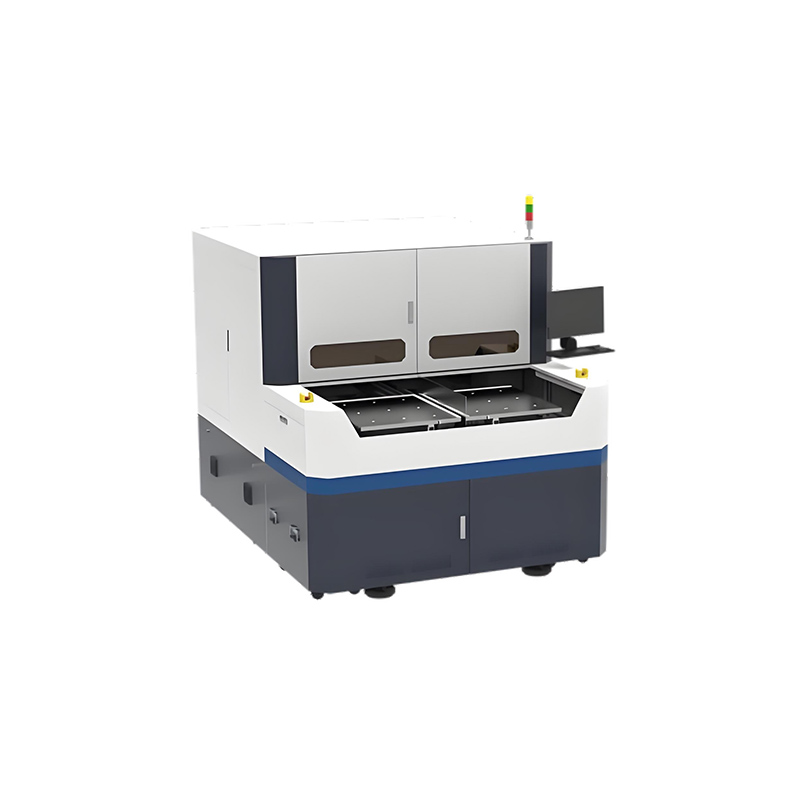
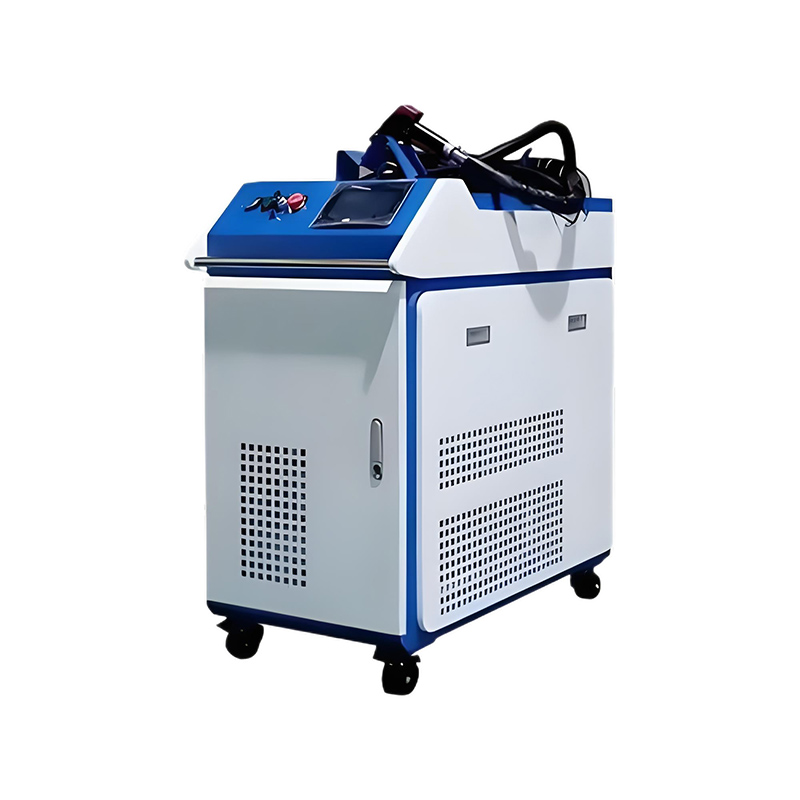
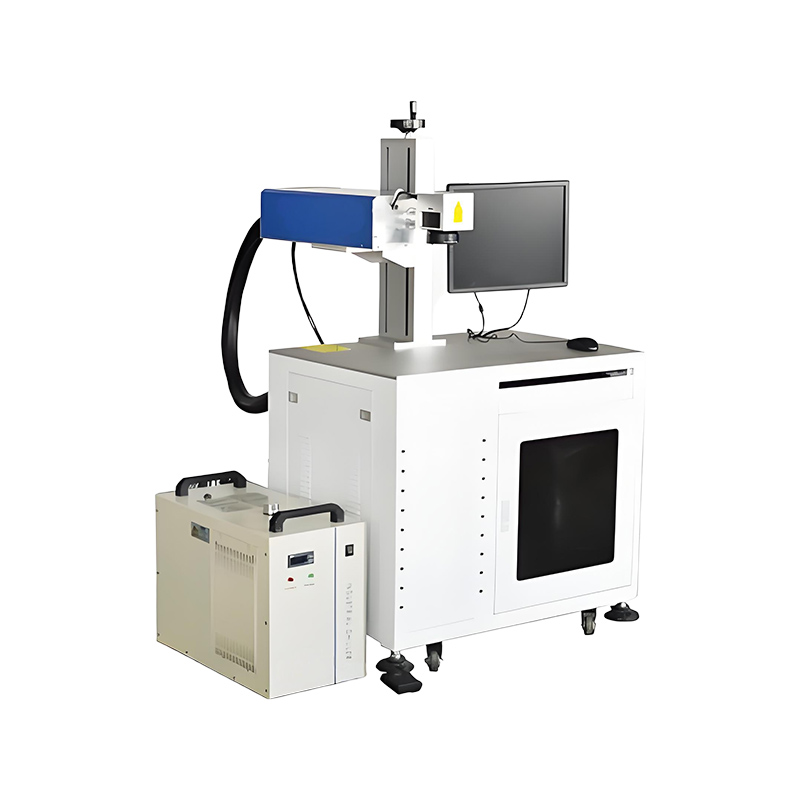
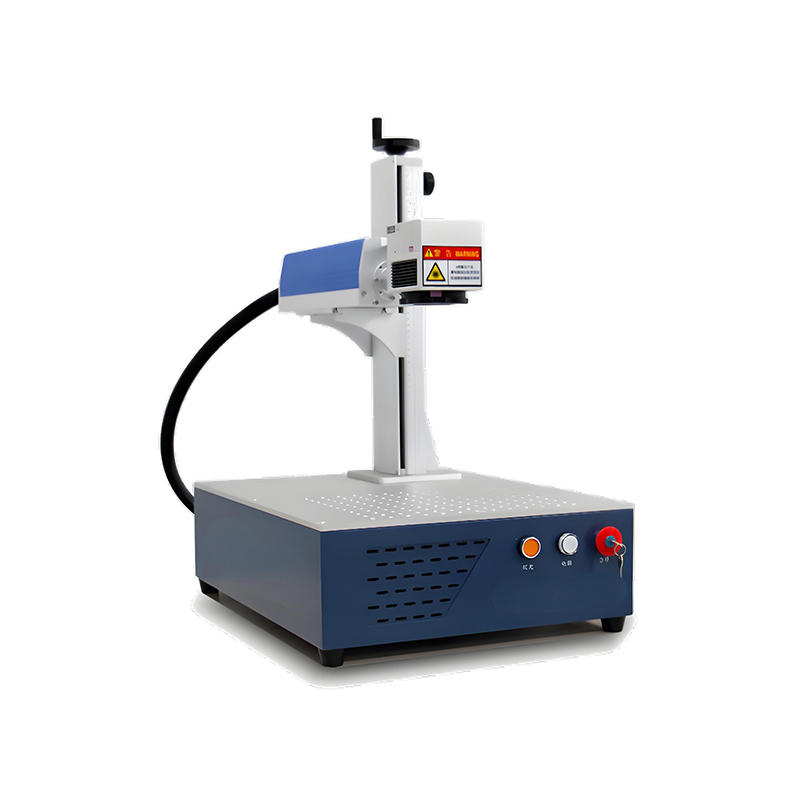
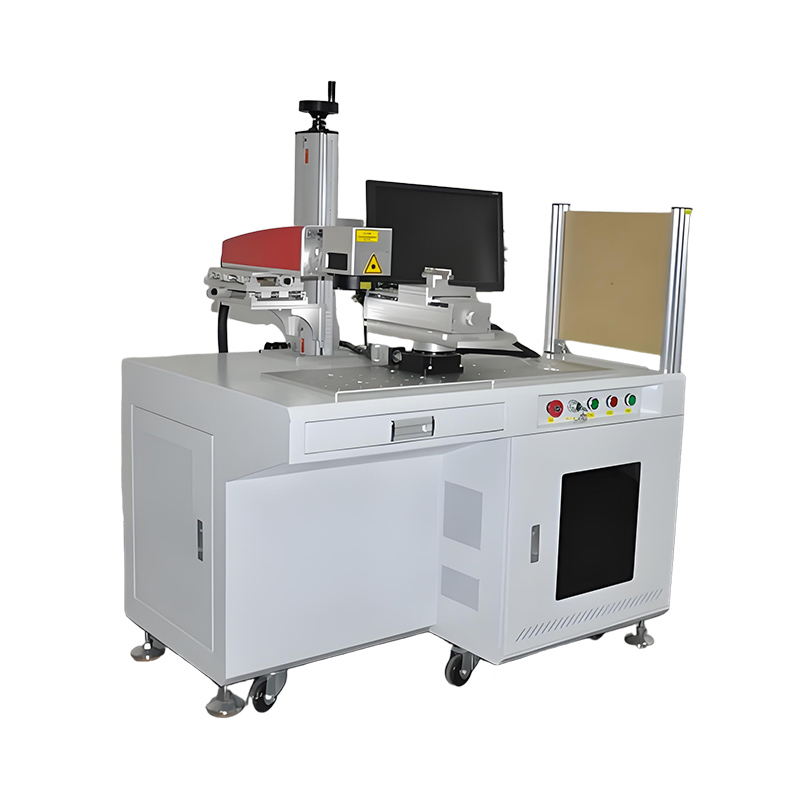
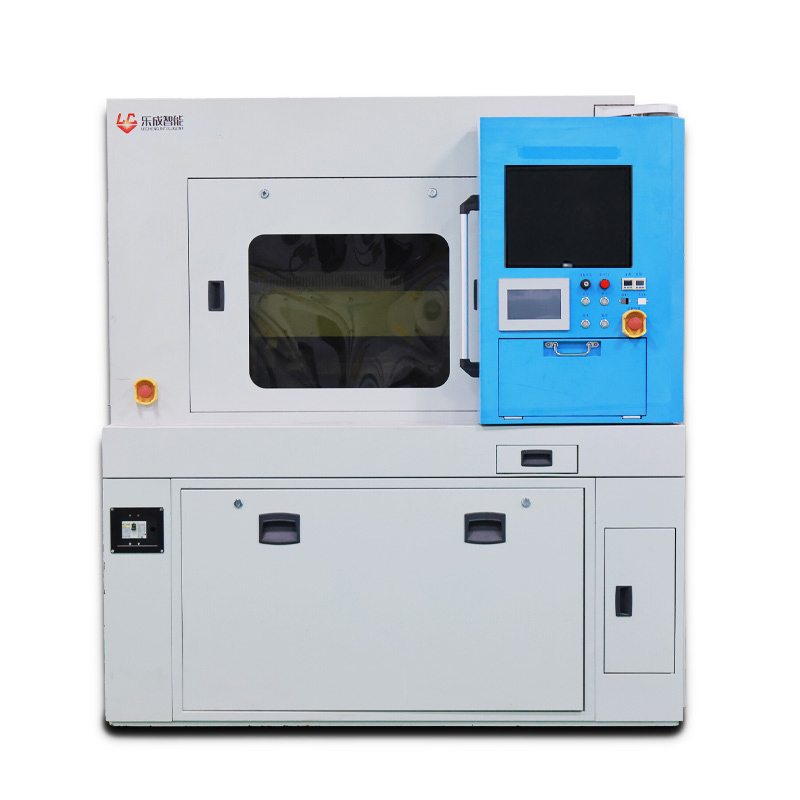
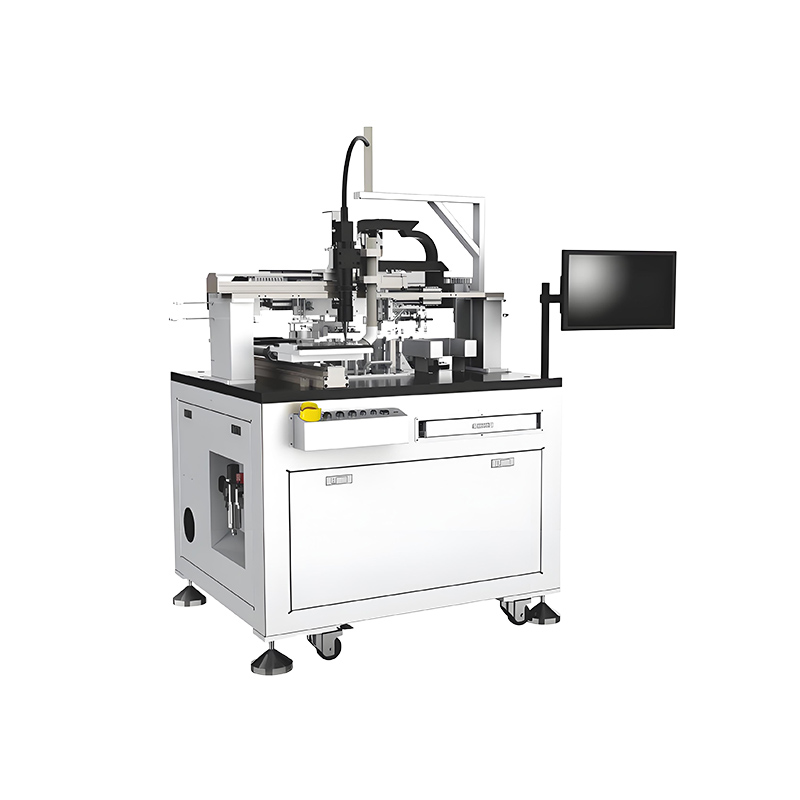
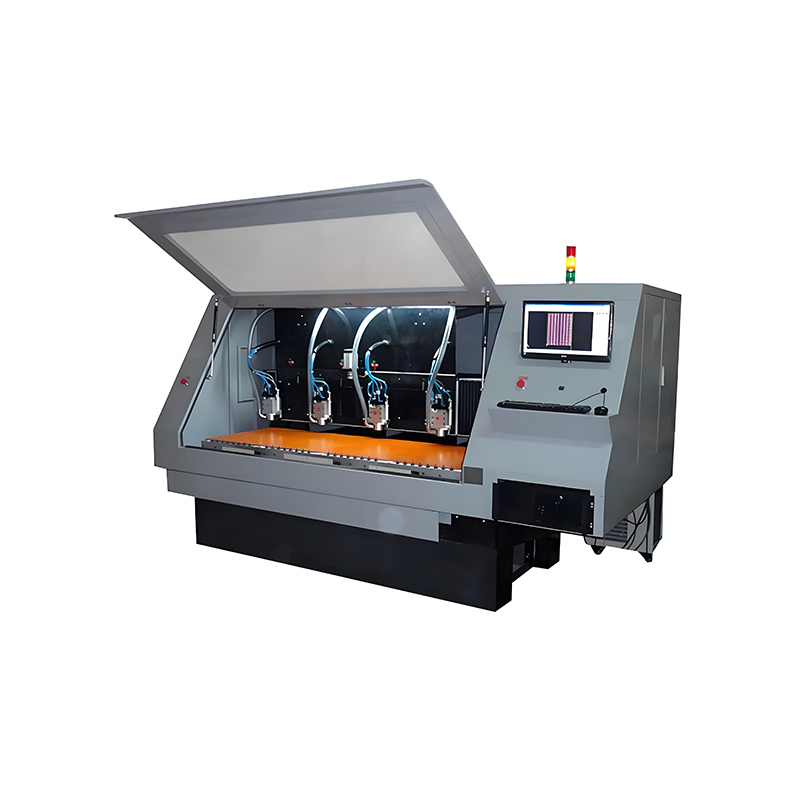
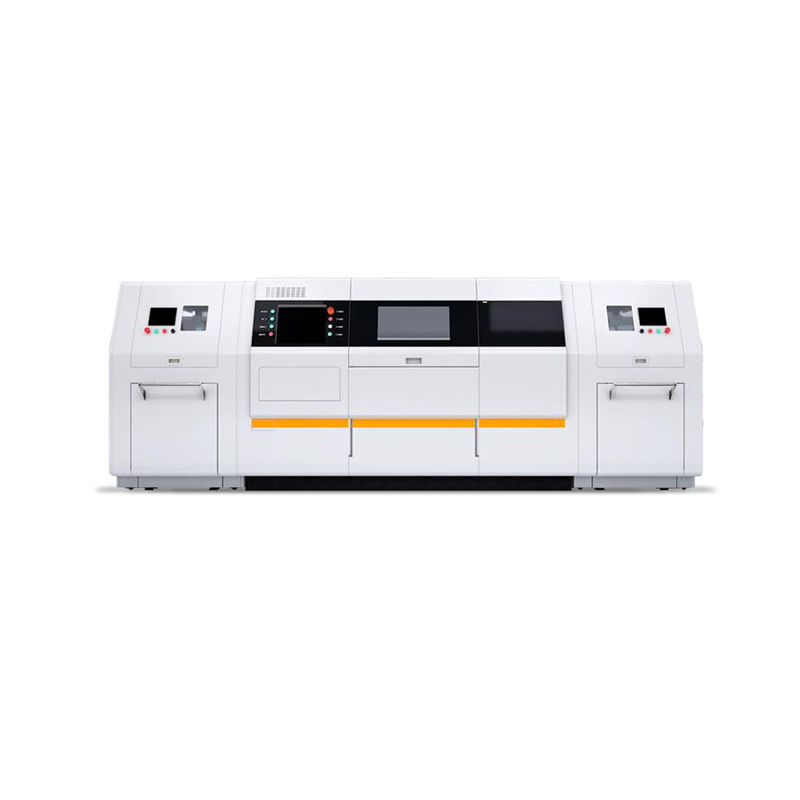
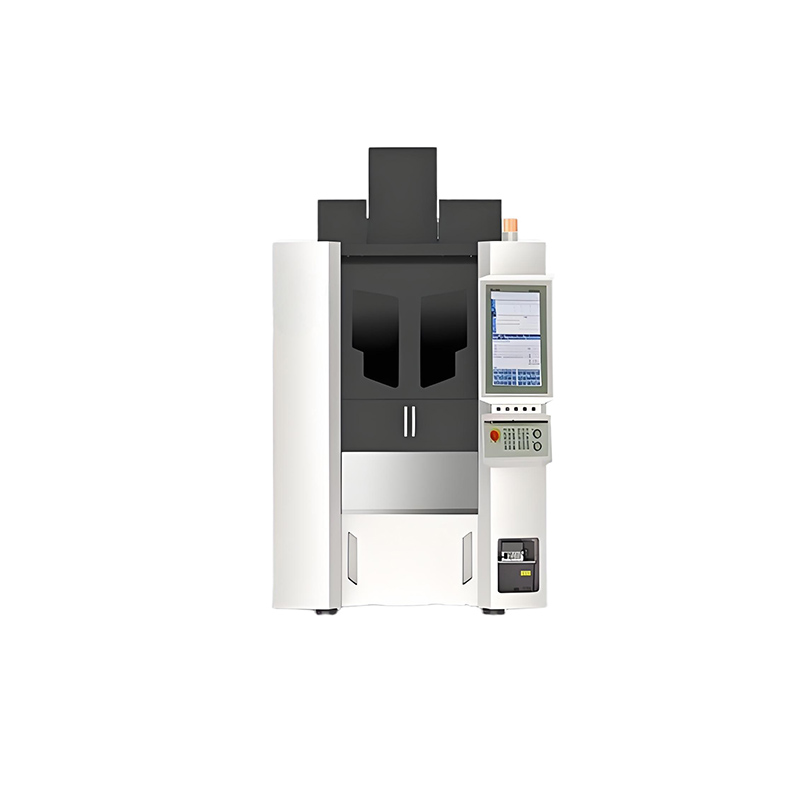
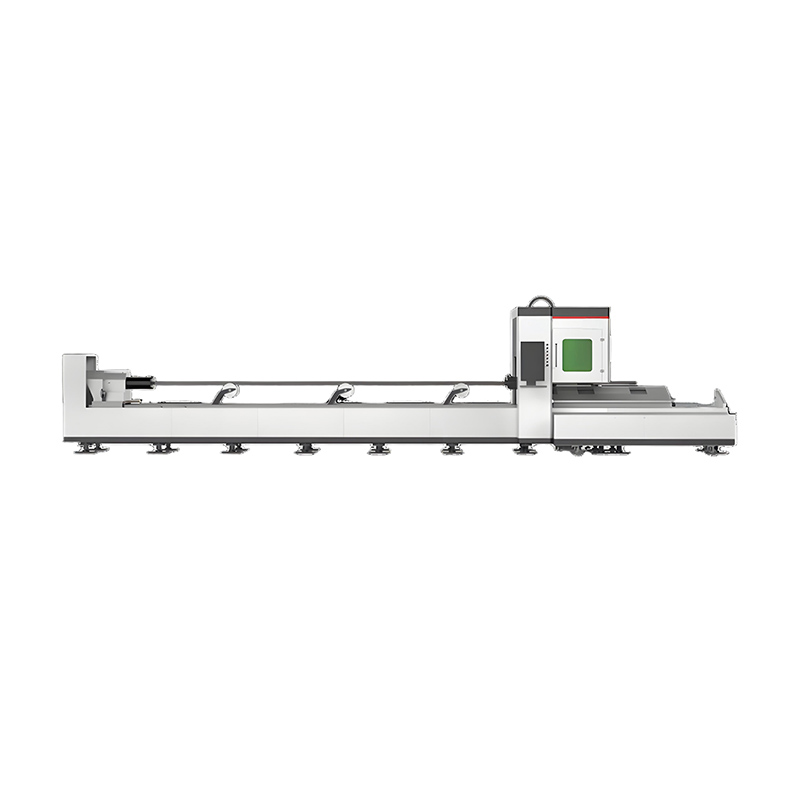
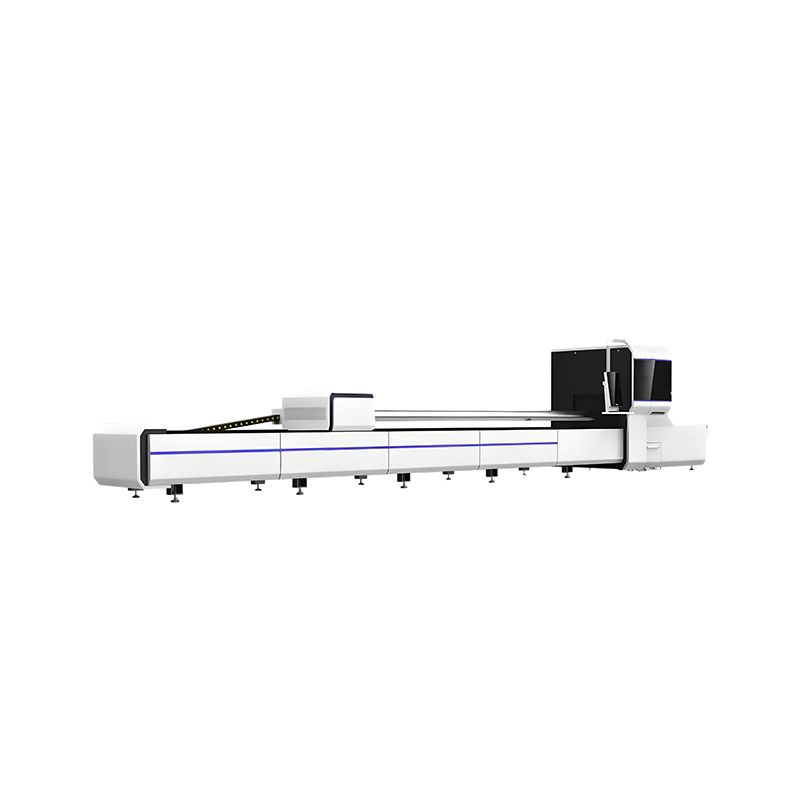
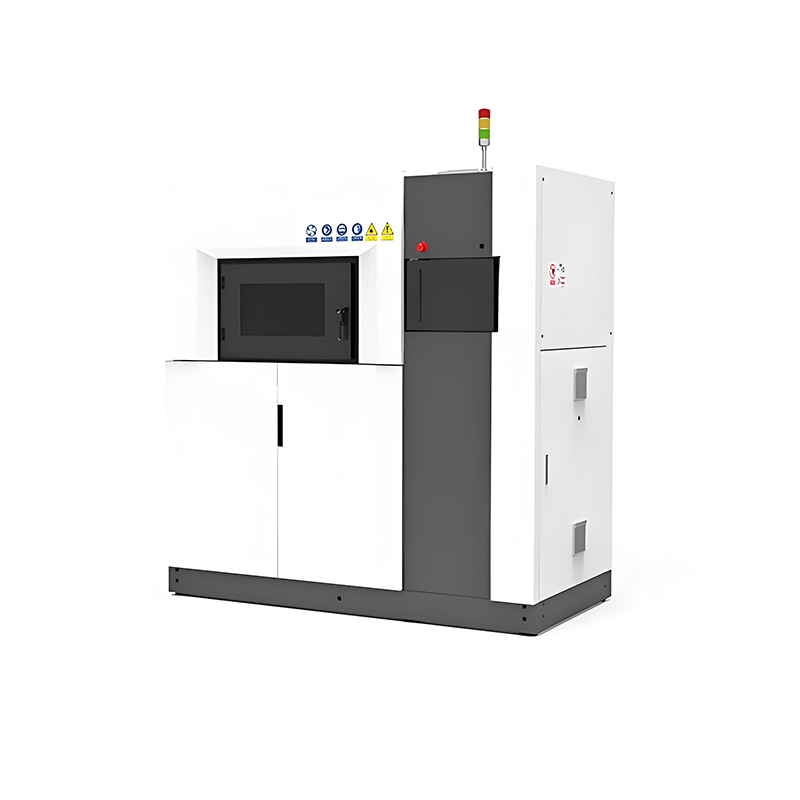
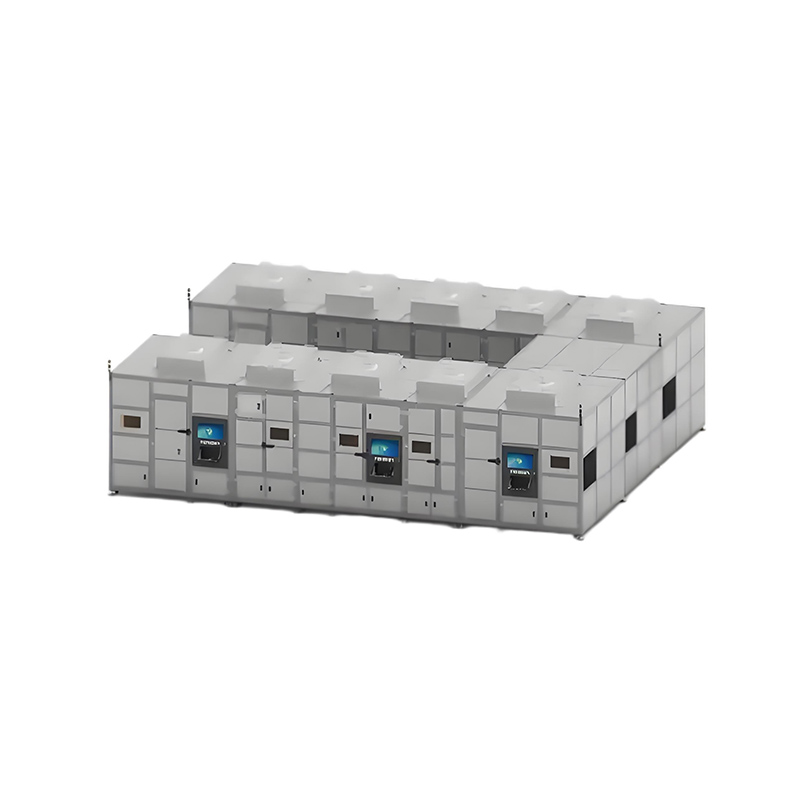
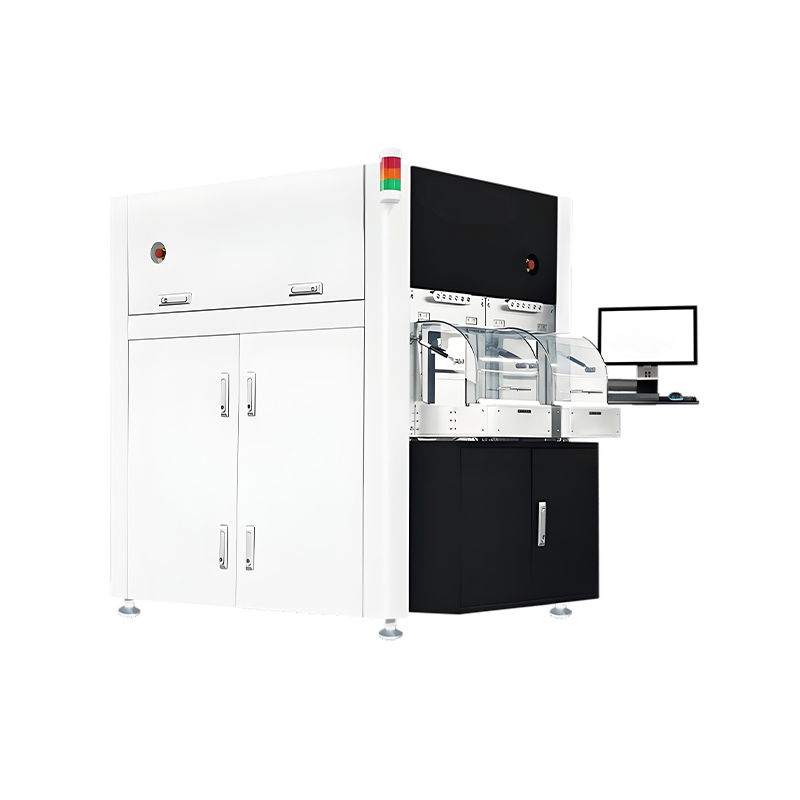
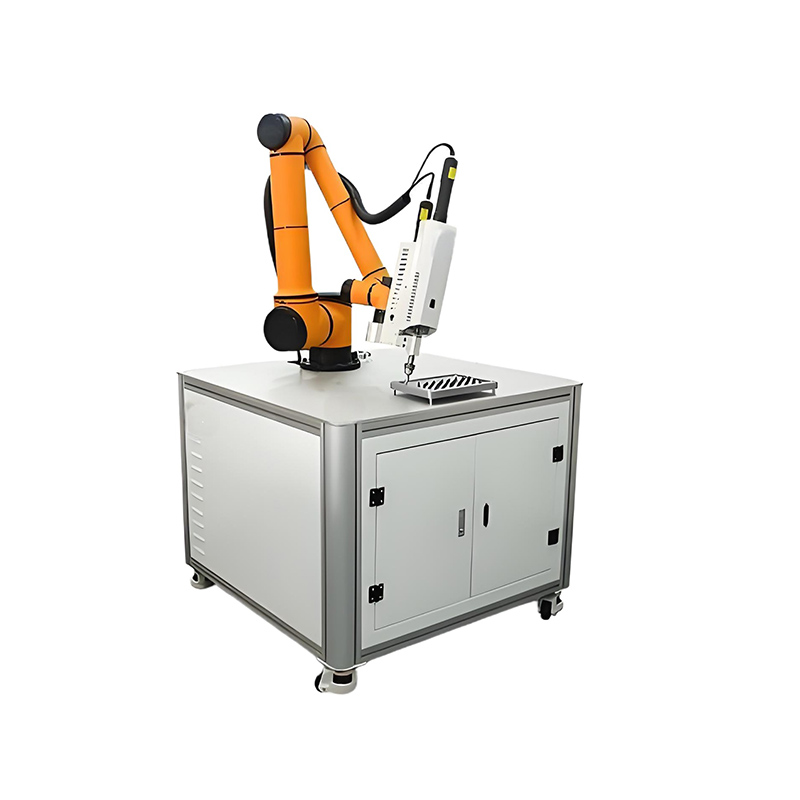
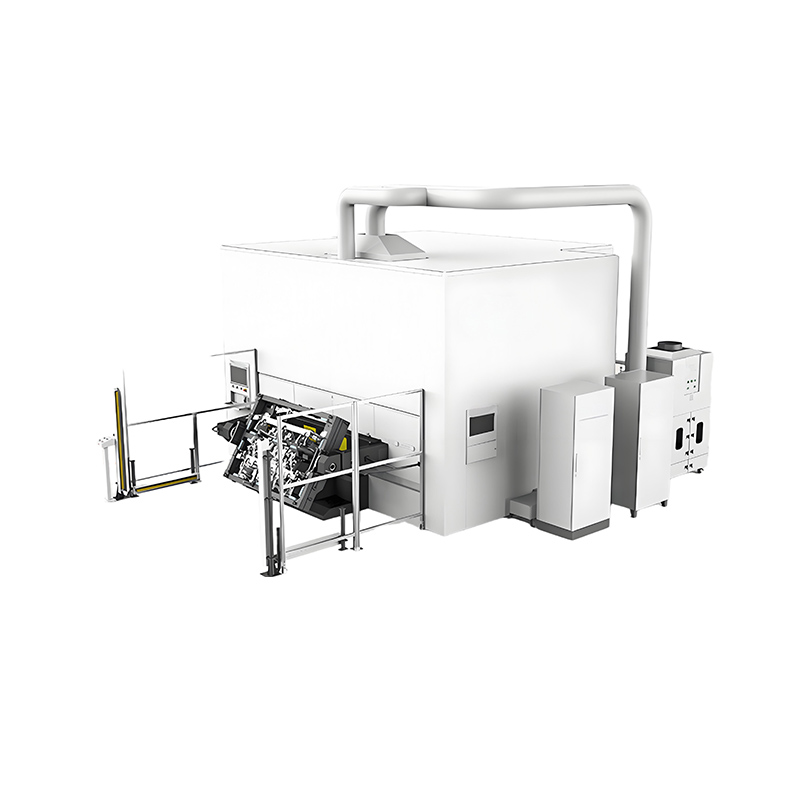
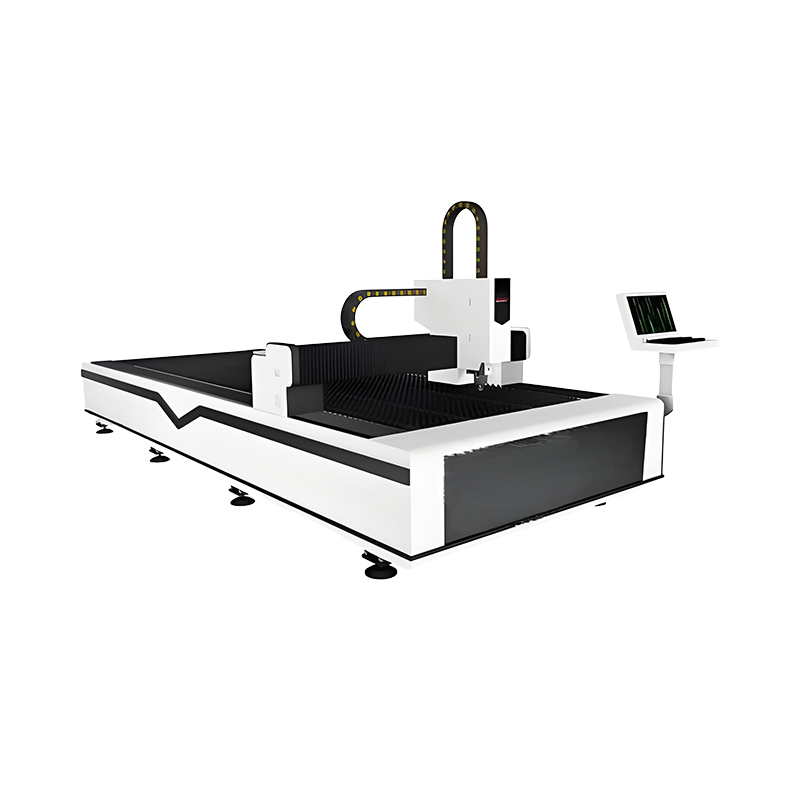
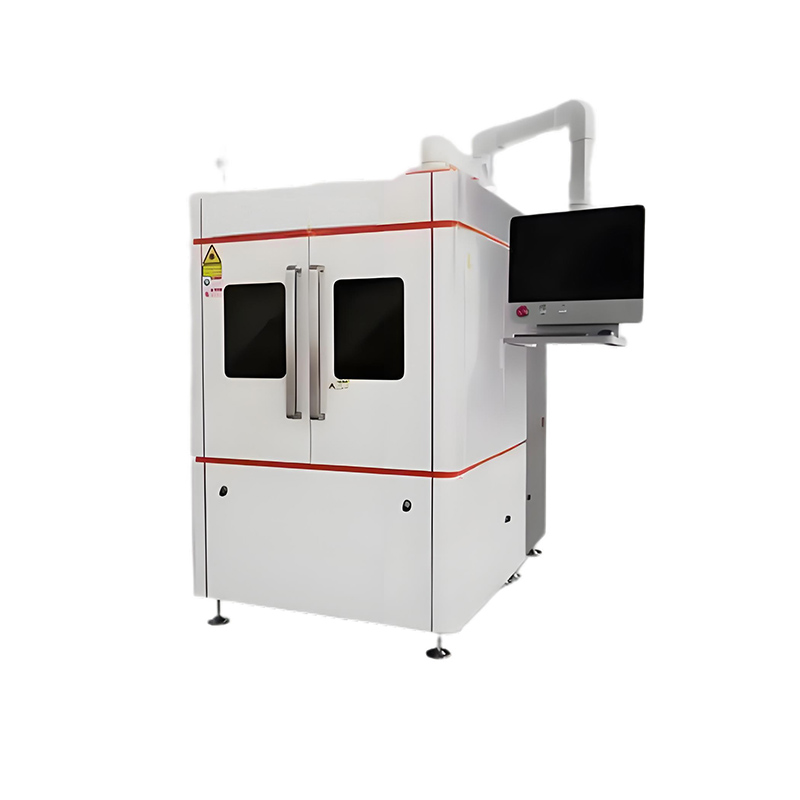
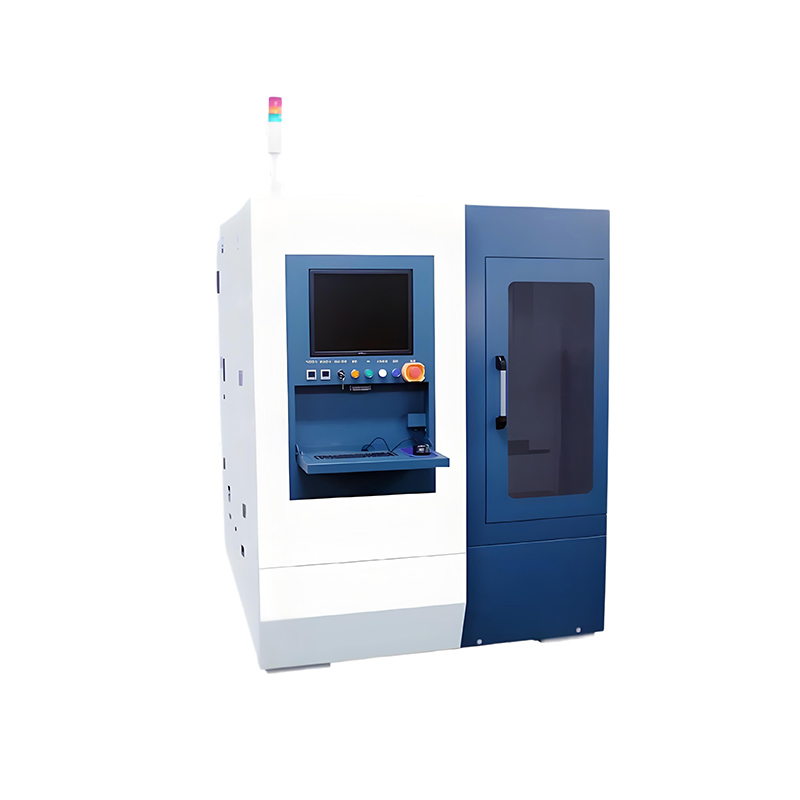
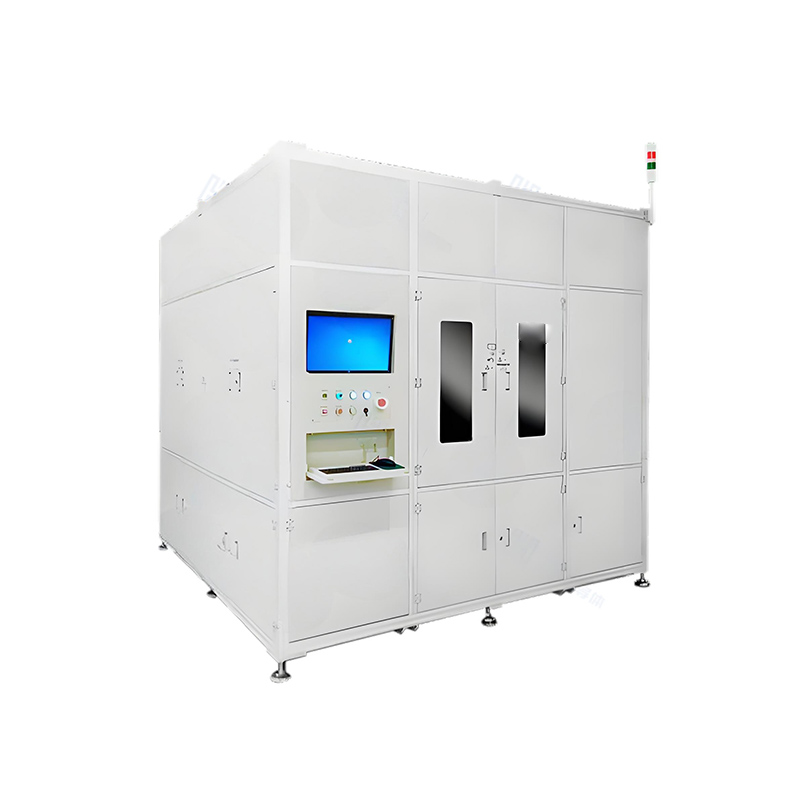
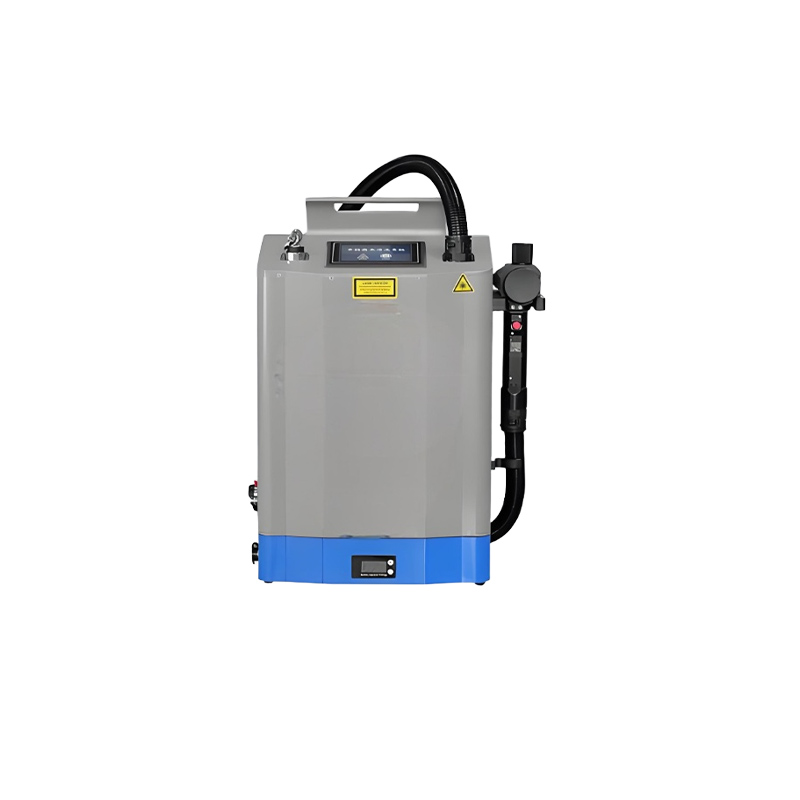
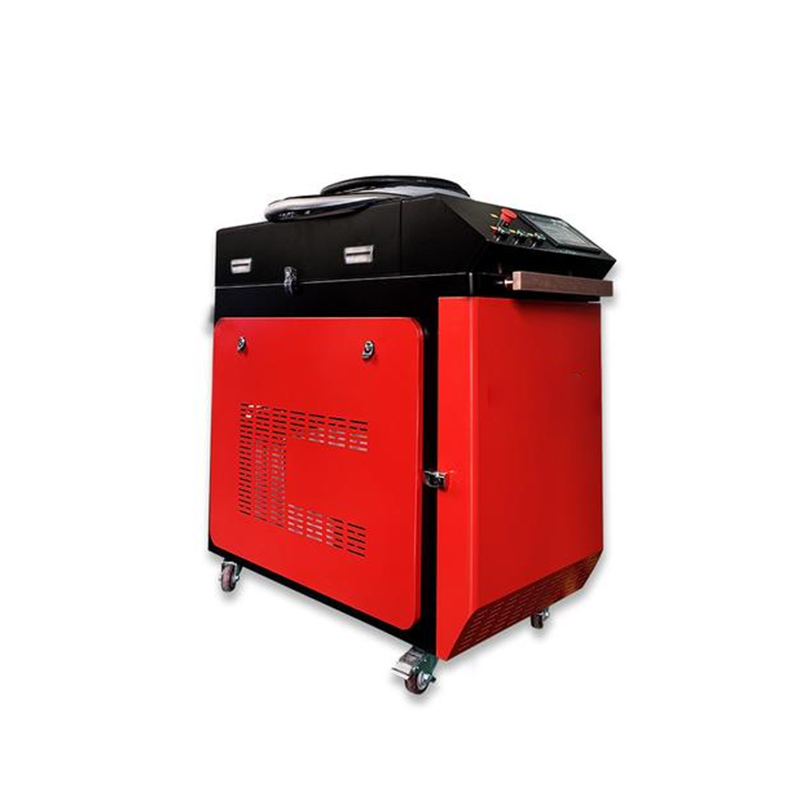
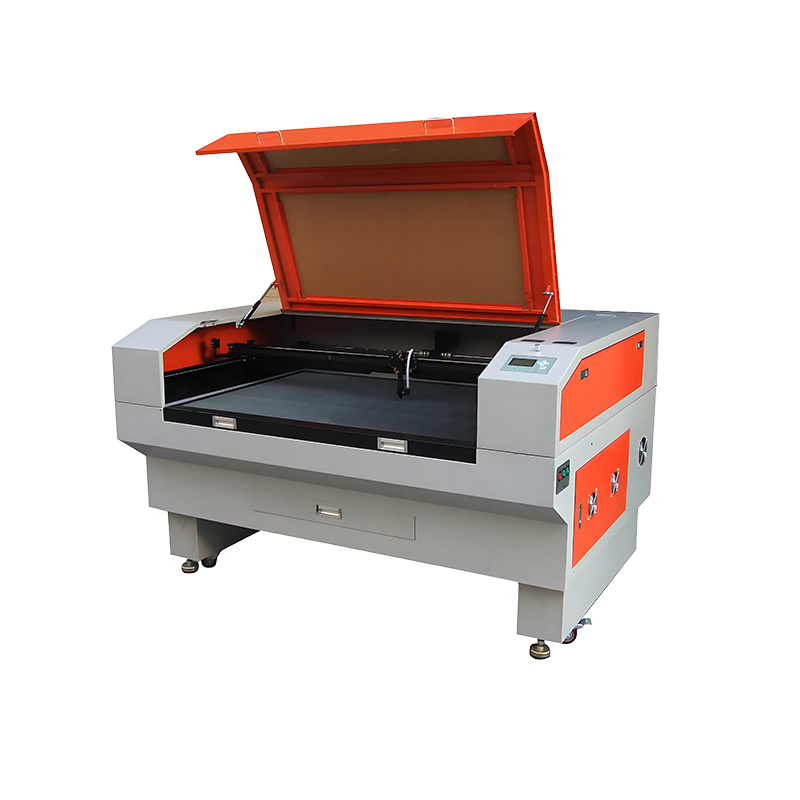
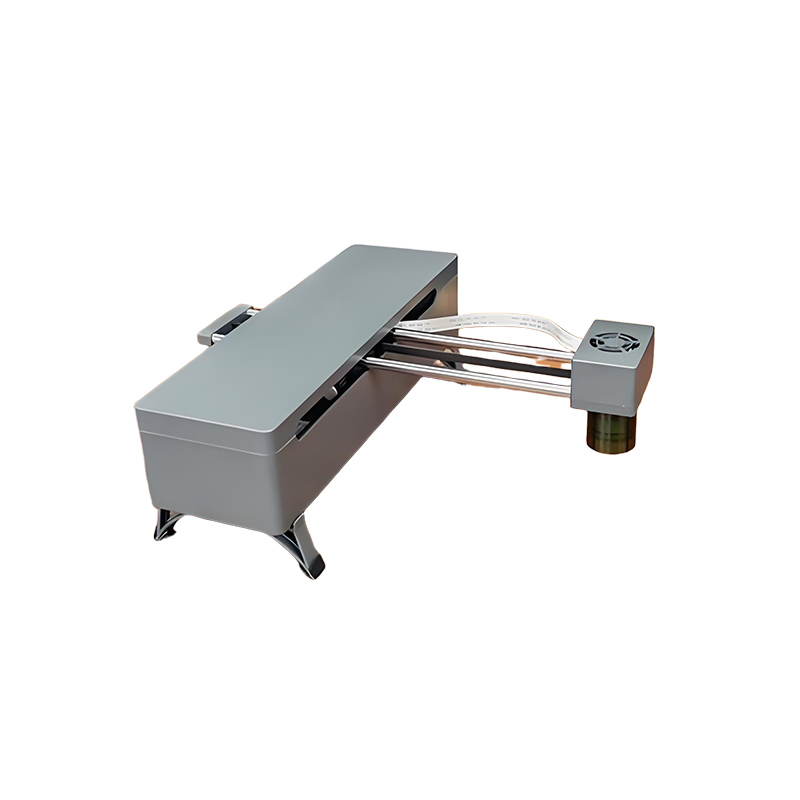
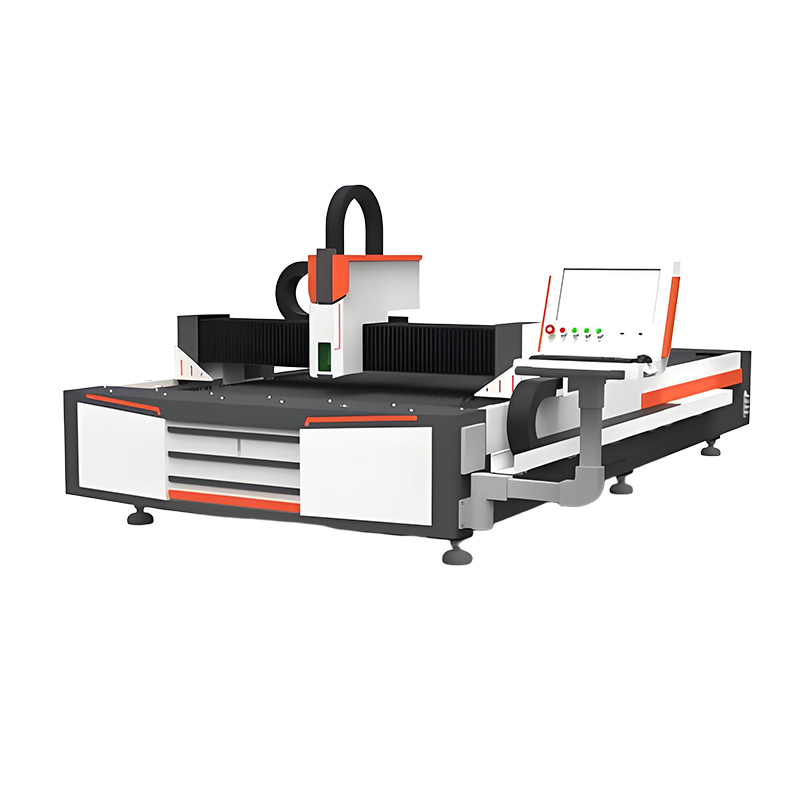
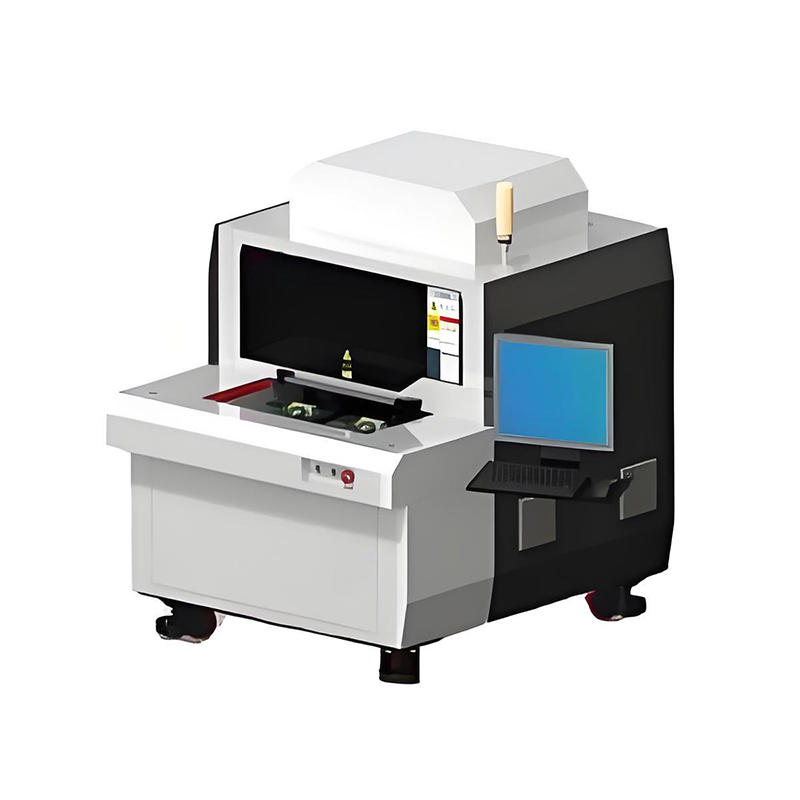
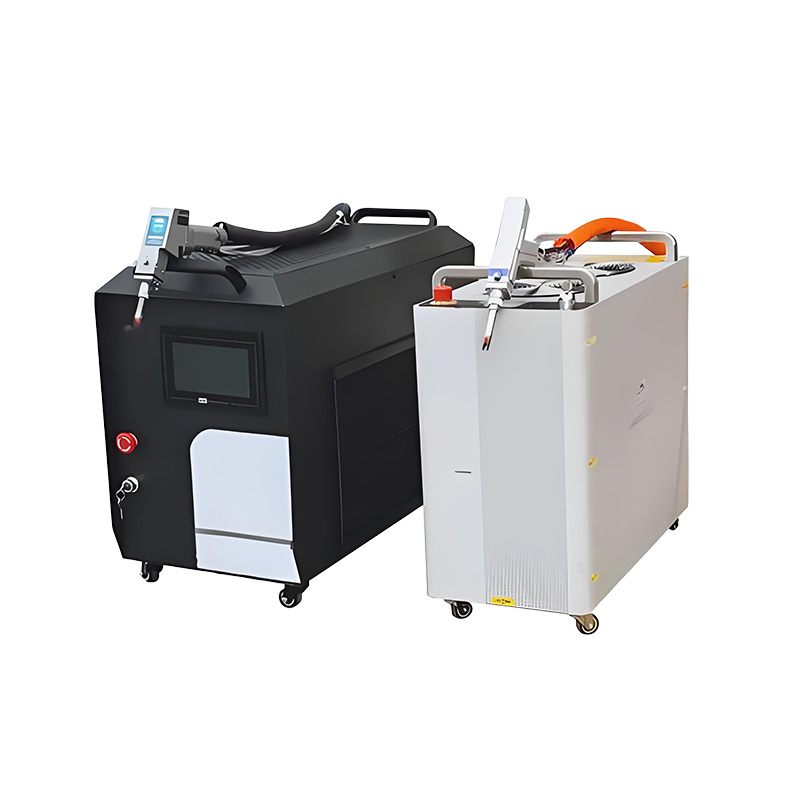

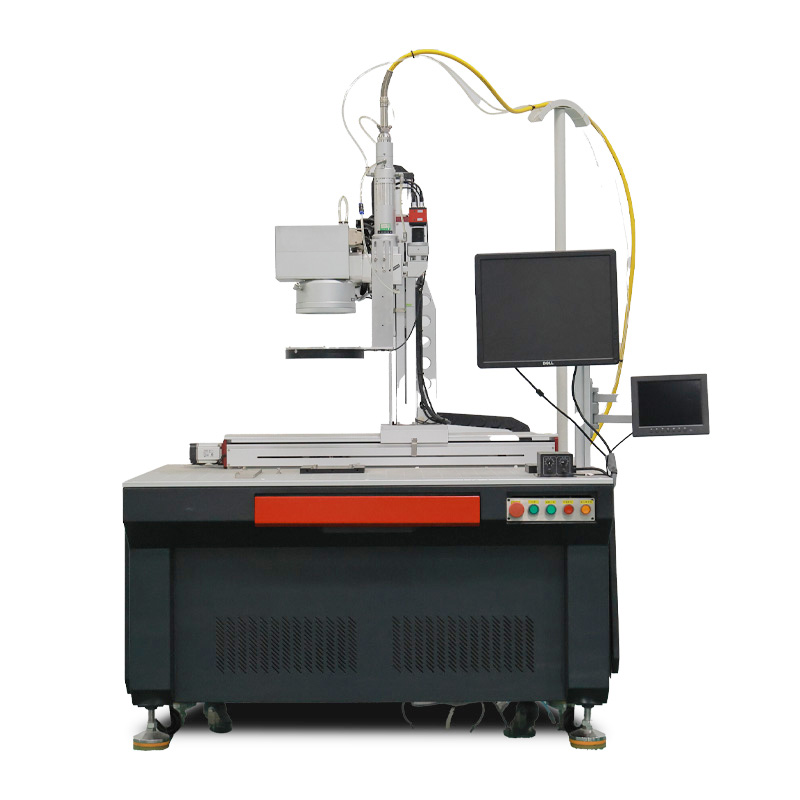
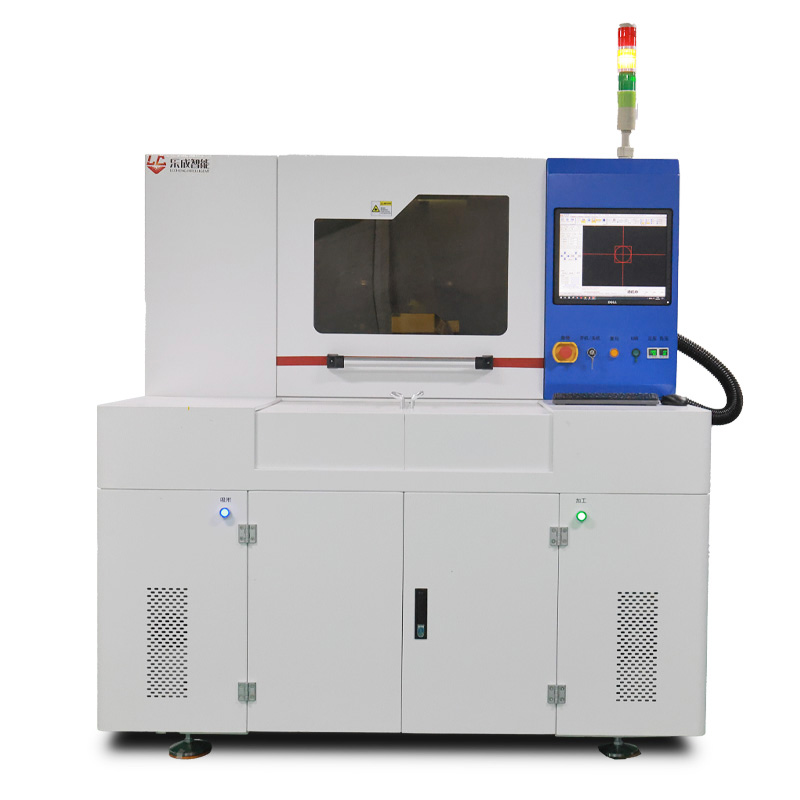
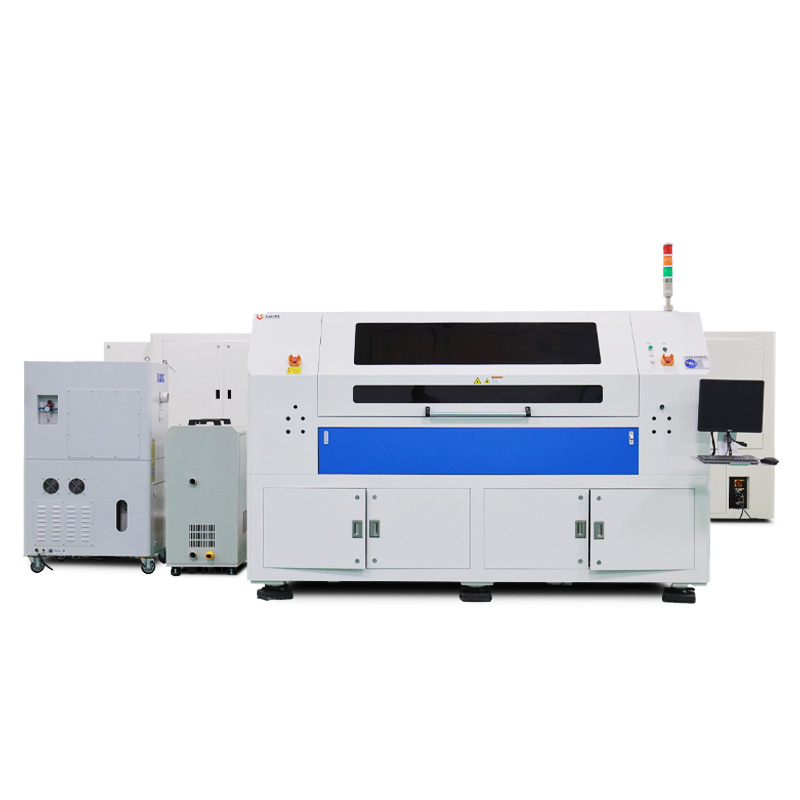

Perovskite solar cells have demonstrated unprecedented efficiency gains, rising from 3% to over 25% in a decade—a trajectory that took silicon 40 years. Lab-scale perovskite tandems now exceed 33%, leveraging wider light absorption spectra. However, silicon maintains an industrial average of 22-24% with proven stability. Lecheng’s laser scribing systems optimize perovskite module efficiency by minimizing dead zones (<150μm) and enabling monolithic integration, critical for closing the gap with silicon’s field performance.
Manufacturing Cost: Low-Temperature Processing vs. Energy-Intensive Silicon
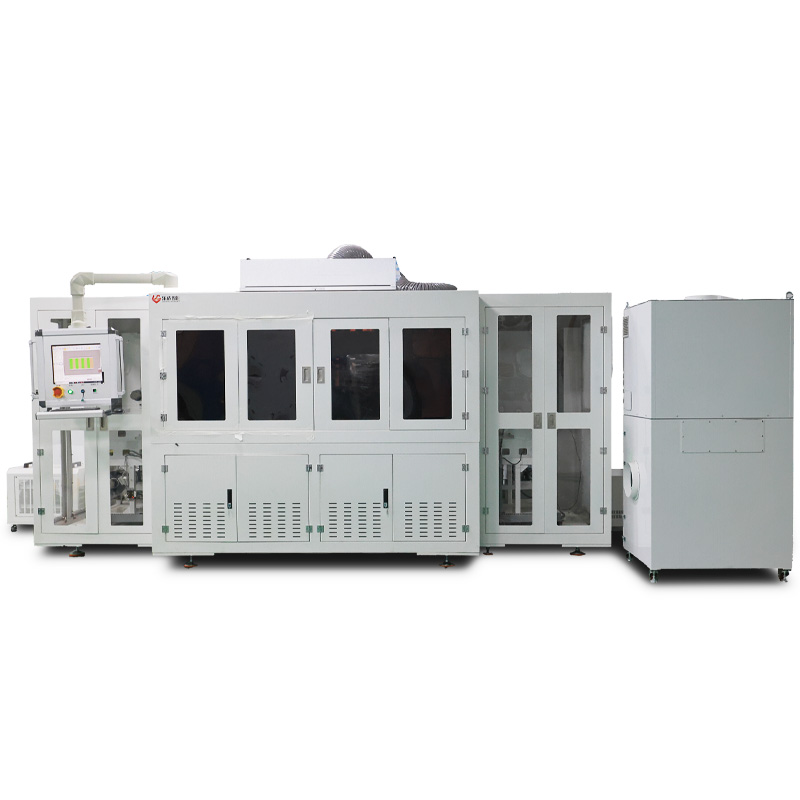
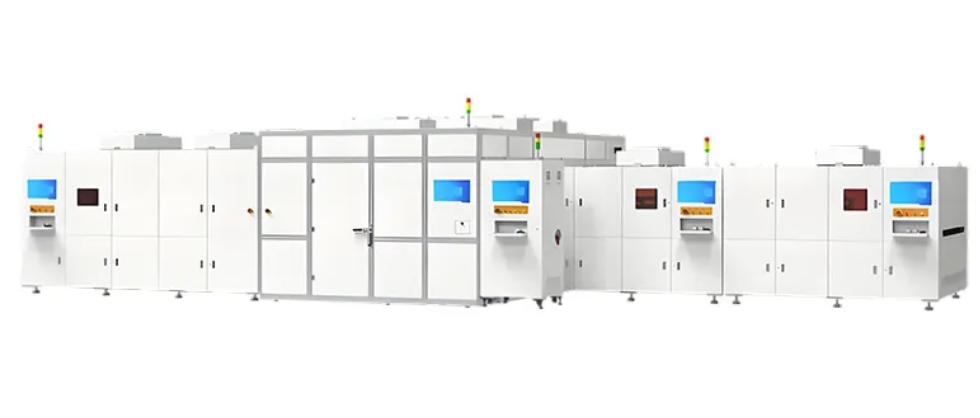
Perovskite production costs are projected to fall below $0.10/Watt due to low-temperature (<150°C) solution-based deposition, contrasting with silicon’s high-energy (>800°C) purification. Lecheng’s roll-to-roll laser systems reduce capital expenditure by 40% through simultaneous P1-P4 processing and 1.5m/min throughput. Silicon’s reliance on expensive silver paste and multi-step doping remains a cost barrier, whereas perovskite’s material versatility enables cheaper alternatives like carbon electrodes.
Reliability and Scalability: Laser-Enabled Stability for Commercialization
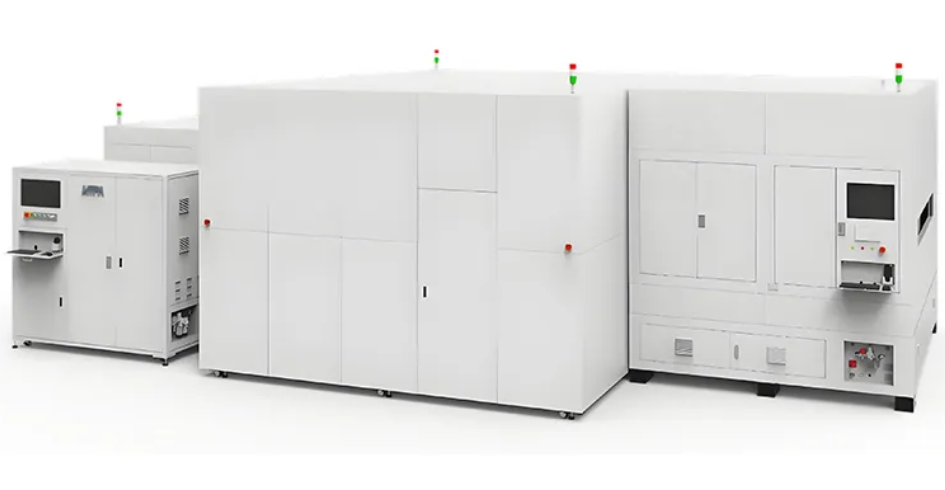
Silicon’s 25-year warranty stems from decades of encapsulation refinement, while perovskite faces challenges in humidity and thermal stability. Lecheng’s laser edge isolation (P4) and hermetic sealing solutions extend perovskite module lifespan to >10,000 hours. Scalability favors perovskite—Lecheng’s 12-beam R2R systems enable 100MW production lines with <5% efficiency loss at scale, versus silicon’s expensive ingot growth limitations.
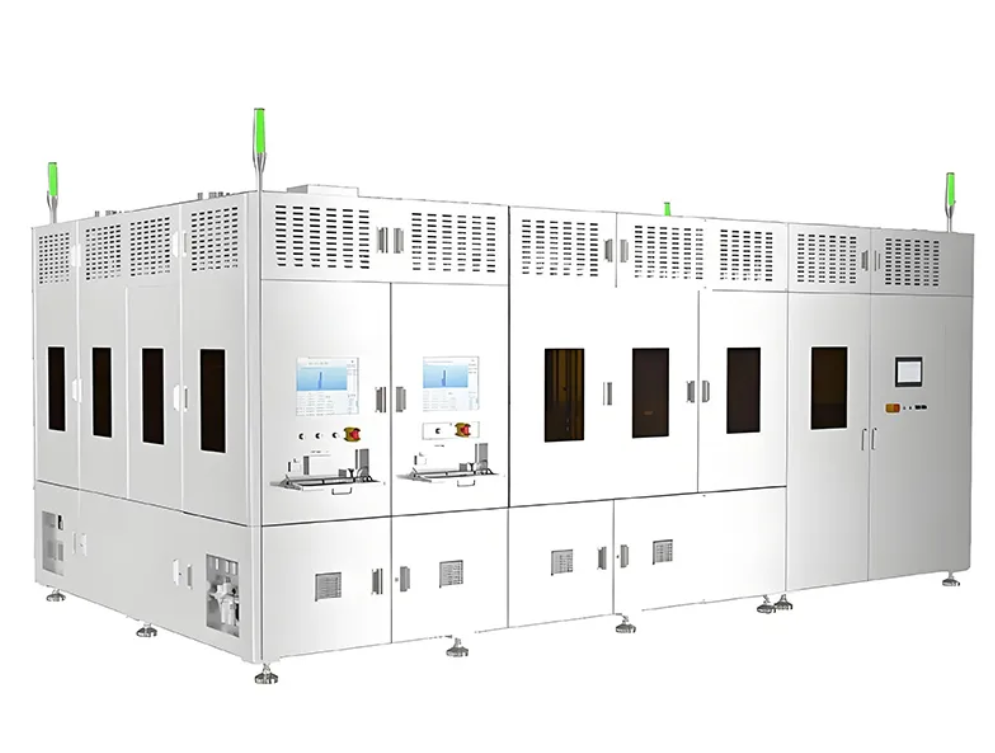
While silicon dominates current markets, perovskite’s combination of rapid efficiency gains, lower manufacturing costs, and laser-enabled scalability positions it as the future of solar. Lecheng’s precision laser solutions are pivotal in bridging perovskite’s reliability gap and accelerating its path to commercialization.