
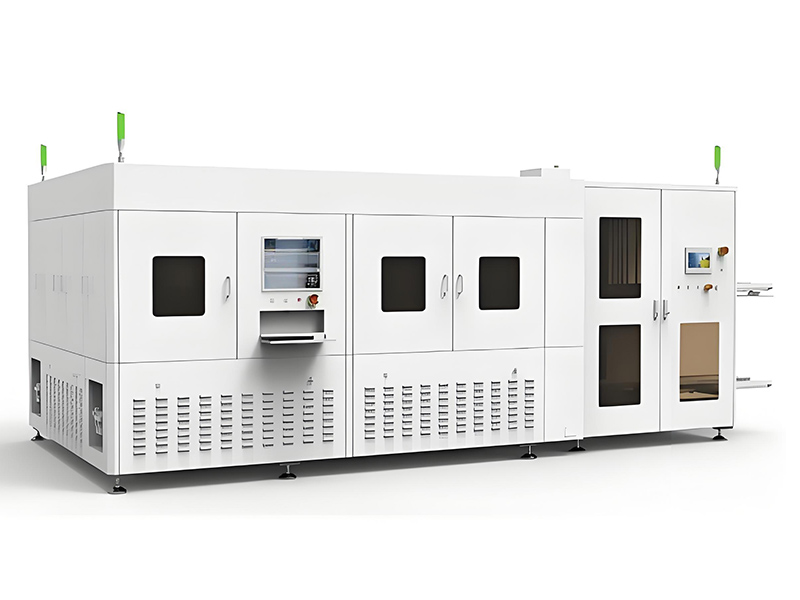
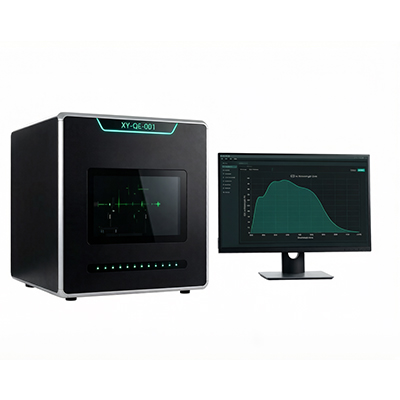
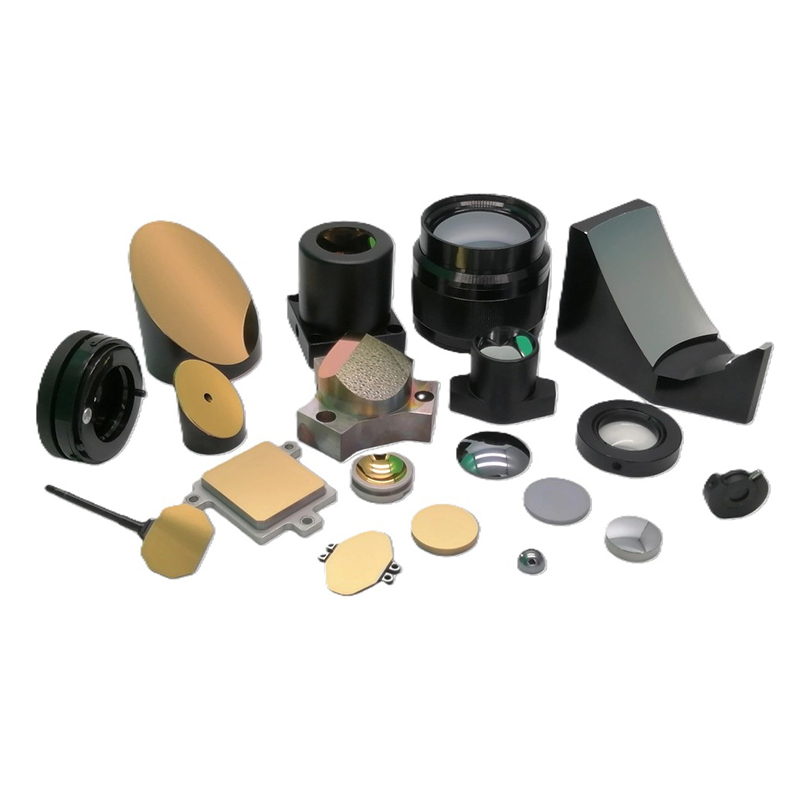
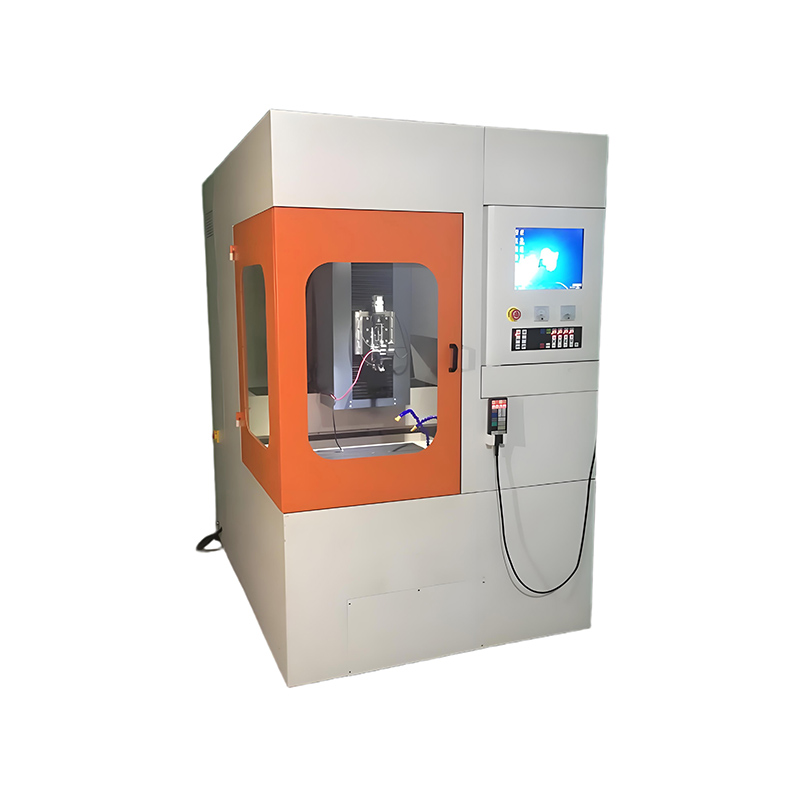
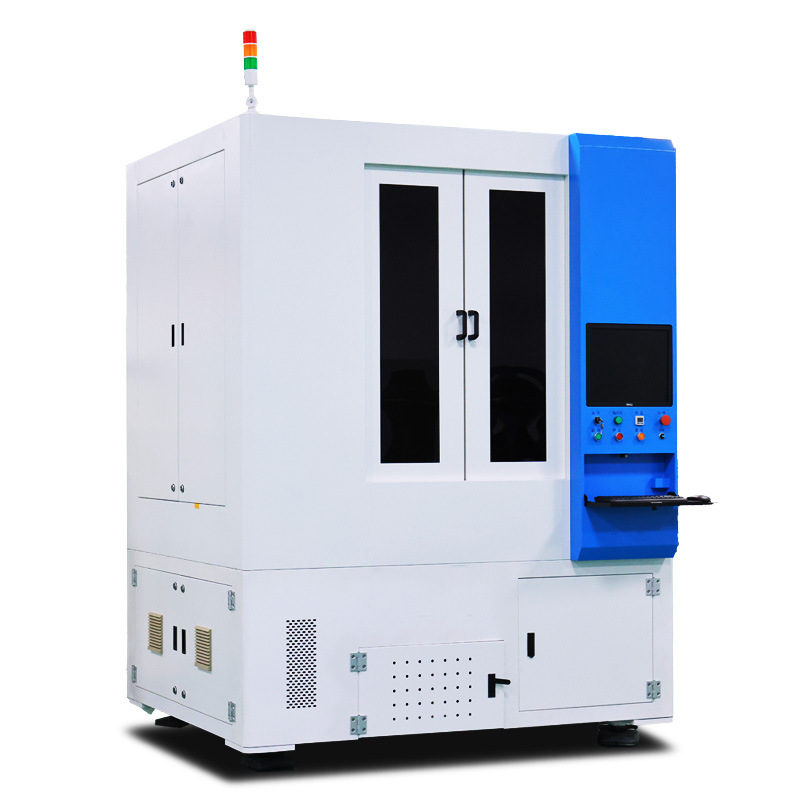
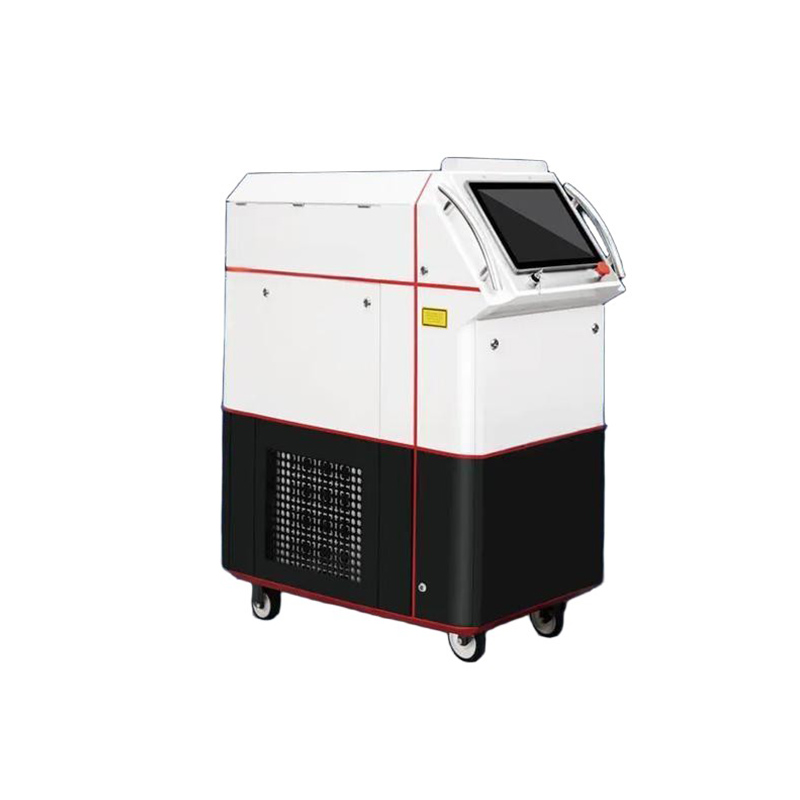
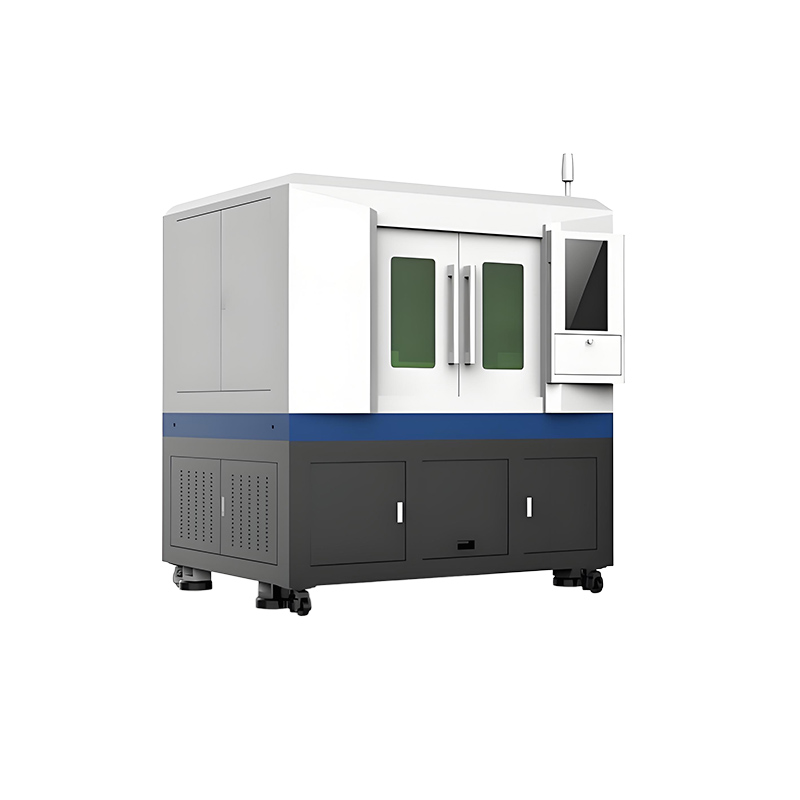
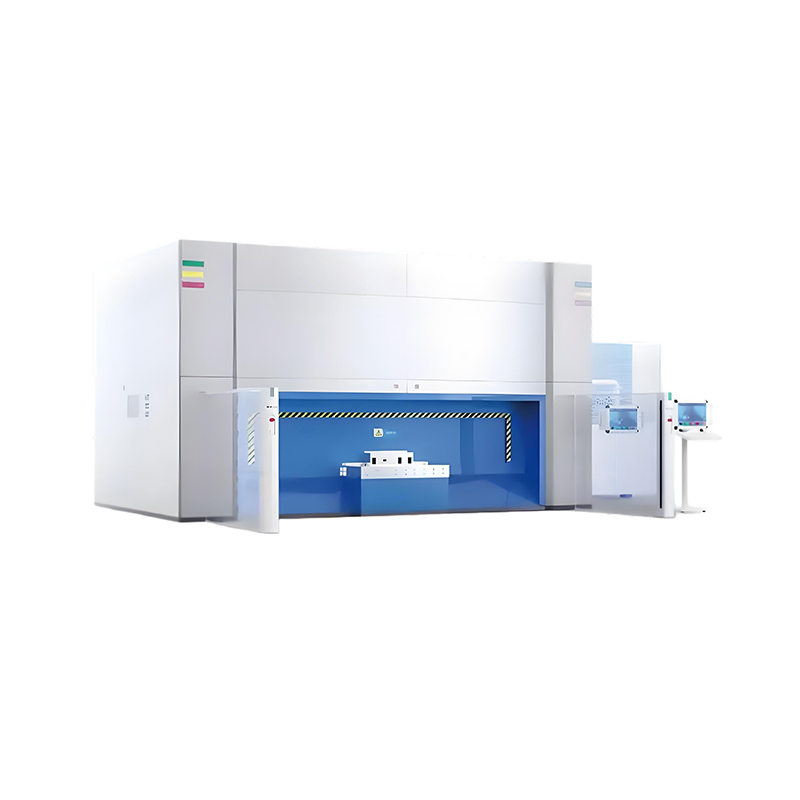


Over decades, welding technology has advanced from arc welding to high-tech welding processes with high precision. Laser welding technology has changed the way welding is performed. It is faster and more efficient than earlier methods. Laser welding and traditional welding differ in many aspects.
It is useful to differentiate between these two processes particularly in the automotive, aerospace, electronics and medical device manufacturing industries. These industries are dependent on quality, productivity and cost-effectiveness.
This blog on laser welding vs traditional welding explains the differences between welding, benefits, limitations & applications of each. You will know the right welding approach for manufacturing by the end.
What is Laser Welding?
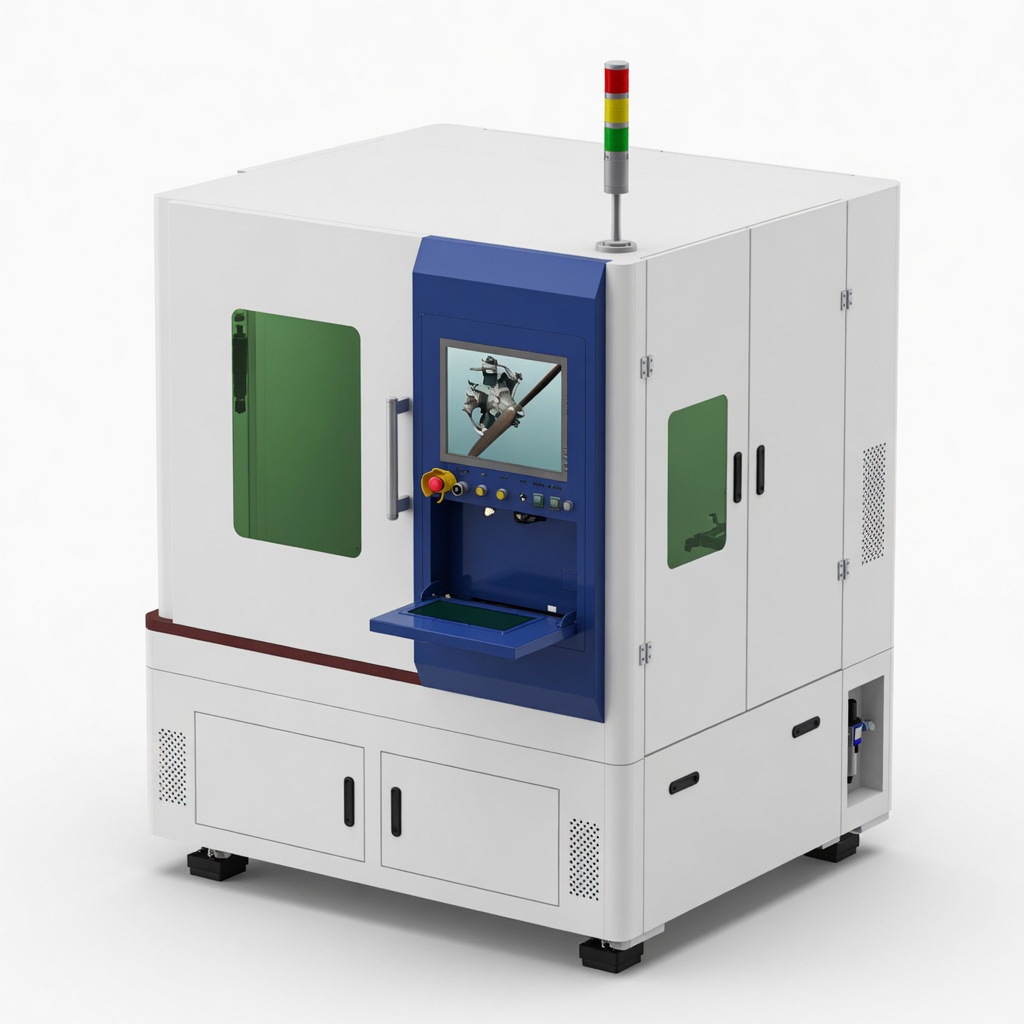
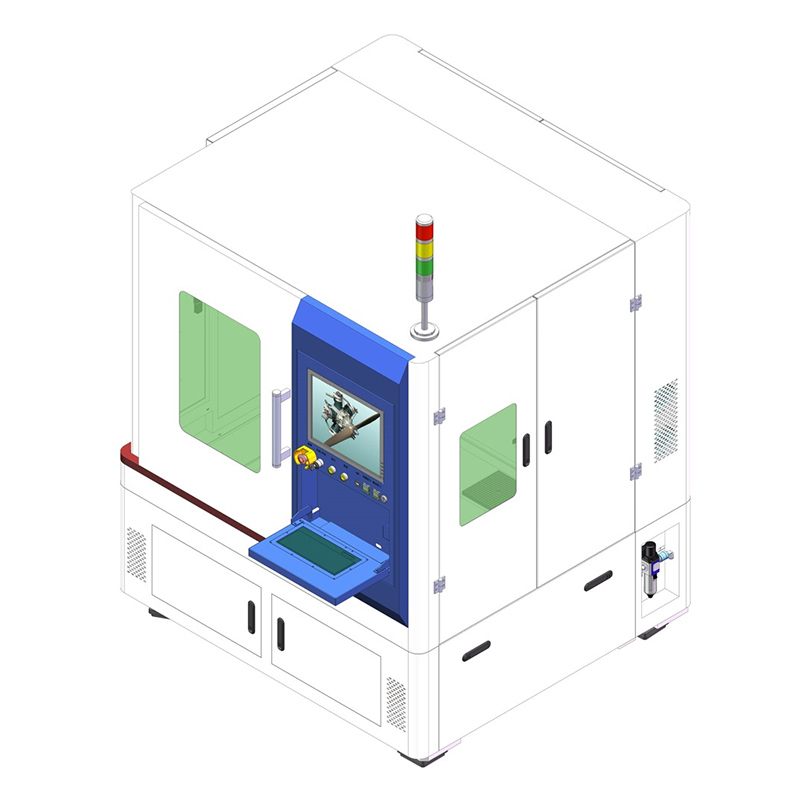
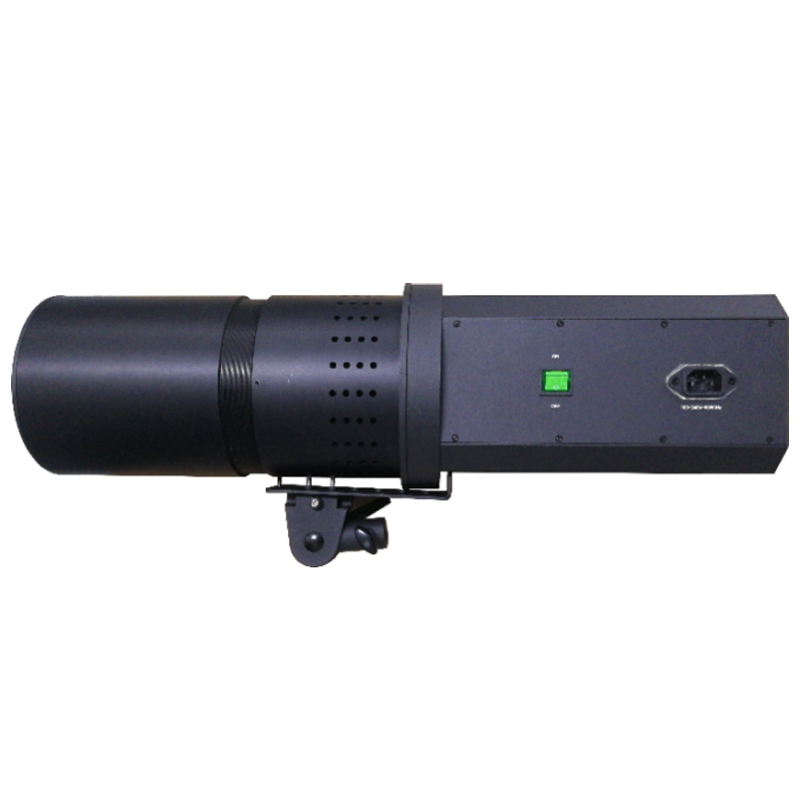
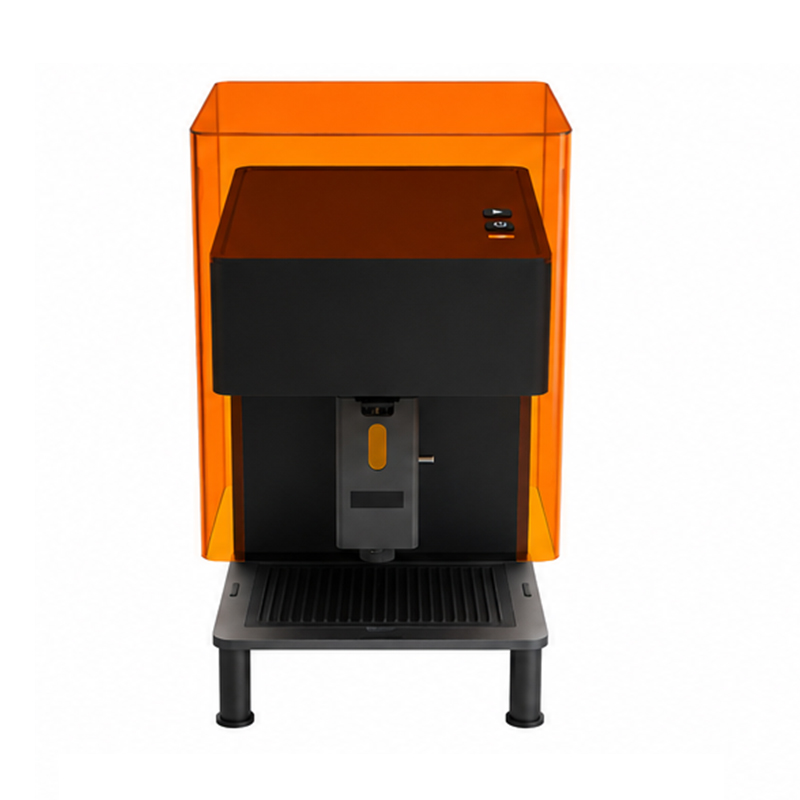
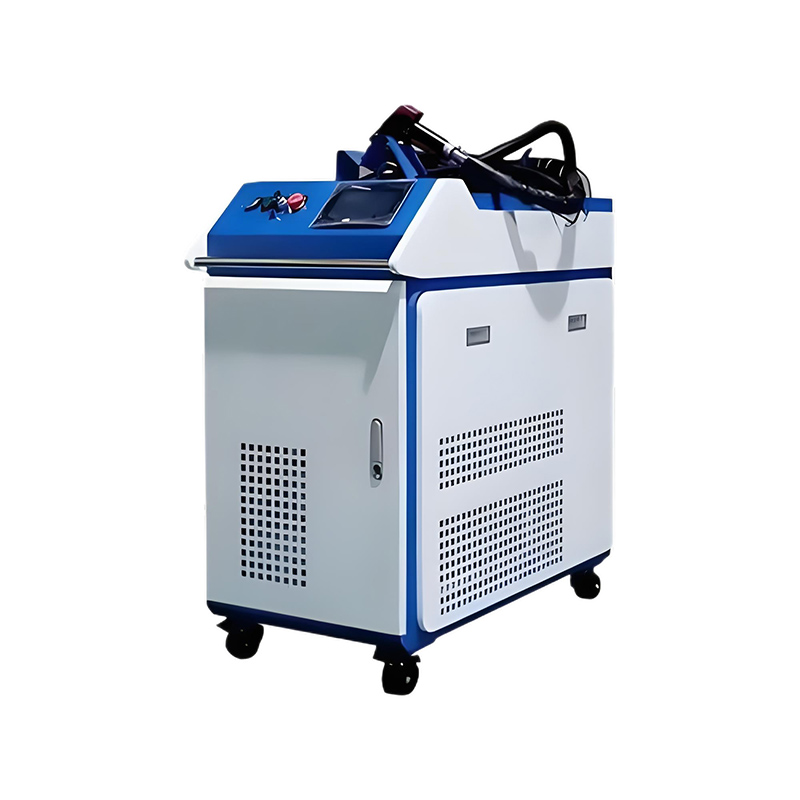
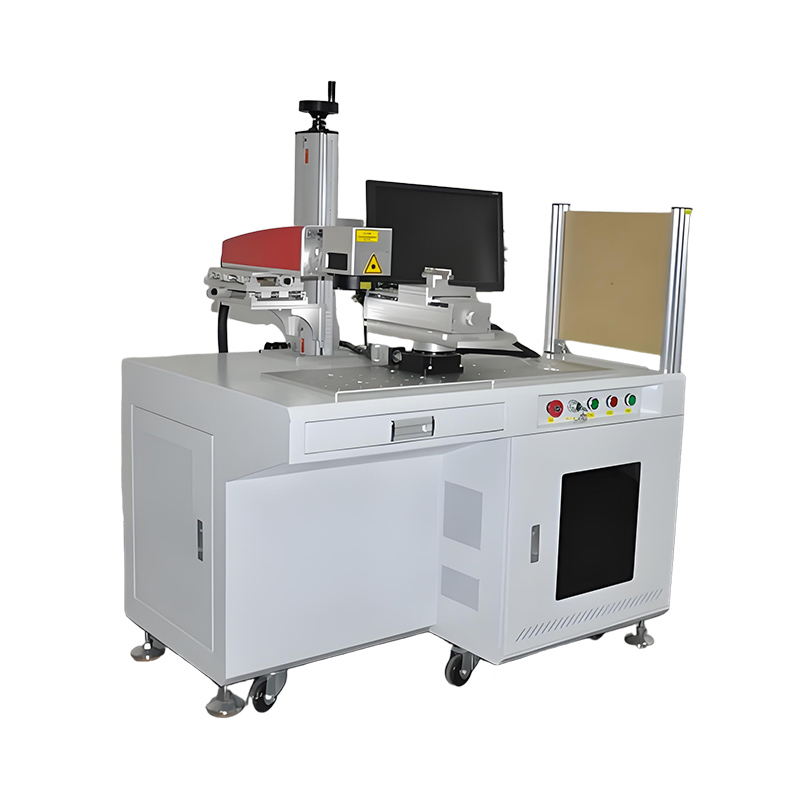
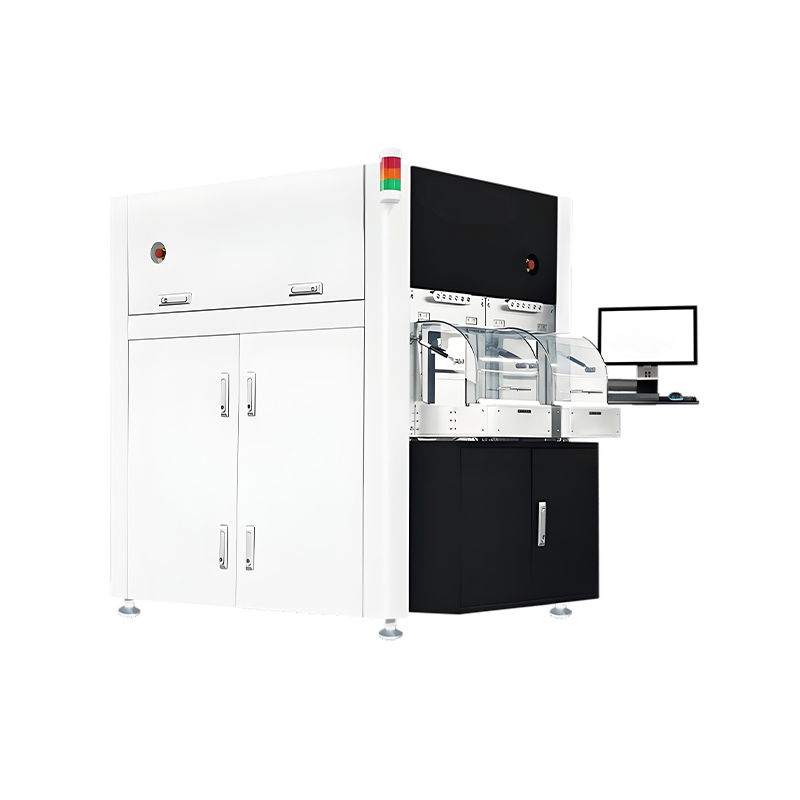
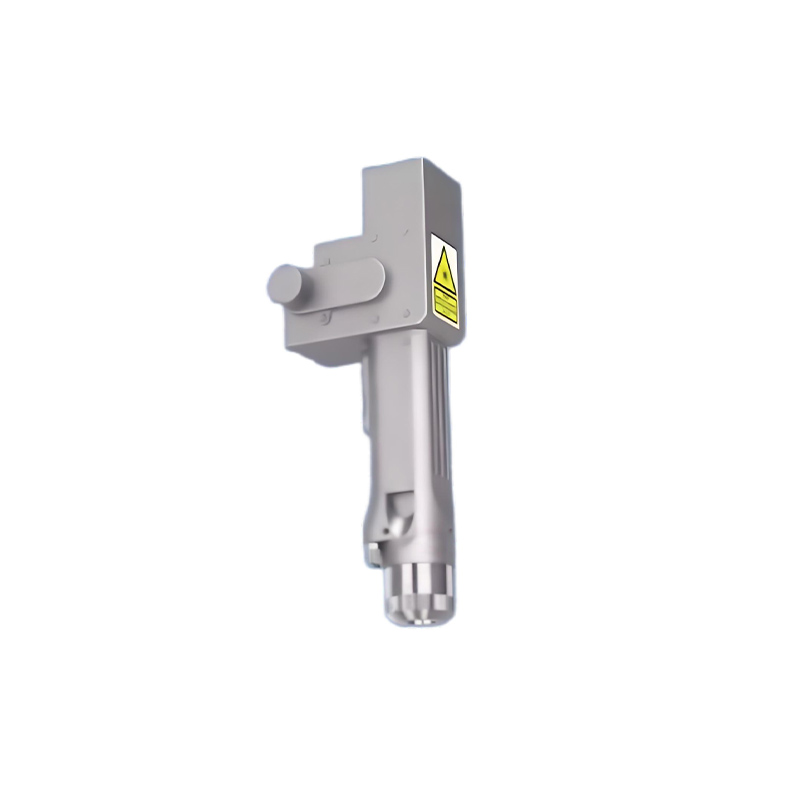
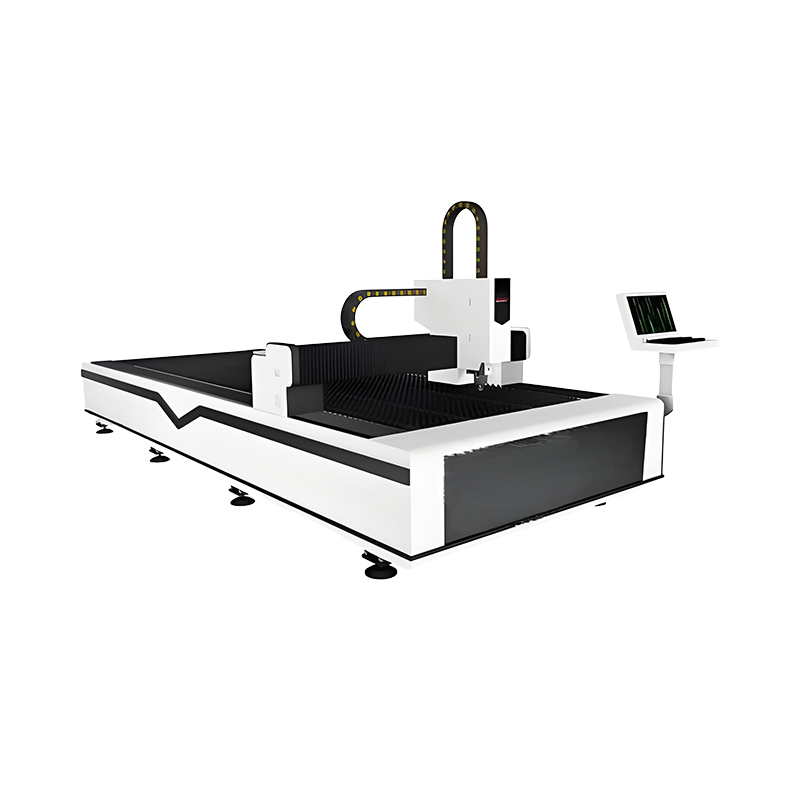
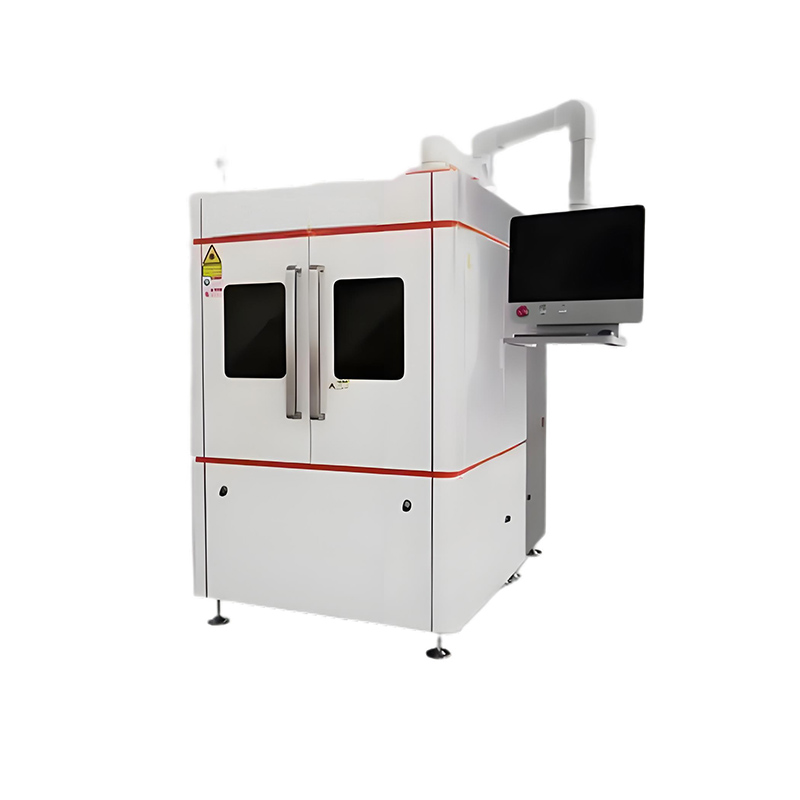
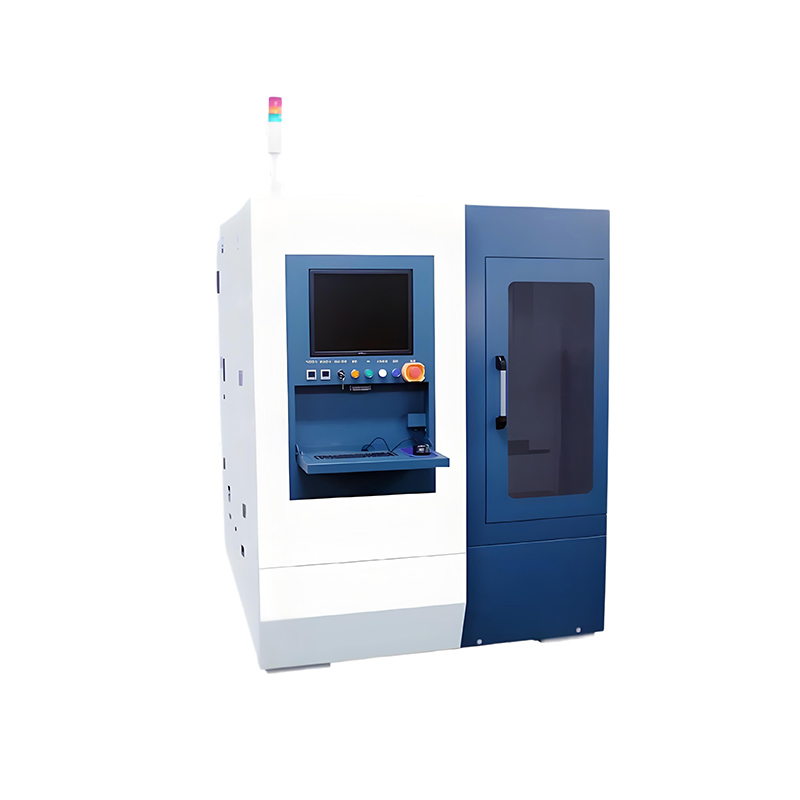
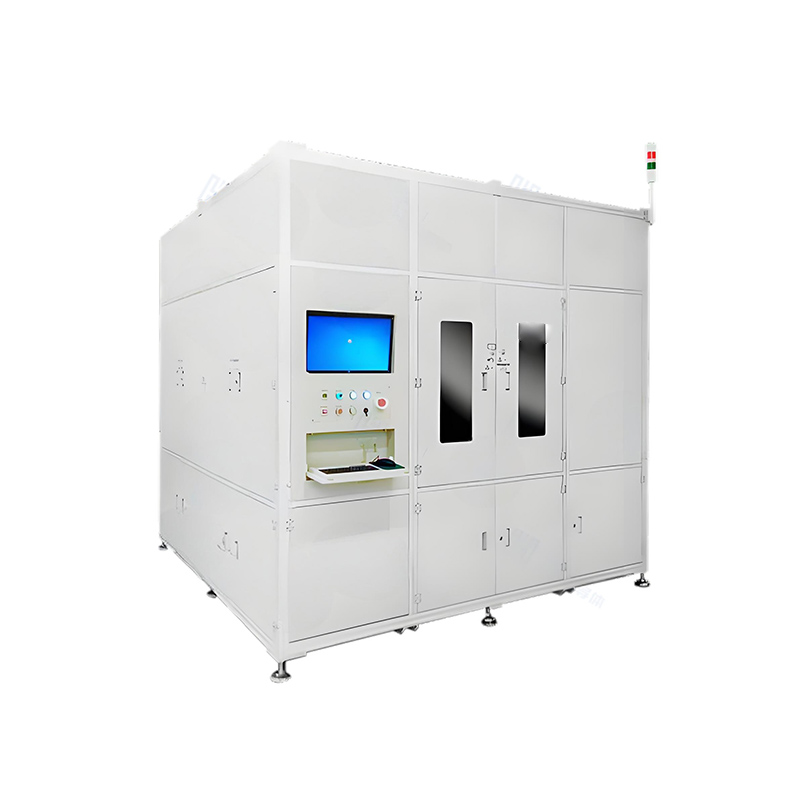
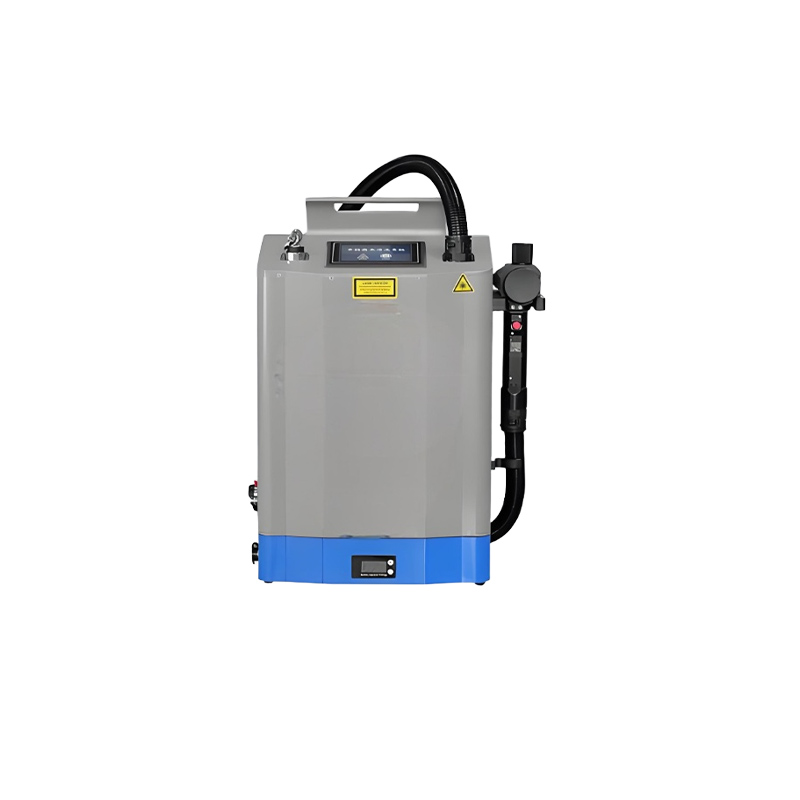
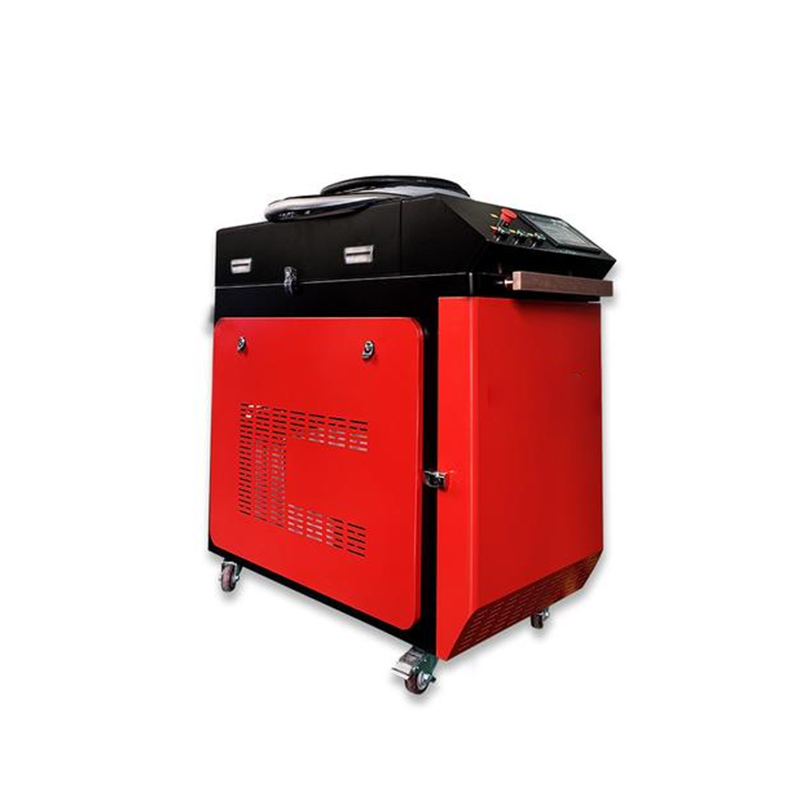
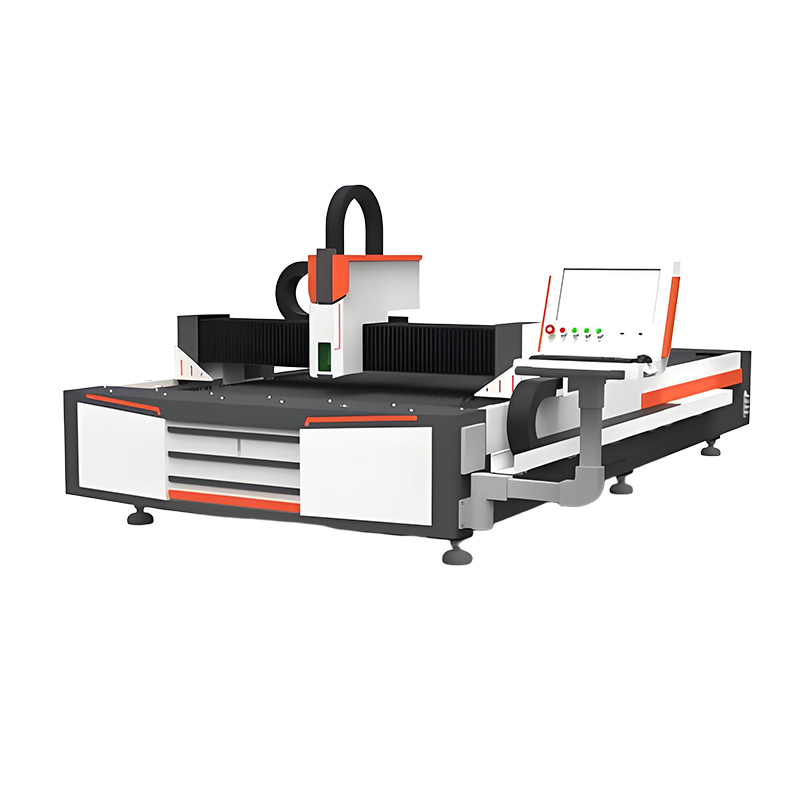
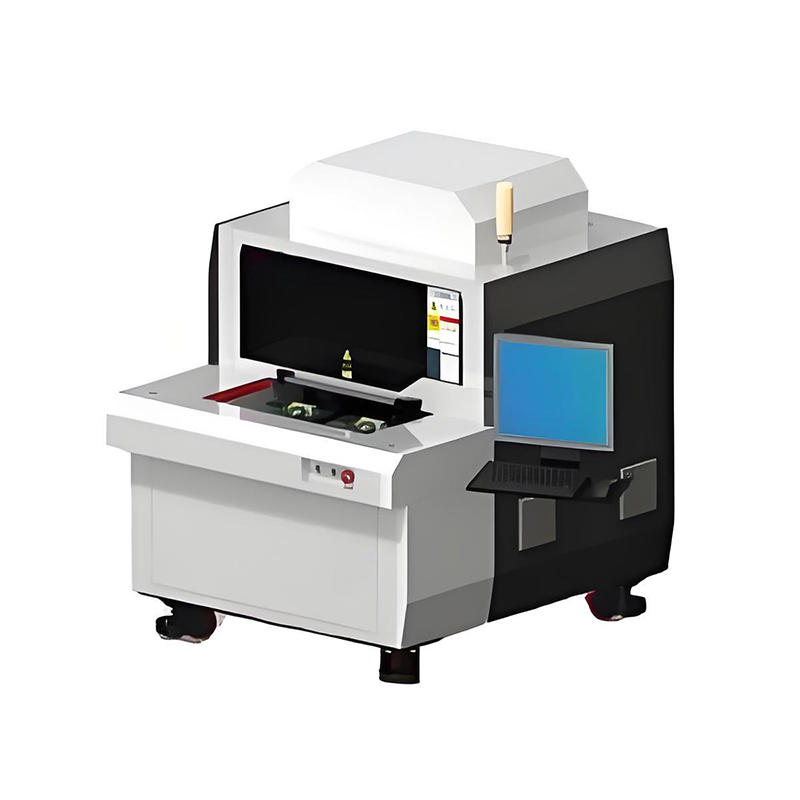
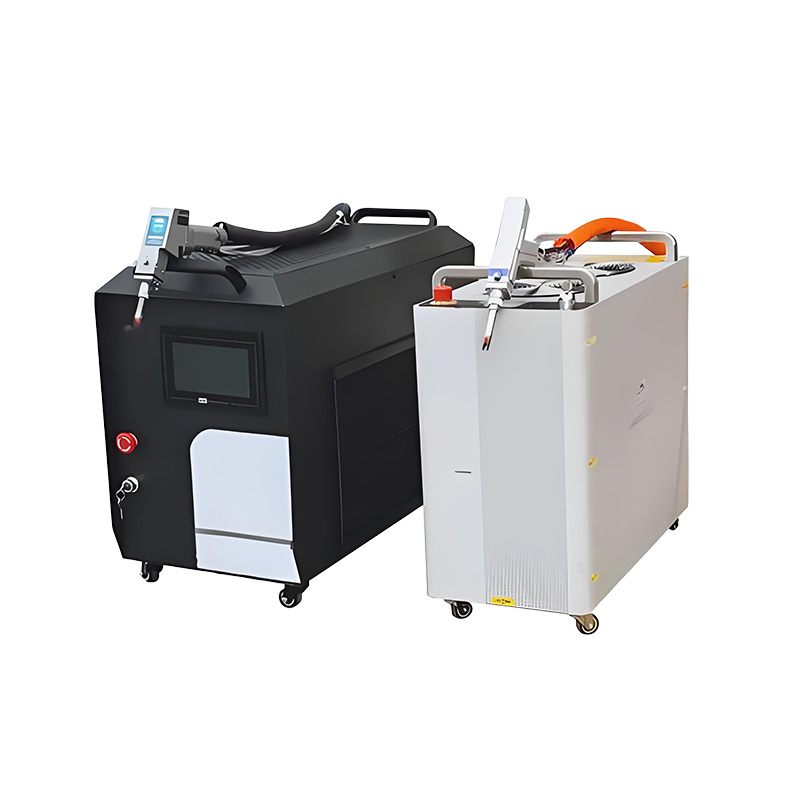
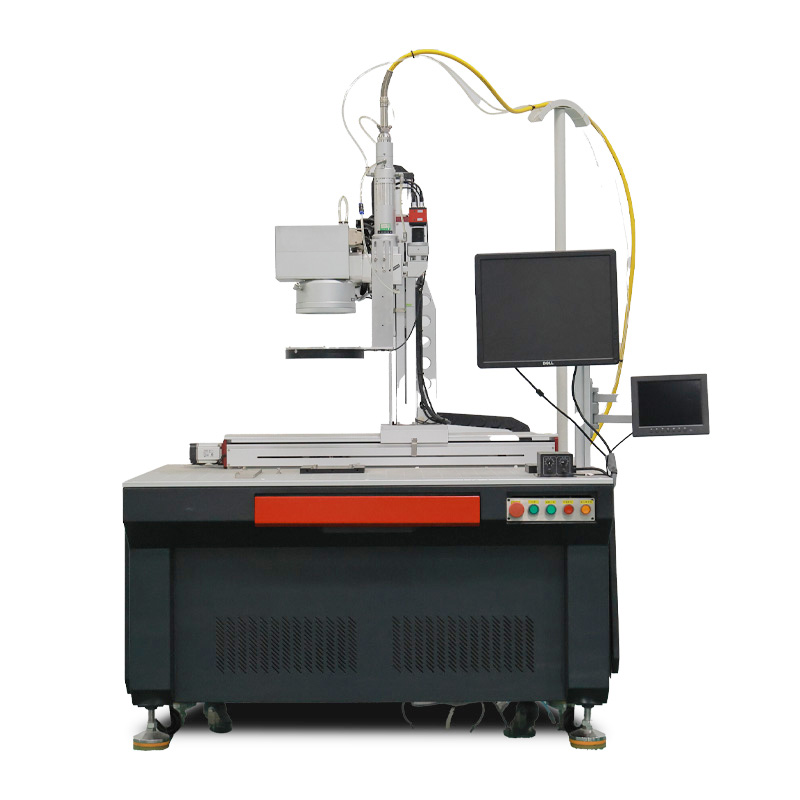
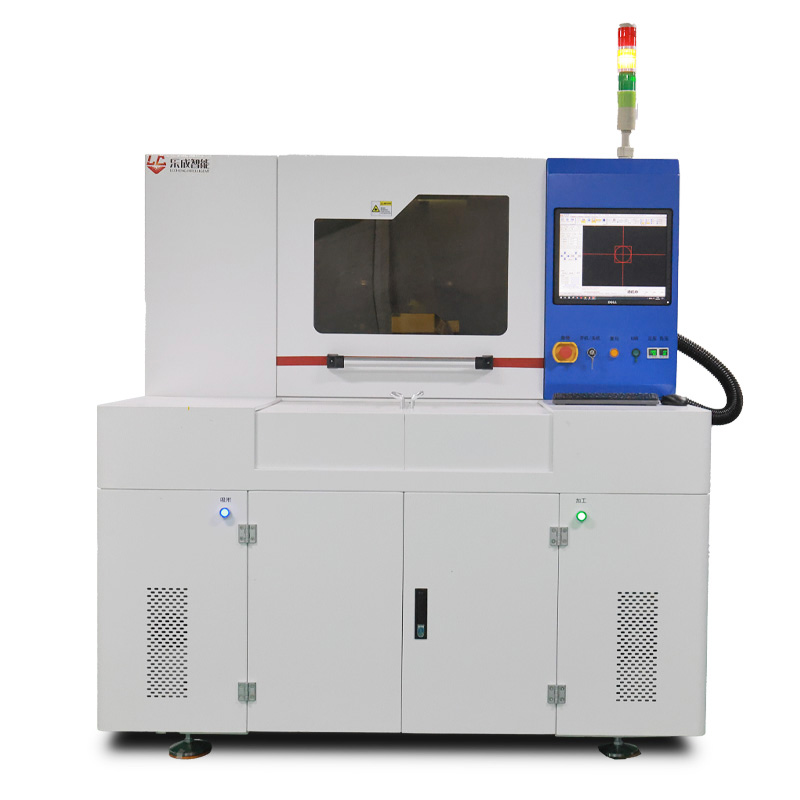
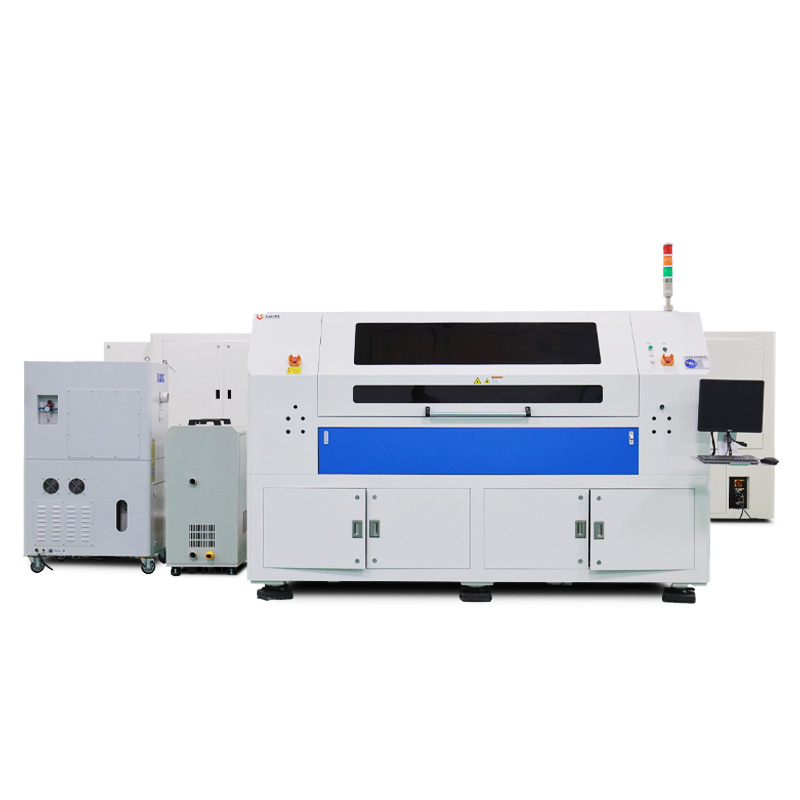
Laser welding is a high precision method of welding that involves the use of a high concentration beam of laser to join metals together. It works by melting a small section of the workpiece with high-power light, producing a small heat-affected area and clean welds.
How it works:
The focused beam of the laser is directed on the material producing a narrow deep weld.
Low thermal distortion helps maintain material integrity.
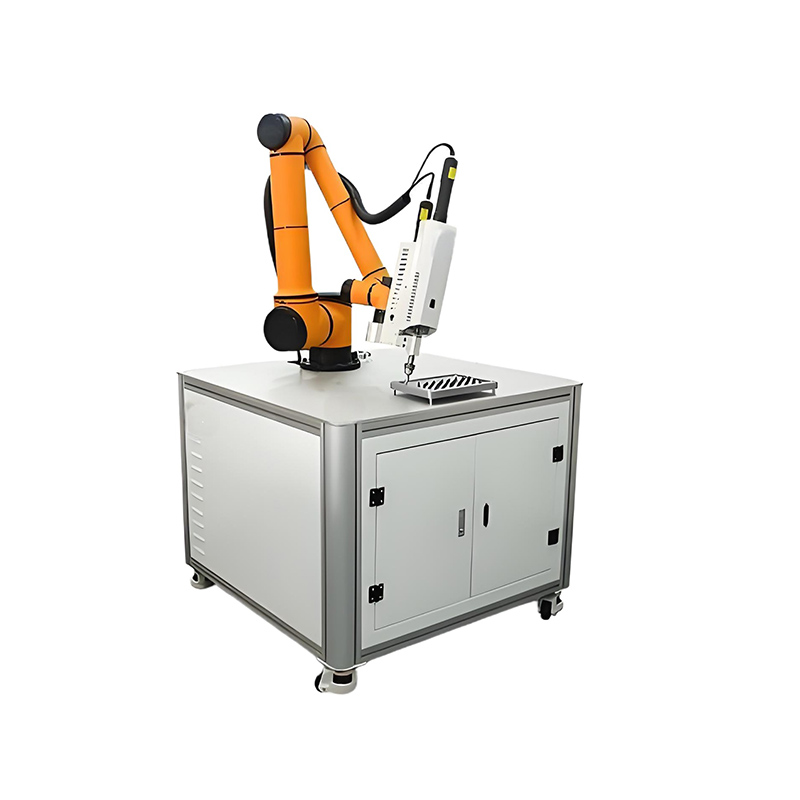
It can be integrated with automation and robotics.
Advantages of Laser Welding:
Laser welding equipment is very accurate and low distortion.
Faster processing time compared to traditional methods.
Less post-processing by making cleaner welds.
It can weld challenging and dissimilar metals.
Provides cost savings and energy efficiency in the long run.
What is Traditional Welding?
Traditional welding methods, such as MIG, TIG and stick welding rely on electric arcs and filler materials to unite metals. These techniques have been used for decades in production.
How it works:
Heat is produced by an electric arc to fuse the base material and filler.
It requires skilled operators and manual labor.
Larger heat-affected zones may cause material distortion.
Common applications:
The fabrication of structural steel.
Heavy machinery
Pipe and pipeline welding
Advantages:
Reduced initial equipment price.
Easy installation and less maintenance.
It follows well-established standards.
Limitations compared to laser welding
Slower processing speed
Larger heat-affected zone resulting in possible warping.
Additional post-weld finishing is often required.
Less accuracy with fine or delicate materials.
Laser Welding vs Traditional Welding – Key Differences
Applications – Where Laser Welding Used
Automotive: Laser welding is used to weld car body parts with high accuracy. It produces strong, clean seams and accelerates vehicle production.
Aerospace: It is best suited for aerospace components that require precision during welding with minimal distortion. Laser welding maintains the materials in a strong and light state.
Electronics: Laser welding is ideal on small-sized electronic pieces such as sensors and batteries. It protects delicate components from heat damage.
Medical devices: Medical equipment requires clean and sharp joints. Laser welding offers hygienic welds on the surgical tools and implants.
Jewelry: In jewelry, laser welding is used for fine designs and metals that are delicate. It has the capability to repair or mend correctly without damaging the surrounding region.
When to Choose Traditional Welding
Traditional welding is a good option for simple fabrication and daily repair. It is easy to operate and does not require sophisticated equipment.
In the case of thick metal, traditional welding is more effective and forms a deep and strong joint. Laser welding is more suitable for thin and delicate materials.
Traditional welding machines have lower initial costs. It is usually adopted by businesses having constrained budgets as a way to minimize investment expenses.
The lack of accessibility to laser systems and automation is common in many workshops. In such facilities, traditional welding would be the best and would only need ordinary tools.
Cost Comparison: Laser vs Traditional Welding
Laser welding may have a higher upfront cost but proves cost-effective for precision and high-volume projects.
Future of Welding: Why Laser Welding is the Way Forward
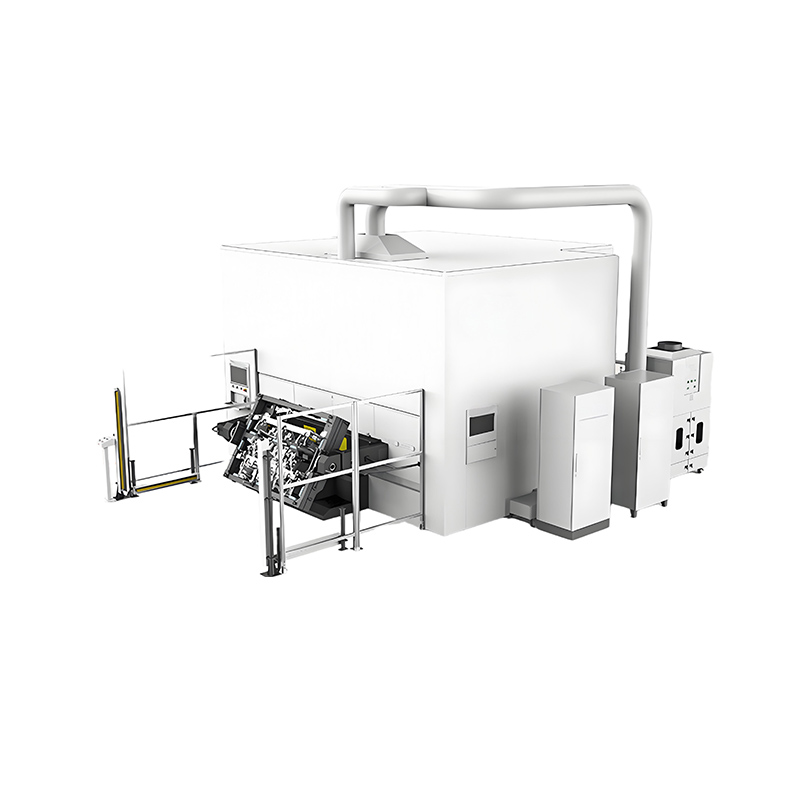
Integration with Automation and Robotics: Laser welding can be easily integrated with automated production lines. It is perfectly aligned with Industry 4.0 production, and companies are able to operate rapid, stable, and completely computer-based workflows.
Smart Manufacturing: The process has high repeatability and exceptional control which is critical to the new smart factories. All welds can be monitored and reproduced to the same standard.
Environment: Laser welding consumes less energy and generates little material waste. The clean process requires minimal post-processing and like that is more environmentally friendly as compared to the traditional processes.
Adoption into Industry: There is a growing shift toward laser welding in more industries as particularly aerospace, electronics, and medical industries. Its speed and precision have made it the choice of technology in manufacturing in the future.
Conclusion
Laser welding offers unparalleled precision, speed and efficiency and therefore will be the preferred choice in contemporary industrial applications. For everyday and heavy-material welding, the traditional welding remains relevant but the long term advantages of laser welding makes it the wiser long-term choice for high-tech manufacturing.
FAQs
Q. Is laser welding better than MIG or TIG welding?
A. Laser welding offers higher precision, faster cycles, and lower heat distortion, making it superior for delicate or high-volume applications.
Q. Can laser welding be used for all metals?
A. Laser welding works best with thin sheets, reflective metals, and even dissimilar materials. Some very thick metals may still require traditional methods.
Q. Is laser welding more expensive?
A. The initial cost is higher, but operational efficiency and reduced rework make laser welding cost-effective over time.
Q. What industries benefit most from laser welding?
A. Automotive, aerospace, electronics, medical devices, and jewelry industries see the greatest advantages.