




Laser Patterning Challenges for Flexible Perovskite Cells
Substrate Deformation and Precision Control
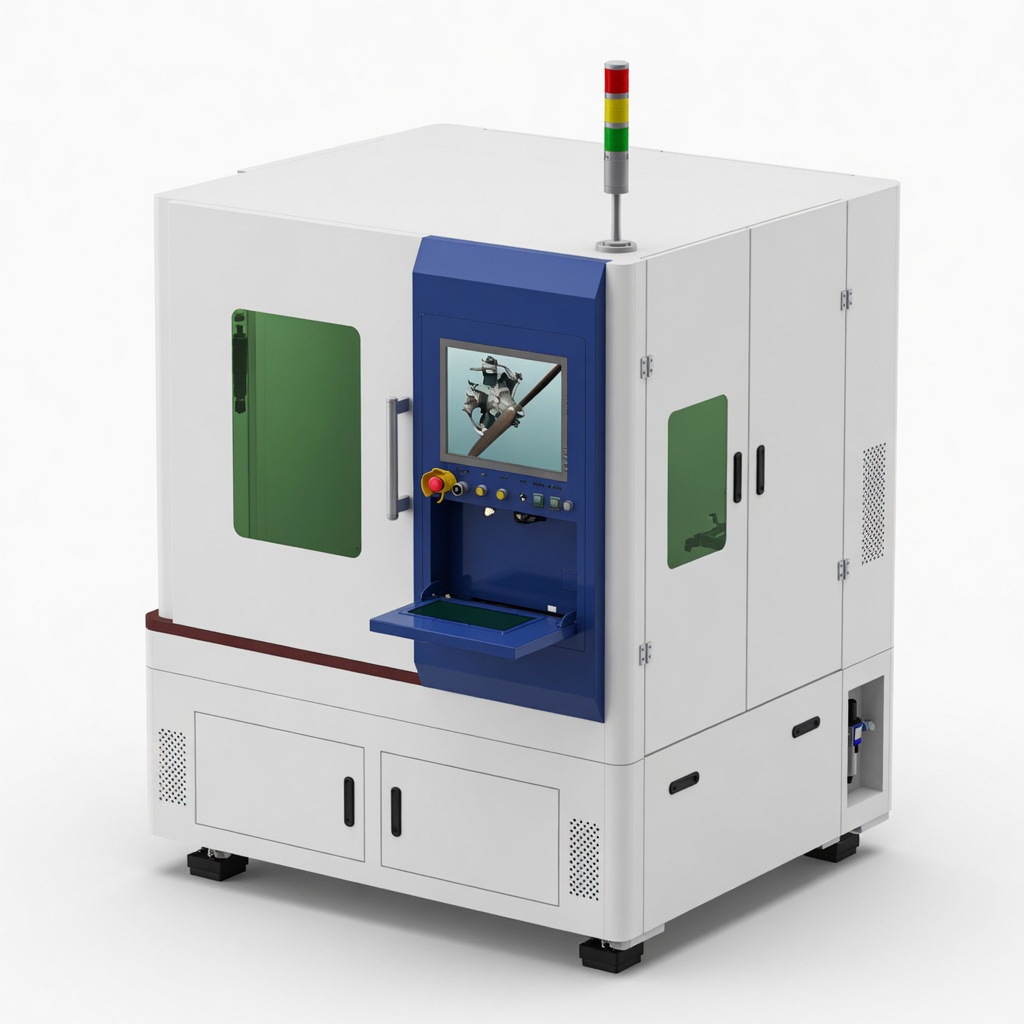
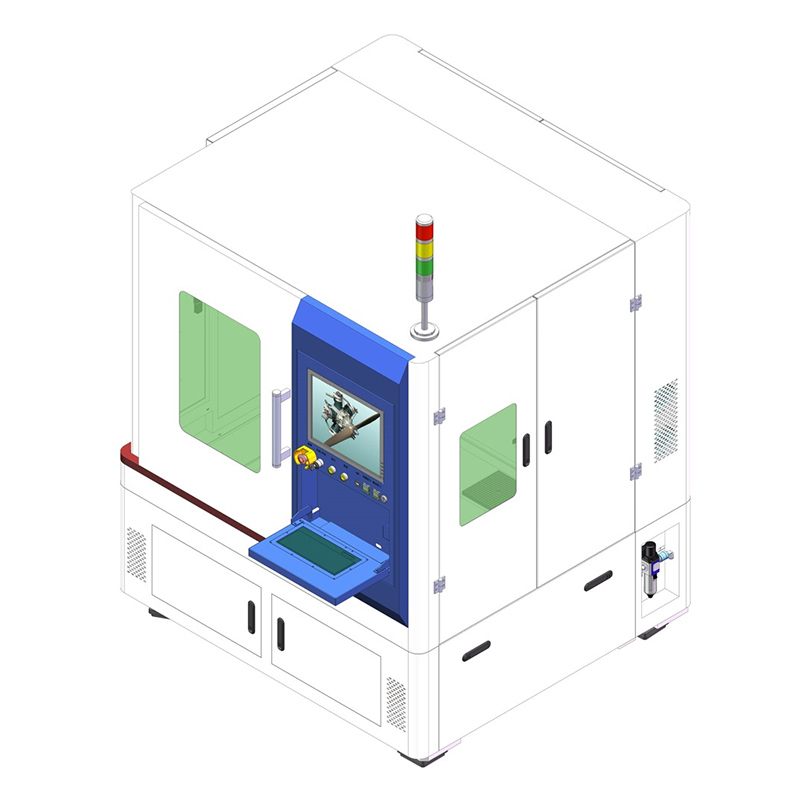
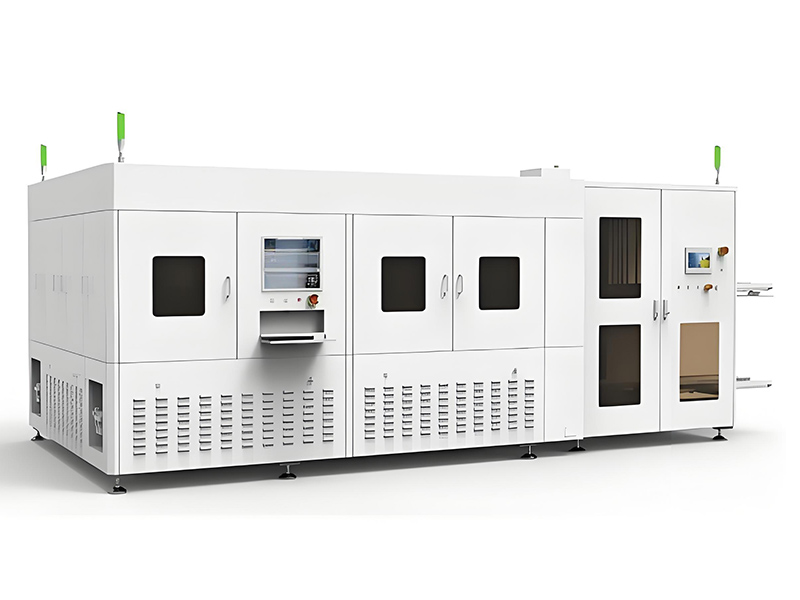
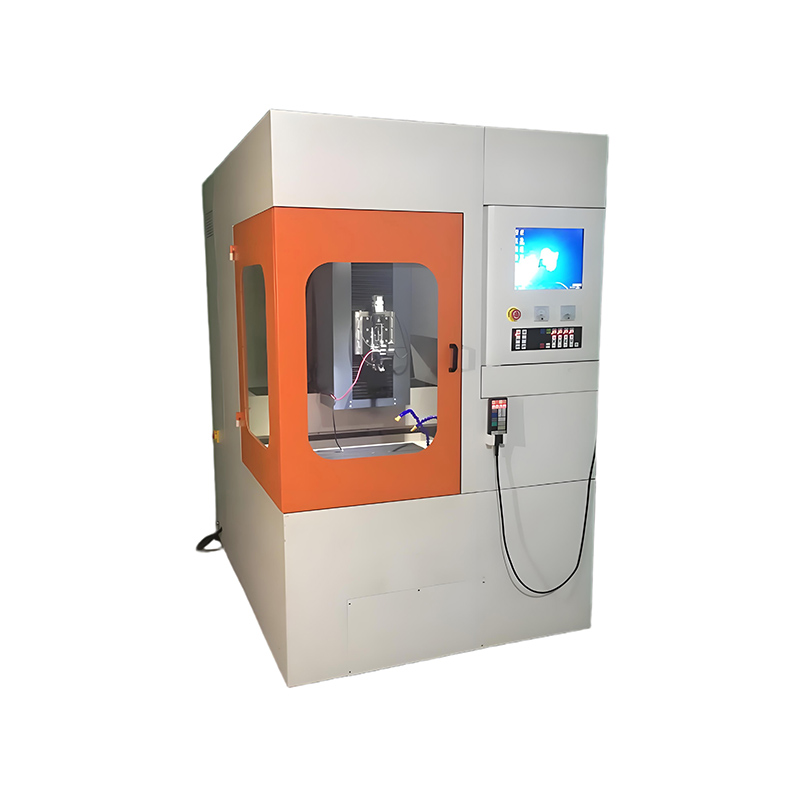
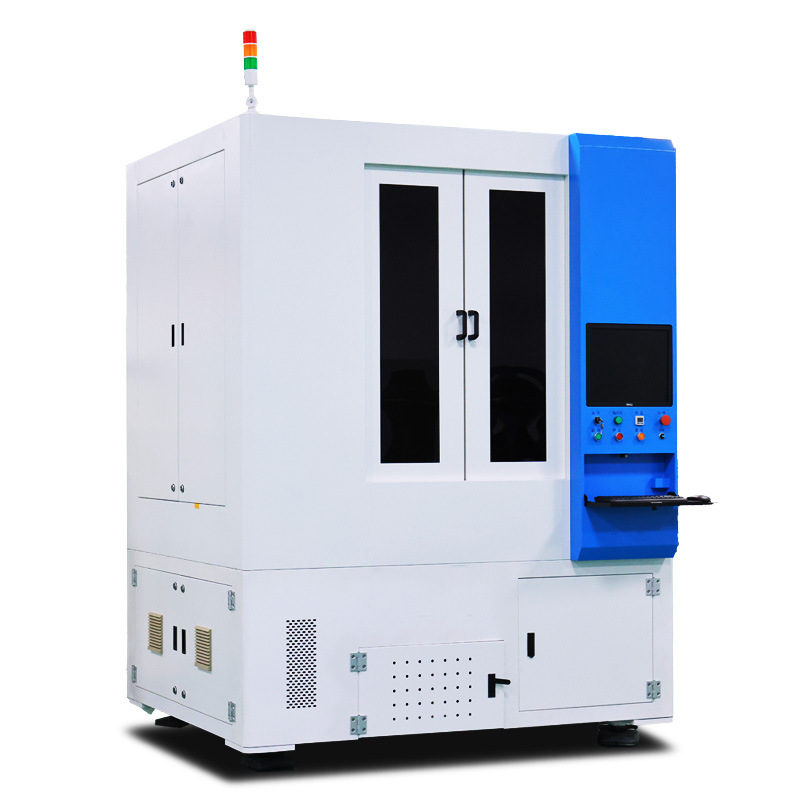
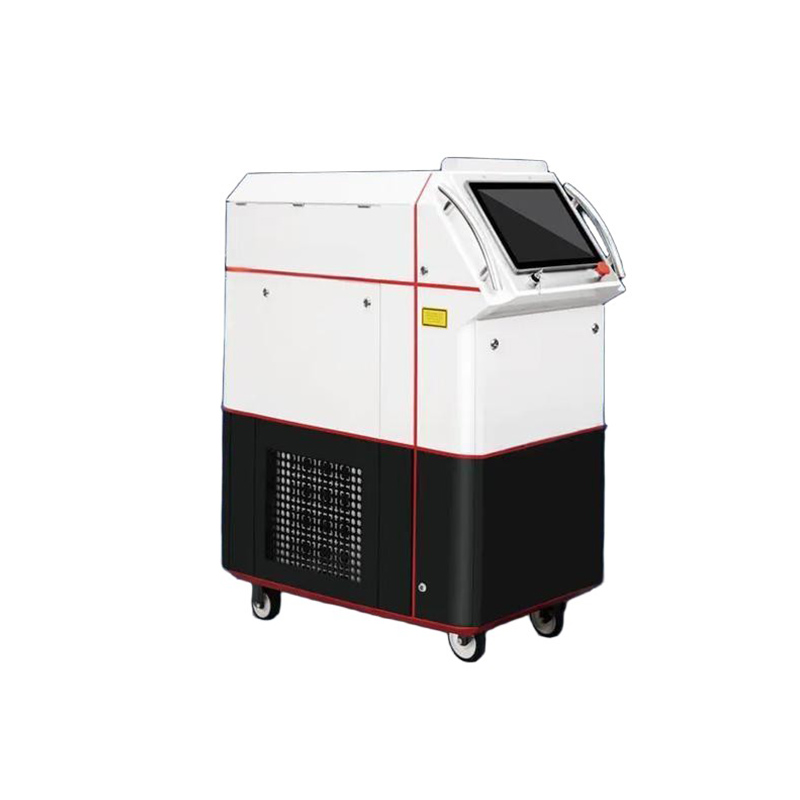
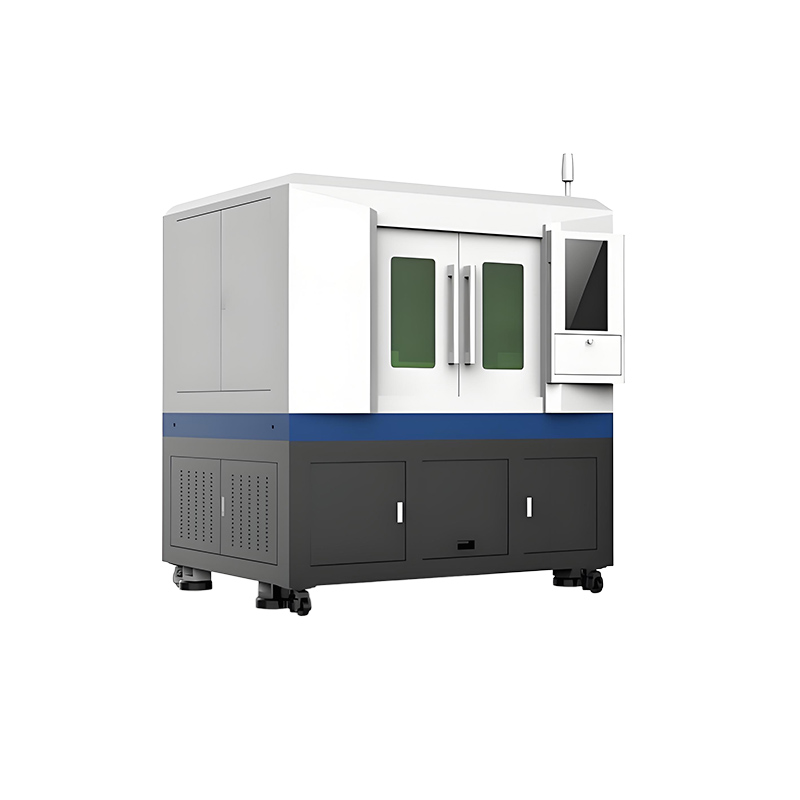
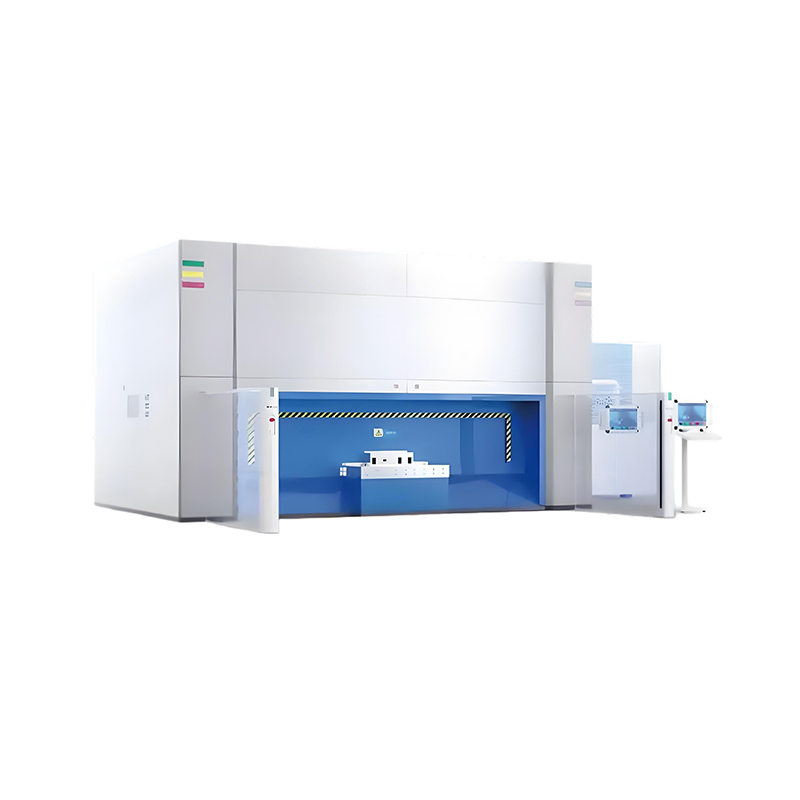
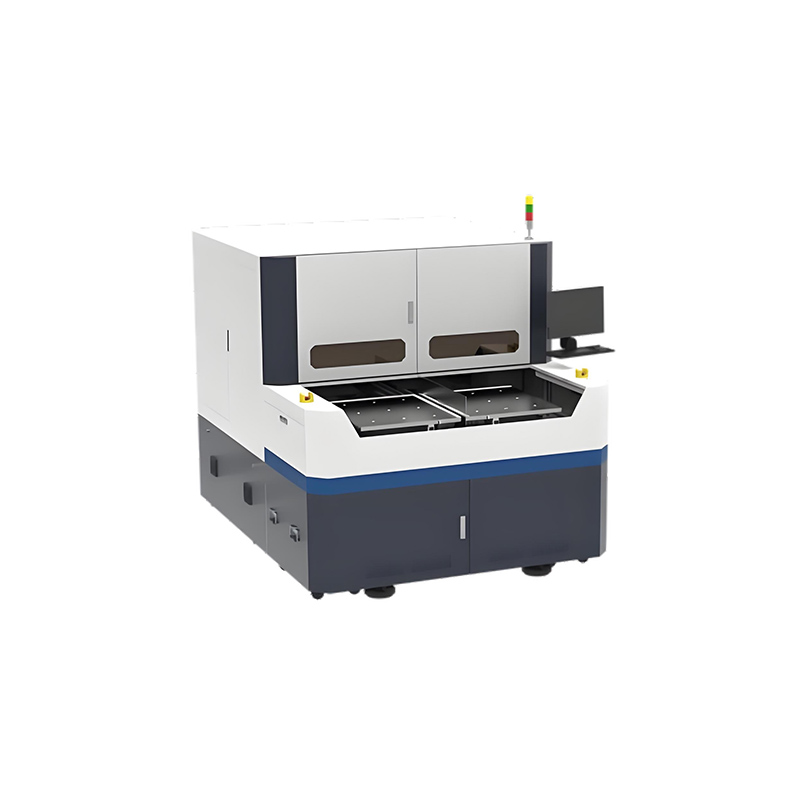
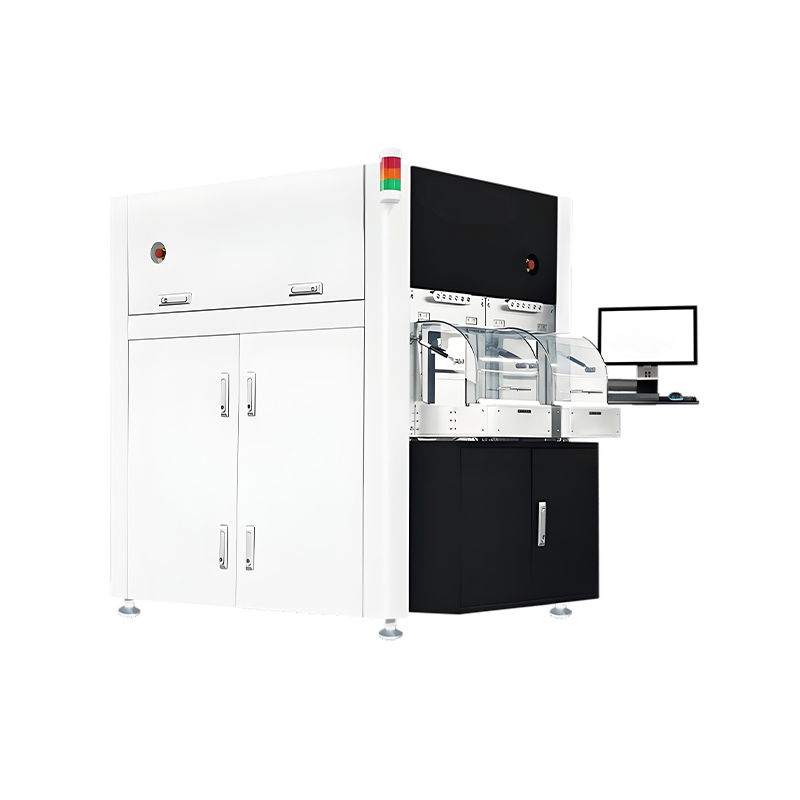
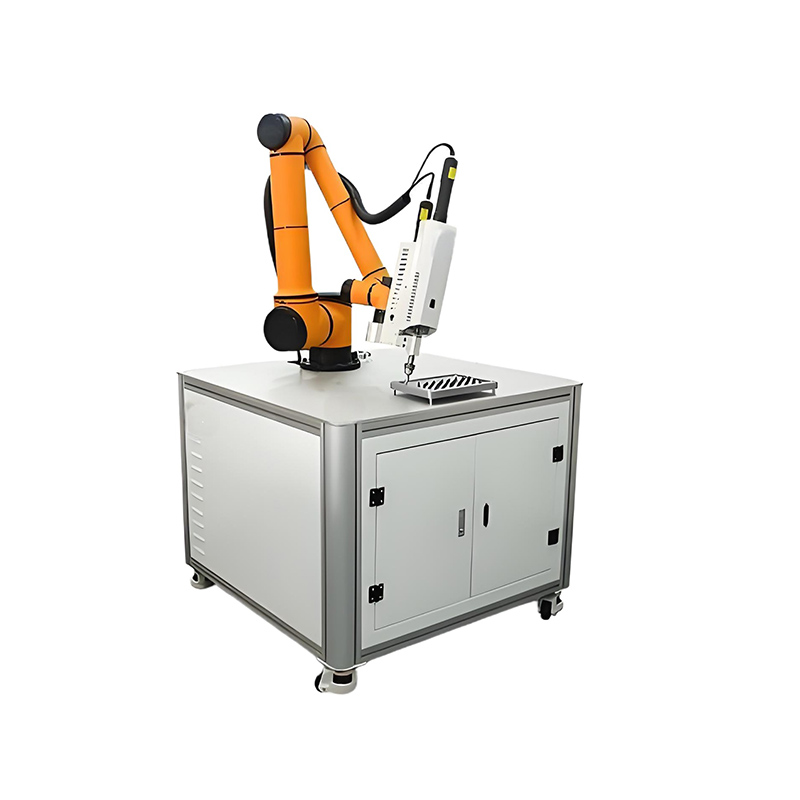
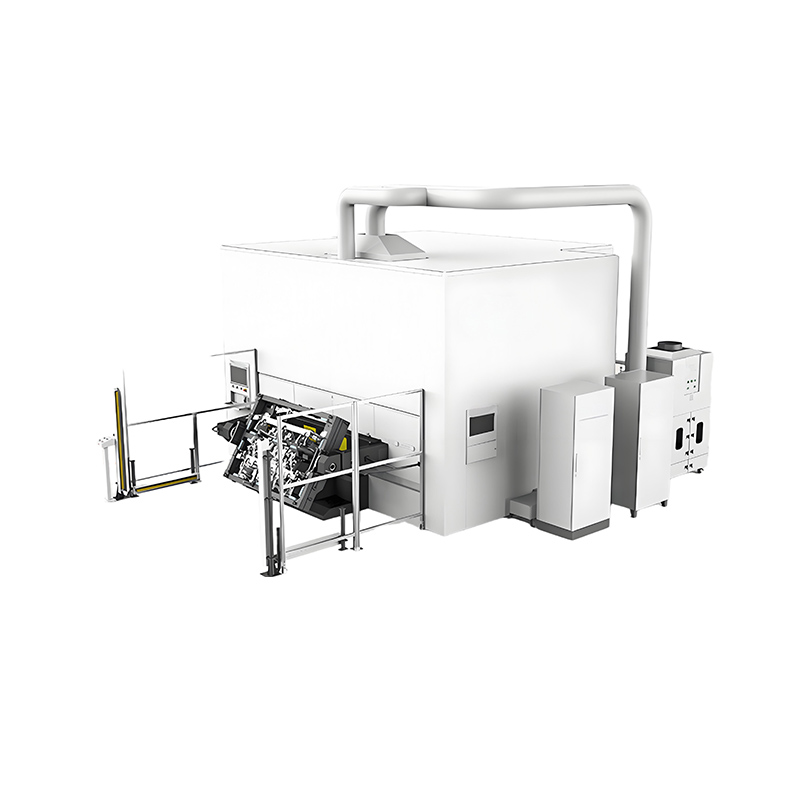
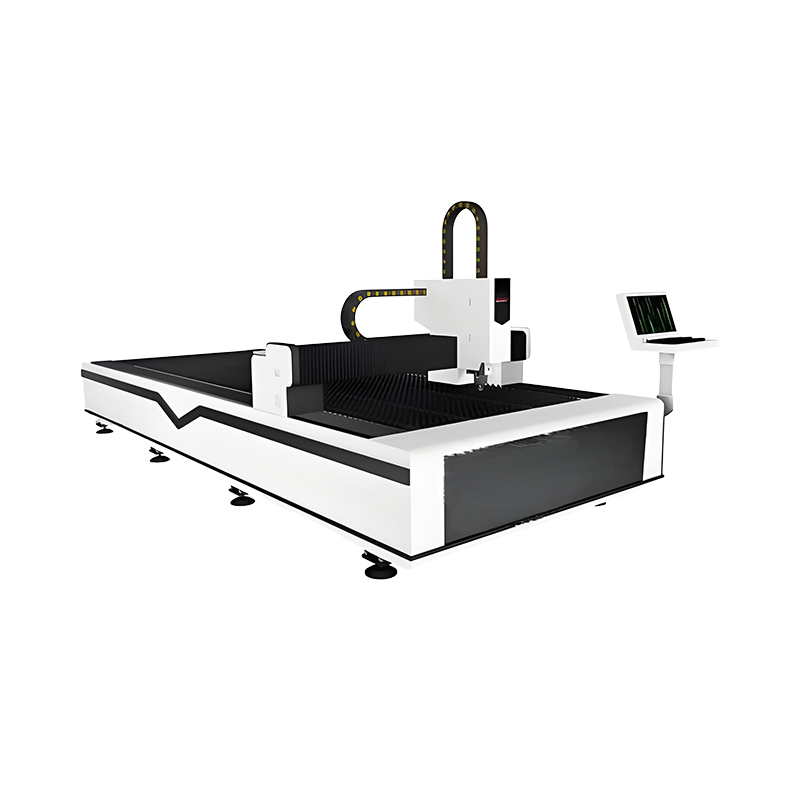
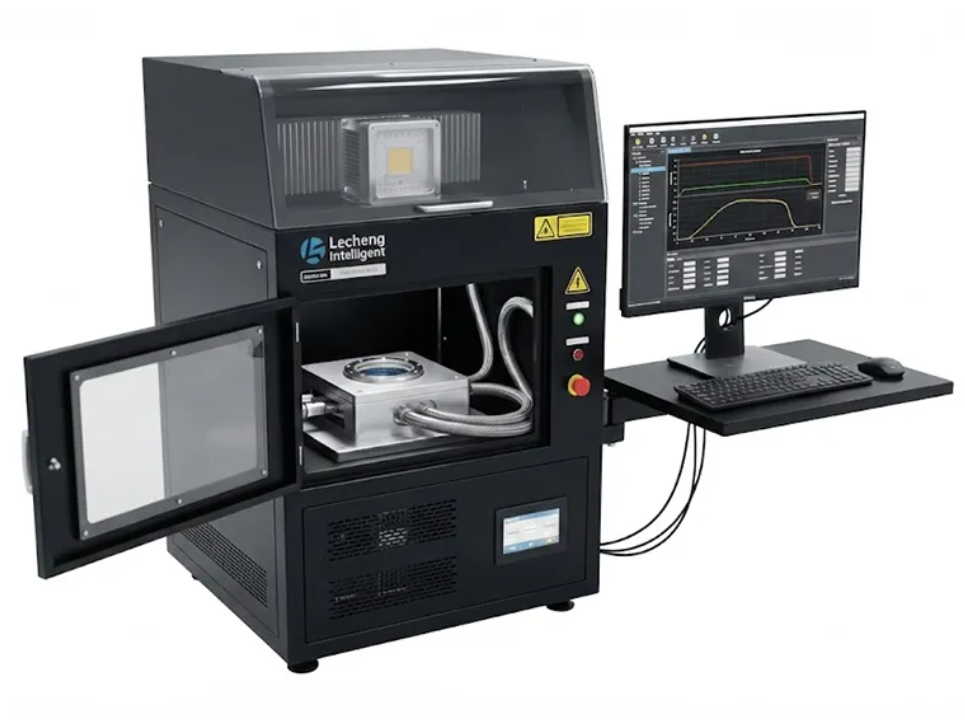
Flexible perovskite cells present unique challenges due to substrate deformation during roll-to-roll processing. Lecheng's laser systems address this with real-time vision compensation that tracks material stretching up to 0.5%, automatically adjusting scribing paths to maintain ±10μm accuracy. The proprietary tension control system minimizes web distortion, while adaptive focus-following technology ensures consistent patterning depth across PET and PI substrates. These innovations enable successful P1-P3 patterning on flexible materials where traditional rigid substrate methods fail.
Thermal Management on Heat-Sensitive Materials
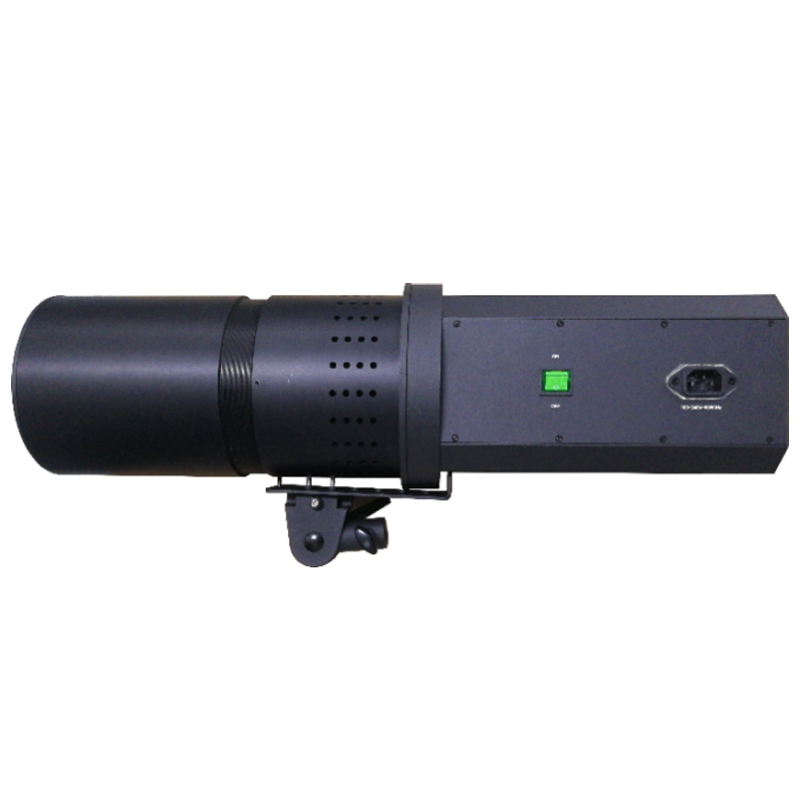
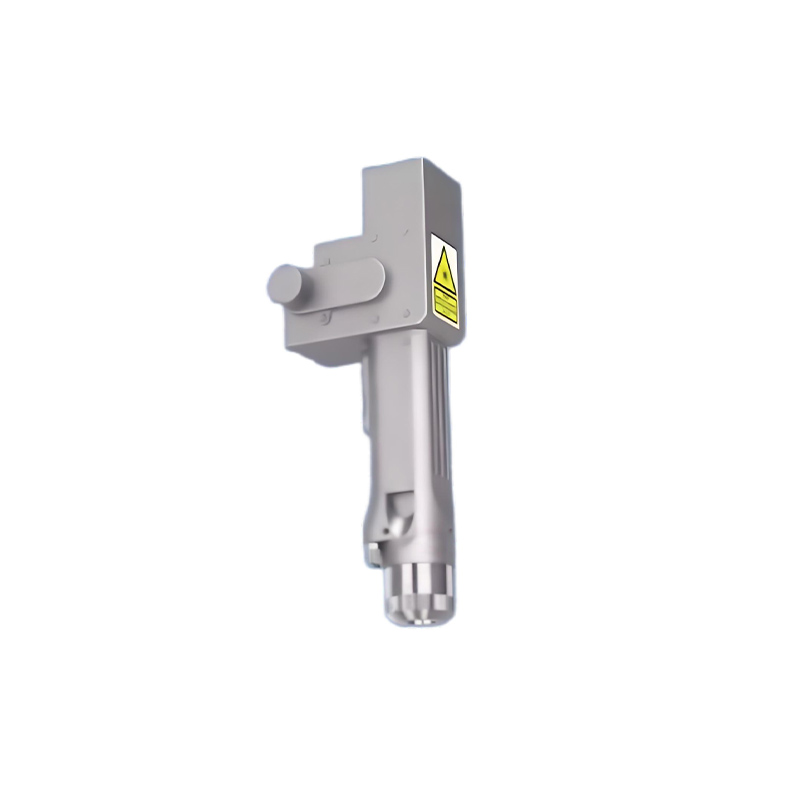
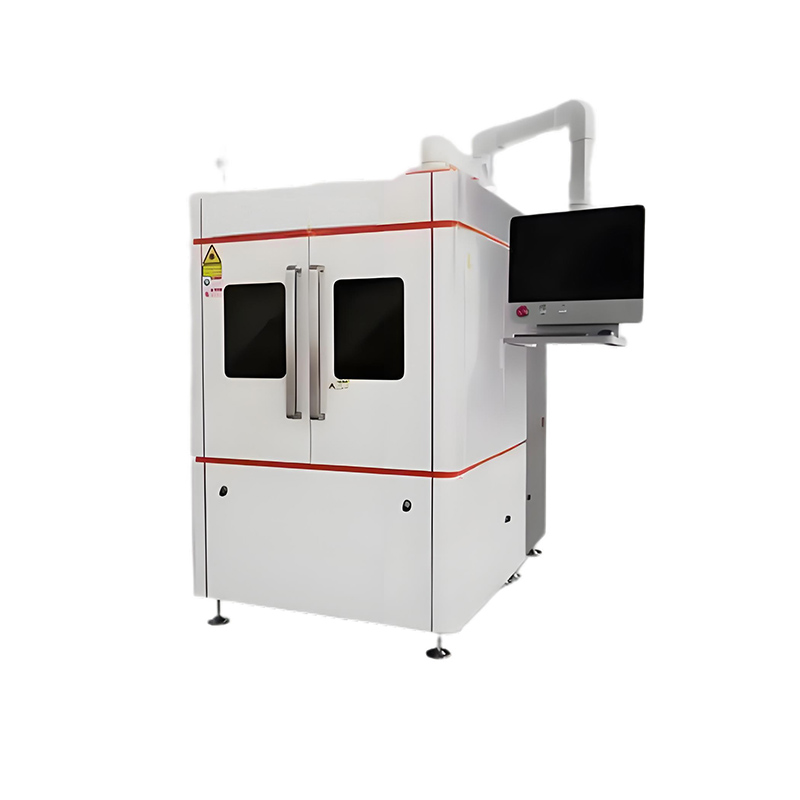
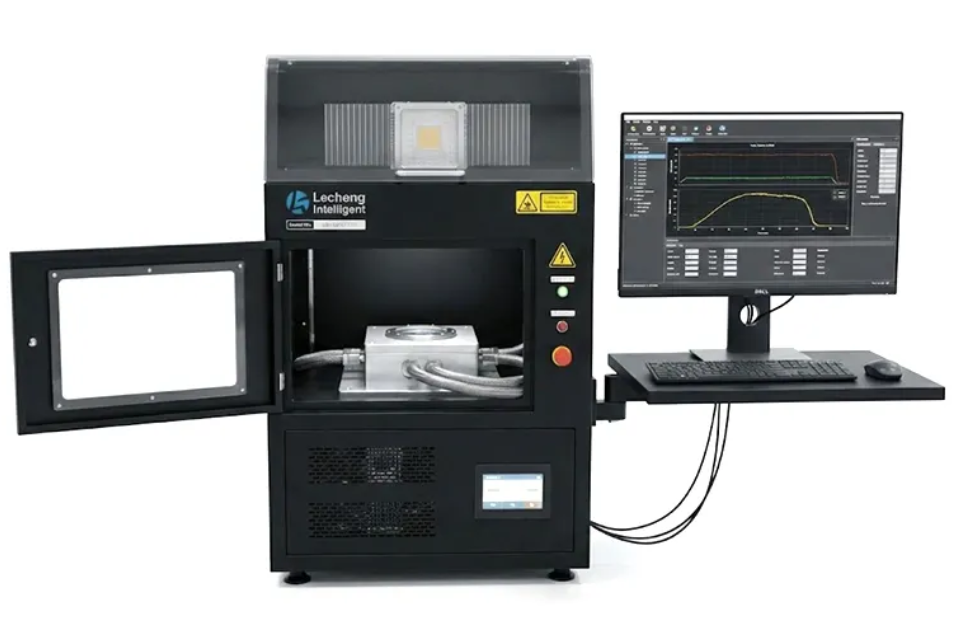
The low thermal budget of flexible substrates requires precise energy control to avoid damaging temperature-sensitive layers. Lecheng's ultra-fast picosecond lasers (355nm/532nm) deliver pulse durations below 10ps, limiting heat-affected zones to <1μm. Multi-beam processing distributes thermal load across 12 parallel beams, reducing peak temperatures by 60% compared to single-beam systems. This approach enables clean P2/P3 scribing without melting adjacent perovskite layers or deforming underlying plastic substrates.
Multi-Layer Processing and Interface Integrity
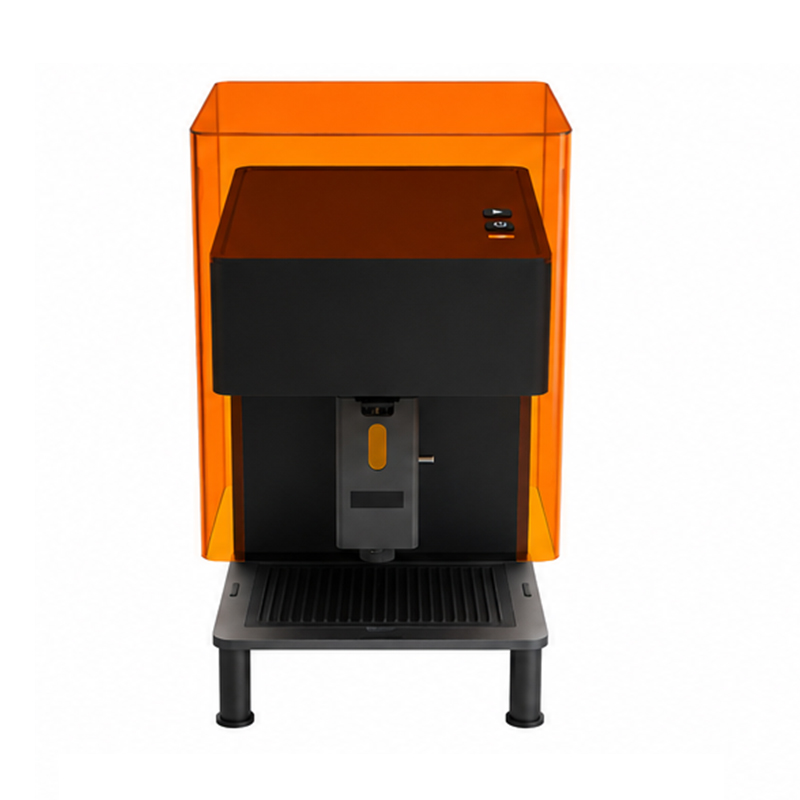
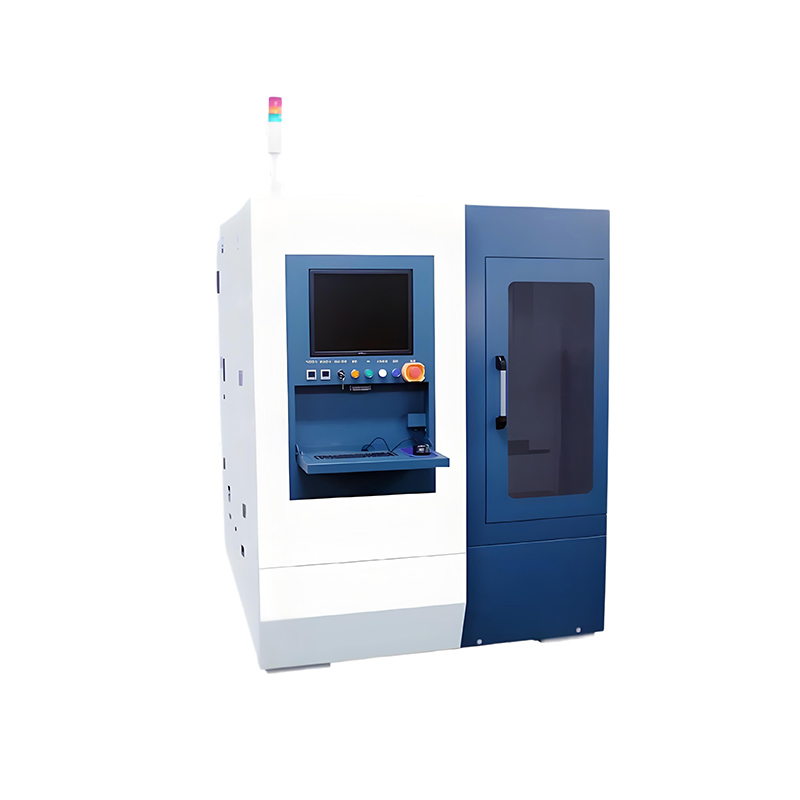
Maintaining interface integrity while patterning stacked thin films demands exceptional layer selectivity. Lecheng's wavelength-tuning capability allows optimal absorption for each material—UV for organic layers, green for perovskites, and IR for electrodes. The company's patented interlayer detection system identifies interface positions with 2μm accuracy, automatically switching laser parameters to prevent delamination. This capability is crucial for achieving >99.8% yield in monolithic interconnection of flexible perovskite modules.
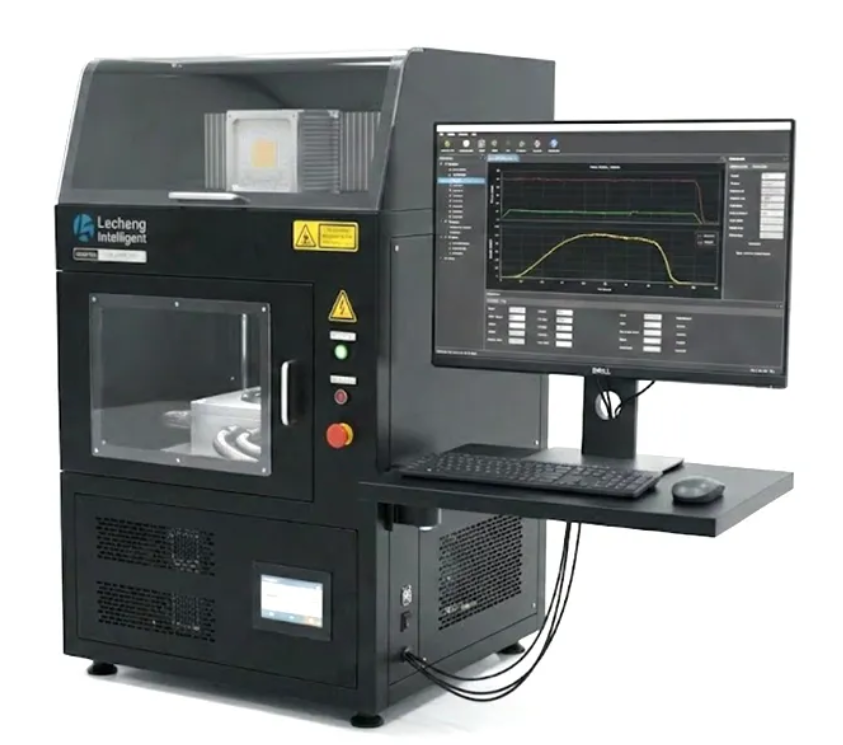
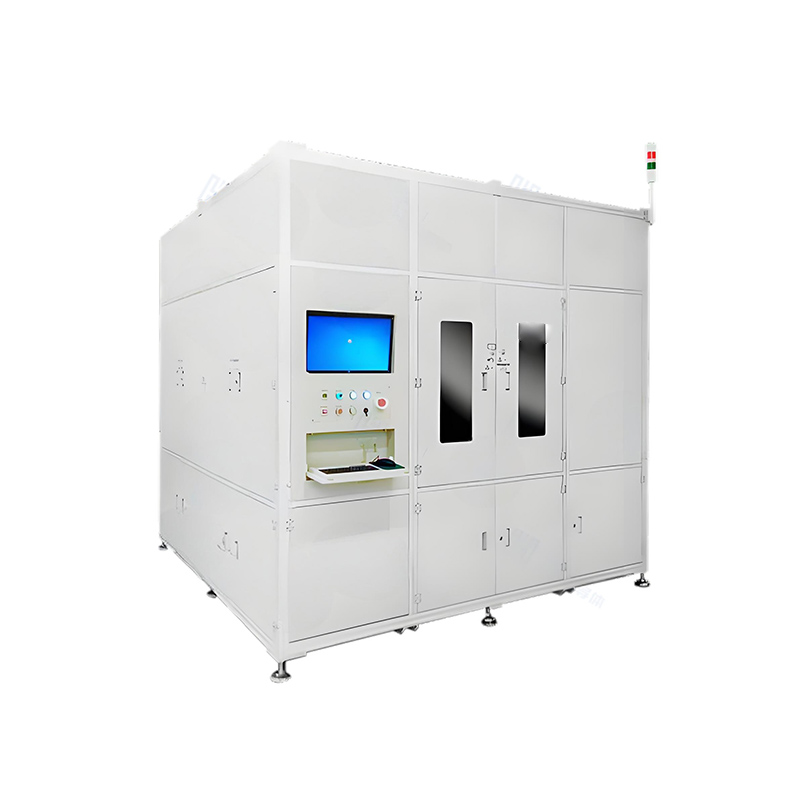
Lecheng's comprehensive solutions overcome the fundamental challenges of flexible perovskite laser patterning through advanced deformation compensation, precise thermal management, and intelligent multi-layer processing. These innovations are accelerating the commercialization of lightweight, bendable solar technologies for next-generation applications.