Products

Featured products

Contact us

News

  • P1 vs P2 vs P3 Laser Scribing: Key Differences In Perovskite Solar Cells
    2026
    05-09
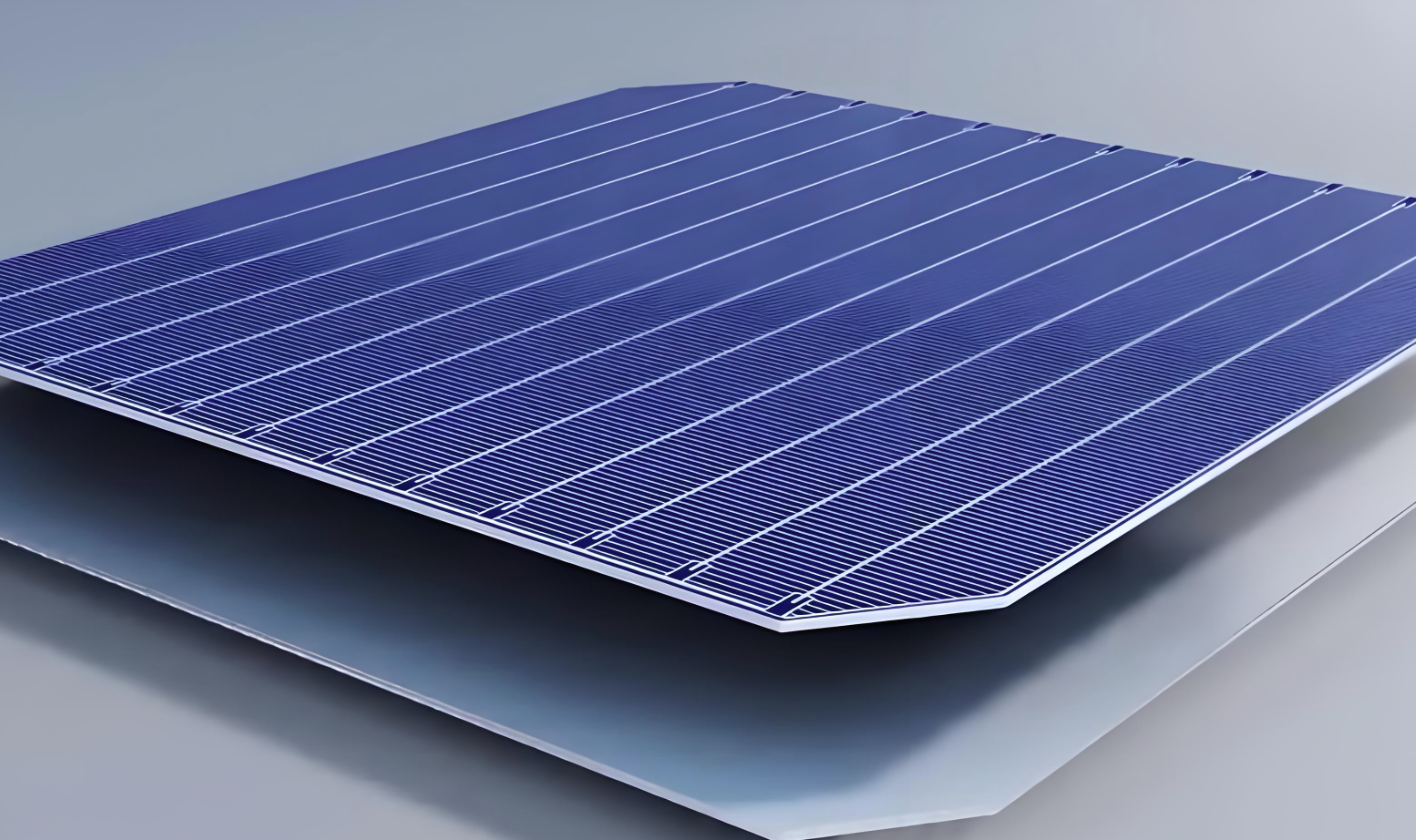
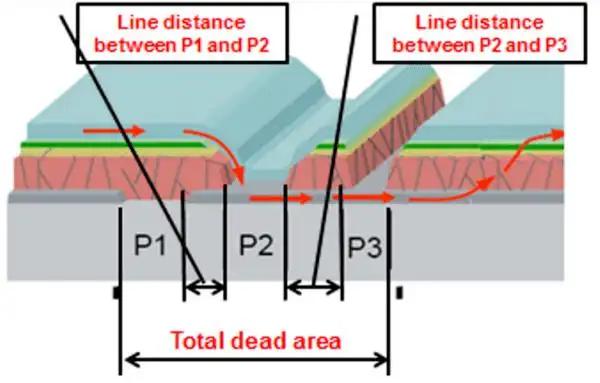
    P1, P2 and P3 laser scribing are three different but closely connected steps in perovskite solar cell module manufacturing. P1 defines the bottom electrode isolation, P2 creates the interconnection channel, and P3 completes the final cell separation. For buyers, the best equipment should provide not only laser hardware, but also process testing, alignment control, stable scribing quality and upgrade flexibility for R&D, pilot line and scalable production.
  • Bifacial Perovskite Modules Laser Processing for DoubleSided Efficiency
    2026
    01-30
    Lecheng’s laser solutions bridge critical gaps in bifacial perovskite module production, combining micron-level precision with industrial scalability. By optimizing light capture, edge integrity, and manufacturing throughput, their technology empowers solar innovators to unlock the full potential of double-sided energy harvesting.
  • A Rising Star in Precision Laser Equipment for Thin-Film Solar Cells
    2026
    01-08
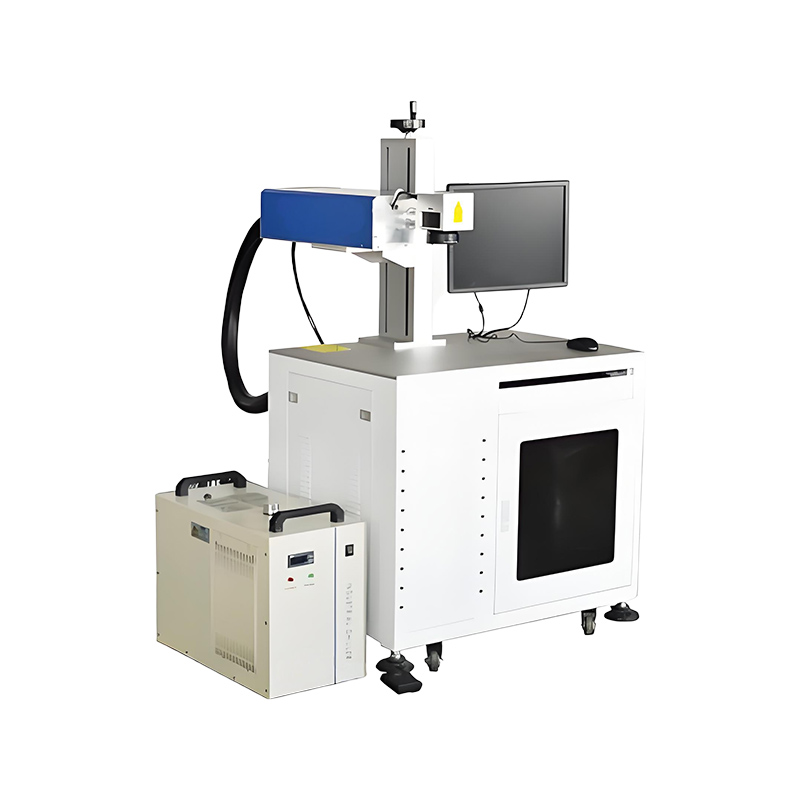
    Lecheng Intelligent is more than just an equipment supplier; it is a strategic partner driving the industrialization of next-generation solar technology. By mastering the critical laser processes with unparalleled precision and developing scalable, intelligent equipment, Lecheng is directly contributing to making thin-film solar power more efficient, reliable, and commercially viable. As the world accelerates its transition to renewable energy, companies like Lecheng, with their deep technical expertise and customer-centric approach, are poised to shine brightly on the global stage.
  • Research and Application of Laser Technology in Perovskite Solar Cells
    2025
    09-13
    The manufacturing process of perovskite solar cells involves multiple precise steps, with laser technology playing a critical role in enhancing efficiency and stability. The key steps include: Substrate Preparation: Cleaning and pre-treating the substrate (e.g., glass or flexible polymers) to ensure optimal adhesion and conductivity. Electrode Deposition: Depositing transparent conductive oxides (e.g., ITO or FTO) as bottom electrodes.

    40px

    80px

    80px

    80px

    Get Quote