Products

Featured products

Contact us

News

  • 7 Industries Transforming Production with Laser Glass Cutting Technology
    2026
    04-26
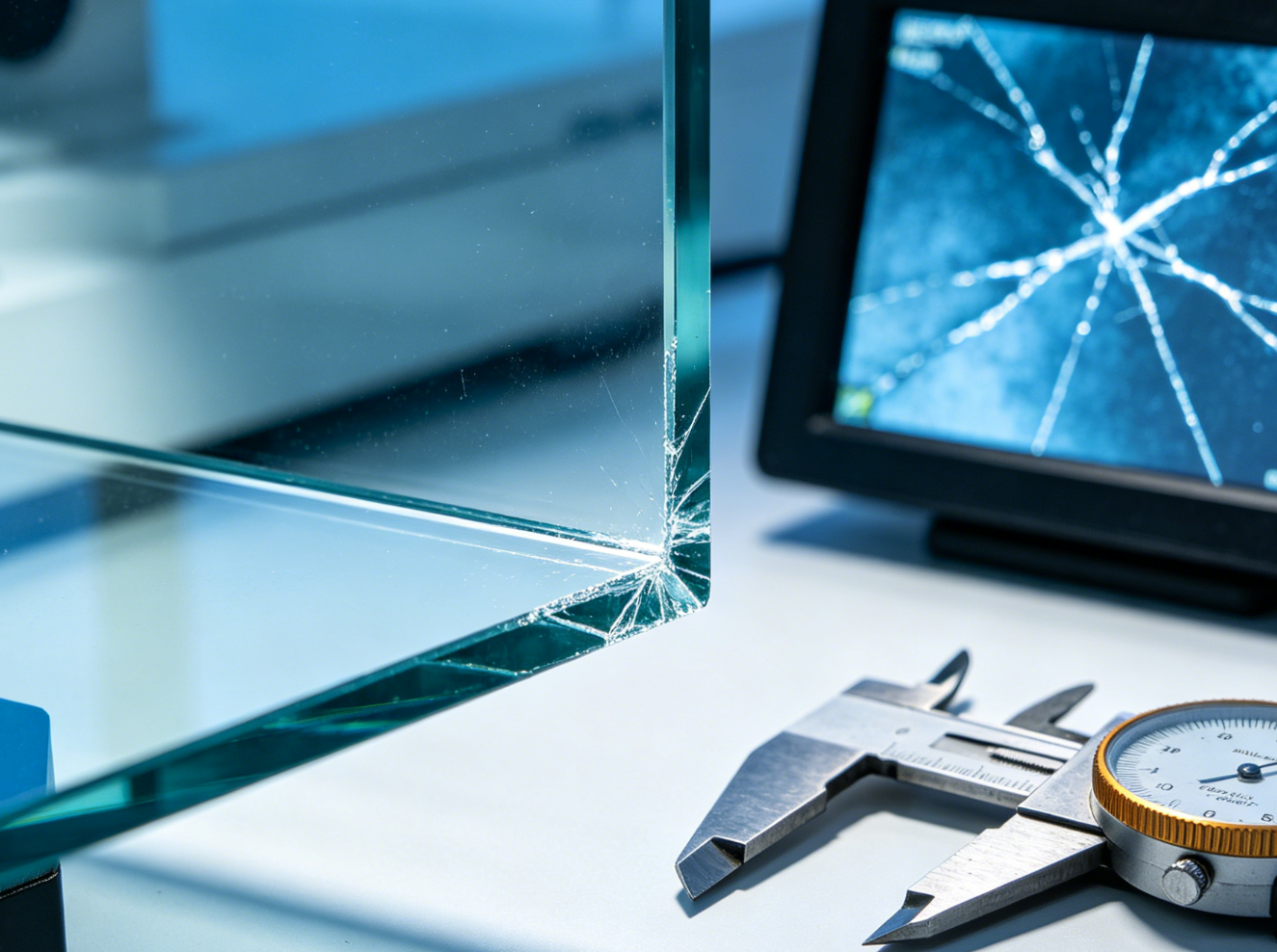
    Laser glass cutting has moved beyond the laboratory into full-scale production across multiple industries. The unique capabilities of non-contact, high-precision cutting enable applications that were previously impossible or uneconomical. Here's how seven industries are using this technology to transform their products and processes.
  • What Materials Can A Laser Scribing Machine Process In Solar Cell Manufacturing?
    2026
    04-20
    A laser scribing machine for solar cell manufacturing must be capable of processing a wide range of materials with precision and consistency. For international buyers, the key is not only the number of materials supported, but how well the system can handle each material under real production conditions. A machine with strong material compatibility and stable performance will provide higher yield, lower risk, and better long-term value.
  • How To Choose Between P1, P2, And P3 Laser Scribing Systems?
    2026
    04-19
    Choosing between P1, P2, and P3 laser scribing systems requires a clear understanding of process functions, equipment capabilities, and production goals. For international buyers, the best solution is one that ensures precise process matching, stable production performance, and long-term scalability. A well-selected system not only improves yield and efficiency, but also reduces production risk and enhances overall competitiveness.
  • What Is The Difference Between Laser Scribing And Laser Cutting In Photovoltaic Production?
    2026
    04-18
    Laser scribing and laser cutting serve different but equally important roles in photovoltaic production. Scribing focuses on precision and electrical performance, while cutting focuses on material separation and efficiency. For international buyers, understanding this difference is essential for selecting the right equipment and building a stable, high-yield production line.
  • Laser Edge Isolation Equipment: Ensuring Clean Borders for Enhanced PV Module Reliability
    2026
    04-10
    Laser edge isolation is the definitive safeguard in PV module manufacturing. It is the process that seals the module's electrical integrity and fortifies its physical defenses. By utilizing advanced equipment to create a perfectly clean, non-conductive border, manufacturers decisively eliminate edge shunts, prevent PID, and ensure a hermetic seal against environmental stressors. This step is not an afterthought; it is a foundational requirement for achieving the 25-to-30-year operational lifetimes that define modern solar technology. Investing in precision edge isolation equipment, therefore, is an investment in the core reliability, longevity, and bankability of the final PV product, ensuring that the power produced at day one endures for decades to come.
  • How To Choose The Right Laser Scribing Machine For Photovoltaic Production
    2026
    04-03
    Choosing the right laser scribing machine for photovoltaic production is a critical decision that directly affects product performance, yield, and long-term manufacturing efficiency. With the rapid development of technologies such as thin-film solar cells, heterojunction cells, and perovskite photovoltaics, laser scribing has become a key process step in defining cell structure and ensuring electrical isolation. For international buyers, selecting the right system is not only about machine specifications, but about finding a solution that fits their process, production scale, and future expansion plans.
  • Is A Fully Automatic Thin-Film Photovoltaic Laser Scribing Machine Stable For Long-Term Operation
    2026
    04-01
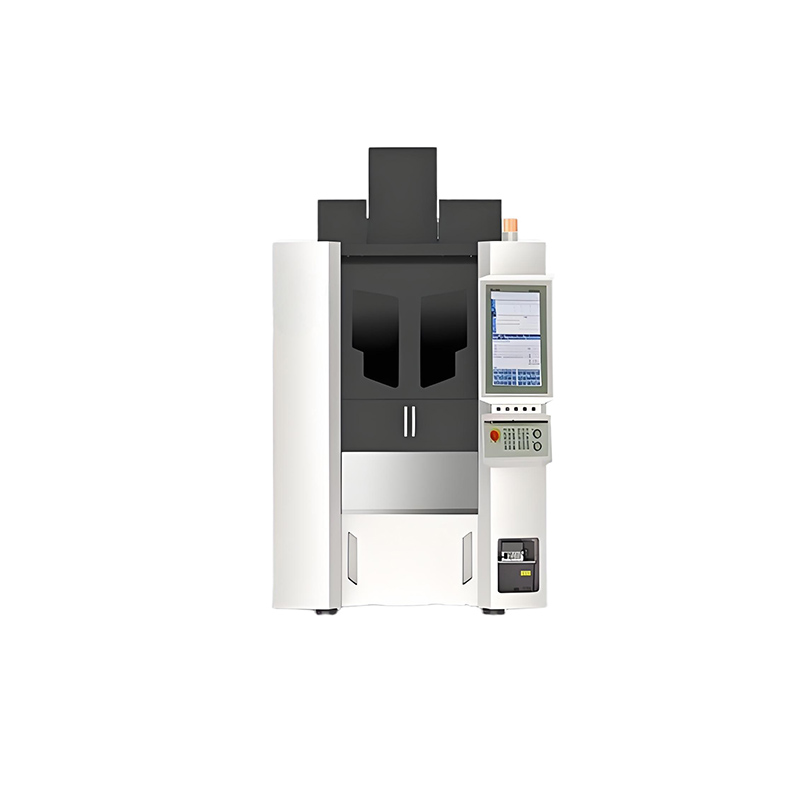
    A fully automatic thin-film photovoltaic laser scribing machine can be considered stable for long-term operation only when laser performance, mechanical reliability, automation coordination, and after-sales support work together as one complete production system. For buyers, long-term stability is not a single parameter, but a comprehensive indicator of whether the machine can keep delivering quality, efficiency, and predictable manufacturing results over time.
  • Can A Photovoltaic Cell Laser Scribing Machine Meet Our Process Requirements
    2026
    03-29
    If your photovoltaic project requires more than just laser marking or cutting, and instead demands a machine that can support precise process control, stable yield, future expansion, and professional technical service, then the right laser scribing machine should be evaluated as a complete process solution. For serious buyers, the best supplier is the one who can prove not only what the machine can do, but also how it can help the production line succeed over the long term.
  • The Core Technologies Behind High-Precision Laser Scribing
    2026
    03-21
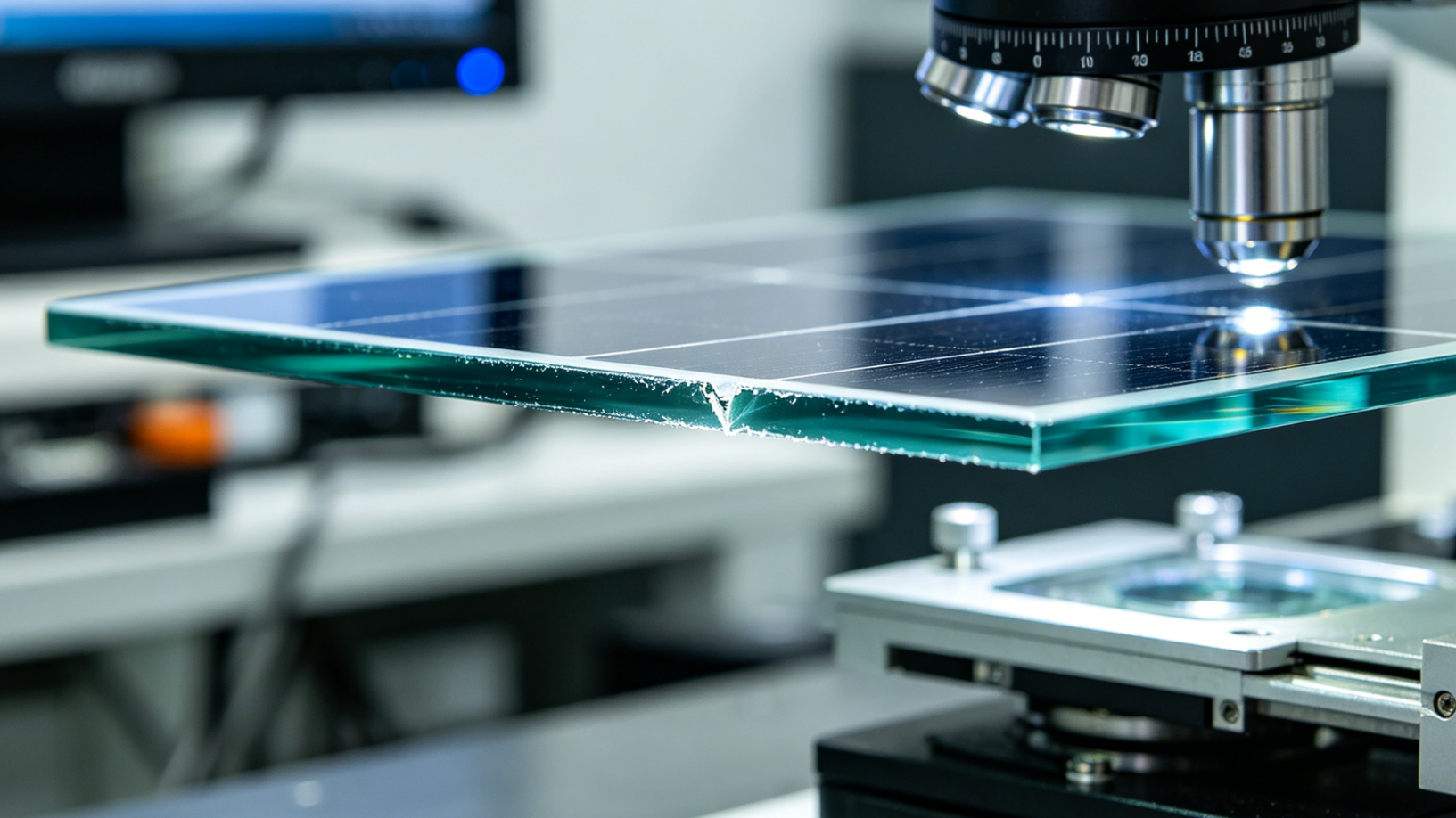
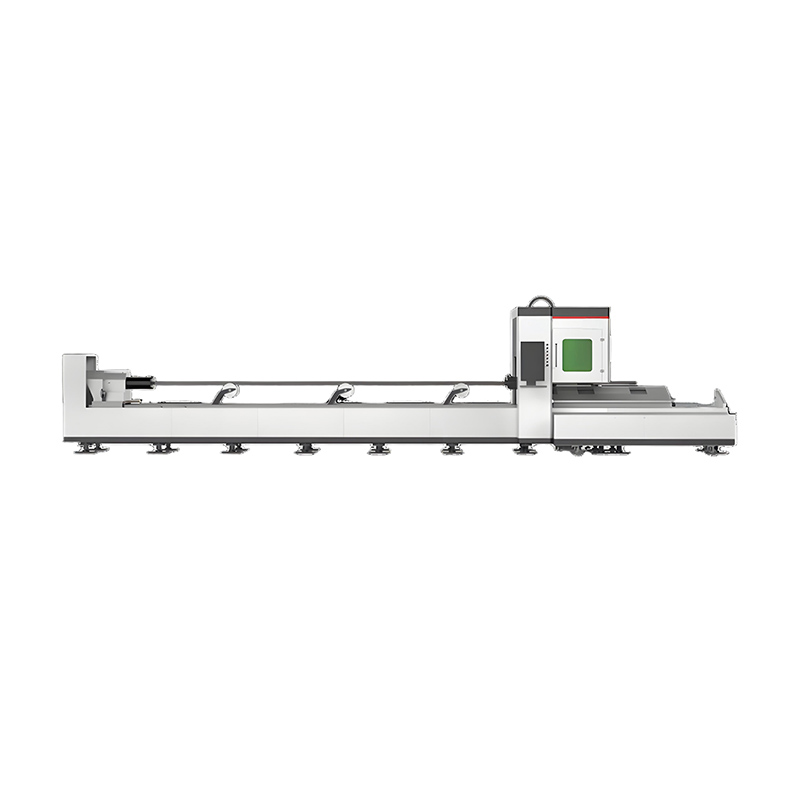
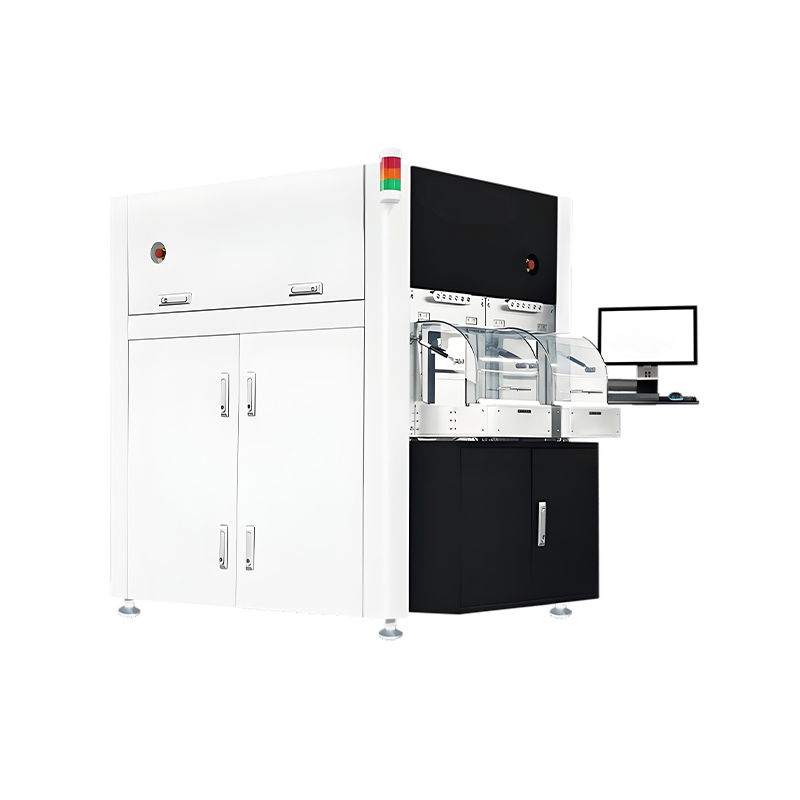
    High-precision laser scribing is not the result of a single breakthrough, but the meticulous integration of several core technology pillars: the controlled photon energy of advanced lasers, the nanoscale stability of precision mechanics, the adaptive intelligence of machine vision, and the orchestration of sophisticated software. It is the harmonious interplay of the laser source, the motion platform, the vision system, and the control software​ that transforms a powerful beam of light into a reliable, micron-scale manufacturing tool. This integrated technological ecosystem, as embodied in solutions from companies like Lecheng Intelligent, is what enables the manufacturing of today's most advanced thin-film solar cells and electronic devices, where a micron's deviation can mean the difference between high efficiency and failure. In the pursuit of smaller, faster, and more efficient products, mastering these core technologies is not optional—it is the very definition of capability.
  • Ultimate Guide to Laser Scribing Equipment for Thin-Film Solar Cells
    2026
    03-14
    Laser scribing equipment is the precision scalpel that defines the electrical heart of a thin-film solar module. Its performance dictates efficiency, yield, and ultimately, commercial viability. By understanding the critical role of each component—from the laser source to the vision system—and selecting a technology partner that offers not just hardware but deep process knowledge and integrated solutions, manufacturers can equip themselves to build thinner, faster, and more efficient solar cells, paving the way for the next generation of photovoltaic technology.

40px

80px

80px

80px

Get Quote