



Laser Glass Cutting Troubleshooting Guide
Why Glass Edge Chipping Happens During Laser Cutting And How To Reduce It
Glass edge chipping is one of the most common problems in laser glass cutting for thin-film solar modules, display glass and precision electronic applications. Poor edge quality can increase breakage risk, reduce module yield and create problems during later lamination or encapsulation. Buyers should understand the main causes of edge chipping and how equipment design, laser parameters and handling methods affect cutting quality.
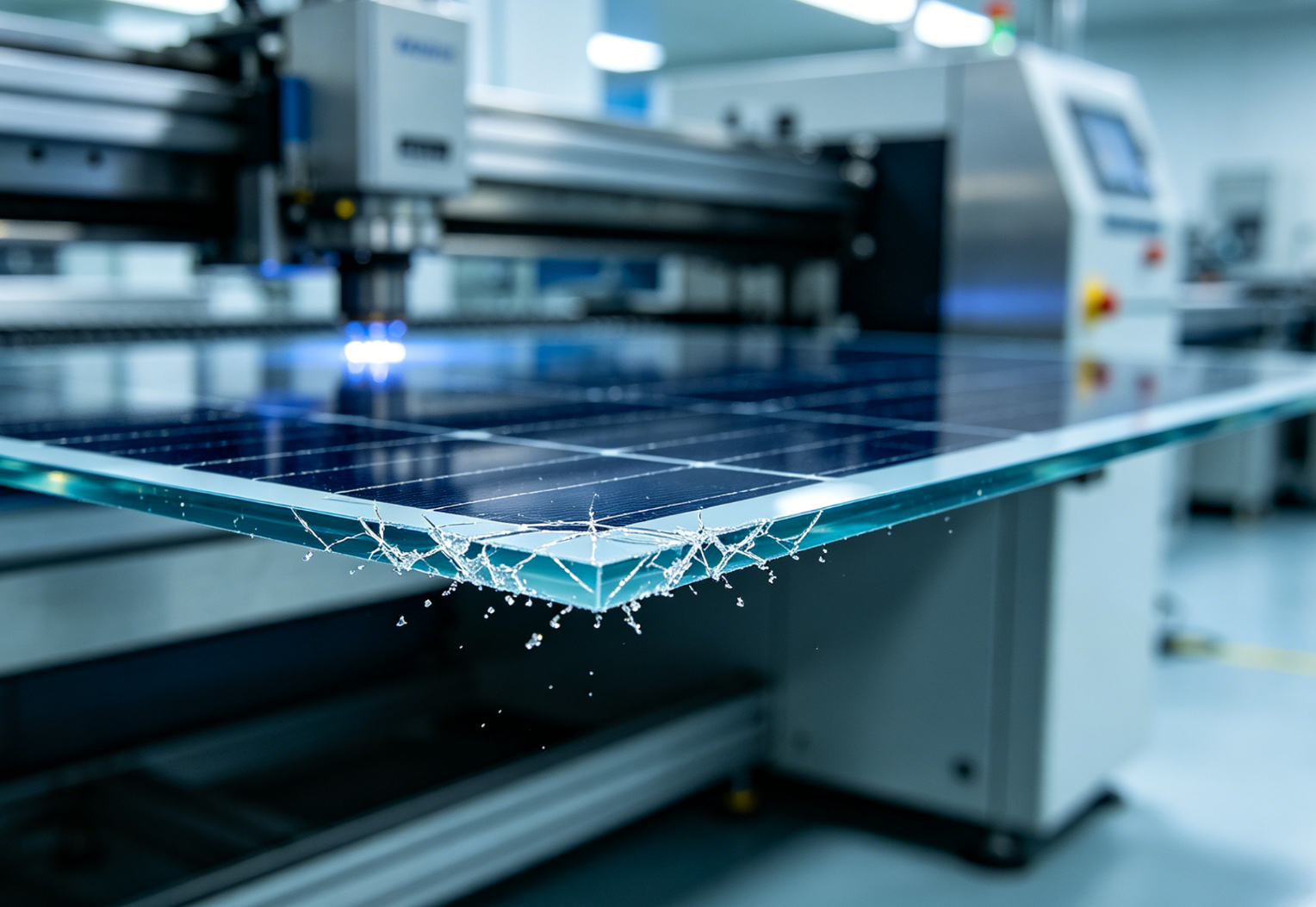
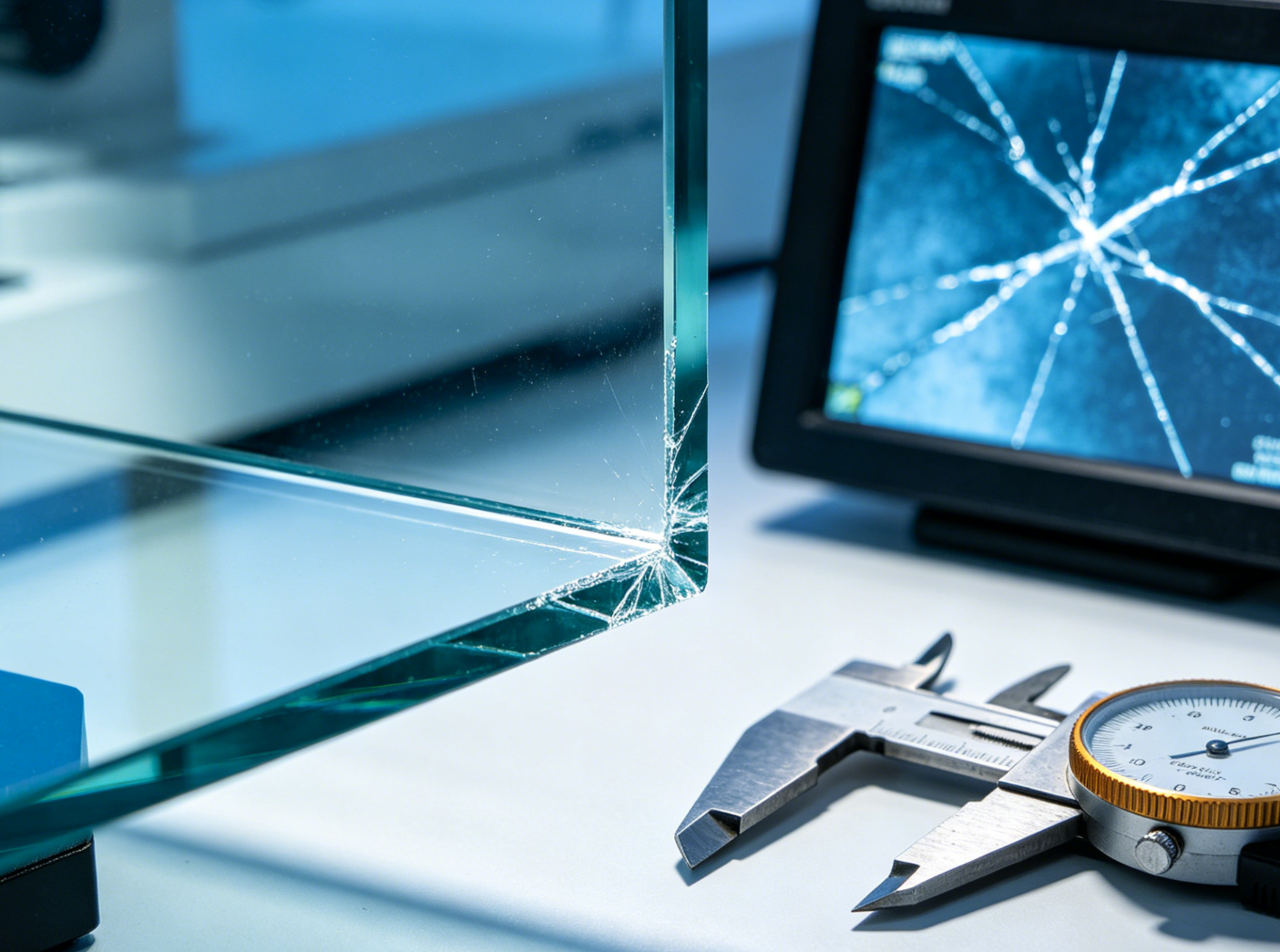
Get QuoteDuring laser cutting, edge chipping can create micro-cracks, uneven edges and hidden damage inside the glass substrate. Even small chips may later expand during handling, transportation, lamination or temperature cycling. For thin-film solar modules and precision glass applications, poor edge quality may reduce product reliability and increase production scrap rates. Laser power, pulse width, scanning speed and focus position directly affect cutting quality. If the laser energy is too high or unstable, excessive thermal stress may form around the cutting line and cause edge chipping. Different glass thicknesses and coatings may require different laser configurations. Buyers should ask suppliers whether cutting parameters have been optimized for similar glass materials. Unstable motion platforms or vibration during cutting may create inconsistent laser paths and uneven stress distribution. This often causes irregular edges or small fractures near the cutting line. A stable machine structure and high-precision motion system help improve cutting consistency and reduce chipping risk during high-speed processing. Different glass substrates behave differently during laser cutting. Thickness, coating type, internal stress and material composition can all influence edge quality. Thin-film solar glass may include conductive coatings or functional layers that react differently to laser energy. Buyers should provide detailed material information before requesting sample testing. Even if the laser line is processed correctly, poor breaking methods may still create chips or cracks. Excessive mechanical force or uneven support can damage the glass edge during separation. Handling systems should also reduce vibration, contamination and accidental impact during loading and unloading. Can the supplier provide microscope edge inspection images? Has the system processed similar glass thickness and coating structures? What cutting accuracy and repeatability can be achieved? How is thermal stress controlled during cutting? What motion platform precision does the machine use? What handling and breaking methods are included? Can the supplier provide sample cutting reports? How does the machine reduce micro-crack risk? Glass edge chipping during laser cutting is usually related to laser parameters, motion stability, glass material properties, breaking methods and handling design. Stable equipment configuration and optimized process control can significantly improve edge quality and reduce breakage risk. For thin-film solar module production and precision glass processing, buyers should evaluate both cutting capability and long-term process stability before selecting equipment. Contact Lecheng Laser to discuss glass thickness, edge quality requirements, laser cutting parameters and production line integration.Why Edge Chipping Is A Serious Problem
1. Incorrect Laser Parameters
2. Poor Motion Stability And Mechanical Vibration
Main Causes Of Glass Edge Chipping
Problem Area Possible Cause Recommended Solution Laser Parameters Excess energy or unstable pulse Optimize power, speed and focus position Motion Platform Mechanical vibration or poor positioning Improve motion accuracy and structural stability Glass Material Different thickness or coating stress Adjust process for specific glass type Breaking Process Excessive mechanical force Optimize breaking path and pressure control Handling Method Scratches or impact during loading Improve vacuum handling and support design Cooling And Stress Uneven thermal stress distribution Optimize cooling and thermal control 3. Glass Material And Coating Differences
4. Improper Breaking And Handling
Questions Buyers Should Ask Before Ordering
Conclusion
Need Help Improving Glass Cutting Quality?