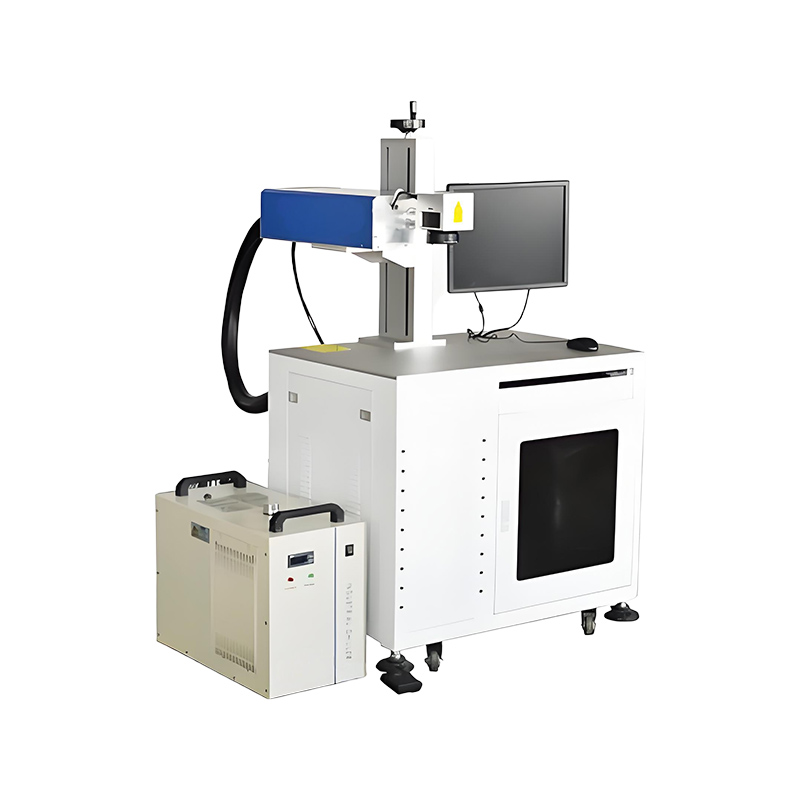
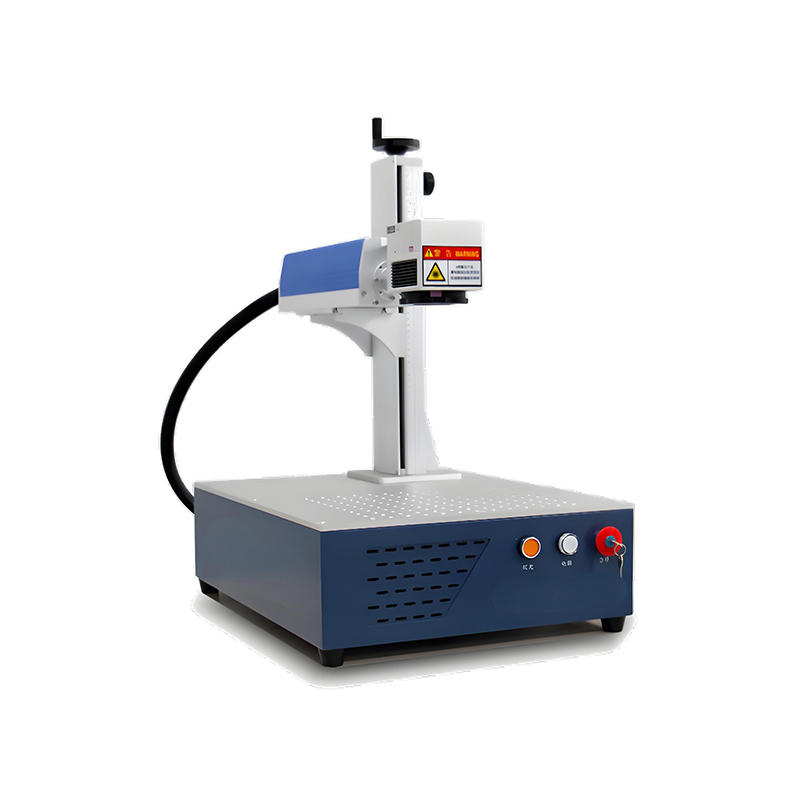
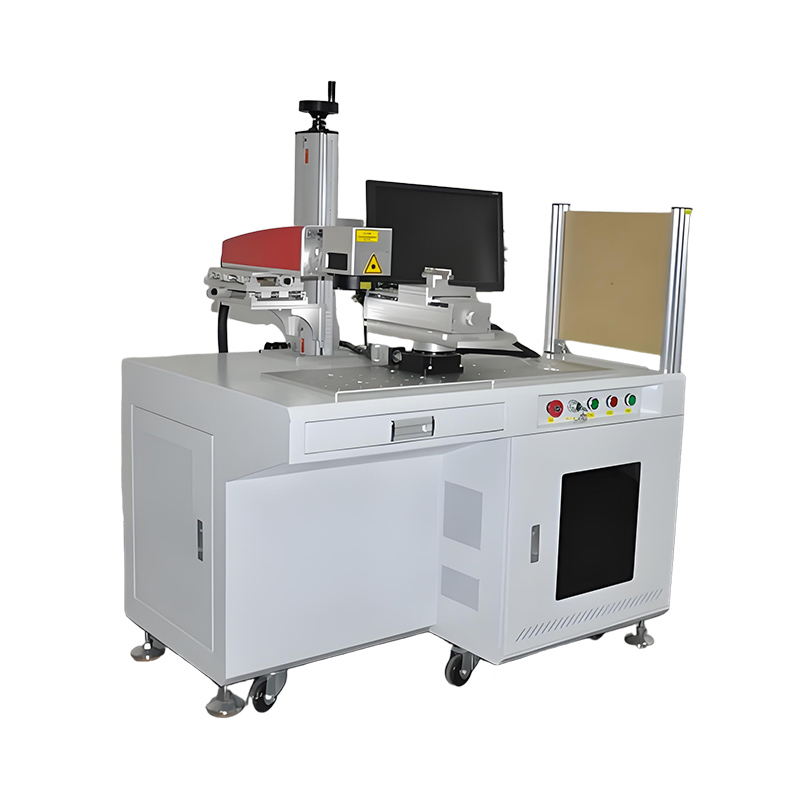
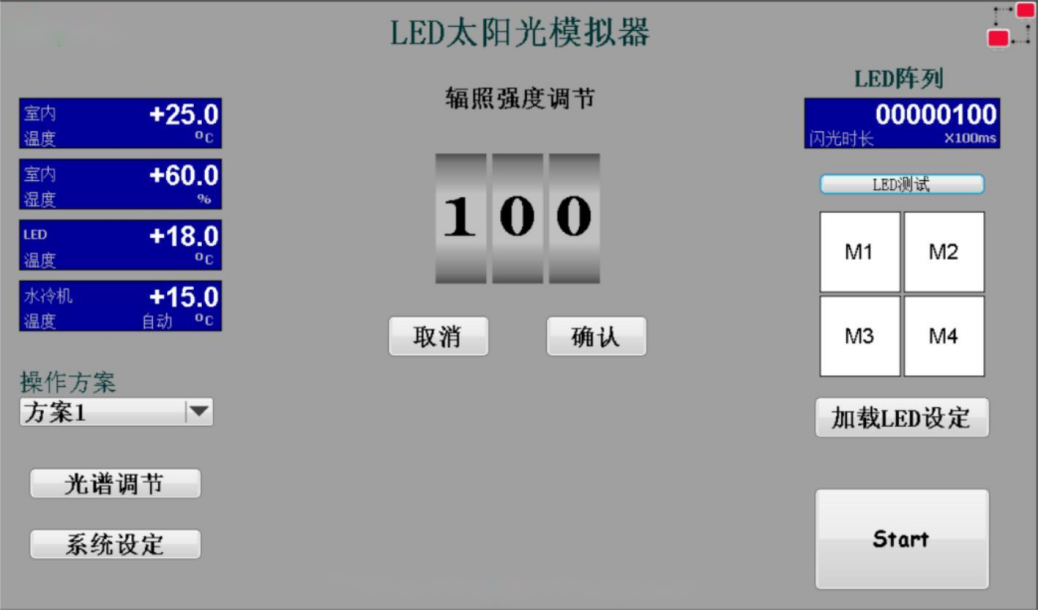
Products

Featured products

Contact us

News

  • P1 P2 P3 P4 Laser Equipment Cost And Buyer Considerations
    2026
    06-25
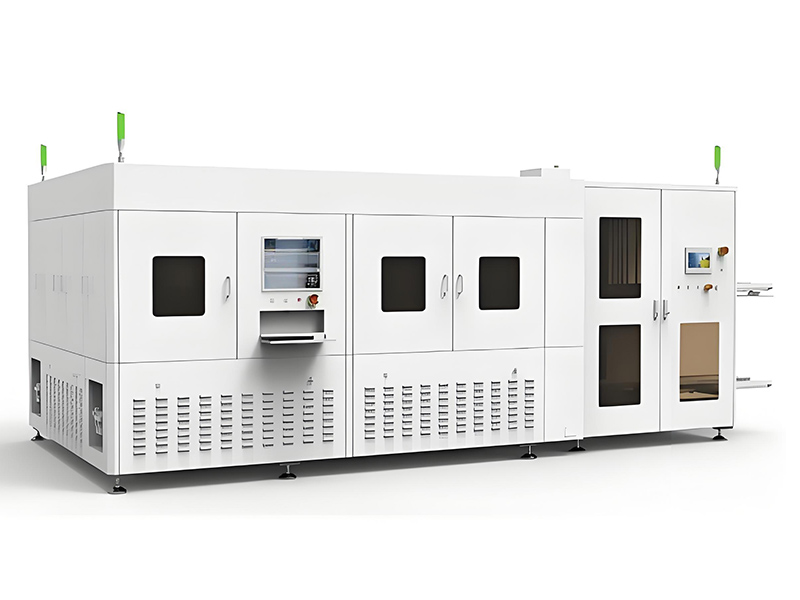
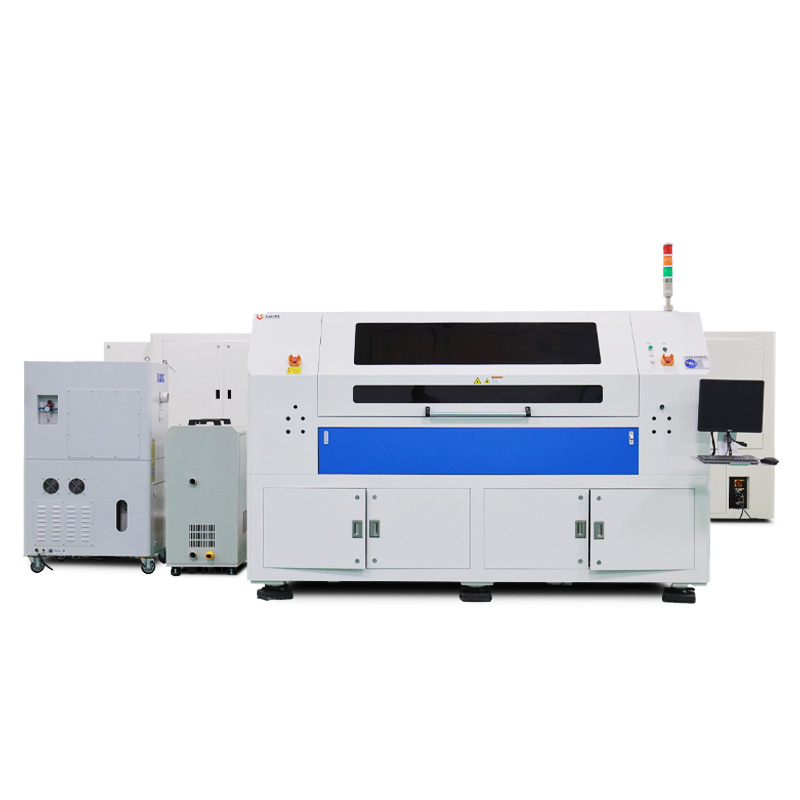
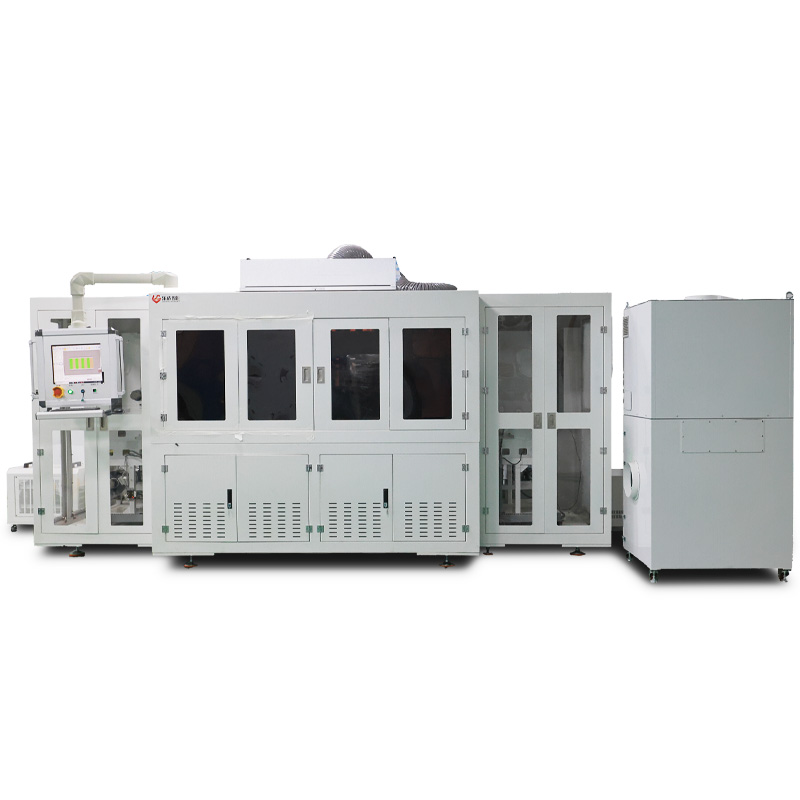
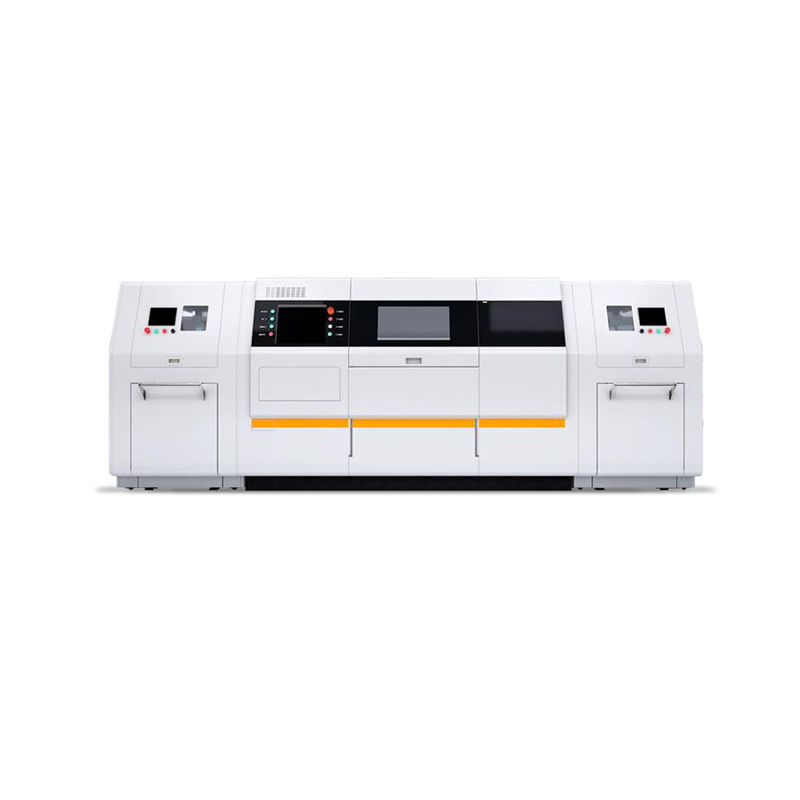
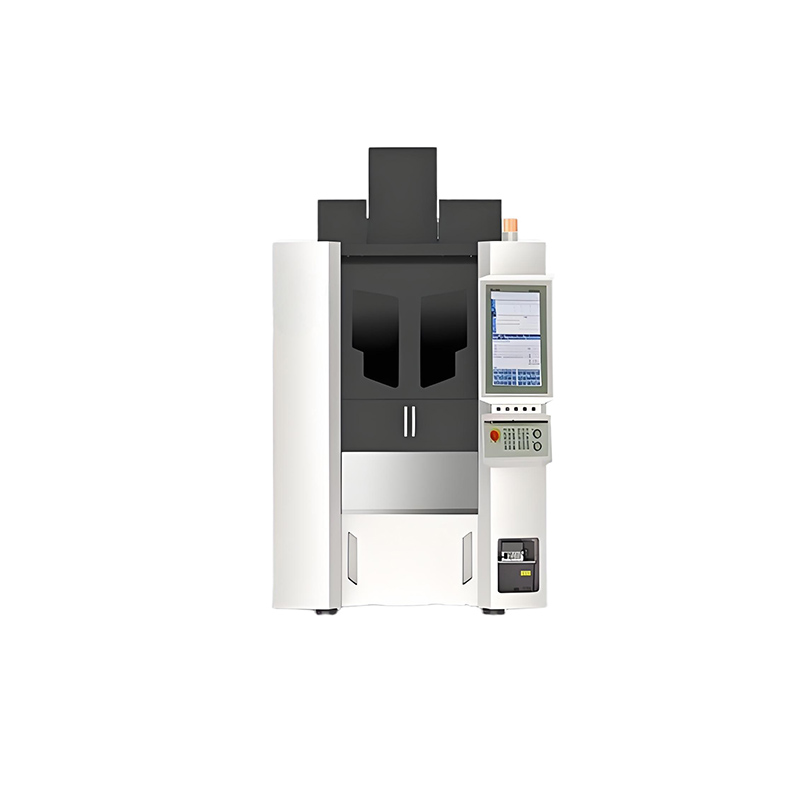
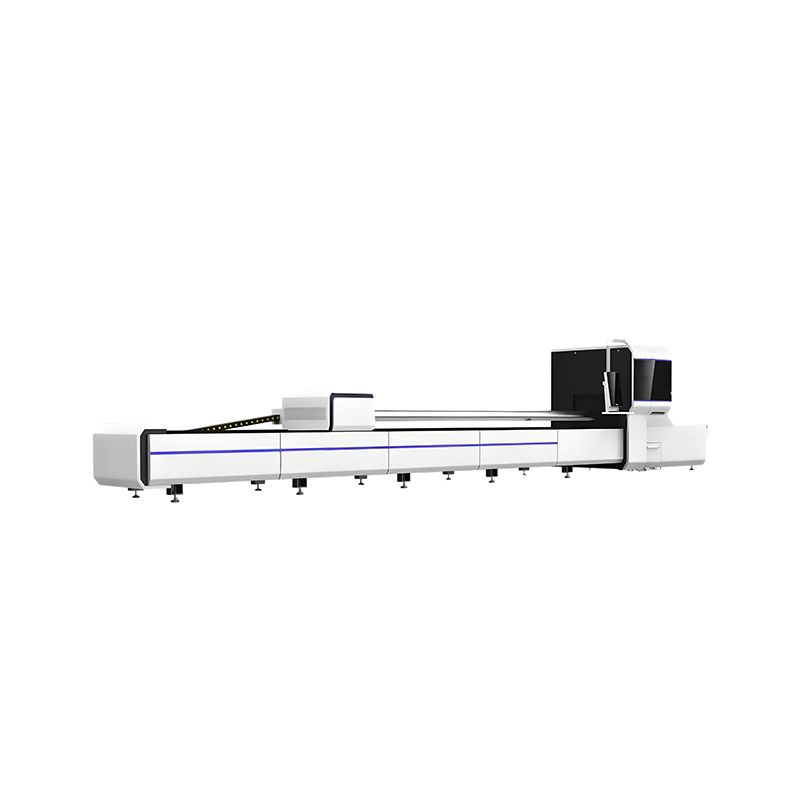
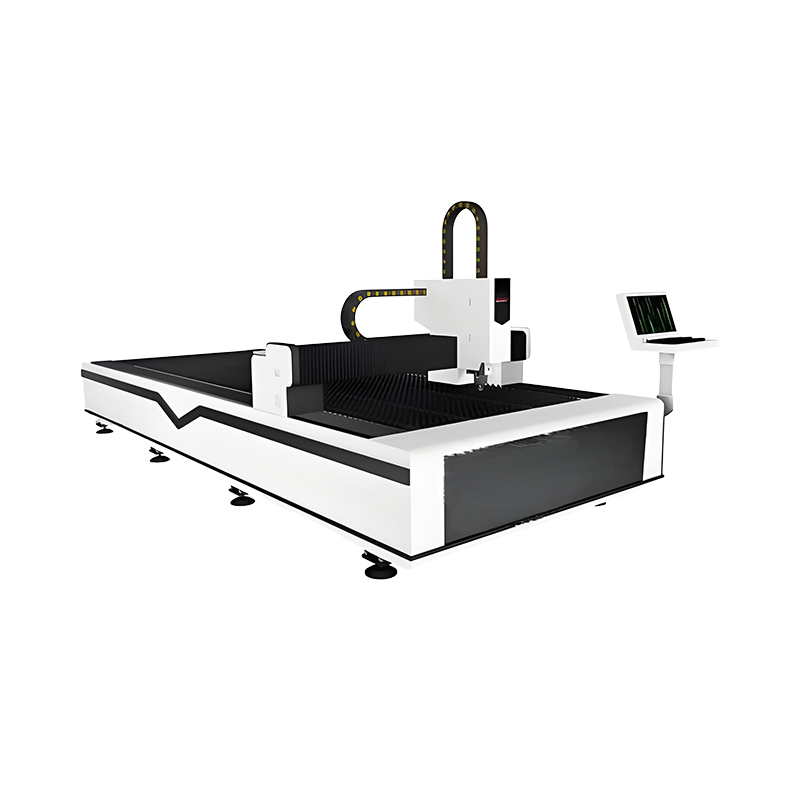
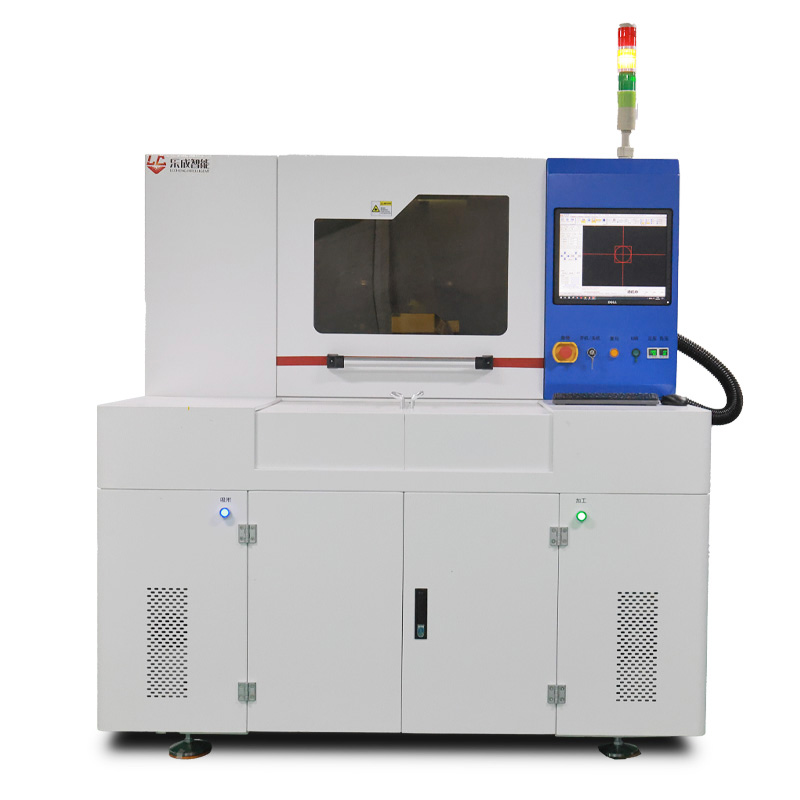
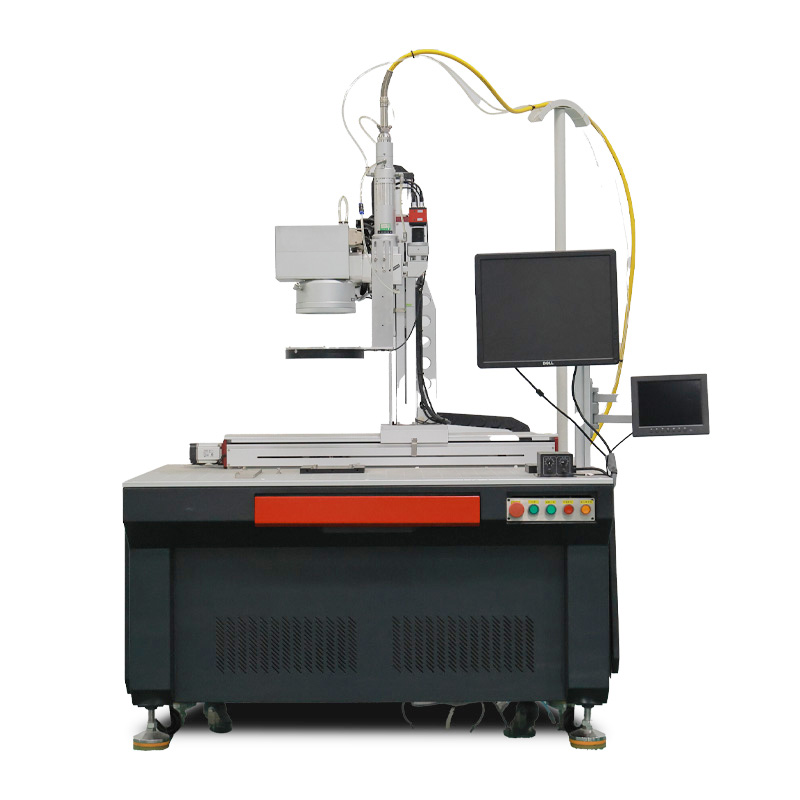
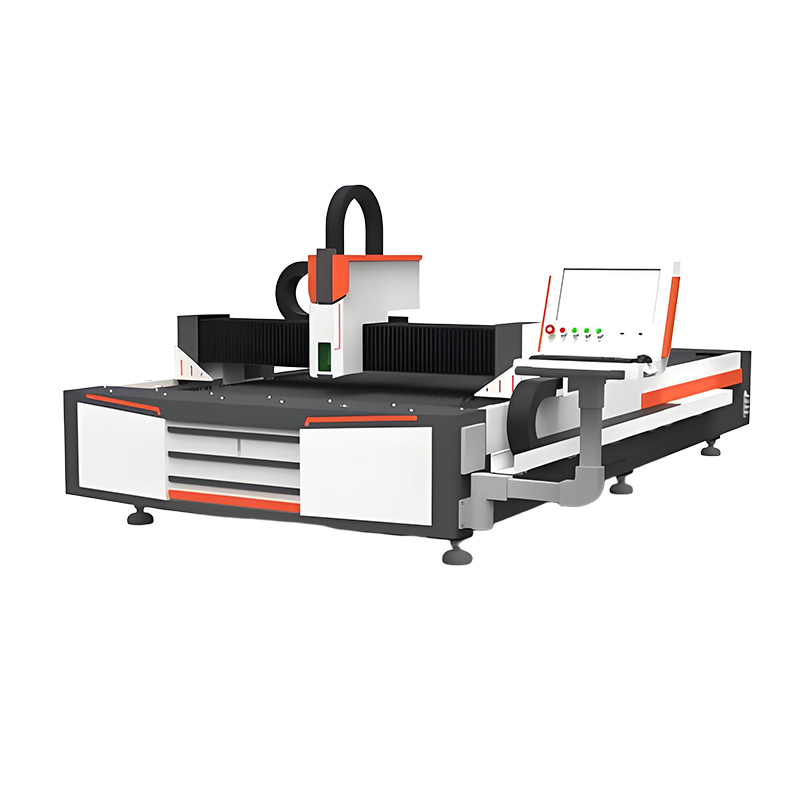
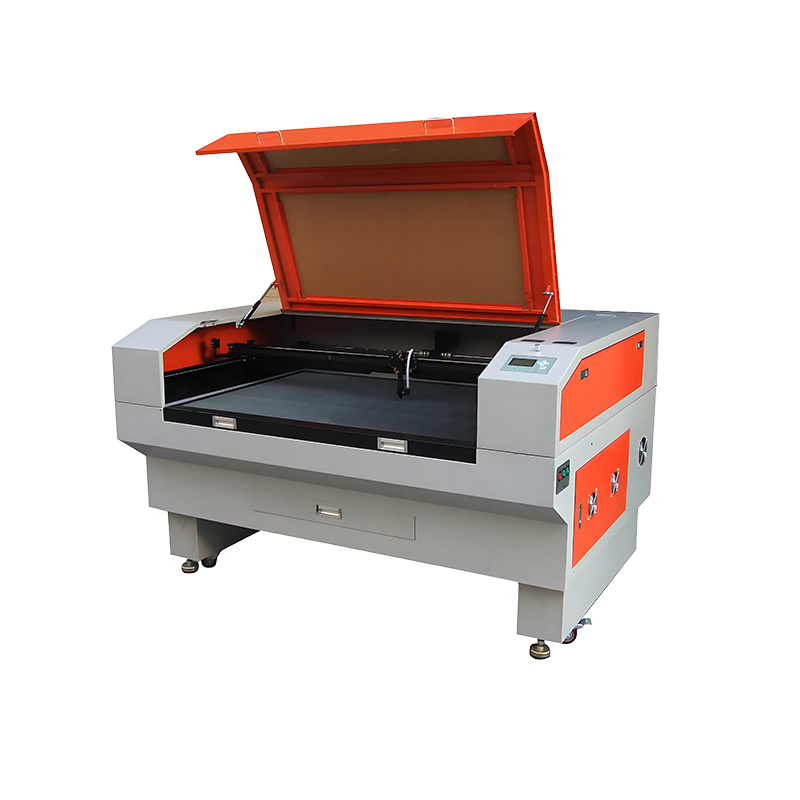
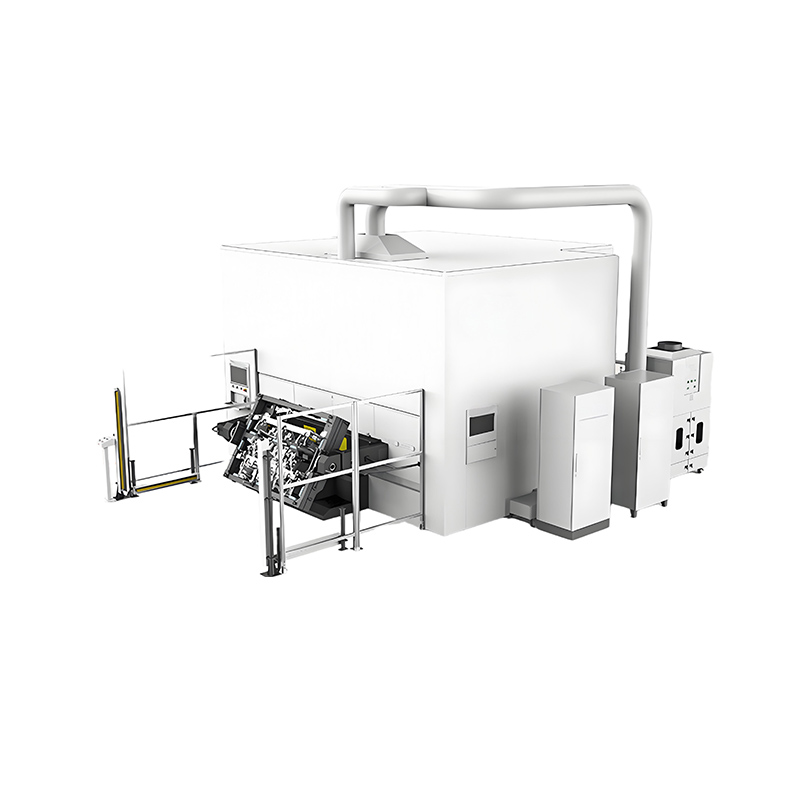
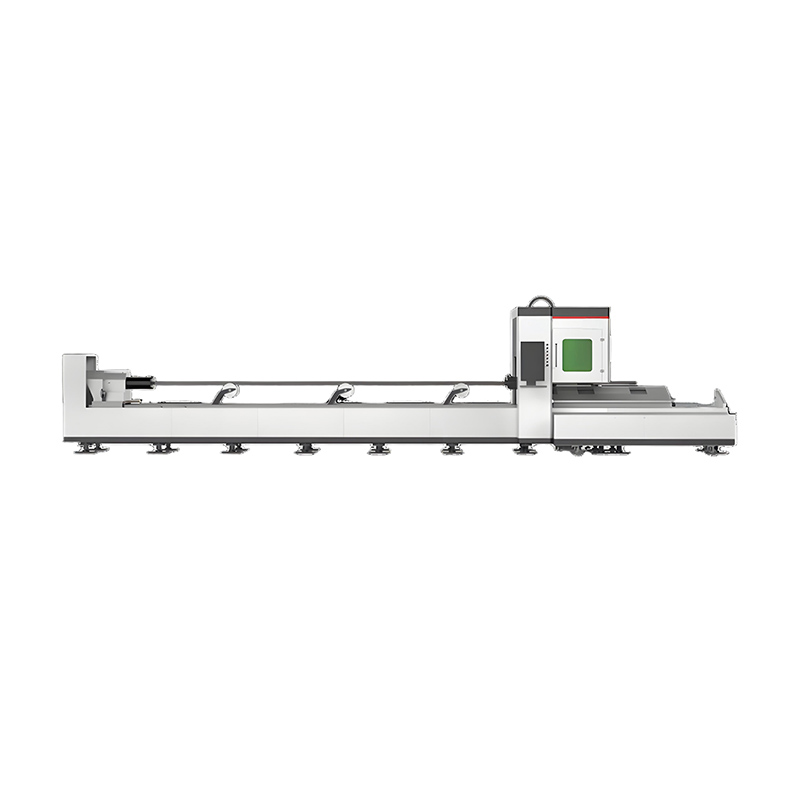
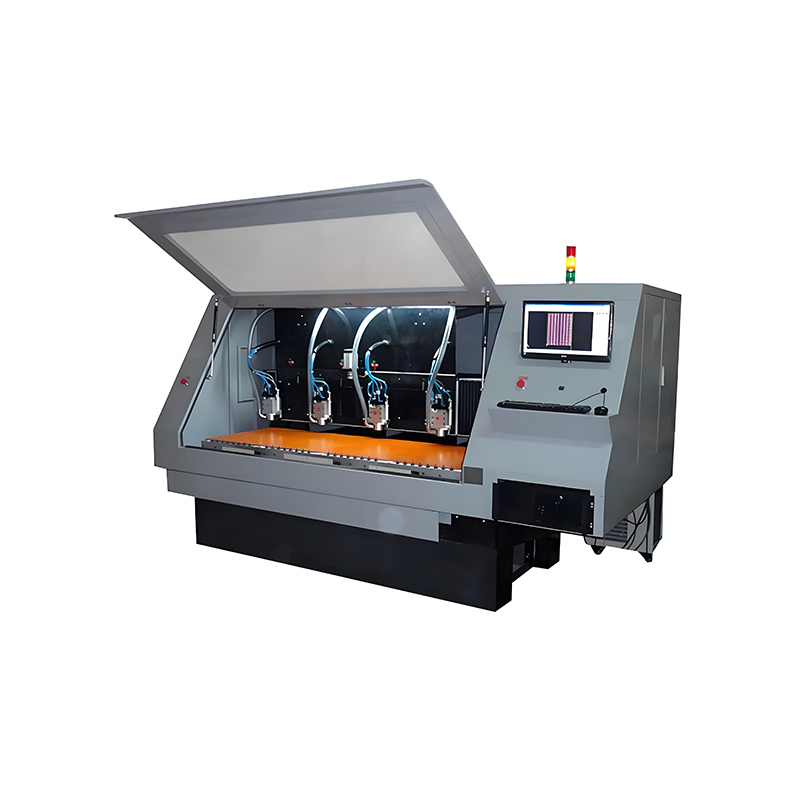
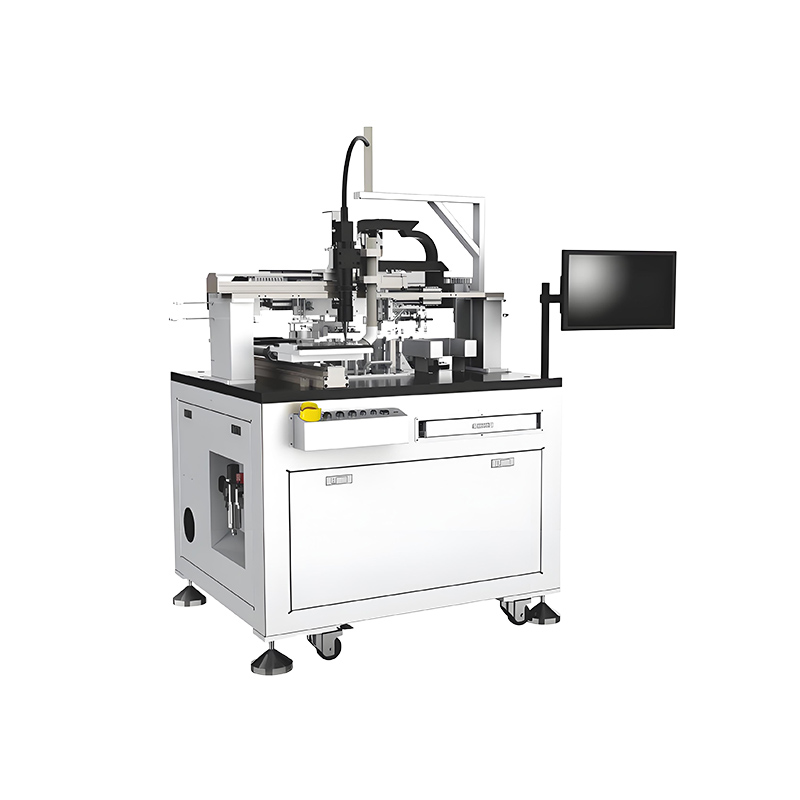
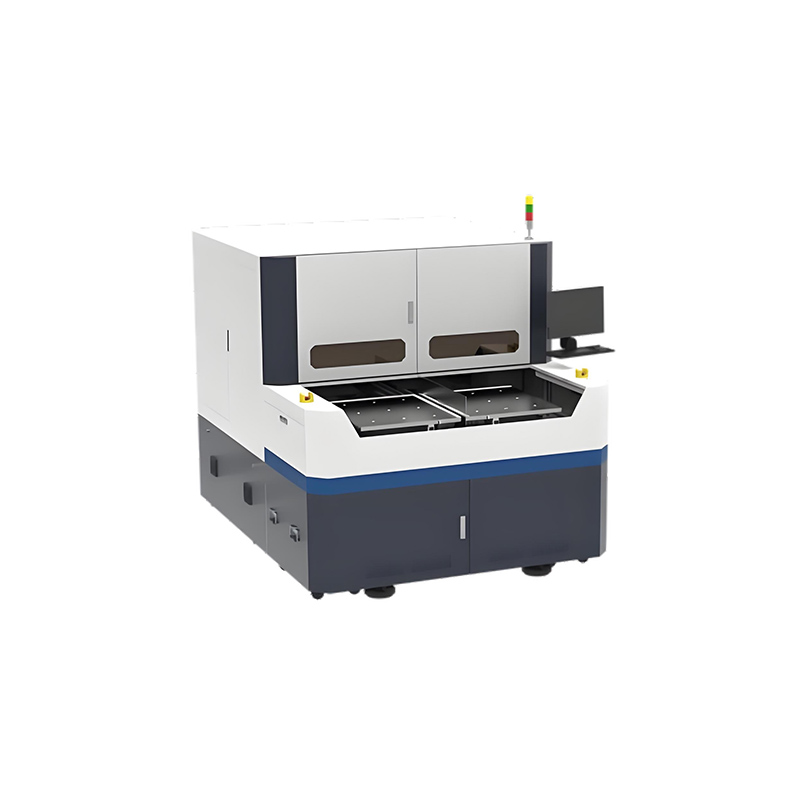
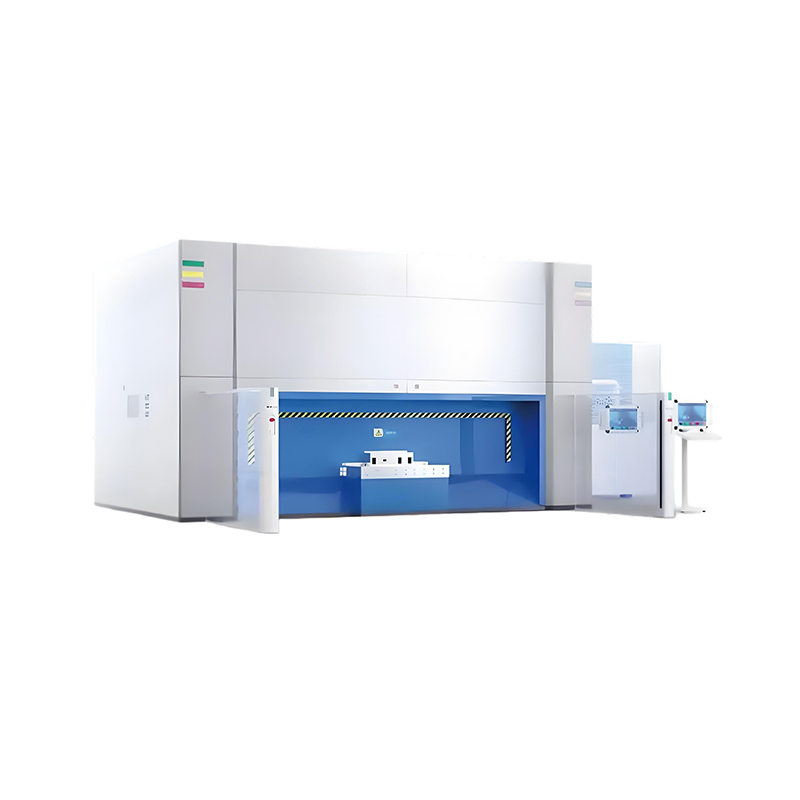
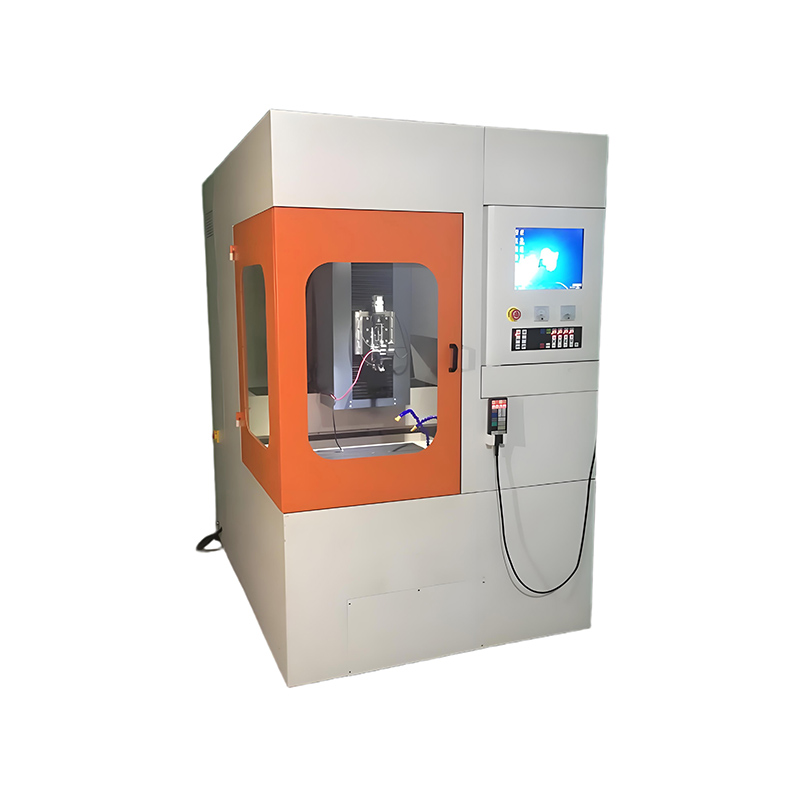
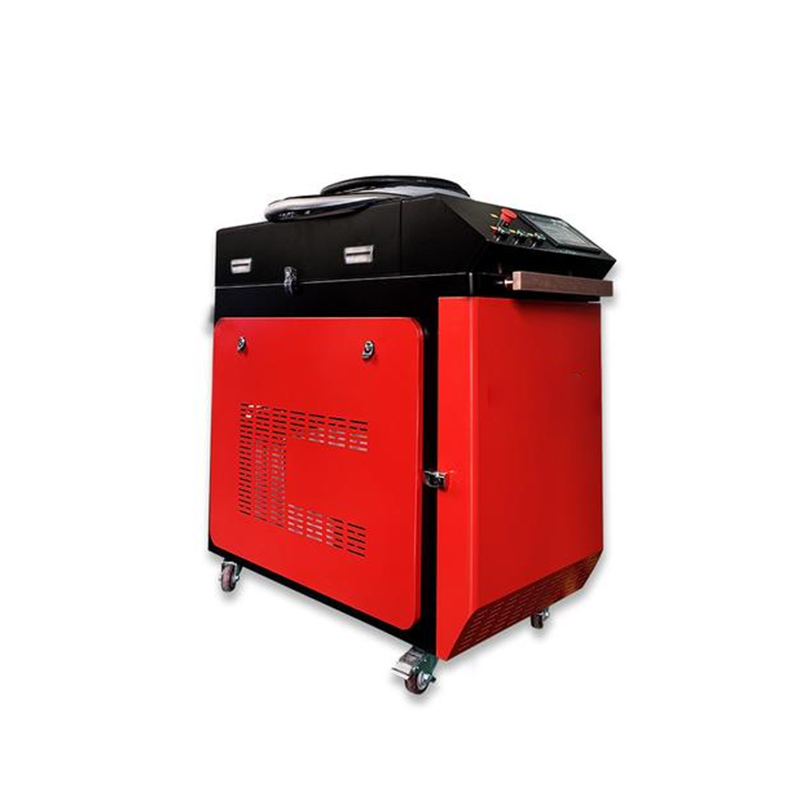
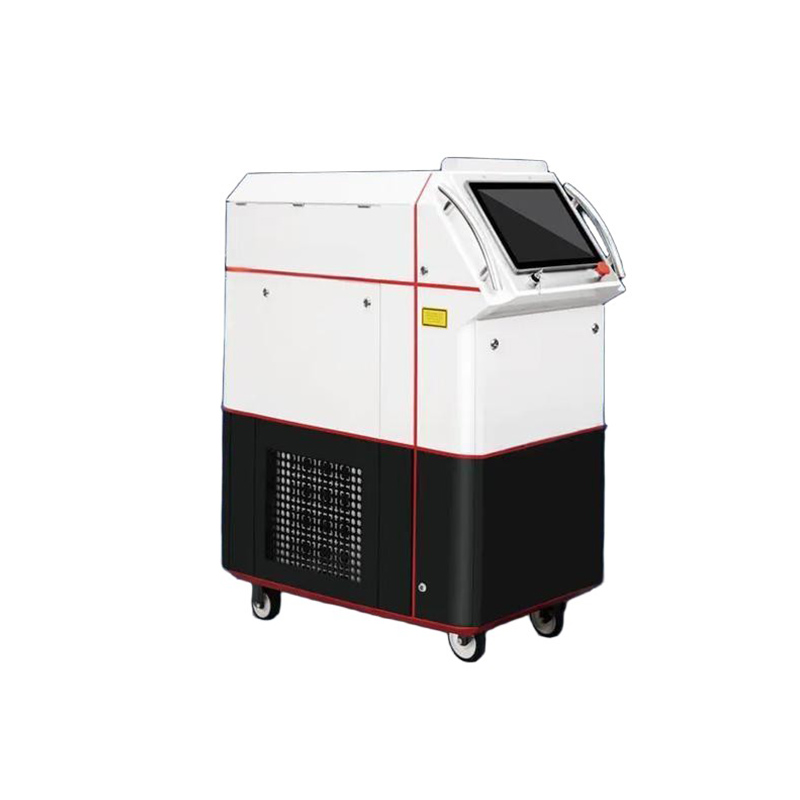
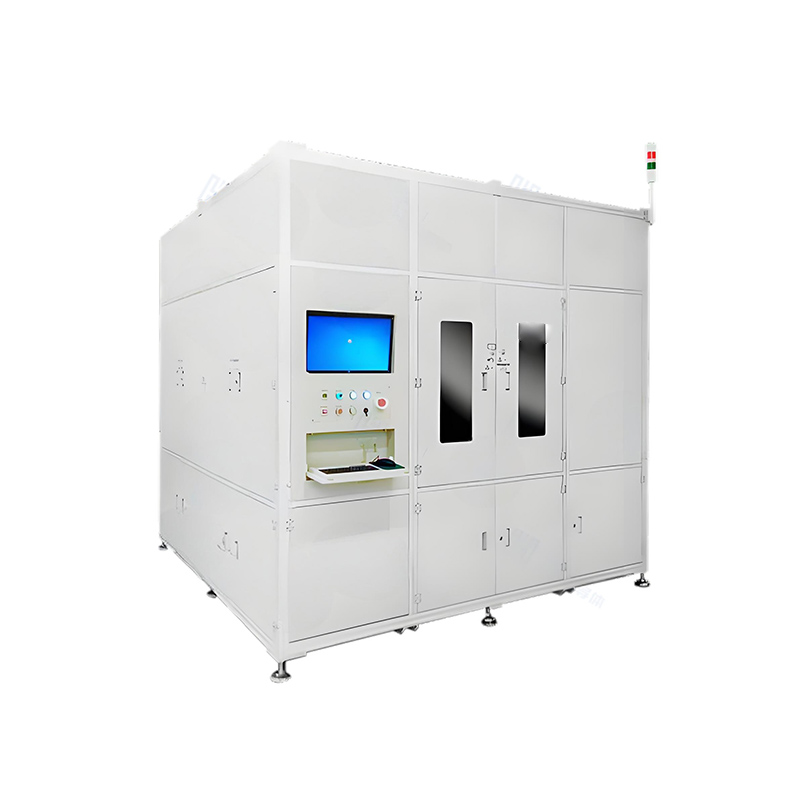
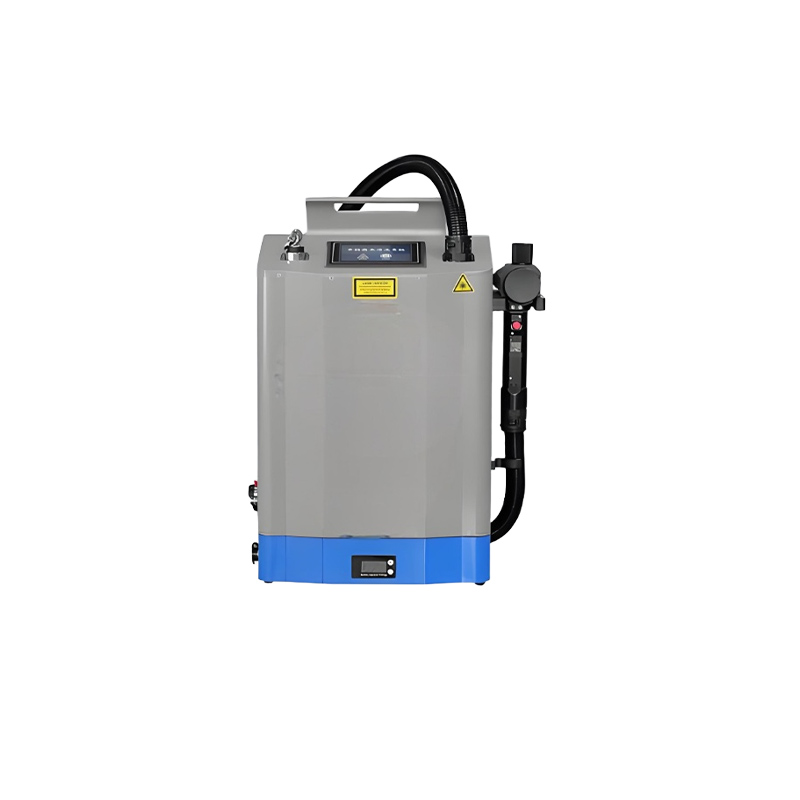
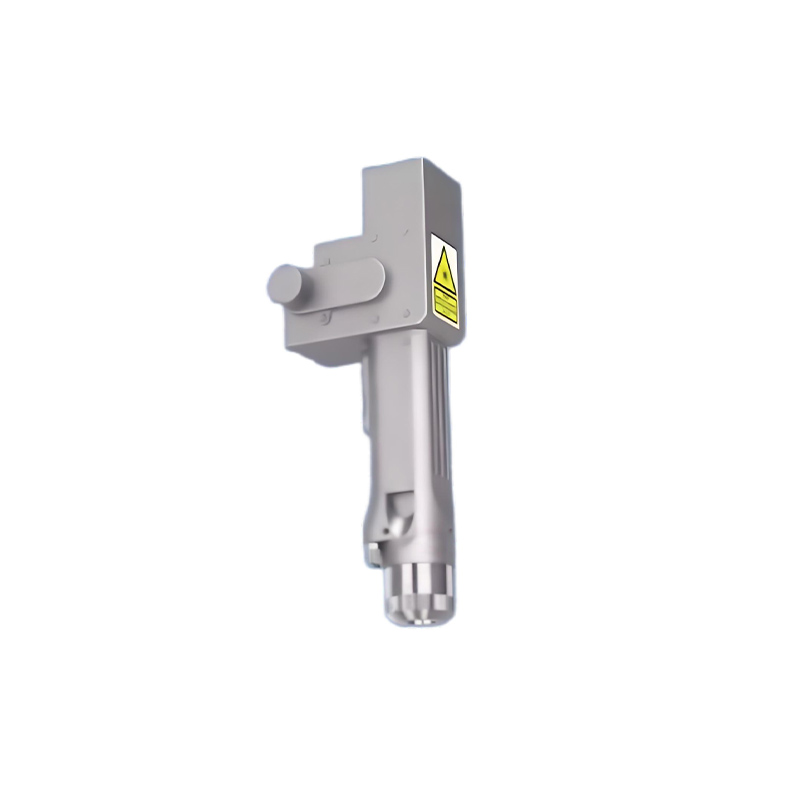
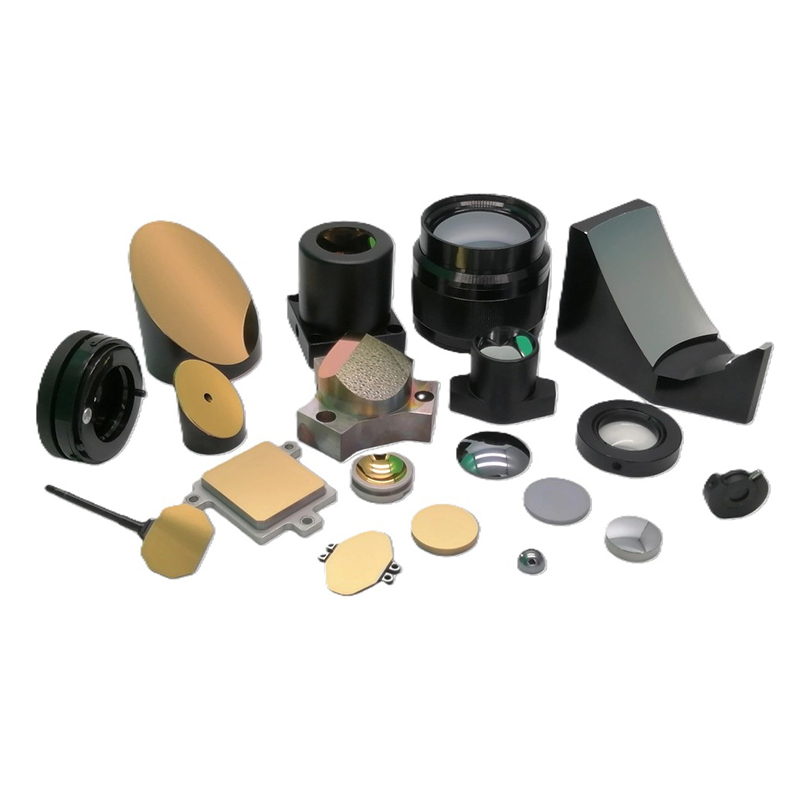
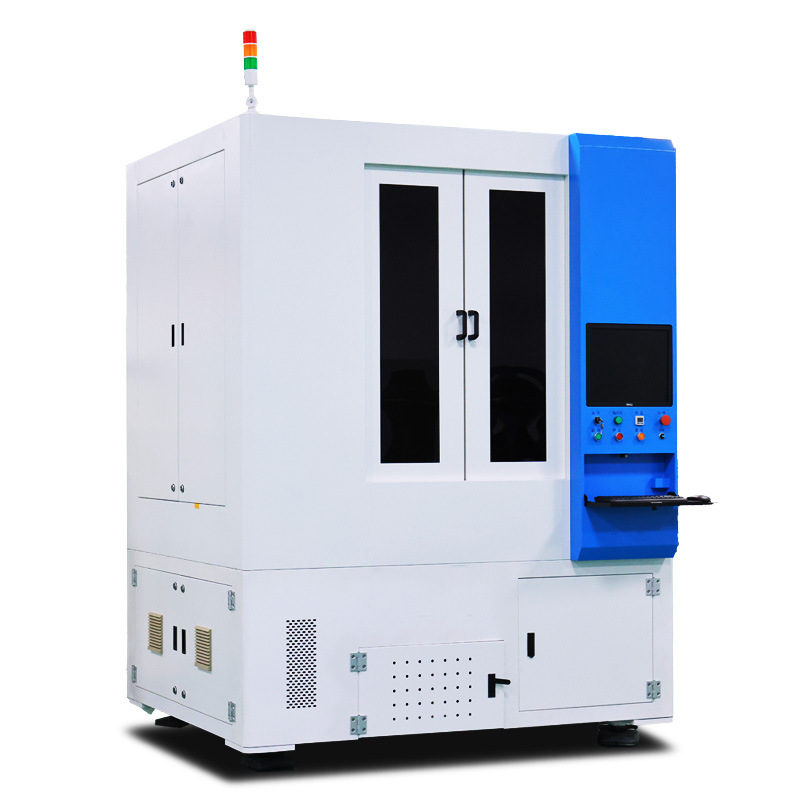
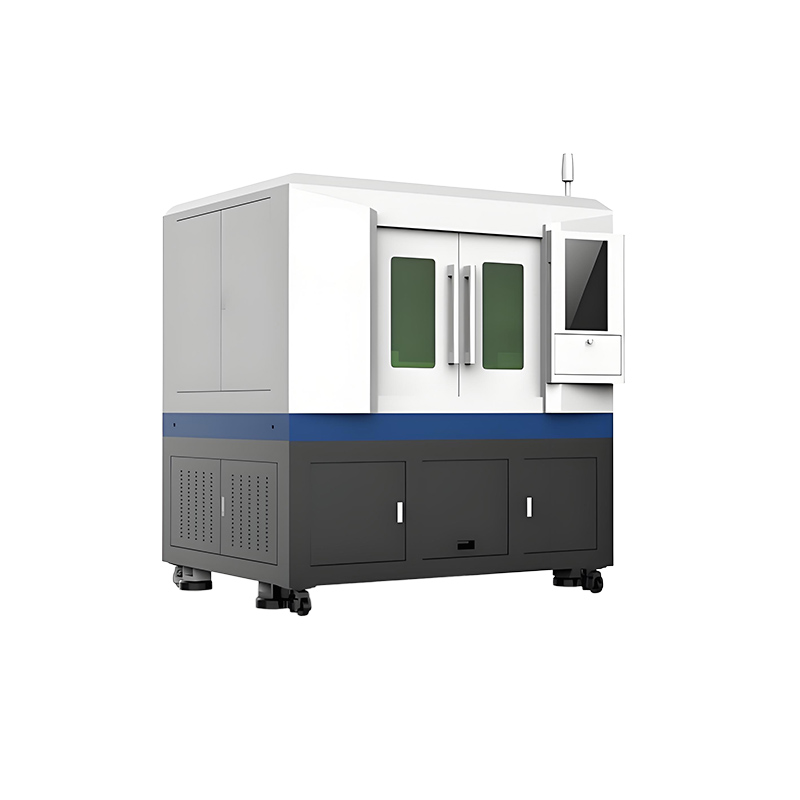
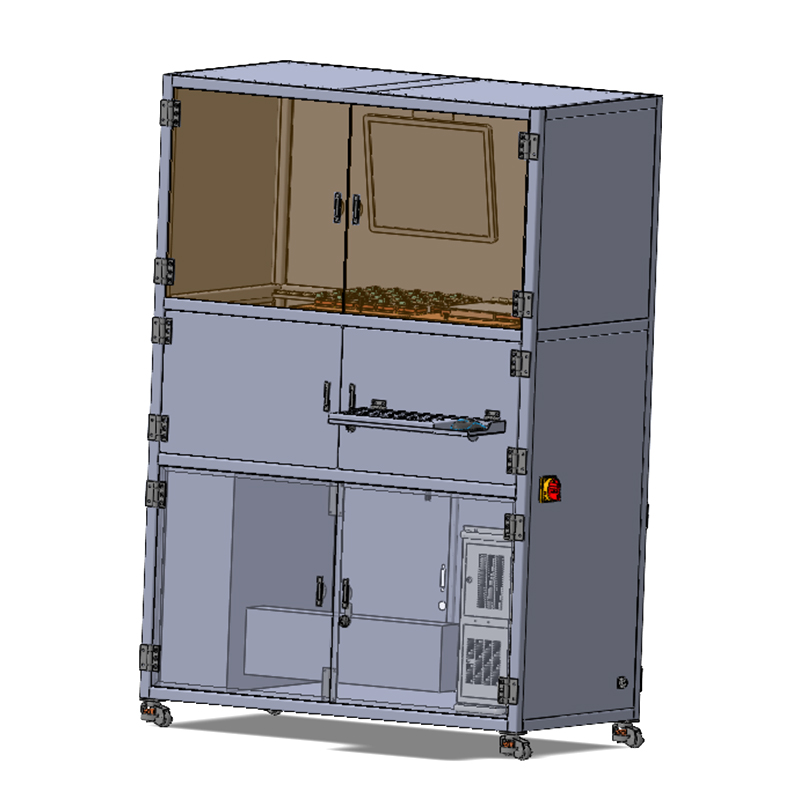
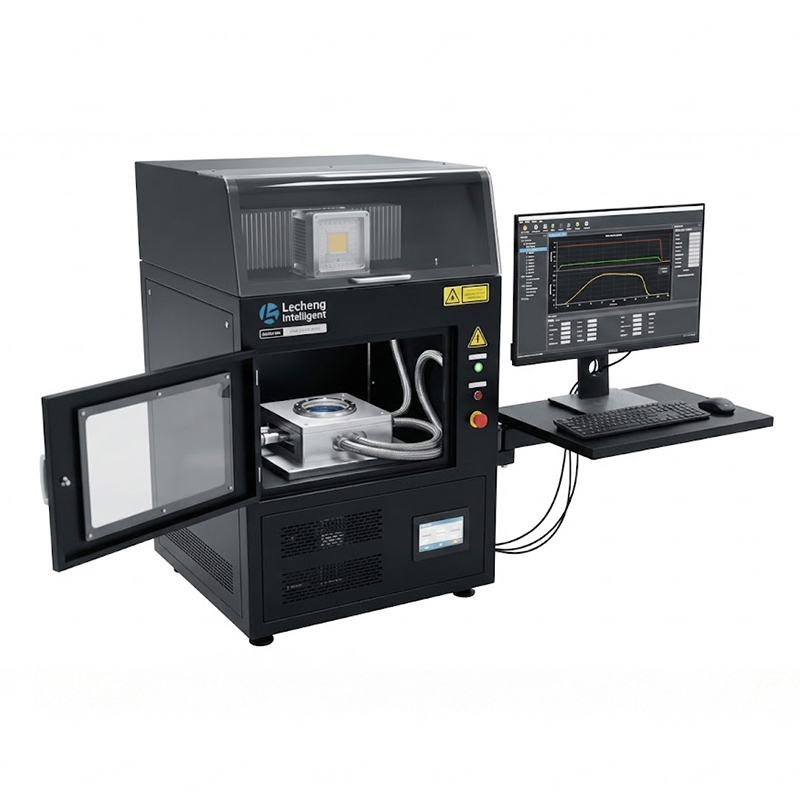
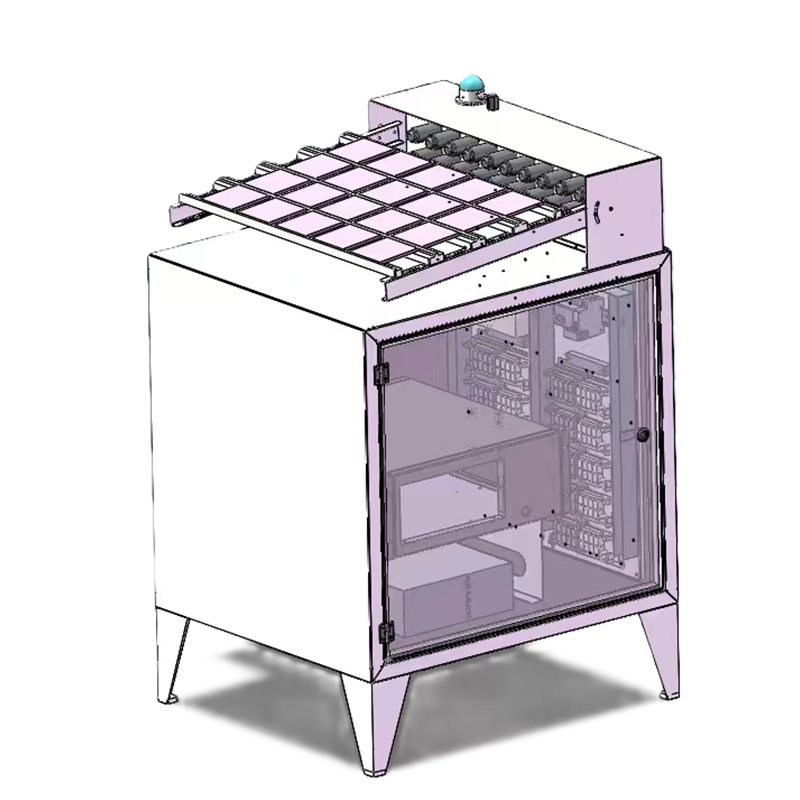
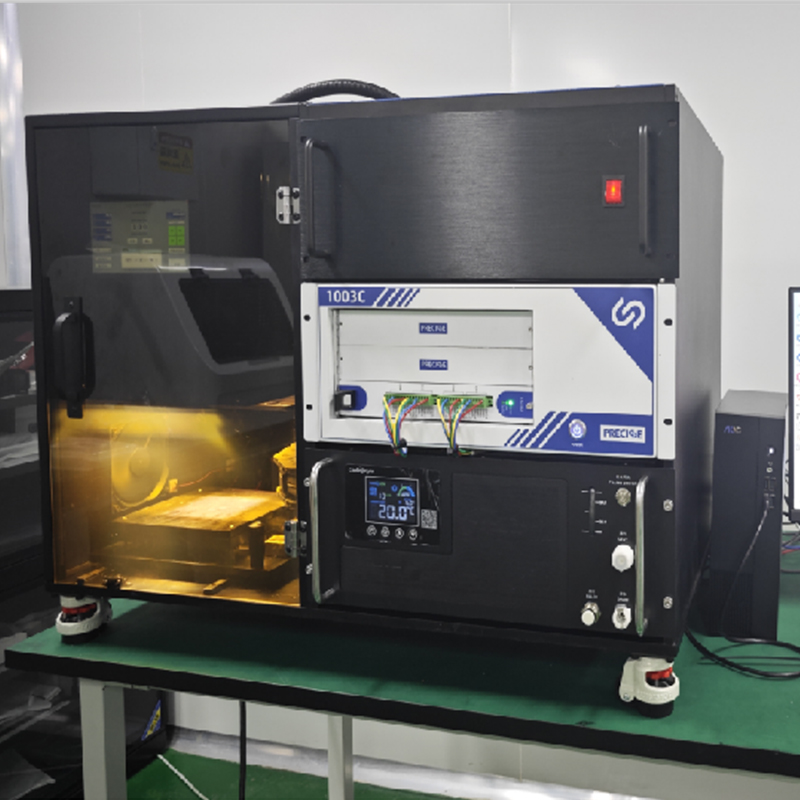
    P1 P2 P3 P4 laser equipment cost depends on laser source, pulse width, alignment system, substrate size, automation level, sample testing and line integration. Buyers should compare complete process capability instead of only comparing machine price. The right equipment can improve scribing quality, reduce dead area, support pilot line validation and prepare the project for future scale-up.
  • Perovskite Equipment Supplier Checklist What Buyers Should Check Before Ordering
    2026
    06-20
    Before ordering perovskite equipment, buyers should evaluate supplier experience, laser scribing capability, sample testing support, testing integration, automation ability and after-sales service. The right supplier should provide not only machines, but also process support and pilot line planning advice for long-term scale-up.
  • Perovskite Pilot Line Cost Breakdown How To Estimate Your Investment
    2026
    06-19
    Perovskite pilot line cost depends on the full equipment configuration, including substrate preparation, coating, laser processing, encapsulation, testing, automation and integration. Buyers should avoid estimating investment based on one machine price. A clear process plan and RFQ checklist can help suppliers provide more accurate budget recommendations and reduce repeated investment during scale-up.
  • Top 5 Mistakes Buyers Make When Selecting Perovskite Laser Systems
    2026
    05-30
    Avoiding these top 5 mistakes ensures a reliable perovskite laser scribing system, higher yield, and reduced long-term costs. Work closely with experienced suppliers to select equipment that fits both current R&D and future pilot line production.
  • How To Choose The Right Perovskite Laser Scribing Equipment For Your Pilot Line
    2026
    05-28
    Choosing the right perovskite laser scribing equipment ensures efficient, reliable, and scalable pilot line operations. Consider specifications, process support, alignment, and future scalability to maximize yield and ROI.
  • How To Reduce Heat Affected Zone In Thin-Film Solar Cell Laser Processing
    2026
    05-15
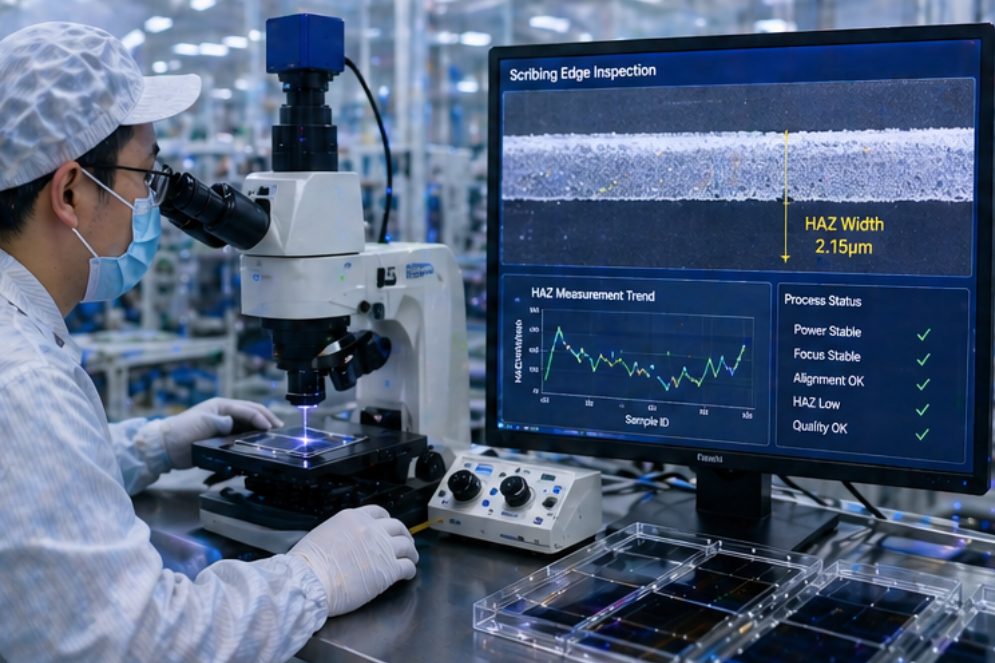
    Reducing heat affected zone in thin-film solar cell laser processing requires the right combination of laser wavelength, pulse width, energy density, beam quality, focusing stability and scanning strategy. Buyers should rely on process testing and real sample evidence instead of only comparing machine specifications. For perovskite and other thin-film photovoltaic applications, a low-HAZ laser process can help improve scribing quality, module yield and long-term reliability.
  • How Alignment Accuracy Affects Perovskite Module Yield
    2026
    05-14
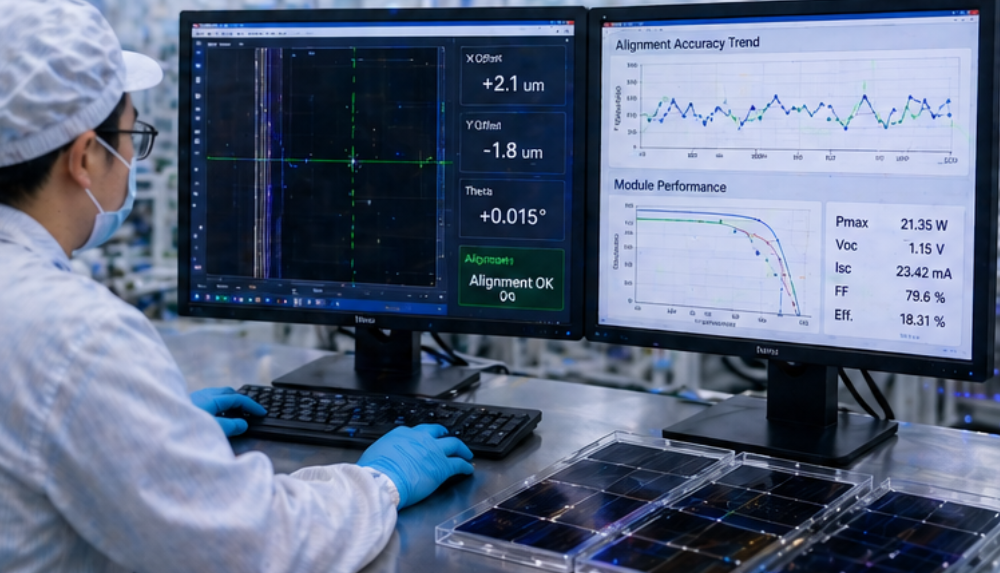
    Alignment accuracy is a key factor that directly affects perovskite module yield, efficiency and long-term reliability. High-precision alignment enables better interconnection, higher active area utilization and more stable performance. For buyers, selecting a laser processing system with strong alignment capability is essential for successful transition from R&D to pilot line and scalable manufacturing.
  • How To Choose Perovskite Laser Scribing Equipment
    2026
    05-08
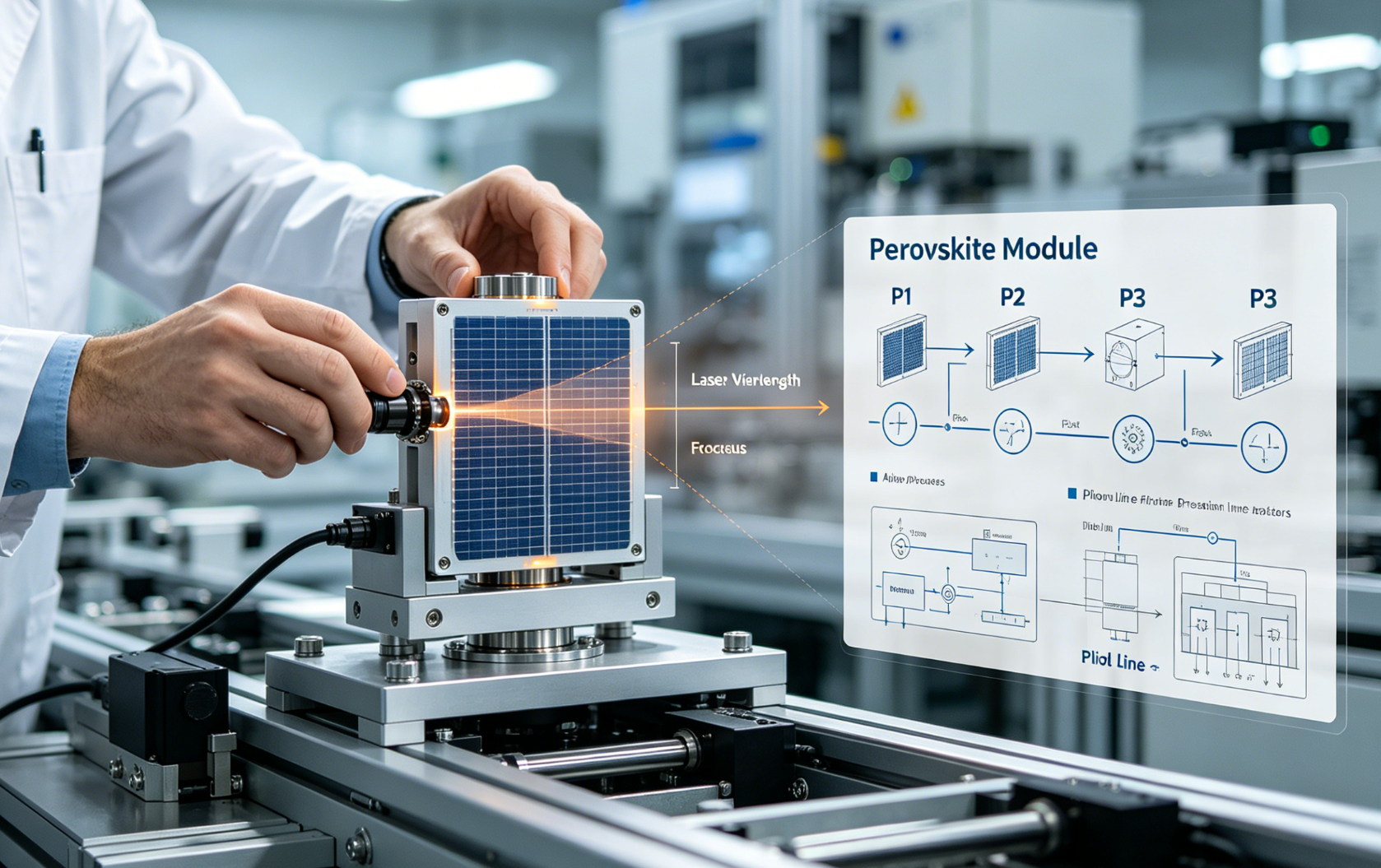
    The best perovskite laser scribing equipment should match your process route, material stack, substrate size and scale-up plan. Buyers should pay close attention to laser source selection, P1/P2/P3/P4 process capability, scribing quality, alignment accuracy, automation level and sample testing support. For perovskite solar cell manufacturing, a process-oriented equipment partner is often more valuable than a standard machine supplier.
  • How To Choose Between P1, P2, And P3 Laser Scribing Systems?
    2026
    04-19
    Choosing between P1, P2, and P3 laser scribing systems requires a clear understanding of process functions, equipment capabilities, and production goals. For international buyers, the best solution is one that ensures precise process matching, stable production performance, and long-term scalability. A well-selected system not only improves yield and efficiency, but also reduces production risk and enhances overall competitiveness.
  • How P1, P2, P3, P4 Laser Scribing Defines Efficiency in Perovskite Solar Modules
    2026
    04-08
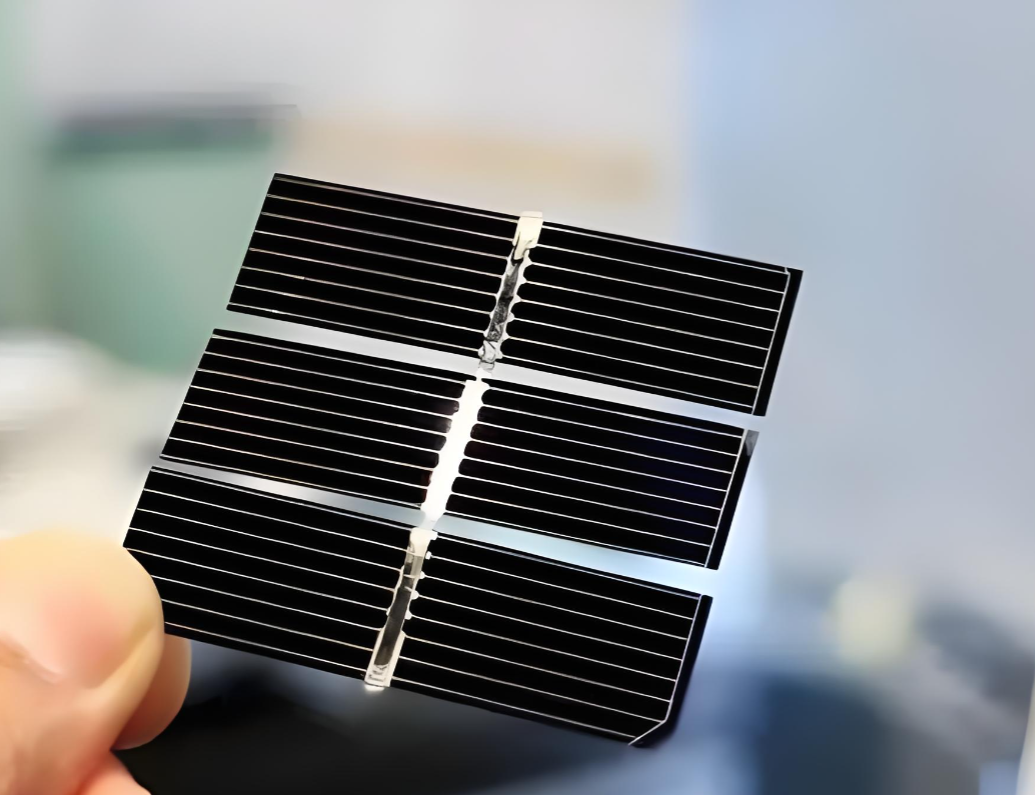
    In the race to commercialize perovskite photovoltaics, laser scribing is far more than a manufacturing step—it is the core engineering discipline that translates lab-cell efficiency into commercial-module performance. The precision, control, and cleanliness achieved in the P1-P4 processes directly and irreversibly define the electrical output, production yield, and operational lifetime of the final product. Investing in advanced laser systems, such as those developed by Lecheng Intelligence, is therefore not merely a capital expense; it is a strategic decision to embed efficiency, reliability, and scalability into the very architecture of the perovskite solar module.

40px

80px

80px

80px

Get Quote