Products

Featured products

Contact us

News

  • Perovskite Laser Scribing vs Mechanical Scribing: Which Is Better
    2026
    05-16
    Laser scribing and mechanical scribing can both be used in thin-film solar cell research, but they are not equal for scalable perovskite module manufacturing. Laser scribing offers higher precision, better repeatability, lower mechanical stress and stronger automation potential. For buyers planning perovskite pilot lines or future commercial production, laser scribing is usually the more reliable and scalable solution.
  • How To Reduce Heat Affected Zone In Thin-Film Solar Cell Laser Processing
    2026
    05-15
    Reducing heat affected zone in thin-film solar cell laser processing requires the right combination of laser wavelength, pulse width, energy density, beam quality, focusing stability and scanning strategy. Buyers should rely on process testing and real sample evidence instead of only comparing machine specifications. For perovskite and other thin-film photovoltaic applications, a low-HAZ laser process can help improve scribing quality, module yield and long-term reliability.
  • How Alignment Accuracy Affects Perovskite Module Yield
    2026
    05-14
    Alignment accuracy is a key factor that directly affects perovskite module yield, efficiency and long-term reliability. High-precision alignment enables better interconnection, higher active area utilization and more stable performance. For buyers, selecting a laser processing system with strong alignment capability is essential for successful transition from R&D to pilot line and scalable manufacturing.
  • What Buyers Should Check Before Ordering A Perovskite Laser Processing System
    2026
    05-12
    Before ordering a perovskite laser processing system, buyers should check process capability, laser source compatibility, alignment accuracy, substrate size, automation level, sample testing support and future upgrade flexibility. A reliable system should not only meet today’s R&D needs, but also support pilot line validation and scalable manufacturing. The best equipment partner should understand both laser processing and perovskite solar cell manufacturing, helping buyers reduce process risk and improve module development efficiency.
  • How To Build A Perovskite Solar Cell Pilot Line
    2026
    05-11
    Building a perovskite solar cell pilot line requires more than buying individual machines. Buyers must design a complete process flow from TCO glass preparation to P1/P2/P3/P4 laser scribing, coating, electrode formation, encapsulation and testing. The right pilot line should support process development, stable sample production and future scale-up. For buyers planning perovskite commercialization, a process-oriented equipment partner can help reduce trial-and-error costs and improve the transition from laboratory results to scalable module manufacturing.
  • What Is P4 Laser Edge Deletion In Perovskite Module Manufacturing
    2026
    05-10
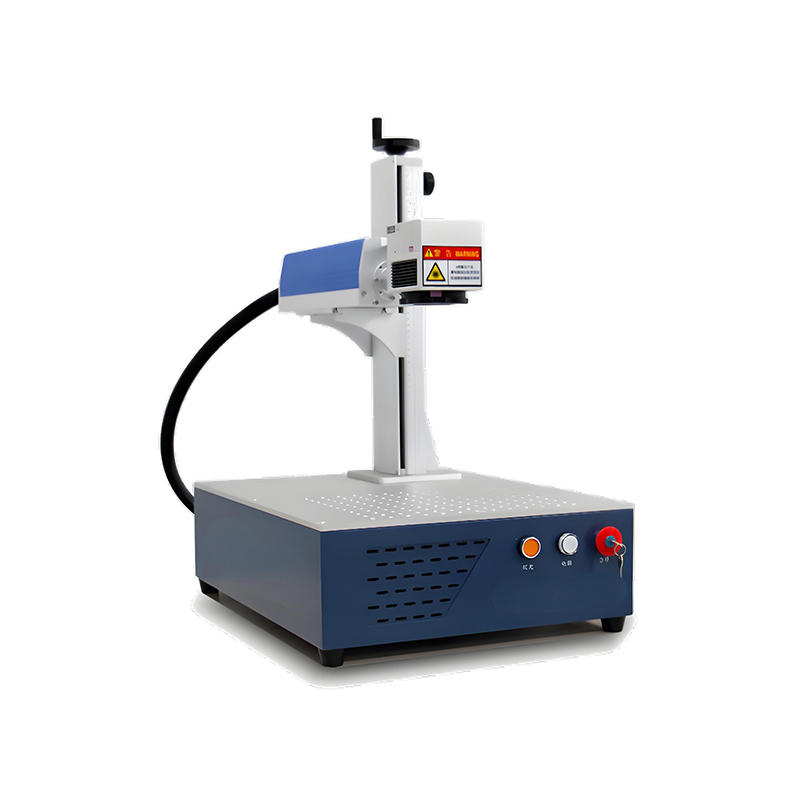
    P4 laser edge deletion is essential for ensuring long-term reliability of perovskite solar modules. By removing edge layers and creating a clean sealing area, it prevents leakage, improves encapsulation quality and enhances module durability. For buyers, selecting the right P4 laser system means focusing on precision, process stability and compatibility with your module design and production scale.
  • P1 vs P2 vs P3 Laser Scribing: Key Differences In Perovskite Solar Cells
    2026
    05-09
    P1, P2 and P3 laser scribing are three different but closely connected steps in perovskite solar cell module manufacturing. P1 defines the bottom electrode isolation, P2 creates the interconnection channel, and P3 completes the final cell separation. For buyers, the best equipment should provide not only laser hardware, but also process testing, alignment control, stable scribing quality and upgrade flexibility for R&D, pilot line and scalable production.
  • How To Choose Perovskite Laser Scribing Equipment
    2026
    05-08
    The best perovskite laser scribing equipment should match your process route, material stack, substrate size and scale-up plan. Buyers should pay close attention to laser source selection, P1/P2/P3/P4 process capability, scribing quality, alignment accuracy, automation level and sample testing support. For perovskite solar cell manufacturing, a process-oriented equipment partner is often more valuable than a standard machine supplier.
  • Standard Machine vs Custom Laser Scribing Solution: Which Is Better?
    2026
    04-27
    There is no universal answer to whether a standard machine or a customized laser scribing solution is better. The right choice depends on balancing cost, performance, and long-term production needs. For international buyers, the most effective approach is to select a solution that aligns closely with their process requirements and provides stable, efficient performance over time.
  • Laser Scribing vs Mechanical Processing: Which Is Better For Solar Cells?
    2026
    04-25
    Laser scribing and mechanical processing each have their own advantages, but for modern photovoltaic manufacturing, laser technology offers clear benefits in precision, consistency, and flexibility. For international buyers, the choice should be based on production requirements, product quality targets, and long-term investment goals. In most advanced applications, laser scribing provides a more reliable and future-ready solution.

40px

80px

80px

80px

Get Quote