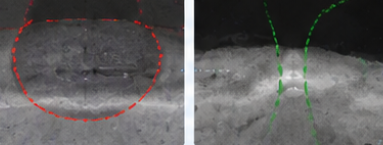
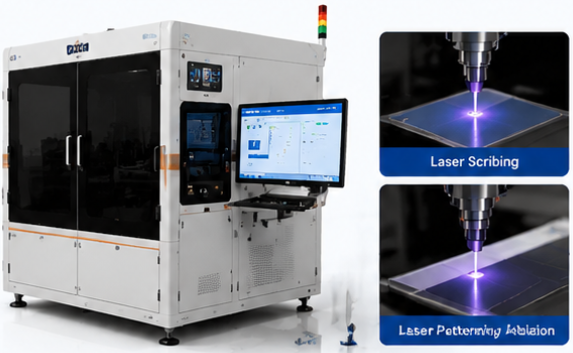
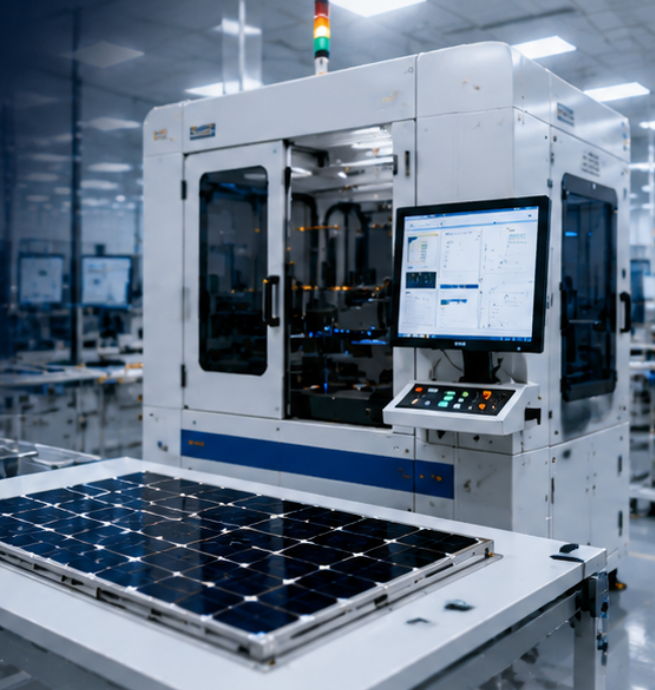
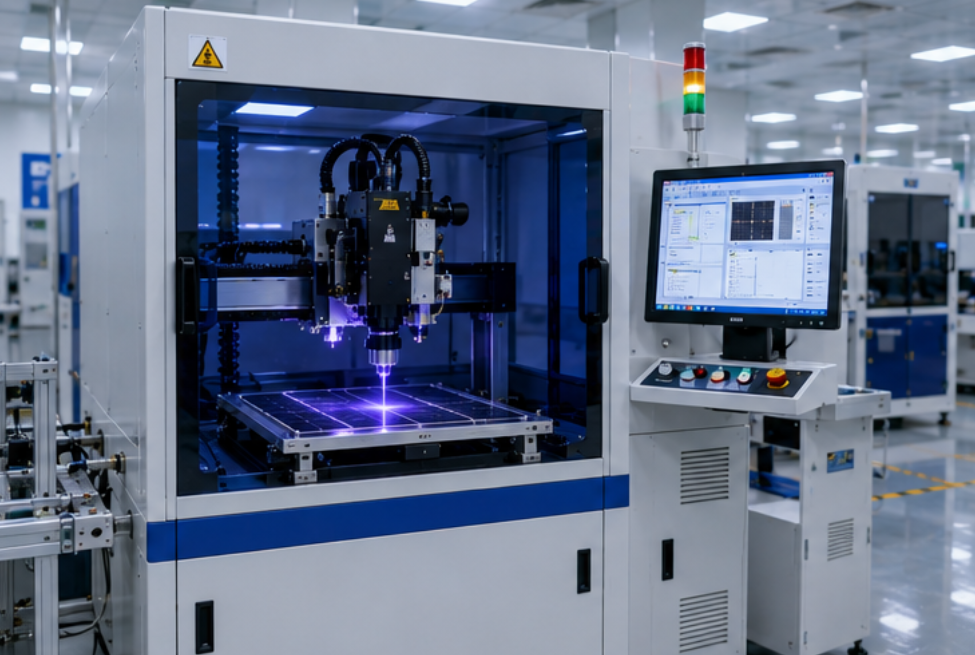
Reducing HAZ is a key factor in improving perovskite laser line efficiency and reliability. Evaluate laser system parameters, motion accuracy, and cooling strategies to achieve precise, high-yield module scribing.
Understanding laser system specifications is essential for industrial perovskite module production. Buyers should assess laser wavelength, pulse width, alignment precision, beam quality, substrate compatibility, automation, and software features to ensure high yield, reproducibility, and scalability.
Alignment accuracy during P1, P2, and P3 laser scribing directly affects perovskite module yield. Misalignment reduces active area, increases dead zones, and can cause shorts or interconnection failures. Buyers and engineers must carefully assess equipment precision and repeatability to maximize yield.
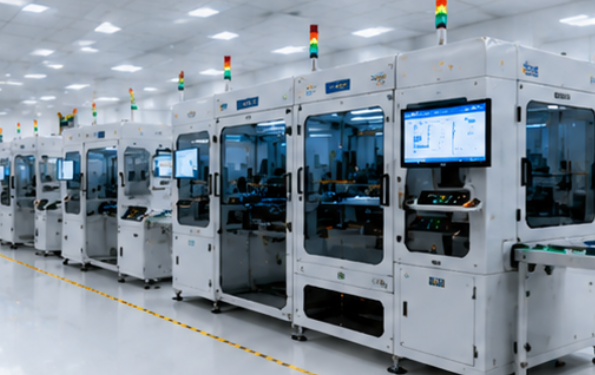
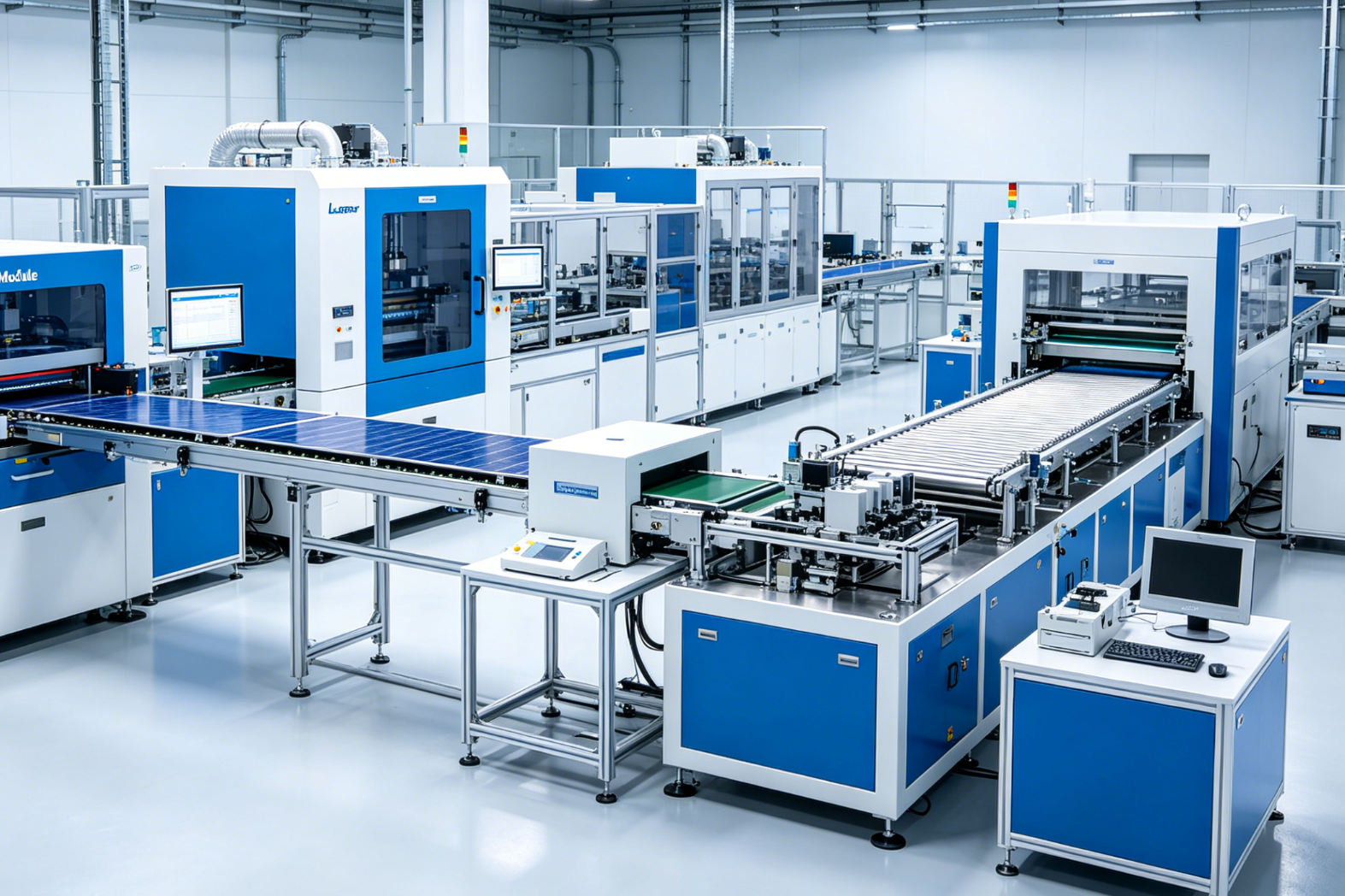
A complete perovskite module pilot line requires integrated equipment across all production stages. Following this checklist helps buyers select the right machines, ensures process stability, and prepares for future scale-up.
Understanding each scribing step ensures buyers select the right perovskite laser system, improves yield, and reduces costly mistakes. Always review process capability, sample testing, alignment, and supplier support before placing an order.
Avoiding these top 5 mistakes ensures a reliable perovskite laser scribing system, higher yield, and reduced long-term costs. Work closely with experienced suppliers to select equipment that fits both current R&D and future pilot line production.
Perovskite module equipment cost is influenced by process scope, substrate size, laser scribing configuration, coating/encapsulation, testing, automation, and integration. Buyers should evaluate total line requirements, not only single machine prices, to ensure ROI and scalable pilot line success.
Choosing the right perovskite laser scribing equipment ensures efficient, reliable, and scalable pilot line operations. Consider specifications, process support, alignment, and future scalability to maximize yield and ROI.
Understanding specifications helps buyers avoid overspending or buying under-configured equipment.
The right machine should match both current R&D needs and future pilot production plans.
Selecting laser scribing equipment for perovskite R&D and pilot lines requires a clear understanding of project stage, process requirements, laser source compatibility, substrate size, alignment accuracy and future integration needs.
For early research, flexibility matters most. For pilot lines, repeatability, automation and process data control become more important. Buyers should choose a system that supports today’s experiments while preparing for tomorrow’s scale-up.