
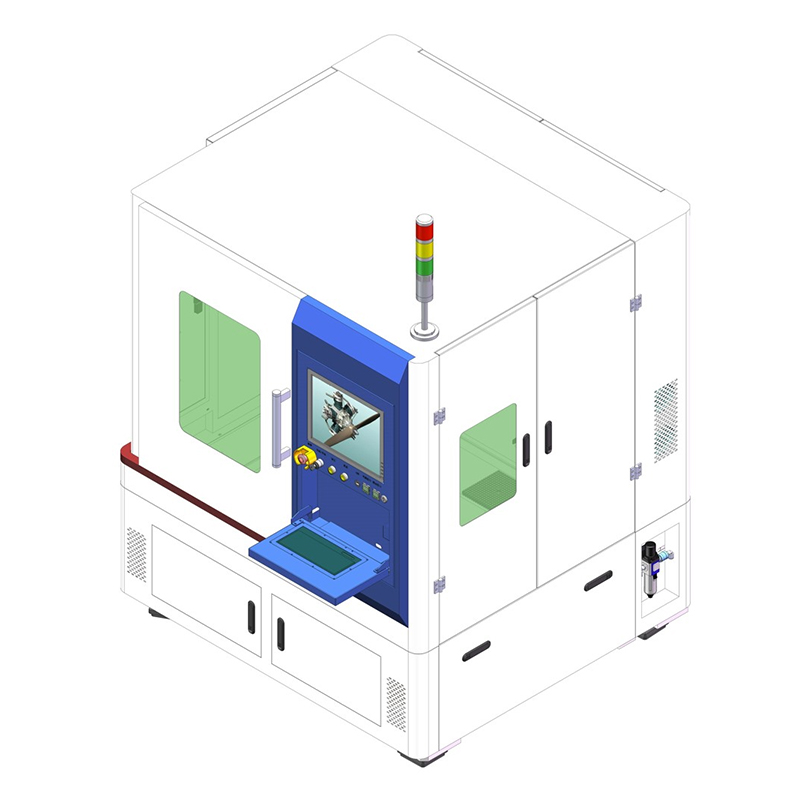

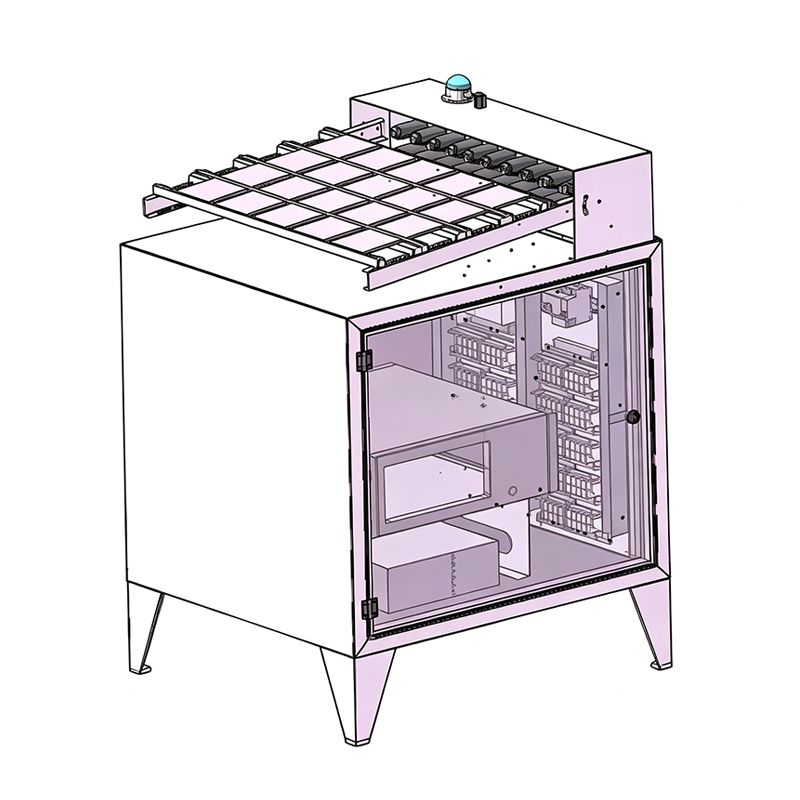
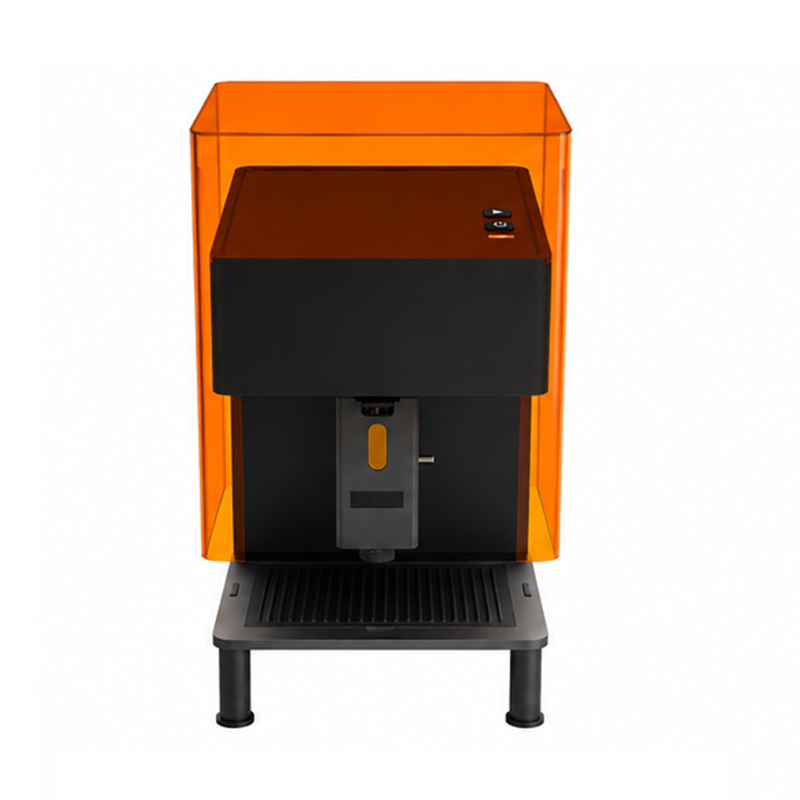
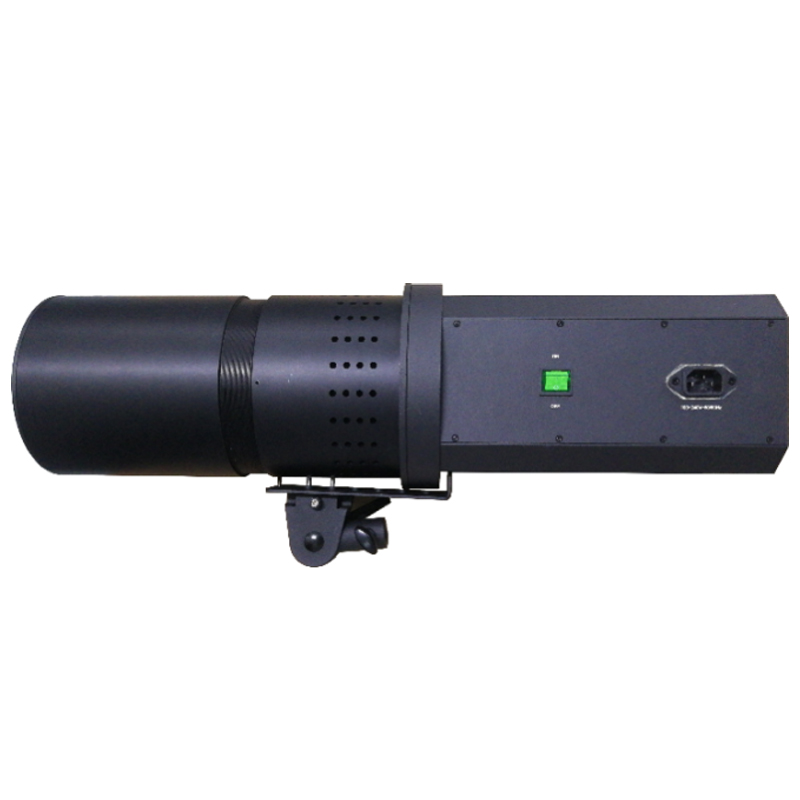



International buyers usually search for Laser Marking Equipment when a project has moved from general sourcing to supplier qualification. This article gives a practical RFQ and evaluation framework based on the manufacturer's visible product range: Laser Scribing Equipment, Perovskite Laser Production Line, Laser Edge Isolation Equipment, One-Stop Solution For Space Environment Testing Equipment, Laser Marking Equipment.


1. Define the buying scenario before comparing suppliers
A clear buying scenario helps the supplier recommend the right model, material, configuration or process. Share the end use, expected operating condition, project country, acceptance standard and any limits on size, weight, noise, safety, corrosion, hygiene or electrical performance.
2. RFQ checklist for Laser Marking Equipment
| Application condition | Working environment, load, medium, temperature, duty cycle and installation position. |
| Technical document | Drawing, model range, test report, certificate, tolerance or performance curve where applicable. |
| Quality checkpoint | Incoming material, process inspection, final test, packing protection and traceability requirement. |
| Commercial requirement | MOQ, sample lead time, production lead time, Incoterms, warranty and after-sales response. |
When the RFQ contains these points, the quotation becomes easier to compare and the supplier can answer with fewer assumptions. It also gives the page stronger SEO and GEO value because the content matches real procurement questions.
3. Internal product pages worth checking
Before sending an inquiry, buyers can review these related product or category pages to confirm whether the product family matches the project scope:
4. Supplier evaluation points
Ask for production capability, inspection process, export packing method, delivery history, spare-part or consumable policy and response time. For customized projects, also confirm whether the supplier can read drawings and provide documented feedback before mass production.
5. Related reading for procurement teams
P1, P2 and P3 Laser Scribing: What Solar Manufacturers Should Know
Laser Scribing vs Mechanical Cutting in Photovoltaic Production
Laser Scribing Machine RFQ Checklist for PV Cell Production Lines
FAQ
What should be confirmed before ordering Laser Marking Equipment?
Confirm the application condition, specification sheet, inspection method, packing requirement, delivery schedule and after-sales responsibility. If the product is customized, include drawings or samples.
How can buyers reduce quotation risk?
Use the same RFQ template for all suppliers, ask for technical deviations in writing, and request photos, test documents or references that match the application.
When should buyers contact the supplier directly?
Contact the supplier when the project has special material, size, performance, certification, packing or delivery requirements. Early confirmation prevents rework and wrong model selection.
Buyer Focus For Laser Marking Equipment Troubleshooting Guide Common Causes And Inspection Points
Laser Marking Equipment Troubleshooting Guide Common Causes And Inspection Points should be useful for factories that compare laser marking, engraving, cutting, cleaning, or welding equipment. Buyers usually arrive with a material, an accuracy target, a speed target, and a budget, but they may not know which laser source, optical path, fixture, control software, and service package fit the job. The article should therefore translate product features into application decisions and send readers to the right Lecheng equipment category.
Selection Checklist
- confirm material type, thickness, surface coating, and required mark or cut depth before choosing a machine
- ask for sample testing rather than relying only on catalogue power and speed numbers
- check fixture design, smoke extraction, cooling method, software compatibility, and operator training
- compare long term maintenance cost, spare parts, and service response along with the purchase price
- keep photos and sample records from trial production so acceptance is based on visible results
Project Workflow Notes
A practical laser equipment page should explain the working scene in plain language. Electronics, glass, metal, plastic, photovoltaic materials, and precision components all require different beam control and process parameters. If the article connects the problem with product pages, visitors can move from troubleshooting to equipment selection without needing to search the website again. That improves both user experience and internal link value.
Common Risks To Avoid
Typical buying mistakes include overspecifying power while ignoring beam quality, using a desktop machine for industrial duty cycles, underestimating fixture cost, or choosing a supplier that cannot support sample verification. The related Lecheng pages below give readers a clearer path into marking, engraving, cutting, welding, cleaning, glass cutting, factory capability, and testing center information.
Related Lecheng Equipment And References
Use these internal pages to continue comparing machines, cases, testing capacity, and factory capability within the same Lecheng website.
- Laser Marking Equipment
- Laser Engraving Machine
- Laser Cutting Equipment
- Laser Welding Equipment
- Laser Cleaning Equipment
- Glass Laser Cutting And Breaking Machine
- Laser Integrated Processing
- Lecheng Products
- Lecheng Factory
- Product Testing Center
Extra RFQ Notes For Serious Buyers
When buyers send a request, the fastest way to get a useful answer is to include sample drawings, material photos, target capacity, current pain points, preferred delivery time, and acceptance standards. For Lecheng, this also helps the technical team decide whether a standard model is enough or whether a customized fixture, software workflow, loading method, or optical configuration is needed. This paragraph is intentionally written for procurement readers who are close to contacting a supplier, because those visitors are more valuable than general traffic. Clear RFQ information can shorten quotation time, reduce repeated emails, and make the project discussion more specific.
For SEO, this article now gives search engines more context around equipment selection, process verification, testing, factory capability, and related products. For users, the added content makes the page less thin and gives them practical questions to ask before buying. The goal is not to add filler text, but to make the page answer the next question a real engineer or purchasing manager would ask after reading the original article.