


What Is “Dead Zone” in Solar Cells
Definition and Impact of Dead Zones on Solar Efficiency
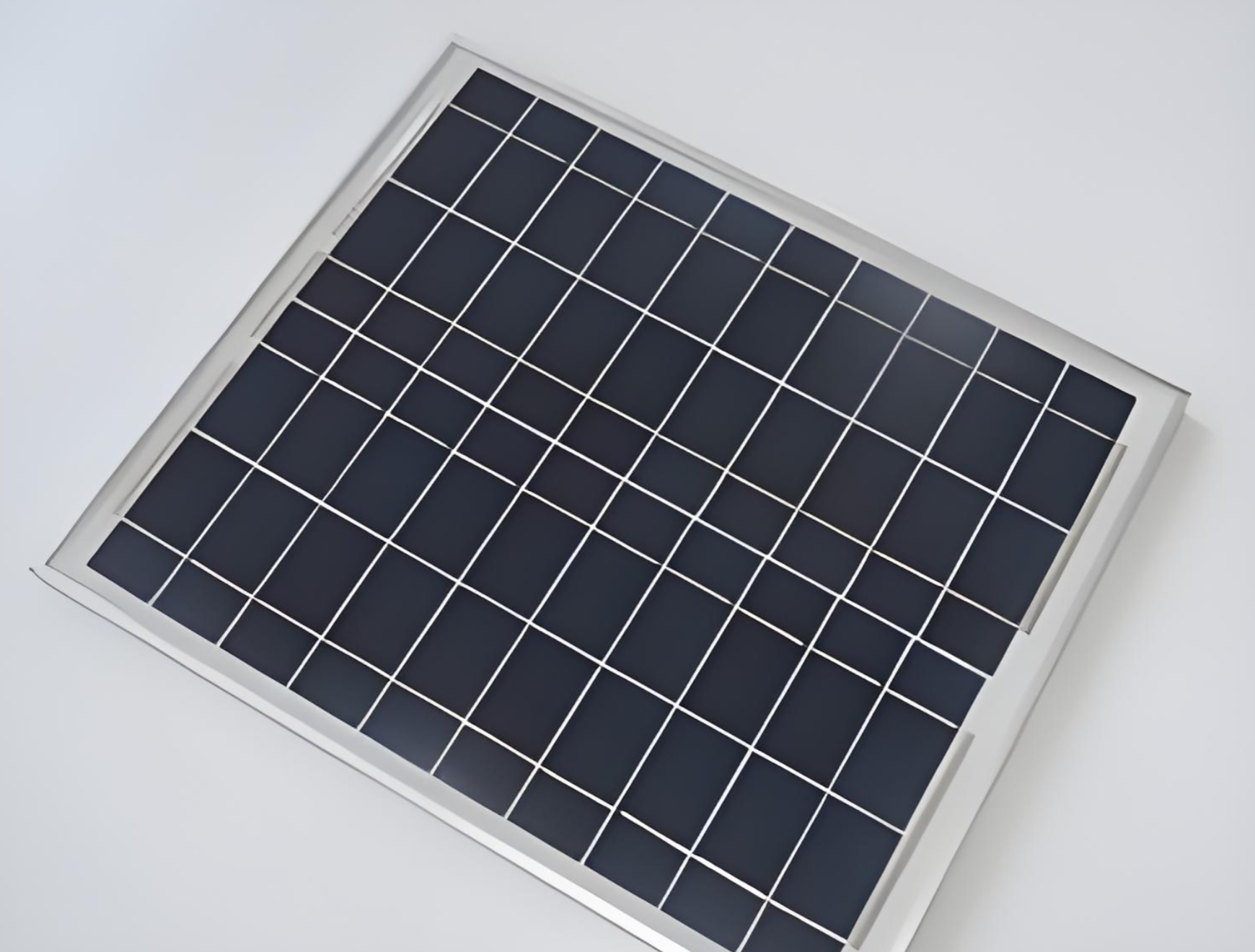
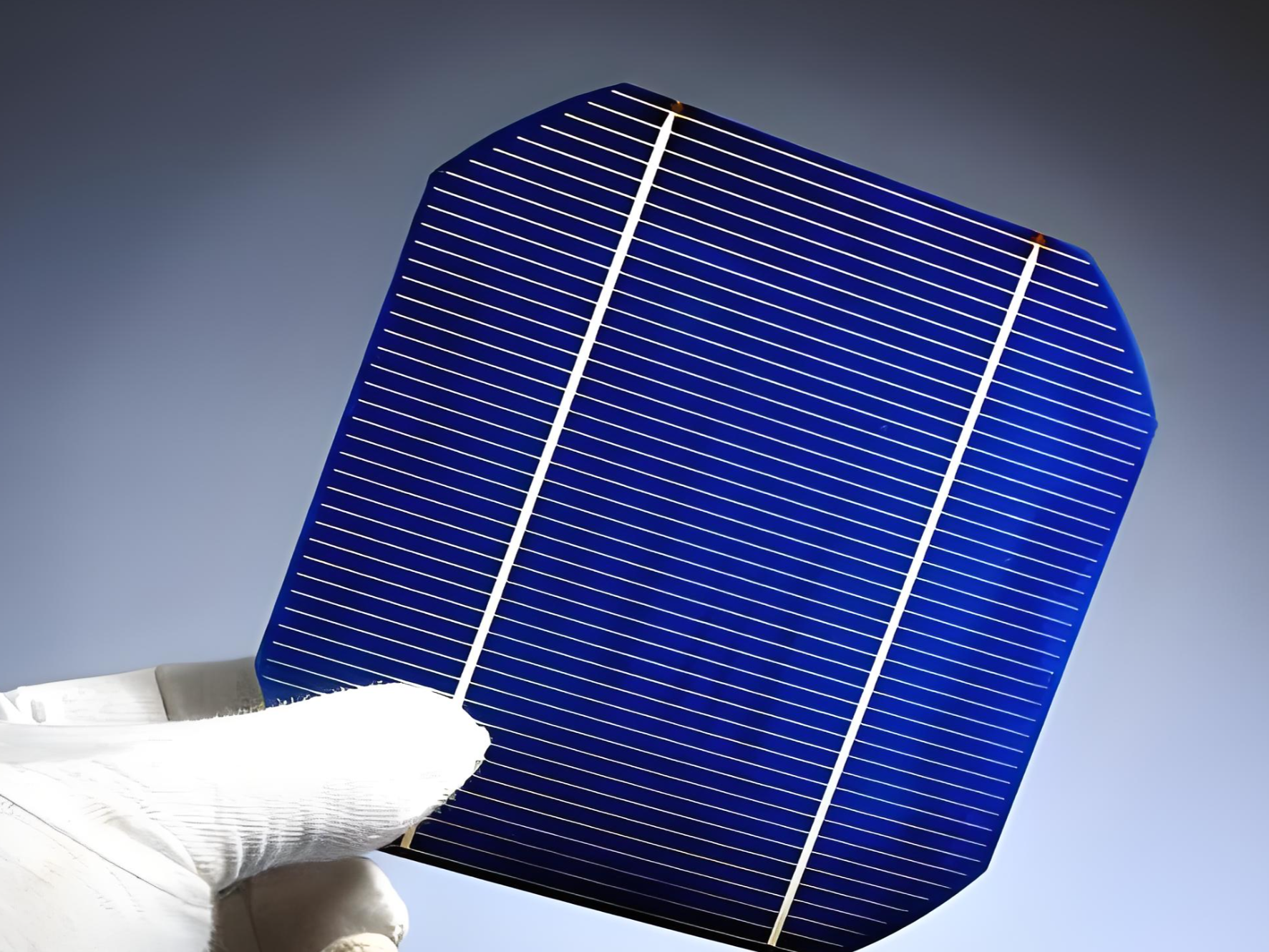
A “dead zone” in solar cells refers to the non-active area where light absorption and electron generation are minimal, typically caused by interconnection gaps, electrode shading, or patterning inaccuracies. In perovskite solar modules, dead zones arise primarily from P1-P3 laser scribing lines that separate individual cells while creating necessary series connections. These zones can occupy 3-8% of the total module area, directly reducing the effective light-receiving surface and lowering overall efficiency. Lecheng’s studies show that every 1% reduction in dead zone area increases module power output by approximately 0.8-1.2%, making dead zone control critical for commercial viability.
Lecheng's Precision Laser Technology for Dead Zone Reduction
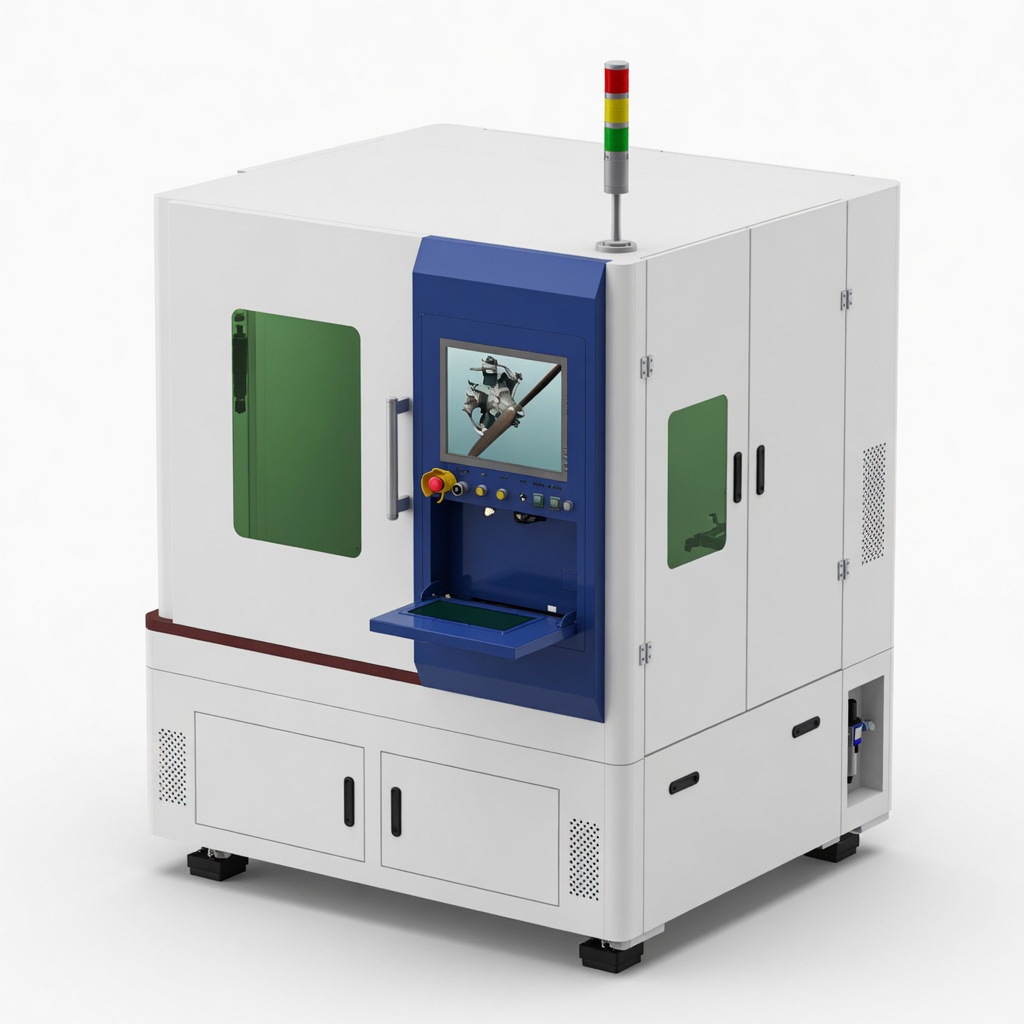
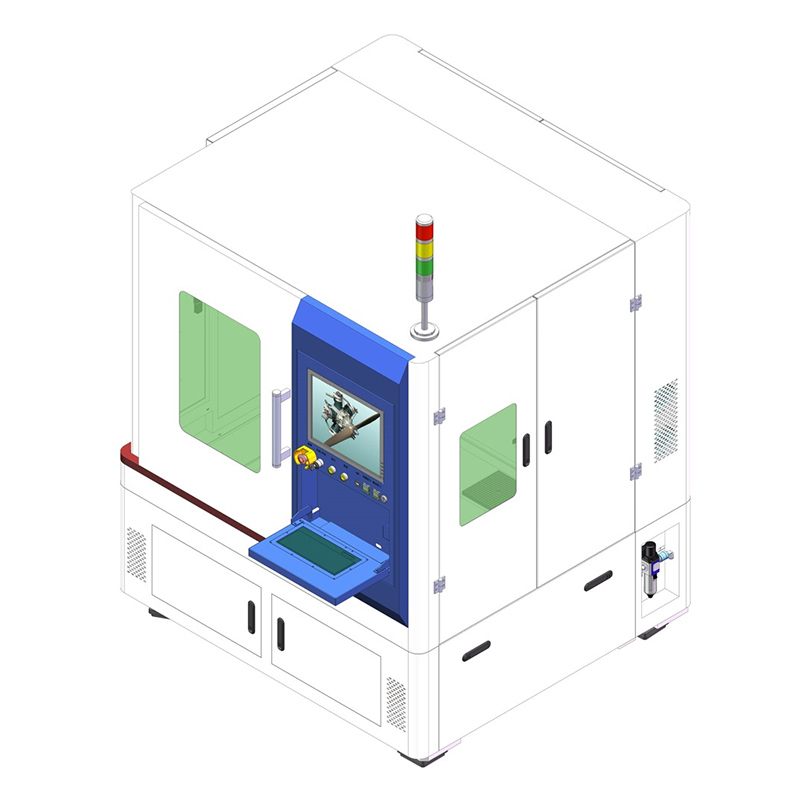
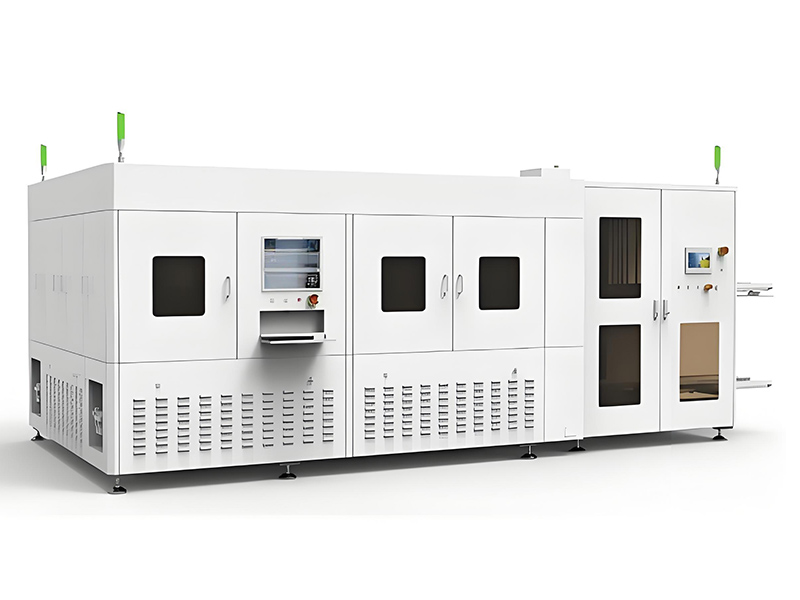
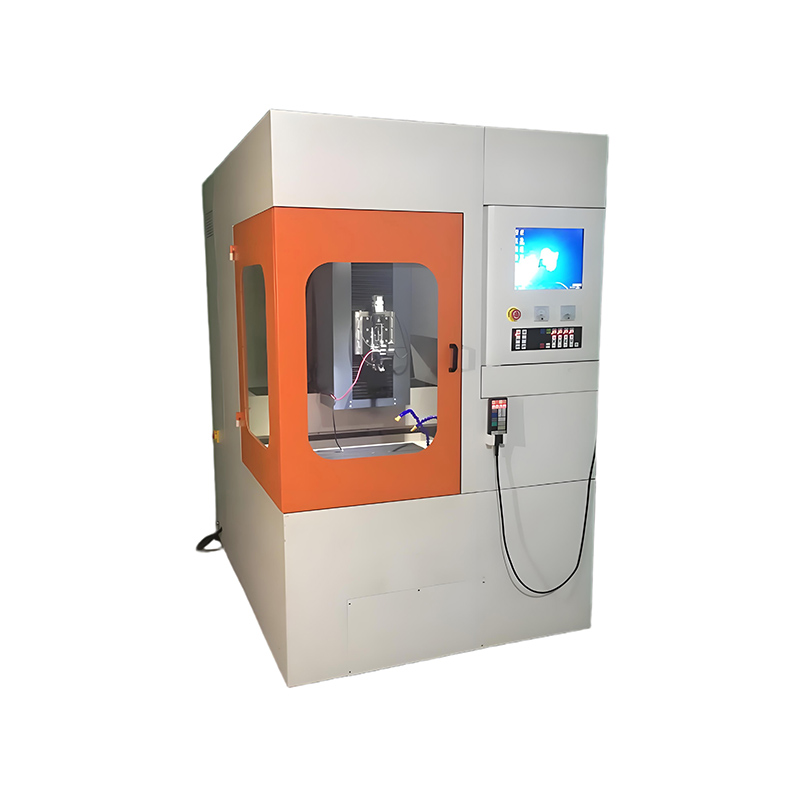
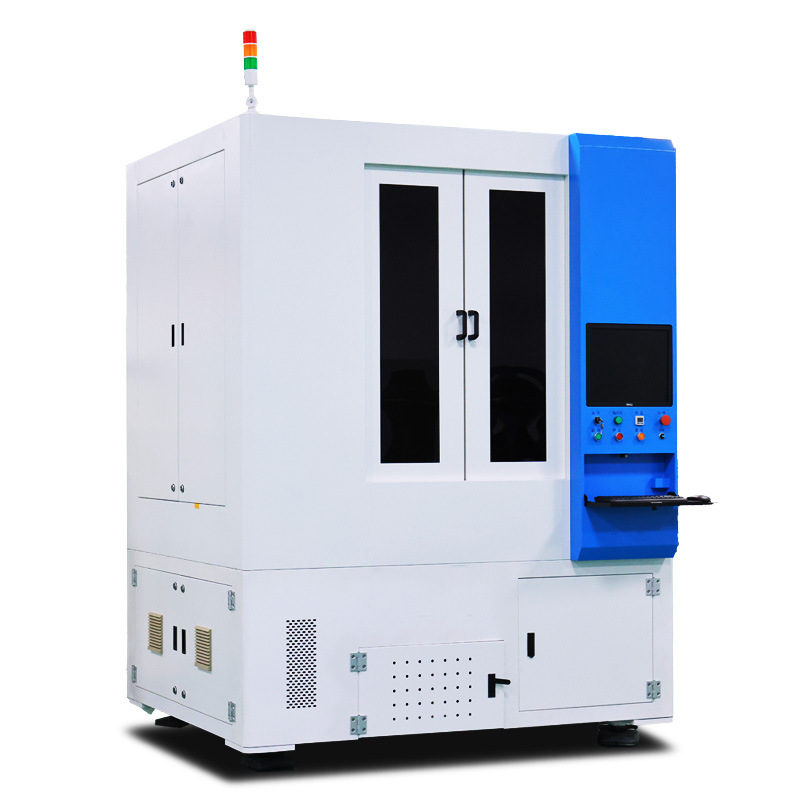
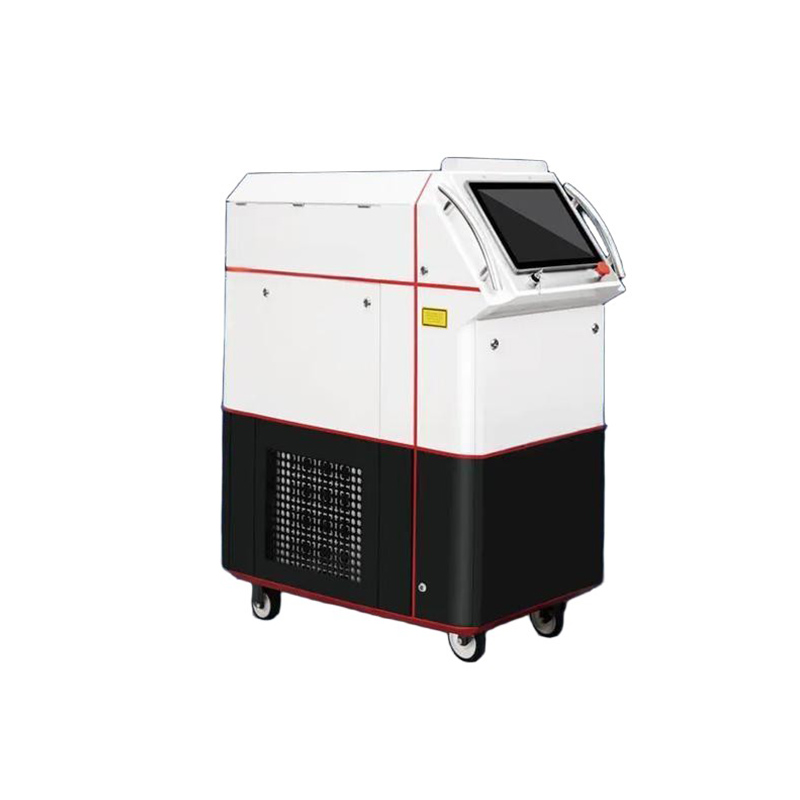
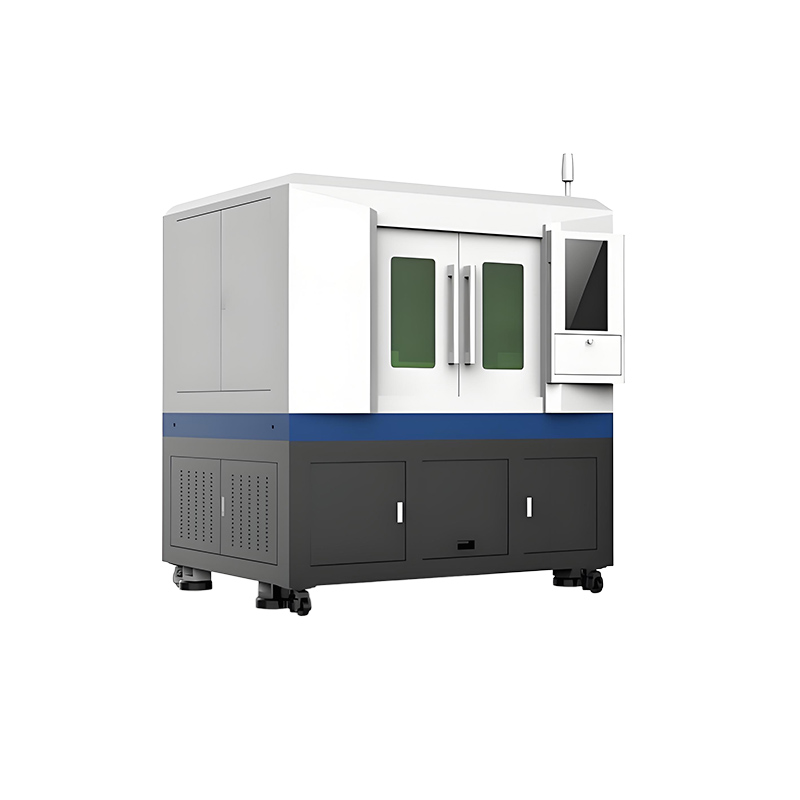
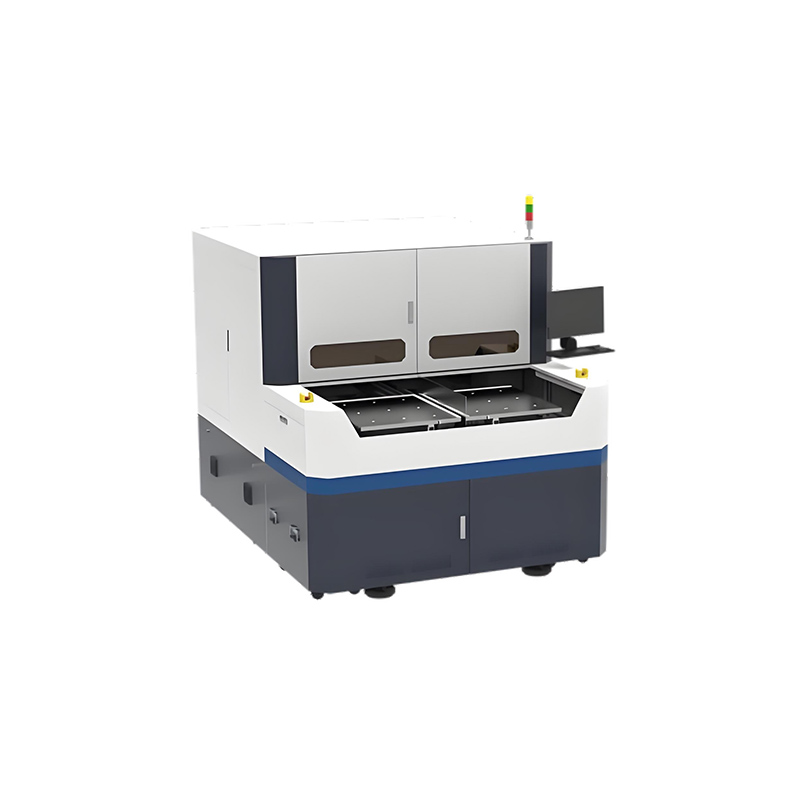
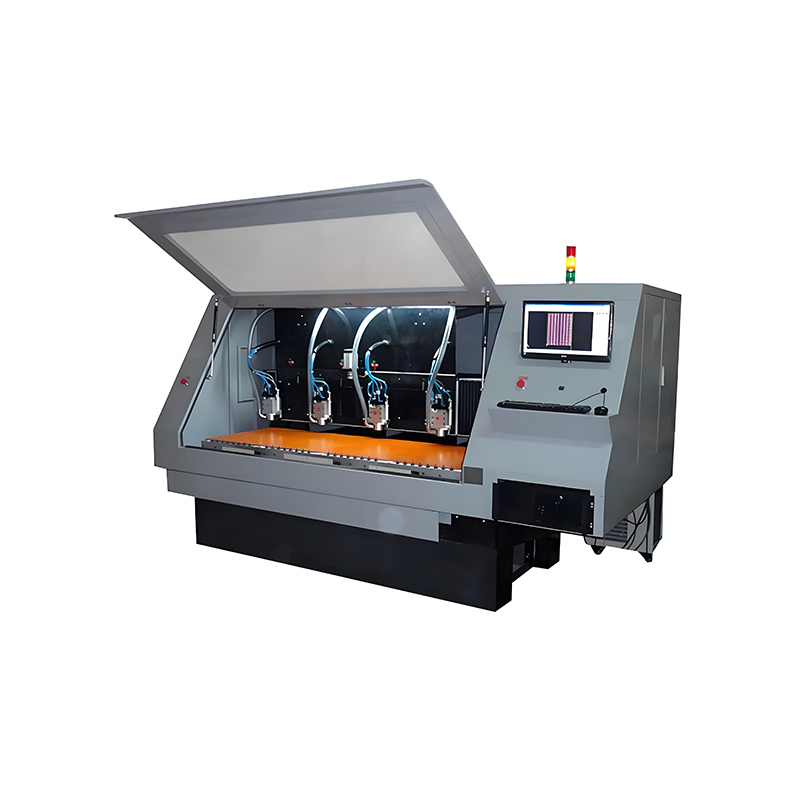
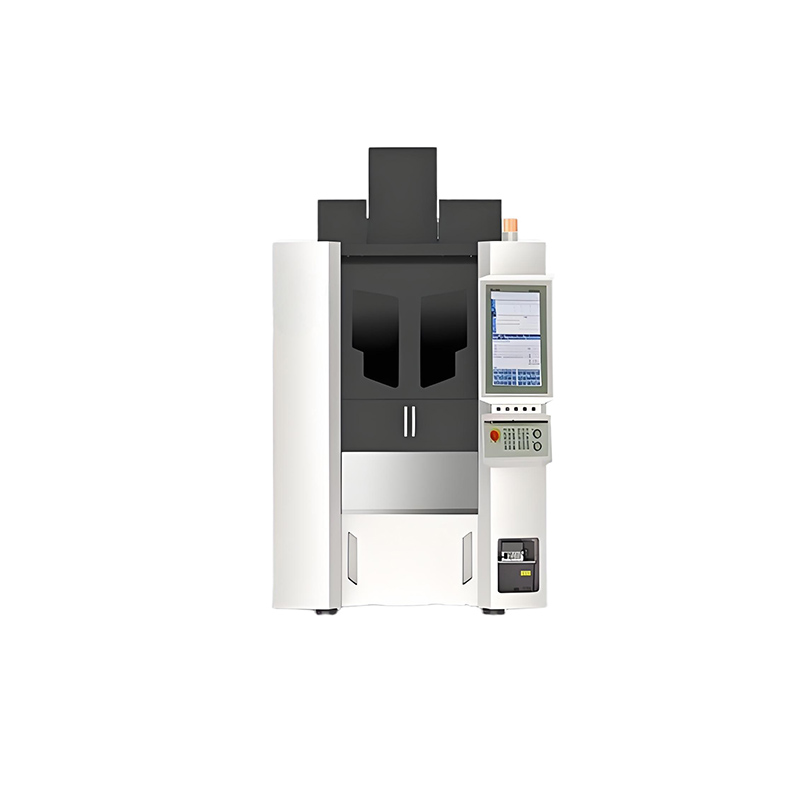
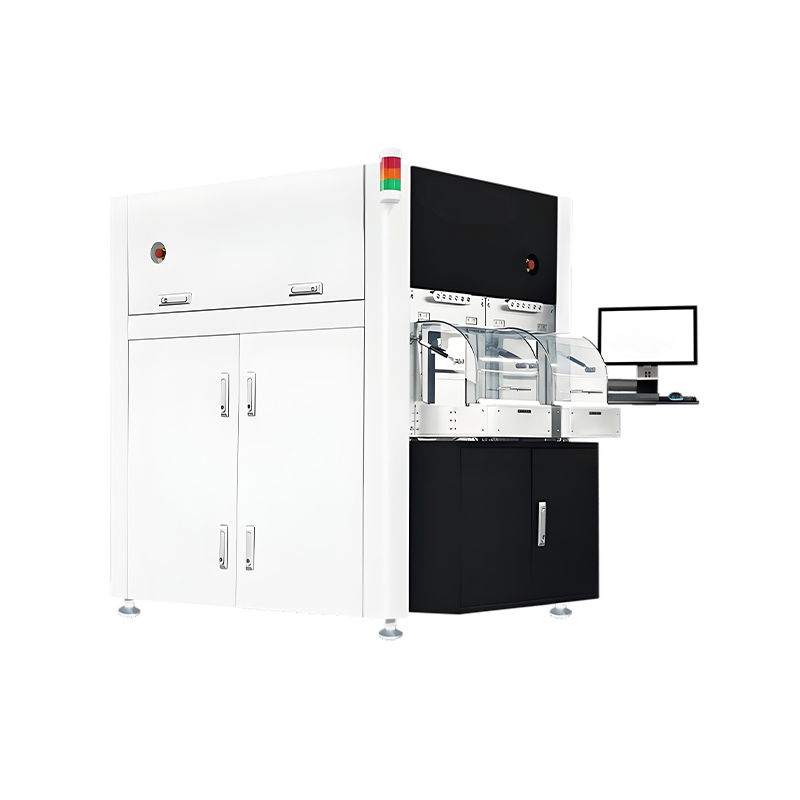
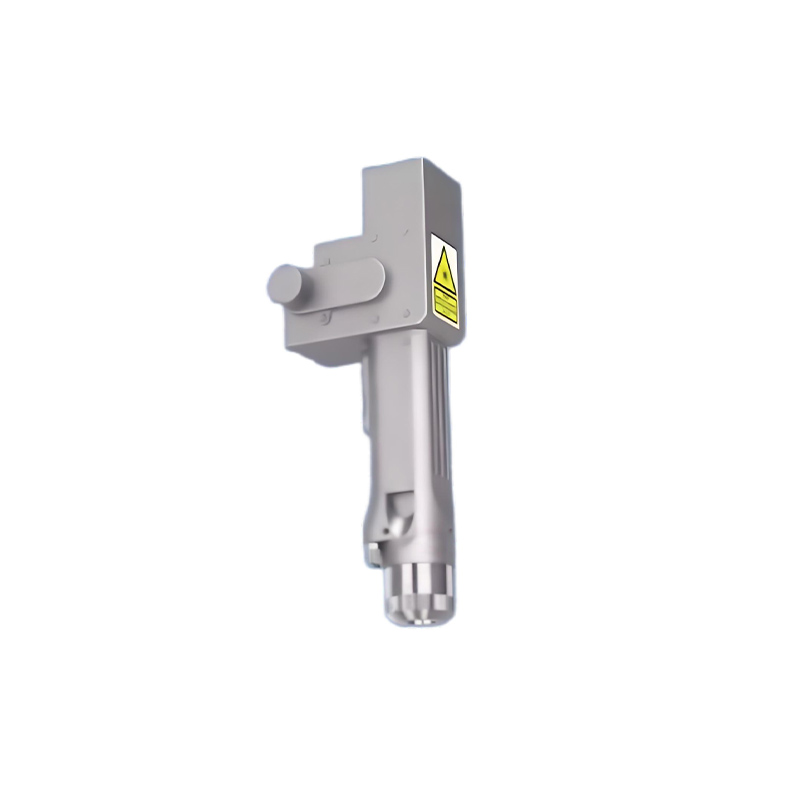
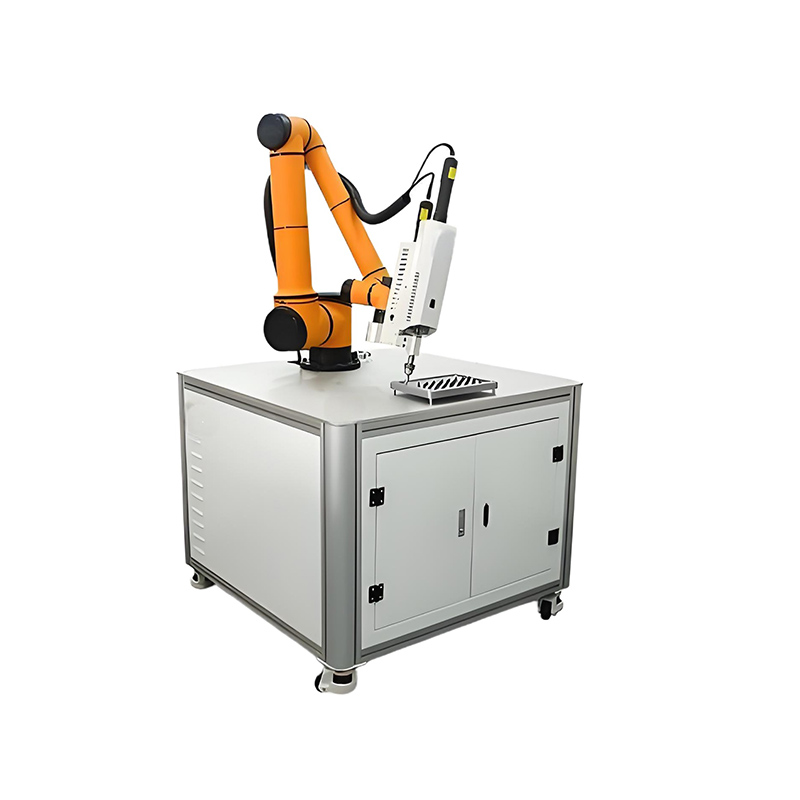
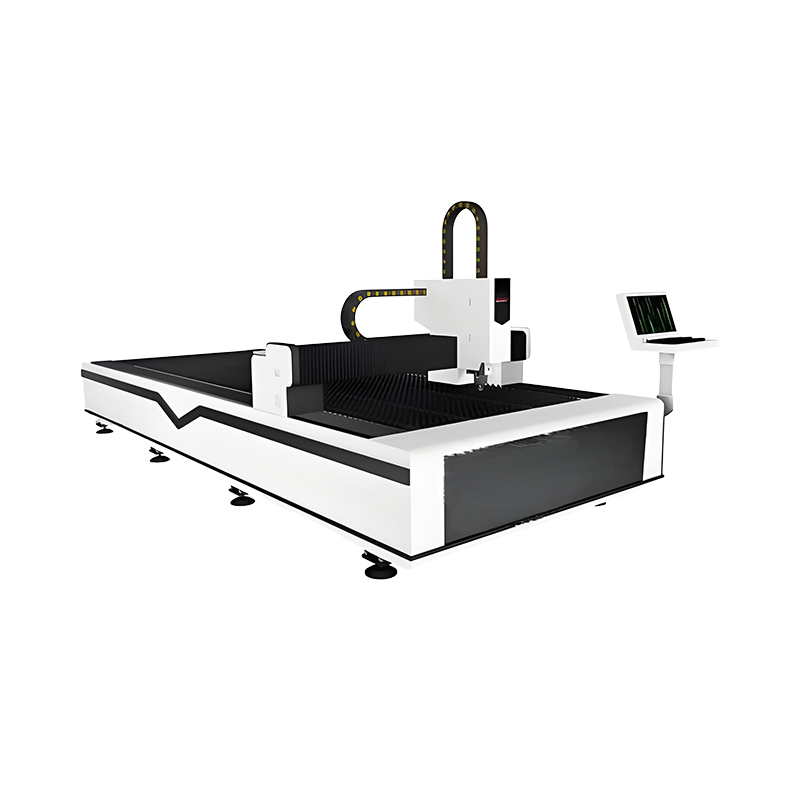
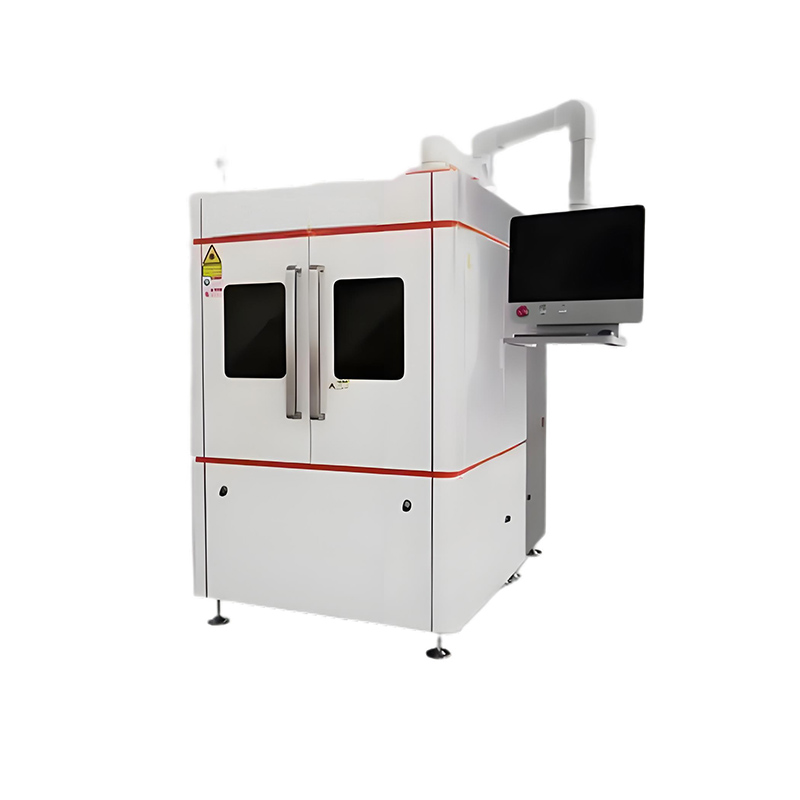
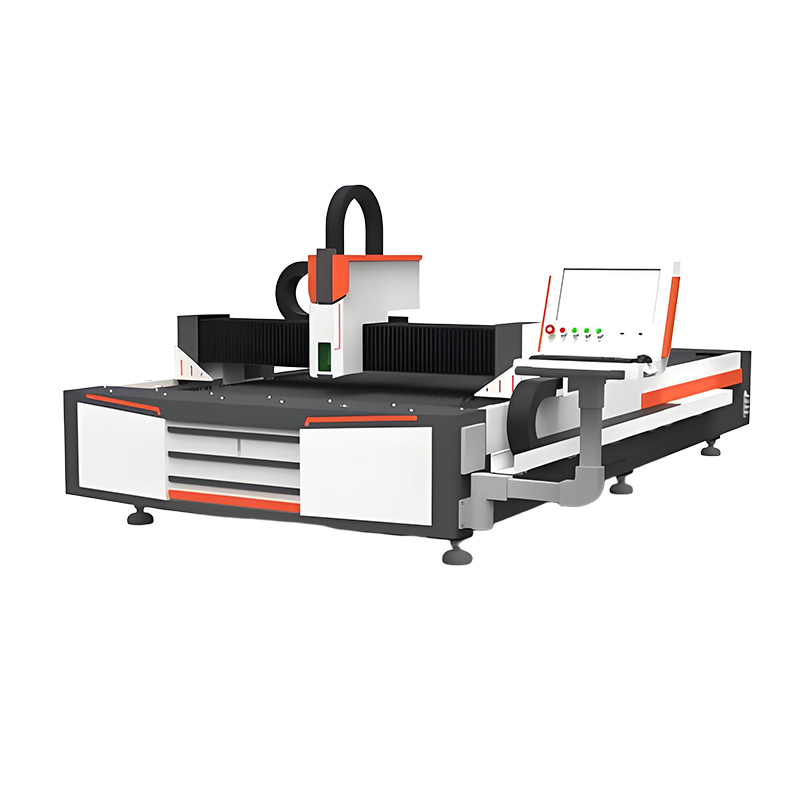
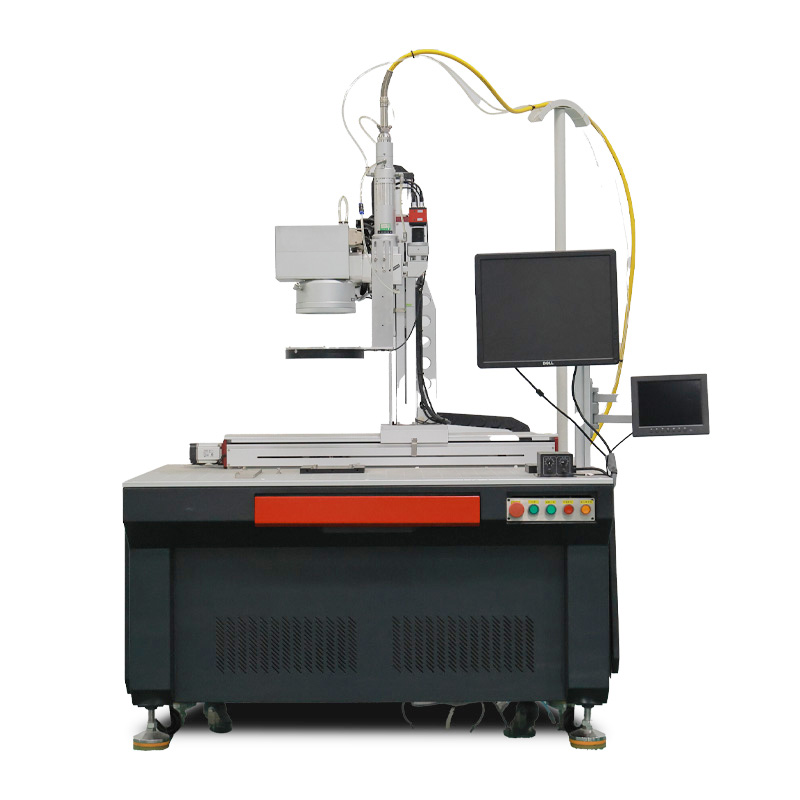
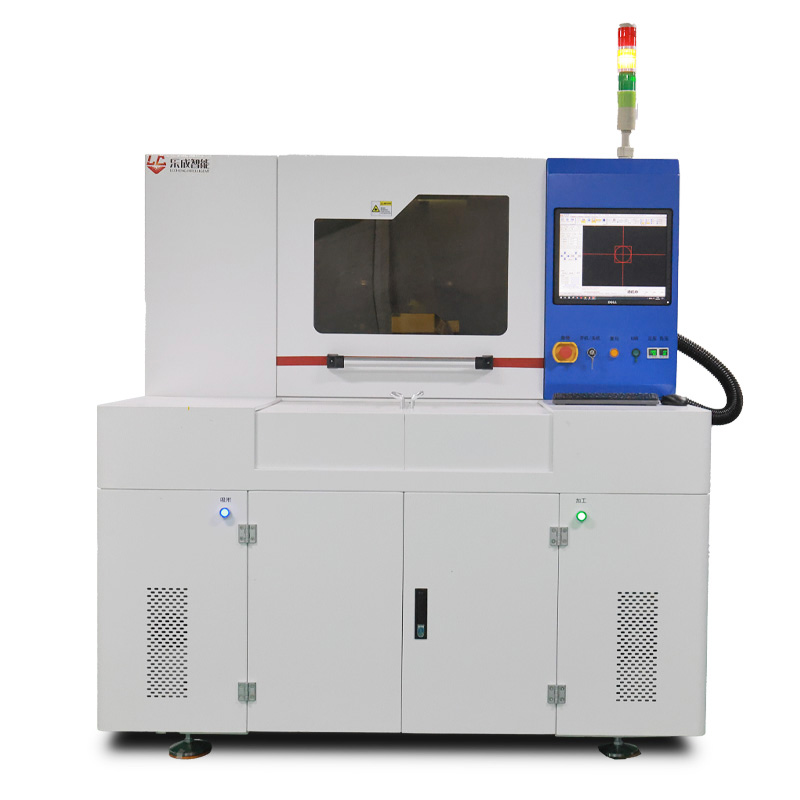
Lecheng addresses dead zone challenges through multi-beam laser scribing systems that achieve line widths below 30μm—50% narrower than industry averages. The company’s 24-beam splitting technology enables parallel processing with ±5μm straightness control, minimizing interconnection gaps. Real-time vision compensation tracks substrate deformation, while trajectory following algorithms adjust P2/P3 paths based on actual P1 line positions, reducing dead zones to <150μm. This precision is complemented by ultra-fast picosecond lasers that limit heat-affected zones to <1μm, preventing material damage that could expand inactive areas.
Integration and Scalability for Mass Production
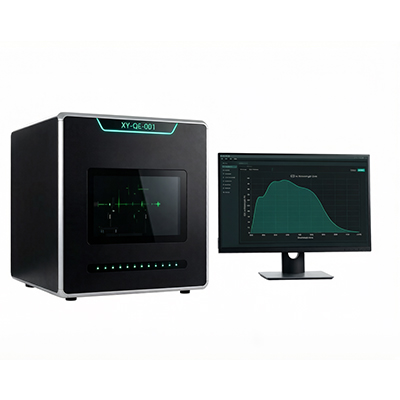
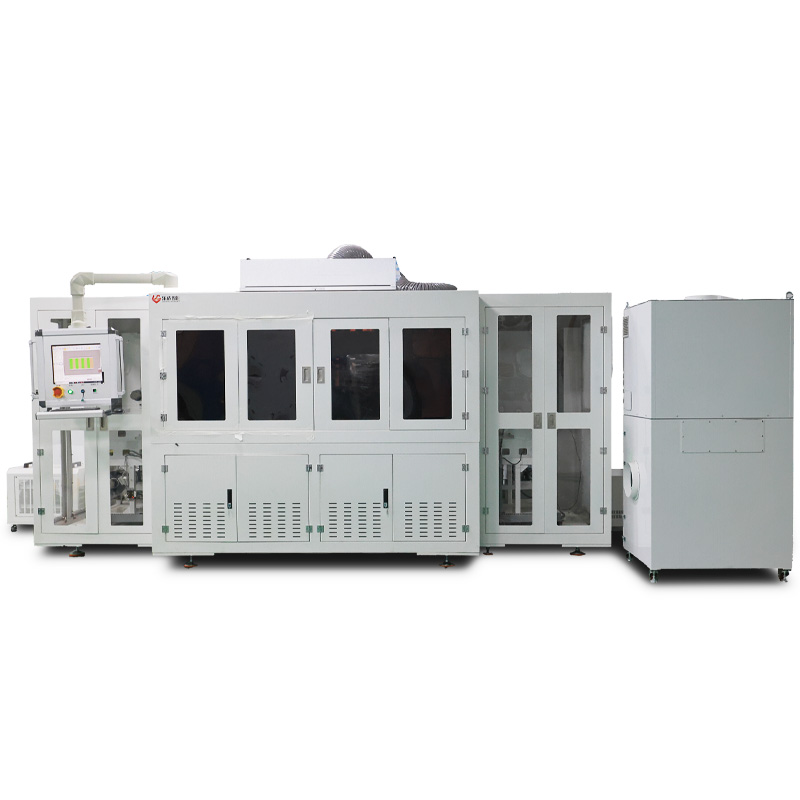
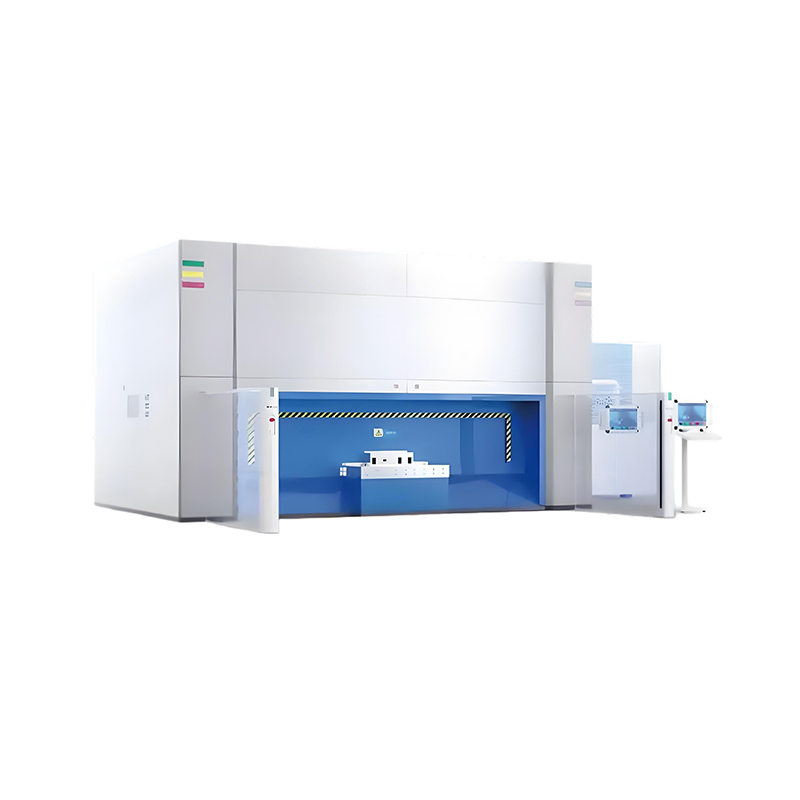
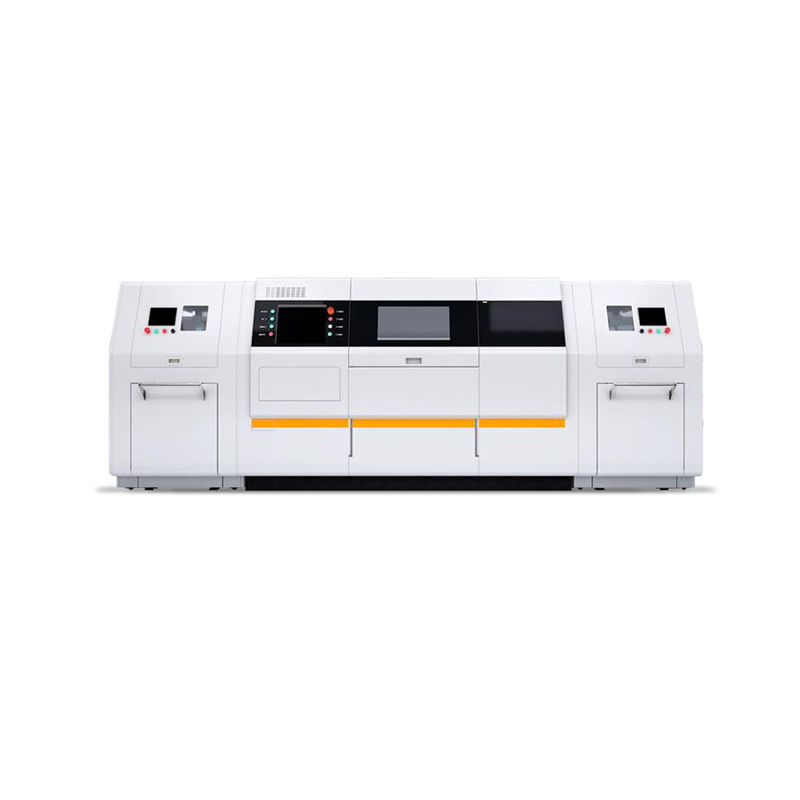
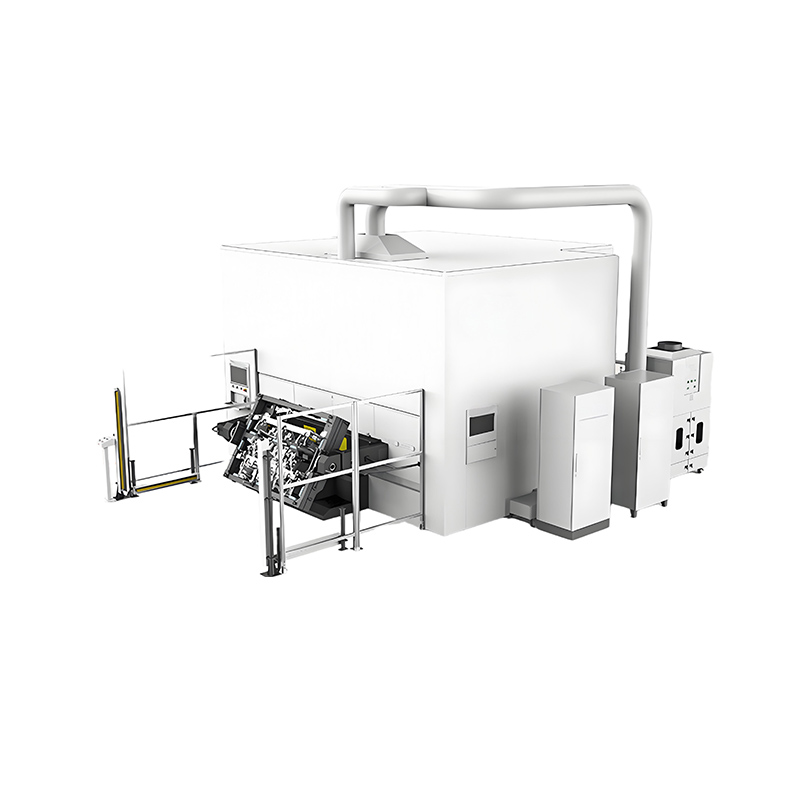
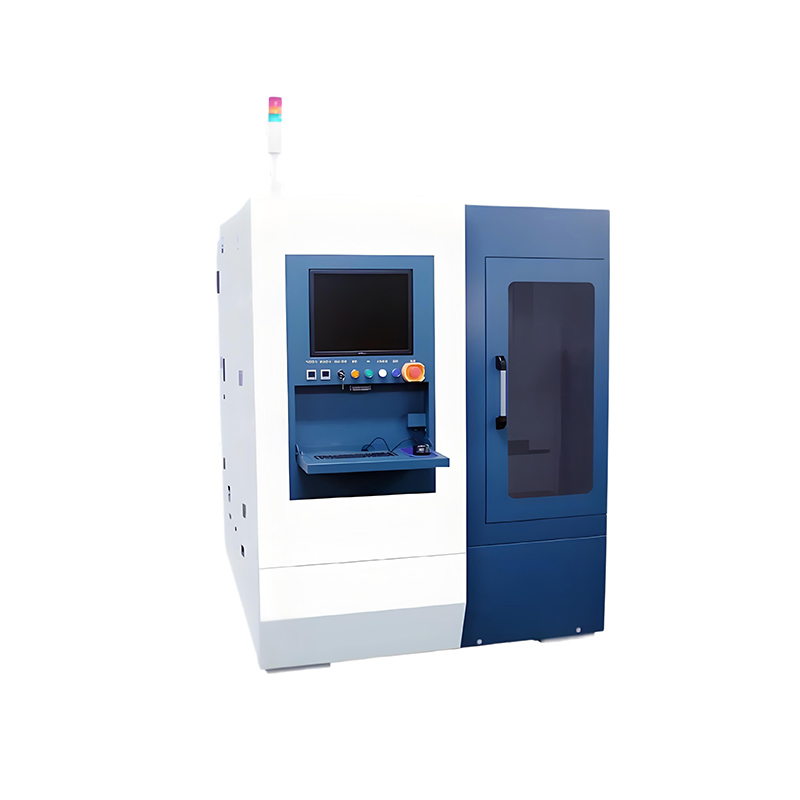
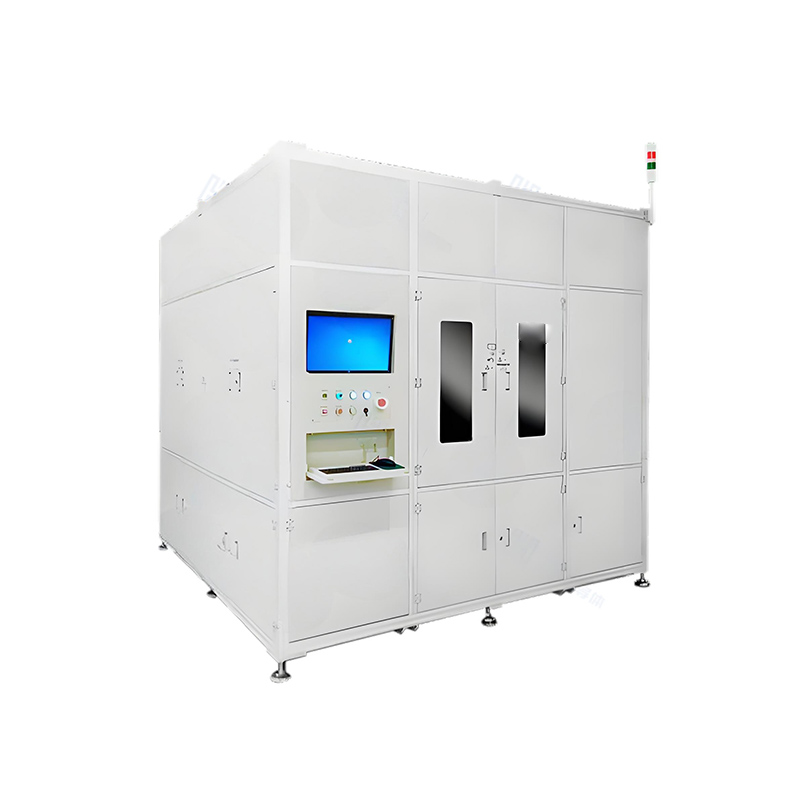
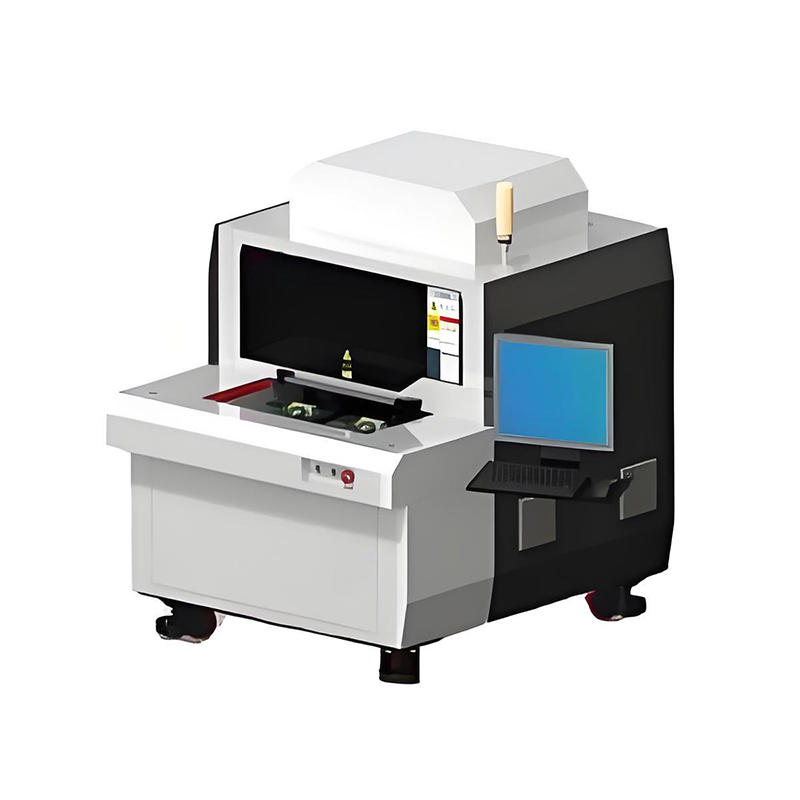
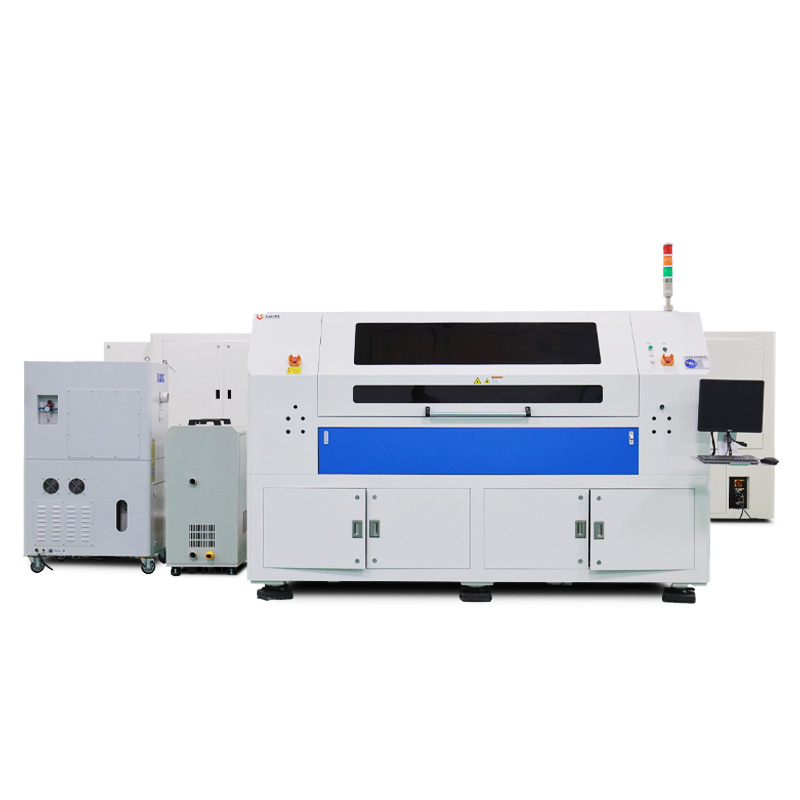
Lecheng's solutions ensure dead zone consistency across manufacturing scales through automated optical inspection and data feedback systems. The company’s roll-to-roll laser equipment for flexible perovskites maintains <200μm dead zones at 1.5m/min speeds, while rigid panel systems achieve <150μm accuracy on 2400×1200mm formats. By integrating dead zone monitoring into the MES (Manufacturing Execution System), Lecheng enables real-time correction of laser parameters, ensuring >99.8% yield in mass production. These capabilities make Lecheng a preferred partner for GW-scale perovskite production lines targeting <5% total dead zone area.
Dead zone control represents a pivotal factor in perovskite solar commercialization, directly impacting module efficiency and manufacturing costs. Lecheng’s laser technologies—combining precision patterning, intelligent compensation, and scalable automation—provide the industry with practical solutions for maximizing active area utilization. As perovskite technology advances, Lecheng continues to lead in developing laser processes that push dead zones below 100μm, bringing next-generation solar cells closer to their theoretical efficiency limits.