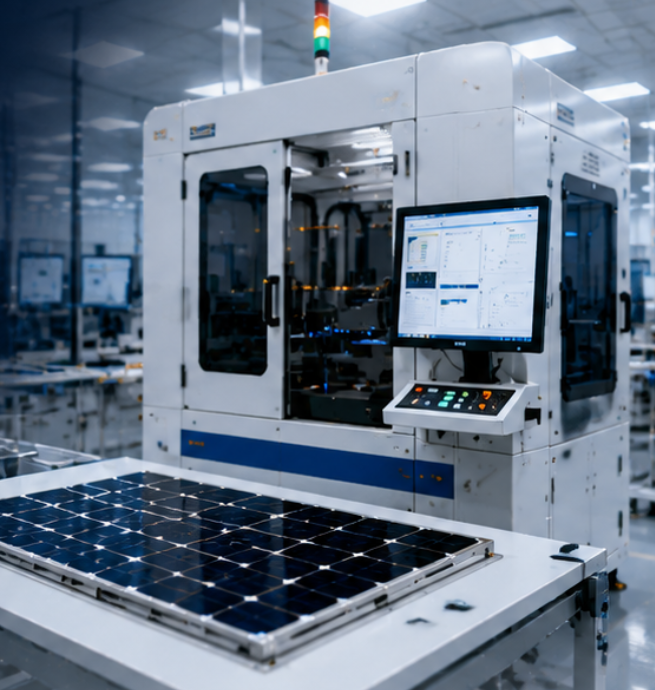
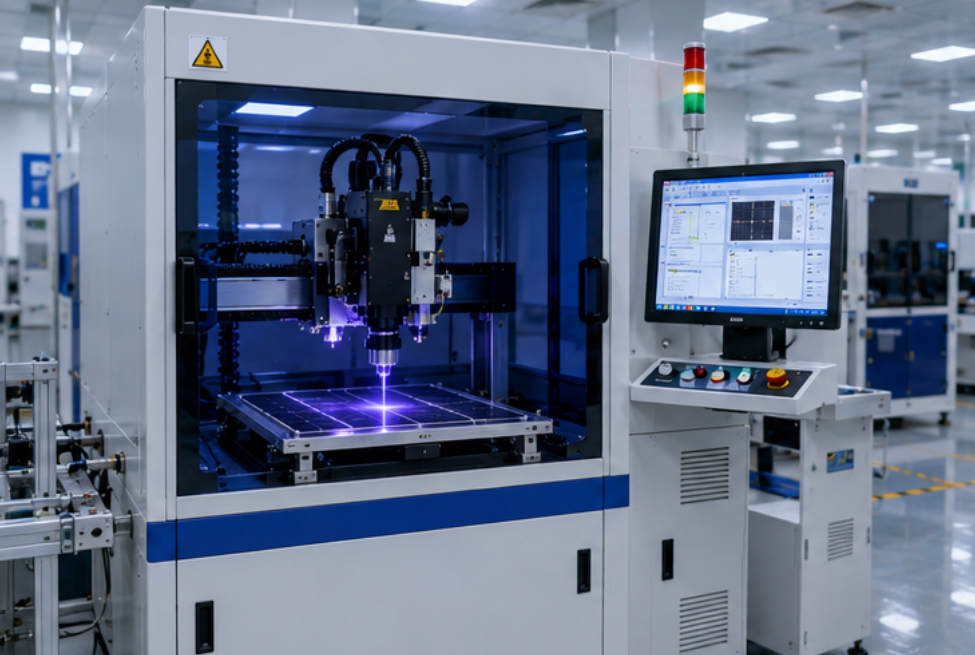
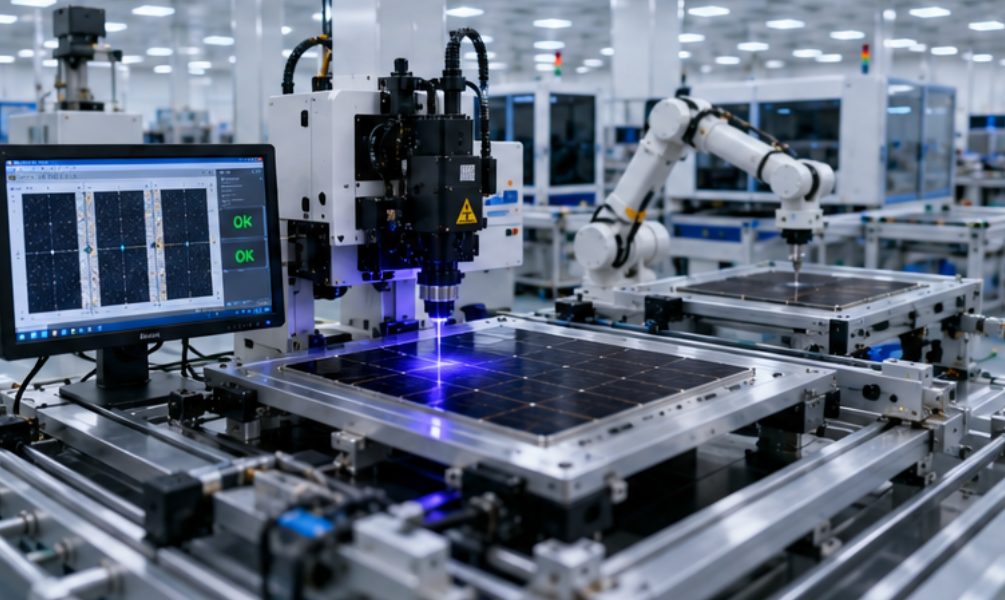
Avoiding these top 5 mistakes ensures a reliable perovskite laser scribing system, higher yield, and reduced long-term costs. Work closely with experienced suppliers to select equipment that fits both current R&D and future pilot line production.
Perovskite module equipment cost is influenced by process scope, substrate size, laser scribing configuration, coating/encapsulation, testing, automation, and integration. Buyers should evaluate total line requirements, not only single machine prices, to ensure ROI and scalable pilot line success.
Choosing the right perovskite laser scribing equipment ensures efficient, reliable, and scalable pilot line operations. Consider specifications, process support, alignment, and future scalability to maximize yield and ROI.
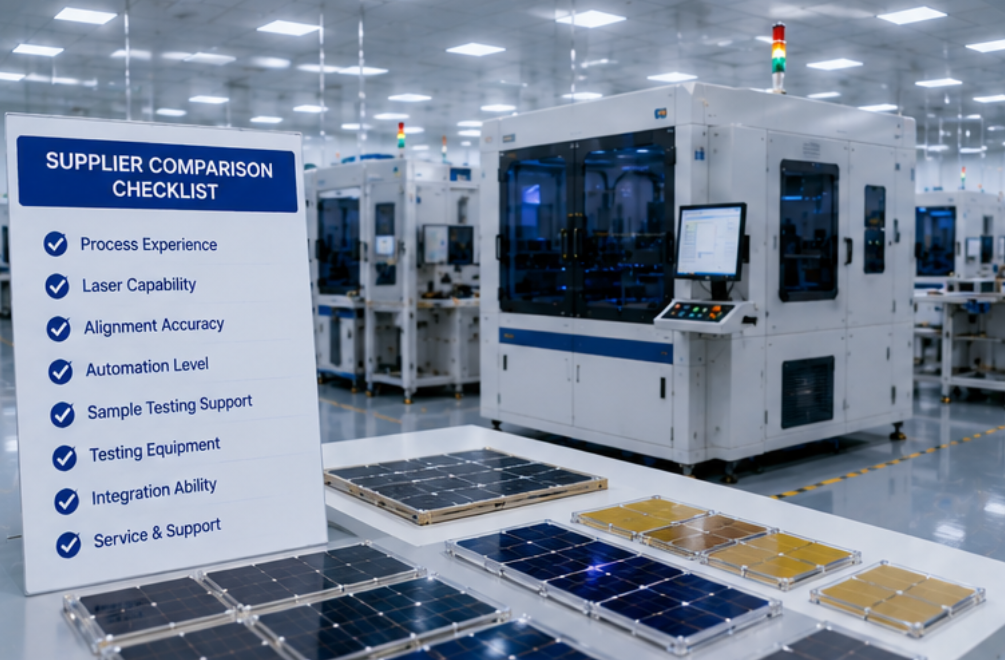
Before ordering perovskite module equipment, buyers should compare suppliers based on process experience, laser capability, alignment accuracy, sample testing support, pilot line integration and long-term service.
The right supplier should help buyers reduce process risk, improve module yield and support the transition from laboratory research to pilot manufacturing and future commercial production.
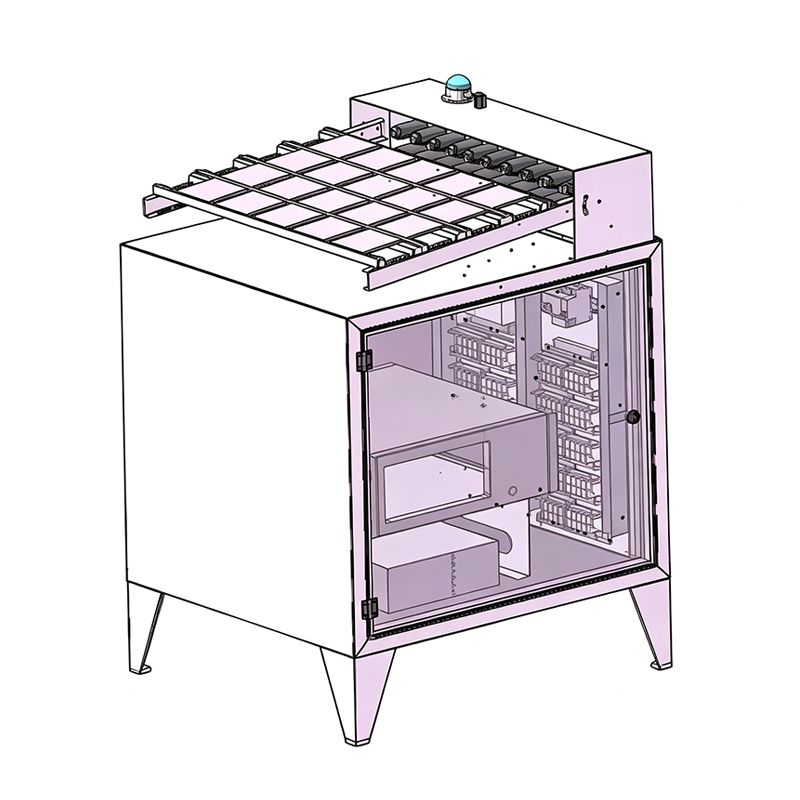
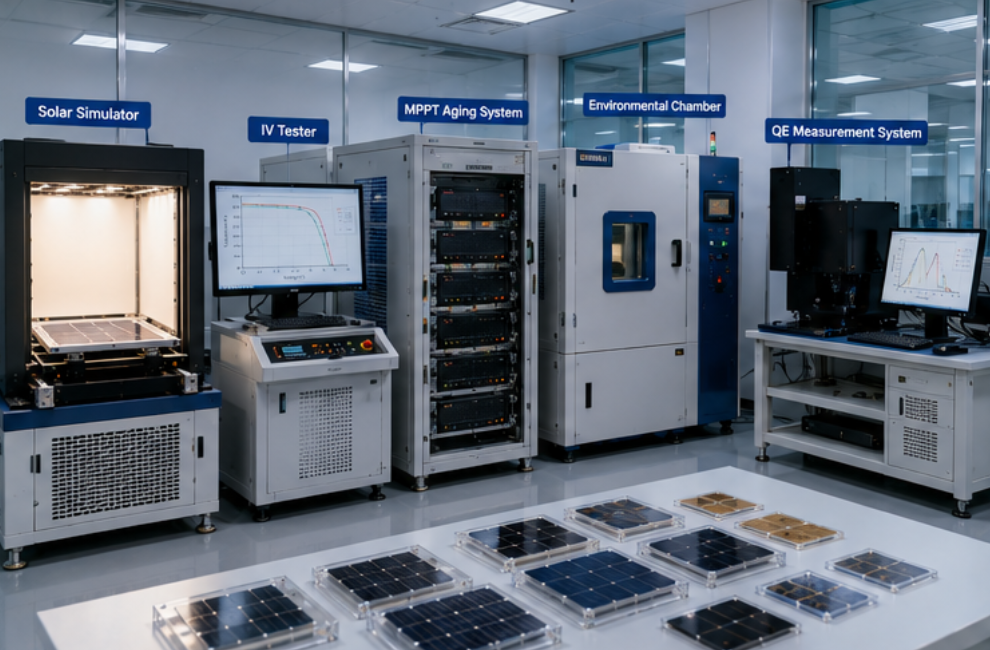
Choosing testing equipment for perovskite solar cell pilot lines requires a complete view of efficiency measurement, spectral response, long-term stability, environmental reliability and data traceability.
The right testing system helps buyers understand process quality, improve module yield and prepare for scalable commercialization.
Understanding specifications helps buyers avoid overspending or buying under-configured equipment.
The right machine should match both current R&D needs and future pilot production plans.
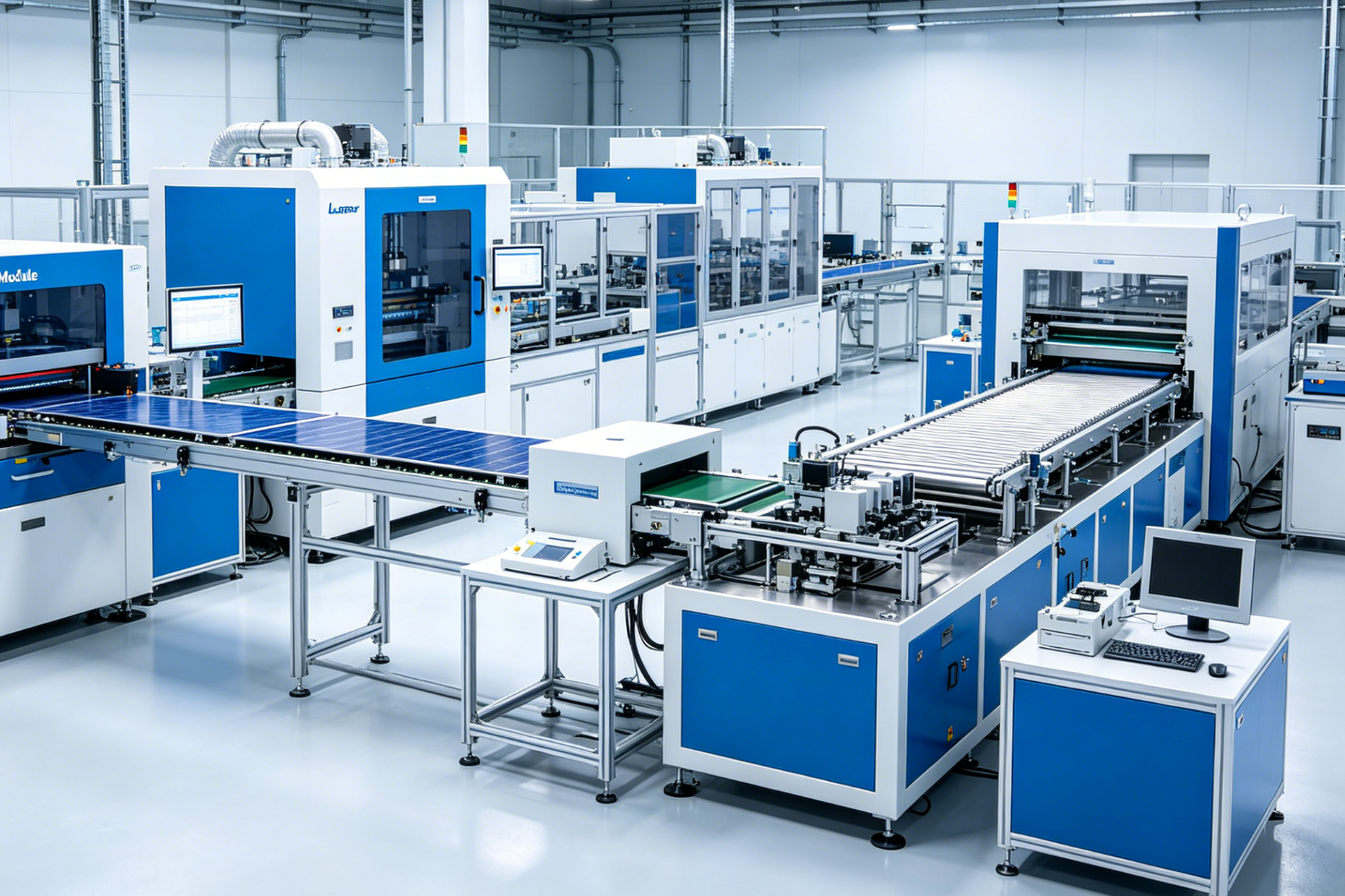
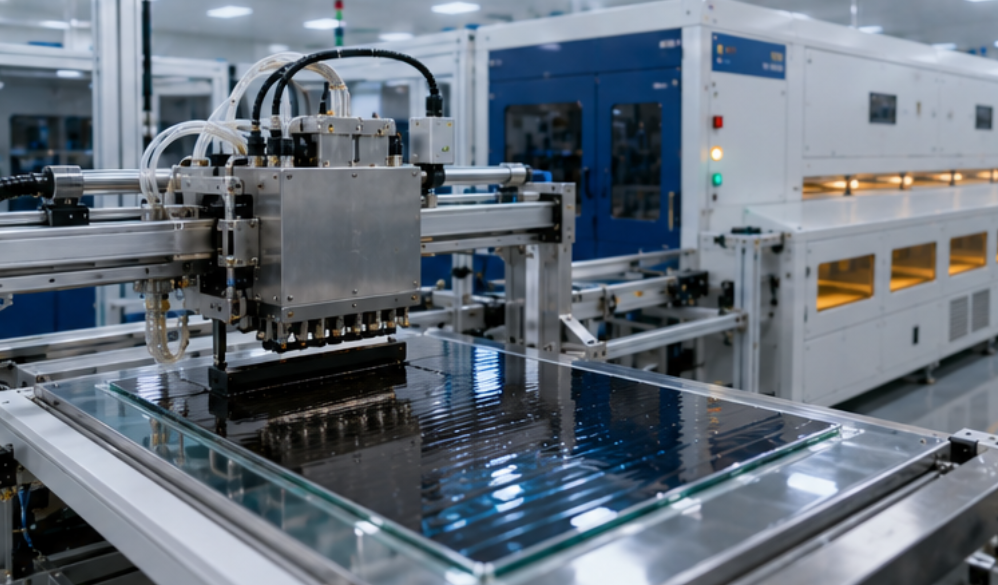
A complete perovskite module manufacturing line requires careful planning across every production stage. Buyers who design the full workflow from substrate preparation to final testing can reduce risk and scale faster.
The best suppliers provide not only equipment, but also process integration support for long-term commercialization.
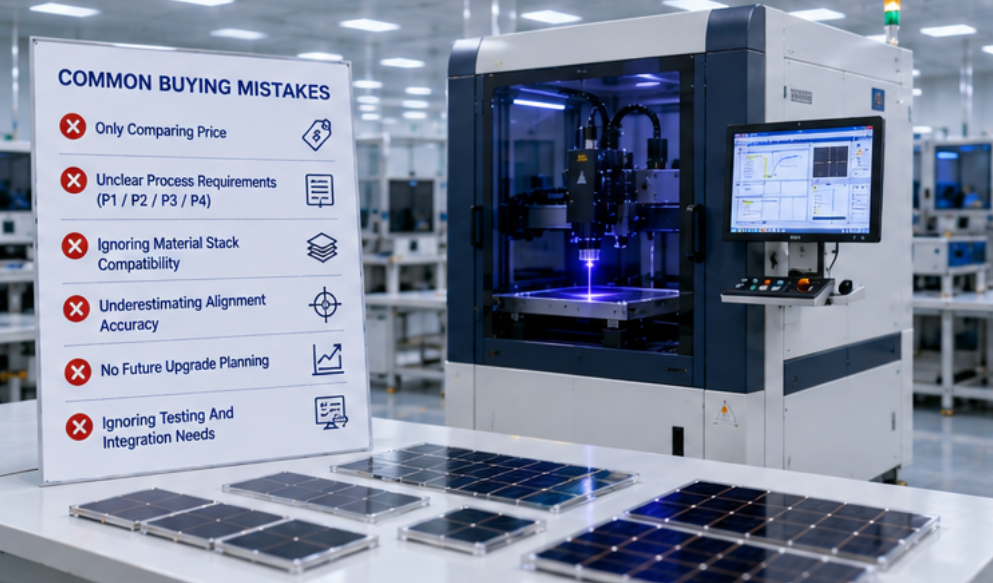
The most common mistakes when buying perovskite laser processing equipment are focusing only on price, unclear process requirements, ignoring material stack compatibility, underestimating alignment accuracy and forgetting future upgrade needs.
A better buying decision starts with clear process information, sample testing, accurate equipment configuration and a supplier that understands both laser processing and perovskite module manufacturing.
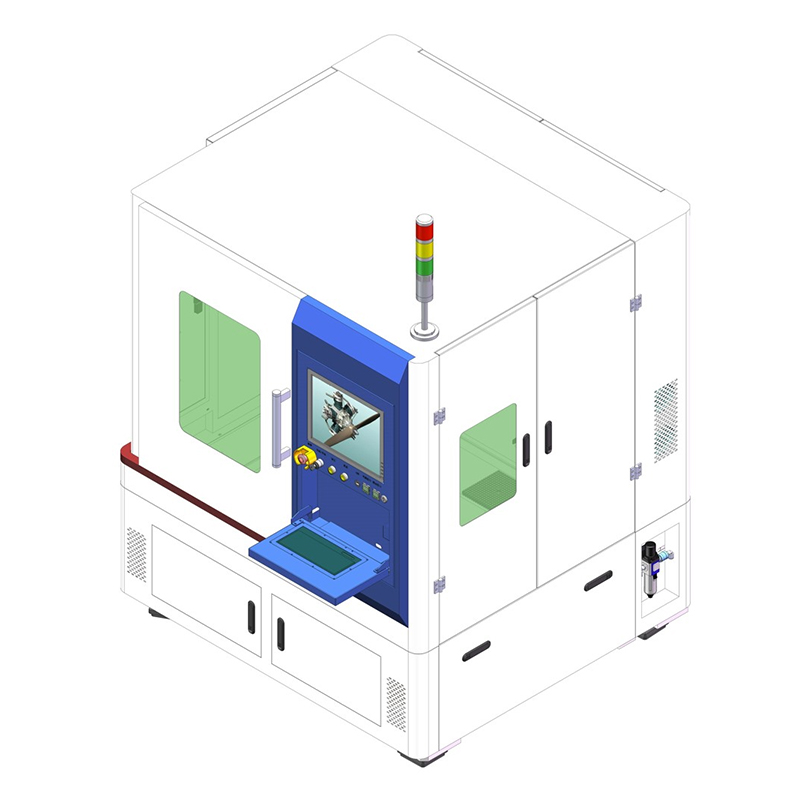
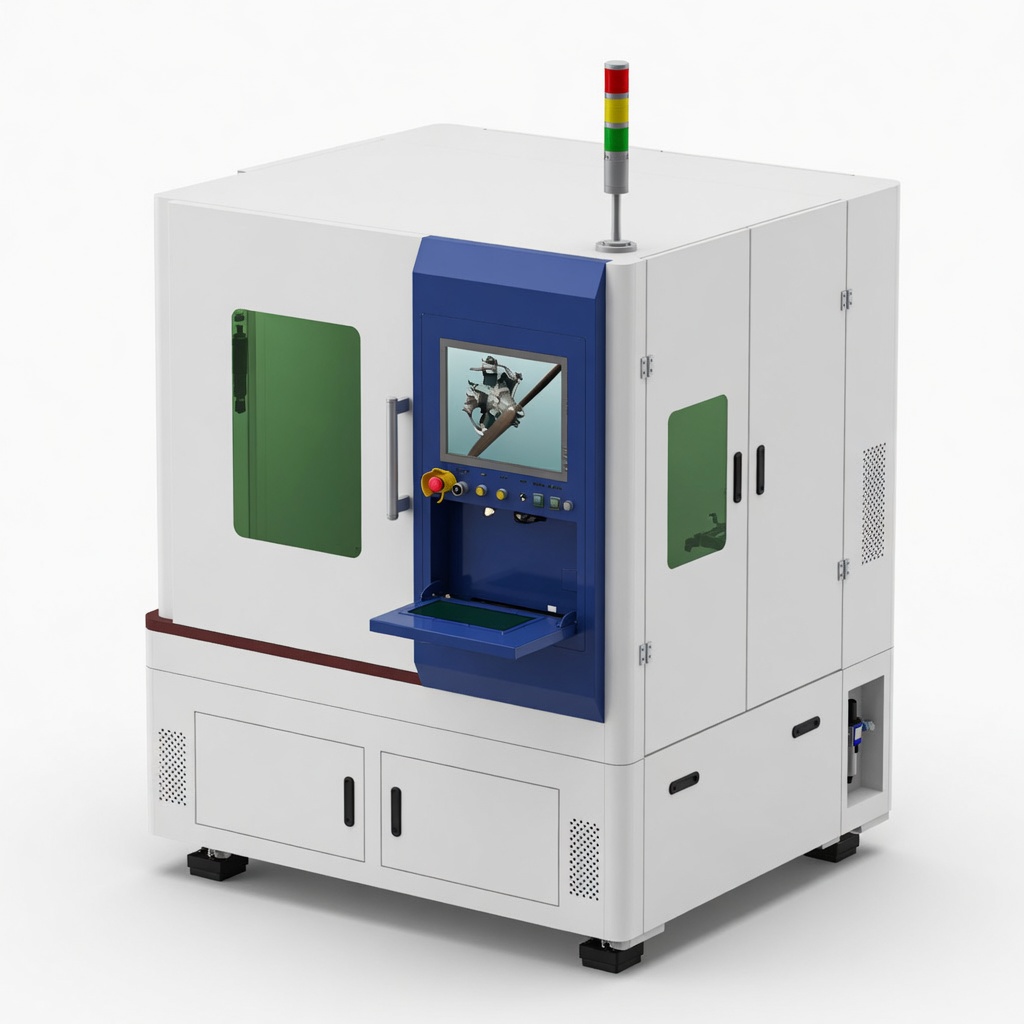
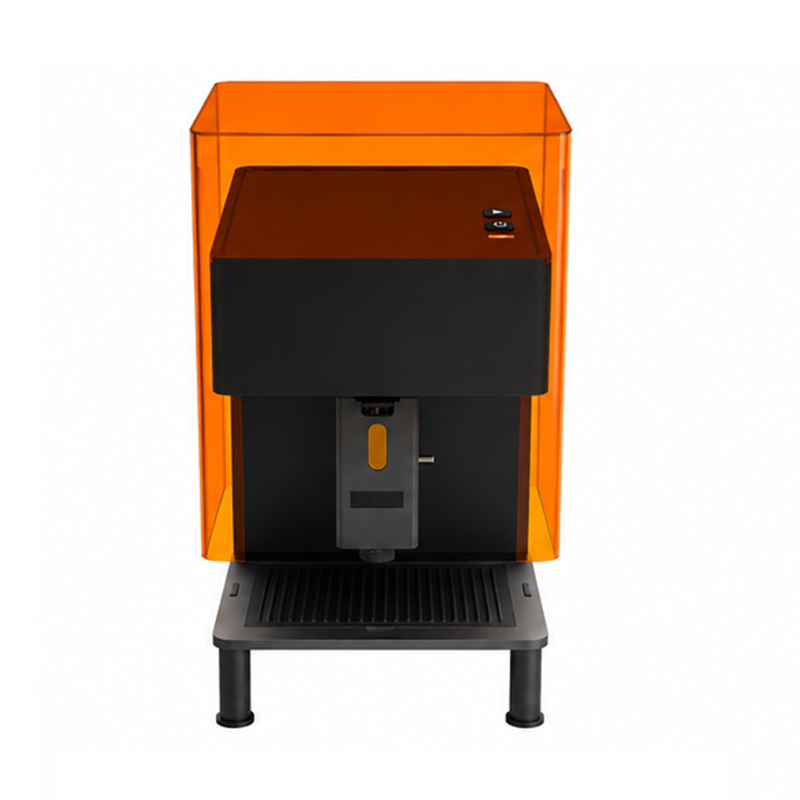
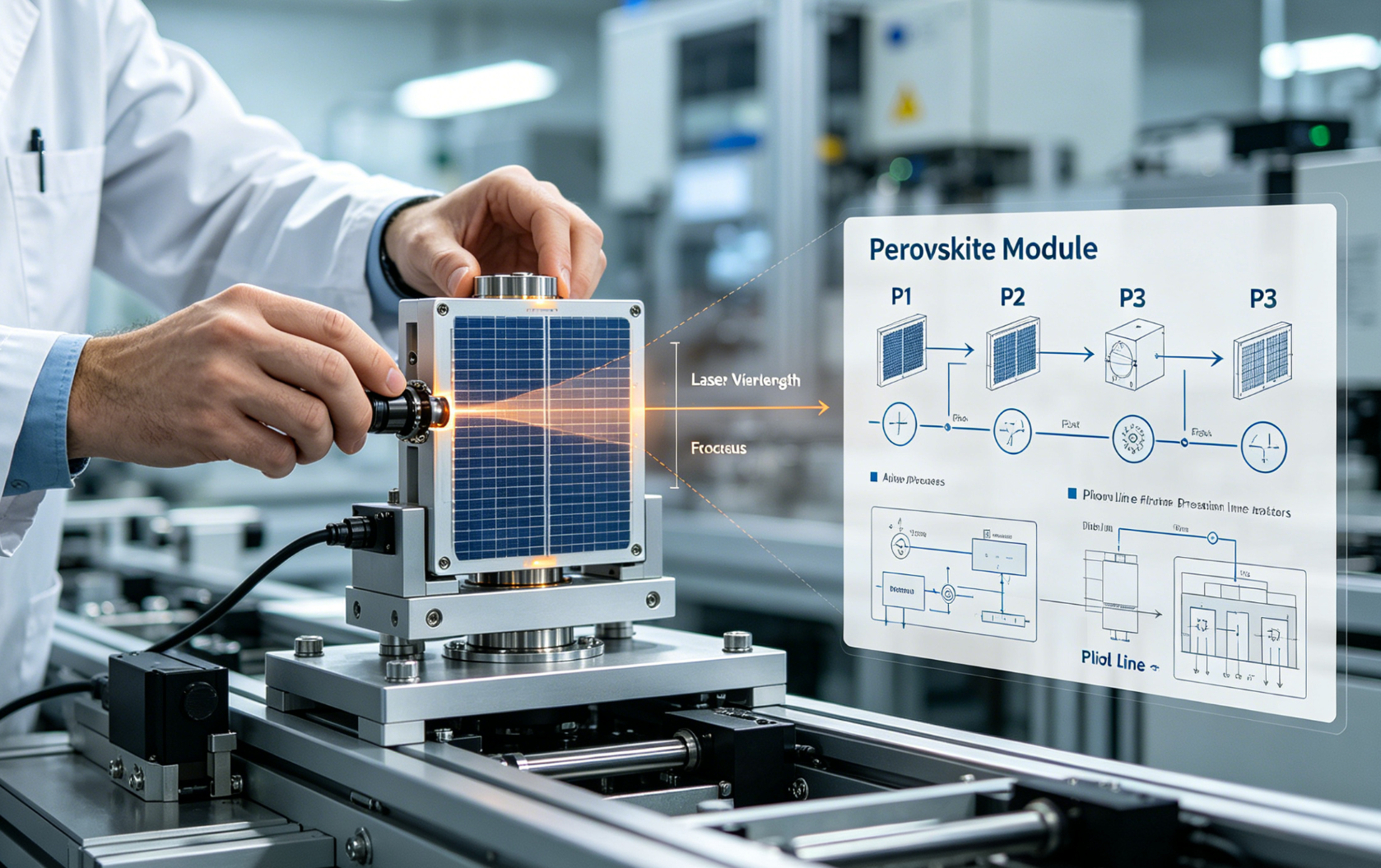
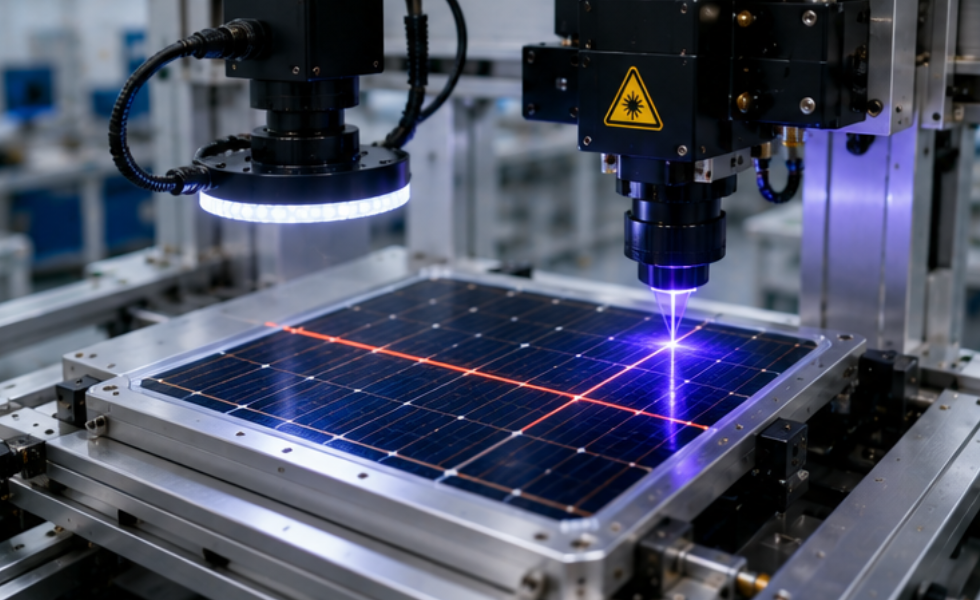
Selecting laser scribing equipment for perovskite R&D and pilot lines requires a clear understanding of project stage, process requirements, laser source compatibility, substrate size, alignment accuracy and future integration needs.
For early research, flexibility matters most. For pilot lines, repeatability, automation and process data control become more important. Buyers should choose a system that supports today’s experiments while preparing for tomorrow’s scale-up.
The cost of a perovskite solar cell production line is affected by process scope, substrate size, laser configuration, coating route, automation level, testing equipment and integration requirements. Buyers should avoid comparing only single-machine prices and instead evaluate the complete manufacturing workflow.
A well-planned production line can reduce repeated investment, improve process stability and support the transition from R&D to pilot manufacturing and future commercial production.