Products

Featured products

Contact us

News

  • How To Choose Laser Glass Cutting Equipment For Thin-Film Solar Module Production
    2026
    06-10
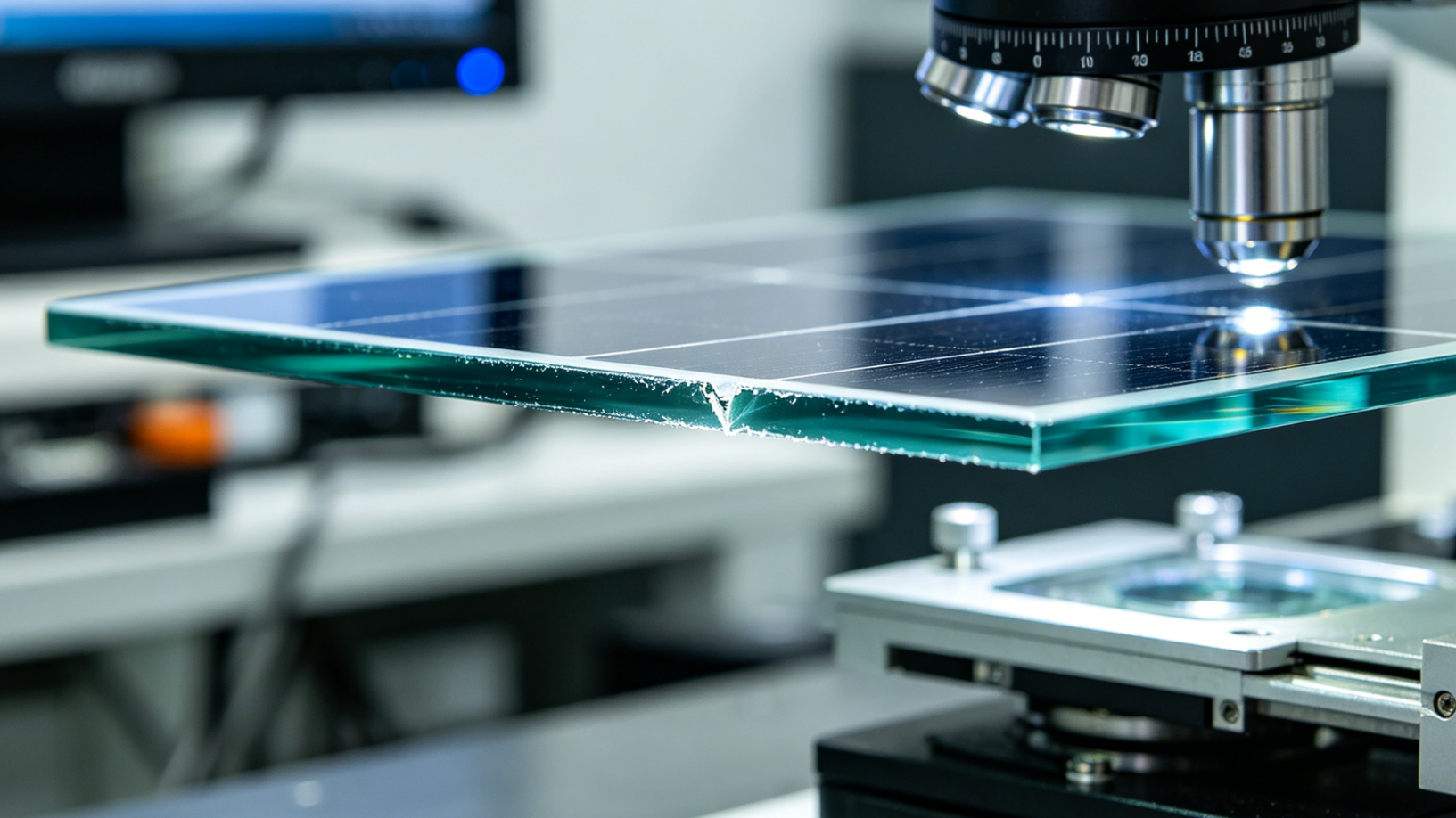
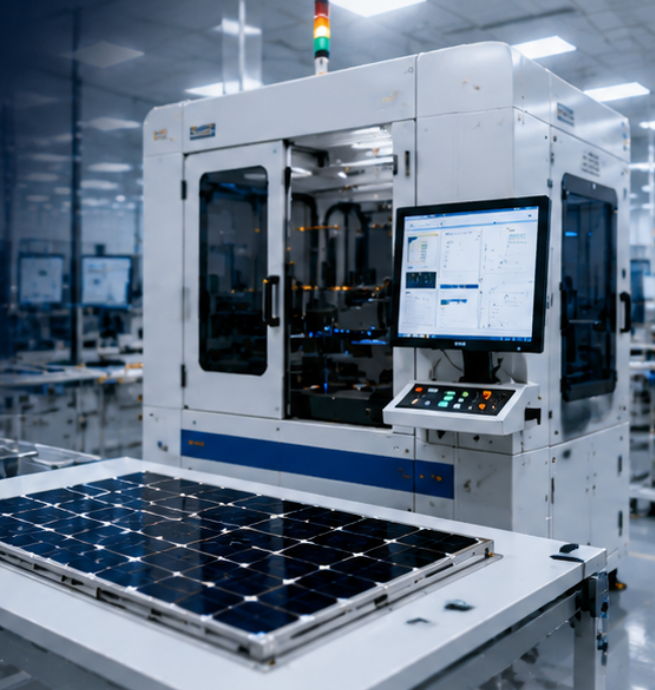
    Choosing laser glass cutting equipment for thin-film solar module production requires a full evaluation of glass size, thickness, cutting accuracy, edge quality, laser configuration, motion platform, handling design and line integration. The right equipment can reduce glass breakage, improve edge quality and support stable production from R&D samples to pilot line and larger-scale module manufacturing.
  • Solar Simulator vs Outdoor Sunlight Testing: Which Is Better For Solar Cell Research
    2026
    06-09
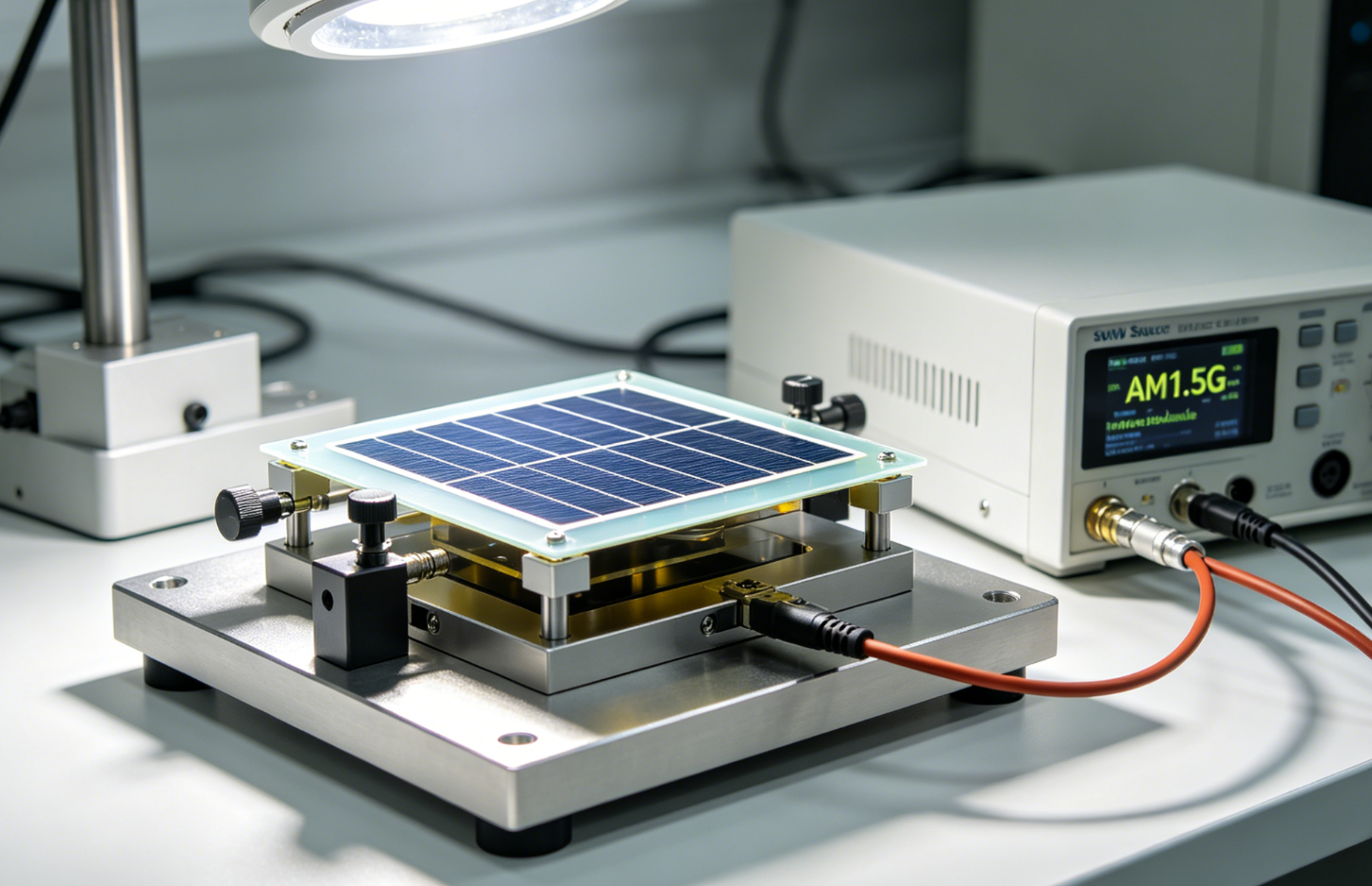
    Solar simulators and outdoor sunlight testing each have important advantages for solar cell research. Solar simulators provide repeatable laboratory conditions and efficient pilot line integration, while outdoor testing helps validate real environmental stability and long-term degradation behavior. For most perovskite and thin-film R&D projects, combining both methods provides the most reliable evaluation strategy.
  • Solar Simulator Price Guide: What Affects The Cost For R&D Labs And Pilot Lines
    2026
    06-08
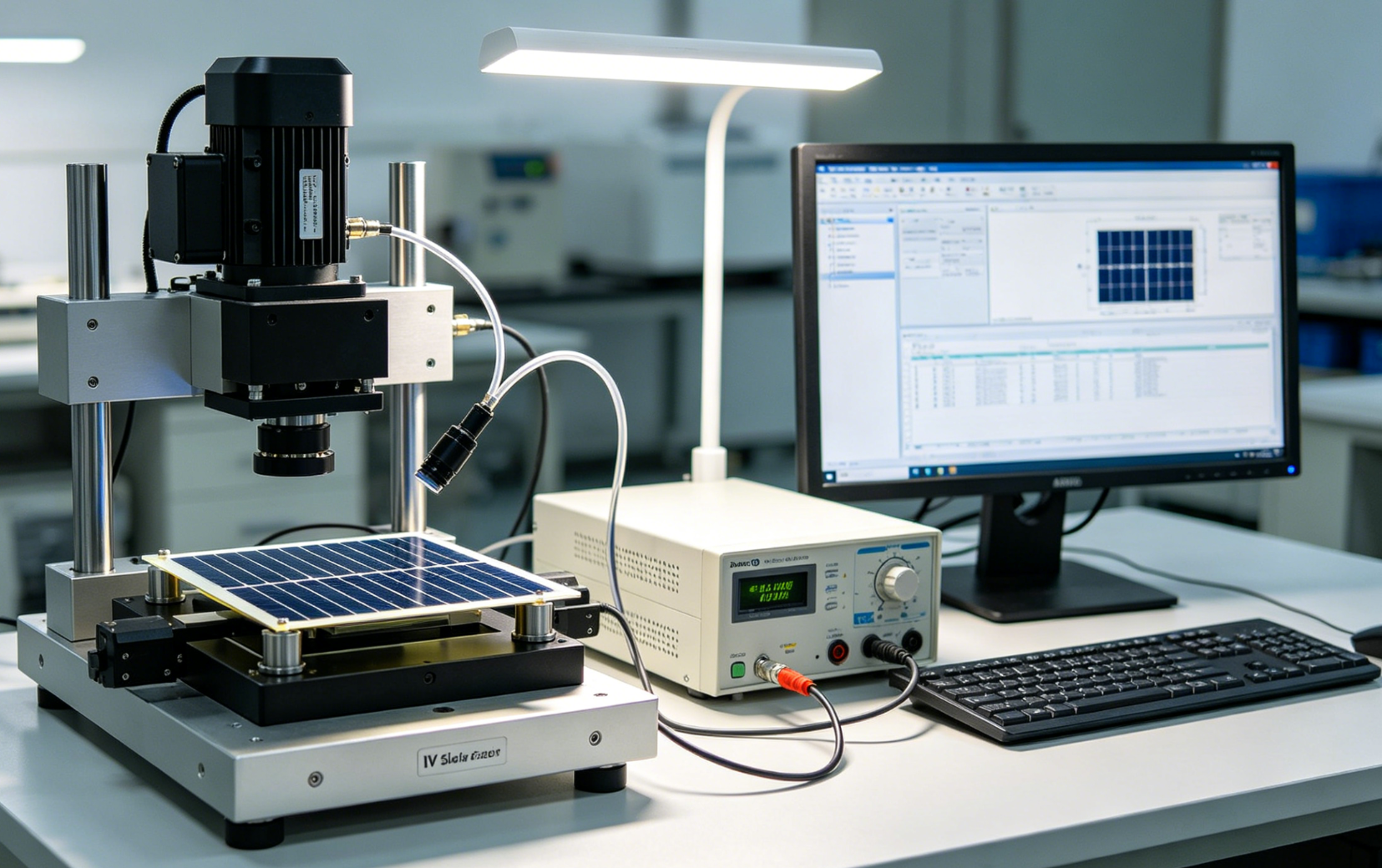
    Solar simulator cost is affected by test area, spectral match, irradiance uniformity, temporal stability, light source type, IV testing integration, calibration and software functions. Buyers should compare the complete testing solution, not only the base machine price. For perovskite and thin-film solar cell testing, the right solar simulator helps improve data reliability, reduce testing errors and support the transition from R&D to pilot line validation.
  • How To Choose A Solar Simulator For Perovskite And Thin-Film Solar Cell Testing
    2026
    06-07
    Choosing a solar simulator for perovskite and thin-film solar cell testing requires careful evaluation of spectral match, irradiance uniformity, temporal stability, test area, IV integration, calibration and future pilot line needs. The right system helps buyers obtain reliable efficiency data, compare process results and support the transition from laboratory research to pilot line validation.
  • How To Reduce Heat Affected Zone And Improve Efficiency In Perovskite Laser Lines
    2026
    06-06
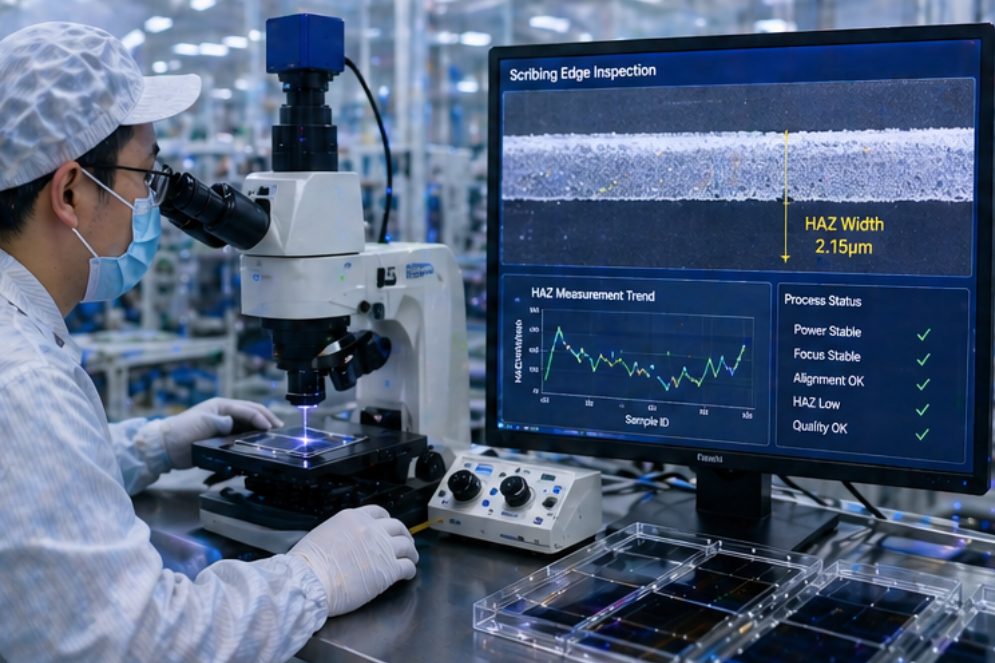
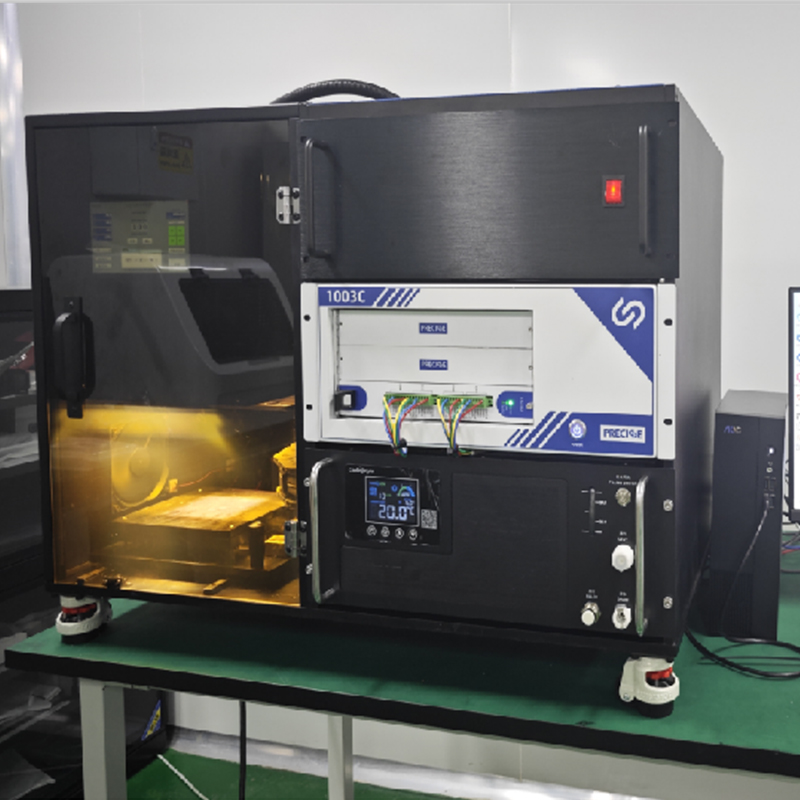
    Reducing HAZ is a key factor in improving perovskite laser line efficiency and reliability. Evaluate laser system parameters, motion accuracy, and cooling strategies to achieve precise, high-yield module scribing.
  • Perovskite Laser Processing System Specification Guide For Industrial Buyers
    2026
    06-04
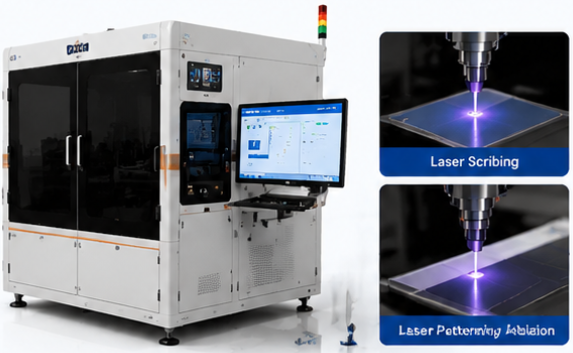
    Understanding laser system specifications is essential for industrial perovskite module production. Buyers should assess laser wavelength, pulse width, alignment precision, beam quality, substrate compatibility, automation, and software features to ensure high yield, reproducibility, and scalability.
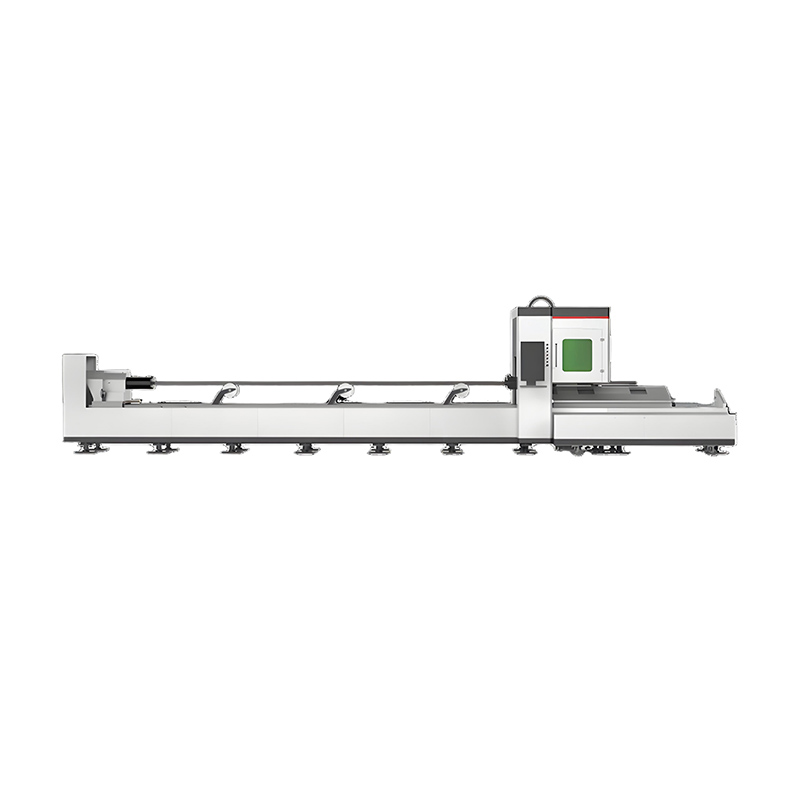
  • P1, P2, P3, P4 Laser Scribing: What Buyers Must Know Before Ordering
    2026
    05-31
    Understanding each scribing step ensures buyers select the right perovskite laser system, improves yield, and reduces costly mistakes. Always review process capability, sample testing, alignment, and supplier support before placing an order.
  • Top 5 Mistakes Buyers Make When Selecting Perovskite Laser Systems
    2026
    05-30
    Avoiding these top 5 mistakes ensures a reliable perovskite laser scribing system, higher yield, and reduced long-term costs. Work closely with experienced suppliers to select equipment that fits both current R&D and future pilot line production.
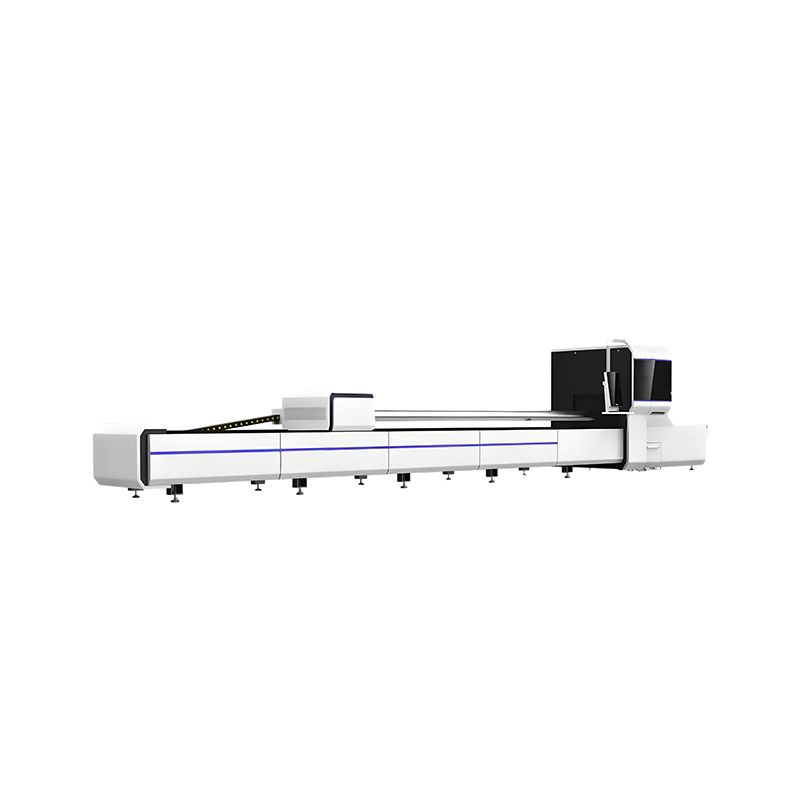
  • How To Reduce Heat Affected Zone In Thin-Film Solar Cell Laser Processing
    2026
    05-15
    Reducing heat affected zone in thin-film solar cell laser processing requires the right combination of laser wavelength, pulse width, energy density, beam quality, focusing stability and scanning strategy. Buyers should rely on process testing and real sample evidence instead of only comparing machine specifications. For perovskite and other thin-film photovoltaic applications, a low-HAZ laser process can help improve scribing quality, module yield and long-term reliability.
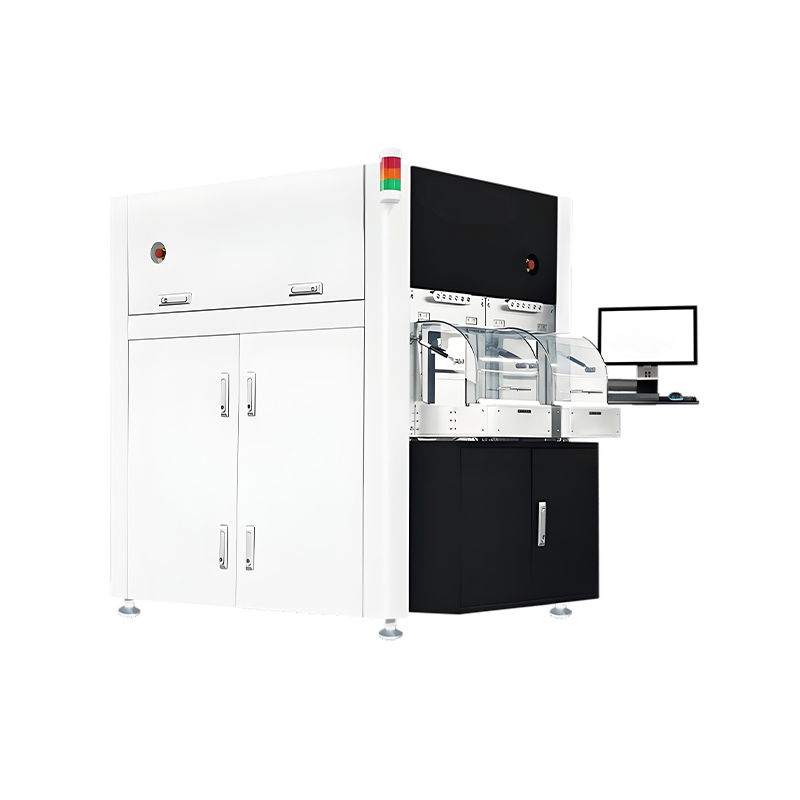
  • 7 Industries Transforming Production with Laser Glass Cutting Technology
    2026
    04-26
    Laser glass cutting has moved beyond the laboratory into full-scale production across multiple industries. The unique capabilities of non-contact, high-precision cutting enable applications that were previously impossible or uneconomical. Here's how seven industries are using this technology to transform their products and processes.

40px

80px

80px

80px

Get Quote