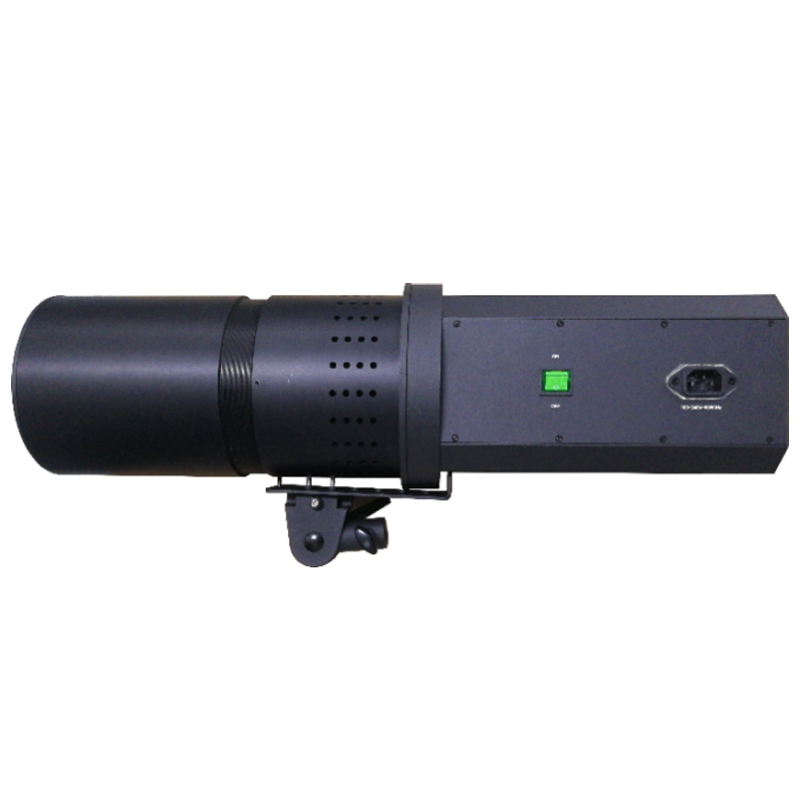
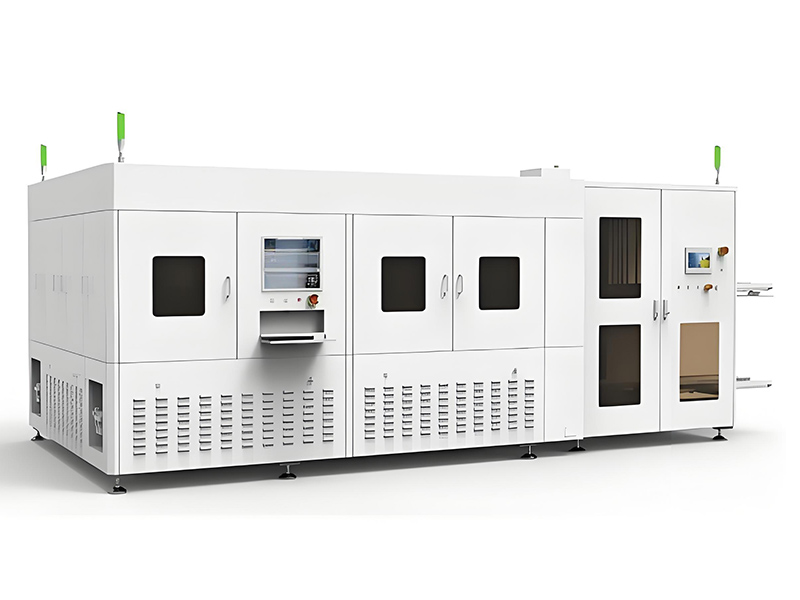
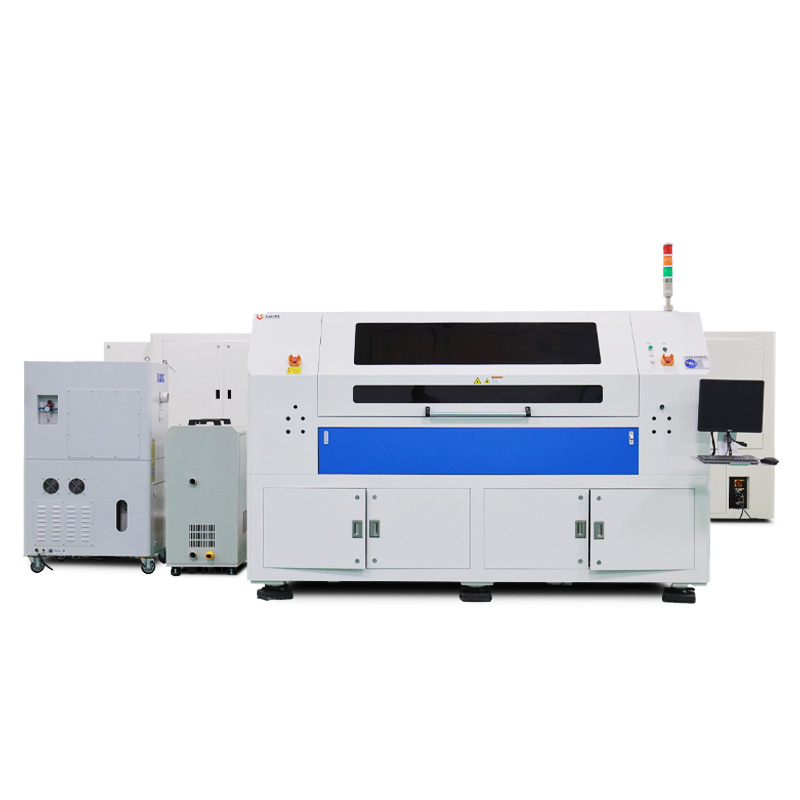
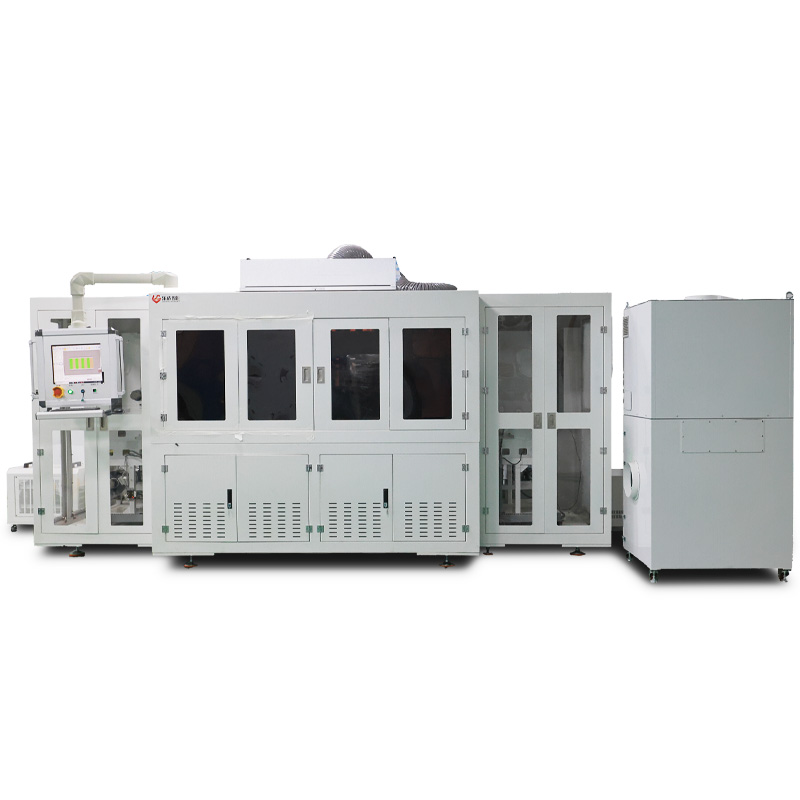
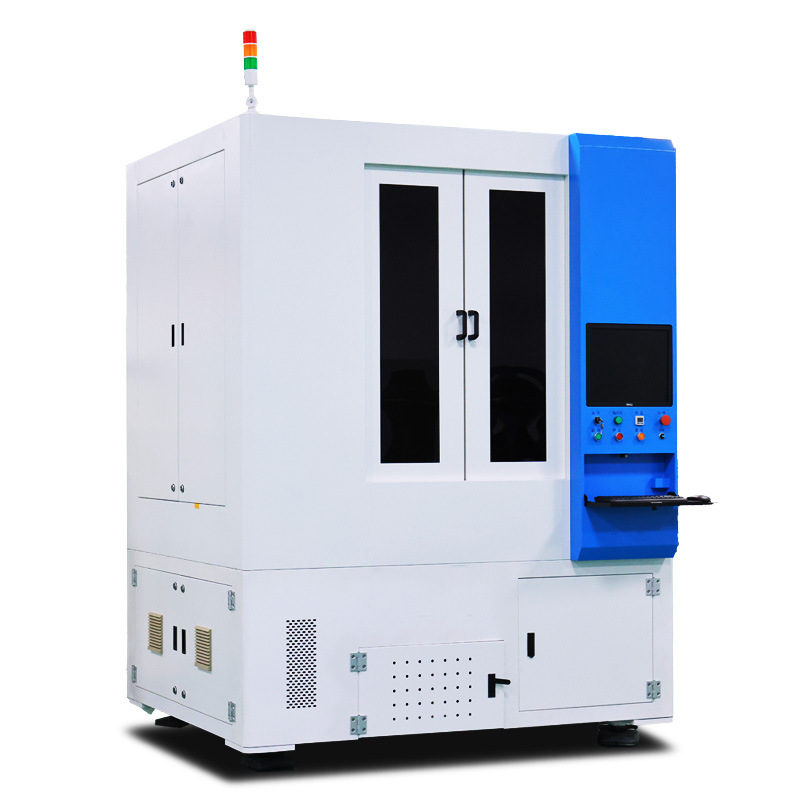
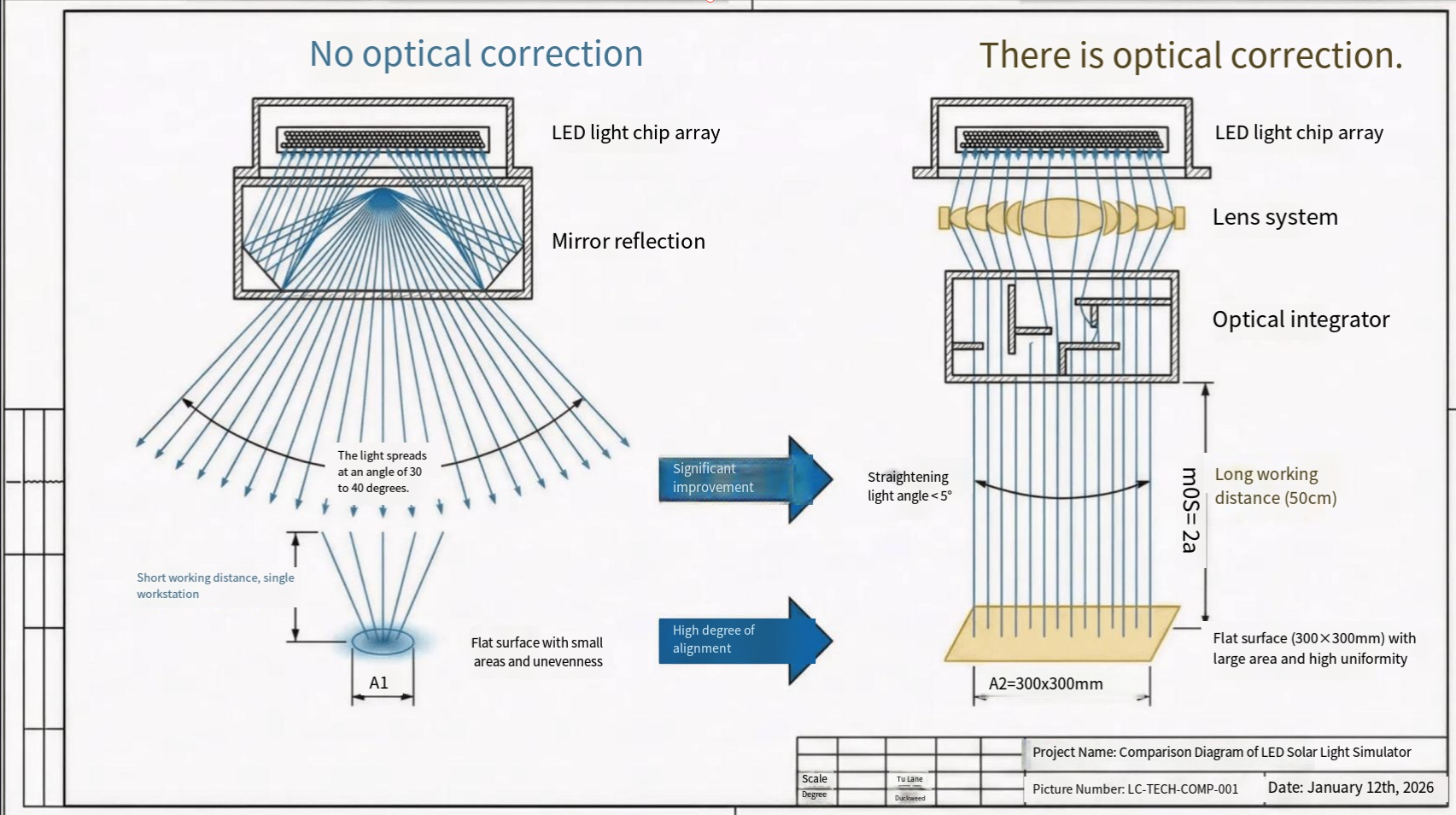
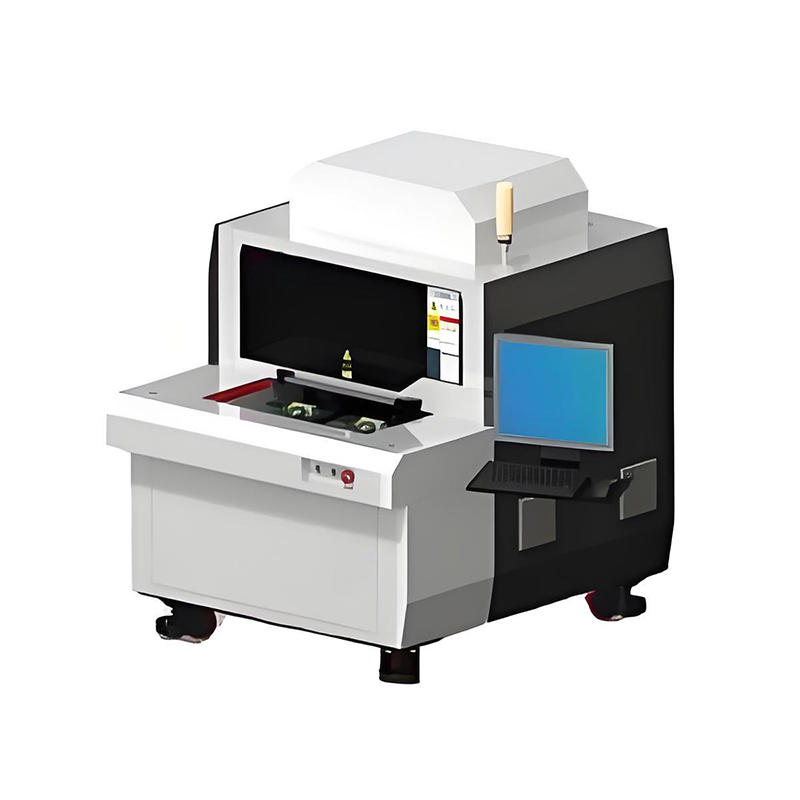
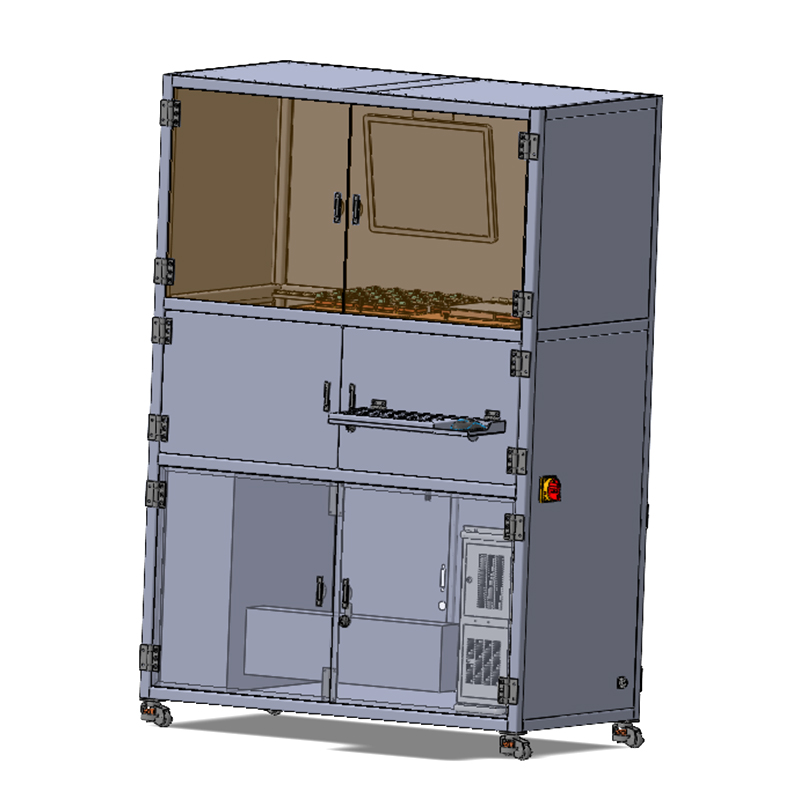
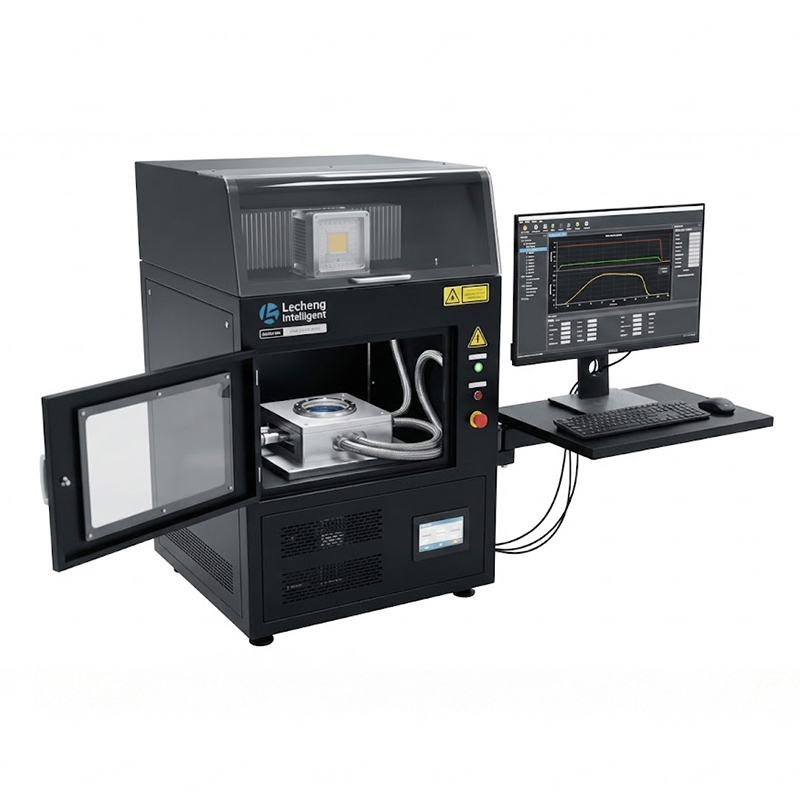
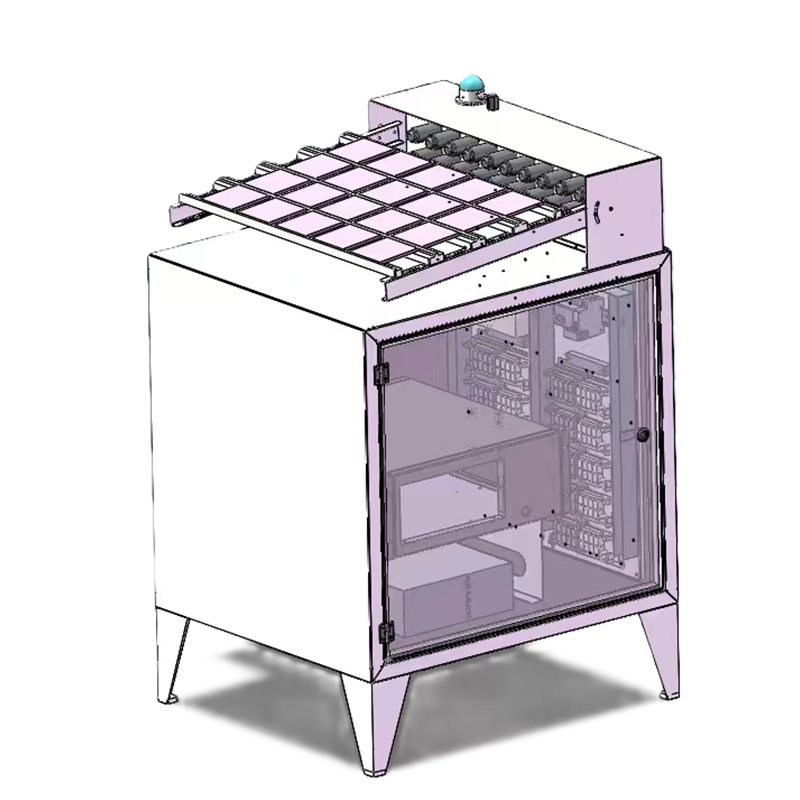
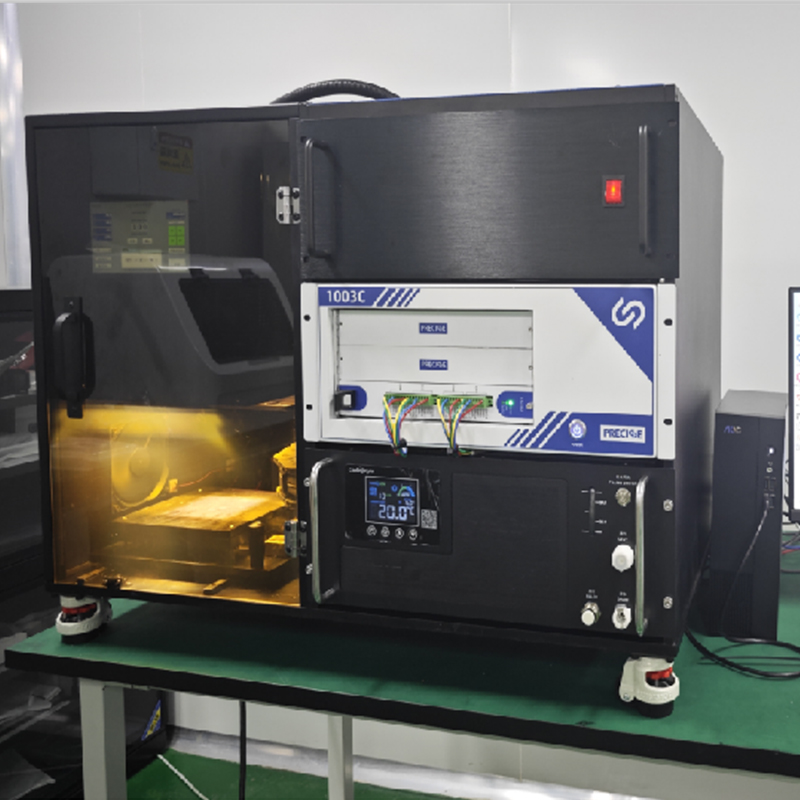
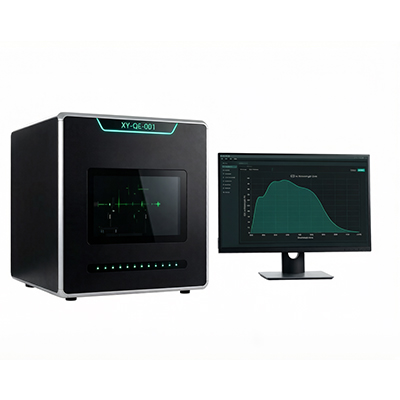
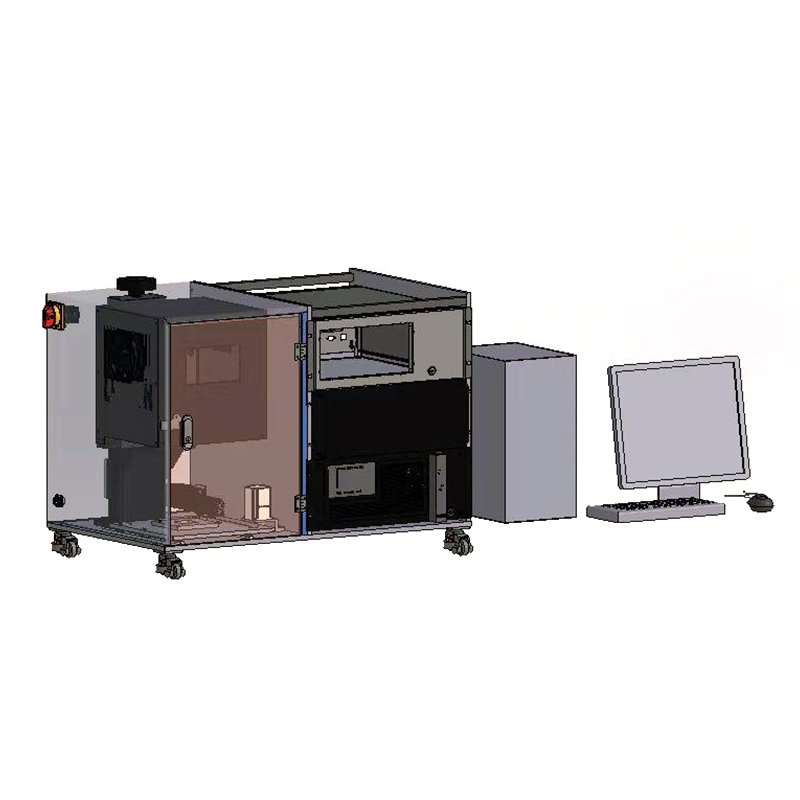
When comparing solar simulator suppliers, buyers should not focus only on machine price. Spectral match, uniformity, stability, test area, IV integration, calibration and after-sales service are all important.
For R&D labs and pilot lines, the best supplier should provide not only equipment, but also testing configuration advice and long-term technical support.
Evaluating a solar simulator supplier’s technical support capability means looking at pre-sales professionalism, installation and training strength, response speed, and long-term service value together. For buyers, strong support reduces risk, improves system usability, and helps ensure reliable testing over the full life of the equipment.
A solar simulator can support both R&D and production testing, but only if its design truly balances flexibility, repeatability, and integration capability. Buyers should define their primary use case first and then judge whether the system’s architecture can grow with their needs. The best investment is not the one that promises everything, but the one that fits the real workflow best.
Long-term light stability matters in solar cell testing because it protects data credibility, supports repeatability, and enables reliable production control. For buyers, it should be evaluated through real performance records and long-duration evidence rather than simple claims. A stable simulator is the foundation of trustworthy photovoltaic measurement.
To reduce measurement error in solar simulator testing, buyers must focus on calibration accuracy, optical stability, sample handling, operator workflow, and ongoing data verification together. The most reliable testing platform is not just optically strong, but also process-controlled and easy to standardize in daily use.