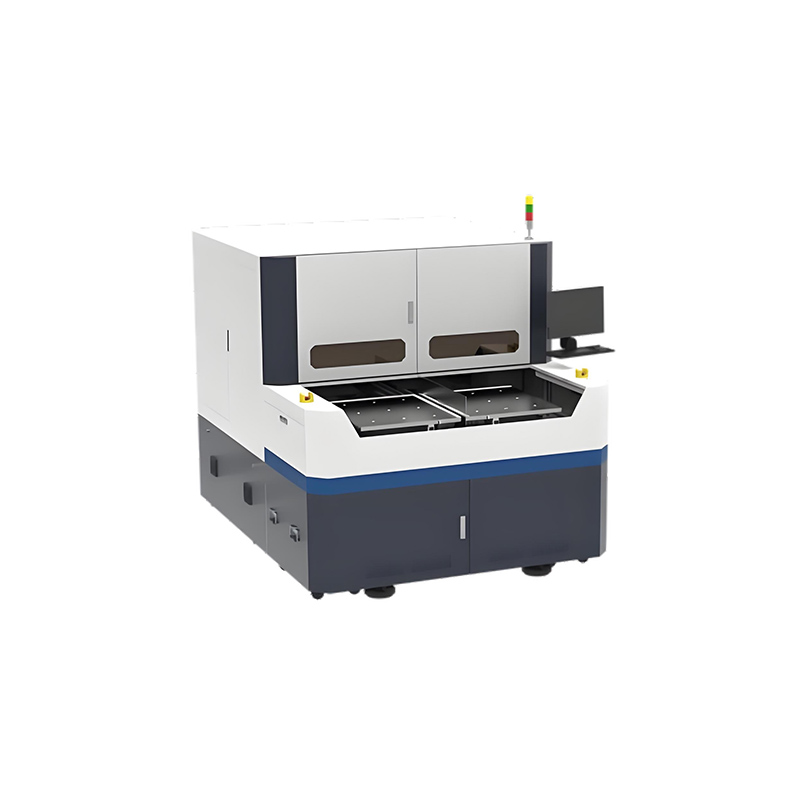
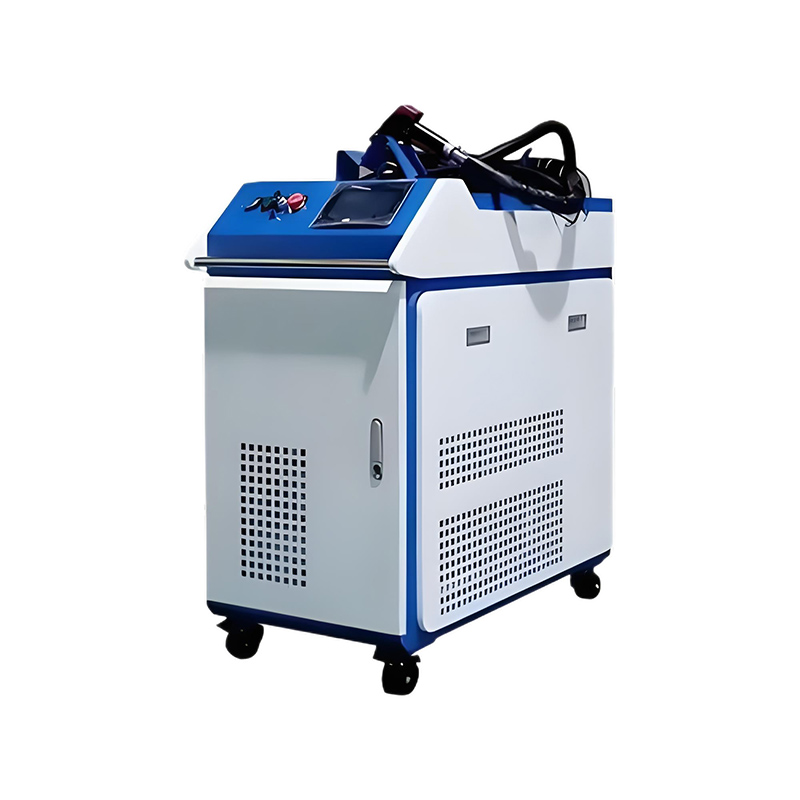
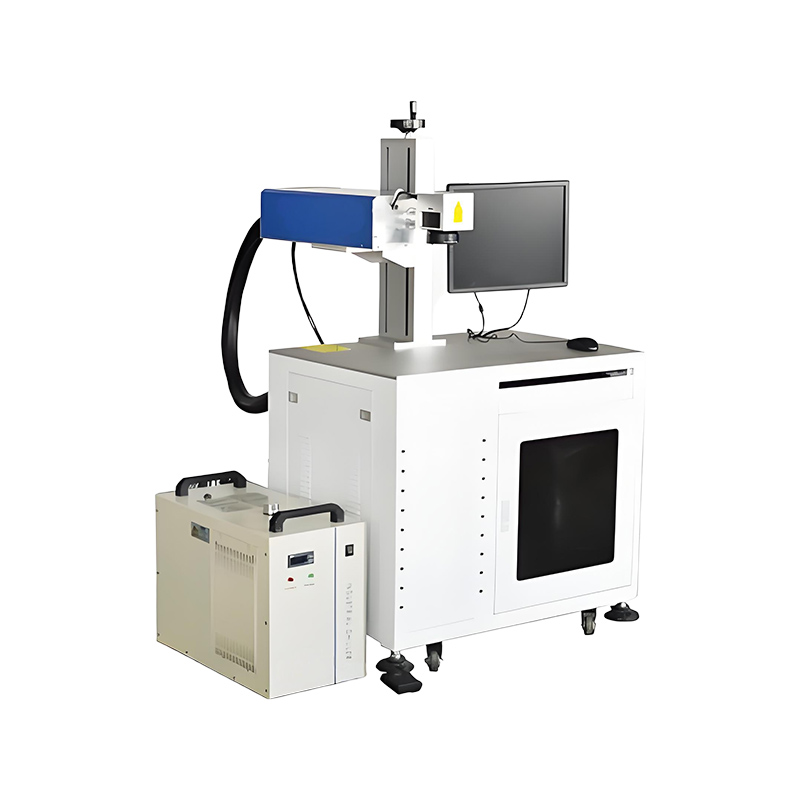
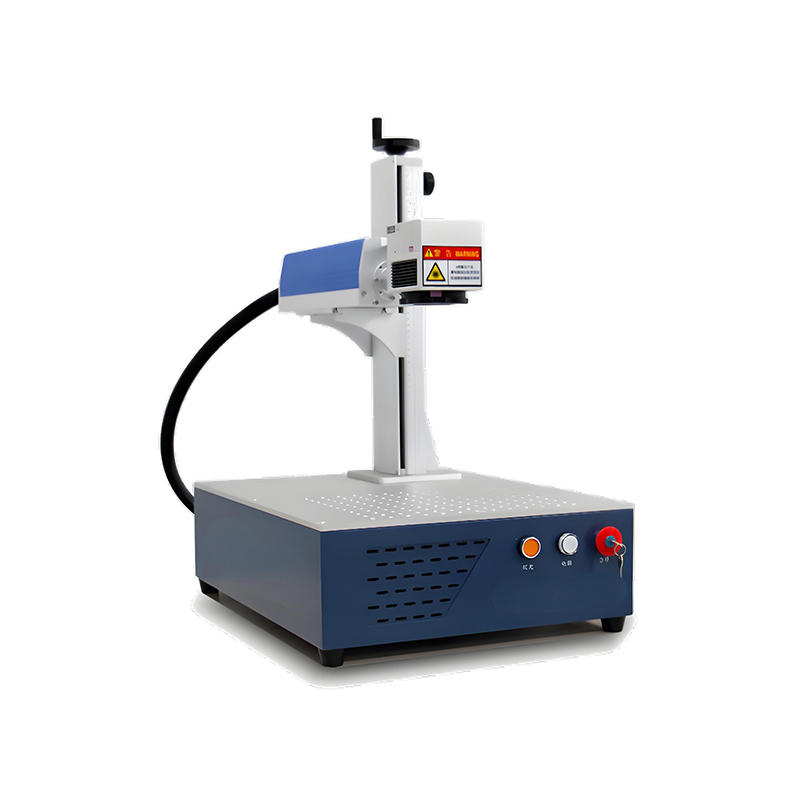
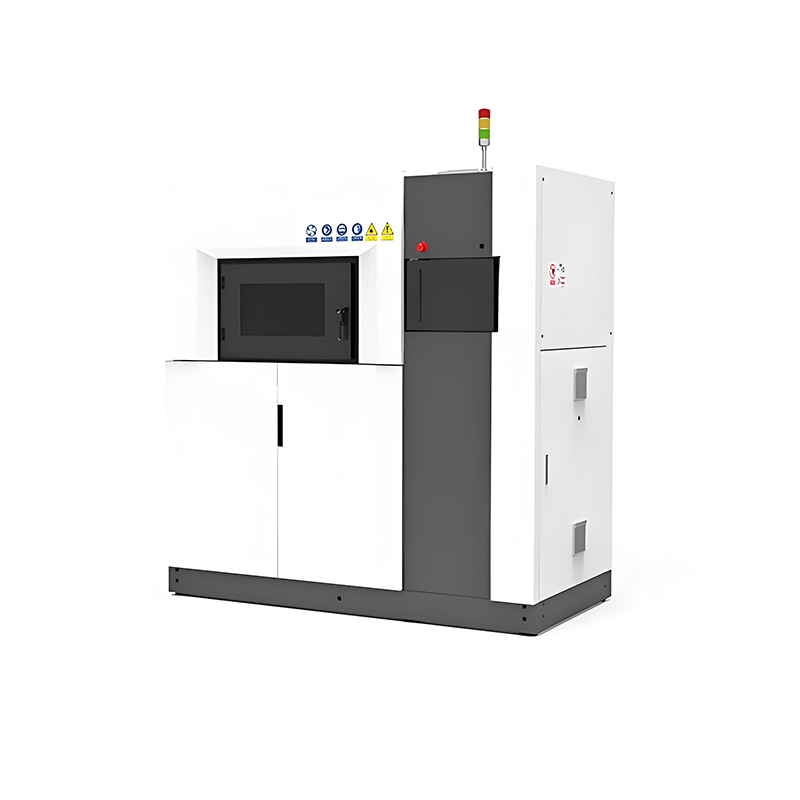
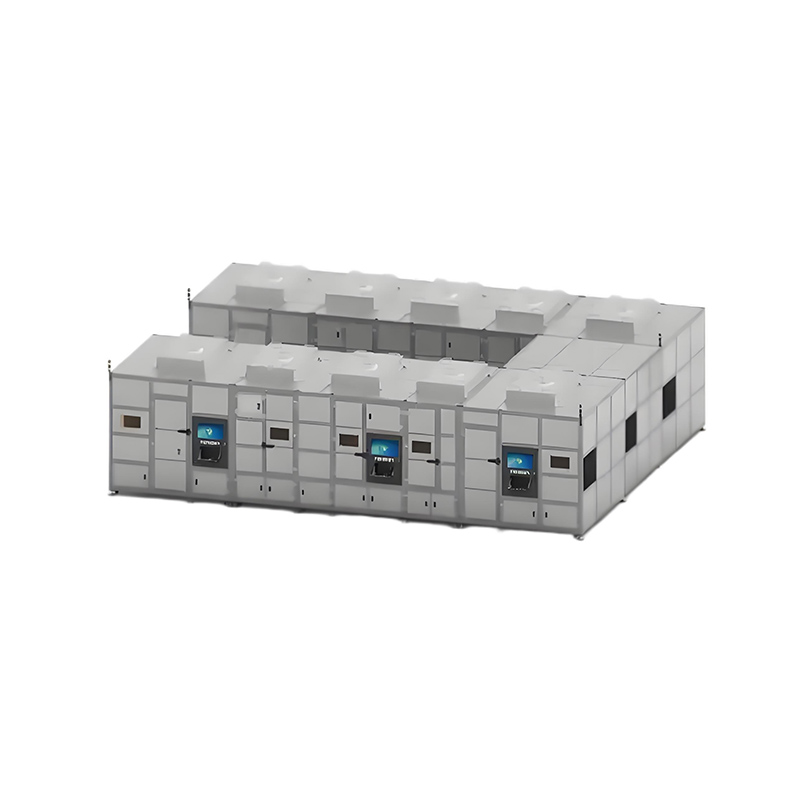
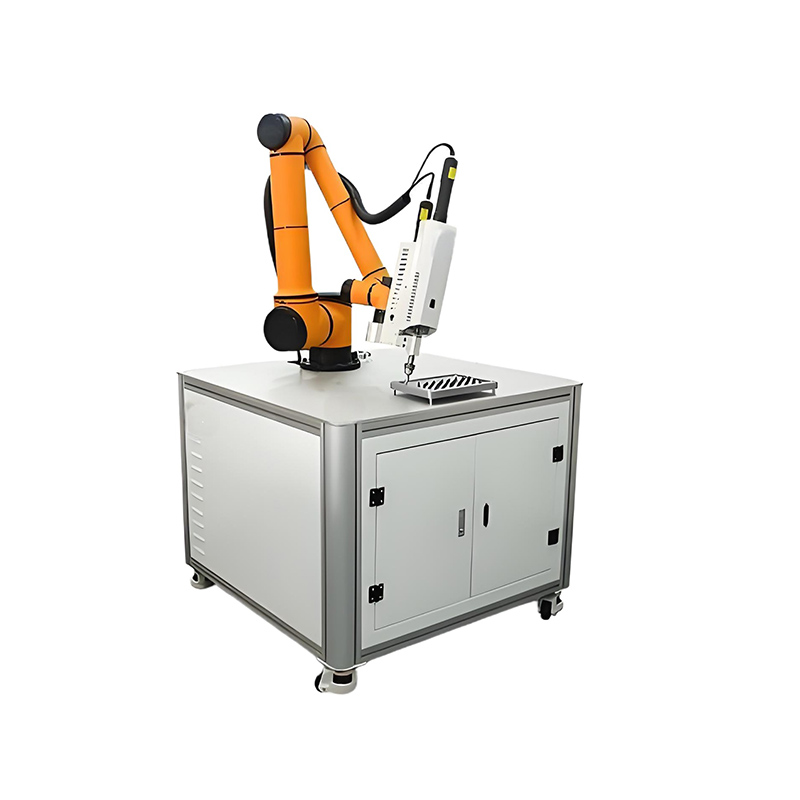
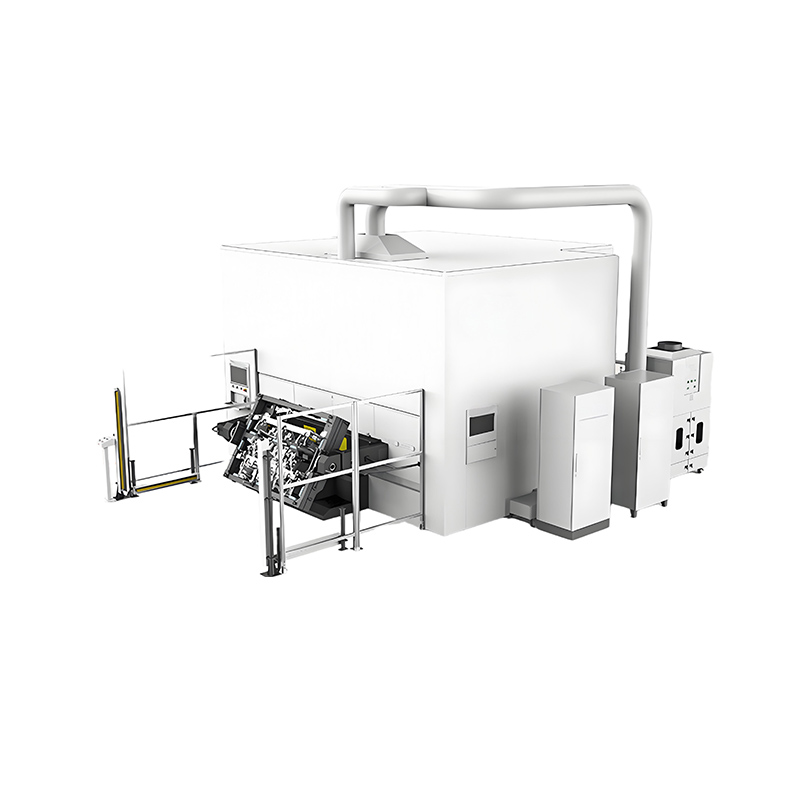
Products

Featured products

Contact us

News

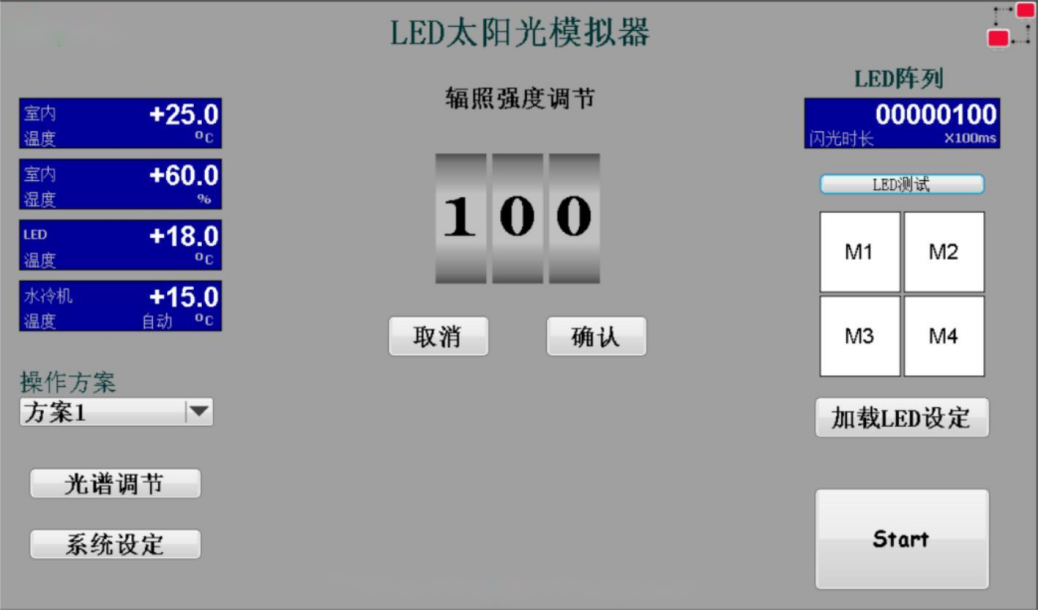
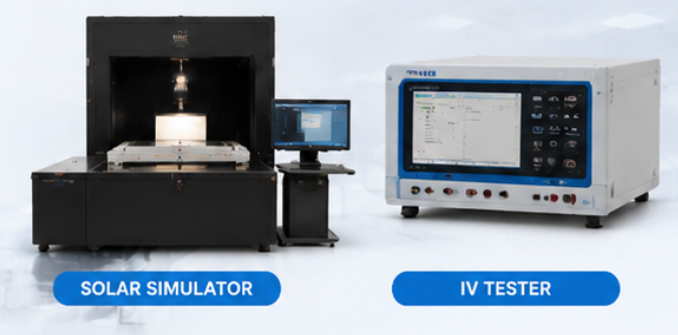
  • AAA-Class Large-Area LED Solar Simulator Setting a New Benchmark for Perovskite and Tandem Cell Research
    2026
    04-15
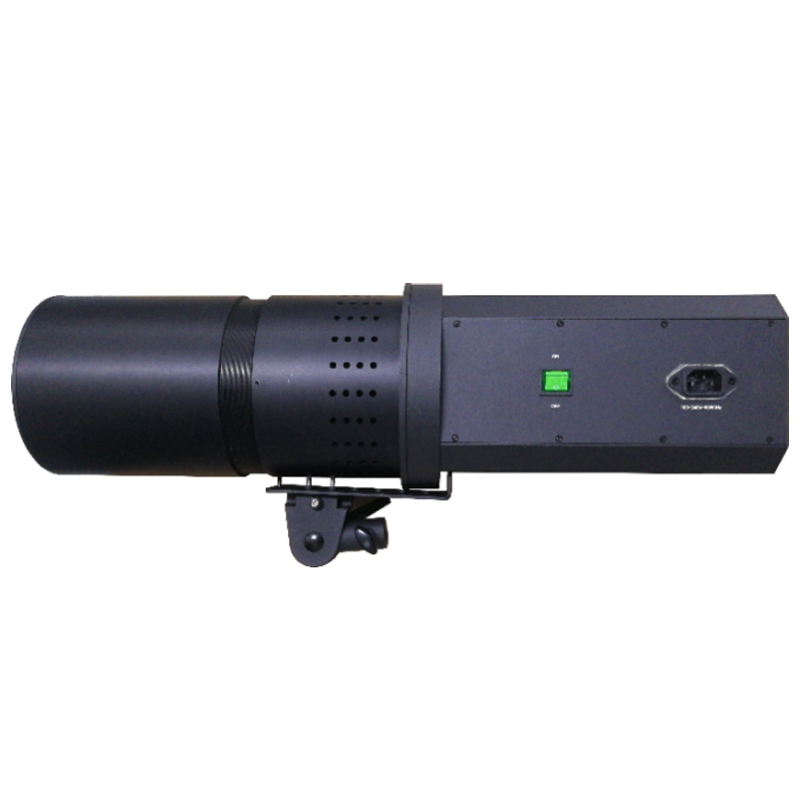
    The AAA-Class Large-Area LED Solar Simulator is far more than an incremental improvement over Xenon-based systems; it is an enabling technology that redefines the standards of accuracy, stability, and practicality in photovoltaic characterization. By delivering unmatched spectral match, temporal stability, large-area uniformity, and true collimation, it provides the foundational truth against which perovskite and tandem cell performance must be measured. In the high-stakes race to commercialize the next generation of solar technology, this tool is not optional—it is essential. It ensures that every efficiency percentage point claimed is real, every stability improvement is measurable, and every step toward the factory floor is taken on a foundation of irrefutable data. It sets the benchmark that will separate credible innovation from mere speculation, powering the transition of groundbreaking laboratory discoveries into the sustainable energy solutions of tomorrow.
  • Steady-State vs. Pulsed Light Testing for Perovskite Solar Cells
    2026
    04-13
    The steady-state versus pulsed light debate in perovskite testing is not about finding a single "correct" method, but about applying the right tool for the right question. Pulsed light offers speed and insight into intrinsic electronic properties, while steady-state testing delivers the essential truth about operational performance and long-term energy yield. For the perovskite industry to build trust and achieve commercialization, prioritizing steady-state measurements as the gold standard for reporting stabilized efficiency and conducting reliability assessments is non-negotiable. Ultimately, investing in precise, reliable testing equipment for both methodologies—and understanding their distinct roles—is crucial for transforming promising perovskite innovations into bankable, high-performance solar products that can endure in the real world.
  • Integrated Solution for Perovskite Solar Cell Stability Testing: Light, Heat, and Bias in One System
    2026
    04-12
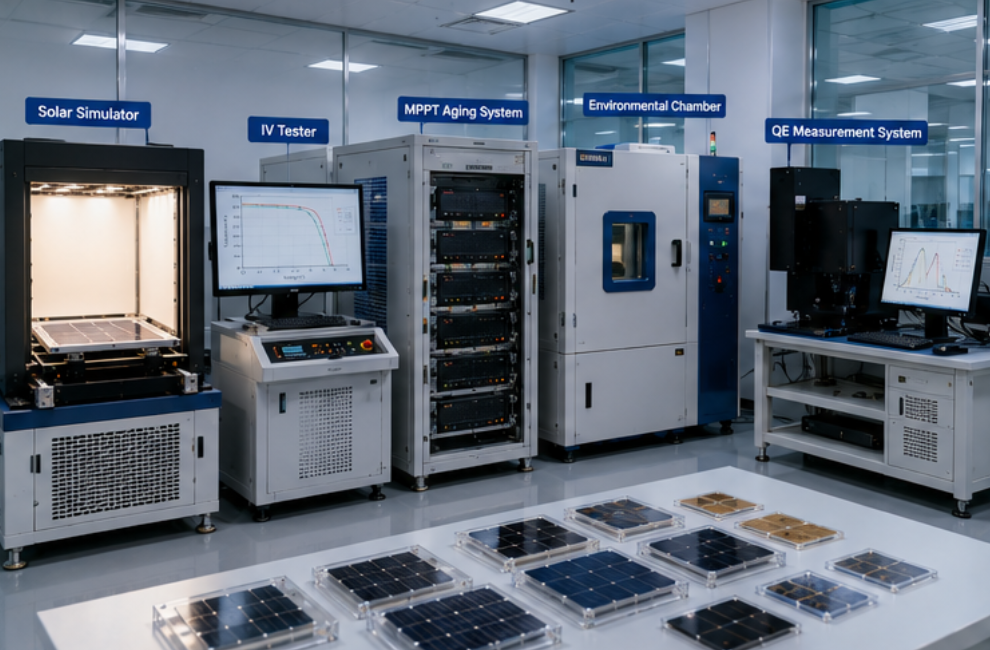
    An integrated solution for perovskite stability testing is the indispensable bridge between groundbreaking efficiency achievements and real-world commercial deployment. By unifying light, heat, and electrical bias within a single, precise instrument, it delivers the accelerated, predictive, and realistic lifetime data that the industry demands. This capability transforms stability from a vague concern into a quantifiable, optimizable parameter. Investing in such a comprehensive testing system is, therefore, a strategic imperative for any serious player in the perovskite PV space. It is the tool that turns promising laboratory cells into certified, warranty-backed products, enabling the perovskite revolution to move confidently from the research bench to the global energy market.
  • How P1, P2, P3, P4 Laser Scribing Defines Efficiency in Perovskite Solar Modules
    2026
    04-08
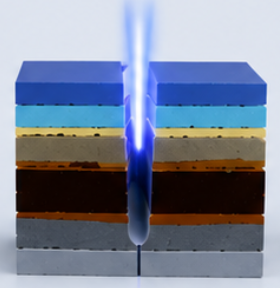
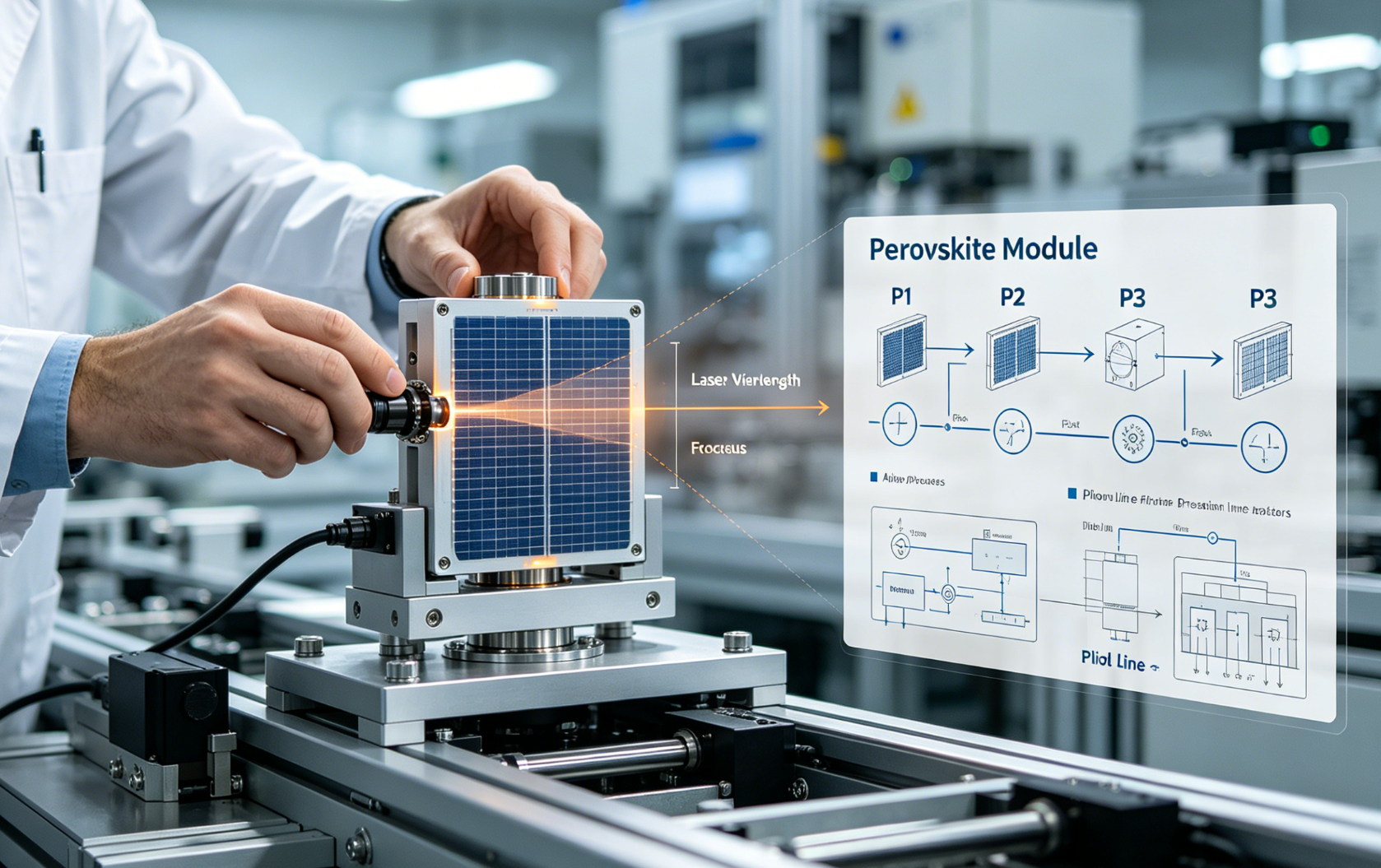
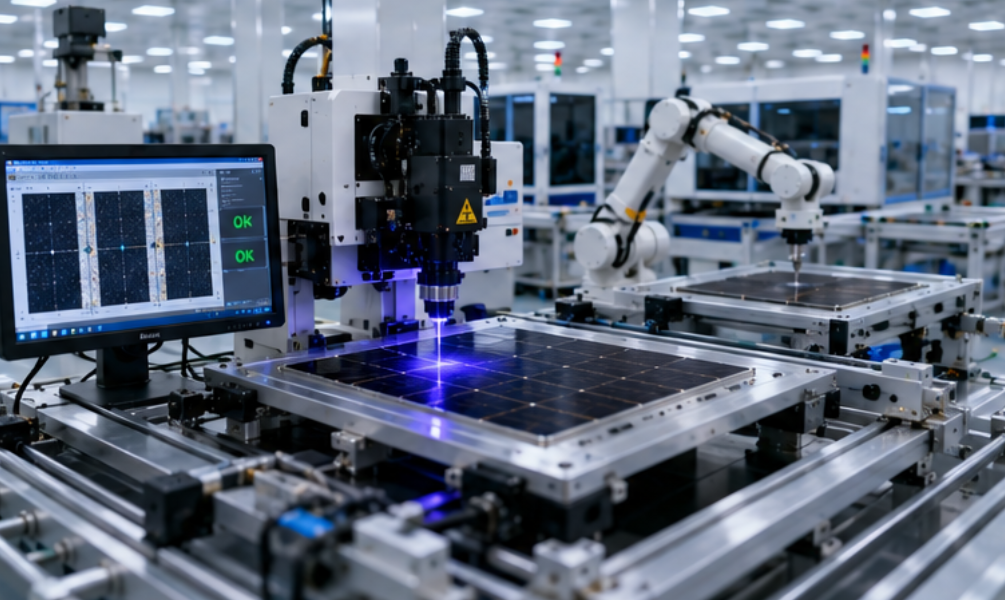
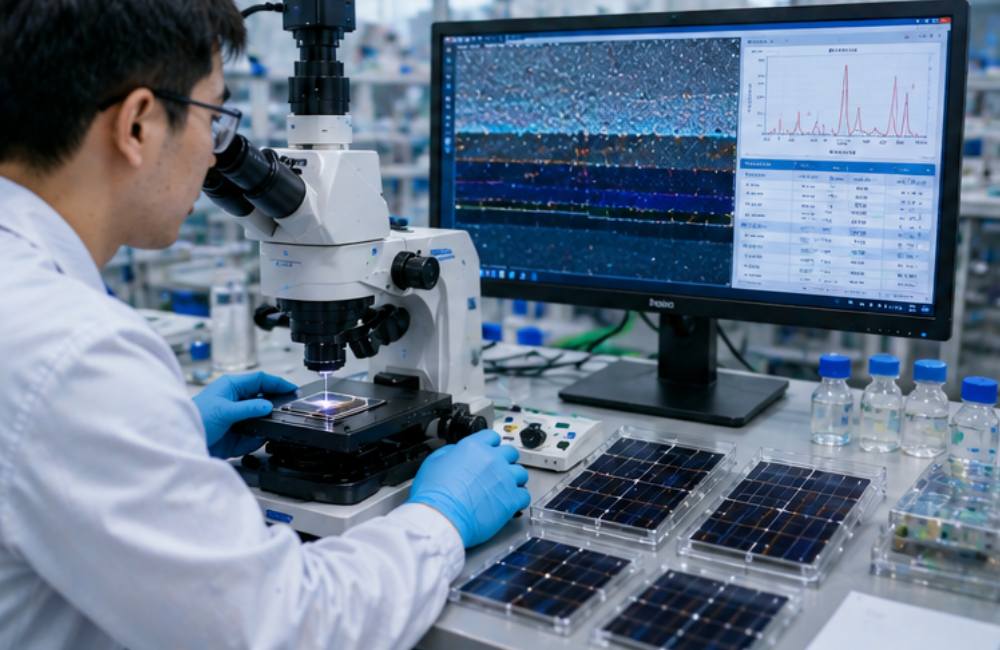
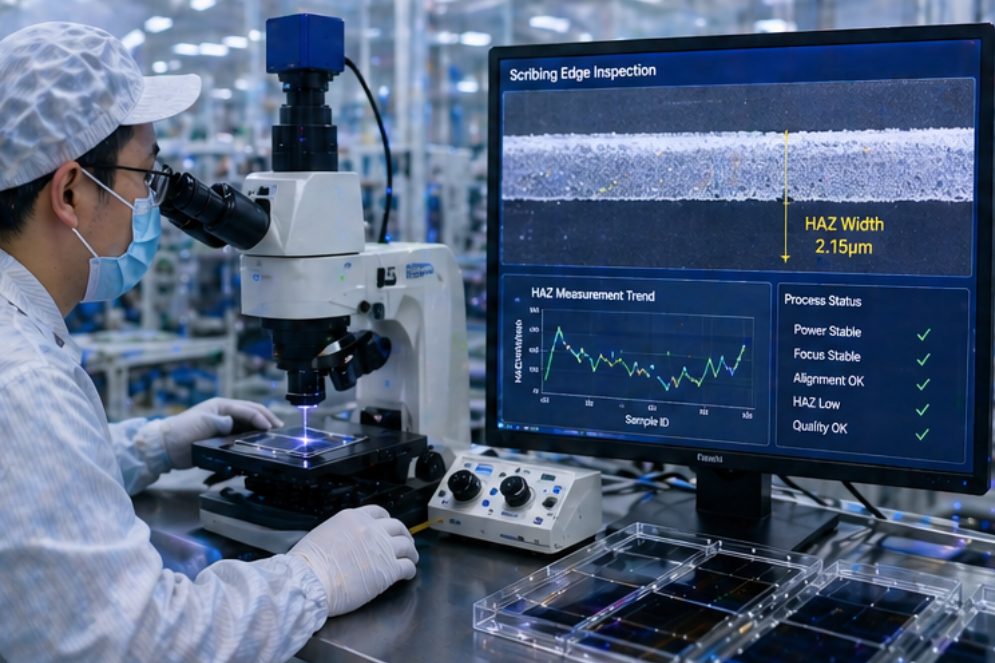
    In the race to commercialize perovskite photovoltaics, laser scribing is far more than a manufacturing step—it is the core engineering discipline that translates lab-cell efficiency into commercial-module performance. The precision, control, and cleanliness achieved in the P1-P4 processes directly and irreversibly define the electrical output, production yield, and operational lifetime of the final product. Investing in advanced laser systems, such as those developed by Lecheng Intelligence, is therefore not merely a capital expense; it is a strategic decision to embed efficiency, reliability, and scalability into the very architecture of the perovskite solar module.
  • How To Choose The Right Laser Scribing Machine For Photovoltaic Production
    2026
    04-03
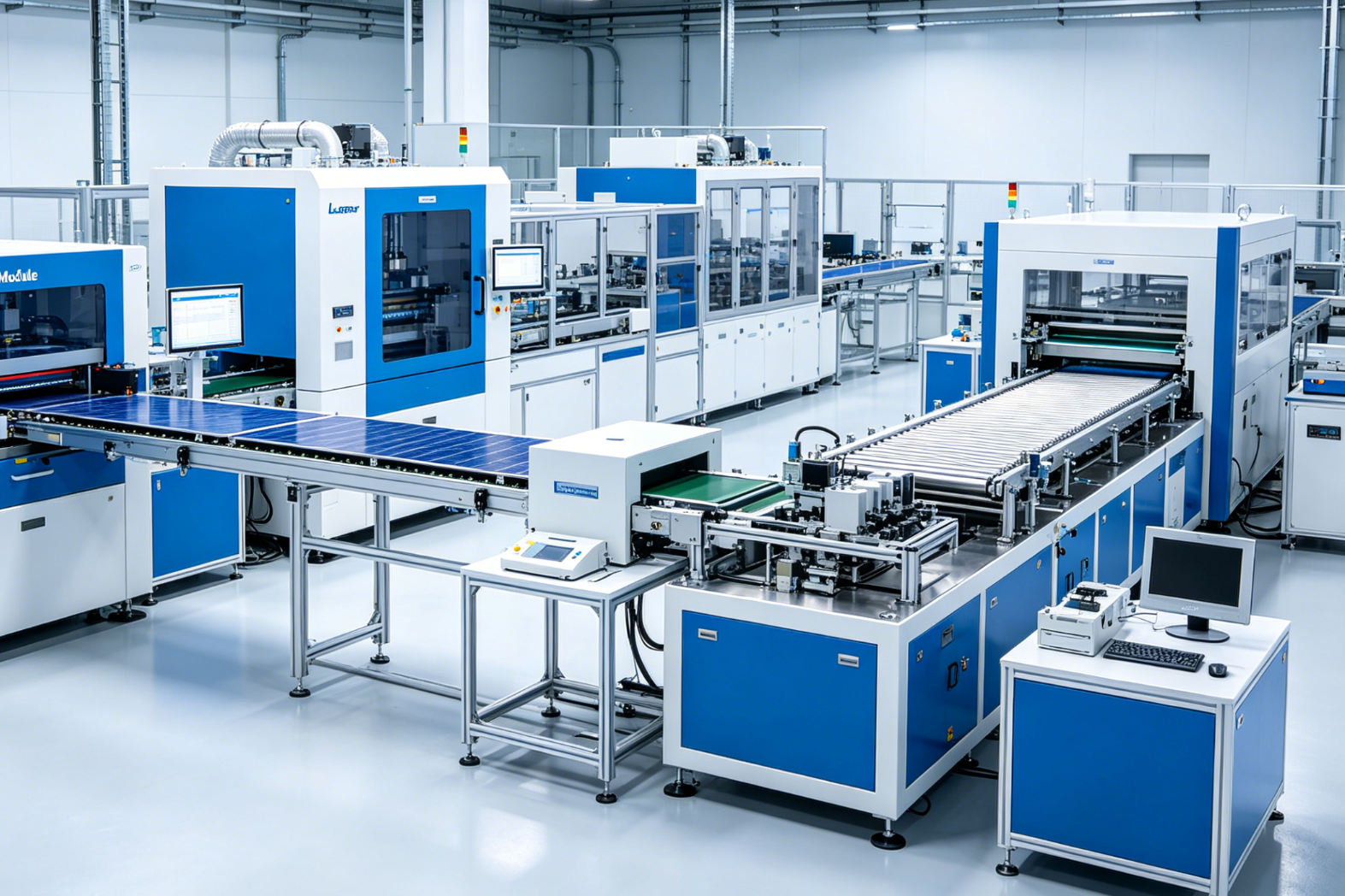
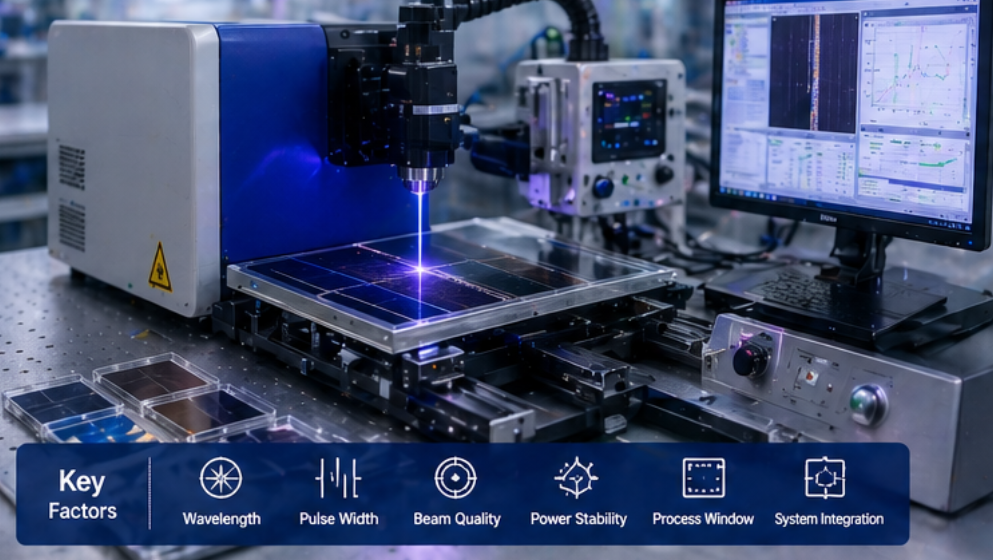
    Choosing the right laser scribing machine for photovoltaic production is a critical decision that directly affects product performance, yield, and long-term manufacturing efficiency. With the rapid development of technologies such as thin-film solar cells, heterojunction cells, and perovskite photovoltaics, laser scribing has become a key process step in defining cell structure and ensuring electrical isolation. For international buyers, selecting the right system is not only about machine specifications, but about finding a solution that fits their process, production scale, and future expansion plans.
  • Is A Fully Automatic Thin-Film Photovoltaic Laser Scribing Machine Stable For Long-Term Operation
    2026
    04-01
    A fully automatic thin-film photovoltaic laser scribing machine can be considered stable for long-term operation only when laser performance, mechanical reliability, automation coordination, and after-sales support work together as one complete production system. For buyers, long-term stability is not a single parameter, but a comprehensive indicator of whether the machine can keep delivering quality, efficiency, and predictable manufacturing results over time.
  • Can A Photovoltaic Cell Laser Scribing Machine Meet Our Process Requirements
    2026
    03-29
    If your photovoltaic project requires more than just laser marking or cutting, and instead demands a machine that can support precise process control, stable yield, future expansion, and professional technical service, then the right laser scribing machine should be evaluated as a complete process solution. For serious buyers, the best supplier is the one who can prove not only what the machine can do, but also how it can help the production line succeed over the long term.
  • Ultimate Guide to Laser Scribing Equipment for Thin-Film Solar Cells
    2026
    03-14
    Laser scribing equipment is the precision scalpel that defines the electrical heart of a thin-film solar module. Its performance dictates efficiency, yield, and ultimately, commercial viability. By understanding the critical role of each component—from the laser source to the vision system—and selecting a technology partner that offers not just hardware but deep process knowledge and integrated solutions, manufacturers can equip themselves to build thinner, faster, and more efficient solar cells, paving the way for the next generation of photovoltaic technology.
  • Dissimilar Metal Welding: Overcoming the Challenges of Copper-Aluminum Joints
    2026
    03-10
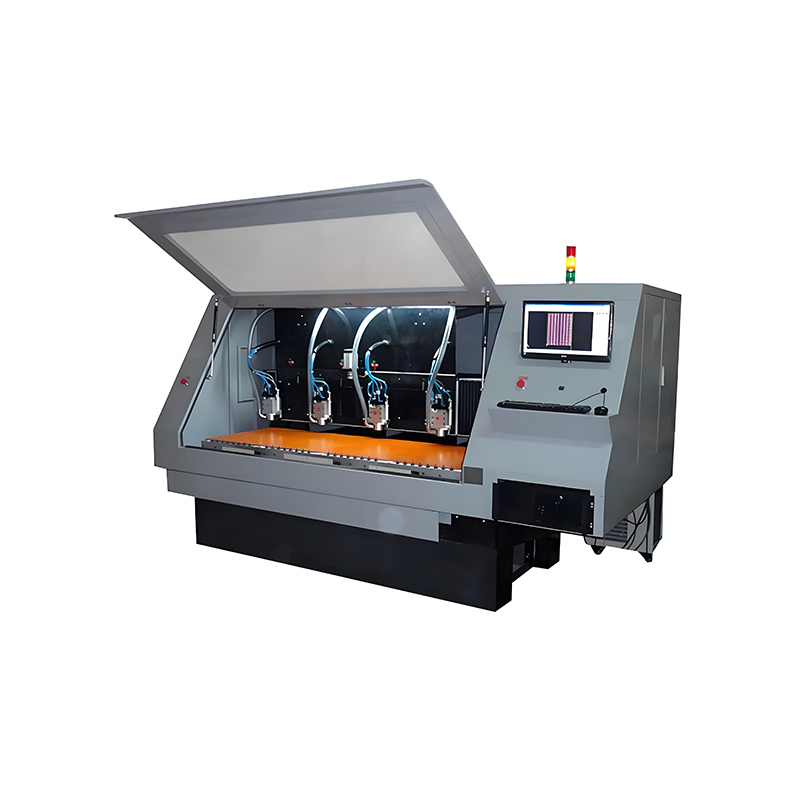
    Mastering the laser kerf is mastering a fundamental building block of modern precision manufacturing. In the context of perovskite photovoltaics, achieving a consistent 0.01–0.05mm kerf is synonymous with achieving high efficiency, reliability, and commercial viability. It represents a convergence of advanced laser physics, precision motion control, and process engineering. For manufacturers, investing in technology that delivers such precision, like that from Lecheng, is not merely about making a cut; it's about carving out a competitive edge in the future of solar energy.
  • Roll-to-Roll (R2R) Laser Scribing System for Flexible Thin-Film Solar Cells
    2026
    03-08
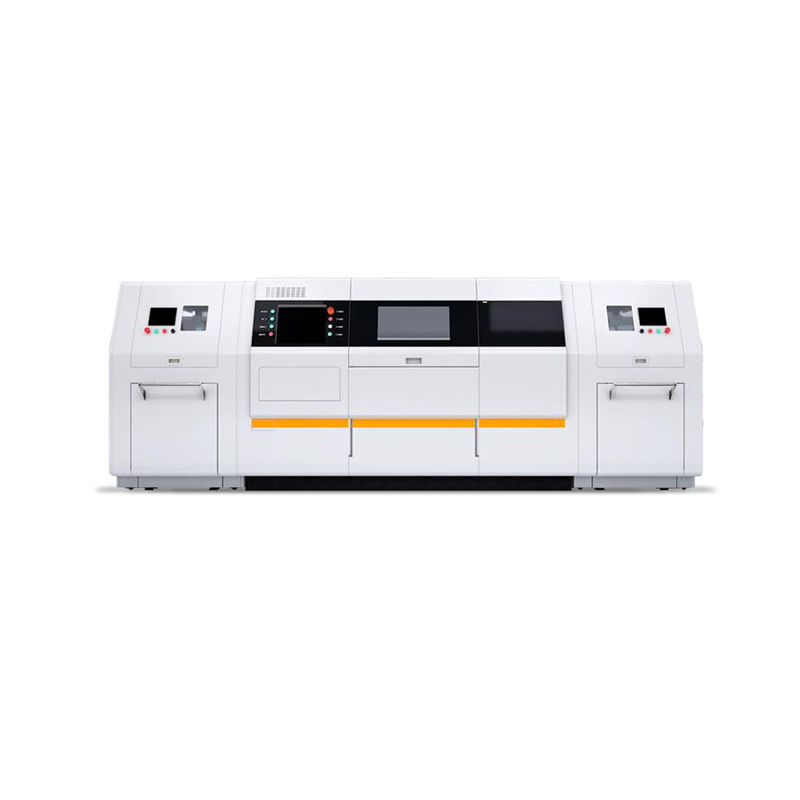
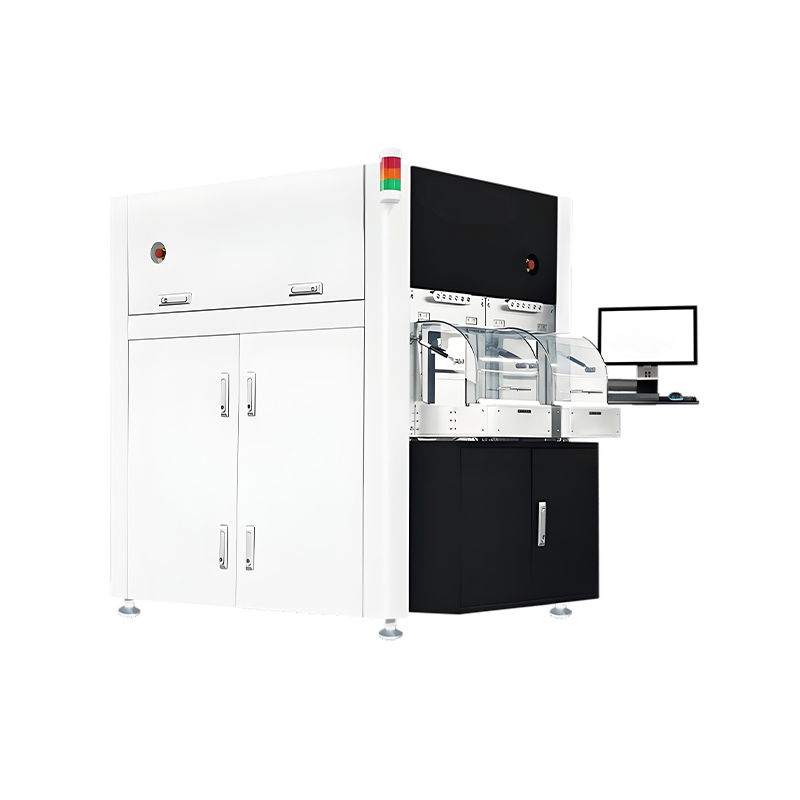
    The Roll-to-Roll laser scribing system is far more than an incremental improvement; it is the pivotal technology that bridges the promise of flexible thin-film solar cells with the realities of mass production. By mastering the complex interplay of high-speed motion control, dynamic laser guidance, and precision processing on delicate films, this technology provides the essential throughput, precision, and scalability needed for commercialization. It transforms flexible PV from a promising lab innovation into a manufacturable commodity, paving the way for solar energy to be integrated into our buildings, vehicles, and devices in ways previously unimaginable.
40px

80px

80px

80px

Get Quote