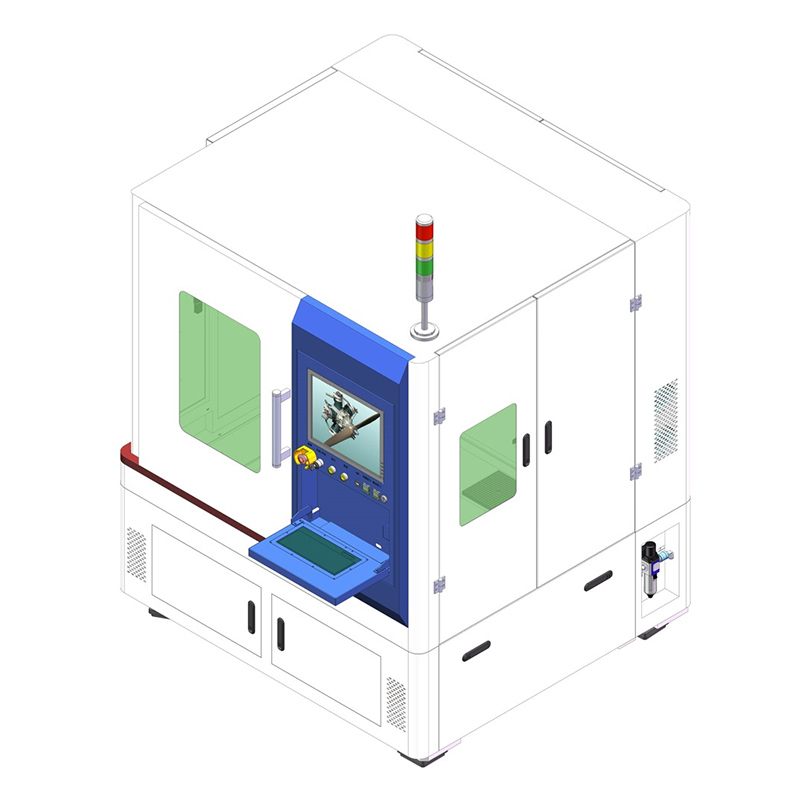
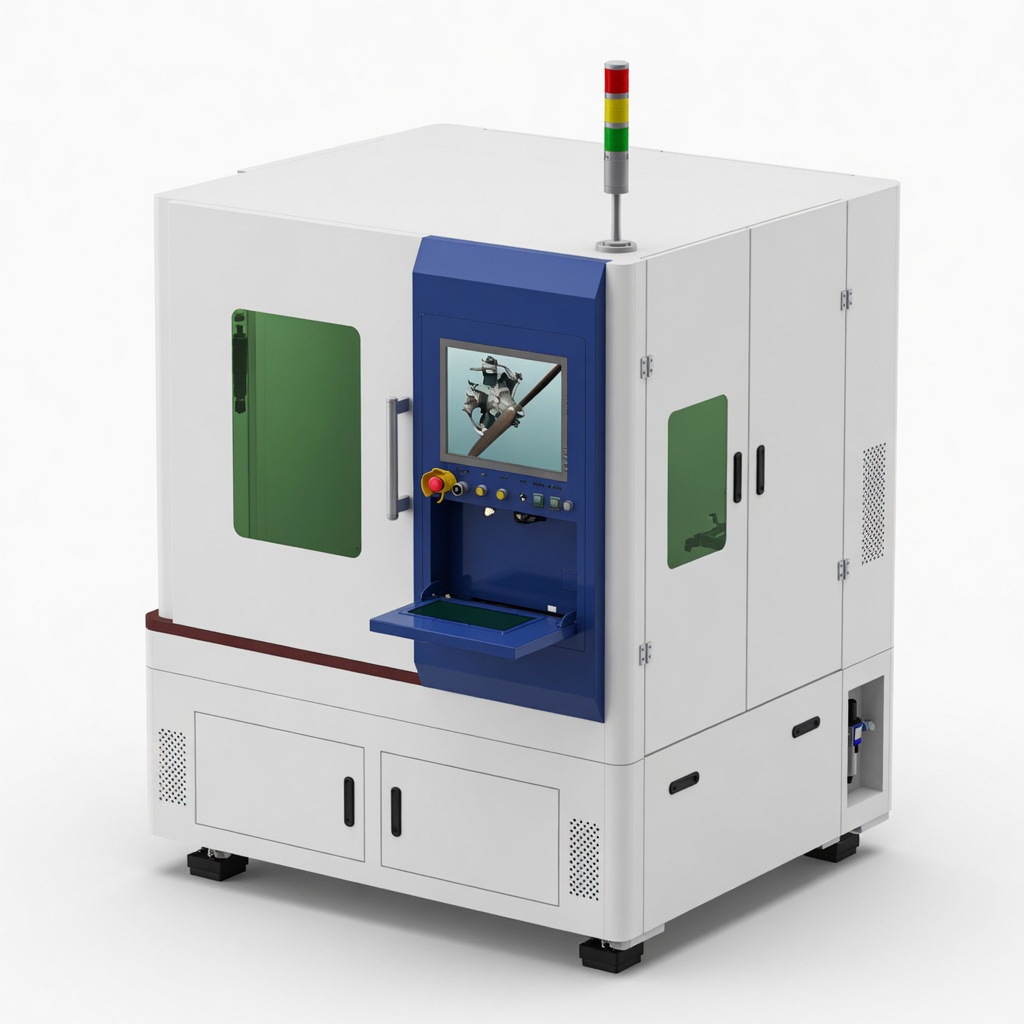
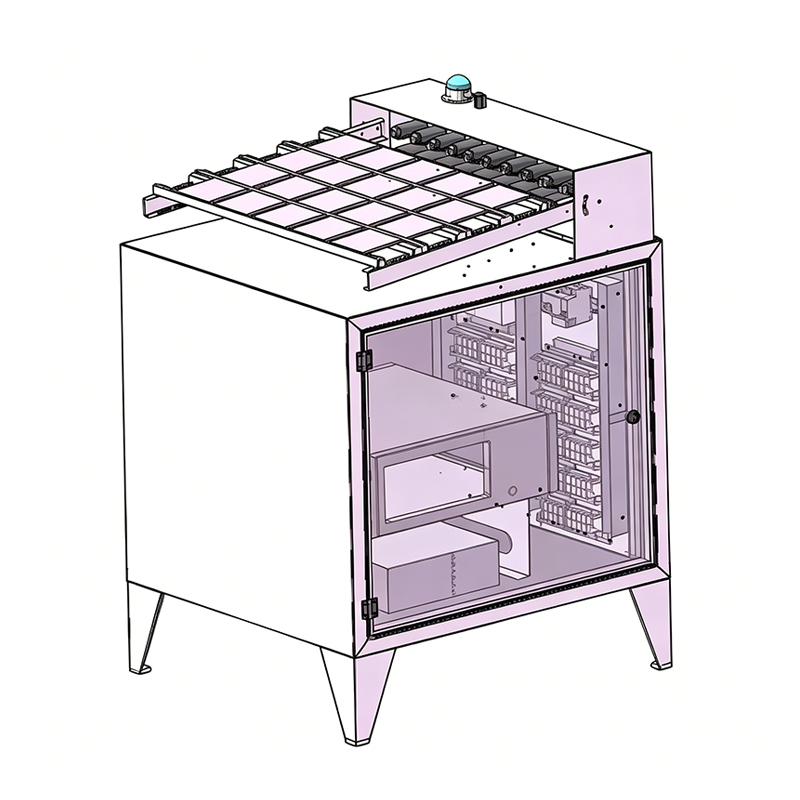
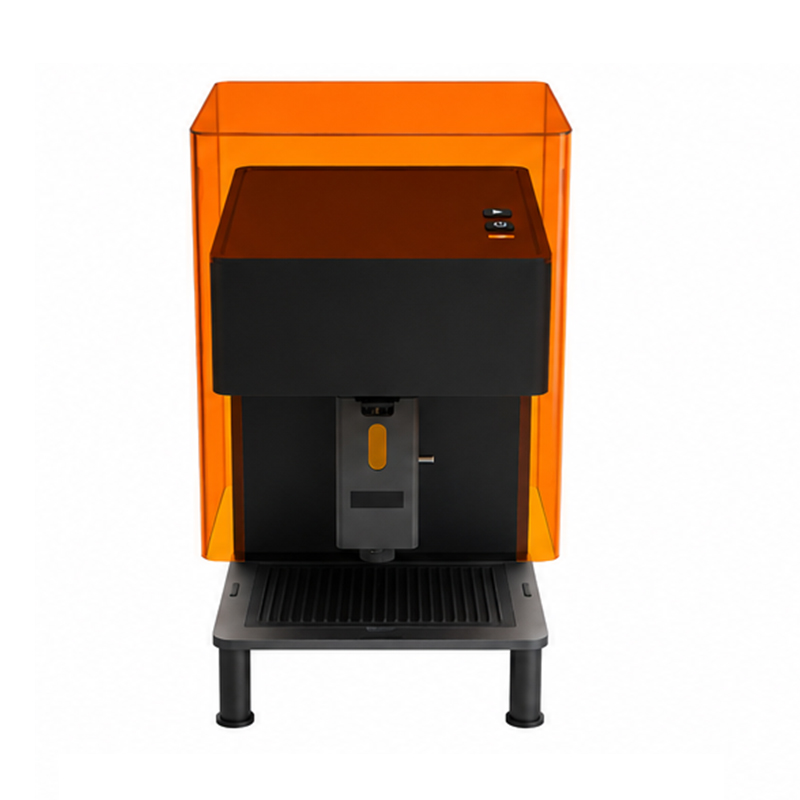
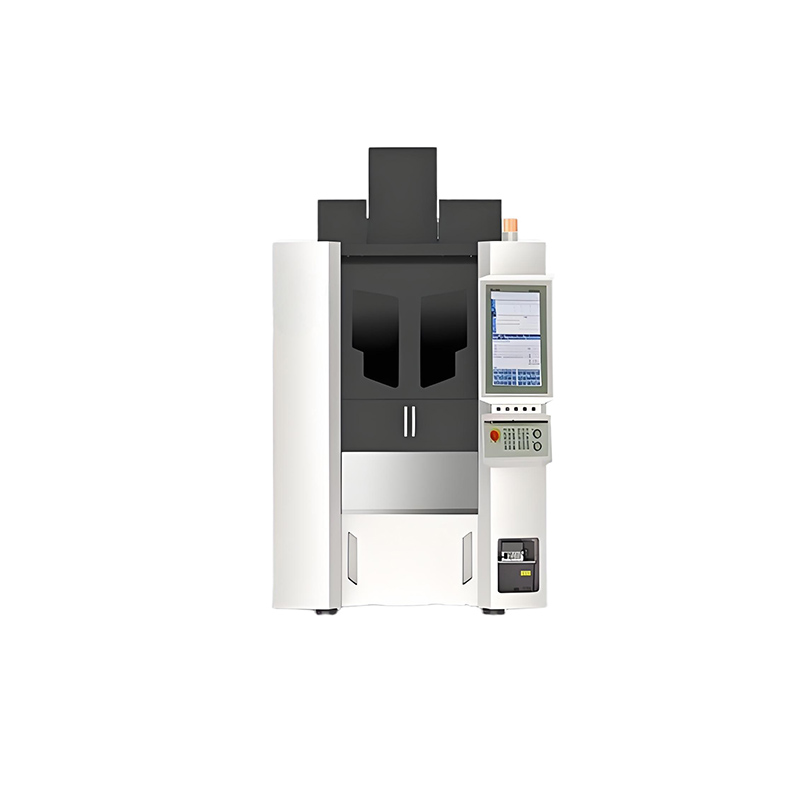
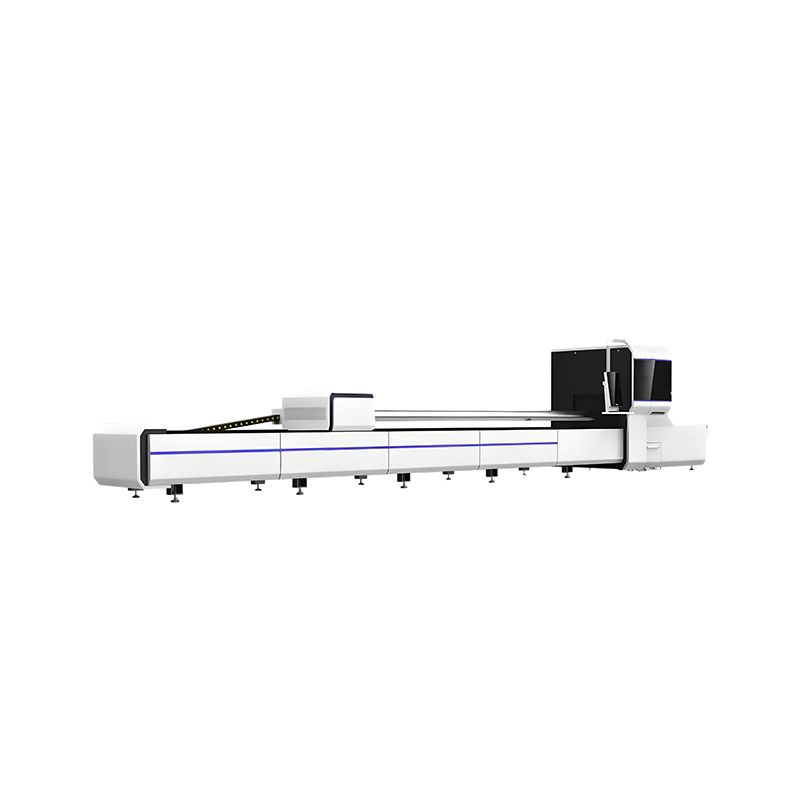
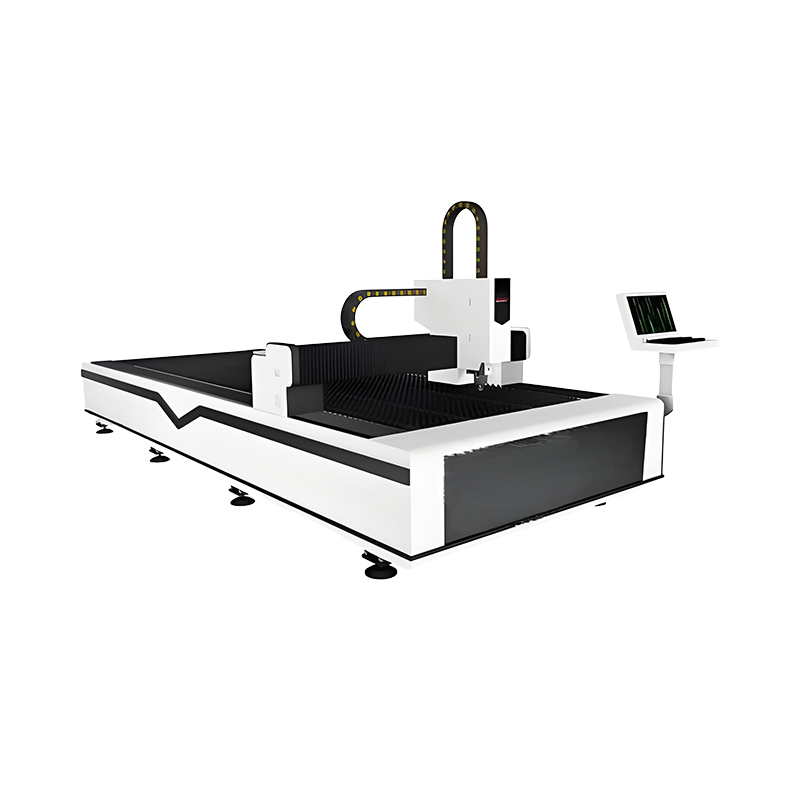
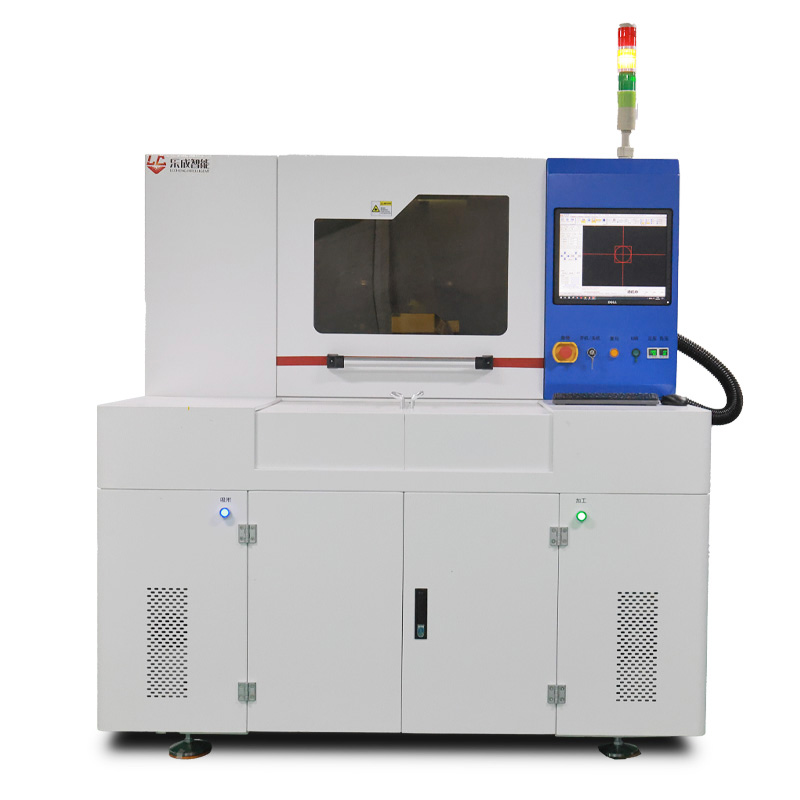
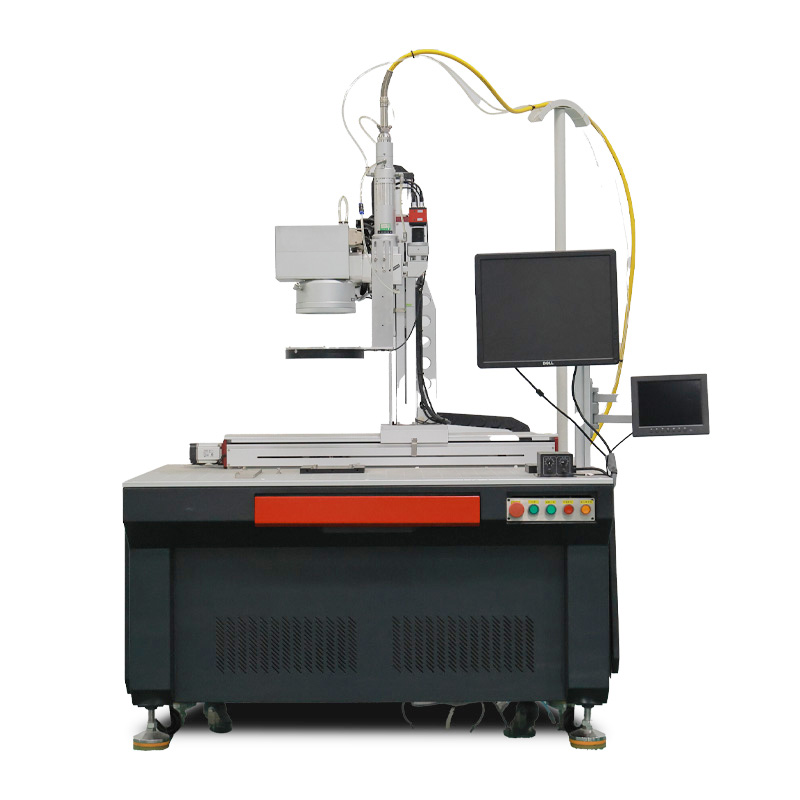
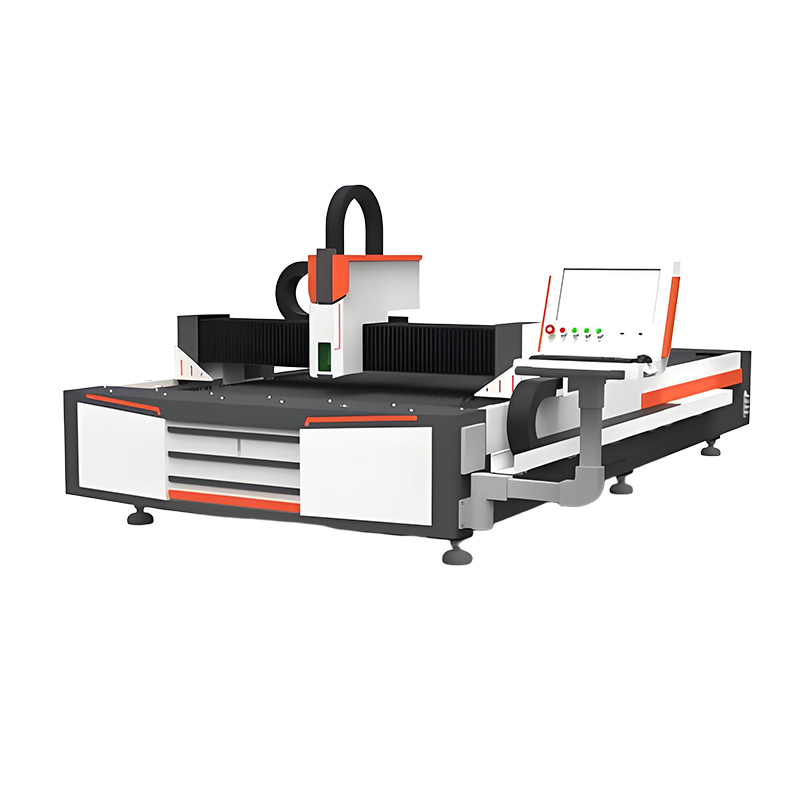
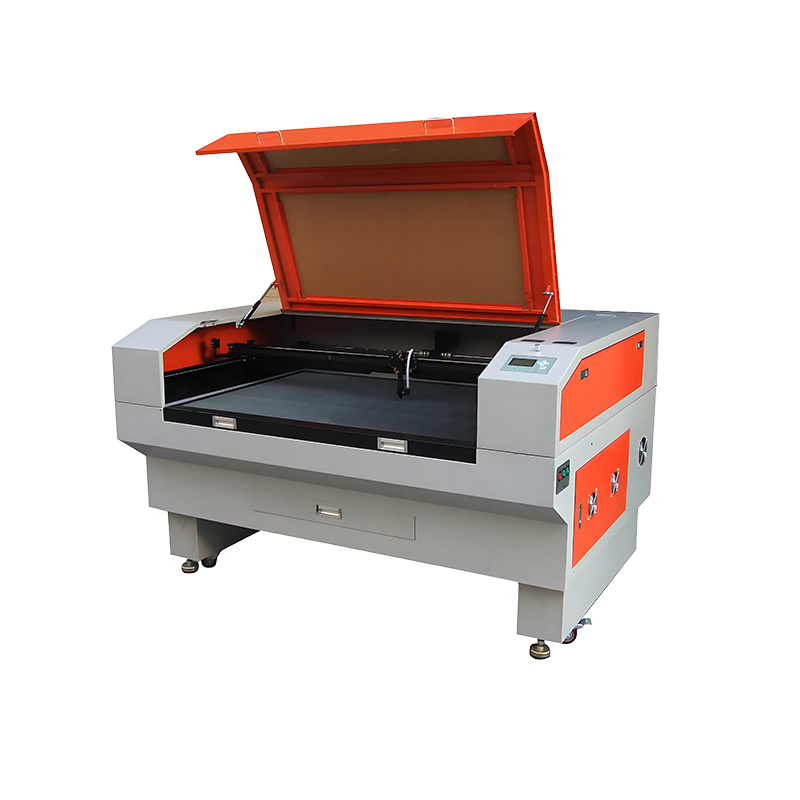
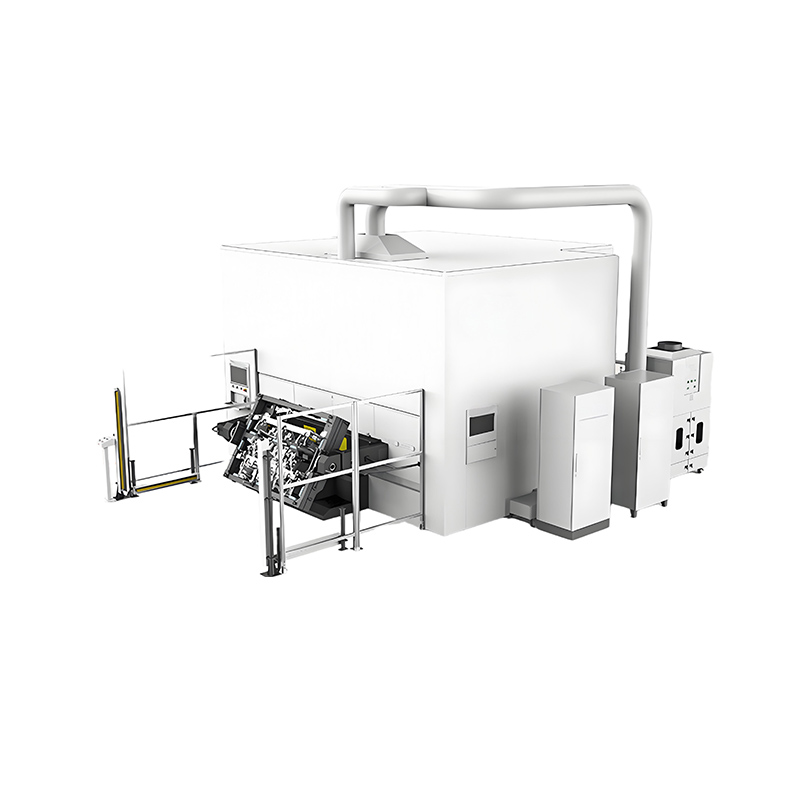
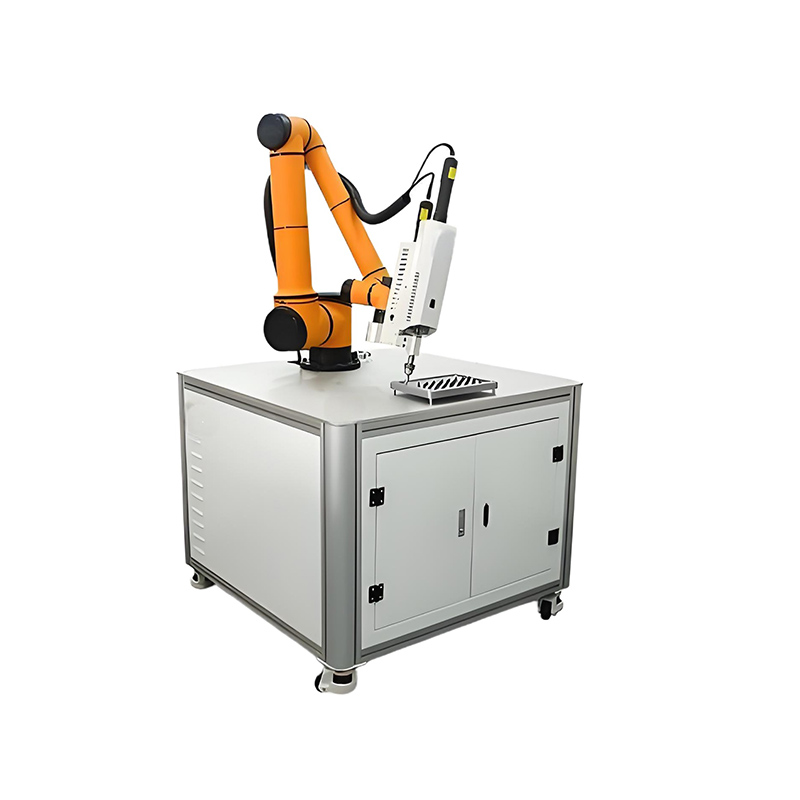
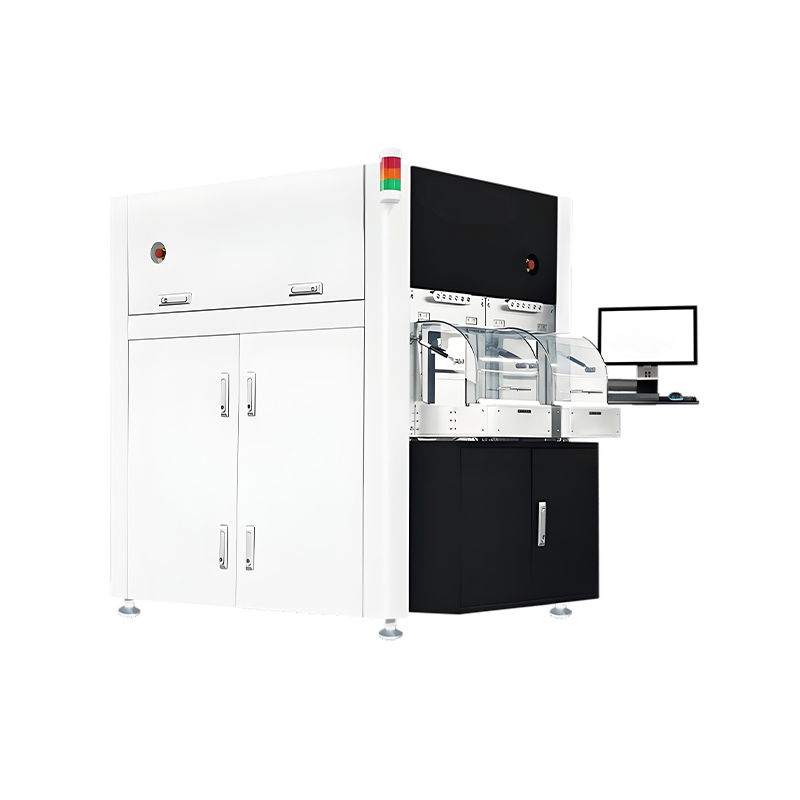
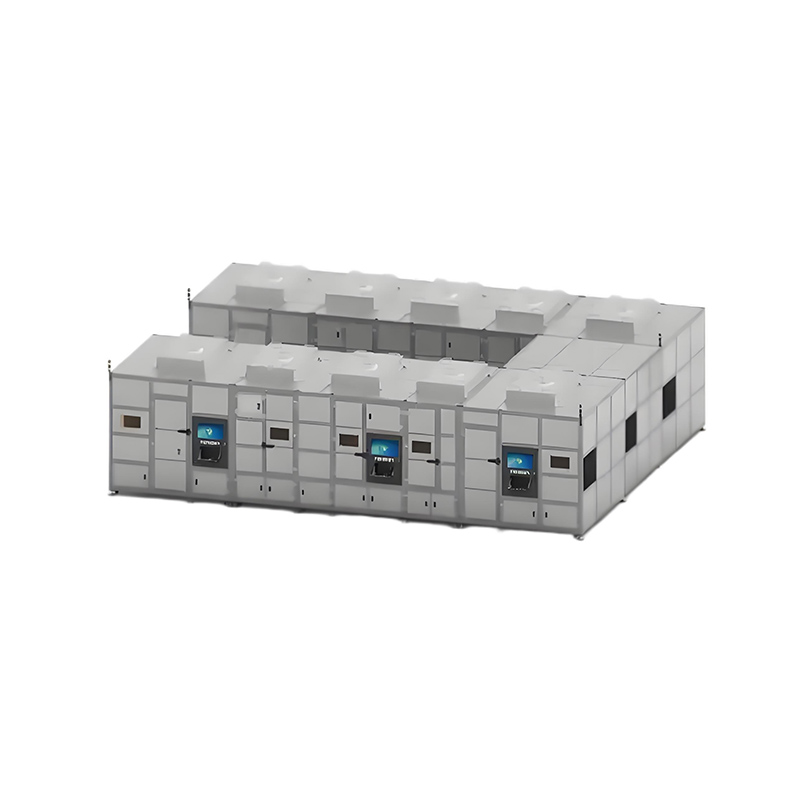
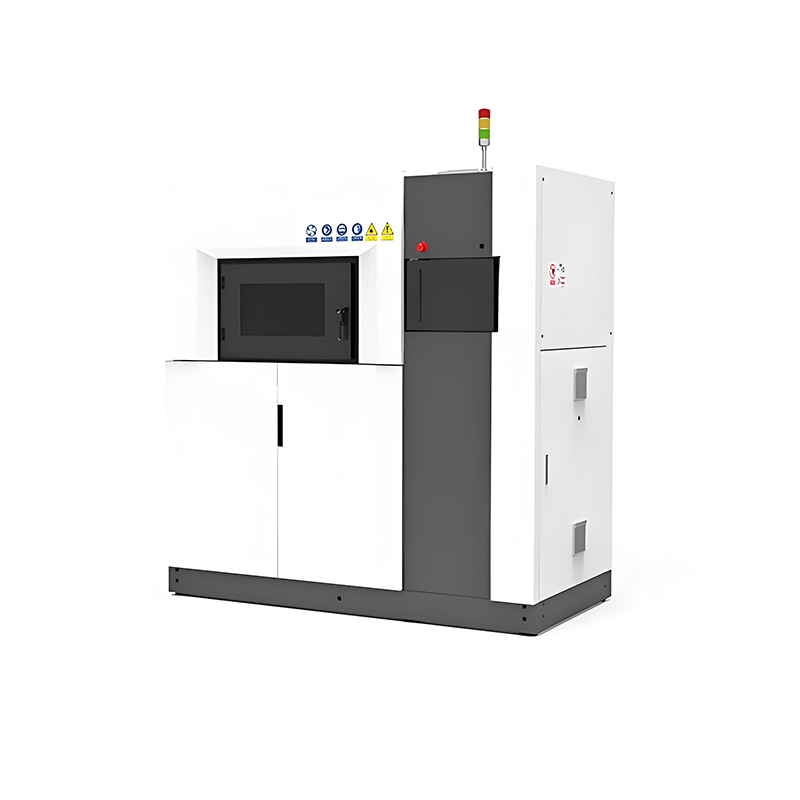
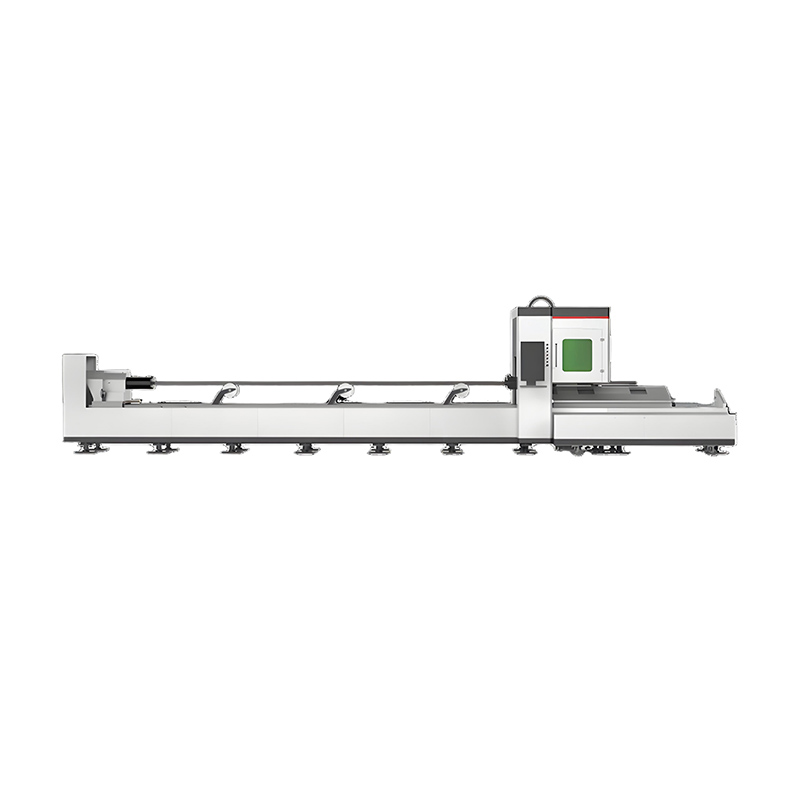
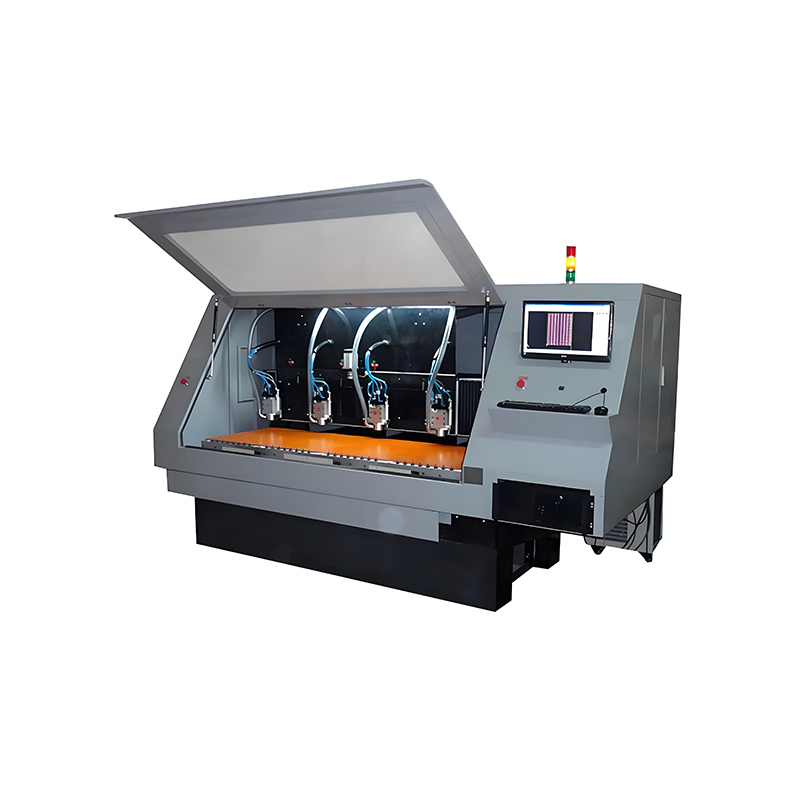
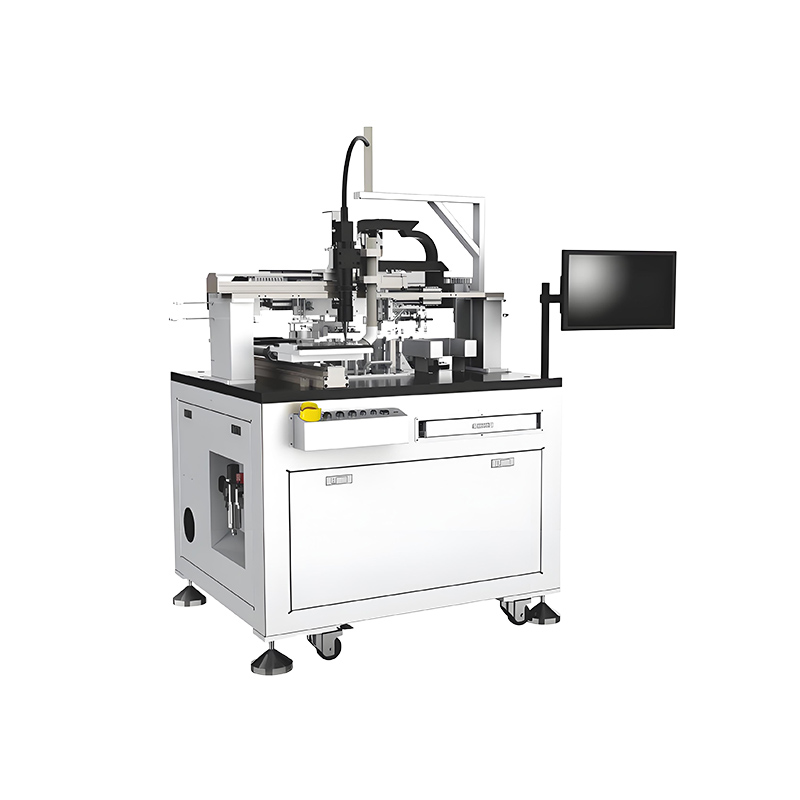
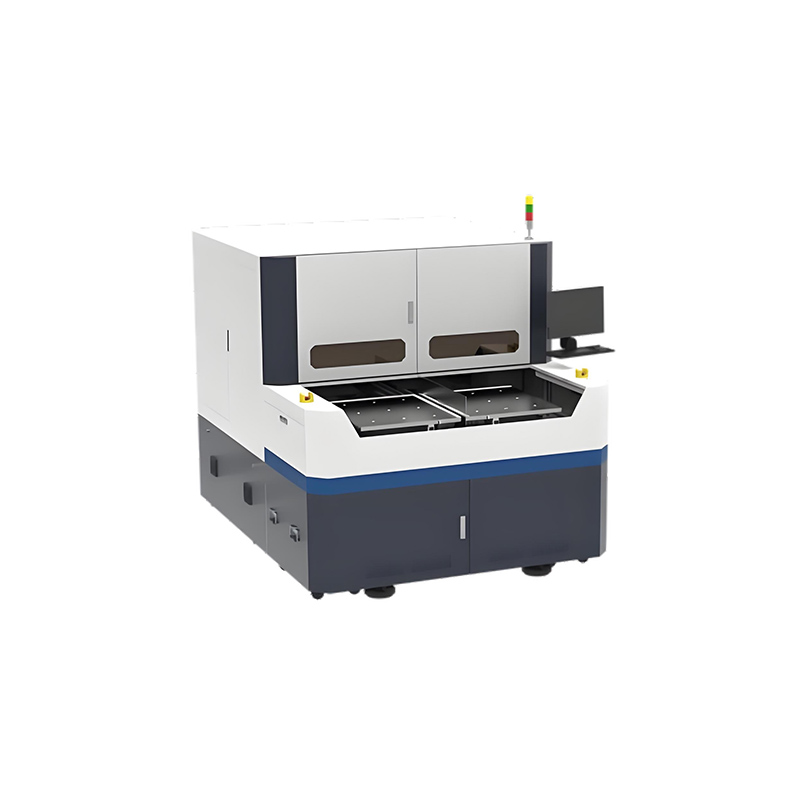
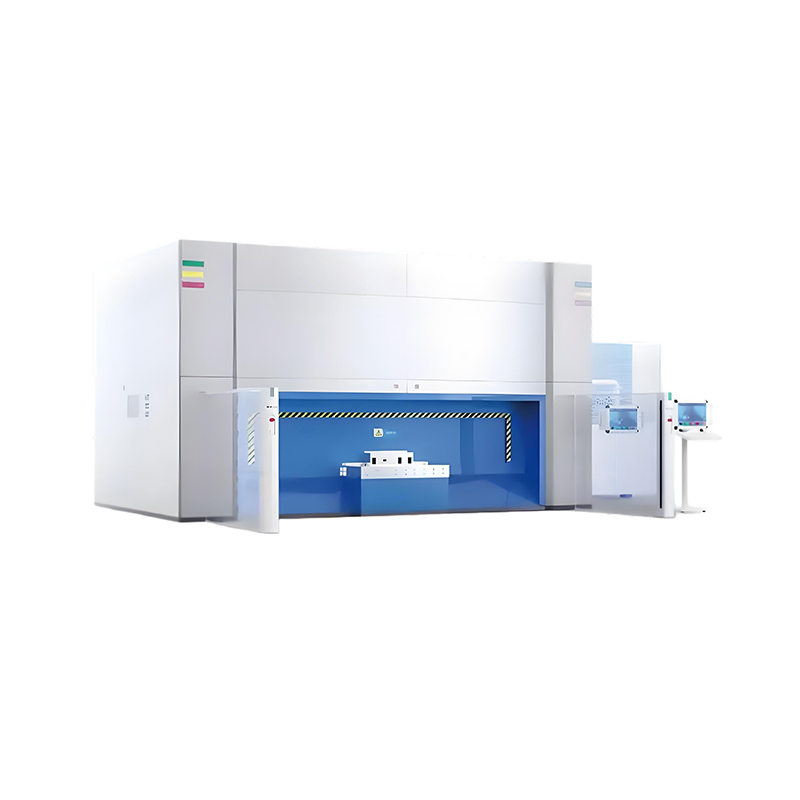
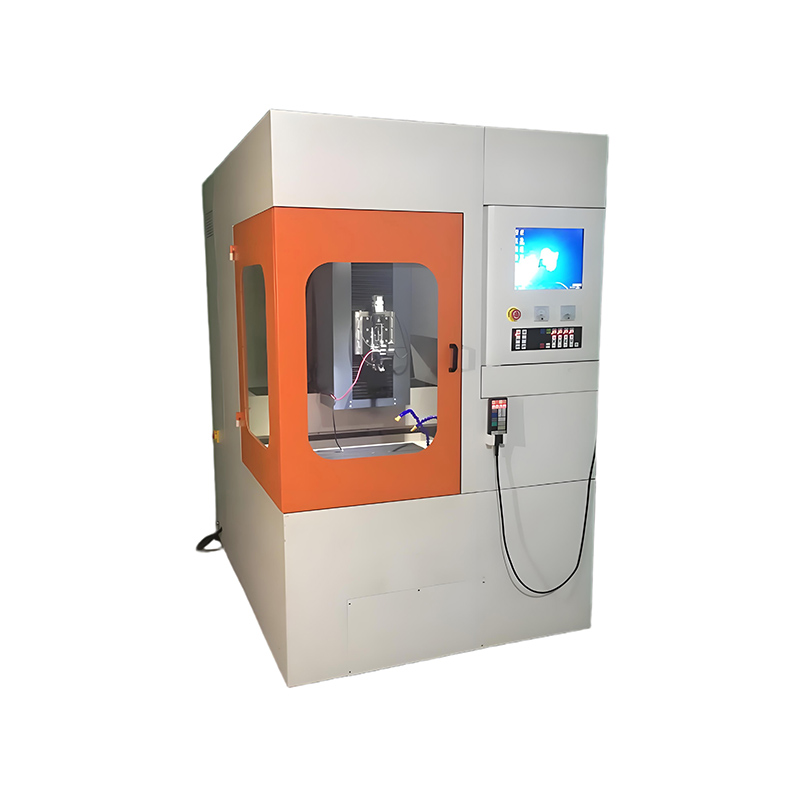
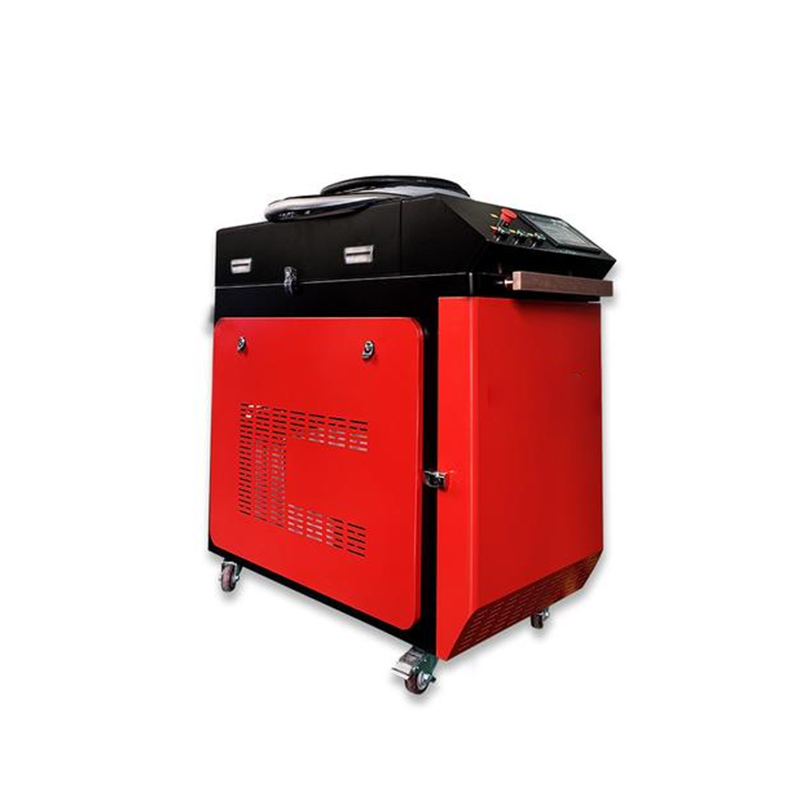
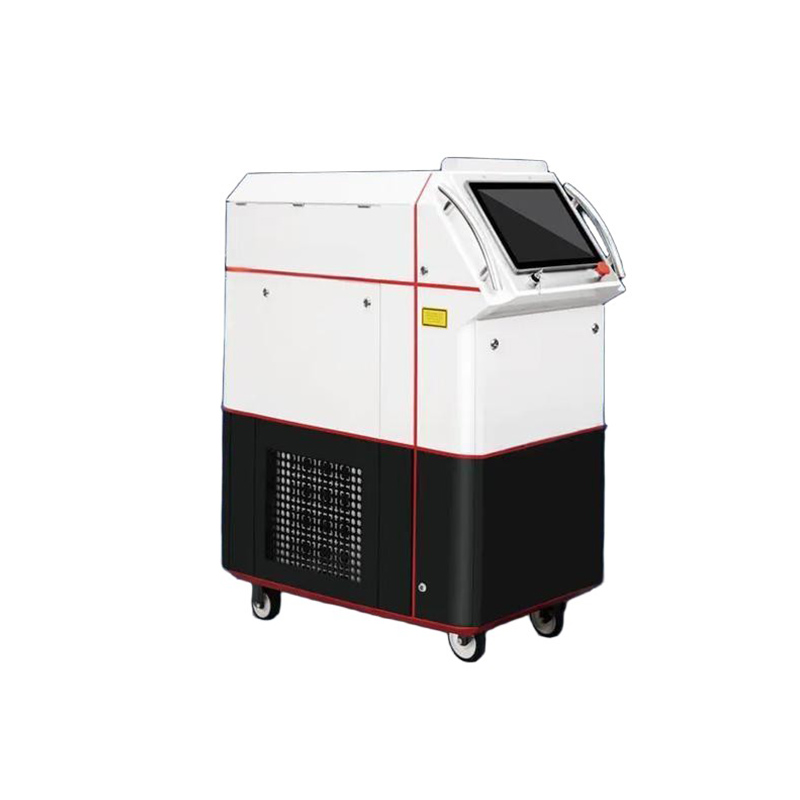
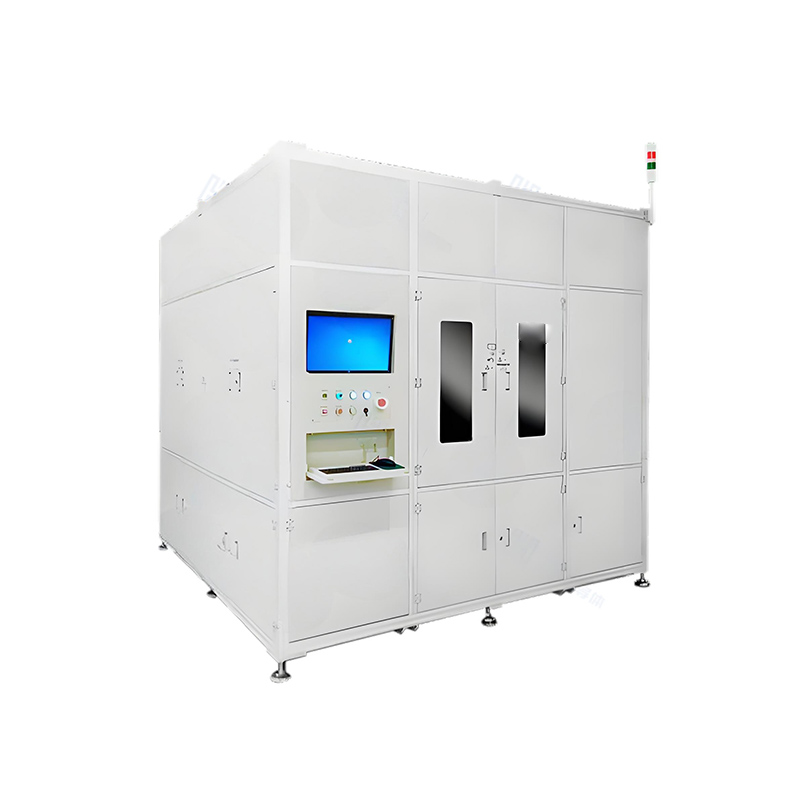
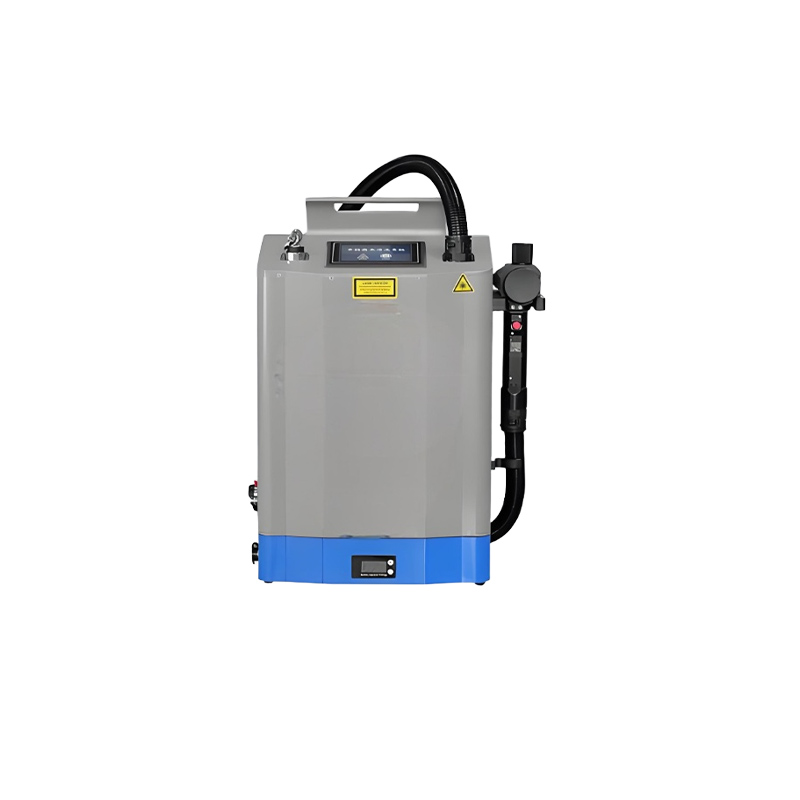
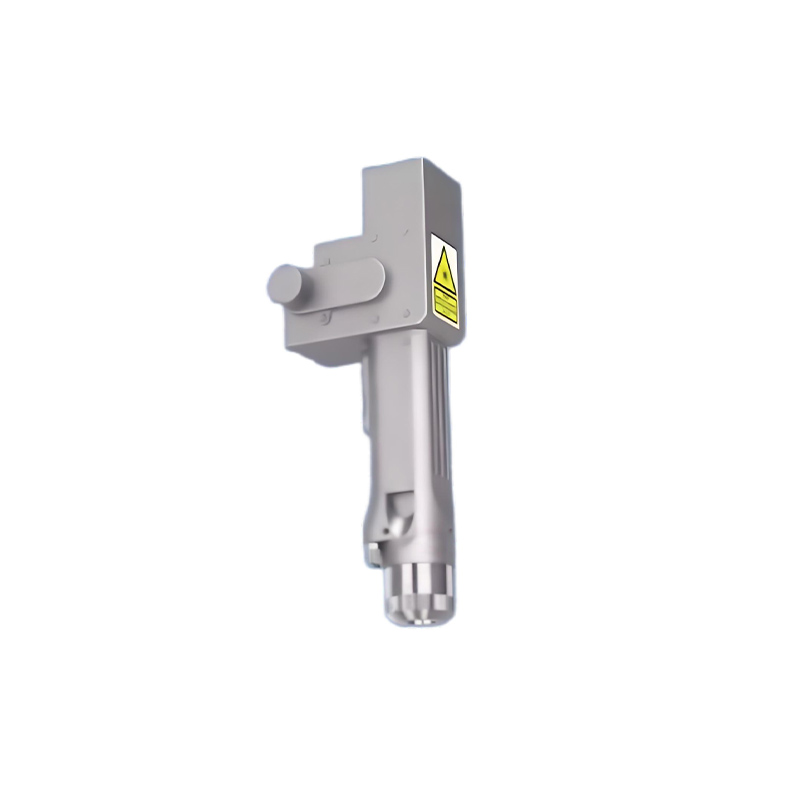
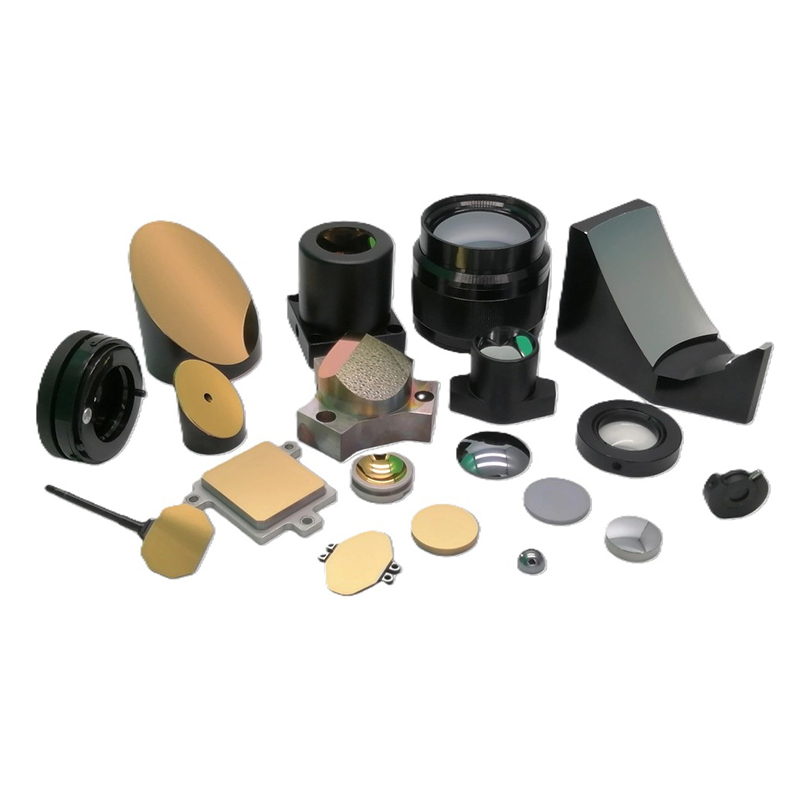
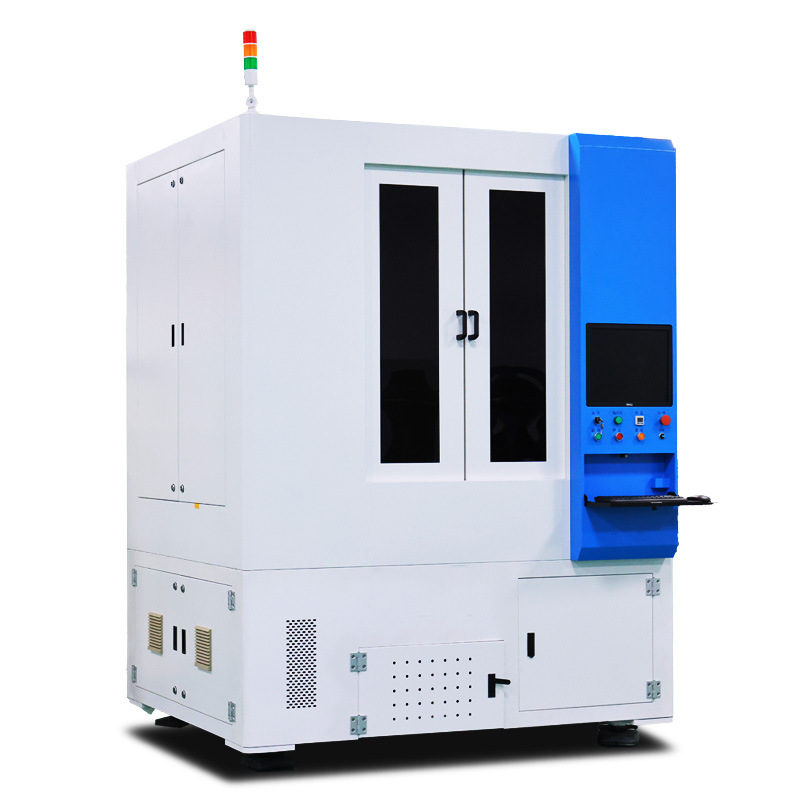
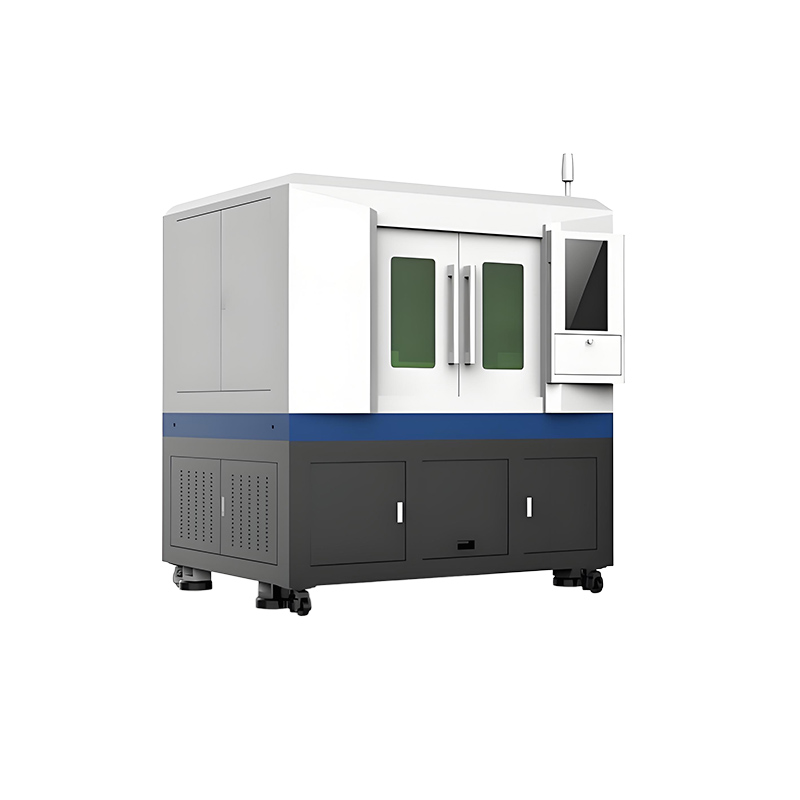
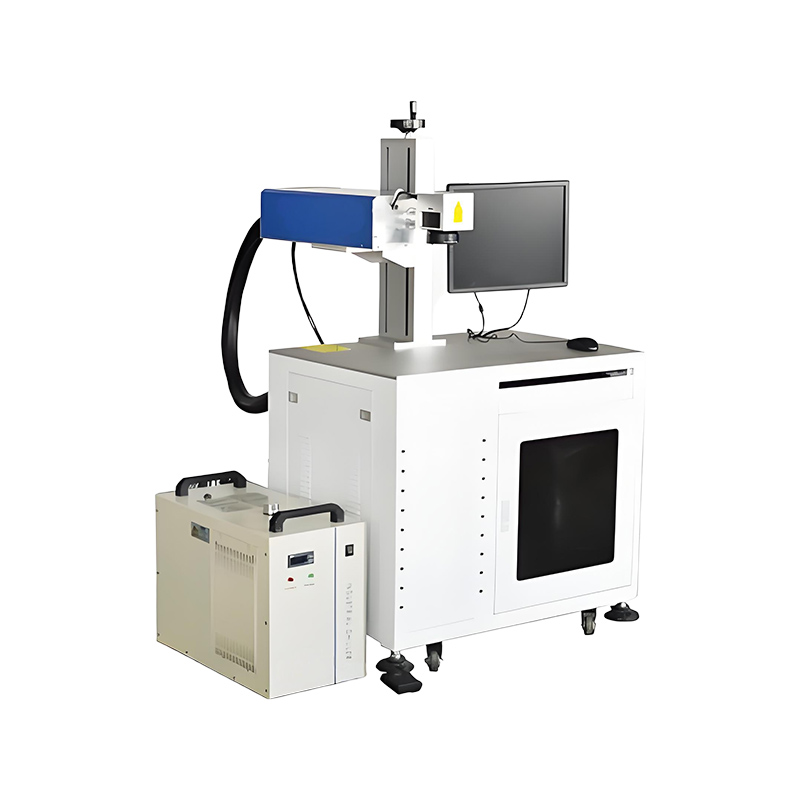
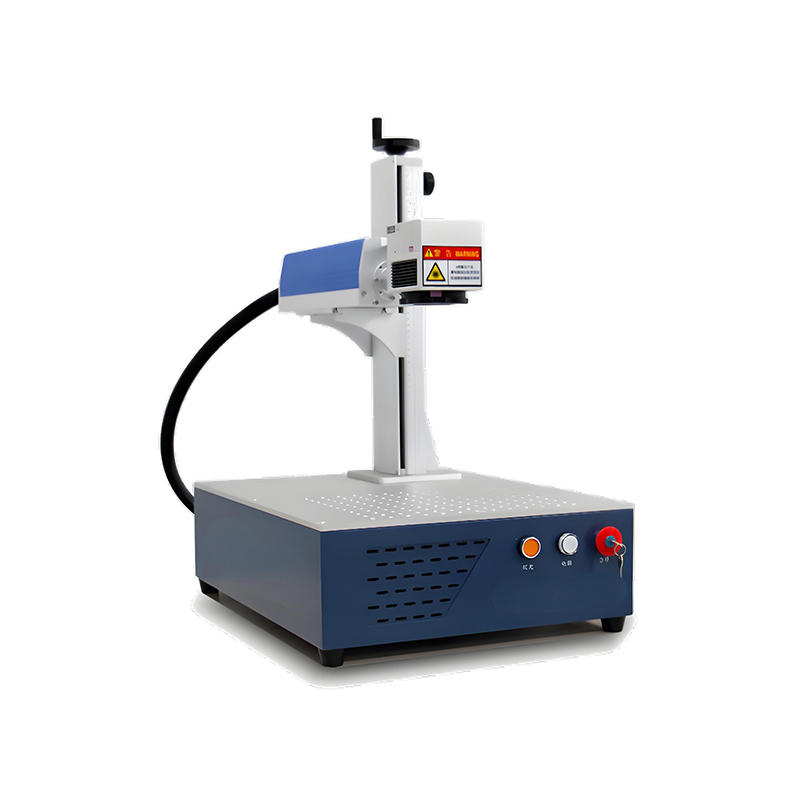
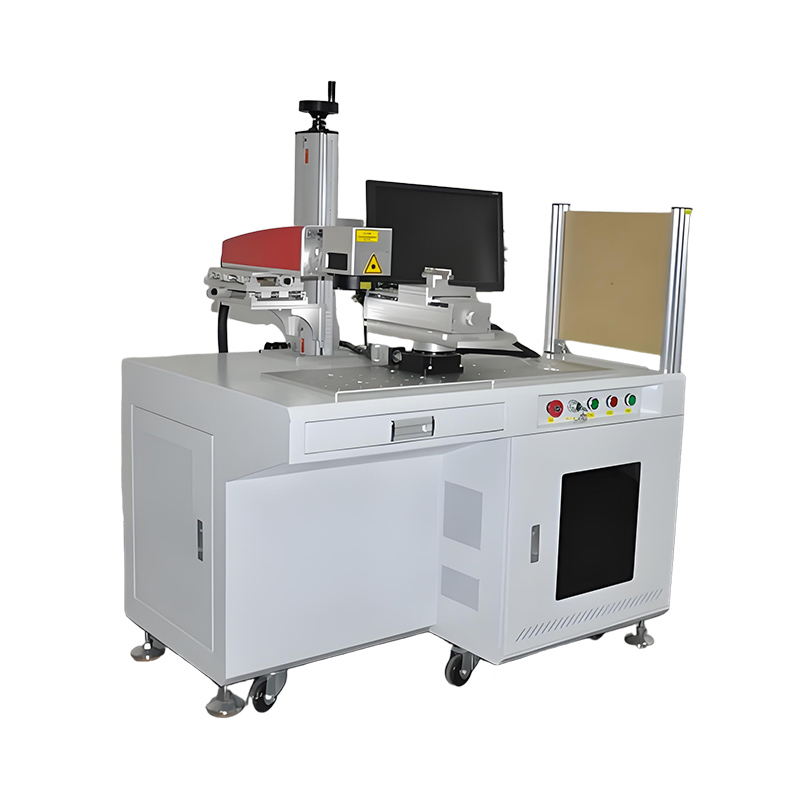
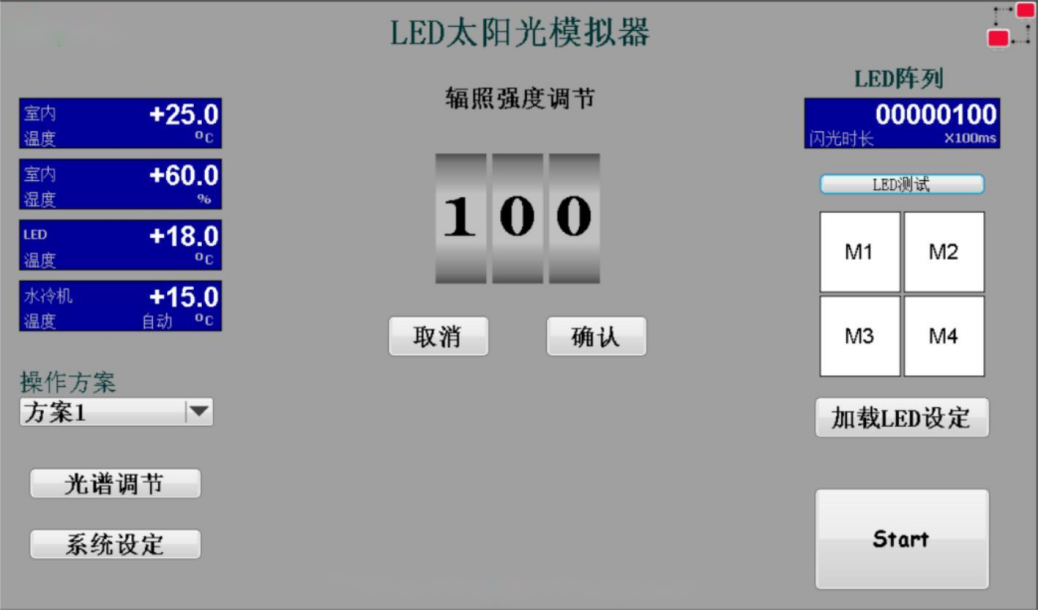
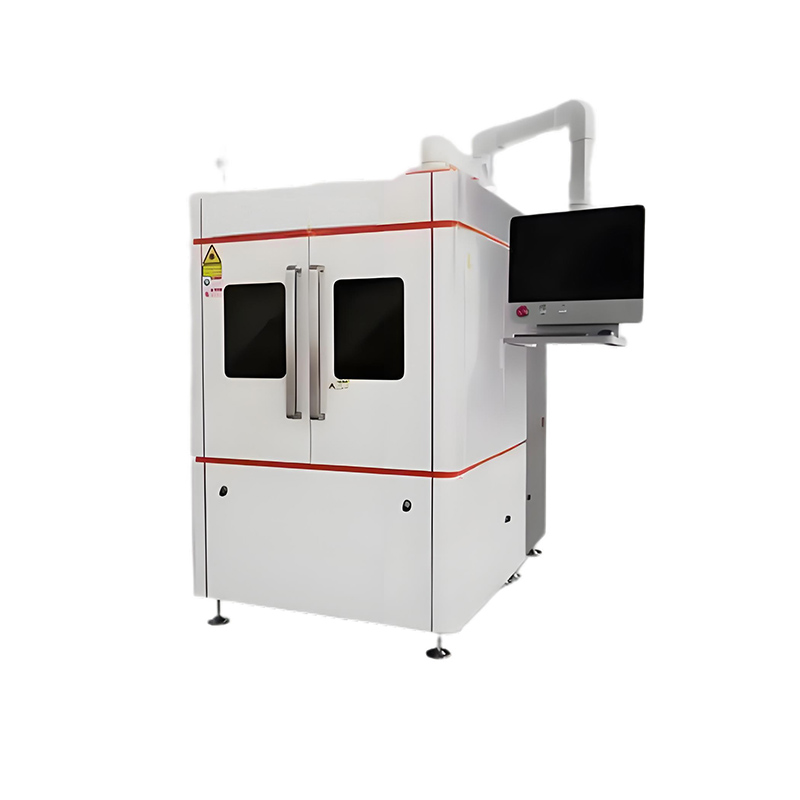
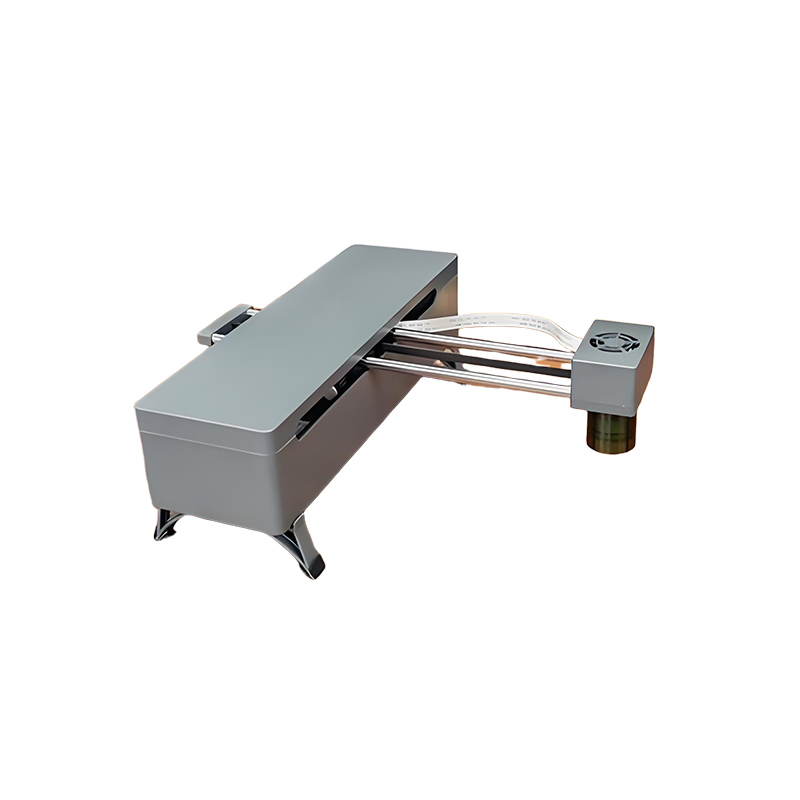
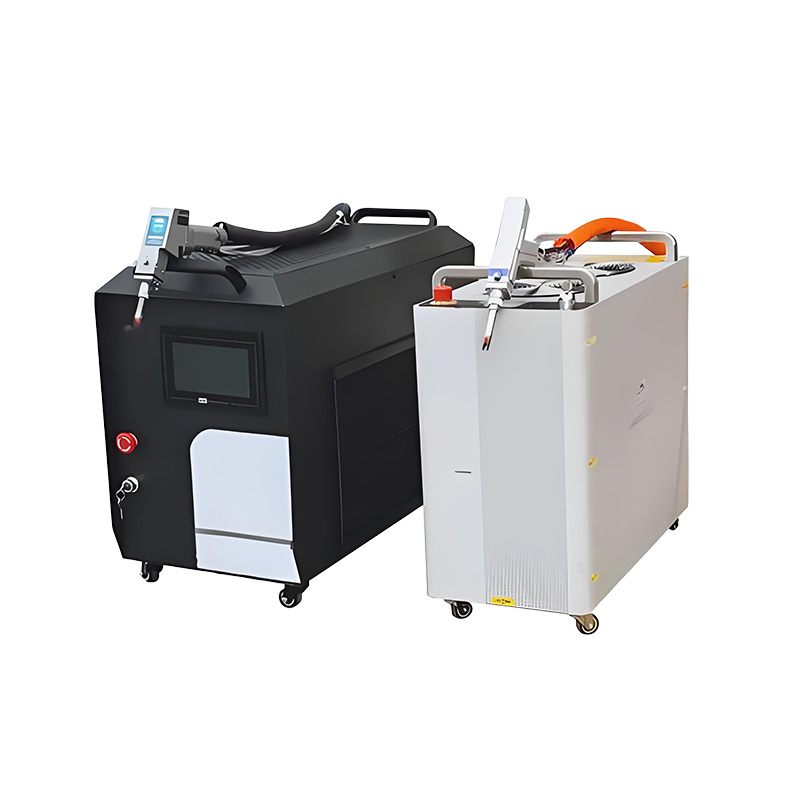
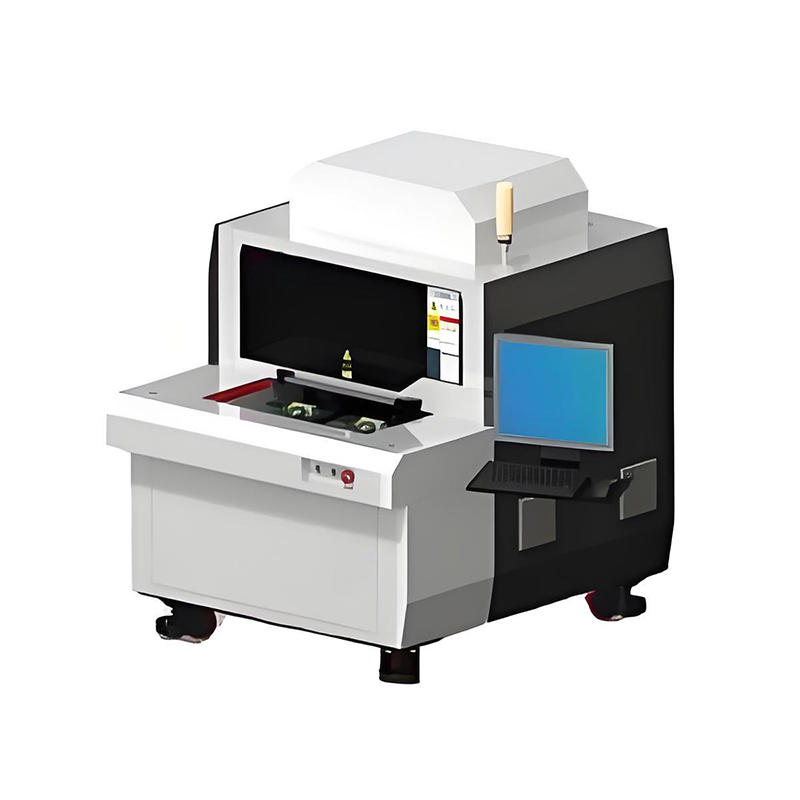
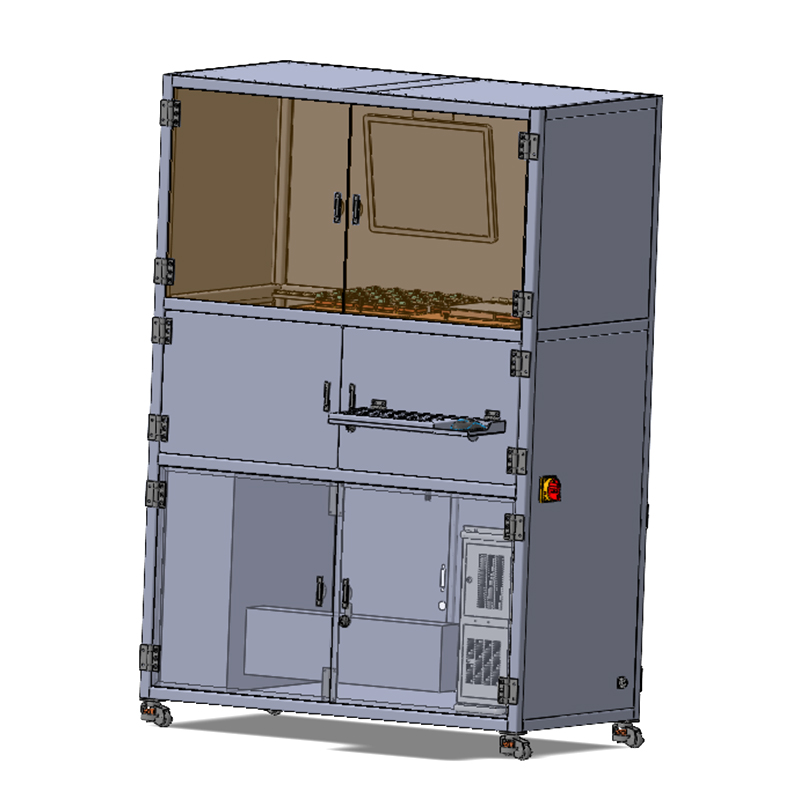
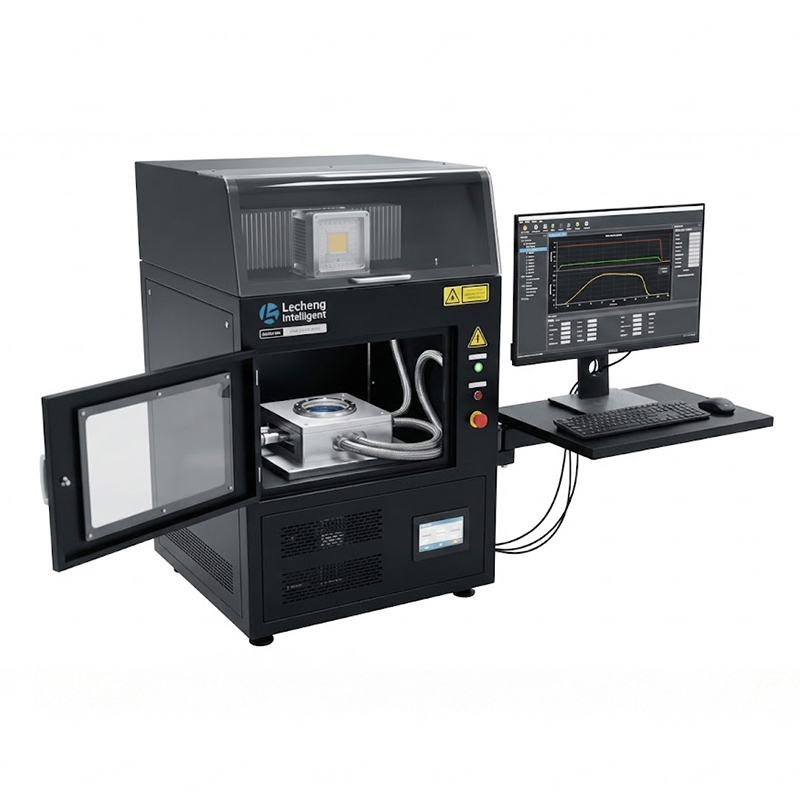
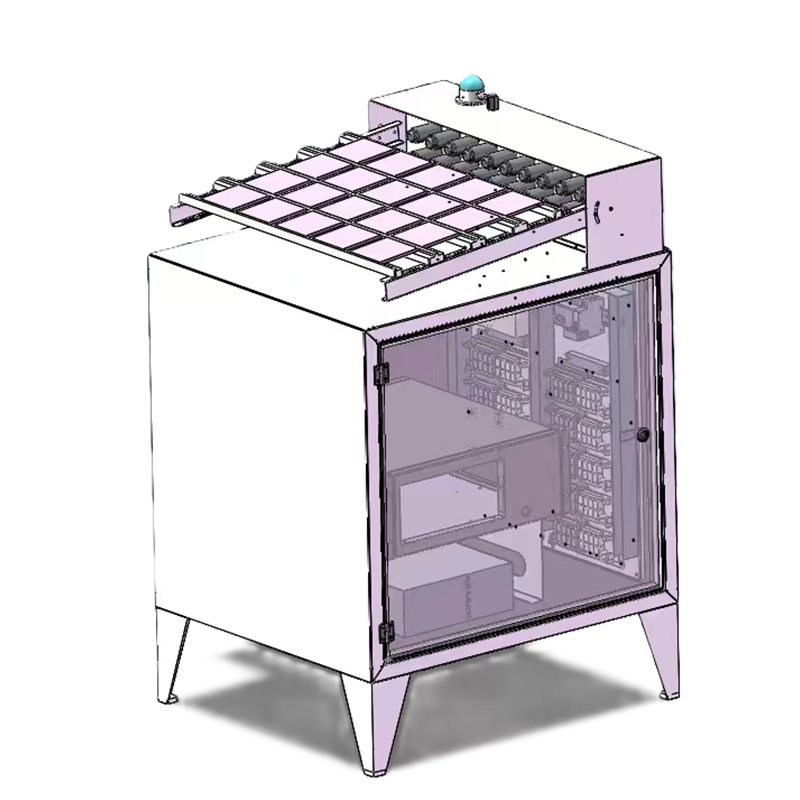
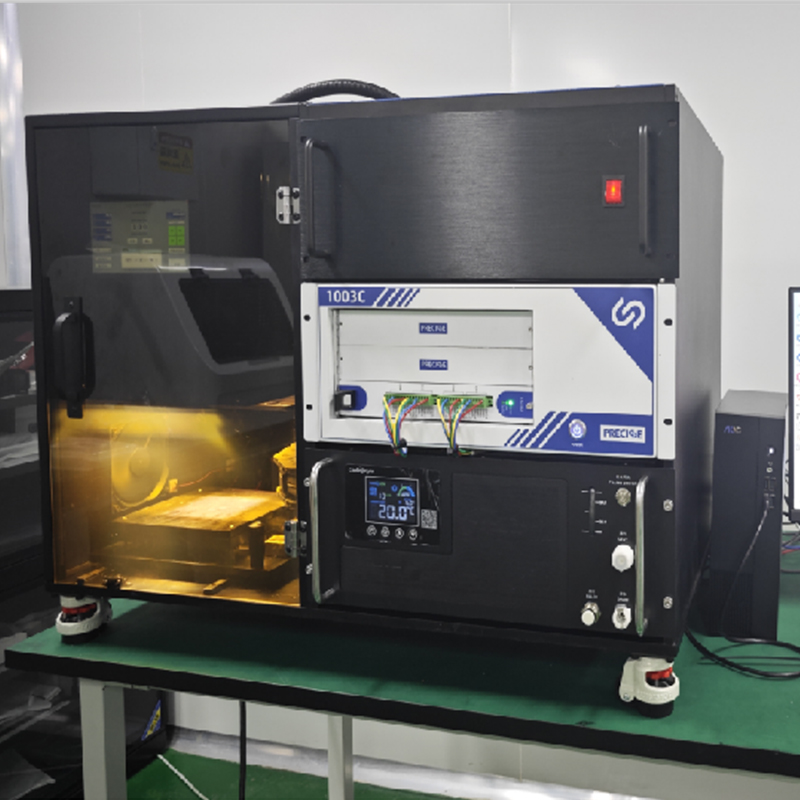
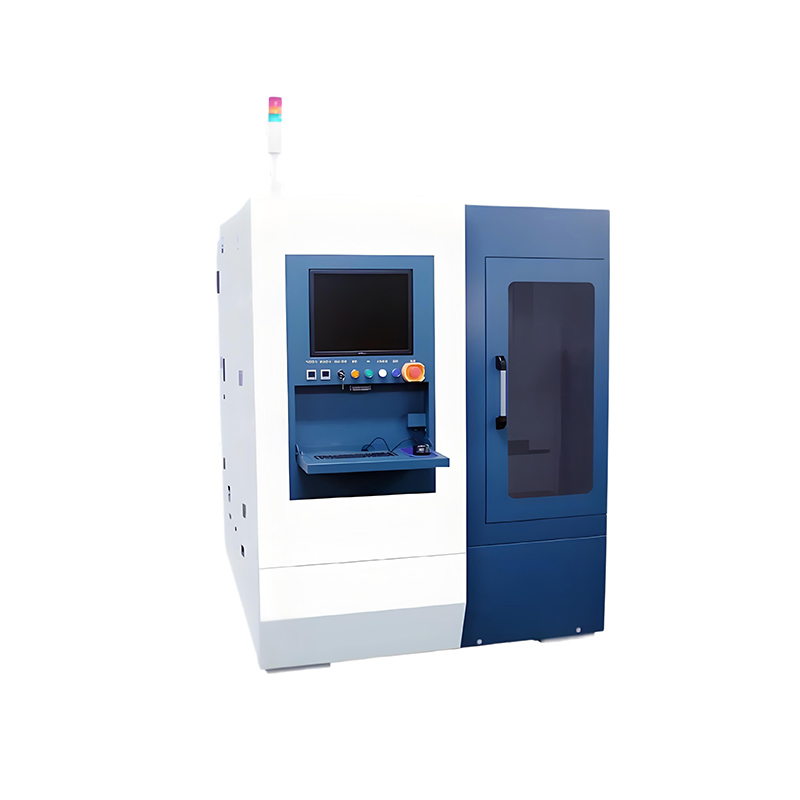
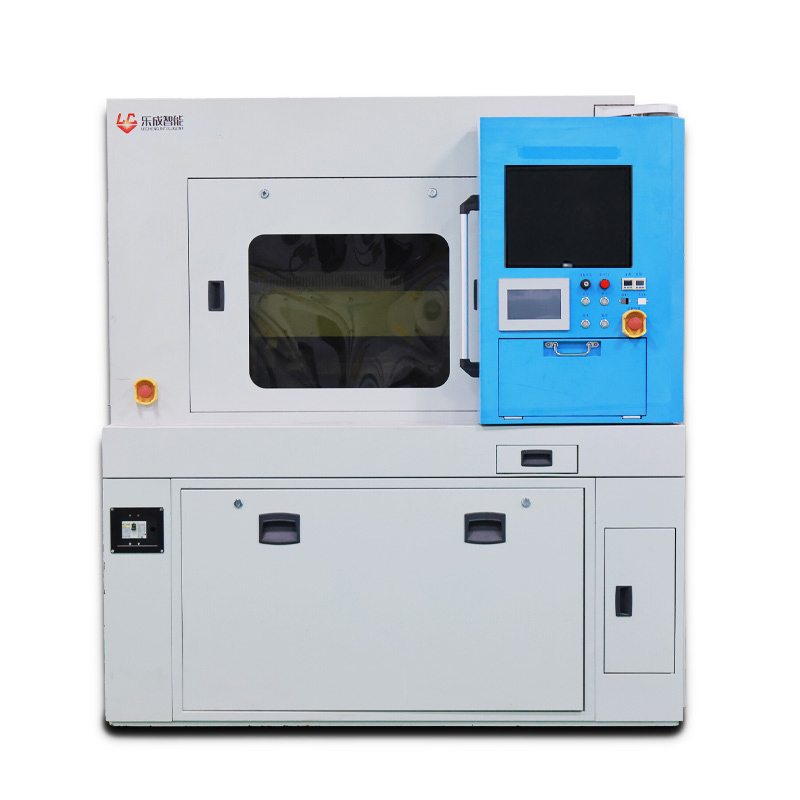
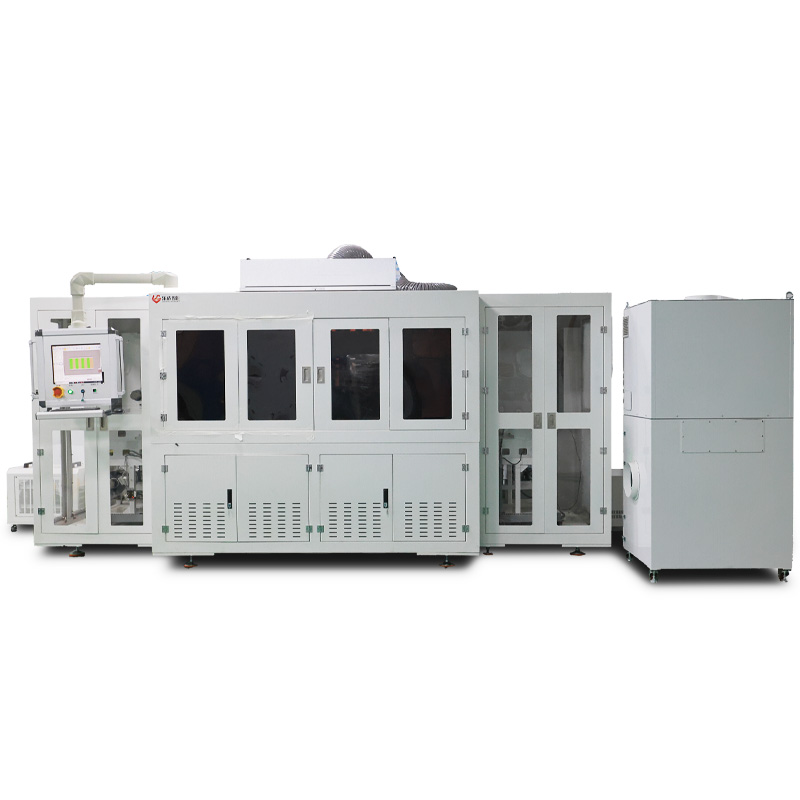
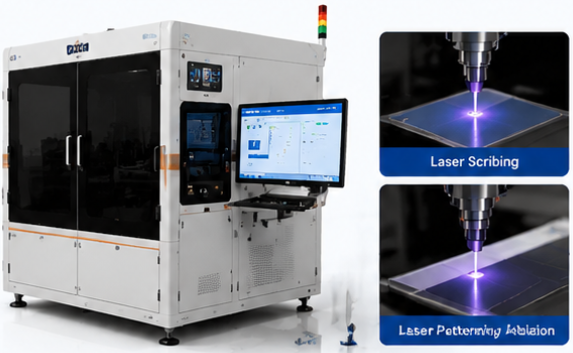
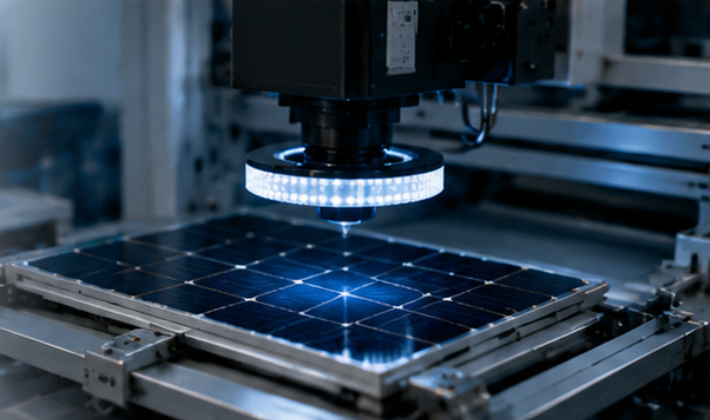
Before ordering perovskite equipment, buyers should evaluate supplier experience, laser scribing capability, sample testing support, testing integration, automation ability and after-sales service.
The right supplier should provide not only machines, but also process support and pilot line planning advice for long-term scale-up.
Perovskite pilot line cost depends on the full equipment configuration, including substrate preparation, coating, laser processing, encapsulation, testing, automation and integration. Buyers should avoid estimating investment based on one machine price.
A clear process plan and RFQ checklist can help suppliers provide more accurate budget recommendations and reduce repeated investment during scale-up.
Perovskite Laser Production Line buyer guide with RFQ checklist, installation risk points, supplier comparison, internal product links, FAQ and project.
Understanding laser system specifications is essential for industrial perovskite module production. Buyers should assess laser wavelength, pulse width, alignment precision, beam quality, substrate compatibility, automation, and software features to ensure high yield, reproducibility, and scalability.
Alignment accuracy during P1, P2, and P3 laser scribing directly affects perovskite module yield. Misalignment reduces active area, increases dead zones, and can cause shorts or interconnection failures. Buyers and engineers must carefully assess equipment precision and repeatability to maximize yield.