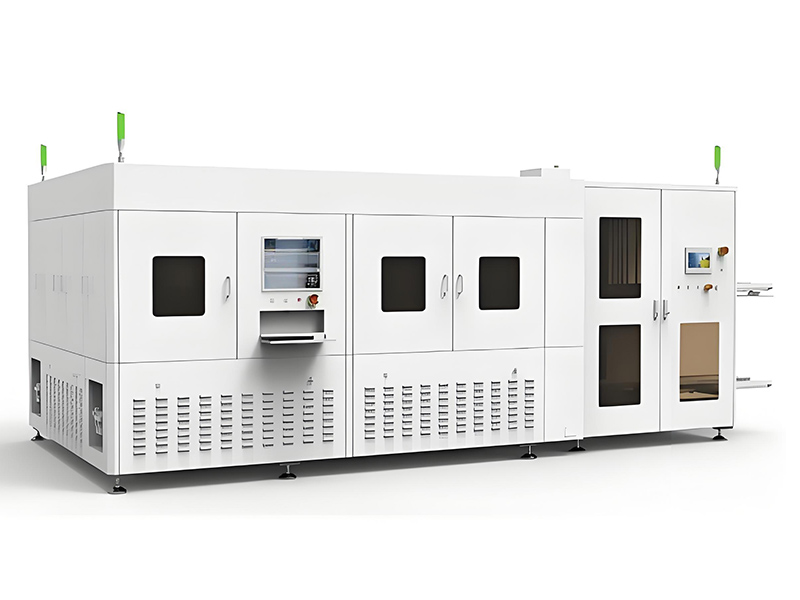
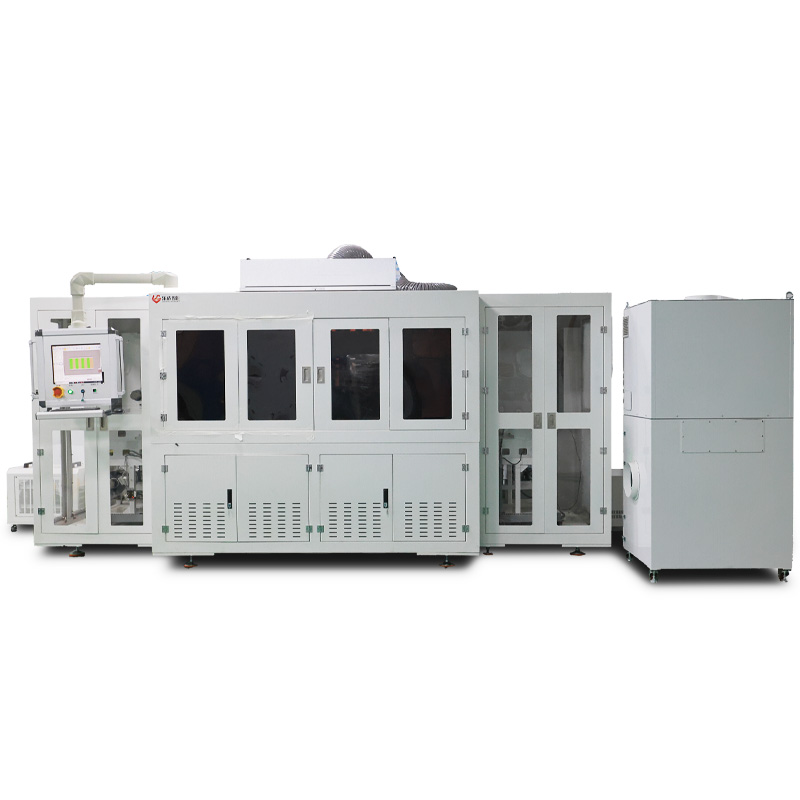
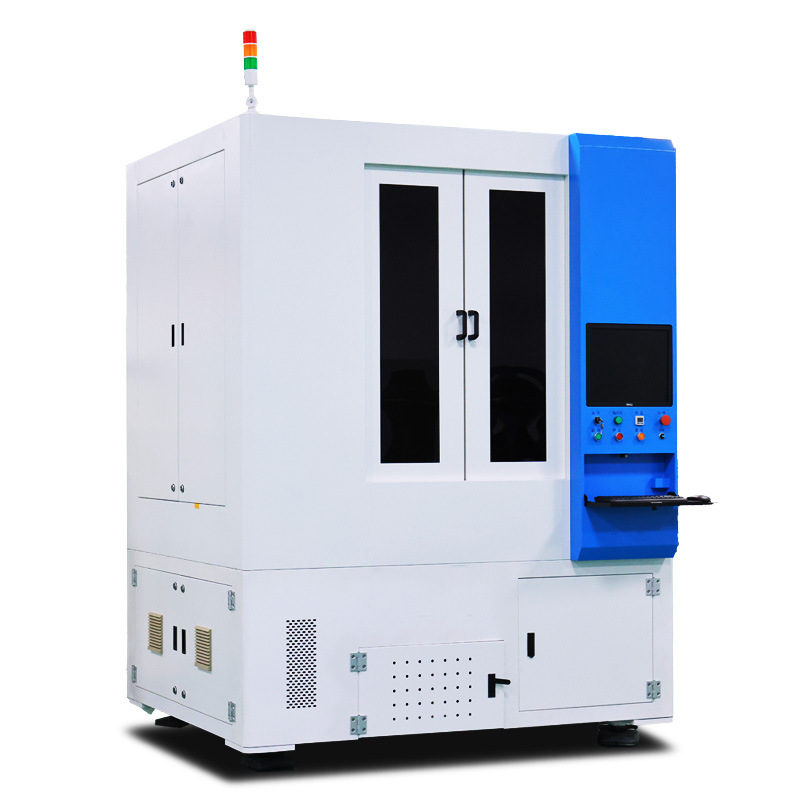
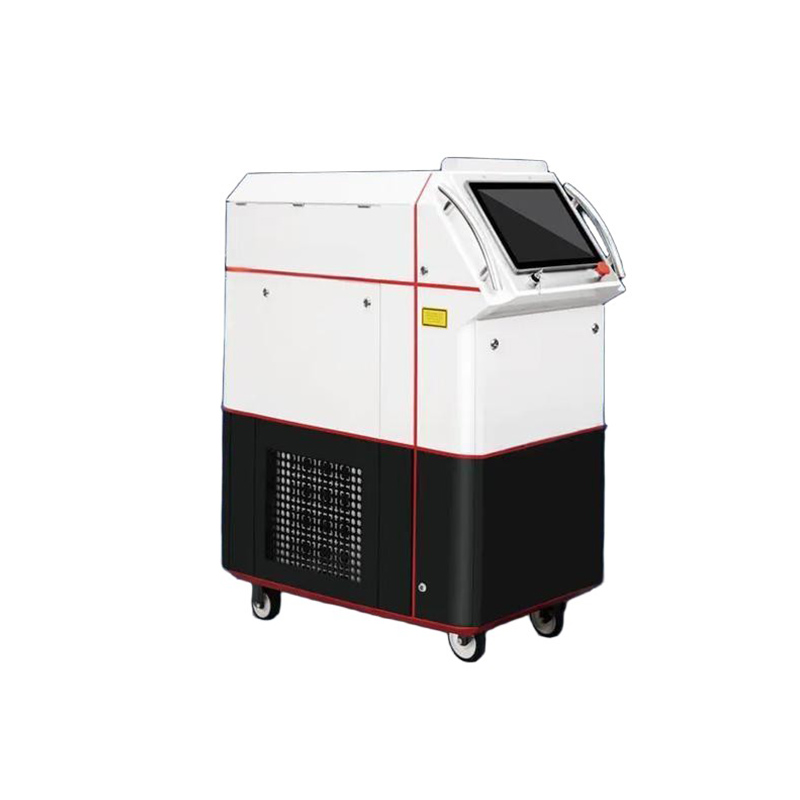
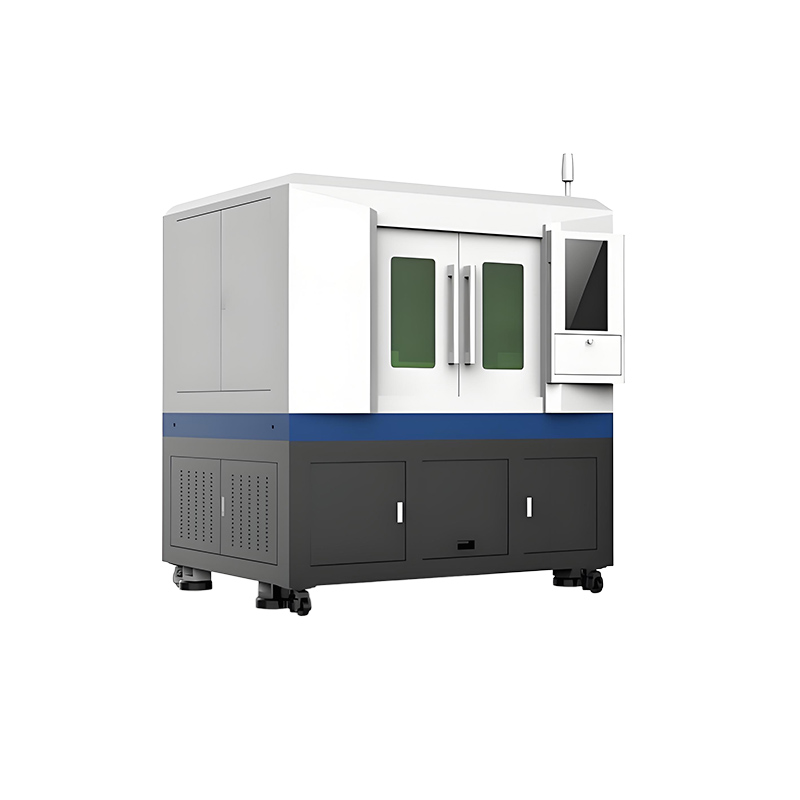
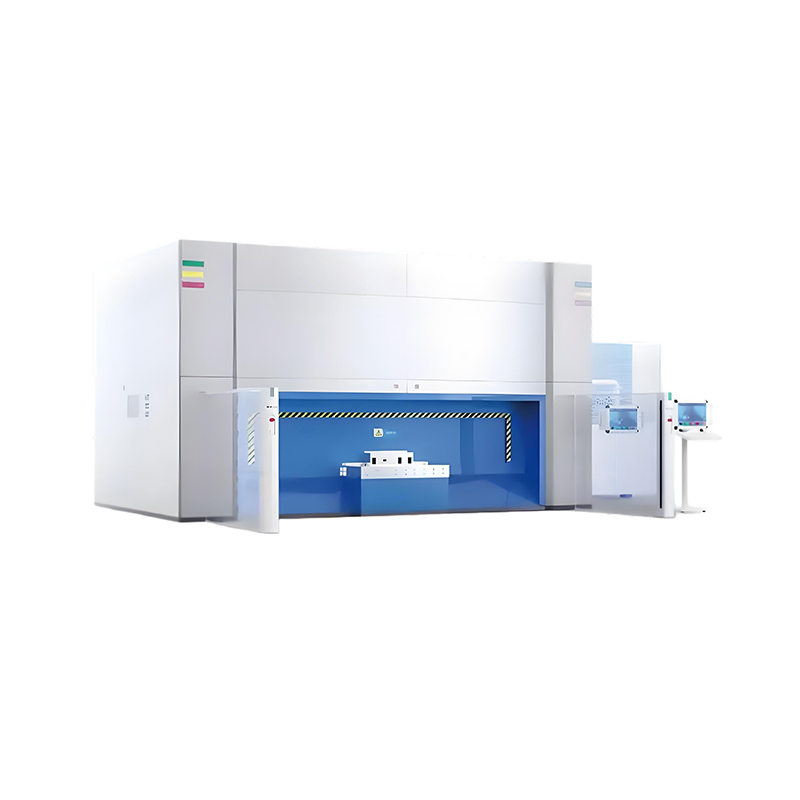
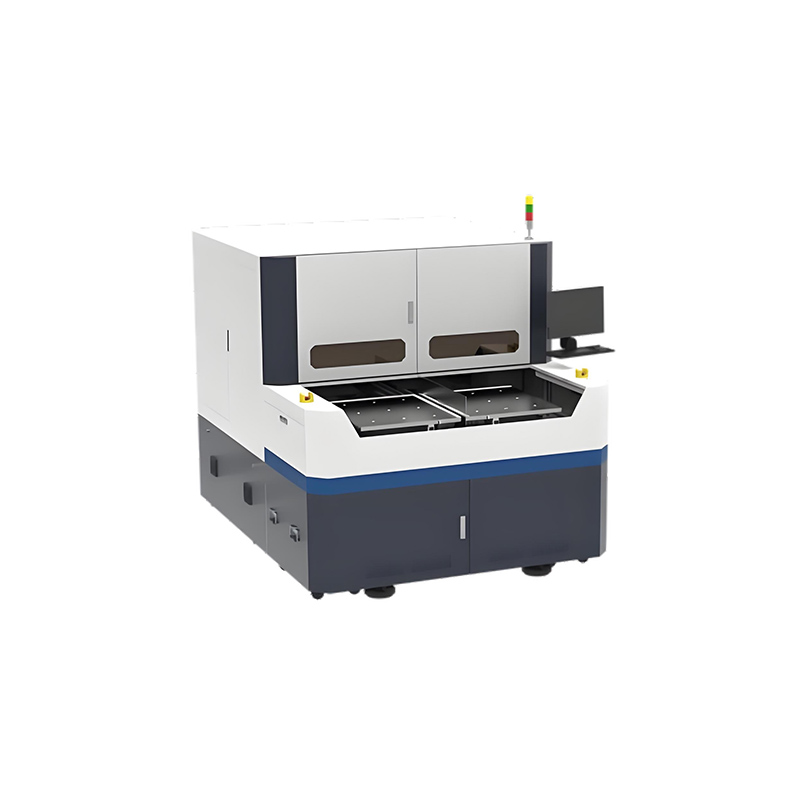
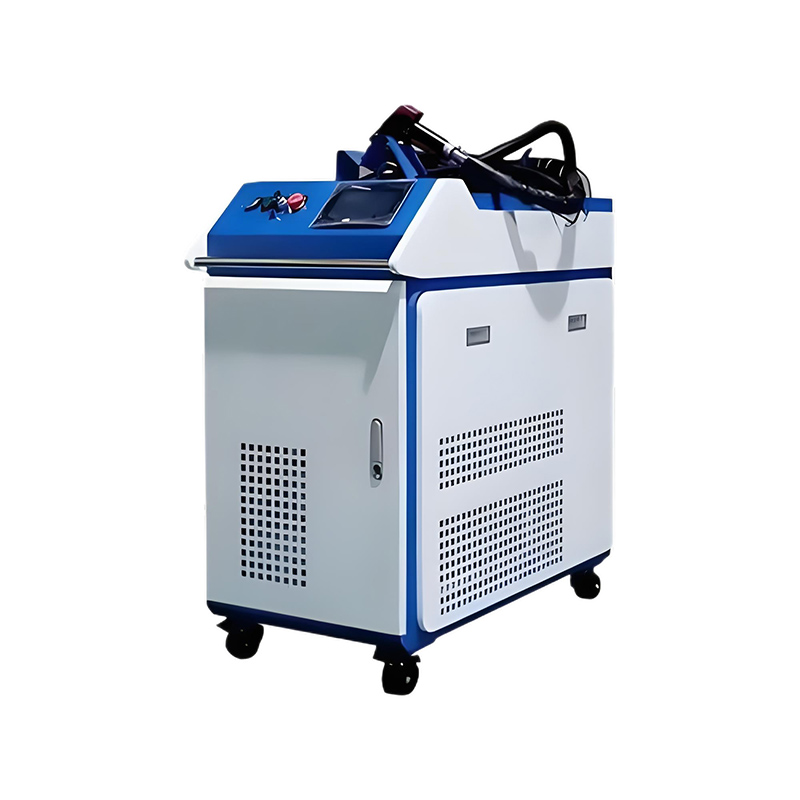
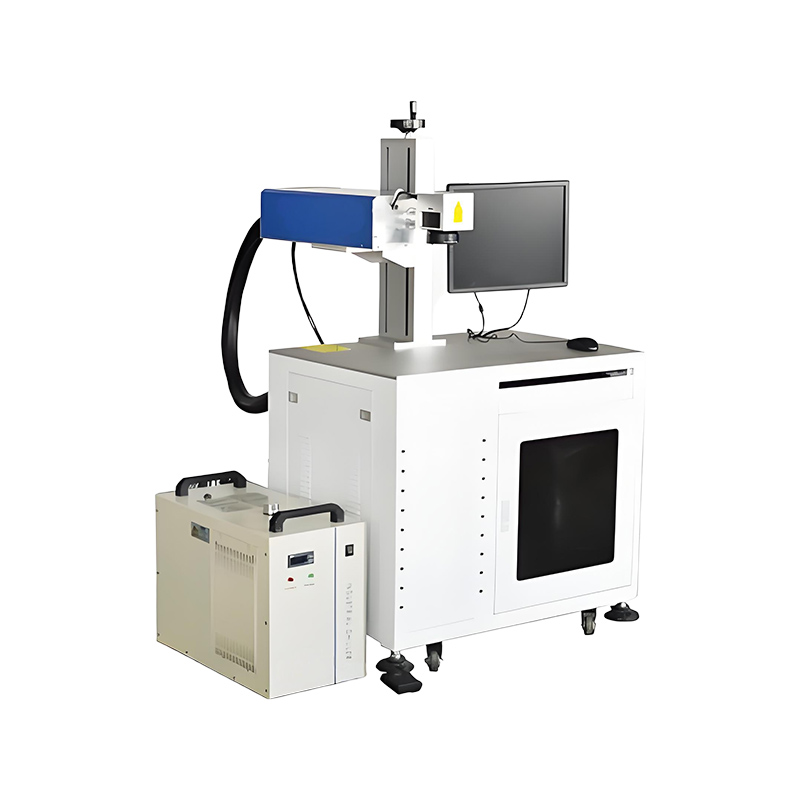
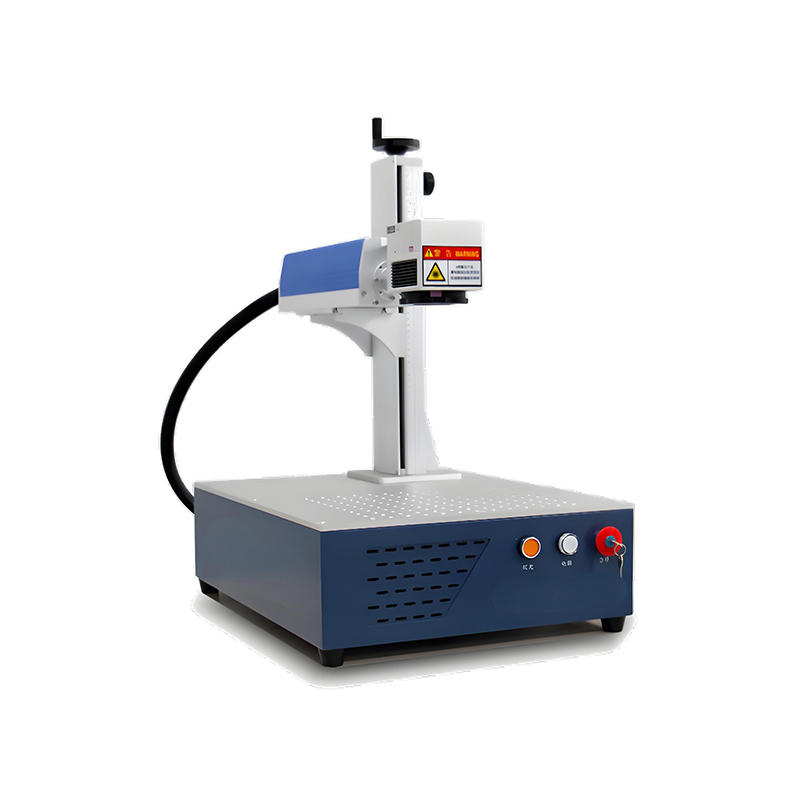
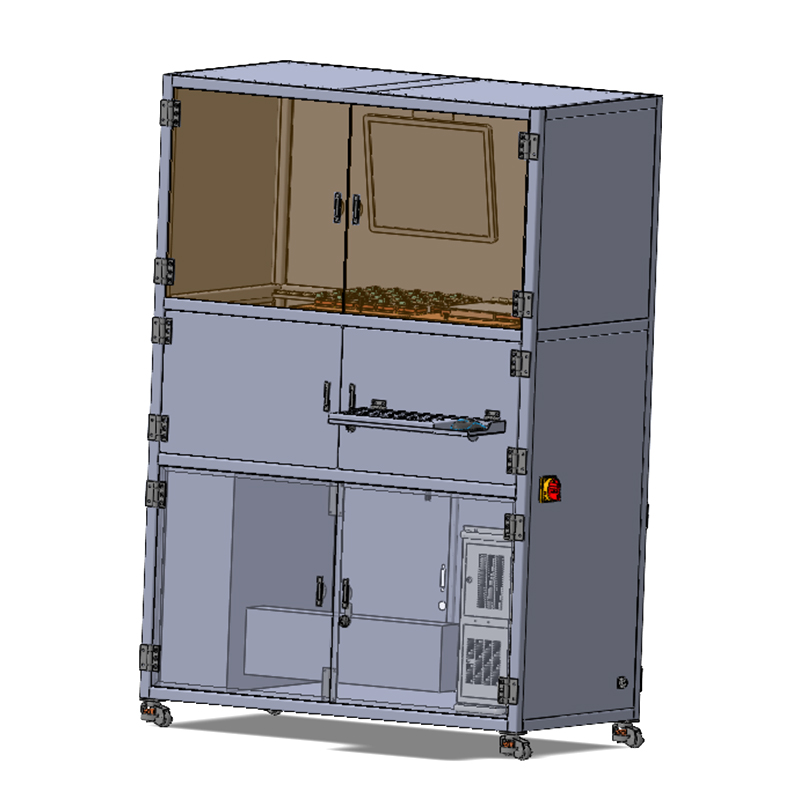
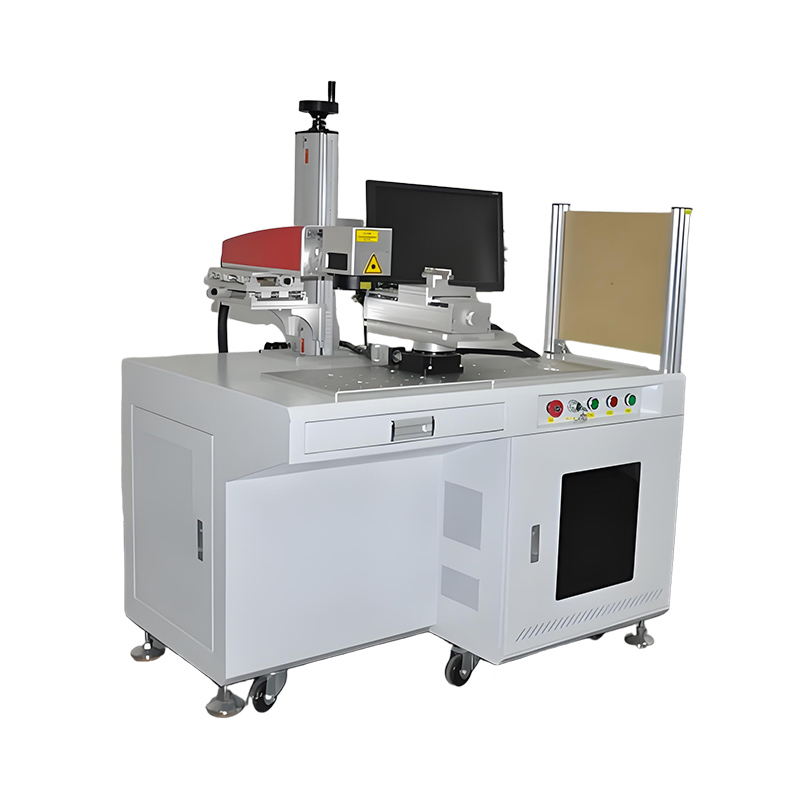
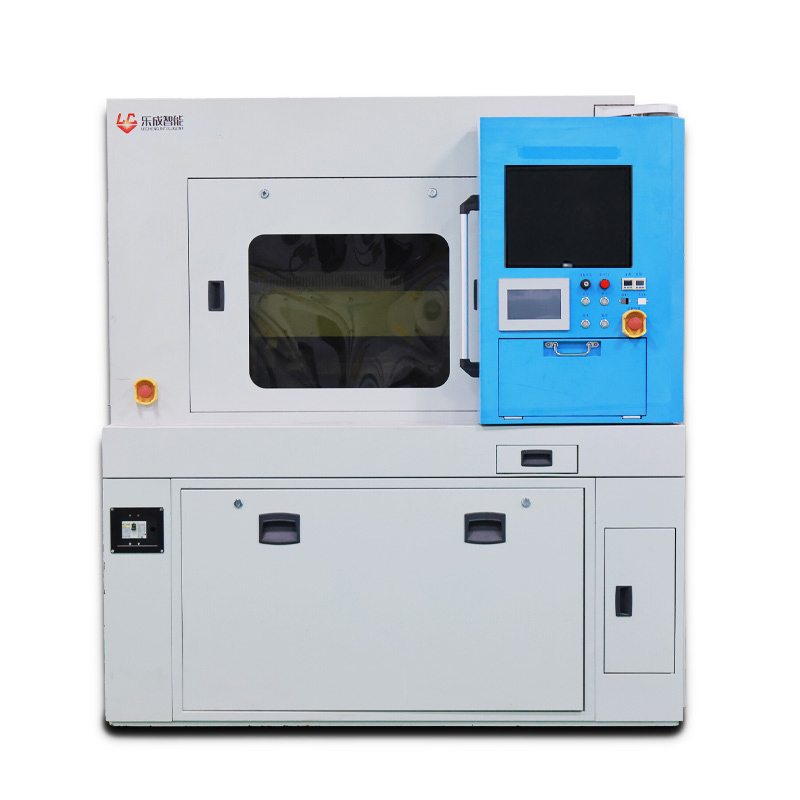
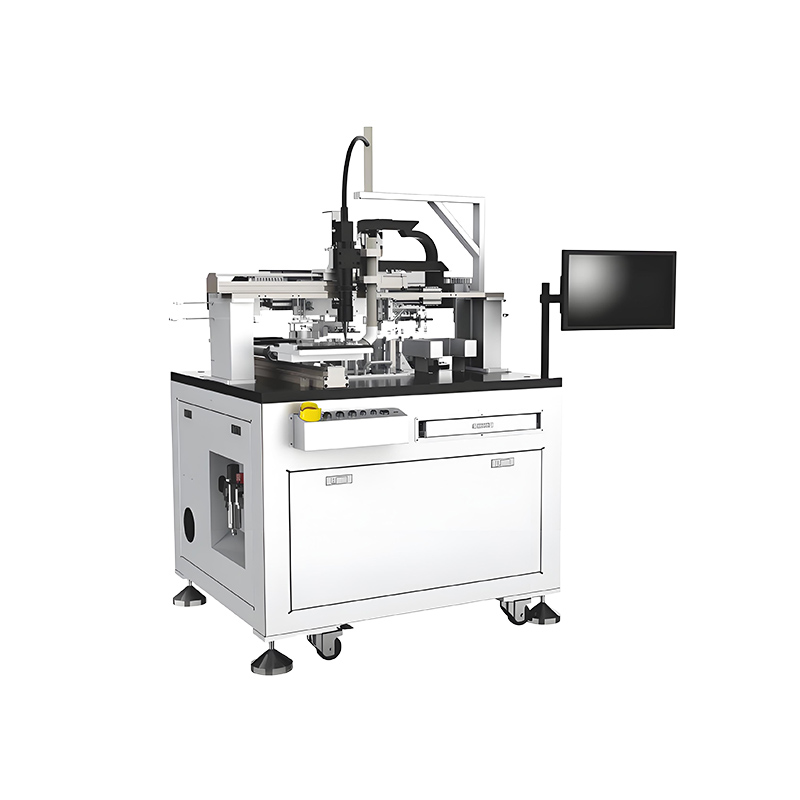
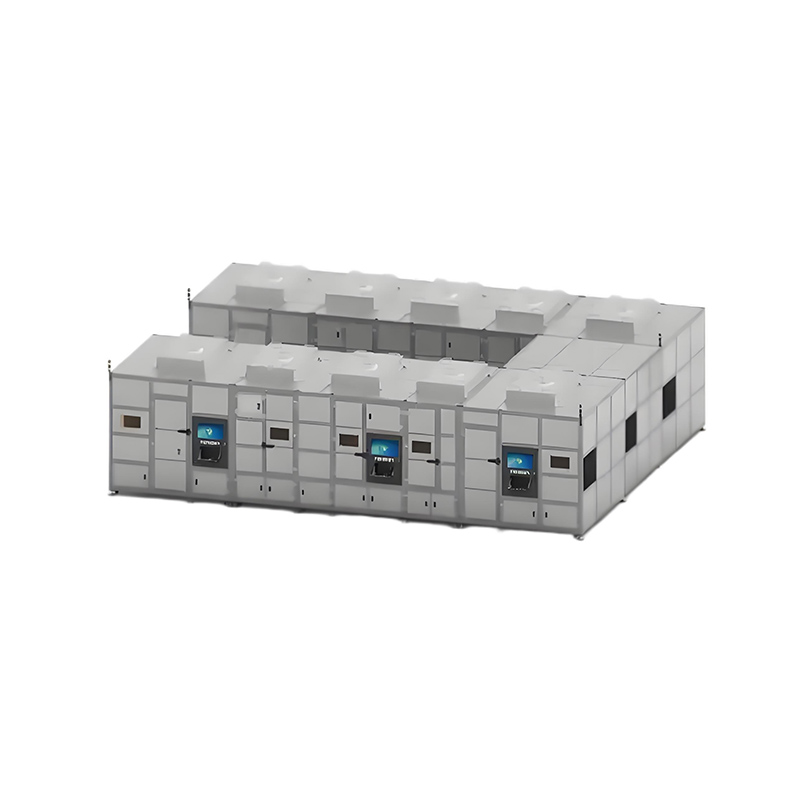
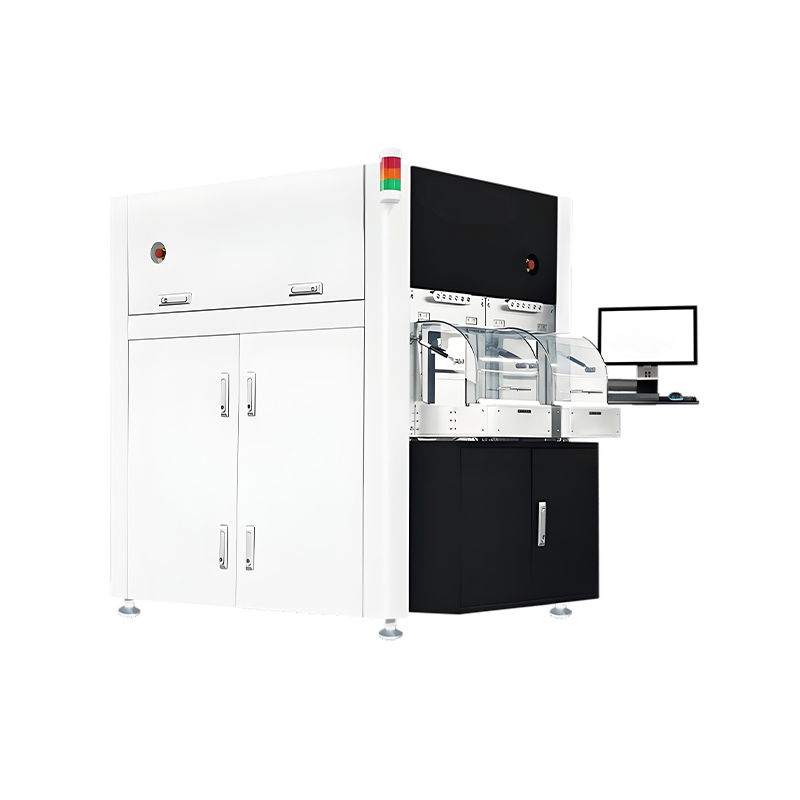
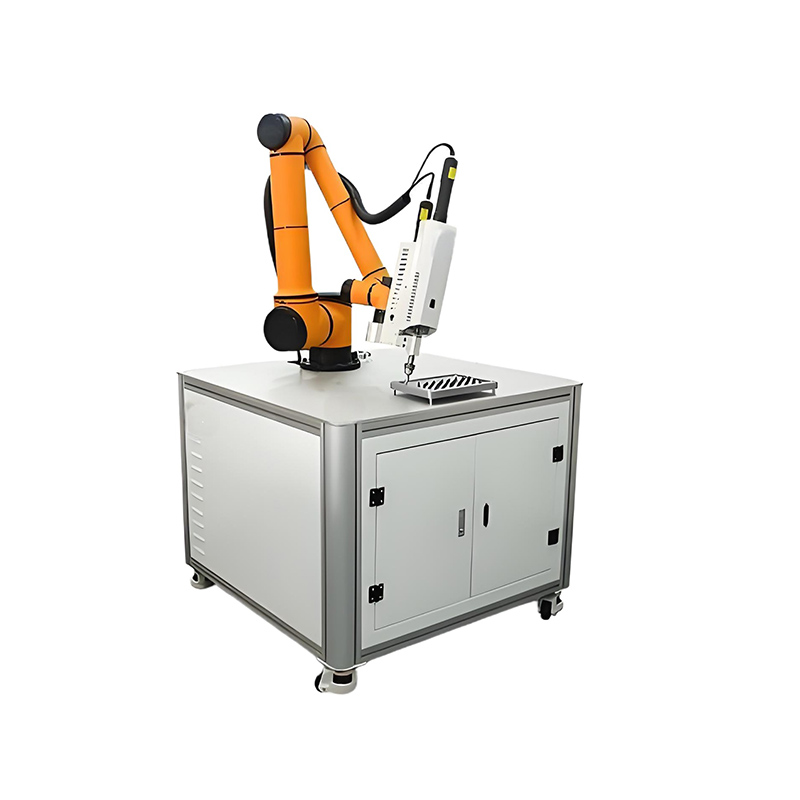
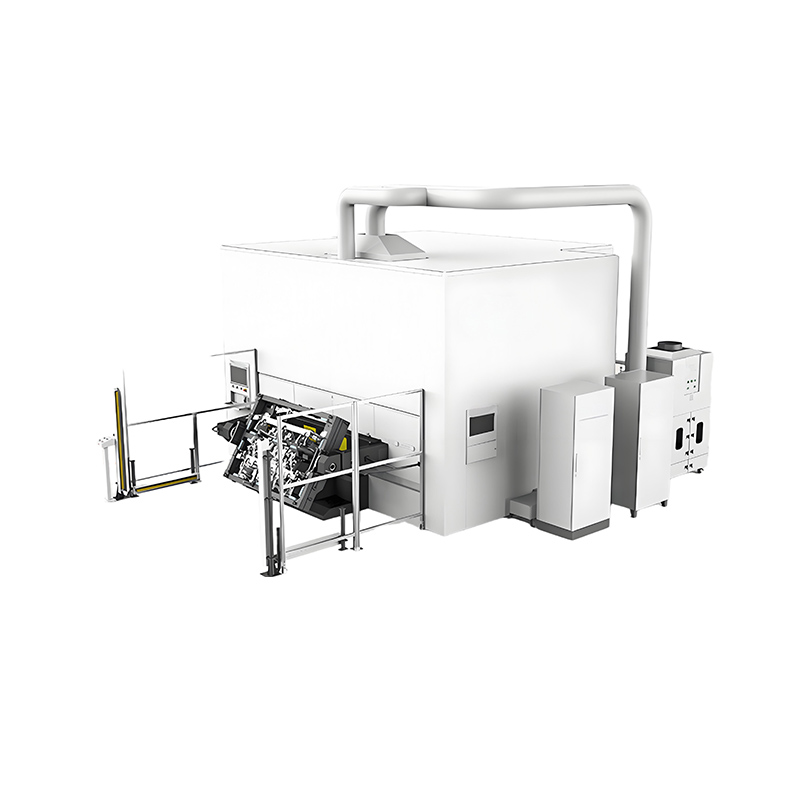
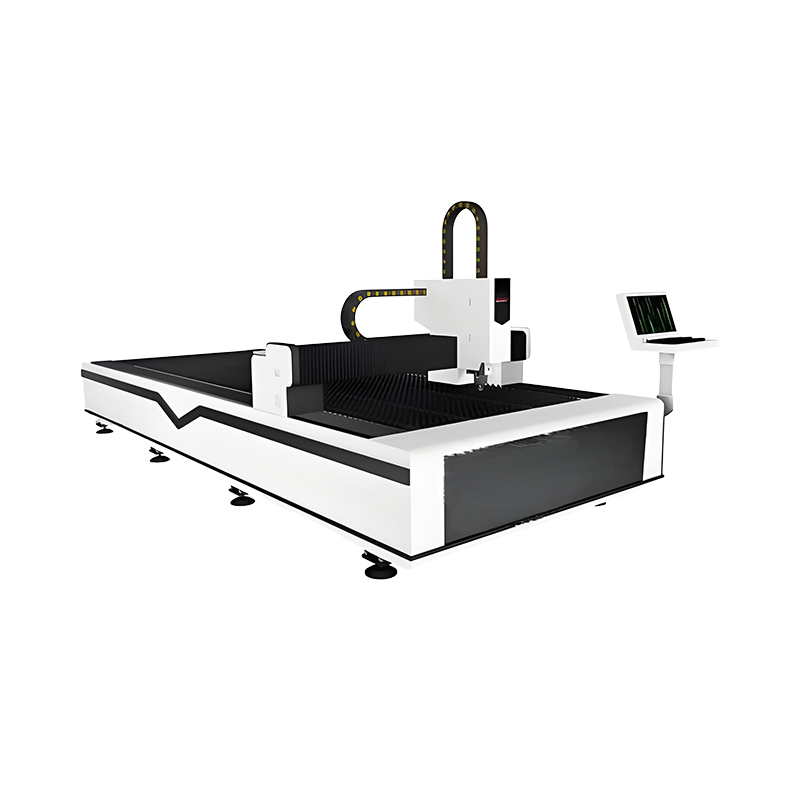
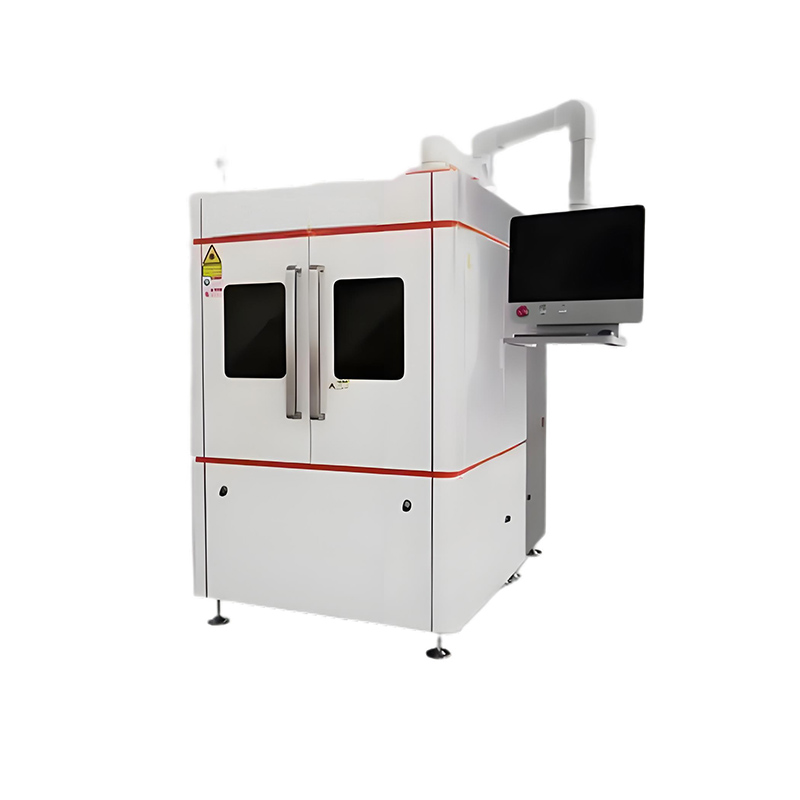
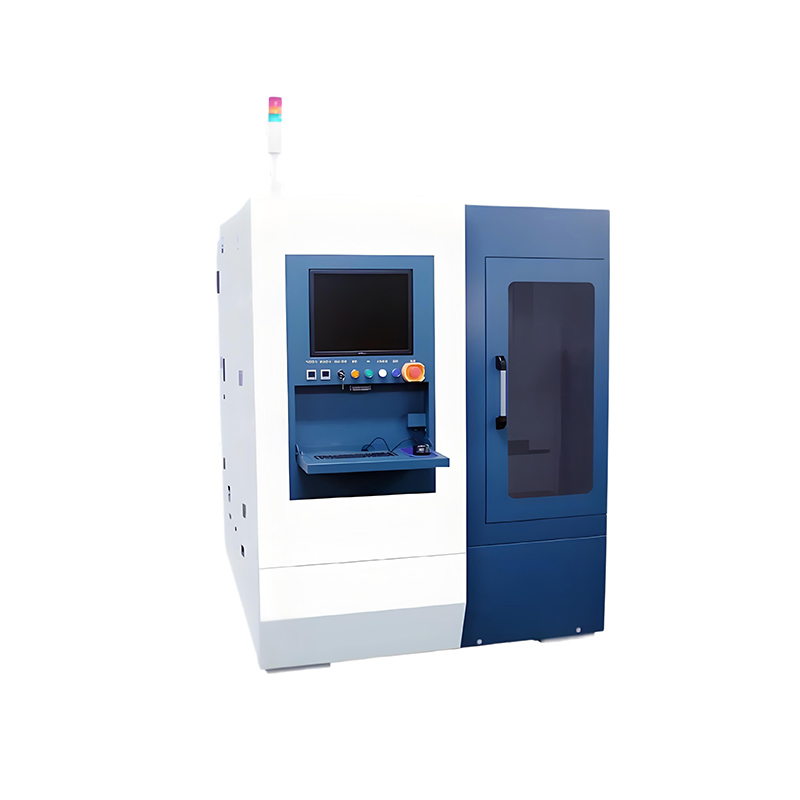
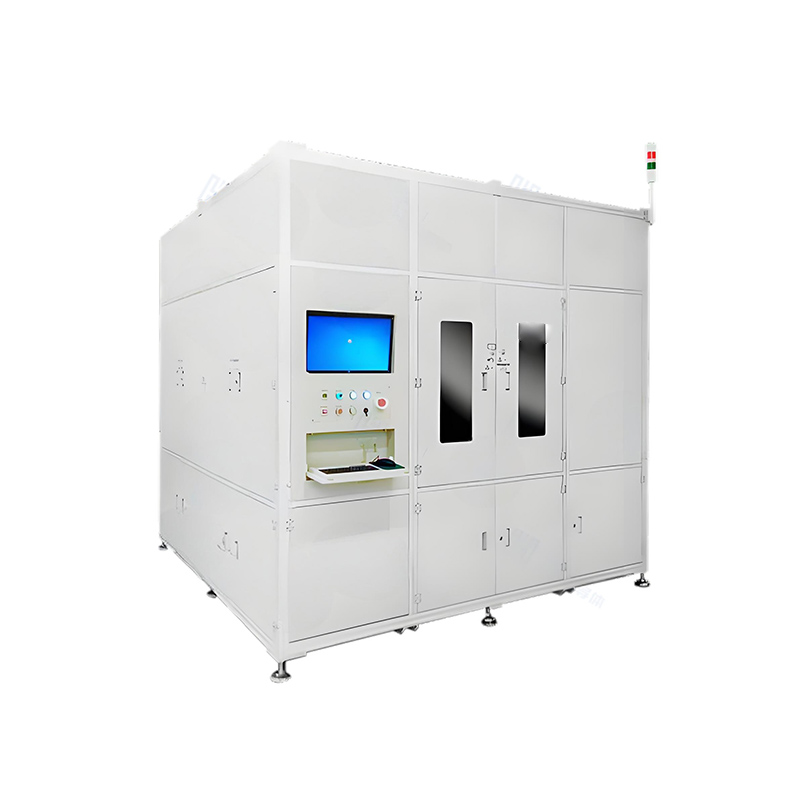
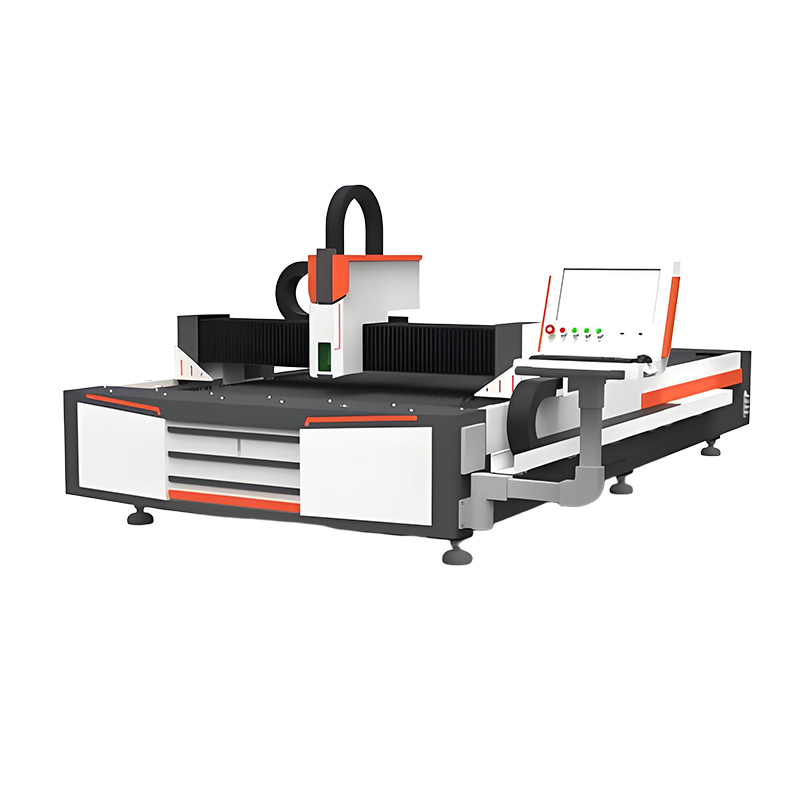
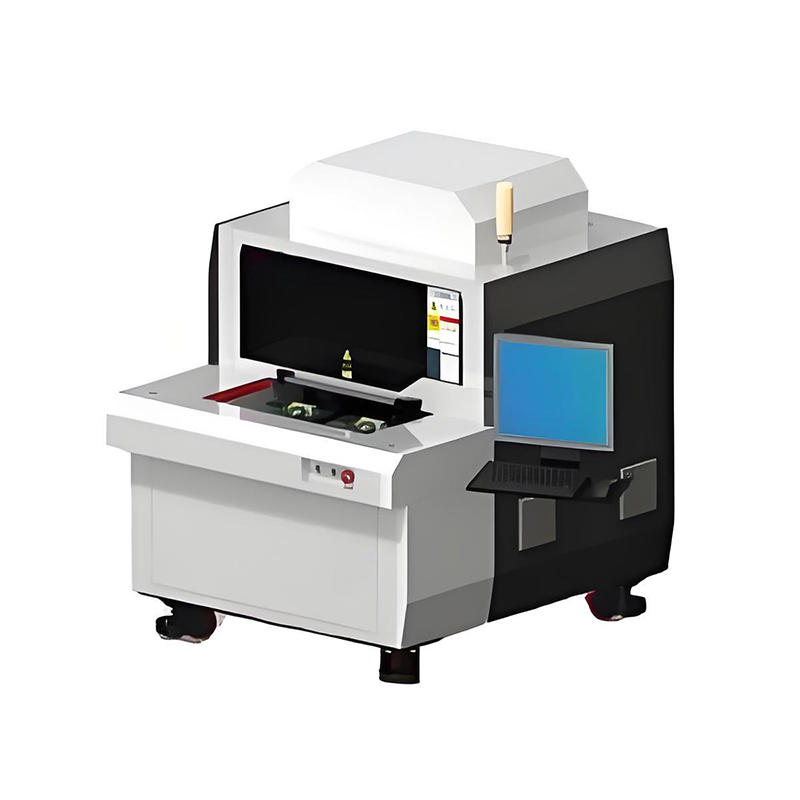
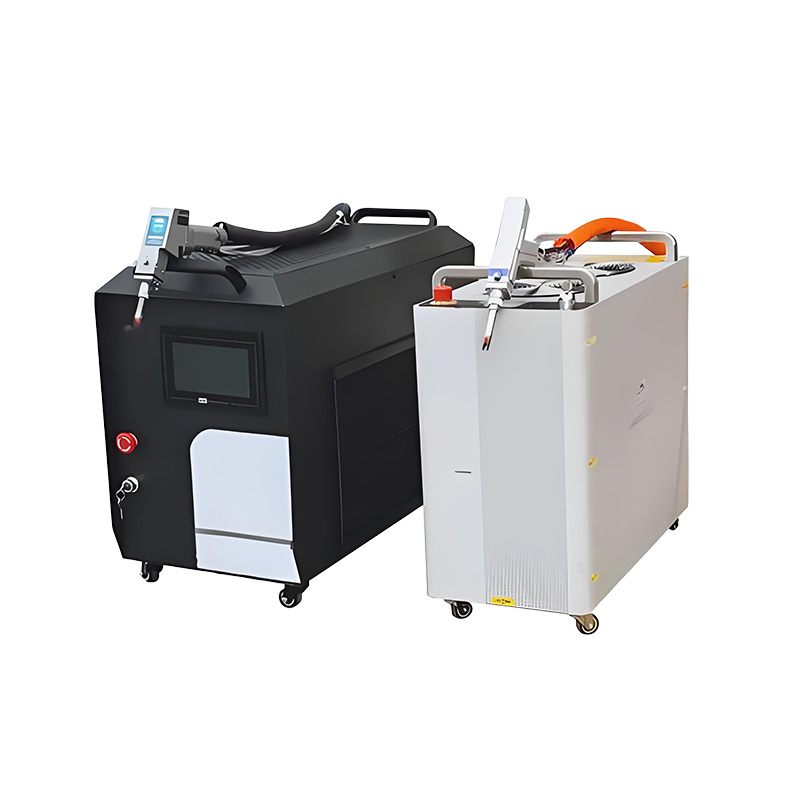
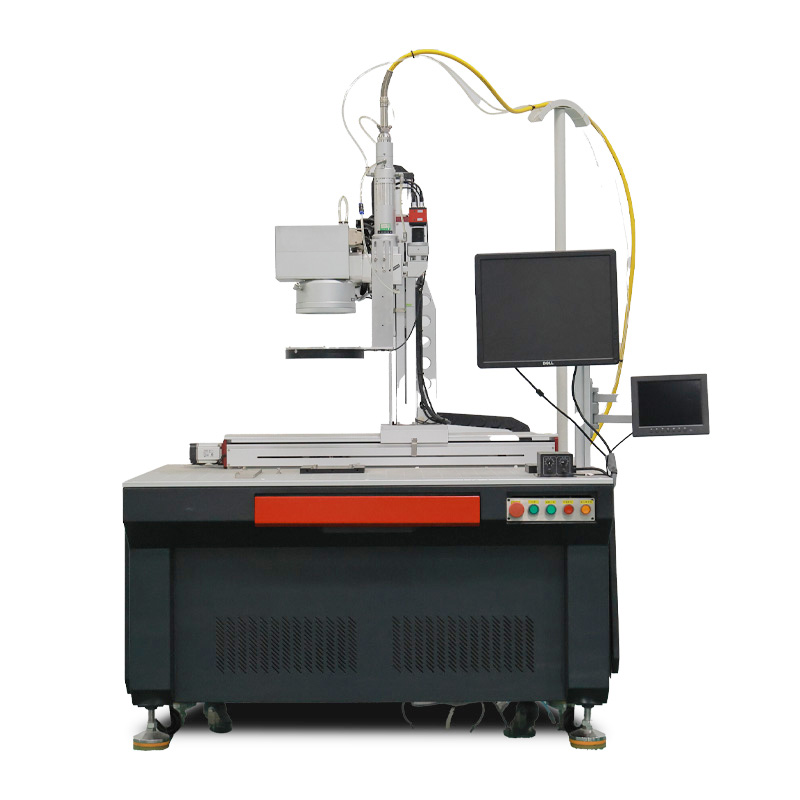
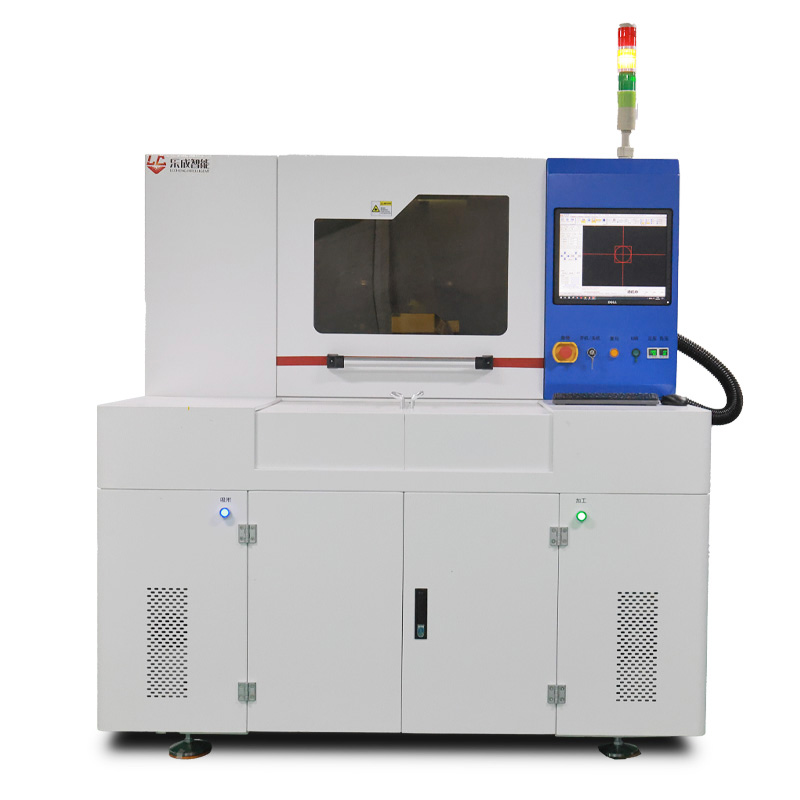
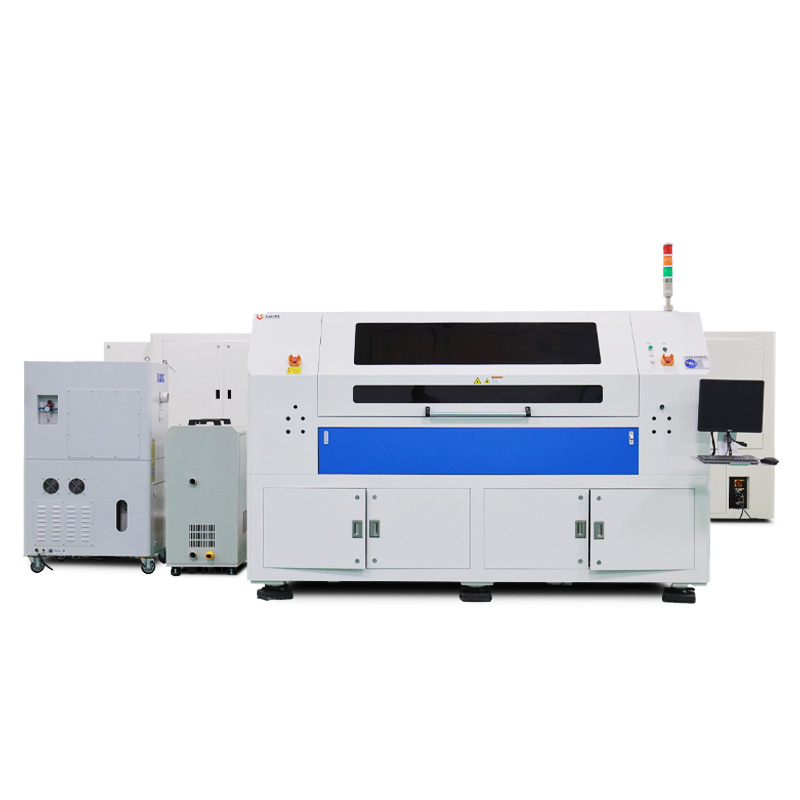
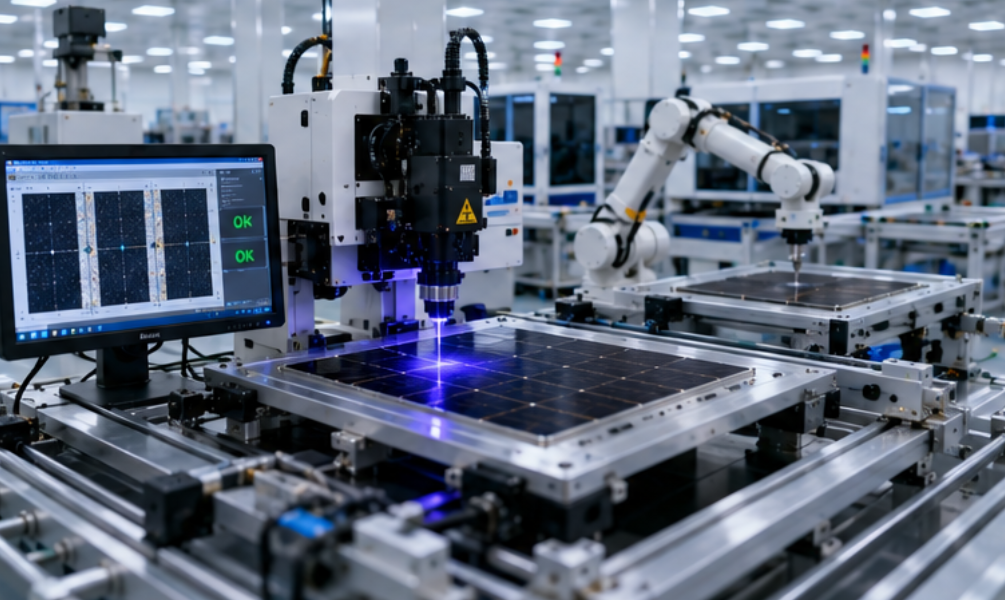
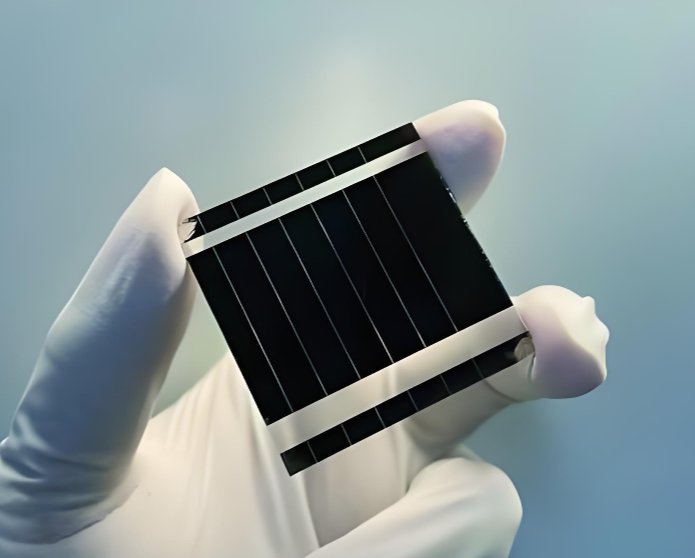
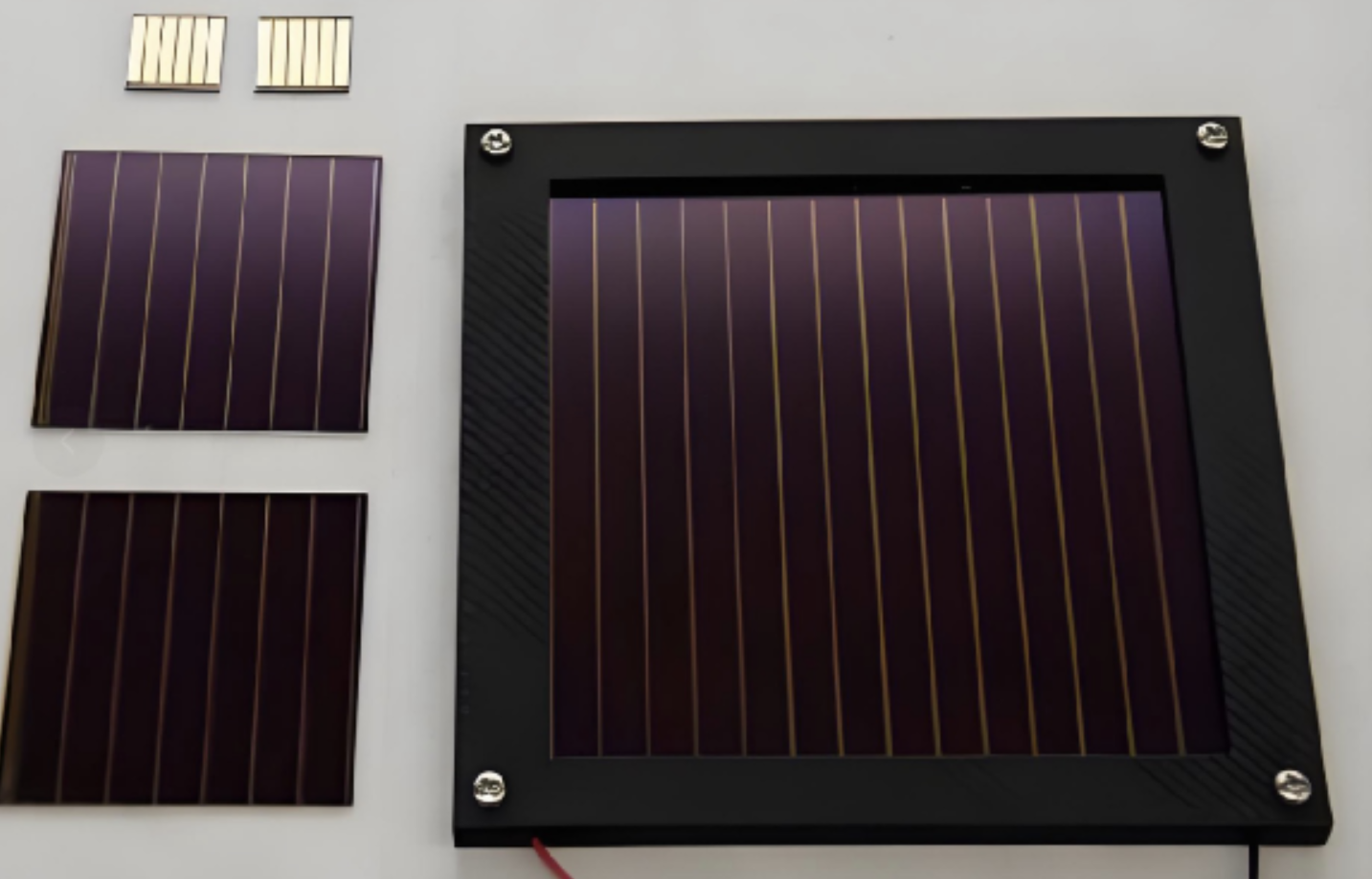
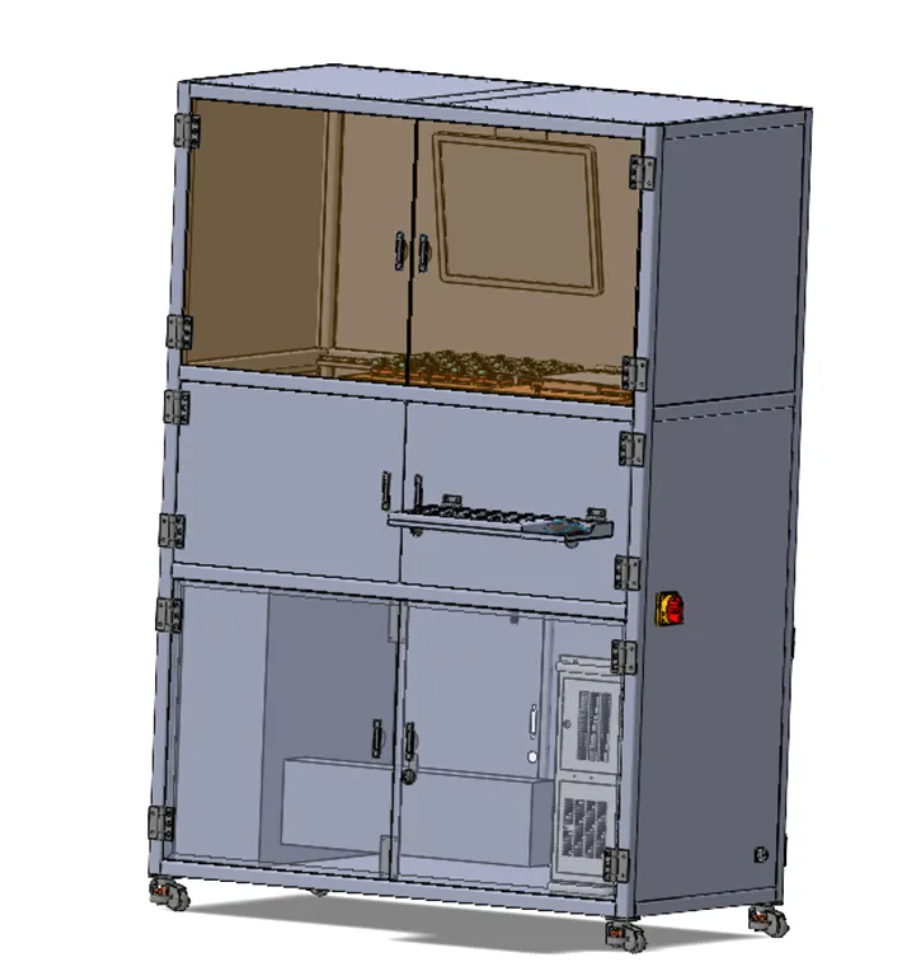
The cost of a perovskite solar cell production line is affected by process scope, substrate size, laser configuration, coating route, automation level, testing equipment and integration requirements. Buyers should avoid comparing only single-machine prices and instead evaluate the complete manufacturing workflow.
A well-planned production line can reduce repeated investment, improve process stability and support the transition from R&D to pilot manufacturing and future commercial production.
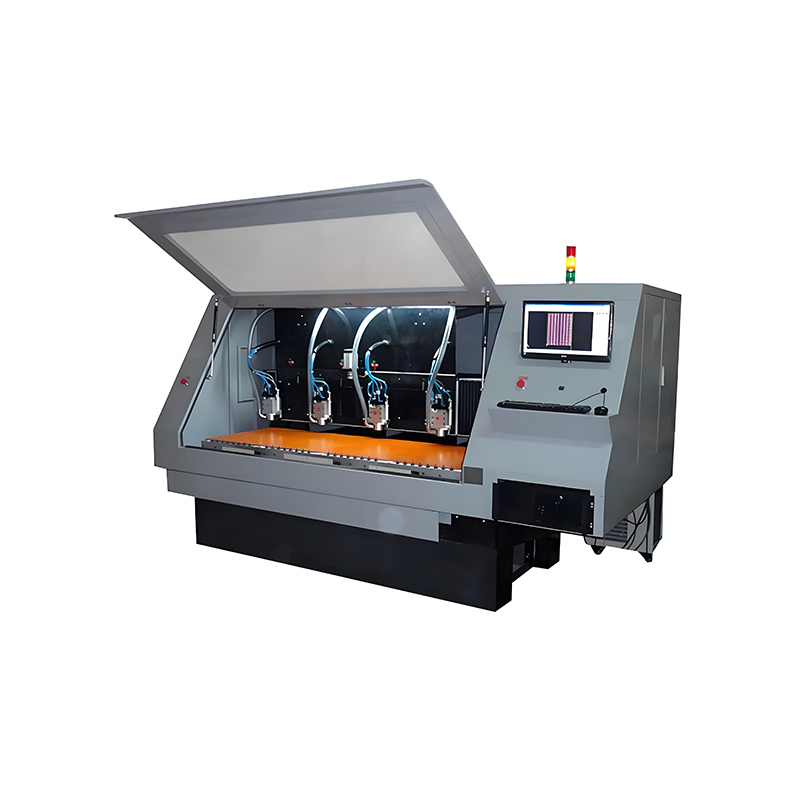
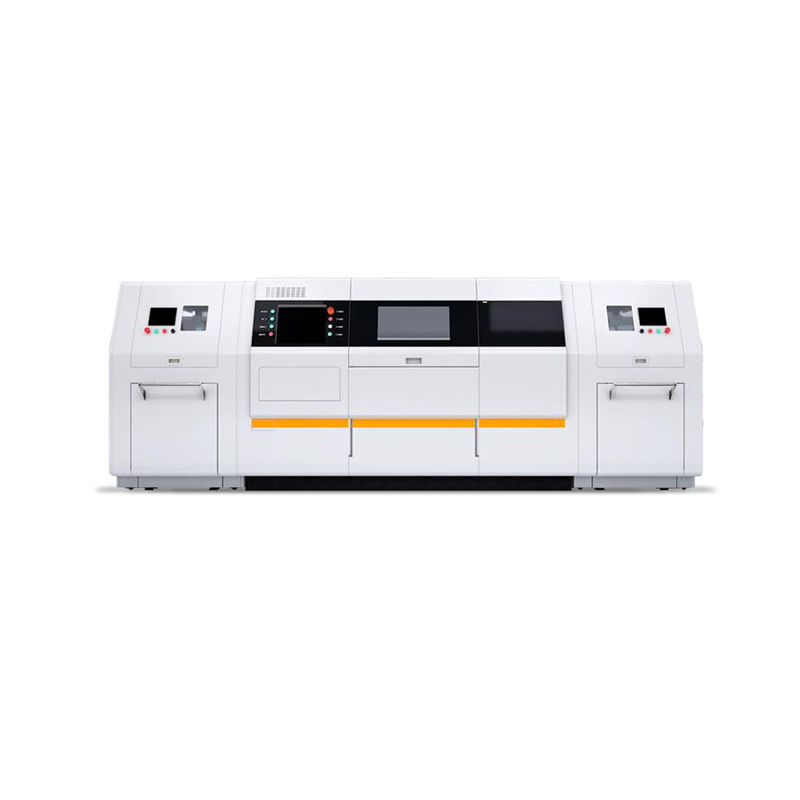
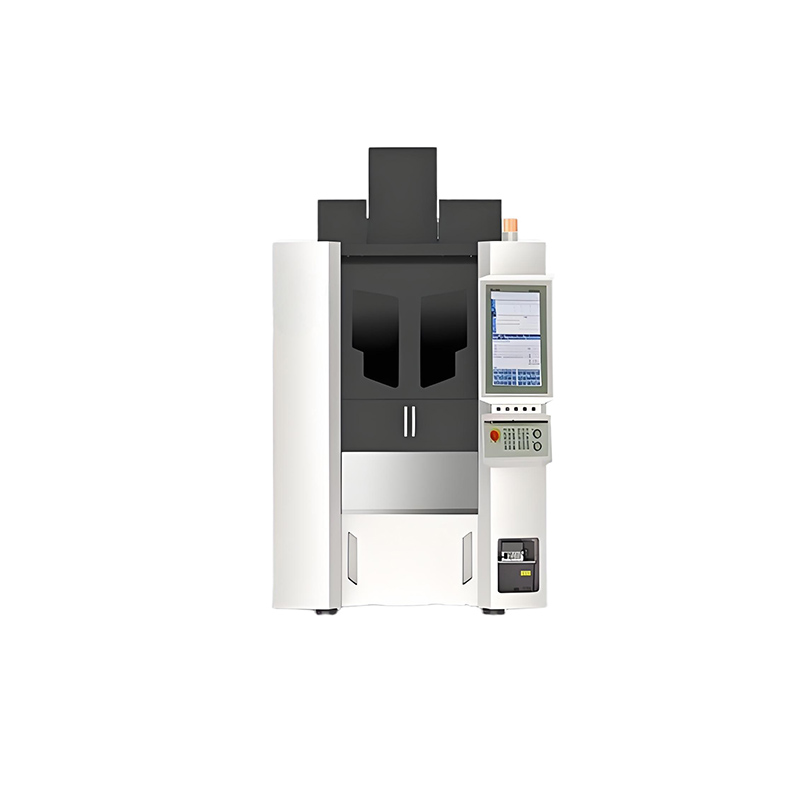
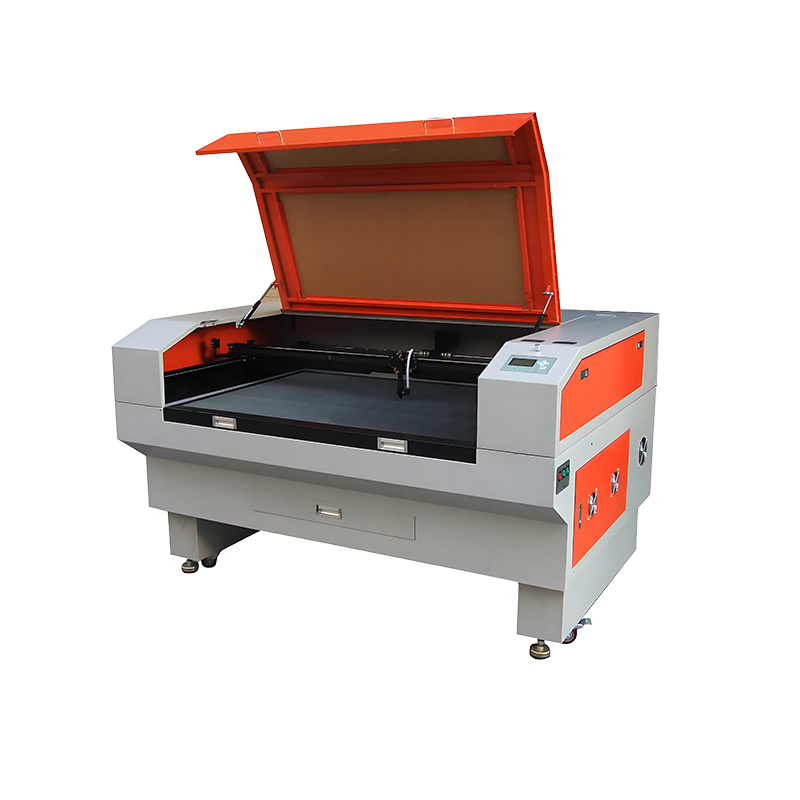
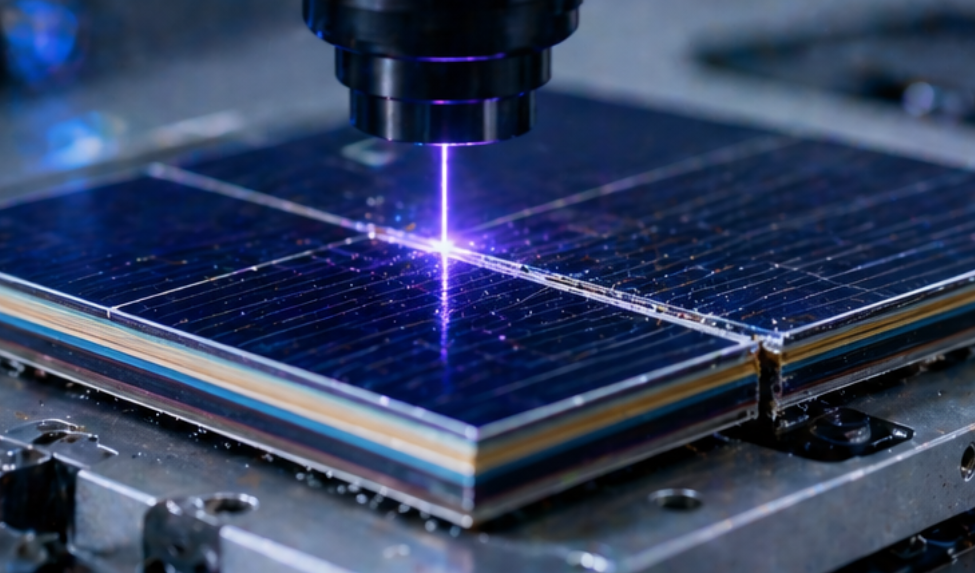
Laser scribing and mechanical scribing can both be used in thin-film solar cell research, but they are not equal for scalable perovskite module manufacturing. Laser scribing offers higher precision, better repeatability, lower mechanical stress and stronger automation potential.
For buyers planning perovskite pilot lines or future commercial production, laser scribing is usually the more reliable and scalable solution.
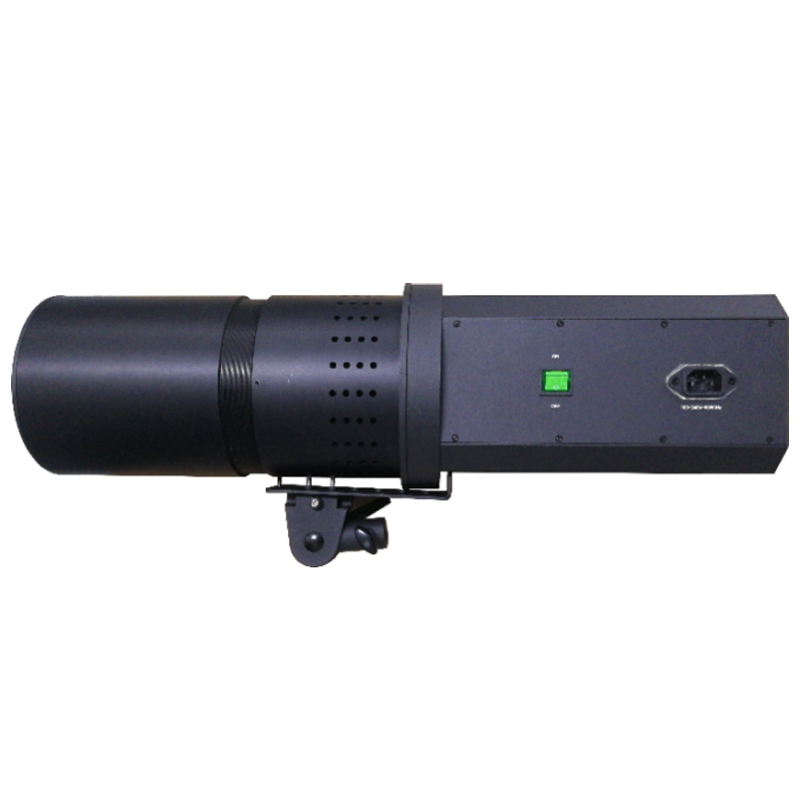
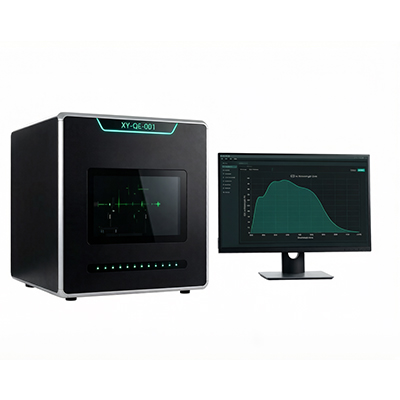
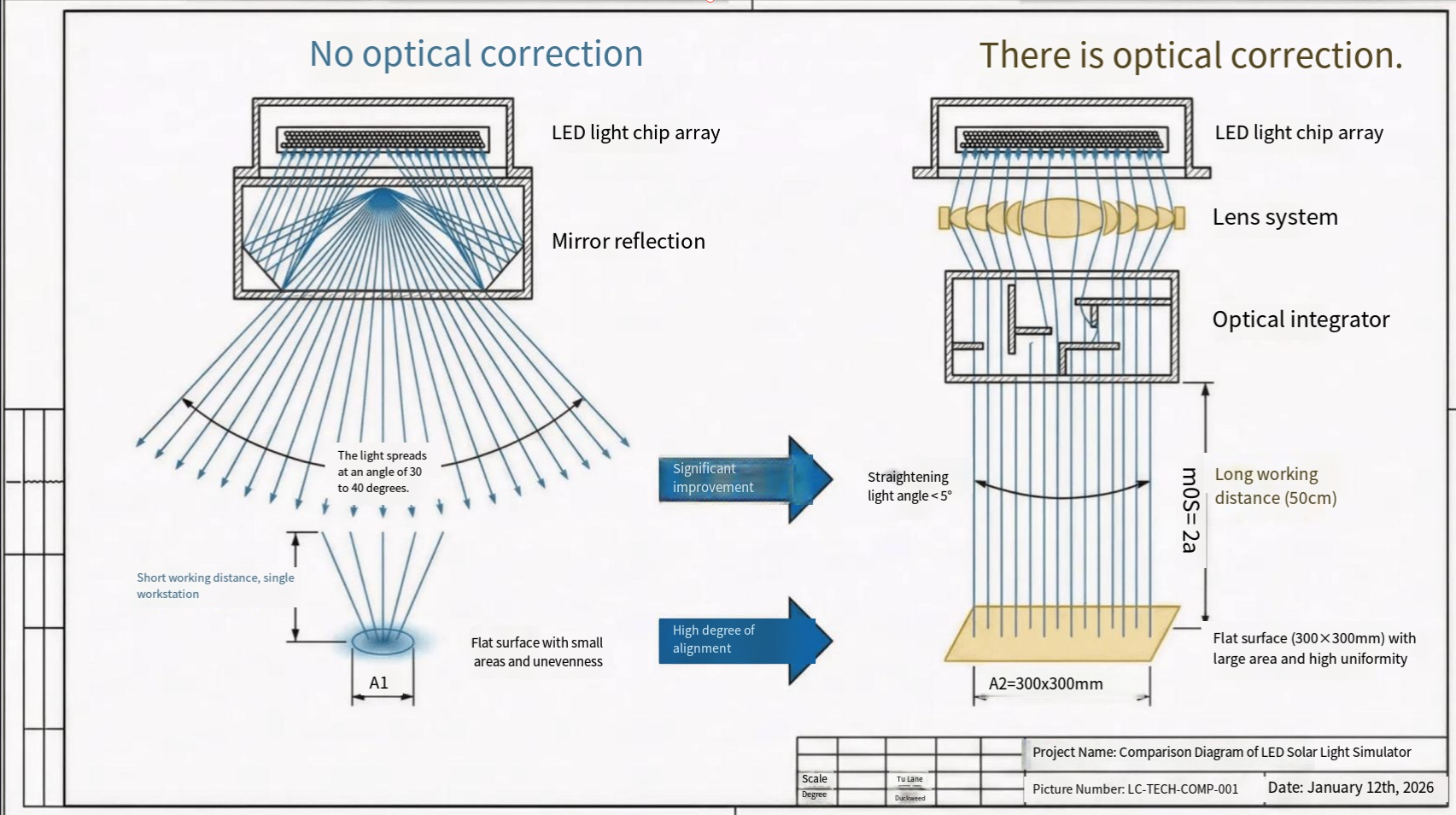
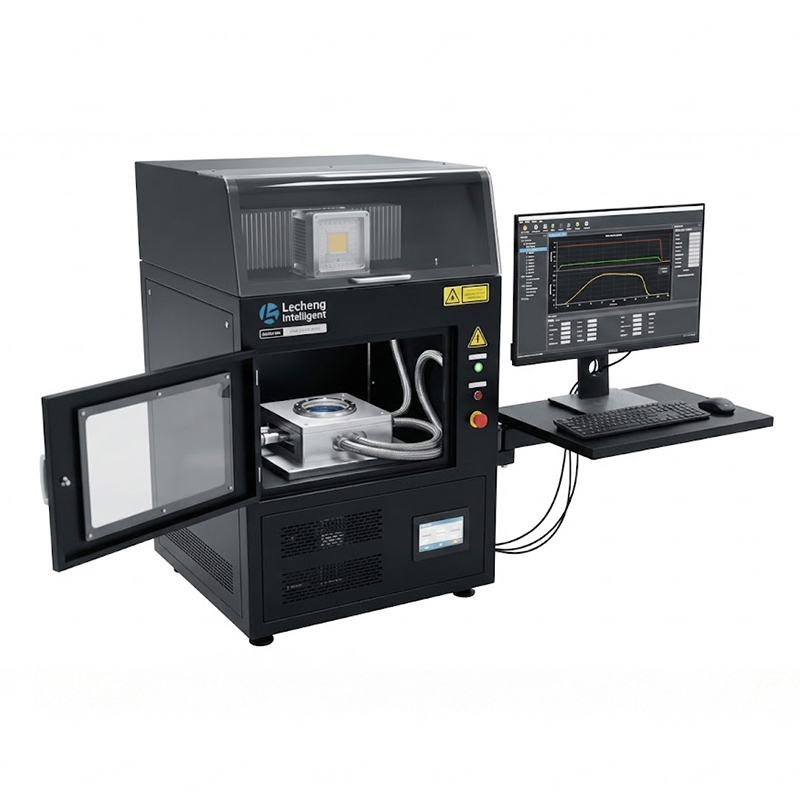
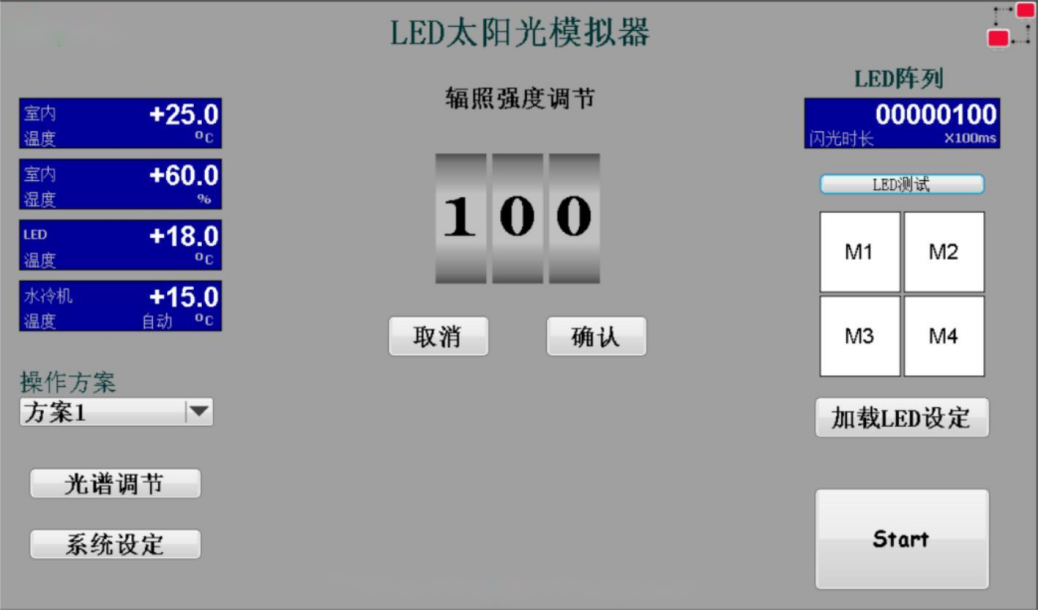
Before purchasing a solar simulator, buyers should request core optical data, repeatability and calibration information, and application-specific test evidence. The more transparent and relevant the data, the lower the procurement risk. For serious buyers, strong test data is not just supporting material—it is the foundation of a confident buying decision.
Evaluating a solar simulator supplier’s technical support capability means looking at pre-sales professionalism, installation and training strength, response speed, and long-term service value together. For buyers, strong support reduces risk, improves system usability, and helps ensure reliable testing over the full life of the equipment.
Long-term light stability matters in solar cell testing because it protects data credibility, supports repeatability, and enables reliable production control. For buyers, it should be evaluated through real performance records and long-duration evidence rather than simple claims. A stable simulator is the foundation of trustworthy photovoltaic measurement.
To reduce measurement error in solar simulator testing, buyers must focus on calibration accuracy, optical stability, sample handling, operator workflow, and ongoing data verification together. The most reliable testing platform is not just optically strong, but also process-controlled and easy to standardize in daily use.
The repeatability of solar simulator results in daily testing depends on optical stability, system design, operator workflow, and calibration discipline working together. For buyers, the key is to evaluate repeatability through real data and real operation scenarios, not just specification sheets. A highly repeatable system creates more trustworthy test results and better production control over time.
Comparing solar simulators beyond initial price means looking at optical performance, operating cost, maintenance burden, and supplier support together. For serious buyers, the most valuable system is not the lowest-priced one, but the one that delivers accurate testing, efficient daily use, and lower long-term risk.
Class AAA in solar simulator evaluation means top performance in spectral match, irradiance uniformity, and temporal stability. It is a valuable standard for judging optical quality, but it should not be the only factor in procurement. The best buying decision comes from combining the AAA rating with real data, system design, and application suitability.
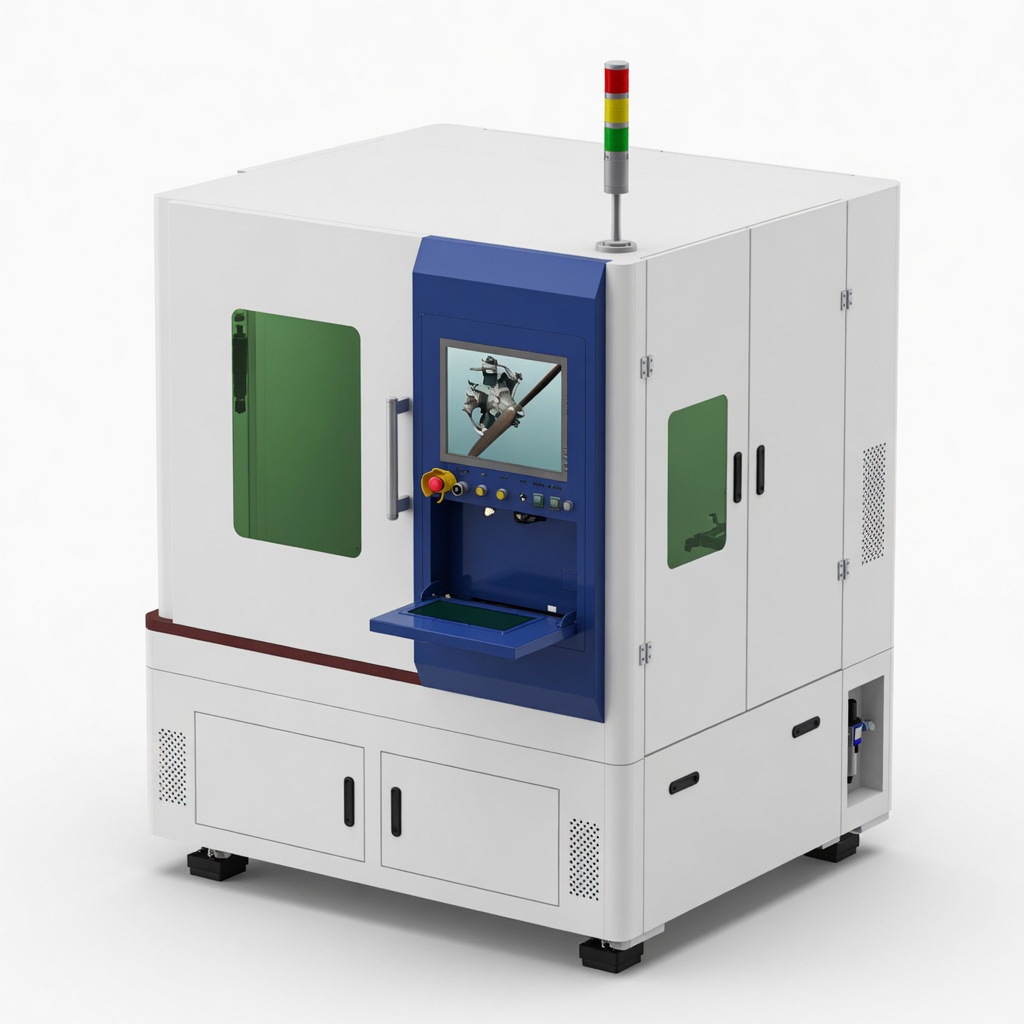
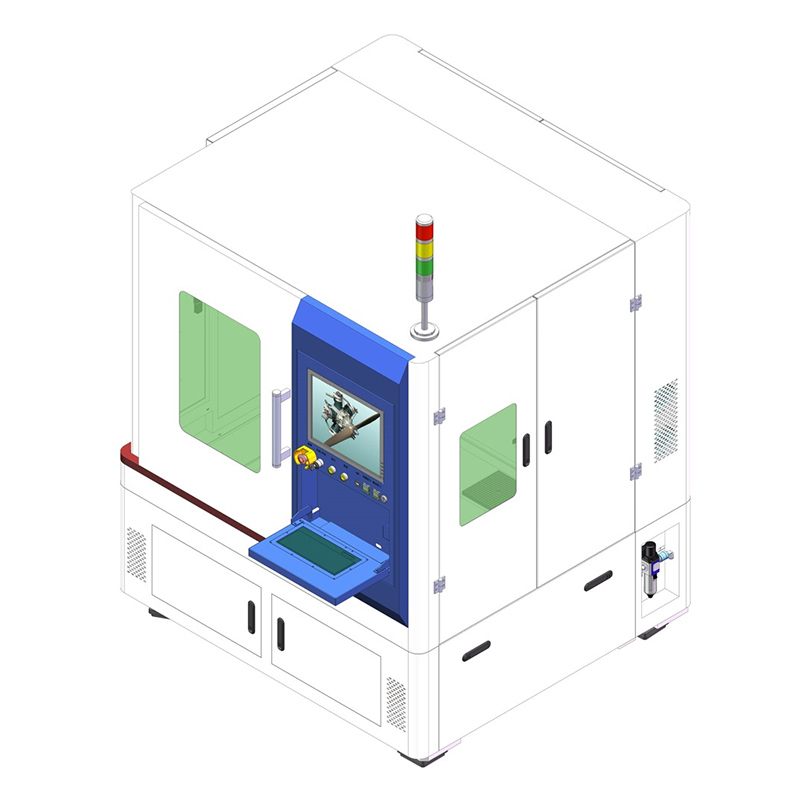
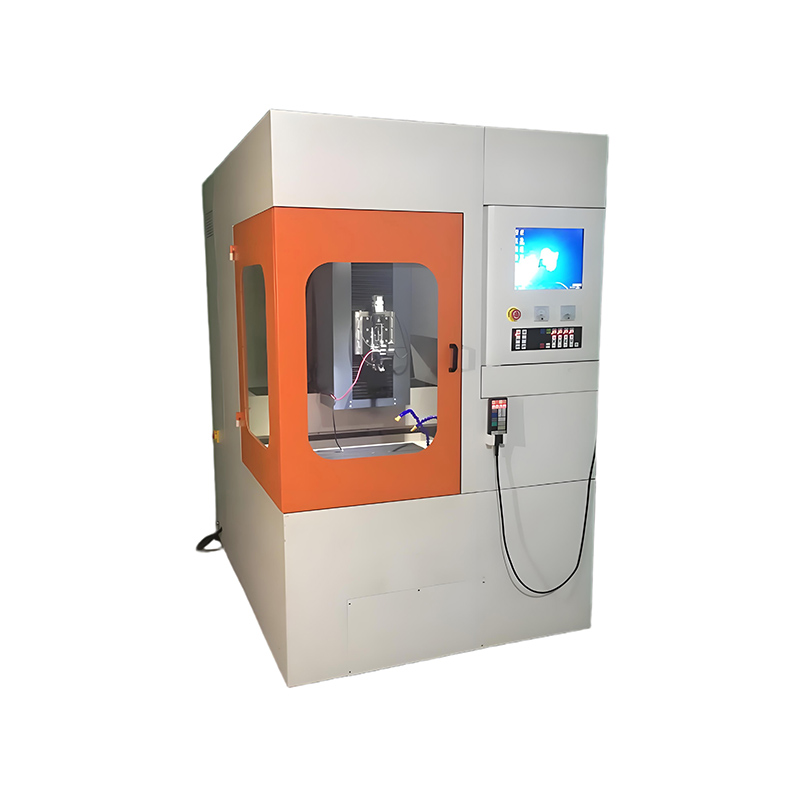
There is no universal answer to whether a standard machine or a customized laser scribing solution is better. The right choice depends on balancing cost, performance, and long-term production needs. For international buyers, the most effective approach is to select a solution that aligns closely with their process requirements and provides stable, efficient performance over time.