Products

Featured products

Contact us

News

  • Thin-Film Solar Modules for Indoor Energy Harvesting in IoT Applications
    2025
    10-10
    The rapid expansion of the Internet of Things (IoT) has created an urgent need for sustainable power sources for wireless sensor networks and portable electronic devices. This article presents recent breakthroughs in flexible thin-film silicon photovoltaic modules fabricated on polyimide substrates, which demonstrate exceptional performance under indoor lighting conditions. Through optimized plasma-enhanced chemical vapor deposition (PECVD) processes and strategic material engineering, these lightweight, bendable solar modules achieve remarkable 9.1% aperture efficiency at 300 lux illumination while maintaining mechanical robustness through thousands of bending cycles. The technology offers a promising solution for powering the next generation of autonomous electronic devices without battery replacement constraints.
  • Efficient All-Perovskite Photovoltaic Cells
    2025
    10-09
    As wearable technology advances from fitness trackers to medical monitors and augmented reality glasses, power autonomy remains the critical bottleneck. Conventional batteries limit device functionality and design freedom, while rigid solar solutions compromise wearability. Enter ultrathin all-perovskite photovoltaic cells – the breakthrough technology enabling truly self-sustaining wearable ecosystems.
  • Monitoring and Quality Control of P1, P2, P3 Laser Scribing for High-Yield Perovskite Solar Modules
    2025
    10-08
    Perovskite solar modules (PSMs) have emerged as a promising photovoltaic technology due to their high efficiency and low manufacturing costs. However, the commercialization of PSMs faces significant challenges in achieving precise and reliable laser scribing processes for series interconnection. The laser scribing quality directly impacts the geometric fill factor (GFF), series resistance, and ultimate conversion efficiency of solar modules. This article systematically examines the monitoring techniques and quality control strategies for P1, P2, and P3 laser scribing processes that are essential for improving production yield in industrial manufacturing.
  • P1, P2, and P3 Laser Scribing
    2025
    10-07
    The P1, P2, and P3 laser scribing processes each play distinct but interconnected roles in manufacturing high-efficiency thin-film solar cells. P1 establishes the foundational electrical isolation, P2 creates the critical series interconnection between cells, and P3 completes the circuit isolation. Together, these precision processes enable the production of series-connected solar modules with minimized dead areas and maximized active area for power generation. As solar cell technologies continue to advance toward higher efficiencies and thinner layer architectures, the precision and control offered by laser scribing will remain indispensable for commercial viability.
  • Picosecond vs Femtosecond Lasers
    2025
    09-26
    In the realm of advanced laser technology, ultrafast lasers have revolutionized precision manufacturing, medical procedures, and scientific research. Among these, picosecond and femtosecond lasers represent the cutting edge of ultrashort pulse technology. While both operate at timescales incomprehensibly fast to humans, the subtle differences between them significantly impact their applications and effectiveness. This technical comparison examines the fundamental characteristics, mechanisms, and practical considerations of these two laser technologies.
  • The Global Expansion of the Photovoltaic Industry
    2025
    09-25
    The photovoltaic (PV) industry has emerged as a cornerstone of the global transition to renewable energy, driven by technological innovation, policy support, and increasing demand for clean electricity. As countries worldwide strive to meet carbon neutrality goals, the PV industry is undergoing rapid transformation and expansion. This article explores the key trends, regional strategies, and future directions shaping the global layout of the PV industry.
  • Perovskite Solar Technology
    2025
    09-24
    Perovskite solar technology is poised to transform the global solar industry, offering unprecedented advantages in efficiency, cost, and scalability. As the world shifts toward renewable energy, perovskite-based solutions are emerging as a game-changer for businesses seeking high-performance, affordable solar products.
  • The Challenges in Building Perovskite Production Lines: A Technological Perspective
    2025
    09-23
    Compared with mature crystalline silicon photovoltaic production lines, establishing a perovskite production line is significantly more complex and challenging. While crystalline silicon module manufacturing relies primarily on physical processes, perovskite production involves intricate chemical formulations and highly customized equipment, posing unique hurdles for industrialization.
  • Perovskite Thin Film Preparation Methods
    2025
    09-22
    The preparation of perovskite materials is a critical step in achieving high-efficiency perovskite solar cells. At the molecular scale, PbI₂ and CH₃NH₃I can rapidly react through self-assembly to form CH₃NH₃PbI₃. Thus, whether in solid, liquid, or gas phases, thorough mixing of the two raw materials can yield the desired perovskite material. However, for thin-film solar cell light-absorbing layers with thicknesses below 1 μm, the large perovskite crystals produced by solid-phase reaction methods are clearly unsuitable.
  • Introduction to Perovskite Solar Cells
    2025
    09-20
    The structure of perovskite solar cells is illustrated in the figure below. Its core is a light-absorbing material composed of organometal halides with a perovskite crystal structure (ABX₃) (unit cell structure shown in the attached figure). In this perovskite ABX₃ structure, A is the methylammonium group (CH₃NH₃⁺), B is a metal lead atom, and X is a halogen atom such as chlorine, bromine, or iodine.
  • P4 Laser Edge Deletion for Perovskite Solar Cells
    P4 Laser Edge Deletion for Perovskite Solar Cells
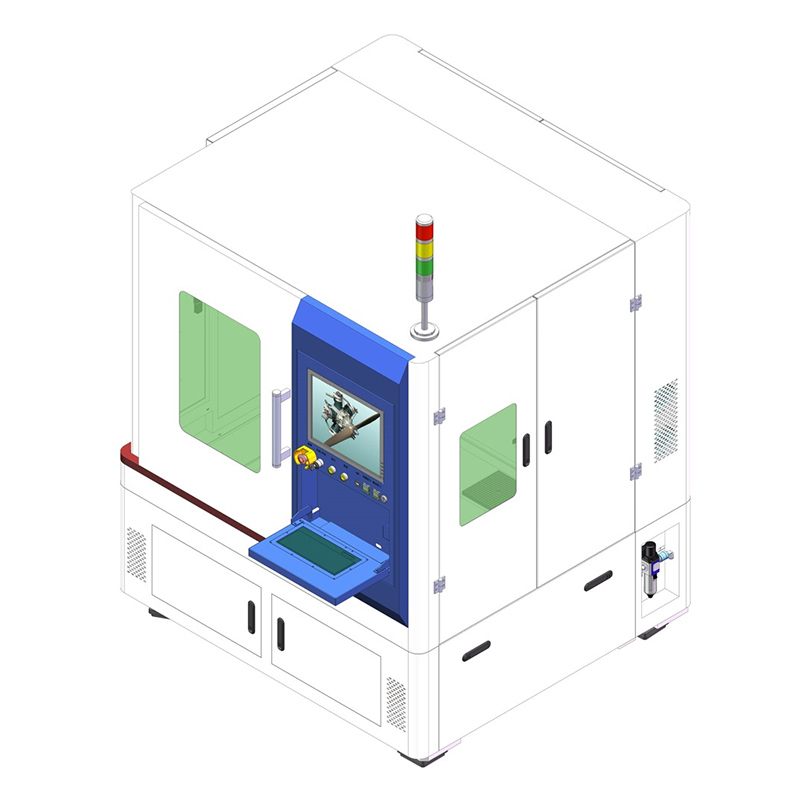
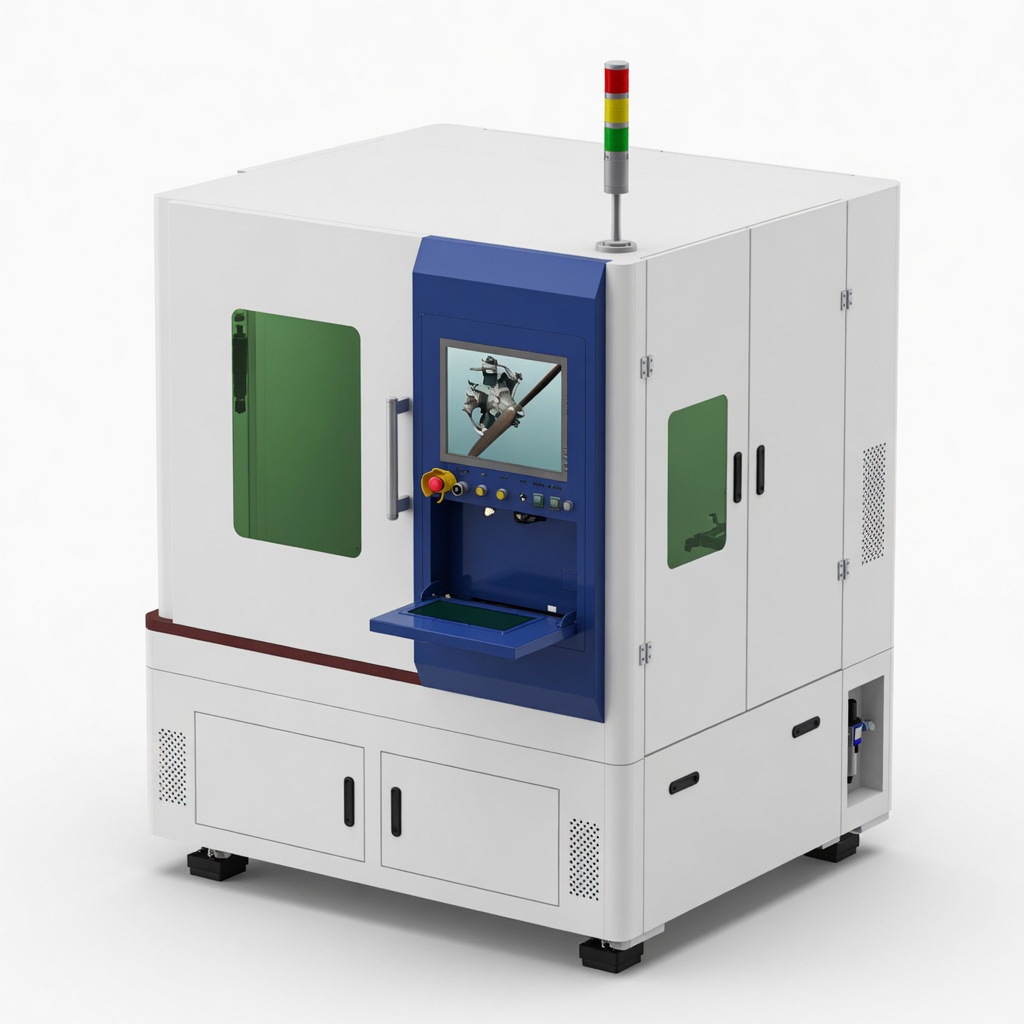
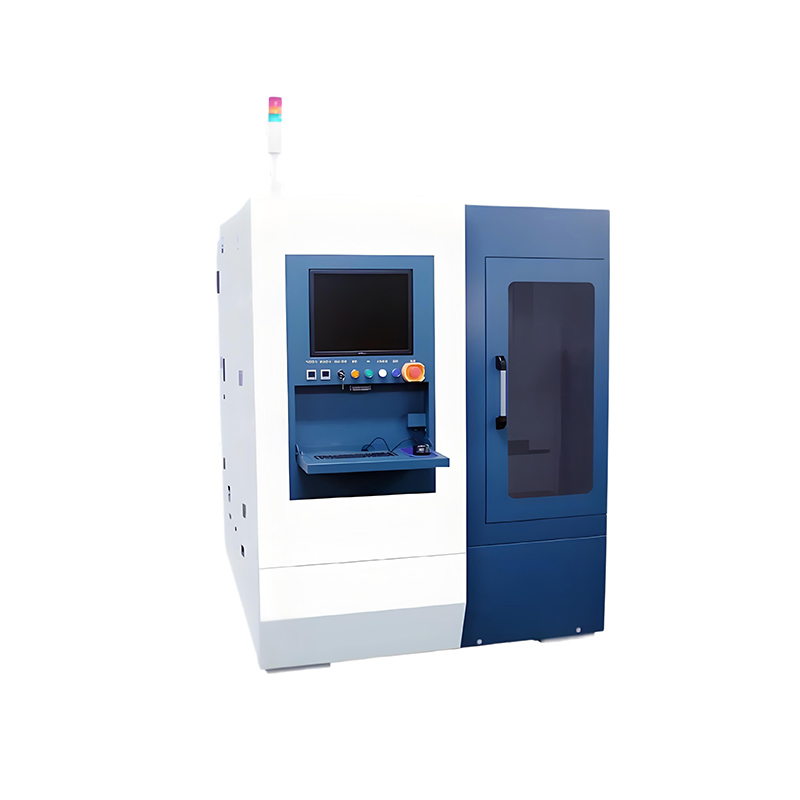
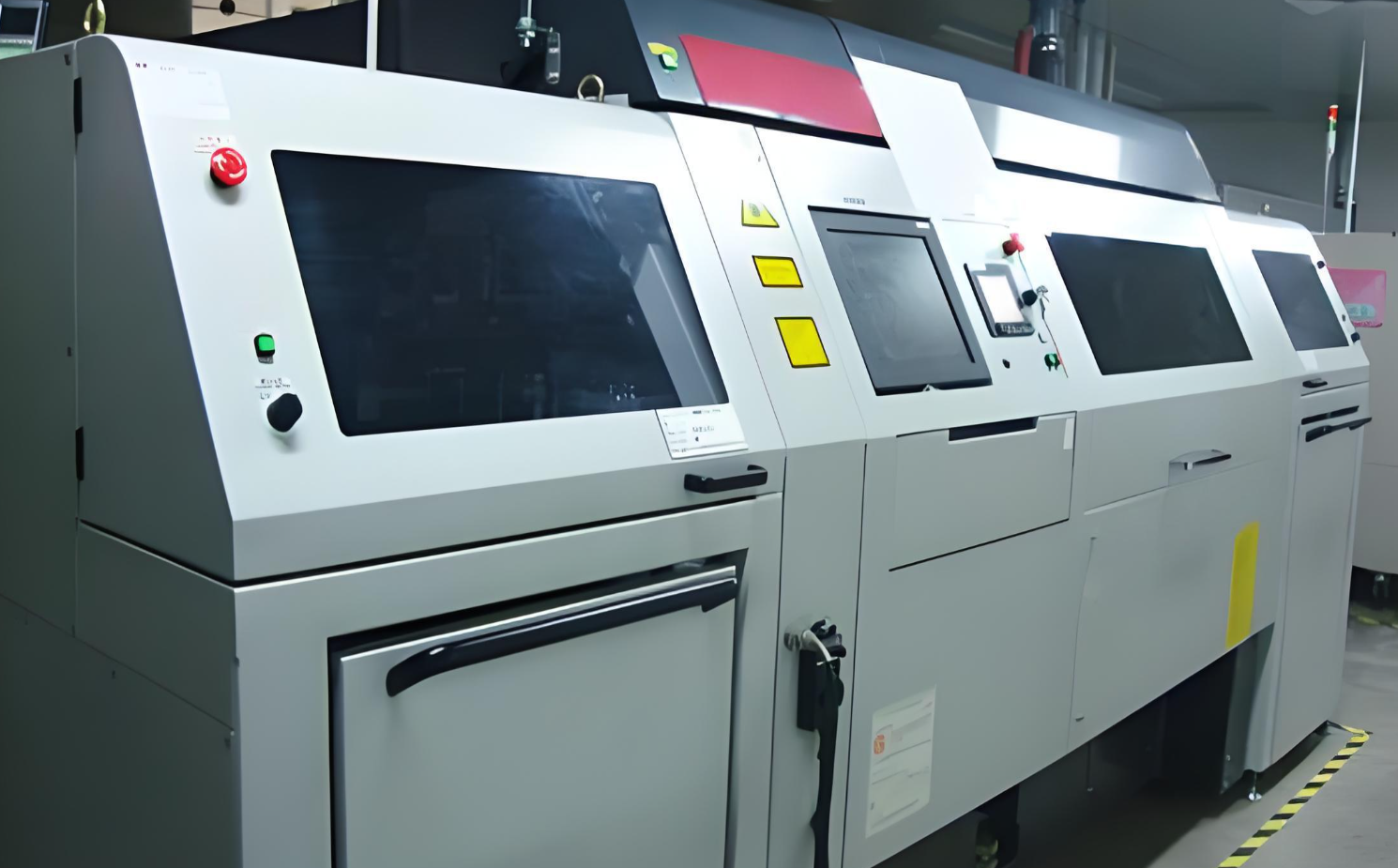
    Lecheng Intelligent provides a stable P4 laser edge deletion solution for perovskite solar cells, helping customers achieve cleaner edge isolation, better encapsulation compatibility and improved module reliability. This page highlights how Lecheng approaches P4 laser processing in perovskite photovoltaic manufacturing with stronger focus on edge quality, dead zone control and production-oriented consistency.
    More
  • P3 Laser Scribing for Perovskite Solar Cells
    P3 Laser Scribing for Perovskite Solar Cells
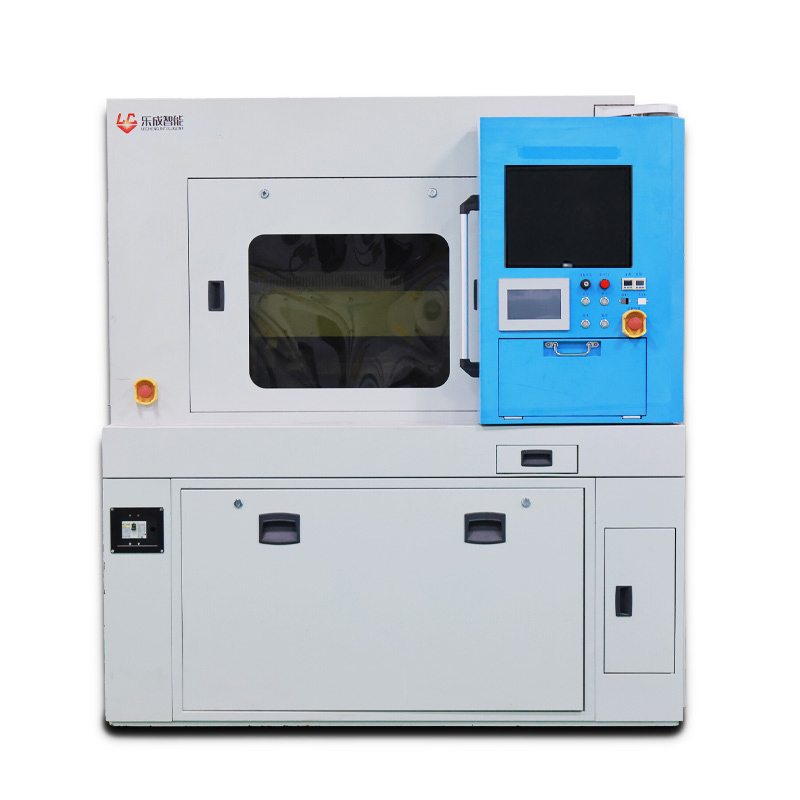
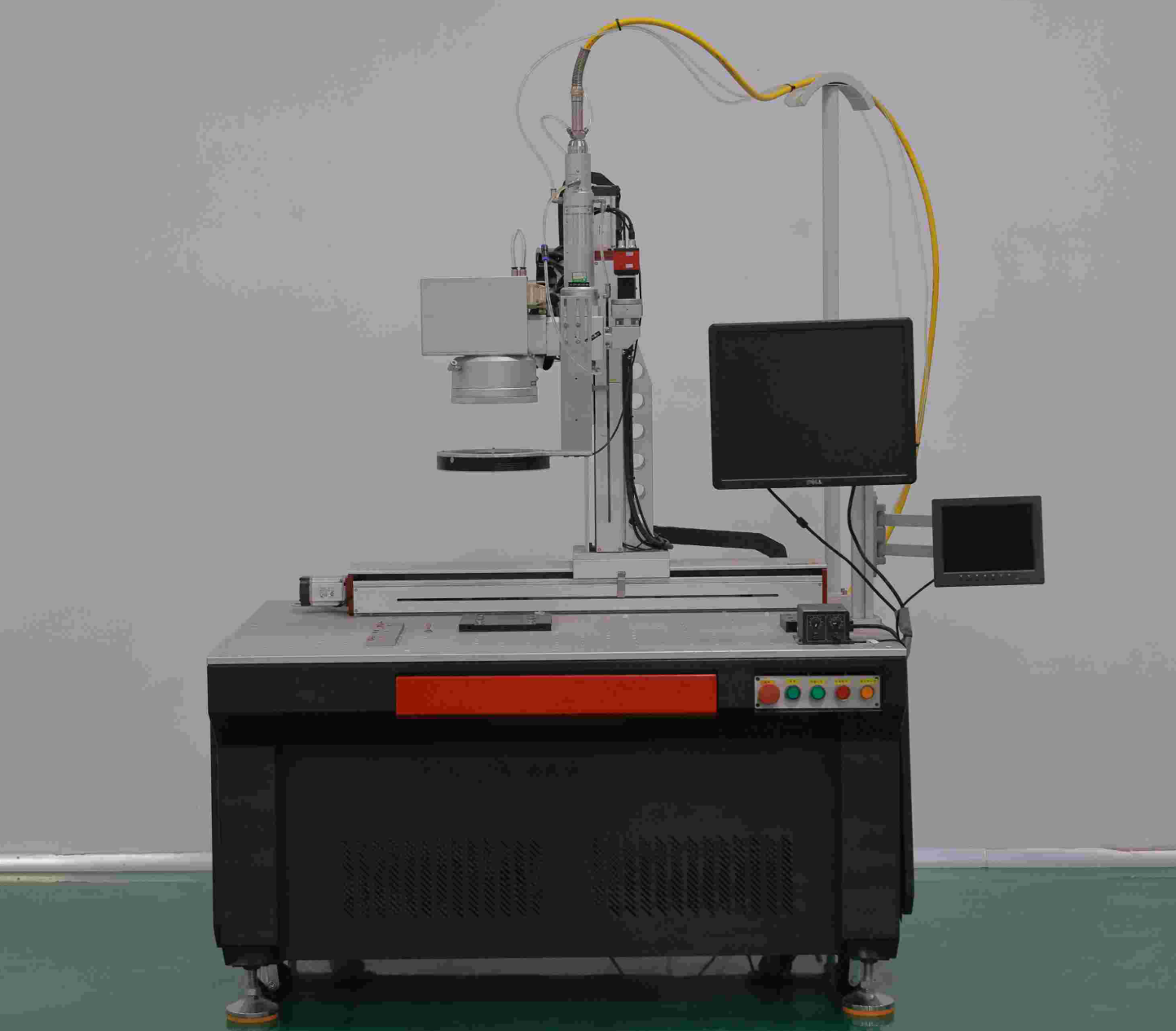
    Lecheng provides P3 laser scribing solutions for perovskite solar cells, helping achieve clean cell isolation, stable line quality and better module integration. Suitable for lab research, pilot lines and scalable photovoltaic manufacturing.
    More
  • P2 Laser Scribing for Perovskite Solar Cells
    P2 Laser Scribing for Perovskite Solar Cells
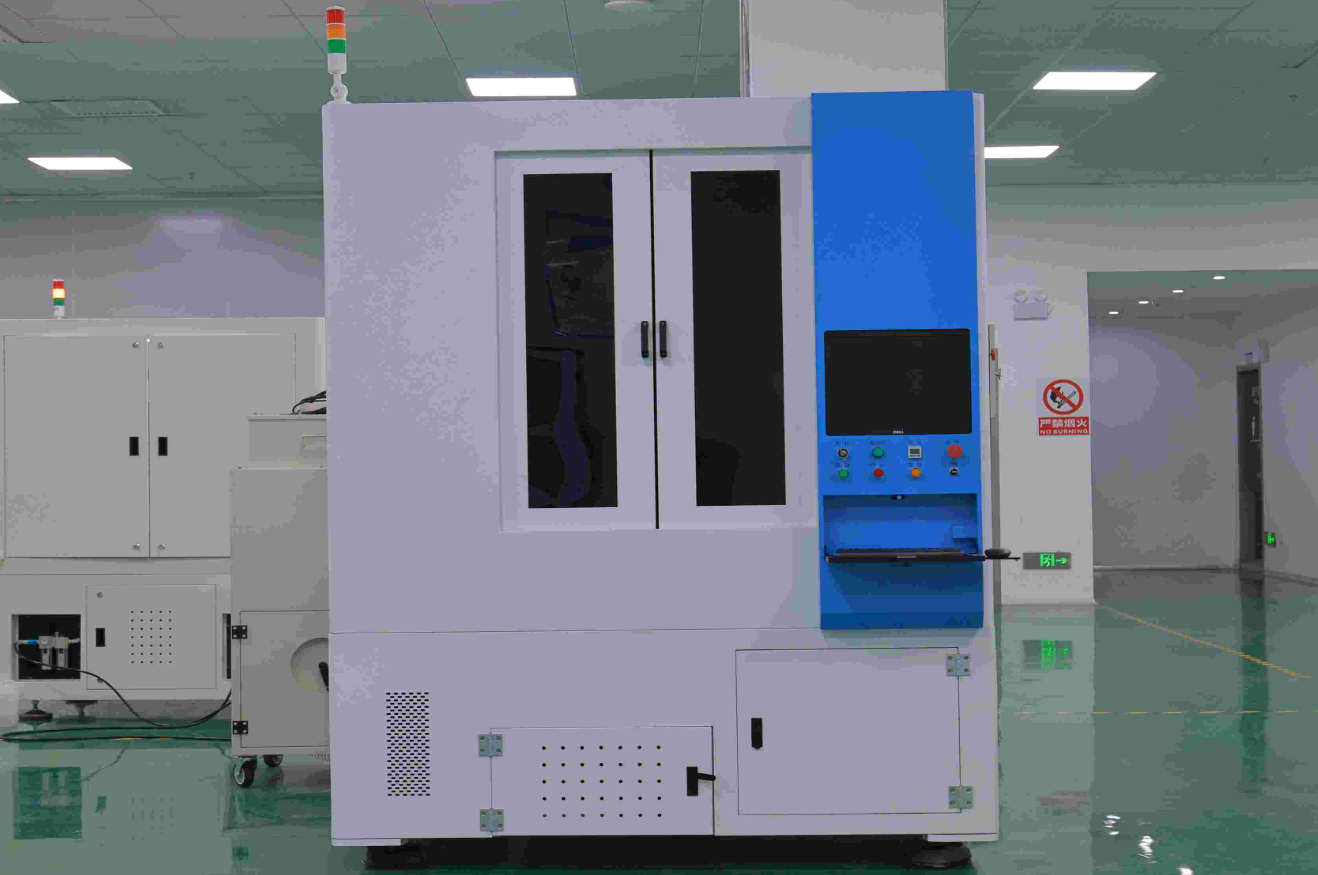
    If you want to explore the broader engineering logic behind P1, P2, P3 and P4 integration as well as full line configuration, visit our related Perovskite Laser Production Line page. This internal entry helps strengthen topic relevance around P2 laser scribing for perovskite solar cells, perovskite laser processing and perovskite pilot line solutions.
    More
  • P1 Laser Scribing for Perovskite Solar Cells
    P1 Laser Scribing for Perovskite Solar Cells
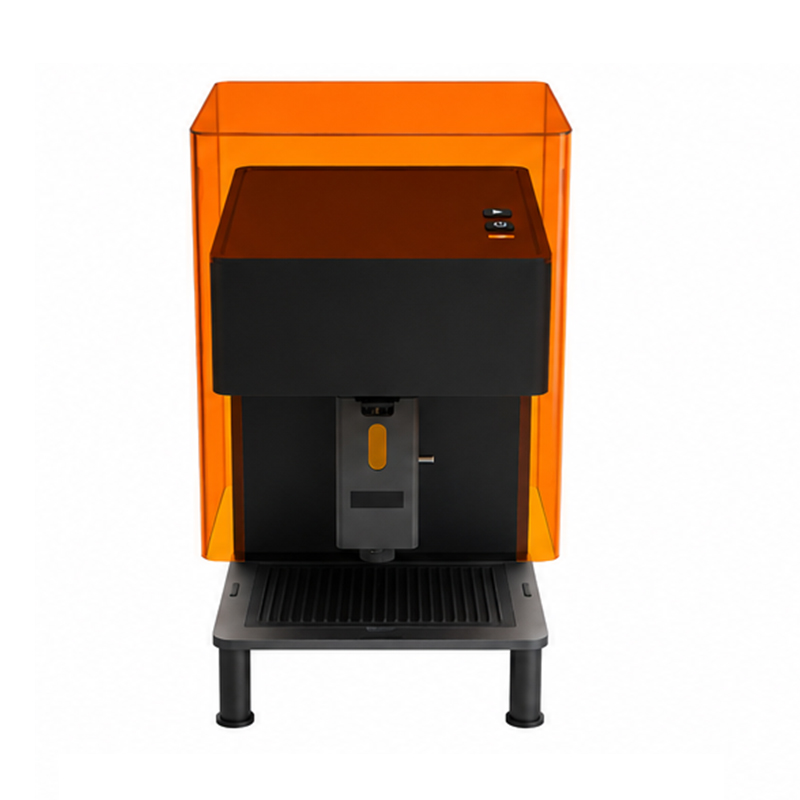
    Lecheng Intelligent provides a stable P1 laser scribing solution for perovskite solar cells, helping customers achieve clean conductive layer isolation, better line consistency and stronger process compatibility for laboratory research, pilot lines and scale-up production. This case page highlights how Lecheng approaches early-stage laser patterning in perovskite photovoltaic manufacturing with a stronger focus on precision, substrate protection and downstream process continuity.
    More
  • Space Photovoltaic Stability Test Solutions
    Space Photovoltaic Stability Test Solutions
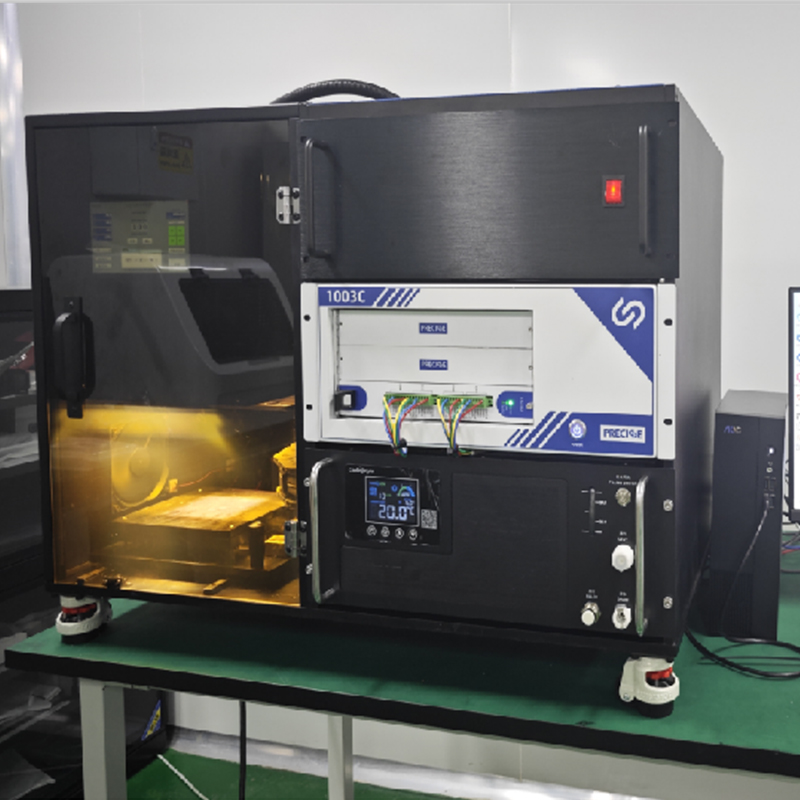
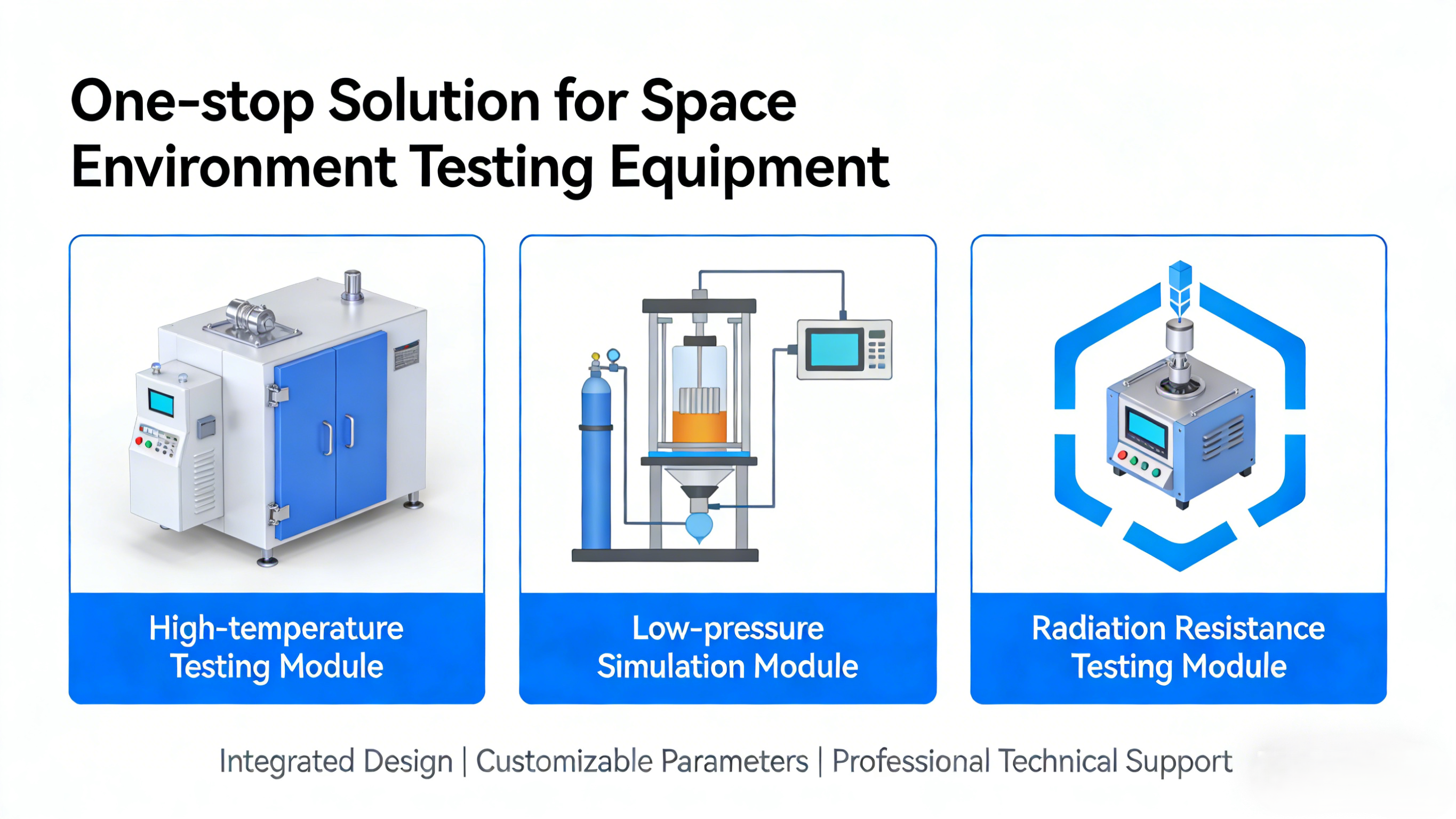
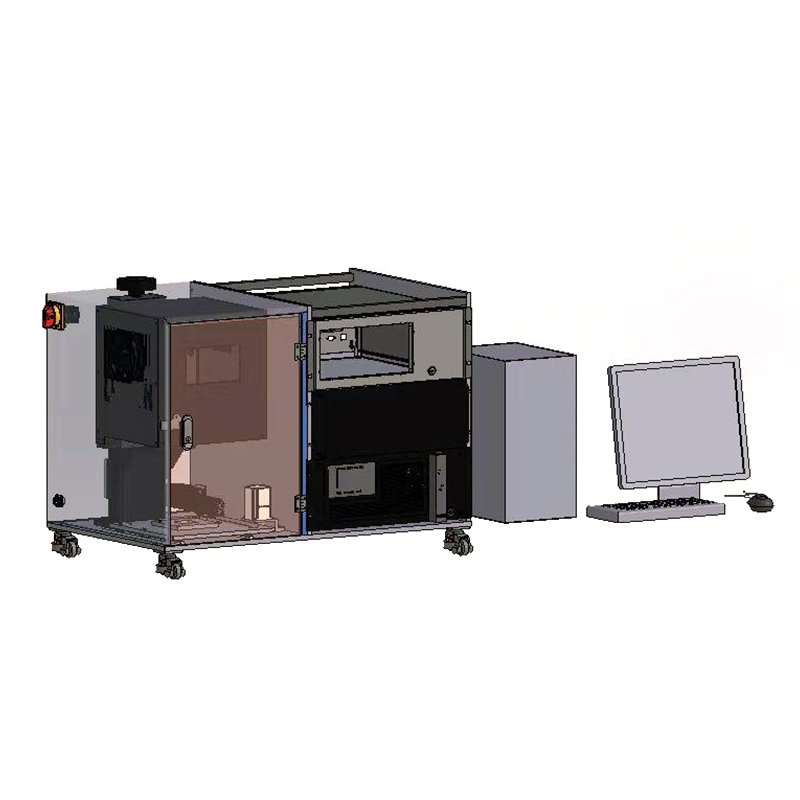
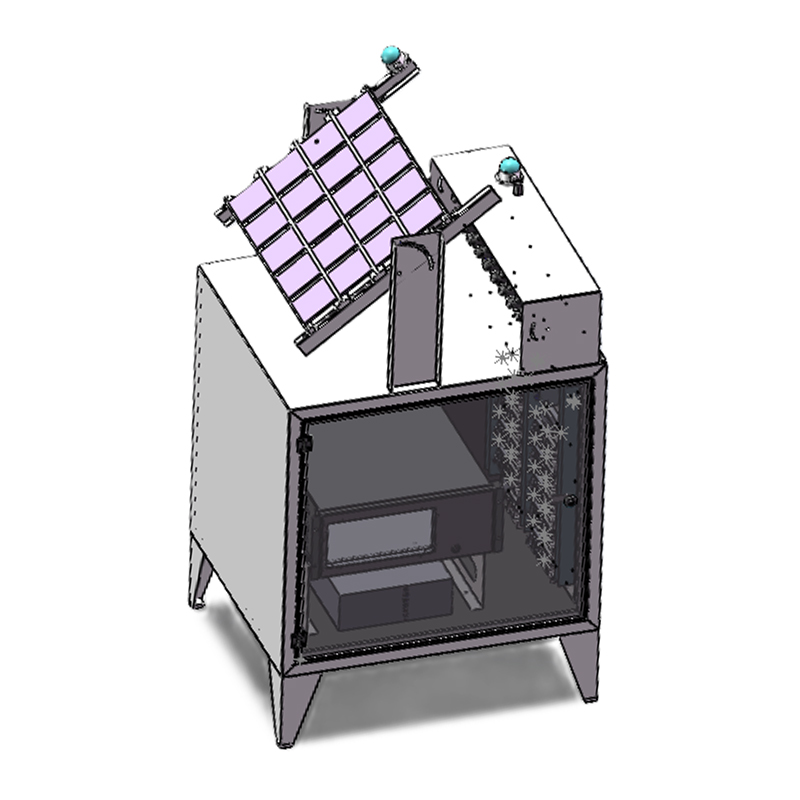
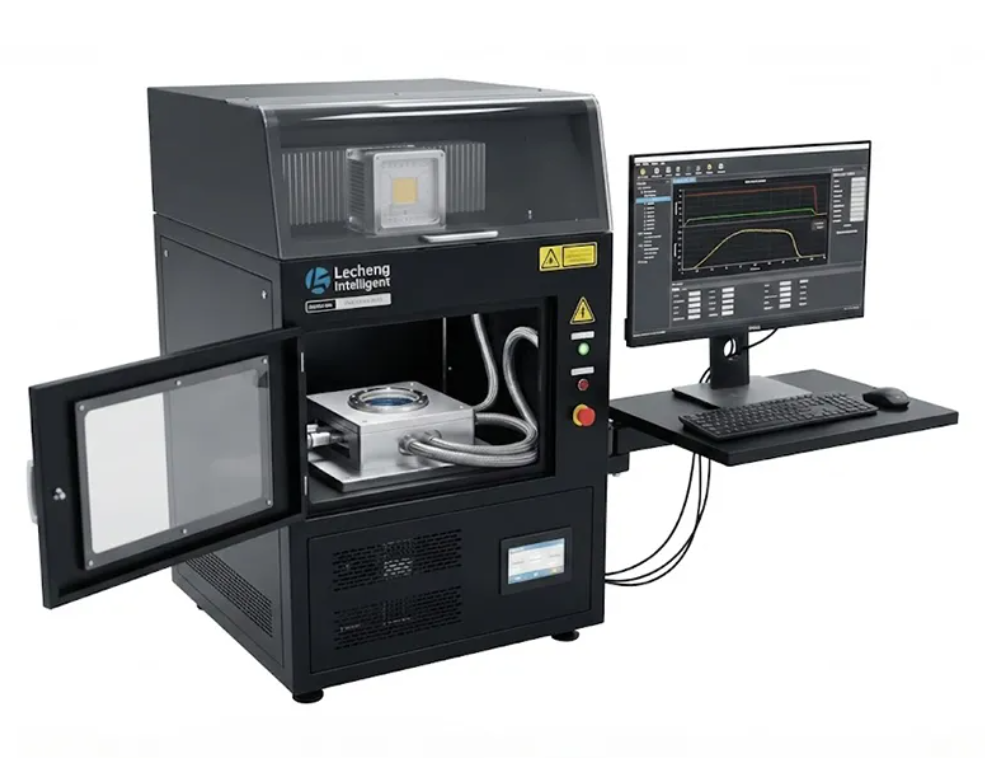
    Integrated stability test solutions for space photovoltaic modules, designed for electrical characterization, thermal cycling, long-term reliability validation and aerospace-grade photovoltaic evaluation.
    More
  • AM0 Solar Simulator Solutions
    AM0 Solar Simulator Solutions
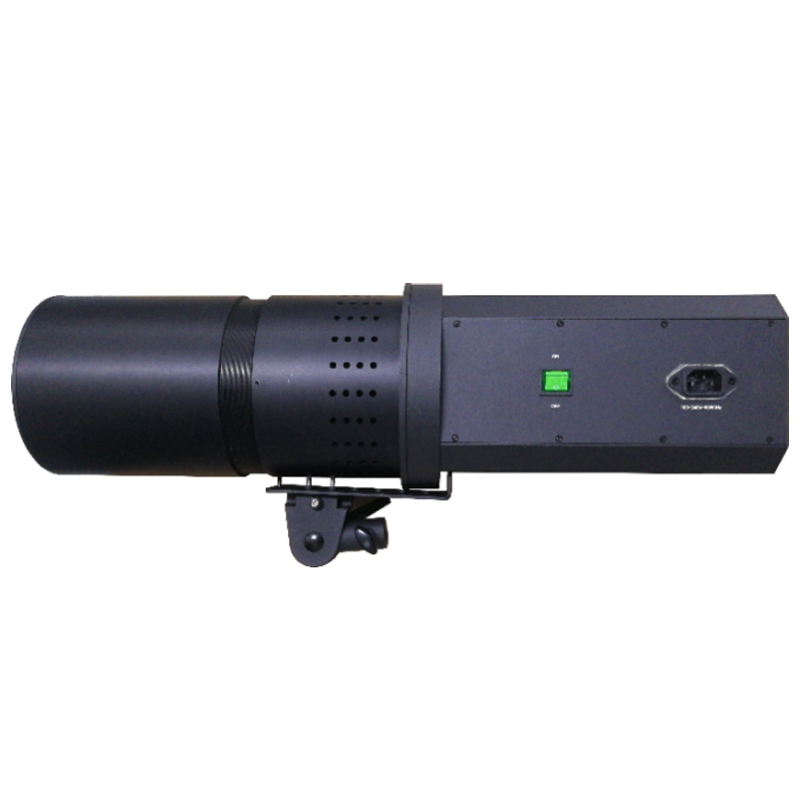
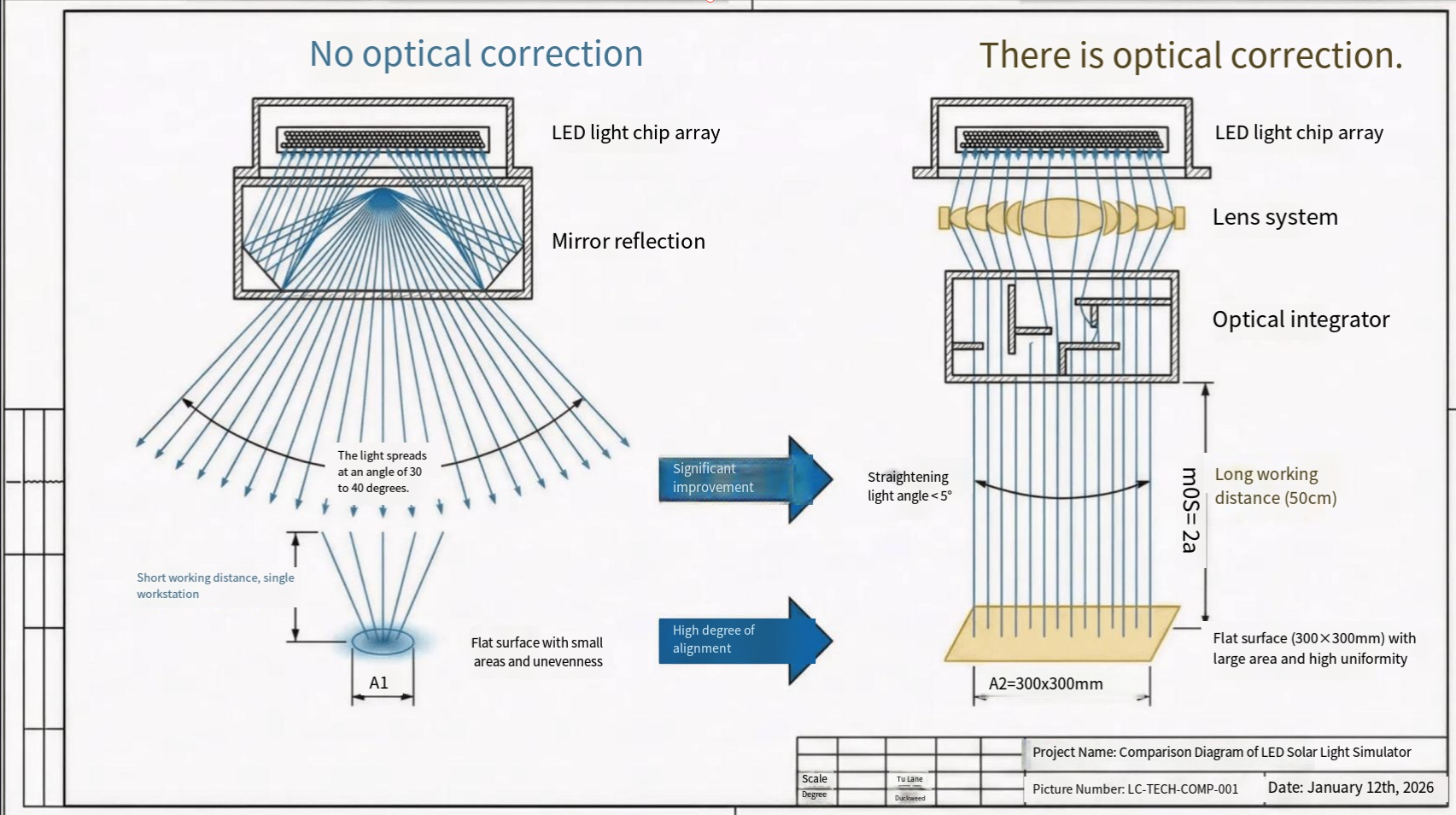
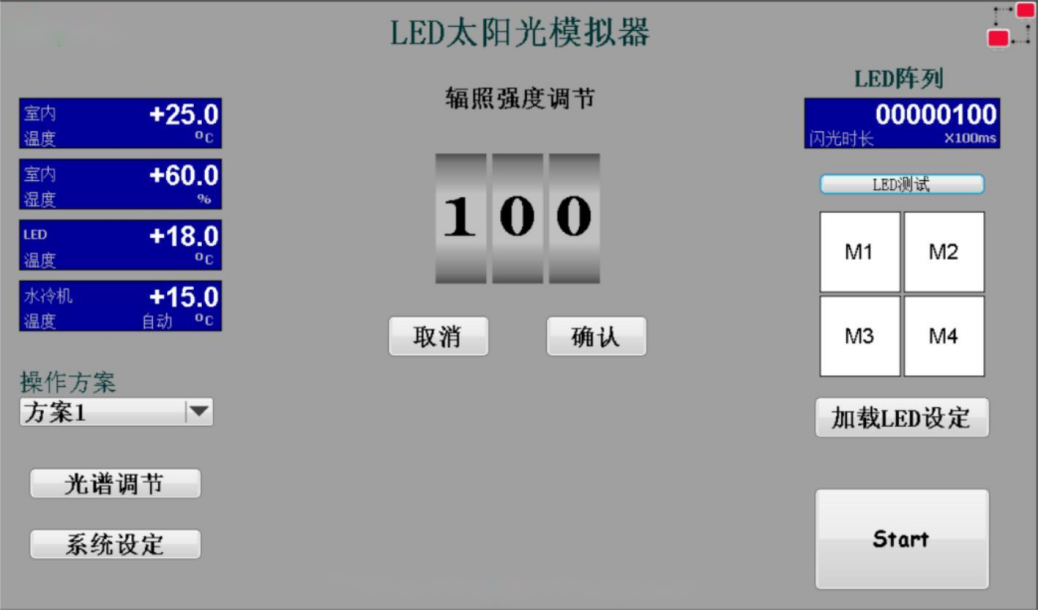
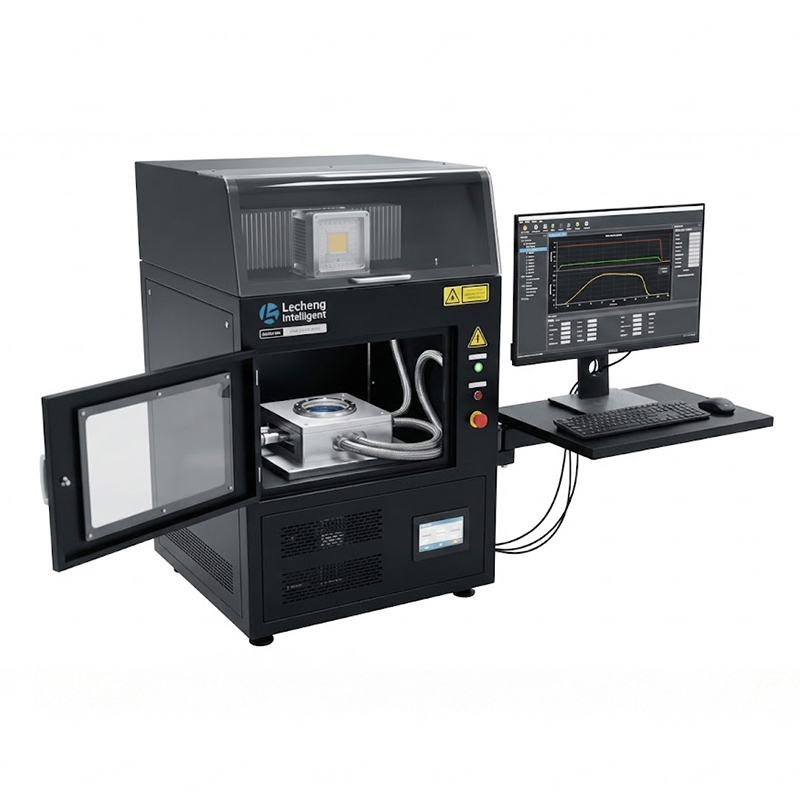
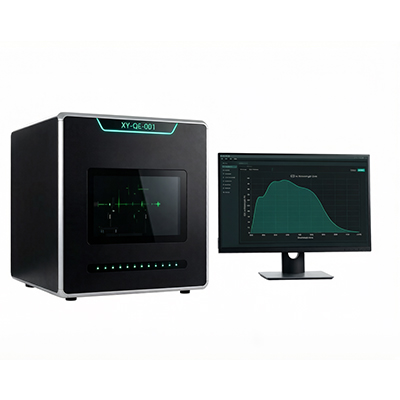
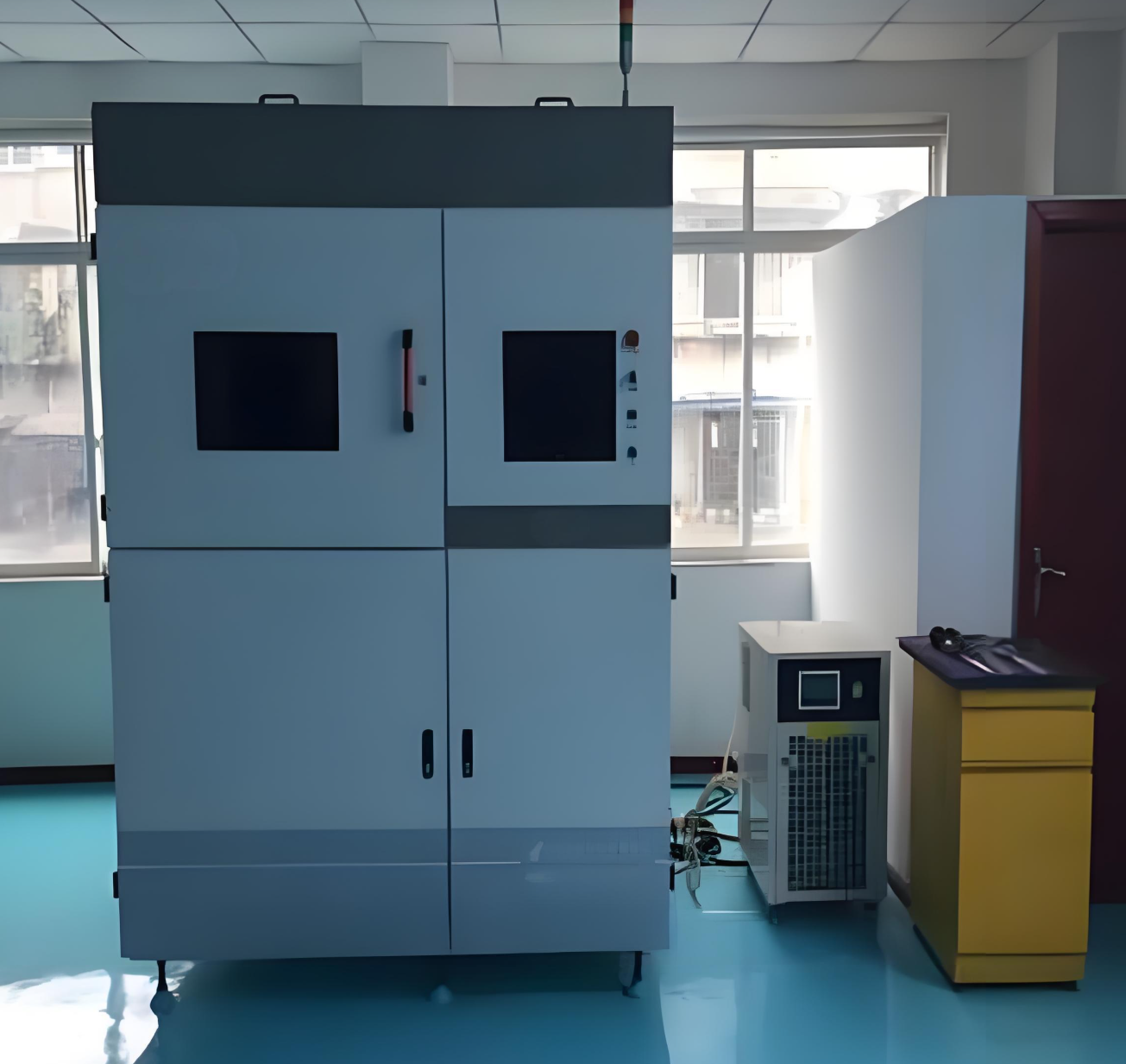
    High-precision AM0 solar simulator solutions for space photovoltaic testing, perovskite solar research, spectral evaluation and advanced solar device performance verification. Lecheng Intelligent provides process-oriented AM0 solar simulator solutions for customers who require more than basic illumination equipment. Our solution is designed around spectral accuracy, irradiation uniformity, temporal stability, optical shaping and flexible testing modes, helping research teams and manufacturers build a more reliable platform for space solar cell testing, perovskite photovoltaic testing and advanced photovoltaic device evaluation.
    More

40px

80px

80px

80px

Get Quote