


Industrial Applications of CO₂ Laser Marking
Beyond the Workshop: Core Manufacturing and Product Identification
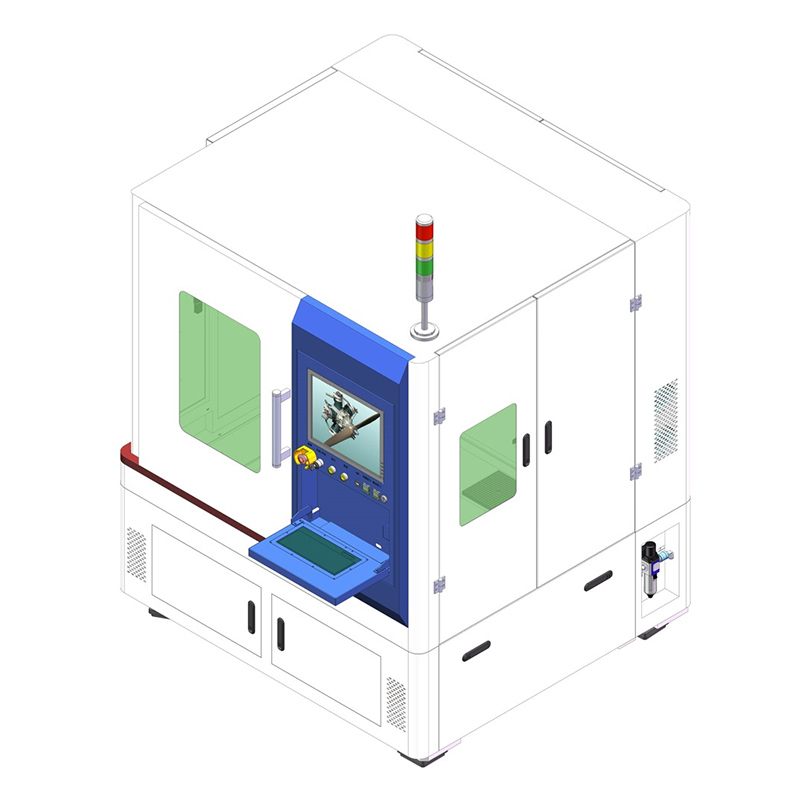
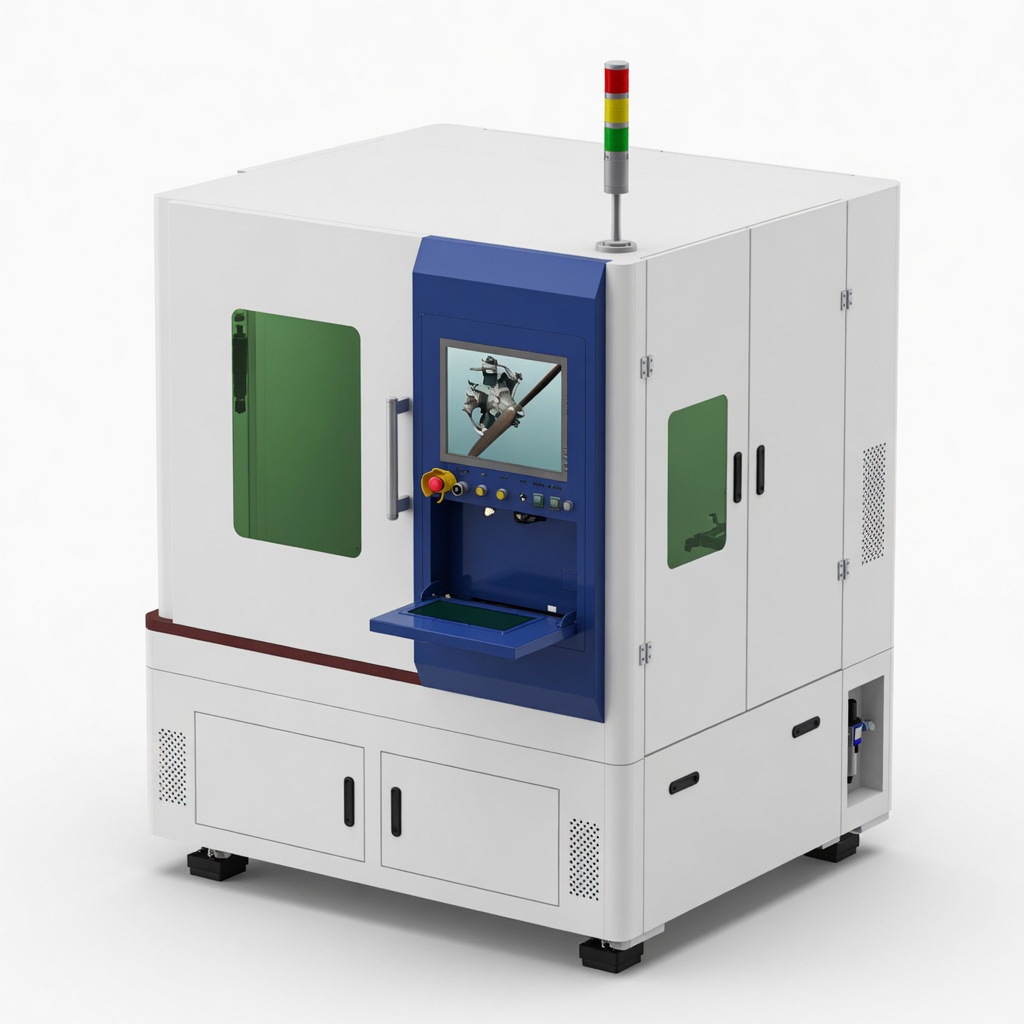
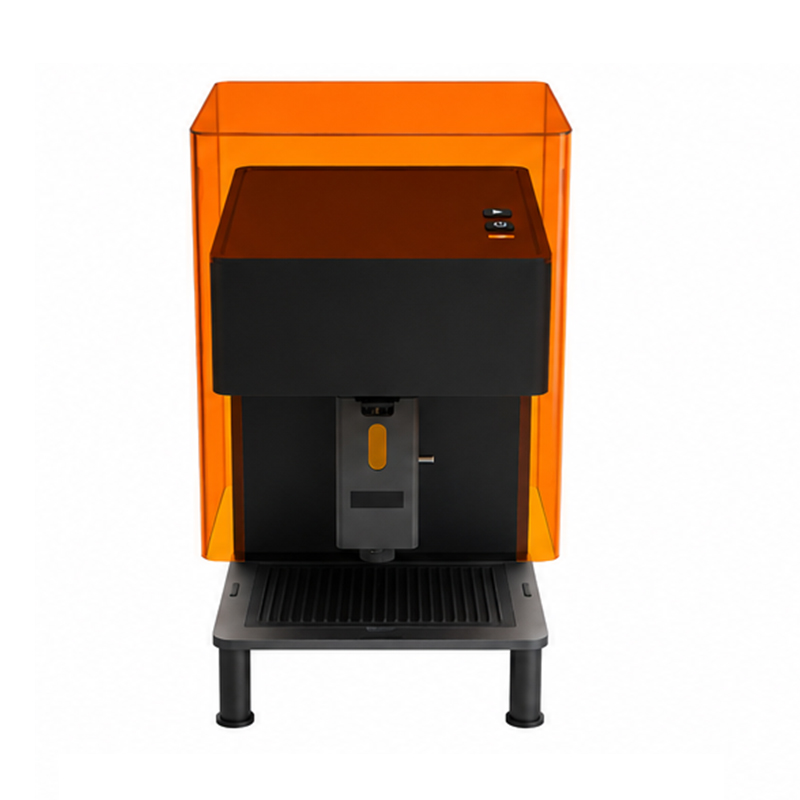
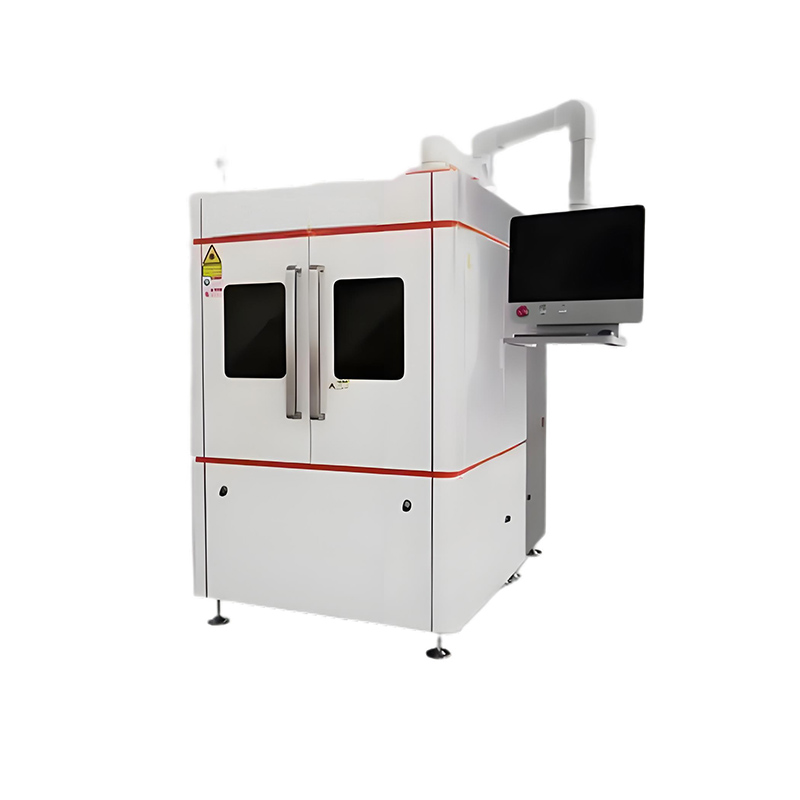
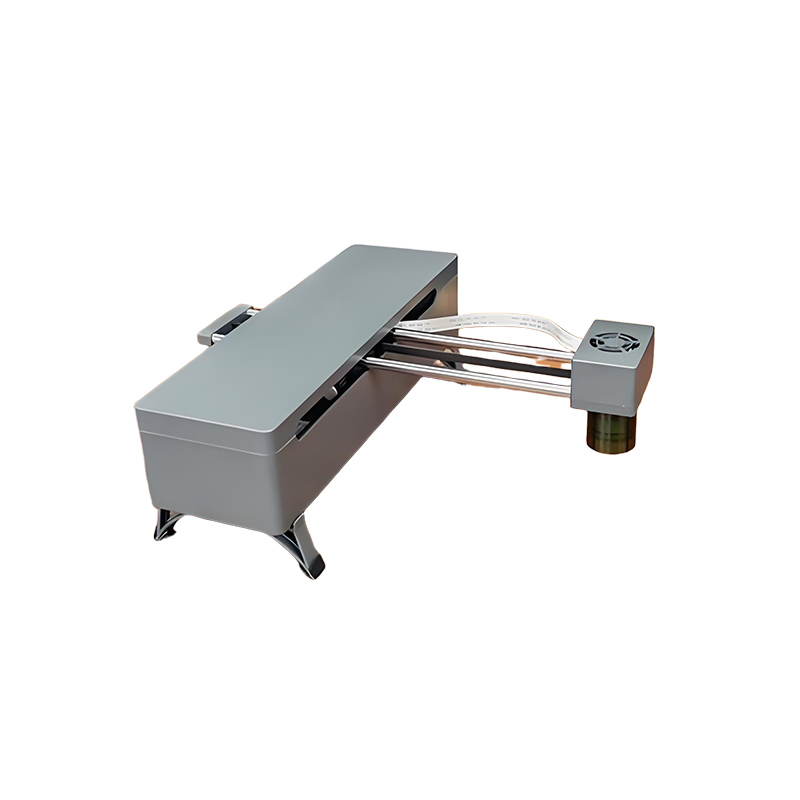
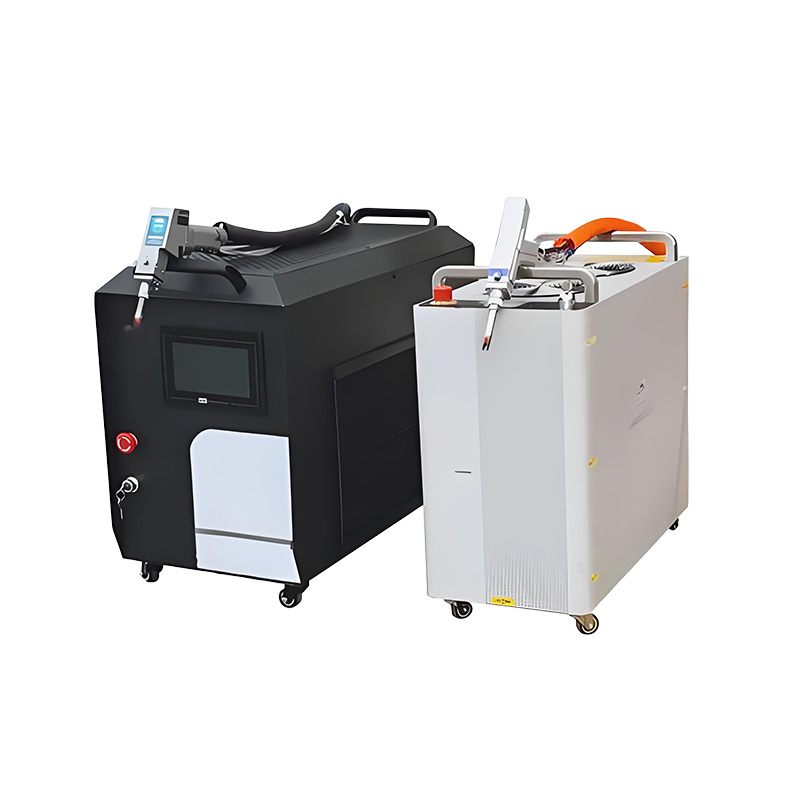
CO₂ laser marking, leveraging its 10.6μm wavelength, has cemented its role as a foundational technology in core manufacturing sectors far beyond hobbyist workshops. Its primary industrial strength lies in the permanent, high-contrast marking of non-metallic materials, a capability critical for product identification, traceability, and compliance. In the electronics and electrical industry, CO₂ lasers are indispensable for marking part numbers, serial codes, and safety certifications on plastic housings, cable insulation, and circuit boards. The automotive industry relies on them to engrave VINs, component IDs, and date codes on dashboards, rubber hoses, and plastic under-the-hood components, ensuring durability against heat, oil, and abrasion. For consumer packaged goods (CPG) and pharmaceuticals, CO₂ lasers provide the clean, high-speed solution for batch coding, expiration dating, and serialization directly onto cardboard, plastic bottles, and glass vials, meeting strict regulatory requirements for track-and-trace without the use of consumable inks that can smudge or fade. This shift to a non-contact, inkless marking process enhances production line hygiene, reduces waste, and guarantees legibility throughout the product's lifecycle, turning the laser into a silent, reliable workhorse on the factory floor.
Enabling Brand Value and Customization in High-Volume Production
The versatility of CO₂ laser marking extends into the realm of aesthetics, security, and mass customization, directly enhancing brand value. In the promotional products, giftware, and luxury goods sectors, it enables the high-quality, detailed personalization and branding of items like leather goods, acrylic awards, glassware, and wood products. Intricate logos, signatures, and decorative patterns can be etched with a consistency and finesse difficult to achieve with other methods. This capability supports on-demand manufacturing models, where small batches with unique designs can be produced without costly tooling changes. Furthermore, CO₂ lasers are pivotal in anti-counterfeiting and security. They can create microscopic text, guilloche patterns, or hidden marks on product packaging or the products themselves (e.g., on pharmaceutical blister packs or high-end spirit bottles), which are extremely difficult to replicate. This protects brand integrity and consumer safety. The process is also inherently environmentally friendly, as it produces no chemical waste from inks or solvents, aligning with the sustainability goals of modern corporations. By integrating with automated handling systems, CO₂ laser markers can process thousands of items per hour, making sophisticated marking and customization feasible even in the most demanding high-volume production environments.
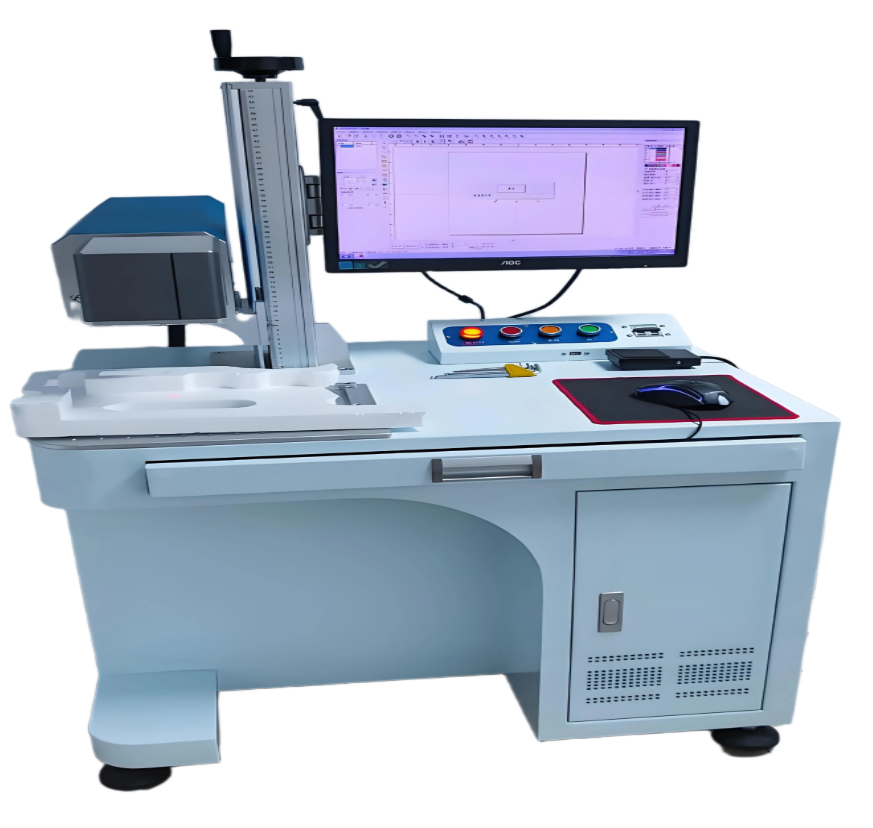
Integration and Evolution: The Smart, Connected CO₂ Laser in Industry 4.0
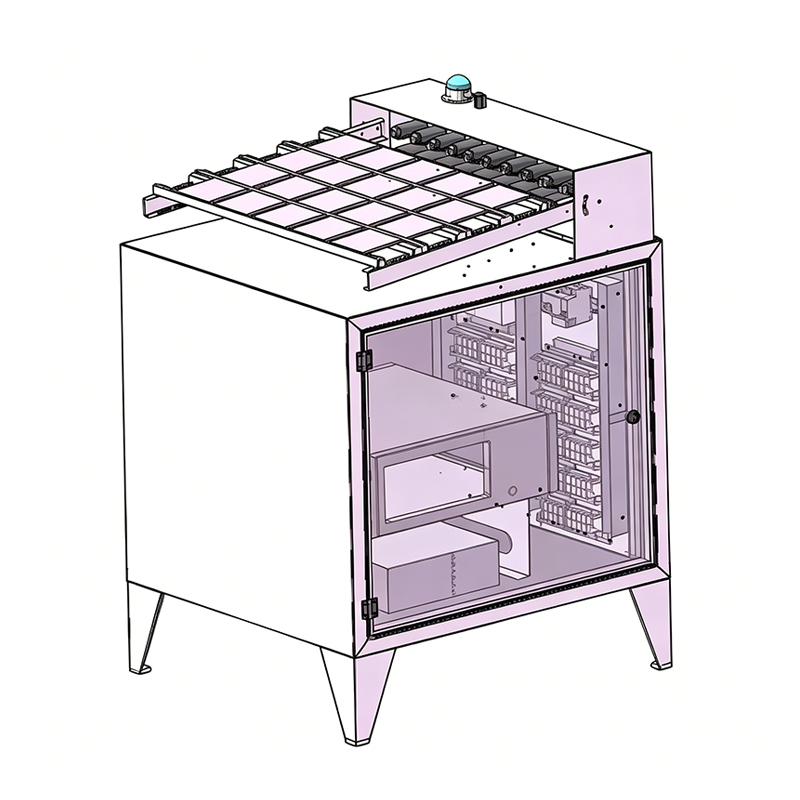
The modern industrial CO₂ laser marking system is no longer a standalone device but an intelligent node within a networked production ecosystem, a key tenet of Industry 4.0. Advanced systems feature seamless software integration with Manufacturing Execution Systems (MES) and Enterprise Resource Planning (ERP) software. This allows for dynamic job scheduling, where marking data (serial numbers, QR codes) is pulled directly from the central database in real-time, ensuring zero duplication and perfect synchronization with production orders. Machine vision systems are often integrated downstream to perform 100% automated optical inspection (AOI) of the mark's quality, readability, and positioning, creating a closed-loop quality control process. Remote monitoring and predictive maintenance capabilities are becoming standard, minimizing unplanned downtime. Moreover, the technology itself is evolving. While excelling on organics, hybrid laser systems that combine CO₂ with fiber or UV sources are emerging, allowing a single workstation to mark a vastly broader range of materials (e.g., marking both the plastic housing and the metal component of an assembly). This flexibility, combined with connectivity and intelligence, ensures that the CO₂ laser marker remains a future-proof, adaptable, and data-generating asset, driving efficiency, traceability, and innovation on the smart factory floor.
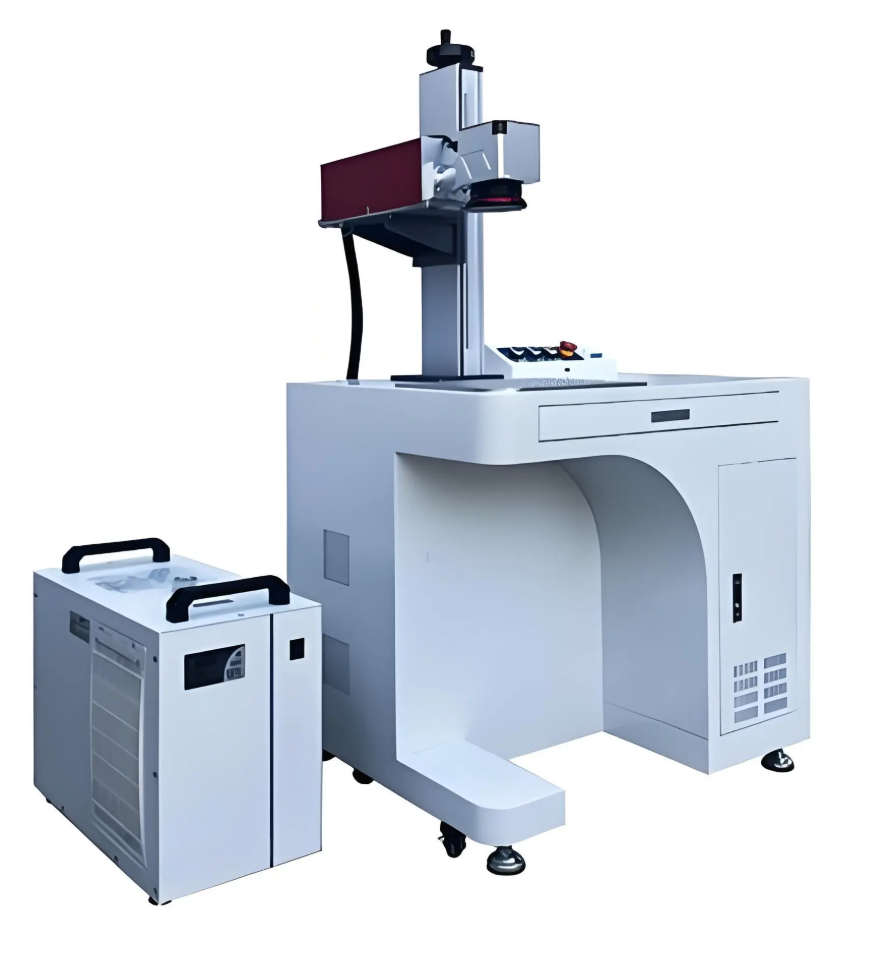
The journey of CO₂ laser marking from a specialized tool to an industrial mainstay is a testament to its unique combination of precision, permanence, and processing versatility for non-metals. Its applications span the critical spectrum of modern manufacturing—from ensuring safety and compliance through indelible part identification, to protecting brands and enabling mass customization, to serving as a data-integrated pillar of the smart factory. As manufacturing becomes more connected, customized, and sustainable, the role of the CO₂ laser evolves in tandem. It is no longer just a marker; it is a versatile, intelligent, and indispensable solution for adding value, identity, and information to products across countless industries, proving that sometimes, the most impactful tool is the one that works not on steel, but on the materials that define our everyday world.